
Dress Manufacturer for Influencer-Led Fashion Labels
From recognizable creator aesthetics to photo-ready samples, controlled dress production, branded packing and repeatable seasonal programs.
Jinfeng Apparel develops custom dresses for established influencer-led and creator-led fashion labels with defined product direction, professional sampling needs and bulk production plans. Pattern development, fabric sourcing, fit correction, photo-ready sampling, PP approval, quality control and private-label packing are coordinated within one manufacturing workflow, helping social-first brands protect visual identity while preparing reliable commercial production.
- Seasonal programs commonly span 10-30 coordinated styles rather than one isolated SKU.
- Mature brand orders can be organized across 20,000-80,000 garments with style, color and size allocation managed by production files.
- 2 sample rooms, 7+ senior pattern makers and 20+ sample machinists support parallel development.
- 100,000+ pcs monthly capacity supports launch programs, repeat orders and multi-batch delivery.
Built for Established Creator-Led Fashion Businesses
Influencer-Founded Labels
Creator-Led DTC Brands
Celebrity-Backed Collections
Social-First Occasionwear
Premium Ecommerce Labels
Creator Collaboration Programs
What Social-First Fashion Launches Demand
Recognizable Brand Codes
Photo-Ready Samples
Fixed Launch Windows
Rapid Demand Signals
Public Quality Exposure
Scalable Collection Logic
Dress Categories for High-Impact Fashion Collections
Product strength comes from category-specific control. Every silhouette below requires different pattern logic, material behavior, sewing methods, fitting priorities and inspection points. Jinfeng develops each category around visual impact, wearability and repeatable bulk execution.

Bodycon and Ruched

Satin and Slip

Corset and Structured

Mesh and Cut-Out

Lace Occasionwear

Sequin Partywear

Resort and Vacation

Mini to Maxi
Turning Creator Aesthetics Into Production-Ready Dresses
A recognizable mood board still needs technical translation. Jinfeng converts visual direction into controlled structure, material choices, fit targets and production documents so the final dress remains faithful to the brand while meeting manufacturing realities.
Brand Direction Becomes Product Logic
Visual identity review begins with more than color and trend references. The development team studies recurring silhouettes, preferred levels of coverage, body emphasis, styling environment, target retail position and the role of each dress in the collection. A founder known for sculpted party looks may need strong waist definition, controlled bust support and short proportions. A resort-focused creator may need movement, breathable fabrics, print balance and travel-friendly packing. Clear product logic prevents a collection from becoming a group of unrelated copies.
Collection-level decisions are recorded before deep sampling begins. Shared design codes may include neckline shape, hardware finish, signature ruching, tonal lining, strap width, hem proportion or a consistent color family. Each code is assessed against cost, fit and production risk. A visual idea that works on one base size may require structural adaptation for a broader size range. Jinfeng raises those issues early, before expensive sample rounds or campaign commitments.
- Input accepted: tech packs, line sheets, sketches, original garments, reference images and approved brand standards.
- Output prepared: style risk notes, fabric direction, construction route, pattern brief and sampling priorities.
- Collection check: shared visual codes remain consistent across 10-30 coordinated styles.
Visual Elements Become Measurable Construction
Every visible feature is translated into measurable construction. A low neckline becomes an exact depth, width, stabilization method and coverage requirement. A cut-out becomes a graded position with edge treatment and stress control. Ruching becomes a defined gathering ratio, elastic specification, seam route and symmetry checkpoint. A sculpted bust becomes cup dimensions, support material, internal seam allowance and fit tolerance. Measurable specifications reduce interpretation differences between sampling, production and QC.
Material behavior is assessed together with structure. A soft satin may drape beautifully but fail to hold a corset line. A firm mesh may support shape but create uncomfortable edges. A high-stretch jersey may fit the base sample while losing recovery after repeated wear. Jinfeng compares hand feel, weight, stretch direction, transparency, drape and finishing response before locking the pattern. Where the original idea creates avoidable risk, the team proposes alternatives that preserve the intended look rather than removing the design character.
- Key measurements: bust, waist, hip, torso length, neckline depth, strap length, dress length and opening positions.
- Key material checks: composition, weight, stretch, recovery, drape, transparency, surface sensitivity and shade consistency.
- Key production files: pattern version, BOM, size chart, sewing instruction and approved sample record.
Feasibility Is Confirmed Before Scale
Production feasibility considers fabric availability, supplier minimums, color development, trim lead times, sewing difficulty, handwork, packing and planned quantity. One dress may be feasible at 2,000 pieces in stock black fabric but require a different schedule when ordered in six custom colors. A special lace edge, custom metal trim or unique print can change both minimum quantities and timing. Clear feasibility work keeps creative decisions connected to the commercial plan.
Sampling provides the proof. Simple first samples may require about 7-10 days, ordinary dresses about 10-15 days, and corset, strapless, lace, mesh, sequin or evening styles about 15-25 days, depending on confirmed materials and structure. Revisions are recorded by version, measurement, construction and material impact. Bulk production only begins after PP standards, materials, labels, packing and production files are approved. No first sample is treated as an automatic production standard.
- Commercial review: quantity per style/color, size range, launch date, packing and target delivery route.
- Risk review: custom dyeing, custom weaving, special lace, sequins, hardware, print placement and manual decoration.
- Release gate: PP sample, BOM, measurements, trims, labels, packing and QC criteria confirmed.

Fit Engineering for Camera and Real-Life Wear
A dress can look strong in one pose and still fail during normal movement. Fit development balances image, comfort, coverage and graded size consistency so campaign content represents a garment consumers can confidently wear.
Bust, Neckline and Strap Stability
Bust fit is reviewed as a system involving cup volume, neckline shape, strap angle, underbust support, fabric stretch and closure position. A neckline that appears clean when standing may gape during movement or compress the bust when sitting. Strapless and corset styles need additional checks for grip, boning position, elastic tension and zipper security. Padded or underwired structures require size-sensitive placement rather than one rigid internal component across every graded size.
Photo and video review adds useful evidence, but physical fitting remains essential. The team checks front and side balance, neckline recovery, strap slippage, underarm exposure and pressure points. Any correction is applied to the pattern and measurement file, not only hand-adjusted on the sample. Bulk QC then measures critical points and compares construction against the approved PP or Golden sample.
- Critical control points: neckline depth, bust width, underbust position, strap length, cup placement and zipper function.
- Movement checks: arm lift, seated position, walking, turning and light dancing where appropriate.
- Bulk focus: left-right symmetry, neckline recovery, strap security and consistent internal support.
Waist, Hip and Torso Proportion
Influencer-led bodycon and structured dresses often depend on a precise relationship between bust, waist, hip and torso length. Moving the waistline by even a small amount can change the entire silhouette on camera. The pattern team reviews vertical balance, side-seam position, front-back distribution and ease. Stretch garments require controlled negative ease; woven garments need enough movement without losing the intended shape.
Grading cannot rely on equal increases at every point. Bust, waist, hip, armhole, rise and dress length may require different grade rules according to design and target fit. A common program may cover five to seven sizes, but each size range follows the brand size chart and approved tolerances. Size-set or graded sample review may be recommended for high-risk structures before large production quantities are released.
- Pattern control: base size approval, grade rule, notches, balance marks and version identification.
- Measurement control: brand size chart, point-of-measure definitions and approved tolerances.
- Fit outcome: clean side seams, stable waist placement, balanced hem and suitable movement allowance.
Length, Coverage and Movement Safety
Mini, cut-out and low-back dresses create special coverage risks. A safe standing length may become too short when sitting, walking upstairs or raising the arms. Slits can open beyond the intended point. Linings can ride upward inside stretch shells. Jinfeng checks garment behavior through movement rather than relying only on flat measurements. Coverage decisions are aligned with the brand image and intended occasion.
Midi and maxi dresses require different controls. Midi proportions can shorten the body when the hem falls at the wrong point, while maxi dresses can drag, twist or pull at the waist when front and back lengths are not balanced. Lightweight skirts may need volume distribution and seam stabilization. Final pressing and hanging time are also considered because bias-cut or fluid fabrics can grow after sewing.
- Wear tests: sitting, walking, stair movement, arm lift and rotational movement.
- Coverage checks: neckline, underarm, cut-out, slit, back opening, lining length and hem position.
- Size controls: graded opening positions and length rules reviewed before production release.
Fit Records for Repeatable Production
Approved fit must be preserved in documents. Jinfeng retains pattern versions, measurement charts, grade rules, sample comments and Golden sample references for repeat orders. A later order may use the same silhouette in a different color, fabric weight or surface finish, but material behavior can alter fit. Repeat development therefore compares the new material against the original fabric before reusing the pattern without adjustment.
Fit records also support collection extensions. A proven bodycon block can become a new neckline, sleeve or length while retaining known bust-waist-hip relationships. A stable corset base can support another skirt shape after cup and torso proportions are rechecked. Controlled blocks reduce repeated development time without turning every new style into a generic copy.
- Stored references: approved pattern, size chart, grade rules, sample comments and Golden sample.
- Repeat review: fabric stretch, recovery, weight and construction changes checked before reuse.
- Collection benefit: faster development of related styles with controlled fit continuity.
Fabric Choices That Shape Image and Performance
Fabric selection influences camera response, body contour, comfort, care, packing and bulk stability. The material route should be chosen with the dress structure and launch objective, not from a swatch image alone.
| Fabric Direction | Visual Result | Primary Risks | Control Before Bulk |
|---|---|---|---|
| Satin | Smooth drape, premium light reflection and strong evening appeal. | Snagging, directional shade, wrinkles, seam puckering and pressing marks. | Confirm face direction, shade band, seam tension, pressing method, lining and protected packing. |
| Stretch Mesh | Sheer layering, body-focused fit and high visual contrast. | Transparency variation, holes, edge deformation, weak recovery and seam waviness. | Check stretch in both directions, recovery, lining boundary, edge stabilization and damage inspection. |
| Lace | Detailed surface, feminine depth and occasionwear value. | Motif mismatch, fraying, inconsistent edge position, transparency and abrasion. | Approve motif scale, cutting orientation, scallop placement, lining coverage and seam treatment. |
| Jersey | Close fit, comfort and clean movement for bodycon shapes. | Poor recovery, torque, shrinkage, shine-through and inconsistent compression. | Test weight, stretch, recovery, shrinkage, opacity, relaxation and directional cutting. |
| Sequin | High-impact reflection for party, stage and campaign content. | Falling sequins, scratchy edges, broken needles, thick seams and shipping damage. | Inspect attachment, prepare seam lines, add comfort lining, protect zippers and pack against crushing. |
| Chiffon | Airy movement, soft layering and fluid resort or occasion appeal. | Transparency, seam puckering, snagging, hem distortion and static. | Approve layers, seam type, hem method, cutting stability, pressing and anti-snag packing. |
| Ponte / Structured Knit | Sculpted shape with controlled stretch and smooth surface. | Excess stiffness, seam bulk, poor recovery and visible pressing shine. | Confirm weight, recovery, seam allowance, needle route, pressing temperature and graded ease. |
| Printed Woven | Distinctive visual storytelling and strong collection identity. | Print mismatch, shade variation, off-grain cutting and placement drift. | Approve strike-off, color standard, placement map, nap direction, cutting marker and panel matching. |
Samples Built for Approval, Content and Production

First Sample

Fit Sample

Revised Sample

Photo-Ready Sample

PP Sample

Golden Sample
A Structured Review Process Before Bulk Production
Sample approval becomes reliable when comments are measurable, version-controlled and connected to production files. Jinfeng reviews silhouette, measurements, materials, construction and finishing before the next stage is released.
Review the Garment as a Complete Silhouette
The first review begins with balance rather than isolated measurements. Front, side and back views are checked for neckline position, shoulder line, bust shape, waist placement, hip balance, side-seam direction and hem level. The garment is then observed during walking, sitting and arm movement. A dress can meet a flat measurement while still twisting, riding up or opening in the wrong place, so movement evidence is included in the decision.
Visual comments are converted into specific actions. “Make the waist cleaner” may become a pattern suppression change, seam relocation or fabric support adjustment. “Improve the neckline” may require altered curve, stabilization, strap angle or cup position. Each action is assigned to pattern, sewing, material or finishing rather than left as a general note. Clear actions allow the revised sample to prove whether the issue was solved.
- Review views: front, side, back, seated and movement.
- Key areas: bust, waist, hip, shoulder, armhole, openings, slit and hem.
- Evidence: marked photos, measurement comments and approved action list.
Measure, Record and Control Every Revision
Measurement review uses defined points of measure, not informal tape placement. Each point is compared with the working size chart and approved tolerance. Revised values are entered into the current file version, while obsolete versions remain clearly separated. Pattern changes and grade implications are recorded together so a correction in the base size does not create an uncontrolled issue in larger or smaller sizes.
Material and construction revisions are also documented. A new lining, stronger elastic, altered boning, different zipper or changed seam method can influence fit, cost and production timing. The sample comment sheet notes the reason, action, owner, date and approval status. When a change affects BOM, sewing instruction, QC checklist or packing, every linked document is updated before PP release.
- Version control: style number, sample stage, date and approval status.
- Measurement control: point of measure, current result, target result and tolerance.
- Linked files: pattern, size chart, BOM, sewing instruction, QC and packing records.
Approve Materials and Finishing Under Real Conditions
A fabric swatch does not show the complete garment result. Approved material is reviewed after cutting, sewing, pressing and wearing because light, stretch, transparency and surface sensitivity can change in the final structure. Pale colors are checked under strong light. Satin is checked from more than one direction. Mesh and jersey are stretched over the body. Sequin and lace edges are checked against skin and lining.
Finishing affects brand perception. Uneven hems, pressing shine, puckered zippers, exposed lining, loose threads and crushed surface texture are reviewed before approval. Photo-ready samples receive additional appearance attention, but production standards remain measurable. Packing trials may be needed for satin, sequins, corset cups or long hems to prevent the approved appearance from being lost during transport.
- Material checks: shade, drape, stretch, recovery, opacity, hand feel and damage risk.
- Finishing checks: pressing, hem balance, zipper appearance, lining position and thread cleanliness.
- Packing checks: fold line, cup protection, surface protection and carton pressure.

Development Planned Around the Launch Calendar
Campaign timing should be built from approval gates rather than a single promised date. The sequence below gives creative, merchandising and production teams clear responsibilities before content, bulk manufacturing and freight commitments are locked.
| Stage | Primary Decision | Typical Output | Timing Note |
|---|---|---|---|
| Project Review | Confirm styles, quantity, size range, launch date and commercial fit. | Development brief and open-question list. | Fast review depends on complete references and target quantities. |
| Fabric Direction | Choose material route, color plan and trim direction. | Swatches, risk notes and supplier feasibility. | Custom colors, prints, lace or hardware add supplier lead time. |
| Pattern + First Sample | Test silhouette, structure and initial measurements. | First sample and measurement record. | About 7-10 days simple; 10-15 ordinary; 15-25 complex after material readiness. |
| Fit + Revision | Resolve proportion, movement, coverage and construction issues. | Updated pattern, size chart and revised sample. | Revision rounds depend on complexity and design changes. |
| Photo Sample | Prepare approved appearance for campaign use. | Photo-ready garment with finishing review. | Campaign use should not replace PP approval. |
| PP Approval | Lock fabric, trims, measurements, labels, packing and QC. | Approved PP sample and production file pack. | Bulk release starts only after open points are closed. |
| Bulk + QC | Execute cutting, sewing, finishing, measurement and packing controls. | Production reports, inspection records and packed goods. | A production schedule is issued after PP approval and material readiness. |
| Freight + Launch | Match delivery route with warehouse and launch priority. | Packing list, carton marks and shipment documents. | Air/sea split or staged delivery may protect critical launch dates. |
Private-Label Details That Complete the Brand Experience

Main Woven Label

Size Label

Care Label
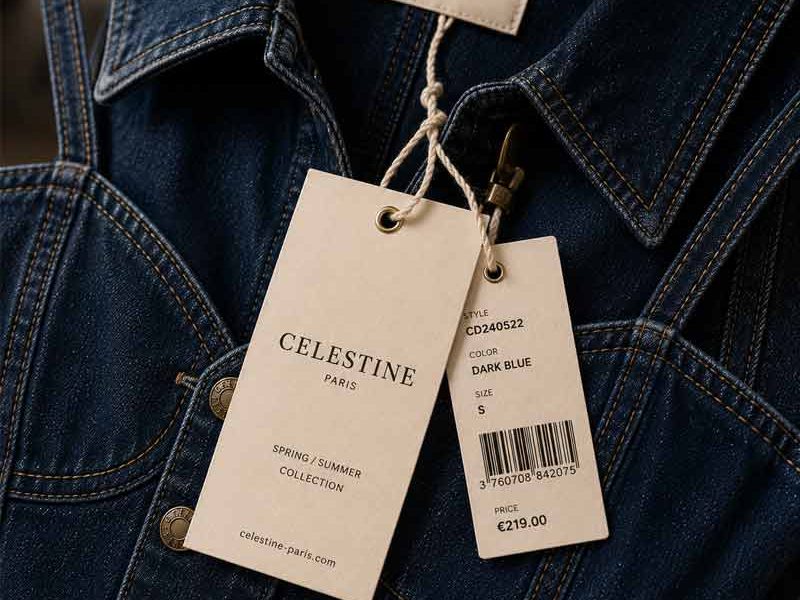
Hangtag System
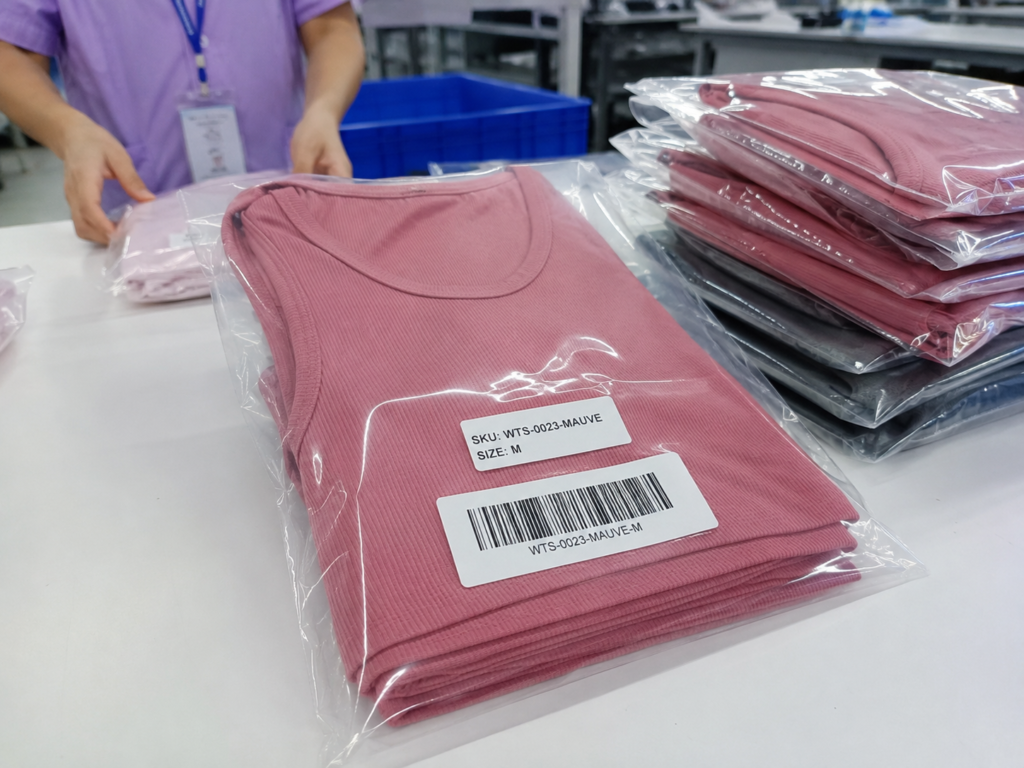
Barcode and SKU

Branded Polybag
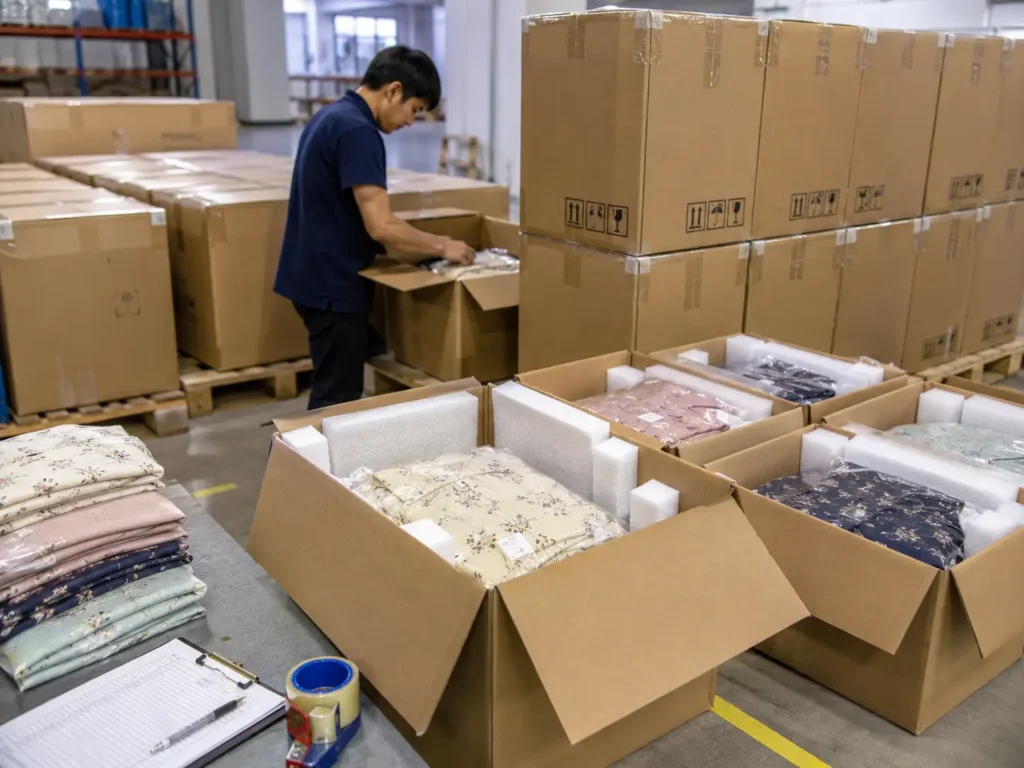
Campaign Inserts
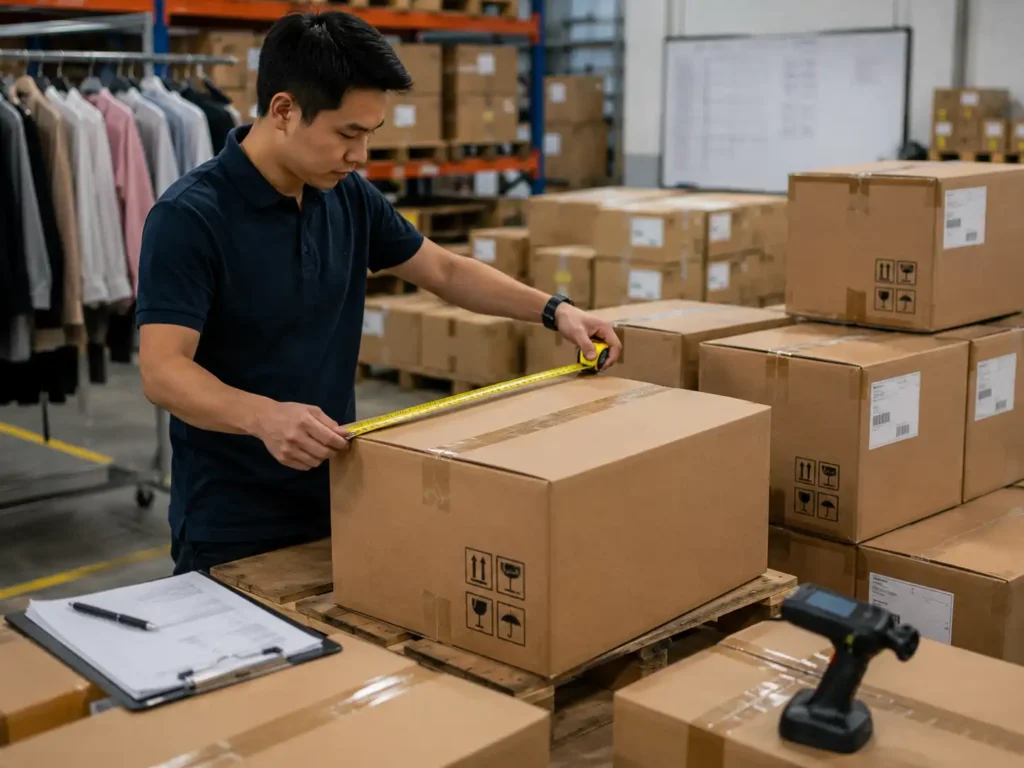
Carton and Marks
Construction Details Behind a Premium Dress Result
Visible quality is built through pattern accuracy, material handling, seam selection, internal support, pressing and finishing. Jinfeng defines construction according to each silhouette instead of applying one generic sewing route across different dress categories.
Seam and Edge Construction Follow Fabric Behavior
Seam selection begins with fabric weight, stretch, transparency and surface sensitivity. Fine chiffon needs controlled tension and narrow, clean finishing. Stretch mesh needs elasticity without waviness. Satin needs smooth feeding and pressing discipline to avoid puckering and shine. Lace may require motif-aware joins and delicate edge treatment. Structured knits need seam allowance control so bulk does not create visible ridges.
Necklines, armholes, cut-outs and slits receive edge methods suited to the design. Binding, facing, lining, elastic, clean-turn construction or narrow hems are selected according to support and appearance. A low neckline may need stabilization to hold shape; a stretch cut-out may need elastic control without creating indentation. Construction samples and seam trials may be used before the full garment is released.
- Seam controls: type, allowance, stitch density, tension, stretch and pressing response.
- Edge controls: neckline recovery, armhole smoothness, cut-out stability and slit strength.
- Bulk checks: puckering, skipped stitches, seam grin, waviness and exposed raw edges.
Internal Support Creates the External Silhouette
Corset, strapless and sculpted dresses depend on internal structure that may not be visible in product photographs.
Boning, cup shape, underwire, fusible support, elastic, grip tape, lining and closure must be positioned as one system. Too little support causes collapse; excessive stiffness causes discomfort and fit distortion. The base sample is tested for shape, movement, pressure and dressing ease before grade decisions are confirmed.
Support materials also affect production repeatability.
Boning lengths, cup sizes, elastic tension and zipper specifications are recorded in the BOM and construction file. Attachment points receive inspection because small alignment differences can change the outer silhouette. For larger size ranges, internal components may need size-specific rules rather than one shared dimension.
- Support elements: cups, boning, underwire, elastic, grip tape, fusible and lining.
- Fit checks: lift, stability, pressure, gaping, zipper closure and seated comfort.
- Production checks: component size, placement, symmetry, attachment and skin comfort.
Ruching, Pleats and Surface Detail Need Repeatable Control
Ruching and pleating create visual value only when distribution is intentional. Gathering ratio, start and end position, elastic length, seam route and symmetry are defined in the pattern and sewing instruction. Hand-adjusted sample gathers cannot serve as a production method for thousands of units. Templates, markings and in-line comparisons help keep left-right balance and consistent fullness.
Surface decoration adds another control layer. Sequins, crystals, appliques and lace trims require placement references, secure attachment and comfort checks. Decoration around armholes, underarms, side seams or seat areas may need reinforcement or protective lining. Packing must prevent crushing, scratching and transfer. Final inspection covers missing decoration, uneven placement, loose attachment and surface damage.
- Ruching controls: gathering ratio, elastic length, direction, symmetry and seam tension.
- Decoration controls: placement map, attachment strength, skin contact and replacement allowance.
- Packing controls: tissue, inserts, fold direction, garment separation and carton pressure.
Pressing and Finishing Protect the Final Impression
Pressing is part of construction quality, not a final cosmetic step.
Temperature, pressure, moisture and support surface must match the fabric. Satin can show shine or seam impressions; mesh can distort; sequins can melt or mark; structured cups can collapse under pressure. Finishing instructions define how each garment is shaped, cooled, hung, folded and protected.
Final appearance review covers hem level, seam smoothness, zipper line, lining position, thread cleanliness, label placement, odor, stains and surface marks.
Garments may be hung for relaxation before final measurement when fluid or bias materials are used. Packing trials confirm that the approved appearance survives folding and carton loading. A polished campaign promise depends on the dress arriving in a condition that can be worn, photographed or stocked with minimal correction.
- Appearance checks: hem, seam, zipper, lining, threads, stains and pressing marks.
- Material-sensitive handling: satin face protection, sequin separation and cup support.
- Release condition: measured, inspected, labeled, packed and identified by SKU.
Production Capacity Matched to Dress Complexity
Stretch Dress Programs
Woven Occasion Dresses
Structured Dress Programs
Multi-Style Brand Orders
Keeping Bulk Production Aligned With Approved Samples
Sample-to-bulk consistency depends on locked materials, controlled files, production preparation and measurable inspection. Jinfeng uses the PP sample and Golden sample together with written standards so visual approval can be reproduced at scale.
Lock Materials, Trims and Color Before Cutting
Bulk consistency begins before the cutting table. Fabric name, composition, weight, width, color, stretch, recovery, hand feel, drape, transparency and approved face direction are recorded. Trim specifications cover zipper, elastic, cup, boning, lace, decoration, label and packaging components. Shade bands or batch references may be used where color variation is possible. Any approved substitute receives separate confirmation rather than informal replacement.
Incoming materials are checked against approval before release. Satin surface damage, mesh holes, lace defects, sequin loss, print variation and color mismatch can create problems across a large quantity if found late. Material defects are identified before value is added through cutting and sewing. Where fabric relaxation or shrinkage influences measurement, handling requirements are included in production preparation.
- Fabric record: composition, weight, width, color, stretch, drape, transparency and face direction.
- Trim record: specification, supplier, color, size, placement and approved sample.
- Incoming check: shade, defects, damage, width, quantity and material behavior.
Release One Controlled Production File Pack
Every department should work from the same approved information. The production pack includes style number, pattern version, size chart, grade rules, BOM, construction details, sample comments, label artwork, packing instruction and QC checklist. Old versions are removed from active use. A pre-production meeting reviews risk points and confirms how each critical feature will be made and checked.
The PP sample and Golden sample provide physical reference, while written files provide measurable detail. A physical garment alone cannot explain every tolerance, component code or size rule. Written files alone cannot show drape, feel and final appearance. Used together, both references reduce interpretation gaps between cutting, sewing, finishing, inspection and repeat production.
- Core files: pattern, size chart, BOM, sewing instruction, label pack, packing and QC checklist.
- Release control: style number, version, approval date and responsible merchandiser.
- Pre-production review: material risks, fit points, construction route and inspection priorities.
Inspect Critical Points During Production
Waiting until final inspection allows errors to multiply. Cutting checks review direction, placement, size separation and key notches.
Sewing in-line checks review neckline, bust, waist, zipper, side seam, hem, lining and special decoration according to the style. Measurements are taken during production to identify drift before the entire order is completed.
Inspection priorities vary by category. Bodycon programs focus on stretch, recovery and measurements. Satin programs focus on surface marks, puckering, direction and shade. Corset programs focus on cup, boning, symmetry and closure.
Mesh and cut-out programs focus on edge stability, transparency and position. Category-specific checks produce stronger evidence than one generic checklist.
- Cutting: direction, size separation, placement and defect control.
- Sewing: measurements, symmetry, seam quality, closure and internal support.
- Finishing: pressing, appearance, labels, packing and SKU accuracy.
Approve Packed Goods, Not Only Unpacked Garments
inal quality includes the way the dress is folded, protected, labeled and allocated. A satin dress can pass sewing inspection and arrive with permanent fold marks. A corset cup can deform in an overfilled carton. Sequins can scratch adjacent garments. A wrong barcode or mixed carton can block warehouse receiving even when garment quality is acceptable.
Packing QC checks garment-to-label match, size, color, barcode, polybag, insert, carton quantity and shipping marks. AQL inspection or client-appointed inspection can be coordinated according to the agreed plan. Shipment release follows approved inspection and packing records. Repeat orders compare new production with preserved samples and records rather than relying on memory.
- Packing match: garment, labels, barcode, polybag, inserts and carton data.
- Protection: fold method, tissue, cup support, surface separation and carton loading.
- Release evidence: inspection result, packing list, carton marks and shipment record.
Quality Control Built Around Visible Dress Risks
Fabric Inspection
Cutting Control
Inline Sewing Check
Final Measurement
Appearance Review
Packing and AQL
From Viral Demand to Controlled Replenishment
Pattern Records
Size and Grade Rules
Fabric References
BOM and Trims
QC History
Collection Extension
Shipment Planning for Launches and Replenishment
Priority Batch
Air and Sea Split
Multi-Batch Delivery
Protecting Unreleased Designs and Brand Information
Protected Development Files
- Protected: tech packs, patterns, samples, fabrics, trims and unpublished designs.
- Controlled: file access, sample handling, production use and external disclosure.
- Optional: NDA signing before detailed review, sampling or production cooperation.
Protected Commercial Information
- Protected: quantity, price, launch, packaging, barcode and logistics information.
- Not published: client identity, unreleased sample photos or order details without approval.
- Long-term cooperation: pattern, material and packing records remain linked to the client program.
An Influencer-Led Dress Program From Brief to Delivery
The anonymized program below reflects a realistic mature-brand order structure: multiple coordinated styles, significant total volume, campaign samples, private-label packing and staged delivery. Brand identity and unpublished designs remain protected.

Program Scope and Commercial Targets
A US social-first womenswear label planned an 18-style party and occasionwear collection totaling 42,600 garments. The range included bodycon, ruched jersey, satin slip, corset mini, mesh panel and sequin party dresses. Six color families and six sizes from XS to XXL created more than 300 style-color-size combinations. The launch plan required photo-ready samples for campaign production before bulk PP approval, followed by three shipment batches tied to ecommerce release priorities.
The initial brief contained line sheets, reference images, a working size chart, target retail positions, color direction and packaging artwork.
Several styles lacked complete construction details, so development began with risk review. High-risk points included satin shade variation, mesh transparency, corset cup balance, ruched symmetry, sequin comfort and consistent short-dress coverage across the graded size range.
- 18 coordinated styles and 42,600 total garments.
- 6 color families, 6 sizes and 300+ SKU combinations.
- Photo-ready samples, PP approval and three planned shipment batches.

Development, Fit and Material Decisions
The team grouped styles by construction route. Stretch bodycon and ruched styles shared fit blocks where fabric behavior allowed. Satin and woven occasion styles followed separate pattern and pressing standards. Corset styles received individual cup, boning and neckline review. Mesh and sequin styles used material-specific lining and comfort checks. The grouping reduced duplicated work while preserving the visual differences required across the collection.
Sampling followed three priority levels. Campaign hero styles moved first through fit and photo-ready review. Commercial core styles followed after fabric and color confirmation. Supporting styles were developed in parallel once shared size and brand details were stable. Simple and ordinary styles generally fit within 7-15 day first-sample windows, while corset, mesh and sequin styles required 15-25 days depending on material readiness and revision complexity. Revision comments were converted into pattern, measurement, BOM and construction updates before PP release.
- Shared blocks used only where fabric, fit and construction remained compatible.
- Hero styles prioritized for campaign photography without bypassing PP standards.
- Complex styles received additional fitting, comfort and construction review.

Bulk Control Across Multiple Style Groups
Production files were separated by style but linked to one master program tracker. Fabric, color, trim, label, size and packing approvals were recorded before cutting. In-line inspection priorities differed by group: stretch recovery and measurement for bodycon; surface and direction for satin; cup, boning and symmetry for corset; transparency and edge stability for mesh; attachment and comfort for sequins.
One generic inspection checklist would not have controlled the range effectively.
Packing data was prepared at SKU level. Main labels, care labels, hangtags, barcodes, polybags and carton marks were matched to style, color and size. Satin and sequin garments used additional surface protection, while corset cups received shape support. Three shipment batches were allocated around campaign styles, commercial core colors and the remaining assortment. Separate packing lists and carton records supported warehouse intake.
- Category-specific inline and final QC priorities.
- SKU-level label, barcode, polybag and carton allocation.
- Protected packing for satin, sequins and structured cups.

Repeat-Order Readiness After Launch
Before shipment, approved patterns, size charts, grade rules, fabric references, BOM files, sewing instructions, QC findings and packing data were archived by style. The records created a reliable starting point for repeat production rather than requiring the label to resend every detail. Material availability and current color conditions would still need confirmation before any replenishment release.
The program structure also supported collection extension. Proven bodycon fits could be developed into new necklines or lengths, while the corset base could support alternate skirt shapes after fit review. The record system reduced future development uncertainty without assuming that every new fabric would behave like the original. The value came from controlled continuity, not blind duplication.
- Archived: pattern, measurements, BOM, construction, QC and packing records.
- Repeat review: material availability, shade, trim supply and current production schedule.
- Extension route: new colors, lengths and related silhouettes from proven foundations.
Is Jinfeng the Right Manufacturing Fit?
Strong Project Fit
- Clear dress direction and target market.
- Professional sample approval and bulk plan.
- Private-label, SKU, packing and delivery requirements.
- Long-term collection, replenishment or repeat-order potential.
Outside the Production Model
- No ready-stock wholesale or dropshipping fulfillment.
- No one-off personal garment production.
- No unsupported rush commitment before material and PP review.
- No substitution of approved fabric, trims or packing without confirmation.
Frequently Asked Questions

Build Your Next High-Impact Dress Collection
Send a clear project brief for a focused review of style structure, fabric direction, sampling, MOQ, production feasibility and launch timing. Kelly will organize the information for the development and production teams, identify missing details and explain the most appropriate next step. A useful brief should include reference images or tech packs, target quantity per style/color, preferred fabrics, color plan, size range, label and packing requirements, target delivery date and intended sales market. Files may include PDF tech packs, line sheets, sketches, sample photographs, size charts, label artwork or packing specifications. When requirements are complete enough for evaluation, Jinfeng can prepare a sampling route, quotation framework and project schedule. Complex structures, custom fabrics, special trims and urgent delivery plans receive separate feasibility review before commitment.
- Reference images, line sheet, original sample or tech pack.
- Target quantity per style/color and total collection volume.
- Fabric preference, color plan and size range.
- Main label, care label, hangtag, barcode and packing requirements.
- Campaign, warehouse or delivery deadline.
- Name, company, email and WhatsApp contact details.


