
Dress Manufacturer for Fashion QA Managers
Controlled dress development, documented approvals, and bulk quality management for global fashion brands.
- 15+ QC inspectors support incoming material, cutting, sewing, final garment, and packing checks.
- 7+ senior pattern makers, 2 sample rooms, and 20+ sample machinists support fit correction before bulk production.
- 6 owned women’s fashion factories and 18+ sewing lines support multi-style dress programs and phased production.
- PP samples, Golden samples, size charts, BOM files, QC checklists, and packing instructions establish one approved standard.
Jinfeng Apparel develops and manufactures premium custom dresses for brand quality teams that need fit control, fabric-specific risk management, sample approval discipline, transparent production checkpoints, and retail-ready delivery. Send a tech pack, quality manual, approved sample reference, or inspection standard for an initial project review.
Quality Capability at a Glance
Since 2008
6 Owned Factories
2 Sample Rooms
7+ Pattern Makers
15+ QC Inspectors
12+ Merchandisers
Built for Fashion Quality Teams
Brand QA Managers
Product Integrity Teams
Technical and Vendor QA
Where Dress Quality Programs Break Down

Sample-to-Bulk Drift

Fit Variation

Material Defects

Packing Errors
How QA Managers Qualify Dress Manufacturers
A supplier review becomes more reliable when evidence is requested for each quality area. The following structure can be used during RFI, sample review, factory assessment, or vendor onboarding.
| Qualification Area | What the QA Team Should Verify | Jinfeng Apparel Evidence |
|---|---|---|
| Dress specialization | Relevant products, fabrics, fit risks, and construction experience | Mini, midi, maxi, bodycon, corset, satin, mesh, lace, sequin, party, occasion, and resort dresses |
| Pattern and fit | Pattern ownership, critical measurements, grading, and revision control | 7+ senior pattern makers, size charts, grade rules, sample revisions, PP pattern, and bulk pattern records |
| Material control | Fabric lot, shade, width, stretch, shrinkage risk, trim specification, and approval | Fabric and trim records, swatch approval, bulk material checks, BOM, and substitution review |
| Sample approval | Which sample authorizes production and how changes are recorded | First, fit, revised, photo-ready, PP, and Golden sample management |
| Process control | Cutting, sewing, measurement, appearance, and packing checkpoints | Incoming checks, cutting inspection, inline inspection, final garment review, and packing verification |
| Defect management | Critical, major, and minor definitions; containment and corrective action | Brand-defined classification, affected-unit isolation, cause review, correction, and re-inspection |
| Testing and audit | Laboratory scope, third-party inspection access, factory documents, and certificate range | Project-based testing and third-party coordination with documents confirmed by factory, material, batch, and validity |
| Retail delivery | Label, barcode, SKU, polybag, carton, ratio, and shipment document accuracy | Private-label packing instructions, carton checks, packing lists, and pre-shipment verification |
Our Dress Quality Control Framework
Pre-Production Review
Material Verification
Cutting Control
Inline Sewing Checks
Final Garment Review
Packing Verification
Quality Planning Before Sampling
Good QA begins before the first pattern is cut. Development files must translate brand expectations into measurable, producible, and inspectable requirements.
Convert Standards Into Production Files
Jinfeng Apparel starts with the available tech pack, reference garment, sketch, line sheet, measurement chart, quality manual, or approved construction example. The review does not simply ask whether the dress can be sewn. The team identifies which requirements must become controlled files: pattern version, measurement method, tolerance, fabric specification, lining, trim specification, seam and stitch requirement, label position, packing method, and testing scope.
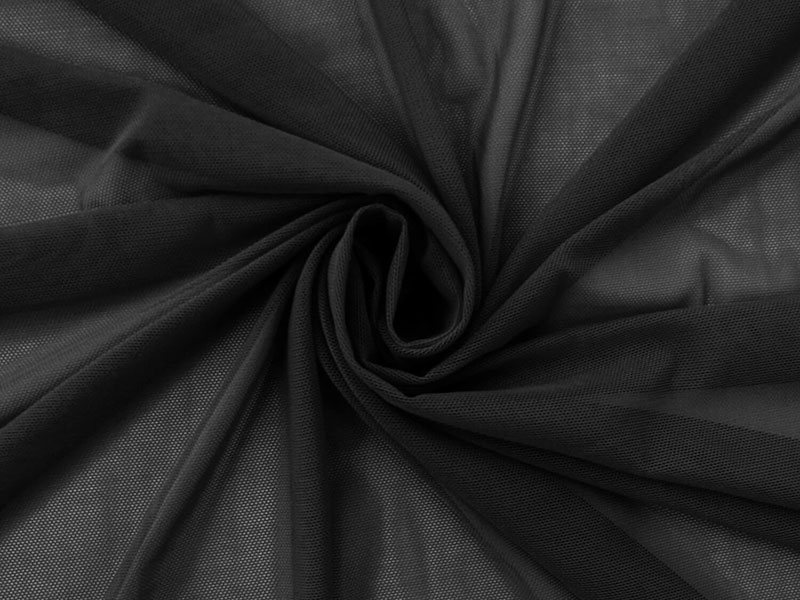
For a satin slip dress, the file set may need fabric face direction, bias or straight-grain cutting, strap length, neckline depth, side-seam behavior, zipper or pull-on construction, lining coverage, pressing limitation, and fold protection. For a corset dress, cup shape, boning position, under-bust level, waist reduction, support layer, zipper stress, and anti-slip structure need separate attention. A mesh dress needs stretch direction, recovery, transparency, lining boundaries, seam reinforcement, and edge finishing.
When a requirement is unclear, the team records the open decision instead of allowing different departments to interpret it differently. The result is a working standard that pattern makers, sample machinists, merchandisers, production teams, QC inspectors, and packing staff can follow.
Define Approval Gates
Every sample has a purpose, and only the correct approval stage should release bulk production. Jinfeng Apparel separates development review from production authorization. First and fit samples establish silhouette and measurement direction. Revised samples close fit, material, trim, and construction comments. Photo-ready samples may prioritize visual presentation for campaign work, but visual approval alone does not automatically authorize bulk production.
The PP sample is used to lock the production-ready combination of fabric, color, trims, measurement, construction, labels, and packing details. A Golden sample provides the physical reference for production, final inspection, and future repeat orders. When a brand requests a change after PP approval, the effect on pattern, measurement, BOM, material purchase, sewing instruction, cost, and production calendar is reviewed before release.
Clear gates protect both sides. QA managers know which version is authoritative, while factory teams avoid working from email fragments, outdated comments, or mixed sample references.
Build a Quality Calendar
Multi-style collections need a quality calendar rather than one undifferentiated deadline. Programs of 10 to 30 styles are grouped by launch priority, fabric readiness, pattern complexity, trim development, photo-sample need, and planned bulk sequence. Hero styles can move first while special fabrics, molded cups, engineered lace, custom hardware, or complex embellishment follow a separate approval path.
A working calendar identifies material confirmation, pattern completion, first-sample review, revision response, PP approval, bulk material arrival, cutting release, early-line inspection, mid-production review, final inspection, packing verification, and shipment release. Numeric lead times are confirmed only after style complexity and material readiness are known; a simple jersey dress and a structured sequin corset dress cannot share one fixed sample promise.
QA, merchandising, and production responsibilities are assigned at each gate. Delayed comments, changed measurements, unapproved materials, or late packing instructions are visible as schedule risks rather than hidden until delivery becomes urgent.

Dress Fit and Measurement Control
Dress quality is judged on the body, not only on a hanger. Pattern balance, fabric behavior, size grading, and measurement method must work together.
Control Critical Measurement Points
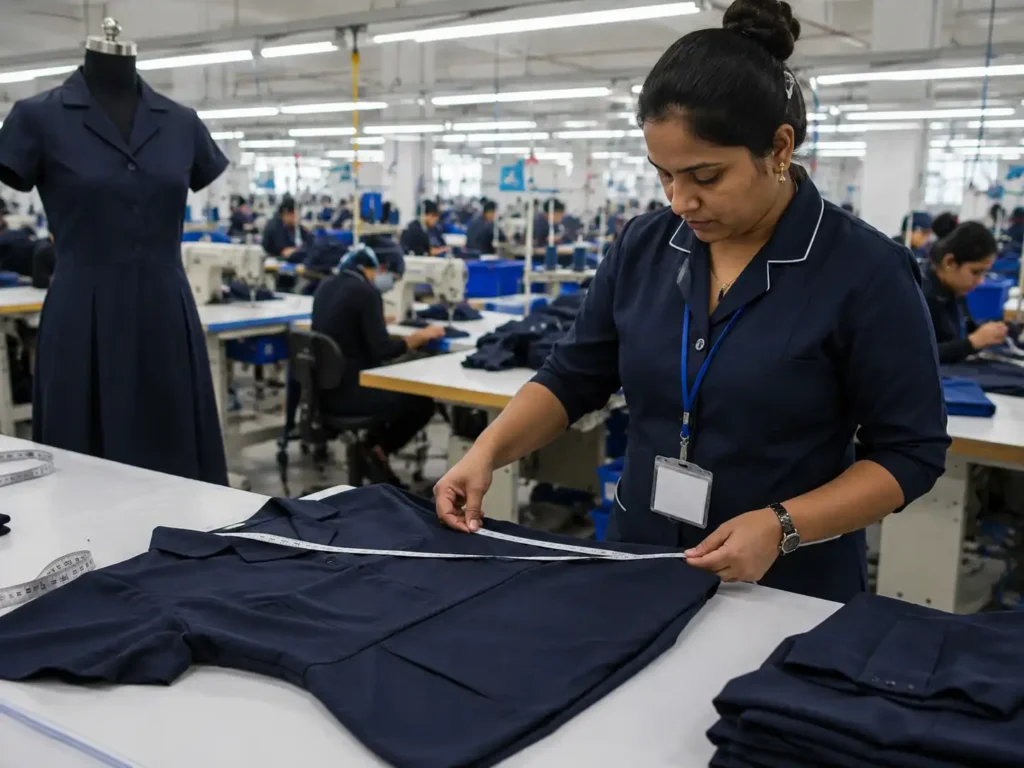
Jinfeng Apparel’s pattern and sample teams control measurements that directly affect coverage, comfort, proportion, and appearance. Core points include bust, upper bust, under-bust, waist, high or low waistline, hip, front length, back length, total dress length, shoulder width, strap length, armhole, neckline depth, slit height, hem sweep, lining length, and jumpsuit rise.
Measurement diagrams are agreed before bulk inspection so every person measures from the same landmarks and under the same garment condition. Stretch garments need a defined relaxed state; lined garments need outer and lining measurements distinguished; adjustable straps require a stated adjustment position; asymmetrical or draped designs need reference points that can be repeated.
A tolerance is not selected only because it is common in the industry. The acceptable range depends on garment function, fabric recovery, construction, size, and visual sensitivity. A small neckline or strap variation may create a larger wearing risk than the same numeric variation at a loose hem. Critical points therefore receive tighter attention than low-risk dimensions.
Apply Category-Specific Fit Logic
Bodycon dresses require controlled negative ease, stretch recovery, side-seam balance, waist placement, hip shaping, and hem behavior. Making the garment simply tighter can cause seam twisting, transparent stress zones, riding up, or inconsistent size feel. Strapless and corset dresses need upper-edge stability, cup and under-bust alignment, boning position, zipper strength, waist shaping, and support without sharp pressure.
Slip and satin dresses depend on neckline height, strap angle, armhole coverage, bias behavior, bust shaping, and smooth side seams. Maxi dresses need hanging balance, floor clearance, front-to-back length control, and an even hem after the garment relaxes. Jumpsuits add torso length, crotch depth, waist placement, and movement clearance to the normal dress measurement system.
Fit comments are converted into pattern changes rather than left as subjective notes such as “make it better” or “more flattering.” The revised pattern, sample measurement, and approval record show exactly what changed and why.
Verify Grading and Bulk Sizes
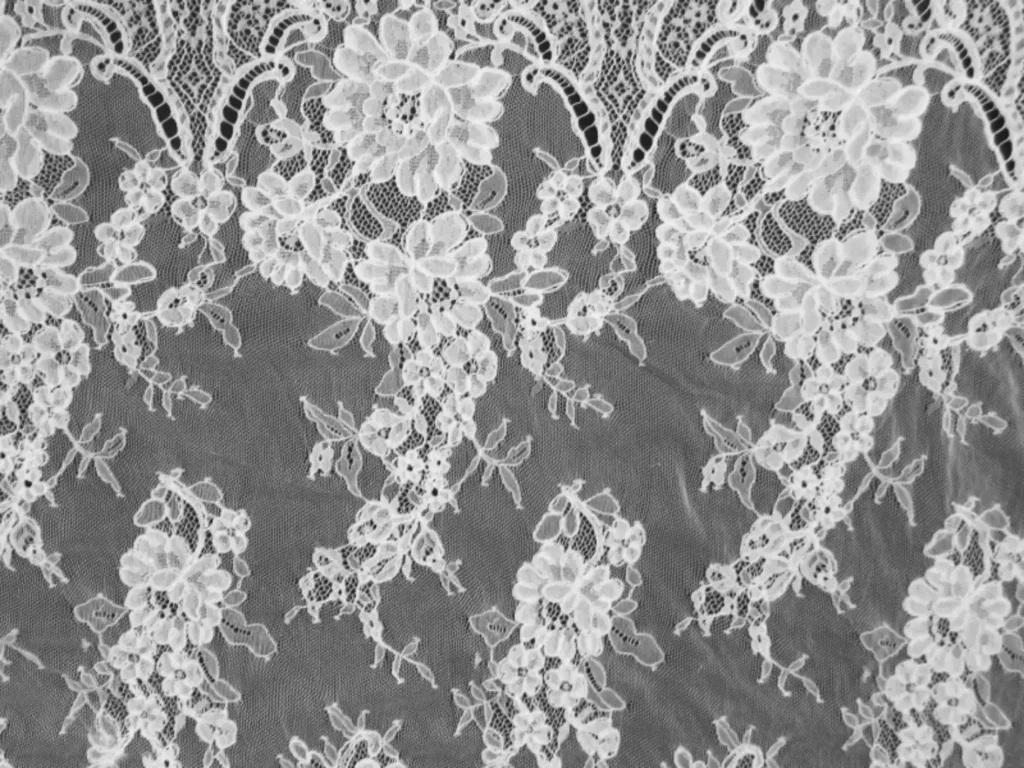
A base-size sample does not prove that every graded size will fit correctly. Jinfeng Apparel reviews the grade rule for key widths, lengths, neckline exposure, strap length, armhole, cup or support components, slit height, and overall proportion. Styles using molded cups, boning, placement lace, engineered prints, or fixed embellishment may need special grade decisions because components do not scale in the same way as fabric measurements.
For an XS-XL program, the size ratio may be planned around sales history, for example 1:2:3:2:1, but the final breakdown comes from the brand. Excessive fragmentation across colors and sizes affects cutting, bundle control, measurement workload, labels, packing ratios, and inventory efficiency. Size labels and carton ratios are linked to the same approved breakdown.
Bulk measurement checks focus on critical points at line start, during production, and before packing. Out-of-tolerance findings are traced to pattern, cutting, seam allowance, fabric relaxation, operator method, pressing, or measurement technique before correction is verified.

Fabric and Trim Risk Control

Satin Control
Mesh Control
Lace Control

Sequin Control

Support Trims

Branding Trims
Sample Approval and Version Control

First Sample

Fit Sample

Revised Sample

Photo-Ready Sample

Salesman Sample

PP Sample

Golden Sample

Revision Record
Transferring Approved Samples Into Bulk
An approved sample becomes repeatable only when its physical details are translated into controlled materials, files, line instructions, and inspection references.
Lock Materials and Construction
After PP approval, the team confirms the bulk fabric and lining reference, color approval, trim specifications, thread color, zipper type, support components, label artwork, hangtag, barcode, polybag, and carton requirements. Any bulk material difference from the approved sample is raised before use. Substitution is reviewed for composition, weight, width, stretch, hand feel, drape, transparency, shade, cost, and pattern effect.
Construction details are recorded in a production instruction covering seam type, seam allowance, stitch density, reinforcement, neckline and armhole finish, zipper placement, ruching, pleating, boning, cup position, slit, lining method, hem, embellishment, pressing, and folding. Photos or marked diagrams are used where words alone could be interpreted differently.
The goal is not to create excessive paperwork. The goal is to keep pattern, material, sewing, QC, and packing teams working from one synchronized standard.
Release Pattern and Cutting
The approved pattern version and grade rule are released only after sample comments are closed. Fabric relaxation, usable width, direction, shade grouping, motif repeat, bias behavior, lining shrinkage, and cutting loss are considered before the marker is finalized. Long hems, placement lace, engineered prints, sequins, stripes, and one-way nap require added planning.
Cut panels are identified by style, color, size, fabric lot, and bundle. Inspection checks direction, symmetry, notches, drill marks, panel count, surface defects, and key dimensions. A cutting issue can create repeated sewing and measurement defects, so early correction protects both quality and production efficiency.
When a pattern or measurement change is introduced after cutting, affected bundles and sizes are identified immediately. Uncontrolled “small adjustments” on the line are avoided because they make final consistency difficult to verify.
Brief Production and QC Teams
Before line start, merchandising, production, and QC teams review the approved sample, construction file, critical measurements, defect risks, and packing requirements. The first completed pieces are compared with the Golden sample and measured at the agreed points. Line release follows only after significant deviations are corrected.
Inline inspectors monitor high-risk operations while correction is still possible: bust shaping, corset structure, shoulder straps, necklines, armholes, zippers, waist seams, side seams, ruching, lace or sequin placement, lining, slits, and hems. Findings are communicated with clear location, defect type, affected quantity, and required action.
A final sample-to-bulk comparison checks fabric appearance, silhouette, measurement, construction, trims, labels, pressing, and packing. Production quantity alone does not release shipment; the agreed QA gate and document set must also be complete.
Quality Checks During Bulk Production

Incoming Fabric

Cutting Inspection

Line Start Check
Inline Inspection

Final Garment Check

Packing Inspection
Measurement, AQL and Defect Standards
Measurement points and defect rules are confirmed by project. Jinfeng Apparel can follow brand-defined tolerances, classifications, and sampling plans rather than forcing one standard onto every dress program.
| Control Item | Reference | Inspection Stage | Typical Response When Out |
| Bust / under-bust | Approved size chart and measurement diagram | Sample, line start, inline, final | Verify pattern, cup or support position, seam allowance, and measurement method |
| Waist / waistline | Approved size chart and Golden sample | Sample, cutting, inline, final | Check pattern, seam take-up, elastic or boning, and waist seam position |
| Hip | Approved measurement and fabric stretch condition | Sample, inline, final | Review ease, recovery, side seam, lining, and pressing |
| Strap / neckline | Approved sample and diagram | Sample, line start, final | Correct length, angle, attachment, adjustment position, or neckline seam |
| Dress length / hem | Approved measurement and hanging condition | Cutting, finishing, final | Check relaxation, front-back balance, hem method, and pressing |
| Slit height | Approved size chart and sample | Inline and final | Stop affected operation, re-measure, correct, and re-inspect |
| Critical defect | Brand quality manual | All stages | Contain immediately; do not release affected product |
| Major defect | Brand defect list and AQL plan | Inline and final | Segregate, correct where possible, verify root cause, and re-inspect |
| Minor defect | Brand appearance standard | Inline and final | Correct according to agreed acceptance and workmanship level |
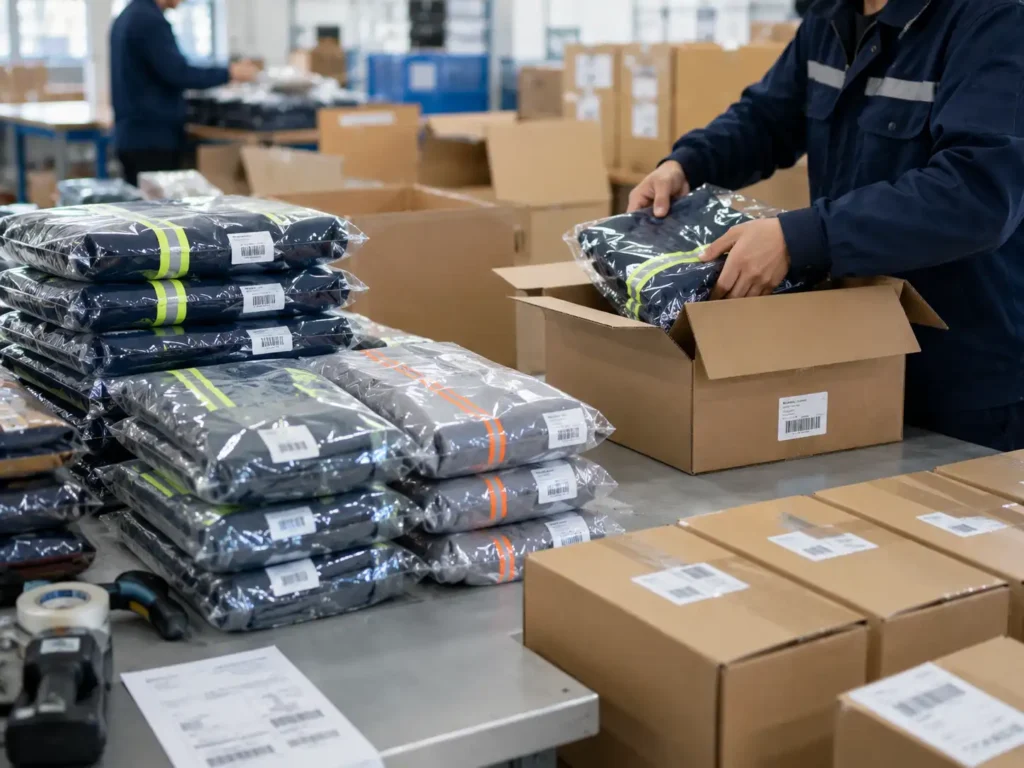
| Packing accuracy | Packing guide, order breakdown, and shipment documents | Packing and pre-shipment | Hold affected cartons, reconcile labels and quantities, and verify again |
Nonconformance Response and Corrective Action
Contain the Issue
Identify the Cause
Correct and Verify
Quality Evidence Your Team Can Review

Fabric Inspection Record

Measurement Diagram

Inline Check Record

Final Inspection Sheet
Packing Verification

Pre-Shipment Photos
Third-Party Inspection, Testing and Audit Support
Third-Party Inspection
Fabric and Garment Testing
Factory and Document Review
Retail-Ready Label and Packing Control
Care Label
Size Label
Hangtag Control
Barcode and SKU
Polybag and Folding
Carton and Ratio
Quality Risks by Dress Category
Different silhouettes and materials fail in different ways. Product-specific inspection points keep the quality plan relevant to the garment being made.

Satin Dresses
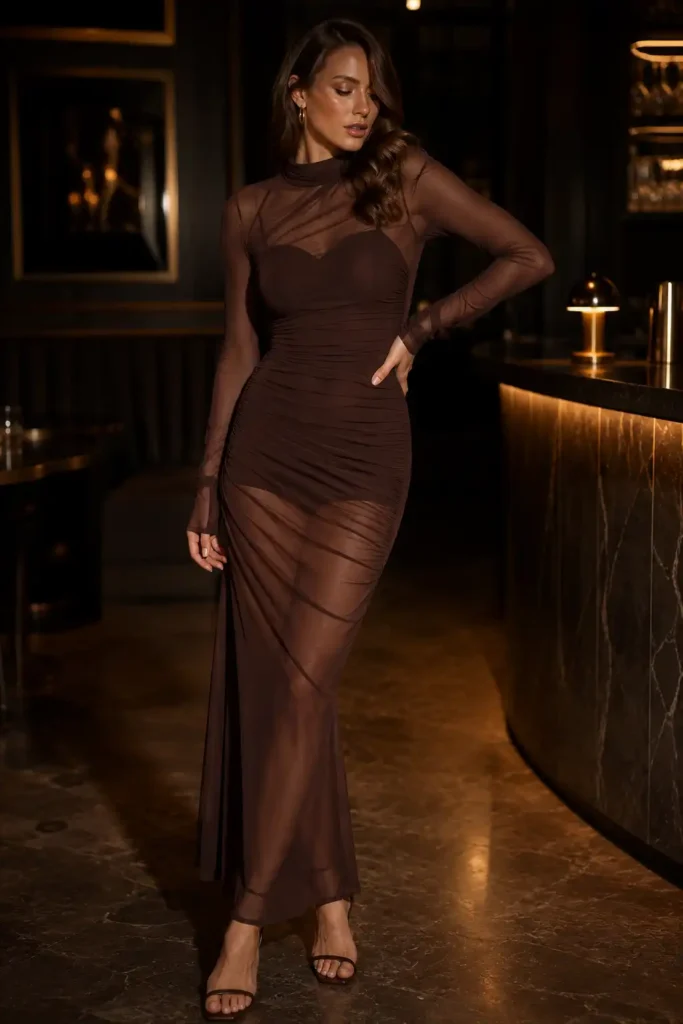
Mesh Dresses
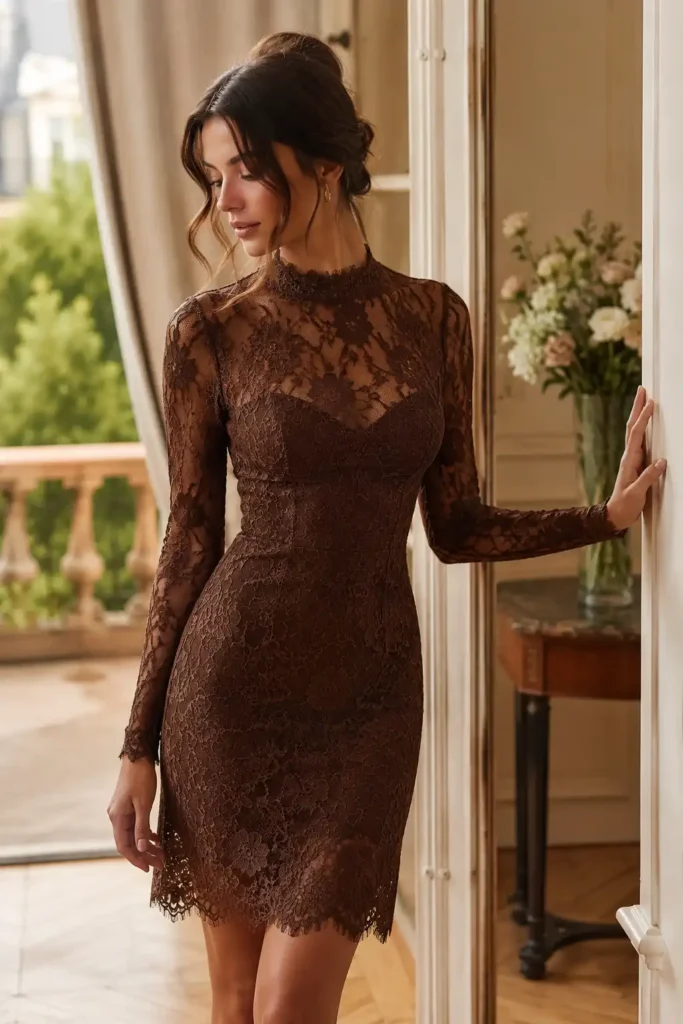
Lace Dresses

Sequin Dresses

Bodycon Dresses

Corset Dresses

Strapless Dresses

Maxi Dresses
Factory, Team and Project Ownership
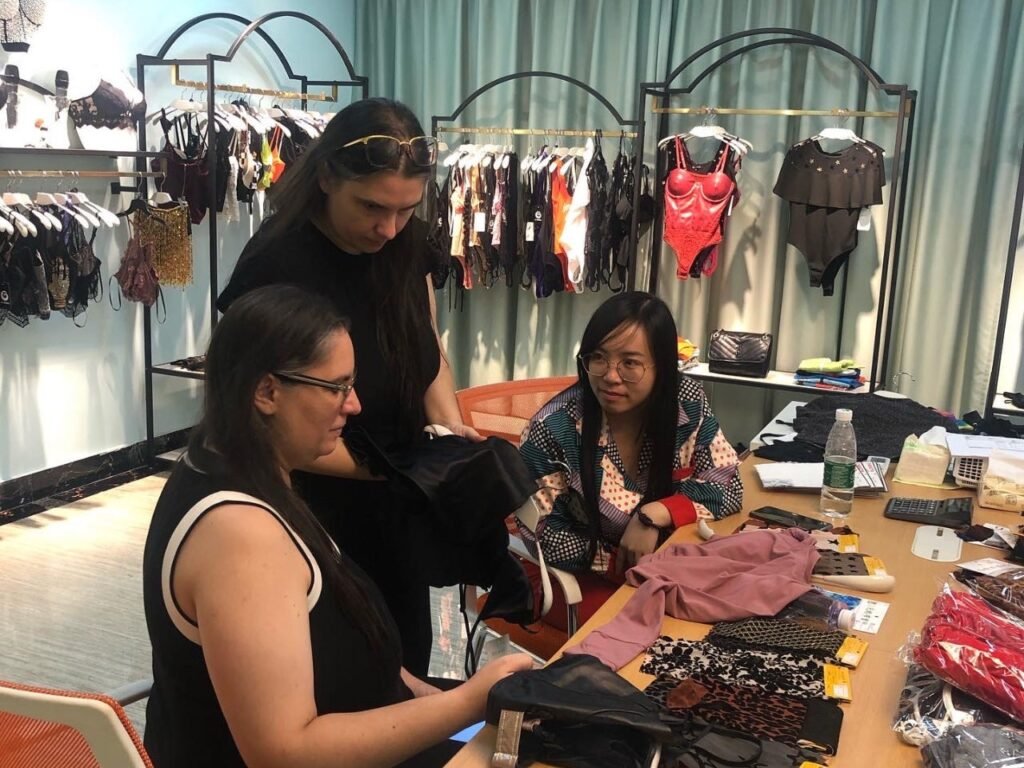
Manufacturing Network
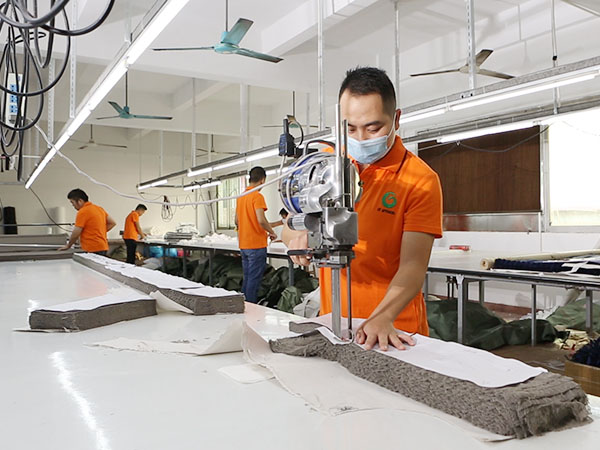
Development Team
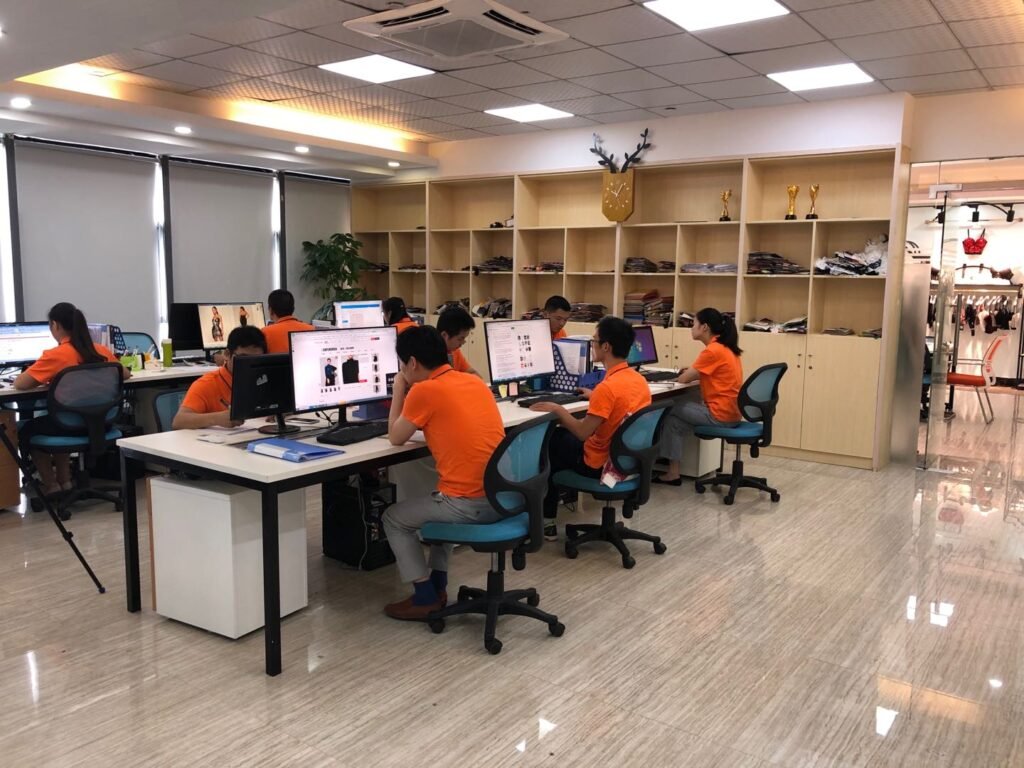
Merchandising Ownership
Twelve or more merchandisers coordinate brand files, material approvals, sample comments, production schedules, inspection findings, packing instructions, and shipment documents. One project owner keeps open issues, decision dates, and approval status visible. QA feedback is routed to the responsible team rather than buried in long email chains.
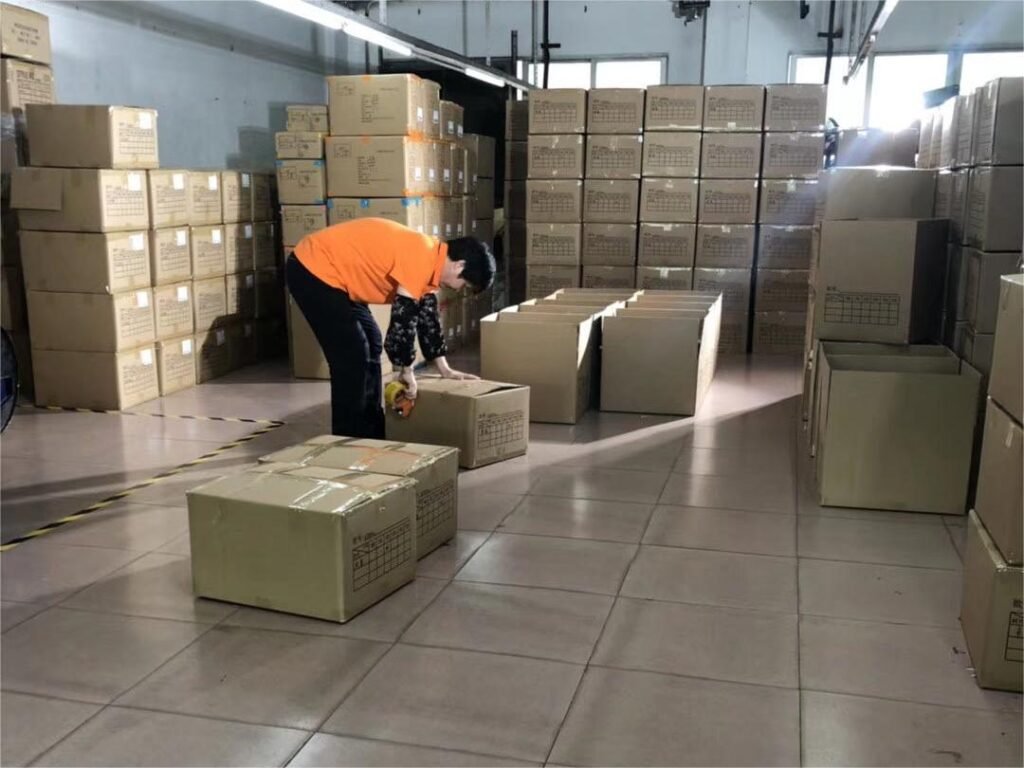
QC and Packing Team
More than 15 QC inspectors and 30+ finishing and packing workers support incoming, cutting, sewing, final garment, pressing, labeling, packing, and carton checks. Inspection focus is adjusted for satin, mesh, lace, sequin, bodycon, corset, maxi, jumpsuit, and retail-ready programs. Packing personnel work from the same approved order breakdown and label files used by merchandising and QA.
Anonymized Quality Program and QA Checklist

18-Style Occasionwear Program
Dress QA Evaluation Checklist
Use a focused checklist before approving a dress manufacturer for development or bulk production. The downloadable version should cover:
– Factory and product-category fit
– Pattern, fit, grading, and measurement ownership
– Fabric and trim approval records
– Sample names, version control, PP approval, and Golden sample
– Critical measurement points and tolerances
– Cutting, line-start, inline, final, and packing checks
– Critical, major, and minor defect definitions
– AQL or brand-defined sampling requirements
– Nonconformance containment and corrective action
– Third-party inspection and laboratory coordination
– Label, barcode, SKU, polybag, carton, and warehouse controls
– Repeat-order pattern, material, QC, and packing records
Frequently Asked Questions for Fashion QA Managers
Send Your Quality Standards for Review
Share the product and quality information your team already uses so Jinfeng Apparel can review manufacturing fit before formal sampling or quotation. Useful files include tech packs, reference images, original-sample photos, size charts, grading rules, measurement tolerances, BOMs, approved fabric directions, trim specifications, quality manuals, defect lists, AQL requirements, testing standards, label artwork, packing guides, target quantities, size and color breakdowns, launch dates, and delivery locations.
Kelly and the project team will review dress category, fit complexity, material risk, sample path, production allocation, inspection requirements, documentation, packing, MOQ, and delivery planning. Where information is incomplete, the reply will identify the missing decisions and the safest next step rather than offering an unsupported promise.
Please include:
- Company and brand information
- 10-30 style line sheet or selected priority styles
- Quantity per style and color
- XS-XL or other size range and ratio
- Required sample types and approval dates
- Inspection, testing, and audit requirements
- Packing, barcode, carton, and warehouse instructions
- Target shipment window and destination


