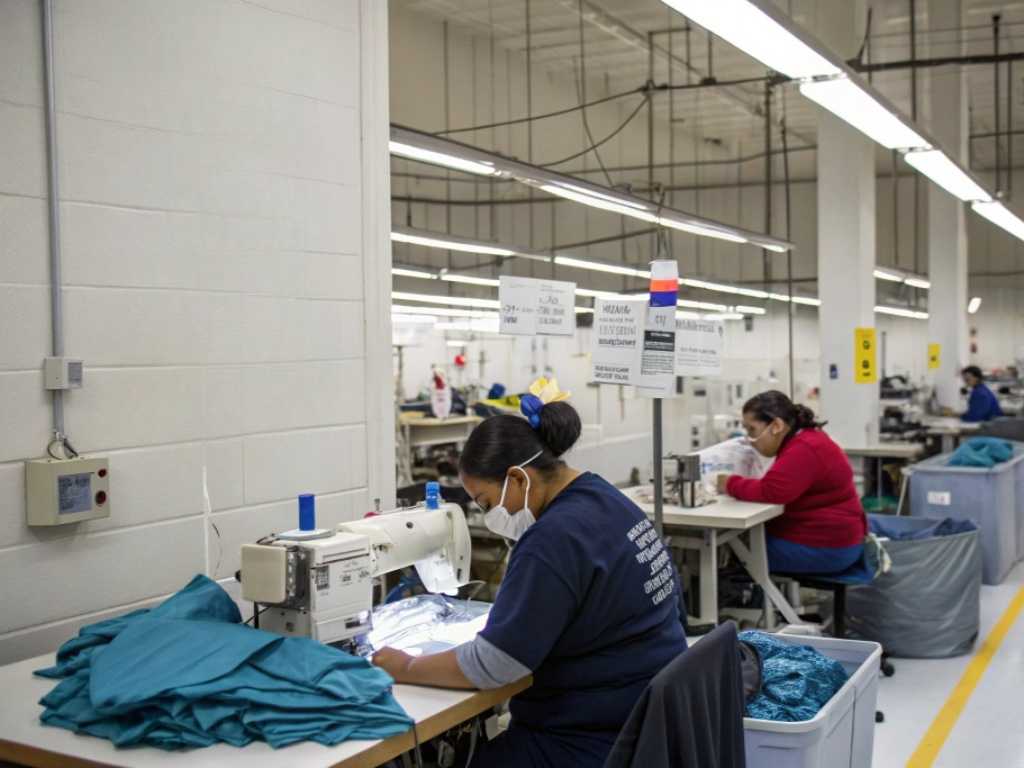
Dress Manufacturer for Fashion Brands Scaling Production
Scale proven dress lines through structured development, factory allocation, production control and repeat-order records – without losing the fit, fabric character or brand-level finish established during sampling.
- 6 owned women’s fashion factories and 10+ long-term production partners for product-based allocation.
- 100,000+ pcs regular monthly capacity across 18+ sewing lines and 6+ flexible production lines.
- 2 sample rooms, 7+ senior pattern makers and 20+ sample machinists supporting bulk-ready development.
- 15+ QC inspectors and 30+ finishing and packing workers supporting multi-style, multi-size and private-label programs.
Production Capacity Built for Growing Dress Programs
Since 2008
6 Owned Factories
10+ Production Partners
100,000+ Pieces Monthly
18+ Sewing Lines
15+ QC Inspectors
Built for Brands Moving Beyond Early Production
A Strong Program Fit
Problems Scaling Exposes
Scaling Production Means More Than Ordering More Units
Volume Growth
Style Growth
Color Growth
Size Growth
Speed Growth
Delivery Growth
Dress Categories Supported Through Scalable Production

Party and Occasion Dresses
- Main risks: finish inconsistency, decoration loss, uneven ruching and late material arrival.
- Scaling focus: product grouping, specialist sewing allocation and staged QC.

Bodycon and Fitted Dresses
- Main risks: tight hips, loose waist, neckline movement and seam popping.
- Scaling focus: fabric batch checks, grade-rule consistency and measurement sampling across sizes.

Corset and Structured Dresses
- Main risks: cup mismatch, twisted boning, unstable necklines and uneven waist shaping.
- Scaling focus: approved internal construction, detailed sewing instructions and in-line structure checks before finishing.

Satin and Slip Dresses
- Main risks: batch shade variation, surface damage, twisted side seams and uneven hems.
- Scaling focus: batch separation, protected handling, controlled pressing and final surface inspection.

Mesh, Lace and Sequin Dresses
- Main risks: visible seam allowances, inconsistent motif placement, scratch points and decoration loss.
- Scaling focus: placement references, trim cards, approved lining coverage and product-specific packing protection.

Resort and Seasonal Dresses
- Main risks: shrinkage, print mismatch, transparency, strap instability and late seasonal delivery.
- Scaling focus: fabric booking, print approval, size and length control, priority launch planning and split shipment when commercially justified.
A Production Network That Expands With Your Program
Capacity becomes valuable only when product allocation, files, responsibility and QC remain under control. Jinfeng uses owned factories and long-term production partners as a managed womenswear system rather than a pool of interchangeable sewing capacity.
Factory Allocation Starts With Product Engineering
Every style is reviewed before production resources are assigned. Fabric behavior, pattern complexity, internal structure, surface sensitivity, order quantity, size range, finishing requirement and launch timing all affect the route. A structured corset mini, a stretch jersey bodycon and a printed rayon maxi should not move through identical sewing teams or inspection plans.
Allocation decisions consider:
- Woven or knit construction and required fabric handling.
- Standard, fitted, structured or embellished workmanship.
- Material lead conditions, color count and supplier MOQ.
- Order quantity per style and color, not only the program total.
- Required production window, pressing method and packing protection.
The purpose is not to push every style into the largest available line. The purpose is to place each style where repeatable workmanship and planned output can coexist.
Owned and Partner Resources Follow One Project Standard
The 6 owned women’s fashion factories form the core production base.
More than 10 long-term partner factories provide additional routes for suitable products, repeat orders and peak capacity.
Partner resources are not described as owned facilities, and allocation does not remove Jinfeng from project responsibility.
A controlled handover includes final patterns, approved measurements, fabric references, trim cards, sewing notes, label placement, packing instructions and QC checklists.
Merchandising and QC teams follow the program across material preparation, cutting, sewing, finishing and packing. Factory changes are not treated as a casual operational detail because a new production route can affect workmanship, shade handling, pressing and measurement stability.
Capacity Is Reserved Against Real Production Inputs
A monthly capacity figure cannot determine whether a particular collection can start immediately.
Meaningful planning requires the number of styles, quantity per style and color, size breakdown, approved sample status, material availability, trim requirements, private-label details and target delivery window.
Complex occasionwear consumes more technical attention and sewing time than simpler silhouettes.
Jinfeng therefore evaluates capacity by production group. Proven repeat styles may remain with their established production route.
New complex styles may receive a smaller controlled allocation until PP and early production checks confirm stability.
Large clean-construction runs can use dedicated lines.
The result is a capacity plan connected to actual work content rather than a broad promise based only on total units.
How We Allocate Styles Across Production Resources
Production allocation should reflect the commercial role and technical needs of each style. The matrix below shows how Jinfeng approaches common scaling situations before a final schedule is confirmed.
| Order Situation | Allocation Logic | Primary Control | Information Needed |
| Proven bestseller repeat | Keep the established pattern, material reference and suitable production route whenever available. | Shade continuity, measurements, trims and packing record. | Repeat quantity, color changes, required delivery window. |
| 10-30 style seasonal collection | Group styles by fabric, construction and workmanship; assign priority tiers. | Sample status, shared materials, change control and line balance. | Line sheet, style priority, quantity per style/color, launch sequence. |
| Complex occasionwear group | Allocate to teams familiar with structured, transparent or embellished construction. | Internal structure, placement, surface protection and pressing. | Approved PP sample, BOM, construction notes and material status. |
| Large clean-construction run | Use stable bulk lines with clear output and measurement checkpoints. | Cutting accuracy, sewing consistency, finishing and size ratio. | Forecast volume, size curve, fabric booking and pack plan. |
| Peak-season expansion | Combine owned and approved long-term resources only after capacity and material review. | Factory readiness, QC windows, packing deadlines and shipping cut-off. | Confirmed PO timing, PP lock date, material ETA and delivery route. |
| Multi-batch replenishment | Separate first release, balance shipment and later replenishment records. | SKU separation, carton data, packing lists and repeat standards. | Priority styles, warehouse rules, shipment split and reorder forecast. |
Development That Prepares Styles for Bulk Production
A visually successful sample is only the beginning. Scaling requires patterns, measurements, materials and sewing methods that can be understood and repeated by production teams across sizes, colors and batches.
Seven Sample Roles Support Different Decisions
Jinfeng distinguishes first samples, fit samples, revised samples, photo-ready samples, salesman samples, PP samples and Golden samples. One garment should not be expected to perform every role. A first sample tests design interpretation, structure and initial fabric direction. A fit sample focuses on body proportion and measurements. A photo-ready sample supports campaign presentation. A PP sample locks the production standard. A Golden sample serves as a physical reference for bulk and repeat orders.
Separating the roles prevents a common scaling failure: pushing a visually attractive sample into bulk before production details, measurements, labels and packing are fully confirmed. Sample timing is evaluated by style complexity, material readiness, trim development and revision scope rather than promised as one fixed number for every dress.
Pattern Control Begins With High-Risk Measurements
The 7+ senior pattern makers and 20+ sample machinists work across 2 sample rooms to translate a tech pack, original garment, sketch or reference image into a production-ready dress. Key points include bust, upper bust, under bust, waist, high or low waistline, hip, front and back length, strap length, armhole, neckline depth, slit height, lining coverage and jumpsuit crotch length.
A fit comment such as “too loose at the neckline” must become a measurable pattern change, not remain a note in an email. Revised patterns, size charts and sample comments are aligned before the next stage. For scaling programs, priority styles are sequenced so hero products and campaign samples do not become delayed behind lower-priority developments.
Sample Revision Must Improve Production Repeatability
Every revision can affect consumption, cost, construction and lead planning. Changing satin weight may alter drape and seam behavior. Replacing mesh may change transparency and stretch. Moving a zipper can affect pattern balance. Adding lining changes sewing operations and garment thickness.
Revision records should capture pattern changes, measurement changes, fabric replacements, trim adjustments, sewing methods, brand comments and approval status. Before PP approval, the team checks whether the latest version can be reproduced consistently, whether the fabric and trims can support the planned quantity and whether the intended finish survives packing and shipment. Scaling begins when design decisions become controlled production information.

Material Planning Before Production Volume Increases

Fabric Availability
- Confirm the intended fabric before final pattern and costing.
- Reassess drape, stretch, shrinkage and lining when a substitute is introduced.
- Reserve material earlier for seasonal or large repeat programs.

Color and Batch Control
- Each color normally follows its own MOQ and material booking.
- Lab dips, strike-offs or bulk swatches may be required by material type.
- Different batches should not be mixed without review.

Trim Continuity
- Record approved trim codes and physical references.
- Confirm brand-label artwork and placement early.
- Test replacement trims before using them in repeat production.
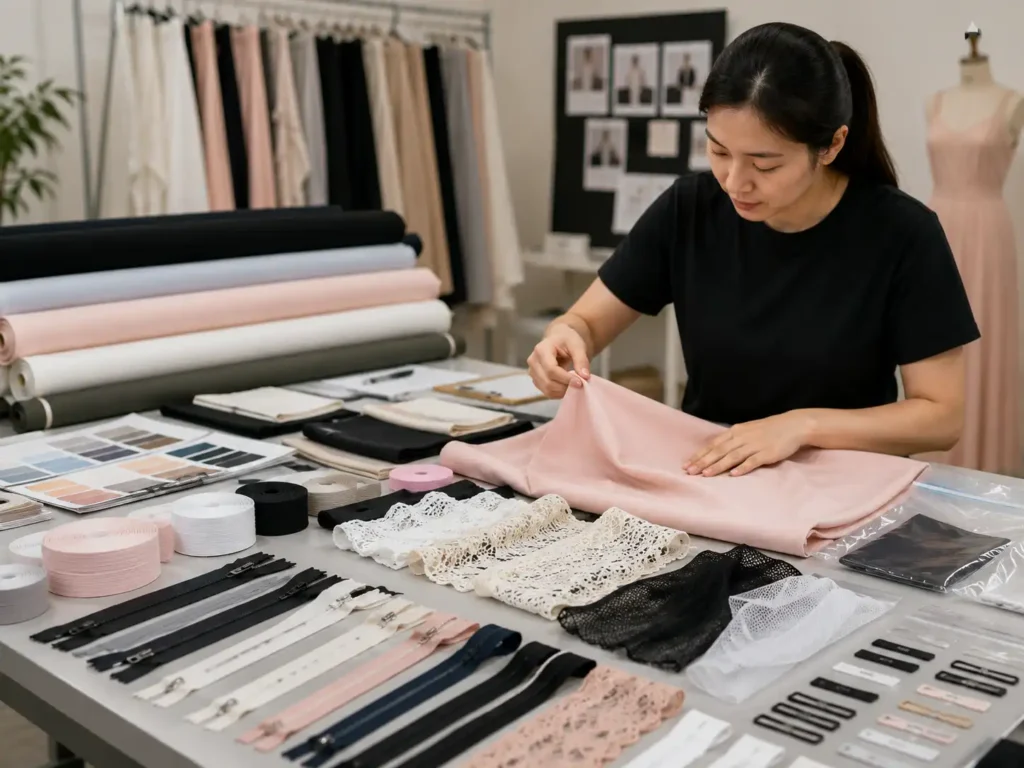
Material Booking
Large orders should not wait until the sewing window to begin material decisions. Booking is connected to the launch plan, approved quantity, color breakdown, production route and shipping requirement. Complex lace, sequins, custom printing, dyeing and certified material requests may require longer preparation and separate supplier minimums.
- Prioritize materials for hero styles and first delivery groups.
- Track fabric and trim arrival against the production calendar.
- Keep reserve planning realistic; excess material also carries cost and storage risk.
Planning Multi-Style, Multi-Color and Multi-Size Orders
Style Architecture
Color Architecture
Size Architecture
XS-XL orders need a realistic sales curve. An illustrative five-size ratio could be XS 10%, S 20%, M 30%, L 25% and XL 15%, but actual ratios should come from brand sales and fit data. Extended, petite or tall ranges may need separate grading, consumption checks, label control and carton planning.
Order Architecture
A 20,000-80,000 piece program should not be managed as one undifferentiated total. Quantity can be separated by style group, color group, release wave, warehouse, air-sea split or replenishment phase. Every split requires its own SKU breakdown, packing instructions and shipping documents while maintaining one approved product standard.
Turning Approved Samples Into Repeatable Bulk Standards
The handover from development to production determines whether an approved dress remains stable across hundreds or thousands of units. Jinfeng locks the physical sample and the production information together.
PP Approval Locks the Production Decision
Before bulk starts, the PP stage confirms fabric, color, trims, measurements, construction, label placement, hangtags, polybags, carton marks and packing method. A PP sample is not a flexible concept sample. Changes made after PP approval may affect material purchasing, pattern files, sewing operations, cost, QC and delivery.
The final decision set should include:
- Approved PP sample and Golden sample reference.
- Final pattern and grade rule.
- Approved size chart with critical measurement points.
- BOM, trim card, construction notes and placement details.
- Label, barcode, SKU and packing instructions.
Any later change should be documented, costed and approved before implementation.
Production Files Translate the Sample for Every Team
A sample cannot travel through the factory as a photograph alone. Production teams need a final pattern, size chart, fabric reference, trim specification, sewing instruction, label placement, packing method and QC checklist.
The merchandising team coordinates the file set with the allocated factory and confirms open points before cutting.
High-risk details receive additional emphasis: bust structure on corset styles, neckline stability on halters and strapless dresses, mesh transparency, lace placement, sequin protection, satin pressing, slit height and lining exposure.
The goal is to make the approved standard readable at cutting, sewing, inspection and packing stages.
Golden Records Support Repeat Orders
Repeat production becomes faster only when reliable records are retained.
Jinfeng keeps pattern, measurement, fabric, trim, construction, label, packing and QC references for future production.
Records reduce the need to rebuild the same style from memory, yet they do not remove the need for review.
A new color may use a different material batch. A new fabric may change drape, stretch or shrinkage.
A new factory window may require renewed production briefing. Repeat orders therefore combine historical standards with current material and capacity confirmation. Controlled repetition is the target – not automatic repetition without evaluation.

A Controlled Workflow From PO to Finished Dresses
PO and File Lock
Material Preparation
Cutting Control
Sewing and In-Line QC
Finishing and Final QC
Packing and Shipment
Quality Controls That Continue as Volume Grows

Incoming Material QC
- Main purpose: prevent unapproved material variation from entering cutting.
- Key record: approved swatch, trim card or supplier reference linked to the style.
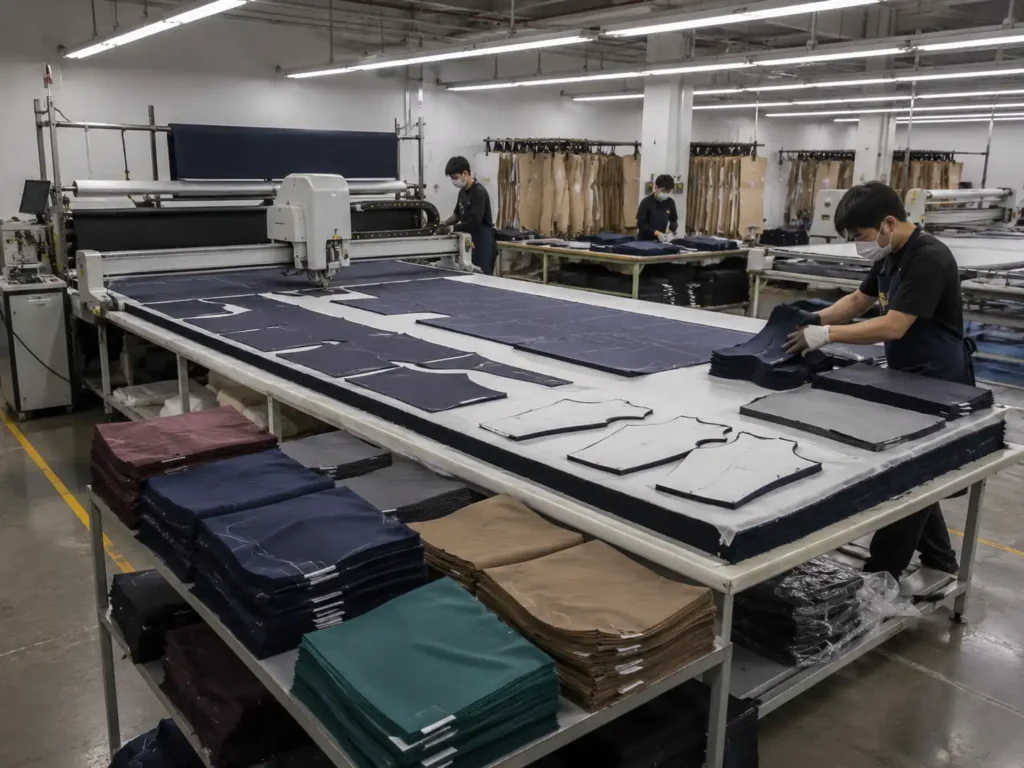
Cutting QC
- Main purpose: protect pattern integrity before sewing.
- Key record: final pattern, marker and cut-piece review notes.

Sewing and In-Line QC
- Main purpose: stop repeated workmanship problems early.
- Key record: in-line findings and corrective action.

Measurement Inspection
- Main purpose: maintain fit and grade-rule consistency through the size range.
- Key record: measurement report by size and inspection stage.

Appearance and Pressing Review
- Main purpose: protect the retail and photography appearance.
- Key record: finished garment checklist and approved visual reference.
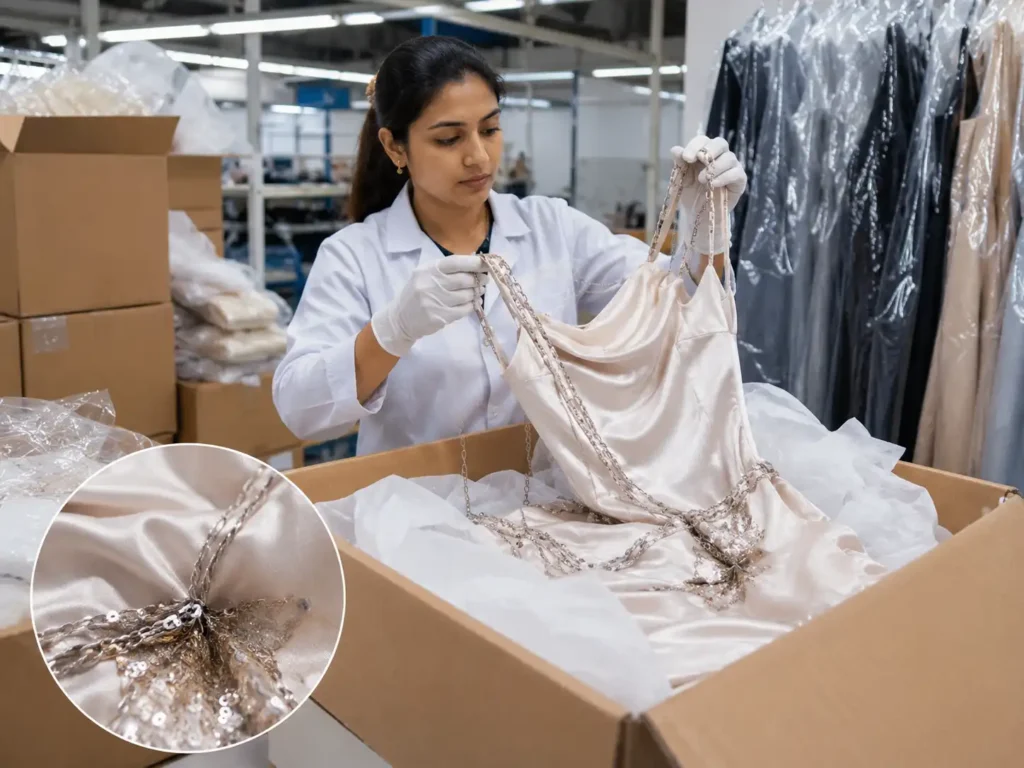
Packing and Final Inspection
- Main purpose: prevent a correct garment from becoming an incorrect warehouse unit.
- Key record: packing list, carton details and final inspection result.
Project Visibility Across Development and Production
Requirement Confirmation
Timeline Planning
Fabric Tracking
Sample Tracking
Production Updates
Shipment Confirmation
Vendor Approval, Documentation and Design Protection
Factory Review Support
Order Documentation

Scaling Cost Without Weakening Product Positioning
| Cost Driver | Risk During Scaling | Responsible Optimization | Avoid |
|---|---|---|---|
| Fabric and lining | Higher consumption, supplier MOQ, shade and batch exposure. | Compare suitable weights, widths, blends and lining structures; improve cutting layout. | Replacing fabric without fit, drape or shrinkage review. |
| Construction complexity | More operations, slower output and greater variation. | Simplify hidden operations, standardize seam methods and keep visible design priorities. | Removing support needed for fit, modesty or durability. |
| Trims and decoration | Custom MOQs, long preparation and inconsistent placement. | Consolidate trim families, approve alternatives and define placement references. | Using untested trims or reducing attachment quality. |
| Colors and sizes | Fragmented purchasing, cutting, packing and inventory. | Prioritize core colors; build size ratios from sales data; separate extended ranges where needed. | Splitting 200 pieces across many colors or using equal size quantities without evidence. |
| Quality and testing | More styles and markets create more checkpoints. | Apply risk-based product checks and confirm market testing requirements early. | Reducing QC only to achieve a lower quoted price. |
| Packing and delivery | SKU, barcode, carton and shipping complexity increases. | Standardize pack rules, plan air-sea splits and separate release waves clearly. | Changing packing after production or shipping without verified documents. |
Production Planning Around Your Launch Calendar
Sample Priority
PP Lock Date
Material Arrival
Peak Allocation
Multi-Batch Delivery
Air and Sea Planning
Fashion Brand Scaling Production Case Studies
Scaling production requires more than increasing order quantity. Growing fashion brands need a manufacturing partner that can protect approved fit, fabric performance, workmanship standards, and delivery reliability while production volume increases.

Case Study 1: Scaling Bestseller Dresses From Small Runs to Commercial Production
A growing ecommerce womenswear brand had several successful dress styles but needed to increase production capacity to support expanding sales.
The brand previously produced:
- Small seasonal quantities
- Limited color options
- Restricted inventory
The goal was to scale proven products into stable commercial programs.
Program scope:
- 8 bestseller dress styles
- 52,000 pieces
- 7 color options
- XS-XL size range
- Multiple replenishment batches
Products included:
- Bodycon dresses
- Satin midi dresses
- Party mini dresses
- Resort maxi dresses
Scaling Challenge
The brand wanted higher volume without losing the original product performance.
Main risks:
Fit Changes During Volume Growth
Previous success depended on:
- Original silhouette
- Body proportion
- Fabric recovery
- Size consistency
Increasing production created risks:
- Different pattern interpretation
- Measurement variation
- Fabric batch differences
Production Capacity Pressure
The brand needed:
- More production lines
- Stable delivery
- Consistent QC
- Faster replenishment
Jinfeng Solution
Jinfeng created a controlled scaling system.
Existing Product Analysis
Reviewed:
- Approved samples
- Final patterns
- Size charts
- BOM
- Fabric references
- QC records
Result
The brand achieved:
- 52,000-piece commercial production
- Stable bestseller quality
- Faster replenishment capability
- Reduced supplier risk
Successful styles became long-term commercial products.

Case Study 2: Expanding From Single Products Into a Complete Dress Collection
A fashion brand originally focused on several successful dress styles and wanted to build a complete seasonal collection.
The expansion included:
- New silhouettes
- More colors
- Additional price levels
- Supporting products
Program scope:
- 26 styles
- 68,000 pieces
- 6 fabric groups
- Multiple delivery windows
Product categories:
- Occasion dresses
- Bodycon styles
- Corset dresses
- Lace dresses
- Matching sets
Scaling Challenge
The brand needed more products without losing its original identity.
Main challenges:
Collection Consistency
New products needed alignment in:
- Fit language
- Color direction
- Fabric quality
- Brand finishing
Different Manufacturing Requirements
The collection included:
- Stretch fabrics
- Structured styles
- Delicate materials
- Decorative details
Each required different production controls.
Jinfeng Solution
Jinfeng managed the collection through product-based allocation.
Style Classification
Separated:
Hero Styles
For:
- Marketing campaigns
- Brand image
Core Styles
For:
- Sales volume
- Repeat orders
Result
The brand successfully expanded from individual products into a complete commercial collection.
Achieved:
- 26 coordinated styles
- Consistent brand identity
- Multi-category production
- Planned delivery schedule
The collection became a repeat seasonal program.

Case Study 3: Growing Fashion Brand Building a Scalable Supply Chain
A fast-growing womenswear brand wanted to reduce dependence on one supplier and establish a stronger production structure.
Previous situation:
- Limited factory capacity
- Longer delivery times
- Difficulty managing peak seasons
- Limited product flexibility
The brand needed a manufacturing system that could support future growth.
Supply Chain Challenge
Growth exposed several problems:
Limited Production Options
The brand needed support for:
- Different dress categories
- Seasonal peaks
- Larger quantities
Quality Management
Multiple suppliers created risks:
- Different workmanship
- Different measurements
- Different packaging standards
Jinfeng Solution
Jinfeng established a structured production network.
Factory Allocation
Used:
- Owned factories
- Long-term production partners
according to:
- Product type
- Fabric behavior
- Quantity
- Delivery requirements
Unified Production Standards
Controlled:
- Patterns
- BOM
- Size charts
- Fabric references
- Sewing instructions
- QC requirements
Production Visibility
Managed:
- Material tracking
- Sample status
- Bulk progress
- QC results
- Shipment preparation
Result
The brand achieved:
- Expanded production capacity
- More stable quality control
- Better seasonal flexibility
- Reliable long-term supply structure
The relationship developed from production support into a scalable manufacturing partnership.
Frequently Asked Questions About Scaling Dress Production

Plan Your Next Stage of Dress Production
Send your current collection plan, approved styles or production forecast for a structured review. Kelly and the project team will evaluate the information against product complexity, material conditions, MOQ, sampling status, production allocation, QC requirements, private-label packing and delivery planning before proposing the next step.
- Line sheet, tech packs, original samples or approved samples.
- Quantity per style and color, plus XS-XL or extended size breakdown.
- Fabric and trim direction, including any nominated or certified material request.
- Current production bottleneck, quality concern or supplier transition requirement.
- Launch date, warehouse receiving date and preferred shipment arrangement.
- Labels, barcodes, polybags, carton marks and other private-label instructions.