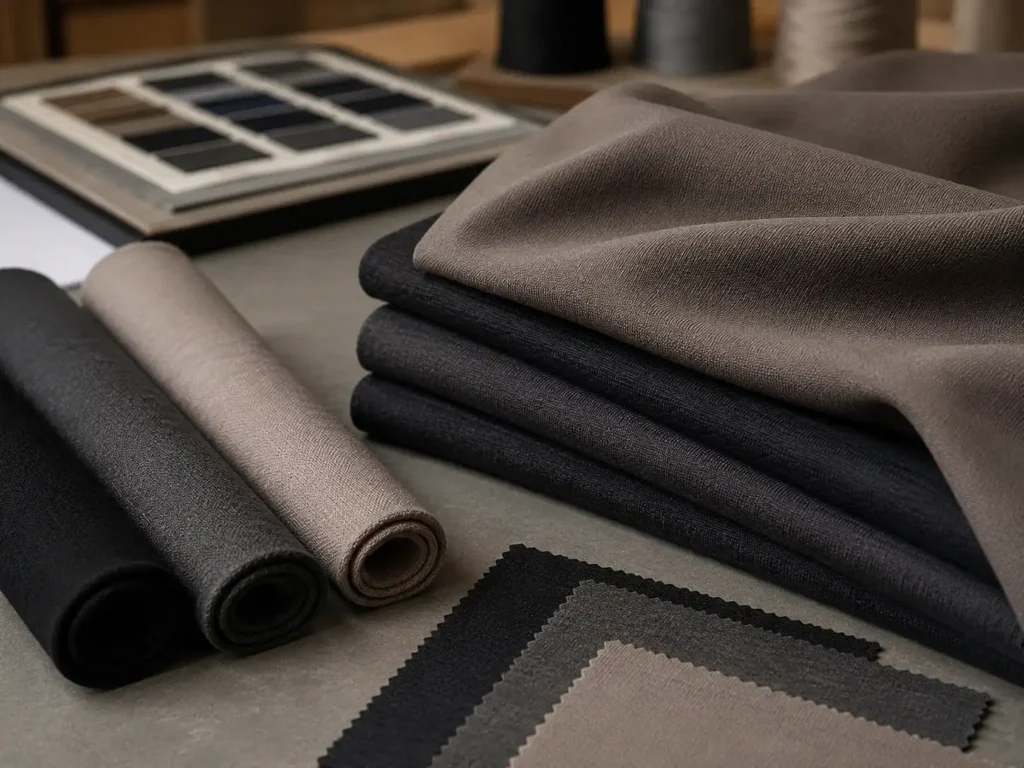
Dress Manufacturer for Fabric Sourcing Teams

Turn approved fabric directions into production-ready dresses with controlled sourcing, pattern development, sampling, bulk lots, QC and delivery.

Jinfeng Apparel supports global fashion brands whose fabric teams need a dress-focused manufacturing partner, not a disconnected sewing vendor. We coordinate buyer-nominated mills, factory-sourced alternatives and joint material development while checking drape, stretch, transparency, usable width, shrinkage risk, color consistency and construction suitability before bulk cutting. Fabric decisions remain connected to pattern work, sample approval, production planning and final garment quality.

  • 6 owned factories + 10+ production partners: factory allocation can follow fabric type, dress structure, order scale and delivery plan.
  • 2 sample rooms, 7+ senior pattern makers and 20+ sample machinists: material behavior can be tested through patterns, fit samples, revisions and PP samples.
  • 100,000+ pieces monthly capacity across 18+ sewing lines: multi-style fabric programs can move from development into planned bulk production.
  • MOQ from 200 pieces per style/color: final feasibility depends on fabric availability, dyeing, printing, trims, construction and schedule.

Material-to-Garment Capacity at a Glance

The numbers below show the resources behind fabric-led dress development. Each resource supports a different control point, from early material evaluation to large-order execution and repeat production.

Since 2008

More than sixteen years of women’s fashion manufacturing experience supports stronger judgment around fabric suitability, dress construction, sample correction and production risk. Long-term exposure to satin, chiffon, mesh, lace, jersey, ponte, crepe, velvet, sequin fabric, rayon, linen and printed materials helps teams discuss fabric decisions in garment terms rather than treating material sourcing as a separate purchase.

6 Owned Factories

Six owned women’s fashion factories provide a controlled manufacturing base for dresses, skirts, jumpsuits, matching sets and private-label collections. Production can be matched to woven, knit, occasionwear, fitted or detail-intensive styles instead of forcing every material and silhouette through one standard line. Assigned-factory information can be reviewed for larger programs and vendor qualification work.

10+ Production Partners

More than ten long-term satellite production partners add capacity and category flexibility when a program includes multiple fabric groups, many styles or staged deliveries. Partner allocation is managed around product structure, material handling, workmanship difficulty and order timing. The network is used to extend the owned-factory system, while project standards, approved samples and QC requirements remain centralized.

2 Sample Rooms

Two sample rooms support first samples, fit samples, revised samples, photo-ready samples, PP samples and golden sample management. Fabric sourcing teams can use sampling to verify whether the selected material produces the intended shape, coverage, stretch, sheen, movement and finishing result before committing bulk meterage to cutting and production.

7+ Pattern Makers

Seven or more senior pattern makers translate fabric behavior into garment structure. A change in GSM, stretch direction, recovery, drape or shrinkage can require different ease, lining, seam support, neckline control or hem balance. Pattern decisions are therefore reviewed together with material decisions, especially for bodycon, corset, slip, halter, strapless, backless and floor-length dresses.

15+ QC Inspectors

More than fifteen QC inspectors support material receipt, cutting, inline production, measurement control, workmanship review, finishing, packing and pre-shipment checks. Fabric-related inspection focuses on shade variation, stains, snagging, holes, stretch inconsistency, print direction, lace placement, sequin loss, transparency, pressing marks and differences between approved material and bulk lots.

Built for Professional Fabric Sourcing Teams

Different teams enter dress development from different starting points. Jinfeng Apparel aligns material information with sample, pattern, production and delivery requirements so approved fabric choices can move forward without losing technical context.

Fabric Sourcing Teams

For teams managing approved mills, fabric codes, cost targets and seasonal material libraries, Jinfeng Apparel can receive nominated fabric details, review garment suitability, coordinate sample yardage, record bulk lot information and connect material approvals to the assigned dress styles. Feedback is framed around end use: silhouette, lining, stretch, sewing stability, pressing, packing and expected retail appearance.

Material Development Teams

For teams developing new hand feels, weights, finishes, colors or surface effects, Jinfeng Apparel can evaluate how each direction performs in real dress construction. Swatches and sample yardage can be reviewed against target drape, transparency, recovery, seam behavior and cost. Changes are recorded before pattern or sample decisions are carried into bulk production.

Sourcing Offices

For sourcing offices coordinating mills, factories, testing, commercial terms and launch calendars, Jinfeng Apparel provides one manufacturing connection across pattern work, sampling, material receipt, production, QC, private-label packing and export support. Multi-style programs can be grouped by fabric family, construction risk, sample priority and production timing for clearer tracking.

Where Fabric Programs Usually Lose Control

Most material problems become expensive only after a dress enters sampling or bulk production. Early identification protects pattern accuracy, cost, launch dates and the consistency expected across every size and color.

Fabric-Style Mismatch

A swatch can meet composition and color requirements yet fail on the body. Excess weight can flatten gathers, weak recovery can loosen a fitted dress, high transparency can expose seam allowances, and insufficient drape can distort a slip or maxi silhouette. Jinfeng reviews the intended dress structure before treating a selected fabric as production-ready.

MOQ Conflict

A garment order may meet the factory MOQ while the mill requires a larger dye lot, print run or lace minimum. Problems appear when color quantities are divided too far or when several styles use slightly different materials. Jinfeng compares garment quantities, fabric consumption, usable width and supplier minimums before confirming a workable sourcing plan.

Approval Gaps

Color, hand feel and performance can change between the first hanger, sample yardage and bulk delivery. Without clear approval gates, teams may approve a lab dip but overlook fabric weight, or approve a fit sample made from temporary material while assuming bulk fabric will behave identically. Each approval needs a defined purpose and locked reference.

Sample-Bulk Changes

A sample can look correct because the sample room used a softer lot, a different stretch direction or a more stable width than the bulk fabric. Even small shifts can alter garment length, neckline shape, hip fit or pressing results. Bulk material must be checked against approved references before cutting is released.

Unclear Ownership

When a nominated mill supplies late, ships short, changes shade or delivers excess defects, responsibility can become blurred across the brand, mill and dress factory. A clear responsibility map should define who approves specifications, who arranges testing, who accepts commercial risk and who authorizes replacement, sorting or production changes.

Three Fabric Sourcing Models We Support

Brands can keep control of existing mill relationships, use Jinfeng Apparel for sourcing support, or combine both teams in one development route. The cooperation model is confirmed before sample or bulk commitments.

Buyer-Nominated Fabric

The brand provides the mill, fabric code, specification, contact route and commercial arrangement. Jinfeng Apparel reviews the material from a dress-manufacturing perspective, confirms sample-yardage needs, checks usable width and production handling, and records the nominated source against the style. Bulk receipt is checked by supplier, color, lot, roll and quantity before the material enters cutting. When performance creates garment risk, the issue is reported with proposed pattern, construction or handling adjustments rather than silently accepted.

Jinfeng-Sourced Fabric

The brand provides a fabric brief, reference swatch, garment sample or visual target. Jinfeng Apparel searches within the Guangdong supply base for options that match composition, GSM, width, stretch, drape, hand feel, transparency, color direction, target cost and expected lead time. Shortlisted swatches are compared in garment terms. No alternative is presented as “the same” when meaningful differences exist; trade-offs are identified before sample yardage is ordered.

Joint Fabric Development

The brand material team and Jinfeng Apparel compare mill options, custom colors, print methods, lining choices and commercial constraints together. The route is useful when the original fabric is unavailable, unsuitable for the silhouette, over the target cost, or restricted by mill MOQ. Decisions can include shared material across several styles, a stock-base color strategy, revised construction, approved substitutes or staged color expansion after the first bulk program.

What We Need From Your Fabric Brief

A focused fabric brief makes sourcing comparisons more accurate and prevents attractive swatches from entering development without the information needed for costing, pattern work and bulk planning.

Fiber Composition

State the required fiber content or acceptable range, including stretch fiber percentage where relevant. Composition affects care labeling, hand feel, shrinkage, recovery, cost and market requirements. When the composition is flexible, rank the properties that matter most so alternatives can be judged on performance rather than name alone.

GSM and Width

Provide target weight and expected usable width whenever available. GSM influences opacity, drape, warmth and garment structure; usable width affects consumption and costing. A fabric with a lower price per meter may still create a higher garment cost when the effective cutting width is narrow or the defect rate is high.

Stretch and Recovery

For fitted dresses, note the required stretch direction, approximate extension and expected recovery. High stretch without recovery can create bagging at the hip, neckline or seat. Low stretch can make the approved size chart uncomfortable. Pattern ease, seam choice and support materials depend on the actual stretch profile.

Hand Feel and Drape

Words such as soft, dry, fluid, crisp, brushed or compact should be supported with a reference swatch or approved garment when possible. Hand feel is subjective; drape can be observed more consistently. The same composition can produce very different silhouettes when yarn, weave, finish or weight changes.

Transparency and Lining

State whether the garment should be opaque, intentionally sheer or partially lined. Mesh, lace, chiffon, light rayon and pale colors may need lining, double layers or strategic coverage. Lining changes cost, stretch, breathability, seam construction and the visual color seen through the outer fabric.

Color and Surface

Provide Pantone references, approved standards, print artwork, shine level or surface expectations. Satin luster, velvet pile, sequin density and metallic finish can shift under lighting. Color approval should therefore consider the final material surface rather than relying on a digital color value alone.

Target Cost and MOQ

Share the target garment position and order quantity per style and color. Fabric options can then be screened against price, mill minimums, dye-lot requirements and consumption. A cost discussion without quantity, width and construction information produces an unreliable comparison.

Testing and Launch Date

List required tests, document expectations and the planned delivery window. Testing, custom dyeing, print strike-offs and certified-material verification add approval steps. A clear calendar helps determine whether the original fabric route is viable or whether a stock, substitute or shared-material option should be considered.

Prepare a Complete Dress Fabric Sourcing Brief

A structured preparation file helps material and product teams compare options with the same criteria, reduce missing information and move approved directions into sampling faster.

Dress Fabric Brief Template

Use one file per fabric direction to record composition, GSM, usable width, stretch, recovery, hand feel, drape, transparency, color, print, finish, supplier, MOQ, cost basis, sample-yardage status, testing requirements and planned styles. Add the reference swatch image and list any acceptable substitutions. The completed brief gives Jinfeng Apparel enough context to evaluate the material against garment structure and production feasibility before recommending a sourcing route.

Approval and Responsibility Checklist

Track the nominated approver for swatches, lab dips, strike-offs, sample yardage, test results, PP fabric and bulk lots. Record who books material, who carries commercial responsibility, who reviews shade bands, who authorizes replacements and who releases cutting. A documented approval route protects both the brand and the factory when material conditions change after the first sample.

Dress Fabrics We Develop and Control

Material selection is connected to silhouette, construction and end use. Each fabric family below has a different sample focus, production risk and QC method; one generic inspection standard cannot protect every dress category.

Satin

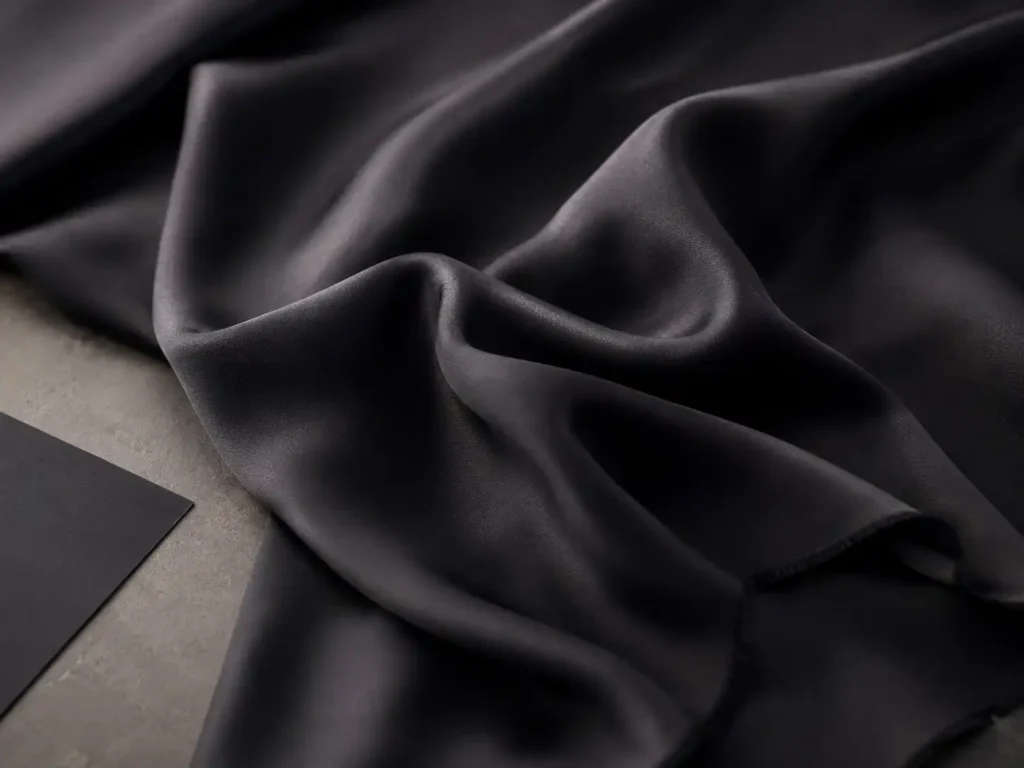
Satin supports slip dresses, occasionwear, bridesmaid styles, bias-inspired silhouettes and polished matching sets. Approval should cover luster, weight, drape, color depth, snag sensitivity and pressing response. Cutting direction must respect surface reflection. Bulk controls focus on shade, pulled yarns, needle marks, seam puckering, pressing shine, zipper areas and fold impressions during packing.

Chiffon

Chiffon suits layered maxi dresses, ruffles, sleeves, wrap shapes and soft occasionwear. The material can shift during cutting, fray at edges and reveal uneven hems. Sample review should confirm transparency, lining length, gathering volume and hem balance. Bulk checks focus on grain direction, seam slippage, puckering, pulled threads, layer alignment and clean narrow-hem finishing.

Mesh

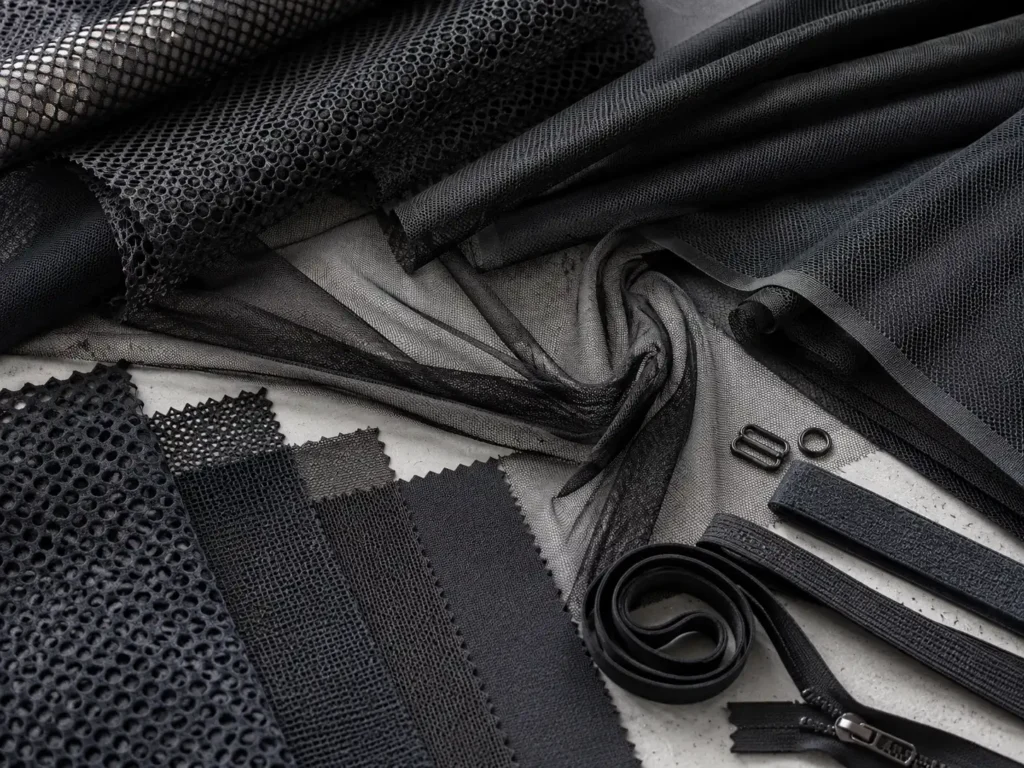
Mesh works for bodycon overlays, cut-outs, sleeves, ruched sections, illusion panels and clubwear. Stretch direction and recovery are more important than nominal composition. Sample validation covers transparency, lining coverage, neckline stability, seam strength and edge behavior. Bulk QC checks holes, runs, distorted panels, inconsistent stretch, curling edges and over-stretched seams.

Lace

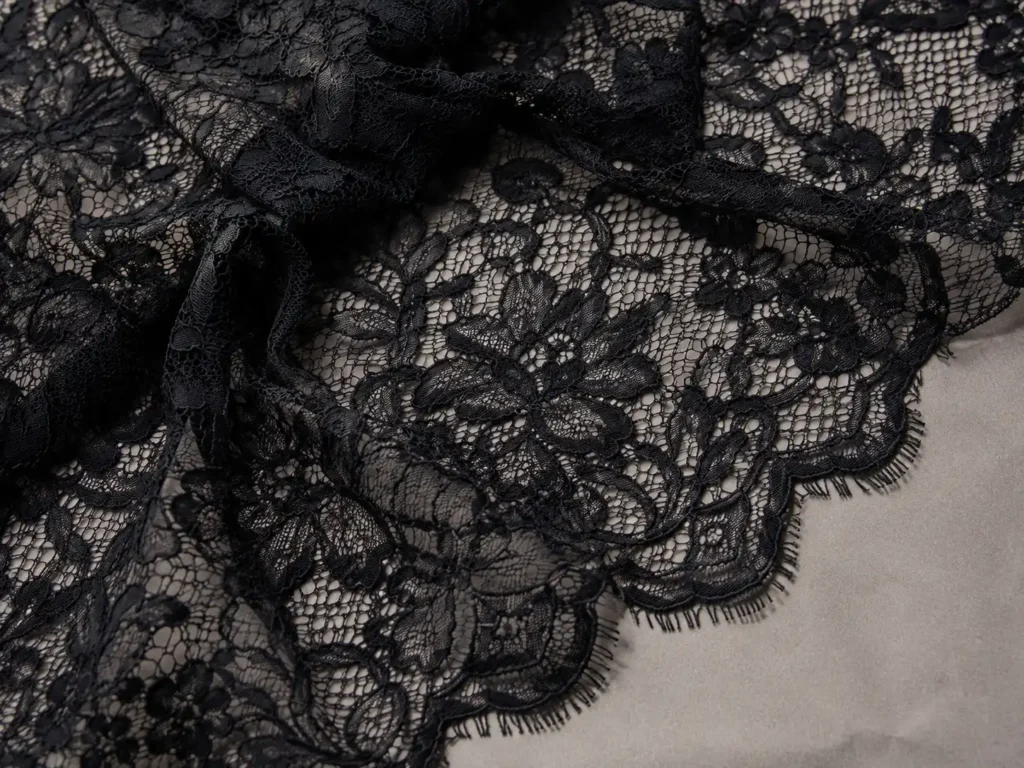
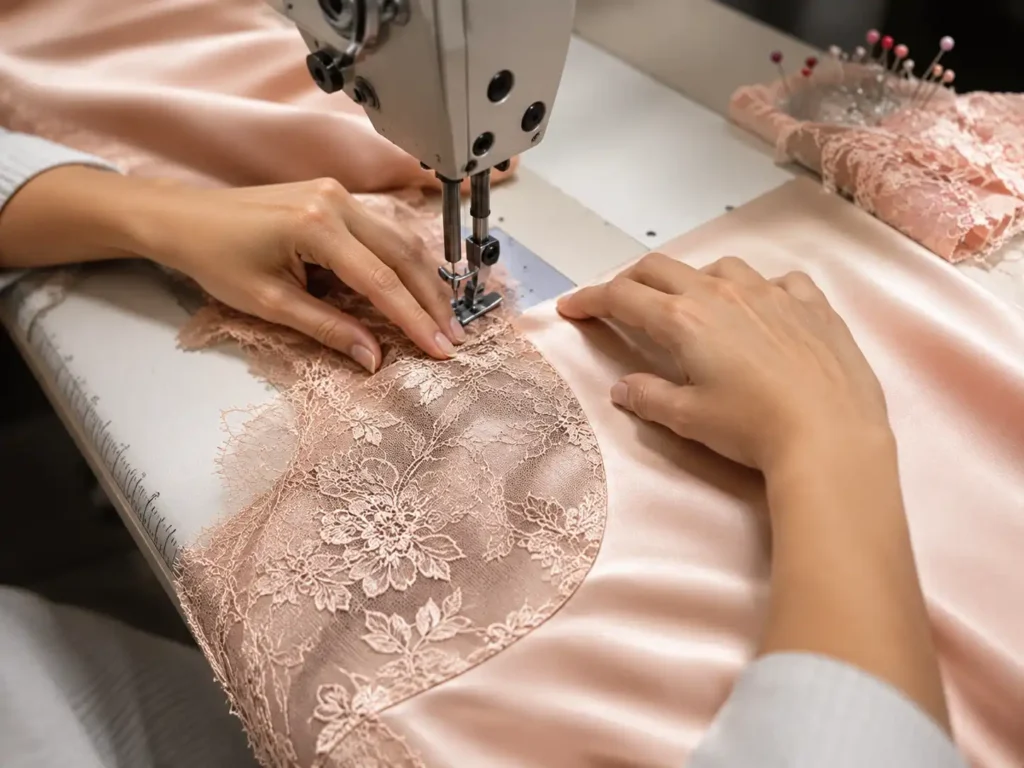
Lace adds surface value to cocktail, occasion, corset and layered dresses. Motif size, border use, pattern repeat and color relationship with lining affect both design and consumption. Sample approval should define placement, mirroring, joining and edge treatment. Bulk control focuses on motif direction, damaged areas, mismatched panels, visible joins, loose threads and inconsistent lining color.

Sequin Fabric

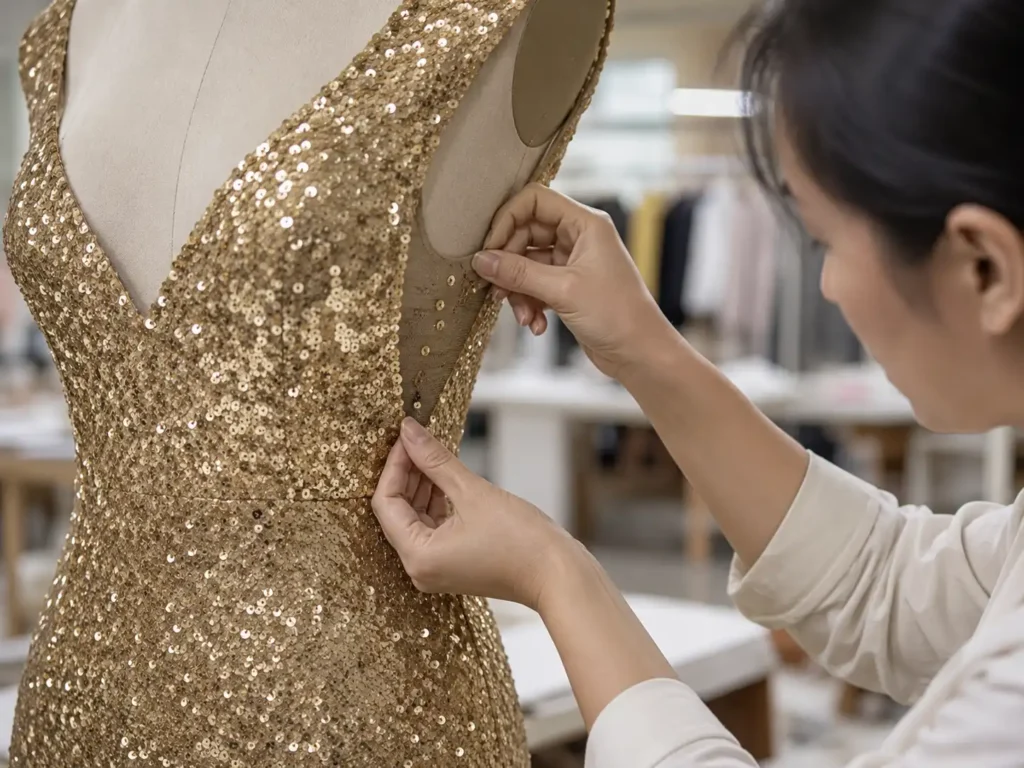
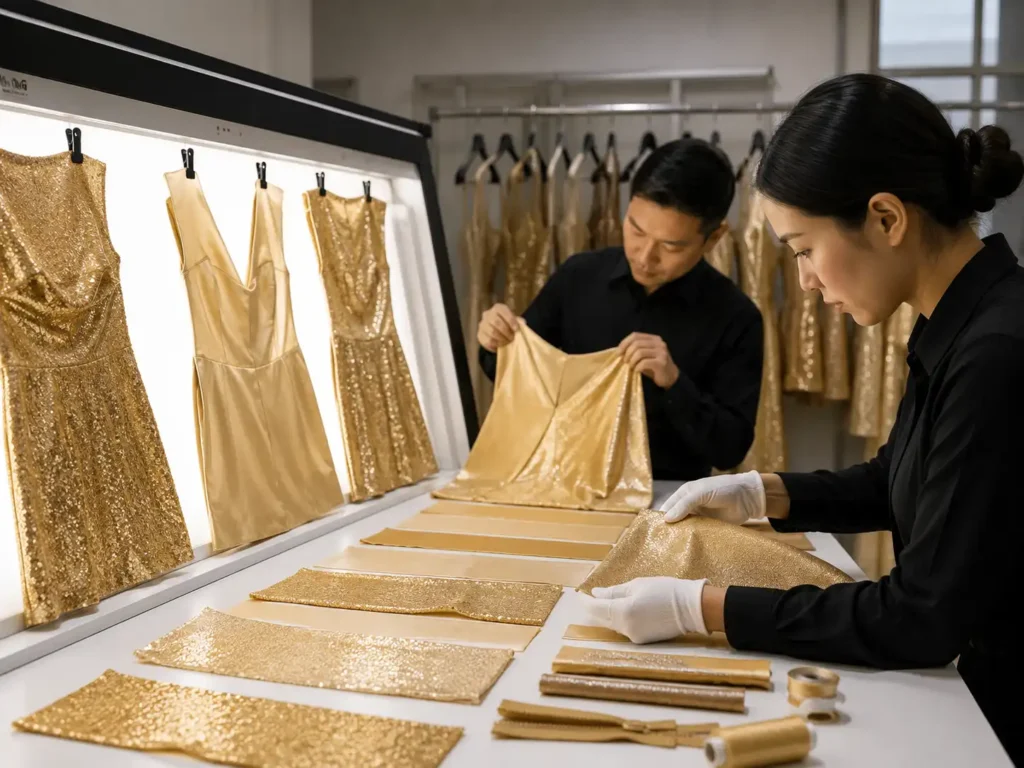
Sequin fabric creates strong visual impact for party, event and holiday collections. Density, base cloth, sequin size and attachment method influence weight, comfort, sewing difficulty and price. Samples must check skin contact, seam bulk, zipper movement and lining. Production control focuses on missing sequins, sharp edges, damaged surfaces, needle breakage risk, pressing method and protective packing.

Jersey and Ponte

Jersey and ponte suit bodycon, casual fitted, ruched and structured knit dresses. Stretch, recovery, torque and wash response determine whether the garment holds shape. Pattern ease and neckline treatment should be tested in the actual material. Bulk QC checks GSM, width, shade, recovery, side-seam twisting, neckline deformation, measurement stability and surface pilling risk.

Crepe, Rayon and Linen

Crepe, rayon, viscose and linen blends support day dresses, resort lines, relaxed tailoring and soft woven silhouettes. Drape, wrinkle recovery, shrinkage and transparency vary widely. Sample work should confirm garment length, seam stability, lining and pressing. Bulk inspection checks skew, shrinkage, color variation, slubs where relevant, print direction and hem balance after hanging.

Printed and Structured

Printed fabrics, denim, suiting, organza and tulle require different handling. Prints need repeat, scale, direction and strike-off approval. Denim and suiting need weight, wash or pressing review. Organza and tulle need transparency, stiffness and edge control. Bulk plans must identify placement areas, one-way layouts, fusing, lining and any extra consumption created by pattern matching.

How Fabric Behavior Changes Dress Construction

A fabric decision changes far more than surface appearance. Weight, drape, stretch, transparency and finish influence pattern geometry, internal support, seam selection, pressing and packing. Jinfeng Apparel evaluates those links before a material is treated as ready for scale.

Weight and Drape Shape the Silhouette

Fabric weight controls how a dress hangs, moves and returns to shape. A light chiffon can create volume through layers and gathers, while a heavier satin can pull the same pattern downward and distort the neckline. Fluid rayon supports soft folds but may lengthen after hanging. Structured crepe or suiting can hold an A-line or corset shape, yet may require more ease around the waist and hip. Jinfeng compares the desired silhouette with GSM, weave, finish and planned construction before finalizing the pattern. Skirt sweep, gather ratio, flare, panel width, hem method and lining weight are reviewed together. When a material changes after the first sample, the paper pattern is not automatically reused. Balance points, seam support and garment length may need correction so the approved visual proportion remains stable in bulk production.
Stretch Changes Pattern, Support and Fit

Stretch percentage alone does not define performance. Direction, recovery speed, power and repeated-extension behavior determine whether a fitted dress remains secure. A mesh may stretch widely but recover slowly; a ponte may stretch less yet hold the body more consistently. Bodycon, corset-inspired, ruched and strapless dresses need different negative ease and support depending on the fabric. Neckline tape, elastic, lining, bra cups, boning or anti-slip tape may be needed to control high-stress areas. Jinfeng checks bust, waist, hip, armhole, strap and slit behavior in fitting rather than relying only on a flat measurement. When the brand requests XS-XL, extended sizes, plus-size standards or petite/tall adjustments, grading is reviewed against fabric power so larger or smaller sizes do not simply become scaled copies with poor support.

Transparency Determines Lining and Coverage

Transparency affects design, comfort, labeling, cost and sewing. Chiffon and light rayon may need full lining; lace can require partial lining to preserve surface depth; mesh may be intentionally sheer but still needs controlled bust, waist or hip coverage. Lining color can change the visible tone of the outer fabric, especially with ivory, nude, pastel or metallic shades. A lining with different stretch can also restrict movement or pull the outer layer out of shape. Jinfeng evaluates coverage zones, lining length, seam visibility, facing, binding and double-layer areas during sampling. The approval should show how the garment looks under normal and direct light, not only on a table. Bulk QC then checks lining alignment, edge exposure, transparency consistency and whether seam allowances remain hidden through the outer layer.

Surface Finish Changes Cutting, Sewing and Packing

Surface finishes create handling rules that influence every production stage. Satin reflects light differently when panels are cut in opposite directions. Velvet pile requires one-way cutting and careful pressing. Sequin fabric can damage needles, create thick seam allowances and scratch the body. Metallic or coated surfaces can crease permanently. Lace motifs may need manual positioning, while printed materials can require one-way layouts or placement matching. Jinfeng records those conditions in cutting and sewing instructions, then uses the approved sample as a visual reference. Pressing temperature, table cleanliness, bundling method and polybag folding are adjusted to protect the surface. A dress can pass measurement inspection and still fail visually if the material is snagged, crushed, shaded incorrectly or folded through a sensitive decorative area.

From Fabric Request to Approved Bulk Material

A controlled material route uses defined decisions rather than one broad “fabric approved” status. Each step below closes a different risk before the next commercial commitment is made.

Fabric Brief Review

Composition, weight, width, stretch, hand feel, color, finish, target cost, quantity, tests and delivery requirements are reviewed together. Missing information is identified before mills or stock options are compared.

Dress Structure Review

The fabric direction is checked against silhouette, lining, support, seam type, print placement, trim load and expected fit. Material recommendations are linked to actual dress construction.

Supplier Shortlist

Nominated mills, existing suppliers or Guangdong sourcing options are organized by suitability, commercial terms, available colors, MOQ and expected timing. Comparable options are not mixed without noting meaningful differences.

Swatch Comparison

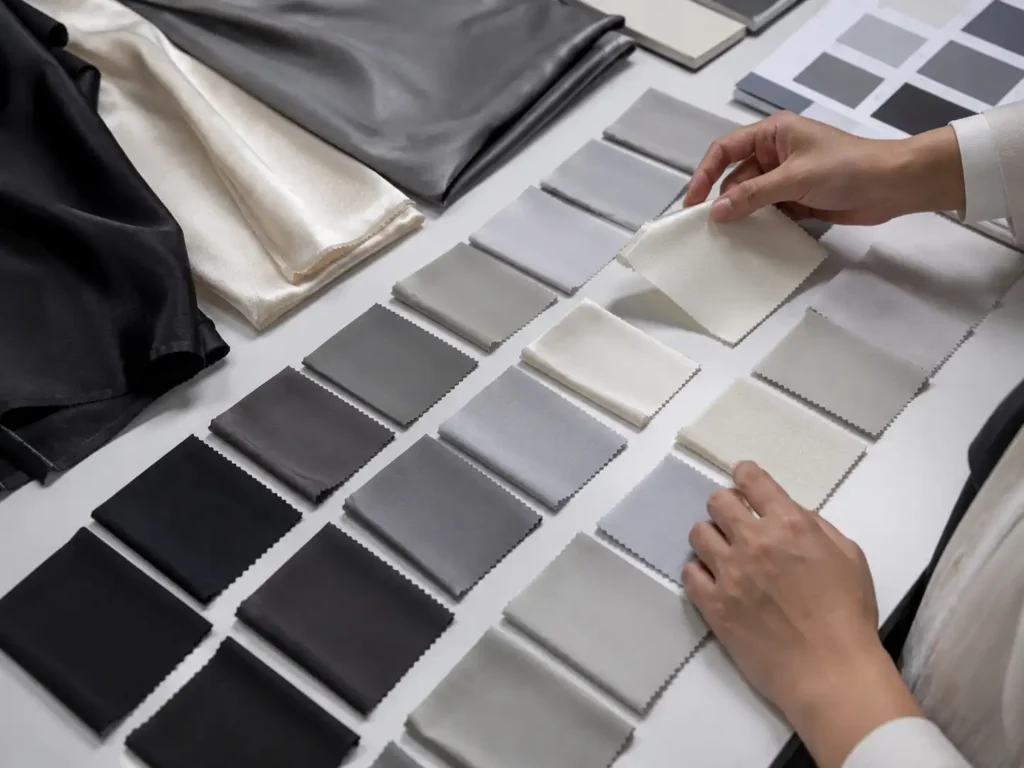
Swatches are reviewed for visual and tactile match, then compared on GSM, usable width, transparency, stretch, recovery, drape and surface risk. A lower meter price is not accepted as a saving until consumption and quality are considered.

MOQ and Timing Check

Fabric minimums, dye lots, print runs, stock status and sample-yardage availability are aligned with quantity per style/color. The route is revised when material timing conflicts with the launch window.

Sample Yardage

Approved sample yardage is booked for pattern, first sample or fit work. Lot information is recorded so later differences between sample and bulk material can be identified.

Testing and Validation

Required tests and garment-level sample checks are reviewed before bulk booking. Results are interpreted for production impact, including shrinkage, colorfastness, recovery, pilling, snagging or dimensional change.

Bulk Booking

Bulk quantity is confirmed from consumption, order size, wastage, testing allowance and supplier terms. Color, lot, delivery date, documents and replacement responsibility are recorded.

Bulk Lot Approval

Received material is checked against approved references before cutting. Shade, quantity, usable width, visible defects and key performance conditions are reviewed, separated or escalated when needed.

Fabric Approval Gates Before Bulk Cutting

Each approval object answers a different question. Keeping those references separate prevents a color approval from being mistaken for a full material or production approval.

Initial Swatch

The first swatch checks direction: composition, hand feel, color family, surface, drape and potential end use. It helps decide whether the material deserves further development, but does not confirm bulk availability, performance or final garment behavior.
Designer consulting online about fabrics and garments using a tablet in a bright studio.

Fabric Hanger

A larger hanger provides a clearer view of drape, transparency, print scale, shine and surface consistency. Supplier code, composition, GSM, width, color and commercial information should be attached so the approved visual reference remains traceable.

Lab Dip

A lab dip confirms custom color direction on the intended base fabric. Approval should use defined lighting and an agreed standard. Color approval does not replace checks for weight, hand feel, shrinkage or bulk shade continuity.

Strike-Off

A strike-off confirms print artwork, scale, color, repeat and method on the chosen base fabric. Placement prints also require location and size approval. Bulk printing should not begin from digital artwork alone.

Sample Yardage

Sample yardage provides enough material for cutting and sewing evaluation. The team can observe fraying, seam behavior, pressing, stretch, lining interaction and actual garment drape. The lot number should be recorded.

Fit Sample Fabric

The fit sample verifies whether the material supports the size chart, body shape, neckline, straps, lining, movement and length. A temporary fabric can be used only when the limitations are clearly documented.

PP Sample Fabric

The PP sample should use approved or bulk-representative fabric, trims, labels and construction. It becomes the final pre-production reference for appearance and workmanship, together with measurements and written instructions.

Bulk Lot and Shade

Bulk fabric is reviewed by lot, roll, shade and visible quality before release. New lots for repeat orders are not assumed to match historical production; shade, hand feel and performance are checked again against retained references.

Fabric Tests That Protect Dress Production

Testing requirements depend on market, product, material and brand standards. Reports may come from the fabric supplier, a nominated laboratory or an approved third party. Jinfeng Apparel reviews the result in relation to garment construction and production risk.

Test or CheckWhat It MeasuresDress RiskProduction Decision
CompositionFiber content and blendLabel mismatch or unexpected performanceConfirm source data or arrange required verification
GSMWeight per square meterWrong drape, opacity or structureReassess pattern, lining and cost
Usable WidthEffective cutting widthHigher consumption or layout failureUpdate marker and quotation
ShrinkageDimensional change after careLength and size deviationPre-treat, adjust pattern or change material
ColorfastnessResistance to washing, rubbing or transferFading, staining or consumer complaintsImprove, reject or revise end use
StretchExtension by directionRestricted fit or excessive loosenessAdjust ease, seams and size chart
RecoveryReturn after extensionBagging at hip, neckline or seatChange construction or fabric
PillingSurface wear tendencyPoor retail appearanceReview finish, end use or supplier
SnaggingResistance to pulled yarnsVisible defects on satin, mesh or knitChange handling, construction or material
Lot ConsistencyShade, hand feel and performance between batchesSample-bulk or repeat-order variationSeparate, approve by lot or reject

Custom Colors, Prints and Certified Fabric Programs

Special material programs require earlier approvals and clearer commercial boundaries. Color, print and certification choices can change mill MOQ, sample timing, testing scope and document requirements.

Custom-Dyed Fabrics

Custom color begins with the approved base fabric, Pantone or physical standard, lab dip rounds and a defined viewing condition. Dye-lot minimums and production loss can raise the material quantity above the garment requirement. Bulk shade bands should be reviewed before cutting, especially for satin, chiffon, lace, lining and trims that must work together. Core-color planning can reduce fragmented dye lots across a 10-30 style collection.

Custom Printed Fabrics

Print development needs the base fabric, artwork file, repeat size, print scale, direction, color standards and chosen method. Strike-offs verify visual accuracy before bulk printing. Garment markers may need one-way layouts or pattern matching, increasing consumption. Placement prints require coordinates by size and style. Shrinkage, colorfastness and hand-feel changes after printing must be considered before the final sample is approved.

Certified Fabric Programs

Certified or traceable material options can be evaluated by project. Supplier documents, certificate scope, material composition, transaction or batch records, color, MOQ, testing and delivery timing must be checked before claims are approved. GOTS, GRS, OEKO-TEX or recycled-content references should never be applied broadly across unrelated fabrics or factories. Jinfeng Apparel coordinates available documentation but does not replace the brand’s compliance review.

Plan Fabric MOQ, Cost and Lead Time

Jinfeng Apparel’s garment MOQ starts from 200 pieces per style/color. Fabric mills may apply separate minimums for stock, dyeing, printing, lace, sequins or certified programs. Feasibility is calculated from quantity, consumption, width, color split and material route.

Fabric DirectionMain Cost DriverMOQ RiskTiming RiskPlanning Option
Stock FabricAvailable lot, width and colorLower, but inventory can be limitedUsually lower after stock confirmationReserve core colors and verify lot quantity
Custom ColorBase fabric, dye lot and lossHigher minimum meterageLab dips, dyeing and shade approvalConsolidate volume into 1-2 launch colors
Custom PrintArtwork, base fabric and print methodMedium to highStrike-off, printing and finishingUse shared base fabric or digital print where suitable
Special LaceMotif, border, width and supplier minimumOften highReproduction and color matchingApprove a close motif or share across styles
Sequin FabricBase cloth, sequin density and attachmentOften highLonger material and sewing preparationUse sequin panels or simplify placement
Certified FabricApproved source and document scopeSupplier and program dependentVerification and document timingConfirm certificate route before sampling

Validate Fabric Through Sampling and Fit

Sampling is where a material claim becomes a wearable garment result. Jinfeng Apparel uses different sample stages to confirm construction, fit, surface quality and production repeatability before bulk material is released.

Fabric Prototype

A fabric prototype is useful when the material itself creates the main risk. The sample room can test seam appearance, fraying, stretch, lining, pressing, gathering, ruching, zipper insertion, lace joining, sequin handling or print placement before a complete size set is developed. The goal is not presentation; it is to learn whether the proposed material and construction can be repeated efficiently. The result may lead to a different needle, seam allowance, stabilizer, lining, support tape or edge finish. When the fabric proves unsuitable, alternatives can be compared before the brand books bulk quantity. Early prototypes are especially valuable for satin, high-stretch mesh, delicate lace, heavy sequins, velvet, organza and combinations of materials with different stretch or shrinkage behavior.

Sample

The fit sample connects material behavior with the size chart and body. Jinfeng checks bust, waist, hip, neckline, strap, armhole, dress length, slit height, lining length and movement according to style. The target market can use US, UK, EU or AU sizing, alpha sizes from XS-XL, extended sizes, plus-size standards, or petite/tall adjustments supplied by the brand. A fitted dress made in low-recovery jersey needs different ease from the same pattern made in power mesh or ponte. A light woven can lengthen after hanging, while a stable woven may restrict movement. Fit comments are converted into pattern and measurement changes, not left as general visual feedback.

Revised Sample

Every revision should preserve a clear history. Jinfeng records pattern changes, measurement changes, fabric replacement, lining adjustment, trim changes, sewing method, visual comments and approval status. When a new fabric enters the second sample, the team rechecks drape, stretch, shrinkage risk, transparency, consumption, MOQ and price. A change in fabric may require a new pattern balance or another fitting round; it is not treated as a simple color substitution. Revision control becomes especially important in 10-30 style programs, where multiple fabric groups and sample priorities can otherwise create conflicting instructions across the collection.

PP and Golden Sample

The PP sample combines the approved pattern, measurements, fabric, trims, labels, construction and finishing before bulk production. It should represent the material route intended for the order as closely as possible. Approval locks the visual and technical standard, while written specifications remain part of the production reference. A golden sample or retained approved sample supports factory briefing, inline comparison, final inspection and repeat-order review. Bulk fabric is still checked on receipt because a retained sample cannot guarantee a later dye lot, print run or knit batch. The approved garment and the incoming material record work together to protect sample-to-bulk consistency.

Production Capacity Behind Fabric-Led Dress Programs

Capacity matters only when material, style and production information remain organized. Jinfeng Apparel combines factory allocation, pattern work, project tracking, QC and finishing resources for multi-style collections and larger bulk programs.

Style-Factory Matching

Orders are allocated according to woven or knit construction, fabric sensitivity, silhouette, workmanship difficulty, quantity and timing. A soft chiffon maxi program, a high-stretch bodycon range and a structured corset collection do not require the same production setup. Six owned factories and more than ten long-term production partners allow the plan to follow product needs.

Pattern Development

Seven or more senior pattern makers manage production-ready patterns for mini, midi, maxi, bodycon, corset, slip, halter, strapless, backless, A-line, jumpsuit and matching-set styles. Material stretch, drape, lining and support are considered during correction and grading, including US, UK, EU, AU and brand-specific size systems.

Multi-Style Sampling

Two sample rooms and more than twenty sample machinists support first samples, fit samples, revised samples, photo-ready samples, PP samples and golden samples. Collections of 10-30 styles can be grouped by fabric, structure, trims and launch priority so critical styles move first while later styles remain traceable.

Material Tracking

Project files can retain fabric supplier, composition, GSM, width, stretch, hand feel, drape, transparency, color, lot, MOQ, cost basis, timing, shrinkage risk, colorfastness information, approval references and bulk exceptions. The material record stays linked to pattern, BOM, size chart, sample comments and production instructions.

Bulk Quality Control

Fifteen or more QC inspectors support material receipt, cutting, inline checks, measurement review, workmanship inspection, finishing, packing and pre-shipment control. Inspection points are selected according to the material: shade and snagging for satin, stretch and holes for mesh, motif placement for lace, recovery for jersey, or sequin loss and sharp edges for embellished fabric.

Private-Label Delivery

Thirty or more finishing and packing workers support woven labels, size labels, care labels, hangtags, barcodes, polybags, carton marks and shipment preparation. Fabric-sensitive folding and protection can be included where required. Multi-batch delivery, customer-appointed forwarders and export document coordination can be aligned with the brand’s logistics plan.

Fabric Sourcing Cases for Multi-Style Programs

The following anonymous project snapshots reflect the scale and decision structure common in established fashion programs. Brand identities, unpublished designs and proprietary material information remain protected.

Satin Occasionwear Collection - United States

An established U.S. occasionwear label planned 18 satin and stretch-satin styles across slip, corset, ruched midi and bridesmaid silhouettes. The confirmed order totaled 42,600 pieces in five core colors and an XS-XL size range. The original sourcing route used three satin qualities with different shine and recovery, creating inconsistent fitting and visible shade differences between outer fabric and lining. Jinfeng Apparel grouped the collection into two approved satin bases, retained a separate stretch base for fitted styles and aligned lining colors before PP approval. The pattern team corrected bust, waist, hip and strap behavior after the material consolidation. Bulk fabric was separated by lot, satin panels followed one-way cutting rules, and final packing avoided sharp folds across the front bodice. Three approval rounds covered lab dips, revised fit and PP samples. Production and finishing were staged by color, allowing the highest-volume black and navy groups to move first while later colors completed final shade review.
  • Program: 18 styles / 42,600 pieces / 5 colors / XS-XL
  • Material focus: satin luster, stretch recovery, lining tone and one-way cutting
  • Control result: two main satin bases replaced a fragmented three-quality plan, improving visual consistency across the collection

Mesh and Lace Going-Out Range - United Kingdom

A U.K. fashion brand developed 24 going-out styles using power mesh, decorative mesh, lace and jersey lining. The bulk program reached 68,400 pieces across bodycon, cut-out, one-shoulder, long-sleeve and two-piece looks. Early samples showed different stretch behavior between the outer mesh and lining, causing neckline opening and hip drag in selected styles. Jinfeng Apparel classified the materials by stretch direction and recovery, then assigned different lining and elastic support rules to each group. Lace styles received motif-placement standards and mirrored panel instructions. Size review covered UK grading from 6-18, with separate attention to bust coverage, armhole stability and hem movement in the extended sizes. Incoming mesh was checked for holes and width variation, while inline QC focused on stretched seams, neckline recovery and lace alignment. Production was divided across matched lines according to fabric group rather than garment category alone, reducing method changes and keeping workmanship consistent across the 24-style launch.
  • Program: 24 styles / 68,400 pieces / UK 6-18
  • Material focus: mesh recovery, jersey lining, elastic support and lace placement
  • Control result: fabric groups received separate pattern and sewing rules instead of one collection-wide standard

Printed Resort Dress Program - Australia

An Australian resortwear brand planned 12 printed woven dresses in maxi, midi, wrap, halter and tiered silhouettes. The order totaled 26,800 pieces across six prints and two solid coordinates. The first print plan used several base fabrics, making color matching, shrinkage and delivery timing difficult. Jinfeng Apparel compared print scale, drape, opacity and usable width, then consolidated ten styles onto one rayon-viscose base while two structured styles retained a firmer woven. Strike-offs were reviewed for repeat size, direction and skin-tone appearance under the intended lining. Pattern markers used one-way layouts for directional florals, and consumption was recalculated before bulk booking. Sample garments were measured again after hanging to control length balance in the maxi and tiered shapes. Bulk rolls were grouped by print run, and cutting records protected panel direction. The program moved through staged production so campaign styles were completed first, followed by the remaining assortment and private-label packing.
  • Program: 12 styles / 26,800 pieces / 6 prints + 2 solids
  • Material focus: print scale, direction, rayon drape, shrinkage and one-way markers
  • Control result: base-fabric consolidation simplified approvals while preserving structure where the silhouette required it

Protect Fabric Records Across Repeat Orders

Long-term material control depends on retained references, controlled access and a fresh review of every new lot. Historical records speed development, but they do not replace current material approval.

Fabric Records

Jinfeng Apparel can retain approved supplier and fabric references, composition, GSM, usable width, stretch direction, recovery, hand feel, drape, transparency, lining, color, lot, MOQ, cost basis, timing, shrinkage risk, available test information, sample comments and bulk exceptions. Records remain linked to the style, pattern, size chart, BOM and production notes so later color or fabric extensions begin from an established reference rather than from memory.

NDA and Design Protection

NDA-based cooperation can cover tech packs, line sheets, sketches, original samples, paper patterns, measurements, fabric plans, exclusive prints, trims, labels, packaging, quantities, target prices and unpublished launch information. Brand names, logos and proprietary development details are not used in public case material without authorization. Sensitive files can be shared after the agreed confidentiality route is in place.

Repeat-Order Continuity

Repeat production can reuse approved patterns, measurement records, fabric references, trims, construction notes, packing instructions and golden-sample standards. Before booking, the new material source, lot, color, hand feel, width and relevant performance conditions are checked again. The system also supports same-pattern new colors, same-style alternative fabrics, seasonal updates, split deliveries and replenishment programs without assuming that a new fabric batch is identical to the previous one.

Fabric Sourcing Frequently Asked Questions

Yes. Provide the mill contact, fabric code, specification, commercial responsibility and sample-yardage route. Jinfeng Apparel reviews dress suitability, coordinates the material with pattern and sampling, records incoming lots and reports production risk. Nominated status does not remove the need for approved references, incoming checks or clear defect-handling responsibility.

Yes. Send the original swatch, garment sample or fabric brief with the properties that must be protected. Alternatives are compared by composition, GSM, width, stretch, recovery, hand feel, drape, transparency, surface, cost, MOQ and timing. Meaningful differences are explained before sample yardage is ordered.

Provide composition, target GSM, usable width, stretch direction, recovery, hand feel, drape, transparency, color or print, finish, lining requirement, target cost, quantity per style/color, testing standard and delivery date. A reference swatch gives the clearest starting point when hand feel or surface appearance is important.

Jinfeng Apparel’s garment MOQ starts from 200 pieces per style/color, while the mill may require a larger stock purchase, dye lot, print run or special-material minimum. The fabric requirement is calculated from consumption, width, wastage, color split and supplier terms before the order route is confirmed.

Yes, subject to base-fabric availability, dye-lot MOQ, lab-dip approval, bulk timing and shade control. The brand should provide a Pantone or physical color standard and identify matching lining or trim requirements. Bulk shade remains a separate approval from the lab dip.

Yes. The project should include the artwork, repeat or placement size, color standards, base fabric, print method and intended styles. Strike-offs are approved before bulk printing. Directional layouts, placement coordinates, shrinkage, colorfastness and extra marker consumption are reviewed before quotation and cutting.

Bulk material is checked against the approved supplier, code, color and reference by lot and roll. Quantity, visible condition, shade, usable width and key project requirements are reviewed before cutting release. Different lots can be separated, escalated or used only after written deviation approval.

The material is isolated and compared with the approved reference. Jinfeng Apparel reports the difference and its garment impact, then proposes replacement, sorting, pattern adjustment, construction change, revised approval or commercial discussion. Production does not proceed silently when the difference affects fit, appearance or quality.

Certified options can be evaluated by project. The supplier, material, certificate scope, color, batch documents, testing, MOQ and timing must be confirmed before claims are used. Jinfeng Apparel can coordinate available documents, while final compliance acceptance remains subject to the brand’s standards and the actual production route.

Yes. Jinfeng Apparel supports NDA-based cooperation and protects tech packs, original samples, patterns, fabric plans, exclusive prints, trims, private-label details, quantities, target prices and unpublished designs. Public case material remains anonymous unless written authorization allows further disclosure.

Send Your Fabric Brief for Project Review

Share the material and style information already available, even when the sourcing route is not fully decided. Kelly will coordinate an initial review of fabric suitability, nominated or factory-sourced options, garment MOQ, material minimums, pattern implications, sample requirements and production timing. A useful first submission does not need to be a finished tech pack, but it should identify the dress direction, quantity and commercial target clearly enough for the team to evaluate the right next step. Sensitive files can be handled under NDA before detailed development information is released.

  • Tech pack, line sheet, reference image, sketch or original sample
  • Original fabric swatch, supplier code or nominated mill details
  • Composition, GSM, width, stretch, hand feel, color or print requirements
  • Quantity per style/color and planned size range
  • Required tests, certification documents or brand material standards
  • Private-label, barcode, packing and warehouse requirements
  • Target cost position, launch date and requested delivery window
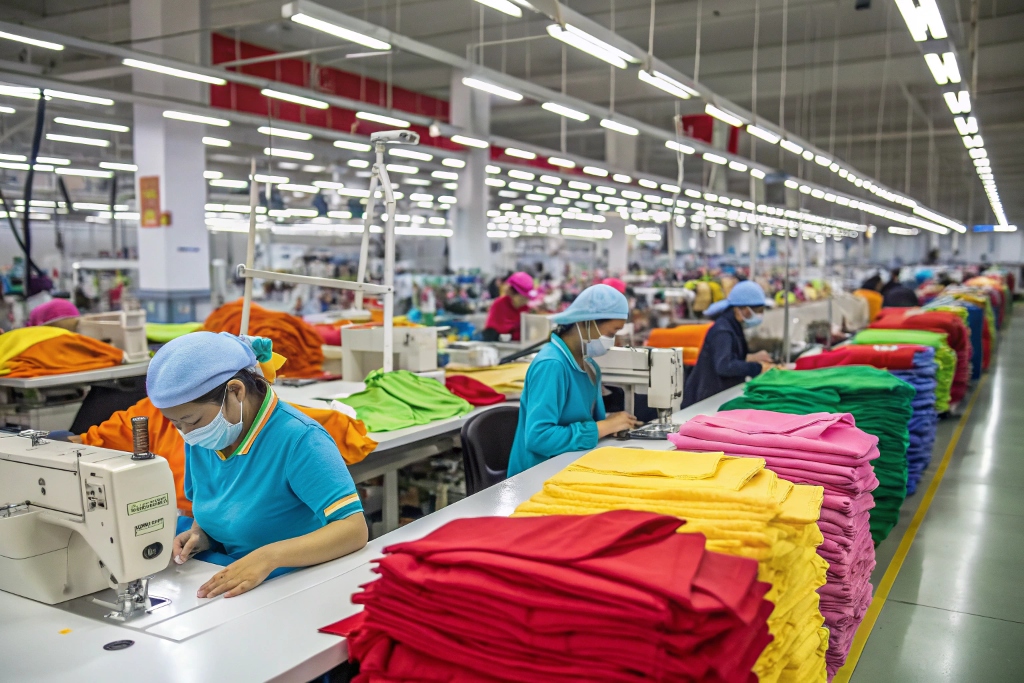
Factory workers sewing garments surrounded by colorful stacks of fabric on tables.

Tell Us About Your Dress Project

Share your product details, estimated quantity and development requirements. Our team will review your project and provide practical OEM/ODM production feedback.

Premium Women’s Apparel Production for Fashion Brands

From dress sample development to bulk production, JF Apparel supports fashion brands with confidential OEM/ODM manufacturing, reliable quality control and scalable production support.

START YOUR DRESS PROJECT

Ready to Develop Your Next Dress Collection?

Share your design concept, product requirements or sourcing plans with our team. We’ll review your project and provide practical feedback on development, materials, MOQ and production.

7-10 Days

Sample Development

200 PCS

Starting MOQ

Fast Response

Professional Follow-Up