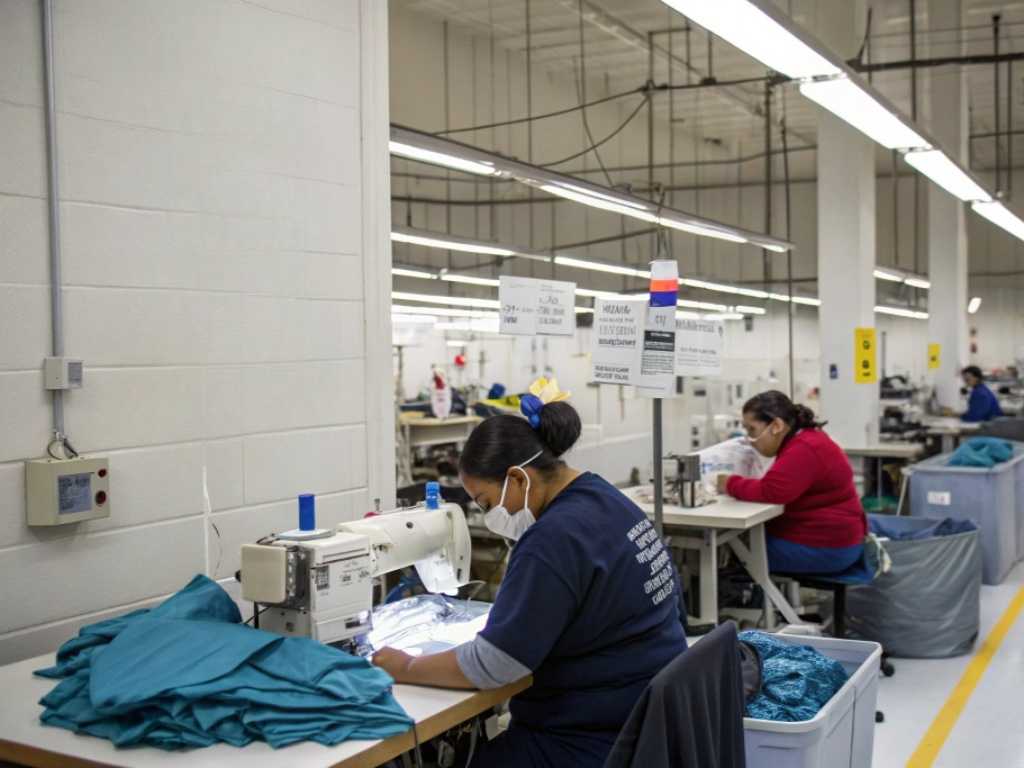
Dress Manufacturer for Fabric-Led Fashion Brands
Turn distinctive fabric direction into production-ready dresses with controlled fit, finish, bulk consistency and repeat-order records.
- 20+ fabric directions across woven, stretch, sheer, lace, textured and embellished womenswear materials.
- 7+ senior pattern makers and 20+ sample machinists supporting fabric-specific pattern and sample development.
- 18+ sewing lines allocated by material behavior, garment structure, workmanship level and order schedule.
- MOQ starts from 200 pcs per style/color, with separate review for custom dyeing, printing, special lace, sequins and certified materials.
Jinfeng Apparel supports global fashion brands with fabric sourcing, material substitution, pattern development, sample revision, PP approval, bulk production, quality control, private-label packing and export delivery. Every project begins by studying hand feel, drape, stretch, transparency, surface behavior, lining requirements, color control and production risk so the approved fabric identity can survive cutting, sewing, pressing, packing and future reorders.
A Manufacturing System Built Around Fabric Decisions
Since 2008
6 Owned Factories
10+ Partner Factories
2 Sample Rooms
100,000+ Monthly Capacity
15+ QC Inspectors
Built for Brands Where Fabric Defines Product Identity
Premium Fashion Labels
Occasionwear Brands
Fabric-Driven DTC Brands
Product Development Teams
Sourcing Teams
Private-Label Programs
Where Fabric-Led Dress Development Commonly Breaks Down
Wrong Silhouette
Sample-Bulk Gap
Shade Variation
Stretch Misuse
Coverage Failure
Surface Damage
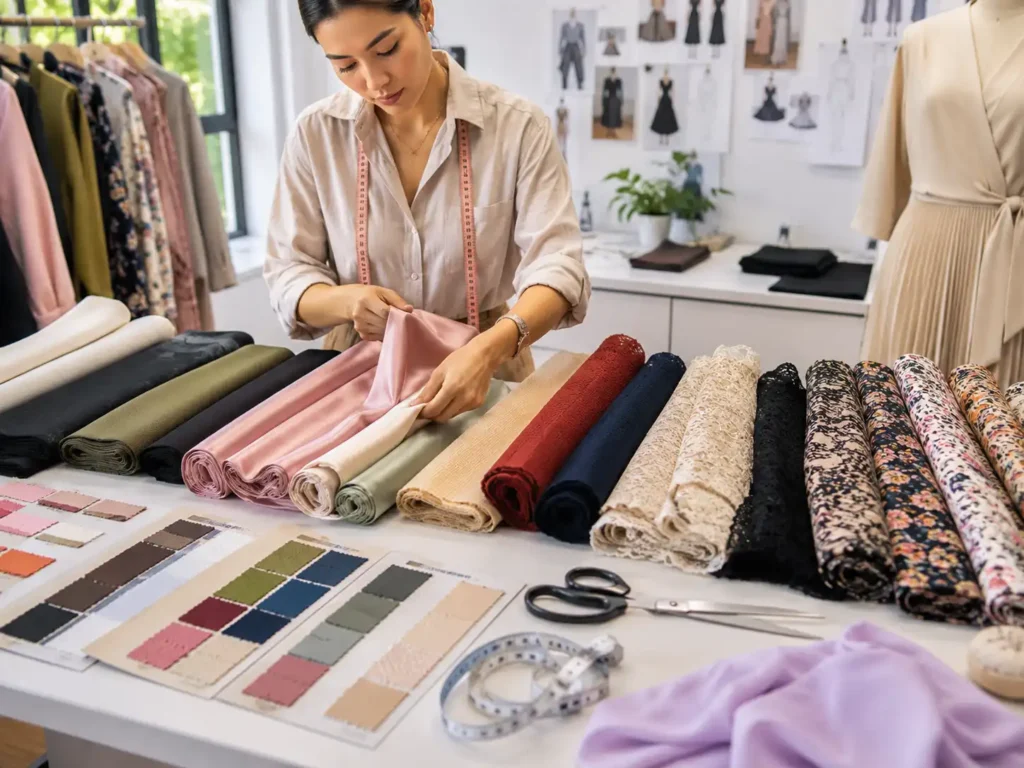
Fabric Is a Product Decision, Not Decoration
Material selection changes the engineering and commercial behavior of a dress. Strong development connects visual direction with fit, construction, cost and repeatability.
Material Controls Shape and Movement
Weight, drape, stiffness, stretch and recovery determine how a neckline sits, how a waistline holds, how a skirt moves and how a hem balances. A bias-cut satin slip dress, a structured crepe midi and a stretch-mesh bodycon dress may share a similar sketch, yet each requires different ease, grain direction, lining, seam treatment and pressing control. Pattern work begins only after the team understands how the intended fabric behaves on the body and during production.
Material Controls Commercial Risk
Fabric width affects consumption; custom dyeing and printing affect MOQ and lead time; transparency may require a second layer; sequins and lace increase handling and inspection; shrinkage affects measurements; wrinkle behavior affects packing. A material-led decision therefore influences quotation, sample timing, size grading, bulk schedule, QC and reorder stability. Jinfeng Apparel reviews these links before the first sample so visual ambition and production reality remain aligned.
How Fabric Properties Change Dress Development Decisions
A structured review converts subjective words such as soft, fluid, premium or sculpting into measurable development actions. The matrix below guides fabric selection, pattern adjustment and bulk planning.
| Fabric Property | Dress Impact | Main Risk | Development Action |
|---|---|---|---|
| Weight / GSM | Support, fall and overall body | Garment collapses or feels heavy | Adjust structure, lining and pattern ease |
| Drape | Skirt movement and silhouette | Shape differs from concept | Review panel shape, bias use and hem |
| Stretch / Recovery | Fit at bust, waist and hip | Growth, twisting or size instability | Confirm direction, percentage and grade rule |
| Transparency | Coverage and layering | See-through areas or exposed lining | Set lining type, length and placement |
| Surface / Shine | Color reading and visual quality | Snags, pressure marks or mismatched panels | Control direction, handling and pressing |
| Shrinkage | Final measurements | Bulk size variation after care | Test, record allowance and update pattern |
| Print Repeat | Placement and visual balance | Misaligned motifs or inconsistent fronts | Set scale, repeat, marker and cutting plan |
| Width / Usable Width | Consumption and costing | Unexpected fabric usage and price change | Recalculate marker, yield and order quantity |
Fabric Directions Across Custom Dress Programs
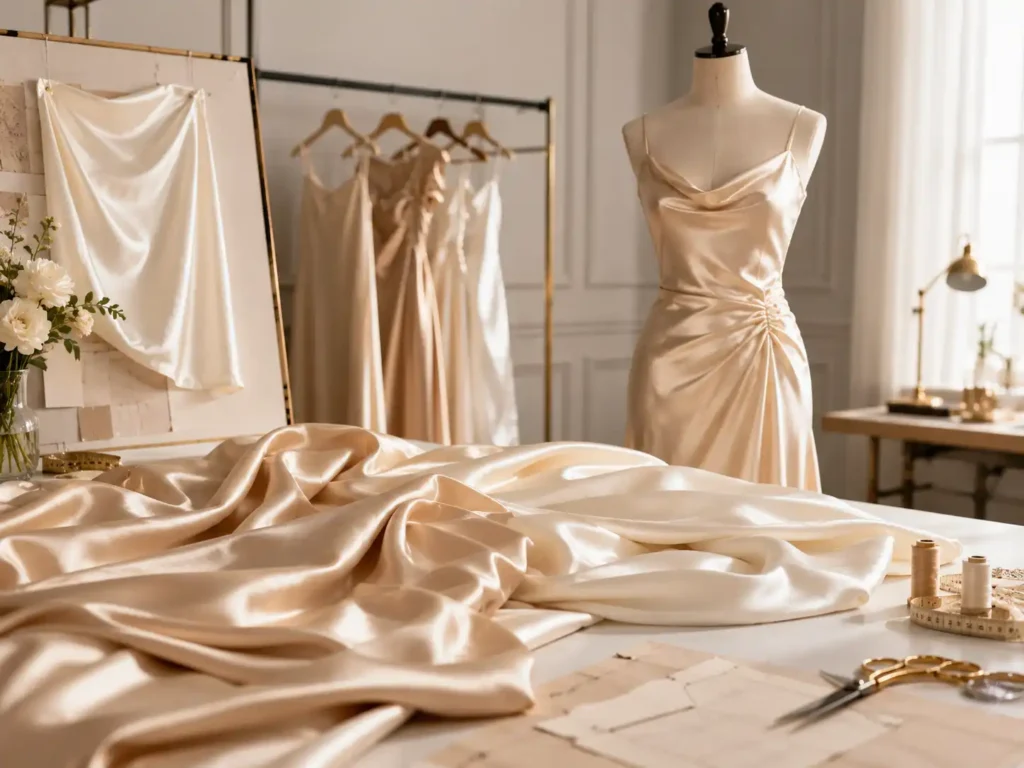
Satin and Stretch Satin
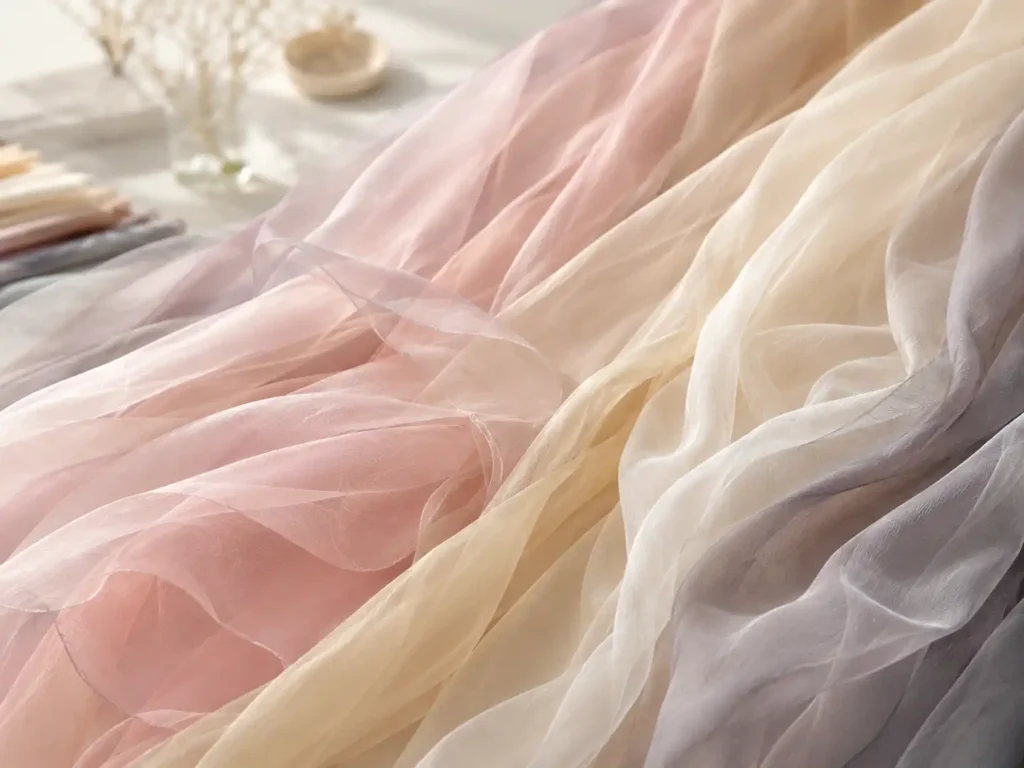
Chiffon and Light Wovens
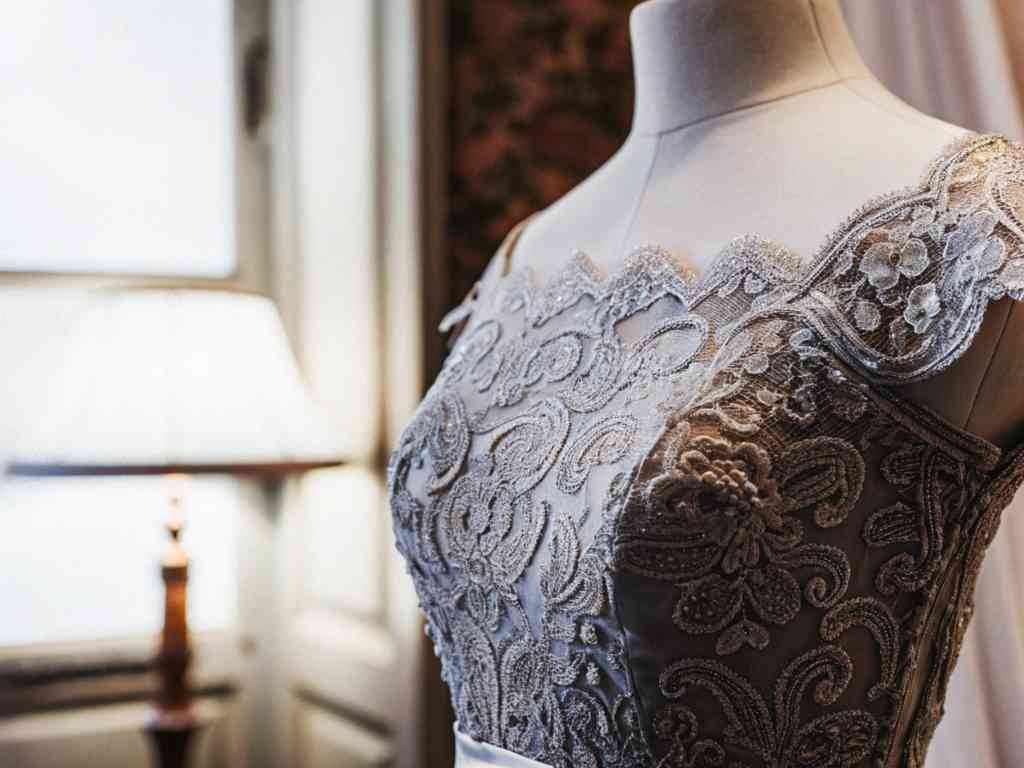
Lace and Embroidery

Mesh and Power Mesh
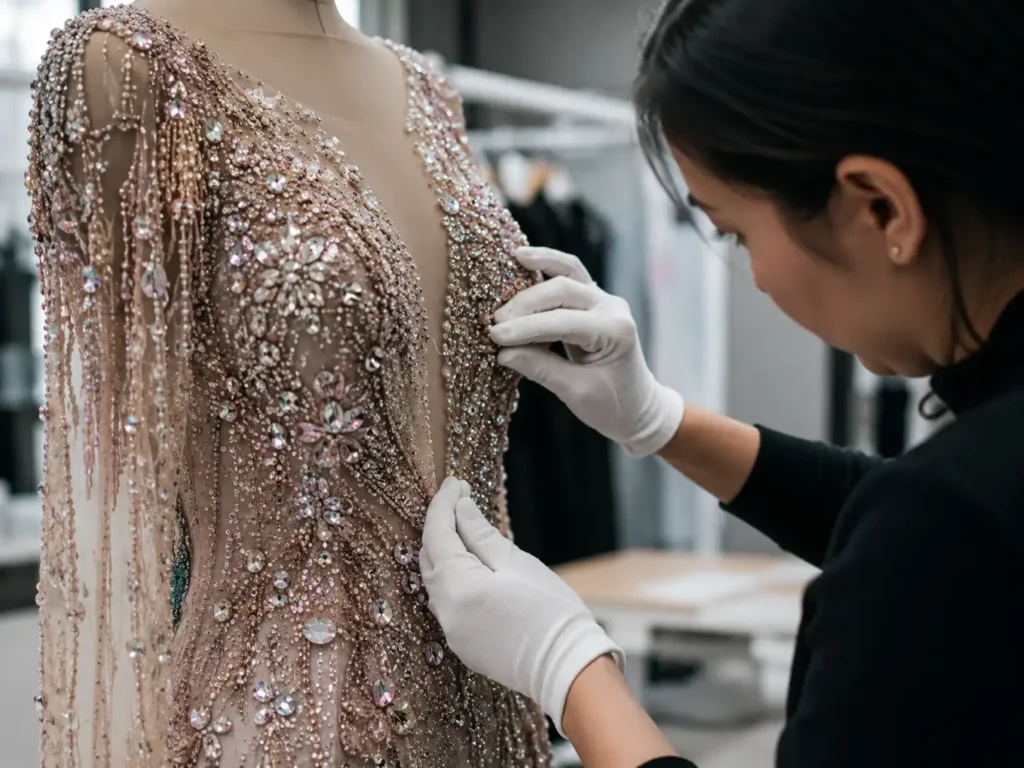
Sequins and Embellishment

Jersey, Rib and Ponte

Rayon, Viscose and Linen
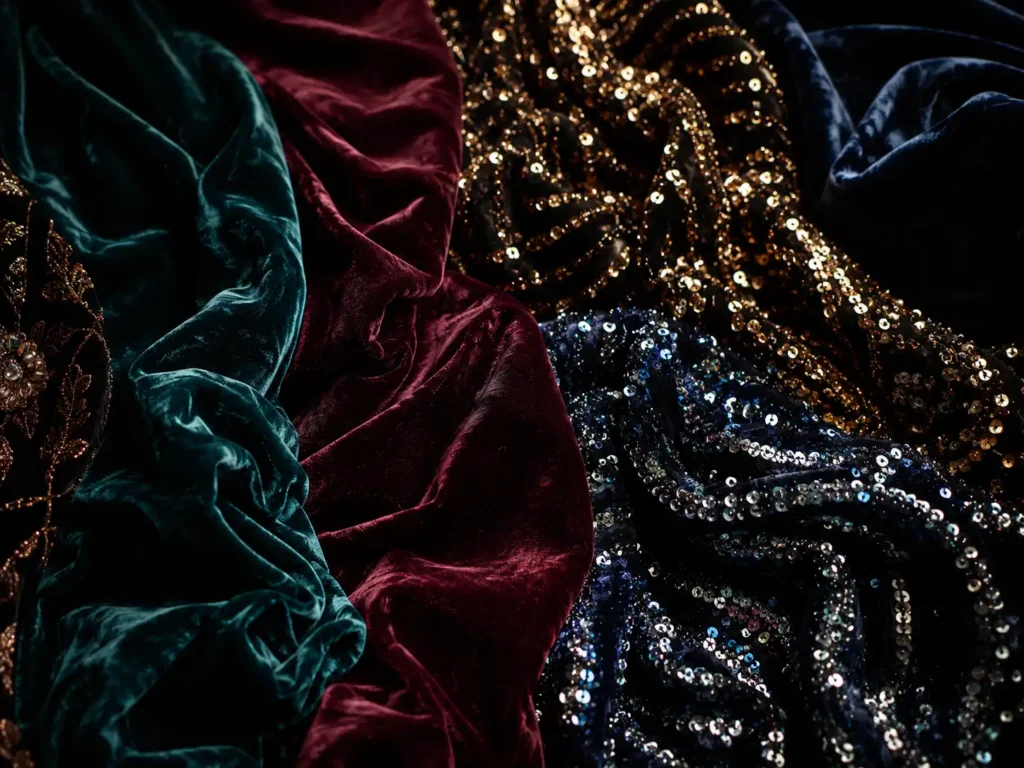
Velvet, Organza and Tulle

From Fabric Reference to a Production-Ready Option
A project can begin from a physical swatch, mill specification, original garment, mood board, image or hand-feel description. Every starting point requires a different sourcing path.
When a Physical Swatch Exists
The team compares composition, construction, weight, width, hand feel, drape, stretch, transparency, color, surface and care behavior. A close visual match may still perform differently in sewing or wearing, so proposed options are presented with clear differences rather than being described as identical. Fabric pictures, videos, color cards or cuttings can support initial review, followed by physical approval when material identity is central to the collection.
When Only a Visual Direction Exists
Mood boards and reference images help define the desired effect, but development also needs neckline, length, fit preference, lining, closure, target price, size range and launch timing. The sourcing team narrows options by silhouette and commercial requirement, then checks stock availability, supplier MOQ, color range, width and bulk lead time. Early clarification avoids choosing a beautiful fabric that cannot support the intended product structure or delivery plan.
When Substitution Is Required
Substitution may be needed because of price, unavailable color, mill MOQ, late delivery, certificate scope or unstable bulk supply. Comparison focuses on weight, hand feel, drape, stretch, transparency, sheen, shrinkage, cost and production risk. A meaningful material change may require pattern adjustment, lining change, revised costing and another sample. Approval records identify the final option used for PP and bulk production.
Risk Review Before Cutting the First Sample
Fabric Suitability
Pattern Risk
Lining Strategy
Trim Compatibility
Commercial Feasibility
Bulk Risk Level
Pattern Engineering Changes with Fabric Behavior
Review Pattern Direction | Discuss Fit Standard
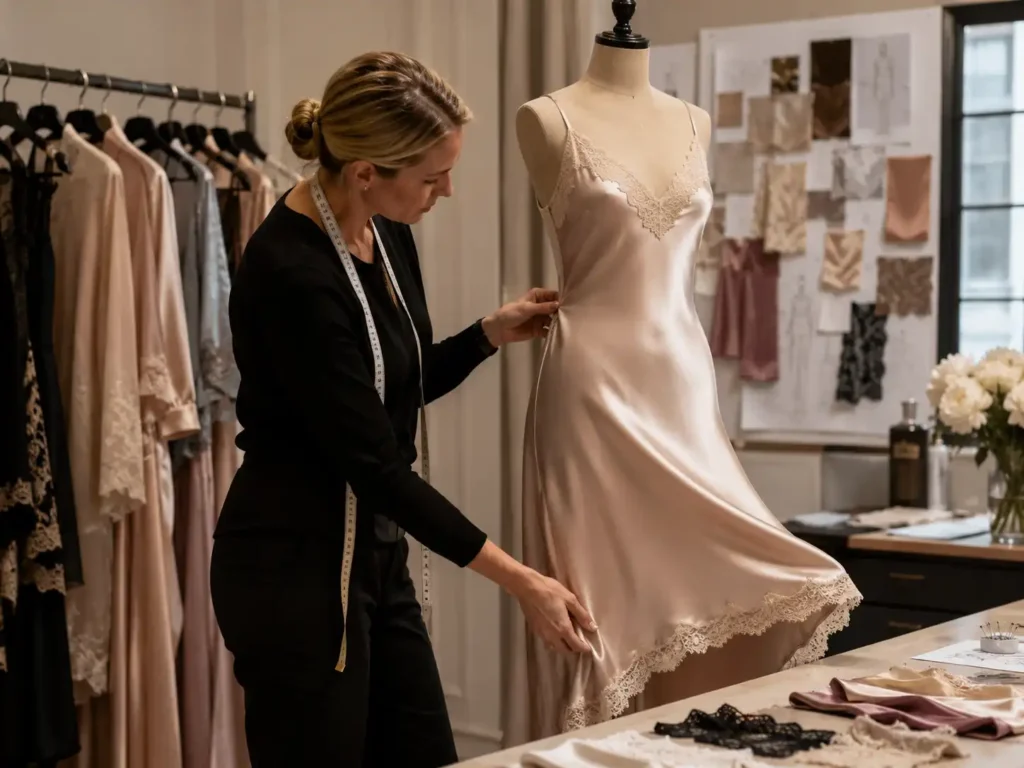
Grain and Bias

Stretch Direction

Bust-Waist-Hip Ease

Seams and Darts
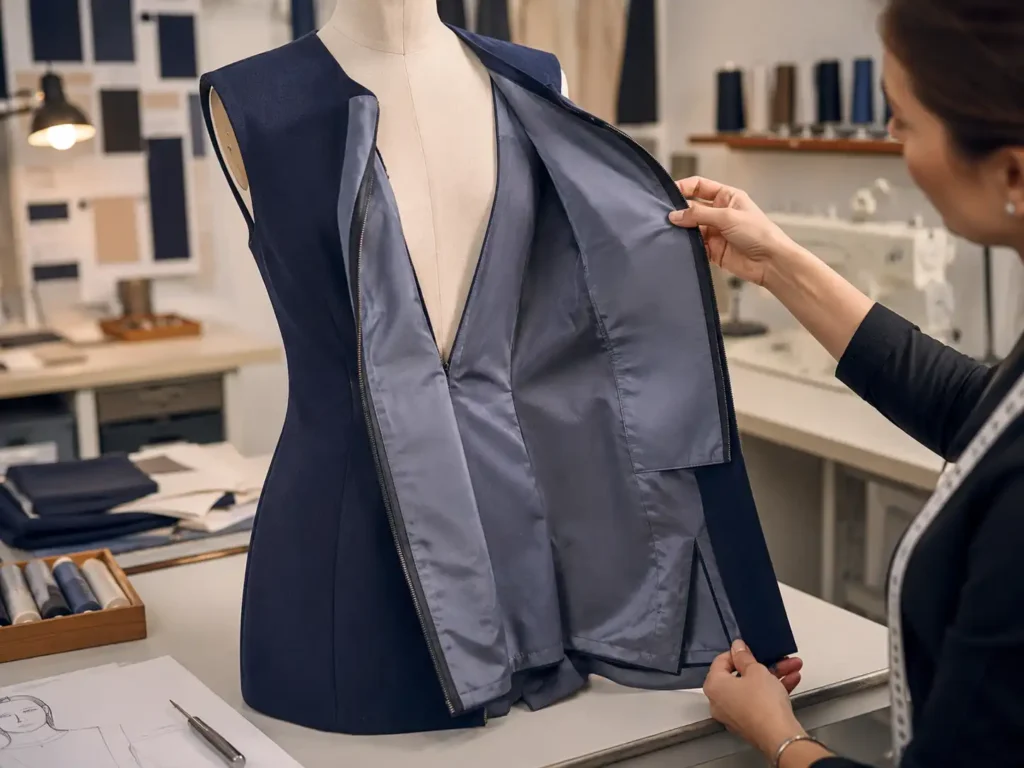
Lining and Support

Hem and Skirt Balance
A Sample Process Built Around Fabric Validation
Nine linked stages turn material direction into a controlled production standard. Approval at one stage does not replace the checks required at the next.
Fabric Brief
Swatch Review
Fabric Confirmation
Pattern Development
First Sample
Fit and Drape Review
Revised Sample
PP Sample
Golden Standard
Fabric Approval Before Bulk Production Begins
Weight and Width
Stretch and Recovery
Shrinkage
Colorfastness
Shade Variation
Transparency
Surface Defects
Placement and Wash
Special Handling for High-Risk Fashion Fabrics
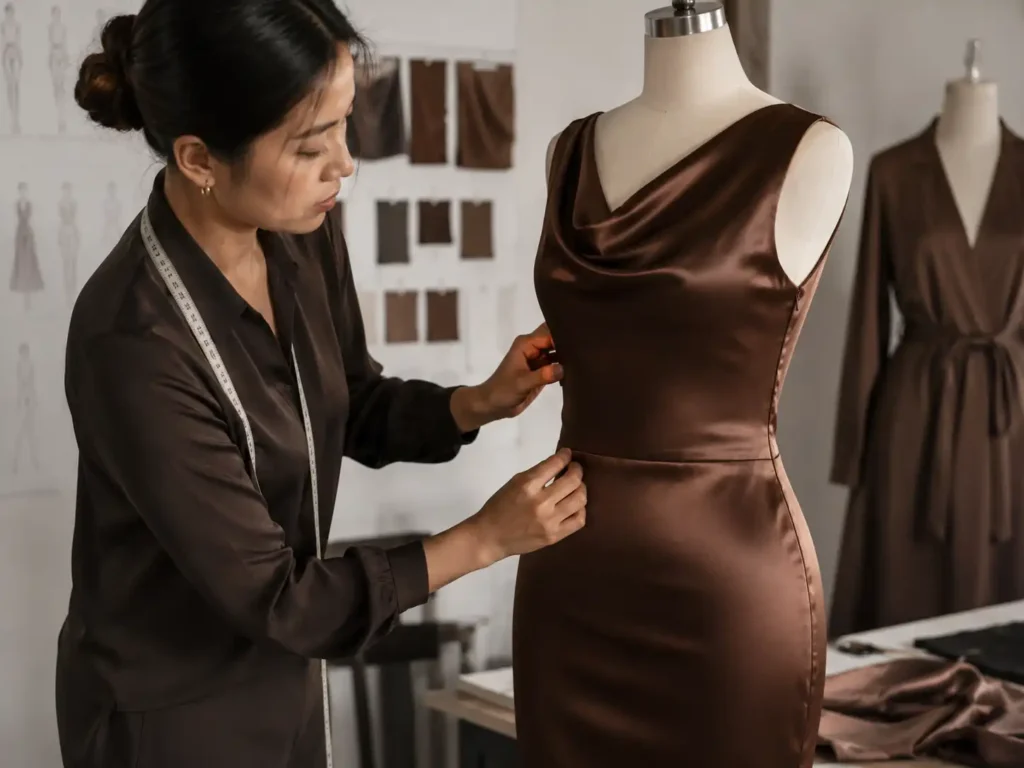
Satin Control
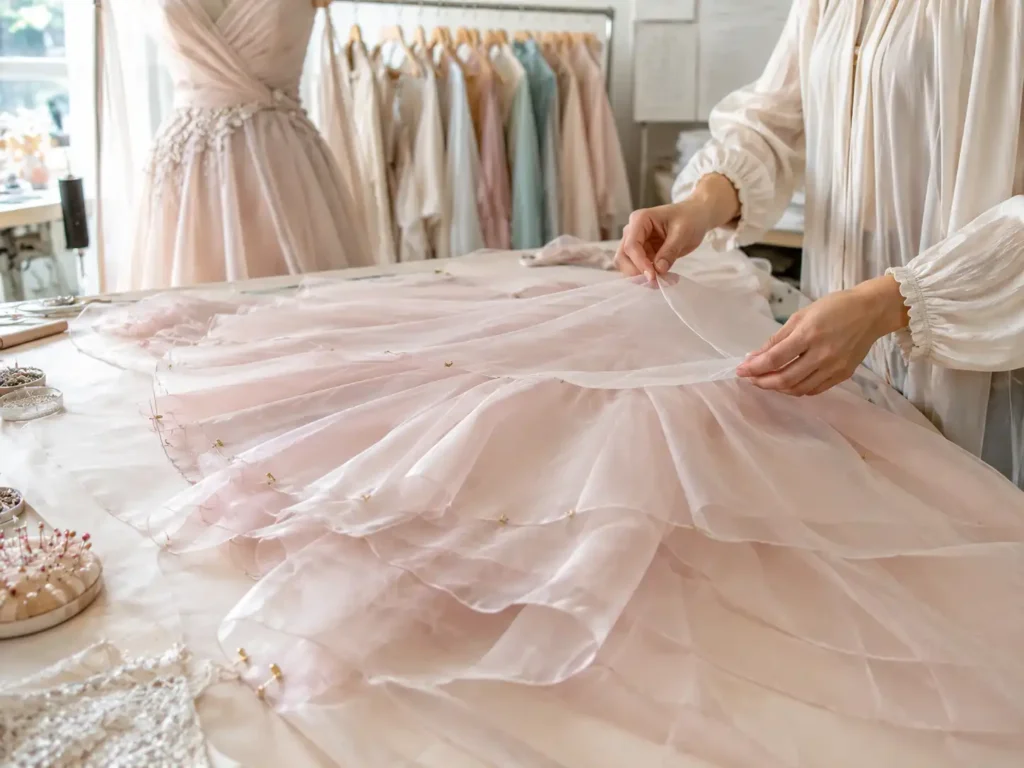
Chiffon Control

Mesh Control
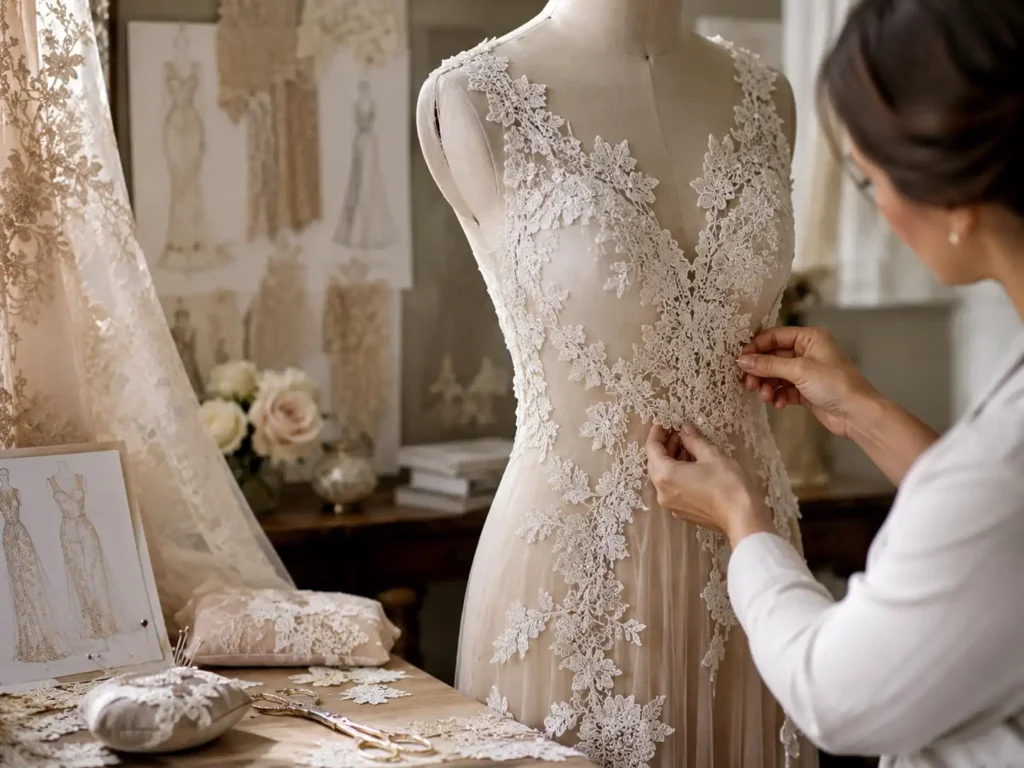
Lace Control

Sequin Control
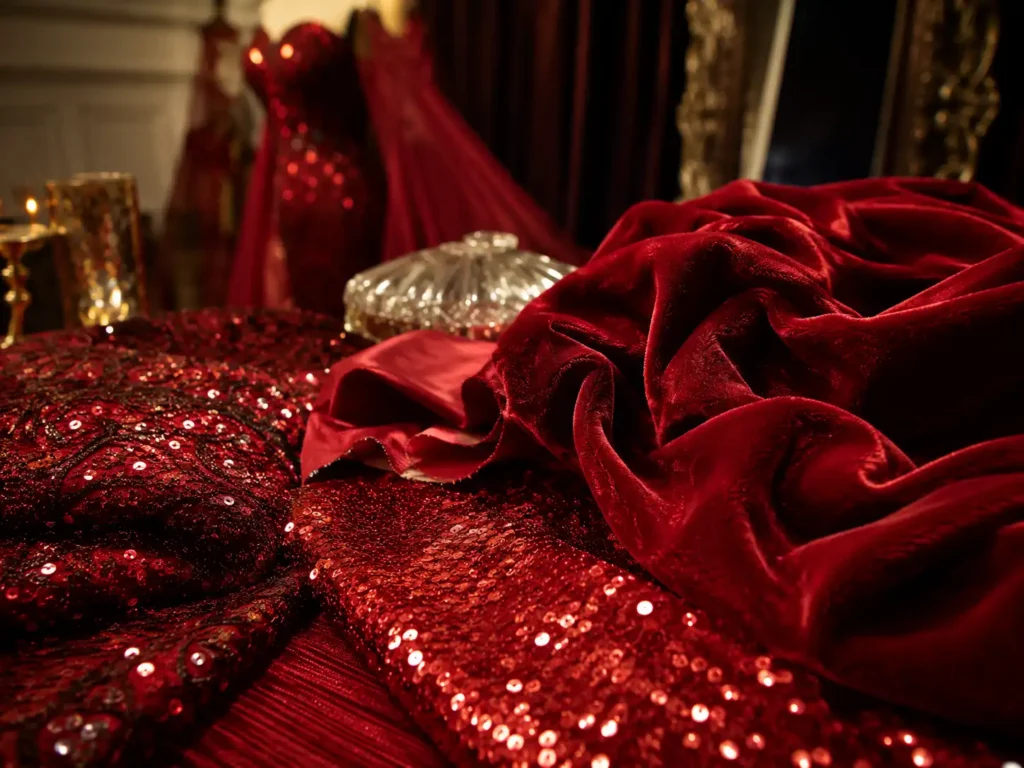
Velvet and Volume
Bulk Production That Protects the Approved Fabric Standard

Fabric Arrival

Incoming Inspection

Relaxing and Preparation
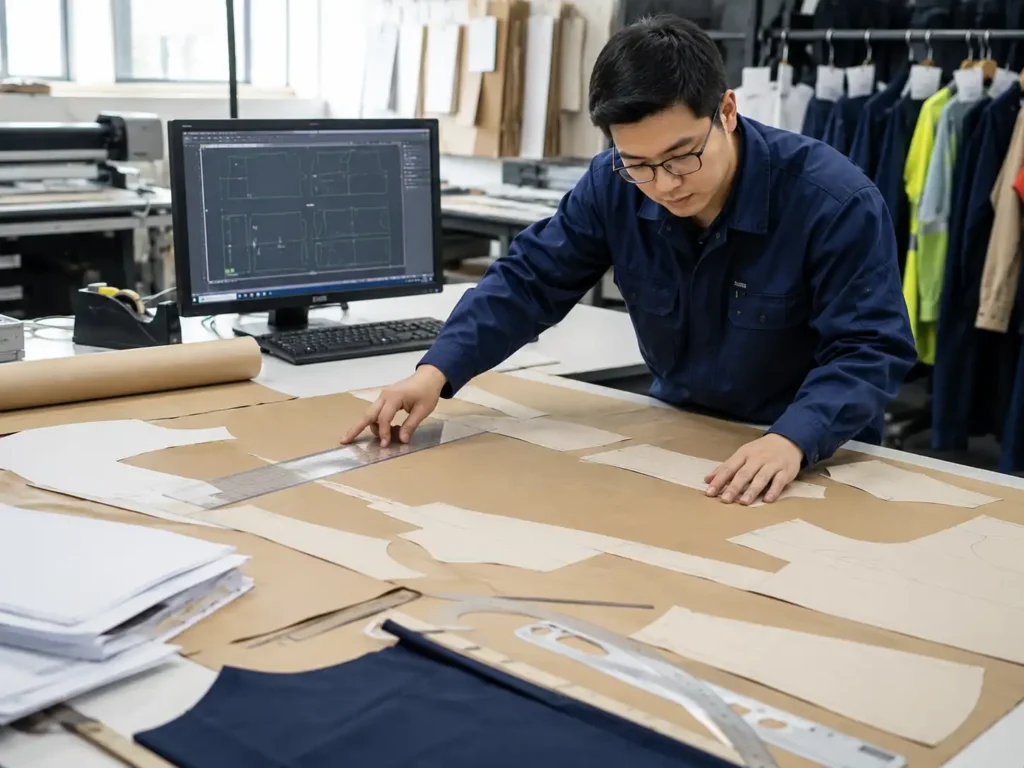
Marker Direction

Cut-Panel Control

Sewing Standard
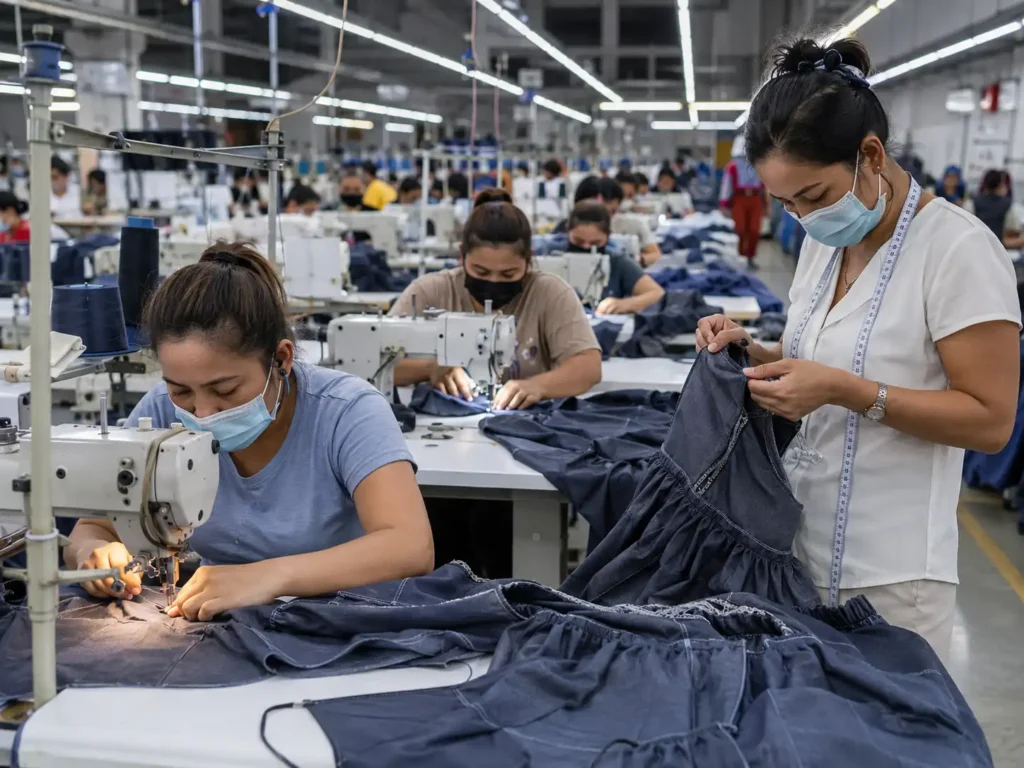
In-Line Inspection
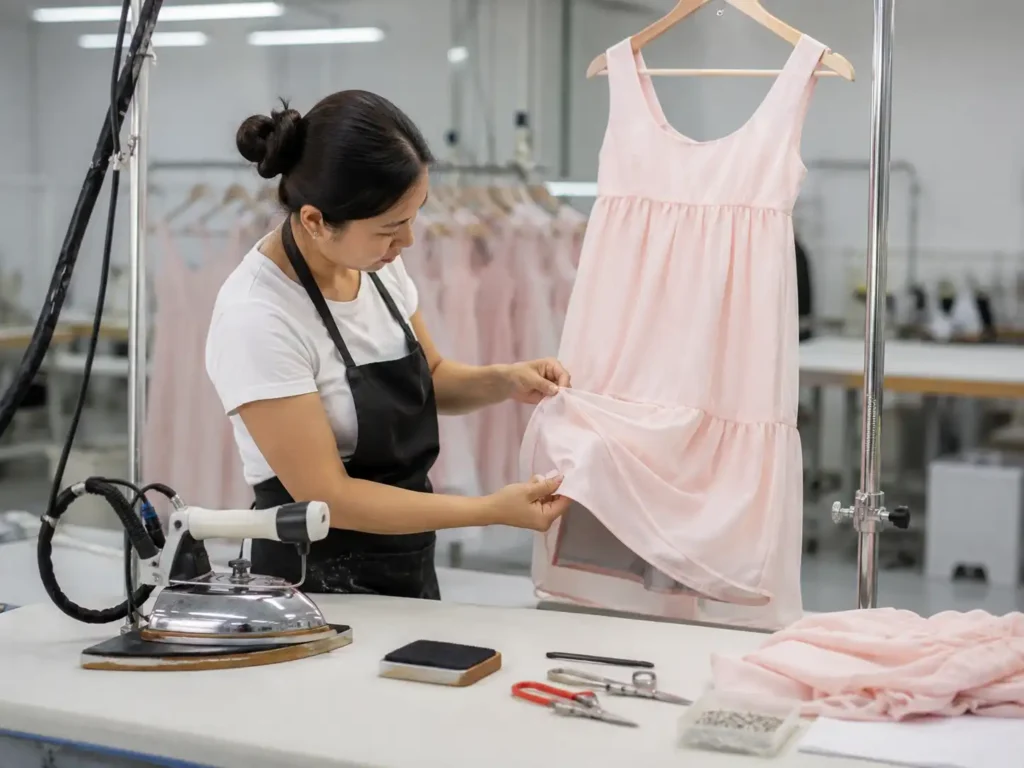
Pressing and Finishing

Protective Packing
Quality Checks from Fabric Roll to Finished Dress
Quality control follows material risk through four connected gates. Finding a fabric issue after final sewing is too late and too expensive.

Incoming Fabric QC
Roll-level review focuses on shade, dye lot, hand feel, width, weight, visible defects, holes, stains, snags, missing decoration, stretch, recovery, transparency and shrinkage risk. Material is compared with the approved physical reference or documented standard. Rolls with meaningful differences are separated before spreading so shade or surface variation does not become mixed within the same garment or delivery batch.

Cutting QC
Cutting control checks pattern version, grain, shine or pile direction, print orientation, motif placement, layer stability, size marking, cut-panel condition and lot separation. Delicate fabrics are protected from abrasion and pressure. Cut parts are reviewed before sewing because wrong direction, mixed lots or damaged surfaces cannot be corrected reliably after assembly.

In-Line Production QC
In-line inspection monitors seam quality, puckering, tension, zipper flatness, lining, cups, boning, straps, lace joins, mesh stability, decoration, key measurements and garment symmetry. Problems are classified, corrected and rechecked while the line is active. Bulk-relevant actions are recorded in the QC checklist and production notes to prevent the same defect from spreading across colors or sizes.
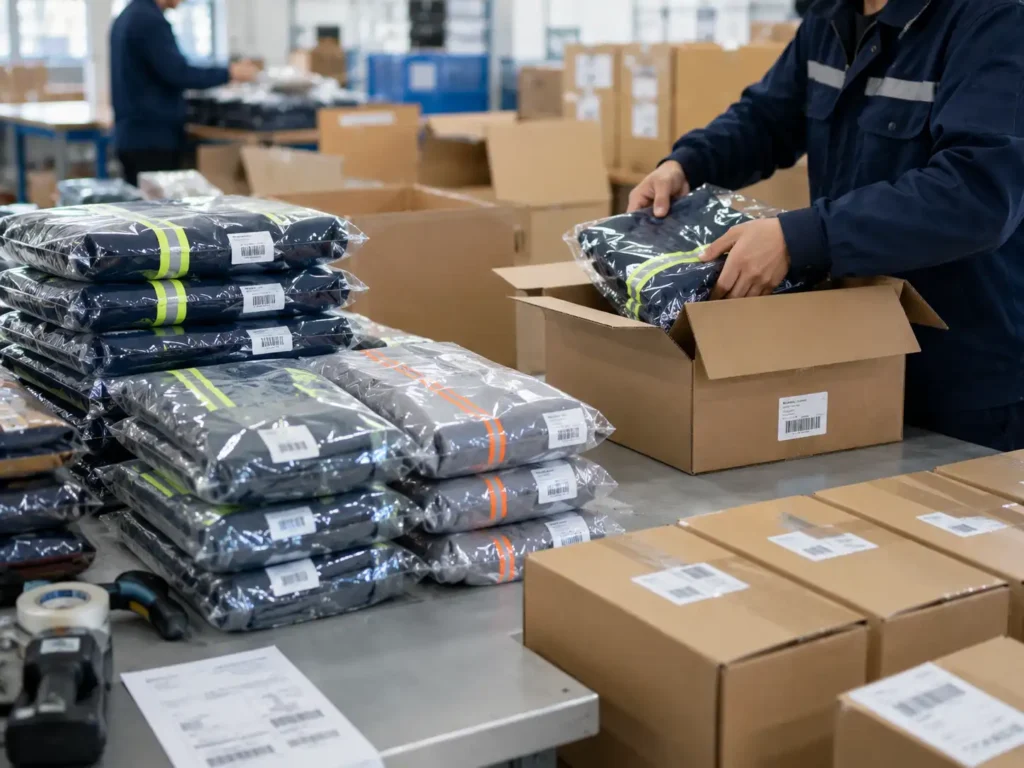
Final and Packing QC
Finished dresses are reviewed for measurements, appearance, shade, surface condition, pressing, labels, hangtags, barcode stickers, folding, polybags, carton ratio and carton marks. AQL inspection or client inspection can be coordinated according to the order requirement. Final release follows the approved PP or Golden standard and the confirmed packing file rather than visual judgment alone.
Keeping Fabric Identity Consistent Across Reorders
Approved Swatch
Shade Records
Pattern Files
Measurement Files
Trim Records
Sewing Instructions
Packing Records
Reorder Review
Managing Fabric-Led Collections Across Multiple Styles
Fabric Grouping
Style Grouping
Sample Priority
Revision Tracking
Factory Allocation
Delivery Planning
The Right Production Unit for Each Fabric and Dress
Jinfeng Apparel operates 6 owned women’s fashion factories and works with more than 10 long-term production partners. Allocation follows product and material requirements, not convenience.
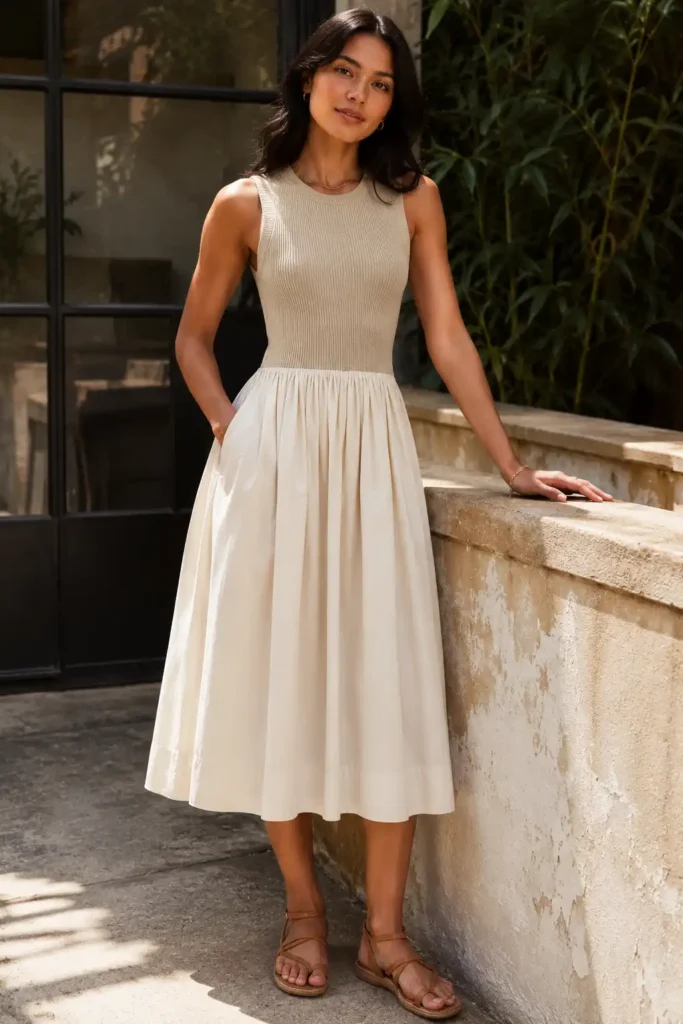
Woven Dress Lines

Stretch Dress Lines
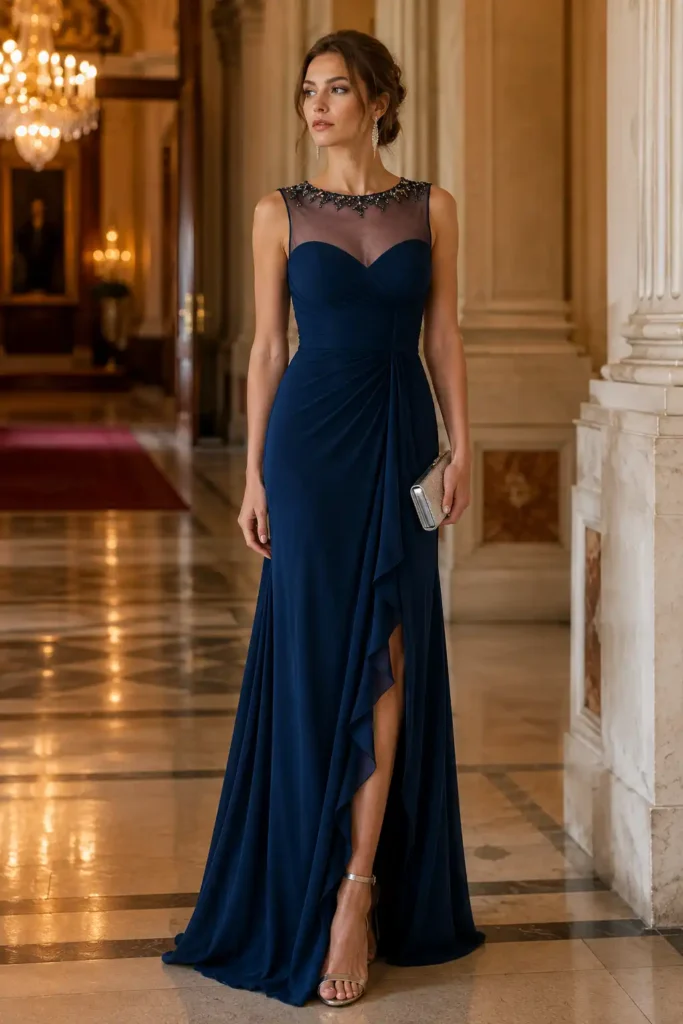
Occasionwear Units

Complex Fabric Units

Flexible Lines
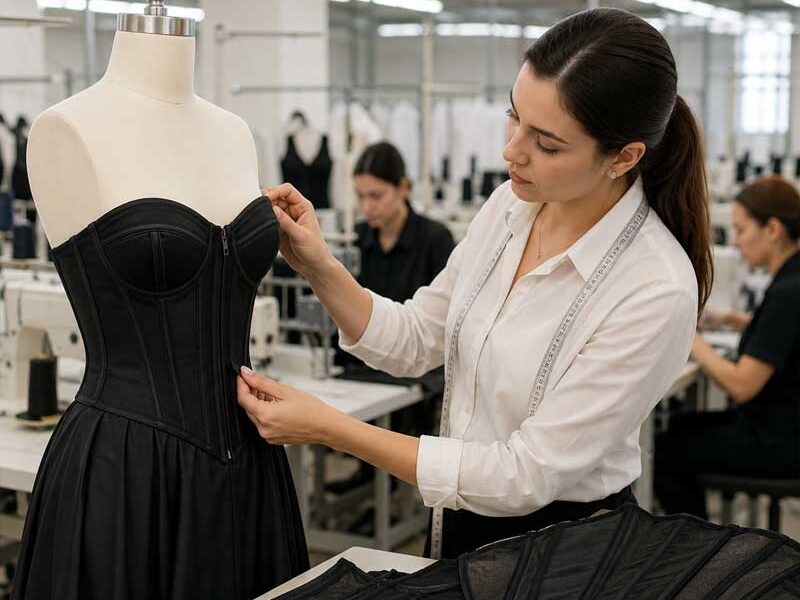
Unified QC Control
From Fabric Direction to a Repeatable Dress Collection
A representative anonymized project shows how a material-led assortment can be organized without reducing fabric identity to a sourcing task. The program combined satin, mesh and lace across fitted and occasion silhouettes, with launch timing, sample priority and bulk consistency managed as one production system.
| Project Data | Representative Scope |
|---|---|
| Market | United States premium ecommerce and occasionwear |
| Style Count | 18 dress styles |
| Order Scale | 42,600 finished garments |
| Fabric Families | Stretch satin, power mesh, lace and coordinated linings |
| Color Plan | 7 approved colors across grouped styles |
| Size Range | XS-XL using the brand’s confirmed grade rules |
| Sample Program | 2 rounds for key styles; targeted revised samples for 6 styles |
| PP Lock | Day 31 after approved fabric direction and consolidated comments |
| Bulk Window | 45 days after final PP, material and packing approval |
| Dispatch Plan | 12-day final QC, packing and split-shipment preparation window |
Protecting Fabric Direction and Brand Assets
NDA and Design Protection
Private-Label Delivery
Testing and Documentation
Fabric-Led Dress Manufacturing Case Studies
Fabric-led fashion brands require more than sourcing attractive materials. Successful production depends on connecting fabric behavior with pattern engineering, sampling, bulk control and repeat-order standards. Jinfeng Apparel helps brands transform distinctive materials into production-ready dress collections.

Case Study 1: Premium Satin Dress Collection Development
A premium womenswear brand wanted to create a luxury occasionwear collection centered around satin fabrics.
The collection included:
- Satin slip dresses
- Satin cocktail dresses
- Bias-cut evening dresses
- Draped occasion styles
Program scope:
- 16 styles
- 32,000 pieces
- 8 satin colorways
- XS-XL size range
- Private-label production
Fabric Challenge
The brand selected satin because of its:
- Premium shine
- Fluid movement
- Luxury appearance
However, satin also created production risks:
Surface Problems
Including:
- Pressure marks
- Snagging
- Uneven shine
- Pressing damage
Fit Problems
Including:
- Bias stretching
- Zipper waves
- Uneven hem length
- Body imbalance
Jinfeng Solution
Jinfeng treated satin as a complete garment system.
Fabric Review
Controlled:
- Satin weight
- Surface finish
- Grain direction
- Drape behavior
- Color consistency
Pattern Adjustment
Reviewed:
- Bust balance
- Waist position
- Bias allowance
- Hem balance
- Lining interaction
Production Control
Implemented:
- Fabric direction control
- Special pressing methods
- Surface protection
- Final appearance inspection
Result
The brand achieved:
- Consistent satin appearance
- Stable dress silhouette
- Controlled bulk production
- Repeatable color extensions
The satin collection became a long-term seasonal product category.

Case Study 2: Lace and Mesh Occasionwear Collection
An occasionwear brand wanted to develop a premium collection using lace and mesh materials.
The collection included:
- Lace midi dresses
- Mesh illusion dresses
- Sheer panel dresses
- Layered occasion styles
Program scope:
- 14 styles
- 26,000 pieces
- Multiple lace patterns
- Custom lining colors
Fabric Challenge
Lace and mesh created several technical risks:
Transparency Control
Problems included:
- Incorrect lining coverage
- Visible seams
- Uneven skin exposure
Placement Control
Challenges included:
- Lace motif mismatch
- Uneven pattern alignment
- Damaged edges
Stretch Behavior
Mesh required control of:
- Recovery
- Tension
- Opening stability
Jinfeng Solution
Jinfeng developed material-specific standards.
Lace Development
Controlled:
- Motif placement
- Cutting direction
- Seam positioning
- Edge finishing
Mesh Engineering
Reviewed:
- Stretch direction
- Transparency level
- Lining structure
- Neckline stability
Sample Approval
Managed:
- First sample
- Fit revision
- Material confirmation
- PP approval
Result
The brand achieved:
- Premium lace appearance
- Stable mesh construction
- Consistent transparency control
- Production-ready occasionwear standards
The collection expanded into future seasonal launches.
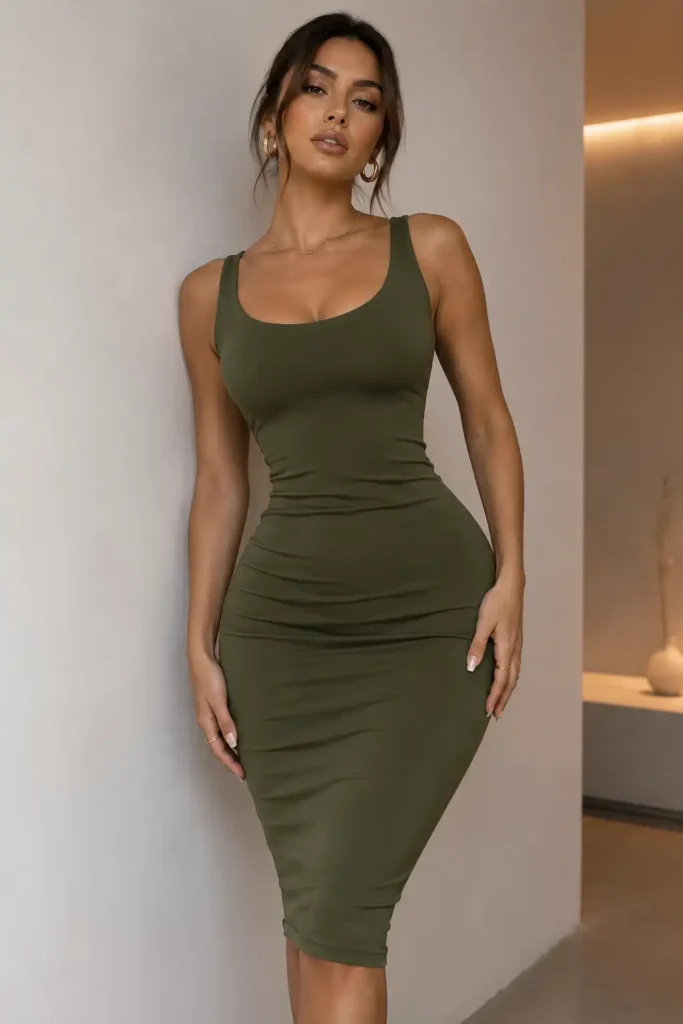
Case Study 3: Stretch Fabric Bodycon Collection Development Brand Background
A DTC fashion brand specialized in fitted dresses and needed a manufacturing partner capable of controlling stretch materials.
The collection included:
- Rib bodycon dresses
- Ponte midi dresses
- Power mesh styles
- Stretch satin dresses
Program scope:
- 20 styles
- 45,000 pieces
- XS-XL size range
- Multiple colors
Fabric Challenge
Stretch fabrics created risks around:
Fit Stability
Including:
- Recovery loss
- Size variation
- Waist stretching
- Hip imbalance
Production Consistency
Problems included:
- Fabric torque
- Seam twisting
- Uneven tension
- Measurement drift
Jinfeng Solution
Jinfeng connected fabric behavior with pattern engineering.
Stretch Analysis
Reviewed:
- Stretch percentage
- Recovery
- Fabric weight
- Direction
Pattern Engineering
Adjusted:
- Negative ease
- Bust-waist-hip balance
- Seam position
- Grading rules
Bulk QC
Controlled:
- Fabric lot consistency
- Cutting direction
- Seam tension
- Finished measurements
Result
The brand achieved:
- Stable bodycon fit
- Improved size consistency
- Reduced production variation
- Repeat-order capability
The stretch collection became a reliable commercial product line.
Frequently Asked Questions for Fabric-Led Dress Production
Yes. A physical swatch can be reviewed for composition, weight, width, hand feel, drape, stretch, transparency, color, surface and production behavior. Pattern and lining decisions are then aligned with the approved material direction.
Jinfeng Apparel can propose close options and explain the differences in weight, feel, drape, stretch, sheen, transparency, cost, MOQ and lead time. A substitute is not treated as identical, and meaningful changes may require another sample.
Yes. Mill specifications, delivery terms, test documents, fabric width, lot control, inspection responsibility and production timing are reviewed before bulk planning.
Physical swatches, hanging behavior, sample construction, front-side-back review and on-body evaluation provide stronger evidence than pictures alone. Final approval should use the actual production fabric whenever material identity is central.
Pantone or physical standards, lab dips, shade bands, dye lots, fabric batches, lining color and approval records are used according to the material and color program. Rolls with meaningful variation are separated before cutting.
Production should pause for comparison when weight, stretch, shade, surface, transparency or hand feel differs materially. Pattern, lining, cost, timeline and sample approval may need to be reviewed again before cutting.
Yes. Jinfeng Apparel develops and produces dresses using satin, stretch satin, mesh, power mesh, lace, sequins, chiffon, velvet, organza, tulle and related materials with fabric-specific handling and QC.
Production can follow a confirmed brand size chart and grade rule, including letter sizes or US, UK, EU and AU structures. Bust, waist, hip, length, strap, armhole, neckline and slit points are reviewed by style.
MOQ starts from 200 pcs per style/color. Custom dyeing, printing, special materials, trims, certified fabrics and custom packaging may have separate MOQ requirements.
Yes. Pattern files, measurement records, fabric references, color approvals, trim details, sewing instructions, QC notes and packing requirements can be retained for repeat production, subject to rechecking current material availability and batch conditions.

Send Your Fabric or Collection Brief
A useful project review begins with enough information to judge fabric suitability, pattern risk, sample scope, commercial feasibility and delivery planning. Send a physical swatch reference, fabric specification, mood board, original garment, line sheet, reference image or tech pack together with the intended product direction. Include the target quantity by style and color, size range, color plan, launch date, private-label requirements and destination market.
When a nominated mill or certified material is involved, add supplier details and available documents. Kelly will organize the initial review with the relevant development, fabric, pattern, sampling and production teams. The first response will focus on missing information, material risk, suggested next steps and whether the project is ready for formal sampling and quotation.
- Reference image, tech pack, original sample, line sheet or sketch
- Fabric swatch, specification, composition, color or mill reference
- Quantity per style/color and expected reorder or collection plan
- Size range and confirmed brand size chart when available
- Target launch or delivery window
- Labels, hangtags, barcodes, polybags, cartons and warehouse requirements
- Testing, certificate or inspection requirements by project
- Target market and preferred shipment arrangement