Dress Manufacturer for Established Shopify Fashion Brands

Custom dress development, multi-style production and reorder support built around established ecommerce fashion operations.

  • 6 owned women’s fashion factories, 10+ long-term production partners and 100,000+ pieces of regular monthly capacity support multi-style collection planning.
  • 2 sample rooms, 7+ senior pattern makers and 20+ sample machinists convert tech packs, reference garments and line sheets into production-ready dress standards.
  • MOQ starts from 200 pieces per style and color, with project allocation based on fabric, construction, size range, launch date and repeat-order potential.

Built for Established Shopify Fashion Operations

A mature online fashion operation needs more than garment sewing. Product development, content deadlines, size stability, inventory timing and repeat-order readiness must work as one commercial system.

Frequent Product Drops

Monthly and seasonal drops create overlapping development calendars. New samples, revised fits, photo-ready garments, PP approvals and bulk orders may run at the same time. Jinfeng Apparel separates each style by code, sample version, fabric group, approval status and launch priority so design and production teams can move without losing control of the assortment.

Multi-Style Collections

Established Shopify brands rarely source one isolated dress. A collection may combine mini, midi and maxi lengths with bodycon, corset, slip, mesh, satin and occasionwear directions. Production planning therefore considers style count, color count, size ratio, fabric grouping, trim sharing and factory allocation before a bulk schedule is confirmed.

Photo-Ready Development

Ecommerce sales begin with the sample seen in campaign photography. Neckline shape, waist position, skirt balance, fabric shine, lining coverage and pressing quality must work on body and on camera. Photo-ready samples can be planned separately from fit samples and PP samples when a content calendar requires different approval purposes.

Bulk Consistency

A strong sample has little commercial value when bulk garments drift in measurements, color, lining, zipper position or finishing. Jinfeng Apparel transfers the approved sample into final patterns, size charts, BOM records, sewing instructions, QC checklists and packing instructions before production begins.

Bestseller Reorders

Fast-moving Shopify styles often need repeat production after sales data becomes clear. Pattern records, measurement files, fabric references, trim specifications, sewing details, label files and packing requirements are retained for reorder planning. Material batches and new colors are still rechecked before release, protecting consistency without treating every reorder as a completely new project.

Warehouse-Ready Delivery

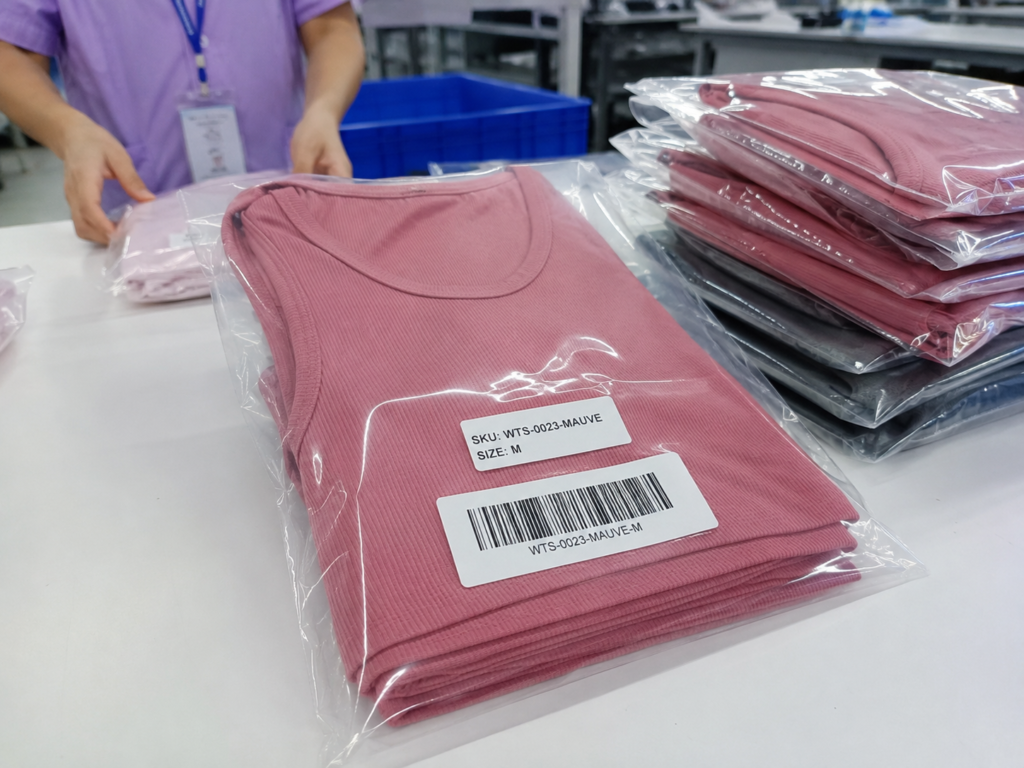
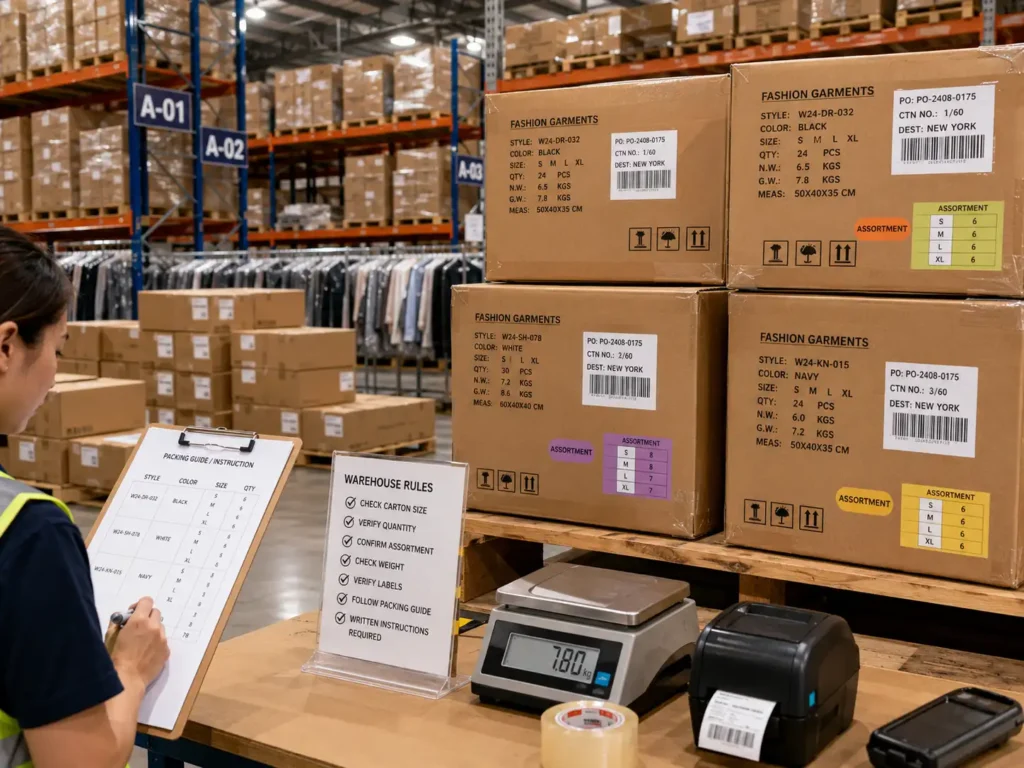
A finished dress must also arrive with correct SKU labels, barcodes, size stickers, hangtags, polybags, carton marks and packing lists. Jinfeng Apparel coordinates private-label packing and export documents around the brand’s warehouse rules, forwarder instructions and shipment split rather than treating packaging as an afterthought.

Manufacturing Capacity Behind Every Dress Collection

Capacity is useful only when development, production, quality and packing resources are coordinated. Jinfeng Apparel combines owned factories with specialist partner capacity for different dress structures and order rhythms.

Since 2008

Long-term womenswear manufacturing experience supports product decisions beyond basic sewing, including fabric suitability, pattern correction, sampling risk, production feasibility and export delivery planning.

6 Owned Factories

Owned women’s fashion factories support closer control over core dress programs, production scheduling, quality standards and project handover from approved samples into bulk manufacturing.

10+ Production Partners

Long-term satellite partners add specialist capacity for woven dresses, knit dresses, occasionwear, fashion sets and construction-specific programs when style mix or peak-season volume requires coordinated allocation.

100,000+ Monthly Capacity

Regular monthly capacity supports established brands developing multiple styles, colors and size runs. Available capacity is confirmed by product complexity, material readiness, QC requirements and production calendar.

18+ Sewing Lines

More than 18 sewing lines, including 6+ flexible production lines, allow styles to be grouped by fabric, construction and delivery priority instead of forcing every garment through the same production setup.

Structured Project Team

12+ merchandisers, 15+ QC inspectors and 30+ finishing and packing workers support order follow-up, inspection, presentation, private-label packing and shipment preparation across multi-style programs.

Where Shopify Dress Programs Commonly Lose Control

Growth exposes supply-chain weaknesses quickly. A delay or inconsistency affects campaign content, paid traffic, reviews, return rates, warehouse intake and repeat-order timing at the same time. Review Supply Risks

Fit Changes Across Batches

Bust, waist, hip, strap length and dress length can shift when pattern versions are not locked or sewing teams work from incomplete instructions. Small measurement drift becomes highly visible in bodycon, corset, strapless and mini styles, often creating returns and negative fit comments.

Sample-to-Bulk Gaps

A sample room may produce one strong garment, while the production line receives different fabric, trims or construction notes. Without PP approval, final pattern control, trim cards and line instructions, bulk output can lose the silhouette and detail that made the sample commercially attractive.

Wrong Fabric Direction

Replacing a fabric only by appearance can alter drape, stretch, opacity, recovery, shine and sewing behavior. Satin may snag or ripple, mesh may reveal too much, jersey may twist, and lace placement may become uneven. Fabric selection must be connected to the pattern and end use.

Multi-Style Project Chaos

Collections of 10-30 styles create crossed approvals, repeated colors, shared trims, different size charts and several delivery priorities. Informal chat-based management increases the chance of using an old sample comment, incorrect label file or outdated packaging instruction.

Launch Window Compression

Campaign photography, product uploads, influencer seeding, warehouse receiving and paid media may depend on one launch date. Late material approval or delayed PP confirmation reduces the remaining production and shipping options. The calendar must be planned backward from the required warehouse date.

Packing and SKU Errors

Wrong barcodes, mixed size stickers, missing care labels, incorrect carton marks or poorly separated color ratios can cause warehouse rejection and delayed stock availability. Ecommerce-ready delivery requires packaging control at style, color, size and carton level.

One Manufacturing System From Concept to Reorder

Jinfeng Apparel links development, sampling, production, quality and delivery through shared records. Each stage creates a standard used by the next stage instead of restarting the project from scattered messages.

Style Review

Tech packs, line sheets, original samples, sketches and reference images are reviewed for construction, fabric direction, fit risk, trim requirements, target quantity and production feasibility before sampling commitments are made.

Fabric and Trims

Fabric weight, drape, stretch, opacity, lining, color, hand feel and bulk availability are assessed together with zippers, cups, boning, elastic, lace trims, labels and packaging materials.

Pattern and Fit

Senior pattern makers develop and correct silhouettes around bust, waist, hip, length, neckline, armhole, strap, slit, hem and crotch measurements according to the approved size chart and intended wearing effect.

Sample Development

First samples, fit samples, revised samples, photo-ready samples, PP samples and Golden samples serve different approval purposes. Version records prevent comments from one sample stage being applied incorrectly to another.

Bulk and QC

Approved patterns, BOM files, sewing instructions and QC checklists move into factory allocation, material inspection, cutting, sewing, inline inspection, finishing, garment measurement and final packing review.

Delivery and Reorder

Shipment plans can follow launch priority, warehouse destination, style group or air-and-sea split. Production records remain available for bestseller reorders, new colors, seasonal extensions and multi-batch replenishment.

Dress Categories Developed for High-Volume Online Fashion

Product range is organized around sellable collection roles rather than a list of generic garments. Each dress direction requires different pattern, material, construction and quality controls.

Mini Dresses

Mini dresses require accurate body proportion, safe hem length, stable neckline coverage and balanced side seams. Development may include structured woven minis, fitted knit minis, A-line shapes, ruched styles or strapless silhouettes. Sample review focuses on movement, sitting coverage, lining length, zipper behavior and how the garment photographs from front, side and back.

Bodycon Dresses

Bodycon products depend on controlled stretch direction, recovery and bust-waist-hip balance. Jersey, rib, ponte, power mesh and stretch satin behave differently under tension. Pattern shaping, side-seam position, lining support and garment measurement must be aligned so the dress looks sculpted without twisting, pulling or becoming uncomfortable across the size run.

Corset Dresses

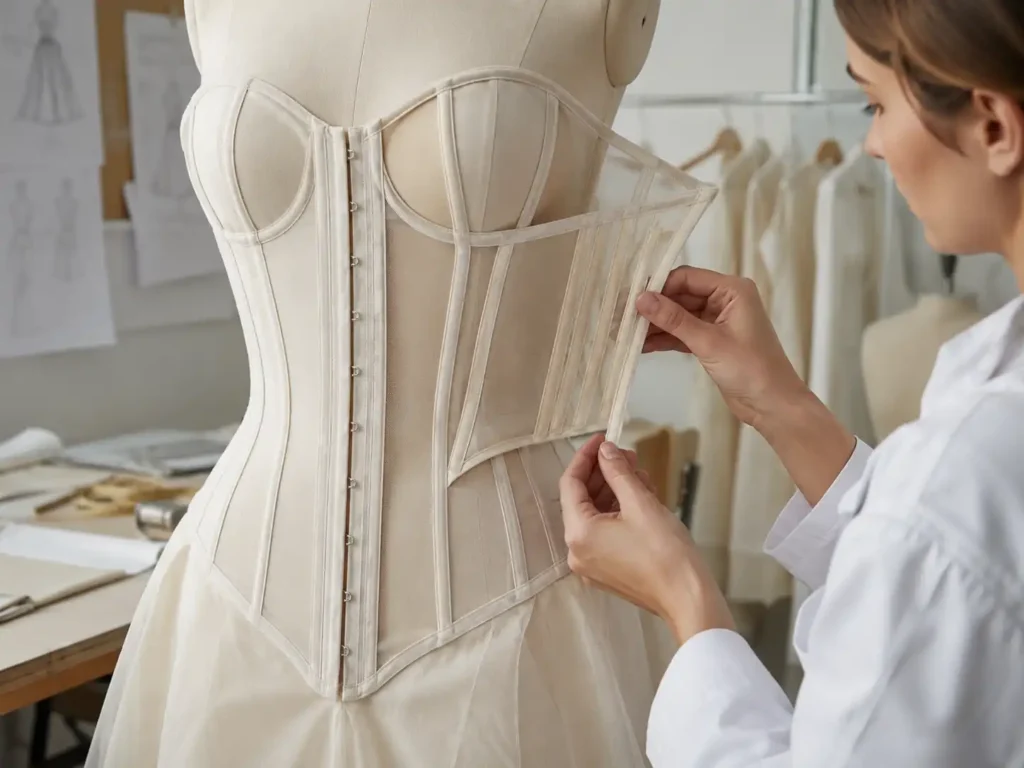
Corset dresses combine visual structure with support and comfort. Boning, bra cups, panel seams, waist shaping, lining, zipper strength and neckline security are evaluated during sampling. Production instructions define cup position, boning length, symmetry, seam allowance and support materials so bulk garments retain the approved shape rather than becoming decorative corset-look dresses without functional structure.

Satin Dresses

Satin magnifies cutting, sewing and pressing errors. Fabric direction, shine, color difference, snagging, seam puckering, needle marks and hem balance require dedicated controls. Slip, bias-cut, corset, cowl-neck and occasion satin dresses are reviewed for drape, lining coverage, strap angle and pressing method before the fabric is released for bulk cutting.

Mesh Dresses

Mesh development begins with transparency, stretch, recovery, edge stability and lining strategy. Power mesh may support fitted structures, while lightweight mesh creates layering and visual softness. Key controls include seam reinforcement, hole prevention, panel symmetry, neckline stability, lining coverage and the relationship between mesh tension and the base pattern.

Lace Dresses

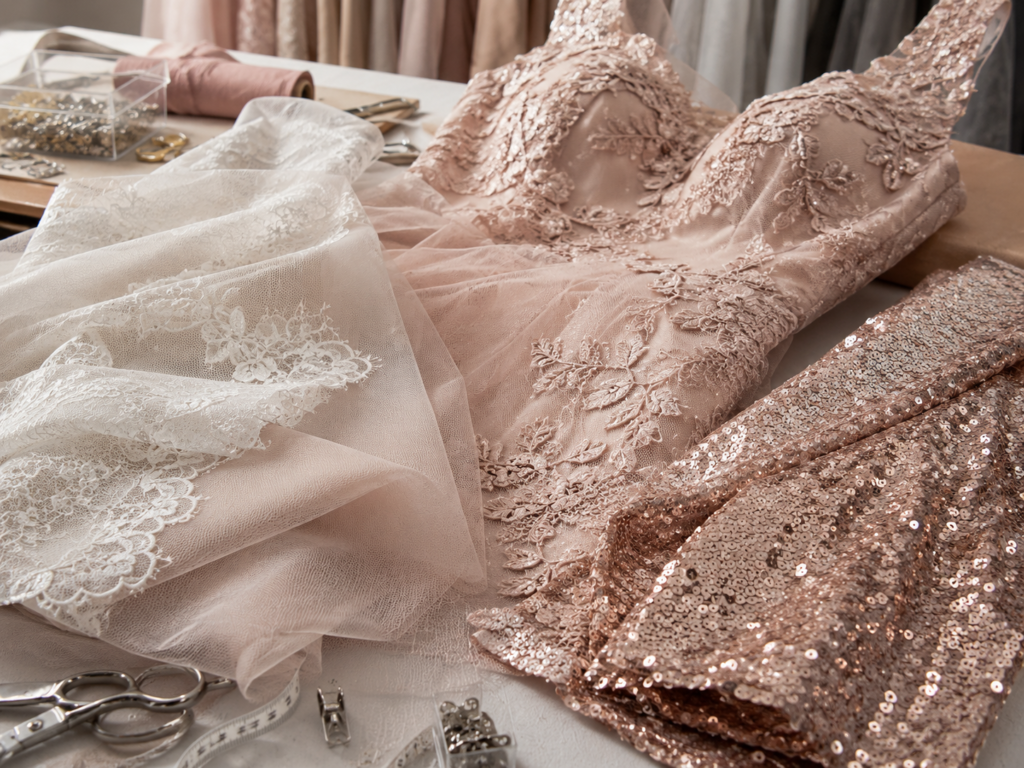
Lace placement affects both appearance and production efficiency. Floral direction, border use, motif matching, seam position, lining color and edge finishing are planned before cutting. For premium occasion styles, placement references and approved panels can be recorded so bulk garments maintain a coherent visual pattern rather than random motif alignment.

Sequin Dresses

Sequin styles need protection against missing sequins, skin scratching, heavy seams, broken needles, exposed backing and packing abrasion. Construction may require clearing sequins from seam allowances, adding protective lining, reinforcing high-stress areas and selecting packaging that reduces friction. Final inspection checks visual density, attachment security, comfort and presentation under direct lighting.

Midi Dresses

Midi dresses rely on waist placement, slit height, hem movement and proportion between bodice and skirt. Occasion, office-to-evening and premium ecommerce styles may use satin, crepe, ponte, lace or printed woven fabrics. Fit samples assess walking comfort, sitting behavior, lining length and whether the silhouette remains balanced across different body heights.

Maxi Dresses

Maxi and floor-length dresses require precise front and back length, level hems, controlled drape and packaging that protects the lower skirt. Chiffon, satin, rayon, lace and layered mesh may need different cutting and hanging procedures. Sampling checks heel allowance, train length, lining balance, seam weight and how the garment recovers after folding or shipping.

Resort Dresses

Resort collections often combine lightweight hand feel, print direction, breathable construction and travel-friendly packing. Rayon, viscose, chiffon, linen blends and printed woven fabrics are matched to maxi, midi, wrap, cut-out and relaxed shapes. Development considers shrinkage, colorfastness, transparency, wrinkle behavior, print placement and the commercial need for coordinated sets or capsule extensions.

Jumpsuits

Jumpsuits require coordinated bust, waist, hip, rise, inseam and total length. A garment can look correct while standing yet feel restrictive when sitting or walking. Pattern review therefore covers crotch depth, torso length, zipper opening, waist position, leg volume and size grading. Lining and stretch decisions must support movement without changing the intended silhouette.

Matching Sets

Matching sets extend one visual direction across tops, skirts, pants and shorts. Color consistency, fabric batch control, paired size logic and packaging accuracy become essential. Jinfeng Apparel can develop a hero dress alongside matching tops or skirts, allowing an established Shopify assortment to build a recognizable theme without relying on unrelated one-off products.

Collection Architecture for Shopify Merchandising Calendars
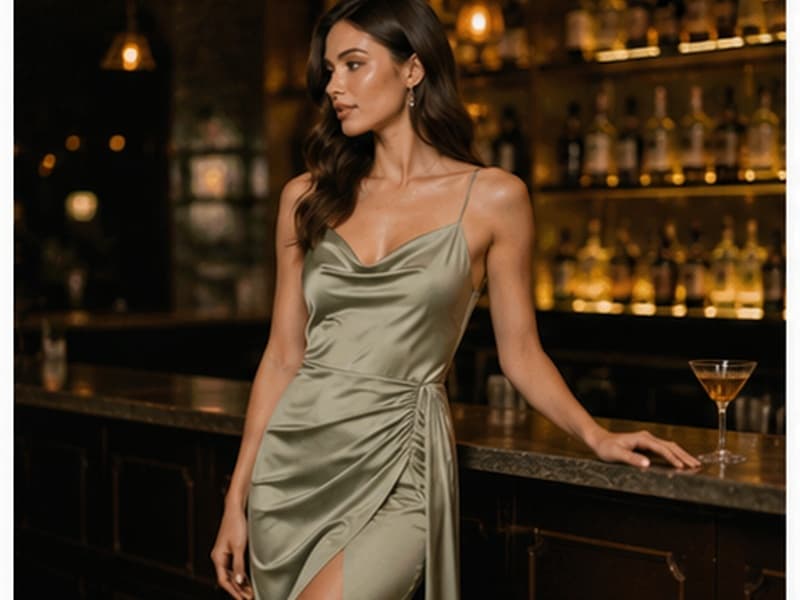
A balanced dress assortment combines attention-driving products, commercial volume styles and reorderable core items. Product development can be grouped around selling occasions and launch roles.

Going-Out Drop

A going-out drop can combine a structured corset mini, mesh bodycon, ruched jersey dress, satin halter and sequin statement style. Shared color stories and selected common trims reduce development fragmentation, while different construction levels protect price architecture. Photo-ready styles are prioritized first, followed by commercial variants and color extensions after fit direction is approved.
Occasionwear Capsule

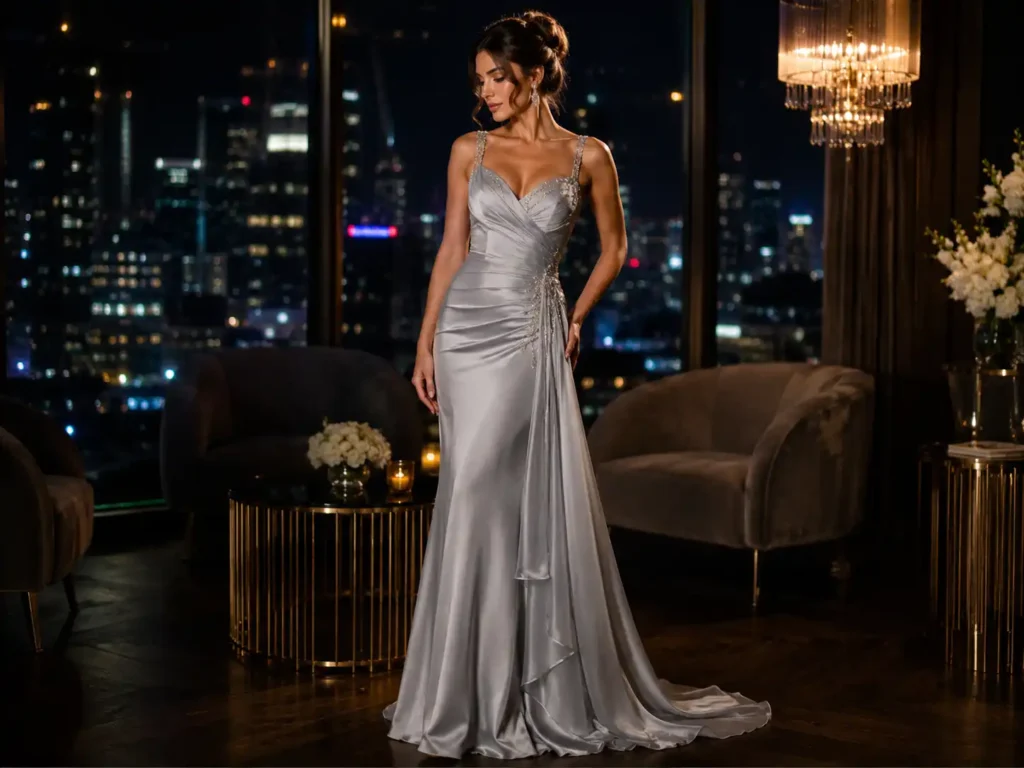
An occasionwear capsule may include satin midi, lace dress, chiffon maxi, corset dress and wedding guest style. Development emphasizes polished fit, lining, color depth, zipper flatness, hem balance and event comfort. The collection can be divided into opening price, core premium and statement tiers so fabric and construction investment follows expected retail position.

Resort Collection

A resort collection can extend one print or color direction into maxi dresses, relaxed midi dresses, matching sets, skirts and jumpsuits. Rayon, viscose, chiffon and linen blends are assessed for shrinkage, drape and travel packing. Print scale and placement are coordinated so the assortment looks intentional across product photography and collection landing content.

Core Reorder Program

Core programs focus on proven fits, commercial colors and repeatable materials. Bodycon dresses, satin slips, black minis, neutral midis and selected occasion shapes can be maintained through pattern records, material references and packing standards. Reorders still confirm fabric batch, color, trims and demand quantity, but the retained technical foundation reduces avoidable redevelopment.

Fabric Engineering Before a Dress Reaches Production

Fabric is evaluated as a structural component, not a surface choice. Weight, width, stretch, recovery, drape, transparency, shrinkage, color and bulk availability all influence fit, cost and production stability.

Fabric GroupTypical ApplicationsPrimary RisksSample Approval FocusBulk Control Focus
Satin / Stretch SatinSlip, corset, midi, occasionShine direction, snagging, seam puckering, color differenceDrape, lining, strap angle, pressingBatch color, cutting direction, needle marks, finish
Mesh / Power MeshBodycon, layered, cut-outTransparency, stretch, recovery, holesTension, lining coverage, edge stabilityPanel symmetry, seam reinforcement, hole inspection
LaceOccasion, wedding guest, corsetMotif placement, border use, damage, colorPlacement map, lining color, edge finishCut-panel matching, seam alignment, damaged motifs
Sequin FabricParty, holiday, statement stylesSequin loss, abrasion, weight, skin comfortLining, seam method, reinforcementMissing sequins, scratch protection, packing friction
ChiffonMaxi, resort, layered dressesTransparency, slippage, fraying, staticLayer count, lining, hem behaviorGrain, seam stability, clean finish, pressing
Jersey / PonteBodycon, fitted midi, structured knitStretch direction, recovery, twisting, shrinkageFit tension, size chart, wash behaviorMeasurement, side seams, recovery, shape retention
Organza / TulleVolume, overlays, occasion detailsSnagging, stiffness, layer balance, edge finishVolume, lining, seam visibilityLayer consistency, damage, hem and packing
Rayon / Viscose / LinenResort, printed, relaxed dressesShrinkage, colorfastness, wrinkles, print directionDrape, wash test, print scale, liningBatch control, shrinkage allowance, print alignment

Fabric Direction Before Sampling

A reference image may suggest satin, mesh or lace, yet several constructions can create a similar visual result at different cost and risk levels. Jinfeng Apparel compares hand feel, weight, stretch, drape, opacity, lining requirement and bulk availability before a sample material is approved. For an established Shopify assortment, material selection also considers whether the fabric can support color extensions, repeat production and coordinated products. A visually strong first sample built from an unstable or unavailable fabric creates avoidable redevelopment later.

Color, Shine and Batch Control

Color approval is connected to the fabric surface. Satin can appear different under studio lighting because of shine direction, while mesh, lace and lining combinations change perceived depth. Pantone references, physical swatches, lab dips, fabric lots and lining colors are recorded as required by the project. During bulk preparation, dye-lot separation and material inspection help prevent mixed shades within one style or shipment. New colors and reorder batches are rechecked rather than assumed to match a previous production run.

Lining, Transparency and Wearing Security

Lining decisions influence comfort, opacity, support, movement and retail appearance. Mesh and chiffon may need partial or full lining; satin can require anti-static and clean seam coverage; lace may depend on a deliberately contrasting or tonal base. Lining length is reviewed against slit height, neckline depth and hem movement. The goal is not simply to make a dress less transparent, but to preserve the intended design while reducing exposure, rolling, visible seam allowance and uneven layering.

Cost Control Without Weakening the Product

Cost is adjusted through material substitution, construction refinement, trim replacement, cutting layout, color consolidation and size-ratio planning. A lower-cost alternative must still be tested for drape, stretch, shine, transparency and sewing behavior. Removing a lining, changing a zipper or reducing structure may lower the quotation yet damage fit and review quality. Jinfeng Apparel explains the visual and production consequence of each option so the brand can protect the product features that drive conversion while controlling less visible cost areas.

Pattern and Fit Control for Conversion-Driven Dress Styles

Fit affects product photography, reviews and return behavior. Jinfeng Apparel uses 7+ senior pattern makers, 2 sample rooms and 20+ sample machinists to turn design direction into measurable production standards.

Fit Begins With the Intended Wearing Effect

A dress should not be developed from measurements alone. Bodycon, corset, slip, A-line, relaxed resort and floor-length silhouettes require different ease, support and balance. Pattern makers review the reference image, base size, target body profile, fabric stretch and styling intent before shaping the pattern. Key points may include upper bust, full bust, under bust, waist, high or low waist, hip, front length, back length, shoulder width, armhole, neckline depth, strap length, slit height, lining length and hem width. A structured review helps prevent a technically correct garment from looking wrong on body.

Upper-Body Security and Support

Strapless, halter, deep-V, cowl-neck and corset designs need different support strategies.
Cup position, neckline depth, armhole exposure, strap angle, boning, elastic, anti-slip tape and lining tension are assessed during sampling. Front, side and back photos help identify gaping, underarm exposure, bust compression, neckline collapse or strap slippage. When a change affects construction, the update moves into the pattern, measurement record, BOM and sewing instructions rather than remaining as an informal sample-room adjustment.

Waist, Hip, Length and Movement

Waist position changes the entire proportion of a dress. A high waist can shorten the torso, while a low waist changes hip fit and skirt balance. Bodycon and fitted midi styles are checked for side-seam movement, hip tension and hem rise. Mini dresses are reviewed for walking and sitting coverage; maxi dresses are checked for level hems and floor clearance; jumpsuits add rise, torso and inseam control. Fit approval considers movement as well as static appearance because many return issues appear only when the garment is worn normally.

Size Grading and Bulk Measurement Control

After the base size is approved, grading rules are aligned with the brand’s size chart and product structure. Bust, waist and hip increments cannot be applied blindly to every neckline, strap, cup, slit or corset panel. Critical measurement points are identified for sample review and bulk inspection. Final patterns, graded size charts and measurement tolerances become production references. Cutting checks, inline inspection and finished-garment measurement then verify that the approved fit direction survives scale, rather than relying on visual judgement alone.

Design and Construction Details That Protect Product Value
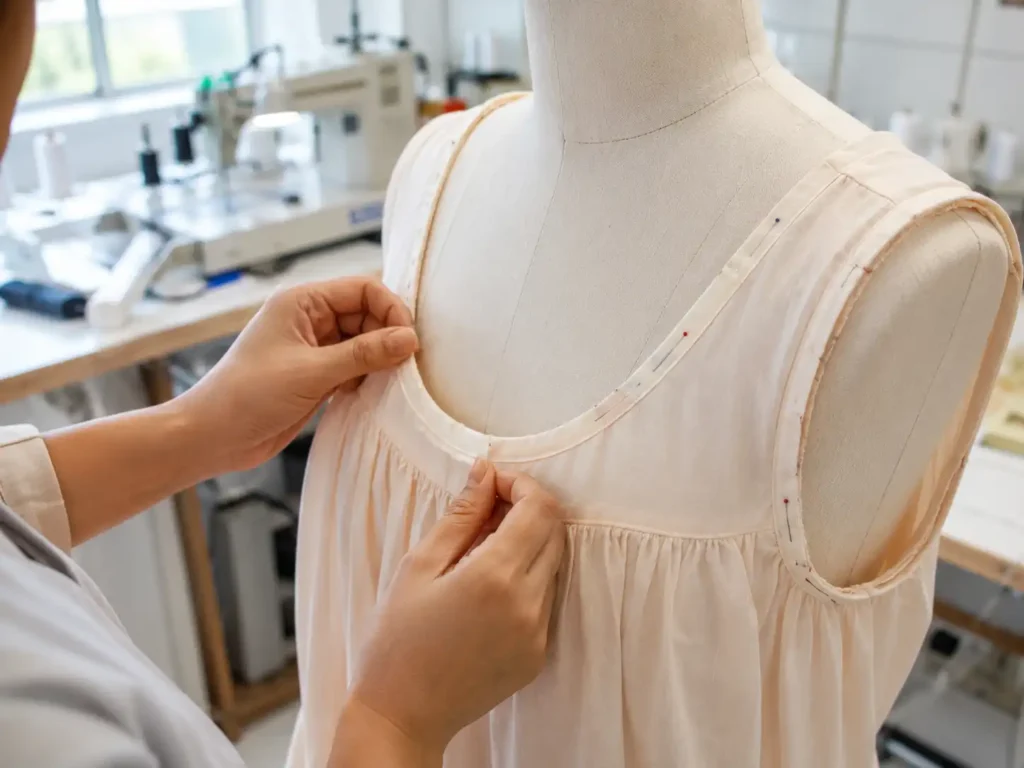
High-performing ecommerce dresses often look simple in images but depend on exact placement, support, finishing and symmetry. Detail controls are defined before bulk production, not corrected only at final inspection.

Necklines and Straps

Neckline depth, strap length, strap angle, slider position and armhole exposure are checked together. Small placement errors change bust security and visual proportion. Adjustable straps require stable hardware and reinforcement, while halter and one-shoulder styles need controlled tension so the neckline remains level on body.

Corset Support

Boning length, cup shape, under-bust position, panel symmetry, lining and closure strength determine whether a corset dress supports the body or only imitates the appearance. Sample validation checks comfort, mobility and seam balance before the construction is converted into a repeatable line instruction.

Ruching and Gathering

Ruching can correct or distort body proportion depending on direction, density and anchor points. Production standards define gather ratio, start and end positions, symmetry and elastic tension. Inline inspection catches uneven distribution before a batch of garments develops different visual lengths or side-seam distortion.

Zippers and Openings

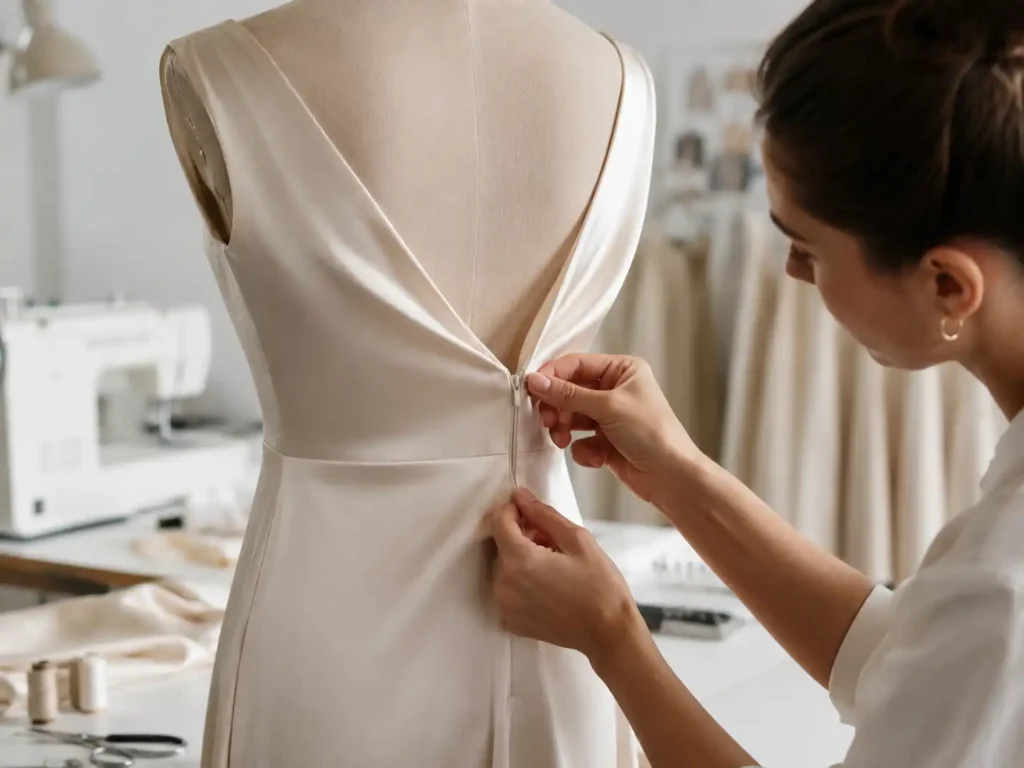
Invisible zippers, exposed zippers, hooks and side openings are checked for color, length, smoothness, flatness and stress. A zipper that arches or catches fabric affects both fit and perceived quality. Seam support and pressing method are adjusted to the fabric weight and garment structure.

Lining and Coverage

Lining must follow the outer pattern without pulling, rolling or showing below the hem. Coverage is planned around neckline, armhole, slit, mesh panels and lace transparency. Lining composition and stretch are selected to support comfort and silhouette rather than simply reduce transparency.

Slits and Hems

Slit height influences movement and wearing security. Hem width, curve, fabric weight and pressing determine whether mini, midi and maxi dresses hang evenly. Floor-length styles may need separate front and back length control, while lightweight fabrics require clean finishing that does not add visible stiffness.

Lace and Sequin Placement

Placement references protect the intended visual direction. Lace motifs, borders, sequin density and decorative panels are matched across key seams where required. Bulk checks focus on symmetry, missing decoration, damaged edges, scratch protection and consistent placement around the neckline, waist or focal area.

Pressing and Final Shape

Pressing is part of garment construction. Satin, velvet, mesh, lace and sequin fabrics need different heat, pressure and handling. Final shape checks review seam puckering, shine marks, flattened texture, twisted side seams and hem balance before packing. Correct folding then protects the approved presentation through transit.

Sampling and Approval Gates for Multi-Style Programs

Sampling is a controlled conversion from creative direction into production standards. Every version has a defined purpose, owner and release condition so a collection can move quickly without losing technical clarity.

StageBrand InputJinfeng OutputRelease Condition
Project ReviewTech pack, line sheet, reference sample, target quantity, size range, launch requirementConstruction review, fabric direction, trim list, quotation inputs, risk notesDevelopment scope accepted
Fabric and Trim ApprovalMaterial preference, color standard, brand requirementsSwatches, trim options, lining direction, availability and MOQ notesSelected materials approved
First / Fit SampleBase size chart and fit directionPattern, first garment, measurements, front-side-back reviewFit comments issued
Revised SampleConsolidated comments and approved change listUpdated pattern, measurement record, construction and material changesRevision approved
Photo-Ready / Salesman SampleCampaign or selling-sample requirementPresentation-focused sample aligned with approved fit and material directionContent or sales use approved
PP SampleFinal fabric, color, trims, labels, packaging and size standardsProduction-standard garment with final filesBulk release approved
Golden SampleFinal accepted standardSealed comparison reference for production and QCReference retained
Bulk HandoverConfirmed PO, ratios, delivery and warehouse rulesProduction order, BOM, sewing instruction, QC and packing filesFactory allocation released

Priority Planning for 10-30 Styles

Large assortments are not sampled as one undifferentiated queue. Hero campaign styles, core commercial styles, fabric-dependent products and high-risk constructions are grouped separately. Styles needed for photography can move first, while complex corset, lace, mesh or sequin pieces receive additional validation before PP approval. Shared fabrics and trims are also identified so approvals can benefit several styles without hiding style-specific fit or construction differences.

Version Control Before Bulk Release

Every important change is assigned to a sample version and transferred into updated technical records. Fit comments, fabric replacement, trim adjustment, label position and packaging changes are consolidated before a revised sample is made. PP approval locks the final pattern, measurements, materials, construction and private-label details. Later changes are evaluated for cost, material availability and production impact rather than inserted informally after bulk work has begun.

Multi-Style Project Management Without Crossed Instructions

Established Shopify collections often contain overlapping fabrics, colors, approvals and delivery priorities. Clear project architecture prevents one style’s change from creating errors across the wider assortment.

Style Codes

Every garment is managed under a defined style code connected to sample versions, size charts, BOM files, labels, packing and production orders. Style naming remains consistent across development, QC and shipment records.

Fabric Groups

Styles sharing satin, mesh, lace, jersey or printed woven fabrics are grouped for sourcing and inspection, while fabric-specific risks remain linked to each garment. Batch and color records support both bulk consistency and later reorders.

Sample Priority

Campaign heroes, core volume items and high-risk constructions receive different development priority. Priority decisions are connected to photography dates, PP approval needs, material lead times and launch sequence.

Approval Gates

Fabric, fit, color, trims, labels and packaging each require identifiable approval. Bulk release occurs only after the relevant gates are complete, reducing contradictory instructions and last-minute assumptions.

Factory Allocation

Styles are assigned by fabric, construction, complexity, order quantity, line suitability and delivery schedule. Allocation is planned across owned factories and selected long-term partners rather than based only on open sewing capacity.

SKU and Packing

Style, color and size ratios continue into label files, barcode lists, polybag markings, carton breakdowns and packing lists. Shipping groups remain traceable to the original assortment plan and warehouse requirement.

Bulk Production Built Around Approved Product Standards

Bulk production begins after PP approval and material readiness. Jinfeng Apparel uses factory allocation, production files and in-process inspection to carry approved design details into repeatable output.

Capacity Allocation by Product Risk

Jinfeng Apparel operates 6 owned women’s fashion factories and works with 10+ long-term production partners. More than 18 sewing lines, including 6+ flexible lines, support regular monthly capacity above 100,000 pieces. Allocation is not made by volume alone. Satin, stretch knit, lace, mesh, sequin, corset and layered occasion styles are matched with lines familiar with the relevant handling and construction. Order quantity, size range, material arrival, inspection requirement and delivery priority are reviewed together before the production plan is confirmed.

PP Lock and Production File Release

The PP standard locks fabric, color, lining, trims, measurements, construction, labels, hangtags, polybags, carton marks and packing method. Final patterns, graded size charts, BOM files, sewing instructions, trim cards, approved samples and QC checklists are released to the responsible production team. Any requested change after release is assessed for pattern impact, material replacement, work already completed, cost and schedule. A controlled change process protects the brand from hidden variation introduced during production.

Cutting and Sewing Controls

Incoming fabric is checked before cutting for color, width, visible defects, stretch direction, print or motif direction and relevant batch information. Cutting bundles are separated by style, color and size. Sewing instructions define seam allowance, stitch type, stitch density, zipper position, lining method, ruching, strap placement and decorative details. Inline inspection focuses on high-risk points early enough to prevent repeated errors from spreading through a full production lot.

Finishing, Pressing and Packing Handover

Completed garments move through thread cleaning, finishing, pressing, measurement review, visual inspection and functional checks. Pressing standards reflect the fabric surface so satin is not marked, velvet is not crushed and sequins are not damaged. Approved label, barcode and packing files are verified before garments enter polybags and cartons. The packing team then prepares carton breakdowns, marks and shipment data according to warehouse and forwarder instructions.

Quality Controls Focused on Ecommerce Return Risks

Quality control is distributed across materials, cutting, sewing, measurements, finishing and packing. The aim is to detect risk before it becomes a repeated batch issue or warehouse complaint.

Incoming Fabric QC

Fabric is reviewed for color, width, defects, stretch direction, print direction, transparency, hand feel and batch consistency as required by the style. Satin, mesh, lace, sequin and printed materials receive risk-specific attention before cutting approval.

Trim Inspection

Zippers, hooks, cups, boning, elastic, strap sliders, lace trims, labels, hangtags, polybags and cartons are checked for specification, color, size, function and quantity. A small trim error can affect fit, comfort or brand presentation across the entire order.

Cutting Inspection

Cut panels are checked for direction, right and wrong side, size bundle, quantity, print or lace alignment and visible damage. Preventing incorrect panels from entering sewing is more efficient than correcting finished garments.

Inline Sewing Check

Inspectors review neckline, strap, zipper, ruching, waistline, lining, slit, symmetry, seam allowance and stitching while production is active. Recurring issues are corrected at line level before they multiply.

Measurement Control

Critical points from the approved size chart are measured against defined tolerances. Bust, waist, hip, dress length, strap, armhole, neckline, slit and hem checks are selected according to product structure.

Visual and Functional Review

Garments are checked for stains, holes, snagging, missing sequins, damaged lace, zipper function, hook security, loose threads, exposed lining and uneven construction. Inspection criteria follow the approved sample and project specification.

Pressing and Presentation

Final pressing is reviewed for shine marks, seam puckering, flattened texture, twisted seams and uneven hems. Garments should enter packing with the intended silhouette visible, not merely with wrinkles removed.

Packing QC

Labels, size stickers, barcodes, hangtags, folding, polybags, warning text, carton ratios and carton marks are checked against packing instructions. Shipment records remain separated by style, color, size and destination where required.

Reducing Returns Before Inventory Reaches the Warehouse

Return prevention starts during development. Fit, comfort, material behavior, finishing and SKU accuracy are connected to the commercial impact of reviews, refunds and lost repeat sales.

Fit-Related Returns

Tight hips, unstable necklines, short lining, slipping straps and inconsistent dress length can generate size complaints even when labeled measurements appear acceptable. Fit samples, movement review, grading control and bulk measurement inspection reduce the gap between size charts and real wearing performance.

Comfort and Transparency

Scratchy sequins, hard boning, rough labels, static lining and unexpected transparency often appear only after wear. Material and trim review considers skin contact, recovery, opacity, lining coverage and movement so product appeal is not achieved at the expense of comfort.

Finish and Function

Zipper bulging, loose hooks, twisted seams, uneven ruching, snagged satin and visible lining reduce perceived value immediately. Construction instructions and inline inspection target these points before final inspection, when correction becomes slower and more expensive.

SKU and Packing Accuracy

A correct garment with the wrong barcode or size sticker can still become unavailable inventory. Packing QC links the physical garment to the approved label file, SKU list, size ratio, polybag mark and carton breakdown before shipment release.

Private-Label Packing Ready for Shopify Fulfillment
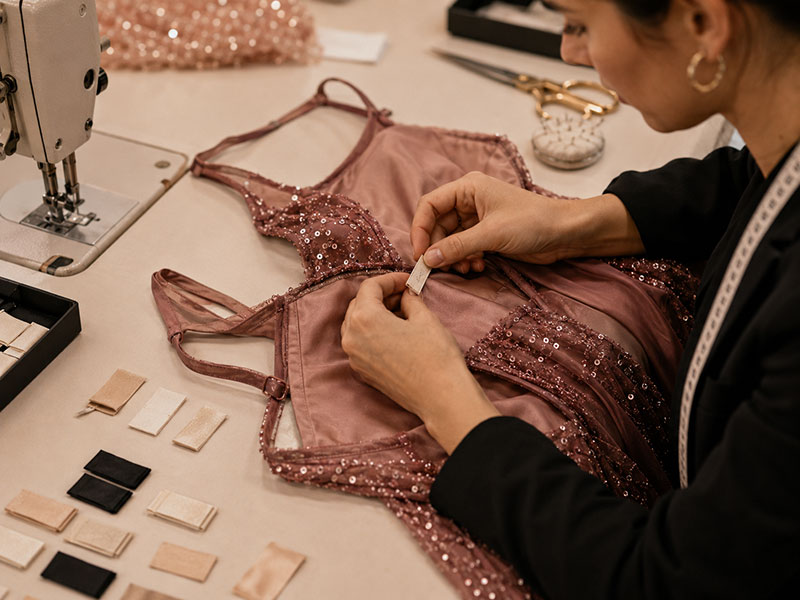
Brand presentation continues after sewing. Jinfeng Apparel coordinates labels, barcodes, packaging and shipment records with the same style and size controls used during production.

Woven and Size Labels

Main labels, size labels and placement instructions are matched to the approved garment specification. Material, fold type, color and comfort are considered so labels support brand identity without creating irritation or visible distortion.

Care and Composition

Care labels can include composition, washing instructions, country information and required language fields according to the confirmed market and brand file. Final legal wording remains subject to the importer’s or compliance team’s approval.
4.-Hangtag

Hangtags and Barcodes

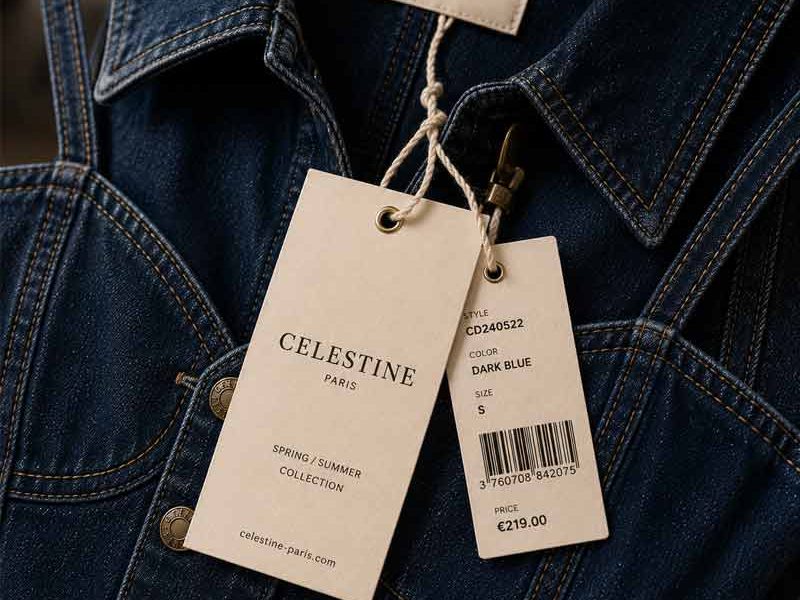
Hangtags, barcode stickers, SKU labels and price-ticket areas are produced from controlled artwork. Barcode lists are checked against style, color and size before attachment to reduce warehouse scanning errors.

Polybags and SKU Marks

Polybag size, thickness, warning text, print and closure are selected according to garment volume and destination rules. External style, color and size marks allow efficient receiving and inventory identification.

Carton Ratios and Marks

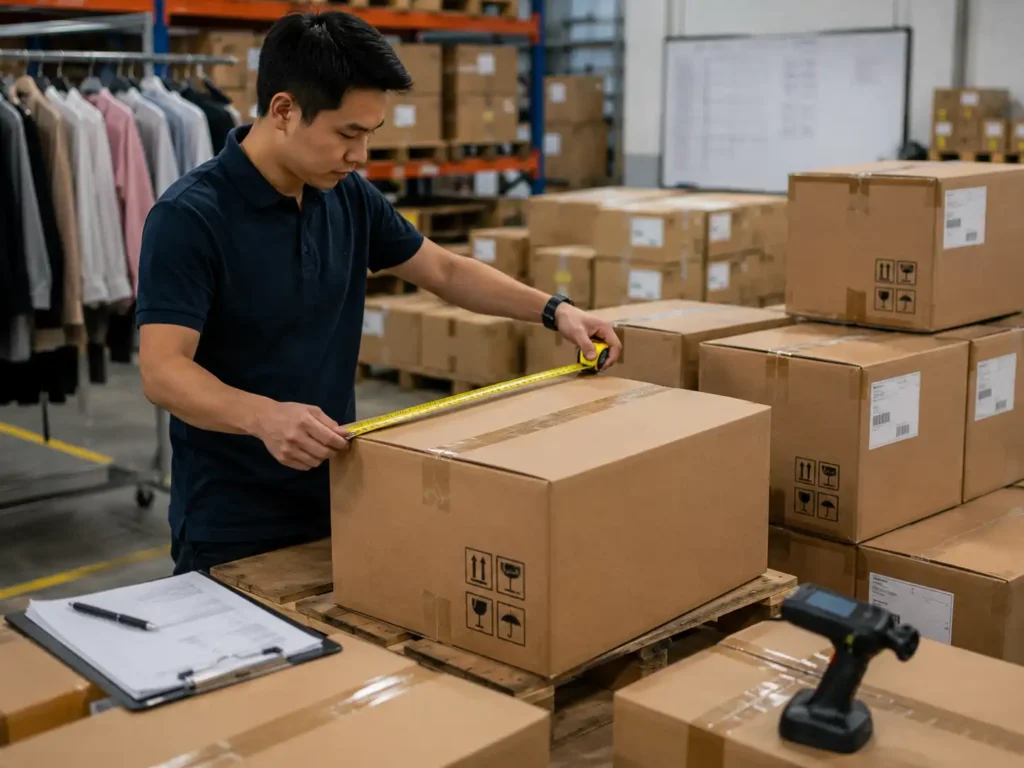
Carton quantity, size ratio, color split, gross weight, net weight, carton measurement and mark requirements are organized before shipment. Mixed and solid packing can be arranged by project and warehouse instruction.

Export and Forwarder Files

Packing lists, commercial invoices, booking information and carton data are prepared for the selected trade and logistics arrangement. Jinfeng Apparel can coordinate with a nominated forwarder or provide options for approval, including express, air, sea and project-based split shipment.

Launch Calendar Planning From Campaign Date Backward

A production promise is meaningful only when it connects photography, approval, manufacturing, packing, transit and warehouse receiving. Scheduling begins with the required commercial date and works backward through each gate.

  • Build the Calendar Around Approval Dates

    The launch plan identifies campaign sample needs, fit approval, fabric and trim confirmation, PP release, bulk material arrival, production allocation, QC window, packing window, shipment booking and warehouse receiving. Established Shopify brands often have different dates for photography, prelaunch content, product upload and stock availability. Separating these dates prevents a photo-sample deadline from being confused with a bulk delivery commitment.

  • Use Shipment Splits for Commercial Priority

    When launch timing is tight, selected styles, colors or quantities may move first by air while the main volume moves by sea. A split can also separate campaign-priority SKUs, warehouse destinations or replenishment groups. Logistics cannot replace late PP approval or missing materials, so the split is planned together with production, carton data and warehouse instructions. Each shipment receives an independent packing list and traceable style-color-size breakdown.

  • Control Changes After the Calendar Is Locked

    Late changes to fabric, color, fit, trims, labels or packaging can move several downstream dates at once. Jinfeng Apparel records the requested change, identifies affected styles and evaluates whether new sampling, material ordering or revised production files are required. Clear change control gives merchandising teams a realistic decision: protect the launch date, accept a revised date, split the shipment or remove a high-risk variation from the current drop.

Reorder Systems for Proven Shopify Bestsellers

Repeat production should preserve the approved commercial identity while recognizing that material batches, demand quantities and logistics may change. Records make the reorder faster to evaluate and safer to release. Plan Bestseller Reorder

Technical Record Retention

Patterns, size charts, measurement files, BOM records, fabric references, trim details, sewing instructions, QC notes, label files and packing requirements are retained for future order review. The retained record provides a controlled starting point instead of relying on memory.

Material Revalidation

Original fabric or trims may change by batch, supplier or season. Reorders confirm availability, color, hand feel, stretch, recovery, shrinkage and visual match as required. New colors and fabric substitutions are treated as controlled variations rather than automatic repeats.

Priority Replenishment

Sales data can identify which style-color-size combinations need replenishment first. Production planning may prioritize proven SKUs, available materials and urgent warehouse needs while the remaining order follows a standard production sequence.

Multi-Batch Delivery

Reorders can be divided by launch priority, region, warehouse, color group or transport method. Each batch retains its own carton data, packing list and shipment record so inventory receiving remains clear across several deliveries.

Anonymized Collection Programs With Realistic Order Scale

The following operating examples use rounded, anonymized figures that reflect established-brand order patterns. Brand names, unpublished designs, pricing and proprietary files remain protected.

18-Style Occasion and Going-Out Collection - 36,800 Pieces
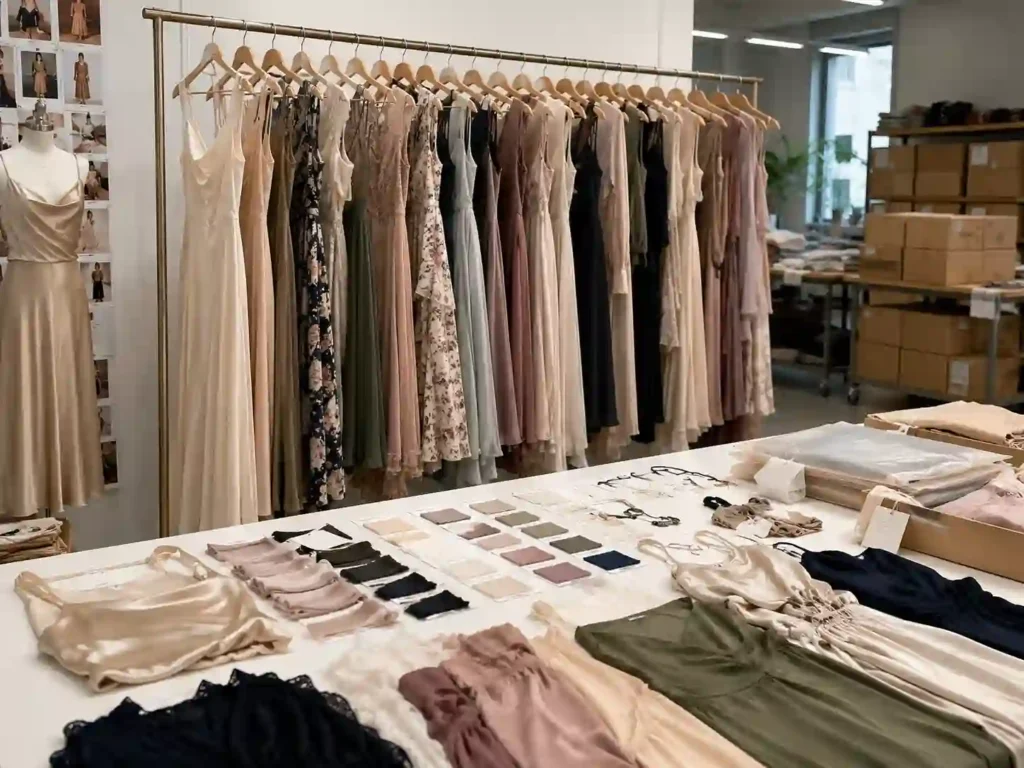
The assortment combined satin minis, mesh bodycon dresses, corset styles, lace midis and two jumpsuits across five fabric groups and a five-size run from XS to XL. Development was divided into four sample waves: campaign heroes first, core volume styles second, complex lace and corset structures third, and color extensions after base fit approval. PP approvals were released in two groups so fabric booking and line preparation could begin without waiting for every style. After final PP and material readiness, the planned bulk window ran for 44 days. Production was divided between specialist lines, with inline QC focused on satin puckering, mesh tension, corset support and lace placement. Delivery used two shipment lots: launch-priority styles first and the remaining volume after final packing. The structure protected the campaign calendar while keeping one technical record set for all 18 styles.

27-Style Seasonal Shopify Drop - 72,000 Pieces

The program included mini, midi and maxi dresses, matching sets and jumpsuits in nine commercial colors, six fabric groups and sizes XS through XXL. Three warehouse destinations required separate barcode lists, carton marks and size-ratio packing. Sample priority followed photography date, construction risk and sales forecast. Shared fabrics were approved as groups, while fit and PP approval remained style-specific. The phased production plan covered 52 days after final PP release and confirmed material arrival.
Approximately 15% of launch-priority units were allocated to air shipment, with the remaining volume prepared for sea freight by warehouse destination. Pattern, BOM, QC and packing records were retained for reorder planning. The operating result was not based on rushing every style equally; progress came from controlled priorities, parallel approvals and traceable shipment groups.

Brand Protection, Compliance and Inspection Support

Established brands need confidentiality and verifiable production records. Cooperation boundaries are documented so design protection, material claims and inspection responsibilities remain clear.

NDA and Design Protection

Jinfeng Apparel supports NDA-based cooperation and protects tech packs, original samples, patterns, size charts, material directions, labels, packaging files, quantities, prices and unpublished launch information. Brand names and confidential product images are not published without authorization.

Compliance by Project

Factory audits, material certifications and testing requirements are confirmed against the actual production unit, fabric supplier, color, batch and destination. ISO, SMETA, BSCI, OEKO-TEX, GOTS or GRS references are used only when current documents and scope support the claim.

Inspection Cooperation

Internal QC can be combined with brand inspections or approved third-party inspection arrangements. Production status, packing records, carton data and relevant files are prepared to support pre-shipment review according to the agreed project standard.

Project Fit for Established Shopify Dress Brands

The strongest cooperation begins with clear commercial direction, usable product files and a realistic bulk plan. Jinfeng Apparel evaluates the complete program before confirming development and production arrangements.

Strong Program Fit

Best-fit projects include established Shopify fashion operations with defined product categories, ongoing dress launches, structured sample approvals, private-label requirements and bulk production plans. Multi-style collections, seasonal capsules, supplier upgrades, bestseller reorders and second-source programs are suitable evaluation scenarios.

Information for Review

A useful review package includes a line sheet or style list, tech packs or reference garments, target quantity by style and color, size range, fabric direction, target launch or warehouse date, label and packaging requirements, compliance needs, destination and preferred trade terms. Complete information supports clearer risk, cost and schedule feedback.

Frequently Asked Questions for Established Shopify Brands

Jinfeng Apparel is a premium custom womenswear manufacturer with 6 owned women’s fashion factories and more than 10 long-term production partners. Services cover product review, fabric sourcing, pattern making, sampling, bulk production, QC, private-label packing and export coordination.
Core categories include mini, midi and maxi dresses, bodycon, corset, slip, satin, mesh, lace, sequin, party, occasion, resort and wedding guest styles, plus jumpsuits, matching sets, skirts and fashion tops.
MOQ starts from 200 pieces per style and color. Final requirements depend on fabric availability, custom color, print, trims, construction, packaging and production schedule. Multiple sizes can be included within the confirmed style-color quantity.
Yes. Multi-style programs are separated by style code, fabric group, sample priority, approval status, production allocation, QC file and packing instruction. The full assortment is reviewed before a schedule and capacity plan are confirmed.
Yes. Jinfeng Apparel can review tech packs, line sheets, sketches, reference images and original garments. More complete files allow more accurate construction analysis, material direction, quotation and sample planning.
Sample timing is confirmed by style after reviewing pattern work, fabric availability, trim development and construction risk. A multi-style program normally uses staged sample waves so campaign priorities and complex garments do not compete under one unrealistic deadline.
Bulk timing is confirmed after PP approval, material readiness, final quantities, factory allocation, QC requirements, packing instructions and shipment method are clear. Launch planning works backward from the required warehouse date and may include phased or split delivery.
Approved patterns, graded size charts, BOM files, fabric and trim references, sewing instructions, PP samples, Golden samples, QC checklists and packing files are transferred into production and inspection records.
Yes. Services can include main labels, size labels, care labels, hangtags, barcodes, SKU stickers, polybags, carton marks, packing ratios, packing lists and coordination with nominated or approved forwarders.
Yes. NDA-based cooperation protects unpublished designs and technical files. Pattern, measurement, material, trim, QC and packing records can be retained for repeat-order evaluation, new colors, replenishment and seasonal collection extensions.

Send Your Dress Collection for Manufacturing Review

Share enough information for a useful project assessment rather than a generic price response. Kelly will coordinate the first review with product development, fabric, sampling and production teams. The response can address style complexity, fabric direction, MOQ fit, sample priorities, bulk allocation, private-label requirements and delivery planning. For a 10-30 style collection, a line sheet is especially useful because it shows how the assortment should be grouped before individual styles enter sampling.

  • Line sheet, tech packs, sketches, original samples or reference images
  • Target quantity by style and color, plus planned size range
  • Preferred fabrics, colors, trims and construction details
  • Campaign, launch or warehouse receiving date
  • Main label, care label, hangtag, barcode and packaging files
  • Destination, forwarder details, trade terms and inspection requirements

Tell Us About Your Dress Project

Share your product details, estimated quantity and development requirements. Our team will review your project and provide practical OEM/ODM production feedback.

Premium Women’s Apparel Production for Fashion Brands

From dress sample development to bulk production, JF Apparel supports fashion brands with confidential OEM/ODM manufacturing, reliable quality control and scalable production support.

START YOUR DRESS PROJECT

Ready to Develop Your Next Dress Collection?

Share your design concept, product requirements or sourcing plans with our team. We’ll review your project and provide practical feedback on development, materials, MOQ and production.

7-10 Days

Sample Development

200 PCS

Starting MOQ

Fast Response

Professional Follow-Up