
Dress Manufacturer for Ecommerce Operations Teams
Custom dress production planned around launches, inventory, SKU accuracy, replenishment, warehouse receiving, and private-label delivery.
Jinfeng Apparel supports established fashion brands whose operations teams manage more than garment production. A dress program must reach photography, approval, bulk production, packing, freight, and warehouse milestones without losing control of style versions, colors, sizes, quantities, labels, or cartons.
- Programs commonly include 10-30 styles across coordinated launch windows.
- Brand orders commonly total 20,000-80,000 pieces across approved styles.
- 100,000+ pieces of monthly capacity support multi-style production planning.
- MOQ starts from 200 pieces per style/color, subject to material and construction review.
Manufacturing Capacity Built for Ecommerce Dress Programs
Since 2008
6 Owned Factories
10+ Production Partners
100,000+ Pieces Monthly
15+ QC Inspectors
12+ Merchandisers
Built for Teams Responsible for Ecommerce Execution
Ecommerce Operations Managers
Inventory Planning Teams
Supply Chain Managers
Fulfillment Operations Teams
Marketplace Operations Teams
Operations Directors
Where Dress Production Disrupts Ecommerce Operations
Launch Delays
Bestseller Stockouts
Excess Inventory
SKU Packing Errors
Reorder Inconsistency
Quality-Driven Returns
Production Outcomes Your Operations Team Can Use
Predictable Milestones
Controlled Order Data
Repeatable Bulk Production
Dress Categories Built for Ecommerce Assortments
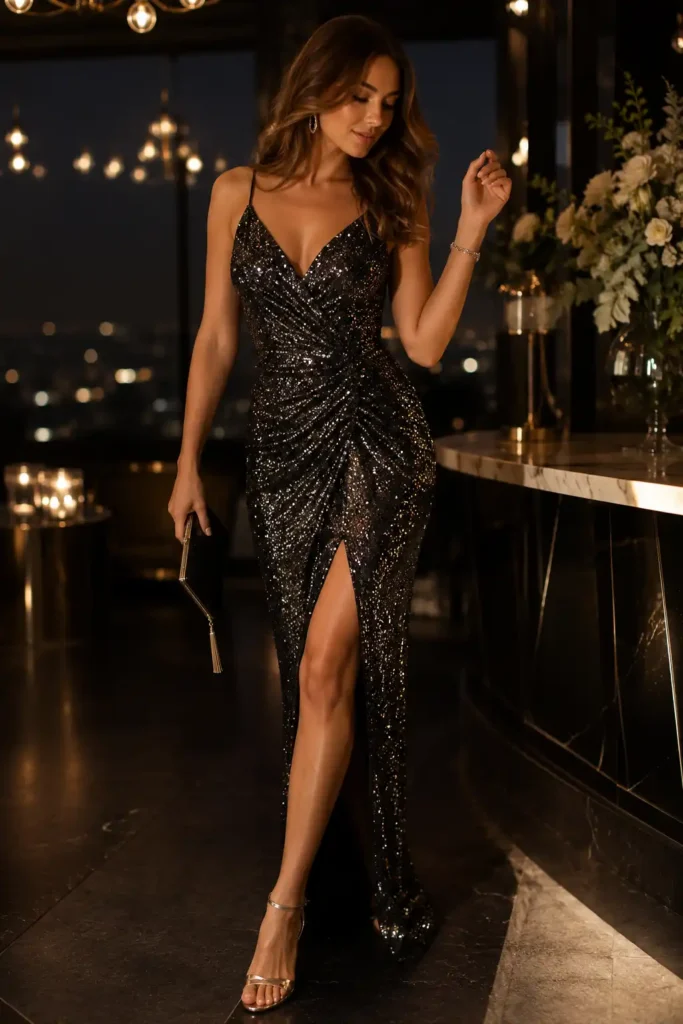
Party Dresses
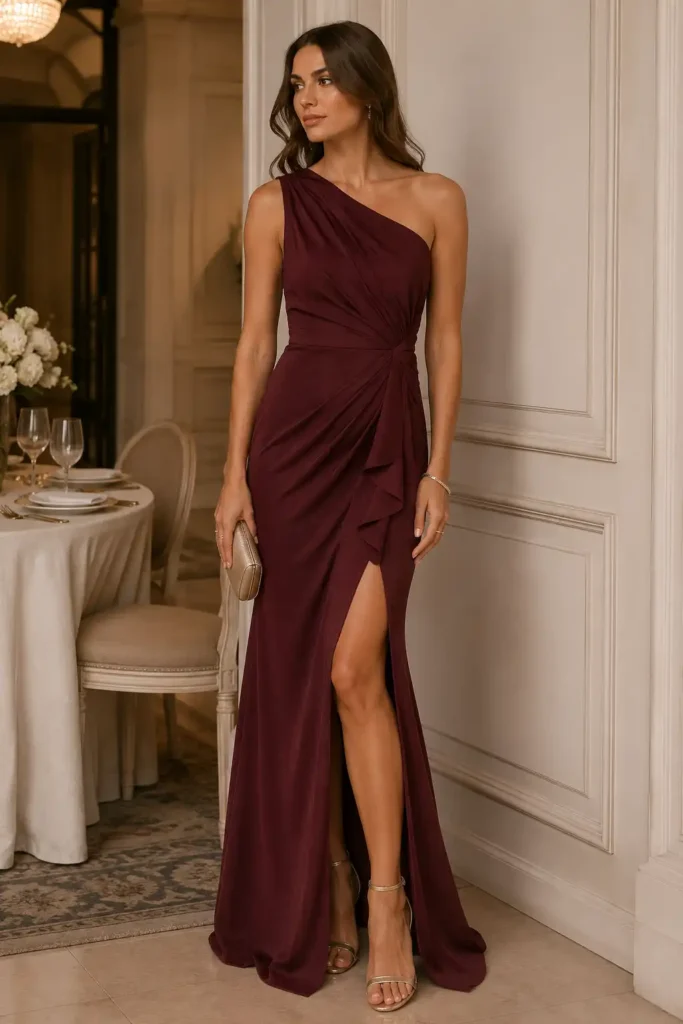
Occasion Dresses
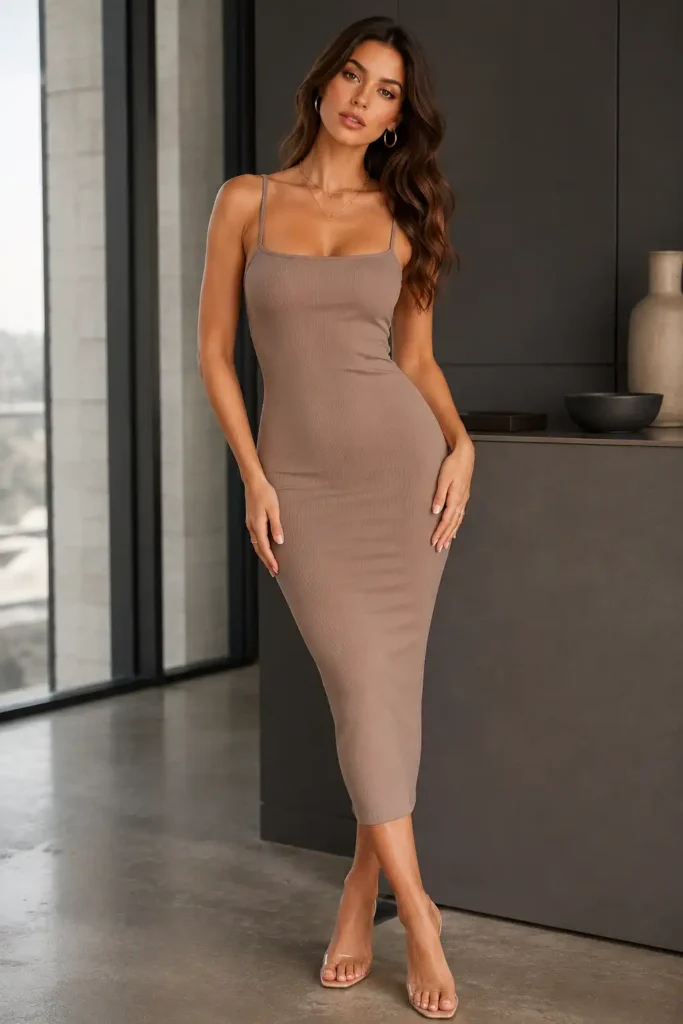
Bodycon Dresses

Satin Dresses

Mesh Dresses

Resort Dresses

Graduation Dresses

Midi and Maxi Dresses
Design and Fit Controls Before Bulk Production
Strong ecommerce performance begins with a dress that looks correct on body, photographs well, grades consistently, and can be reproduced in bulk. Pattern decisions, support structures, seam positions, and finishing details require validation before PP approval.
Bust, Waist, and Hip Balance
Dress fit is controlled through relationships rather than isolated measurements. Bust shaping affects neckline stability and armhole position; waist placement affects torso length and skirt balance; hip ease affects movement, seam direction, and ride-up. Jinfeng Apparel reviews body measurements, intended fit, fabric stretch, lining, and silhouette before pattern correction. Fitting comments are translated into pattern actions, such as adjusting dart intake, princess seams, side seams, waist curves, back width, or hip distribution. Size grading then follows approved proportions instead of applying a uniform increase across every point.
Necklines, Straps, and Shoulder Control
Halter, strapless, one-shoulder, off-shoulder, deep V, square-neck, and asymmetric styles place different loads on the upper body. Strap length, attachment position, neckline stabilization, elastic recovery, interfacing, lining, cups, and side-seam support must work together. Sample reviews check gaping, rolling edges, strap twisting, shoulder pressure, underarm exposure, and movement. Bulk instructions define attachment points, stitch density, reinforcement, elastic length, and finishing so production does not rely on operator interpretation.
Corset and Internal Support
Corset dresses may use boning, bra cups, under-bust seams, power mesh, lining, elastic, fusible support, or multiple internal panels. Support level must match fabric weight and desired shape. Excess stiffness can distort the neckline; insufficient support can cause collapse or gaping.
Development checks cup position, boning length, channel width, seam allowance, lining tension, zipper strength, and skin comfort. PP approval should confirm both outer appearance and internal construction because hidden differences can change fit across the whole size range.
Hem, Slit, and Skirt Movement
Mini, midi, maxi, flared, ruched, fishtail, bias-cut, and high-slit designs require different hem and balance controls. Fabric drape, grain direction, lining length, seam weight, and pressing can change the finished drop. Slits need reinforcement without creating stiffness or puckering.
Sample review includes movement, sitting, walking, and footwear allowance when relevant. Bulk measurements define skirt length, slit height, hem width, and acceptable tolerance at selected points.
Size Grading and Measurement Tolerance
Extended size ranges require controlled grading at bust, waist, hip, armhole, neckline, strap, torso, skirt length, and opening measurements. A single grading rule rarely fits all silhouettes. Stretch dresses, corset dresses, woven occasion dresses, and relaxed resort dresses need different logic. Jinfeng Apparel retains approved measurement files and pattern revisions so bulk inspection and repeat orders can compare against the correct version. Tolerances are set by measurement importance, construction, and material behavior rather than one universal number.

Fabric Decisions That Protect Launches and Reorders
Fabric controls cost, fit, visual appeal, construction method, MOQ, sample timing, bulk consistency, care requirements, and reorder feasibility. A material must work for the design and remain available enough to support the operating plan.
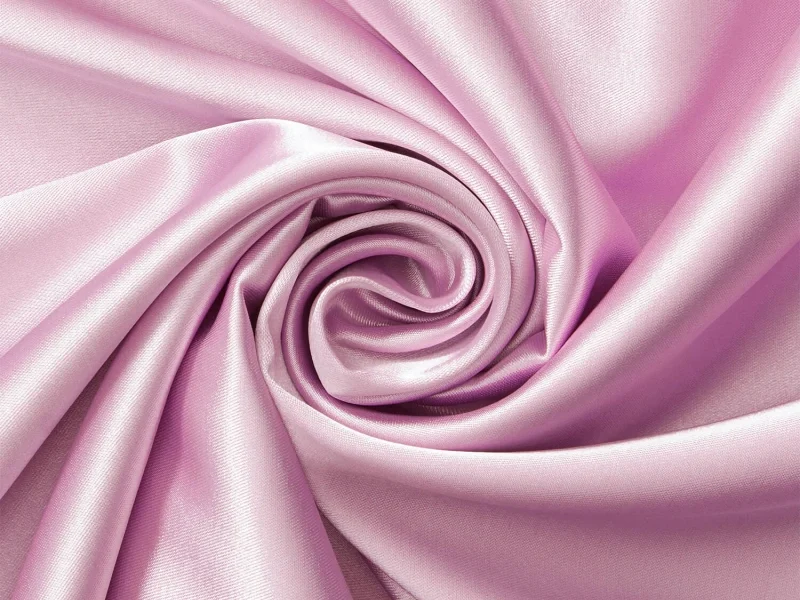
Satin and Stretch Satin
Satin programs require review of composition, weight, width, face finish, drape, stretch, color depth, snag resistance, seam response, pressing temperature, and lining need. Dark and saturated colors can reveal shade differences between lots. Stretch satin may improve comfort but can introduce seam growth, zipper waves, and inconsistent recovery. Jinfeng Apparel checks the material through sample construction before PP approval and records the approved fabric source, color, hand feel, and bulk observations. Reorders require a new availability and shade review because a matching article number does not guarantee an identical dye lot.

Mesh, Power Mesh, and Tulle
Soft mesh, power mesh, decorative mesh, and tulle differ in stretch, recovery, transparency, surface, and strength. A design may require more than one mesh type: soft mesh for drape, power mesh for support, and lining for coverage. Pattern dimensions must account for stretch percentage and direction.
Bulk inspection reviews shade, holes, edge damage, distortion, and recovery. Packing must prevent snagging from zippers, hooks, sequins, or rough hangtags.

Lace and Placement Materials
Lace quality depends on motif, width, edge shape, density, stretch, direction, and usable cutting area. Placement lace, scalloped edges, and symmetrical motifs increase consumption and cutting time. Color may vary between production lots or base fabrics. Jinfeng Apparel reviews placement, seam joins, lining contrast, transparency, and motif balance during sampling. Production instructions identify critical placement points, while QC checks left-right balance, motif continuity, damaged threads, and visible joining lines.
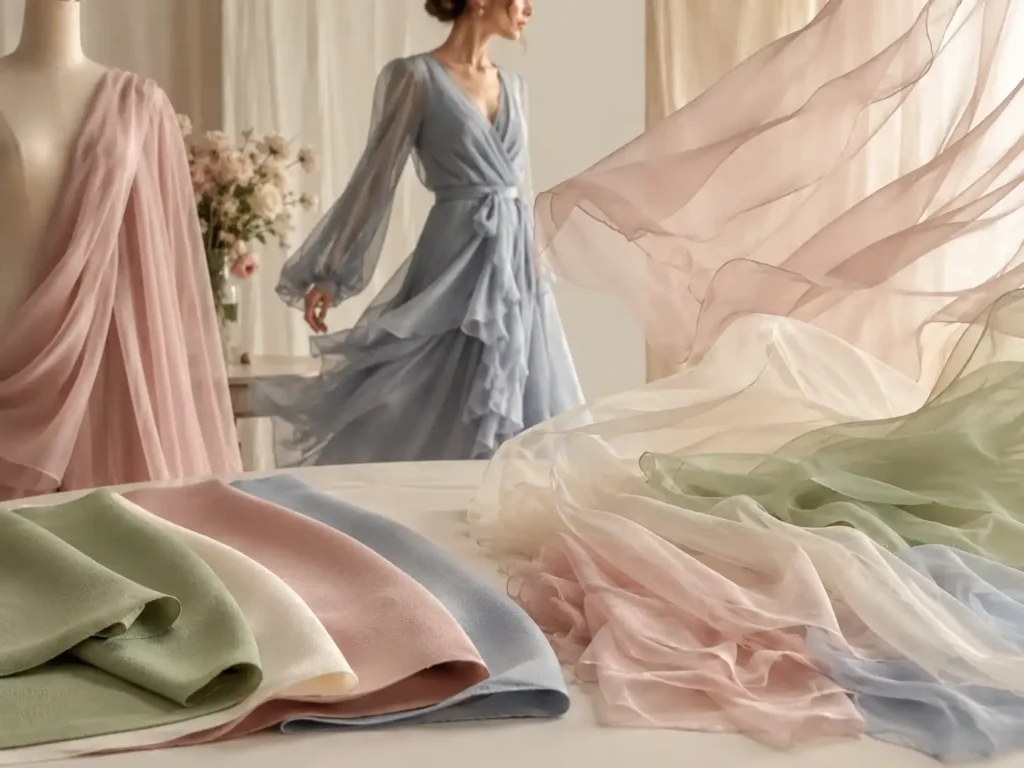
Chiffon, Crepe, Rayon, and Viscose
Lightweight woven fabrics create attractive movement but require control of shrinkage, slippage, grain, transparency, seam stability, pressing, and hem finish. Rayon and viscose can change after moisture or pressing; chiffon can shift during cutting; crepe can vary in texture and stretch. Sample construction determines whether lining, stay tape, seam changes, or added ease are needed. Bulk fabric is reviewed before cutting, and finished garment measurements are checked after pressing.

Jersey, Ponte, Rib, and Stretch Blends
Knitted dresses depend on weight, stretch, recovery, opacity, pilling risk, shrinkage, and spirality. Jersey supports draped or fitted styles, while ponte provides more structure. Rib changes width under tension, affecting measurements and consumption. Stretch blends require compatible thread and seam construction. Jinfeng Apparel reviews recovery and body fit during sampling, then controls fabric lot, cutting relaxation, measurements, seam elasticity, and pressing during bulk production.

Material Continuity Plan
Approved records include fabric name, supplier, composition, weight, width, stretch, hand feel, drape, transparency, color, dye lot, MOQ, price record, lead-time note, shrinkage risk, approval photographs, and swatch reference. When an original material becomes unavailable, a substitute is compared for composition, weight, stretch, hand feel, color, cost, pattern impact, and sample requirement. A substitute is not moved into bulk production without approval.
What We Review Before Quoting Your Program
Files From Your Team
- Reference images, sketches, original samples, or tech packs
- Style list with priority ranking and intended launch dates
- Target quantity by style and color
- Size range and preliminary size ratio
- Fabric preference, target hand feel, or approved material
- Label, hangtag, barcode, polybag, and carton requirements
- Warehouse receiving guide or 3PL instructions
- Delivery destination and preferred freight method
Review From Jinfeng Apparel
- Construction difficulty and pattern-development risk
- Fabric and trim availability, MOQ, and lead-time exposure
- Sample type, sample priority, and likely revision needs
- MOQ fit by style/color and private-label material minimums
- Factory allocation according to product and volume
- QC points linked to fit, material, workmanship, and packing
- Bulk schedule dependencies and shipment options
Sampling That Supports Product and Launch Decisions
One sample cannot serve every purpose. Development, fitting, photography, approval, bulk control, and repeat production require different references. Sample priority should follow launch value, material readiness, construction risk, and campaign timing.
Development and Fit Samples
The first sample establishes construction, proportion, material behavior, and overall feasibility. A fit sample focuses on body balance, measurements, movement, neckline, support, waist placement, hip ease, skirt length, and grading direction. Comments should identify the issue, measurement evidence, desired result, and visual reference where available. Jinfeng Apparel records revisions so each new version can be compared against the preceding sample rather than relying on fragmented messages.
Revised and Photo-Ready Samples
A revised sample verifies agreed corrections. A photo-ready sample may require approved color, improved finishing, correct branding, and strong visual presentation before the full bulk standard is locked. Photo samples should be prioritized for hero SKUs and campaign dates. Decorative materials, colors, or trims used only for photography must be clearly identified to prevent accidental use as bulk approval references.
PP and Golden Samples
A pre-production sample confirms the material, construction, measurements, workmanship, trims, labels, and finishing standard intended for bulk production. A Golden sample is retained as a controlled visual and construction reference for production, QC, packing review, and repeat orders. Bulk should not begin while critical PP comments remain open. Any approved deviation must be recorded so production teams and inspectors work from the same standard.
Planning Time by Risk
For launch planning, a standard dress sample may be assigned a 7-15 working day target after suitable materials and complete instructions are ready. Revised samples often require 5-10 working days after clear comments and material availability. Corset structures, placement lace, sequins, custom dyeing, print development, special trims, or extensive fit changes require a longer program. Final timing is confirmed by style after review, not applied as one promise across every design.
Production Planning Around Your Ecommerce Launch Calendar
Operations teams need a backward plan from warehouse availability, not a single factory lead-time statement. The schedule below is a planning framework; final dates depend on style complexity, material readiness, approval speed, quantity, production capacity, QC findings, packing, and freight.
Ecommerce Milestone | Manufacturing Control | Approval or Input Needed | Operating Risk Protected |
Campaign photography | Photo-ready samples and priority style list | Hero SKU selection, sample size, color, branding | Missing content dates and delayed product setup |
PP approval | Final materials, measurements, construction, workmanship, labels | Consolidated fit comments and written approval | Bulk started against an unstable standard |
Bulk completion | Material arrival, cutting, sewing, inline QC, finishing | Final quantity and approved production file | Late stock, inconsistent garments, rework |
Warehouse receiving | Packing QC, carton allocation, shipment documents | Warehouse guide, barcode file, carton labels | Receiving rejection and inventory mismatch |
Launch availability | Freight booking, split-shipment decision, delivery tracking | Priority SKUs, destination, delivery window | Stock unavailable when marketing begins |
A common planning model reserves 7-15 working days for a standard first sample, 5-10 working days for a revised sample, 35-60 days for bulk production after PP approval and material readiness, and 5-10 days for final finishing, packing, and shipment preparation. Complex materials, large style counts, custom colors, print development, special packaging, inspection findings, and slow approvals extend the schedule. Sea freight, air freight, or an air-and-sea split should be selected before production completion so carton allocation and documentation can be prepared correctly.
Controlling Multi-Style, Multi-Color, Multi-Size Orders
A 10-30 style collection can contain hundreds of SKU combinations once colors and sizes are added. Control depends on separating records, grouping similar work, locking versions, and making every approval traceable to the correct style.
Style and Version Control
Each design receives a style identifier connected to the current tech pack, pattern, measurement file, BOM, sample status, fabric, trim, artwork, label, and packing instruction. Revision changes are recorded by version. Superseded files are not used as production references. When the same silhouette appears in several fabrics or colors, each production variation is identified clearly enough to prevent accidental substitution.
Color and Material Grouping
Styles are grouped by shared fabric, lining, zipper, thread, elastic, trim, or decorative material where production logic allows. Grouping can improve procurement and color coordination, but it does not remove style-level controls. Satin shades, mesh colors, lace motifs, lining tones, zipper tapes, and printed materials are checked against the approved combination for each style. New colorways may require lab dips, strike-offs, or color samples before bulk confirmation.
Size Ratio and Grading Control
Quantity planning separates sales ratios from manufacturing constraints. A size range such as XS-2XL may be split differently by style, market, color, and selling history. Jinfeng Apparel checks whether ratio changes affect cutting markers, fabric use, packing, and carton allocation. Measurements and grading rules are linked to the approved pattern version. Bulk inspections use selected measurement points and tolerances based on garment risk.
Production and Packing Allocation
Multi-style orders may be assigned to different production units according to woven or knit construction, fabric sensitivity, complexity, volume, and required completion date. A shared order standard controls PP references, measurements, workmanship, QC, labels, and packing. Cartons are allocated by style, color, size ratio, shipment batch, and warehouse requirement. Packing list data must match physical carton contents before release.
Exception Management
Exceptions are handled by style and impact. Examples include delayed fabric, rejected shade, missing trim, unresolved fit, sewing rework, failed measurement, barcode correction, or late warehouse label files. The operations team receives the affected style, open decision, schedule impact, and proposed action. Priority styles can be protected while lower-priority styles continue through correction rather than holding an entire collection without analysis.

Building Quantities Around Manufacturing Conditions
Single-Color Core Style
A core dress ordered at 200 pieces in one approved color may fit the standard garment MOQ when the fabric is available, trims are regular, construction is confirmed, and packaging does not carry higher material minimums.
Size ratios can be planned inside the 200-piece color quantity, subject to grading and packing requirements.
Multi-Color Style
A dress ordered in two colors is normally evaluated at 200 pieces per color, creating a 400-piece style quantity.
Color-specific fabric, lining, zipper, thread, labels, or packaging may create separate minimums. Custom dyeing or special shades can increase fabric requirements beyond the garment MOQ.
Collection-Level Planning
A 20-style collection with different quantities needs style-by-style review. Stronger styles may carry larger volume, while complex or uncertain designs require realistic material and production minimums. Quantity consolidation can focus on shared fabrics, fewer colors, efficient size ratios, standardized trims, and suitable packaging. The goal is a manufacturable assortment with controlled inventory exposure, not artificial fragmentation.
Capacity Allocation for Multi-Style Dress Programs
Capacity means more than a monthly total. A reliable plan places each style in a production unit suited to its fabric, construction, skill requirement, volume, approval status, and launch priority, then applies common production and QC standards across the order.
Owned Factory Allocation
Jinfeng Apparel operates six owned womenswear factories. Woven dresses, knit styles, occasionwear, complex fabrics, skirts, jumpsuits, matching sets, and private-label programs are allocated according to product structure rather than sending every style through the same line. First-time high-risk styles are assigned to production units with stronger relevant experience. Factory allocation is reviewed after sample approval and before bulk scheduling.
Long-Term Production Partners
More than ten long-term satellite production partners support seasonal peaks, regular styles, repeat orders, and planned multi-batch delivery. Partners are not treated as uncontrolled temporary outsourcing. Jinfeng Apparel coordinates approved samples, production files, material requirements, QC checkpoints, packing instructions, and shipment preparation. Complex or newly developed styles remain subject to stricter allocation and inspection decisions.
Sewing and Flexible Lines
Eighteen-plus sewing lines support different womenswear structures, while six-plus flexible production lines help manage multi-style, multi-fabric, multi-color, and multi-size programs. Flexible allocation does not mean unlimited switching. Material readiness, operator familiarity, line setup, construction sequence, and quality risk are considered before styles move between lines. Priority changes are reviewed against disruption to work already in production.
Project and QC Staffing
Twelve-plus merchandisers coordinate order records, approvals, materials, factory progress, issue escalation, packing, and shipment preparation. Fifteen-plus QC inspectors cover material, cutting, sewing, measurement, garment, pressing, and packing checks. Thirty-plus finishing and packing workers support pressing, thread cleaning, folding, label application, polybagging, carton packing, and final data review.
Capacity Reservation
Large programs should confirm approved style lists, target quantities, material readiness, PP dates, and delivery windows early enough to reserve production. Capacity is not held indefinitely against unapproved designs. Hero styles, high-volume core styles, photo deadlines, and fixed seasonal windows can be prioritized when the operating plan identifies them before scheduling.

Workmanship Controls for Retail-Ready Dress Production
Construction quality affects fit, appearance, durability, pressing, packing, and return risk. Workmanship instructions must reflect fabric behavior and design structure rather than relying on one sewing standard for every dress.
Seam Construction and Stability
Woven satin, chiffon, lace, crepe, rayon, mesh, jersey, ponte, and sequin fabrics require different seam choices. Seam allowance, stitch density, thread, needle selection, reinforcement, overlocking, binding, and pressing sequence influence puckering, slippage, bulk, stretch, and comfort.
Jinfeng Apparel verifies construction during sampling and records critical methods in the production file. Bulk checks look for open seams, uneven tension, skipped stitches, twisted panels, seam shine, and distortion.
Ruching, Pleats, and Draped Details
Ruching and draping can change measurements, fabric consumption, symmetry, and body fit. Gathering ratios and anchor points must be controlled, especially across size grading. Pleats require direction, depth, spacing, pressing, and securing instructions.
Sample approval identifies visual balance and finished measurements. Bulk inspection checks left-right consistency, placement, fullness, and whether pressing has flattened or distorted the intended effect.
Lace, Mesh, and Sequin Handling
Delicate surfaces are protected during cutting, sewing, pressing, and packing. Lace placement requires motif balance and clean joining.
Mesh seams must retain elasticity without becoming abrasive. Sequin areas may need clearance at seam allowances, protective handling, reinforcement, or manual correction. QC identifies holes, broken motifs, loose sequins, exposed rough edges, uneven placement, and surface damage before finishing.
Zippers, Cups, Boning, and Trims
Invisible zippers must close smoothly without waves, seam mismatch, or lining entrapment. Cups, boning, elastic, hooks, straps, rings, sliders, and decorative trims require exact placement and secure attachment. Internal components are inspected for comfort and symmetry as well as appearance. Functional checks are performed after pressing because heat and handling can expose zipper, elastic, adhesive, or shape problems not visible during sewing.
Pressing and Final Appearance
Pressing is part of garment construction, not a cosmetic final step. Temperature, pressure, steam, protective cloth, and sequence depend on fabric. Satin can develop shine or water marks; velvet can crush; mesh can distort; pleats can lose definition; fusible support can bubble.
Final review checks silhouette, seam balance, surface, hem, lining, closures, labels, and presentation before packing.
Quality Controls That Protect Ecommerce Sell-Through
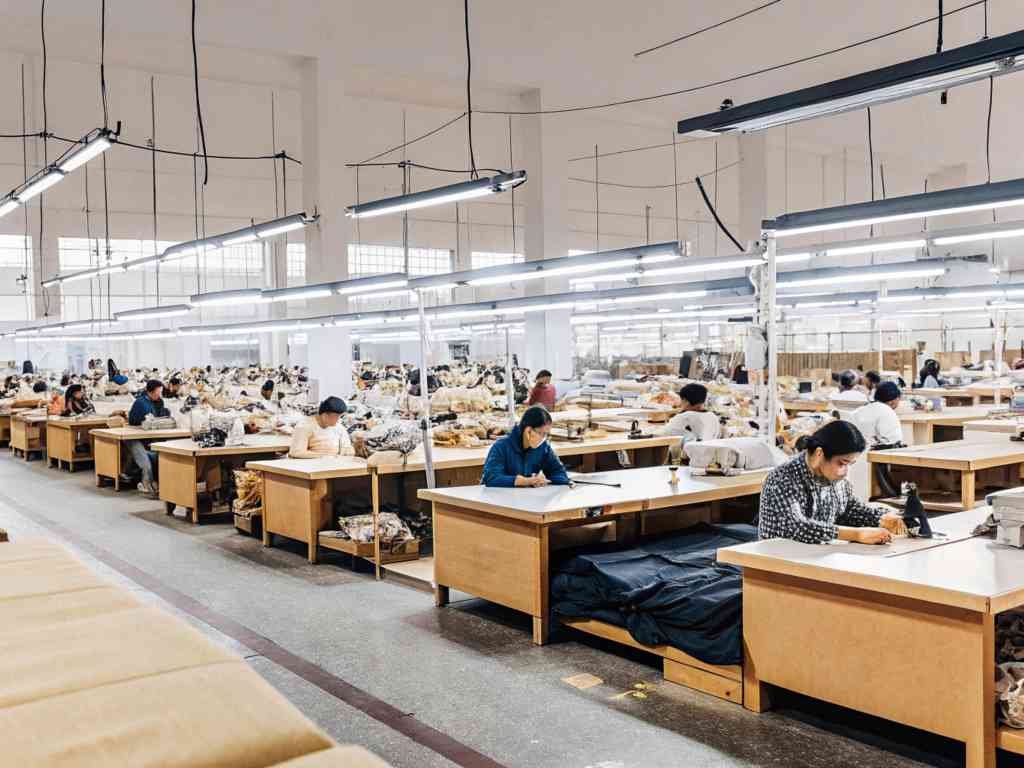
Quality risk is reviewed from incoming material through packing. Inspection priorities are linked to the commercial effect of each defect, including fit returns, visual complaints, damaged stock, incorrect fulfillment, and warehouse rework.
Ecommerce Risk | Manufacturing Control | Evidence or Checkpoint |
Fit-related returns | Pattern review, fit samples, measurement files, bulk measurement checks | Approved fit comments, PP sample, measurement inspection records |
Color complaints | Fabric approval, dye-lot review, shade comparison, controlled panel use | Approved swatch, shade grouping, bulk color review |
Transparency complaints | Fabric and lining assessment, stretch-state review, sample-on-body check | Lining approval, opacity review, finished garment inspection |
Zipper or trim failure | Trim approval, attachment reinforcement, functional inspection | Approved trim, closure test, final garment check |
Uneven workmanship | Construction file, inline sewing checks, final appearance inspection | PP reference, inline findings, final inspection result |
Wrong size or barcode | Measurement checks, size-label verification, barcode and packing review | Size specification, barcode file, packing checklist |
Damaged arrival | Pressing control, folding method, protective packing, carton review | Packing approval, carton condition, shipment photos |
Incoming material checks cover fabric identity, color, visible defects, width, hand feel, and relevant risk points. Cutting checks focus on grain, shade grouping, pattern accuracy, placement, and panel condition. Sewing checks review construction, measurements, symmetry, closures, trims, and workmanship. Final inspection covers appearance, measurements, pressing, labels, packing, and order data. AQL inspection and client-appointed inspection can be coordinated according to the agreed project requirement
Ecommerce-Ready Packing for Warehouse Receiving
A garment can pass sewing inspection and still fail operationally when labels, barcodes, polybags, carton ratios, or shipment data are wrong. Packing is controlled as a separate approval and QC stage.
Label and Branding Control
Main labels, size labels, care labels, origin information, hangtags, spare components, and special brand trims are checked against approved artwork and placement instructions. Label materials may carry their own MOQ and lead time. Size label content must match the garment and outer packing. Care information should reflect the approved material composition and construction supplied for the program.
Barcode and SKU Accuracy
Barcode files should identify style, color, size, and any marketplace or warehouse coding required. Barcode placement, print quality, scan readability, and SKU matching are reviewed before mass application. The approved data source must be clear; factory teams should not reconstruct barcode information from informal messages. Corrections after packing create rework, carton reopening, recounting, and schedule risk.
Polybag and Unit Packing
Polybags may require warning text, ventilation holes, recycling marks, size stickers, color stickers, suffocation warnings, sealing methods, or special folding dimensions. Delicate satin, sequins, lace, mesh, structured cups, and long dresses may need tissue, protective layers, shaped folding, or larger bags. Packing trials confirm whether the garment remains presentable after compression and transport.
Carton Ratios and Marks
Solid-size, mixed-size, solid-color, and mixed-color cartons are packed according to the approved ratio. Carton marks can include PO, style, color, size ratio, quantity, carton number, destination, and warehouse references.
Physical contents are checked against the packing list. Split shipments require separate carton numbering and clear allocation to prevent freight or warehouse confusion.
Warehouse and 3PL Instructions
Warehouse labels, routing guides, carton dimensions, weight limits, pallet instructions, appointment requirements, and documentation should be provided before packing starts. Jinfeng Apparel can coordinate carton measurements, gross and net weight, packing lists, commercial invoices, pickup information, and shipment photographs. Final acceptance remains subject to the receiving rules supplied by the brand or nominated logistics provider.

Repeat Orders for Bestselling Dress SKUs
Replenishment works best when the approved product can be reconstructed from retained records and current materials. Repeat production is reviewed as a controlled continuation, not copied blindly from an old order.
Records Retained for Reorders
Jinfeng Apparel retains first, revised, PP, and bulk pattern references; size grading; measurement files; fabric references; supplier information; approved colors; trim details; workmanship notes; Golden sample records; QC observations; labels; packing instructions; carton configuration; and shipment history. Retained data reduces repeated explanation and helps identify which elements remain valid for the new order.
Material Availability Review
Fabric and trims are checked again for supplier availability, MOQ, price, lead time, dye lot, stretch, weight, width, hand feel, color, and shrinkage risk. A supplier may retain the same fabric name while changing lot behavior. Original swatches and approval records support comparison. When a substitute is needed, the effect on pattern, fit, construction, cost, care, and appearance is reviewed before approval.
Pattern Reuse and Reassessment
An approved pattern can accelerate a same-style repeat when material and specifications remain consistent. Changes in stretch, fabric weight, lining, neckline, straps, cups, boning, skirt length, slit, color, or size range may require revised pattern work or a new sample. Reuse is based on technical compatibility, not only visual similarity.
Replenishment Scheduling
Timing depends on material availability, repeat quantity, current factory schedule, label stock, packing materials, inspection requirements, and freight choice. Priority sizes, hero colors, or launch-critical quantities can be reviewed for an earlier batch while remaining units follow by another shipment method. A split is confirmed only after SKU, carton, documentation, and cost effects are assessed.
Post-Shipment Feedback
Returns, fit comments, damages, packaging issues, warehouse discrepancies, and sales observations can be recorded for the next production cycle. Changes are separated from the original approved standard so a new version does not overwrite the historical reference. Repeat programs improve when operating feedback becomes part of the production record.

Split Shipment Options for Launch-Sensitive Orders
Priority Launch Batch
Main Sea Shipment
Data and Carton Separation
Clear Project Records From Approval to Shipment
Approval Records
Progress and Issue Updates
Design and Commercial Protection
How a 42,600-Piece Ecommerce Dress Program Was Controlled
An established United States occasionwear and partywear brand planned a seasonal ecommerce launch across its own online store and two marketplace channels. The order combined visual hero styles, repeatable core dresses, delicate materials, extended sizing, private-label packaging, and a fixed inbound window.
Program Scope

The confirmed order contained 18 dress styles and 42,600 pieces. The collection included five satin styles, four mesh and power-mesh styles, three corset dresses, two sequin styles, two ruched jersey styles, and two woven occasion dresses. Seven color families were used across the collection, with individual styles carrying one to three colors.
The size range ran from XS to 2XL, and selected high-volume styles extended to 3XL. Quantities were weighted toward six hero styles based on the brand’s sales plan rather than divided evenly.
Development and Sample Priority

The 18 styles were grouped by fabric and construction risk. Six hero styles entered the first sample wave, followed by seven medium-priority styles and five lower-priority styles. First samples were completed across a 24-calendar-day program rather than waiting for all styles to finish together. Photo-ready samples for the six hero styles were released after color and fit review, while remaining styles continued through revisions. PP approvals were completed in a staged 11-day window, allowing approved styles to move into material booking and production without waiting for unresolved styles.
Material and Fit Control

Satin lots were grouped by color and reviewed for shade, snagging, seam response, and pressing. Power mesh was checked for stretch and opacity, while corset styles received separate review of cups, boning, lining, zipper strength, and upper-body grading.
Two styles required revised waist and hip balance after fitting. One satin color was replaced before bulk because the available lot did not match the approved depth. The replacement was sampled and approved before production allocation.
Production Allocation

Styles were assigned across suitable woven, stretch, and complex-dress production units. Production ran over 46 days after staged PP approval and material readiness. A shared control pack linked each style to the approved sample, measurement file, BOM, workmanship notes, label requirements, and packing instruction.
Merchandising updates separated completed, in-production, delayed, and corrective-action styles so the operations team could maintain launch priorities.
QC and Packing
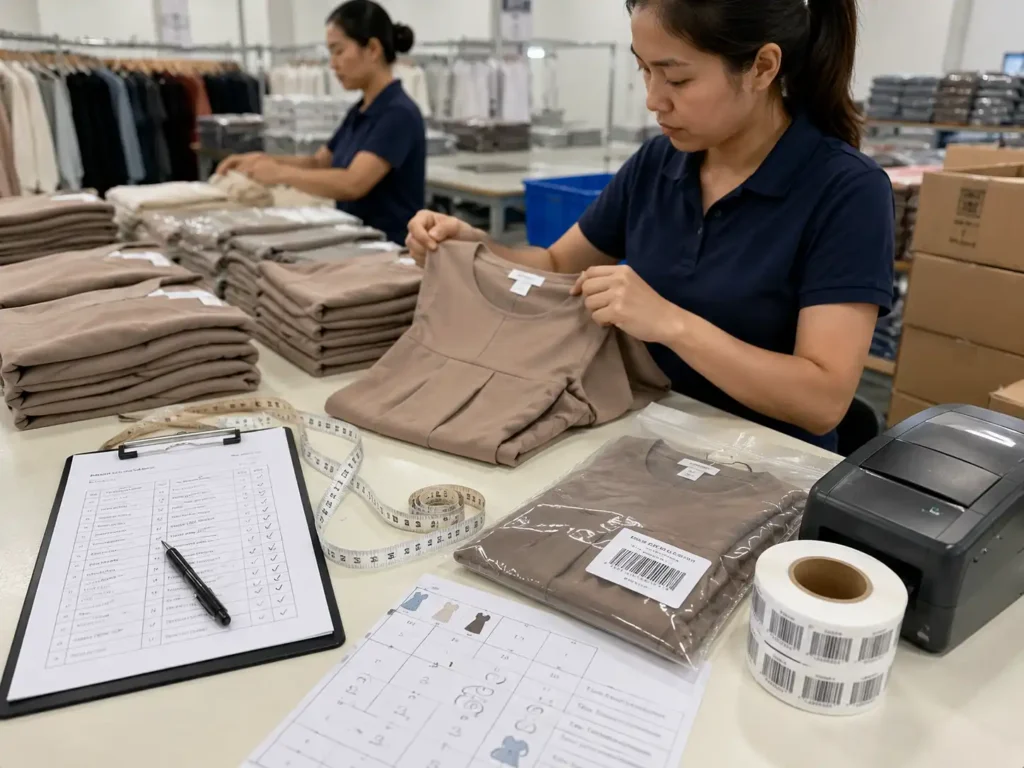
Measurement inspections focused on bust, waist, hip, body length, strap length, neckline, slit height, and skirt length according to style risk. Satin checks included surface damage and seam puckering; mesh checks covered holes, recovery, and lining exposure; corset checks covered symmetry, cup position, boning, zipper function, and internal comfort. Every unit carried the correct main label, care label, size label, hangtag, barcode, and polybag sticker. Cartons followed mixed-size ratios supplied for each channel, with separate warehouse labels and carton marks.
Shipment Strategy

The brand selected 9,800 pieces from six hero styles for priority air shipment. The allocation emphasized core sizes and launch colors instead of taking the first garments completed. The remaining 32,800 pieces moved by sea under a separate packing list, invoice, and carton sequence.
Packing and shipment files allowed the operations team to distinguish received stock, air stock in transit, sea stock in transit, and remaining production without rebuilding SKU data manually.
Operating Result

The hero group reached the planned launch inventory window, while the main sea shipment supplied broader color and size depth. A reorder review began after early sales feedback, using retained patterns, measurements, fabric references, trim files, packing records, and QC notes.
Two bestselling styles were assessed for repeat production, with one color continuing in the original fabric and one color requiring a new dye-lot comparison before confirmation.
Frequently Asked Questions for Ecommerce Operations Teams
MOQ starts from 200 pieces per style/color. Fabric stock, custom dyeing, printing, lace, sequins, trims, label materials, packaging, construction, and production schedule may create higher minimums. A collection is reviewed style by style because total program volume does not automatically remove the material or production requirement of an individual color.
Yes. Multi-style programs are grouped by material, construction, sample priority, approval status, production unit, QC risk, packing requirement, and delivery priority. Every style keeps its own version-controlled files, measurements, BOM, PP reference, production status, and packing instruction. Final feasibility depends on style complexity, quantity, material readiness, and the launch schedule.
A standard first sample may be planned within a 7-15 working day target after complete instructions and suitable materials are ready. Revised samples often require 5-10 working days after clear comments. Complex corset structures, special lace, sequins, custom dyeing, print development, difficult trims, or substantial fit changes require a longer schedule. Timing is quoted by style after review.
A common planning range is 35-60 days after PP approval, final quantity confirmation, material readiness, and production scheduling. Large style counts, custom materials, special packaging, approval delays, quality corrections, or split production can change the range. Freight and warehouse timing must be added separately to build a complete launch plan.
Jinfeng Apparel can build a backward plan from photo dates, PP approval, bulk completion, packing, freight cut-off, warehouse receiving, and launch availability. The plan depends on timely materials, comments, approvals, packaging files, and delivery instructions. Hero styles can be prioritized when the style list and operating deadlines are identified early.
Photo-ready samples can be scheduled for selected hero styles. The required color, size, branding, finishing, and delivery date should be identified at project launch. A photo-ready sample does not automatically replace the PP sample unless materials, measurements, construction, workmanship, trims, and labels meet the intended bulk standard and receive written approval.
Barcode and SKU files are linked to style, color, and size. Placement, print clarity, scan readability, and matching between garment, polybag, carton, and packing list are reviewed before shipment. The brand should provide an approved barcode source file and warehouse instructions before mass packing begins.
Jinfeng Apparel can review and execute supplied requirements for labels, polybags, carton ratios, carton marks, warehouse labels, carton dimensions, weight, and shipment documents. The guide should be provided before packing material production. Final warehouse acceptance remains subject to the receiving standard and appointment process defined by the brand or 3PL.
Repeat-order support includes retained pattern, measurement, material, trim, workmanship, Golden sample, QC, label, packing, and shipment records. Reorder timing is confirmed after checking current material availability, dye lot, trim stock, production capacity, quantity, packaging, and freight. Material or specification changes may require a revised sample.
Priority SKUs may be assigned to an earlier air shipment while remaining bulk moves by sea, subject to production readiness, quantity, packing, documentation, cost, and warehouse planning. The split must preserve usable size ratios and clear carton allocation. Separate packing lists, invoices, carton sequences, and receiving plans are prepared for each shipment.
Controls focus on fit, measurements, fabric shade, opacity, stretch, construction, zippers, trims, workmanship, pressing, labels, barcodes, and packing. The inspection plan is linked to the garment risk and approved standard. Returns can also reflect product description, photography, size communication, or consumer preference, so manufacturing control reduces avoidable production-related causes rather than promising zero returns.
Yes. NDA-based cooperation can cover tech packs, samples, patterns, measurements, fabric plans, trims, brand files, barcodes, order quantities, target prices, packing information, launch schedules, and unreleased designs. Confidential program details are not published or used in marketing without authorization.

Send Your Dress Program for Operational Review
Send the information already available, even when every detail is not final. Kelly and the Jinfeng Apparel team will review product structure, material direction, MOQ fit, sample priorities, production allocation, QC risks, packing requirements, shipment options, and the dates needed to build a workable program. A clear review begins with enough data to separate confirmed requirements from open decisions.
Please include:
- Tech packs, reference images, sketches, or original-sample details
- Style list and priority ranking
- Target quantity by style and color
- Size range and planned size ratios
- Fabric and trim direction
- Photo-sample or campaign deadlines
- Target PP approval and warehouse dates
- Label, hangtag, barcode, polybag, and carton requirements
- Warehouse or 3PL receiving guide
- Delivery destination and preferred freight method


