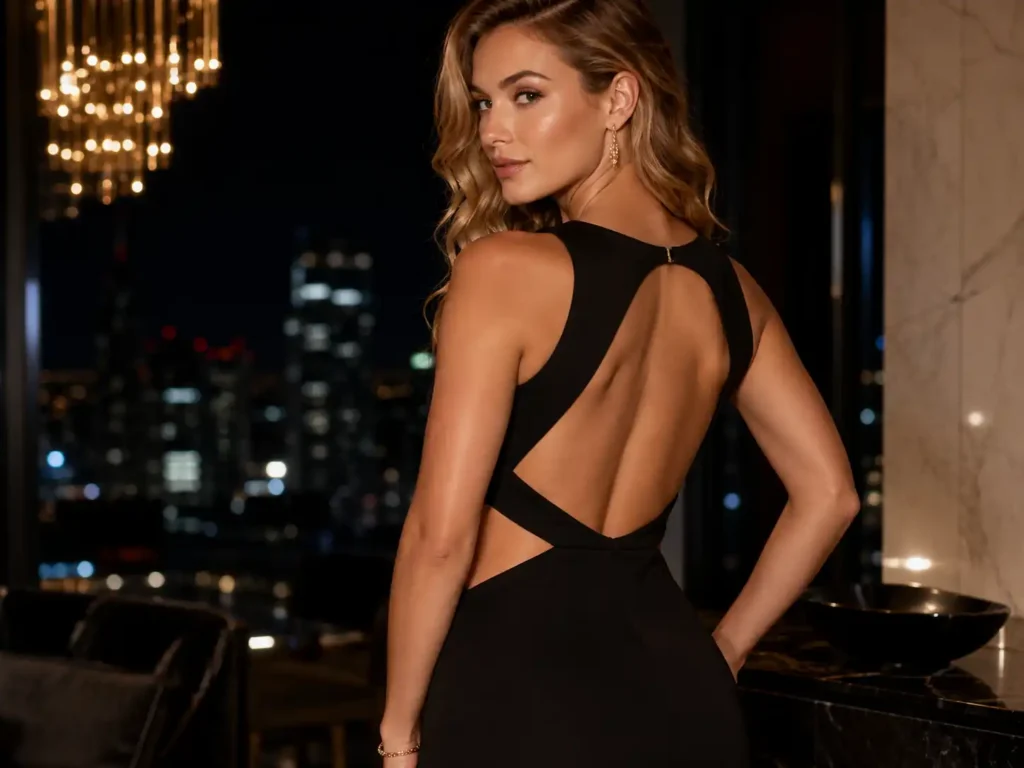
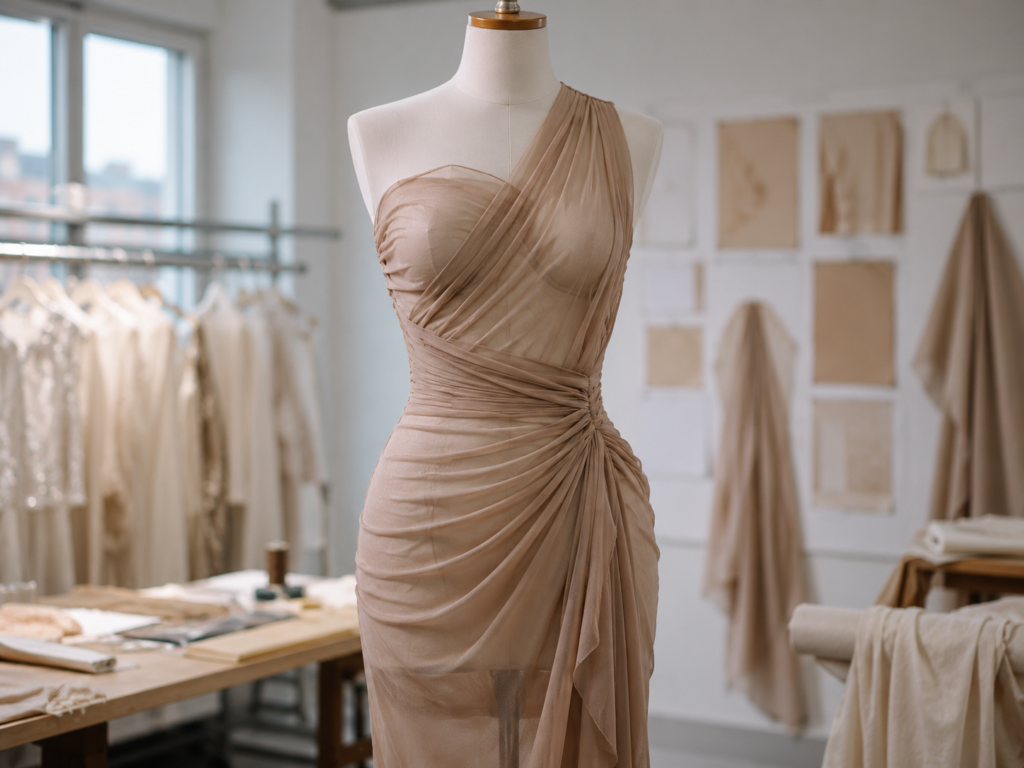
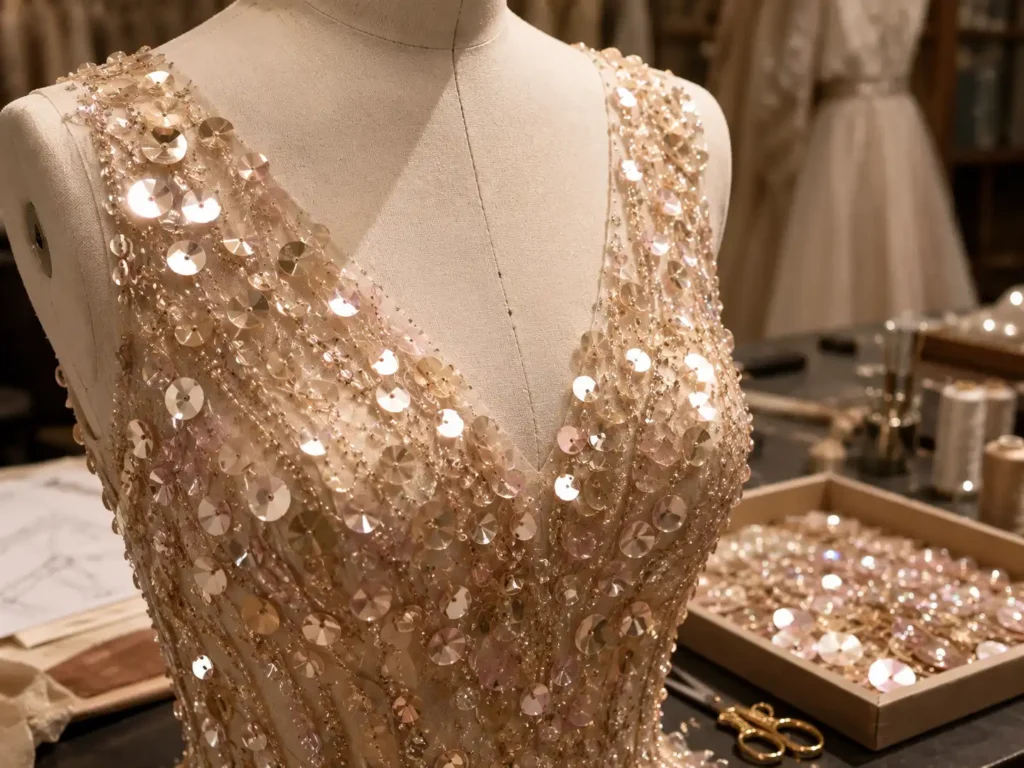
Dress Manufacturer for Design Directors

Turn creative direction into fit-approved, production-ready dress collections without losing the silhouette, material character or brand-level finish.

  • 2 sample rooms, 7+ senior pattern makers and 20+ sample machinists support structured dress development and revision.
  • Multi-style programs are planned for 10-30 styles, with production orders commonly organized across 20,000-80,000 total pieces.
  • First samples are usually planned at 10-15 days for standard dresses; simple styles may take 7-10 days, while corset, lace, mesh, sequin and evening styles commonly require 15-25 days after materials are confirmed.
  • 6 owned womenswear factories, 10+ long-term satellite partners and 18+ sewing lines support style-based factory allocation, phased production and repeat orders.

Development Capacity Behind Every Dress

Creative direction needs a development system with enough pattern, sample and production depth to test decisions before they become bulk problems. The figures below describe the people and manufacturing structure used to move dress concepts from review to controlled production.

Since 2008

Long-term experience in custom women’s fashion development, dress production and export coordination for overseas fashion programs.

2 Sample Rooms

Dedicated development space for first samples, fit samples, revised samples, photo-ready samples, PP samples and Golden samples.

7+ Pattern Makers

Senior womenswear pattern makers working on bust, waist, hip, neckline, strap, armhole, slit, lining, hem and jumpsuit rise.

20+ Sample Machinists

Sample makers experienced in satin, lace, mesh, sequin, corset, cut-out, ruched, backless and structured occasionwear.

15+ QC Inspectors

Quality coverage from incoming materials and cutting through sewing, measurements, final appearance, pressing and packing.

200 Pcs Style/Color

Standard MOQ begins at 200 pieces per style and color, subject to fabric, color, trim, construction and packing requirements.

Built for Design-Led Fashion Teams

Jinfeng Apparel works best when a design team has a defined product direction, a real development calendar and a bulk production plan. Clear project boundaries allow pattern, sample, sourcing and production teams to protect the intended result rather than rush through incomplete decisions.

Strong Program Fit

The strongest fit is a global or regional fashion brand developing seasonal dress lines, occasionwear capsules, ecommerce drops or private-label collections. A design director may begin with a line sheet, sketches, reference images, original samples or technical files. The project should have a target market, expected volume, sample approval path and launch timing. Jinfeng can then review style mix, fabrics, structural difficulty, MOQ allocation, sampling priority, production routing and packing requirements as one connected program.

Clear Manufacturing Boundaries

Jinfeng Apparel is a custom development and bulk manufacturing partner, not a ready-stock wholesaler or single-item fulfillment service. Standard MOQ begins at 200 pieces per style and color. Special fabrics, custom dyeing, prints, exclusive lace, molded trims, branded packaging or complex eveningwear may require higher supplier minimums. Clear boundaries protect material quality, fit development, production stability and brand delivery standards throughout the program.

Where Strong Dress Concepts Break Down

A compelling sketch can lose its value during development when fabric, proportion, support, revision records or production handover are poorly controlled. The risks below are common in design-led dress programs and should be addressed before PP approval.

Silhouette Gets Diluted

A supplier may reproduce visible details while changing shoulder balance, waist position, skirt volume or body proportion. The garment can look technically similar on a hanger yet feel unrelated to the intended brand language on body. Structure review must identify which silhouette lines are non-negotiable before pattern work begins.

Fabric Changes Character

A substitute fabric may reduce cost but also alter drape, shine, stretch, transparency, recovery or surface texture. Slip dresses lose movement, corset dresses lose support, and bodycon styles lose recovery when material direction is treated as a purchasing decision rather than a design decision.

Fit Misses Intent

Bust placement, neckline depth, waist height, hip ease, strap length, slit height and lining coverage can shift the visual result and wearing confidence. Fit comments must be translated into pattern changes and measurable approval points rather than handled as informal styling notes.

Revisions Lose Control

Multi-round development becomes unstable when comments are spread across emails, marked photos and chat messages without one revision record. Old measurements, old fabrics or unapproved construction details can return in a later sample unless every change has an owner, status and next action.

Sample And Bulk Diverge

A sample room can create a strong single garment, but bulk teams need a final pattern, size chart, BOM, trim card, sewing instructions, approved fabric reference, label placement and packing standard. Missing handover information allows small interpretation differences to multiply across thousands of pieces.

Launch Files Are Exposed

Unreleased line sheets, tech packs, sample photos, patterns, labels, barcodes, packaging and launch calendars are commercially sensitive. A development partner should offer NDA-based cooperation, restrict internal use and avoid displaying brand material without written permission.

What We Review Before Sampling Begins

Good sampling starts with a short but disciplined review. The goal is to identify design-defining elements, missing technical information, material risk, MOQ fit and production constraints before paper patterns, fabrics and trims are committed.

Design Reference

Sketches, line sheets, reference images or original samples are reviewed for silhouette, construction, closure, support, lining and special-detail requirements. A reference image alone can start discussion, but final costing requires confirmed fabric, size, color, quantity and packing information.

Technical File

A tech pack or specification sheet is checked for measurements, tolerances, construction notes, stitch requirements, label placement and BOM completeness. Conflicts between drawings, measurements and written notes are raised before sample cutting rather than interpreted silently.

Fabric Direction

The development team evaluates weight, width, hand feel, drape, stretch, recovery, transparency, shine, shrinkage, color and bulk availability. Material alternatives are compared against the visual objective, target price and launch schedule.

Trim Structure

Zippers, cups, boning, underwire, hooks, anti-slip tape, elastic, sliders, lace trims, rhinestones, sequins and private-label components are reviewed for specification, comfort, durability, MOQ and lead-time impact.

Quantity Plan

Style, color and size quantities are checked against the 200-piece style/color MOQ and material supplier minimums. A 20-style collection requires allocation by fabric group, color group, complexity and launch priority rather than only a total order figure.

Launch Calendar

Photo dates, fit review, PP approval, material booking, production, QC, packing and freight windows are placed on one timeline. Early confirmation gives more options for fabric sourcing, factory allocation and phased delivery.

From Creative Direction to Bulk Production

Each stage has a different decision purpose. Moving too quickly from an attractive first sample into bulk production creates avoidable fit, material, construction and packing risk. The workflow below keeps creative approval and manufacturing control connected.

Creative Brief

Confirm brand direction, market, use occasion, style mix, target retail position, quantity range and launch date.

Structure Review

Break down neckline, bust support, waistline, closure, lining, slit, cut-out, skirt volume and construction feasibility.

Fabric Direction

Shortlist materials by drape, weight, stretch, recovery, shine, transparency, availability, MOQ, cost and timing.

Pattern Development

Build or correct the base pattern around approved measurements, fit preference and structural requirements.

First Sample

Test silhouette, material direction, internal support, sewing method, trim choice and initial cost logic.

Fit Revision

Convert fit comments and measurements into updated patterns, size charts, BOM changes and revised samples.

PP Approval

Lock fabric, color, measurements, construction, trims, labels, hangtags, polybag and packing method before production.

Bulk Production

Allocate styles by fabric and complexity, issue sewing instructions, track materials, cutting, sewing and inline checks.

QC And Delivery

Complete measurement, appearance, pressing, packing and shipment checks, then coordinate documents and freight release.

Dress Categories for Design-Led Collections

A design-led collection needs more than a long product list. Each group below represents a different combination of silhouette, material behavior, fit risk, sample work and production control. Jinfeng Apparel can develop coordinated programs across dresses, jumpsuits, skirts, tops and matching sets.

Structured Dresses

Corset, bustier, strapless and panelled dresses require engineered support rather than decorative seams alone. Development focuses on cup shape, upper-bust security, boning position, waist suppression, lining strength, zipper behavior and comfort while sitting or moving. Sample review should test whether structure holds the intended silhouette without creating pressure points or visible distortion. Bulk instructions must define support materials, seam symmetry, panel alignment and edge finishing so the approved shape remains repeatable across sizes.

Body-Focused Dresses

Bodycon, ruched, cut-out and stretch dresses rely on the relationship between pattern reduction and fabric recovery. Too much negative ease creates drag lines, seam stress and uncomfortable hip fit; too little produces a flat silhouette. Development checks stretch direction, recovery, bust-waist-hip balance, side-seam position, neckline stability and lining tension. Bulk measurement and fabric-batch checks are essential because small differences in stretch performance can produce noticeable fit variation.

Fluid Dresses

Slip, bias-cut, draped, chiffon and satin dresses appear simple but expose fabric and workmanship immediately. The design team should confirm shine level, weight, drape, grain direction, neckline depth, strap length, lining coverage and hem balance. Bias or fluid construction may require additional hanging and pressing control. Zipper rippling, puckering, uneven hems and packaging creases can weaken a clean premium look even when measurements are technically correct.

Occasion Dresses

Party, cocktail, evening, wedding guest, graduation and homecoming dresses combine visual impact with event-specific fit and calendar pressure. Materials may include satin, lace, mesh, sequins, tulle, organza or velvet. Development must validate support, mobility, transparency, skin comfort, embellishment security and photo appearance. Seasonal programs also require early material booking, priority sample selection and clear shipping windows because late approvals can miss the selling occasion.

Resort Dresses

Resort, vacation and summer dresses need lightness, movement and packability without looking under-constructed. Chiffon, rayon, viscose, linen blends and printed woven fabrics are reviewed for transparency, shrinkage, print direction, wrinkling and colorfastness. Maxi hems, halter necks, backless shapes and adjustable straps need fit checks for movement. Bulk packing should reduce crushing and protect long hems while keeping SKU and color identification clear.

Collection Extensions

Jumpsuits, matching sets, skirts and coordinated tops extend a dress collection without losing its visual language. Shared fabrics, trims or color stories can improve material efficiency and strengthen assortment coherence. Jumpsuits add rise, torso length and mobility risks; sets require top-bottom color consistency, size pairing and proportion control. Development files should state whether pieces are sold together, separately or both, because labels, packing and size-ratio planning change accordingly.

Fabric Direction That Protects Design Intent

Fabric selection shapes silhouette, fit, photo appearance, production method and final cost. Jinfeng compares material performance with the design objective before sampling, then records the approved reference so later purchasing and bulk checks are based on more than a supplier name or color code.

Fabric DirectionTypical WeightBest UseDesign ValueMain RisksApproval Focus
Satin80-300 gsmSlip, cocktail, evening, bridesmaidShine, drape, clean surfaceSnagging, shade difference, zipper rippling, pressing marksShine direction, hand feel, drape, color batch, packing method
Chiffon30-90 gsmMaxi, resort, layered, ruffleAiry movement and soft volumeTransparency, fraying, uneven hems, shrinkageLayer count, lining, print direction, hem method, shrinkage
Mesh40-120 gsmBodycon, cut-out, party, layeredTransparency, stretch, sculpted layeringHoles, edge growth, unstable coverage, recovery lossStretch direction, recovery, lining map, seam reinforcement
Lace60-250 gsmOccasion, cocktail, wedding guestPattern, texture and premium detailMotif mismatch, holes, fraying, lining exposureMotif placement, seam position, edge finish, lining color
Sequin Fabric180-450 gsmParty, holiday, club, birthdayHigh visual impact and event relevanceSequin loss, skin scratch, seam bulk, packing damageBacking, seam clearance, edge comfort, attachment, protection
Jersey / Ponte160-420 gsmBodycon, day-to-night, structured knitStretch comfort, recovery and clean fitTwisting, poor recovery, dimensional variationStretch ratio, recovery, grain, wash stability, size measurements
Rayon / Viscose100-220 gsmResort, floral, relaxed midi and maxiDrape, softness and summer movementShrinkage, wrinkling, colorfastness, shape changeComposition, weight, shrinkage test, print and color approval
Crepe / Suiting120-320 gsmOffice, cocktail, tailored dresses and setsStructure, polish and controlled drapeSeam impression, stiffness mismatch, pressing sensitivityWeight, surface, lining, crease response, tailored fit

Pattern and Fit Control for Dresses

Fit is where creative intention becomes visible on body. Jinfeng’s pattern team reviews the approved base size, fit comments and target-market requirements, then records changes before revised and PP samples are made. The goal is attractive proportion, wearing security and repeatable bulk measurements.

Bust And Coverage

Bust, upper bust and under-bust measurements are checked with cup position, neckline depth, armhole and lining coverage. Corset, strapless, halter and deep-V styles need enough support to hold the design line without exposing underarm areas or creating excessive pressure. Changes may involve pattern shape, cup size, boning, anti-slip tape, strap angle or neckline stabilization.

Waistline Position

High, natural and low waistlines create different body proportions. The team checks front and back waist placement, panel length, dart intake, ruching direction and waistband stability. A waistline that sits even one construction section too high or low can change the entire silhouette, especially on corset, bodycon, drop-waist and fit-and-flare dresses.

Hip And Seat

Hip ease, curve distribution, skirt entry and movement are reviewed for bodycon, fitted midi, mermaid and jumpsuit styles. Fabric stretch and lining tension are considered together. Pattern changes may redistribute side seams, back shaping or panel curves so the garment follows the intended line without pulling, bagging or forcing the wearer into an unstable posture.

Straps And Armholes

Strap length and angle affect neckline height, bust position and underarm coverage. Armholes need enough mobility while staying close to the body. Adjustable hardware, elastic, back position and fabric stretch are reviewed during fitting. Bulk instructions should define finished strap length, attachment position and slider orientation to prevent size inconsistency.

Length And Slits

Mini safety, midi proportion, maxi hem balance and slit height are checked against the approved base size and footwear assumptions. Long garments may need front-back balance review after hanging. Slits require reinforcement and consistent opening height. Lining length should protect coverage without becoming visible during movement or photography.

Grading And Bulk

After the base size is approved, grade rules must preserve proportion rather than enlarge every point equally. Bust support, neckline depth, strap length, waist placement, slit position and dress length may need category-specific grading logic. Bulk measurement checks compare finished garments with the approved size chart and recorded tolerances before packing.

Complex Details Engineered for Production
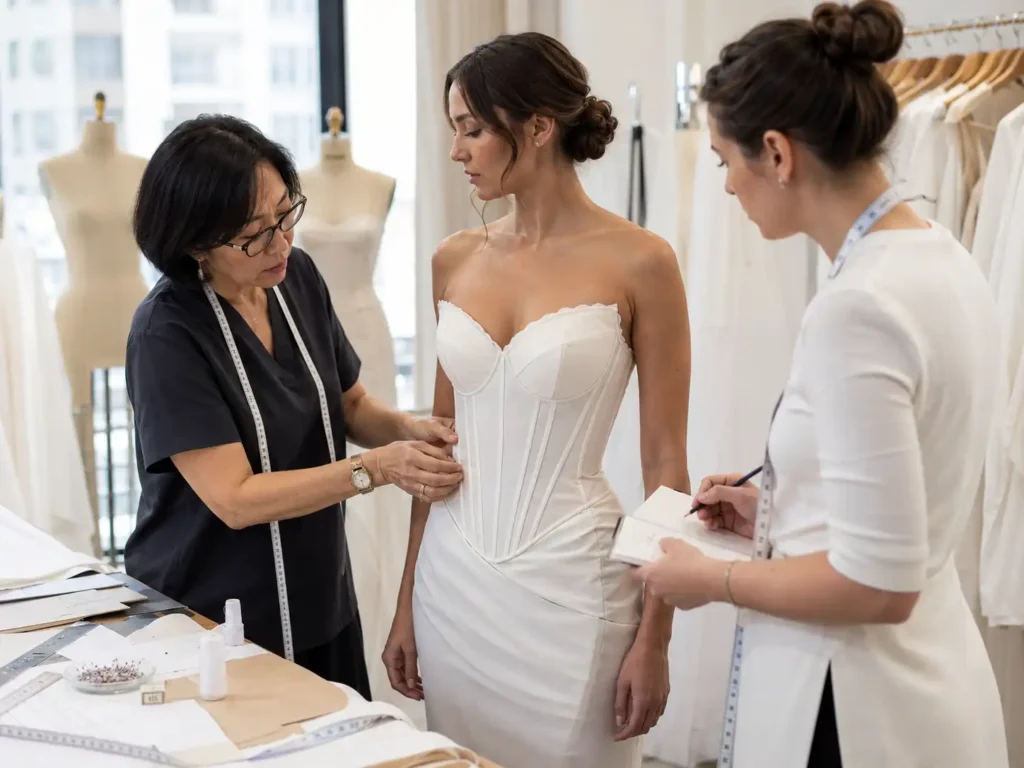
Design details should be evaluated as repeatable constructions, not isolated sample-room tricks. Each detail below connects visual intent with support materials, sewing sequence, comfort, tolerance and inspection points so the approved appearance can be reproduced across a large dress program.

Corset And Boning

Corset dresses require a coordinated system of panel shaping, boning, cup support, lining, closure and seam symmetry. Boning position must support the torso without twisting or showing through the shell. The sample should be tested for sitting, movement, bust security and waist pressure. Bulk control includes matched panel lengths, consistent boning channels, smooth cup edges and balanced zipper installation.

Built-In Cups

Bra cups influence bust shape, neckline coverage and internal comfort. Cup dimensions, position, spacing, attachment and lining coverage are checked in the base size and reviewed during grading. A cup that looks correct flat may sit too high, too low or too far apart on body. Bulk instructions should define cup style, orientation and placement reference points.

Strapless Support

Strapless construction needs upper-bust fit, anti-slip control, stable side seams and enough internal support to resist downward movement. The neckline edge must remain smooth without cutting into the body. Sample fitting checks movement, sitting and arm lifting. Bulk QC focuses on support material placement, neckline measurement, zipper flatness and symmetry.

Backless And Cut-Out

Backless and cut-out styles transfer support to straps, side seams, under-bust panels, elastic or internal tapes. Openings must remain stable during movement and cannot rely only on the wearer standing still. Pattern edges, seam reinforcement, lining coverage and closure placement are tested. Bulk inspection checks opening shape, left-right balance and fabric growth.

Ruching And Draping

Ruching and draping create shape through controlled fabric distribution. Stitch length, gathering ratio, anchor points and stretch direction affect symmetry and body fit. The sample establishes the visual density and transition points. Production instructions should define panel lengths, gather positions and finished references so one side does not become heavier, shorter or looser than the other.

Lace Placement

Lace may be used as shell fabric, motif applique or trim, and each use needs a different cutting and finishing plan. Motif position around bust, waist and seams should be approved visually. Edge scallops, lining color and seam placement influence the premium effect. Bulk cutting and QC check motif alignment, holes, fraying and color consistency.

Sequins And Embellishment

Sequin and embellished fabrics add weight, seam bulk and skin-contact risk. The development team reviews backing, motif position, cutting loss, seam clearance and edge comfort. Sequins may need removal from seam allowances before sewing. Bulk inspection checks missing decoration, loose attachment, scratch points, pressing damage and protective packing.

Lining And Closures

Lining controls transparency, comfort, structure and internal finish, while zippers, hooks and other closures affect fit and appearance. Lining tension must match the shell to avoid pulling or exposure. Invisible zippers need smooth insertion, especially in satin and fitted dresses. Bulk checks cover zipper flatness, top alignment, hook security, lining length and internal cleanliness.

Structured Sample Review and Revision

A sample is a decision tool, not a ceremonial step. Jinfeng separates sample purposes so design, fit, photography and production approvals are not confused. Timing depends on material readiness and construction complexity, with every major change recorded before the next version is produced.

First Sample

The first sample tests the initial combination of silhouette, material, pattern, support and sewing method. It is not automatically the bulk standard. Standard dresses are commonly planned at about 10-15 days after material direction is confirmed; simple styles may take 7-10 days, while corset, lace, mesh, sequin and evening styles often require 15-25 days or a project-specific schedule.

Fit Sample

The fit sample focuses on body proportion, mobility, coverage, support and key measurements. Comments should include marked photos, body observations and measured differences. Bust, waist, hip, neckline, strap, armhole, length, slit and lining points are reviewed against the approved specification and transformed into pattern actions.

Revised Sample

A revised sample verifies recorded pattern, material, trim or construction changes. The revision sheet states what changed, why it changed and which previous issue is expected to be closed. If fabric weight, stretch, recovery or transparency changes materially, additional pattern or lining review may be required rather than treating the new sample as a color-only update.

Photo Sample

A photo-ready sample is prepared for campaign, ecommerce or line-sheet imagery and may prioritize the approved photography size and visual finish. It does not replace a PP sample unless all production materials, measurements, construction, labels and packing are also locked. Design teams should identify photo deadlines early so image needs do not disrupt technical approval.

Salesman Sample

Salesman samples support internal selling, showroom presentation or wholesale appointments. Quantity, color and size requirements should be planned separately from the PP approval path. Materials and trims should be clearly identified when salesman samples use temporary substitutes, preventing them from being mistaken for the final production standard.

PP Sample

The PP sample locks production-facing decisions: shell and lining, color, measurements, construction, trims, labels, hangtags, barcode position, polybag and packing method. Changes after PP approval can affect material orders, costing, line planning and delivery. Any requested change should be documented and reviewed before being accepted.

Golden Sample

A Golden sample preserves the approved visual and construction reference for production, QC and future repeat orders. It should be linked to the final pattern, size chart, BOM and sewing instructions. A future color or material change still requires review because different fabric batches and performance can alter fit, drape and appearance.

Revision Record

Every round records pattern changes, measurement changes, fabric replacement, trim adjustments, sewing method, design comments, approval status and next action. One controlled record reduces the risk of an old file or unapproved comment re-entering development. It also makes handover from design and sample teams to production and QC more reliable.

Managing Multi-Style Seasonal Collections

Programs of 10-30 styles cannot be managed as one large list. Jinfeng groups styles by shared materials, construction risk, approval priority and production route, then connects sample status with material booking, PP lock, factory allocation, packing and launch timing.

Style Architecture

The line is divided into hero styles, commercial core styles, supporting silhouettes and collection extensions. Hero pieces may receive first sample and photo priority, while related shapes can reuse approved fabric or pattern foundations where technically suitable. The aim is to protect design hierarchy without delaying every style behind the most complex garment.

Fabric Grouping

Styles using the same satin, mesh, lace, chiffon, jersey or printed woven are grouped for swatch approval, color control, purchasing and cutting logic. Shared material does not mean shared pattern assumptions: stretch direction, lining, grain and silhouette requirements remain style-specific. Grouping improves coordination while preserving individual fit decisions.

Complexity Routing

Corset, strapless, sequin, lace-placement and complex cut-out garments are separated from regular woven or stretch styles. High-risk samples are reviewed earlier, and production is routed to units familiar with the relevant construction. Easier styles can progress in parallel instead of waiting for complex engineering decisions.

Approval Dashboard

Each style receives a status for design review, fabric approval, first sample, fit comments, revision, PP sample, labels, packing and production readiness. Pending decisions are separated from confirmed items. A consolidated dashboard helps design directors see which approvals are delaying material booking or production rather than relying on scattered messages.

Production Allocation

Factory and line allocation considers fabric type, construction complexity, quantity, delivery priority, repeat status and QC needs. Complex first-run products remain with stronger specialist units, while regular or repeat styles may be distributed across long-term production partners under unified instructions and inspection requirements.

Phased Delivery

Programs totaling 20,000-80,000 pieces may be divided by hero style, color, size priority, launch group or sales region. Phased delivery can support photo deadlines, early launch stock or warehouse planning. SKU, carton and packing-list separation must be agreed before packing so split shipment does not create receiving errors.

Clear Collaboration Across Design and Production

Design directors need a manufacturing partner that can translate creative comments into technical actions and production records. Jinfeng uses one project path across development, merchandising, pattern, sample, sourcing, production, QC, packing and shipment coordination.

One Project Contact

Kelly receives the initial brief, confirms core information and coordinates the project with the relevant internal teams. A clear contact path reduces contradictory instructions and helps the design director know where decisions, files and deadline questions should be consolidated.

Version Control

Tech packs, measurement sheets, BOMs, pattern changes, fabric approvals and sample comments are organized by version and status. Superseded information should be marked rather than left active. PP and Golden sample references are linked to the final production file set.

Comment Consolidation

Creative, technical and commercial comments are separated so each team understands the required action. A neckline comment may create a pattern change, a support-material change and a costing impact. Consolidation prevents one visual comment from being applied partially by different teams.

Material Approval

Fabric and trim approvals record composition or specification, color, hand feel, weight, stretch, appearance, MOQ, price and timing impact. Photos or videos can support review, while physical swatches or samples are used when surface and hand feel are critical.

Production Handover

Before bulk, the production package includes final pattern, size chart, BOM, approved fabric reference, trim card, sewing instructions, label placement, packing requirements and QC checklist. The handover closes gaps between the sample room and sewing lines.

Milestone Updates

Key programs can receive milestone updates covering material arrival, cutting, sewing, inline QC, finishing, packing, carton marks and shipment preparation. Update frequency is agreed according to order scale, risk and launch importance rather than generating daily messages without decision value.

Cost Engineering Without Diluting the Look

Dress costing should explain where value is created and where changes may weaken the design. Jinfeng builds quotations from fabric, trims, pattern work, sampling, cutting, sewing time, pressing, QC, packing, wastage, logistics, testing and a reasonable manufacturing margin.

Protect The Signature

Core silhouette, neckline, drape, support structure, fabric appearance and signature trim placement are identified before cost discussions. Removing a layer, changing stretch or replacing an internal support can alter body shape and return risk even when the flat garment still resembles the sketch. Protected elements should be stated clearly in the development brief.

Optimize Hidden Cost

Cost can often be improved through fabric-width planning, color consolidation, size-ratio planning, cutting layout, lining coverage review, trim alternatives, construction sequencing or split shipment. Every proposal is checked against fit, support, transparency, durability and photo appearance. The goal is cost control without weakening brand-level appearance, not an arbitrary reduction at any technical cost.

Reconfirm Every Change

A cost-saving change may affect pattern, sample timing, fabric MOQ, bulk price, quality checks or delivery. Jinfeng records the proposed change and identifies whether a revised sample or new PP approval is needed. Price is locked only after material, construction, quantity, size ratio, color count, packing and delivery terms are sufficiently defined.

Bulk Production Matched to Product Complexity

Approved designs are allocated by product structure rather than sent to any available line. Jinfeng combines 6 owned womenswear factories, more than 10 long-term satellite partners, 18+ sewing lines and 6+ flexible production lines to support multi-style, multi-material and multi-batch programs. Bulk timing is confirmed after PP approval, material booking, factory allocation and packing requirements are locked. Complex materials, custom dyeing, special trims, many colors, extended size ranges and peak-season capacity can lengthen the schedule. Jinfeng backward-plans production and freight from the required launch or warehouse date rather than promising a fixed lead time before technical review.

Structured Occasionwear

Corset, bustier, strapless and evening styles are routed to teams familiar with support construction, lining, cup placement, boning, zipper balance and pressing. First-run high-risk styles receive stronger process review before broader production is released.

Satin And Fluid Woven

Satin, chiffon and fluid dresses require control of grain, shine direction, seam handling, zipper insertion, hanging, hem balance and pressing. Material batches are kept visible because shade and surface differences can affect photo consistency across colors and delivery groups.

Stretch And Bodycon

Jersey, ponte, stretch mesh and stretch satin styles are grouped by stretch performance and recovery. Production focuses on correct grain direction, seam elasticity, neckline stability, size measurements, side-seam balance and dimensional consistency across fabric batches.

Lace And Sequin

Lace motif alignment, mesh damage, sequin seam clearance, embellishment loss and skin comfort require specialized cutting and inspection. Packaging is planned to protect surface decoration and prevent pressure marks or snagging during transport.

Sets And Jumpsuits

Matching sets need top-bottom color consistency, size pairing and coordinated packing. Jumpsuits add torso length, waist position, rise, inseam and mobility checks. Related pieces may share fabric, but measurement and grading plans remain product-specific.

Multi-Batch Programs

Large programs can be staged by fabric group, launch priority, color, size or region. Every batch follows the approved pattern, material reference, construction, labels, packing and QC plan. Repeat or satellite-factory production remains under Jinfeng’s project coordination and inspection requirements.

Quality Control That Preserves Approved Design
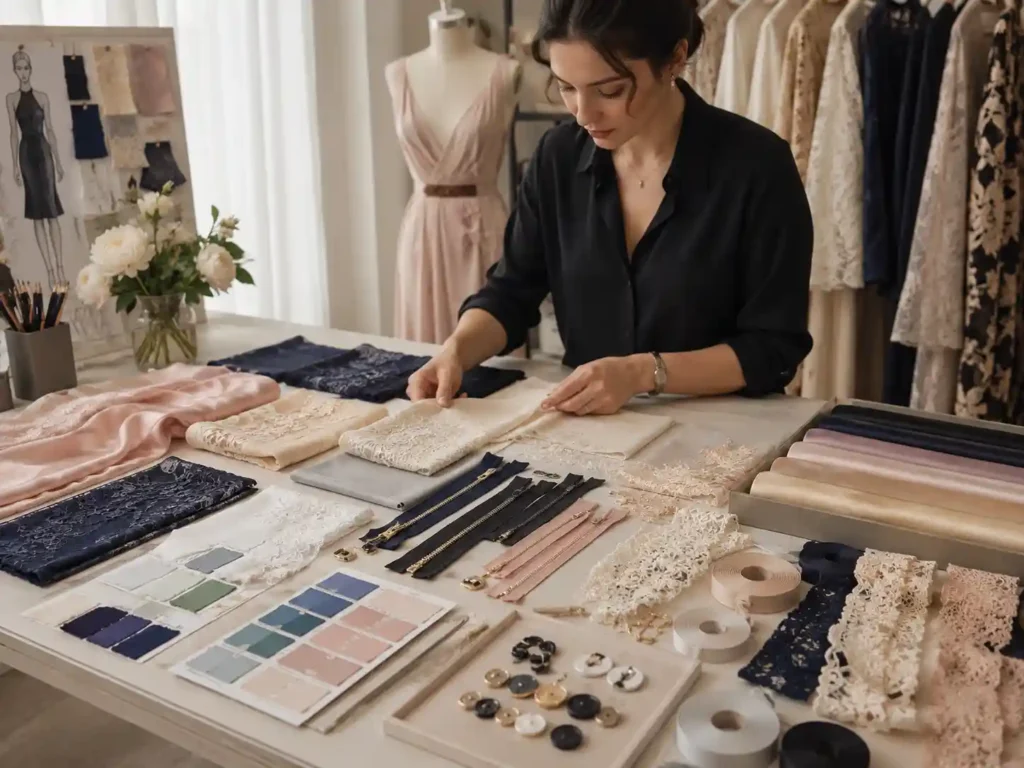
Quality control is not limited to final inspection. Dress programs need early material checks, controlled cutting, production instructions, inline correction, measurement review, appearance checks, pressing standards and packing verification. Each stage protects a different part of the approved design.

Incoming Materials

Fabric, lining and key trims are checked against approved references for color, surface, width, weight or hand feel where applicable, stretch, visible defects and batch consistency. Satin shade, mesh holes, lace damage and sequin loss are addressed before cutting because later repair cannot fully restore material quality.

Cutting Control

Cutting checks verify fabric face, grain or shine direction, print or motif placement, size bundles, quantity and visible damage. Lace, mesh, satin and printed fabrics require category-specific attention. Correct bundle identification reduces mixed-size or mixed-color errors during sewing.

Sewing Instructions

Production receives construction notes linked to the PP sample: stitch type, seam allowance, thread color, zipper position, lining method, support materials, ruching distribution, label placement and other critical details. Clear instructions turn an approved sample into a repeatable operating standard.

Inline Inspection

Inline checks look for developing issues while correction is still possible: neckline growth, strap inconsistency, zipper bulging, uneven ruching, waistline mismatch, lining exposure, open seams, asymmetry, fabric damage and embellishment loss. Problems are corrected before the same error spreads across the order.

Measurement Review

Finished garments are measured at the specified control points, including bust, waist, hip, length, strap, armhole, neckline depth, slit and jumpsuit rise where relevant. Results are compared with the approved size chart and tolerance plan before packing release.

Appearance And Pressing

Final appearance checks assess silhouette, left-right balance, seam smoothness, hems, drape, surface cleanliness and pressing. Satin, velvet, sequins and structured garments require careful finishing because heat, pressure or poor handling can create irreversible visual defects.

Private-Label Check

Main labels, size labels, care labels, hangtags, barcodes, SKU stickers and placement are checked against approved artwork and packing instructions. Size, composition, language, barcode and color mistakes can create warehouse or retail problems even when the garment itself is acceptable.
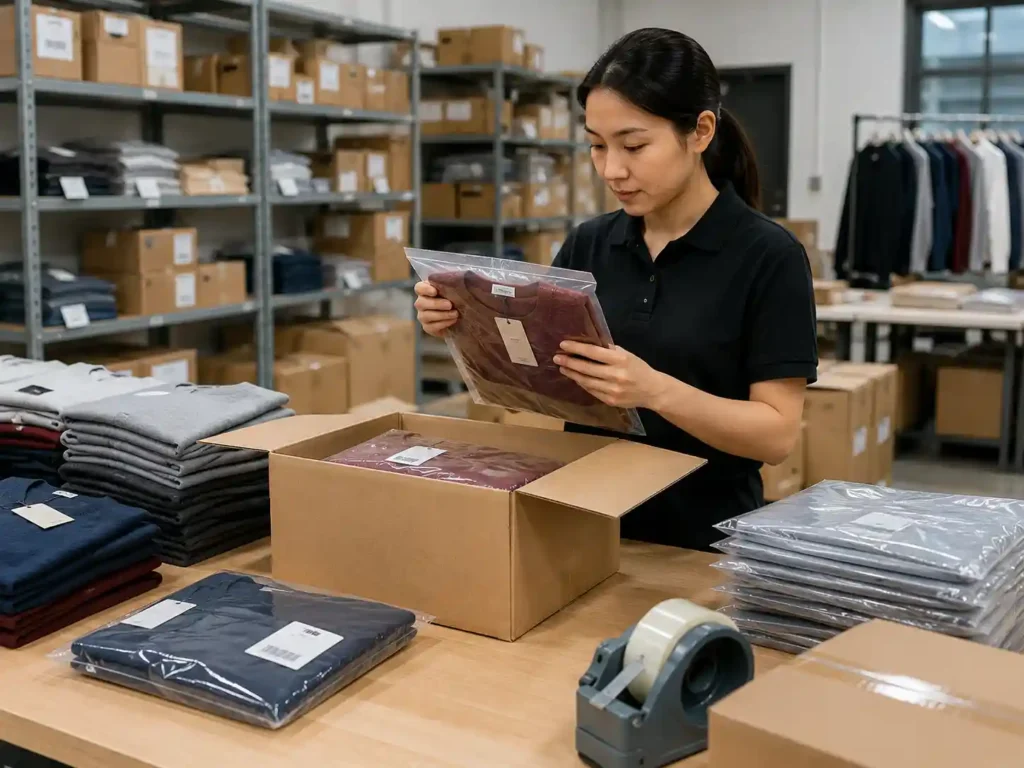
Packing And Release

Polybags, folding, protection materials, size-color ratios, carton marks, carton quantities and shipment documents are checked before release. Long dresses, sequins, lace and crease-sensitive satin may require adjusted folding or protection. Final shipment approval can also support client-appointed inspection when required by the project.

Private-Label Packing and Export Coordination

A dress collection is not complete when sewing ends. Labels, barcodes, SKU identification, protective packing, carton data and shipment documents determine whether goods can be received, counted, stored and launched without avoidable operational errors.

Brand Labels

Jinfeng supports main labels, size labels and care labels using approved artwork, wording, composition, language and placement. Custom labels may have supplier MOQs and development timing, so artwork should be confirmed before PP approval. Label information is checked against the style and size plan before packing.

Hangtags And Barcodes

Hangtag content, barcode files, SKU stickers, color names, size codes and attachment positions are confirmed by style. Retail and ecommerce programs often require exact barcode-to-SKU matching. Approved files are treated as controlled order documents rather than generic packaging templates.

Polybags And Folding

Polybags are selected by garment size, folding method, protection needs and required warnings. Satin, lace, sequins, corset structures and long hems may require different folding or protective layers. Packing approval should consider photo-ready appearance after unpacking, not only carton efficiency.

Carton Control

Carton quantity, size-color breakdown, gross and net weight, carton measurements and carton marks are checked against packing instructions. Multi-style or phased shipments need clear separation by destination, launch group or warehouse rule to avoid receiving confusion.

Shipping Documents

Jinfeng can coordinate commercial invoices, packing lists, carton data, shipment photos and pickup information. Express, air and sea options, as well as EXW, FOB, CIF, DAP or DDP arrangements, are evaluated according to project requirements and the selected logistics plan.

Forwarder Coordination

Brands may use an appointed forwarder, consolidation warehouse or existing shipping program. Jinfeng can provide cargo details, booking information, pickup coordination and required shipment files. Freight timing should be planned before production completion, especially for seasonal launches and split deliveries.

Protecting Designs and Building Repeatable Programs

Design confidentiality and production continuity are connected. A trusted manufacturer should protect unreleased files during development, then preserve approved technical records so future colors, extensions and repeat orders can begin from a controlled reference rather than reconstructing the product from memory.

NDA-Based Design Protection

Jinfeng Apparel supports NDA-based cooperation and protects brand names, line sheets, tech packs, sketches, original samples, pattern files, size charts, fabric and trim plans, labels, packaging, order information, target costs and unreleased launch details. Without written authorization, brand names, original files and unpublished garments are not used in marketing. Case studies are anonymized and focus on category, challenge, process and result rather than exposing proprietary design material.

Repeatable Seasonal Development

Approved patterns, measurement files, BOMs, fabric references, color records, trims, sewing instructions, packing requirements, QC notes and Golden samples can be retained for repeat orders and seasonal extensions. Reorders still require material and color confirmation because supplier batches, stretch, shrinkage and availability can change. The retained record shortens re-entry, supports consistent brand standards and helps design teams develop new colors, related silhouettes or coordinated pieces from a known foundation.

Dress Development Cases for Design Teams

The following anonymized programs reflect the scale and coordination typical of established fashion brands. Names, logos, tech packs, exclusive fabrics and unreleased product details remain protected. Quantities are presented as program-level figures rather than promises for every project.

US Occasionwear Collection

A US occasionwear brand developed 18 styles across satin mini dresses, fitted midi dresses, corset silhouettes and coordinated evening pieces. The program totaled about 36,000 garments across four color groups. Design review concentrated on shine direction, cup position, neckline security, zipper flatness, lining comfort and consistent waist placement. Hero styles were prioritized for photo samples, while commercial styles progressed through grouped fabric approvals. PP files linked final patterns, trims, labels and packing instructions before production. Phased shipment separated launch stock from the remaining bulk, allowing the first assortment to reach the brand’s schedule without mixing SKU or carton data.

European Resort Program

An established European resortwear label developed 24 styles and approximately 52,000 pieces using chiffon, rayon, viscose and printed woven fabrics. The line included halter minis, backless midis, printed maxis, skirts and matching tops. Early material work focused on transparency, shrinkage, print direction, drape and wrinkling. Long hems and lining lengths were reviewed after hanging, while shared print and color groups were organized for sourcing and production. Size-color packing, long-dress folding and phased warehouse delivery were confirmed before bulk completion. The technical record was retained for repeat colors and new silhouettes in the following season.

Australian Partywear Drop

An Australian partywear brand placed a 14-style program of roughly 28,000 pieces across stretch mesh, sequin fabrics, satin and structured corset dresses. Development risks included mesh recovery, lining coverage, cut-out stability, sequin scratch points and bust support. Complex styles received first sample priority, while stretch bodycon styles were grouped by fabric performance. Revision records separated visual comments from pattern and construction changes. Inline inspection checked neckline growth, ruching distribution, zipper balance and missing decoration. Protective packing was adjusted for sequin and satin surfaces, and the brand’s barcode, size label and carton requirements were verified before release.

Frequently Asked Questions for Design Directors

Yes. Jinfeng can begin with sketches, line sheets, reference images, an original sample or a tech pack. A sketch or image is first converted into a development brief covering structure, fabric, lining, closure, measurements, trims and target effect. Final bulk pricing cannot be confirmed from an image alone because material, size, color, quantity, packing and construction still need approval.
Design-defining elements are identified during structure and fabric review, including silhouette, neckline, waist position, support, drape and signature details. Pattern and material changes are recorded through sample revisions. PP approval locks production-facing specifications, and bulk QC checks measurements, appearance, construction and packing against the approved references.
Jinfeng can compare alternatives by weight, hand feel, drape, stretch, recovery, transparency, shine, shrinkage, color, MOQ, cost and lead-time impact. A substitute is not approved only because it is cheaper. The team reviews whether pattern, lining, construction or a revised sample is needed before the new fabric enters bulk production.
A standard dress first sample is commonly planned at about 10-15 days after the required materials are confirmed. Simple styles may take around 7-10 days. Corset, strapless, lace, mesh, sequin, evening and other complex styles often require about 15-25 days or a project-specific schedule. Custom fabric, special trims or certified materials can extend timing.
Revision records cover pattern changes, measurement changes, fabric replacement, trim adjustments, sewing method, comments, approval status and next action. Updated patterns, size charts, BOMs and instructions are linked to the new sample version. A PP sample is produced only after required decisions are sufficiently closed for production.
A photo sample is prepared for photography or visual presentation, often in a selected size and color. A PP sample is the production approval standard covering final fabric, color, measurements, construction, trims, labels and packing. A photo sample does not automatically replace a PP sample unless all production specifications are also locked.
Yes. Multi-style programs are grouped by fabric, complexity, trim family, color, launch priority and production route. Each style receives a development and approval status. Complex hero styles may be sampled first, while related commercial styles progress in parallel. Production and packing plans are then allocated by style, color, size and shipment group.
Standard MOQ begins at 200 pieces per style and color. MOQ is calculated by style and color, not by combining unrelated styles into one total. Custom-dyed fabric, exclusive prints, special lace, sequins, molded trims, branded packaging or complex construction may have additional supplier minimums.
Before bulk, Jinfeng transfers the final pattern, size chart, BOM, fabric reference, trim card, sewing instructions, label placement, packing requirements and QC checklist to production. Inline checks, measurements, appearance review, pressing and packing inspection are performed against the approved standards. Material-batch variation is also reviewed where relevant.
Yes. Jinfeng supports NDA-based cooperation before full tech packs, line sheets, original samples or unreleased designs are shared. Brand names, design files, patterns, labels, packaging and order information are not published without written authorization. Anonymous cases are used when manufacturing experience needs to be discussed without revealing proprietary content.

Send Your Collection Brief

A useful development review begins with enough information to understand the dress, the commercial plan and the required launch window. Send a line sheet, tech pack, sketch, reference image or original-sample photos together with the points below. Jinfeng will review style complexity, material direction, pattern and fit risks, trim requirements, MOQ fit, sample approach, production route, packing needs and major timing constraints. Sensitive collections may begin with an NDA request before full files are released. 

  • Style list or line sheet, including priority hero styles and collection extensions
  • Tech packs, sketches, reference images or original-sample photos
  • Target quantity by style and color; standard MOQ begins at 200 pcs per style/color
  • Preferred fabric, color direction, size range and fit standard
  • Target cost position and any non-negotiable design elements
  • Photo date, PP approval target, launch date and warehouse delivery requirement
  • Private-label files, barcode rules, packing method and shipment preference

Tell Us About Your Dress Project

Share your product details, estimated quantity and development requirements. Our team will review your project and provide practical OEM/ODM production feedback.

Premium Women’s Apparel Production for Fashion Brands

From dress sample development to bulk production, JF Apparel supports fashion brands with confidential OEM/ODM manufacturing, reliable quality control and scalable production support.

START YOUR DRESS PROJECT

Ready to Develop Your Next Dress Collection?

Share your design concept, product requirements or sourcing plans with our team. We’ll review your project and provide practical feedback on development, materials, MOQ and production.

7-10 Days

Sample Development

200 PCS

Starting MOQ

Fast Response

Professional Follow-Up