 Skip to content
Dress Manufacturer for Cost Engineering Teams
Structured dress costing for fashion groups that need clearer cost drivers, defensible alternatives and production-ready decisions without weakening fit, appearance or retail standards.
- 14 cost inputs reviewed:fabric, trims, pattern work, sampling, cutting, sewing time, pressing, QC, packing, wastage, testing, logistics and reasonable factory margin.
- Sample timing by complexity:simple styles can take about 7-10 days, standard dresses about 10-15 days, and corset, lace, mesh, sequin or evening styles about 15-25 days after material direction is confirmed.
- Production structure:6 owned women’s fashion factories, 10+ long-term satellite production partners and 100,000+ pieces of monthly capacity.
- Commercial baseline:MOQ starts from 200 pieces per style and color, subject to fabric, trims, construction, packaging and production scheduling.
Cost Engineering Evidence at a Glance
14 Cost Inputs
7+ Pattern Makers
2 Sample Rooms
20+ Sample Machinists
15+ QC Inspectors
100,000+ Monthly Capacity
Built for Cross-Functional Cost Decisions
Cost Engineering Teams
Sourcing and Merchandising

Where Dress Cost Control Commonly Breaks Down
Unexplained Quotations
Sample Cost Drift
Material Over-Specification
Construction Overload
Fragmented SKU Plans
Hidden Delivery Cost
How Jinfeng Supports Cost Engineering Teams
Cost Driver Review
Fabric Alternatives
Structure Optimization
Trim Standardization
Quantity Planning
Delivery Planning
What Builds a Dress Manufacturing Cost
A defendable quotation links every major input to the approved garment. The table below shows the cost blocks reviewed before a bulk price is treated as production-ready.
| Cost Block | Included Elements | Main Variables | Review Output |
|---|---|---|---|
| Shell Fabric | Main garment fabric | Price, width, weight, yield, direction, defects | Approved fabric and estimated consumption |
| Lining | Full, partial or support lining | Coverage, opacity, stretch, color, construction | Lining map and approved quality |
| Trims | Zippers, hooks, cups, boning, sliders, elastic | Specification, supplier MOQ, color, durability | Trim card and cost impact |
| Pattern Work | Base pattern and correction | Panel count, fit complexity, grading scope | Controlled pattern version |
| Sampling | First, fit, revised, photo or PP sample | Number of versions, materials, special work | Approved sample stage and revision record |
| Cutting | Spreading, marker and cutting preparation | Width, direction, print placement, shade, size ratio | Marker direction and cutting requirements |
| Sewing | Garment assembly | Operation count, seam type, support structure, embellishment | Construction standard and sewing-time review |
| Finishing | Trimming, pressing and appearance preparation | Fabric sensitivity, pleats, satin marks, embellishment | Finishing and handling instructions |
| Quality Control | Incoming, inline, measurement and final checks | Product risk, inspection level, market requirements | QC checklist and acceptance basis |
| Private Label | Labels, hangtags, barcodes and stickers | Artwork, MOQ, market versions, placement | Label and SKU specification |
| Packing | Polybags, folding, tissue, cartons and carton marks | Retail format, protection, carton efficiency | Packing instruction and carton plan |
| Wastage | Expected material and process loss | Fabric defects, nap, print, lace matching, sequin handling | Risk allowance within the quotation |
| Testing | Material or garment testing by project | Market, product, laboratory and required standard | Testing scope and separate cost where required |
| Logistics | Factory terms and shipment support | Incoterm, mode, destination, urgency, volume | Shipment basis and documentation scope |
Dress Categories We Cost Engineer

Satin Dresses

Mesh Dresses

Lace Dresses

Sequin Dresses

Bodycon Dresses
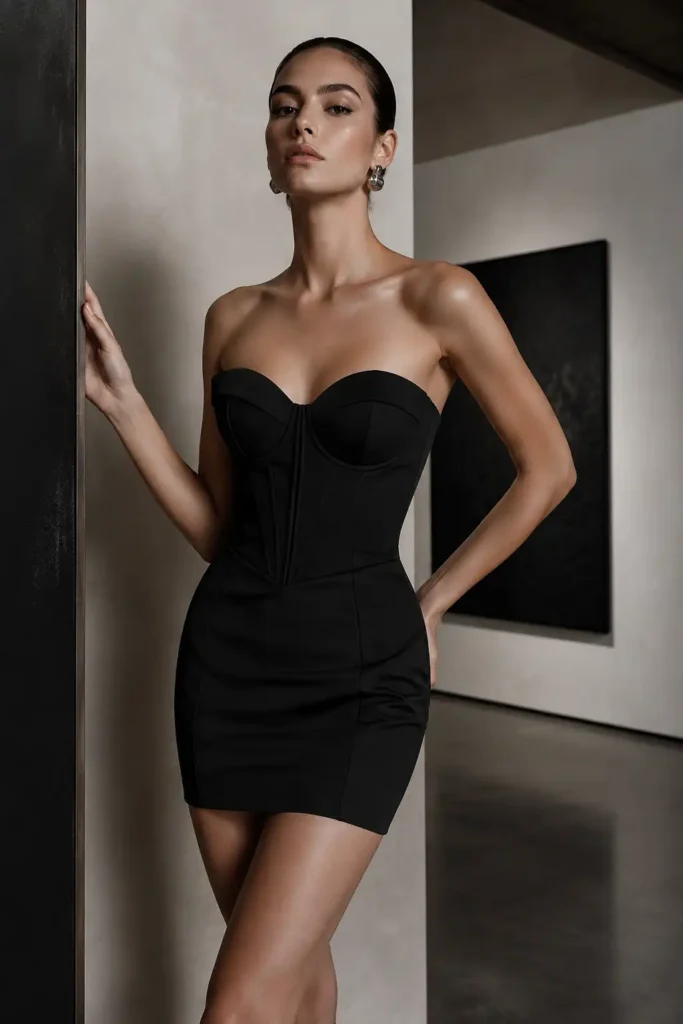
Corset Dresses
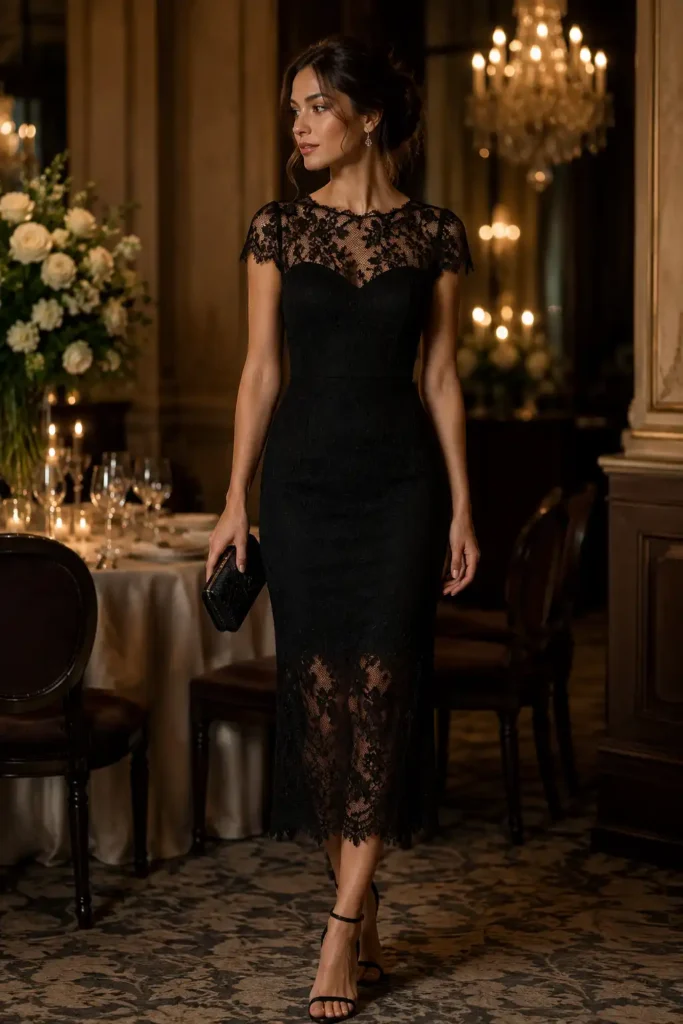
Occasion Dresses

Resort Dresses
Fabric Decisions That Change Cost and Performance
Fabric often represents the largest part of a dress quotation, yet price per meter reveals only part of the commercial result. Width, weight, yield, shrinkage, defect risk, handling and supplier MOQ can make a lower-priced fabric more expensive after cutting and production.
Meter Price Is Not Consumption Cost
A fabric with a lower meter price may have a narrower usable width, more defects or a directional surface that increases consumption. Satin luster, velvet nap, placement prints, border lace and one-way motifs restrict marker rotation. Long maxi skirts, full tiers and heavy ruching further multiply material use. Jinfeng Apparel reviews usable width, garment length, panel arrangement and cutting direction before comparing alternatives. Marker planning is especially important across a 10-30 style collection because a small consumption error repeated over 20,000-80,000 garments can create a material variance large enough to affect the entire margin plan.
A costing review therefore records the approved fabric width and material direction rather than treating all visually similar fabrics as interchangeable. Fabric approval should include hand feel, drape, color, transparency and expected bulk availability. When an alternative changes width or behavior, pattern layout and lining may also require review.
Drape and Hand Feel Must Survive
Fabric substitution should preserve the selling reason behind the garment.
A satin slip dress needs controlled fluidity; a corset dress needs enough body for support; a bodycon dress needs recovery; a chiffon maxi needs movement without excessive transparency.
Replacing fabric only by composition can distort the silhouette or increase return risk.
Jinfeng Apparel compares swatches for weight, surface, stretch, recovery, opacity, wrinkle behavior and color. A similar alternative is presented as similar, not identical. A revised sample is recommended when the material changes the way a neckline falls, a skirt hangs, a waist gathers or a zipper sits.
The final decision balances target cost with the visible and wearable performance required by the brand.
Lining Coverage Changes the Cost Map
Lining is not a simple yes-or-no item. Full lining, skirt-only lining, bust lining, double-layer mesh, partial modesty panels and internal support pieces create different consumption and sewing requirements.
Light colors, white graduation dresses, chiffon, lace and mesh usually need closer opacity review than dense woven fabrics.
Reducing lining can be appropriate when the shell fabric is stable and opaque enough, but exposed seams, comfort and wearer security need evaluation.
A partial lining map can preserve coverage in the bust, hip and slit areas while reducing unnecessary material elsewhere. The map must be confirmed in a sample because flat fabric inspection cannot fully predict movement, flash photography or stretch under wear.
Stock and Custom Development Carry Different Economics
Stock fabric with available colors often supports the standard MOQ and shorter development path. Custom dyeing, custom weaving, exclusive printing, imported material, certified fabric, special lace and custom sequin qualities can introduce supplier-based MOQ, additional testing and longer lead time.
Cost engineering teams benefit from seeing both directions: an ideal material route and an available commercial route. Jinfeng Apparel can compare existing color options, close color alternatives, standard qualities and custom development. The quotation identifies which direction has separate MOQ or timing conditions. Early material selection prevents a late fabric change from forcing new samples, revised costing and a delayed production window.
Engineering Dress Structure Without Losing Fit
Construction cost should be reduced where complexity adds little commercial value, not where structure protects fit, support or wearer confidence. Pattern review separates visible design intent from hidden operations that can be simplified safely.

Panel and Seam Count
Every panel adds cutting identification, sewing operations, matching work, seam allowance and inspection points. Complex contour seams may be necessary for corset shaping or bodycon fit, while decorative seams hidden under ruching may contribute little to the final view. Jinfeng Apparel reviews whether panels can be combined, whether seam routes can be shortened and whether a visual line can be retained through topstitching or fabric direction instead of additional pieces.
Any panel reduction is checked against bust shaping, waist suppression, hip balance and grain direction. The goal is not fewer seams at any cost. A simplified pattern still needs stable measurements, balanced side seams and repeatable sewing. Pattern changes are reflected in the updated pattern file, sample and quotation basis.

Lining and Internal Support
Corset, strapless, deep-V and backless dresses may use bra cups, boning, interfacing, anti-slip tape, elastic, under-bust support or internal lining layers. Each element adds material, preparation and sewing time, yet removing the wrong component can increase fit complaints or returns.
Support is reviewed by function. A softer occasion dress may need light stabilization, while a fitted strapless style may require stronger boning and neckline control. Jinfeng Apparel evaluates whether support can be standardized, localized or changed in specification without weakening the silhouette. Fit samples are used to confirm bust shape, neckline security, comfort and movement before the structure is locked for bulk.
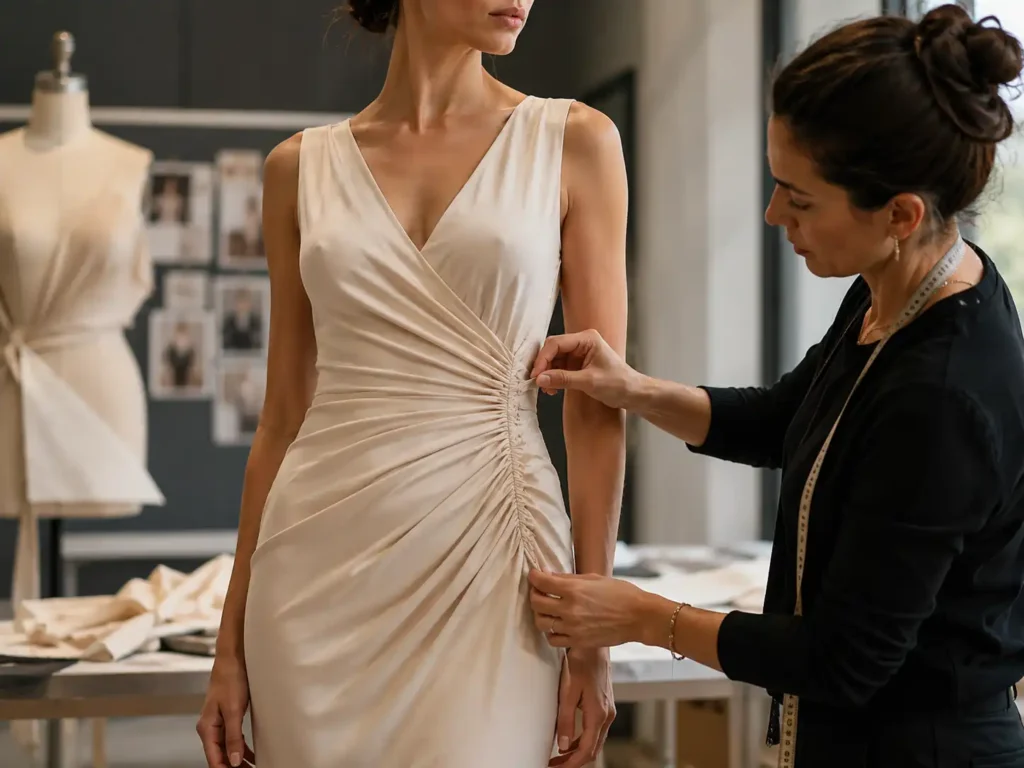
Ruching, Ruffles and Volume
Ruching and ruffles create strong visual value but can increase fabric consumption, gathering preparation, symmetry checks and sewing time. Cost can often be adjusted by changing gather ratio, ruffle width, tier depth or the length of concealed gathered sections. Small changes may reduce consumption across a large program while preserving the intended movement and image impact.
The revised ratio must be sampled because reduced volume affects opacity, body coverage and silhouette. For multi-size production, the grading rule also needs review so smaller and larger sizes keep a consistent visual proportion. Jinfeng Apparel records the approved gathering standard for production and inline inspection.
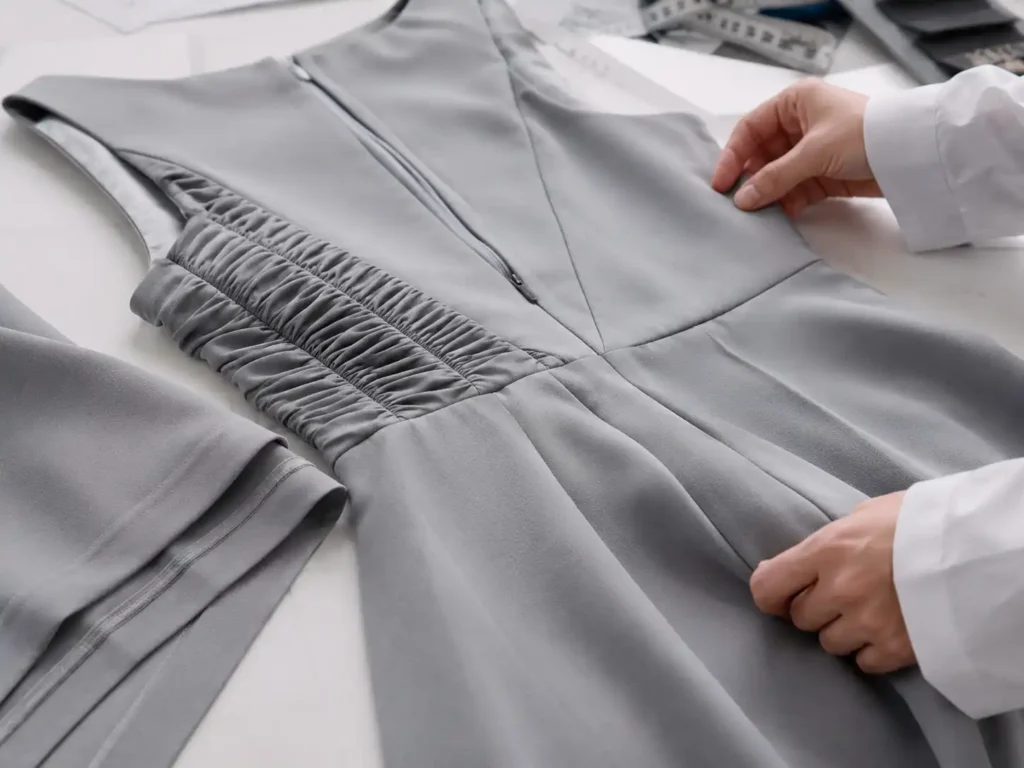
Fit-Critical Details Stay Protected
Bust circumference, upper bust, under bust, waist, hip, neckline depth, strap length, armhole, slit height, skirt length and jumpsuit rise directly affect wearability. Simplifying construction around those points without testing creates costs later through revisions, claims, markdowns or returns.
Seven or more senior pattern makers work with two sample rooms and more than 20 sample machinists to correct fit before bulk production. A lower-cost option is accepted only when the garment still meets the approved fit and coverage standard. Golden samples, size charts, grade rules and measurement tolerances carry the final standard into production and repeat orders.
Trims, Embellishment and Packaging Cost Control

Zippers and Closures

Cups and Boning
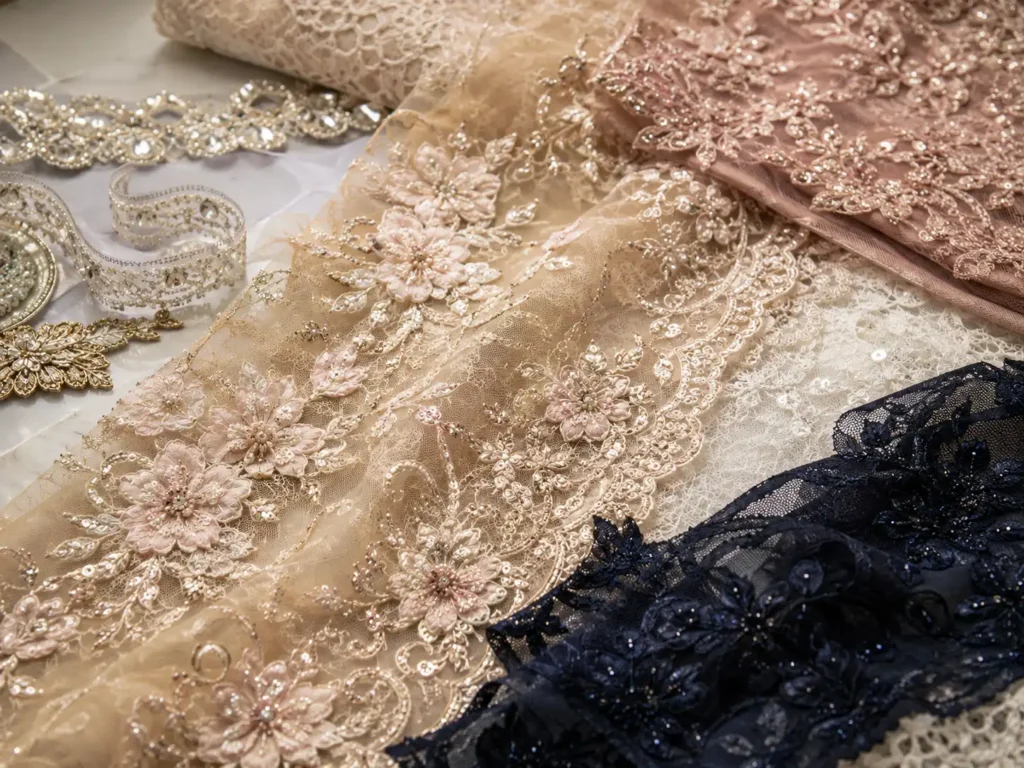
Lace and Decoration

Labels and Hangtags
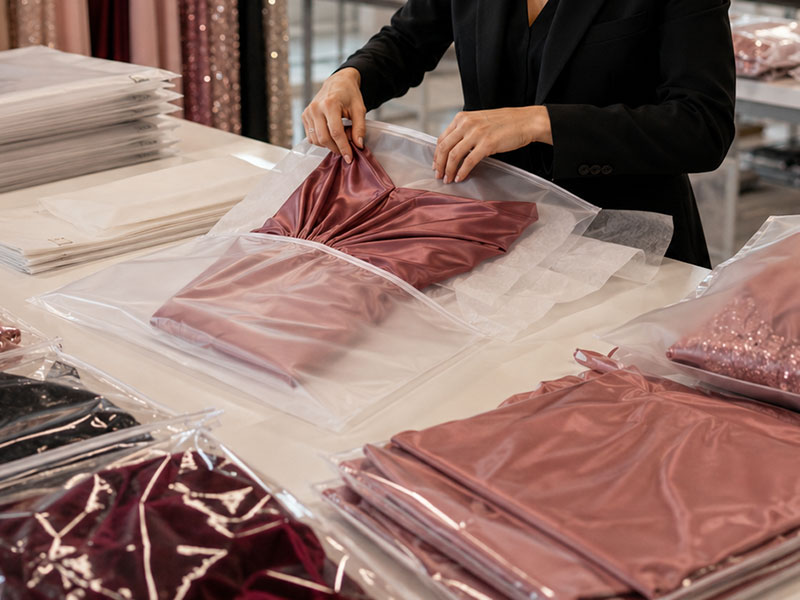
Polybags and Protection
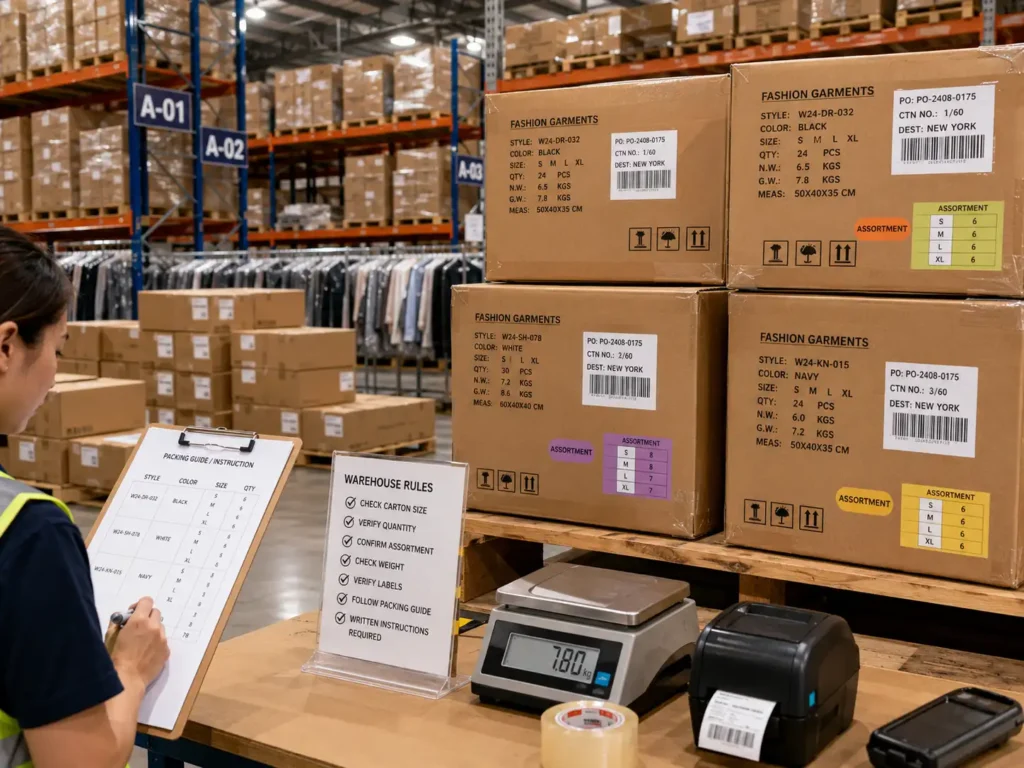
Cartons and Carton Marks
How Quantity, Color and Size Mix Affect Cost
Order structure influences purchasing, cutting, line setup, inspection and packing. MOQ starts from 200 pieces per style and color, while larger and more concentrated quantities may create better production efficiency.
| Planning Variable | More Efficient Structure | Higher-Cost Structure | Commercial Reason |
|---|---|---|---|
| Quantity per Style/Color | 500, 1,000 or 2,000+ pieces where sales support it | 200 pieces with complex materials or processes | Development and line setup are spread over fewer units |
| Color Count | Core colors with meaningful depth | Many colors with shallow quantity | Separate material, cutting, thread, label and QC control |
| Size Ratio | Planned commercial ratio such as XS-XL | Very even or highly fragmented size split | Cutting bundles, measurements and packing require more handling |
| Fabric Direction | Available quality and color | Custom dye, exclusive print or imported fabric | Supplier MOQ, lab approval and longer material lead time |
| Trim Direction | Standardized closures and support components | Custom mold, finish or unique component by style | Development MOQ and repeated approval work |
| Packing | Shared private-label format | Multiple market-specific packs and inserts | More SKUs, materials, labor and error points |
| Delivery | Planned sea freight or controlled split | Full urgent air freight after late approval | Higher freight cost and less consolidation efficiency |
Our Design-to-Cost Review Workflow
A controlled workflow keeps cost decisions connected to the garment version being produced. Every stage has an input, a review purpose and an approval output.

Brief, Target and Constraints
The process starts with the tech pack, sketch, reference sample or line sheet, planned quantity, color range, size range, target delivery date, target cost context and non-negotiable product features. A target cost is evaluated together with the required appearance and market standard. When the target conflicts with fabric, construction or quantity conditions, the gap is explained before sampling.

Cost Driver Mapping
The development team maps fabric, lining, trims, panel count, seam routes, support structure, embellishment, print, private label and packing. Fit risks and production risks are reviewed alongside cost. Items with uncertain specifications are marked for confirmation because a quotation built on undefined fabric or trims cannot remain reliable.

Option Development
Where cost pressure exists, Jinfeng Apparel can prepare an original direction, a balanced-cost direction and a stronger target-cost direction. Options may include a different fabric width or quality, revised lining map, adjusted gather ratio, standardized zipper, localized decoration, panel simplification, color consolidation or split shipment. Each option identifies the expected visual, fit, MOQ and lead-time impact.
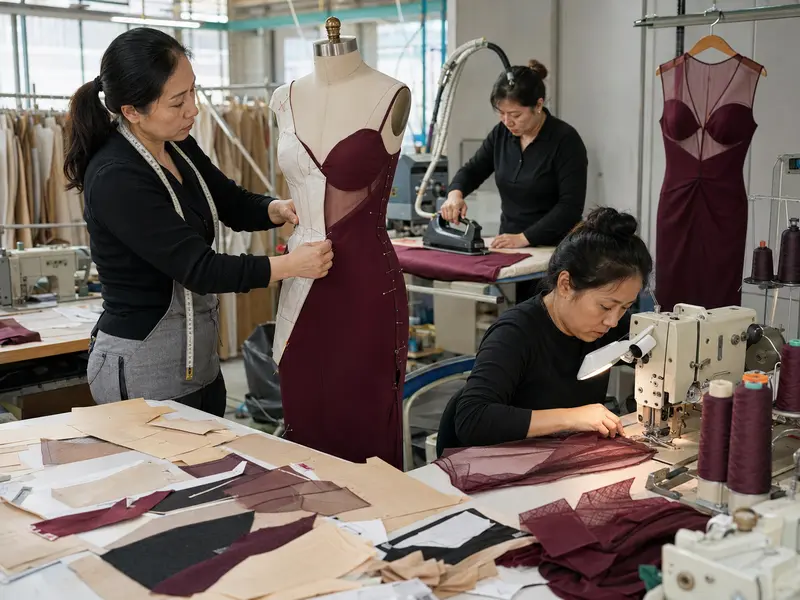
Sample and Bulk Lock
Selected options move into the appropriate sample stage. The first sample checks the design translation; a fit sample checks measurements and body balance; revised samples resolve approved changes; the PP sample locks fabric, construction, trims, labels and packing. The Golden sample, final pattern, BOM, size chart and QC checklist become the production reference. Major changes after PP approval require new cost and timing review.
Sample Development Validates the Cost Decision
A spreadsheet can identify a promising option, but a garment proves whether the option works. Sample development connects cost, fit, material behavior and production feasibility before thousands of units are committed.
Timing by Complexity
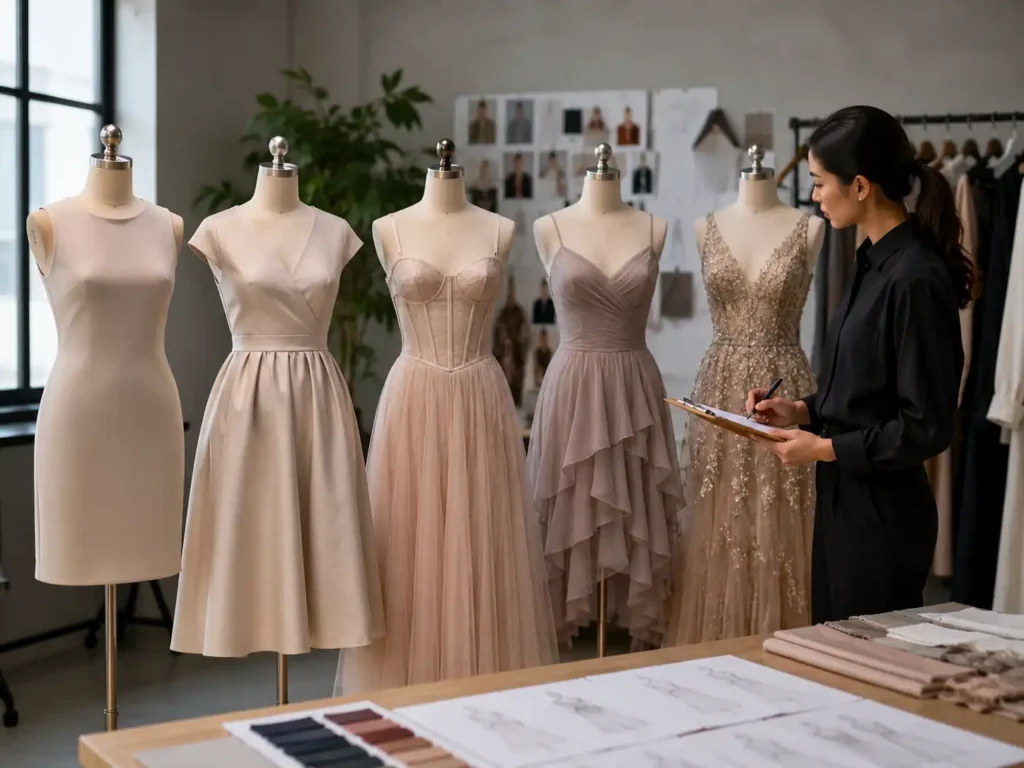
Simple dress samples can take about 7-10 days after confirmed materials and complete specifications. Standard dresses generally take about 10-15 days. Corset, strapless, lace, mesh, sequin and evening styles commonly require about 15-25 days, depending on structure and material preparation. Custom-dyed fabric, special trims or certified material can extend the schedule.
Timelines begin after the development inputs are sufficiently clear. Missing measurements, repeated material changes or late trim artwork can delay a sample even when sewing capacity is available. Jinfeng Apparel tracks fabric, trims, pattern, sample version and feedback so timing discussions reflect the real development path.

Sample Stages Have Different Jobs
A first sample confirms interpretation of design and structure. A fit sample focuses on bust, waist, hip, neckline, strap, slit, length and movement. A revised sample checks approved corrections. A photo-ready sample may prioritize campaign appearance but does not automatically replace a PP sample. The PP sample locks the bulk standard, while the Golden sample supports production, QC and future repeat orders.
The number of revisions depends on complexity and the scale of changes. A standard style may need one revised sample. Complex corset, mesh, lace, sequin or evening styles may require one or two revisions or more when fabric or structure changes significantly.

Sample Cost Is Development Cost
Sample fees cover style analysis, material sourcing, trim preparation, pattern work, cutting, sample sewing, internal inspection, photos or video, packing and revision communication. A sample fee is not the same as the bulk unit price. For qualifying bulk orders under the agreed project conditions, a sample fee may be credited according to the project arrangement.
Cost engineering teams receive more value when sample changes are recorded. A lining addition, fabric change, increased ruching, new cup, different zipper or revised packing requirement should appear in the updated cost basis rather than being hidden until bulk production.
PP Approval Creates the Cost Baseline
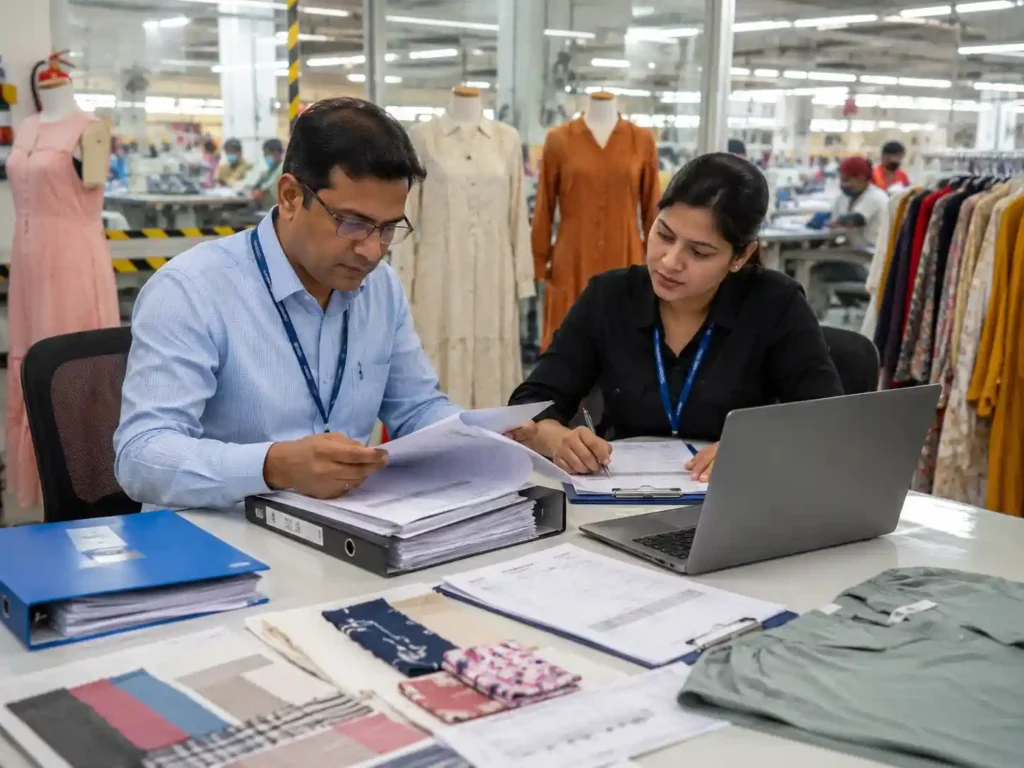
Bulk production planning begins after the PP sample, material, trims, measurements, labels, packing, quantity and QC requirements are confirmed. The final quotation and production schedule are issued from that basis. Major design or material changes after approval can affect unit cost, material MOQ, production allocation and delivery timing.
Jinfeng Apparel transfers the approved sample into production through the final pattern, BOM, fabric reference, trim card, sewing instruction, size chart, label placement, packing instruction and QC checklist. The handover keeps the cost decision connected to the garment actually being manufactured.
Compare Cost Options Before Approval
Original Design Direction
Review focus: intended appearance, confirmed material, fit standard, full construction and original packing requirement.
Balanced Cost Direction
Review focus: brand appearance retained, fit-critical structure retained, avoidable material or labor reduced, sample confirmation required.
Target-Cost Direction
Review focus: technical feasibility, acceptable product trade-offs, revised sample, updated quotation and management approval.
Cost Change Control from Sample to Bulk
Cost drift is reduced when every approved change updates the documents used by development, sourcing and production. Jinfeng Apparel manages changes by version rather than relying on informal messages.
Initial Quotation Basis
The first quotation records the available information: style reference, expected fabric, lining, trims, quantity, colors, sizes, packing and delivery assumptions. Unconfirmed items are identified as assumptions. The initial price is treated as an estimate until the material and construction direction is stable enough for a production-ready quotation.
Revision Impact Review
Sample feedback is separated into fit correction, material change, construction change, trim change, appearance change and packing change. Fit corrections within the agreed structure may have limited cost impact. Added layers, new embellishment, different fabric, longer hems, more ruching or new support components require a review of consumption, sewing and material MOQ.
Document Update
Approved changes update the pattern version, size chart, BOM, sewing instruction, trim card, label file, packing instruction and QC checklist as relevant. The revision record states what changed, why it changed and whether the change affects price or timing. A clear record prevents an old sample, old BOM or old quote from entering bulk production.
PP and Bulk Confirmation
PP approval locks the fabric, color, trims, measurements, construction, labels, hangtags, polybags, carton marks and packing method. A revised bulk quotation and production schedule are confirmed from the locked standard. Later changes are evaluated as controlled change requests, including material availability, re-sampling, added cost and delivery impact.
What We Protect During Cost Reduction
Fit-Critical Measurements
Neckline Security
Required Opacity
Seam Reliability
Embellishment Safety
Sequins, rhinestones, bead chains and appliques require secure attachment, controlled edges and suitable lining where skin contact occurs. Lower labor cannot come from skipping essential attachment or inspection steps.
Production Allocation Built Around Dress Complexity
Owned Factory Control
Long-Term Satellite Support
18+ Sewing Lines
6+ Flexible Lines
Cutting Preparation
Workmanship Transfer
Quality Control as a Total-Cost Strategy

Fabric Inspection
Trim Inspection

Cutting Control
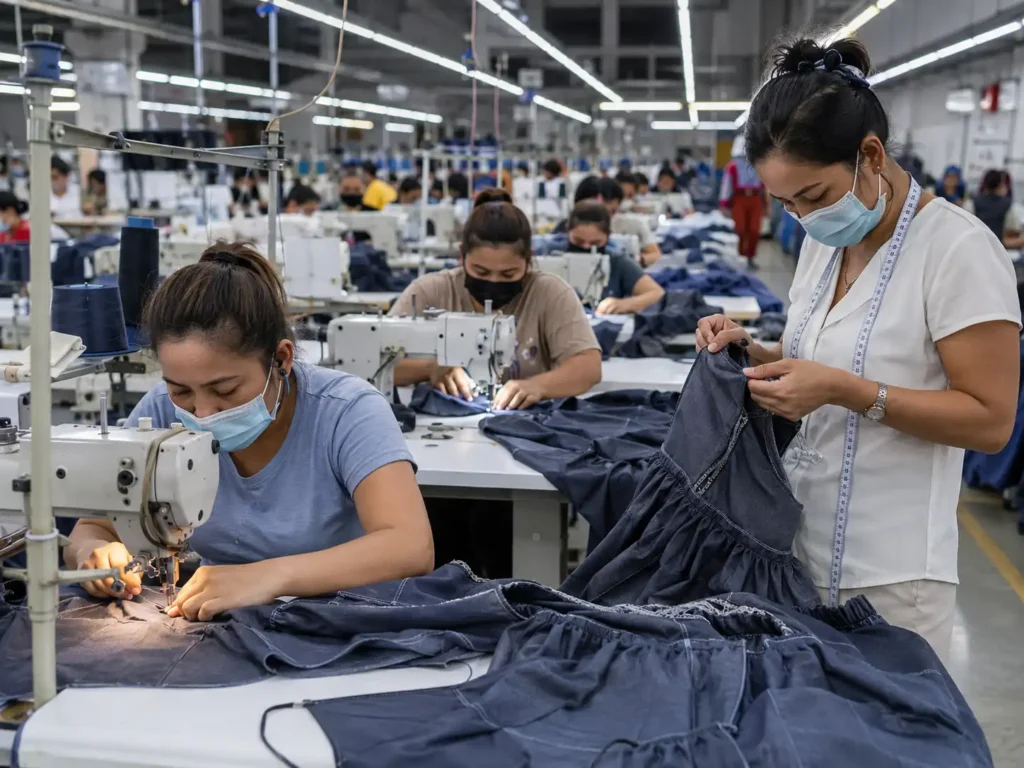
Inline Sewing Check

Measurement and Final Inspection
Finished garments are checked against the approved size chart and measurement tolerances. Appearance, color, stains, holes, loose threads, closures, lining, labels, pressing and fit-related points are reviewed. AQL inspection can be arranged according to order or client requirements, together with client-nominated inspection support.
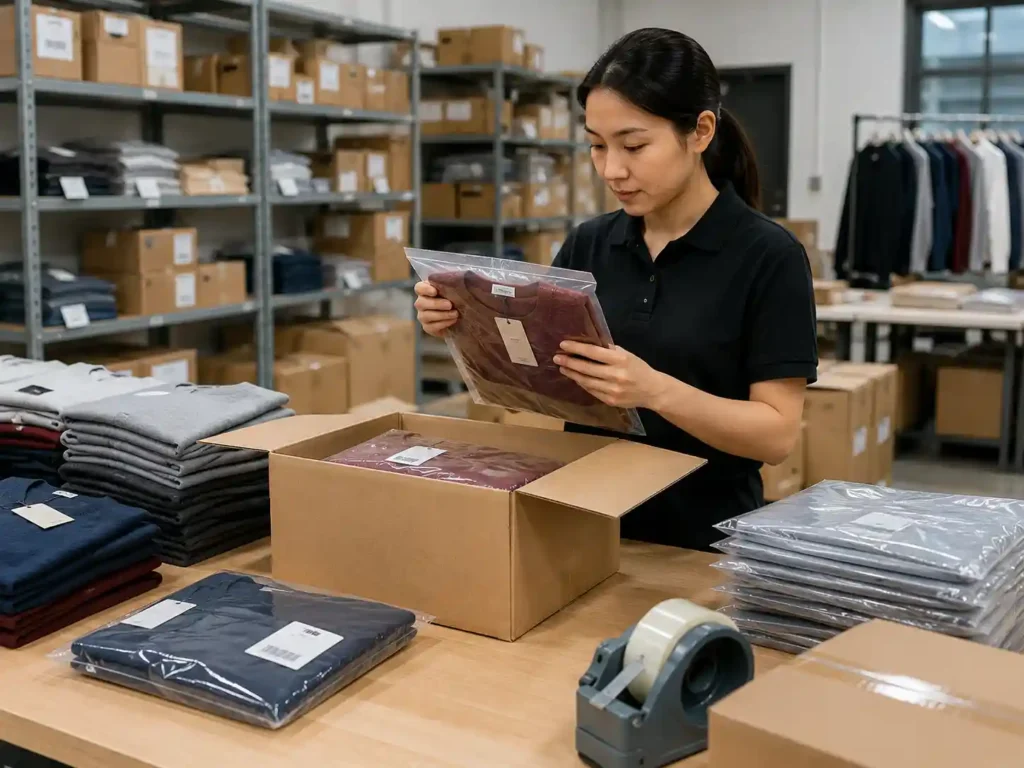
Packing Verification
Beyond FOB to Total Delivery Cost
Testing Scope
Private-Label Packing
Carton Efficiency
Air and Sea Planning
Documentation Accuracy
Repeat-Order Readiness
Cost Engineering Cases for Dress Programs
The following anonymized programs show how cost decisions were managed alongside fit, material behavior, private-label requirements and bulk consistency. Brand names, tech packs, pricing and proprietary files remain protected.

US Satin Occasionwear Program
Project data: 12 styles, approximately 20,000 pieces, satin mini and midi dresses, several colors, first sample to revised sample to PP sample to Golden sample.
The cost pressure came from satin consumption, full lining across all styles, multiple invisible zipper specifications and repeated color-by-color material handling.
The review separated fit-critical and appearance-critical elements from areas suitable for consolidation. Satin weight and luster direction were confirmed first because a cheaper quality would have changed drape and seam visibility. Lining coverage was mapped by body area instead of applying one full-lining rule to every style.
Compatible zipper lengths and colors were standardized where construction allowed.
Waist and hip patterns were corrected before the final cost baseline because zipper bulging and excess seam tension would have created rework in production. PP approval locked satin, lining, zipper, measurements, labels and packing. Bulk QC focused on shade consistency, zipper flatness, lining comfort and pressing. The program moved into production under one controlled material and trim framework while retaining separate style files. Follow-up color repeats were discussed using archived patterns, BOMs and Golden samples.

US Multi-Fabric Private-Label Program
Project data: 18 styles, approximately 28,000 pieces, satin, mesh, jersey, lace and crepe dresses, phased shipment and market-specific private-label packing.
Cost engineering was complicated by five fabric families, multiple size ranges, different garment structures and a shared launch calendar. A common cost template was used to identify shell fabric, lining, trims, pattern work, sample stage, sewing complexity, labels, packing and shipment basis for every style. Common care-label formats, hangtag construction, barcode placement, polybag specifications and carton-mark templates were consolidated across the collection.
Styles were grouped by fabric and construction for sampling and production allocation. High-risk mesh and lace styles received separate transparency and placement checks, while jersey styles received recovery and measurement controls. Quantity depth by color was reviewed before material ordering to avoid shallow color splits. Phased shipment planning prioritized approved launch styles while later styles completed QC and packing. Project tracking covered fabric and trim status, sample versions, SKU files, client inspection and shipping documents. The structure helped the brand compare styles on a consistent cost basis without forcing every dress into the same material or workmanship solution.

US Party and Bodycon Collection
Project data: 24 styles, approximately 52,000 pieces, jersey, ponte, power mesh, stretch satin and sequin-accent dresses, XS-XXL size range, two planned shipment windows.
The original assortment contained extensive fabric variation, unique trims by style and several constructions with heavy hidden ruching. Cost review began with color and fabric consolidation. Related bodycon styles were moved into compatible jersey and ponte groups after stretch, recovery and opacity comparison. Power mesh was retained where support and shaping were visible, while hidden double layers were localized to high-stress areas. Ruching ratios were reduced on internal sections that did not affect the front campaign view.
Zippers, sliders and label placements were standardized across compatible style families. Size ratios were planned by sales history rather than splitting every size evenly, improving cutting bundles and packing. First samples established the design direction; fit samples checked bust-waist-hip balance, side seam twisting and skirt ride-up; revised samples confirmed fabric and structure changes; PP samples locked the bulk standard. Inline QC emphasized stretch recovery, measurements, seam balance and embellishment attachment. Two shipment windows allowed launch-critical styles to move first without converting the full program to urgent freight.
Frequently Asked Questions About Cost Engineering
Yes. A target cost can guide material and construction review, but feasibility depends on product requirements, quantity, color count, size range, packing and delivery timing. Jinfeng Apparel explains the main gap when the original design sits above target and can propose alternatives with their expected visual, fit, MOQ and lead-time impact.
A tech pack, reference sample or clear images should be accompanied by quantity per style and color, fabric direction, size range, color plan, label and packing requirements, testing requirements and target delivery date. Target cost context and non-negotiable features help the team avoid proposing changes that conflict with the brand standard.
Jinfeng Apparel can explain the major cost blocks behind a dress quotation, including fabric, lining, trims, pattern work, sampling, cutting, sewing time, pressing, QC, packing, wastage, testing and logistics. The exact disclosure format is agreed by project and depends on the information required for internal review.
Common drivers include heavy fabric consumption, narrow usable width, directional surfaces, full lining, double layers, dense ruching, corset support, lace placement, sequins, handwork, custom trims, many colors, fragmented sizes, special packing, testing and urgent delivery. The influence varies by product category and order structure.
Yes. Alternatives can be reviewed by weight, width, hand feel, drape, stretch, recovery, transparency, shrinkage, color availability, MOQ and lead time. A replacement is presented as similar rather than identical. Swatch approval and a revised sample may be needed when the material changes fit or visual behavior.
Often yes when the new fabric changes drape, stretch, opacity, thickness, shrinkage or seam behavior. Minor changes within a stable fabric family may need limited review, while satin-to-crepe, mesh-quality, knit-recovery or lace-pattern changes can affect pattern, lining, construction and cost. The required sample stage is decided after review.
MOQ starts from 200 pieces per style and color. Higher quantities may improve material purchasing, marker planning, line efficiency, trim cost and packing allocation. Many colors with shallow quantities increase material, cutting, label, QC and packing complexity. Pricing can be compared at relevant quantity tiers before order confirmation.
A production-ready quotation is confirmed after PP sample, fabric, trims, measurements, labels, packing, quantity, QC requirements and delivery basis are agreed. Material or design changes after PP approval require a review of cost, supplier MOQ, production planning and timing.
Yes. Jinfeng Apparel supports NDA-based cooperation and protects tech packs, samples, patterns, material direction, trims, labels, packing, unpublished designs, order information and target-cost discussions. Anonymous case content does not disclose brand identity, proprietary files or commercial pricing.
MOQ starts from 200 pieces per style and color. Custom-dyed or custom-woven fabric, exclusive prints, special lace, sequin material, custom trims, certified material and special packaging can carry separate supplier MOQ. Final conditions are confirmed after reviewing the style and material direction.

Send Your Dress Cost Brief
Send the files needed for a meaningful cost and feasibility review. A strong brief normally includes the tech pack, reference image or original sample details, planned quantity by style and color, size range, fabric direction, label and packing requirements, target delivery date and any target-cost context used by the costing team. Mark the design elements that cannot change, such as silhouette, neckline, support, opacity, signature trim or campaign-facing decoration.
Jinfeng Apparel will review the style structure, fabric and trim direction, sample requirements, MOQ conditions, major cost drivers and production risks before recommending the next step. For multi-style programs, include a line sheet or assortment plan so shared fabrics, trims, labels, packing and shipment opportunities can be evaluated across the collection.
- Company name and job role
- Market and dress category
- Style count and quantity per style/color
- Size range and planned size ratio
- Fabric, lining and trim direction
- Target cost or current cost pressure
- Target delivery date and shipment plan
- Label, barcode and packing requirements
- Testing or inspection requirements
- Tech pack, line sheet, BOM, reference sample photos or existing quotation


