
Dress Manufacturer for Category Managers
A category-focused manufacturing partner for dress assortments that need clear style architecture, controlled development, reliable bulk execution and retail-ready delivery.
Category performance depends on more than finding a factory that can sew a dress. The manufacturing partner must understand how core styles, seasonal fashion, occasionwear, price tiers, fabric groups, size plans and launch dates work together. Jinfeng Apparel supports category teams from line-sheet review and fabric direction through pattern development, sample approval, bulk production, quality control, private-label packing and export coordination.
- 18+ sewing lines and 6+ flexible production lines support multi-style dress programs across several production groups.
- 2 sample rooms, 7+ senior pattern makers and 20+ sample machinists support fit, structure and sample revision before bulk production.
- 100,000+ pieces of regular monthly capacity can be allocated by fabric, construction, order volume and delivery window.
- MOQ starts from 200 pieces per style and color, with material and trim requirements reviewed before quotation.
Manufacturing Facts Category Teams Can Verify
Since 2008
6 Owned Factories
10+ Production Partners
12+ Merchandisers
15+ QC Inspectors
30+ Packing Staff
What Category Managers Need From a Dress Supplier
Assortment Balance
Margin Protection
A target cost must account for fabric, lining, trims, construction, sewing time, finishing, testing and packing.
Cost reduction works best when non-visible complexity is reviewed without weakening fit, wearability or brand-level appearance.
Launch Timing
Campaign samples, buying approvals, PP confirmation, material booking, production, QC and shipping all sit on one critical path.
A late decision at an early stage can compress every following stage and leave little room for correction.
SKU Control
Multiple colors and size ranges create cutting, labeling, packing and warehouse complexity.
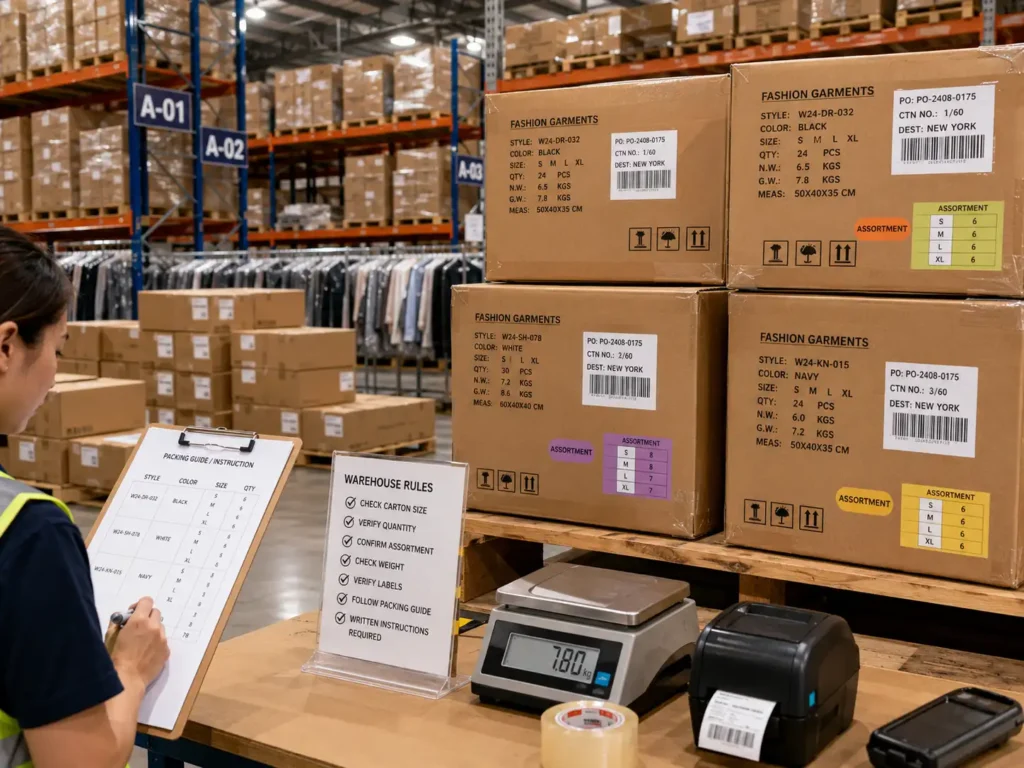
Style-color-size data must remain aligned from the production order through carton-level reconciliation.
Quality Risk
Capacity Reliability
Supplier Visibility
Repeat Readiness
Where Jinfeng Fits in Your Vendor Portfolio
Strong Project Fit
Clear Operating Boundaries
Build a Balanced Dress Assortment

Core Commercial Dresses
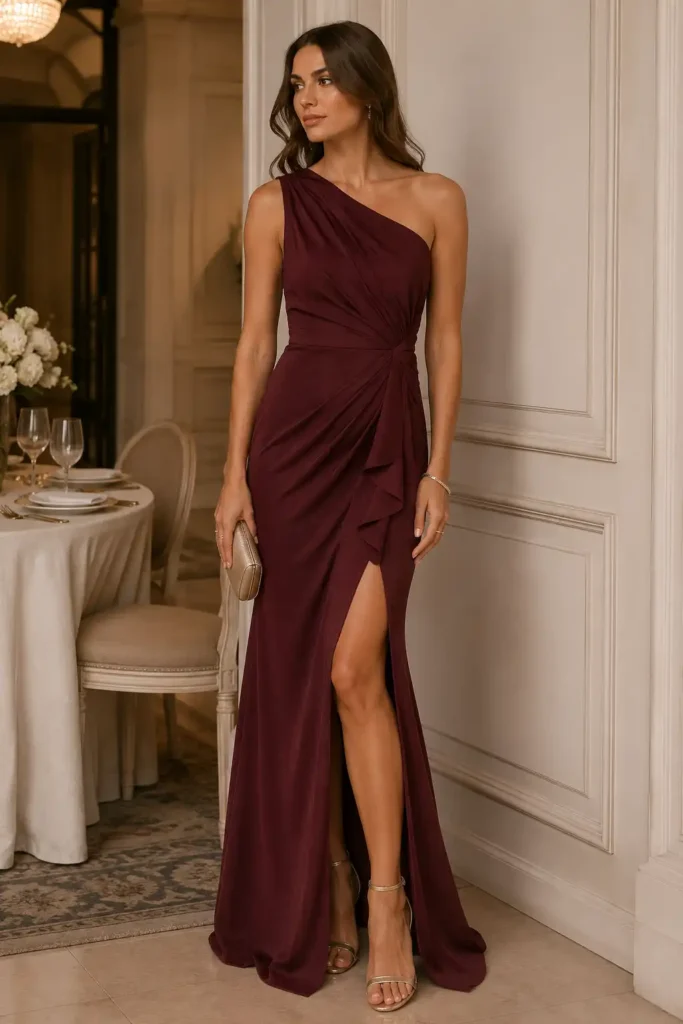
Occasion Dresses

Party and Going-Out

Structured Silhouettes

Seasonal Dresses

Category Extensions
Plan Styles by Occasion, Price and Volume
Category architecture becomes easier to manage when every style has a clear commercial role. The matrix below can be adapted during line-sheet review to separate volume priorities, fashion statements, seasonal deadlines and replenishment candidates.
| Assortment Layer | Typical Direction | Commercial Role | Development Focus | Production Approach |
|---|---|---|---|---|
| Core Volume | Slip, bodycon, midi, simple maxi | Reliable sales and repeat volume | Stable fit, repeatable fabric, clean grading | Early fit lock and repeat-order records |
| Price Entry | Simple mini, jersey dress, easy woven | Accessible opening price | Controlled fabric cost and efficient construction | Shared materials and limited trim variation |
| Fashion Driver | Ruched, cut-out, mesh, corset | Traffic, content and newness | Proportion, support, transparency and comfort | More sample review before bulk release |
| Occasion Value | Cocktail, satin, lace, evening | Higher selling price and event demand | Drape, lining, finish and photo appearance | Specialized sewing and finishing allocation |
| Seasonal Window | Resort, graduation, holiday party | Time-sensitive sales opportunity | Material readiness and launch calendar | Backward planning from required arrival date |
| Replenishment | Approved bestseller or core color | Inventory recovery and category continuity | Batch comparison and record accuracy | Golden sample and archived production files |
Turn Your Line Sheet Into a Production Plan
A line sheet becomes production-ready only after styles, fabrics, quantities, approvals and dates are converted into an operating sequence. Jinfeng Apparel groups the assortment before development begins so shared materials, high-risk constructions and priority styles are visible to every team involved.
Style Classification
Each style is classified by silhouette, fabric type, stretch level, lining requirement, construction difficulty, embellishment and target quantity. Similar styles can share development logic, while risk-heavy styles receive separate review. A satin slip and a boned satin corset may use the same fabric family but require different pattern, sewing and QC plans.
Fabric and Trim Grouping
Common fabrics, linings, zippers, elastics, cups, boning and labels are grouped across the assortment to reduce unnecessary variation. Grouping can improve cost visibility and purchasing efficiency, but only where hand feel, weight, stretch, color and end-use remain suitable for every style.
Priority Mapping
Hero styles, campaign samples, carryover fits and long-lead materials are identified first. Sample and production priorities are linked to the launch calendar rather than the order in which files arrive. Category teams receive clearer decisions when priority, approval owner and required completion date are visible from the beginning.
Factory Allocation
Production is matched by woven or knit construction, fabric handling, complexity, order volume and schedule. Occasionwear, bodycon, corset, lace and sequin programs require different sewing discipline, so allocation is based on product fit rather than available capacity alone.
Match Fabrics to Category Positioning
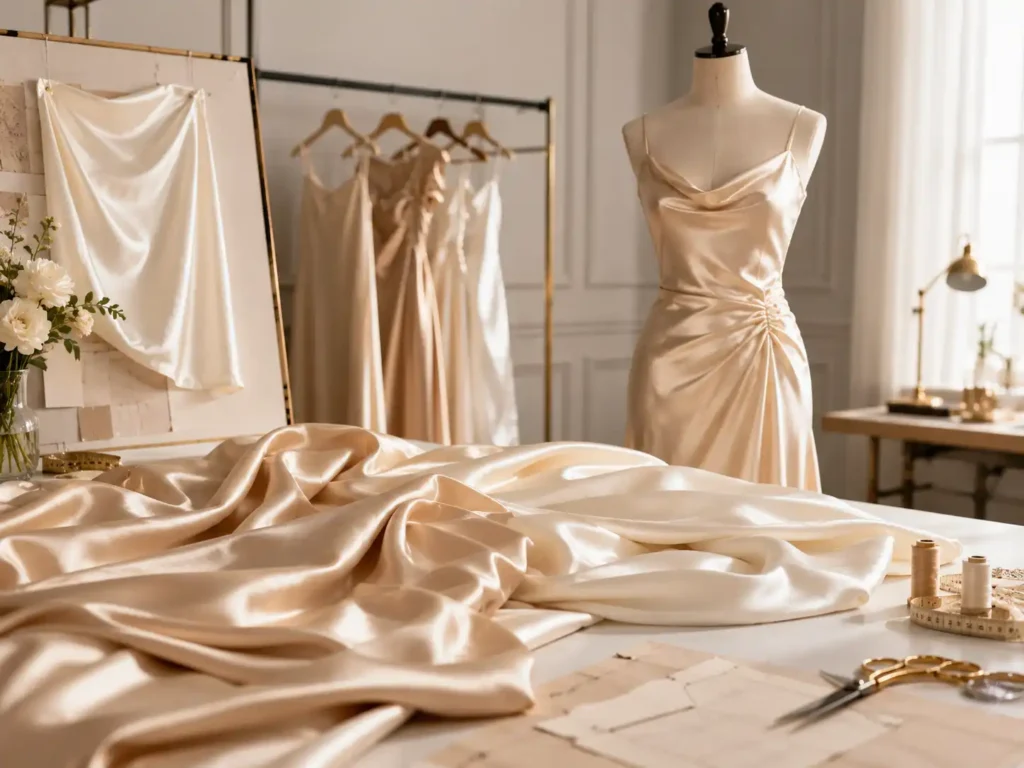
Satin and Stretch Satin

Chiffon and Crepe

Mesh and Power Mesh
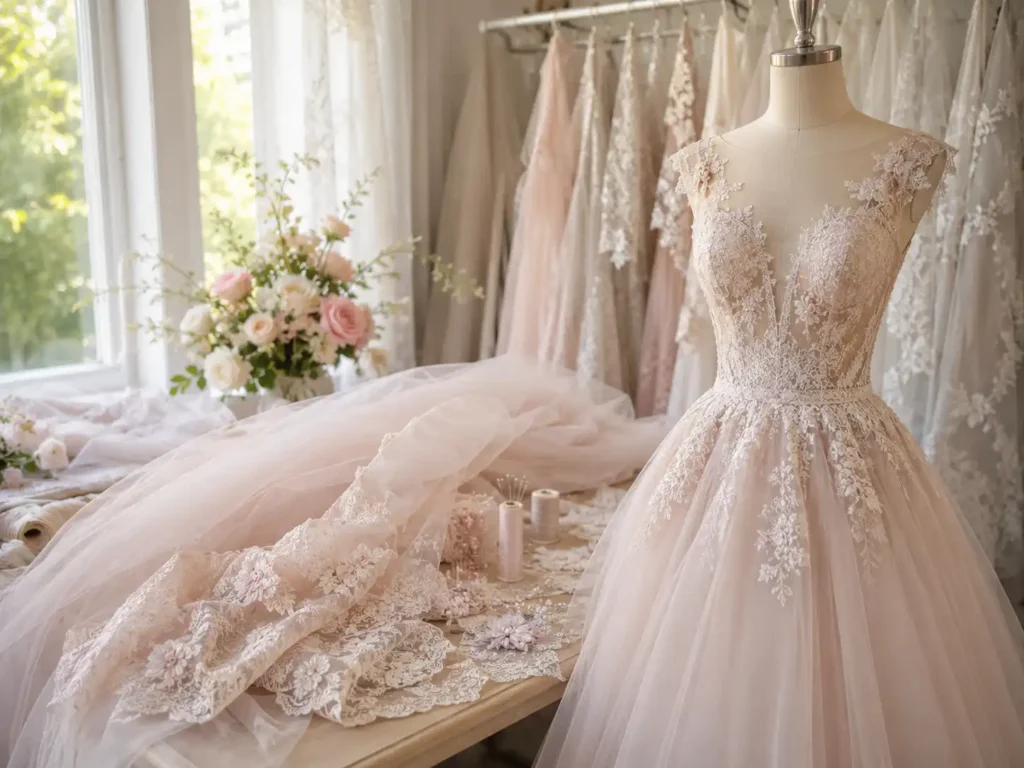
Lace and Tulle

Jersey, Rib and Ponte

Sequin, Velvet and Organza
Control Fit Across the Dress Category

Bodycon and Stretch Fit
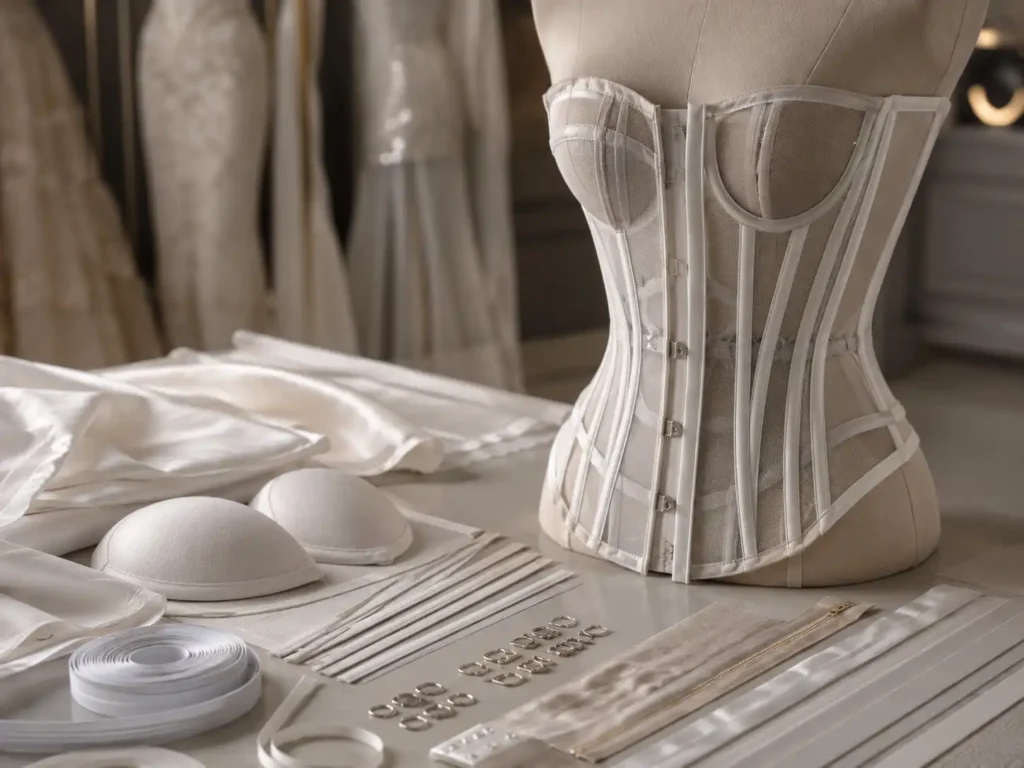
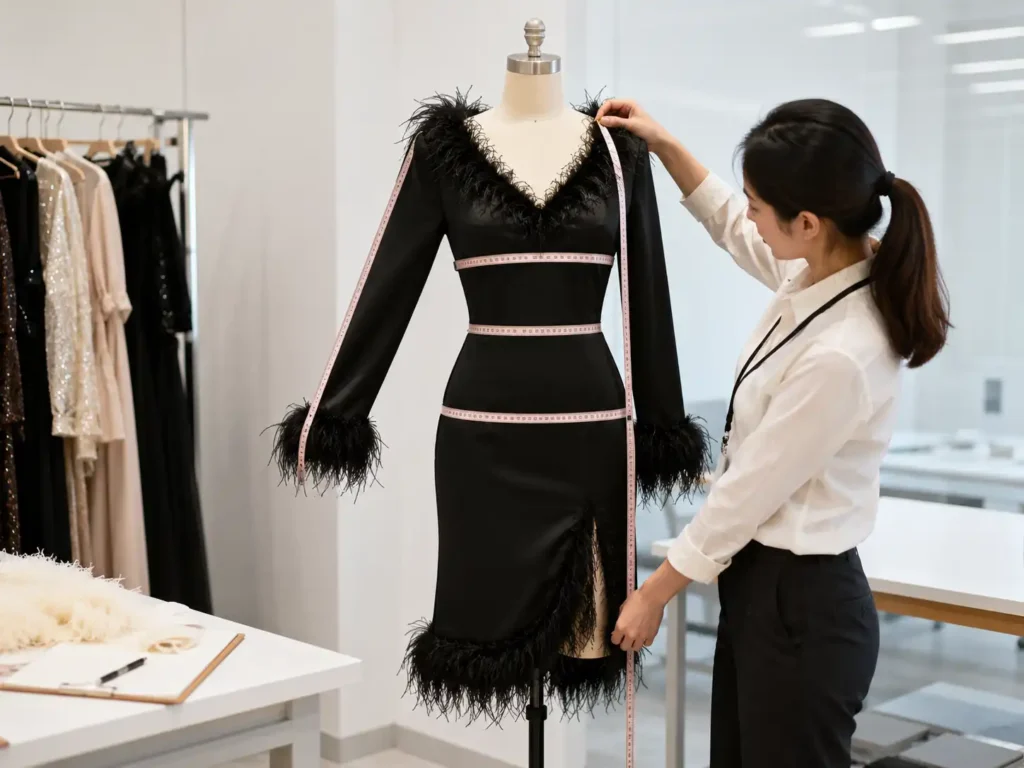
Structured and Corset Fit

Woven Dress Fit
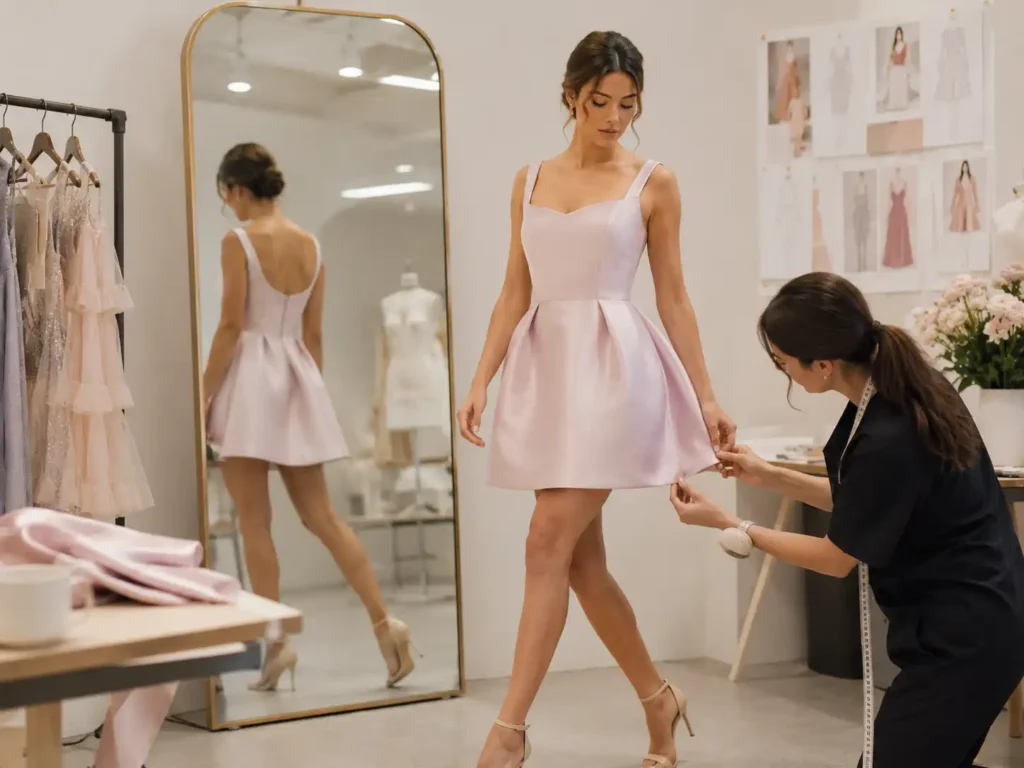
Maxi and Occasion Balance
Prioritize Samples Around Your Launch Calendar
Sampling is a decision system, not a queue of individual garments. Jinfeng Apparel separates first samples, fit samples, revised samples, photo-ready samples, PP samples and Golden samples because each serves a different approval purpose. A campaign sample can look suitable for photography without being ready to control bulk production.
Sample Priority Logic
- Hero SKUs receive early fabric and fit review because campaign, merchandising and production decisions depend on them.
- Carryover fits can move faster when patterns and measurements remain valid, while new fabrics still require behavior checks.
- Corset, lace, mesh, sequin and complex draped styles enter risk review before simple styles consume the full sample schedule.
- Long-lead materials, custom trims and special colors are identified before the launch calendar is locked.
Working Timeline Reference
Planning commonly allows about 7-15 working days for a first sample using available materials, while complex corset, lace, sequin, layered or special-trim styles may require roughly 12-20 working days. Revised samples often need 5-10 working days after complete comments and material confirmation.
These ranges are planning references rather than fixed promises; style complexity, fabric readiness, trim development and the number of coordinated samples can change the schedule.
Revision Records
Every approved change should move from comments into updated patterns, measurement charts, fabric references, trim details, sewing instructions and QC points. Revision control prevents old instructions from reappearing during PP or bulk production. Approval status must be visible by style, not hidden across separate message threads.
PP and Golden Sample
Bulk release follows PP approval, with fabric, trims, construction, measurements, color and packing confirmed. A Golden sample can then serve as a physical reference for production and final comparison. Changes after PP approval require impact review because they can affect material, pattern, cost, schedule and already prepared production files.
Protect Margin Without Flattening Product Value
Category margin improves when cost engineering begins before the final sample is locked. Quotation needs to reflect the garment as a complete commercial product, including development, material, labor, finishing, quality and packing rather than fabric price alone.
Material Architecture
Construction Minutes
Color and SKU Count
Every color creates separate material, cutting, labeling and packing work.
An assortment with too many low-volume colors can increase cost and coordination without adding enough commercial value.
Category teams can protect range breadth by concentrating depth in proven colors and reserving limited colors for selected fashion styles.
Packing and Testing
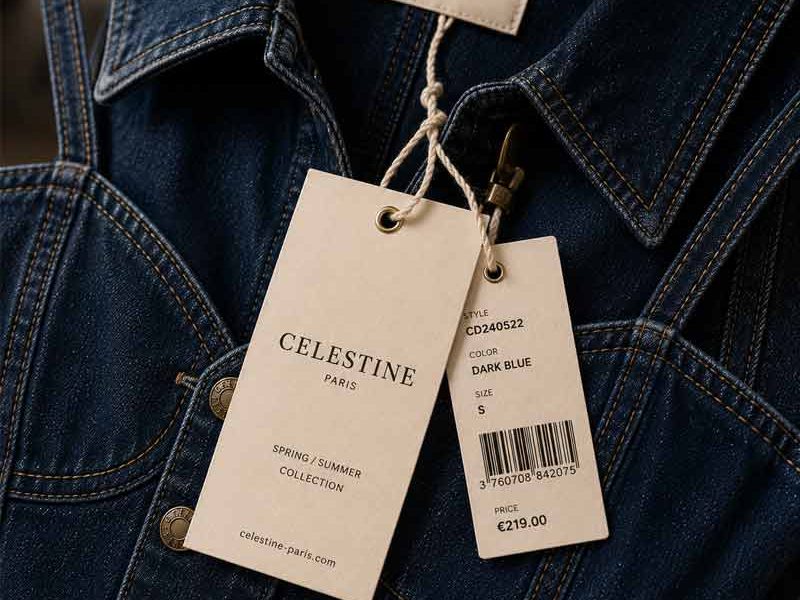
Woven labels, care labels, hangtags, barcodes, SKU stickers, tissue, special bags, cartons and warehouse labels carry separate requirements. Testing, certification resources and third-party inspections also need project-specific confirmation rather than being treated as free universal inclusions.
Cost optimization may include fabric substitution, trim rationalization, shared components, construction adjustment, color-count control, improved marker planning and packaging tiering. Fit-critical support, necessary lining, stress-point reinforcement, required labels and agreed QC should not be removed merely to reach a headline price.
Plan MOQ Across Styles, Colors and Sizes
Jinfeng Apparel’s standard MOQ starts from 200 pieces per style and color. MOQ is calculated by style and color, not by adding unrelated styles together. Material mills, trim suppliers, printing, dyeing and packaging can introduce separate requirements that need to be reviewed before the quantity plan is finalized.
| Planning Variable | Standard Reference | Category Impact | What to Confirm |
|---|---|---|---|
| Style and Color | 200 pcs per style/color | Defines production setup and commercial depth | Quantity for every style-color combination |
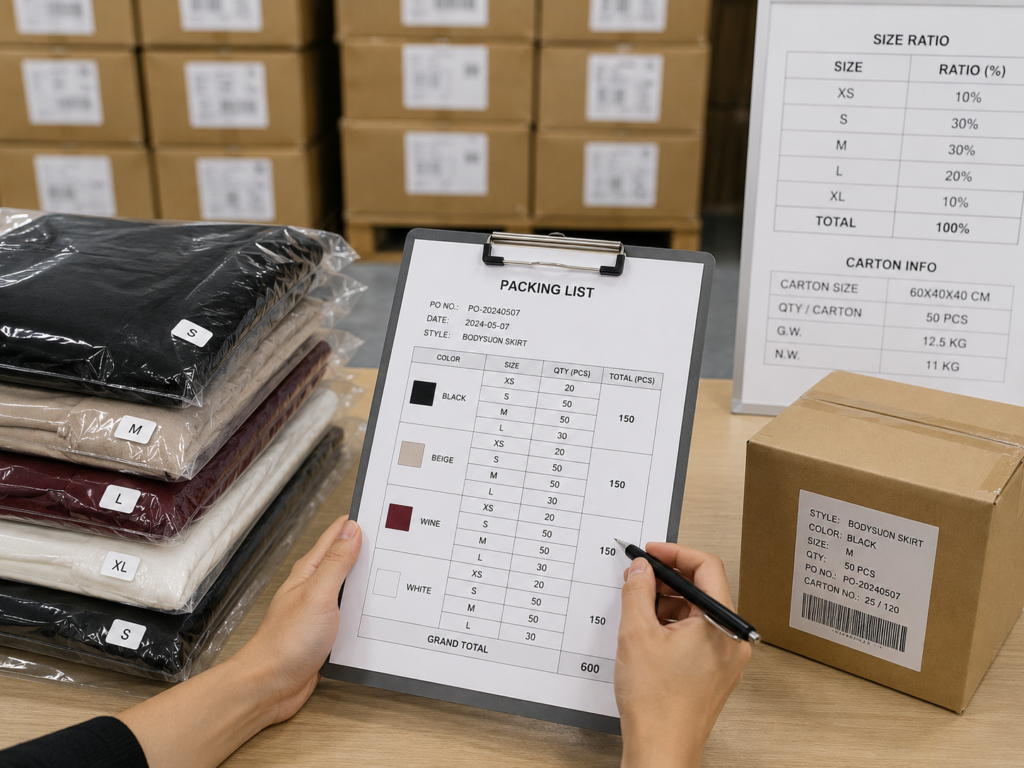
| Size Range | Brand-defined; often 5-7 sizes | Affects cutting ratio, grading, labels and cartons | Base size, grade rules and ratio by size |
| Custom Color | Mill requirement applies | Can increase minimum fabric quantity and lead time | Lab dip, shade standard and bulk dye MOQ |
| Custom Print | Artwork and print MOQ apply | Adds strike-off, repeat and placement controls | Technique, repeat size, colors and print quantity |
| Special Trim | Supplier requirement applies | Can create a higher minimum than garment MOQ | Mold, finish, color, specification and spare rate |
| Private Label Pack | Component MOQ applies | Labels, bags and cartons may be ordered separately | Artwork, barcode, SKU and warehouse rules |

Allocate Each Dress to the Right Production Unit
Jinfeng Apparel operates 6 owned women’s fashion factories and works with more than 10 long-term production partners. The network is used to match product type and production discipline, not to distribute styles randomly. Allocation considers fabric, construction, volume, delivery window, quality requirements and repeat history.
- Production Structure
The operating system includes 18+ sewing lines, 6+ flexible production lines and regular monthly capacity above 100,000 pieces. Flexible lines support multi-style, multi-fabric and multi-batch organization, while larger stable styles can be placed on lines suited to longer production runs. Capacity remains subject to material readiness, confirmed approvals and seasonal loading. - Product Matching
Stretch bodycon, satin occasionwear, lace placement, mesh panels, sequin handling and structured corset construction require different sewing control. Production management reviews seam type, machine compatibility, handling risk, finishing need and inline inspection points before assigning the style. - Bulk Release Discipline
Bulk production starts after PP sample, fabric, trims, size chart, color, packing and production instructions are confirmed. Material is inspected before cutting; cutting direction, print placement, nap, stretch direction and size bundling are checked before sewing begins. Late changes are assessed against material already purchased and work already released. - Merchandising Visibility
A team of 12+ merchandisers and order follow-up specialists coordinates approval files, material status, production milestones, QC windows, packing and shipment preparation. Category teams gain more useful visibility when updates report decisions and exceptions by style rather than broad statements such as “production is going well.”

Coordinate Seasonal Launches and Repeat Orders
Graduation, wedding guest, resort and holiday party collections depend on a fixed selling window. Scheduling therefore works backward from the required warehouse or launch date, leaving enough time for sample decisions, PP confirmation, materials, production, QC, packing and transport.
- Bulk Planning Window
A straightforward bulk program using approved materials often needs roughly 30-45 days after PP approval and material readiness. Multi-style collections, complex occasionwear, custom colors, special trims or several delivery waves may need about 45-60 days or more. The final schedule is confirmed only after style count, quantity, material status, approvals and line capacity have been reviewed.
- Delivery Strategy
Air freight can support campaign-critical or first-launch quantities, while sea freight can carry the main volume at a lower logistics cost. A split plan may prioritize hero colors, key sizes or initial store allocation by air and move remaining cartons by sea. SKU separation, packing lists and carton marks must stay consistent across every shipment wave.
- Repeat-Order Control
Patterns, measurement files, fabric references, trim records, sewing instructions, label artwork, carton marks, packing ratios, QC notes and Golden samples are retained for repeat planning. New dye lots, changed fabrics, revised colors and later production periods still require confirmation because archived files cannot remove natural material and capacity variation.
- Peak-Season Readiness
Seasonal pressure is managed through earlier material booking, factory allocation, QC windows and packing preparation. Complex lace, sequin, corset, custom-dyed and retail-packed programs need earlier commitment than simple carryover styles. A realistic plan protects the launch better than a rushed promise made before materials and approvals are known.
Measure Supplier Performance Beyond Unit Price
Sample Control
Material Control
Cutting Control
Sewing Control
Measurement Control
Appearance Control
Inspect shade difference, stains, holes, snags, wrinkles, thread ends, asymmetry, twisted seams, zipper distortion, exposed lining, lace mismatch, mesh deformation, sequin loss and uneven hems.
Packing Control
Release Control
Prepare Every SKU for Retail or Ecommerce Delivery

Brand Labels
Hangtags and Barcodes
Garment Presentation
Size Ratio Packing
Carton Identification

Shipment Documents
Support Vendor Onboarding and Brand Protection
Factory and Quality Review
Audit and Material Files
Testing and Inspection
NDA and Design Protection
US Multi-Style Dress Collection: 42,600 Pieces
A U.S. fast-fashion account planned an 18-style seasonal dress program covering satin occasion dresses, mesh bodycon styles, jersey going-out dresses, corset minis and coordinated skirts. The confirmed order totaled 42,600 pieces across four color directions and a seven-size commercial range, with campaign samples required ahead of the main production approval.

Development Challenge
The collection combined six fabric groups and several fit systems.
Carryover bodycon blocks could not be reused for woven satin or structured corset styles, and the launch required selected hero styles to reach photography before the full assortment was ready.
Color and lining relationships also had to remain consistent across several factories and packing waves.

Project Structure
- 18 styles grouped into core stretch, satin occasion, mesh fashion, corset structure and category-extension groups.
- 42,600 total pieces allocated by commercial priority rather than equal quantity per style.
- Seven sizes managed through approved base measurements and style-specific grading review.
- Hero samples prioritized for photography, followed by fit-critical and material-critical approvals.
- Three delivery waves planned around launch priority, production readiness and freight strategy.
Production and QC Control
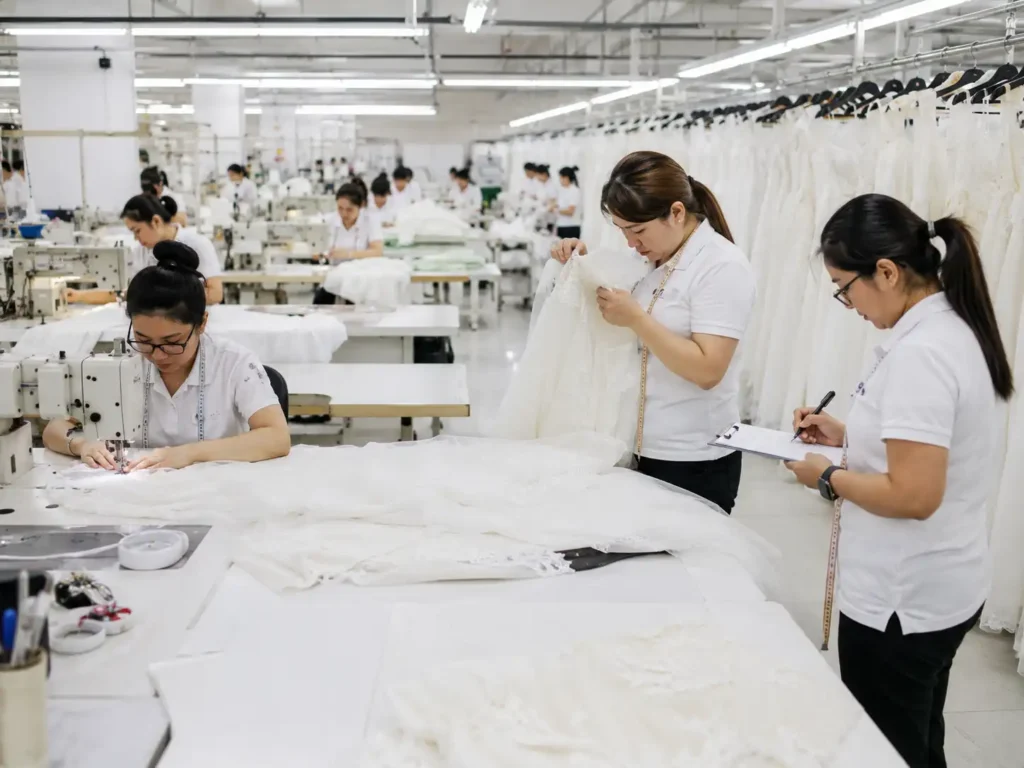
Satin styles received shade, cutting-direction, zipper and pressing controls. Mesh styles focused on transparency, recovery, lining color and seam stability.
Corset pieces were checked for cup position, boning, waist balance and anti-slip support. Carton packing was separated by style, color, size and delivery wave, with barcode and carton-mark verification before release.

Commercial Outcome
The manufacturing plan allowed campaign-critical styles to move first without releasing unapproved constructions into bulk. Material groups and factory allocation remained visible by style, while archived patterns, measurements, trims and packing records prepared the program for color extensions and later replenishment. The value came from controlled sequencing across a large assortment rather than forcing every style through one identical timeline.
Supplier Upgrade Program: 31,200 Pieces
A North American dress account moved 14 recurring and seasonal styles after repeated inconsistencies in fit, fabric reference and warehouse packing. The replacement program covered 31,200 pieces, five core fit families, three principal fabric groups and two planned arrival windows. The objective was not to copy old errors, but to rebuild measurable production standards before the next selling period.
Initial Findings
Original samples and measurement files showed inconsistent bust-to-waist balance, different zipper behavior between samples and bulk, and incomplete records for lining, labels and carton ratios.
Several styles shared visual language but required different pattern blocks.
Treating the old sample as the only production instruction would have carried the same uncertainty into the new order.
Rebuilding the Standard
- Original samples were measured and compared with the account’s current size charts.
- Five fit families were separated for bodycon, woven mini, satin midi, corset and maxi structures.
- Fabric references, lining colors, zipper specifications, trims and label files were rebuilt by style.
- Revised samples converted comments into updated patterns, measurements, sewing instructions and QC checkpoints.
- Approved PP and Golden samples became the reference for bulk production and later repeats.
Warehouse-Ready Delivery
Packaging instructions were rewritten around barcode, SKU, color-size ratio, polybag and carton-mark requirements. Production and packing teams reconciled the final style-color-size breakdown against carton data before shipment. Two delivery windows separated the first commercial requirement from the remaining seasonal volume without mixing SKU records.
Long-Term Value
The account gained a structured record set for future replenishment instead of relying on scattered messages and old garments. A supplier change still required development effort, but the work established fit, material, construction, quality and packing references that could support later colors and repeat batches with clearer control.
Frequently Asked Questions for Category Managers

Send Your Dress Category Plan for Review
A useful first review should establish whether the assortment, quantity plan, fabric direction, development workload and launch calendar fit Jinfeng Apparel’s manufacturing structure. Kelly coordinates the initial project review and routes confirmed requirements to the relevant development, merchandising, production and quality teams.
- Line sheet, tech packs, sketches, reference photos or original samples
- Quantity by style and color, plus intended size range and ratio
- Target cost or planned retail position by product group
- Fabric, lining, trim and color direction
- Campaign, launch, warehouse or required arrival date
- Private-label, barcode, SKU, packing and carton requirements
- Quality manual, measurement tolerance, testing or inspection requirements
After the files are reviewed, Jinfeng Apparel can respond with product-fit observations, material questions, MOQ compatibility, sampling priorities, cost drivers, timing risks and a proposed next step. Clear information at the beginning produces a more accurate development and quotation plan than a price request based on one image alone.


