Skip to content
Dress Manufacturer for Capsule Collection Brands
Focused dress development for established fashion labels planning coordinated launches, seasonal drops, limited programs, and repeatable core collections.
- Manage 10-30 coordinated styles under one collection brief, with clear roles for hero, core, and supporting products.
- Plan production programs from 20,000 to 80,000 units with style-level quantity, color, size, fabric, and delivery control.
- Develop samples through 2 sample rooms, 7+ senior pattern makers, and 20+ sample machinists.
- Move approved styles into bulk production through 6 owned factories and 10+ long-term satellite production partners.
Built for Coordinated Multi-Style Dress Programs
Since 2008
Six Owned Factories
Ten Plus Partners
Two Sample Rooms
Seven Plus Pattern Makers
Structured Project Teams
Designed for Collection-Led Fashion Businesses
Collection-Led Brands
Structured Product Teams
Where Capsule Collection Production Usually Loses Control
Disconnected Style Language
Excess Fabric Fragmentation
Inconsistent Fit Standards
Unmanaged Sample Priorities
Sample-to-Bulk Gaps
SKU Packing Errors
Give Every Style a Clear Commercial Role
A compact assortment becomes stronger when each style has a defined reason to exist. Product roles guide sampling priority, fabric investment, target cost, marketing use, and repeat-order planning.

Build Around Hero, Core, and Support Styles
Hero products carry campaign imagery and establish the collection’s strongest visual statement. They often contain the most recognizable neckline, fabrication, surface detail, or silhouette. Core products support dependable sales and should balance strong fit, repeatable workmanship, stable materials, and commercially workable cost. Supporting products complete outfit options, price architecture, and styling depth without competing with the main visual message.
Jinfeng reviews line sheets with those differences in mind. A corset mini with boning, shaped cups, and lace placement may need earlier pattern and sample attention than a fluid slip dress built from an established block. A satin midi expected to become a repeat item may deserve stricter color, seam, pressing, and shrinkage controls than a limited visual piece planned for a narrower sales window.

Create One Recognizable Product Language
Collection coherence is built through repeated decisions rather than repeated designs. Neckline depth, strap width, waist placement, hardware finish, lining quality, topstitching, label position, color saturation, and overall fit should reflect a consistent point of view. A halter dress and a one-shoulder dress may use different pattern structures while still sharing the same body proportion, fabric character, finishing level, and brand expression.
During development, Jinfeng can group styles by pattern family and identify where blocks, skirt shapes, sleeve forms, or construction details can be shared. Reuse must remain technically sound. Copying a block without considering stretch, weight, drape, transparency, or support requirements can create new fit problems. Each adaptation is checked against the chosen fabric and intended wearing condition.
Balance Visual Impact with Repeatability
A capsule should contain enough distinction to attract attention and enough production stability to support sales. Highly complex styles may require multiple material approvals, hand operations, placement control, or special finishing. Stable core styles can use repeatable fabrics, consolidated trims, and more efficient production methods. The right balance protects margin and reduces dependence on one difficult product.
For a 10-30 style program, commercial planning can identify a small group of hero products, a larger core group, and selected supporting pieces. The ratio depends on sales channels, target retail price, campaign plan, and inventory strategy. Jinfeng uses the structure to organize sampling waves, cost discussions, factory allocation, and bulk priorities rather than forcing every style through the same route.
Build a Focused Dress Assortment Around Core Silhouettes

Structured Mini Dresses
Fluid Midi Dresses
Statement Maxi Dresses

Bodycon and Corset Dresses
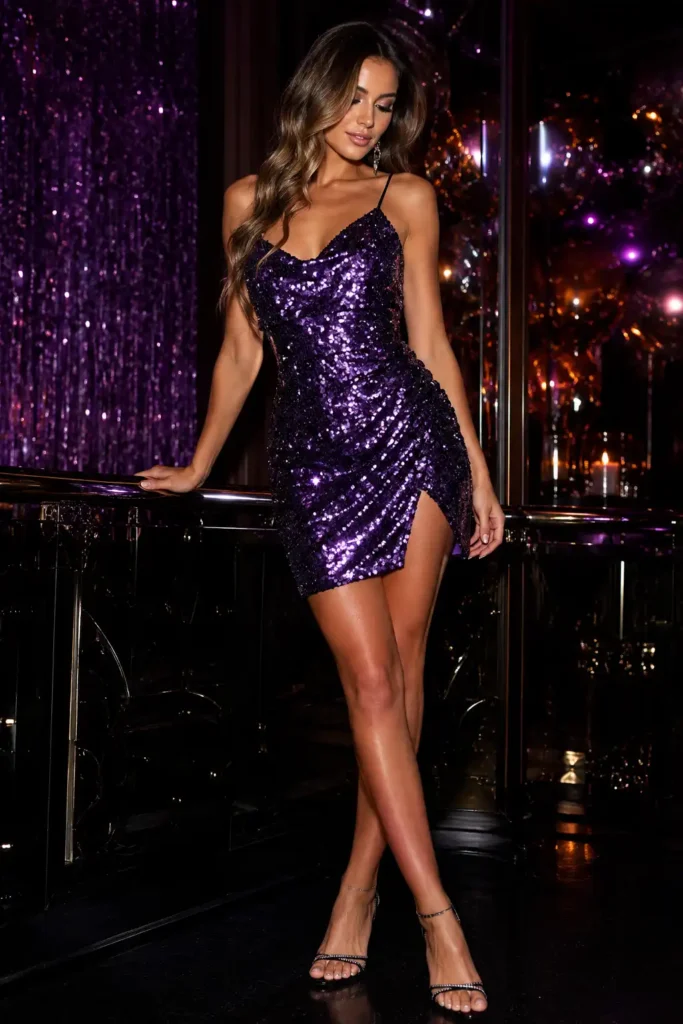
Occasion and Party Dresses

Sets and Skirt Extensions
Prioritize Products by Commercial Role and Development Risk
The allocation below helps align design importance, sampling sequence, technical attention, and bulk planning. Final ratios depend on sales forecasts, campaign needs, and production feasibility.
| Product Role | Main Commercial Function | Development Priority | Production Focus |
|---|---|---|---|
| Hero Style | Campaign image, launch storytelling, paid media, wholesale presentation | First development wave | Visual accuracy, distinctive details, photo-ready finish |
| Core Style | Main sales volume and repeat-order potential | Early development wave | Stable fit, repeatable fabric, controlled cost, dependable construction |
| Supporting Style | Styling depth, price architecture, outfit building | Second development wave | Shared materials, coherent color, efficient production |
| Experimental Style | Tests a new structure, fabric, finish, or market direction | Controlled validation wave | Feasibility, risk limits, smaller allocation within the full program |
Reduce Complexity Through Strategic Fabric Grouping
Fabric grouping protects collection coherence while reducing unnecessary sourcing, shade, MOQ, construction, and quality variables. Selection begins with the garment result, not a material name alone.
Fluid Woven Group
Satin, chiffon, rayon, viscose, and lightweight crepe can create movement, drape, shine, or softness across slip dresses, gathered midis, wrap dresses, and flowing maxis. Each material behaves differently under cutting, sewing, pressing, and wear. Satin may show needle marks, seam grin, snagging, pressing shine, or shade variation. Chiffon can shift during cutting and require careful seam and hem methods. Rayon and viscose may need shrinkage and dimensional stability review.
A fluid fabric group can support several silhouettes when weight, opacity, drape, and care requirements remain compatible. Shell and lining combinations are reviewed together. A lining that is too stiff may destroy movement, while one that is too light may cling, twist, or reveal seam allowances. Fabric direction is also considered because shine and nap can create visible panel differences when pieces are cut inconsistently.
Structured Woven Group
Crepe, suiting, taffeta, heavier satin, and selected cotton or polyester blends can support shaped minis, A-line dresses, corset bodies, pleated skirts, and architectural silhouettes. The material must hold the intended line without creating excessive seam bulk or uncomfortable stiffness. Fusible support, interfacing, boning, cups, facings, and lining are selected as one construction system rather than separate components.
A structured group may share a base quality across several products while changing color, surface treatment, or internal support. Bulk planning checks fabric width, cutting yield, panel direction, crease behavior, press response, and color consistency. When a style includes heavy gathering or multiple layers, material consumption is assessed before cost and quantity are finalized.
Stretch Fabric System
Jersey, rib knit, ponte, stretch satin, power mesh, and spandex blends serve bodycon, ruched, fitted, cut-out, and support-layer applications. Fabric names alone do not define performance. Development considers stretch direction, recovery, opacity under tension, seam extension, edge stability, pilling risk, weight, compression, and how the material behaves after washing or repeated wear.
A collection may use one main stretch base and one support mesh to create several related dresses. Pattern ease is adjusted by material performance and garment zone. Bust, waist, hip, armhole, and hem behavior are reviewed separately. The same pattern cannot simply move from ponte to lightweight jersey without correction because stretch, recovery, thickness, and drape alter fit and construction.
Sheer and Decorative Group
Mesh, lace, organza, tulle, and sequin fabrics create visual depth but introduce placement, transparency, comfort, and durability risks. Mesh requires clear decisions on lining coverage, seam type, neckline reinforcement, and stretch behavior. Lace needs motif placement, symmetry, joining methods, edge treatment, and color matching. Sequins require protection from skin contact, controlled cutting, secure attachment, seam cleaning, and repair planning.
Decorative fabrics should be reserved for styles where the visual result supports the additional development and production work. Related products can share lining colors, mesh bases, lace families, or trim finishes, but placement and transparency must still be approved style by style. Bulk standards use approved references rather than verbal descriptions such as “more covered” or “less shiny.”
Print and Color Programs
Printed fabrics can unify a capsule through one exclusive artwork, coordinated scales, or placement variations.
Development checks repeat size, artwork direction, color count, print method, fabric base, shrinkage, placement tolerance, and whether the print must align at seams or center fronts. Placement prints require pattern and artwork to be engineered together.
Custom dyeing and printing can introduce material minimums and longer approval sequences. Pantone references, lab dips, strike-offs, approved swatches, and bulk shade standards create a clear chain of color decisions. Where timing or quantity does not support custom development, stock colors or existing print bases may provide a controlled alternative without weakening the collection concept.
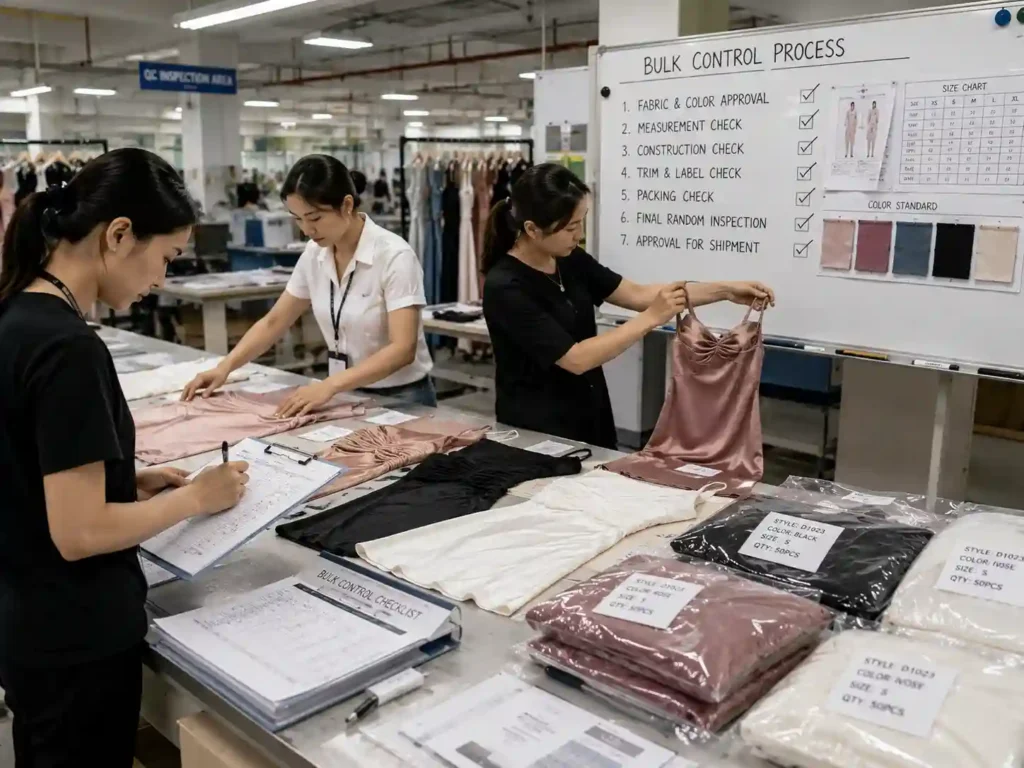
Keep the Color Story Consistent Across Every Style
A capsule may use only a few colors, yet satin, mesh, lace, lining, zippers, and labels can display the same shade differently. Color control needs a layered approval method.
Build a Color Map Before Sourcing
A color map links every style to shell fabric, lining, mesh, lace, zipper, thread, hardware, label, and packaging requirements. The plan identifies shared colors, hero shades, commercial neutrals, and materials requiring custom development. For a 12-style program, limiting the first launch to a controlled number of shell colors can reduce fragmented purchases and make bulk shade management more reliable.
The map also prevents naming confusion. “Ivory,” “cream,” “stone,” or “nude” can mean different things across fabric suppliers. Pantone references and approved physical swatches create a common standard, while final visual judgment considers material texture and shine. A satin may reflect more light than a matte crepe even when both are dyed toward the same reference.
Approve Color in Three Levels
Color approval can be organized through three references: the intended color target, an approved development swatch or lab dip, and an accepted bulk shade band. Custom prints use artwork files, strike-offs, and bulk print standards. The approval path records date, supplier, material code, color code, and style use so the same shade is not approved differently for related products.
Bulk fabric is reviewed under consistent lighting conditions and compared against the agreed standard. Slight shade variation may occur between materials, but uncontrolled variation within one fabric lot or across visible garment panels can damage the collection. Directional fabrics such as satin, velvet, or brushed surfaces also require consistent cutting direction because light reflection can appear as a color difference.
Coordinate Trims and Linings
Color control continues beyond the shell fabric. Zippers, elastic, bra cups, boning channels, hook-and-eye tape, thread, lace edges, mesh inserts, lining, care labels, hangtags, polybags, and carton labels can affect the final impression.
Visible trims should match or intentionally contrast according to the approved design, while hidden components must not create show-through or discoloration.
For repeat orders, Jinfeng retains approved color records, fabric references, trim information, and packing requirements. New bulk lots still require confirmation because supplier batches, dye conditions, and material bases can change. Historical records shorten preparation, but they do not replace current batch approval.
Create a Recognizable Fit Across the Collection
Fit consistency gives related products a shared brand identity. A capsule can contain different silhouettes while maintaining a familiar bust proportion, waist position, body ease, and size logic.
Govern the Base Size Before Grading
Pattern development begins with a defined base size and target body profile. A common program may approve one base size before grading into XS, S, M, L, XL, and XXL, but the exact range and grade rules follow the brand’s market and existing size chart. The base-size review focuses on measurements affecting balance and wear: bust, upper bust, under bust, waist, high waist, low waist, hip, shoulder, armhole, strap length, neckline drop, back width, skirt length, slit height, and hem sweep.
Jinfeng compares the tech pack, reference sample, brand size chart, selected fabric, and intended silhouette. Conflicts are raised before bulk grading. A close-fitting satin dress, a stretch bodycon dress, and a structured corset dress may target a similar visual outline but require different ease, support, and construction methods. One set of numbers cannot be applied mechanically across all three.
Correct Fit by Garment Zone
Fit comments become clearer when organized by zone. Bust issues may come from cup volume, dart position, panel shape, strap angle, neckline tension, or fabric stretch. Waist problems may come from wrong placement, insufficient shaping, seam bulk, or a mismatch between bodice and skirt. Hip tightness may affect zipper behavior, side seam balance, movement, or ride-up. Maxi and jumpsuit styles add crotch length, rise, skirt sweep, and walking allowance to the review.
Each comment should identify the visible issue, likely cause, required pattern action, and measurement impact. “Make it fit better” is not a production instruction. A recorded action may specify raising the waist seam, reducing neckline gape, increasing back width, changing cup shape, adjusting strap position, redistributing side-seam shaping, or altering lining length. Important changes are transferred into the revised pattern, size chart, sewing instructions, and sample comments.
Grade for Proportion, Not Only Circumference
Grading expands or reduces a pattern across a size range, but strong grading protects visual proportion as well as body circumference. Neckline depth, strap position, cup shape, waist placement, slit height, hem length, ruffle scale, pocket position, and decorative placement may need controlled rules rather than equal increments. A feature that looks balanced in size S can move too far or become visually small in size XXL if grading is not planned carefully.
Stretch styles also need size-specific review because fabric tension changes with body dimensions. Sheer panels and cut-outs require coverage checks across the full range. Corset structures may need cup and support rules that differ from a simple bodice grade. Jinfeng prepares production patterns only after base fit, key style details, and grading logic are approved.
Lock Fit-Critical Details at PP Stage
PP approval is the final production reference for fit, measurement, fabric, trims, construction, labeling, and packing. Fit-critical points receive focused attention: cup position, bust support, waist seam, hip ease, strap security, neckline stability, zipper flatness, lining coverage, slit safety, hem level, and movement. Exact measurement tolerances are agreed by style rather than copied from a generic chart.
Any design change after PP lock can affect pattern files, material orders, cost, production sequence, or delivery.
Changes are reviewed through an updated record that identifies pattern impact, cost impact, lead-time impact, and the next approval step. The discipline protects both the collection result and the bulk schedule.
Manage Multi-Style Sampling Without Losing Control
A 10-30 style collection should move through planned waves. Grouping reduces congestion, keeps urgent products visible, and makes feedback easier to track across fabrics and pattern families.
Divide the Collection Into Development Waves
Wave planning starts with commercial priority and technical readiness. Hero styles, campaign samples, and high-volume core products usually enter first. Supporting products follow when shared fabrics, trims, and base patterns are ready. Experimental structures may enter a controlled validation route before receiving a larger production allocation.
A 12-24 style program may be divided into three waves rather than released all at once. Wave one can contain photo-critical and core products. Wave two can contain related products using approved fabrics or pattern families. Wave three can contain lower-priority extensions or styles dependent on special materials. The exact sequence is confirmed after line-sheet review.
Track Every Sample Version
Jinfeng uses defined sample stages such as first, fit, revised, photo-ready, salesman, PP, and golden samples.
Every important change should appear in an updated pattern, size chart, BOM, fabric approval, trim approval, sewing instruction, label file, packing instruction, or QC checklist. Chat messages alone are not enough for bulk transfer.
A revision record identifies the sample version, issue category, original comment, technical analysis, required action, pattern impact, cost impact, lead-time impact, approval owner, and next step.
When several styles share one fabric or trim, the record also shows whether a decision applies to one style or the full group.
Separate Factory Errors From Design Changes
Revision responsibility depends on the cause. If an approved measurement, trim, label position, or construction detail was executed incorrectly, the correction route differs from a new neckline, fabric, color, hem, silhouette, or decoration requested after sample completion. Incomplete initial information may also require additional development because the first sample had to interpret missing measurements or materials.
Clear cause records prevent confusion and protect the schedule. They also help decide whether a localized correction, revised sample, new material approval, or full PP repeat is needed before bulk production.

Use the Right Sample for Each Commercial Decision

First Sample
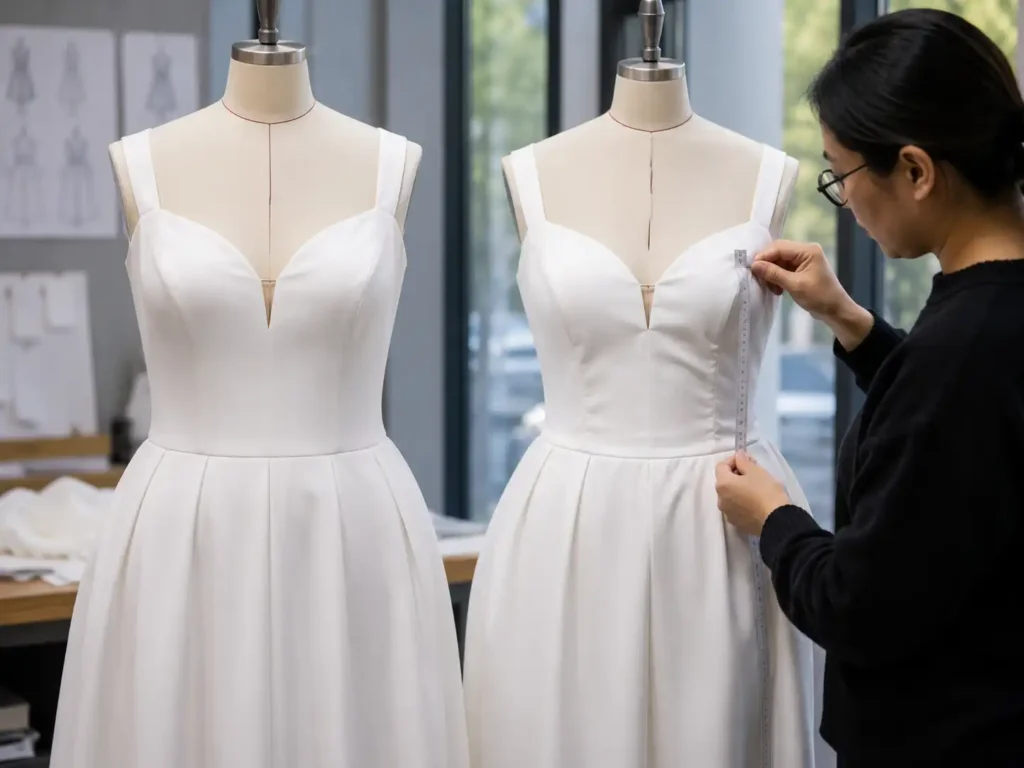
Fit Sample
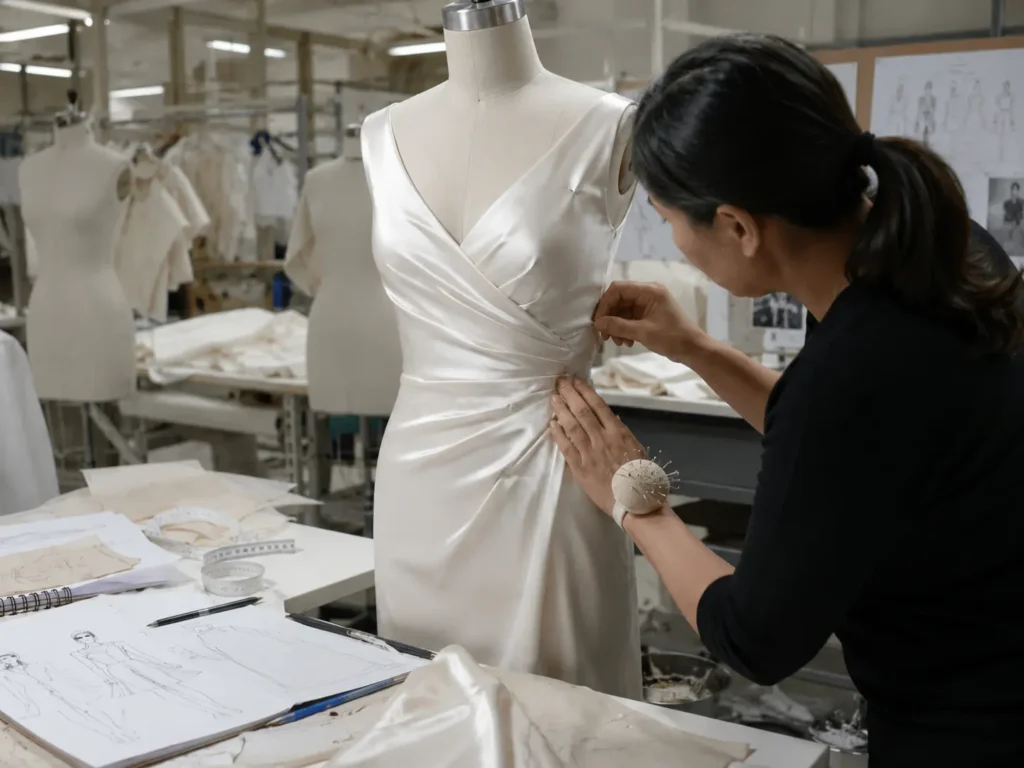
Revised Sample

Photo-Ready Sample

PP Sample

Golden Sample
Work Backward From Photography and Launch Dates
Delivery planning starts with the market date and works backward through warehouse receiving, freight, packing, QC, bulk production, PP approval, sample review, and material readiness.
Illustrative 120-Day Planning Framework
A structured capsule program can use a relative calendar rather than one unsupported promise for every style. An illustrative framework may reserve T-120 to T-95 for line-sheet review, technical-file completion, fabric direction, and sourcing. T-95 to T-65 can cover first samples, fit review, revised samples, and photo priorities. T-65 to T-50 can focus on final material approvals, PP samples, packaging files, and production release.
T-50 to T-15 may cover bulk cutting, sewing, in-line inspection, finishing, measurement checks, labeling, and packing. T-15 onward is reserved for shipment release, transit, customs, and warehouse receiving according to the selected route. The calendar is a planning model, not a universal lead-time commitment. Style complexity, material readiness, color development, order quantity, approvals, testing, packing, and freight route all affect the confirmed schedule.
Protect the Photography Window
Campaign products often need to arrive before bulk production is complete. Photo-ready samples should be identified at line-sheet review so material, pattern, and finishing priorities can be planned.
A visual sample made from substitute fabric may support early fit evaluation, but campaign use requires clear approval of color, hand feel, transparency, shine, and final construction.
Hero styles should not wait behind every supporting SKU. Jinfeng can plan sample waves around campaign, wholesale, fitting, and PP needs. Any early sample difference is recorded to prevent the photography reference from becoming an unapproved bulk standard.
lan Delivery in Controlled Batches
Large programs may benefit from split delivery when certain products are needed earlier, materials arrive at different times, or air and sea routes must be balanced. Delivery batches are planned by style readiness, commercial priority, carton efficiency, warehouse instructions, and freight cost. Splitting without a clear plan can increase packing, documentation, and logistics complexity.
Jinfeng supports courier, air, sea, client-nominated forwarders, and export documents. DDP availability depends on destination and the confirmed freight solution. The shipment plan is aligned with final packing lists, commercial invoices, carton marks, barcode requirements, and warehouse guides.

Match Each Style to the Right Production Unit
Flexible Line Planning
Product-Specific Allocation
Unified Approval Standards
Control Quality Across Styles, Colors, and Size Ratios
Incoming Fabric
Color and Shade
Cutting Accuracy
Sewing Construction
Measurements
Visual Fit Details
Finishing and Pressing
Packing and Labels
Deliver Every Capsule SKU Ready for Retail

Brand Labels
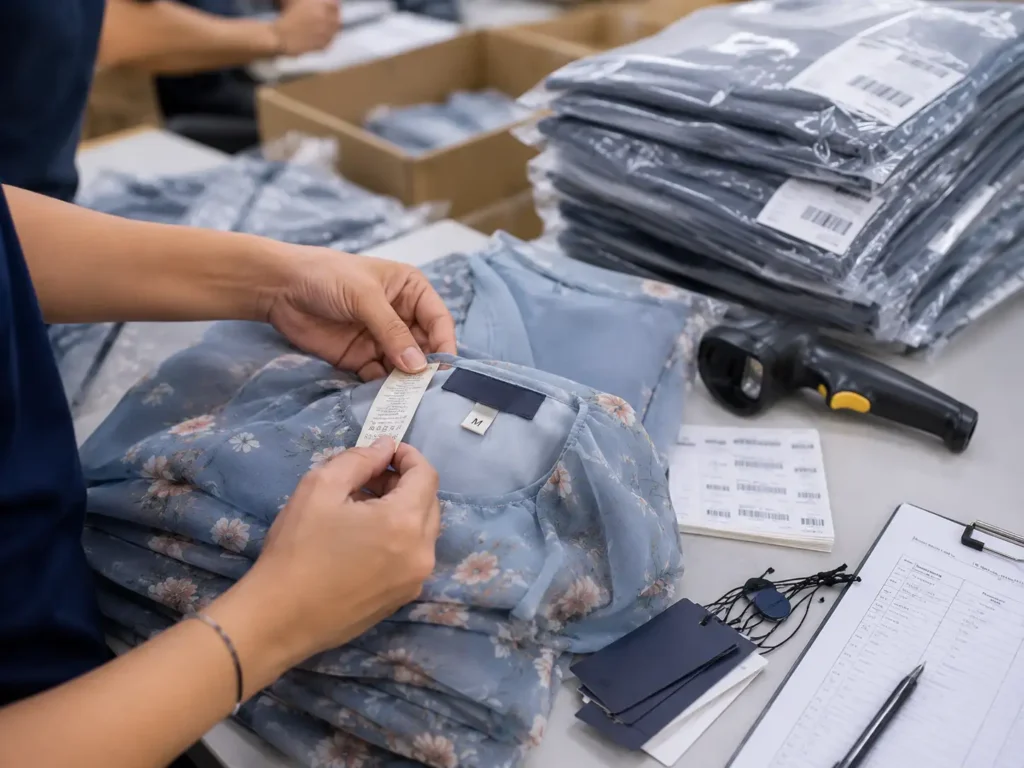
Hangtags and Tickets
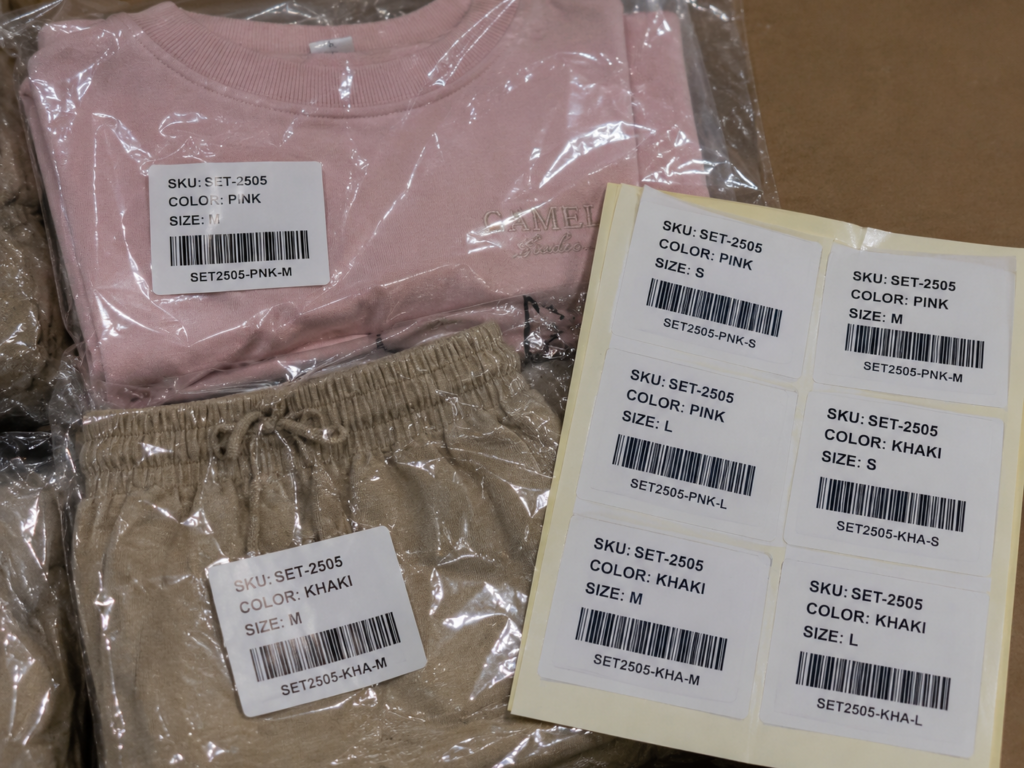
Barcode Control
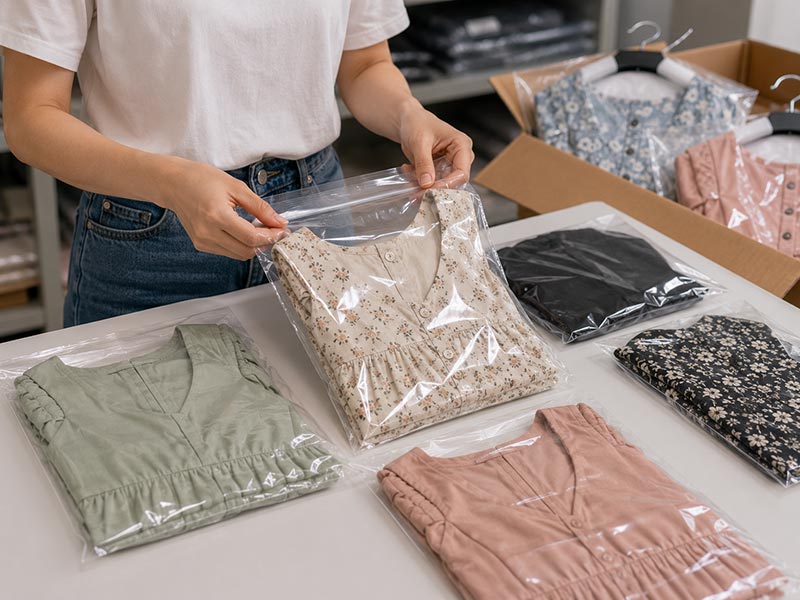
Polybag Presentation
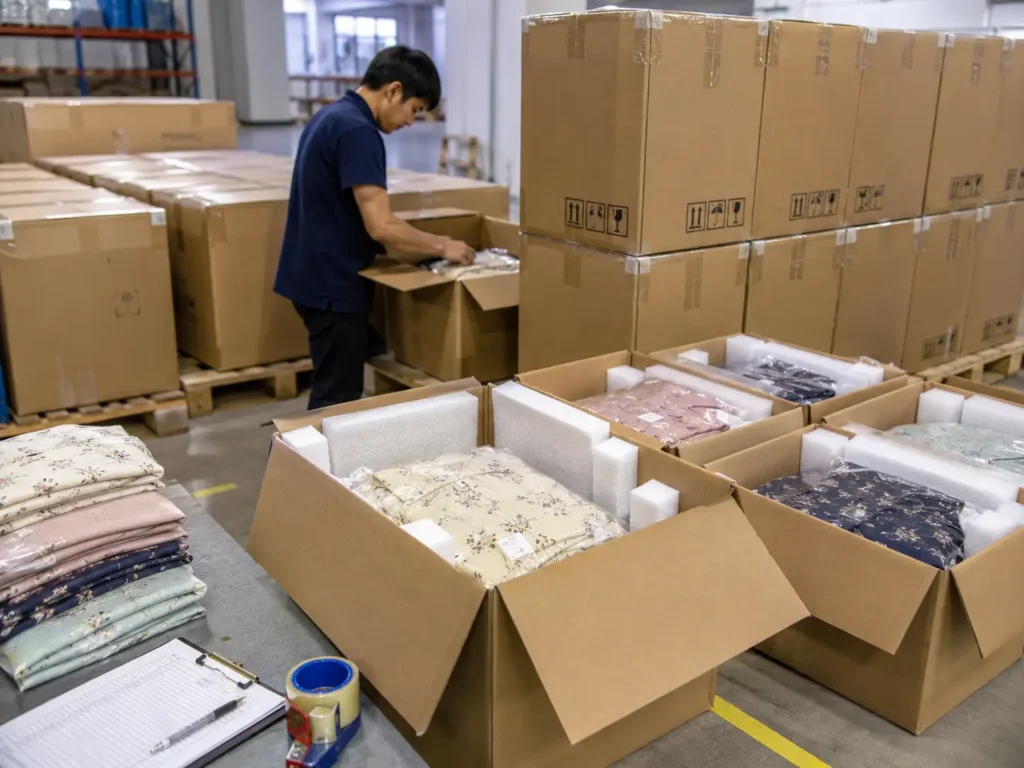
Carton and Ratio Packing

Export Documents
Plan Quantities by Style, Color, and Material Group
Jinfeng Apparel’s standard MOQ starts from 200 pieces per style and color. Larger capsule programs can allocate quantities according to product role, sales forecast, fabric group, color plan, size ratio, and delivery sequence.
| Quantity Structure | Planning Interpretation | Points to Confirm |
|---|---|---|
| 1 style x 1 color x 200 pcs | Standard starting structure for review | Fabric availability, size ratio, trims, construction, packing |
| 1 style x 3 colors x 200 pcs each | 600 pcs total for one style | Color approvals, material lots, shared trims, size allocation |
| 12 styles x 2 colors x 200 pcs each | 4,800 pcs total minimum structure | Style-level feasibility, fabric grouping, sample waves, delivery priorities |
| 10-30 styles x 20,000-80,000 pcs total | Typical larger brand program range | Commercial role by style, unit distribution, factory allocation, split delivery |
| Custom-dyed or printed materials | Material supplier minimum may exceed garment MOQ | Lab dips, strike-offs, fabric quantity, color count, lead time |
| Special trims or printed packaging | Separate supplier minimum may apply | Artwork, tooling, color, order quantity, spare percentage, delivery timing |
Protect Visual Impact While Controlling Collection Cost
Preserve High-Visibility Details
Simplify Hidden Construction Cost
Some operations add cost without creating equal visible value. Excessive panel seams, unnecessary double layers, difficult internal finishes, redundant topstitching, over-complicated ruching, or trims hidden inside the garment may be reviewed. Simplification must not weaken fit, durability, coverage, support, or comfort.
Pattern optimization can also improve cutting yield. Fabric width, panel direction, print repeat, nap, skirt sweep, ruffle consumption, and size ratio influence material use. A small pattern change may improve yield, but changes affecting silhouette or movement require approval before production.
Consolidate Across the Program
Collection-level cost control can use shared fabrics, lining colors, zipper types, thread colors, label systems, packaging formats, and carton standards. Color consolidation reduces fragmented purchases. Balanced size ratios improve cutting and packing efficiency. Quantity allocation can place more units into stable core styles and controlled units into complex visual styles.
Split shipment planning may protect the launch without sending every unit by the fastest route. Final options depend on production readiness, carton volume, destination, warehouse requirements, and freight conditions. Jinfeng presents the commercial impact before any change is confirmed.
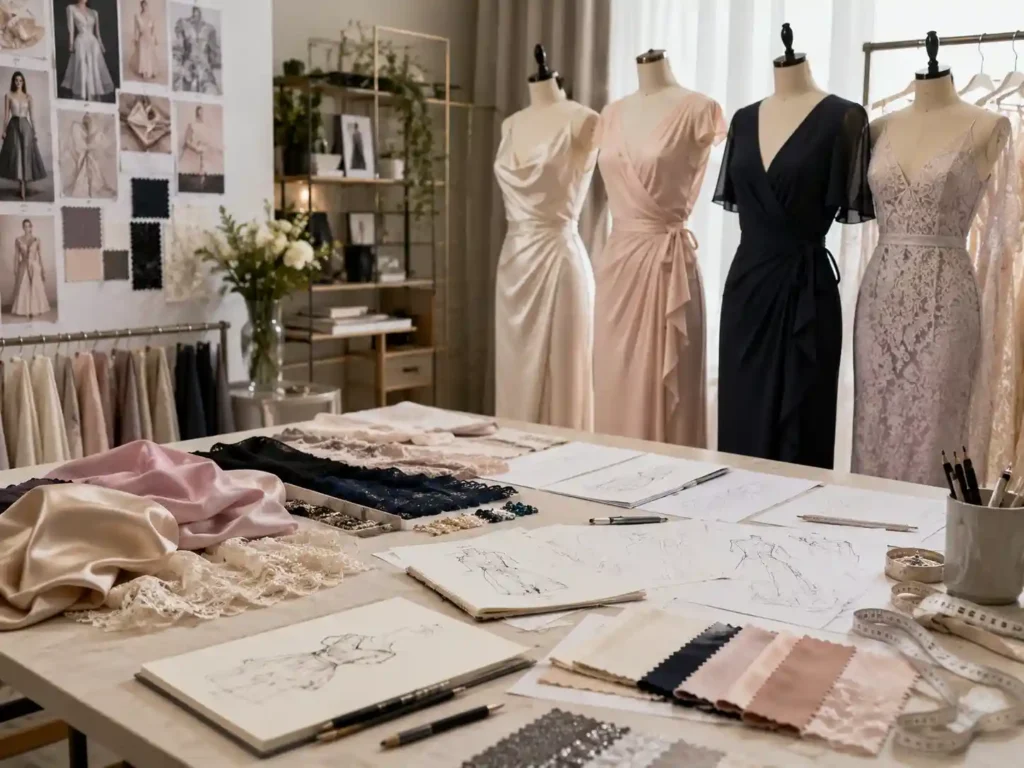
Capsule Collection Dress Manufacturing Case Studies
Capsule collections require a different manufacturing approach from large basic programs. Each style must contribute to one commercial story while maintaining consistent fit, fabric direction, quality standards, and future expansion potential. Jinfeng Apparel supports capsule brands through product planning, coordinated sampling, bulk production, and repeat-order development.

Case Study 1: Seasonal Capsule Collection Launch for a Premium Fashion Brand
A premium womenswear brand planned a seasonal capsule collection built around a focused product story.
The collection needed to balance:
- Strong visual identity
- Limited but meaningful styles
- Commercial sales potential
- Future seasonal expansion
Program scope:
- 16 dress styles
- 32,000 pieces
- 5 core colors
- XS-XL size range
- Private-label packaging
Product categories included:
- Structured mini dresses
- Satin midi dresses
- Lace occasion styles
- Resort maxi dresses
- Matching sets
Collection Challenge
The brand wanted every style to feel connected rather than appearing as separate products.
Main challenges:
Maintaining Collection Identity
Different products required consistency in:
- Color language
- Fabric quality
- Fit proportion
- Hardware details
- Finishing level
Managing Development Priority
Not every style had the same commercial importance.
The brand needed to identify:
Hero Styles
For:
- Campaign images
- Brand recognition
Core Styles
For:
- Main sales volume
- Repeat potential
Supporting Styles
For:
- Collection depth
Jinfeng Solution
Jinfeng organized the capsule through product-role planning.
Style Grouping
Styles were grouped by:
- Fabric family
- Pattern block
- Construction method
- Commercial role
Result
The brand achieved:
- 16 coordinated capsule styles
- Unified collection identity
- Controlled production quality
- Clear future expansion direction
The capsule became a repeatable seasonal launch model.

Case Study 2: Building a Hero Product Into a Complete Dress Assortment
A growing fashion label wanted to transform one successful dress concept into a complete capsule collection.
The original bestseller:
- Satin corset mini dress
The expansion included:
- Midi version
- New seasonal colors
- Lace variation
- Matching skirt
- Coordinated top
Program scope:
- 14 styles
- 26,000 pieces
- 6 color options
Product Challenge
The brand needed growth without losing the original product identity.
Main risks:
Fit Consistency
The original product was successful because of:
- Bust shape
- Waist position
- Silhouette balance
- Fabric behavior
New versions needed to maintain the same customer expectation.
Product Extension Risk
Changes in:
- Length
- Fabric
- Construction
- Decoration
could create a different wearing experience.
Jinfeng Solution
Jinfeng built the expansion from the approved bestseller.
Existing Product Analysis
Reviewed:
- Original pattern
- Size chart
- Fabric specification
- Customer feedback
- QC history
Controlled Extensions
Developed:
- New lengths
- New fabrics
- New colors
- Related silhouettes
Technical Protection
Maintained:
- Bust proportion
- Waist shaping
- Construction details
- Brand finishing standard
Result
The brand successfully expanded:
- One hero product
- Multiple commercial styles
- Seasonal color programs
- Related product categories
The original bestseller became the foundation of a broader collection.
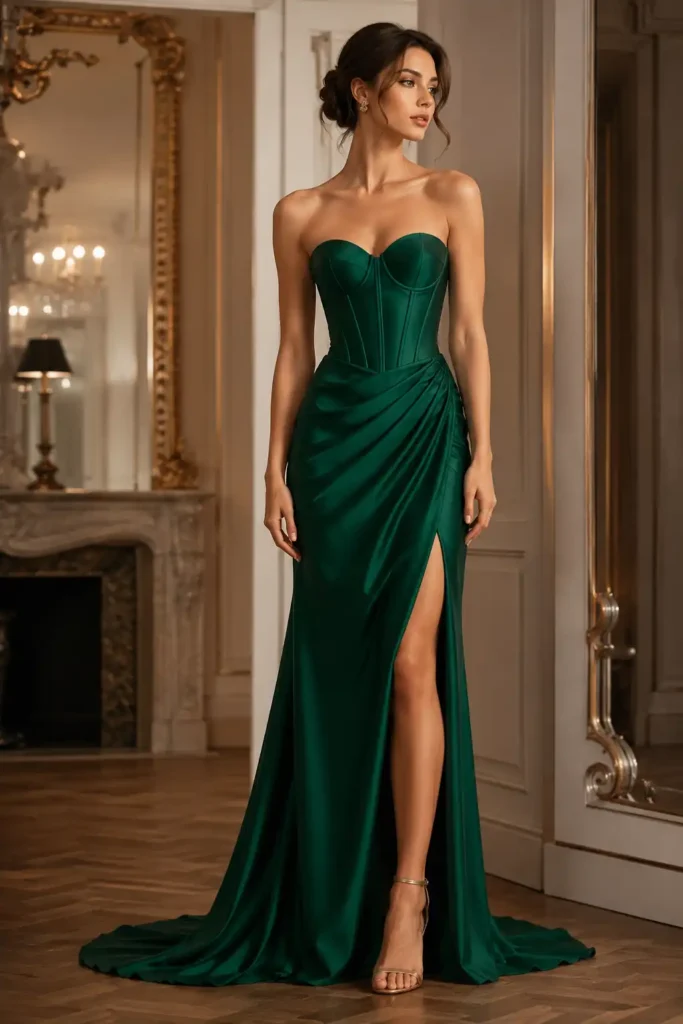
Case Study 3: Limited Edition Capsule Program With Multiple Fabric Stories
A fashion brand wanted to launch a limited seasonal capsule combining different fabric expressions.
The collection included:
- Satin evening dresses
- Mesh party dresses
- Lace styles
- Jersey bodycon dresses
Program scope:
- 20 styles
- 38,000 pieces
- Multiple fabric groups
- Limited seasonal release
Collection Challenge
The brand wanted variety while keeping production manageable.
Main challenges:
Different Fabric Behaviors
Each group required different controls:
Satin
Needed:
- Grain control
- Pressing management
- Surface protection
Mesh & Lace
Needed:
- Transparency control
- Placement accuracy
- Lining management
Stretch Styles
Needed:
- Recovery
- Size stability
- Seam control
Limited Launch Window
The collection required:
- Fast sampling
- Coordinated photography
- Bulk readiness
- Seasonal delivery
Jinfeng Solution
Jinfeng created a fabric-based production system.
Material Grouping
Separated:
- Fluid woven group
- Stretch group
- Decorative fabric group
Factory Allocation
Assigned production according to:
- Fabric behavior
- Construction difficulty
- Workmanship requirements
Result
The brand achieved:
- 20-style capsule launch
- Multiple fabric categories managed together
- Consistent quality across products
- Controlled seasonal delivery
The program created a repeatable framework for future limited collections.
Protect Designs and Prepare the Collection for Reorders
NDA and Design Protection
Repeat-Ready Production Records
Long-term cooperation relies on records, not memory. Jinfeng can retain patterns, size charts, measurement histories, BOMs, fabric references, color approvals, trim cards, sewing instructions, label placements, packing methods, carton requirements, QC findings, and golden samples. Records support replenishment, new colors, fabric changes, multi-batch production, and seasonal extensions. A repeat order still requires current confirmation of material availability, shade, supplier conditions, quantity, packaging, and production schedule. Historical records shorten preparation and improve consistency, while current approvals protect the new batch from changes in fabric, trims, or commercial requirements.
Capsule Collection Manufacturing Frequently Asked Questions

Send Your Capsule Collection for Project Review
Share the information already available, whether it is a completed line sheet, full tech packs, original samples, reference images, a size chart, or an early collection plan.
Kelly and the Jinfeng team will review the assortment structure, fabric direction, pattern requirements, sampling priorities, quantity by style and color, private-label needs, target delivery, and production risks before recommending the next step.
For a more useful review, include:
- Company and market information
- Number of styles and product categories
- Quantity per style and color
- Tech packs, line sheet, or reference images
- Fabric, color, and trim direction
- Size range and size ratio
- Photo-sample or salesman-sample needs
- Target launch and warehouse dates
- Labels, barcodes, packaging, and carton requirements
- Testing, inspection, freight, or destination requirements