
Dress Manufacturer for Brands Needing Private Label Delivery
Custom dress development, controlled bulk production and brand-ready delivery for established fashion labels.
Jinfeng Apparel turns approved dress designs into labeled, packed, inspected and shipment-ready merchandise. Product development, pattern work, sampling, fabric and trim sourcing, bulk production, private-label finishing, carton control and export coordination remain connected under one project plan, so brand requirements are handled before packing begins rather than added at the end.
- 6 owned factories + 10+ long-term partners: production can be allocated by fabric group, construction level and delivery priority.
- 100,000+ pcs regular monthly capacity: built for multi-style dress programs and repeat-order planning rather than one isolated style.
- 15+ QC inspectors + 30+ finishing workers: garment appearance, labels, barcodes, folding, polybags, ratios and carton marks are checked before release.
- 2 sample rooms + 7+ pattern makers + 20+ sample machinists: fit, construction and private-label placement can be confirmed before bulk production.
Private Label Capacity Behind Every Delivery
Since 2008
Six Owned Factories
100,000+ Monthly Capacity
Two Sample Rooms
Fifteen QC Inspectors
Thirty Packing Workers
Built for Brand-Level Dress Programs
Product and Design Teams
Fashion directors, product developers and technical teams need more than a sewing quotation.
They need fabric direction, pattern correction, sample review, fit comments translated into measurable changes, and an approved standard that can be reproduced across colors and sizes. Jinfeng Apparel can begin from a tech pack, original sample, sketch, line sheet or clear reference images, then build the development route around product risk and launch priorities.
- Development focus: silhouette, fit, construction, material and styling details.
- Approval focus: final pattern, size chart, trims, label placement and PP sample.
- Output focus: a dress specification ready for controlled bulk production.
Sourcing and Operations Teams
- Commercial focus: MOQ, cost drivers, material commitments and production allocation.
- Control focus: revision records, packing matrix, carton data and inspection release.
- Delivery focus: client-appointed forwarder, export documents and multi-batch planning.
Where Private Label Delivery Breaks Down
Wrong Label Version
Barcode Mismatch
Ratio Packing Errors
Late Packaging Decisions
Sample-Bulk Drift
Shipment File Gaps
Every Component Behind Brand-Ready Delivery

Main Brand Label

Care Label

Size Label

Hangtag System
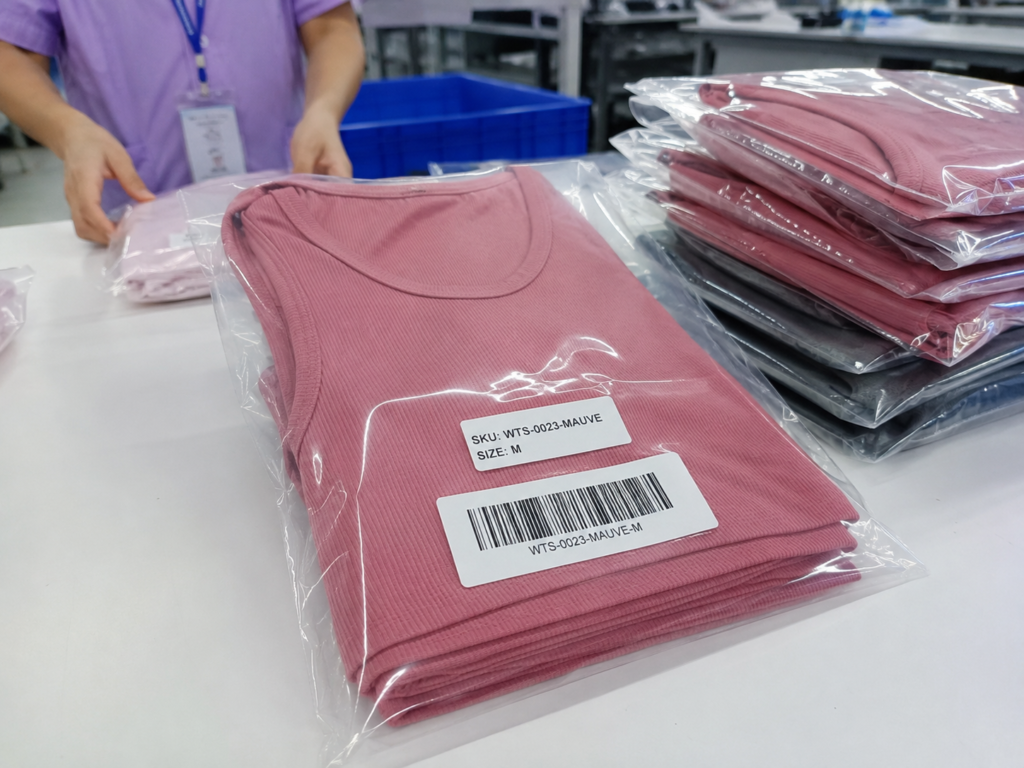
Barcode and SKU

Individual Packaging
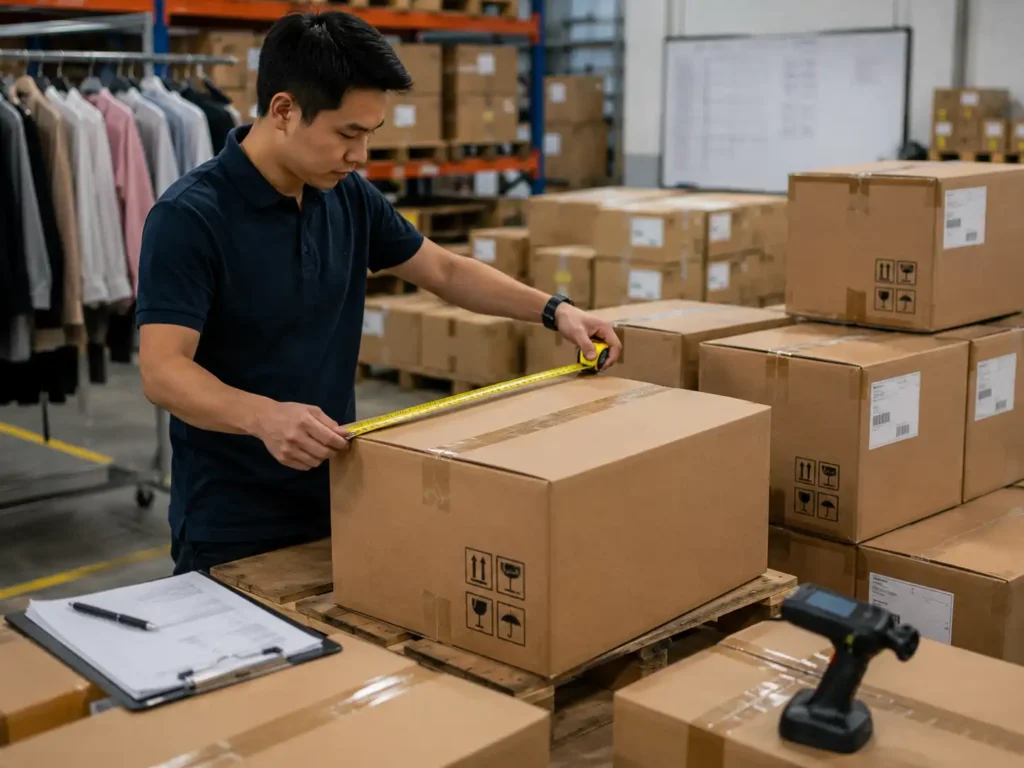
Ratio and Cartons

Shipment Documents
Dress Categories Managed by Product Risk
Private-label execution changes with fabric and construction. Jinfeng Apparel groups dresses by fit, material behavior, finish and packing sensitivity, allowing development and QC standards to match the actual product rather than relying on one generic checklist.

Party and Club Dresses
- Control points: bust-waist-hip ratio, recovery, seam strength, cut-out stability.
- Packing points: folding direction, surface protection, correct color and size stickers.

Occasion and Cocktail
- Control points: silhouette, lining coverage, hem level, trim symmetry.
- Packing points: pressing standard, tissue or protection by project, carton fill.

Bodycon and Corset
- Control points: cup, boning, underbust, waist, hip and closure.
- Packing points: avoid crushing cups or bending structured sections.

Satin Lace and Mesh
- Control points: shade, shine, snags, placement, transparency and lining.
- Packing points: smooth folds, no sharp trims, surface separation when required.

Mini Midi and Maxi
- Control points: HPS length, waist position, slit height and hem level.
- Packing points: fold count, polybag size, carton dimensions and pressing review.

Resort and Seasonal
- Control points: print, color, shrinkage, lining and travel-friendly finishing.
- Delivery points: launch priority, split shipment and warehouse-ready packing.
Choose the Right Development Route
OEM Development
ODM Support
Private Label Delivery
Project Files Needed for Accurate Review
Tech Pack or Sample
Quantity by Color
Fabric Direction
Color and Size Plan
Brand and Packing Files
Launch and Delivery
Dress Development Before Label Production
Brand-ready delivery starts with a dress that fits, performs and can be reproduced. Pattern, structure and production feasibility are reviewed before labels and packaging are committed, preventing branded materials from being attached to an unstable product.
Structure and Feasibility Review
Development begins by separating visual design from production requirements. A reference image may show a clean silhouette while hiding lining, opening, seam, support and stretch decisions. Jinfeng Apparel reviews neckline depth, shoulder or strap support, bust shaping, waist position, hip ease, slit height, closure method, lining coverage and expected movement. Fabric width, direction, stretch and surface sensitivity are considered at the same stage because they change cutting, sewing, pressing and packing behavior. A satin corset dress, for example, may require cup, boning and zipper validation; a stretch mesh dress may need recovery and lining tests; a maxi dress may need hem control and carton-space planning. Technical questions are recorded before the first sample so product risk becomes visible early rather than appearing during bulk production.
- Silhouette review: how the intended shape is created and supported.
- Construction review: seams, lining, closures, internal support and finishing sequence.
- Material review: weight, stretch, recovery, drape, transparency, shine and snagging risk.
- Production review: whether details can be repeated across sizes, colors and quantities.
Pattern and Fit Development
Seven or more senior pattern makers support fit development for custom womenswear. Critical measurements are selected according to style rather than copied from a generic dress chart. Bodycon styles require close control of bust, waist, hip and recovery; corset styles require cup, underbust and waist relationships; strapless styles need top-edge stability; jumpsuits add rise and crotch length; maxi dresses add total length and hem balance. Fit comments from measurements, photographs or a physical fitting are translated into pattern changes and updated measurement files. Changes are recorded before a revised sample is made, and grade rules are reviewed before production sizes are released. The goal is not simply to match one sample size, but to maintain the intended proportion across the commercial size range used by the brand.
- Base-size control: measure the sample against the approved chart and tolerance.
- Fit correction: convert comments into exact pattern and measurement changes.
- Grading control: review how bust, waist, hip, length and opening dimensions grow.
- Production control: lock final pattern, grade rule, size chart and QC measurements.
Production-Ready Correction
Approved appearance must be converted into a package that sewing and QC teams can follow. Final correction includes pattern, measurements, construction notes, trim details, seam and stitch requirements, label placement, pressing expectations and packing instructions.
Late changes are evaluated for material, cost and schedule impact before acceptance. A new fabric weight may require pattern adjustment; a different lining may change seam bulk; a revised label position may affect visible stitching; a larger polybag may change carton measurements and freight volume. PP approval becomes the final checkpoint for product and brand details before bulk cutting.
When a brand needs photo or salesman samples ahead of the main order, sample priorities can be separated without allowing marketing samples to replace the production approval standard.

Fabrics, Trims and Brand Components Aligned
Material, structure and private-label components affect one another. A fabric change can alter fit, care instructions, label content, pressing, packaging and lead time, so approvals are managed as one connected product system.
Fabric Selection by Performance
Fabric is evaluated through measurable and visible properties: composition, weight, width, stretch, recovery, drape, transparency, shine, shrinkage, wrinkle behavior and shade risk. Satin needs surface and pressing control; mesh needs recovery and transparency decisions; lace needs placement and edge stability; jersey needs stretch and shrinkage review; sequin fabric needs direction and surface protection. A lower-cost substitute is only useful when it preserves the silhouette, hand feel and production stability expected by the brand. When material changes after a sample, Jinfeng Apparel re-confirms the fabric and reviews whether pattern, lining, care-label content, costing or delivery planning must also change.
Lining and Internal Support
Lining, fusible, bra cups, boning, underwire, tapes and elastic create much of the structure hidden from the finished photograph. Lining color affects opacity and visual depth; lining stretch must suit the shell; cup and boning placement affect fit across sizes; stabilizing tapes protect necklines and openings. Internal components are listed in the approved material record so bulk production does not substitute a visually similar but functionally different item.
For structured dresses, packing is also reviewed to prevent cups, boning or raised trims from being crushed during storage and freight.
Closures and Decorative Trims
Invisible zippers, metal zippers, buttons, snaps, hooks, strap sliders, lace trims, rhinestones, bead chains and sequin details influence wearability and sewing sequence. Color, finish, size and attachment method are approved before bulk purchasing.
Zippers are checked for smooth operation and seam distortion; metal parts are reviewed for finish consistency; decorative trims are tested for placement and attachment security according to product needs. Trim supplier MOQ and lead time can affect the entire program, especially when one collection contains many styles but only small quantities of a specialized component.
Labels and Packaging Materials
Brand labels and packaging are sourced and approved with the same discipline as garment materials. Woven label weave, satin label softness, print clarity, heat-transfer adhesion, hangtag board, string color, barcode stock, polybag thickness, warning print, stickers, tissue, dust bags and cartons all influence appearance and handling. Packaging materials may have separate minimums, print setup and production time. Artwork, dimensions, color references and physical samples are reviewed before the main order whenever risk or volume justifies pre-production approval. Certification or sustainability claims for fabric or packaging are confirmed by supplier, batch, color, MOQ and current document scope rather than assumed across every option.
Samples That Lock Product and Branding

First Sample

Fit Sample

Revised Sample

Photo-Ready Sample

PP Sample

Golden Sample
Bulk Production Built Around Approved Standards
Bulk control relies on approved files, material readiness and clear ownership at every stage. Jinfeng Apparel groups multi-style programs by fabric, complexity, trim and launch priority so production decisions remain manageable across factories and lines.
Production File and Material Release
Bulk cutting begins only after the production package is aligned. The package normally includes final pattern, size chart, grade rule, approved fabric and color, bill of materials, construction notes, label artwork, label positions, packing manual, barcode list, carton marks and PP approval. Fabric and trims are checked against approved references before release. Any shortage, shade issue, print variation or trim change is raised before the affected style advances. A standard production window is often around 25-40 working days after PP approval and all bulk materials are ready, while complex workmanship, large style counts, custom materials, peak season or elaborate packaging can extend the plan. The confirmed calendar separates cutting, sewing, finishing, packing, inspection and shipment preparation rather than treating all days as sewing time.
Multi-Style Allocation and Progress
Established private-label programs commonly contain 10-30 styles, several fabric groups and different launch priorities.
Jinfeng Apparel can group styles by fabric availability, construction difficulty, shared trims, color families and required delivery sequence. Key styles may enter sampling or production first when campaign dates or launch windows demand priority. Progress updates can cover material arrival, cutting, sewing, in-line QC, finishing, packing, carton marking and shipment preparation for key or complex projects.
Grouping prevents one delayed trim or difficult style from hiding the status of the rest of the collection and supports clearer decisions around partial release or split shipment.
Approved Standard on the Line
Production teams use final patterns, workmanship instructions, PP sample and Golden sample as reference points. In-line QC checks measurements, seam quality, symmetry, fit-sensitive areas and product-specific risks before all pieces are completed. Finishing teams receive label, hangtag, folding, barcode and packing instructions linked to each SKU. When a production concern appears, the affected style or operation is isolated and reviewed rather than allowing an informal adjustment to spread across the order. The objective is repeatable execution: each color and size should represent the approved product and enter the correct private-label delivery flow.
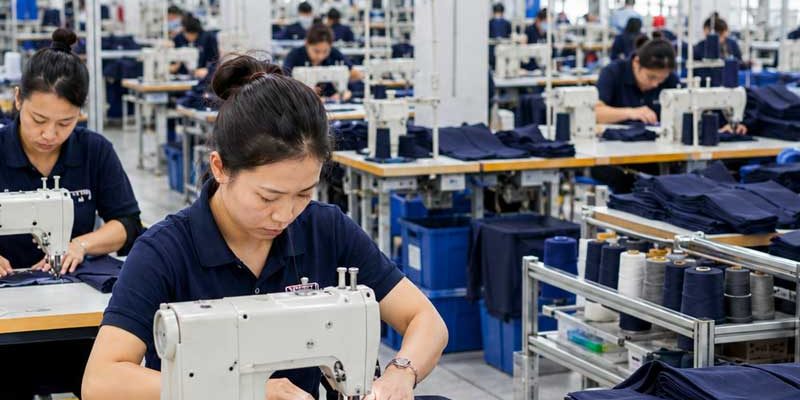
Private Label Control Matrix
A controlled packing release connects every physical component with its approved file and inspection point. The matrix below can be adapted to the brand packing manual and SKU structure before bulk finishing begins.
| Item | Approval Data | Control Reference | Release Check |
|---|---|---|---|
| Main label | Artwork, size, fold, color and placement | Label approval + PP sample | Correct version, direction and sewing position |
| Care label | Fiber content, care, origin and language | Final text + label artwork | Content, print clarity and placement |
| Size label | Commercial size system and position | Size chart + SKU list | Garment size matches label and barcode |
| Hangtag | Artwork, string, seal and attachment point | Hangtag sample + packing manual | Version, attachment and presentation |
| Barcode | Style, color, size, price and destination | Approved barcode list | Scan result and SKU match |
| Polybag | Dimensions, warning print and closure | Packaging approval | Bag size, print and correct garment |
| Folding | Brand presentation and garment protection | Packing manual + PP pack | Fold direction, pressing and visibility |
| Packing ratio | Units by style, color, size or PO | Quantity breakdown | Physical count matches matrix |
| Carton mark | PO, destination, carton number and SKU | Approved shipping mark | Mark matches packing list and contents |
| Shipment file | Cartons, quantities, weights and dimensions | Packing list + invoice | Documents agree with packed goods |
QC Before Orders Leave the Factory

Incoming Materials

Cutting Control

In-Line Sewing

Measurement Review
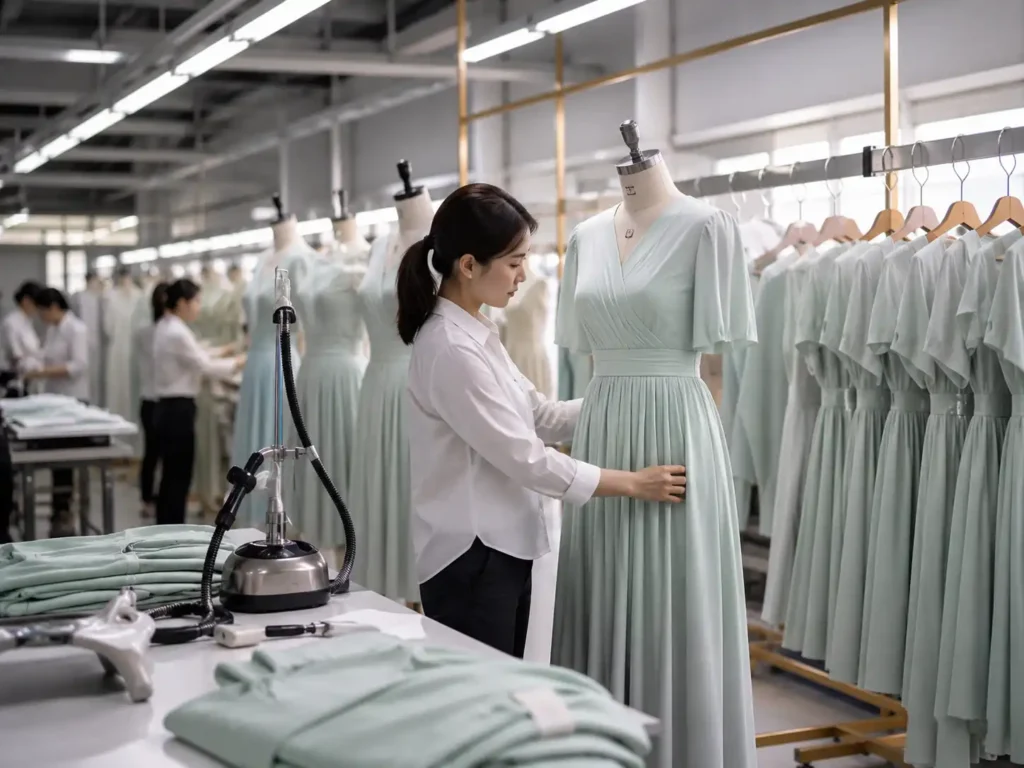
Garment Appearance
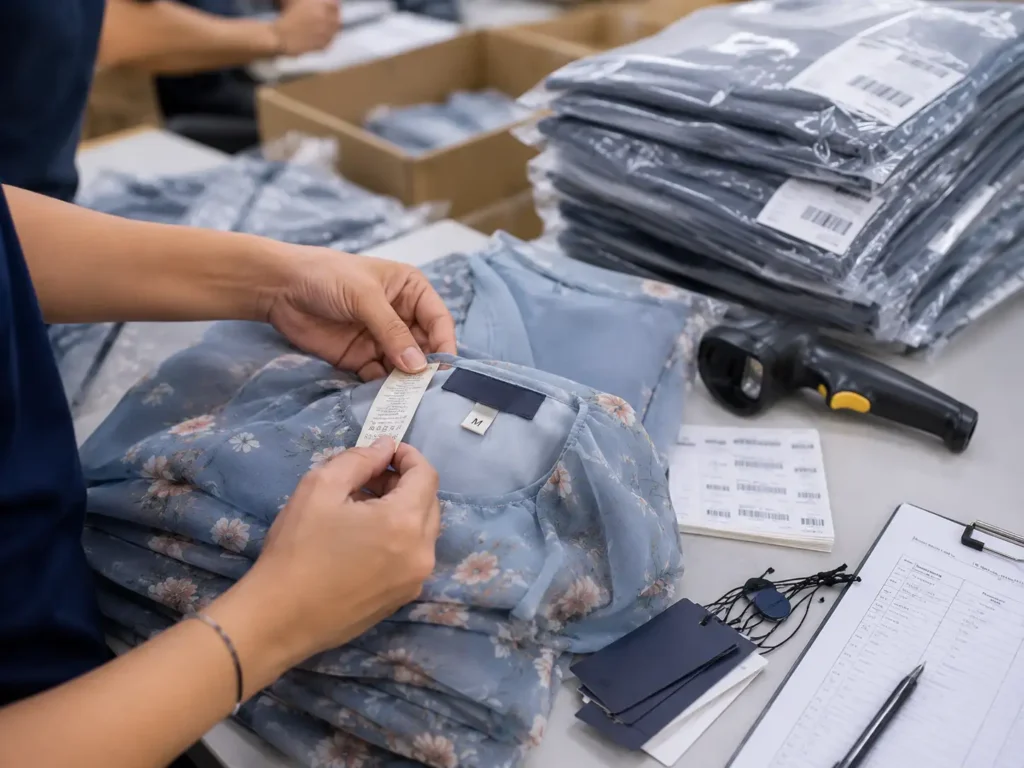
Label and Barcode
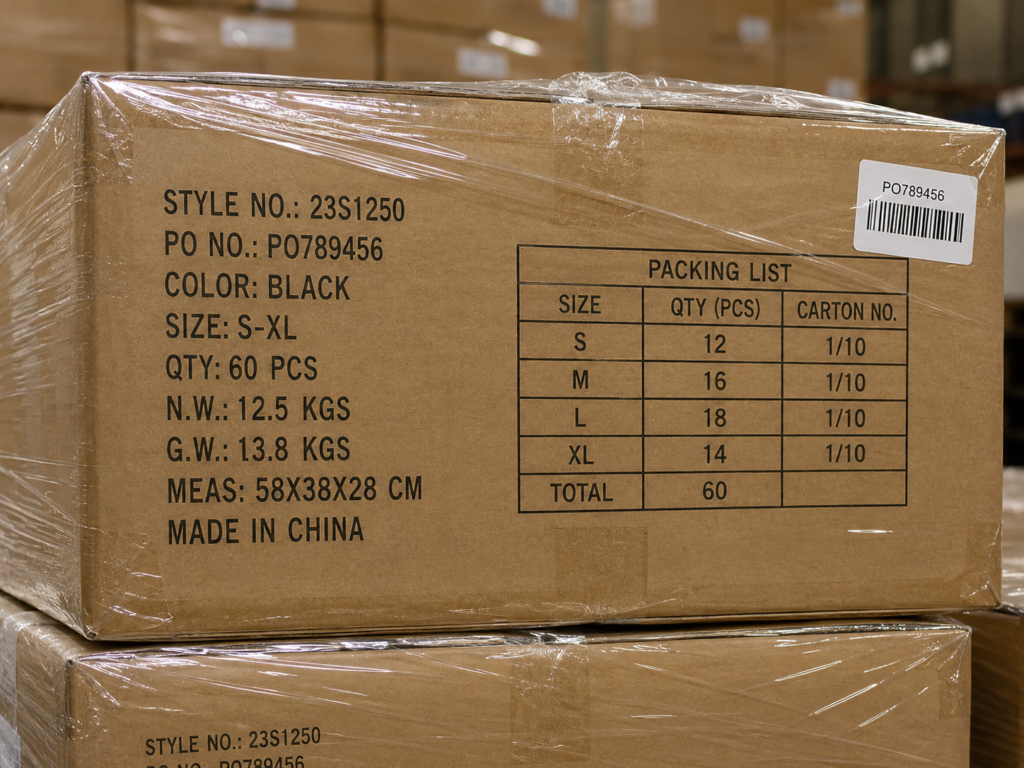
Packing and Cartons

Pre-Shipment Release
Delivery Coordination Beyond the Factory Door
Sample Courier
Air Freight
Sea Freight
Split Shipment
Nominated Forwarder
Trade and Documents
MOQ and Cost Planning for Private Label Dresses
MOQ starts from 200 pieces per style/color. Final feasibility and pricing depend on the dress, material, private-label components, SKU structure, inspection scope and delivery plan rather than garment sewing alone.
| Cost Area | Main Variables | Commercial Effect |
|---|---|---|
| Fabric | Stock availability, width, weight, stretch, custom color or print | Changes unit cost, material MOQ, yield and lead time |
| Construction | Lining, layers, ruching, corset structure, drape and finishing | Changes sewing minutes, pattern work and QC intensity |
| Trims | Zippers, cups, boning, lace, hardware, rhinestones or beadwork | May add supplier MOQ, tooling, testing and attachment labor |
| Labels | Woven, satin, printed, heat transfer, size and care labels | Artwork, material and quantity affect setup and per-unit cost |
| Packaging | Hangtags, polybags, tissue, dust bags, stickers and cartons | Adds component cost, packing labor, volume and separate MOQ |
| SKU Count | Number of styles, colors, sizes, channels and destinations | Adds handling, label versions, barcode control and packing complexity |
| Quality | Testing, AQL level, third-party inspection and measurement scope | Adds inspection preparation, testing fees and corrective time |
| Delivery | Air, sea, split shipment, trade terms and warehouse rules | Changes freight, documents, carton planning and required completion date |
Brand Files and Unreleased Designs Stay Protected
Design Protection
Label Data Protection
Packing File Protection
A 46,800-Piece Private Label Dress Program
An anonymized U.S. occasionwear and premium ecommerce program shows how product development, SKU control, private-label finishing and delivery planning can be connected across a multi-style order. Figures reflect a realistic project structure rather than a named client claim.

Program Scope
The program covered 18 dress styles and 46,800 finished garments across three principal material groups: satin and stretch satin, lined mesh, and stretch jersey or ponte. Each style averaged three colors and six commercial sizes, creating 54 style-color combinations and 324 SKU lines. Products included corset minis, ruched bodycon dresses, lined mesh midis, satin occasion dresses and selected maxi styles. The brand supplied tech packs for core products, reference samples for several carryover silhouettes, a label manual, care-label content, barcode data and two packing formats for separate sales channels. Delivery was planned in two windows so campaign and priority stock could move before the remaining bulk quantity.

Development and Approval
Styles were grouped by fabric and construction rather than handled as eighteen unrelated samples. Corset and satin styles entered pattern review first because cups, boning, zipper behavior, shine and pressing created the highest production risk. Mesh products followed a separate lining and transparency review, while jersey and ponte styles used stretch and recovery tests to guide fit. A sample tracker recorded first sample, revision, photo-ready status and PP approval for every style. Label positions, hangtag attachment, polybag size and barcode placement were added to PP review, allowing branding and packing decisions to be corrected before bulk finishing. Key campaign styles received priority without allowing photo samples to replace the production approval standard.

Bulk and Private Label Control
Bulk production was allocated by material group, construction difficulty and delivery priority. Final patterns, size charts, bills of materials, sewing notes and Golden samples supported line setup and QC. The private-label matrix linked each of the 324 SKU lines to size labels, barcode records, color stickers, folding instructions and carton data. Care labels differed by fiber composition, so label versions were controlled by style group rather than treated as one universal item. Packing teams checked garment, size, color, hangtag and barcode before individual bagging. Cartons were organized by the approved ratio and marked for the correct delivery window and receiving instruction.

Delivery Outcome
Priority campaign and launch quantities were separated from the main shipment, with independent packing lists, carton marks and freight files. Remaining bulk goods followed the planned cost-controlled route after completion of packing inspection and pre-shipment release. Pattern, fabric, trim, label, barcode and packing records were archived for repeat-order evaluation. The main operational gain came from controlling private-label information before bulk finishing: fewer last-stage decisions, clearer warehouse identification and a repeatable base for new colors or replenishment. No sales, defect or delivery percentage is claimed because final commercial results depend on information outside factory control.
Repeat Orders Without Rebuilding Every Detail
Final Pattern Record
Measurement Record
Fabric and Color
Trim and Label
Packing Standard
QC and Golden Sample
Frequently Asked Questions About Private Label Delivery

Start Your Private Label Dress Program
Send the available product and delivery files to Kelly for an initial review. A useful project brief allows the team to evaluate dress construction, fabric direction, sample route, MOQ, label and packaging components, production planning, QC scope and delivery requirements together. Early information does not need to be perfect, but quantities, brand standards and required timing should be clear enough to identify the next decision. A structured review is more reliable than quoting from one image without understanding the finished delivery format.
- Tech pack, line sheet, original sample or reference images
- Style list and quantity per style/color
- Fabric preference, target hand feel or physical swatch
- Color plan, commercial size range and size ratio
- Main label, care label, size label and hangtag artwork
- Barcode list, SKU rules and packaging manual
- Target warehouse date, destination and forwarder details


