
Dress Manufacturer for Brand Packaging Teams
Custom dress development, bulk production and SKU-controlled private-label packing for global fashion brands with structured packaging standards.
Jinfeng Apparel connects garment manufacturing with approved brand packaging files, allowing packaging, product and operations teams to manage labels, barcodes, individual packing and carton identification through one coordinated production program. The scope covers dresses from pattern and fabric development through PP approval, bulk production, packing QC and export preparation.
- 30+ finishing and packing workers support tagging, folding, barcode application, individual packing and carton preparation.
- 15+ QC inspectors review garment quality, label accuracy, SKU matching, packing ratios and carton-level information.
- 6 owned women’s fashion factories and 10+ long-term production partners support multi-style seasonal programs.
- MOQ starts from 200 pcs per style/color; custom label and packaging material MOQ is confirmed by specification.
Manufacturing Capacity Behind Packaging-Ready Dress Programs
Since 2008
Six Owned Factories
100,000+ Monthly Capacity
Twelve Merchandisers
Fifteen QC Inspectors
Thirty Packing Specialists
Built for Structured Brand Packaging Programs
Packaging-Led Development
Brand packaging teams often need manufacturing input before artwork is released. Label dimensions affect neckline comfort, care-label placement affects visibility, polybag size depends on garment volume, and barcode position affects warehouse scanning. Early review allows material, placement and cost decisions to be resolved before bulk labels or packaging are ordered.
- Approved label and hangtag files
- SKU and barcode mapping
- Retail, ecommerce or wholesale packing rules
- Warehouse receiving requirements
Multi-Style Collection Control
- Style-level production file
- Color-size assortment plan
- Packaging version register
- Shipment and carton map

Packaging Errors That Disrupt Dress Deliveries
Artwork Version Drift
SKU Barcode Mismatch
Channel Packing Mix-Ups
Garment Surface Damage
Incorrect Size Ratios
Late Packaging Approval
Dresses Developed for Branded Packaging Programs

Mini Bodycon Dresses

Midi Cocktail Dresses

Maxi Resort Dresses

Satin Slip Dresses

Mesh Cut-Out Dresses

Lace Occasion Dresses

Sequin Party Dresses

Corset Strapless Dresses
One Packaging System from Garment to Carton

Brand Labels

Care Size Labels

Hangtags Price Tickets
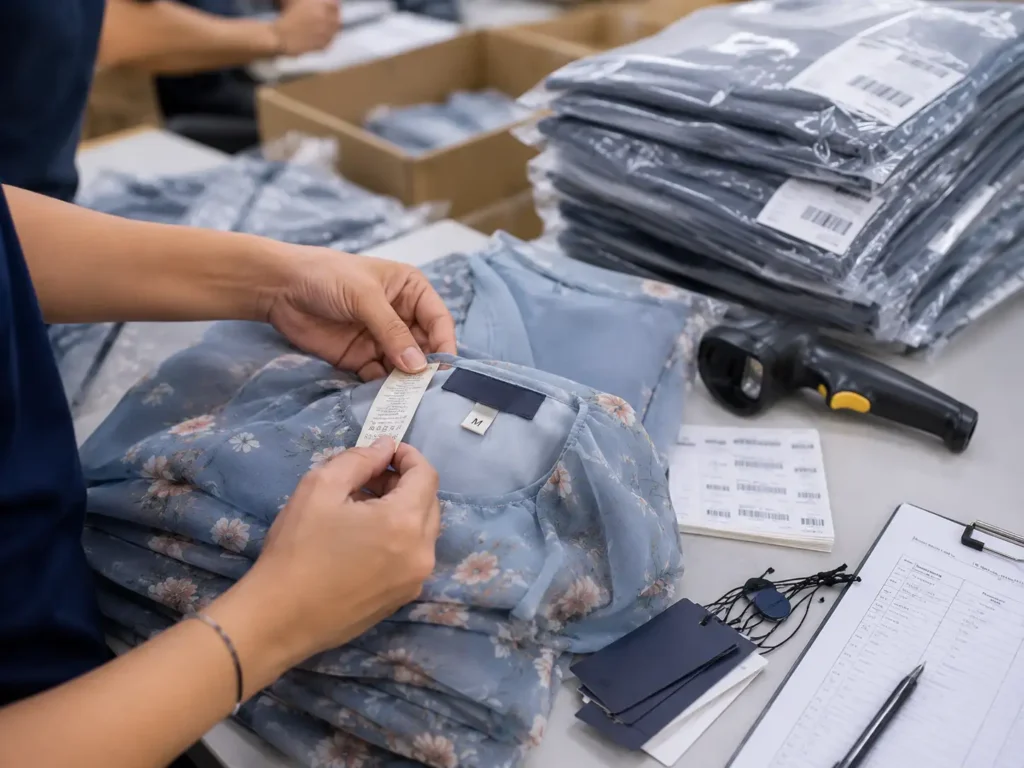
SKU Barcode Labels
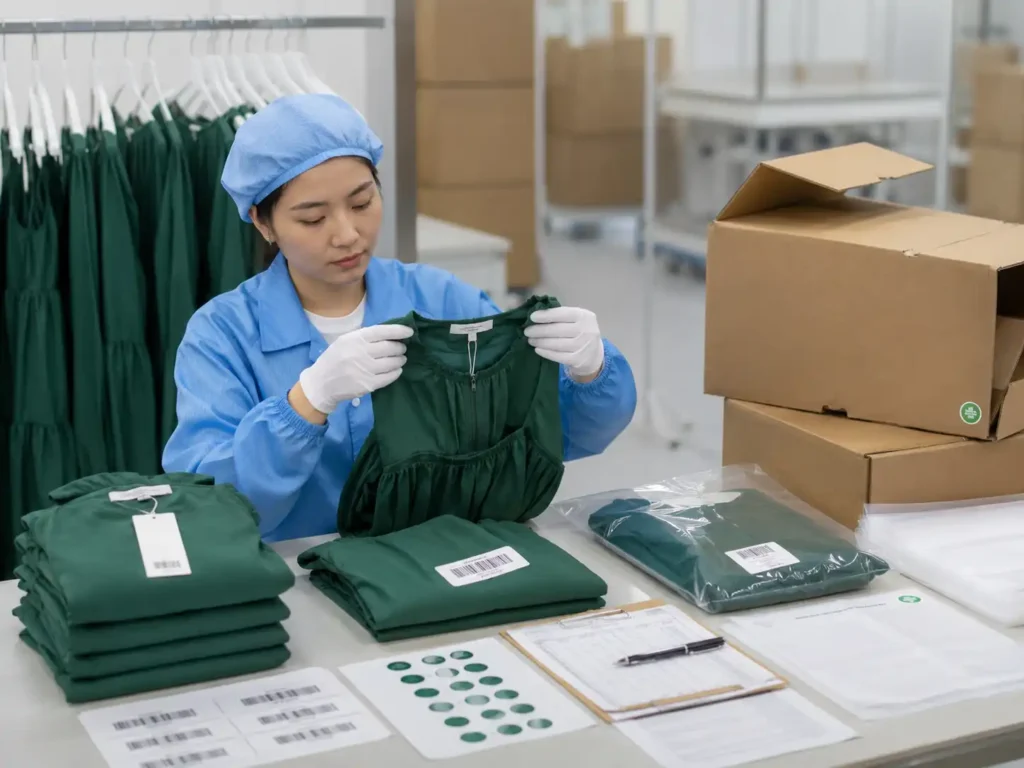
Individual Garment Packing
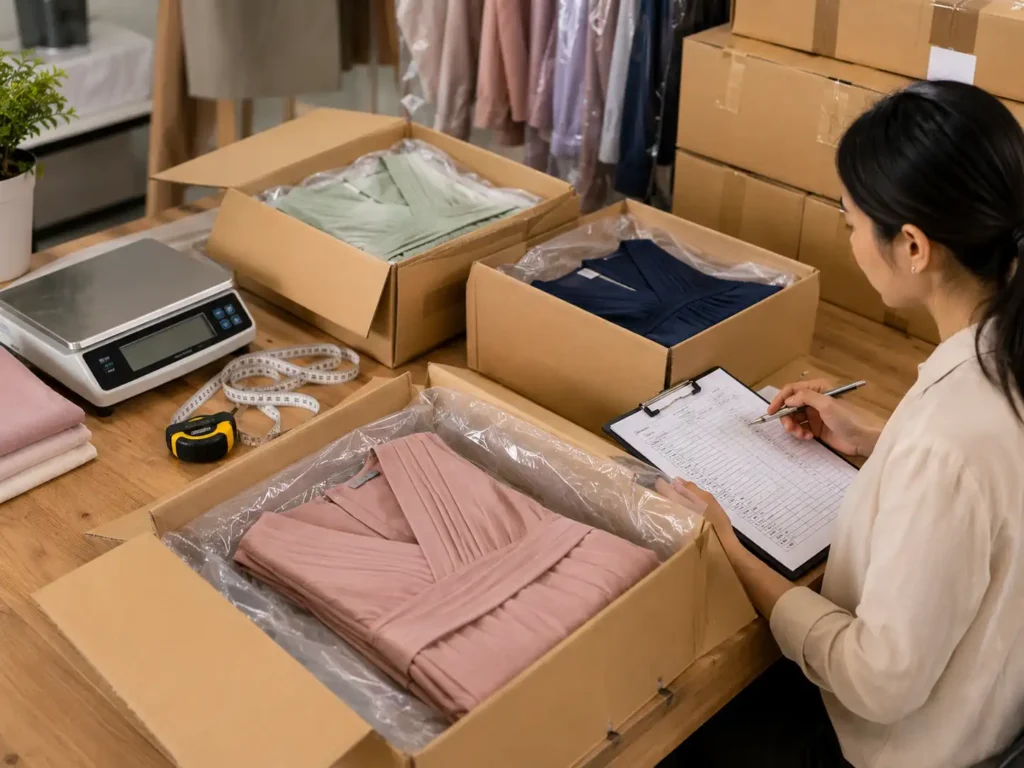
Carton Warehouse Data
Files Your Packaging Team Should Prepare
Brand Logo Files
Label Artwork
Care Label Content
Size System
Hangtag Artwork
Barcode SKU List
Packing Instructions
Warehouse Carton Guide
Label and Packaging Artwork Review Before Bulk

Version Register
- Current revision only
- Superseded files isolated
- Change impact recorded

Material and Dimensions
- Material suitability
- Finished size
- Color and finish
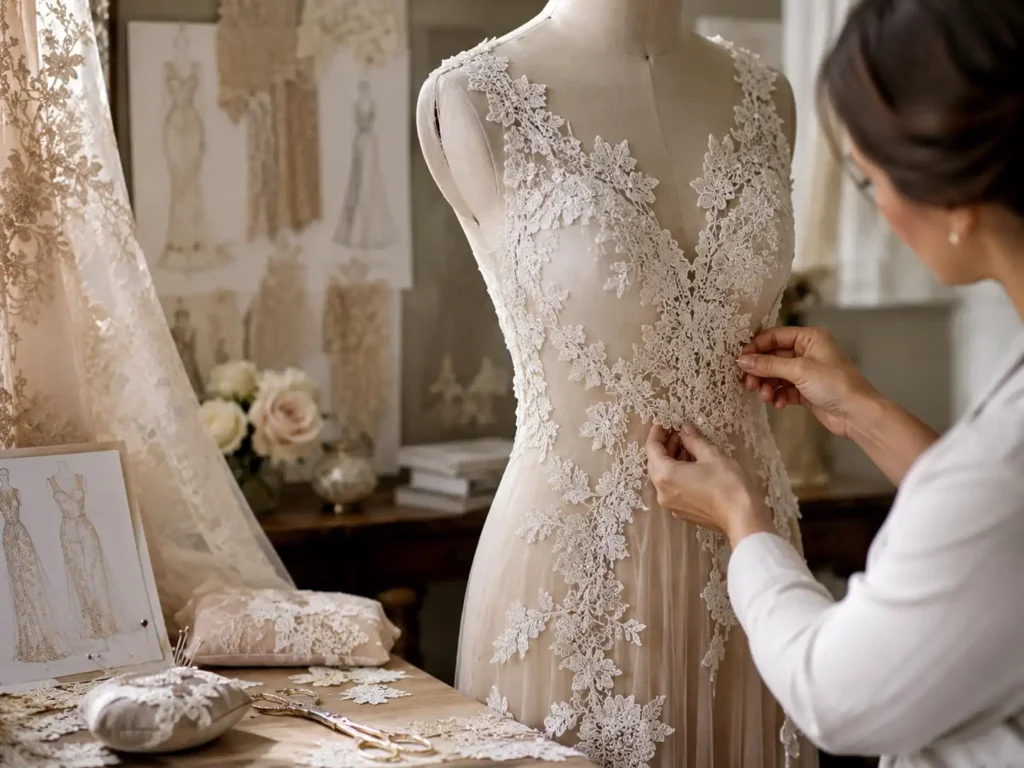
Placement and Attachment
- Garment-safe attachment
- Visible scanning area
- Consistent placement

Approval and Release
- Artwork approval
- Physical sample when needed
- Bulk release record
SKU and Barcode Control Across Every Variation
Large dress programs can contain hundreds of style-color-size combinations. Reliable packing requires one data chain from approved product files to the individual garment and outer carton. Jinfeng Apparel uses the brand-provided SKU source as the reference, then checks printing, application, packing and carton documentation against the same structure.
| Control Field | Brand Source | Garment-Level Check | Carton / Document Link | Risk Reduced |
|---|---|---|---|---|
| Style number | Line sheet or PO | Style label and hangtag match garment | Packing list and carton mark | Wrong style packed |
| Color code | Approved color list | Color sticker and SKU record match | Color breakdown by carton | Similar colors mixed |
| Size | Size chart and size range | Size label and sticker match measured garment | Size ratio and carton quantity | Incorrect size allocation |
| SKU | Master SKU spreadsheet | SKU label applied to correct variation | Warehouse and packing-list reference | Inventory misidentification |
| Barcode | UPC, EAN or brand code file | Printed code scans and maps to SKU | Retail or ecommerce receiving file | Scan failure or wrong item |
| Packaging version | Channel packing matrix | Correct tag, insert, sticker and polybag | Channel-coded carton plan | Retail and ecommerce packs mixed |
| PO / destination | Purchase order and routing guide | Order-specific labels where required | PO, warehouse and carton label | Shipment routed incorrectly |
| Carton number | Approved carton map | Units counted before sealing | Packing list, carton mark and shipment photo | Carton shortage or duplication |
Packaging Options for Different Brand Requirements

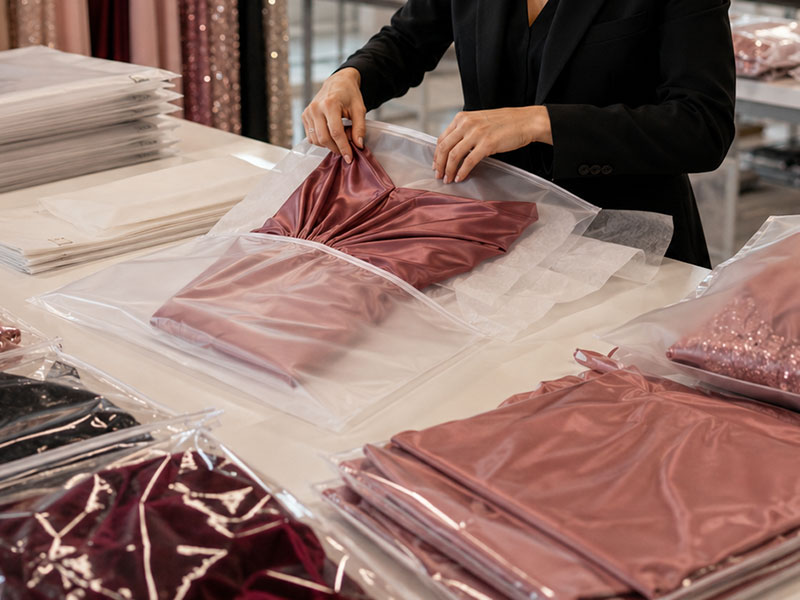
Clean Standard Pack
- Clear individual polybag
- Visible size or SKU label
- Export carton identification
Printed Polybag
- Brand or instruction print
- Custom dimensions
- Separate material MOQ

Tissue and Sticker
- Branded tissue
- Seal or identity sticker
- Low-volume presentation layer

Garment Dust Bag
- Occasionwear protection
- Reusable brand touchpoint
- Higher carton volume
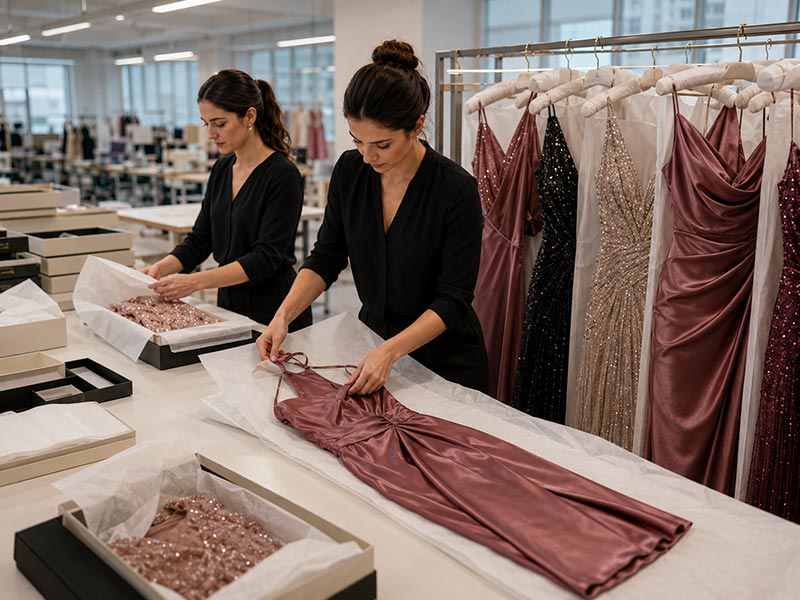
Hanger Garment Bag
- Shape retention
- Reduced deep folds
- Freight-volume review

Presentation Box
- Premium brand experience
- Custom insert or tissue
- Higher MOQ and freight impact
Packaging Protection for Delicate Dress Materials
Material behavior continues after sewing. Pressing temperature, cooling time, tag position, fold pressure, bag size and carton loading can change the appearance of a finished dress. Product-specific packing instructions protect approved sample quality through warehouse receipt.

Satin Surface Control
- Cool before folding
- Protect visible surfaces
- Limit carton compression
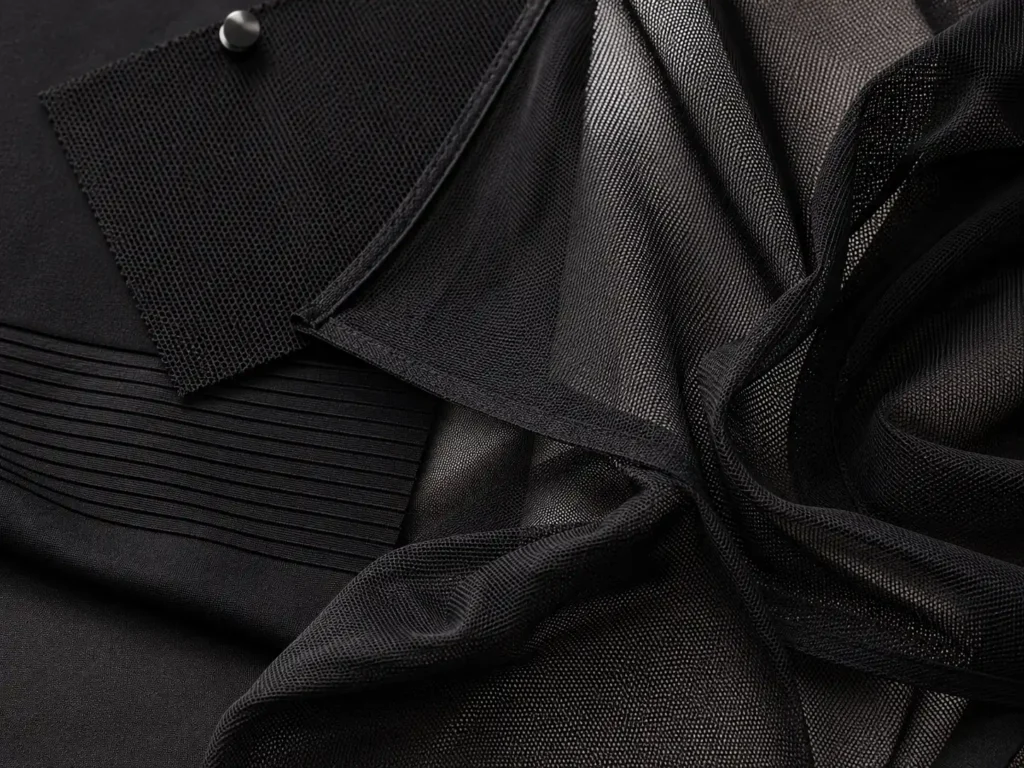
Mesh Shape Protection
- Stable tag attachment
- Flat lining placement
- No forced stretching
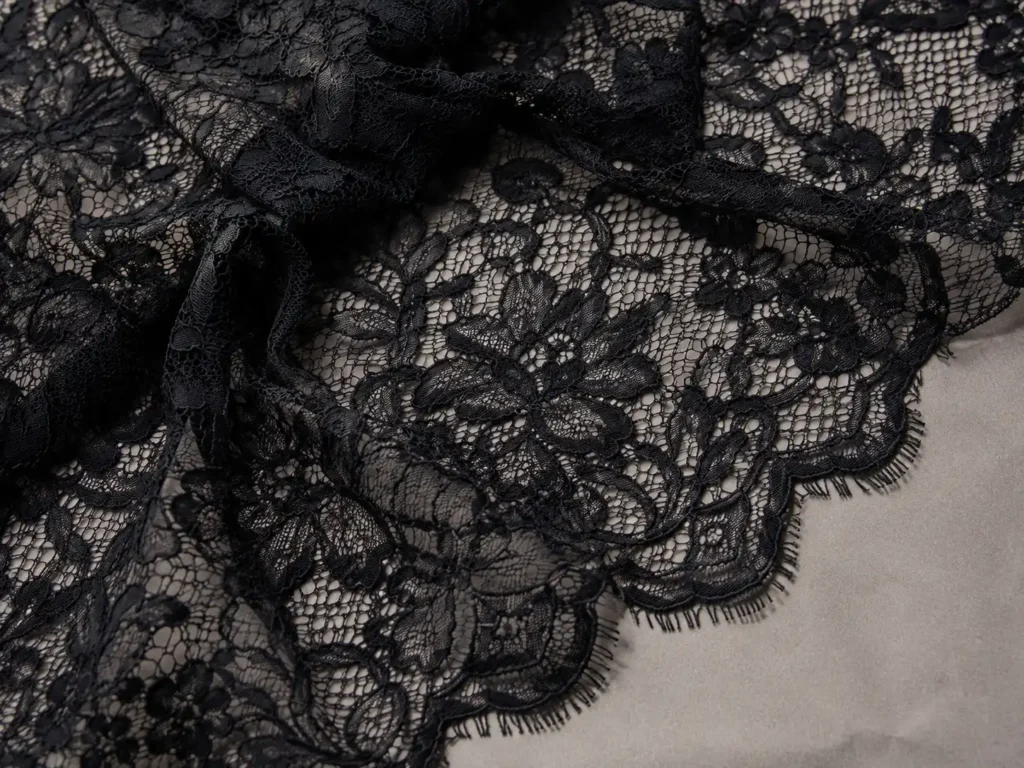
Lace Snag Prevention
- Protect motifs and edges
- Separate rough components
- Avoid crushing appliqué
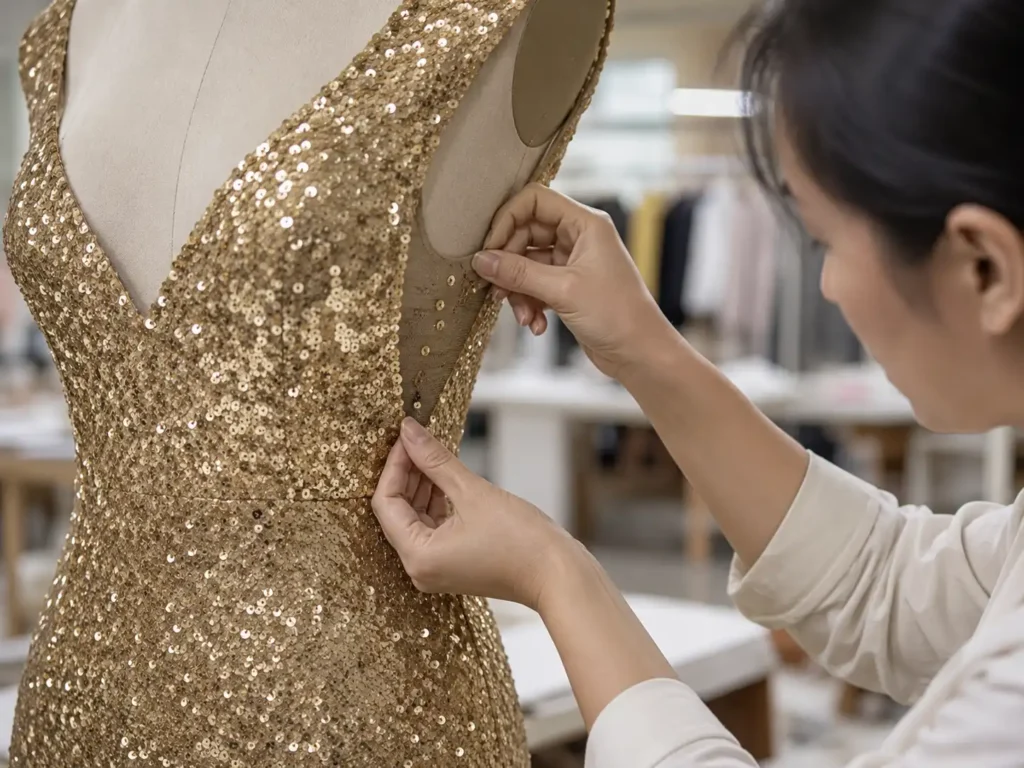
Sequin Abrasion Control
- Separate embellished surfaces
- Control fold thickness
- Reduce garment-to-garment abrasion
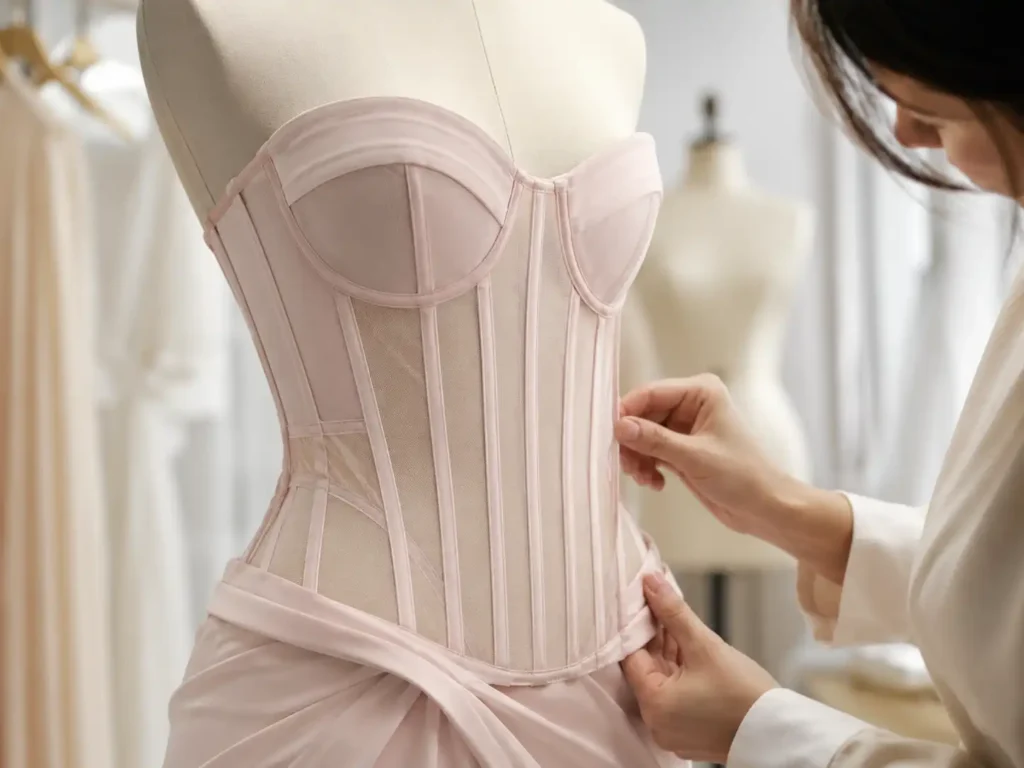
Corset Shape Retention
- Protect cups and boning
- Avoid zipper distortion
- Use shape-aware carton sizing

Maxi Fold Recovery
- Control fold position
- Check recovery after packing
- Protect hem balance
From Packaging Brief to Approved Bulk Standards
Submit Brand Files
Review Feasibility
Source and Prototype
Approve Sample Pack
Lock PP Standards
Execute and Verify
Packaging Approval During Dress Sampling
Development Sample
- Regular dresses: commonly 10-15 days
- Complex styles: commonly 15-25 days
- Timing depends on material availability
Revised Fit Sample
- Confirm final garment dimensions
- Recheck tag and label placement
- Update packaging size when needed
PP Golden Sample
The PP sample should carry final or fully approved fabric, color, trims, measurements, labels, hangtags and packing method. The sealed golden sample, size chart, BOM, SKU matrix, QC checklist and packing instruction become the bulk reference. Major changes after PP approval require renewed cost and schedule review.
- Final commercial standard
- Packing approval recorded
- Reference retained for bulk QC
Finishing and Packaging Execution Inside Production

Trimming and Finishing

Pressing and Cooling
Label Attachment
Hangtag and Barcode
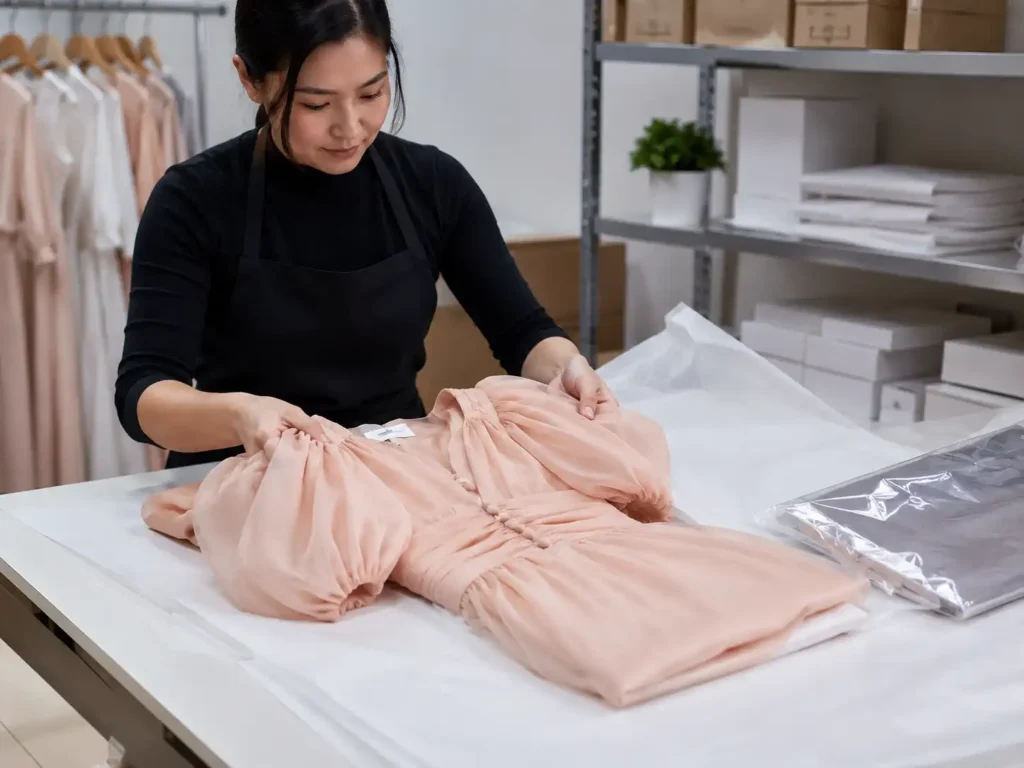
Folding and Bagging
Carton Loading
Packaging Quality Control Before Shipment
Incoming Pack Materials
Garment Identity Check
Barcode Scan Review
Individual Pack Review
Carton Audit
Inspection Release
Packaging for Retail, Ecommerce and Wholesale Channels
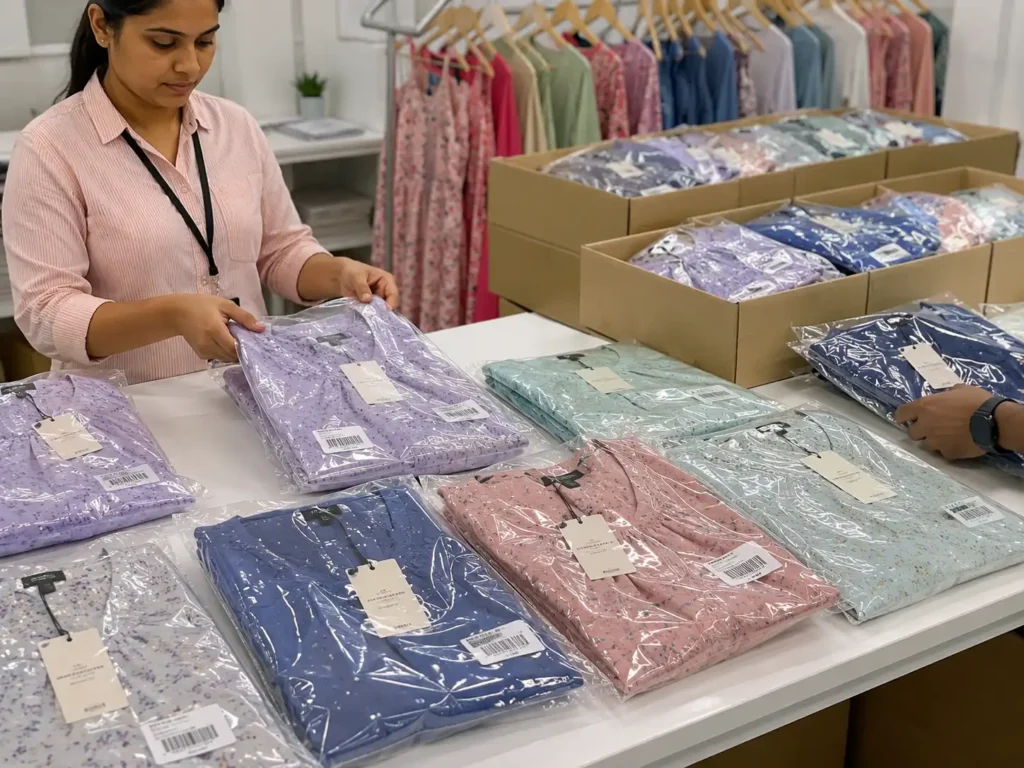
Retail-Ready Delivery

Ecommerce-Ready Delivery

Wholesale Distribution
Carton Packing and Warehouse Receiving Control
Warehouse preparation begins before the carton is sealed. Product identity, carton assortment and shipment records must point to the same information. Jinfeng Apparel compares carton-level quantity, SKU, color, size, barcode and carton marks before release.
| Receiving Field | Required Link | Pre-Shipment Evidence |
|---|---|---|
| PO number | Purchase order and shipment plan | Shown on carton or warehouse label when required |
| Style / SKU | Garment label, barcode and packing list | Carton breakdown by approved identifier |
| Color / size | Individual sticker and assortment plan | Count by variation before sealing |
| Carton number | Carton map and packing list | Unique sequence and destination reference |
| Units per carton | Approved packing ratio | Physical count and carton record |
| Carton mark | Brand shipping instruction | Photo or inspection record before dispatch |
| Warehouse label | Retailer or 3PL guide | Correct placement, print and destination data |
| Dimensions | Final packed carton | Measured length, width and height |
| Gross / net weight | Cargo and document preparation | Recorded after final packing |
| Packing list | All carton records | Matches actual shipment quantity and breakdown |
Packaging MOQ, Cost and Timeline Boundaries
Garment Order MOQ
Jinfeng Apparel’s garment MOQ starts from 200 pcs per style/color, subject to fabric availability, color development, trims, construction complexity, packing requirements and production schedule. Multiple sizes within a style-color order are planned through an approved ratio rather than treated as separate garment styles.
- From 200 pcs per style/color
- Fabric and trim conditions apply
- Size ratio confirmed before bulk
Packaging Material MOQ
Custom woven labels, size labels, care labels, hangtags, stickers and printed polybags commonly begin around 500-1,000 pieces, depending on supplier, dimensions, material and print. Custom presentation boxes commonly begin around 1,000 pieces. Final MOQ is confirmed after artwork and specification review.
- Labels and tags: commonly 500-1,000 pcs
- Printed polybags: commonly 500-1,000 pcs
- Presentation boxes: commonly 1,000 pcs
Cost and Schedule Logic
Packaging cost may include artwork preparation, sampling, material production, application labor, scanning, individual packing, inserts, carton volume and freight impact. Bulk production timing is issued after PP approval, final quantity and material readiness. Rush review never removes PP confirmation, incoming material inspection, garment QC or packing QC.
- Separate garment and packaging cost
- Schedule after PP and materials
- Changes re-costed before release
Private-Label Packaging Program for a US Occasionwear Brand

Program Scope
- 22 styles
- 46,800 total pieces
- 356 active SKU combinations
- Two channel-specific pack versions

Control Plan
- Fabric-group production allocation
- Pilot pack before bulk
- SKU and artwork version register
- PP-approved packing standards

Delivery Outcome
- Two staged shipments
- Separate channel carton maps
- Archived reorder packaging records
- NDA-protected brand assets
Packaging Records for Reorders and Brand Protection
Approved Master Records
Reorder Verification
NDA File Protection
Dress Packaging Frequently Asked Questions

Send Your Dress and Packaging Requirements
Send the style list, tech pack or reference images, planned quantity per style/color, fabric direction, size range, label artwork, hangtag file, barcode or SKU spreadsheet, folding and polybag instructions, carton marks, warehouse guide and target delivery window.
Kelly will organize the files for an initial review covering sample route, material feasibility, packaging MOQ, cost structure, approval points and bulk-production planning. Regular dress first samples commonly require 10-15 days, while complex corset, lace, mesh or sequin styles commonly require 15-25 days; revised and PP samples commonly require 7-15 days, subject to material readiness and feedback.
Bulk timing is confirmed after PP approval, final quantity, packaging materials and production allocation are locked.
- Company and contact details
- Style list, tech pack or reference images
- Quantity per style/color and size range
- Label, hangtag, barcode and SKU files
- Packing, carton and warehouse instructions
- Target launch and delivery window
- Upload field for artwork, spreadsheets and guides


