
Dress Manufacturer for Brand Growth Teams
Custom dress development and scalable production for teams turning faster launches, larger assortments, and repeat demand into controlled growth.
Jinfeng Apparel helps established fashion brands convert growth plans into production-ready dress programs. Development begins with line sheets, tech packs, reference garments, target prices, size plans, and launch dates, then moves through fabric sourcing, pattern work, sampling, PP approval, bulk production, quality control, branded packing, and export coordination.
- Program scale aligned with 10–30 styles and approximately 20,000–80,000 pieces per brand order.
- 6 owned women’s fashion factories, 10+ long-term satellite partners, and 100,000+ pieces of monthly capacity.
- 2 sample rooms, 7+ senior pattern makers, and 20+ sample machinists for parallel development.
- 12+ merchandisers, 15+ QC inspectors, and 30+ finishing and packing staff for controlled execution.
Manufacturing Support Built Around Brand Growth Targets
Brand Growth Leaders
Merchandising Teams
Product Development
Sourcing Leaders
Ecommerce Operations
Quality and Production
Where Dress Programs Lose Momentum During Growth
Assortment Overload
Sample-to-Bulk Drift
Margin Compression
Launch Slippage
Reorder Inconsistency
SKU and Packing Errors
A Manufacturing Base Designed for Multi-Style Programs
Since 2008
6 Owned Factories
10+ Partner Factories
100,000+ Monthly Capacity
2 Sample Rooms

Dress Categories That Support Assortment Growth

Bodycon and Sculpted

Corset and Bustier
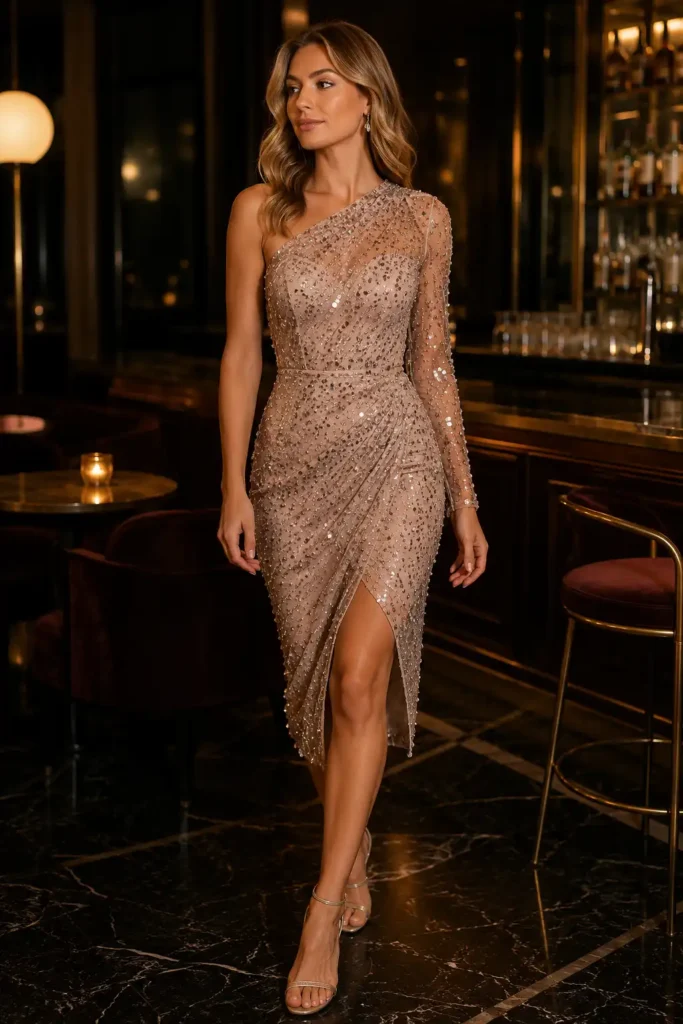
Party and Cocktail
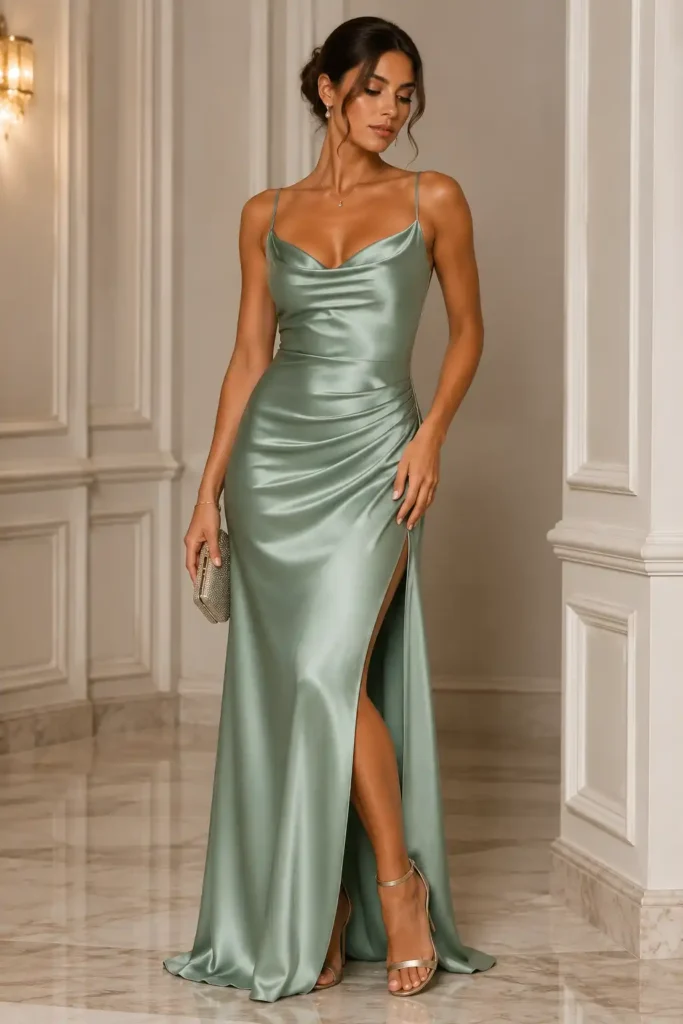
Occasion and Evening

Resort and Vacation

Mini, Midi, and Maxi

Fabric-Led Statements

Jumpsuits and Sets
Build a Collection Around Commercial Product Roles
Growth becomes easier when every style has a purpose. Jinfeng helps organize dress programs around volume, margin, visual impact, channel fit, and repeat potential instead of allowing every design to compete for the same material, sample, and production resources.
Anchor Styles for Reliable Volume
Anchor styles provide the commercial foundation of a collection. They normally use proven silhouettes, repeatable construction, fabrics with stable availability, and color plans that work across several channels. A jersey bodycon dress, satin slip, ruched mini, woven midi, or clean resort maxi can become an anchor when fit, cost, and production methods are well established. Jinfeng reviews fabric yield, lining requirements, seam construction, closure method, size ratio, packing, and replenishment potential before an anchor style is treated as a volume driver. The objective is not to make every anchor basic; it is to remove unnecessary production risk from styles expected to carry meaningful unit volume.
Growth Drivers with Strong Visual Identity
Growth-driver styles sit between safe volume and high-fashion statements. Corset minis, asymmetric midis, mesh bodycon dresses, cut-out styles, lace overlays, satin occasion dresses, and structured jumpsuits can create stronger campaign engagement while remaining scalable. Development focuses on the details that determine whether visual appeal survives mass production: neckline depth, bust support, waist placement, hip shaping, cut-out position, ruching direction, zipper behavior, lining coverage, and trim durability. These styles should enter sampling early because fit revisions can affect pattern pieces, material usage, cost, and production allocation.
Statement Pieces for Campaign and Brand Image
Statement pieces create editorial value, social reach, and collection distinction. Sequin dresses, layered tulle, specialty lace, dramatic draping, velvet evening dresses, and complex corset structures require more selective planning. They may carry lower unit volume but higher development intensity, so approval priorities should reflect campaign deadlines rather than total quantity alone. Jinfeng separates statement styles from standard line flow, confirms material risk early, documents workmanship details, and aligns photo-ready samples with campaign schedules. Bulk quantities are then assigned to suitable production resources instead of forcing highly specialized work into general lines.
Fabric Families and Launch Waves
Collection growth becomes easier when styles share controlled material families. Several silhouettes can use related satin weights, coordinated mesh and lining combinations, common stretch jerseys, or a single print base with different placements. Shared materials improve color coordination, fabric negotiation, lab approval, cutting planning, and repeat readiness. Launch waves can then be arranged around photo samples, PP approvals, material arrival, production readiness, and channel deadlines. One group may move by air for a fixed launch, while a larger replenishment group follows by sea. The plan remains flexible without allowing every style to become a separate emergency.
Fabric Decisions That Protect Margin and Brand Appearance
Fabric affects drape, fit, opacity, comfort, construction, pressing, packing, MOQ, and lead time. Jinfeng reviews material choices against the intended retail position, garment structure, target price, and expected order scale before patterns are finalized.
| Fabric Family | Best Commercial Use | Critical Control Points | Scaling Consideration |
|---|---|---|---|
| Satin and Stretch Satin | Slip, corset, occasion, party, bridesmaid, evening | Face direction, shade, snagging, seam puckering, zipper bulging, pressing marks, lining | Batch approval, color matching, careful packing, fabric-width and yield review |
| Chiffon and Georgette | Resort, occasion, maxi, layered, printed dresses | Transparency, grain, layer alignment, rolled hems, print direction, static, lining length | Layer count and cutting accuracy affect labor and yield |
| Mesh and Stretch Mesh | Bodycon, party, cut-out, panelled, printed styles | Stretch direction, recovery, transparency, edge stability, lining coverage, print placement | Fit and size grading must match stretch behavior |
| Lace and Lace Trims | Occasion, corset, evening, wedding-guest styles | Motif placement, joins, damage, color, edge finish, comfort, lining contrast | Placement and handwork can increase consumption and sewing time |
| Jersey, Rib and Ponte | Bodycon, casual, fitted, repeat-volume programs | GSM, recovery, twist, shrinkage, neckline stability, side seams, wash dimensions | Suitable for repeat volume when fabric consistency is controlled |
| Sequin and Embellished | Holiday, party, campaign statements, evening | Sequin loss, scratch risk, seam clearing, lining, placement, weight, pressing limits | Special handling, longer workmanship time, stronger packing protection |
| Rayon, Viscose and Linen Blends | Resort, vacation, brunch, relaxed woven dresses | Shrinkage, colorfastness, drape, seam slippage, wrinkles, print direction | Bulk testing and packing recovery need early review |
| Crepe, Suiting and Structured Wovens | Tailored mini, midi, office, structured occasion styles | Weight, recovery, pressing, seam shape, interfacing, lining, hem balance | Stable structure supports premium construction and repeat programs |
Design and Fit Engineering for Repeatable Dress Production
Commercial fit must survive different fabrics, sizes, movements, and production batches. Jinfeng converts visual direction into measurable pattern, construction, and quality standards before a dress enters bulk production.
Proportion Before Decoration
A dress can match a reference image yet still feel wrong when bust coverage, waistline, hip curve, neckline depth, shoulder position, strap length, back height, slit height, cut-out position, or hem sweep are not proportioned for the target market. Pattern review begins with silhouette and balance before decorative details are added. For mini dresses, front and back length are checked for movement safety; for bodycon styles, waist-to-hip shaping is reviewed against fabric recovery; for maxi dresses, floor clearance, lining length, and hem balance are controlled. Design detail only performs well when the base proportion is correct.
Base Size and Size Set Control
Jinfeng develops from the approved base size and then applies the requested size set, such as XS–XL or a brand-defined range. Grading is not treated as uniform enlargement. Bust, waist, hip, armhole, neckline, strap, torso, rise, slit, and length relationships are adjusted according to silhouette, fabric stretch, support, and target fit. Critical measurement points are defined in the size chart and linked to tolerances in the production file. Fit samples, PP samples, inline measurements, and final checks use the same approved measurement logic.
Structured Details and Internal Support
Corset, bustier, strapless, deep-V, halter, low-back, and cut-out designs rely on internal engineering. Cup position, boning placement, seam direction, interfacing, elastic, grip tape, lining, zipper, hook-and-eye, and reinforcement determine whether the garment looks sharp and remains wearable. Jinfeng reviews support against fabric behavior and intended use. A soft satin corset may require different internal treatment from stretch woven, lace overlay, or mesh-panel construction. Internal components are recorded so bulk lines reproduce the approved support system rather than improvising during sewing.

Costing Logic for Growth Without Product Downgrading
Fabric Yield
Construction Time
Color and Size Mix
Development Work
Private-Label Scope
Delivery Strategy
Multi-Style Project Management for 10–30 Style Programs
A large collection cannot be controlled through scattered messages. Jinfeng organizes styles, approvals, materials, samples, production, packing, and delivery around a defined project structure led by merchandising, development, production, and quality teams.
Group Styles by Risk and Shared Resources
Styles are grouped by fabric family, construction, factory suitability, launch priority, and approval risk. Satin styles may share fabric and color decisions; stretch bodycon pieces may share fit blocks and measurement logic; corset and embellished designs may need specialist sample and production resources. Grouping reduces repeated decisions while keeping critical differences visible. A style list records category, fabric direction, sample status, target quantity, size plan, color plan, label requirements, and delivery wave so the program can be reviewed as a whole.
Set Sample Priorities Around Commercial Deadlines
Not every sample has the same deadline. Photo-ready styles may lead campaign production, while high-volume anchor styles need early PP approval to protect material and factory bookings. Statement styles may require longer development even at lower volume. Jinfeng works backward from campaign, showroom, preorder, warehouse, and launch dates to create sample priorities. Consolidated feedback is encouraged because fragmented comments create extra rounds, delay pattern updates, and make approval status difficult to control across 10–30 styles.
Maintain One Approval Record per Style
Each style requires a clear current status for pattern, fabric, trims, color, measurements, workmanship, labels, packing, cost, and PP approval. Revised information replaces obsolete instructions in the working file, while change records preserve the decision history. Merchandisers coordinate with pattern, sample, fabric, production, QC, packing, and logistics teams so a new comment does not remain only with one person. Major changes are reviewed for cost, timing, material, and production impact before release.

Production Allocation for 20,000–80,000 Piece Orders
Larger orders require more than capacity figures. Product mix, material readiness, line balance, factory specialization, quality ownership, and shipment sequence determine whether volume can be executed without losing control.
Match Garment Structure to the Right Factory
Woven mini, midi, maxi, satin, chiffon, resort, printed, and skirt programs are assigned according to woven-dress experience, cutting control, lining, zipper, and pressing capability. Knit and stretch bodycon, jersey, ponte, bodysuit, and fitted jumpsuit programs require teams familiar with stretch direction, recovery, seam stability, and wash dimensions. Corset, lace, mesh, sequin, and evening styles need additional construction and handling controls. Product-to-factory matching reduces training risk and protects sample-to-bulk transfer.
Release Capacity Only After Material Readiness
A production slot does not create a finished order when fabric, trims, labels, or PP approval are late. Jinfeng reviews bulk fabric approval, supplier lead time, trim readiness, size ratio, color breakdown, packing files, and production documents before line release. The 100,000+ monthly capacity and 18+ sewing lines provide a useful base, but the confirmed schedule reflects active loading, style complexity, material arrival, and inspection requirements. This prevents unrealistic commitments that later depend on emergency recovery.
Use Delivery Waves to Protect Launches and Cash Flow
A 20,000–80,000 piece program may be divided by launch priority, style group, color, channel, or transport mode. Urgent campaign or first-launch quantities can move by air after final inspection, while larger replenishment or retail quantities follow by sea. Split shipments also help when different factories or material groups finish at different times. Every wave requires its own quantity breakdown, carton data, packing list, commercial invoice, shipping marks, and warehouse plan so early delivery does not create inventory confusion.

Workmanship Standards Behind Brand-Level Dress Finishing

Seam Balance

Invisible Zippers
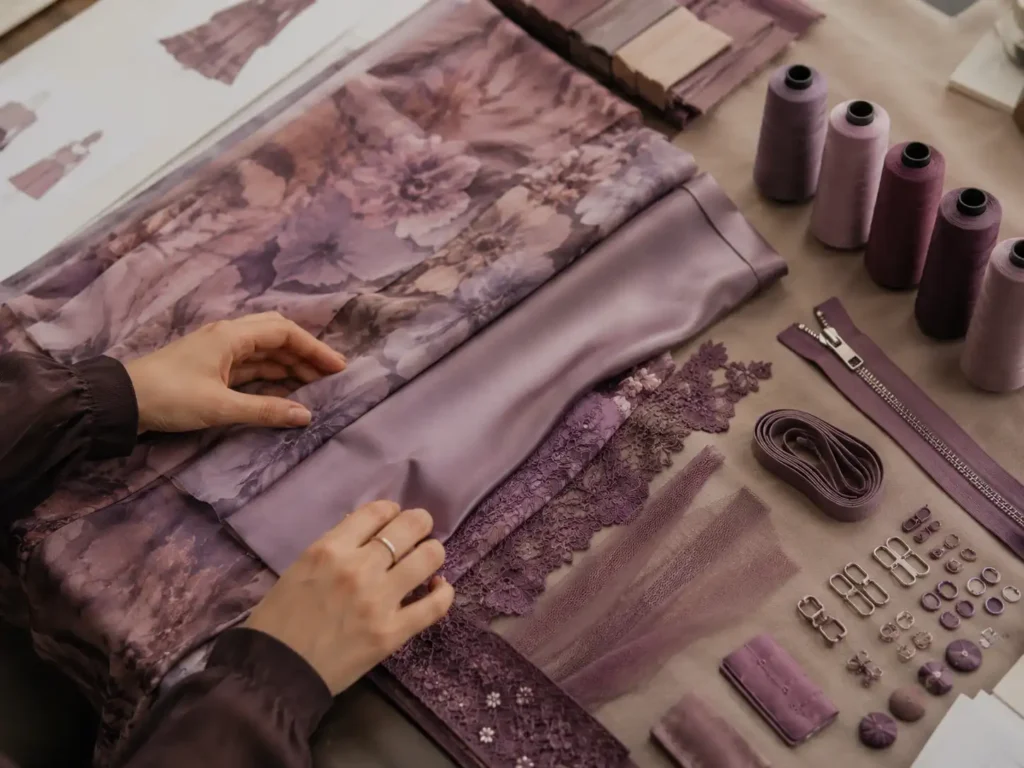
Lining Construction
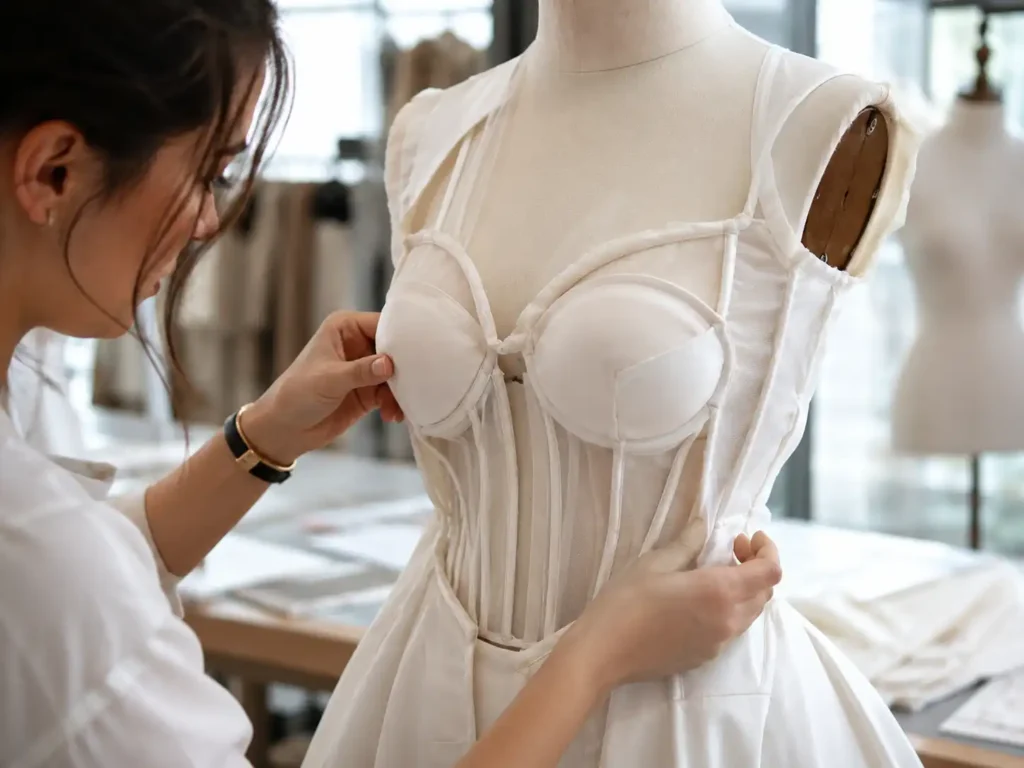
Cups and Boning

Ruching and Pleats

Lace and Mesh

Sequin Comfort

Pressing and Finish
Process Control from Fabric Intake to Packed Cartons
Material Intake
Cutting Control
Sewing Setup
Inline Inspection
Final Garment Review
Packing and Cartons
Quality Controls Linked to Commercial Risk
Inspection standards become more useful when linked to returns, reviews, warehouse acceptance, and repeat performance. Jinfeng uses product-specific checks from materials through final packing, with AQL and client inspection support available by project.
Fit and Measurement Risk
Critical points are selected according to silhouette. Dresses may include bust, waist, hip, front length, back length, strap length, armhole, neckline depth, back height, slit height, hem width, and lining length; jumpsuits add torso and rise measurements. The approved size chart and tolerance rules guide sample, PP, inline, and final checks. When a measurement is outside tolerance, the team reviews pattern, fabric behavior, sewing method, pressing, and operator handling rather than correcting the number without identifying the cause.
Appearance and Construction Risk
Visible quality affects conversion and returns. QC checks include seam direction, puckering, zipper flatness, neckline symmetry, strap position, waistline balance, ruching, pleats, lining exposure, boning, cups, lace joins, mesh damage, sequin loss, hem shape, stains, threads, and pressing. Each product category receives a focused checklist. A satin slip dress and a boned sequin mini cannot be inspected with the same priorities even when both share the same brand label.
Fabric, Color, and Batch Risk
Color and fabric variation can break a coordinated collection. Bulk approval may include batch identification, shade comparison, lining and trim color matching, stretch, hand feel, surface, print direction, and defect review. Repeat orders require renewed material availability and color confirmation because supplier batches may change. When an approved fabric is replaced, pattern, lining, cost, and sample requirements are reassessed before production.
Packing, Barcode, and Warehouse Risk
A garment can pass sewing inspection and still fail commercially when the size sticker, barcode, hangtag, SKU label, polybag, carton quantity, or warehouse mark is wrong. Packing QC compares every element with the approved packing instructions and order breakdown. AQL inspection can be coordinated according to the agreed standard, while client-appointed inspectors may also be supported. AQL sampling does not replace process checks; both serve different control purposes.
Private-Label Delivery Ready for Ecommerce and Retail

Brand Labels
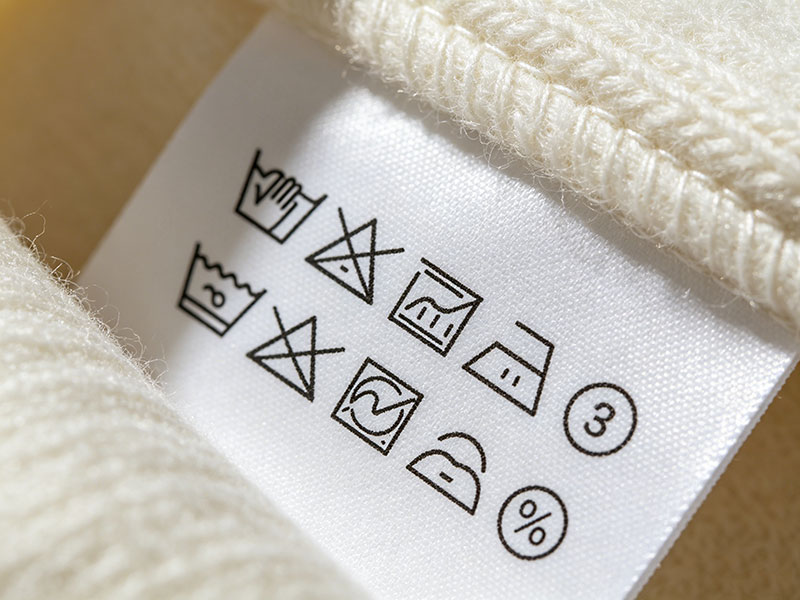
Care Information
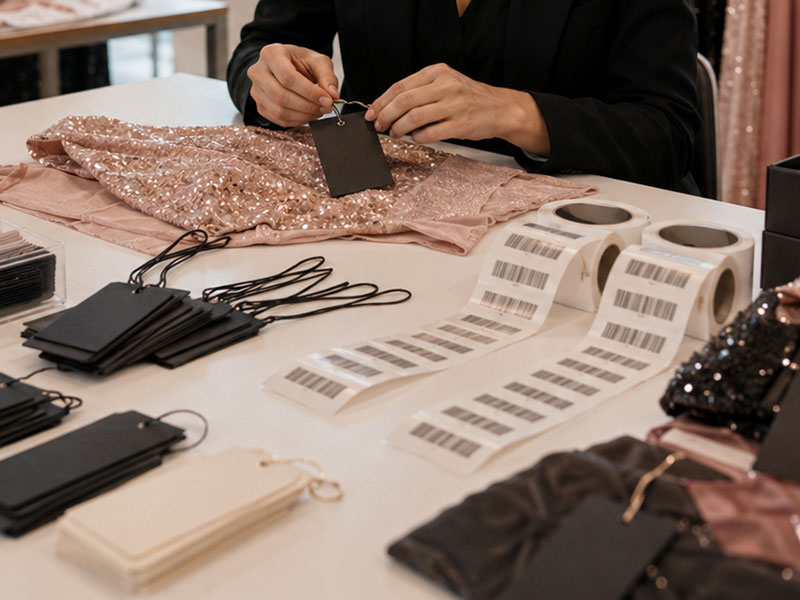
Hangtags and Inserts
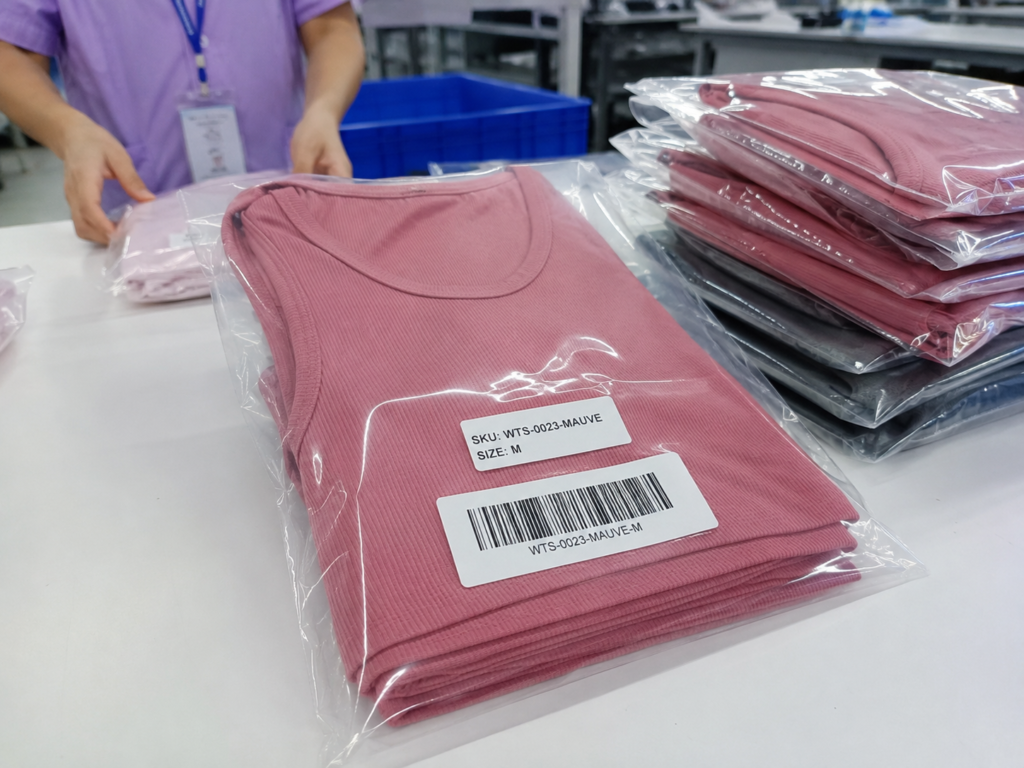
Barcode and SKU

Individual Packing
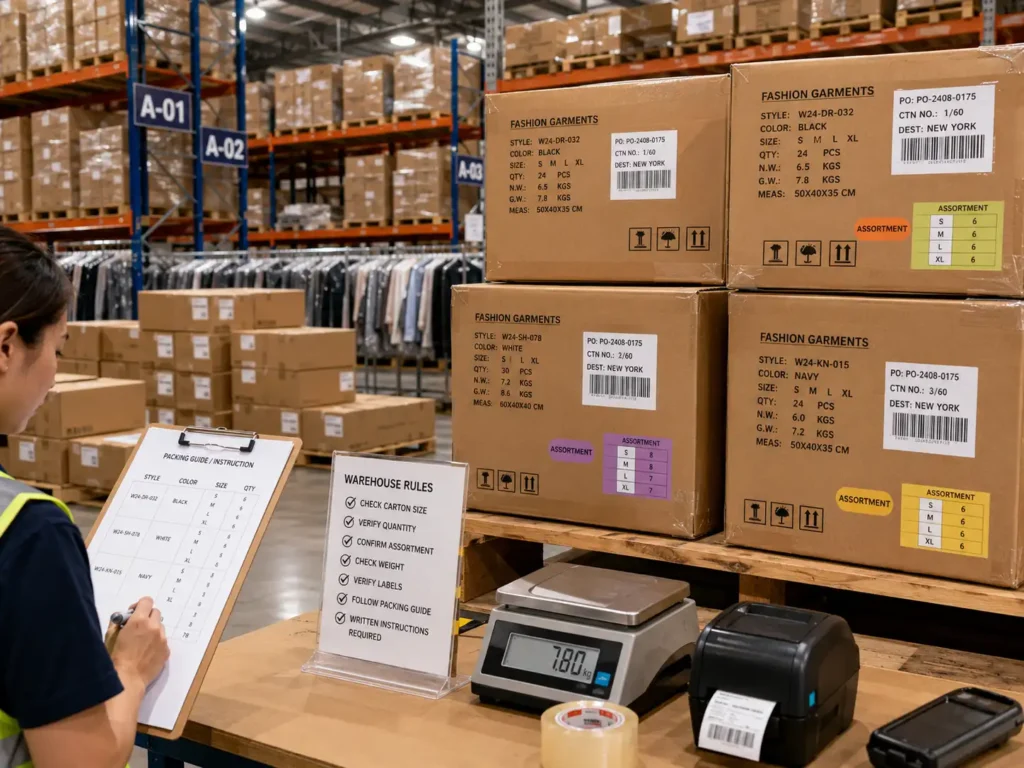
Carton and Warehouse
Launch Calendar Planning from Sample to Warehouse
Growth teams work toward campaign, preorder, showroom, retailer, and warehouse dates. Jinfeng builds a backward schedule that separates product approval, production readiness, packing, inspection, and transit instead of relying on one final delivery promise.
Start with the Fixed Commercial Date
The schedule begins with the date that cannot move: campaign shoot, wholesale market, preorder opening, retailer handover, warehouse receiving, or launch. From there, the plan works backward through photo sample, fit revision, PP approval, fabric and trim release, production, inline checks, final inspection, packing, booking, and freight. Early visibility allows teams to identify styles that can meet the window, styles requiring simplification, and styles better assigned to a later launch wave.
Separate Photo Approval from Bulk Approval
A photo-ready sample is built for campaign appearance and timing. A PP sample confirms production-intent materials, measurements, construction, labels, and finishing. Confusing the two creates risk when a campaign garment contains temporary materials or unresolved fit details. Jinfeng records the purpose of each sample and prevents bulk release until PP requirements are confirmed. Changes made after approval are reviewed for cost, material, pattern, and schedule impact.
Choose Freight by Time Value
Air freight is considered when a launch, event, or first selling window carries more value than the additional transport cost. Sea freight supports regular bulk and replenishment when planning allows more transit time. Air-plus-sea split shipments can protect the first launch quantity while controlling landed cost on the balance. Freight decisions require carton quantity, weight, dimensions, destination, incoterm, forwarder, customs documents, and warehouse receiving dates; production time and transit time are always planned separately.
Prepare Receiving Documents Before Shipment
Commercial invoice, packing list, style-color-size breakdown, carton marks, gross and net weight, carton dimensions, and shipping coordination are prepared according to the agreed trade terms. Jinfeng can work with a client-appointed forwarder or a project-approved logistics option. DDP, certificates of origin, and destination-specific documents are confirmed by country, order, and forwarder capability rather than presented as universal arrangements.
Repeat Orders Built on Records, Not Memory
Pattern Records
Fabric Records
Trim Records
Measurement Files
QC and Golden Samples
Packing Records
Growth Programs Managed by Jinfeng Apparel

U.S. Occasionwear Expansion

Premium Ecommerce Party Drop

Regional Retail Collection Program
Compliance, Confidentiality, and Brand Asset Protection
Audit and Quality Support
Material and Testing Records
NDA and Design Protection
What Growth Teams Should Confirm Before Supplier Approval
Factory Structure
Sample Resources
Product Specialization
Project Management
Quality System
Private-Label Control
Repeat-Order Records
Delivery Coordination
Frequently Asked Questions for Growth-Focused Dress Programs
Yes. Multi-style programs are organized by fabric family, construction risk, sample priority, factory suitability, PP status, quantity, packing, and delivery wave. A style matrix and defined merchandising ownership help prevent approvals and materials from becoming mixed across the collection.
MOQ starts from 200 pieces per style and color. It is calculated by style and color rather than total order quantity. Special dyeing, weaving, printing, certified materials, lace, embellishment, trims, or packaging may carry separate supplier requirements.
Send the line sheet or style list, tech packs or references, target quantities, color plan, size range, fabric direction, target price, label and packing requirements, destination, and launch window. Clear information allows a more accurate feasibility, cost, and timeline review.
Planning commonly allows 7–15 working days for a first sample after required materials are ready, with 5–10 working days for a revision or PP round. Complex structure, custom materials, embellishment, testing, or major changes can extend the schedule. The quotation confirms the formal timeline.
Development starts from an approved base size and client size chart. Grading is adjusted by silhouette, fabric stretch, support, and target market. Critical points may include bust, waist, hip, length, straps, armhole, neckline, slit, hem, torso, and rise. Tolerances are set in the production file.
Yes, when factory matching improves execution. Woven dresses, stretch bodycon, corset structures, embellished styles, jumpsuits, and sets may be assigned to different suitable resources. Jinfeng coordinates production files, merchandising, quality checkpoints, packing, and delivery across the program.
Bulk release follows PP approval, confirmed materials, measurements, trims, construction, labels, and packing. Approved files and Golden samples support sewing setup, inline inspection, final garment review, and packing QC. Fabric batches and current production conditions are still checked rather than assumed.
Yes. Private-label support can include brand labels, size and care labels, hangtags, barcodes, SKU stickers, polybags, inserts, cartons, carton marks, warehouse labels, and packing lists. Each requirement is confirmed against the style-color-size breakdown before shipment.
Patterns, size charts, BOM, fabric, color, trim, sewing, QC, Golden sample, label, and packing records are retained. Reorders still require confirmation of material availability, shade, current pricing, size plans, and any design change. New fabrics or colors may require a revised sample.
Yes. NDA-based cooperation can be arranged before sharing tech packs, original samples, unpublished collections, patterns, pricing, quantities, labels, or packaging files. Protected materials are not published or reused without authorization, and case information is anonymized by default.

Plan Your Next Dress Growth Program
A strong review begins with enough information to evaluate structure, fabric, sample work, capacity, cost, packing, and timing. Share the available files even when several details remain open.
Kelly and the Jinfeng team will organize the information, identify missing decisions, and return a project-focused response rather than a generic quotation.
For a faster review, include the commercial context behind the collection: which styles are expected to lead volume, which pieces are campaign priorities, which delivery date is fixed, and where margin or construction flexibility exists.
A 10–30 style program can then be separated into development groups, fabric families, factory allocations, approval priorities, and shipment waves. Confidential files can be handled under NDA-based cooperation.
- Company name, target market, sales channels, and primary contact
- Line sheet, tech packs, reference images, original sample notes, or sketches
- Target quantity by style and color, plus the intended size range and ratio
- Fabric direction, hand-feel expectations, color story, and target price position
- Required labels, hangtags, barcodes, polybags, carton marks, and warehouse instructions
- Photo sample, PP, campaign, bulk, warehouse, and launch deadlines
- Testing, audit, inspection, NDA, incoterm, and forwarding requirements


