Skip to content
Dress Manufacturer for Brand Compliance Teams
Compliance-ready dress development for global fashion brands requiring clear factory records, controlled production, verified materials, and retail-ready delivery.
- Since 2008, focused on custom women’s fashion development and bulk manufacturing.
- 6 owned women’s fashion factories plus 10+ long-term satellite production partners.
- 15+ QC inspectors supporting incoming, cutting, sewing, garment, packing, and AQL inspection stages.
- 2 sample rooms, 7+ senior pattern makers, and 20+ sample machinists for development and PP approval.
- Factory, audit, testing, and certification records are reviewed against the assigned production unit and material source.
- MOQ starts from 200 pcs per style/color, subject to fabric, trim, construction, testing, and packing requirements.
Compliance-Relevant Manufacturing Facts at a Glance
Since 2008
Six Owned Factories
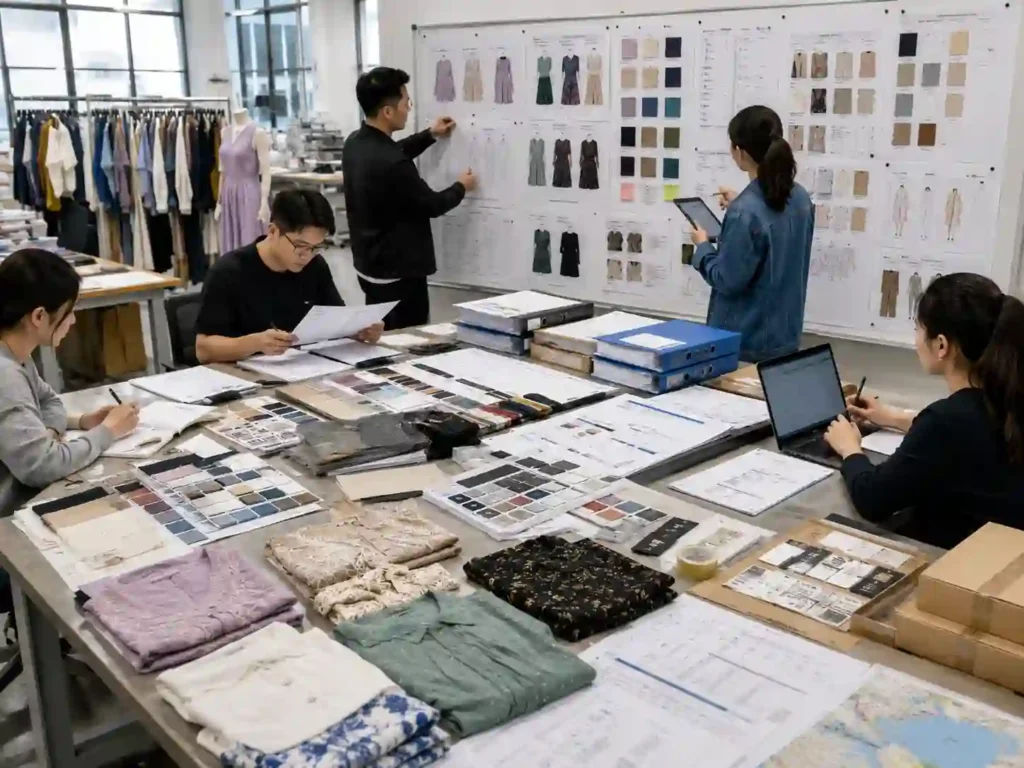
Six owned women’s fashion factories form the core production base. Factory allocation depends on woven or knit construction, dress category, material behavior, workmanship difficulty, order volume, launch timing, and inspection requirements.
Assigned-factory information can be discussed during project qualification so audit records and production responsibility remain connected to the unit making the garments.
Long-Term Partner Network
Development Team
Quality Team
Monthly Capacity
Built Around Brand Compliance Responsibilities
Brand Compliance Teams
Responsible Sourcing Teams
Vendor Onboarding Teams
Product Compliance Teams
Quality Assurance Teams
ESG and Legal Teams
Risks Commonly Delaying Supplier Approval
Unclear Production Location
Expired Audit Records
Undeclared External Processes
Printing, embroidery, washing, pleating, embellishment, special finishing, or other outsourced operations may create hidden risk when locations are not disclosed. Jinfeng Apparel maps required processes during product review and confirms whether a process sits inside the assigned unit or with an external specialist. Brand approval rules are applied before production release.
Unmatched Material Claims
Incomplete Test Reports
Incorrect Label Information
Unclosed Corrective Actions
Slow Document Response
Six Pillars of Compliance-Ready Dress Production
Factory Transparency
Social Compliance Support
Material Traceability
Product Testing
Documented Quality Control
Retail-Ready Delivery
Assigned Factory and Production-Site Transparency
Factory Allocation by Product
- Proposed production unit and legal entity
- Product category and construction reason
- Available capacity window
- Required external processes
- QC and inspection arrangement
- Audit or onboarding status
- Packing and shipment location
- Brand approval status
Production-Site Confirmation
- Company and factory profile
- Business registration details
- Production address
- Main contact and project owner
- Relevant audit records
- Corrective-action status
- Product capability
- External process list
- Production and inspection schedule
Controlled Partner-Factory Use
Long-term satellite factories extend category specialization and planned capacity. They are not described as temporary unknown subcontractors.
Jinfeng Apparel keeps project responsibility through merchandising, approved samples, production instructions, QC checkpoints, packing requirements, and shipment coordination. Brands with strict rules for subcontracting, shared production, or external finishing should provide the policy before factory assignment so the correct unit and evidence package can be selected.

Core Vendor Document Matrix
A useful onboarding package connects each file to a legal entity, production location, material source, garment program, or shipment. Generic certificates without scope or ownership create more questions than confidence. Jinfeng Apparel organizes requested information by purpose and approval stage.
Core Vendor Document Matrix
Document Category | Typical Records | Review Stage | Matching Basis |
Company identity | Company profile, business registration, contact list, banking details | Initial qualification | Contracting entity |
Factory identity | Factory profile, address, capability summary, production contact | Factory review | Assigned production unit |
Social compliance | Available audit report, membership record, CAP evidence, policy acknowledgement | Onboarding and renewal | Assigned factory and validity |
Product development | Tech pack review, pattern notes, sample comments, PP approval, Golden sample record | Sampling and pre-production | Style and approved version |
Materials | Fabric source, composition, swatch, lot, certificate, test report | Material approval | Supplier, quality, color, batch |
Quality control | QC checklist, measurement chart, tolerance, inspection report, AQL result | Production and release | Style, color, size, lot |
Labels and packing | Care label, fiber label, size label, hangtag, barcode, polybag, carton mark | PP and packing approval | Approved artwork and SKU |
Shipment | Packing list, commercial invoice, carton details, forwarder instruction, shipping document | Shipment release | Purchase order and shipment batch |
A brand may also send a Supplier Code of Conduct, restricted substances list, testing manual, label guide, packing manual, warehouse routing guide, security requirement, NDA, or vendor questionnaire. Jinfeng Apparel reviews required files at project opening and records gaps before the sample-to-bulk timeline is locked.
Audit Documentation and Corrective-Action Support
SMETA and Sedex Support
BSCI-Related Records
Client Factory Audits
Corrective Actions
Material Traceability and Certified Fabric Resources
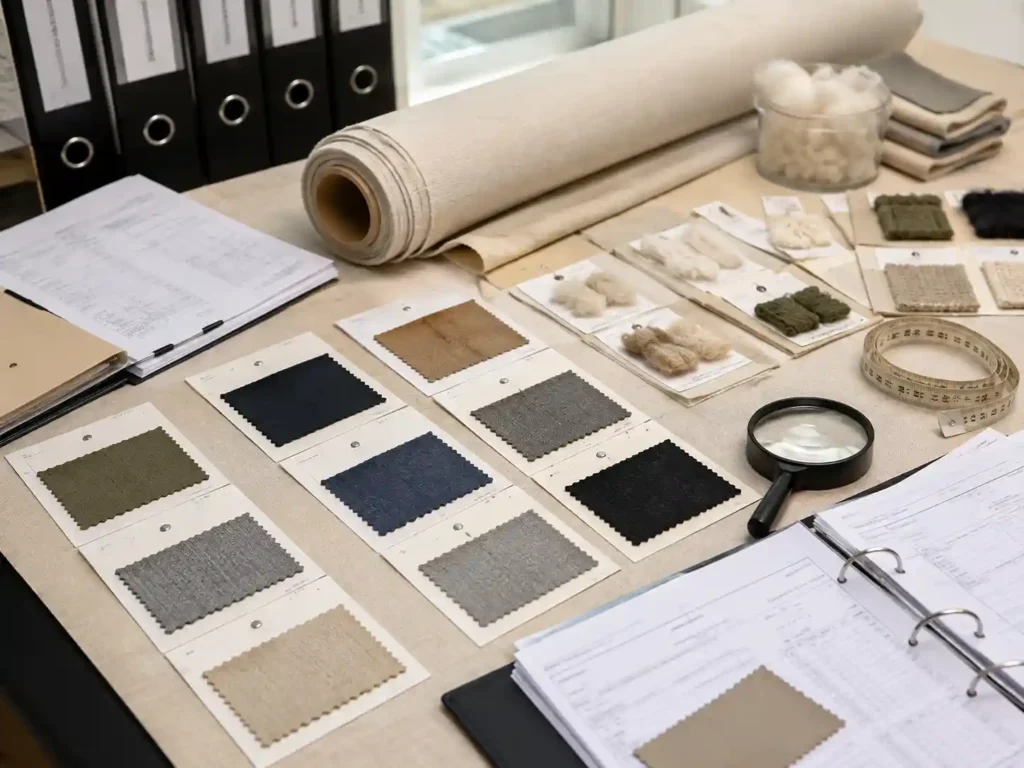
Fabric Source Record

Composition Control

OEKO-TEX Resources

Organic and GOTS Options

GRS Recycled Options

Color and Batch Control
U.S. Product Testing and Label Controls
Testing and labeling plans should be defined before PP approval, not added after bulk completion. Jinfeng Apparel supports brand protocols, nominated laboratories, sample identification, report collection, label artwork control, and bulk verification for U.S. dress programs.
| Control Area | Common Risk | Jinfeng Apparel Support | Approval Evidence |
|---|---|---|---|
| Fiber composition | Label does not match garment | Supplier documents and laboratory coordination | Composition report and approved label |
| Colorfastness | Crocking, wash transfer, perspiration transfer | Fabric or garment submission to nominated lab | Test report linked to material/color |
| Shrinkage | Garment measurements change after care | Pre-bulk testing and measurement comparison | Test result and updated care instruction |
| Dimensional stability | Twist, distortion, length change | Sample review and test coordination | Before/after measurements |
| Seam performance | Seam opening or breakage | Construction review and performance testing when required | Test report and sewing standard |
| Appearance after care | Wrinkling, puckering, surface damage | Care-cycle assessment | Approved result and care label |
| Restricted substances | Material or trim fails brand RSL | Nominated-lab testing by risk and material | Valid report matching submitted item |
| Care instructions | Wrong symbols or wording | Artwork review against approved instruction | Signed label artwork |
| Country of origin | Missing or incorrect origin statement | Production-location confirmation and label file control | Approved origin label |
| SKU and barcode | Warehouse rejection or wrong allocation | Barcode, size, color, and packing verification | Approved SKU matrix and packing report |
Dress Categories Built for Controlled Bulk Production
Compliance approval has little commercial value without the right product capability. Jinfeng Apparel develops fashion dresses across multiple materials and structures, with risk controls linked to fit, workmanship, testing, labeling, packing, and bulk consistency.

Woven Fashion Dresses

Party and Occasion Dresses

Bodycon Dresses

Satin Dresses

Mesh Dresses

Lace Dresses

Sequin Dresses

Private-Label Collections
Fit, Pattern, Size, and Design Detail Control

Core Fit Proportions

Pattern Correction

Size Grading

Bust and Support Details

Decorative Construction

Measurement and Workmanship QC
Sampling From Review to Golden Sample
Requirement Review
First Sample
Fit and Revised Samples
Photo and Sales Samples
Photo-ready and salesman samples serve marketing, ecommerce photography, line reviews, or sales meetings.
Their purpose and quantity are agreed separately. A visually approved photo sample does not replace PP approval when bulk materials, trims, labels, or packing differ. Any difference is recorded before production release.
PP Sample
PP approval begins only after pattern, measurements, fabric, color, trims, construction, lining, decoration, labels, packing, cost, MOQ, and bulk timing are confirmed.
Major design changes do not belong in the PP stage. Final comments are converted into the production package and QC checklist.
Golden Sample
Multi-Style Bulk Production With Document Control
Style and Fabric Grouping
Production Allocation
Pre-Production Lock
Color and Size Control
Schedule and Risk Board
Multi-Batch Delivery
Quality Control From Material to Shipment
Incoming Material QC
Fabric and trims are checked against approved references for article, composition, color, shade, weight, width, stretch, hand feel, surface condition, defects, quantity, and relevant documentation. Satin snagging, mesh holes, lace damage, sequin loss, zipper function, lining opacity, and trim color receive product-specific attention.
Cutting QC
Sewing QC
Garment and Pressing QC
Packing QC
Packing inspection verifies label content, size, color, barcode, SKU, hangtag, polybag, warning text, folding, tissue, hanger, carton quantity, carton mark, assortment, gross weight, net weight, and warehouse instruction.
Packing errors can cause rejection even when garment quality is acceptable, so packing approval is treated as a production standard.
AQL and Client Inspection
Shipment Release
Shipment release occurs after required QC, testing, label, packing, and document approvals are complete.
Release records may include inspection results, packing list, commercial invoice, carton details, shipment photographs, forwarder instruction, and agreed shipping documents. Exceptions are escalated before cargo handover.
Repeat-Order Review
Pattern records, measurement files, fabric references, trim details, sewing instructions, packing standards, Golden sample records, and prior QC notes support repeat production.
New colors, new fabric batches, altered trims, changed packing, or new factories still require review because repeat orders are not assumed to be identical under changed conditions.
Retail Labels, Packing, and Shipment Records
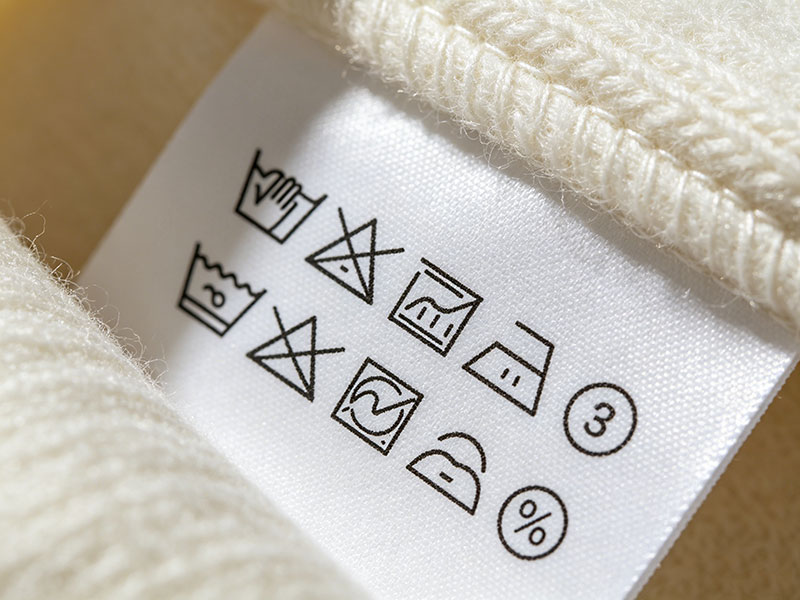
Garment Labels
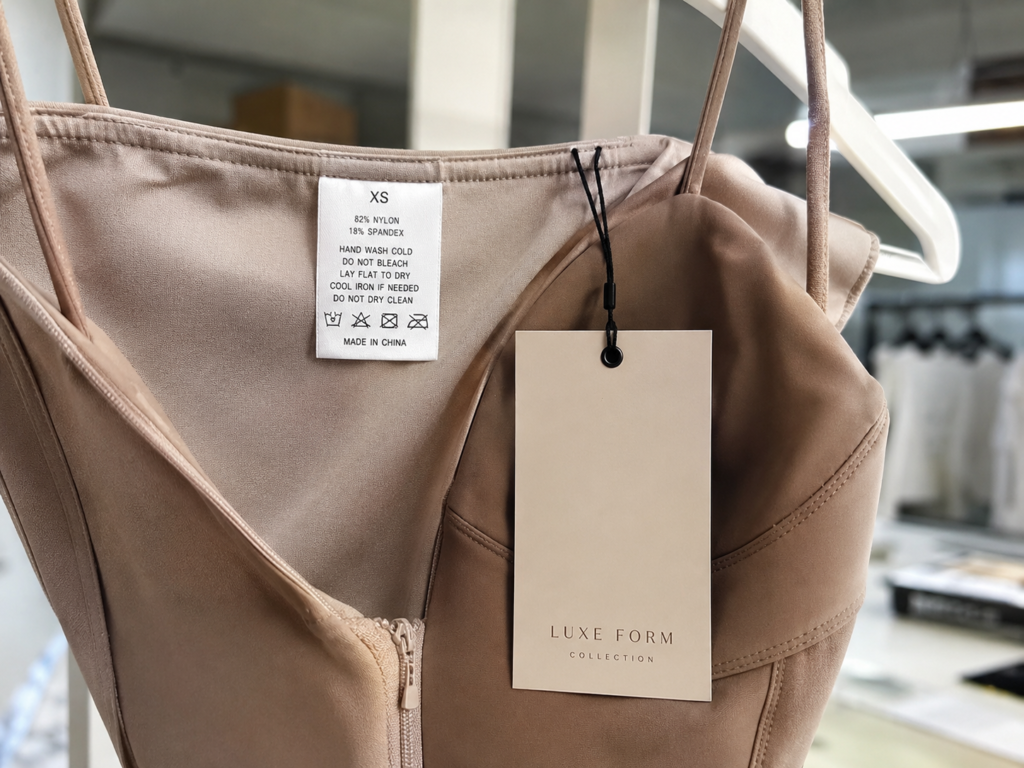
Hangtags and Tickets
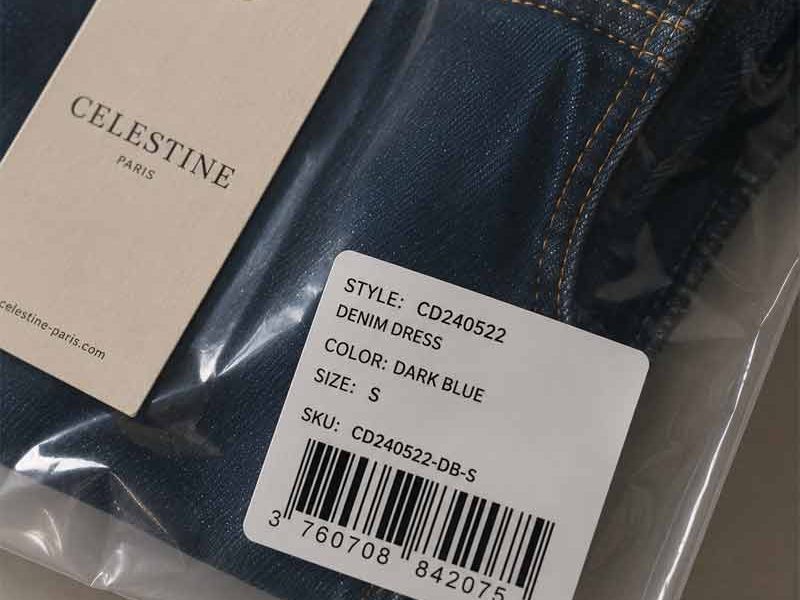
Barcode and SKU Control

Polybags and Folding
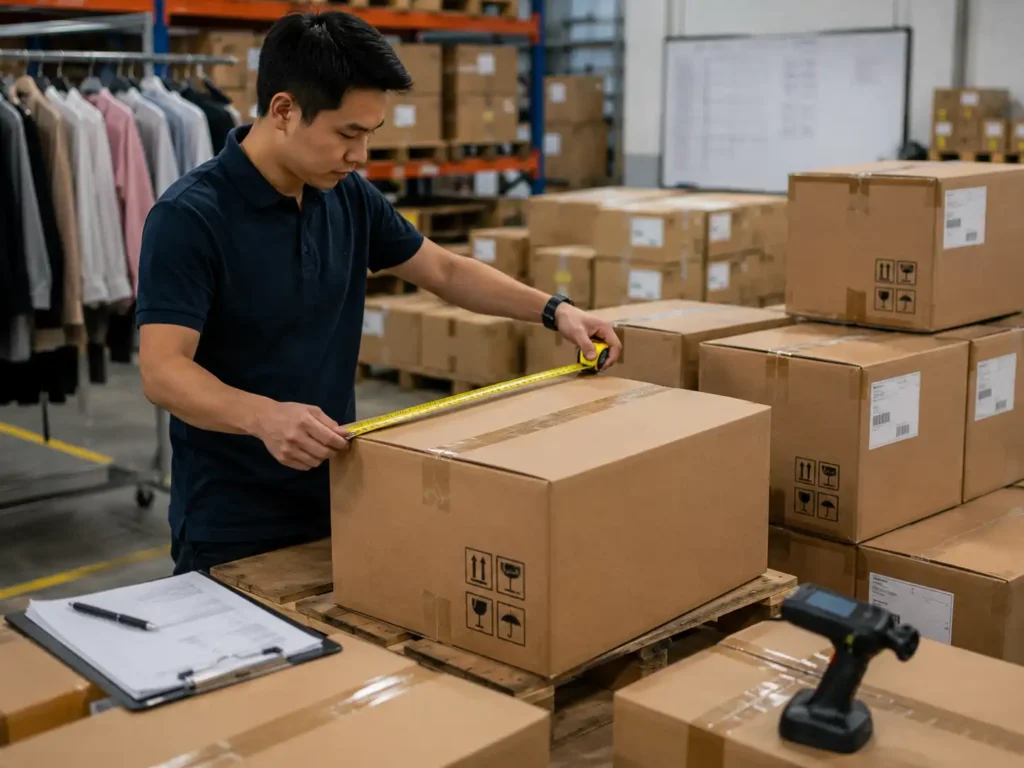
Cartons and Warehouse Rules

Export and Forwarder Support
Change Control, Subcontracting, and Corrective Follow-Up
Production-Site Changes
A proposed factory change is reviewed for product capability, audit status, capacity, schedule, QC arrangement, material movement, and brand approval. Where prior site approval is required, production is not transferred without the required review. Updated records replace assumptions made during the original qualification.
Material or Trim Changes
A substitute fabric, lining, zipper, elastic, lace, sequin, label, or packing material may affect appearance, fit, cost, MOQ, lead time, testing, claim evidence, care instructions, and bulk consistency. Samples, swatches, updated BOMs, revised reports, or new artwork are submitted according to the level of change.
Process Changes
Printing, embroidery, washing, pleating, embellishment, special pressing, or external finishing may require a new process location or method. Jinfeng Apparel identifies the process, responsible party, location, approval need, quality risk, and inspection step. Major process changes are documented before production continues.
Corrective and Preventive Action
Anonymized Compliance-Driven Dress Programs

U.S. Multi-Channel Dress Program
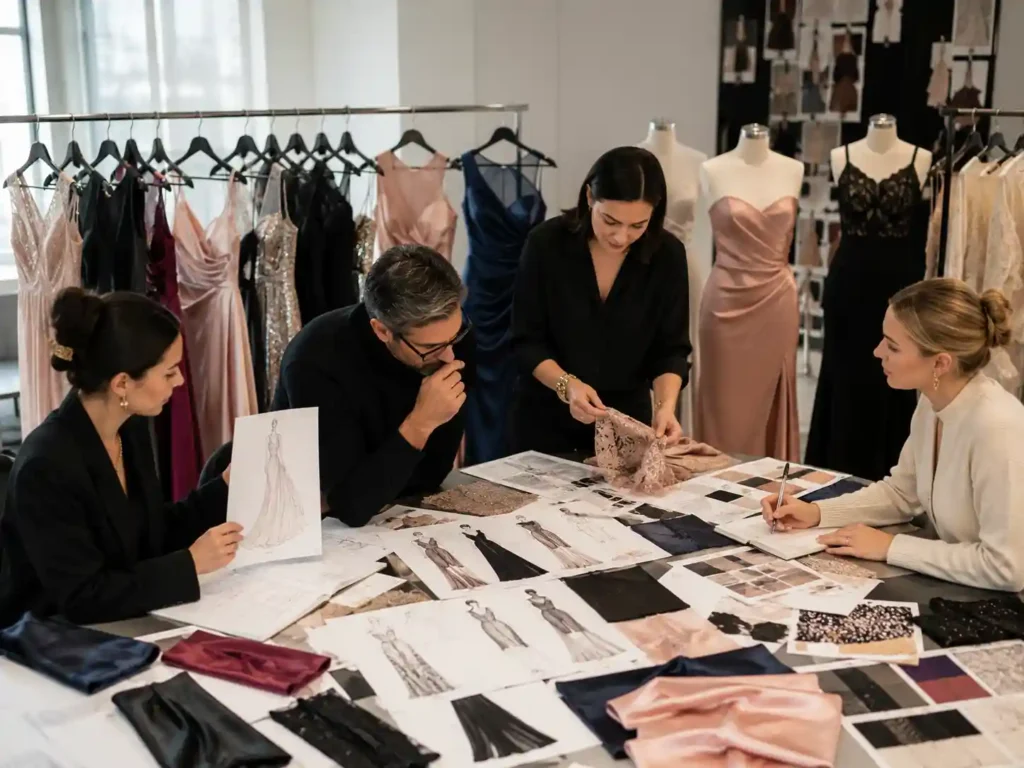
Occasionwear Collection
A regional occasionwear label placed 24 styles totaling 67,800 pieces. The collection used satin, mesh, lace, sequins, structured lining, boning, cups, invisible zippers, and private-label packaging across 8 colors. Product risk was divided by fabric family and support structure rather than managed as one uniform category. The program used four sample groups, separate bulk-color approvals, a shared label manual, material testing by risk, two in-line inspection windows, and final inspection by shipment batch.
The sample and approval phase covered 36 calendar days. Bulk manufacturing, inspection, packing, and release were completed in 56 days after final PP approvals and material arrival. Air freight was reserved for selected launch styles, while the main quantity moved by sea.

Repeat-Order Color Expansion
A premium ecommerce dress label reordered 12 approved styles in new seasonal colors, totaling 28,400 pieces. Existing patterns, grade rules, workmanship instructions, packing records, and Golden samples reduced repeated development work, but new fabric lots, colors, labels, and barcode files still required approval. Color review, updated swatches, revised SKU files, and confirmation samples were completed in 21 calendar days. Production, QC, packing, and shipment preparation took 34 days after approval and material readiness.
Prior QC notes were used to strengthen satin surface protection, mesh-hole inspection, size-label verification, and carton assortment control. The brand received separate packing lists and inspection records for two warehouse destinations.
NDA Protection and Long-Term Compliance Records
Compliance cooperation requires access to sensitive design, sourcing, pricing, and launch information. Jinfeng Apparel supports NDA-based work and maintains records needed for repeat orders, seasonal collections, audits, and internal brand review.
Protected Development Information
Controlled Project Records
Repeat and Seasonal Programs
Long-term cooperation benefits from stored pattern, fabric, trim, color, measurement, workmanship, packing, and QC records. Reorders can begin from the approved baseline while checking new material lots, new colors, changed regulations, revised labels, factory allocation, and current cost. Seasonal collections can group 10-30 styles by material, complexity, priority, and delivery window.
Frequently Asked Compliance and Production Questions

Begin a Documented Dress Manufacturing Review
Send the materials already used by your compliance, sourcing, product, QA, or vendor-management teams. Kelly will organize the first review, identify the likely production path, and coordinate answers from development, factory, QC, packing, and logistics colleagues. A complete package helps Jinfeng Apparel evaluate factory fit, documentation readiness, sampling scope, material risks, testing needs, MOQ, quotation basis, and launch timing before a formal program begins.
Please include:
- Supplier questionnaire or vendor onboarding checklist
- Code of Conduct and audit requirement
- Tech pack, reference image, original sample, or line sheet
- Quantity by style and color
- Fabric, trim, and certification requirements
- Size range and grade-rule expectations
- Testing and restricted-substances protocol
- Care-label, barcode, and packaging manual
- Target PP date, launch date, delivery date, and destination
- NDA or confidentiality requirements