
Dress Manufacturer for Boutique Fashion Chains
Custom dress development and production for multi-store fashion retailers with seasonal assortments, private-label requirements, and repeat-order programs.
- Collection programs commonly cover 10-30 styles, with total order plans often ranging from 20,000 to 80,000 garments.
- Jinfeng Apparel operates 6 owned women’s fashion factories, works with 10+ long-term satellite production partners, and supports 100,000+ pieces of regular monthly capacity.
- Multi-style projects are managed through style grouping, sample priority, PP approval, production allocation, QC records, and SKU-level packing control.
- MOQ starts from 200 pieces per style/color, with final requirements affected by fabric, trims, color development, construction, packaging, and schedule.
Capacity Built for Multi-Style Retail Dress Programs
Since 2008
6 Owned Factories
10+ Production Partners
100,000+ Monthly Capacity
18+ Sewing Lines
6+ Flexible Lines
A Manufacturing Fit for Established Boutique Retail Networks
Best Fit For
- Multi-store retail programs
- Seasonal dress collections
- Private-label ranges
- Repeat-order planning
- Multi-color and multi-size production
- Retail or ecommerce packing
Manufacturing Boundaries
- No ready-stock catalog model
- No one-piece fulfillment
- No personal tailoring
- No undefined quantity plans
- No lowest-price-only sourcing
- No production without sample standards
Six Risks Boutique Fashion Chains Must Control
Multi-Style Confusion
- Individual style tracking
- Version-controlled comments
- Separate BOM and packing files
- Approval status by style
Sample Delays
- Priority sample waves
- Fabric readiness review
- Complexity-based planning
- Revision records
Fit Inconsistency
- Fit comments converted to pattern changes
- Key measurement review
- Size grading control
- PP approval before bulk
Bulk Variation
- Fabric and trim references
- Production handover files
- Inline and final checks
- Repeat-order records
SKU Packing Errors
- Garment-to-label matching
- Barcode verification
- Color-size packing checks
- Carton-level reconciliation
Reorder Instability
- Pattern and BOM retention
- Material revalidation
- Reorder QC references
- Multi-batch support
From Wholesale Buying to Exclusive Collection Development
Ready-made wholesale and custom manufacturing serve different retail strategies. Boutique chains seeking stronger product identity, consistent replenishment, and private-label control usually need a development-led manufacturing route.
Wholesale Buying Works for Immediate Availability
Wholesale purchasing can fill short-term assortment gaps when a retailer needs existing styles quickly and accepts the supplier’s available fabric, fit, color, and size structure.
The model reduces development work, yet it also limits exclusivity. The same silhouette may appear in many stores, replenishment depends on remaining inventory, and changes to neckline, length, fabric, lining, or trim may not be possible.
For a chain with a clear visual identity, uncontrolled similarity becomes a commercial risk. A recognizable print, neckline, cutout, or bodycon shape may be available to several competing retailers at the same time. Size standards can also vary from one wholesale style to another because products may come from unrelated factories or pattern systems. Labels and packaging might be added, but the garment itself remains largely unchanged.
Wholesale still has a place in fast assortment filling. The decision should be deliberate: use ready-made products when speed matters more than ownership, then use custom manufacturing for core categories, visual signatures, repeatable fit, and long-term franchise value.
Custom Manufacturing Builds a Controlled Product Asset
Custom dress manufacturing begins with a line sheet, reference sample, tech pack, sketch, or defined product direction. Fabric, fit, construction, color, trims, labels, packaging, and quality standards are developed around the brand’s commercial plan. The result is not simply a dress with another label; it is a controlled SKU with documented specifications that can be approved, produced, inspected, replenished, and extended.
A boutique chain can develop exclusive silhouettes, adjust lengths for its market, establish brand-specific bust-waist-hip balance, use coordinated color stories, and build retail-ready packaging around internal warehouse rules. Sample revisions become part of the production record. Approved patterns and BOMs support repeat orders, while packaging files reduce repeated setup work.
The commercial advantage grows over time. A successful midi shape can become a new fabric variation; a strong corset block can support several necklines; a proven resort silhouette can return in a new print. Manufacturing records turn one development project into a reusable product platform rather than a one-season transaction.
Dress Categories for Boutique Chain Assortments

Mini Dresses

Midi Dresses
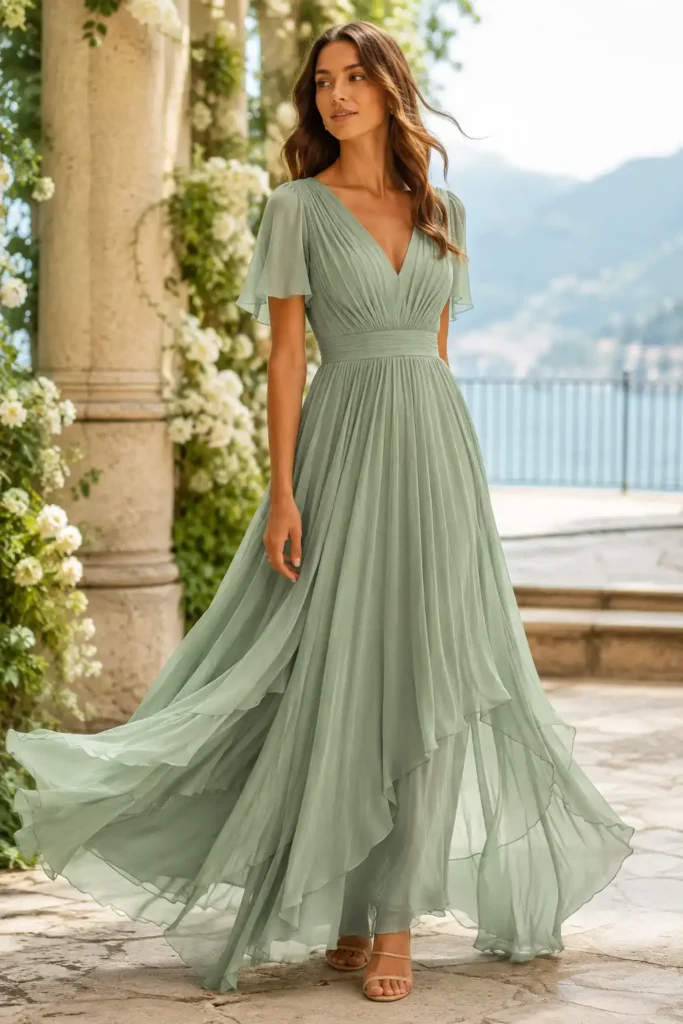
Maxi Dresses

Party Dresses
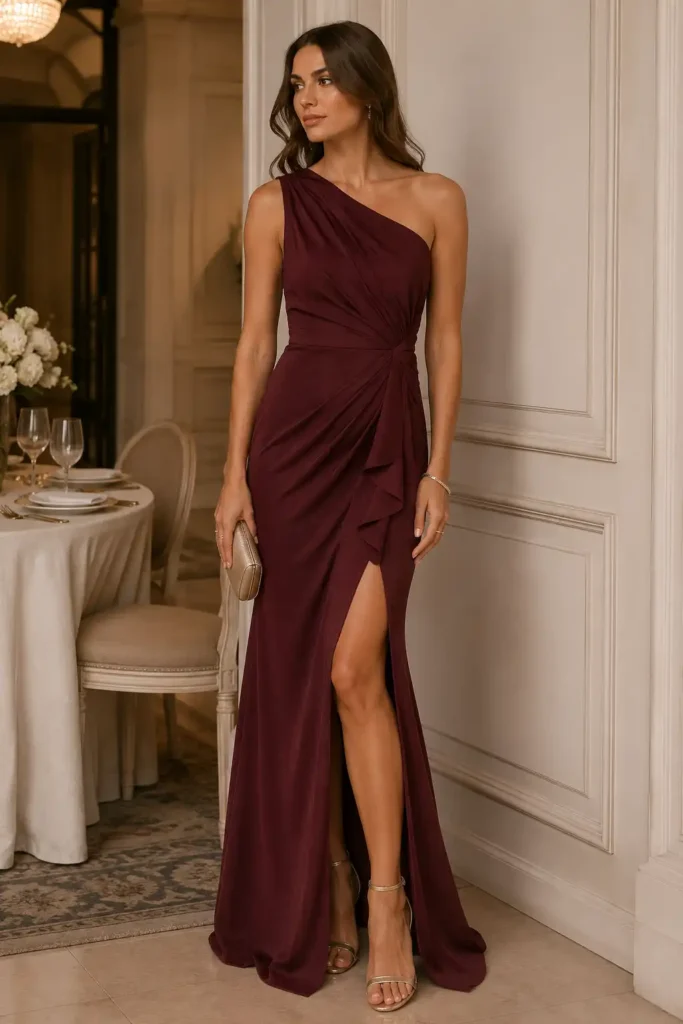
Occasion Dresses

Resort Dresses

Bodycon Dresses

Satin and Lace Dresses
Building a Balanced Seasonal Dress Assortment
A strong chain-store range is planned by commercial role, not by collecting unrelated attractive styles. Jinfeng Apparel can organize line sheets around launch priority, material groups, fit families, and reorder potential.
Give Every Style a Commercial Role
A seasonal assortment becomes easier to manage when each SKU has a defined purpose. Hero styles create campaign impact and attract store traffic. Core commercial styles carry dependable volume. Entry-price styles provide accessible options without weakening the brand’s visual direction. Occasion-led styles support weddings, graduations, holidays, and events. Replenishment candidates use proven fits, available fabrics, and repeatable construction.
Style roles influence development priority. A campaign dress may need a photo-ready sample before all production details are final, while a core commercial midi should focus on fit stability and scalable workmanship. A decorative sequin style may carry lower quantity but higher presentation value. A jersey bodycon style may carry broader color and size depth. Treating every SKU the same can delay the entire range and direct resources away from the most commercially important garments.
Jinfeng Apparel can receive a line sheet and classify styles by role, launch date, construction level, and expected volume. The classification supports sample sequencing, fabric booking, pattern grouping, factory allocation, QC intensity, and packing plans.
Group the Collection Before Sampling
Grouping creates speed without sacrificing control. Fabric groups reduce repeated sourcing and allow coordinated color review. Silhouette groups connect related patterns, such as a proven fitted bodice used across mini and midi lengths. Trim groups organize common invisible zippers, cups, boning, sliders, or labels. Complexity groups separate straightforward commercial pieces from lace, mesh, corset, sequin, or draped constructions that need more development time.
A typical 10-30 style project may be divided into five operating groups: stretch jersey and bodycon, lightweight woven and printed resort, satin and draped occasion, lace and mesh detail, and structured corset or evening shapes. The exact grouping follows the line sheet, not a fixed formula. Each group receives its own material status, sample priority, revision record, and bulk readiness review.
Grouping also improves cost planning. Shared fabrics, trims, labels, and packing formats can reduce unnecessary fragmentation. Color consolidation may help meet material minimums. Related patterns can be reviewed together for brand fit consistency. The objective is not to make every style identical; it is to reduce avoidable complexity while protecting the collection’s visual range.
Plan by Launch Window and Store Need
A boutique chain may serve warm and cold regions, high-traffic flagships, smaller neighborhood stores, and online channels at the same time. The assortment plan should connect styles to store profiles, climate, price bands, launch dates, size demand, and replenishment expectations. A resort maxi may launch earlier in warm regions, while occasion styles may be held for wedding or holiday calendars. Hero colors may be distributed widely, while fashion colors go to selected stores.
Manufacturing planning should work backward from warehouse receiving, not only from ex-factory completion. Sample review, photo timing, PP approval, material arrival, production allocation, QC, packing, inspection, booking, and transportation must be placed on one schedule. Delays in artwork, labels, size ratios, or barcode files can affect packing even when sewing is finished.
Jinfeng Apparel coordinates development and production around the approved launch structure. Final delivery timing is issued after PP approval, material confirmation, quantity confirmation, packing requirements, and logistics method are clear.

Structured Sampling for Multi-Style Collection Development
Sampling a single dress and sampling a 24-style range are different management tasks. Multi-style development needs priority rules, grouped workflows, and recorded approvals.
Set Sample Priority Before Work Begins
Priority prevents every style from competing for the same development window. Jinfeng Apparel reviews six factors before sequencing samples: launch date, hero-SKU value, fabric readiness, pattern complexity, photo-sample need, and expected bulk timing. Styles with available materials and urgent campaign dates may enter first. Complex corset, lace, mesh, or sequin styles may also start early because they need longer technical review.
First-sample timing depends on construction. Simple dresses may be planned around 7-10 days, regular dresses around 10-15 days, and complex corset, strapless, lace, mesh, sequin, or evening styles around 15-25 days. Timing begins after required development information and workable materials are available. Fabric changes, incomplete measurements, unavailable trims, or repeated design changes extend the process.
A priority map normally separates the collection into Wave A, Wave B, and Wave C. Wave A covers campaign and approval-critical pieces. Wave B covers major commercial styles. Wave C covers later drops, color extensions, or lower-priority designs. The retail team can review progress without waiting for every SKU to reach the same stage.
Track Every Style as a Separate File
Multi-style programs fail when revisions are stored only in chat messages. Jinfeng Apparel uses separate style references for pattern changes, measurements, fabric substitutions, trim adjustments, sewing method, client comments, sample version, approval status, and the next required action.
A style cannot move into PP approval while unresolved comments remain open.
The sample path may include first sample, fit sample, revised sample, photo-ready sample, salesman sample, PP sample, and Golden sample.
These versions serve different purposes. A photo-ready sample may receive stronger visual finishing for campaigns, but it does not automatically become the production standard. The PP sample must reflect final material, measurements, construction, labels, packing, and QC requirements.
Version control becomes especially important when several styles share a base pattern. A neckline change intended for one style must not alter another approved version. Final pattern files, grade rules, BOMs, trim cards, and measurement charts are locked by style before production handover.
Convert Fit Comments Into Production Standards
Fit feedback must be specific enough to change a pattern. Statements such as “make it better” or “a little tighter” are not reliable production instructions. Useful comments identify the area, desired result, measurement change, photo reference, and wearer feedback. Bust instability, low waist position, hip tightness, strap length, armhole exposure, neckline depth, hem imbalance, lining exposure, and slit safety all require different corrections.
Jinfeng Apparel’s 2 sample rooms, 7+ senior pattern makers, and 20+ sample machinists support the conversion from design input to production-ready standards. Pattern teams review measurements and body balance; sample machinists test construction and fabric behavior. Revised samples confirm whether changes work together rather than solving one area while creating another.
After approval, changes are transferred into the final pattern, size chart, grade rule, production instruction, QC measurements, and PP sample. Bulk work begins only after final references are aligned.

Fit Control Across Styles, Sizes, and Store Markets
Fit consistency is built from controlled measurement points, pattern correction, grade rules, and bulk inspection. Final tolerances follow the approved tech pack and product structure.
| Dress Structure | Critical Fit Areas | Sample Review Focus | Bulk Control Focus |
|---|---|---|---|
| Bodycon dress | Bust, waist, hip, total length | Negative ease, stretch recovery, lining behavior | Relaxed measurement, seam elasticity, shape retention |
| Corset dress | Cup position, bust, underbust, waist | Support, boning placement, neckline security | Symmetry, cup position, boning, zipper flatness |
| Slip dress | Bust, neckline, strap, hip, length | Coverage, strap adjustment, bias behavior | Strap length, side-seam balance, hem level |
| Midi dress | Bodice, waist, hip, slit, length | Proportion, movement, lining length | Waist placement, slit height, hem consistency |
| Maxi dress | Bodice, waist, total length, sweep | Walking ease, footwear assumption, hang | Length grading, hem level, pressing, packing |
| Mesh or lace dress | Bust, waist, panel position, lining | Transparency, motif placement, stretch balance | Panel alignment, lining coverage, seam stability |
| Strapless dress | Upper bust, bust, waist, top edge | Grip, support, movement security | Anti-slip placement, cup balance, top-edge stability |
| Jumpsuit | Torso, waist, hip, rise, inseam | Sitting, reaching, crotch comfort | Torso length, rise, inseam, waist position |
Fabric and Trim Systems for Commercial Dress Collections
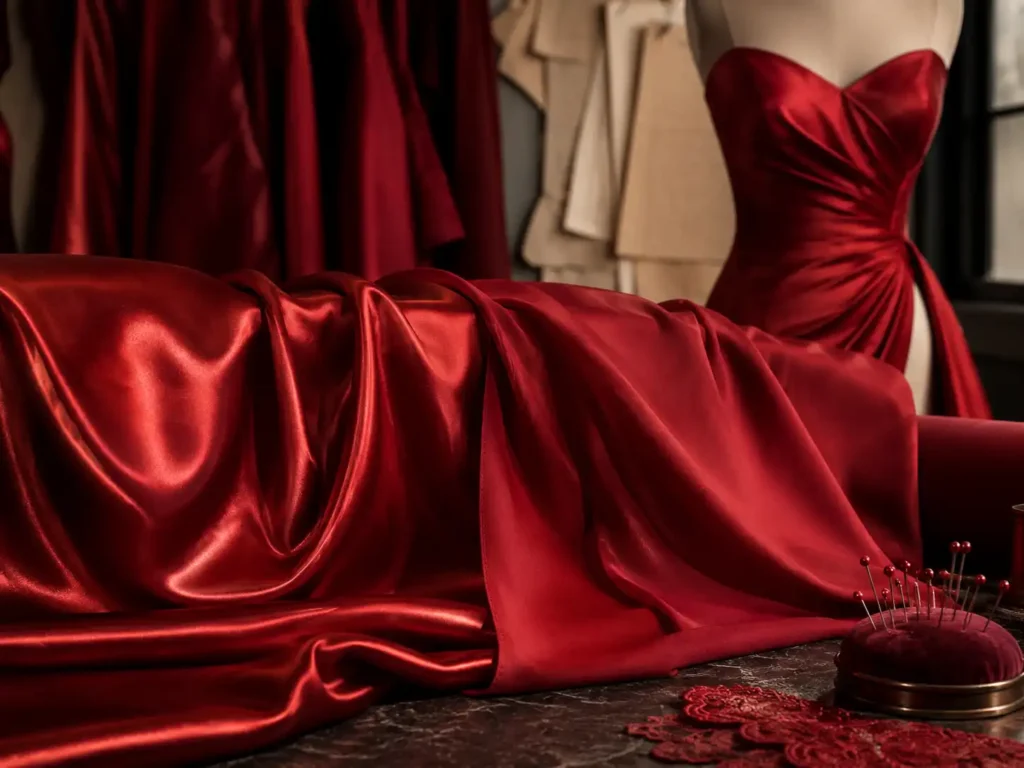
Satin and Stretch Satin
- Best for party, occasion, slip, draped, and corset styles
- Key risks: shade, snagging, puckering, shine marks
- Trim focus: invisible zippers, cups, boning, lining
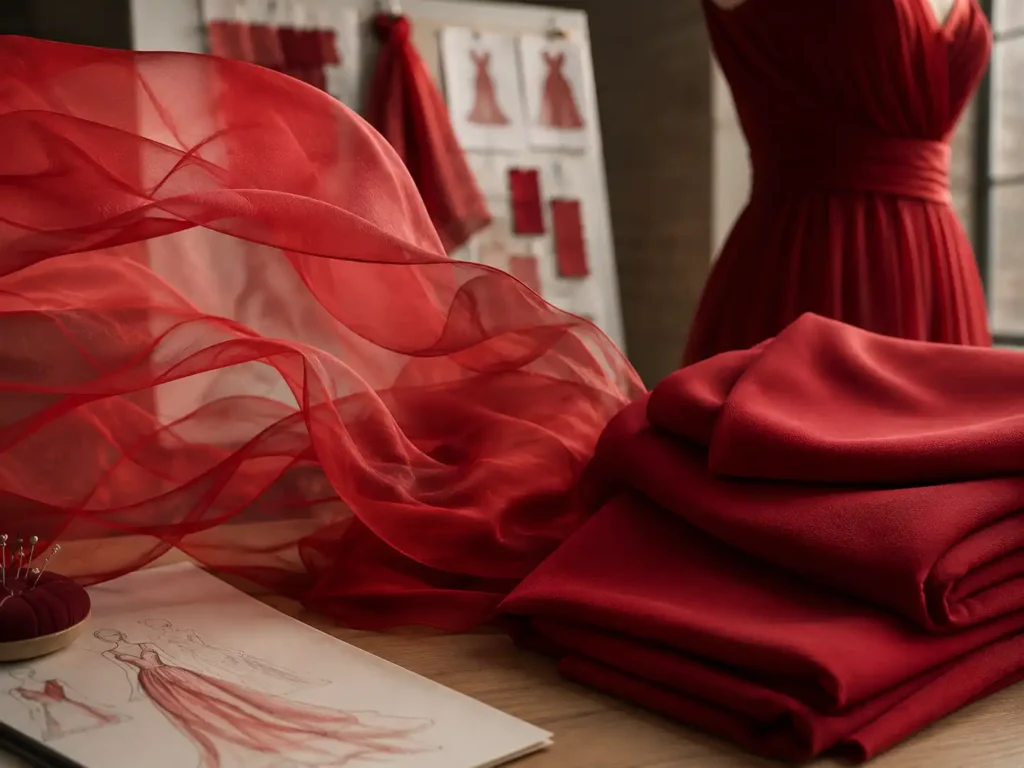
Chiffon and Crepe
- Best for maxi, wrap, ruffle, and occasion dresses
- Key risks: transparency, shifting, hem growth, seam visibility
- Trim focus: fine zippers, soft lining, lightweight interlining

Mesh and Power Mesh
- Best for bodycon, cutout, corset, and layered styles
- Key risks: transparency variation, stretching, seam distortion
- Trim focus: elastic, cups, boning, binding, lining

Lace and Tulle
- Best for occasion, wedding guest, party, and evening dresses
- Key risks: motif mismatch, holes, fraying, uneven placement
- Trim focus: soft lining, binding, appliqué, hidden support
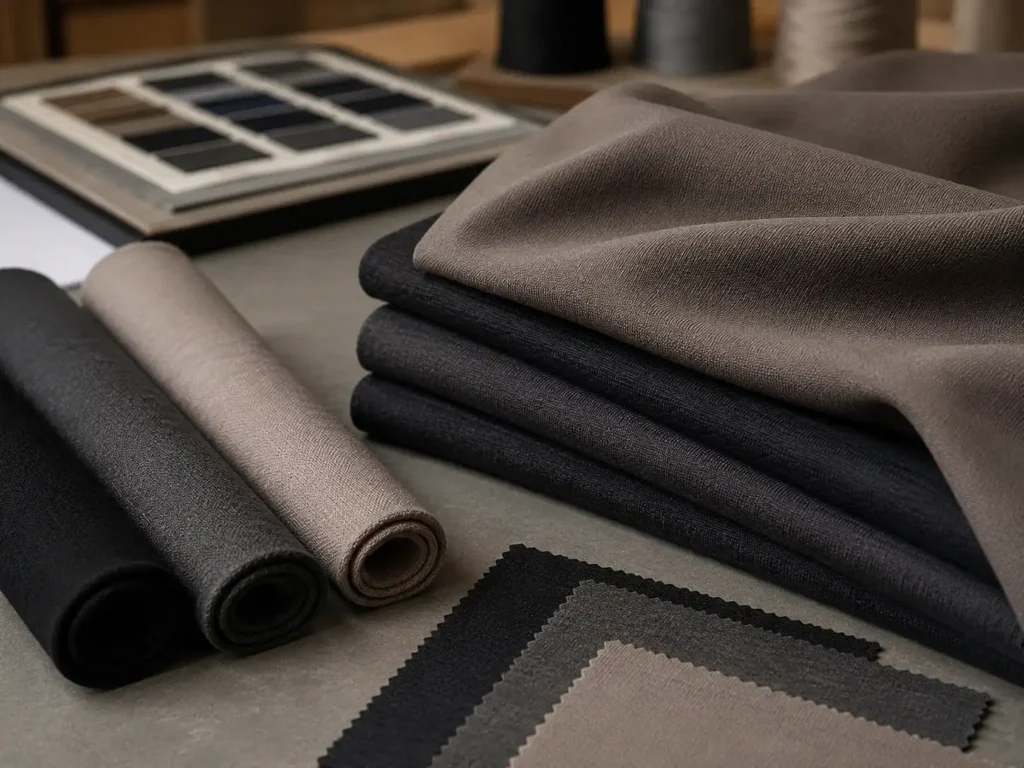
Jersey and Ponte
- Best for bodycon, fitted midi, casual, and repeat styles
- Key risks: growth, twisting, weak recovery, seam waving
- Trim focus: elastic, stretch lining, concealed zippers where needed
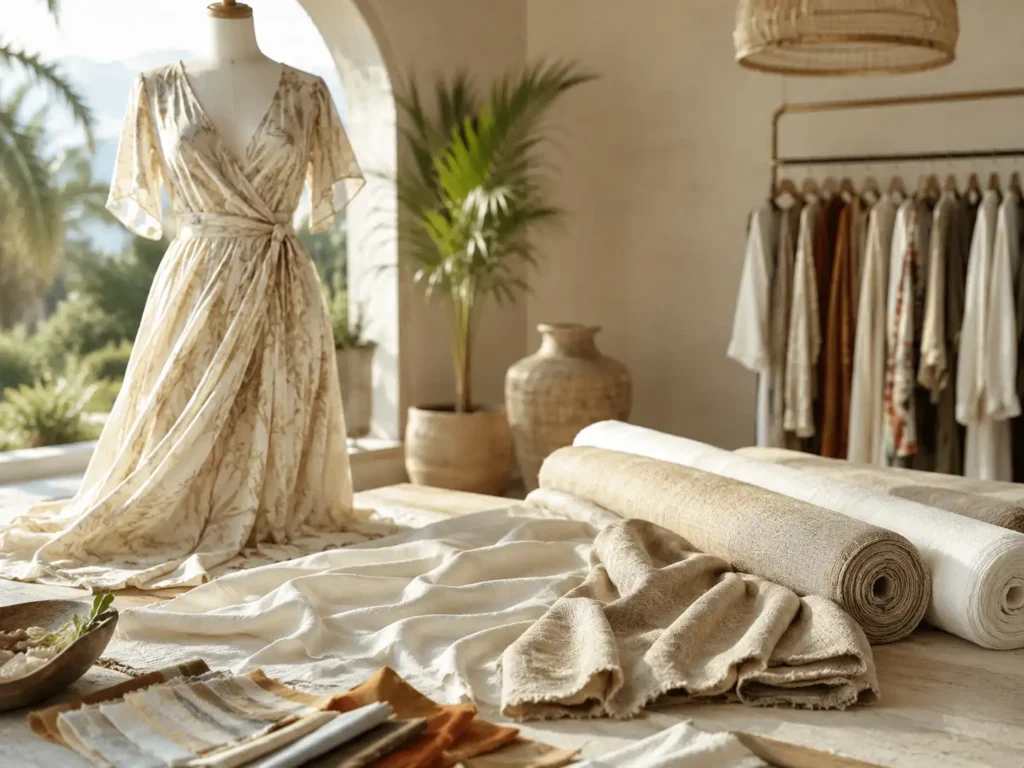
Linen, Rayon, and Prints
- Best for resort, maxi, shirt, wrap, and summer dresses
- Key risks: shrinkage, print mismatch, wrinkle, lot variation
- Trim focus: natural buttons, lightweight lining, branded packaging
Converting Complex Dress Concepts Into Production-Ready Styles
Visual ambition needs technical control. Complex dresses are reviewed for support, movement, repeatability, seam construction, finishing, and inspection before bulk production.
Build Structure Without Losing Comfort
Corset and strapless dresses need more than a fitted shell. Cup position, underbust balance, boning direction, waist shaping, top-edge grip, lining, closure, and skin-contact finishing work together. A change in one element can affect the whole bodice. Stiffer boning may improve shape but create pressure; larger cups may alter neckline position; heavier satin may require stronger internal support; mesh panels may stretch under tension.
Sample development tests the relationship between outer fabric, support layers, cups, boning, seam allowance, zipper, and lining. The wearer should be able to stand, sit, raise arms, and move without the top edge collapsing or the zipper bulging. Pattern corrections are transferred into the final pattern and PP standard. Bulk QC checks symmetry, cup height, boning position, top-edge stability, zipper flatness, and measurement.
For chain-store programs, support components also need supply consistency. Cup shape, boning width, anti-slip tape, zipper length, and lining weight should be recorded so replenishment does not change the fit.
Control Transparency, Placement, and Surface Detail
Mesh, lace, sequins, rhinestones, appliqué, and cutout panels create immediate visual value, yet they also create inspection challenges. Mesh transparency changes with stretch and lining color. Lace motifs may shift during cutting and sewing. Sequins can scratch skin, fall from seam allowances, or interfere with zippers. Rhinestone trims may twist or detach. Cutout edges can stretch or reveal lining if reinforcement is weak.
Development begins with a construction map: visible shell, support layer, lining, seam placement, reinforcement, closure, and skin-contact areas. Lace and appliqué placement should have reference points. Sequin seam allowances may need clearing or protective handling. Mesh panels may require stable adjoining fabrics and carefully controlled stretch. Cutouts should be checked in movement, not only flat on a table.
Bulk control includes placement templates, paired-panel comparison, surface inspection, loose decoration checks, seam reinforcement, lining coverage, and protective packing. Premium appearance depends on consistent placement across every size, not only on the sample size.
Lock the Style Before Bulk Production
Complex garments should not enter bulk while major design questions remain open. PP approval locks fabric, color, lining, trims, measurements, construction, label placement, hangtags, packaging, carton marks, and QC focus. Major changes after material booking can affect cost, schedule, pattern, supplier MOQ, and production allocation.
The sample-to-bulk handover includes final pattern, size chart, grade rules, BOM, fabric reference, trim card, sewing instruction, label placement, packing instruction, and QC checklist. A Golden sample may be sealed for production comparison, final inspection, repeat orders, and dispute reference. Production teams need one controlled standard, not several samples with different details.
Complexity is not treated as a reason for vague pricing or uncontrolled delays. It is broken into measurable work: material risk, pattern work, sample iterations, sewing operations, finishing, QC, and packing. Clear control makes a difficult style commercially repeatable.

Flexible Production Planning for Multi-Style Retail Programs
Flexible production means matching products to suitable teams, sequencing approved styles, and maintaining one quality standard across a wider manufacturing network.
Allocate Styles by Product Logic
Jinfeng Apparel does not assume one factory or line is ideal for every garment. Stretch jersey and bodycon styles need teams familiar with fabric relaxation, elastic seams, and recovery. Lightweight woven dresses need accurate grain control, fine seam handling, and clean pressing. Corset and occasionwear need structured assembly, lining work, cups, boning, and detailed inspection. Lace, mesh, satin, and sequin styles require material-specific cutting and finishing.
The six owned women’s fashion factories form the core production base, while more than ten long-term satellite partners add capacity and category options. Allocation is based on approved construction, fabric behavior, sewing difficulty, quantity, schedule, QC workload, and packing requirements. Large orders may be divided by style or product group, but one style is not casually split across units without a controlled reason and common standard.
Before assignment, the production file must be complete. The factory receives approved pattern, size chart, fabric and trim references, sewing instructions, PP or Golden sample, QC checklist, and packing instructions.
Use Flexible Lines for Release Control
More than six flexible production lines support collections with different approval dates, volume levels, and launch priorities. A hero style may be released first after PP approval, while later colorways wait for lab-dip or print approval. A proven jersey block may move into bulk sooner than a lace corset still under revision. Flexible scheduling protects the overall launch by preventing one difficult SKU from blocking all approved styles.
Release control follows readiness, not pressure alone. Material must be available, production information must be final, and QC requirements must be clear. Approved styles can enter planned windows while unresolved styles remain outside bulk. The approach suits 10-30 style programs because it creates parallel progress without hiding unfinished decisions.
Capacity is reviewed in relation to garment complexity. Regular monthly capacity exceeds 100,000 pieces, yet a complex occasion dress consumes more pattern, sewing, finishing, and inspection time than a simple knit style. Production plans therefore use line loading and operation analysis rather than garment count alone.
Keep One Standard Across Production Units
Multi-factory production is only useful when quality language remains consistent. Jinfeng Apparel uses PP samples, Golden samples, production orders, BOMs, measurement charts, grade rules, sewing instructions, label files, packing instructions, and QC checklists as shared references. The merchandising team tracks material, production, inspection, and packing status by style.
The team includes 12+ merchandisers and order follow-up specialists, 15+ QC inspectors, and 30+ finishing and packing workers. Merchandisers coordinate the information flow; QC teams verify product-specific controls; finishing and packing teams check presentation, labels, barcodes, polybags, and carton details. Problems are escalated against the approved standard rather than resolved through informal interpretation.
Satellite partners remain part of a managed system. They are not described as additional owned factories, and not every unit is assigned every category. Transparent allocation and unified records protect consistency.

MOQ Planning for Multi-Style Boutique Collections
One Style, One Color
One Style, Two Colors
Multiple Styles
Stock Fabric
Custom Materials
Labels and Packaging
Cost Planning Without Weakening Retail Product Value
A reliable quotation explains where cost comes from and where intelligent adjustment is possible. Lowest-price comparisons often hide material, construction, inspection, or packing differences.
Build the Quote From the Garment
Dress cost is formed by shell fabric, lining, trims, pattern work, sample development, cutting, sewing time, finishing, pressing, QC, packing, wastage, logistics, testing when required, and reasonable factory margin. Construction changes can affect cost even when the front image looks similar. A lined corset bodice with cups and boning requires different work from an unlined stretch mini. Lace placement and sequin clearing require more time than plain fabric seams.
A useful quote therefore needs more than a reference photo. The team reviews style structure, target fabric, color count, size range, quantity by style and color, label requirements, packaging, target delivery, and destination. Early quotations may remain provisional until fabric, trims, measurements, and sample construction are confirmed.
Cost should be compared on equal specifications. Two suppliers may quote the same silhouette using different fabric weight, lining coverage, zipper quality, stitch construction, QC depth, or packing. A lower number is not a saving when it creates returns, store complaints, or unusable replenishment.
Optimize Without Removing the Selling Point
Cost control should protect the visual feature that makes the product worth stocking. Jinfeng Apparel can review fabric substitutions with similar drape or stretch, simplify hidden construction where performance remains acceptable, reduce unnecessary trim variation, improve cutting layout, consolidate colors, standardize labels, and plan size ratios or split shipments more efficiently.
A satin occasion dress may keep its external silhouette while switching to a more stable lining.
A lace style may preserve front placement while simplifying an unseen internal seam. Several styles may share a zipper family, cup specification, or branded polybag. A collection may use one approved black fabric across different silhouettes, improving material consistency and reducing fragmented sourcing.
Every change must be tested against appearance, fit, durability, production risk, MOQ, and schedule. Cost reduction is not achieved by silently changing material after sample approval. Approved substitutions are recorded in the BOM and PP standard.
Project Management From PP Approval to Bulk Delivery
PP Approval
Material Booking
Production Handover
Progress Tracking
Quality Feedback
Shipment Preparation
Quality Control for Consistent Multi-Store Dress Delivery
Quality is controlled at material, pattern, cutting, sewing, finishing, measurement, and packing stages. Final inspection alone cannot correct every upstream mistake.
Control Materials Before Cutting
Incoming material QC checks the characteristics that affect fit and appearance: fabric identity, composition information, weight where specified, width, color, lot, hand feel, stretch, recovery, transparency, shrinkage risk, surface defects, print direction, lace motif, and sequin condition. Linings, zippers, cups, boning, elastic, labels, and packing materials are reviewed against approved references.
Color-sensitive programs may use lab dips, color cards, shade bands, lot records, and bulk color approval.
Satin and dark colors need attention to reflected shade and surface marks. Mesh and lace require transparency and motif review. Jersey and ponte need relaxation, stretch, and recovery checks. Printed materials need repeat, scale, direction, and placement confirmation.
Cutting begins only after the material is released for the assigned style. Cutting QC checks grain, direction, paired panels, print matching, lace symmetry, layer accuracy, notches, and cut-part defects. Material risk caught before sewing is less expensive and more controllable than garment-level rework.
Inspect Workmanship During Production
Sewing QC focuses on product-specific risks. Bodycon dresses require elastic seams, shape retention, and stable measurements. Satin needs smooth seams, controlled tension, clean zipper installation, and careful pressing. Lace and mesh require placement, joining, reinforcement, and lining coverage. Corset dresses need symmetry, cup and boning position, top-edge security, and closure performance. Sequin garments need decoration control and skin-contact protection.
Inline checks identify issues before an entire batch repeats the same method. Inspectors compare work to the PP or Golden sample, production instruction, measurement chart, and QC checklist. Findings can lead to machine-setting correction, operator retraining, pattern clarification, trim replacement, or rework. QC does not rely on the phrase “strict quality”; it relies on defined checkpoints and evidence.
Garment inspection reviews measurements, appearance, symmetry, seam quality, closures, labels, stains, loose threads, lining, decoration, pressing, and product presentation. Measurement tolerance follows the approved style chart. AQL inspection may be used for final lot evaluation, but AQL is not the same as inspecting every garment.
Protect the Garment Through Packing
Finishing and pressing are part of quality, especially for satin, chiffon, lace, long hems, structured bodices, and decorative surfaces. Pressing temperature, steam, pressure, garment support, and cooling affect shine, shape, seam appearance, and measurement. Finished garments are reviewed before labels and packaging hide key areas.
Packing QC verifies style number, color, size, main label, care label, size label, hangtag, barcode, SKU sticker, polybag, warning text, folding, carton quantity, PO information, carton mark, and warehouse label. Thirty or more finishing and packing workers support these final operations, while QC teams verify conformance to the approved packing file.
Carton-level reconciliation is essential for multi-store programs. A correctly made dress packed under the wrong SKU creates a supply-chain defect. Packing lists and carton records must match the physical shipment before release.
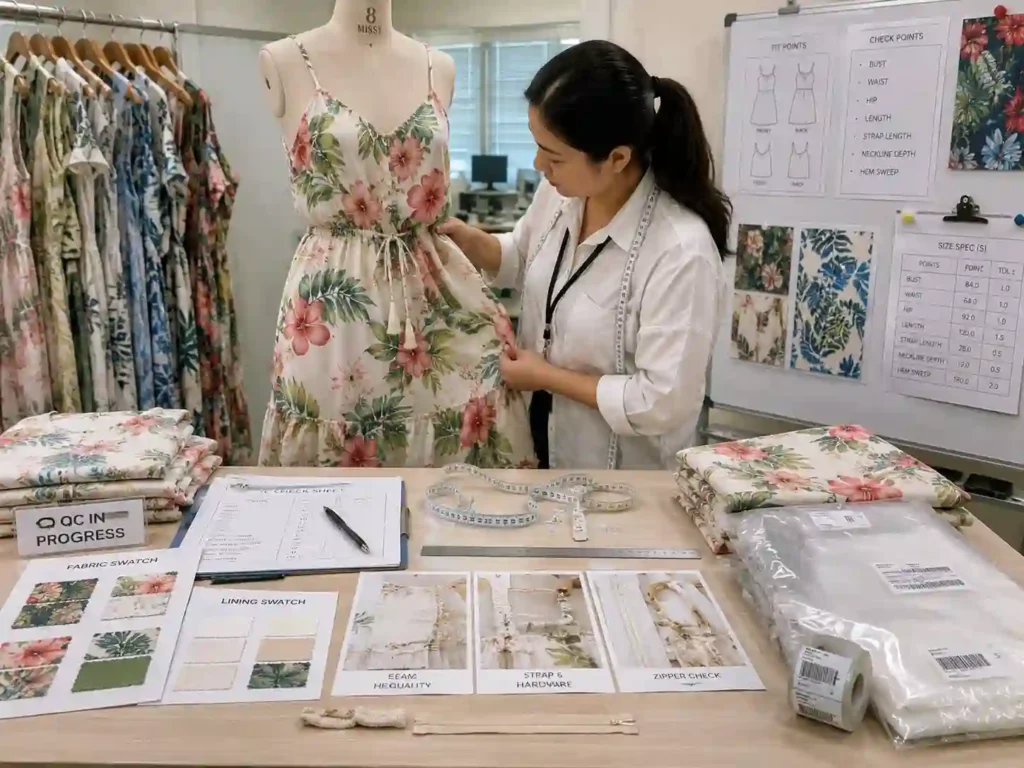
Private-Label Dresses Ready for Retail and Ecommerce

Brand Labels
- Main brand label
- Logo placement
- Fold and stitch method
- Artwork and color approval
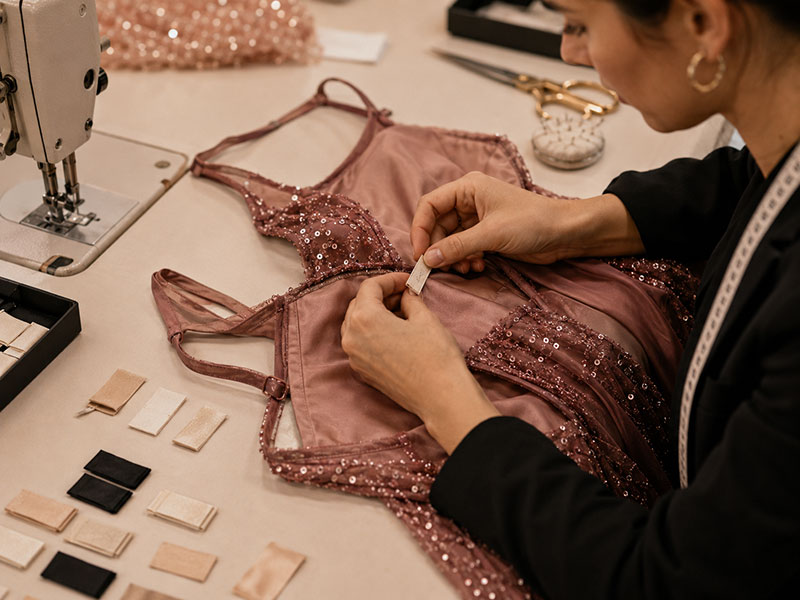
Care and Size Labels
- Care content review
- Size-system matching
- Placement confirmation
- Print and wash durability
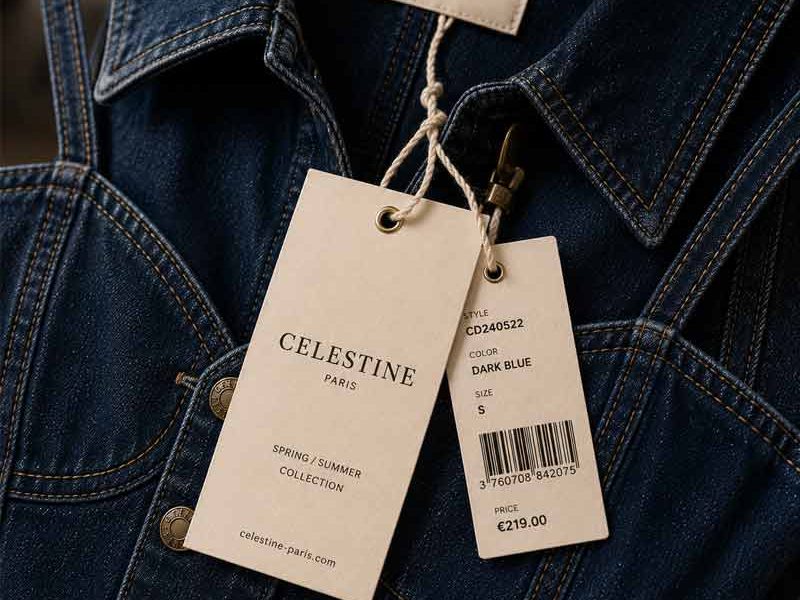
Hangtags
- Brand artwork
- String or seal selection
- Barcode area
- Attachment position
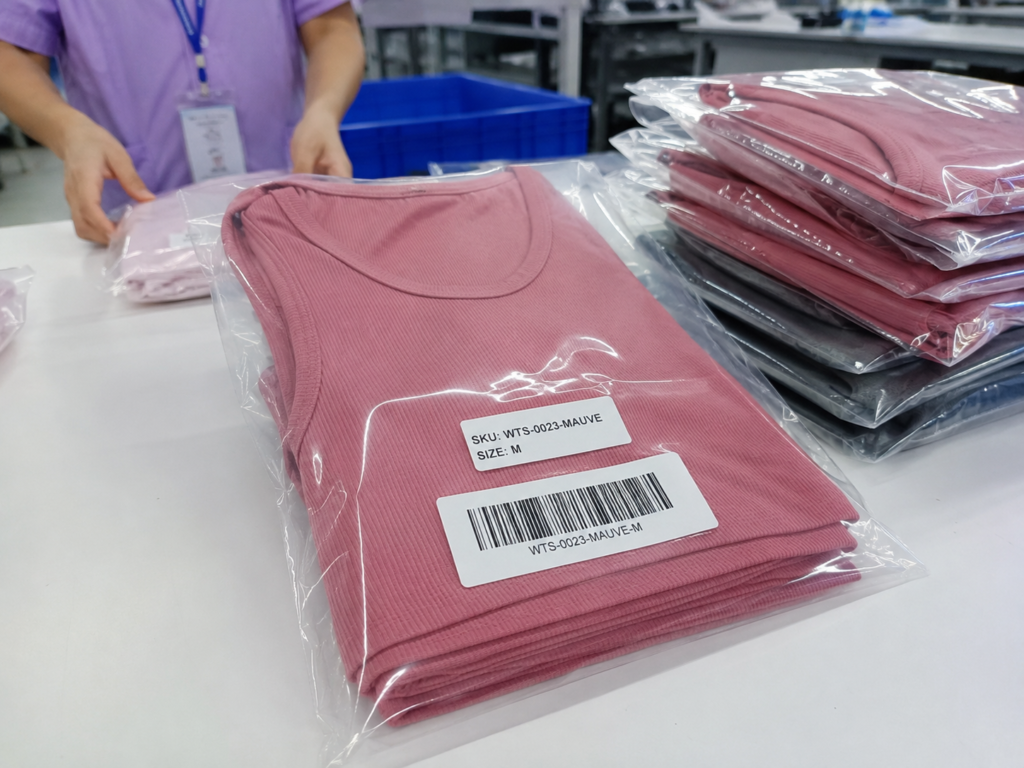
Barcode and SKU
- Style-color-size mapping
- Barcode file control
- Sticker placement
- Scan verification by requirement

Individual Polybags
- Folding standard
- Warning text
- Size and SKU stickers
- Surface protection
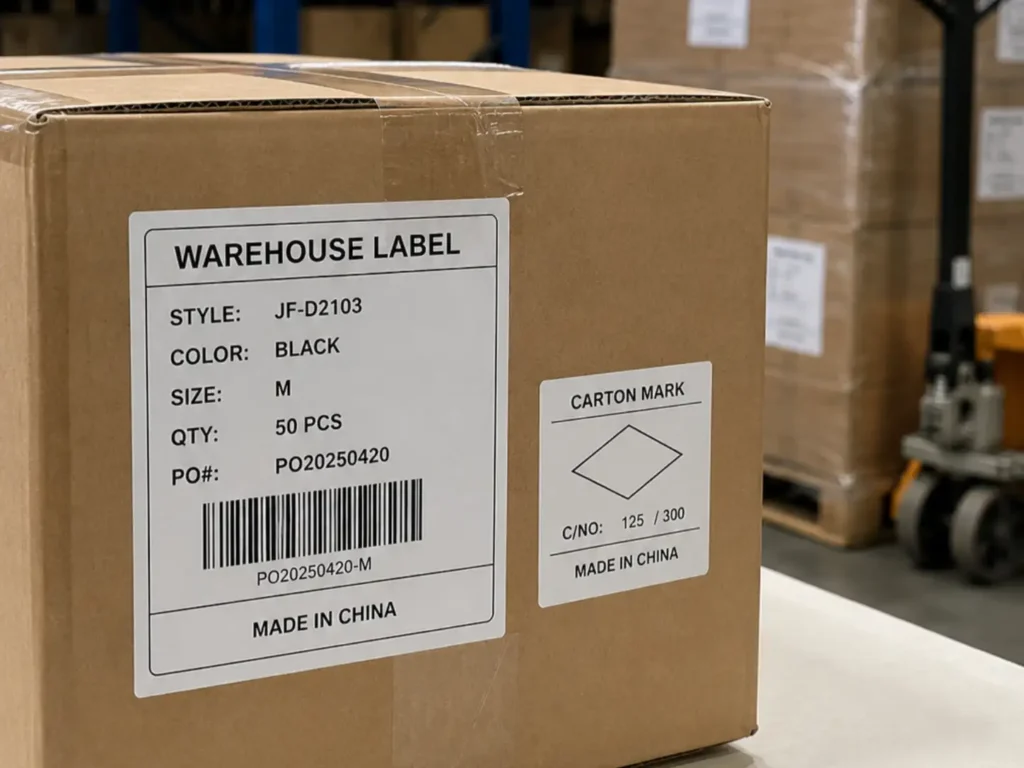
Carton and Warehouse Labels
- PO and carton data
- Warehouse label
- Destination mark
- Packing-list consistency
SKU and Packing Control for Multi-Store Distribution
Retail-ready delivery depends on accurate links between garment identity, labels, barcodes, cartons, and warehouse instructions. Packing files should be approved before final production finishing.
| Control Item | Retail Team Provides | Jinfeng Apparel Verifies |
|---|---|---|
| Style number | Master style list and PO | Garment, label, hangtag, polybag, and carton match |
| Color code | Approved color names and codes | Fabric shade, sticker, packing record, and carton data |
| Size system | Size chart and size names | Garment measurement, size label, barcode, and ratio |
| Size ratio | Quantity by size | Packed quantity by size and carton allocation |
| Barcode | Valid barcode file | Code-to-SKU match, print quality, and placement |
| SKU label | Style-color-size mapping | Sticker accuracy on garment or polybag |
| Carton mark | Warehouse or forwarder format | PO, destination, carton number, quantity, and dimensions |
| Store allocation | Allocation or split-packing file | Separation by store, region, warehouse, or shipment batch |
| Packing list | Required file structure | Physical cartons against final packing records |
| Special packing | Folding, hanger, tissue, warning, or inserts | Execution against approved packing sample and instruction |
Aligning Production and Shipment With Retail Launch Dates
Delivery planning should connect samples, PP approval, production, QC, packing, warehouse receiving, and launch. A factory completion date alone does not protect a sales window.
Build the Schedule Backward From Receiving
The planning point is the required warehouse receiving date. From there, the program works backward through transportation, booking cutoff, final inspection, packing completion, garment finishing, sewing, cutting, material arrival, PP approval, sample revision, and first-sample review. The schedule becomes reliable only when responsibilities and approval deadlines are visible.
Simple statements such as “production takes a fixed number of days” can be misleading. Bulk timing depends on style complexity, quantity, fabric and trim availability, color count, size range, private-label packaging, QC scope, inspection arrangement, and logistics method. Jinfeng Apparel issues the production timetable after PP approval, material confirmation, and order details are locked.
Retail teams improve timing by sending comments in one consolidated round, approving fabric and trims promptly, finalizing barcode and packing files before sewing ends, and avoiding major changes after PP approval.
Choose Shipping by Commercial Priority
Sea freight suits planned seasonal volume when cost control is important and enough time is reserved for booking, transit, customs, and warehouse receiving. Air freight suits photo samples, urgent launch pieces, key colors, priority sizes, or replenishment where the commercial value of speed justifies the cost. Client-appointed forwarders can be used when a chain has established consolidation or warehouse arrangements.
Shipping method should be selected by style and launch role, not only by total order. A high-value campaign style may travel by air while the broader commercial range moves by sea. Product weight, carton volume, destination, import terms, and receiving requirements influence the final arrangement.
Required shipping information can include packing list, commercial invoice, carton marks, carton dimensions, gross and net weight, cargo photos, pickup window, forwarder contact, warehouse address, cutoff time, and documentation instructions.
Use Air and Sea as One Coordinated Plan
A split shipment can place hero styles, bestselling colors, or priority sizes into stores first while the remaining volume follows by sea. The split must be planned before final packing. SKU allocation, carton separation, packing lists, invoice structure, warehouse labels, and forwarder bookings must clearly identify each batch.
For example, a 50,000-piece seasonal program might reserve a smaller first launch allocation for air and move the majority by sea. The exact split follows sales priority and logistics cost. Splitting cartons after random packing creates errors and rework; allocation should be built into the packing plan from the start.
The approach supports faster launch without converting the entire program to premium freight. It also gives merchandising teams a controlled first release while preserving cost efficiency on the remaining inventory.


Repeat Orders and Bestseller Replenishment Support
A successful dress should return with the same fit, material direction, workmanship, labels, and packing. Reorder speed comes from retained records, not from skipping controls.
Keep the Product Record Ready
Jinfeng Apparel can retain final pattern versions, size charts, grade rules, BOMs, fabric references, color records, trim records, sewing instructions, Golden samples, QC notes, label files, packing requirements, and previous order comments. These records reduce the need to rebuild a proven product from the beginning.
A repeat order can move more efficiently because the product identity is already defined. The merchandising team can review what remains valid and what needs renewed approval. Stable patterns and measurements reduce fit risk. Previous QC findings can be added to the next checklist. Packing records help reproduce barcode, folding, sticker, and carton rules.
Repeat does not mean automatic duplication. Material lots change, suppliers update colors, trims become unavailable, and packaging artwork may be revised. Revalidation protects the original product standard.
Reassess Every Changed Variable
The same style and same color usually follow the 200 pieces per style/color MOQ starting principle, subject to material and schedule review. A new color requires color and material confirmation. A new fabric can change drape, stretch, shrinkage, lining, pattern, sewing method, cost, and MOQ. A new neckline or length becomes a style extension and may require fresh sample approval.
Bestseller replenishment is assessed by pattern readiness, original fabric and trim availability, requested quantity, line schedule, QC workload, and shipping method. Hot SKUs can receive priority planning when production information is complete. Urgent portions may be considered for air shipment while the remaining quantity follows the normal freight plan.
Records create speed, while revalidation protects consistency. Both are necessary for a chain-store replenishment program.
Protecting Designs, Labels, and Unreleased Collections
Design Protection
- NDA cooperation
- Tech pack protection
- Pattern and sample control
- Unreleased style confidentiality
Brand File Protection
- Label artwork protection
- Barcode and SKU confidentiality
- Packing-file control
- Warehouse-data protection
Order Information Protection
- Order quantity privacy
- Launch-plan confidentiality
- Anonymous evidence only
- No unauthorized brand disclosure
How a 24-Style Boutique Collection Entered Production
Representative anonymous project data illustrates how a large multi-style program can be organized without revealing a brand name, design files, or confidential commercial details.
Order Profile and Initial Risks
The seasonal program included 24 dress styles, 58 approved colorways, five commercial sizes, and 51,600 garments in total. The line covered mini, midi, maxi, bodycon, satin, mesh, lace, occasion, and resort directions. Quantities varied by product role: hero styles carried campaign importance, core commercial dresses carried deeper volume, and fashion-led styles carried narrower allocations.
The order created several operational risks. Eight styles required early photo samples. Five complex styles used corset, mesh, lace, or sequin construction. Several products shared satin or lining colors but used different pattern structures. Retail packing required main labels, care labels, size labels, hangtags, barcode stickers, individual polybags, carton marks, and warehouse references. The chain also needed a first shipment for launch-critical SKUs before the main volume.
Without grouping, the project could have created 24 separate sourcing paths and hundreds of disconnected approvals. The solution began with a master line sheet linking style role, fabric group, colorway, size ratio, sample priority, production unit, QC focus, packing rule, and shipment batch.
Development and Production Control
The 24 styles were divided into five operating groups: stretch bodycon, lightweight resort and printed, satin and draped, lace and mesh, and structured occasion. Eight hero styles entered the first sample wave. Regular first samples were planned within the 10-15 day range after materials and information were ready; the most complex styles followed the 15-25 day development range. Each style received an individual revision record.
Fit comments were converted into pattern and measurement changes. Bust, waist, hip, strap, neckline, slit, lining, and length comments were linked to the relevant size chart and sample version. Photo-ready samples were finished for campaign use, while PP samples remained the final production reference. Approved styles were released by readiness rather than waiting for every garment to reach the same stage.
Production allocation followed material and construction. Stretch lines handled bodycon products; lightweight woven teams handled resort and printed dresses; experienced structured teams handled corset and occasionwear. PP samples, Golden samples where required, BOMs, measurement charts, sewing instructions, QC checklists, and packing files maintained one standard across the production system.
Packing and Split Delivery
The final order plan contained 290 style-color-size SKU combinations. Packing teams matched garment identity with size labels, hangtags, barcodes, polybag stickers, and carton records. Cartons were separated by the chain’s receiving structure, and packing lists were reconciled against physical quantities before dispatch.
A launch allocation of 8,400 garments covering hero styles, priority colors, and key sizes was prepared as the first shipment. The remaining 43,200 garments followed the main freight plan. The split was planned before packing, allowing cartons, invoices, SKU files, and warehouse labels to remain clear by shipment batch.
The project structure produced a controlled handover from line sheet to sample, from PP approval to production, and from garment QC to warehouse-ready packing. The operational result was not a claim of perfect production; it was a traceable system in which every style, color, size, packing requirement, and shipment batch had a defined record.

Frequently Asked Questions for Boutique Fashion Chains

Share Your Boutique Dress Collection Plan
A useful project review begins with enough information to evaluate style complexity, material direction, MOQ, sample development, production allocation, packing, and delivery. Send a complete line sheet when available, or begin with reference images and a structured quantity plan. Kelly will organize the information for initial review and identify the next required decisions before formal sampling or quotation.
Please prepare:
- Company and target market
- Line sheet or style list
- Tech packs, original samples, or reference images
- Quantity by style and color
- Size range and size ratio
- Fabric and trim direction
- Required sample types and launch date
- Brand labels, hangtags, barcode, and SKU files
- Polybag, carton, and warehouse instructions
- Delivery destination or nominated forwarder details


