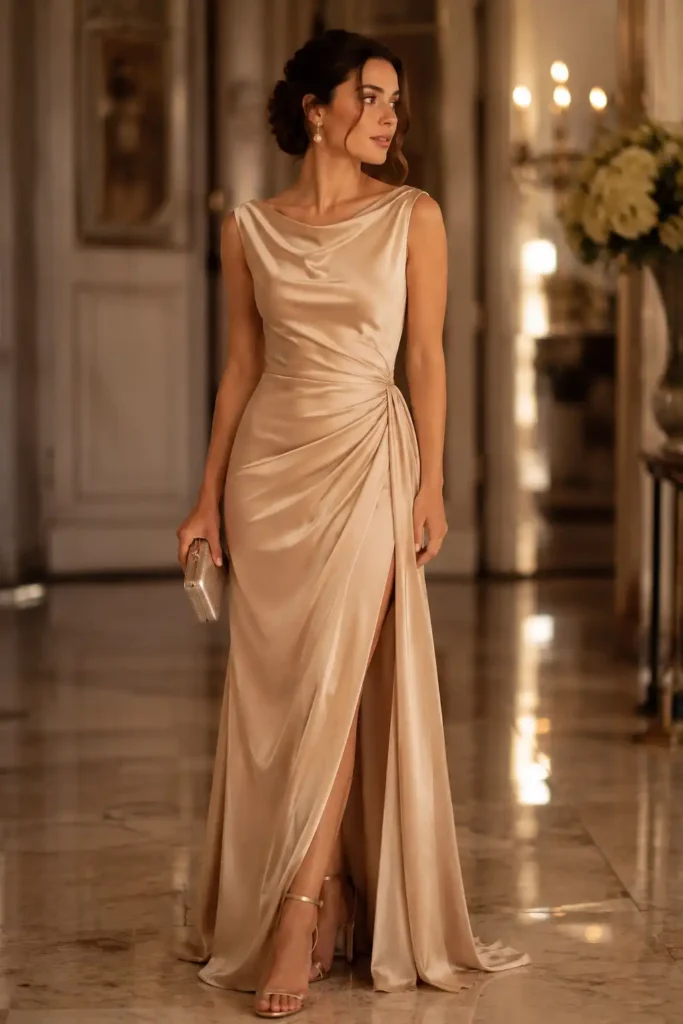
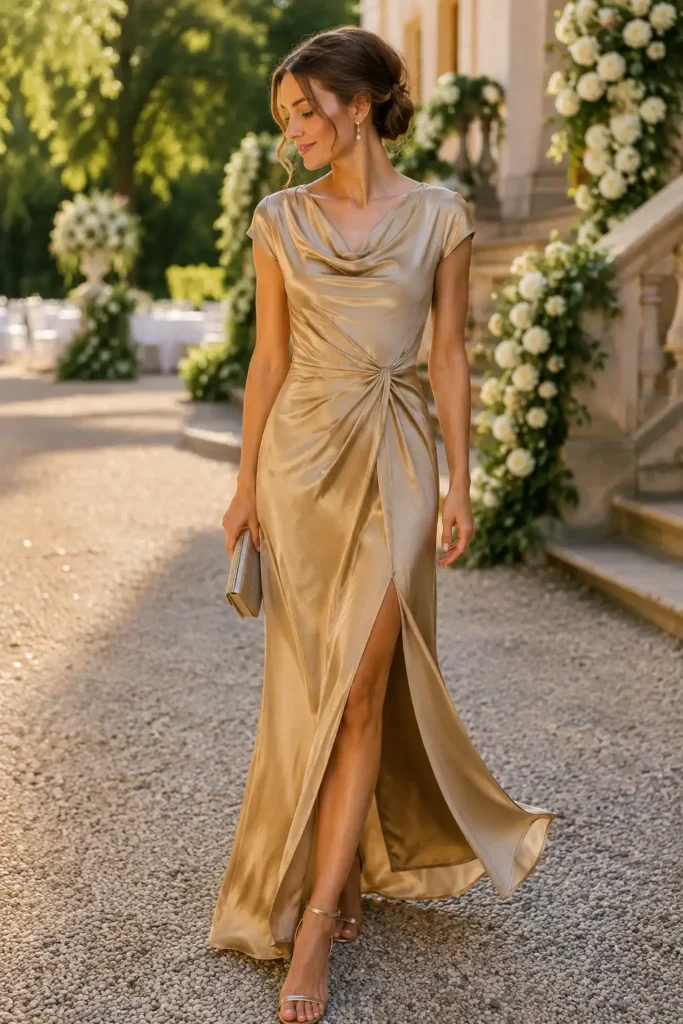
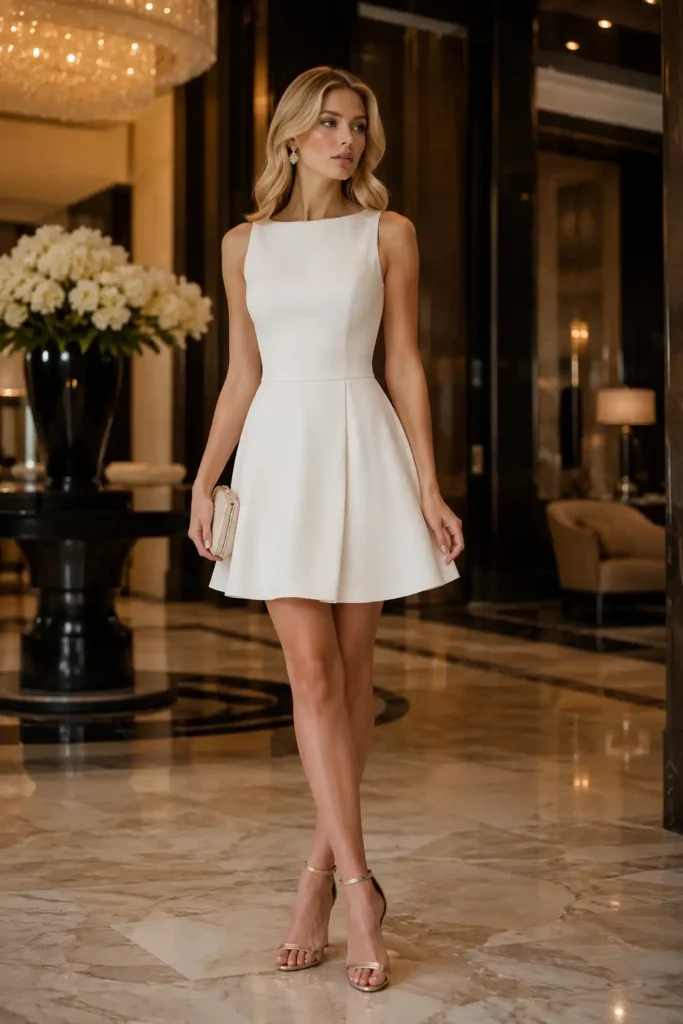
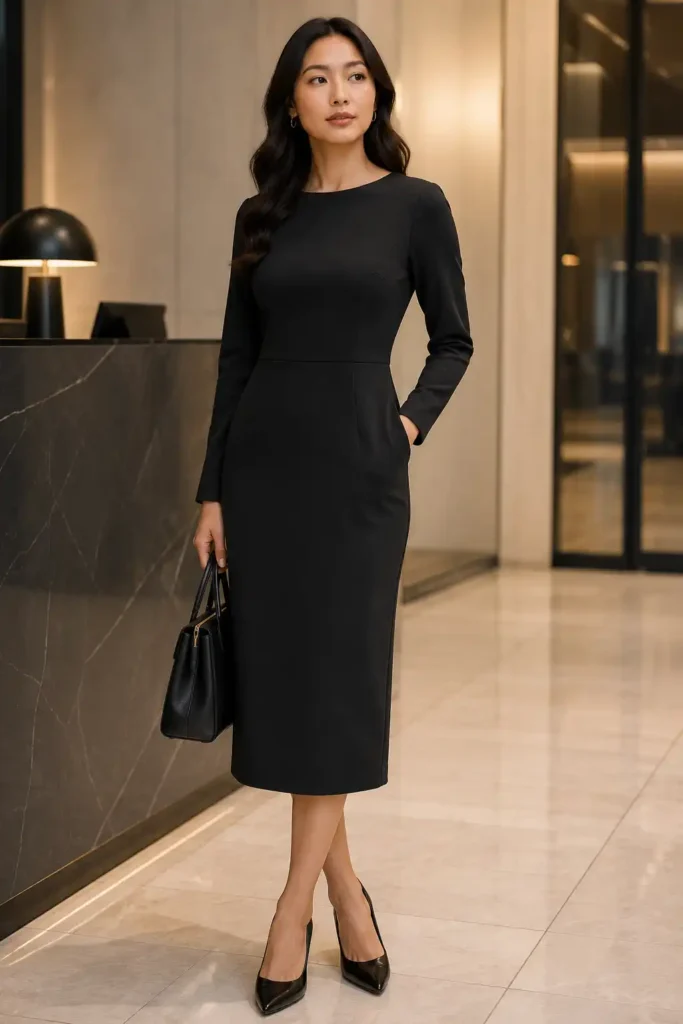
Dress Manufacturer for Australian Premium Online Brands

Custom dress development, controlled sampling and scalable private-label production for Australian online fashion brands with demanding launch calendars.

Jinfeng Apparel turns design references, original samples and technical files into production-ready dresses for premium online collections. Our development and manufacturing system is organised around commercial fit, fabric character, campaign presentation, bulk consistency and warehouse-ready packing.

  • Seasonal programs commonly cover 10-30 coordinated styles, rather than isolated single garments.
  • Representative multi-style orders are planned within 20,000-80,000 total pieces, divided by style, colour and size.
  • Custom production starts from 200 pieces per style and colour, subject to fabric, trim and construction requirements.
  • Standard dress first samples normally require 10-15 days; corset, lace, mesh, sequin and other complex styles normally require 15-25 days.

Development Resources Built for Premium Dress Collections

Australian online labels need more than available sewing capacity. A dependable program requires specialists who can read design intent, control fit, sequence samples, allocate production and protect the approved standard from first pattern to packed carton. Jinfeng Apparel combines dedicated development resources with a structured factory network for multi-style dress programs.

Since 2008

Jinfeng Apparel has focused on custom women’s fashion manufacturing since 2008. Long-term work with dresses, skirts, jumpsuits, matching sets and private-label collections has built a working knowledge of fitted silhouettes, occasion fabrics, layered constructions, online launch pressure and repeat-order control. Experience is applied through development decisions, not presented as a decorative anniversary claim.

6 Owned Factories

Six owned women’s fashion factories form the core production base. Orders are assigned according to woven or stretch construction, fabric behaviour, workmanship requirements, quantity and delivery sequence. A satin slip dress, power-mesh bodycon style and structured corset dress do not follow the same production logic, so allocation begins with product structure rather than spare capacity alone.

10+ Production Partners

More than ten long-term satellite production partners add specialised capacity and scheduling flexibility. Partner allocation remains under Jinfeng Apparel’s project, sample and quality framework. Approved samples, material references, measurement files, sewing instructions, packing rules and inspection points travel with each style, helping the wider network operate as a controlled production system instead of a loose outsourcing chain.

2 Sample Rooms

Two sample rooms support first samples, fit samples, revised samples, photo-ready samples and pre-production approvals. Separating development activity from bulk scheduling allows pattern corrections and construction tests to move without being treated as occasional factory interruptions. Multi-style Australian collections can be prioritised around campaign deadlines, approval dependencies and commercial importance.

7+ Pattern Makers

Seven or more senior womenswear pattern makers work across mini, midi and maxi dresses, bodycon silhouettes, corset structures, strapless necklines, slips, halters, backless styles and jumpsuits. Pattern review covers bust, upper bust, underbust, waist position, hip balance, neckline depth, strap length, armhole exposure, slit height, hem balance and movement allowance.

15+ Quality Inspectors

A team of more than fifteen quality inspectors supports incoming material review, cutting checks, in-line inspection, garment measurement, finishing review, packing verification and AQL inspection. Product-specific checkpoints are assigned for satin, mesh, lace, sequins, stretch bodycon styles, corset dresses, strapless constructions, maxi lengths and ecommerce packing requirements.

Manufacturing Support Aligned With Established Online Fashion Operations

Jinfeng Apparel is structured for brands that already understand product development, work to defined launch dates and need a manufacturing partner capable of managing style depth, commercial quantities and repeat production. The strongest results begin with clear product direction and early visibility of the complete collection.

Best Matched Brand Programs

The manufacturing model suits Australian premium ecommerce labels, occasionwear brands, partywear specialists, resort and summer collections, established direct-to-consumer operations, multichannel womenswear businesses and regional fashion groups. Strong-fit programs normally include defined silhouettes, reference samples or technical files, target quantities, planned size ranges, branding requirements and a genuine bulk-production schedule. Collection work may begin with several priority styles before expanding into a 10-30 style seasonal program.

Information Needed for a Reliable Review

A useful assessment requires more than a product image. Reference photos or tech packs should be paired with expected quantity per style and colour, fabric direction, colour plan, size range, label and packing requirements, target delivery window and any campaign-sample deadline. These details allow Jinfeng Apparel to identify material MOQ, construction risk, sample sequence, production allocation, costing boundaries and the earliest responsible timeline before development begins.

Where Premium Online Dress Programs Commonly Lose Control

Strong visual concepts can still fail commercially when fit, material behaviour, approval records and production execution are not connected. Online fashion magnifies these weaknesses because shoppers judge the garment through imagery, receive it without fitting, and often return products when the delivered silhouette differs from the photographed promise.

Campaign Sample, Weak Fit

A sample may photograph well from one angle while producing neckline exposure, unstable straps, poor bust support, tight hips or restricted movement in real wear. Jinfeng Apparel separates visual finishing from fit approval. Photo-ready samples receive presentation attention, while fit and PP standards remain responsible for measurements, structure, balance, comfort and production repeatability across the requested size range.

Fabric Substitution Changes Value

A fabric chosen only by price can weaken drape, opacity, stretch recovery, surface shine and perceived value. A lighter satin may collapse around a corset, a hard mesh may distort a neckline, and a low-recovery jersey may lose shape after wear. Fabric alternatives are assessed against silhouette, lining, pattern behaviour, finishing, colour and bulk availability before approval.

Bulk Differs From Approved Sample

Differences often appear when the approved sample is not converted into controlled production documents. Fabric lot, trim specification, seam method, ruching density, zipper application, lining coverage and pressing can all drift. Jinfeng Apparel uses PP approval, Golden sample sealing, BOM, size chart, sewing instructions, QC checklist and packing instructions to translate the final sample into measurable production requirements.

Size Variation Drives Returns

Ecommerce shoppers cannot correct a poor fit in a fitting room. Inconsistent bust, waist, hip, length or strap measurements quickly become returns and negative reviews. Pattern version control, grade rules, measurement tolerances, fabric relaxation, cut-panel checks, in-line measurement and final garment checks are used to keep approved proportions stable across sizes and production batches.

Late Decisions Disrupt Launches

Campaign dates are often missed because fabric colour, trims, labels, size breakdowns or PP comments remain open too long. Jinfeng Apparel builds the schedule backwards from the required receiving date, then identifies approval deadlines for priority samples, final materials, PP samples, bulk release, inspection, packing and freight. Delayed approvals are recorded as timeline changes rather than hidden until production is already affected.

SKU Errors Block Warehouse Receipt

A finished garment can still become an operational problem when style codes, colour names, size labels, barcodes, carton numbers or warehouse marks are wrong. Ecommerce packing control links the garment, polybag label, assortment ratio, carton mark and packing list. Verification is completed against the approved SKU matrix before cartons are released for shipment.

How to Evaluate a Dress Manufacturing Partner

A premium online label should assess whether a manufacturer can convert design intent into a repeatable commercial garment, not simply whether the factory can quote and sew. The evaluation below links the questions a sourcing or product team should ask with the operating evidence Jinfeng Apparel provides during development and production.

Evaluation AreaWhat a Brand Should VerifyJinfeng Apparel Working Evidence
Dress specialisationRelevant experience with fitted, occasion, resort and fashion-led dressesCore focus on dresses, skirts, jumpsuits, matching sets and private-label womenswear
Pattern capabilityAbility to identify fit and exposure risks before bulk production7+ senior pattern makers, two sample rooms and structured fit correction
Fabric judgementUnderstanding of drape, opacity, recovery, shine and lining interactionFabric review by silhouette, construction, colour, availability and bulk risk
Sample controlClear distinction between first, revised, photo-ready, PP and Golden samplesSample stages recorded with updated pattern, BOM, measurements and approval notes
Bulk consistencyA system that transfers approved details into productionPP sample, Golden sample, production order, sewing instruction and QC checklist
Collection managementCapacity to coordinate multiple styles, colours, sizes and launch prioritiesStyle-level schedule, sample priority, SKU matrix, production allocation and shipment plan
Ecommerce readinessAccurate labels, barcodes, polybags, carton marks and packing listsPrivate-label packing control linked to style, colour, size and warehouse requirements
Brand protectionConfidential handling of unreleased designs and commercial informationNDA support and controlled access to tech packs, patterns, samples and packaging files

Dress Categories Built for Premium Online Collections
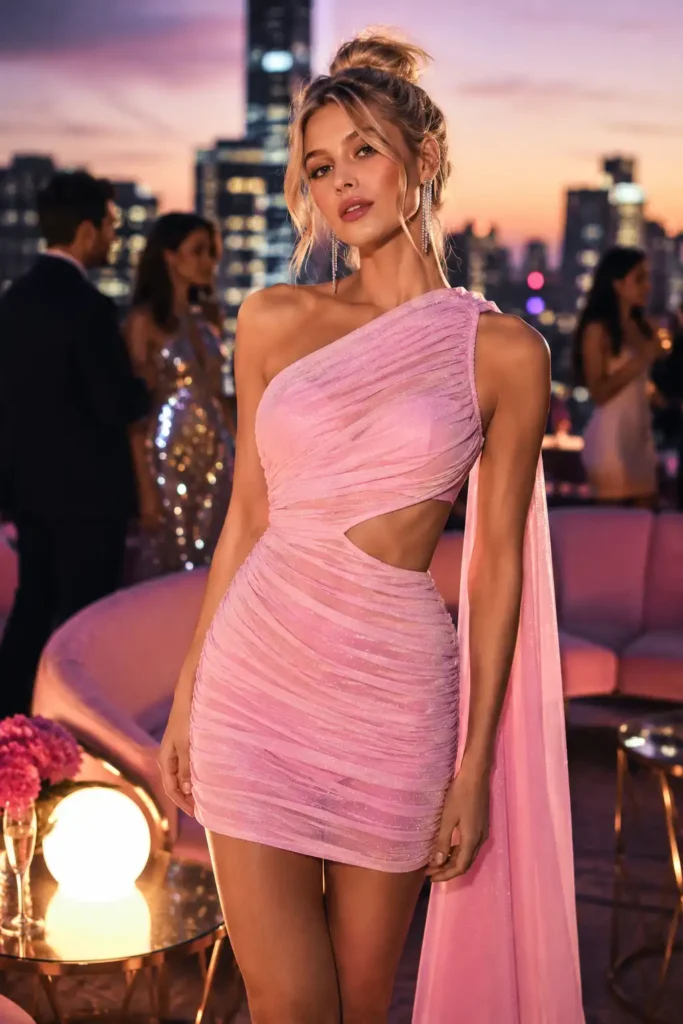
A strong Australian collection combines visual leaders, dependable commercial styles and repeatable silhouettes. Jinfeng Apparel develops dress categories according to wearing occasion, campaign presentation, fabric behaviour, fit risk and production control. Each category below can be expanded across colourways, lengths and related separates without losing the design language of the collection.

Party Dresses

Party dresses require visual impact without sacrificing movement, coverage or comfort. Common directions include stretch satin, power mesh, sequins, velvet, jersey and structured woven fabrics. Development focuses on neckline stability, bust shaping, cut-out security, lining, zipper flatness and skin-contact areas. Bulk inspection pays particular attention to symmetry, trim security, surface damage and consistent finishing under strong photography lighting.

Occasion Dresses

Occasionwear must hold a refined silhouette through weddings, celebrations and formal events. Satin, crepe, chiffon, lace and layered mesh are selected according to drape, structure and season. Pattern work controls bust support, waist placement, sleeve mobility, slit height and full-length balance. Pressing and packaging are planned to reduce crushing, shine marks and deep folds before warehouse receipt.

Cocktail Dresses

Cocktail dresses often combine compact proportions with detailed construction. Mini and knee-length styles may use corset panels, draping, ruching, pleats or asymmetric necklines. Development checks exposure, sitting comfort, hem balance and zipper stress. Commercial success depends on a polished silhouette across several sizes, so grading and fit review receive the same attention as decorative design details.

Wedding Guest Dresses

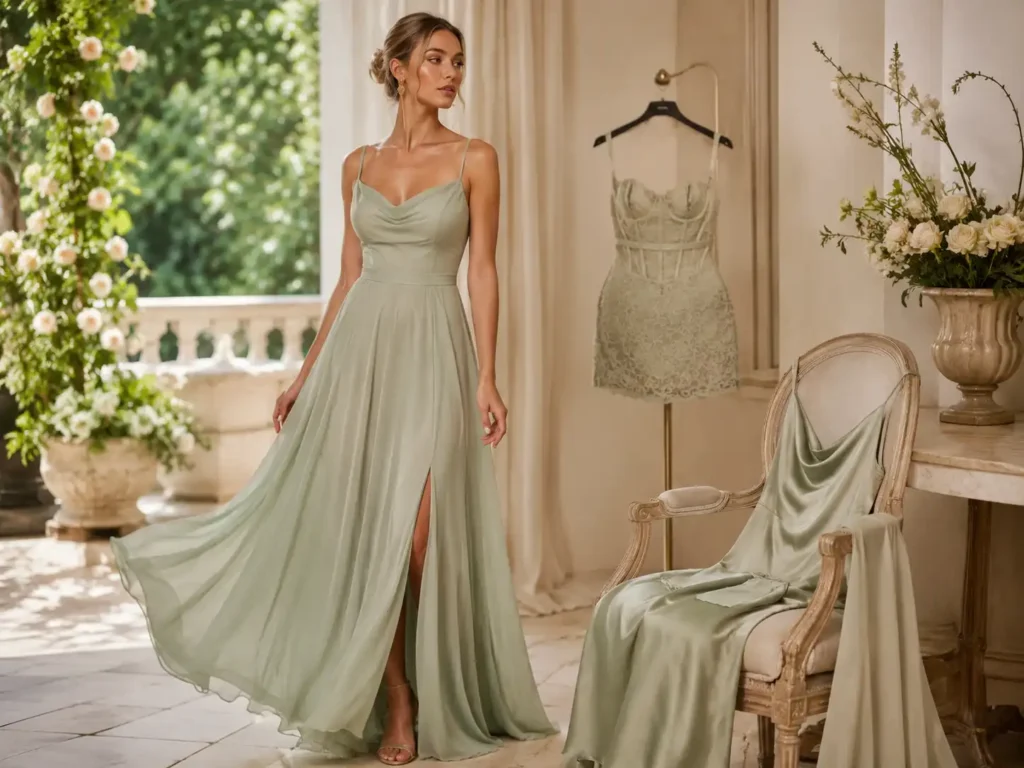
Wedding guest collections need elegance, colour depth and long-wear comfort. Popular structures include bias slips, ruched midi dresses, soft maxi dresses, lace sleeves and asymmetric draping. Fabric selection considers photography under daylight and indoor lighting, while fit development controls neckline coverage, underarm exposure, waist position and movement. Colour approval is coordinated with lining, zipper and thread shades.

Resort Dresses

Resort dresses depend on movement, print clarity, packing recovery and warm-weather comfort. Viscose, rayon, chiffon, linen blends and printed woven fabrics are evaluated for shrinkage, transparency, seam stability and drape. Maxi hems, adjustable straps, open backs and cut-outs are tested for real movement. Print placement, shade consistency and lightweight packing receive dedicated production checks.

Summer Dresses

Summer collections favour breathable fabrics, lighter construction and clear silhouettes. Mini, midi and maxi styles may use cotton, viscose, linen blends, soft crepe or lightweight satin. Development balances opacity with weight, reduces bulky seam areas and controls neckline or armhole exposure. Colour and print programs are planned early because seasonal materials can carry supplier-specific MOQ and lead-time requirements.

Mini Dresses

Mini dresses demand accurate proportion because a small pattern change can create exposure or visual imbalance. Jinfeng Apparel reviews front and back length, rise over the hip, slit height, hem sweep and movement allowance. Bodycon, corset, A-line and babydoll minis each require different support. Final inspection includes length measurement, hem level, lining coverage and sitting or walking stability.

Midi Dresses

Midi dresses are dependable ecommerce products when waist placement, skirt volume and hem position work together. Styles may include bias cuts, fitted columns, pleats, ruching or soft A-line shapes. Pattern control focuses on torso length, hip balance, side-seam direction and hem fall. Fabric choice determines whether the garment feels fluid, structured or overly heavy across the size range.

Maxi Dresses

Maxi dresses create strong campaign imagery but introduce length, weight and packing risks. Development controls front and back length, train or hem sweep, slit opening, lining length and balance around the body. Long satin, chiffon and mesh layers require careful cutting and hanging review. Packing instructions are designed to limit crushing and uneven folding before shipment.

Bodycon Dresses

Bodycon performance depends on stretch, recovery and accurate negative ease. Jersey, rib knit, ponte, power mesh and stretch satin are assessed for rebound, opacity, growth and seam stability. Pattern work controls bust, waist and hip compression without creating excessive strain. Production checks include relaxed measurements, side-seam twisting, zipper waviness, hem riding and recovery after handling.

Corset and Slip Dresses

Corset and slip silhouettes serve different aesthetics but both need disciplined development. Corset dresses require cup shape, boning position, underbust support, waist control and comfort. Slip dresses rely on bias direction, strap length, neckline shape and clean drape. Both categories require careful fabric handling, smooth lining, accurate pressing and protection from surface marks during packing.

Jumpsuits and Matching Sets

Jumpsuits and coordinated sets expand a dress-led collection without weakening its visual identity. Jumpsuit fit depends on torso length, rise, waist position, hip ease and ease of dressing. Matching sets require colour consistency, proportion and coordinated size pairing. SKU, packing and carton instructions must clearly keep top and bottom components aligned for warehouse receipt.

Collection Planning Around Australian Launch Calendars

Australian online brands often develop against opposite seasons to Northern Hemisphere suppliers, making early calendar visibility essential. Jinfeng Apparel plans samples, material approvals, production and freight around the brand’s actual campaign, receiving and launch dates rather than applying one generic calendar to every collection.

Summer and Resort Drops

Warm-weather collections commonly involve viscose, rayon, chiffon, linen blends, prints and lighter linings. Materials should be reviewed while suitable colours and base fabrics are available, especially when custom prints or colour developments are involved. Priority campaign styles are sampled first, while commercial follow-on styles can move through the same fabric and trim families to improve consistency and purchasing efficiency.

Party and Event Seasons

Holiday, event and occasion programs frequently include satin, mesh, sequins, velvet, lace and corset details. These constructions require longer development windows than basic woven dresses because fit, surface handling, lining and trim comfort must be verified. The critical path should identify photo samples, PP approvals, decorative material arrival, production release and the inspection window well before the intended launch.

Transitional Occasionwear

Transitional programs work across changing temperatures and event calendars. Midi lengths, sleeves, crepe, lace, structured knits and layered silhouettes can carry a collection between seasons. Jinfeng Apparel groups related styles by fabric and construction, helping development teams maintain colour, hand feel and fit language while reducing unnecessary material fragmentation across the assortment.

Bestseller Replenishment

Replenishment planning begins with retained pattern, measurement, material, trim, QC and packing records. Availability of the original fabric and accessories is rechecked before a repeat order is released. Urgent sizes or colourways can be prioritised, while larger replenishment quantities may follow a separate freight plan. The goal is controlled speed, not a rushed restart that ignores changed material conditions.

Fabric Direction for Premium-Looking Online Dresses
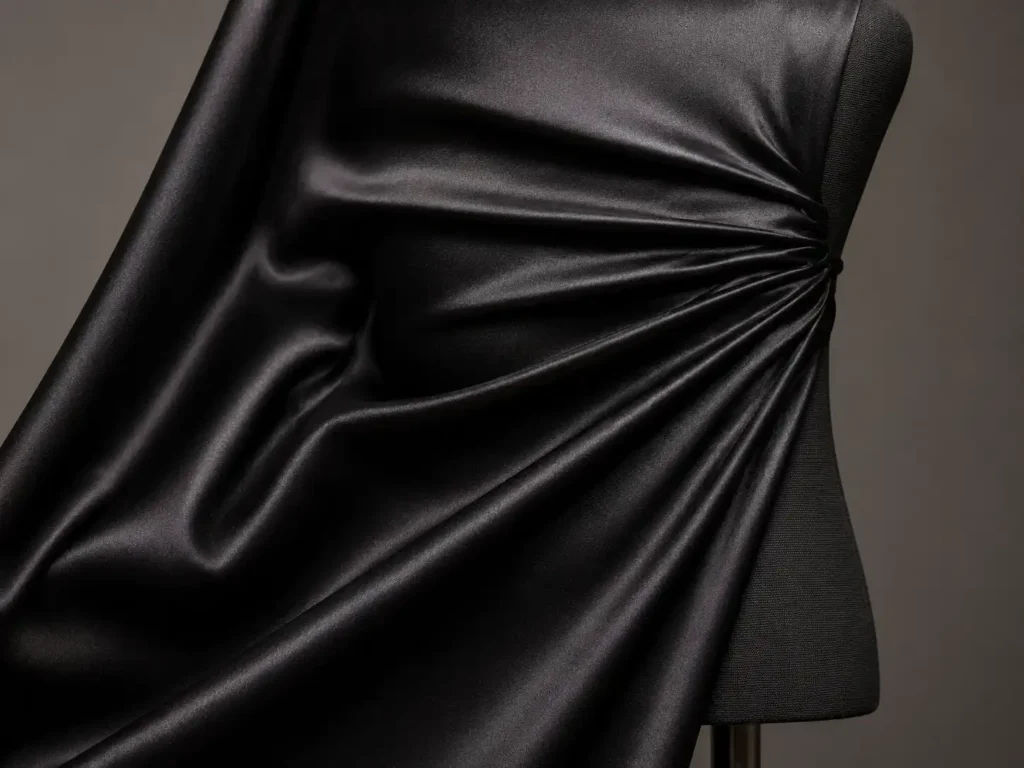
Fabric defines how a dress photographs, moves, fits and survives production. Selection should connect surface appearance with construction requirements, size behaviour, lining, colour risk and commercial availability. Jinfeng Apparel reviews fabric choices at garment level so a visually attractive swatch does not become an unstable finished product.

Satin

Satin supports slips, corset dresses, occasion gowns and draped midis, but shine makes colour, wrinkles and sewing defects highly visible. Weight and yarn structure influence body, opacity and seam appearance. Control points include dye lot, shine direction, snagging, zipper application, pressing temperature, lining colour and folding. Stretch satin also requires recovery and growth checks before a fitted pattern is approved.

Chiffon

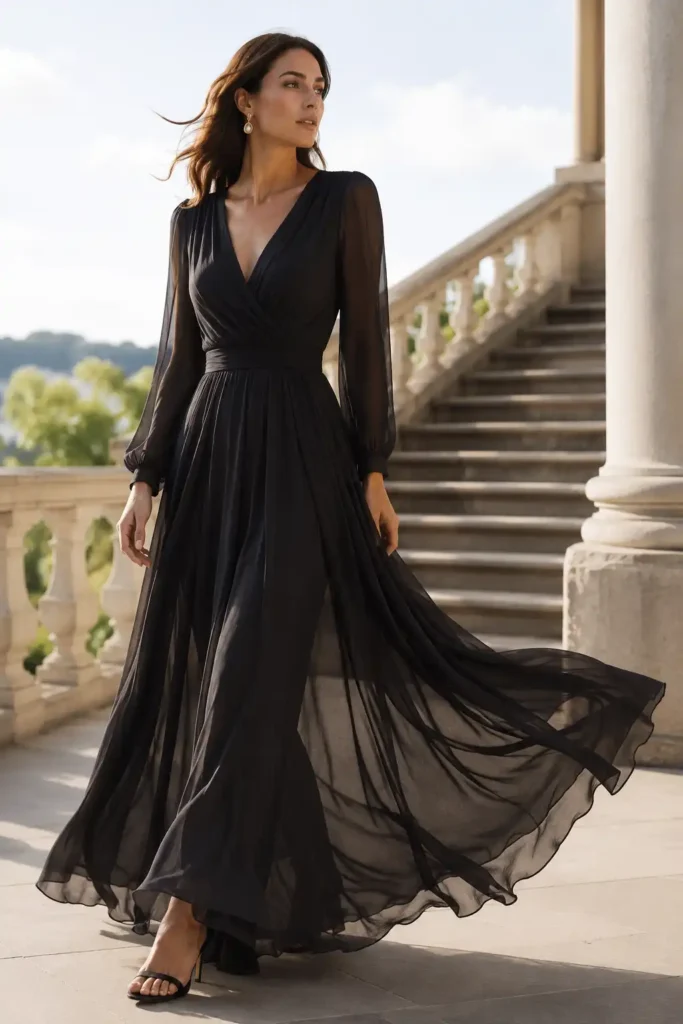
Chiffon creates movement and layered volume for resort, wedding guest and occasion dresses. Transparency, slippage and edge finishing must be considered from the first pattern. Layer count, lining coverage, seam type, gathers and hem method affect both appearance and cost. Cutting checks focus on grain and panel accuracy, while final inspection reviews puckering, uneven hems and pulls in the fabric surface.

Mesh

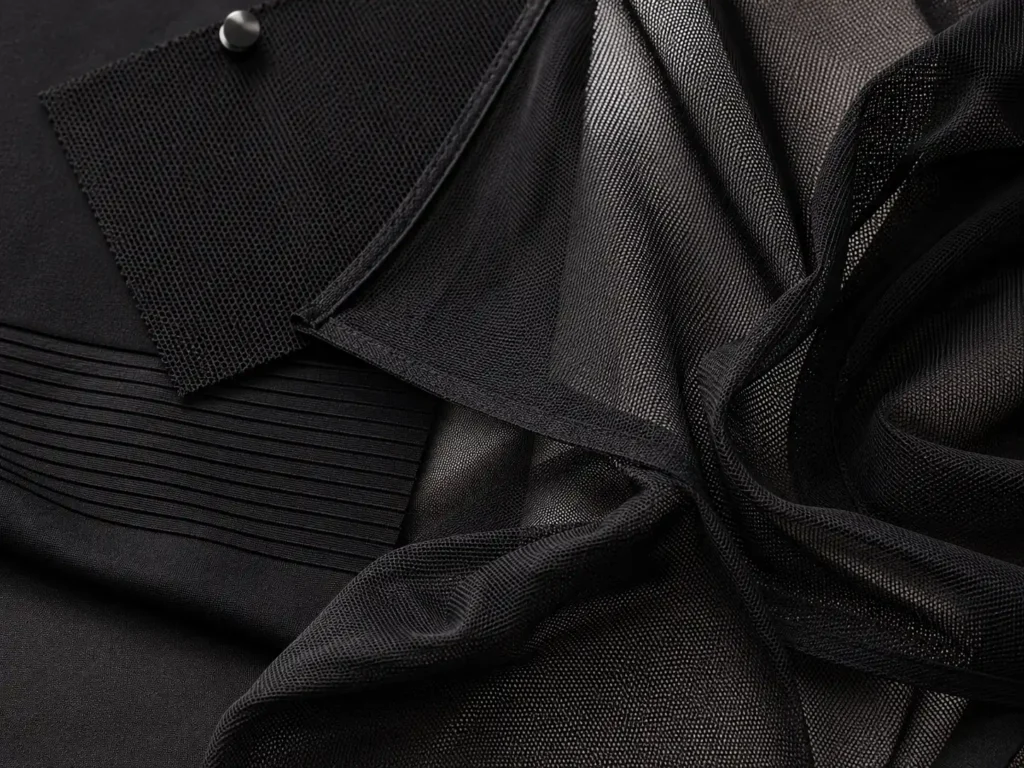
Mesh ranges from soft illusion layers to firm power mesh, and each type behaves differently. Stretch direction, recovery, transparency, hole size and edge stability influence neckline, cut-out and bodycon construction. Lining or local coverage is defined before sampling. Production checks include broken mesh, seam distortion, neckline growth, elastic tension and colour consistency between mesh, lining and trims.

Lace

Lace quality depends on pattern scale, motif placement, edge design, softness and compatibility with the base or lining. Symmetry around the bust and centre front may require placement cutting, which increases usage. Development reviews motif position, seam integration, edge finishing and transparency. Bulk inspection checks matching, broken threads, damaged motifs, lining colour and visible adhesive or repair marks.

Crepe and Viscose

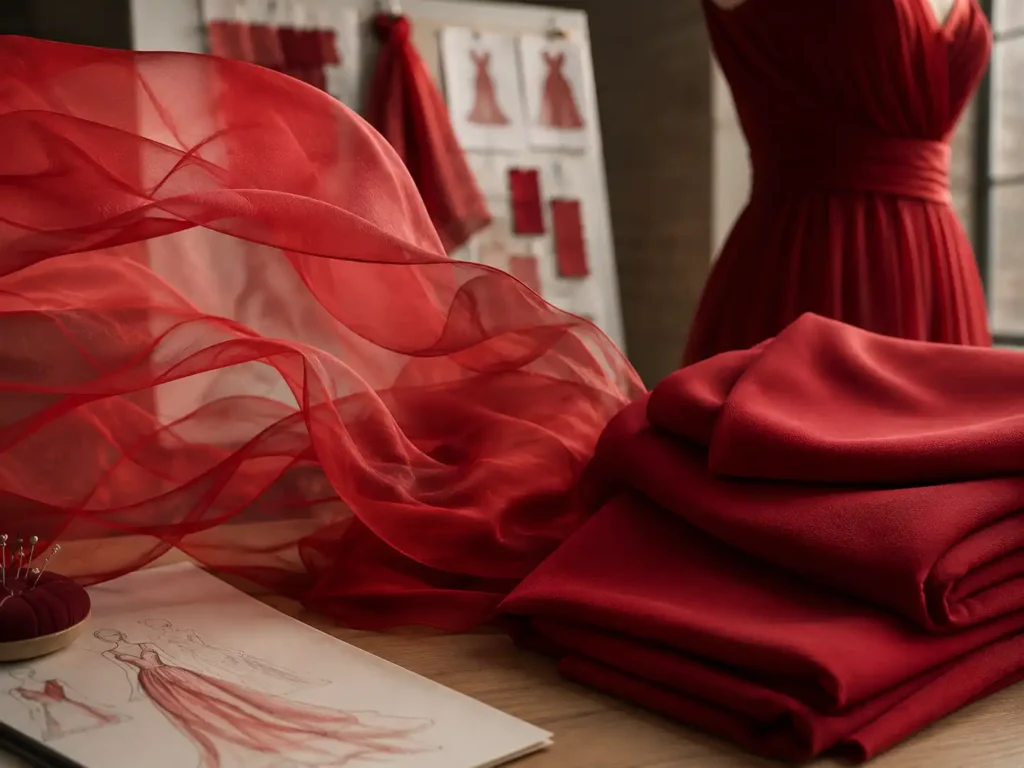
Crepe and viscose fabrics can create fluid midis, resort dresses and refined day-to-evening styles. Drape, shrinkage, twisting, opacity and seam stability vary widely by construction. Fabric relaxation and shrinkage review help protect finished measurements. Bias or wide panels need careful cutting, while pressing must preserve texture without creating shine. Print or custom colour availability should be confirmed before final costing.

Sequins and Velvet

Sequins and velvet deliver strong visual value but require specialised handling. Sequin direction, skin-contact areas, missing pieces, seam bulk and protective lining must be defined. Velvet requires nap direction, shade review, pressure control and packing protection. Both fabrics can show surface damage after careless handling, so cutting, sewing, finishing and packing responsibilities must be written into the style-specific quality plan.

Fit Engineering That Protects Online Sales Performance

Online dress performance begins with a pattern that carries the intended silhouette across the requested sizes. Fit is not limited to matching a measurement table; balance, exposure, fabric behaviour and movement must also be reviewed. Jinfeng Apparel converts fitting comments into controlled pattern and specification updates before bulk release.

Upper-Body Stability

Bust, upper bust, underbust, neckline depth, armhole shape, strap length and back height work as one system. A neckline can match the flat measurement and still gape when worn. Strapless and corset styles require cup placement, boning, elastic or anti-slip solutions and controlled tension around the upper body. Backless and deep-V dresses need enough side coverage and support to maintain the intended front line.

Fit comments are translated into exact actions: adjust the neckline curve, change strap position, reshape the cup, raise the side seam, alter the underbust, modify boning length or revise lining coverage. Photos, measurements and pattern version notes are aligned so later samples do not repeat a corrected problem.

Waist, Hip and Silhouette

Waist position controls the visual proportion of almost every dress. A waistline only 1-2 centimetres away from the intended position can make a fitted style look short-bodied or poorly balanced.

Hip ease, negative ease and seam direction are reviewed according to fabric stretch and recovery. Ruching, drape and cut-outs must remain symmetrical and stable after movement.

Bodycon styles receive relaxed and worn-fit checks because elastic fabrics can recover differently after sewing. Woven fitted dresses require enough sitting and walking allowance without losing shape. Jumpsuits add torso and rise considerations, while matching sets need a consistent visual relationship between top length and waistband position.

Length, Movement and Size Grading

Mini, midi and maxi lengths require different movement standards. Mini dresses are checked for sitting, walking and hip rise. Midi lengths must land at the intended proportion across different heights, while maxi hems need balance, shoe allowance and packing consideration. Slits are assessed for height, opening under movement and lining visibility.

Grading follows approved rules rather than equal increases at every point. Bust, waist, hip, strap, armhole, neckline and length changes may need different increments. Extended sizes can require an additional fit review because proportion and support cannot always be solved through mathematical grading alone. The approved size chart, tolerance and grade rule become part of the production file.

From Design Reference to Production-Ready Dress Samples

Sampling is a controlled development process, not a one-piece version of bulk production. Each stage should answer a different question: can the concept be constructed, does it fit, does it look right, and is the final standard ready to repeat? Jinfeng Apparel records decisions so approved details move forward without being lost between revisions.

Project and Material Review

Development begins with reference photos, an original sample, sketches, a line sheet or a tech pack. The review identifies silhouette, fabric direction, lining, trims, closure, special construction, measurements, colour plan, quantity and target launch date. Missing information is raised before pattern work begins. A reference image can support an initial assessment, but final bulk pricing requires confirmed materials, dimensions, quantities and construction.

Fabric and trim alternatives are reviewed for appearance, function, MOQ, cost and availability. A replacement is not approved only because it looks similar in a photograph. Drape, stretch, recovery, opacity, surface shine, colour, lining interaction and production stability are considered together.

First Sample and Fit Correction

Simple first samples normally require about 7-10 days. Standard dress first samples normally require 10-15 days, while medium-complexity dresses, sets and jumpsuits commonly require 12-18 days. Corset, strapless, lace, mesh, sequin and evening styles generally require 15-25 days, depending on construction and material readiness.

The first sample tests pattern, proportion, construction and fabric direction. Internal review records garment measurements, visible issues and likely production risks. Brand comments are converted into an updated pattern, size chart, BOM, construction note or revised sample requirement rather than remaining as informal messages.

Revised, Photo-Ready and PP Samples

A revised sample normally requires 7-15 days, subject to the scale of changes. Photo-ready samples receive additional attention to pressing, visual balance and finish for campaign use. A photo sample may be produced before every final bulk detail is locked, so it should not automatically be treated as the production standard.

The PP sample is made with final or approved bulk materials, trims, labels and construction. PP preparation commonly requires 7-15 days after all materials are available. Approval confirms measurements, workmanship, colour, lining, closures, embellishment, labels, packing and quality checkpoints. Major changes after PP approval require a new review of cost, timeline and production risk.

Golden Sample and Bulk Release

The Golden sample becomes the physical reference for production, inspection, repeat orders and dispute review. It is supported by the approved pattern version, measurement table, BOM, fabric and trim approvals, sewing instruction, QC checklist and packing specification. Bulk production is released only when the commercial order, materials, PP standard, quantity, size breakdown, payment terms and delivery plan are confirmed.

For multi-style programs, priority samples are sequenced around campaign importance, material dependency and launch dates. Critical styles move first without allowing lower-priority styles to obscure unresolved risk in the lead products.

Managing Multi-Style Collections Without Losing Control

Premium online collections often combine 10-30 styles and 20,000-80,000 total pieces across different fabrics, colours and launch priorities. Control depends on separating every style’s technical and commercial information while keeping the collection aligned through shared materials, fit rules, branding and delivery plans.

Style Grouping

Styles are grouped by fabric family, construction, production skill and launch importance. Satin slips and corset satins may share a colour direction but require different pattern and production controls. Mesh bodycon styles, sequin occasion pieces and printed resort dresses are managed in separate workstreams. Grouping improves material purchasing and scheduling without forcing unlike products into one production method.

Sample Priority

Campaign leaders, fit-sensitive styles and long-lead materials receive earlier sample slots. Commercial follow-on styles can progress after the collection’s core silhouette and fabric direction are validated. Priority prevents twenty styles from entering revision at once and delaying the products needed first for campaign photography, market appointments or launch approval.

Revision Records

Each style keeps its own revision history, pattern version, measurement file, BOM and approval status. Comments are closed against a defined sample version. A neckline change on one colourway, for example, must be checked to determine whether it applies to all colours, only one fabric or only a photo sample. Controlled records prevent conflicting instructions from reaching production.

Colourway Approval

Colourways are reviewed through physical swatches, lab dips, print strike-offs or approved stock-fabric references as relevant. Surface shine, lining, zipper, thread and trims are checked together. Colour approval records also identify fabric batch or dye lot requirements, helping production avoid mixing visually different materials inside the same style and colour.

Size and SKU Matrix

The SKU matrix links style, colour, size, quantity, barcode and packing information. Size ranges such as brand-defined AU 6-16 or AU 6-18 are managed according to the approved size chart and sales plan. Ratios are reviewed before production because highly fragmented size quantities affect cutting, labelling, packing and final carton assortment.

Production and Shipment Allocation

Production allocation considers construction, quantity, material arrival, approved samples and requested receiving sequence. A collection may be released in waves rather than waiting for every style to finish together. Shipment planning can separate priority launch stock from later replenishment quantities while preserving accurate packing lists, carton marks and warehouse data for each release.

MOQ and Cost Planning for Commercial Dress Collections

Jinfeng Apparel’s standard MOQ starts from 200 pieces per style and colour. Material suppliers, custom colour developments, prints, special trims and branded packaging may carry separate minimums. Pricing is built from the complete garment and delivery requirement rather than a headline unit figure that changes after development begins.

Project VariableProduction and MOQ EffectCost or Timeline EffectRecommended Planning Approach
Stock fabricUsually supports the standard garment MOQMore predictable availability and colour optionsReserve the approved batch after sample confirmation
Custom-dyed fabricMill or dye-house minimum may exceed garment MOQAdds lab-dip, dyeing and approval timeConsolidate colour volume and approve physical standards early
Custom printBase-fabric and printing minimums applyArtwork setup, strike-off and print lead timeConfirm repeat, scale, placement and base cloth before sampling
Lace or sequinsAvailability varies by motif, colour and supplierPlacement cutting, wastage and specialised sewing increase costSelect commercially repeatable materials before final design lock
Corset constructionSewing time and component count increaseCups, boning, lining and fit revisions affect developmentValidate support and comfort through a complete sample sequence
Wide size rangeMore grading, cutting separation and measurement checksAdditional fabric usage may apply in larger sizesBuild a brand-specific grade rule and realistic size ratio
Multiple coloursEvery colour requires material, cutting and packing separationFragmented quantities increase handling and shade riskConcentrate initial volume in leading colours where possible
Ecommerce packingPackaging components may have independent minimumsBarcode, label, polybag and carton work adds unit costFinalise SKU and warehouse requirements before bulk release

Production Resources Matched to Construction and Volume

A collection should be assigned by product requirement rather than moved to whichever line appears available. Jinfeng Apparel combines owned-factory control with long-term specialist partners, then manages approved standards, production records and inspection responsibilities through one project framework.

Core Factory Control

Six owned women’s fashion factories provide the primary base for development transfer, woven and stretch production, finishing, quality control and private-label packing. Internal ownership supports direct control of production planning and corrective action. Styles are still allocated by proven capability, because a factory suitable for fluid woven dresses may not be the best location for stretch bodycon or detailed occasionwear.

Specialist Partner Capacity

More than ten long-term partners support specialised products, added capacity and schedule balancing. Partner work follows approved Jinfeng Apparel documentation and inspection requirements. The operating principle is controlled matching, not unrestricted subcontracting. Brand files, sample standards and quality checkpoints remain linked to each style regardless of the selected production location.

Woven Dress Programs

Woven production covers satin, crepe, chiffon, viscose, linen blends, lace-based dresses and structured occasion styles. Allocation considers fabric slippage, bias direction, lining, pressing and length. Cutting and sewing instructions reflect the specific material rather than treating every woven dress as the same construction category.

Stretch and Knit Programs

Bodycon dresses, jersey styles, rib knits, ponte products and power-mesh constructions require attention to relaxation, stretch direction, recovery and seam elasticity. The assigned team must understand negative ease, side-seam stability, hem behaviour and measurement after handling. Fit and QC methods are adjusted to the selected fabric.

Occasionwear Handling

Corset, lace, sequin, mesh and evening styles are placed with teams familiar with structure, surface protection and complex lining. Priority checks cover cup and boning placement, trim security, motif alignment, skin contact, handwork and finishing. Complex styles remain sample-led; bulk release follows confirmed construction rather than production assumptions.

Capacity Allocation

A program of 20,000-80,000 pieces may be split by product family, approval date or shipment wave. Allocation plans consider material arrival, style complexity, quantity, factory loading and receiving priorities. Centralised project records keep the collection aligned even when production is distributed across more than one approved facility.

How Approved Samples Become Controlled Bulk Production

Bulk production begins after the PP standard, materials, quantities, size breakdowns, labels, packing and commercial terms are confirmed. The approved garment is translated into a working production system so pattern, construction and presentation remain measurable throughout cutting, sewing, finishing and packing.

PP Standard and Production File

The production file brings together the approved PP sample, Golden sample, pattern version, size chart, grade rule, BOM, fabric and trim approvals, sewing instruction, colour references, label artwork, packing specification and QC checklist. Open decisions are identified before release. Production teams receive one controlled version rather than multiple message threads with conflicting details.

Material approvals include fabric name, composition, weight, width, colour, stretch, hand feel, drape, transparency and batch reference as relevant. Trims are confirmed by material, colour, dimensions, comfort, durability and bulk availability. When a substitute becomes necessary, the effect on fit, appearance, cost and timeline is reviewed before use.

Fabric Preparation and Cutting

Incoming fabric is reviewed for colour, surface faults, width, hand feel and obvious shade differences. Stretch and knit fabrics are relaxed according to the material requirement before cutting. Satin shine direction, velvet nap, lace motifs, prints, mesh stretch and chiffon grain receive style-specific cutting instructions.

Cut panels are separated by style, colour, size and bundle. High-risk areas such as bust panels, corset pieces, lace placements, asymmetric sections and long maxi panels may receive added checks. Early cutting control protects later sewing from inheriting incorrect grain, shade, alignment or dimensions.

Sewing and In-Line Control

Production begins against the approved construction method and sample. Critical operations are identified for each style: zipper insertion, cup and boning placement, strap setting, ruching, mesh seams, lace joins, sequin edge protection, lining attachment, slit construction or jumpsuit rise. In-line inspection checks workmanship and measurements before defects spread through a larger quantity.

Corrective action is recorded against the operation and production stage. Teams do not wait for final inspection to discover repeated neckline, zipper, seam or measurement problems. The Golden sample remains available for comparison, while approved tolerances define which differences require correction.

Finishing, Packing and Release

Finishing includes thread cleaning, pressing, shape review, garment measurement and visual inspection. Pressing methods are selected for fabric sensitivity; satin, velvet, sequins and layered chiffon cannot be handled identically. Final garment checks review appearance, construction, measurements, closures, lining, trims and surface condition.

Packing follows the approved label, barcode, polybag, folding, assortment and carton requirements. Packing QC verifies style, colour, size and SKU data before carton closure. Final release may include AQL inspection, brand-appointed inspection or agreed shipment checks. Commercial invoice, packing list, carton data and shipment documents are then prepared for the selected freight arrangement.

Quality Controls for Premium Dresses Sold Online

Quality control must reflect the product risk. A generic final check cannot adequately protect satin surfaces, stretch fit, lace placement, corset structure and ecommerce packing at the same time. Jinfeng Apparel sets style-specific checkpoints from incoming material through final carton release.

Material and Colour Control

Fabric review covers visible faults, colour, hand feel, width, surface condition and batch differences. Colour references may include Pantone information, physical swatches, lab dips or approved stock-fabric samples. Satin shine, lining colour, zipper shade and thread are evaluated together. Dye lots and material batches are recorded where shade separation is required.

Cutting Accuracy

Cutting QC checks grain, direction, pattern version, size, symmetry and panel condition. Satin, velvet, lace, prints and stretch fabrics receive specific handling. Placement lace and prints are reviewed against approved positions. Cut components are bundled and identified by style, colour and size to reduce mixing before sewing.

Construction and In-Line Inspection

In-line control focuses on the operations most likely to damage fit or appearance. Checks may include neckline shape, strap length, cup and boning position, zipper flatness, seam elasticity, ruching density, lace joins, sequin security, lining attachment, slit height and hem level. Early correction limits repeated defects and protects later finishing capacity.

Measurement and Fit Stability

Garment measurements are checked against the approved size chart and tolerances. Priority points vary by style: bust, underbust, waist, hip, length, armhole, neckline, strap, slit and jumpsuit rise. Stretch garments may be measured after handling or relaxation. Size results are compared with the Golden sample and production records rather than judged by appearance alone.

Finishing and Surface Review

Final appearance depends on pressing, thread cleaning, symmetry and surface protection. Satin is checked for shine marks, snagging and deep creases; mesh and lace for holes or distortion; sequins for missing pieces and sharp contact points; velvet for nap and pressure marks. Closures, lining and trim comfort are reviewed before the garment enters the polybag.

Ecommerce Packing Verification

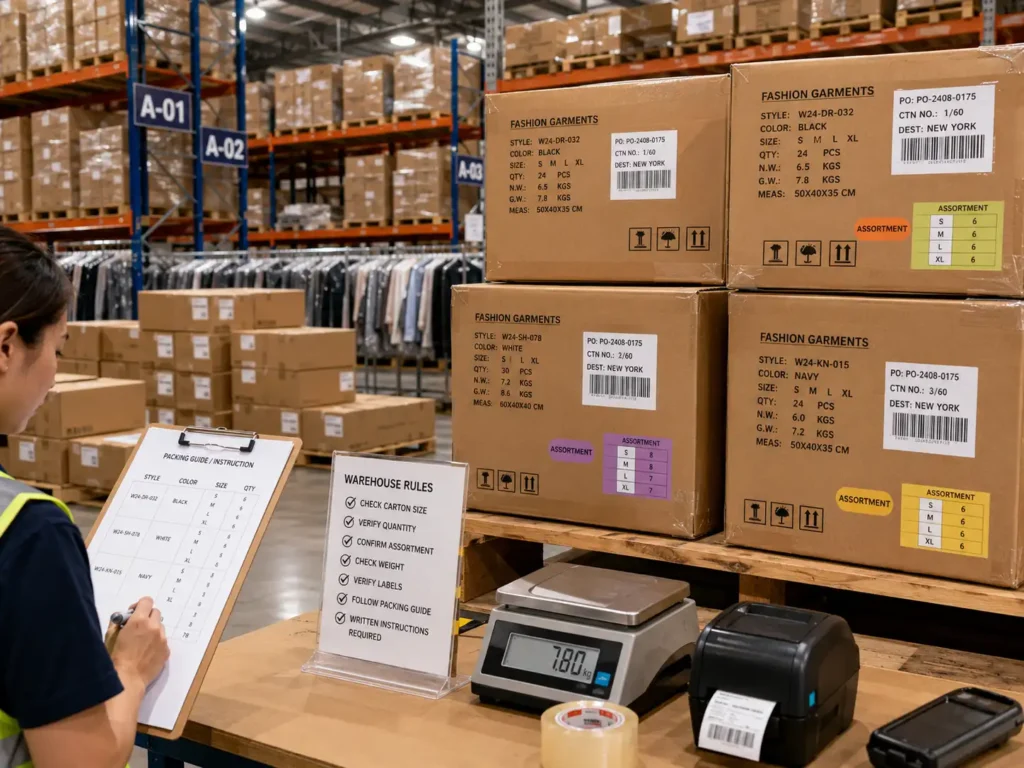
Packing QC checks main label, size label, care label, hangtag, barcode, polybag sticker, folding, assortment and carton mark. Style, colour, size and quantity must match the SKU matrix and packing list. Carton numbering, gross and net weight, dimensions and receiving labels are compiled for freight and warehouse use before shipment release.

Private-Label Packing Built for Ecommerce Operations
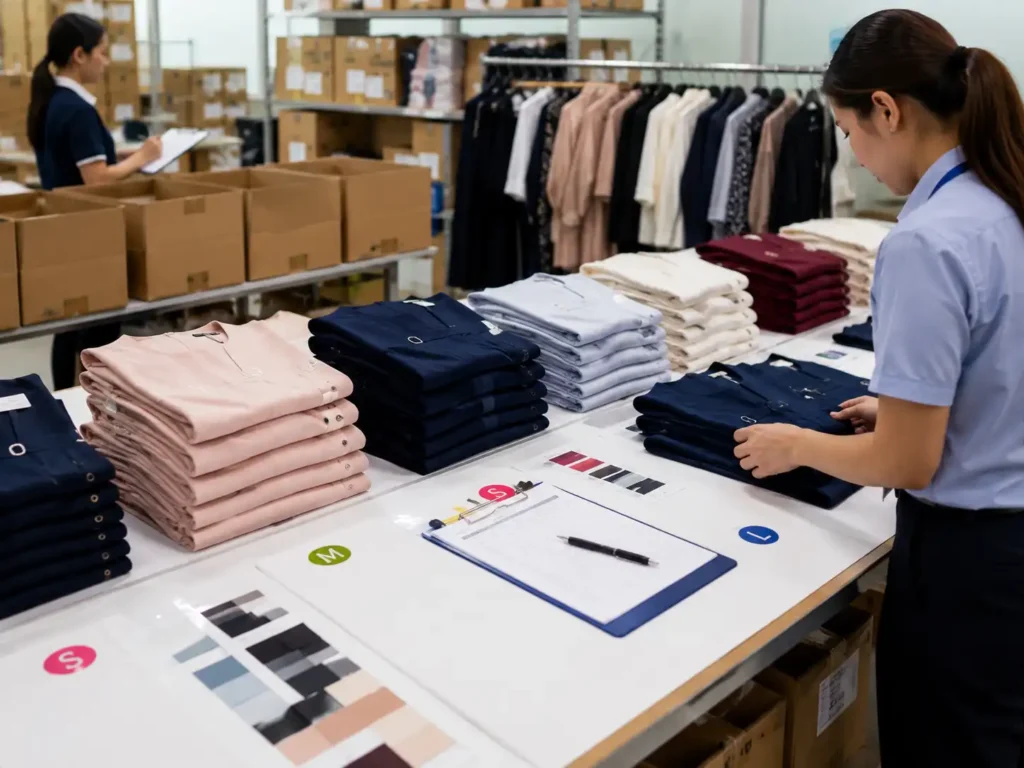
Private-label delivery connects the garment to the brand’s warehouse and digital inventory. Jinfeng Apparel develops and applies labels and packing components according to approved artwork, placement, SKU data and receiving instructions. Every item should arrive identifiable, scannable and ready for the next operational step.

Main and Size Labels

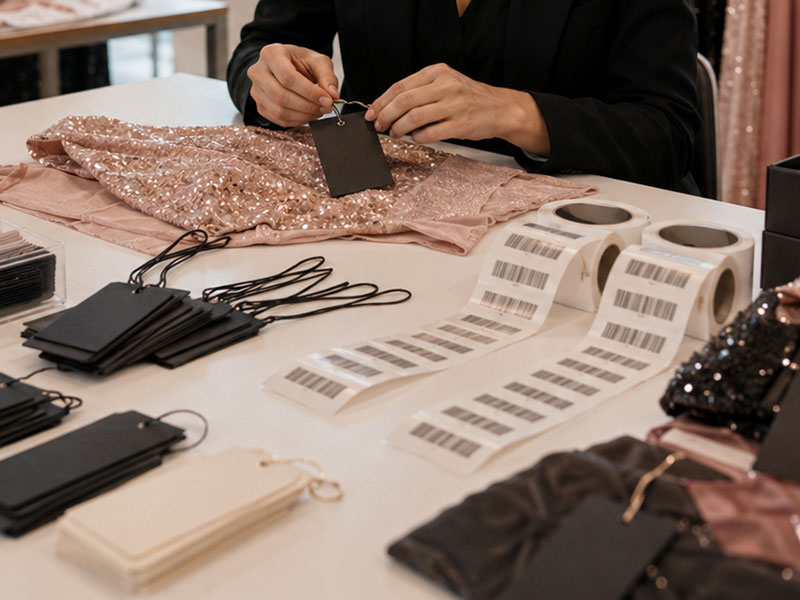
Woven, printed or heat-transfer main labels are reviewed for material, dimensions, colour, fold and placement. Size labels must correspond with the approved garment and SKU matrix. Comfort matters, particularly for fitted, mesh or occasion products where label edges can contact the skin. Label approval is completed before bulk application.

Care and Composition Labels

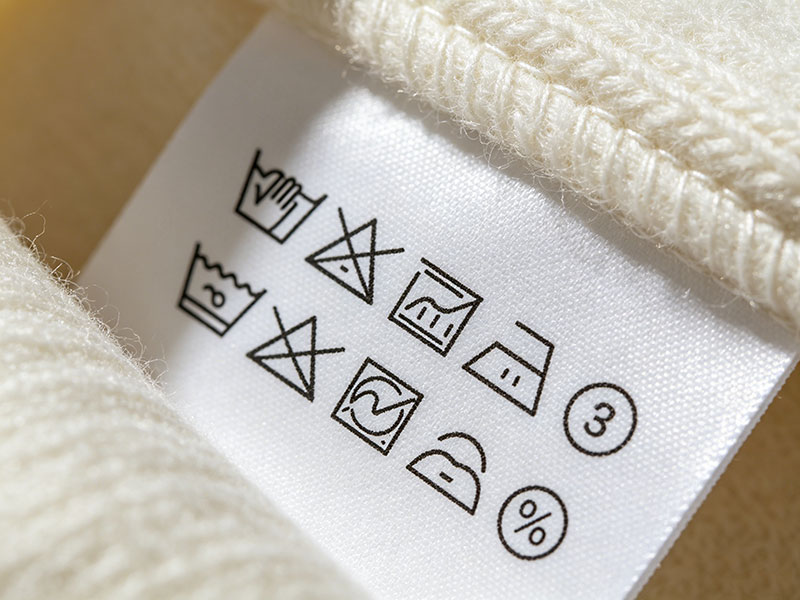
Care labels carry brand-defined fibre, care, size, country-of-origin and other required information. Artwork, language and symbol requirements are supplied or approved by the brand. Jinfeng Apparel checks print clarity, material, placement and association with the correct style. Final legal suitability remains subject to the destination and the brand’s compliance review.

Hangtags and Brand Details

Hangtags, hang strings, seals and branded attachments support presentation and inventory handling. Paper quality, print, holes, strings and attachment position are confirmed against an approved sample or artwork. Tags are applied without damaging delicate satin, mesh, lace or sequin surfaces. Style-specific information must match the garment and packing data.

Barcode and SKU Labels

Barcode labels may include style, colour, size, price, PO or warehouse information. Files should be supplied in a controlled data sheet, not copied manually from messages. Scannability, print clarity and correct association are checked before packing. A wrong barcode can make a correct garment unusable inside an ecommerce fulfilment system.

Polybags and Folding

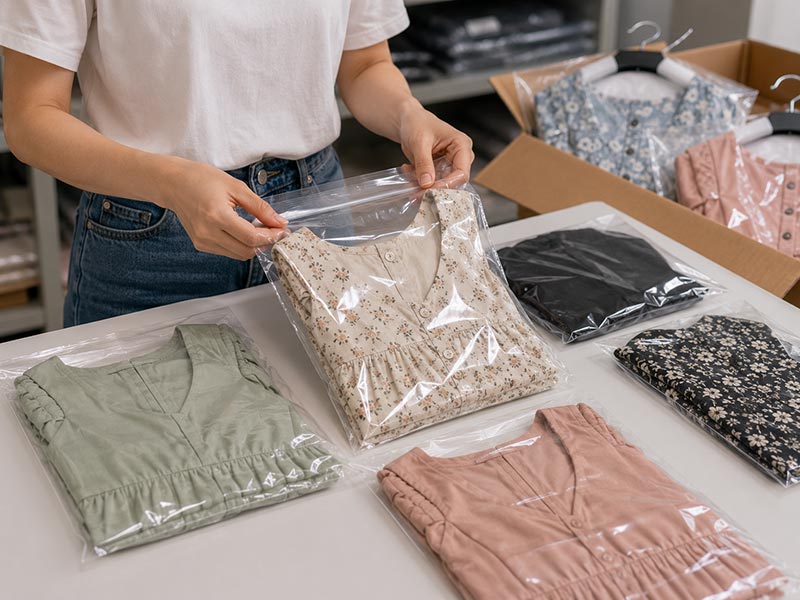
Polybags are selected by garment dimensions, fabric sensitivity, ventilation and brand presentation. Warning text, recycling marks, size stickers and barcode positions follow approved artwork. Folding instructions protect shape while controlling carton volume. Corset structures, sequins, velvet and long dresses may need tissue, support or special folding to prevent pressure damage.

Cartons and Warehouse Labels

Carton requirements cover dimensions, strength, assortment, carton number, gross weight, net weight, shipping marks and receiving labels. Packing lists break down style, colour, size and quantity by carton. Jinfeng Apparel can coordinate brand-supplied warehouse rules or client-nominated forwarder instructions before cargo delivery to the selected warehouse or consolidation point.

Repeat-Order Control for Bestselling Dress Styles

Repeat orders move faster only when the approved product history remains complete and the original materials are still commercially available. Jinfeng Apparel retains development and production references so replenishment can begin from a controlled baseline rather than reconstructing the style from memory.

Pattern and Measurement Records

Approved patterns, size charts, grade rules, tolerances and revision histories are retained for future production. Reorder review confirms whether fit remains unchanged or whether the brand has requested an adjustment. A small update is applied through a new version rather than overwriting the previous approved record, preserving traceability between production batches.

Fabric, Colour and Trim Records

Fabric references, composition, weight, width, colour, supplier information and approved trim specifications are archived. Availability is checked again because mills, dye lots and accessories can change. When the exact material is unavailable, an alternative is resampled or approved before bulk use. Reorders do not assume that a visually similar fabric will perform identically.

QC and Packing Records

Golden samples, QC checklists, inspection findings, label artwork, barcode data, folding, carton assortment and warehouse requirements support repeat consistency. Previous production issues become checkpoints for the new order. Packaging files are revalidated when SKUs, prices, warehouse labels or destination instructions have changed since the earlier shipment.

Replenishment Planning

Replenishment may cover selected colours, sizes or entire bestselling styles. Quantity, material availability and required receiving date determine production and freight options. Priority stock can be released separately when appropriate, while larger quantities follow the planned route. Split shipments remain linked to accurate carton data and packing lists so warehouse receipt stays controlled.

Delivery Planning for Australian Launches and Replenishment

Freight planning begins before cartons are finished. Jinfeng Apparel coordinates sample courier, air freight, sea freight, split shipments and client-appointed forwarders according to cargo readiness, launch priority, carton volume, warehouse requirements and commercial terms. Transit references are confirmed against the selected route and destination rather than presented as fixed promises.

  • Sample Courier
    Fabric swatches, lab dips, trim references, first samples, revised samples and PP samples can be arranged through international courier. Dispatch records include recipient information and available tracking details. Sample timelines should distinguish factory development time from courier transit and local delivery, particularly when fittings or approvals are tied to campaign dates.
  • Air Freight for Priority Stock
    Air freight can support campaign-critical styles, initial launch quantities or urgent replenishment. Cost depends on chargeable weight, dimensions, destination, service level and customs arrangement. Packing volume should be assessed before a decision is made, as long dresses, corset protection and hanger packing can materially change freight cost. Air routing is confirmed with a nominated or recommended forwarder.
  • Sea Freight for Planned Inventory
    Sea freight suits planned larger-volume inventory when the receiving calendar allows sufficient transit and clearance time. Cargo data, packing list, invoice, carton dimensions and booking instructions are prepared for the selected terms. Port, consolidation, final warehouse delivery and local handling responsibilities should be clear before shipment release.
  • Split Shipment and Forwarder Coordination
    A sea-and-air split can protect a launch while controlling the freight cost of the remaining quantity. Jinfeng Apparel can work with a client-nominated forwarder or provide route options for comparison. Coordination may include cargo details, commercial invoice, packing list, carton marks, booking, warehouse delivery, shipment photos and document review. DDP can be evaluated by project according to destination and route capability.

Dress Programs Developed for Online Fashion Brands

The following anonymised program profiles reflect the scale and operating structure commonly required by established online fashion labels. Brand names, unreleased designs, commercial prices and proprietary files remain confidential. Quantities illustrate realistic multi-style production planning within Jinfeng Apparel’s target project range.

Australian Occasionwear Collection - 18 Styles, 42,600 Pieces

An Australian premium occasionwear label planned an 18-style launch covering satin slips, ruched midis, corset minis, lace-panel dresses and two coordinated jumpsuits. The total order reached 42,600 pieces across six core fabric families and a brand-defined AU 6-16 size range. Several styles shared colour direction, yet surface shine and lining changed how each shade appeared.

Development began by prioritising six campaign leaders. Standard silhouettes moved through 10-15 day first-sample cycles, while corset and lace styles followed longer development windows. Fit review focused on bust support, underarm coverage, waist position, slit height and maxi balance. Photo-ready samples were prepared for the campaign, followed by PP samples using final bulk materials and trims.

Production was divided by construction rather than colour alone. Satin, stretch and detailed lace styles followed separate control plans. SKU data connected labels, barcodes, polybag stickers and carton assortments. The shipment was arranged in two waves so campaign-critical stock could move first while the remaining styles completed final inspection and planned freight preparation.
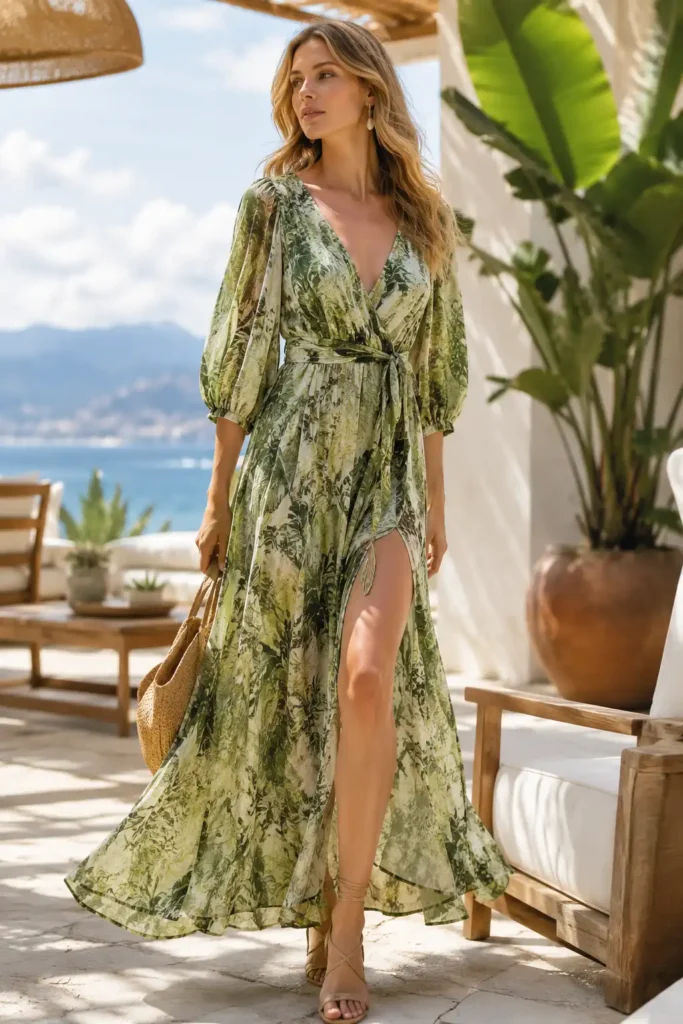
Resort and Summer Program - 24 Styles, 68,400 Pieces

A resort-led online label developed 24 styles across printed viscose, chiffon, linen blends and lightweight crepe.

The program included mini dresses, halter midis, open-back maxis, matching sets and two jumpsuits. Total quantity reached 68,400 pieces across nine print or solid-colour directions and a requested AU 6-18 range.

The primary risks were print consistency, transparency, shrinkage, hem balance and material fragmentation.

Jinfeng Apparel grouped the collection into shared base fabrics, then reviewed print scale, repeat and colour against each silhouette. Priority samples established neckline, strap and length standards before the wider style group progressed.

Lining was selected by opacity and drape rather than applied identically to every style.

Bulk planning separated printed, solid and layered products. Cutting controls covered print placement, grain and long panels. Final QC reviewed hem level, seam puckering, lining visibility, colour, SKU labels and folding. Priority launch quantities were prepared for faster freight while the larger inventory balance followed the planned sea route and warehouse receiving instructions.

Bestseller Replenishment - 12 Styles, 27,800 Pieces

A repeat-order program covered 12 bestselling party and occasion styles, totalling 27,800 pieces.

The assortment included stretch satin bodycon dresses, mesh overlays, corset minis and two sequin styles. Replenishment focused on core sizes and four proven colours, with new barcode and warehouse data for the latest sales season.

Pattern, size, BOM, material and QC records from the previous production were reviewed first. Original fabrics remained available for most styles, while one mesh colour required a new physical approval.

The sequin supplier had changed a backing specification, so comfort, seam bulk and lining were resampled before the order was released.

Production was organised in three replenishment waves based on inventory urgency. Measurement checkpoints from the previous order were carried into the new QC plan, with added attention to side-seam stability and corset cup placement.

Updated barcode files, carton assortments and packing lists were validated before each release, allowing the brand to replenish priority stock without treating the repeat order as an uncontrolled rush project.

Frequently Asked Questions From Australian Online Brands

Jinfeng Apparel is based in Guangdong, China and manufactures custom womenswear for Australian brands. Production is not represented as Australian-made. The service covers development, pattern making, sampling, bulk production, QC, private-label packing and export coordination to Australia or a nominated freight destination.
Core categories include party, occasion, cocktail, wedding guest, resort, summer, mini, midi, maxi, bodycon, corset, slip, mesh, satin, lace and sequin dresses. Jumpsuits, matching sets, skirts and fashion tops can extend a coordinated collection.
The standard MOQ starts from 200 pieces per style and colour. Custom-dyed or custom-printed fabrics, special lace, sequins, trims and packaging may carry separate supplier minimums. Final MOQ is confirmed after the style, material, colour plan and packing requirements are reviewed.
Yes. Reference photos, original samples, sketches, line sheets and tech packs can support development. A photo alone can start a structural and fabric assessment, but accurate bulk pricing requires confirmed measurements, materials, quantities, colours, trims and packing requirements.
Simple styles normally require 7-10 days. Standard dress first samples normally require 10-15 days. Medium-complexity dresses, sets and jumpsuits commonly require 12-18 days. Corset, strapless, lace, mesh, sequin and evening styles normally require 15-25 days, subject to material availability.
Yes. Photo-ready samples can support campaign or lookbook work, with extra attention to visual finish and pressing. PP samples confirm the final bulk fabric, trims, construction, measurements, labels, packing and QC requirements. A photo-ready sample does not replace PP approval unless all production details are identical and formally confirmed.
Sizing control combines pattern version management, approved size charts, grade rules, measurement tolerances, fabric relaxation, cutting QC, in-line measurement, final garment measurement and Golden sample comparison. Fit-sensitive points are selected by style rather than applying the same measurement list to every product.
Yes. Support can include main labels, size labels, care labels, hangtags, barcode labels, polybag stickers, folding, cartons, shipping marks and warehouse labels. Brand-approved artwork and SKU data are required before bulk application and packing.
Yes. Available planning can include sample courier, air freight, sea freight, split shipments, client-nominated forwarders and factory-recommended options. EXW, FOB, CIF, DAP and DDP by project can be reviewed according to destination, cargo and route conditions.
Yes. Jinfeng Apparel supports NDA-based cooperation and confidential handling of tech packs, patterns, samples, material selections, labels, packaging and unreleased designs. Approved patterns, measurements, BOMs, material references, QC records and packing requirements can be retained to support future replenishment and seasonal development.

Send Your Dress Collection for Manufacturing Review

Send Jinfeng Apparel a clear view of the collection so Kelly and the development team can assess construction, fabric direction, MOQ fit, sample sequence, production allocation and delivery risk.

A useful submission allows the first response to address real decisions rather than return a list of basic questions. Files are handled for project evaluation and can be covered by NDA arrangements when required.Please include:

  • Brand and company introduction
  • Reference images, original samples or tech packs
  • Expected quantity per style and colour
  • Preferred fabrics, colours and trims
  • Requested size range and size chart
  • Label, barcode and packing requirements
  • Campaign-sample deadline
  • Target bulk receiving date in Australia
  • Preferred freight arrangement or nominated forwarder

Tell Us About Your Dress Project

Share your product details, estimated quantity and development requirements. Our team will review your project and provide practical OEM/ODM production feedback.

Premium Women’s Apparel Production for Fashion Brands

From dress sample development to bulk production, JF Apparel supports fashion brands with confidential OEM/ODM manufacturing, reliable quality control and scalable production support.

START YOUR DRESS PROJECT

Ready to Develop Your Next Dress Collection?

Share your design concept, product requirements or sourcing plans with our team. We’ll review your project and provide practical feedback on development, materials, MOQ and production.

7-10 Days

Sample Development

200 PCS

Starting MOQ

Fast Response

Professional Follow-Up