 Skip to content
Dress Solutions for Inconsistent Bust-Waist-Hip Proportions
Develop dress collections around real fit relationships—not a single proportional size assumption.
Jinfeng Apparel supports fashion brands in translating difficult bust, waist, and hip relationships into production-ready dress patterns through size-chart review, pattern correction, physical fit sampling, measurement-based revisions, grading, PP approval, and bulk measurement control.
- 3 critical fit zones:Bust, waist, and hip are reviewed as connected but independently controlled measurement areas.
- 7+ senior pattern makers:Pattern development covers fit balance, key measurements, construction, and grading requirements.
- 2 sample rooms + 20+ sample machinists:Physical samples verify fit before production standards are locked.
- US / UK / EU / AU sizing support:Size development can follow brand-specific charts, extended ranges, and target-market requirements.
When One Dress Size Cannot Balance Three Proportions
Bust Fits, Waist Gaps
A fitted bodice may sit correctly around the bust while leaving excessive ease through the waist. Simply reducing the side seams can distort darts, pull the waistline upward, change zipper balance, or move side seams toward the back. Development review should consider the full bust measurement, upper and under-bust relationship, dart intake, waist suppression, front length, back length, fabric behavior, and garment structure before deciding where the reduction belongs.
Waist Fits, Hips Pull
Hips Fit, Bust Pulls

Build Fit Standards Before Scaling a Dress Collection
Fit consistency starts with a measurable development standard rather than a promise that one pattern will suit every proportion. Jinfeng Apparel connects pattern development, physical sampling, measurement review, revisions, grading, PP approval, and bulk QC so approved fit decisions can move into production files.
Pattern and Sampling Resources
Jinfeng Apparel operates 2 sample rooms, supported by 7+ senior pattern makers and 20+ sample machinists. The team can work from tech packs, reference photos, original samples, sketches, size charts, fabric swatches, and fit comments.
The development team reviews areas such as:
- Bust, upper bust, and under-bust
- Waist circumference and waistline position
- High hip and full hip
- Front and back body length
- Shoulder strap length
- Armhole shape
- Neckline depth
- Slit height
- Lining length
- Stretch and recovery
- Construction feasibility
Production-Ready Fit Records
Approved fit comments should not remain in messages or sample notes alone. Relevant changes need to move into updated patterns, measurement charts, grade rules, BOM details, sewing instructions, QC checkpoints, and PP standards.
For repeat programs, retained pattern, fabric, trim, packing, and Golden Sample records create a clearer reference for the next color, fabric variation, seasonal continuation, or replenishment run.
Diagnose Fit Symptoms Before Changing the Pattern
Changing measurements without identifying the cause can move the problem rather than solve it. Jinfeng Apparel reviews visible fit symptoms against the size chart, garment structure, fabric behavior, construction, and intended silhouette before revisions are transferred into the pattern.
| Fit Symptom | Likely Areas to Review | Development Focus | Production Risk if Ignored |
|---|---|---|---|
| Bust gaping | Upper bust, full bust, neckline, front length | Bust shaping, neckline balance, darts, support | Unstable neckline and inconsistent coverage |
| Bust pulling | Bust circumference, cup area, armhole, front length | Add or redistribute volume | Drag lines, seam stress, poor mobility |
| Waist too loose | Waist circumference, darts, side seam, back shaping | Controlled waist suppression | Excess fabric and weak silhouette |
| Waistline too high/low | Torso length, front/back balance, seam position | Vertical pattern correction | Distorted body proportion |
| Hip pulling | Full hip, high hip, skirt angle, fabric stretch | Hip ease and curve correction | Side-seam twisting and riding |
| Side seam shifts | Front/back distribution, bust/hip balance | Rebalance pattern panels | Twisted appearance in bulk |
| Skirt rides upward | Hip ease, stretch recovery, garment length | Ease and fabric recovery review | Unstable wear length |
| Zipper waves | Body shaping, zipper length, fabric stability | Pattern and zipper construction review | Poor back or side appearance |
Dress Structures Most Sensitive to Proportion Changes

Bodycon Dresses
Bodycon styles make bust-waist-hip relationships highly visible because several body zones depend on controlled negative or limited ease. Development needs to review:
- Stretch percentage and recovery
- Bust and upper-bust balance
- Waist suppression
- High-hip and full-hip shaping
- Side-seam position
- Hem and dress-length stability
- Lining stretch where used

Slip Dresses

Corset Dresses

Strapless Dresses

Halter Dresses
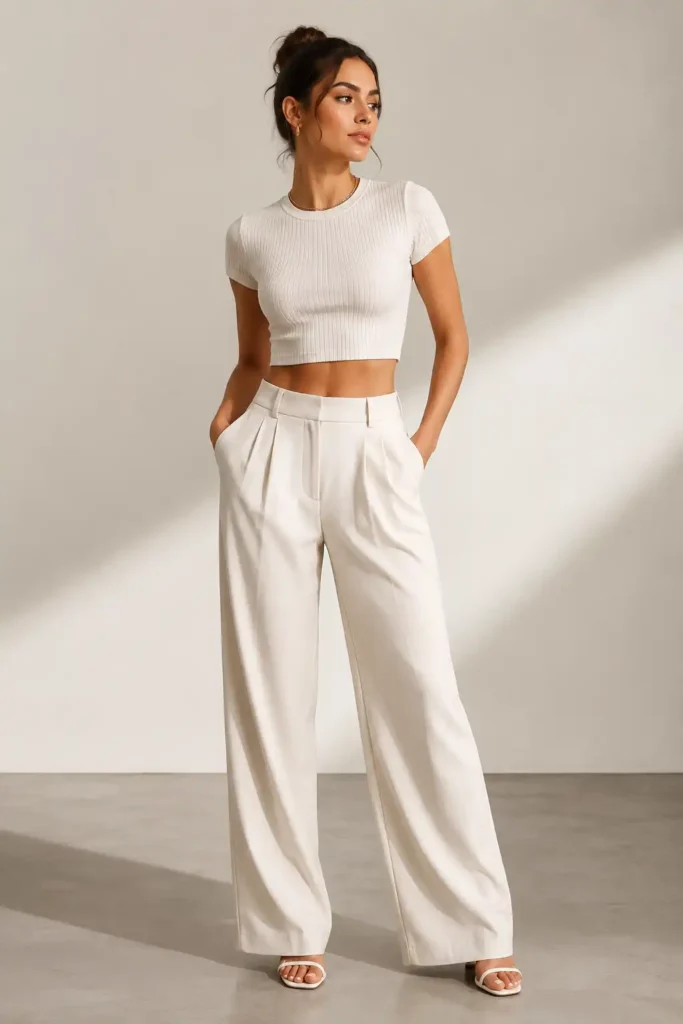
Fitted Occasion Dresses
Pattern Development Starts With Proportion, Not Size Labels
A size label such as US 8, UK 12, EU 40, or Medium does not tell a pattern maker how an individual brand distributes measurement increases between bust, waist, and hip. Development begins with the brand’s measurement system and the intended fit of the garment.
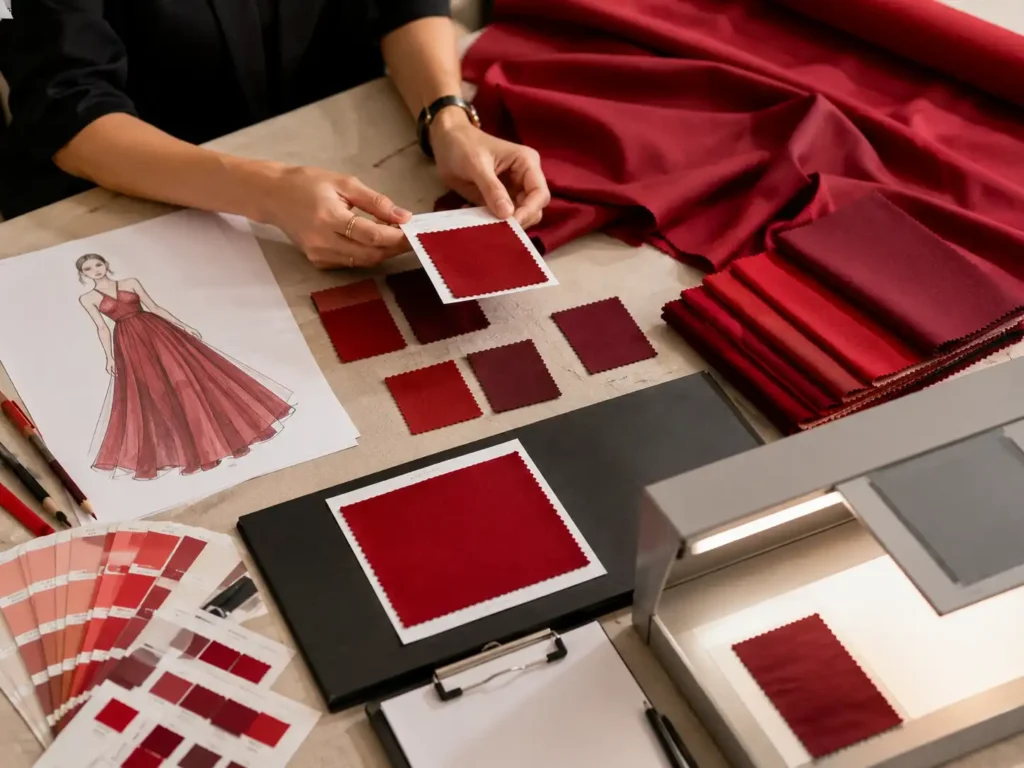
Establish the Base Size
A base size acts as the development reference before grading.
Jinfeng Apparel reviews the supplied size chart together with the garment design, fabric, construction, fit preference, and target market.
Important measurements can include bust, upper bust, under-bust, waist, high hip, full hip, front length, back length, strap length, armhole, neckline depth, dress length, slit height, and lining length.
The objective is not to force every measurement into a generic block.
The objective is to create a coherent pattern in which horizontal and vertical measurements work together.

Balance Front and Back Pattern Distribution
Bust projection, waist shaping, and hip curve affect how fabric is distributed between front and back panels. Poor distribution can make the side seam move forward or backward even when total circumference appears correct.
Pattern review may therefore include:
- Front versus back bust distribution
- Dart position and intake
- Side-seam shaping
- Waist seam alignment
- High-hip transition
- Full-hip curve
- Front and back length balance
- Zipper or closure position

Translate Fit Comments Into Pattern Actions
Comments such as “waist feels loose” or “hip feels tight” are only the beginning. Pattern makers need measurable information.
A revision may be recorded as:
- Bust: reduce or increase at identified pattern areas
- Waist: adjust circumference or waistline position
- Hip: add ease or reshape curve
- Strap: shorten, lengthen, or make adjustable
- Neckline: raise, lower, or rebalance
- Armhole: reshape for coverage and movement
- Dress length: adjust while maintaining hem balance
Bust Fit Requires Shape, Coverage and Support
Bust fit is one of the most sensitive areas in dresses because circumference alone cannot describe shape. Upper-bust relationship, bust projection, front length, neckline, dart or seam position, lining, straps, cups, boning, and garment support can all change the final result.
Fuller Bust With Smaller Waist
Increasing an entire bodice to fit a fuller bust usually creates excess volume at the waist, back, armhole, or neckline.
A more controlled review considers where the additional volume is required and where it is not. Depending on the construction, adjustment may involve bust shaping, darts, princess seams, cup area, front-body length, neckline balance, or panel distribution while retaining the required waist measurement.
Smaller Bust With Fuller Hip
Selecting a larger overall size for the hip can create bust gaping, unstable necklines, low armholes, or poor strap placement.
Reducing only the side seam may not be enough. The bodice may require changes to bust shaping, neckline, front width, dart intake, strap position, or armhole shape so the upper garment remains balanced while lower-body ease is retained.
Bust Fit Must Survive Movement
Standing fit is only one checkpoint. Depending on the dress, evaluation can also consider walking, sitting, raising the arms, neckline stability, strap load, and whether the bust remains positioned correctly during movement.
The fit sample gives the team a physical reference before final measurements and pattern corrections move forward.

Waist Fit Depends on Position as Well as Circumference
A correct waist measurement can still produce an incorrect fit when the garment waistline sits above or below the intended body position. Waist development therefore requires both horizontal measurement and vertical placement.
Natural Waist
Natural-waist dresses rely on accurate torso balance. If the waist seam sits too high, the bodice may appear short and the skirt can flare from the wrong position. If it sits too low, excess fabric can develop through the torso and the intended silhouette loses definition.
Pattern correction may involve front-body length, back-body length, dart shape, side seams, and waist seam position.
High-Waist and Corset Waist
A high waist is a deliberate design feature, not a sizing error. The pattern still needs sufficient bust length and controlled shaping so the seam does not rise unintentionally during wear.
Corset waists add another layer of structure because bust support, boning, closure tension, lining, and waist reduction must operate together.
Waist Shaping Across Different Hips
A smaller waist combined with a fuller hip creates a sharper transition below the waist. A straighter waist-to-hip relationship requires a different curve.
Trying to use the same side-seam angle for both can create excess fabric, pulling, seam distortion, or uneven skirt fall. The waist-to-hip transition should therefore be defined through the pattern rather than corrected only at final sewing.
Hip Fit Needs Ease, Curve and Movement Control
Hip fit affects far more than circumference. The location of the fullest hip, high-hip shape, front-to-back distribution, skirt angle, fabric stretch, lining, slit position, and required movement all influence how a fitted dress behaves.
Control Hip Ease by Silhouette
- A bodycon dress can use limited or negative ease depending on stretch and recovery. A woven sheath needs positive wearing ease. A slip dress requires enough freedom for movement without losing its clean line.
- The target should not be “tight” or “loose.” The target is an intentional amount of ease appropriate for fabric and silhouette.
Keep Side Seams Stable
- Side seams provide a useful visual signal. When they rotate toward the front or back, the issue can come from incorrect front-to-back distribution, hip shaping, fabric torque, cutting direction, or imbalance higher in the garment.
- During fit review, Jinfeng Apparel can compare side-seam position with bust, waist, hip, and fabric behavior before deciding where pattern correction belongs.
Prevent Riding and Horizontal Pulling
- Insufficient hip room can cause a skirt to climb upward as the wearer moves. Stretch garments can also ride when recovery, garment length, or ease is poorly balanced.
- Review may involve hip circumference, high-hip curve, hem width, slit, dress length, lining, fabric stretch, and recovery rather than simply increasing one measurement.

Fabric Changes How the Same Pattern Fits
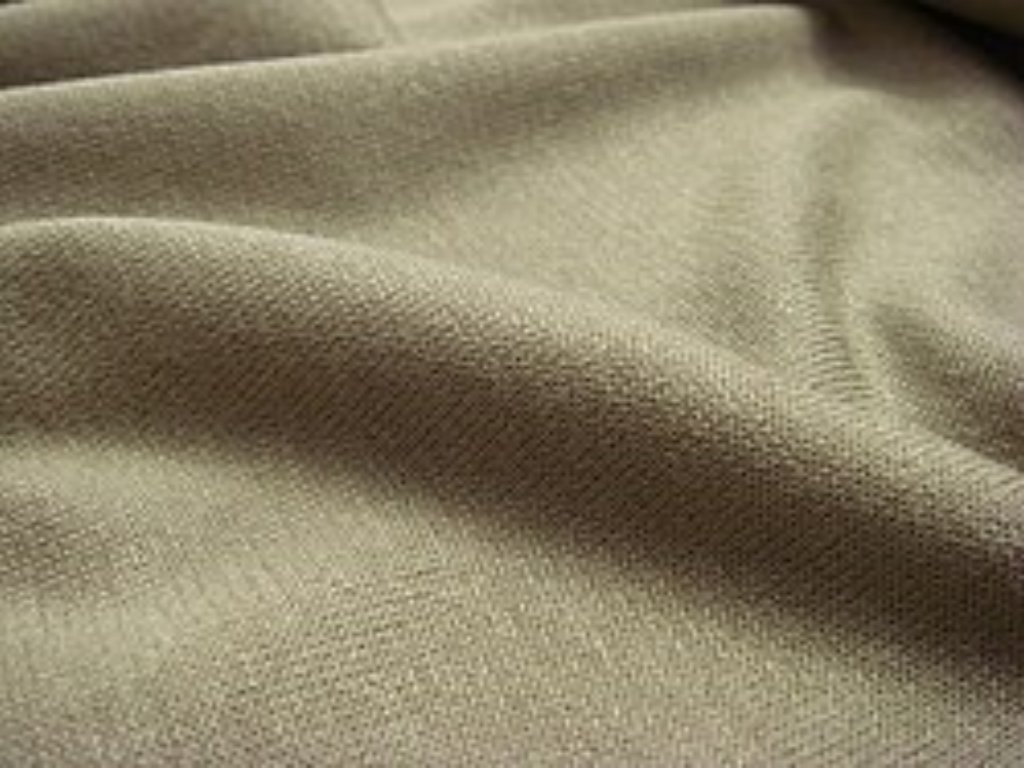
Jersey
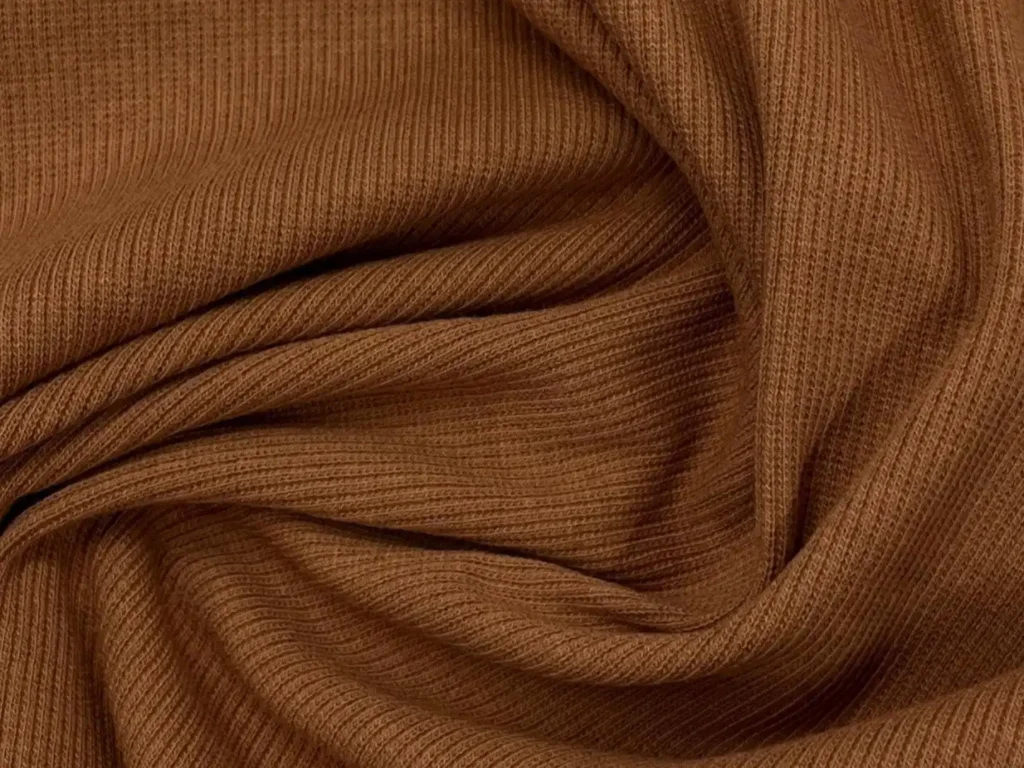
Rib Knit

Ponte and Roma

Stretch Satin
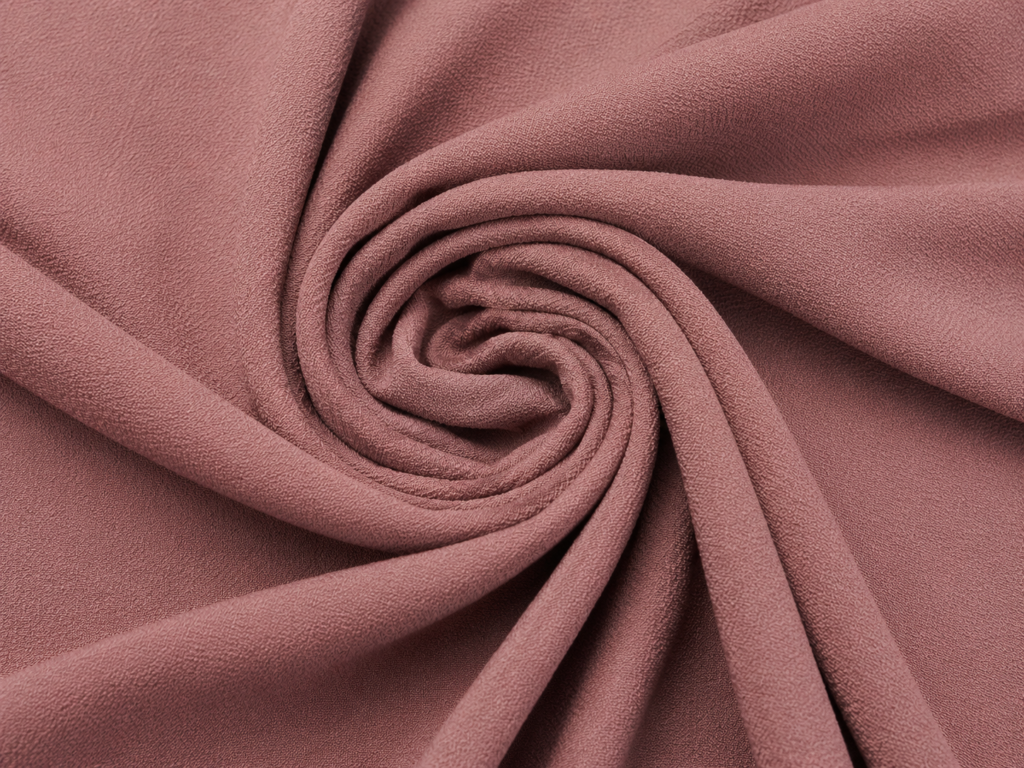
Woven Crepe

Mesh and Stretch Lining
Fit Sampling Turns Measurements Into Wearable Evidence
Requirement Review
First Sample
Fit Sample
Revised Sample
PP Sample
Golden Sample
Remote Fit Feedback Needs Clear Visual Evidence
International development works faster when fit feedback can be translated into measurable actions. General comments such as “make it fit better” leave too much room for interpretation.
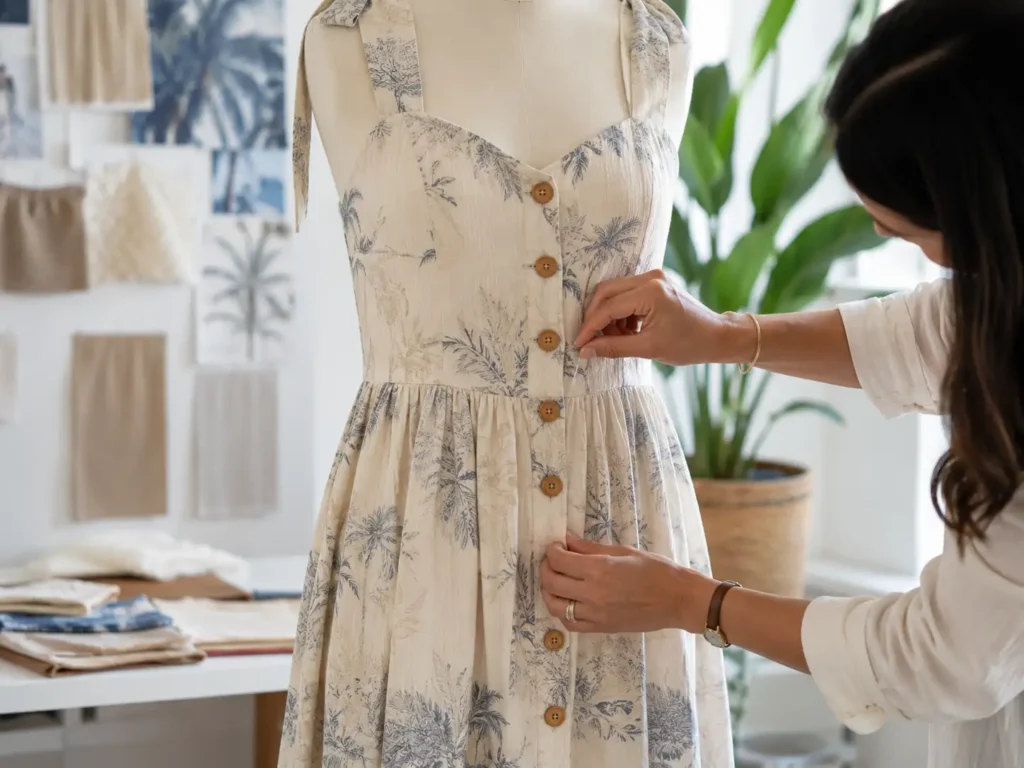
Front View
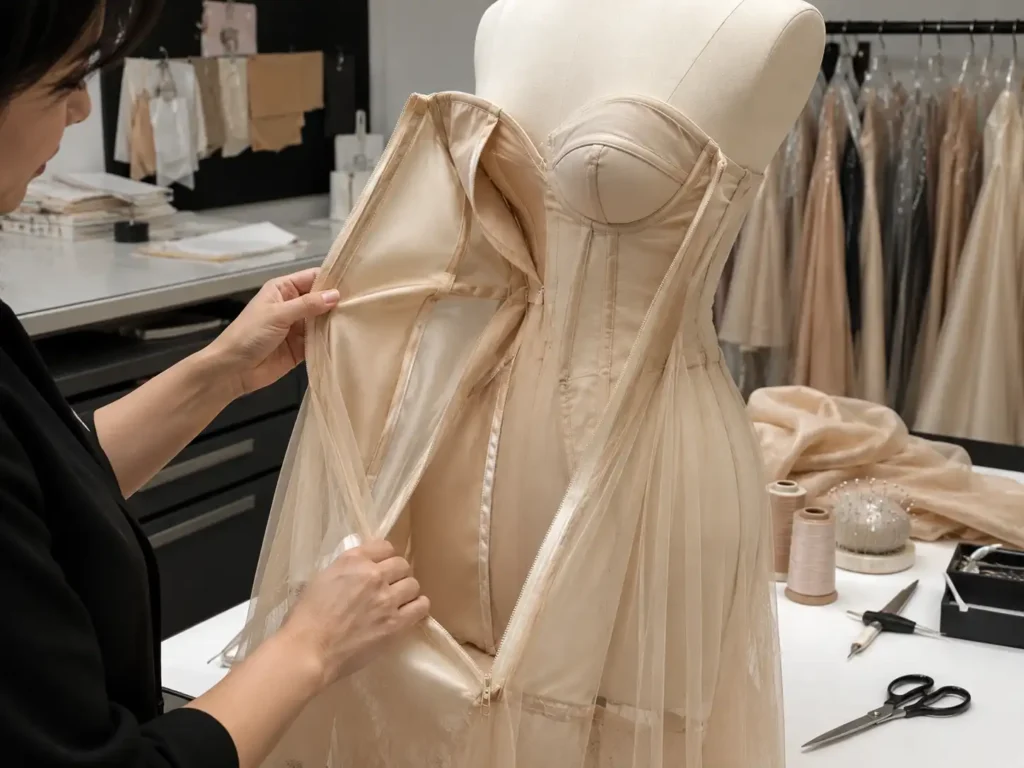
Side View

Back and Detail Views
Measure the Sample and Record Every Relevant Revision
A sample can look acceptable in photographs while critical measurements remain outside the approved size chart. Physical measurement review creates a numerical reference before fit comments become final pattern changes.

Measurement Review
Depending on the style, Jinfeng Apparel can review:
- Bust
- Waist
- Hip
- Dress length
- Strap length
- Armhole
- Neckline depth
- Slit height
- Hem width
- Lining length
Measurements are compared with the approved chart and relevant tolerance requirements. Visual fit and numerical measurement should support each other rather than be treated as separate processes.

Revision Records
Every significant revision should describe the problem, the action, and the production document affected.
A record can identify:
- Area:Bust / Waist / Hip / Strap / Length
- Issue:Too loose / Too tight / Too high / Too low
- Adjustment:For example, Waist -2 cm or Hip +2 cm
- Pattern update:Yes / No
- Fabric impact:Yes / No
- Cost impact:Yes / No
- New sample required:Yes / No
- Production file update:Yes / No
Clear records become especially important after several sample rounds. Without version control, an approved fit correction can disappear between sampling and bulk production.
Correct the Final Pattern Before Bulk Production
Fit approval is valuable only when the approved change reaches the production pattern. Jinfeng Apparel connects fit feedback, physical measurements, pattern correction, grade rules, PP confirmation, and QC references before bulk cutting begins.

Consolidate Approved Fit Comments
Comments from sample fitting, measurement sheets, images, and development discussions are consolidated before the final pattern is prepared.
The pattern team checks whether a requested change affects connected areas. Increasing the hip may alter the side seam and skirt fall.
Changing bust shaping may influence front length or neckline. Adjusting waist position can affect bodice length and skirt proportions.

Confirm the PP Standard
Before production, the PP sample can confirm final pattern, measurements, grading direction, fabric, trims, lining, workmanship, labels, packing, allowable tolerance, and QC focus.
Once the PP sample is approved, major changes to structure, measurements, fabric, color, or construction need to be carefully evaluated because they can affect cost, timing, and production risk.

Update Production Documents
Bulk-relevant changes can move into:
- Final pattern
- Size chart
- Grade rule
- BOM
- Sewing instruction
- Fabric approval
- Trim approval
- QC checklist
- Packing requirement where affected
Grade Sizes Without Assuming Proportions Change Equally
A good base-size sample does not guarantee a good size range. Bust, waist, and hip increments should follow the brand’s size architecture rather than a blanket enlargement of the entire pattern.

Separate the Main Grade Relationships
Suppose a base pattern has been approved at the bust, waist, and hip. Moving to the next size requires a defined increase at each point.
The three increments do not have to be identical. A brand may require one progression through bust, another through waist, and another through hip based on its target fit and historical size standards.
The pattern also needs connected grade decisions for:
- Shoulder and upper body
- Armhole
- Neckline
- Strap position and length
- Bust point
- Waistline position
- High hip
- Full hip
- Dress length
- Slit height
- Hem width

Avoid Simple Scale-Up Logic
Scaling every dimension by the same percentage can shift important garment landmarks.
A neckline may become unnecessarily wide. Armholes may become too deep. Straps may move away from the intended shoulder position. Waistlines may drop. Slits can rise or fall relative to the body. Bust support can lose its position.
Grading is therefore a pattern-engineering step rather than a graphic enlargement step.
Connect Grading With Measurement QC
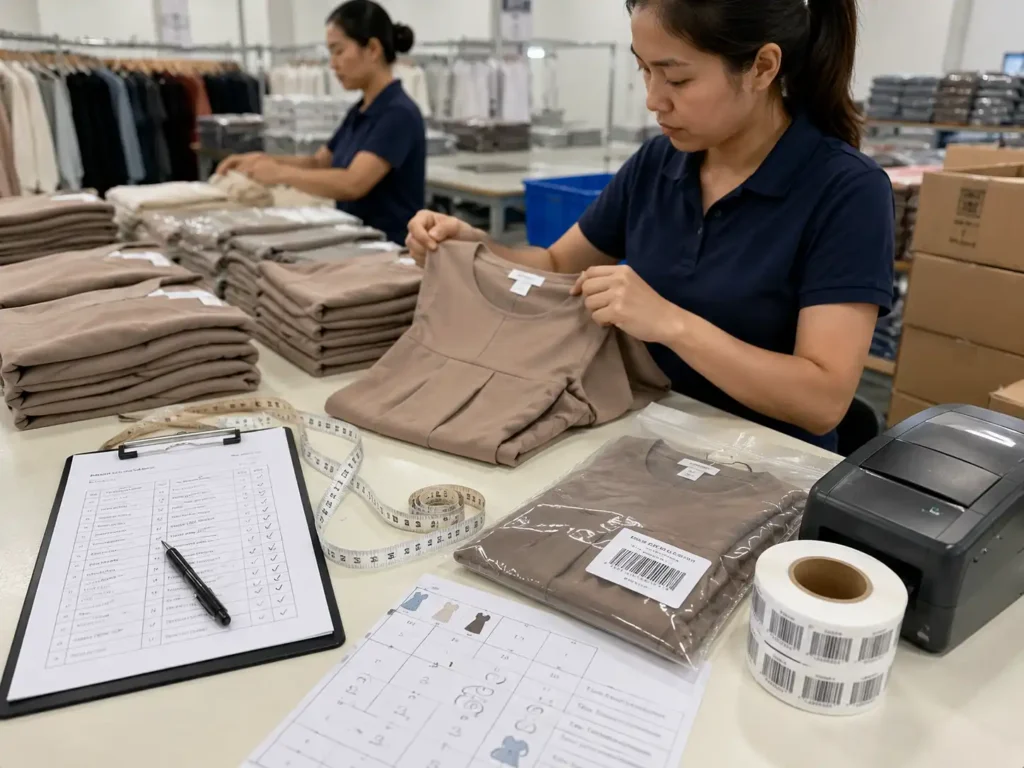
Once grade rules are approved, the resulting size measurements need to remain available to production and QC.
Bulk inspection can compare garments with size-specific POM requirements rather than judging all sizes against the base sample alone. The combination of approved pattern, grade rule, PP sample, and measurement specification provides a stronger production reference.
Develop Fit Around the Brand’s Target Size Market
US Size Programs
UK Size Programs
EU Size Programs
AU Size Programs
Extended and Plus Sizes
Petite and Tall Adjustments
Control Bulk Measurements After Fit Approval
Bulk production needs measurable references for each critical point of measurement. Tolerance should be agreed according to the garment, fabric behavior, brand standard, and production feasibility rather than described as zero variation.
| Point of Measurement | Common Bulk Risk | Control Basis | Review Stage |
|---|---|---|---|
| Bust | Tightness, excess ease, inconsistent coverage | Approved size chart + pattern | Inline and final measurement |
| Waist | Loose/tight fit, misplaced shaping | Size-specific measurement | Inline and final measurement |
| Hip | Pulling, excess ease, side-seam shift | Grade rule + POM | Inline and final measurement |
| Dress length | Uneven appearance, riding, size inconsistency | Approved POM | Final garment |
| Strap length | Neckline or bust position changes | Pattern + sample standard | Sewing and final check |
| Armhole | Gaping or restricted movement | Size chart + fit standard | Final measurement |
| Neckline depth | Coverage inconsistency | Approved sample + POM | Sewing and final check |
| Slit height | Coverage and movement variation | Size-specific POM | Final garment |
| Lining length | Exposure or restricted shell movement | Approved construction | Final garment |
Fit Development Cases From Multi-Style Dress Programs

European Bodycon Dress Program
Project scale: Approximately 12 styles / 24,000 pieces
Product mix: Jersey bodycon, rib-knit midi, ponte mini, fitted long-sleeve dress
Core materials: Jersey, rib knit, ponte, spandex blends
Development sequence: First Sample → Fit Sample → Revised Sample → PP Sample
The brand wanted a fitted silhouette across several fabric groups, but early development exposed different behavior at the same nominal measurements. Softer jersey stretched easily through the hip but recovered differently around the waist.
Rib knit changed visually when stretched. Ponte held the body more firmly and required another ease relationship.
The main fit risks included:
- Bust-waist-hip proportion
- Waist recovery after wear
- Hip pulling on lower-stretch fabrics
- Side-seam twisting
- Dress length riding upward
- Post-relaxation measurement change
Jinfeng Apparel reviewed fabric stretch and recovery, fabric relaxation, cutting direction, base pattern balance, and garment measurements.
Bust, waist, and hip corrections were transferred into the appropriate patterns rather than forcing one fit rule across every fabric.
The approved styles moved through measurement review and PP confirmation before bulk production. Pattern and measurement records were retained to support later same-pattern fabric developments.

US Occasion and Structured Dress Program
Project scale: Approximately 18 styles / 36,000 pieces
Product mix: Satin midi, corset mini, strapless dress, halter dress, fitted wedding-guest styles
Core materials: Matte satin, stretch satin, structured woven, lace, lining
Development sequence: First Sample → Fit Sample → Revised Sample → PP Sample → Golden Sample
The assortment combined several upper-body constructions while maintaining a consistent brand fit direction. A fuller-bust fitting requirement could not be handled by simply increasing the entire bodice because the waist and hip specifications needed to remain controlled.
Development focused on:
- Upper-bust and full-bust relationship
- Cup and bust position
- Waist shaping
- Boning position
- Anti-slip control
- Hip ease
- Strap and halter balance
- Zipper flatness
- Lining compatibility
- Size grading
Jinfeng Apparel used physical samples and fit comments to refine bust shaping, waist position, hip balance, support construction, and closures. Approved corrections were moved into revised patterns, size charts, PP standards, and QC measurements.
The Golden Sample and technical records provided a production reference across multiple dress structures and supported later color and seasonal developments.
Frequently Asked Questions About Bust-Waist-Hip Dress Fit
No. A base block represents a defined measurement relationship and fit direction. When the target range has different bust-waist-hip relationships, pattern shaping or grade rules may need adjustment. Fabric, silhouette, support, torso length, and garment construction also influence the result. Jinfeng Apparel works from the supplied size chart and fit requirements rather than claiming one universal block can solve every proportion.
Yes. Development can begin from a brand size chart, tech pack, existing sample, reference garment, fit comments, or related development information. The team can review the base size, critical POMs, dress structure, fabric, and required size range before creating or correcting the production pattern.
Not automatically. Stretch can increase fitting tolerance, but recovery, garment ease, lining, construction, and pattern distribution still matter. A fabric with weak recovery can become loose after wear, while a restrictive lining can cancel shell stretch. Pattern and fabric therefore need to be evaluated together.
The whole bodice should not simply be enlarged. Pattern review can consider upper bust, full bust, under-bust, front length, darts or panel shaping, neckline, support, and waist suppression. The exact correction depends on the dress structure, fabric, and intended fit.
The team can review high hip, full hip, ease, front-to-back distribution, side seams, skirt angle, fabric stretch, lining, slit, and dress length. Hip circumference may need adjustment, but reshaping the curve or correcting pattern balance can be equally important.
Relevant approvals are transferred into updated patterns, size charts, production specifications, grade rules, sewing instructions, and QC checkpoints. A PP sample is then used to confirm the production direction before bulk manufacturing. Applicable projects may also use a Golden Sample as a physical reference.
Grade rules are reviewed across bust, waist, hip, length, neckline, armhole, strap position, and other critical points rather than enlarging the full pattern by one percentage. Size-specific measurements are then available for production and measurement QC.
Jinfeng Apparel can develop against brand-provided extended-size, plus-size, petite, or tall specifications. Adjustments may involve bust support, waist placement, hip ease, torso length, straps, armholes, slit height, lining coverage, and overall proportion according to the required size program.
Timing depends on style complexity and material readiness. Internal reference ranges include roughly 7–10 days for simpler styles, 10–15 days for standard dresses, and 15–25 days for complex structures, while special fabrics and trims can extend development according to supplier timing. Project timing should be confirmed after the style and materials are reviewed.
Useful materials include the style image or tech pack, base size, complete size chart, target size range, target market, fit comments, existing sample information, fabric preference, construction notes, planned order quantity, and launch timing. Fit photos or measurement comments from an existing sample can further improve diagnosis.

Turn Fit Comments Into Production-Ready Dress Standards
A dress collection with inconsistent bust-waist-hip relationships needs more than a larger or smaller size. The development process should identify where the proportion changes, determine how the fabric and structure respond, verify the correction on a physical sample, establish grade rules, and carry approved measurements into bulk production.
Jinfeng Apparel can review an existing fit problem or begin from a new dress program. Send the available development information so the pattern and sampling teams can assess the required fit path before bulk planning.
For a useful project review, please provide:
- Style image, sketch, original sample reference, or tech pack
- Base size and complete size chart
- Target US, UK, EU, AU, or brand-specific size range
- Existing bust, waist, and hip fit comments
- Front, side, back, or detail fit photos when available
- Fabric direction or approved fabric reference
- Intended silhouette and fit preference
- Planned style count and order quantity
- Label and packing requirements where relevant
- Target sample, launch, or delivery window


