 Skip to content
Dress Collection Solutions for Balancing Newness and Reorder Potential
Build collections that keep launches fresh without forcing every style to restart from zero when sales prove its potential. Jinfeng Apparel supports collection-driven womenswear programs from new-style development and sampling through bulk production, repeat-order records, color extensions and replenishment.
- Support for 10–30 style collection development programs with grouped sampling and production planning.
- MOQ starts from 200 pcs per style/color, subject to fabric, color, trim, construction and production conditions.
- 2 sample rooms, 7+ senior pattern makers and 20+ sample machinists support multi-style development.
- 6 owned women’s fashion factories and 10+ long-term satellite production partners support multi-style, multi-fabric and multi-batch programs.
Capacity Built Around Multi-Style Dress Collections
6 Owned Factories
10+ Satellite Partners
100,000+ pcs Monthly Capacity
18+ Sewing Lines
6+ Flexible Lines
15+ QC Inspectors
Newness and Repeatability Serve Different Commercial Roles
Build Newness Deliberately
Protect Proven Product Value
Link Launches to Production Continuity
Built for Teams Managing Real Collection Complexity
Merchandising Teams
Product Development Teams
Sourcing Teams
Sourcing teams need visibility into fabric MOQ, color MOQ, trims, production allocation, bulk timing and potential repeat constraints. A style may be commercially attractive but still require careful planning if the fabric or component supply is difficult to reproduce.
QA and Production Teams
Give Every Style a Clear Manufacturing Role
Not every dress in a collection needs the same development path. A newly introduced silhouette may need multiple fit revisions and fabric testing, while a proven style may already have stable patterns, approved trims and bulk-production records. Separating these roles before development helps prevent unnecessary work and gives key styles the attention required before launch.
Newness Styles
A newness style may introduce a fresh silhouette, new neckline, new fabric behavior, new trim or more complex construction. Development should concentrate on pattern feasibility, body proportion, fabric suitability, lining requirements, closure method, movement and finishing before the style is considered bulk-ready.
For a new satin slip dress, development may focus on grain direction, bust coverage, zipper flatness, seam puckering and lining. A new mesh bodycon style needs different attention: stretch direction, transparency, neckline stability, lining placement and recovery. A new corset dress introduces another set of variables such as cup shape, boning position, waist suppression and closure strength.
The important point is not to force every new concept into production at the same speed. Complex styles should receive enough sample validation to reduce expensive bulk corrections later.
Commercial Carryover Styles
Carryover styles may use a familiar silhouette, a proven fit block or an established construction method while introducing smaller visual changes. These dresses often give a collection continuity without looking identical to earlier seasons.
A carryover program can use the same general fit architecture while changing sleeve treatment, length, color story, surface design or selected details. Manufacturing continuity comes from preserving the parts that already work while clearly identifying which elements have changed and need renewed approval.
Pattern reuse should never become automatic. A new fabric with different stretch, weight or drape can change garment measurements and fit even when the design looks familiar.
Repeat Candidates
Repeat candidates are styles the brand may want to produce again after launch. Manufacturing preparation becomes easier when approved records are already complete: final pattern, size chart, BOM, fabric reference, trim details, sewing instructions, label artwork, packing method, QC notes and Golden sample.
Jinfeng does not decide which style becomes a winner. Sales and merchandising teams make that commercial decision. Jinfeng prepares the manufacturing foundation so a proven style does not need to be reconstructed from incomplete information when replenishment becomes necessary.

Build a Dress Mix Around Production Reality

Mini Dress Programs

Midi Dress Programs

Maxi Dress Programs

Party and Going-Out

Occasionwear
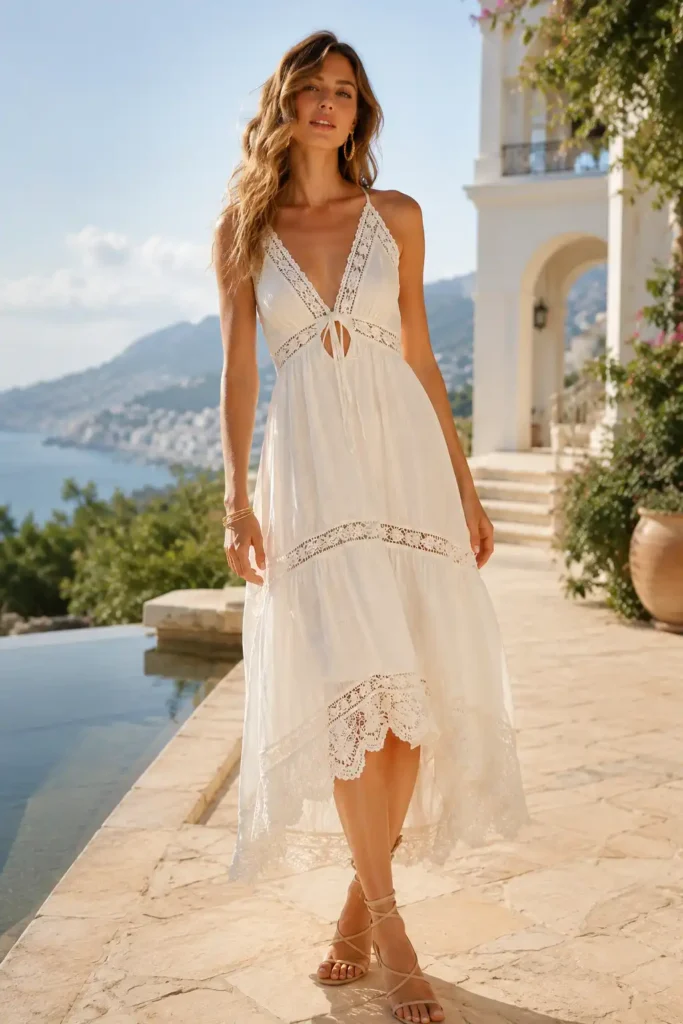
Resort and Vacation

Fabric-Led Collections

Extended Womenswear Lines
Fabric Continuity Can Decide Reorder Feasibility
A style can sell strongly and still be difficult to reproduce if the original material cannot be sourced again under acceptable conditions. Reorder potential therefore starts before the first bulk order. Fabric type, supplier MOQ, color process, batch variation, stretch behavior and trim availability all influence whether a successful dress can return smoothly.
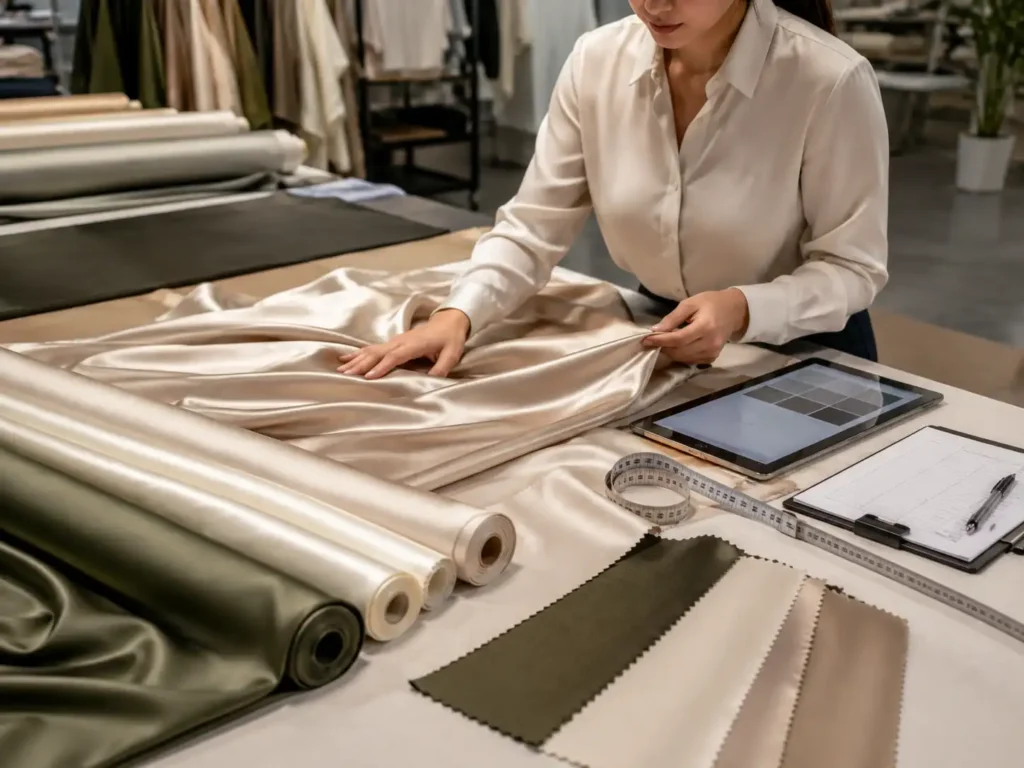
Stock Fabric and Continuity
Stock-supported fabrics can simplify repeat programs when the same construction and color remain available, but “stock” should never be treated as permanent. Availability changes, shades vary by batch and suppliers may replace qualities over time.
For carryover or potential repeat styles, it is useful to record composition, weight, width, stretch, hand feel, drape, transparency, supplier reference and approved color. Jinfeng’s long-term record system includes these material references alongside patterns and production information.

Custom Color and Dye-Lot Risk
Custom colors create a stronger brand story but also introduce repeat variables. Lab dip approval, bulk shade, lining color, zipper color, thread matching and dye-lot variation should be controlled as part of the garment, not treated as separate sourcing details.
When a repeat order enters production, the original approved color can guide the process, but a new bulk batch still requires confirmation.

Lace, Sequin and Special Materials
Lace motifs, sequins, specialty meshes and decorative trims can change from season to season. A design built around a highly specific material may have strong visual newness but weaker repeat flexibility if the exact material becomes unavailable.
For styles expected to remain in a collection longer, material continuity should be considered alongside design impact.

Substitution Without Losing Product Value
When the original material becomes commercially difficult, a substitute may be considered. The replacement must be evaluated against the original silhouette, drape, stretch, opacity, lining requirement, seam behavior and target appearance.
A similar fabric is not automatically equivalent. Swatches and sample validation remain the safest route before bulk production.
Preserve Fit When Commercial Styles Return
Repeatability depends on more than using the same style number. Fit is one of the strongest reasons a commercial dress can become valuable over several drops, and it is also one of the easiest areas to damage when records are incomplete or materials change.

Keep the Approved Pattern Chain
Pattern records should distinguish development stages rather than keeping one unnamed file. Depending on the project, a style may move through first pattern, revised pattern, PP pattern, bulk pattern, lining pattern and grading information.
The approved production pattern becomes the reference point for future repeats, while earlier versions remain useful for understanding how the fit evolved.

Record the Measurements That Matter
A size chart alone does not explain every fit decision. Bust placement, waist position, hip shaping, neckline depth, strap length, slit height, hem level and garment balance can be critical to the look of a dress.
Repeat orders should use approved measurement records together with the production pattern and Golden sample, especially for bodycon, corset, halter, backless and slip silhouettes.
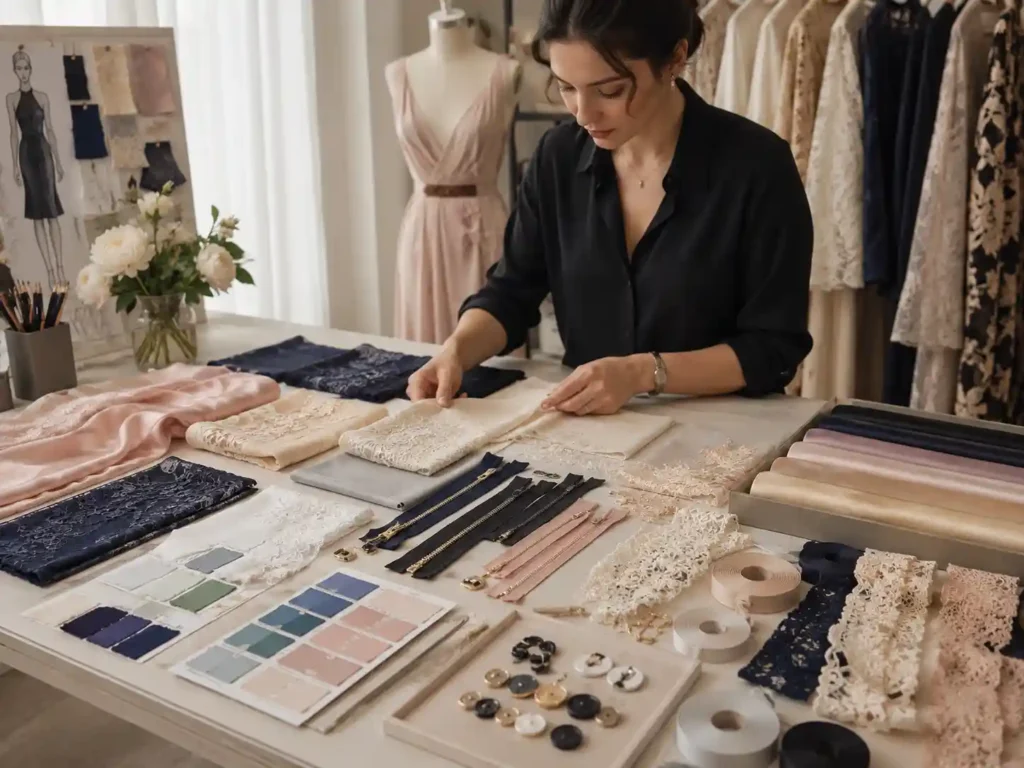
Recheck Fit When Materials Change
A saved pattern does not remove the need for judgment. Switching from a stable woven to stretch satin, from soft mesh to power mesh or from one jersey weight to another can change ease, recovery, drape and finished measurements.
When fabric behavior changes, Jinfeng reviews whether the original pattern remains suitable and whether a revised sample is needed before the new program enters bulk production.
Prioritize Samples Around the Launch Calendar
A 20-style collection rarely benefits from treating all 20 samples as equally urgent. Sample priority should reflect launch timing, product importance, fabric readiness and technical risk. Clear sequencing helps protect photo deadlines and bulk approvals without creating unnecessary congestion in development.
Priority by Commercial Importance
Hero styles, key campaign dresses and styles connected to important launch dates can move earlier in the sample queue. Commercial importance does not replace technical feasibility, but it helps teams decide where development attention matters most.
Priority by Fabric Readiness
A style using confirmed stock fabric may be ready to move before another style waiting for custom dyeing, exclusive lace or specialized trims. Grouping samples around material readiness helps avoid idle work and repeated rescheduling.
Priority by Pattern Complexity
Corset, cut-out, bodycon, mesh, lace and structured occasion styles can require more fitting work than simpler silhouettes. Complex styles should enter development early enough to allow meaningful revision rather than being rushed close to bulk deadlines.
Priority by Photo Requirements
Photo-ready samples may need cleaner finishing, closer material matching and separate confirmation from early fit samples. Their timing should connect to lookbook, campaign and ecommerce photography rather than being mixed casually with first fitting samples.
Revision and Approval Tracking
Each style should have a visible status: first sample, comments received, revised sample, approved fit, photo sample, PP sample or pending material decision. Jinfeng supports grouped multi-style sampling and revision tracking for collection programs.

Plan MOQ Across Styles, Colors and Sizes
MOQ becomes more complex when a collection contains many silhouettes, colors and size groups. Jinfeng Apparel’s basic MOQ starts from 200 pcs per style/color, while fabric sourcing, custom color development, trims, construction and packaging may introduce separate commercial limits.
| Planning Variable | Manufacturing Impact | Collection Decision |
|---|---|---|
| Style Count | More patterns, samples, BOMs, approvals and SKUs | Prioritize styles with clear launch roles |
| Colors Per Style | Separate fabric, shade, label and SKU control | Avoid unnecessary color fragmentation |
| Size Range | More grading, cutting, measurement and packing control | Submit a realistic size ratio |
| Custom Fabric | May create supplier MOQ and longer preparation | Confirm before committing launch timing |
| Special Trims | Can introduce separate MOQ and sourcing risk | Reserve for styles where detail matters |
| Printed Packaging | May have packaging-supplier MOQ | Standardize where possible |
| Repeat Styles | Can reuse approved records but still require material checks | Identify continuity styles early |
Move From Development to Repeat Without Losing Control
Develop
Sample
Fit, fabric, construction, proportions, trims and finishing are tested through the necessary sample rounds rather than assuming the first sample will automatically become bulk-ready.
Approve
Produce
Launch
The brand launches the product and evaluates sales, stock, size performance, color performance and commercial potential.
Repeat or Extend

Allocate Multi-Style Bulk Production by Real Complexity
Multi-style bulk production requires more than opening several sewing lines at once. Fabric groups, construction types, trims, launch priorities and QC demands need to be matched with suitable production resources. The goal is to keep collection timing visible while preventing one difficult style from disrupting unrelated products.
- Group by Fabric Behavior: Satin, stretch fabrics, chiffon, mesh, lace and sequin styles have different handling needs. Grouping similar material behavior helps production teams manage cutting, sewing, pressing and quality risks more consistently.
- Group by Construction Difficulty: A lined satin midi, a ruched mesh bodycon, a corset mini and a simple jersey dress should not be treated as identical production units. Construction complexity affects labor, operator skill, inspection points and realistic production scheduling.
- Match Production Resources: Jinfeng operates 6 owned women’s fashion factories with 10+ long-term satellite partners, 18+ sewing lines and 6+ flexible production lines. Production allocation can therefore be organized around garment type and project schedule instead of placing every style into one undifferentiated workflow.
- Protect Launch Priorities: Key launch styles can be identified before bulk scheduling. When several groups share the same delivery window, production sequence can reflect PP approval status, material readiness and commercial priority.
- Keep QC Connected to Allocation: Production allocation should never separate the garment from its QC plan. Measurement-sensitive bodycon styles, snag-sensitive satin, sheer mesh and embellished sequin products require different checkpoints even when they belong to the same collection.
Lock Bulk Standards Before Calling a Style Repeatable
A good-looking first sample is not enough to create a reliable repeat program. Repeatability begins when the bulk standard is clearly defined and the factory can compare future production against approved construction, measurements, fabric, trims and packing references.
- PP Sample Control
The PP sample brings approved design decisions into a production-ready reference. Fabric, construction, trim placement, measurements, lining, closures and finishing should be close to the intended bulk standard before the main production run begins. - Golden Sample Reference
A sealed Golden sample provides a physical comparison point for later production and repeat orders. It helps teams evaluate shape, appearance, workmanship and selected details when written specifications alone are not enough. - Measurement Consistency
Finished garment measurements should be checked against approved specifications, especially at fit-sensitive areas such as bust, waist, hip, neckline, straps, sleeve openings, slit position and total length. - Workmanship Control
Production review can include seam balance, zipper installation, lining behavior, gathering, ruching, decoration security, topstitching, pressing and clean finishing according to the style. - Packing Consistency
A repeat program is not consistent if the garment is correct but labels, barcode, size sticker, polybag, carton mark or packing ratio changes unexpectedly. Packing standards belong inside the bulk reference package.

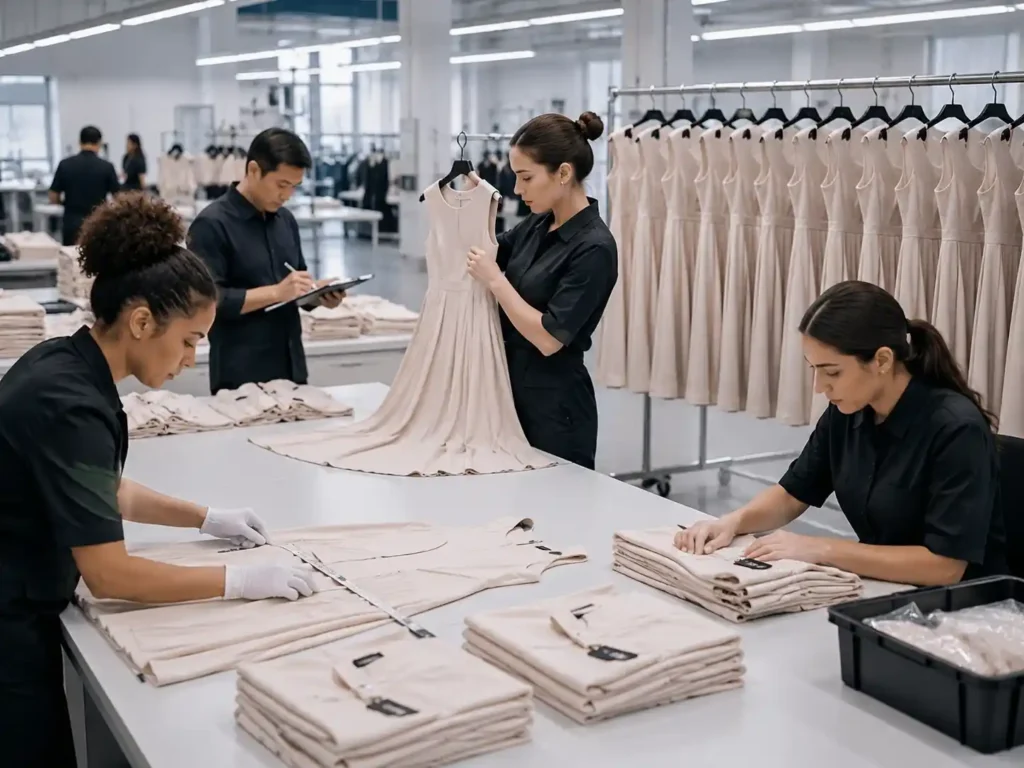
Build Repeat Orders on Records, Not Memory
Repeat production becomes more efficient when the approved project is documented as a system rather than remembered through old messages. Jinfeng’s long-term cooperation records can include patterns, size charts, BOM, fabric references, colors, trims, sewing instructions, packing requirements, QC records and Golden samples.
- Pattern Records
Final patterns, lining patterns and grading references give production teams a known starting point when the same silhouette returns. - Measurement Records
Approved size charts and critical garment measurements help preserve fit expectations across repeat production. - Material Records
Fabric composition, weight, width, stretch, color, supplier reference and approved material information support sourcing review before a repeat is confirmed. - Trim and Construction Records
Zippers, cups, boning, elastic, straps, hardware and sewing instructions are recorded so repeat production does not rely on visual guesswork. - Label and Packing Records
Woven labels, care labels, size labels, hangtags, barcodes, polybags, carton marks and packing instructions support brand and warehouse consistency. - QC and Golden Sample Records
QC points, bulk observations and Golden sample references provide a stronger comparison base for the second or third production run.
Turn Bestseller Signals Into Controlled Replenishment
Confirm the Reorder Scope
Retrieve the Approved Standard
Recheck Materials
Recheck Capacity
Reconfirm Commercial Terms
Match Logistics to the Sales Window
Create Newness From Proven Product Foundations

Same Style, New Color
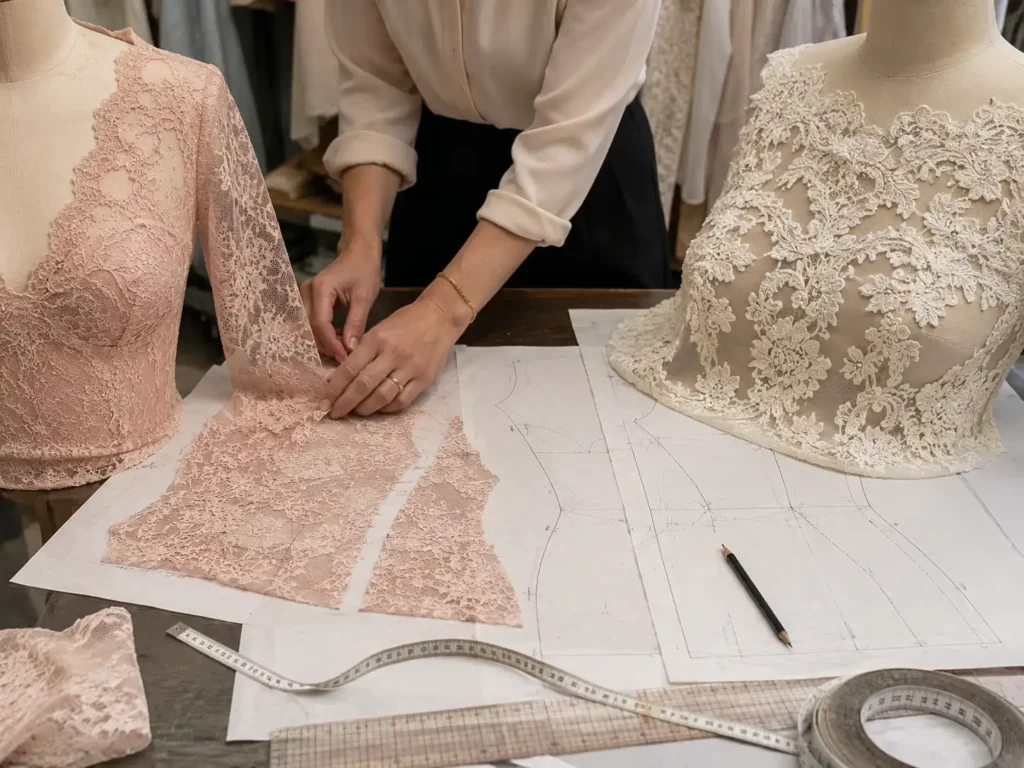
Same Pattern, New Fabric
A familiar silhouette can create a different commercial story through satin, jersey, mesh, crepe or another fabric direction, but the original pattern may not behave the same way. Stretch recovery, weight, drape, shrinkage, transparency, seam behavior, lining requirement and finished measurements should be re-evaluated. A new sample may still be necessary even when the design lines appear unchanged.

Extend a Proven Design Language
Connect Launch Timing With Multi-Batch Delivery
Launch Priority Batch
Style-Based Delivery
Color-Based Delivery
Air and Sea Planning
A Multi-Style US Private Label Program
An anonymous US large private-label client worked with Jinfeng Apparel on an 18-style womenswear program totaling approximately 28,000 pieces. The range covered satin, mesh, jersey, lace and crepe dresses, creating a production mix with very different fabric behavior, sewing requirements and QC priorities.
Collection Challenge
The program had to keep 18 styles moving through development and production without allowing different fabrics, sample versions, labels or packing instructions to become mixed.
The main risks included:
- Multi-style sample coordination
- Different fabric sourcing and handling requirements
- SKU and color-size identification
- Private-label packing consistency
- Inspection preparation
- Shipment documentation
- Phased delivery
A collection of this size could not be managed as 18 unrelated purchase orders. Sample versions and production information needed to remain visible across the full program.
Jinfeng Execution
Jinfeng created project tracking around style progress, fabric and trim status, sample versions and production readiness. Private-label requirements—including hangtags, barcodes, polybags and carton marks—were coordinated across the range so warehouse identification remained consistent.
Different fabric families were managed according to their own risks rather than applying one generic QC method. Satin required appearance and color control, mesh required transparency and stability checks, jersey required fit and stretch attention, while lace required careful handling of visual placement and finishing.
The program also included inspection support and phased shipment planning, allowing the collection to move through delivery as a structured multi-style project rather than waiting for every SKU to reach exactly the same stage.

Manufacturing Support for Collection-Driven Fashion Brands
Multi-Style Development
Dress-Focused Product Knowledge
Sample Development Resources
Scalable Bulk Production
Repeat-Order Continuity
Long-Term Collection Support
Frequently Asked Questions About Dress Collection Production
New styles normally require more development work around pattern, fabric, fit, trims and sample approval. Repeat styles can use approved historical records as a starting point. Jinfeng separates the development needs of new styles from the restart requirements of proven styles while keeping both inside one collection schedule.
Yes. Jinfeng supports multi-style development for dress collections and seasonal womenswear programs, including style grouping, fabric grouping, pattern development, sample progress, revision records, PP approval and bulk production allocation.
Repeat feasibility improves when the approved pattern, measurements, fabric reference, color, trims, construction, labels, packing and QC records are complete. Material continuity is also important. A highly specialized fabric or trim may need to be resourced before repeat timing can be confirmed.
Yes, subject to project review. New colors require confirmation of fabric sourcing, lab dip or color reference, lining, zipper, thread, SKU labels and MOQ per color. The approved pattern may remain useful while the color-related components are rechecked.
Possibly, but the new fabric must be evaluated first. Changes in stretch, recovery, weight, drape, shrinkage or transparency can alter fit and garment behavior. A revised sample may be required before bulk production.
Jinfeng can refer to saved pattern, size chart, BOM, fabric and color records, trim details, sewing instructions, packaging information, QC records and Golden samples. New material batches and current production conditions are still checked before each repeat.
Jinfeng’s basic MOQ starts from 200 pcs per style/color. Multiple styles or colors should not be treated as one combined 200-piece quantity. Fabric, color, trims and packaging may also have independent MOQ requirements.
Yes, project scheduling can include new styles and repeat styles in parallel. Production allocation depends on material readiness, sample approval, construction complexity, factory scheduling and required delivery windows.

Send Your Collection Plan for Manufacturing Review
A useful collection review starts with more than a single dress image.
Share the information your merchandising, development and sourcing teams already use, and Jinfeng can evaluate the manufacturing side of the program: style complexity, fabric direction, sampling priorities, MOQ fit, production grouping, repeat-order considerations and delivery planning.
For a clearer first review, include:
- Line sheet or style overview
- Reference images or tech packs
- Total number of styles
- New styles and existing repeat styles
- Fabric direction or approved materials
- Color plan
- Size range and expected size ratio
- Quantity per style/color
- Target launch window
- Known repeat or replenishment priorities
- Private-label packing requirements
- Inspection or warehouse requirements
- Relevant previous bulk references, where available


