
Drawstring Dress Manufacturer
Custom drawstring dress development for global fashion brands, sourcing teams and established womenswear programs.
- 8 drawstring positions can be engineered across waist, side seam, bust, neckline, shoulder, back, hem and slit structures.
- 200 pcs per style/color is the standard starting MOQ, subject to fabric, trim, construction and color requirements.
- 2 sample rooms, 7+ senior pattern makers and 20+ sample machinists support fit, gathering and construction review before bulk production.
- 6 owned women’s fashion factories and 10+ long-term production partners support multi-style programs, controlled QC and private-label delivery.
Jinfeng Apparel develops drawstring mini, midi and maxi dresses from reference images, original samples, sketches, line sheets or complete tech packs. Every project is reviewed for drawstring function, gather distribution, pattern balance, fabric behavior, cord movement, reinforcement, size grading and bulk repeatability before production planning begins.
Manufacturing Capacity Built for Drawstring Dress Programs
Since 2008
6 Owned Factories
10+ Production Partners
2 Sample Rooms
7+ Pattern Makers
15+ QC Inspectors
Built for Established Fashion and Sourcing Teams
Global Fashion Brands
Premium Ecommerce Labels
Resortwear Programs
Partywear Collections
Product Development Teams
Sourcing and QA Teams
Why Drawstring Dresses Fail in Bulk Production
Uneven Gathering
Twisted Channels
Weak Exit Points
Uneven Side Lengths
Distorted Side Seams
Poor Recovery
Slipping Cord Ends
Grading Drift
Custom Drawstring Dress Styles for Fashion Collections

Waist Drawstring Dress

Side Drawstring Dress
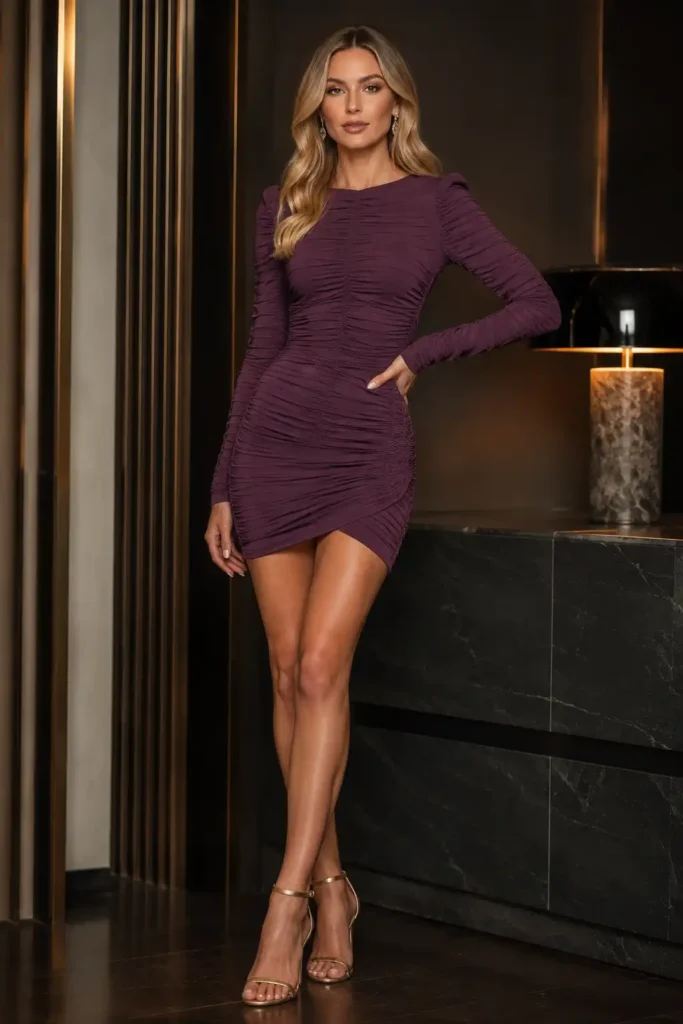
Ruched Mini Dress

Drawstring Bodycon Dress

Adjustable Slit Dress

Drawstring Midi Dress

Drawstring Maxi Dress

Drawstring Shirt Dress

Front Drawstring Dress

Drawstring Bust Dress

Back Drawstring Dress

Cut-Out Drawstring Dress
Eight Drawstring Positions That Change Fit and Shape

Waist Position

Side Seam Position

Front Bust Position

Center Front Position

Neckline Position

Shoulder Position

Back Position

Hem or Slit
Functional and Decorative Drawstrings Need Different Engineering
Functional Drawstrings
Decorative Drawstrings
Fabrics Selected for Gathering, Recovery and Drape
Material selection begins with the behavior required after pulling, wearing, releasing, washing and packing. Weight, stretch, recovery, friction, transparency and crease response influence drawstring performance.
| Fabric Direction | Best Drawstring Uses | Useful Properties | Main Production Controls |
|---|---|---|---|
| Jersey | Bodycon, casual mini, midi | Stretch, comfort, soft gathering | Stretch direction, recovery, seam twisting, channel growth |
| Rib Knit | Fitted casual, bodycon | Texture, elasticity, shape definition | Rib alignment, channel distortion, size recovery |
| Ponte | Structured fitted dresses | Stable stretch, cleaner surface | Bulk at channels, needle marks, pressed shine |
| Rayon / Viscose | Resort, maxi, shirt dresses | Drape, softness, fluid gathering | Shrinkage, transparency, color variation, wet strength |
| Cotton Poplin | Shirt dresses, casual waists | Crisp shape, clean topstitching | Gathering stiffness, puckering, channel bulk |
| Linen Blend | Resort, vacation, daywear | Natural texture, breathable handle | Wrinkling, friction, slub consistency, shrinkage |
| Satin | Party, occasion, slip-inspired | Shine, fluid drape, elevated appearance | Snagging, needle marks, pressure marks, grain direction |
| Stretch Mesh | Ruched party, clubwear | Layering, stretch, visual depth | Lining, transparency, edge damage, recovery |
| Chiffon | Maxi, resort, occasion | Light drape, movement | Slippage, fraying, transparency, hem balance |
| Crepe | Midi, occasion, contemporary | Controlled drape, matte finish | Stretch variation, shrinkage, seam impression |
Cord, Eyelet and Stopper Options for Brand-Level Finishing
Cord and hardware choices affect movement, comfort, weight, appearance, washing behavior and production timing. Each option is evaluated with the garment fabric rather than selected as an isolated trim.

Self-Fabric Ties

Cotton Cord

Braided Cord

Elastic Drawcord

Flat Tape

Metal Eyelets

Cord Stoppers

Metal or Molded Ends
Pattern Engineering for Adjustable Fit and Balanced Silhouettes
Drawstring dresses must look intentional in both relaxed and adjusted positions. Pattern work defines how volume travels, where tension stops and how the silhouette changes without shifting key body landmarks.
Waistline and Gather Distribution
- The waist channel is placed against the intended body position, not only against a flat sketch. Pattern work defines relaxed waist, minimum adjusted waist, gather start point, gather end point and distribution between front and back.
- When pockets are included, the pocket bag and opening cannot block the channel or add unwanted bulk.
- For woven styles, enough ease must remain for dressing and movement after tightening. For stretch styles, elastic recovery and body compression influence the final silhouette.
- Sample fitting checks front waist height, back waist height, side-seam balance and whether the cord pulls the skirt unevenly toward one area.
Bust and Neckline Stability
- Bust drawstrings alter coverage, cup shape and neckline tension. Pattern review covers bust width, under-bust position, neckline depth, center-front length, lining and anchoring.
- A cord can create attractive gathering while also opening a gap at the edge if tension is not distributed.
- Lightweight woven fabrics may need narrow stabilization; stretch mesh may need a supportive lining layer.
- Size grading should preserve coverage and gather proportions rather than moving the opening by a fixed scale.
- Fitting includes front, side and movement views so the adjusted neckline remains secure while standing, sitting and walking.
Side Seam and Hip Balance
- Side ruching changes hip volume, dress length and seam direction at the same time. Pattern engineers define the channel length, gathered target, cord marks and seam elasticity.
- On bodycon styles, too much gathered allowance can create a thick ridge; too little creates weak visual impact and limited adjustment.
- The hip curve is reviewed in relaxed and tightened positions.
- If the side seam rotates forward or backward, gather allocation or grain direction must be corrected before grading.
- Left-right measurements are recorded separately because visual symmetry is central to the finished garment.
Hem and Slit Control
- An adjustable hem or slit needs clear upper and lower limits. The pattern defines minimum hem depth, maximum slit height, lining clearance, seam reinforcement and cord stop position.
- The garment is checked while walking and sitting because a safe standing length can rise significantly during movement.
- Maxi dresses also require front-back hem balance and floor clearance after tightening.
- When the drawstring creates an asymmetric hem, the intended highest and lowest points are included in the measurement file.
- Pressing and packing instructions preserve the approved shape without flattening the gathered area.
Technical Specifications Required Before Sampling
| Specification Item | Required Definition | Why It Matters |
|---|---|---|
| Drawstring position | Distance from HPS, waist, side seam or center line | Keeps placement consistent across sizes |
| Channel finished width | Internal width after sewing | Controls cord movement and prevents twisting |
| Cord type and diameter | Material, construction and finished diameter | Determines friction, strength and trim compatibility |
| Cord length | Total length plus exposed length in relaxed state | Prevents short ties or excessive loose ends |
| Exit method | Buttonhole, eyelet, seam opening or bound opening | Sets reinforcement and finishing method |
| Reinforcement | Interlining, patch, washer or bar tack | Protects high-stress areas |
| Relaxed measurement | Waist, length, slit or opening before adjustment | Establishes base fit and production measurement |
| Adjusted measurement | Minimum waist, maximum slit or gathered length | Defines safe functional range |
| Gather start and end | Fixed pattern notches or measurement points | Controls visual distribution and symmetry |
| Stopper or knot | Type, position and pull resistance | Prevents cord loss and uncontrolled movement |
| Fabric behavior | Weight, stretch, recovery, shrinkage, transparency | Links construction to material performance |
| Size range and grading | Base size, grade rules and size-set requirements | Keeps function aligned across all sizes |
| Lining relationship | Lining length, attachment and freedom of movement | Prevents exposed lining or blocked adjustment |
| Packing position | Cord arrangement, knot state and protection method | Preserves appearance during transport |
Customize Every Part of the Drawstring Dress

Neckline Shapes

Sleeve Options

Dress Lengths

Drawstring Positions

Fabric and Color

Prints and Placement

Lining and Closures

Private Label Details
From Design Reference to Production-Ready Sample
Sampling verifies fit, function, fabric behavior and manufacturing feasibility before bulk release. Every stage produces a clearer standard for the next stage rather than relying on memory or informal chat notes.
Project Review
Fabric Direction
Trim Confirmation
Pattern Development
First Sample
Fit Review
Revised Sample
PP Sample Approval
How Drawstring Dresses Move Through Bulk Production

Material Inspection
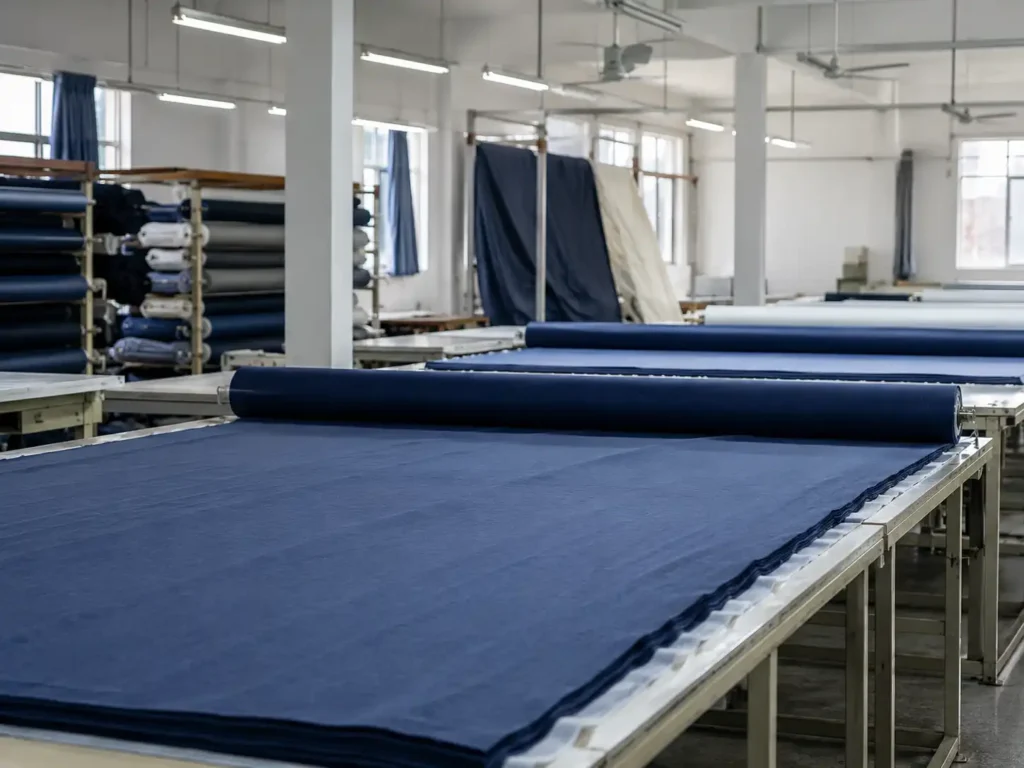
Fabric Relaxation

Pattern Review

Cutting Control

Bundling by SKU

Sewing Assembly

Drawstring Installation

In-Line Inspection

Pressing and Finishing

Final Measurement

Private Label Packing

Shipment Preparation
Quality Tests for Every Adjustable Drawstring Detail
Pull Function Test
Repeated Adjustment
Exit Strength Check
Cord-Length Control
Symmetry Inspection
Gather Distribution
Measurement Inspection
Wash and Shrinkage Review
Final AQL Inspection
Production Evidence from Pattern Room to Packing
Fabric Comparison
Pattern Development
First Sample Review
Revision Tracking
Channel Close-Up
Eyelet Reinforcement
Sewing Process
Measurement QC
Packing Confirmation
Multi-Style Programs Managed Without Losing Product Control
Style Grouping
Fabric Grouping
Trim Grouping
Sample Priority
Production Allocation
Packing Control
MOQ, Pricing and Lead-Time Factors Explained Clearly
The standard starting MOQ is 200 pcs per style/color. Final commercial conditions depend on fabric availability, custom color, trim MOQ, construction complexity, size-color breakdown, packaging and the confirmed production schedule.

How MOQ Is Applied
A style in two colors is planned as two style/color production groups. Each group has its own material batch, cutting, SKU breakdown, line setup, QC and packing control. When custom-dyed fabric, custom print, metal trims or exclusive packaging carry higher supplier minimums, the garment MOQ may need adjustment. Quantity planning should therefore begin before fabric and trim commitments are made.

What Builds Unit Cost
Quotation covers shell fabric, lining, cord, hardware, labels, pattern work, sampling, cutting, sewing time, pressing, QC, packing, wastage, testing where required, logistics terms and a reasonable manufacturing margin. Drawstring channels, multiple exits, metal eyelets, hand-adjusted gathers, difficult satin handling, mesh lining and complex asymmetric hems add operations that influence cost.

Cost Control Without Weakening Appearance
Useful options include stock fabric close to the target hand feel, common cord across several styles, consolidated colors, simplified hidden construction, shared labels and packaging, improved marker planning and realistic size ratios. Cost reduction should preserve the visible silhouette, fabric behavior, comfort and brand-level finish. Removing reinforcement or QC steps from high-stress drawstring areas creates downstream risk and is not treated as efficient costing.

Sample and Bulk Timing
A project timeline is issued after design files, fabric and trims are reviewed. Standard first samples are often planned around 10-15 working days after readiness confirmation, while revised or PP samples commonly require 7-12 working days depending on change scope. Bulk production is commonly planned around 25-45 days after PP approval and bulk-material arrival, but multi-style volume, custom dyeing, print, hardware, peak-season capacity, inspection and packing may extend the schedule. Delivery planning also depends on express, air, sea or split shipment.
Private Label Drawstring Dresses Ready for Retail Delivery

Brand Labels

Hangtags and Strings
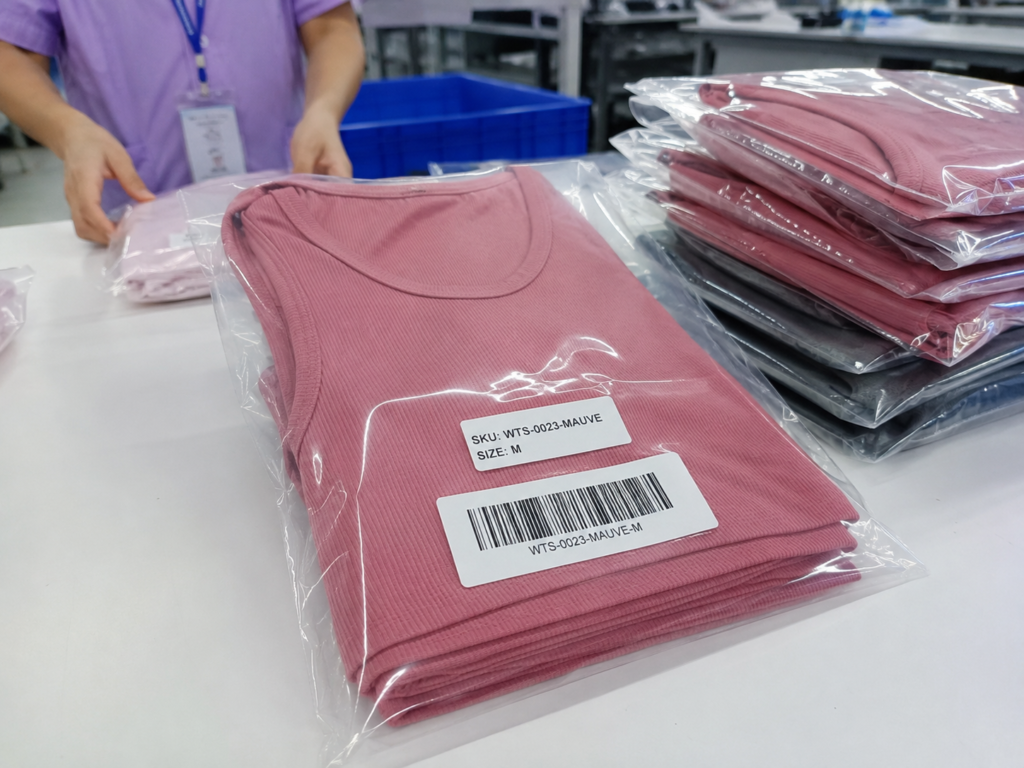
Barcode and SKU

Individual Packing
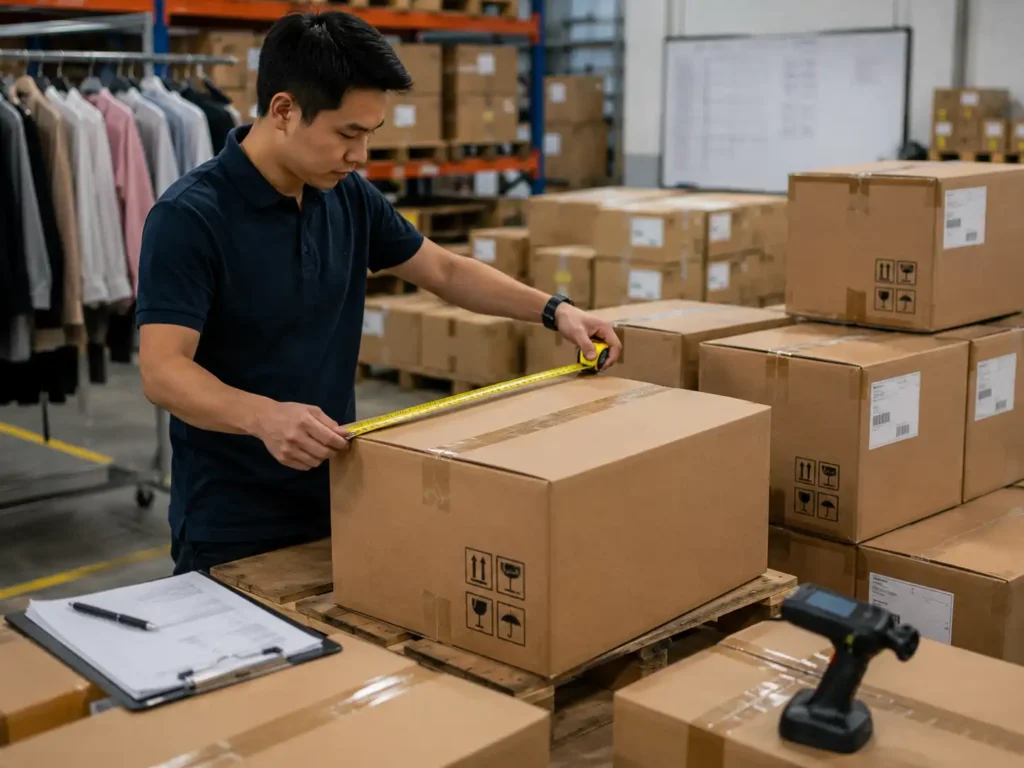
Carton Control

Delivery Coordination
Protecting Designs, Files and Pre-Launch Product Information
NDA Support
Technical File Protection
Unreleased Sample Protection
Inspection Cooperation
Drawstring Dress Programs Delivered for Global Markets
The following anonymous profiles show how product, fabric, fit, QC and project management connect inside multi-style programs. Quantities reflect realistic seasonal orders handled across several styles and colorways.

United States Bodycon Collection - 18 Styles, 42,000 Pieces
A US fashion label planned 18 side-drawstring mini and midi styles across four color stories, XS-XL sizing and three stretch fabric groups. The total order reached 42,000 pieces, with the largest styles scheduled for early campaign delivery. The main risk appeared during first fitting: the side channel pulled the hip seam forward, and the adjusted skirt lengths differed between left and right sides. Several styles also used stretch mesh over lining, creating recovery and transparency concerns.
Jinfeng reorganized the styles into jersey, stretch-mesh and ponte groups. Pattern makers rebalanced side-seam curves, defined separate relaxed and gathered lengths, and added fixed channel start and end points. The size-set review covered XS, M and XL to confirm drawstring height, slit opening and exposed cord length.
Mesh styles received lining freedom checks so the inner layer did not block adjustment. During production, channel width, cord length, left-right symmetry and relaxed garment measurements were included in in-line QC.
The program moved into bulk after PP approval by group rather than waiting for all 18 styles at once. Priority campaign styles entered production first, while later styles completed revised samples.
Packing instructions specified cords released to the approved retail position, matched size labels and barcode verification. The approach supported a controlled launch sequence while keeping structure standards consistent across the full assortment.

Australian Resort Program - 14 Styles, 28,800 Pieces
An Australian resortwear label developed 14 drawstring-waist midi and maxi dresses in printed viscose, rayon twill and linen blend. Six color and print directions were planned across XS-XXL. Total production reached 28,800 pieces. The major challenges were shrinkage, long-hem balance, print direction around gathered waists and transparency in lighter colorways. Early material options also behaved differently after pressing and folding.
Fabric approval included weight, shrinkage, drape, opacity and print direction. Two viscose options were rejected because the post-wash length change exceeded the project tolerance. Pattern work separated upper and lower body volume so the waist drawstring created shape without forcing the skirt forward.
Printed panels were marked for orientation, and long hems were checked after fabric relaxation. Lighter dresses received revised lining coverage that remained independent from the waist channel.
The 14 styles were organized into three fabric groups, allowing shared cutting and QC instructions while preserving separate print-placement rules. PP samples confirmed retail presentation, hangtags, care labels and polybag folding.
Bulk control focused on waist height, relaxed waist, cord length, print direction, hem balance and stain prevention. A portion of priority styles moved by air while the main volume moved by sea, supporting the planned seasonal launch without sending the entire program at premium freight cost.

United Kingdom Partywear Range - 24 Styles, 63,600 Pieces
A UK partywear label created 24 ruched drawstring dresses using stretch satin, mesh, jersey and sequin-accent materials. The collection included mini, asymmetric and adjustable-slit shapes in UK sizes 6-16. Total volume reached 63,600 pieces across five main color families. Core risks involved satin needle marks, eyelet reinforcement, side-slit limits, metal cord ends, mesh lining and consistent ruching for campaign photography.
Development began with a construction matrix covering drawstring function, channel type, exit method, reinforcement and maximum adjustment for each style. Satin styles used controlled needle selection and hidden reinforcement around openings. Mesh styles received stable backing at eyelets and independent lining lengths. Adjustable slits were assigned a maximum opening measurement, while exposed cord lengths were standardized by size. Photo-ready samples were prioritized before the remaining revised samples so the campaign schedule could proceed.
Bulk production was allocated by fabric and complexity rather than style number alone. Golden samples, construction photos and measurement files supported line training. QC checked eyelet security, cord-end attachment, side-seam symmetry, gathered length, slit height and fabric surface condition. Packing teams protected metal ends from direct contact with satin and arranged cords to preserve the approved presentation. Multi-batch delivery followed priority SKU and warehouse instructions, allowing the label to receive campaign and hero products before the remaining volume.
What Separates a Reliable Drawstring Dress Manufacturer
Product-Specific Knowledge
Pattern and Fit Control
Fabric Behavior Review
Structured Sampling
Visible QC Evidence
Multi-Style Management
Private Label Control
Long-Term Records
Frequently Asked Questions About Drawstring Dress Manufacturing
Jinfeng Apparel supports drawstring waist, side-drawstring, ruched mini, bodycon, adjustable-slit, midi, maxi, shirt, bust, front, back and cut-out dress directions. Final feasibility depends on fabric, structure, trims, target quantity and intended size range.
Yes. Reference images, sketches, original samples, line sheets or tech packs can be reviewed. A reference image gives visual direction, while accurate quotation and sampling require quantity, fabric direction, size range, drawstring function, label and packing requirements.
Yes. Functional drawstrings require defined adjustment ranges, channel movement, reinforcement and measurement. Decorative cords require stable position, symmetry, end finishing and controlled gathering even when the wearer does not need to adjust them.
Jersey, rib knit, ponte, rayon, viscose, cotton poplin, linen blend, satin, stretch mesh, chiffon and crepe can be suitable. Selection depends on silhouette, gathering, recovery, transparency, shrinkage, wash needs and intended price position.
Pattern notches, channel measurements, cord marks, relaxed and gathered targets, operator instructions and QC references are established before bulk production. Left-right symmetry is measured separately for double-side styles.
Yes, subject to supplier MOQ, tooling, color, material, lead time and testing needs. The trim is reviewed for weight, comfort, pull resistance, plating quality and compatibility with the shell fabric.
The standard starting MOQ is 200 pcs per style/color. Custom-dyed fabric, exclusive print, special lace, custom metal hardware, detailed packaging or fragmented size-color ratios may require higher material or garment quantities.
Yes. Each style/color group is planned with its own quantity, material batch, size ratio, SKU, labeling and packing requirements. Multi-style programs are managed through grouped development and production records.
Yes. Drawstring structures need sample verification for fit, function, fabric behavior, coverage, gathering, channel movement, reinforcement and measurement. Bulk production proceeds after PP approval and confirmed production files.
Timing is confirmed after fabric, trims, files and construction are reviewed. Standard first samples are often planned around 10-15 working days after readiness confirmation. Revised or PP samples commonly require 7-12 working days depending on the change scope and material availability.
Placement is graded from body landmarks and the intended function. Relaxed and adjusted measurements, cord length, gather length, coverage and maximum slit or neckline opening are reviewed across the size range.
Yes. Woven labels, size labels, care labels, hangtags, barcode labels, branded polybags, SKU stickers, carton marks and other approved retail requirements can be coordinated.
Inspection can include pull function, repeated adjustment, exit reinforcement, eyelet condition, stopper grip, cord-end security and visual fabric damage. Testing level is selected according to product risk and brand requirements.
Yes. Brand inspection, agreed AQL inspection or third-party inspection can be coordinated according to order terms, timing and required documents.
Yes. NDA-based cooperation and protection of tech packs, patterns, samples, trims, labels, packaging and unreleased designs are supported. Materials are not published without authorization.
Send a reference image or tech pack, quantity per style/color, fabric direction, color plan, size range, drawstring and hardware requirements, private-label details, packaging needs, target launch date and delivery terms.

Start Your Drawstring Dress Development Project
Send the product information needed to review structure, fabric, MOQ, sampling and bulk feasibility. A clear project brief helps the team identify drawstring function, channel construction, reinforcement, size grading, trim development, private-label requirements and delivery planning before quotation.
Please include:
- Reference images, sketches, line sheet, original sample or tech pack
- Target quantity per style/color and planned style count
- Fabric preference, composition, weight, stretch or hand-feel direction
- Drawstring position, function, cord type, eyelet or stopper requirements
- Color list, print direction and intended size range
- Main label, size label, care label, hangtag, barcode and packing files
- Target sample date, launch date and preferred delivery method
- Testing, inspection, NDA or brand-protection requirements


