Skip to content

Detachable Dress Details
Develop detachable dress details that look intentional in both connected and removed states, fit correctly across sizes, and can be repeated in bulk production. Jinfeng Apparel supports established fashion brands with structure review, fabric and trim direction, pattern development, functional sampling, PP approval, production control, QC, private-label packing and export delivery.
- 7+ senior womenswear pattern makers for structure, fit and grading control
- 2 sample rooms for first, fit, revised, photo-ready and PP sample development
- 20+ sample machinists for complex construction trials and sample corrections
- MOQ starts from 200 pcs per style/color, subject to fabric, trim and construction requirements
Built for Established Fashion Product Teams
Fashion Brands
Development Teams
Sourcing Teams

What Detachable Dress Details Actually Change
A detachable detail should create a meaningful change in silhouette, coverage, proportion or occasion while leaving the base dress visually complete. Strong concepts are designed as two valid looks, not as one finished dress with an accessory added afterward.
- Silhouette Transformation
An overskirt, train or structured panel can turn a fitted base into a fuller statement look. The transformation works only when weight, waist position and attachment spacing are controlled. A heavy overskirt on a soft base can pull the waist down, distort side seams or expose fasteners. Development therefore starts with the base pattern, fabric weight and intended wearing movement before connection hardware is selected.
- Coverage Transformation
Detachable sleeves, capes, toppers and straps can move a style from minimal coverage to a more formal or layered appearance. The connected version must remain stable around shoulders, armholes and neckline, while the removed version still needs a clean edge and balanced proportion. Internal support, lining and hidden reinforcement often matter more than the visible attachment itself.
- Occasion Transformation
A prom, party or evening dress can move from a dramatic entrance look to a lighter reception or dance look by removing a train, cape or overskirt. Commercial success depends on fast, intuitive removal and secure reattachment. Hardware should not scratch the wearer, snag delicate fabric or require instructions that are too complicated for retail use.
Six Detachable Details for Commercial Dress Collections

Detachable Sleeves

Detachable Straps

Detachable Overskirts

Detachable Trains

Capes and Toppers

Bows and Panels
Detachable Details Across Modern Womenswear Categories

Party and Club

Prom and Graduation

Evening and Occasion

Resort and Fashion

Common Failure Points in Detachable Dress Construction
Most detachable-detail failures are small at the sample table and expensive in bulk. A few millimeters of position error, the wrong hardware weight or an unreinforced attachment point can affect fit, comfort, appearance and packing accuracy across thousands of garments.
- Loose Connections
A snap or hook can look acceptable on a static sample yet release during walking, sitting or dancing. Connection security depends on hardware quality, stitch method, reinforcement and the force created by the removable part. Heavy trains and overskirts need load distributed across several points rather than concentrated on one fastener. - Visible Hardware
A removable component may look good when attached but leave obvious snaps, loops or zipper tape when removed. Hidden connection planning begins at pattern stage. Placement can be absorbed into seam lines, waist construction, lining edges or decorative features where appropriate. The clean base look should be reviewed separately during sample approval. - Twisting and Misalignment
Sleeves, bows and shoulder pieces can rotate when left/right positions are not clearly defined. Overskirts can sit off-center when spacing varies. Approved measurement references, templates, notches and sewing instructions help translate sample placement into repeatable bulk workmanship. - Fabric Damage
Metal hardware or concentrated stitch tension can tear mesh, mark satin or distort stretch fabric. Reinforcement must match fabric behavior rather than simply adding thicker material. A stiff patch behind a lightweight sheer fabric can become visible, while an overly soft reinforcement may not carry enough load.
Attachment Systems Engineered for the Dress Structure
Connection methods should be selected after reviewing garment weight, fabric, wearing movement, visibility, skin contact and how often the component will be removed. Jinfeng develops the attachment as part of the garment construction and records the approved solution before bulk production.

Snaps and Studs
Press studs are useful when a clean, quick connection is needed, but size, metal finish, cap profile and pull force must suit the garment. Lightweight satin or mesh can pucker around a heavy snap. Reinforcement may be required behind the attachment area, yet it should remain discreet from the outside. For detachable sleeves and light panels, spacing is also important: too few snaps allow gaps; too many can make removal awkward. Bulk QC should verify secure setting, correct orientation and consistent distance from the approved reference point.

Buttons and Loops
Buttons with elastic, thread or fabric loops can create a softer connection and may blend into decorative styling. Loop length needs tight control because even a small variation changes how the component sits. Covered buttons can coordinate with satin or occasionwear fabrics, while metal or resin buttons can support stronger visual details. Button size, shank profile, buttonhole or loop strength and spare-button policy should be established before production. The removed base garment must still look intentional rather than exposing a row of unused fasteners.

Hooks and Eyes
Hooks and eyes are compact and useful where a low-profile closure is needed, especially around corset, strapless, waist or structured bodice areas. Placement should avoid direct skin pressure and should not sit where a zipper or boning channel already concentrates thickness. Metal color and finish need to match the garment or remain hidden. Hook stitching strength is checked because repeated opening can loosen poorly anchored hardware. For heavier removable parts, multiple hooks may be required with a stable reinforcement layer underneath.

Hidden Zippers
Zippers can create a continuous, controlled connection for certain skirt panels or convertible constructions. They are not suitable for every lightweight dress because zipper tape and teeth add weight and stiffness. Development reviews zipper length, curve, seam allowance, top and bottom stops, and whether the base dress remains clean when the panel is removed. A zipper solution also adds alignment requirements during sewing, so bulk operators need clear reference points and controlled insertion to avoid waves or mismatched ends.

Elastic and Sliders
Elastic attachments, strap sliders and adjustable systems work well when limited movement or fit flexibility is useful. Slip and cami-inspired dresses often rely on strap hardware, while detachable sleeves may use controlled elastic in combination with hidden anchors. Elastic stretch and recovery need to match the garment so the component stays in position without cutting into the skin. Slider width, plating, edge smoothness and strap thickness should be compatible to prevent slipping during wear.

Ties and Internal Loops
Ties and internal loops offer a soft, lightweight solution for capes, wrap panels and certain resort or occasion details. They can reduce visible hardware but require careful placement so the knot or tie does not create discomfort or show through thin fabric. Tie length, seam reinforcement and edge finishing need standardization. Internal loops should be strong enough for repeated use and positioned consistently so the removable part sits at the intended height and angle.
The Base Dress Must Work in Both States
A detachable component is only successful when the base dress looks finished before and after removal. Pattern development therefore evaluates neckline, armhole, bust, waist, hip, balance, lining and attachment exposure as one system rather than as separate styling pieces.

Clean Removal Appearance
The removed garment is treated as a finished look, not as a partly assembled product. Fasteners should be hidden or visually integrated where possible, seam edges should remain clean, and the silhouette should not depend on the removable part for shape. Sample photography should include both states so the development team can compare proportion, exposure, drape and visible attachment points before PP approval.
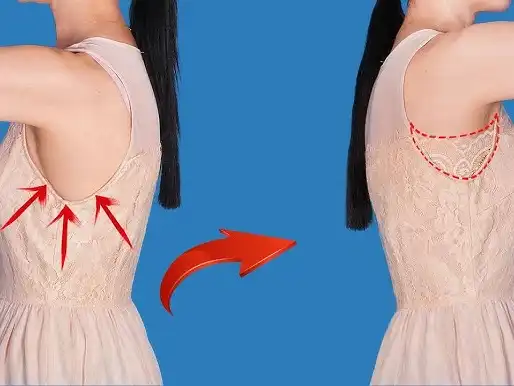
Armhole and Shoulder Balance
Detachable sleeves create a special problem: the armhole must look clean as a sleeveless garment while still providing a stable connection when the sleeve is installed. Attachment placement should not create underarm exposure, visible gaps or excessive tension. Shoulder pieces and capes also change load around the upper body. Pattern revisions may adjust armhole shape, shoulder width or internal reinforcement to keep the two wearing states balanced.

Waist and Hip Control
Overskirts, peplums and removable panels often connect around the waist, where excess layers can quickly create bulk. The base dress waistline should stay smooth and at the approved height. For bodycon or corset bases, attachment construction must avoid distorting side seams or pulling the hip line. Fabric thickness, waistband construction, lining and hardware depth are reviewed together before the final connection layout is approved.

Neckline and Bust Stability
Strapless, corset and off-shoulder bases are sensitive to added sleeve, strap or cape tension. A removable detail can pull the neckline outward or upward and change bust coverage. Jinfeng’s pattern team controls bust, upper bust, under bust, neckline depth and support structure during sample development. Where needed, boning, cups, anti-slip solutions or lining structure are reviewed so the base garment remains stable without relying on the detachable component to hold it in place.
Fabric Choices for Detachable Dress Construction
Fabric selection affects attachment strength, drape, bulk, transparency and whether reinforcement becomes visible. The best solution balances the visual concept with real sewing behavior, component weight and the number of times the removable part is expected to be handled.
| Detachable Detail | Common Fabric Direction | Main Risk | Development Focus |
|---|---|---|---|
| Sleeves | Mesh, chiffon, satin, stretch woven | twisting, tearing, neckline pull | sleeve shape, reinforcement, spacing |
| Straps | Satin, elastic, self-fabric, decorative trim | stretch, slipping, hardware pressure | length, slider match, anchor strength |
| Overskirts | Tulle, organza, satin, chiffon | waist bulk, sagging, uneven hem | load distribution, overlap, balance |
| Trains | Satin, lace, tulle, chiffon | drag force, snagging, floor abrasion | secure anchors, reinforcement, hem control |
| Capes/Toppers | Chiffon, mesh, lace, organza | neckline pull, transparency, edge distortion | lightweight attachment, shoulder balance |
| Bows/Panels | Satin, taffeta, organza, crepe | collapse, rotation, visible stiffness | support, placement, clean removal |
Trim and Hardware Selection Beyond Appearance

Closure Hardware

Adjustment Hardware

Reinforcement Materials

Decorative Components
Sample Development for Detachable Dress Details
Sampling is where detachable concepts become production rules. Jinfeng uses pattern, sample sewing, fit review, fabric and trim confirmation, functional checks and revision records to move a concept toward PP approval rather than treating the first sample as the final bulk standard.
Structure Review Before Pattern
Development can start from a tech pack, reference image, sketch, line sheet or original sample. The first review identifies the base silhouette, removable component, proposed connection area, fabric direction, lining, closure and fit expectations. Missing information such as neckline depth, sleeve position, overskirt waist level, size range or trim preference is clarified before pattern work moves too far. Early structure review reduces avoidable remakes and helps distinguish a visually attractive concept from a construction that will be difficult to reproduce in volume.
Pattern and First Sample
With 7+ senior womenswear pattern makers, 2 sample rooms and 20+ sample machinists, Jinfeng can develop the base garment and removable part together. First samples focus on proportion, connection position, fabric behavior and basic function. Complex points such as corset support, strapless stability, mesh insertion, satin seam quality, lining attachment or removable sleeve placement can be tested before the sample becomes a sales or photo-ready reference.
Functional Sample Review
A detachable sample is reviewed in both states. Teams check whether the component connects easily, stays aligned during movement, creates uncomfortable pressure, changes neckline or waist position, and leaves exposed hardware after removal. Photos and video can help remote teams assess drape and movement. If a connection method is visually acceptable but mechanically weak, the trim or reinforcement should be revised before approval rather than carried into bulk as a known risk.
Revision and PP Approval
Sample comments are translated into pattern, measurement, trim or workmanship changes. Revised samples can address sleeve rotation, overskirt sagging, visible fasteners, strap length, neckline pull or packing concerns. Once fabric, trim, size chart, construction and appearance are agreed, a PP sample establishes the reference for production. Major design changes after PP approval can affect pattern, material, schedule and cost, so final decisions should be closed before bulk starts.
Functional Checks Before a Detachable Detail Is Approved
Connection Security
Removal Speed
Position Accuracy
Wearer Comfort
Removal Appearance
Movement Stability
Size Grading for Detachable Components
Detachable details need grading rules, not simple enlargement. Attachment position, strap length, sleeve ease, waist spacing and reinforcement can change with garment size, especially when bust, shoulder and waist proportions move at different rates.
Sleeves and Shoulders
- A detachable sleeve developed on a middle size cannot be assumed to sit correctly on every size. Armhole circumference, upper-arm ease, shoulder width and attachment spacing can change. Grading should preserve the intended sleeve angle and prevent gaps or twisting. For off-shoulder and strapless bases, the relationship between sleeve position and neckline stability also needs review.
Straps and Bust Support
- Strap grading involves more than length. Larger sizes may require different anchor positions or greater support depending on neckline and cup structure. Front and back attachment points should follow the approved garment geometry, while sliders need enough adjustment range for fit variation. Corset and strapless bases may also require grading of boning, cup or anti-slip structure independent of the detachable strap.
Overskirts and Waistlines
- Overskirt attachment spacing follows waist circumference and the desired overlap or volume distribution. Simply stretching the same spacing can shift gathers or create uneven weight. The approved grade rule should define connection count, position and skirt balance for the required size range. Hem length also needs control where the outer layer is floor length.
Bulk Measurement Control
- Jinfeng’s pattern system controls bust, upper bust, under bust, waist, high and low waist, hip, length, shoulder width, strap length, armhole, neckline depth, slit height and lining where relevant. Final pattern, size chart and grade rules form part of the bulk reference. Measurement QC then verifies production against approved tolerances rather than relying on visual judgement alone.
Turning an Approved Sample Into Repeatable Bulk Production
One polished sample does not prove production readiness. Bulk reliability comes from locking the approved pattern, materials, attachment positions, sewing instructions, component quantities, packing rules and QC references before production spreads across multiple operators and lines.
- PP Sample Lock
Bulk preparation starts after PP approval, not before. The approved garment defines construction, fit, fabric, trim and removable-component behavior. Any late change to hardware, spacing, lining or connection reinforcement can affect workmanship and schedule. A controlled PP reference reduces interpretation differences once cutting and sewing begin. - Material and Trim Confirmation
Fabric and trim are rechecked for specification, color, size, hand feel, quality level, MOQ, lead time and bulk availability. Detachable products can contain more trim SKUs than a standard dress, so supplier substitutions should not be made casually. A different snap spring, zipper weight or elastic recovery can change the approved function even if the replacement looks similar. - Production Instructions
Operators need clear information for connection position, orientation, reinforcement, stitch method and component count. Left/right pieces should be distinguishable where needed. Reference measurements and visual standards help prevent sleeves being reversed, overskirts being off-center or hooks being installed at inconsistent heights. The goal is to convert sample knowledge into repeatable sewing instructions rather than leaving placement to individual judgement. - In-Line Control
Jinfeng’s bulk workflow includes fabric inspection, relaxing where required, cutting, cut-panel checking, sewing and in-line inspection before final garment inspection. Detachable styles benefit from checks before the attachment area becomes difficult to correct. Position, stitch security, symmetry and trim condition can be monitored during sewing rather than discovered only after finishing. - Final Garment and Packing
Finishing checks include thread cleaning, pressing, stain review, label verification, removable-component count and packing preparation. The garment is checked in relation to the approved reference and size specification. AQL inspection may be used as part of shipment control, but it does not replace the manufacturing checks performed earlier in the process or mean every AQL inspection is a 100% inspection.

QC Points for Detachable Dress Components
Detachable styles require conventional garment QC plus component-specific checks. Security, alignment, hidden attachment, comfort and packing accuracy should be controlled from sewing through final packing so a missing or mismatched removable part does not reach retail.
| Failure Risk | Inspection Point | Bulk Control Method |
|---|---|---|
| Loose snap or hook | opening/closing security, stitch anchoring | reinforcement check and attachment inspection |
| Sleeve twist | left/right orientation, attachment height | position reference and symmetry check |
| Overskirt sag | waist balance, load distribution | spacing measurement and wearing review |
| Visible fasteners | base dress after removal | visual check in detached state |
| Sharp hardware | edge smoothness, skin-contact area | touch inspection and trim screening |
| Fabric distortion | puckering, stretch stress, tear risk | in-line seam and reinforcement check |
| Wrong paired component | style, color, size, left/right set | packing checklist and component count |
| Missing removable part | complete garment set | final packing verification |

Packing Detachable Pieces Without Style or Size Mix-Ups
A convertible dress can include a main garment, left and right sleeves, straps, overskirt, bow or other removable pieces. Packing therefore becomes part of product control, not a final afterthought.
Pairing by SKU
- Every removable piece should be matched to the correct style, color and size before final packing. Left/right identification can be added where construction is not visually obvious. For multi-style programs, a clear SKU and packing list reduces the risk of similar black, ivory or neutral components being mixed across styles.
Component Protection
- Metal hardware, sequins, rhinestones or sharp decorative edges can damage satin, mesh or lace during transport. Protective tissue, small inner bags or controlled folding may be needed depending on construction. Overskirts and trains also require folding methods that limit crushing and make unpacking easier at the warehouse or retail destination.
Barcode and Label Control
- Private-label programs may require barcode stickers, size labels, hangtags, polybag warnings, carton marks and style/color/size breakdowns. Detachable pieces can be packed inside the main garment bag or separated according to the receiving requirement, but the method should be confirmed before bulk packing begins.
Final Count Verification
- A missing strap or sleeve can make the whole garment unsellable. Final packing checks therefore verify component count, garment count and carton breakdown. Jinfeng has 30+ finishing and packing workers supporting finishing, label recheck, folding, individual packing and shipment preparation for womenswear projects.
Cost and MOQ Drivers for Detachable Dress Programs
Additional Pattern Work
Trim and Hardware
Sewing and Reinforcement
MOQ Planning
Detachable Dress Development Programs
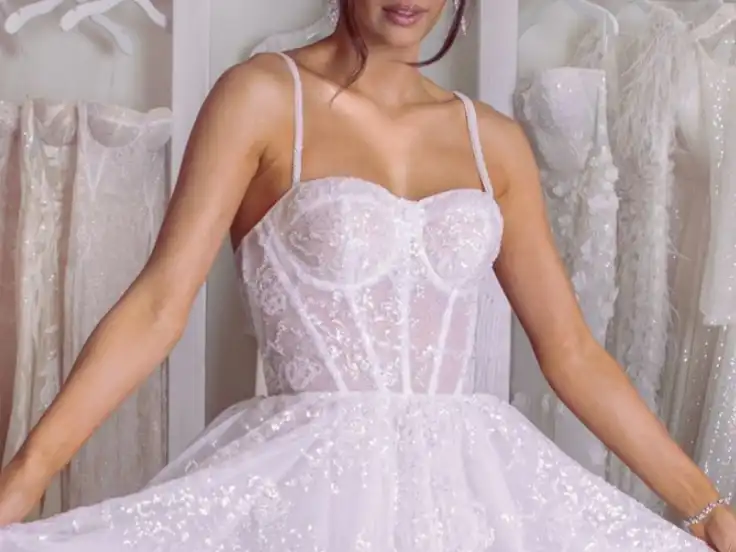
Corset Party Collection
An anonymized partywear program covered 18 styles and approximately 42,000 garments across several color and size combinations. A group of corset and strapless dresses used detachable sleeves or straps to create alternate looks. Early samples showed sleeve rotation and visible connection points on the base dress. Pattern and sample revisions focused on armhole position, internal reinforcement, snap spacing and clean removal appearance. Hardware finish was consolidated across related styles to simplify trim control. Before bulk, PP references defined sleeve orientation, attachment height and packing count so removable parts could be checked as part of the final garment set.
Key controls:
- 18 styles / about 42,000 garments in the program example
- Detachable sleeve and strap constructions across selected styles
- Shared hardware finish where commercially suitable
- PP reference for attachment position and left/right orientation
- Component count verified during final packing

Occasion Dress Collection
A second anonymized planning example covered 24 styles and approximately 66,000 garments for an occasion-led assortment. Selected fitted dresses used detachable overskirts, bows or train elements to create stronger event styling. Development concentrated on waist bulk, overskirt weight, hidden fastening and hem balance. Different fabric weights required different reinforcement approaches rather than one attachment specification across every style. Bulk planning separated high-complexity pieces from simpler dresses, while packing instructions identified removable components by style, color and size to reduce mix-ups during final preparation.
Key controls:
- 24 styles / about 66,000 garments in the program example
- Multiple detachable detail types within one collection
- Fabric-weight-specific reinforcement review
- Separate production control for higher-complexity styles
- Style/color/size component pairing before packing
Design Protection and Repeat-Order Control
Design Confidentiality
Repeat-Order Records
Detachable Dress Details Frequently Asked Questions

Prepare These Details for a Faster Project Review
Style Reference
Attachment Preference
Fabric Direction
Quantity Plan
Size Range
Delivery Window
Private Label Files
Quality Requirements
Start a Detachable Dress Development Review
Send Jinfeng Apparel the style reference and commercial requirements before committing to bulk production. The development team can review how the removable component interacts with the base pattern, fabric, trim, size range, packing method and production volume, then identify the points that need sampling or clarification before a formal production plan is locked.
For a useful first review, include:
- Tech pack, sketch, reference image or original-sample photos
- The detachable component and preferred wearing effect
- Fabric direction and color plan
- Planned size range
- Quantity per style/color
- Private-label and packing requirements
- Target shipment or launch window
- Any specific QC, testing or inspection requirements