...

Destination Event Dress Manufacturer

Custom Dresses Developed for Travel, Celebration, Climate and Multi-Event Collections

Jinfeng Apparel develops destination event dresses for fashion brands planning wedding guest, resort occasionwear, cocktail, reception and celebration collections.

  • 10–30 coordinated styles can be managed by event, fabric, construction and launch priority.
  • Mini, midi, maxi and floor-length dresses can cover eight or more event settings within one collection.
  • Satin, chiffon, crepe, mesh, lace, viscose and printed fabrics are reviewed for drape, transparency, recovery and packing behavior.
  • Production begins from 200 pieces per style and color, subject to fabric, trims, construction and schedule.

Manufacturing Capacity for Multi-Event Dress Collections

Destination programs often combine different fabrics, dress lengths, silhouettes and delivery priorities. Jinfeng Apparel assigns development and production resources according to structure, material risk, order scale and launch timing.

Since 2008

Long-term experience in custom women’s fashion development, pattern correction, sample approval, bulk production and export coordination.

Six Owned Factories

Six owned women’s fashion factories support dresses, occasionwear, resortwear, jumpsuits, matching sets and related womenswear categories.

Ten-Plus Production Partners

Long-term satellite production partners provide additional category and schedule support when a collection contains different product structures.

Two Sample Rooms

Two sample rooms coordinate first samples, fit samples, revised samples, photo samples, salesman samples, PP samples and golden samples.

Seven-Plus Pattern Makers

Senior pattern makers review bust shape, waist placement, hip balance, neckline depth, strap positioning, dress length and grading requirements.

Fifteen-Plus QC Inspectors

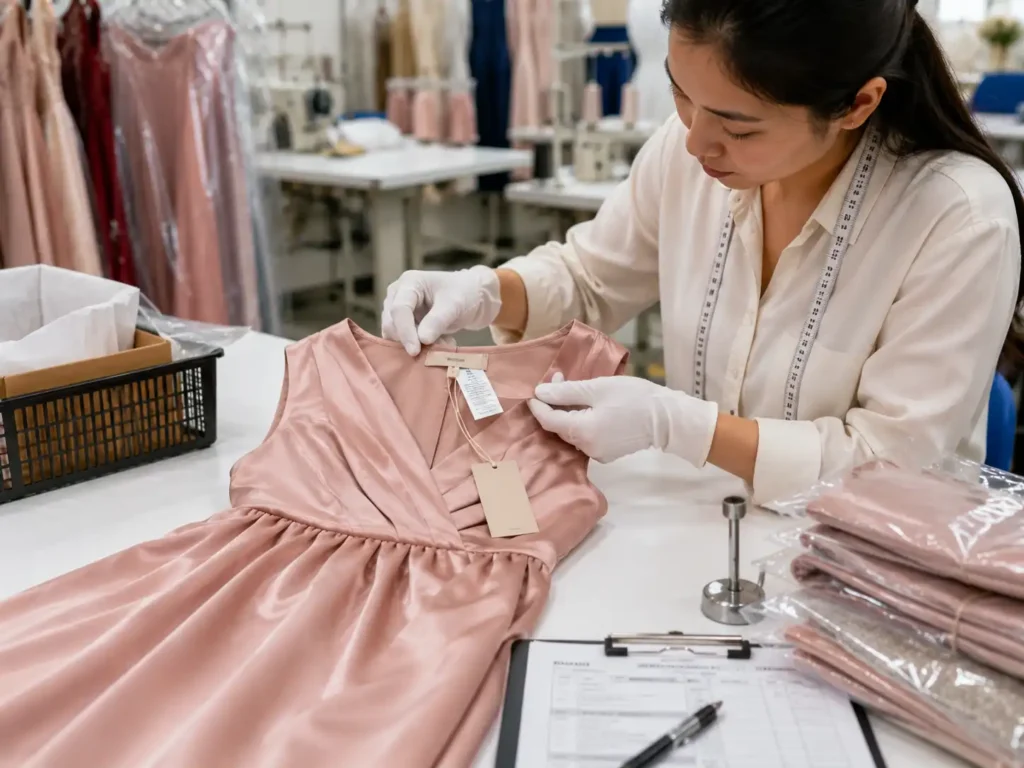
Quality inspection covers incoming materials, cutting, sewing, measurements, finishing, private-label packing and pre-shipment review.

Developed for Established Fashion and Occasionwear Programs

Destination event collections require more than attractive references. Strong programs combine clear product direction, coordinated size ranges, defined launch dates, planned quantities and manufacturing standards suitable for repeat production.

Occasionwear Brands

Suitable for labels developing wedding guest, cocktail, dinner, reception and formal event dresses across several levels of formality.

Resortwear Labels

Supports resort collections moving from beach ceremonies and poolside lunches to evening receptions and destination celebrations.

Ecommerce Fashion Brands

Suitable for online collections requiring photo-ready samples, stable measurements, accurate SKU packing and coordinated launch delivery.

Fashion Retailers

Supports multi-style collections with defined size ranges, private labels, barcode requirements, packing instructions and warehouse delivery standards.

Product Development Teams

Pattern, fabric, sample and construction reviews can be coordinated across multiple styles without losing revision history.

Sourcing Teams

Project evaluation can cover fabric feasibility, production allocation, MOQ, cost drivers, quality checkpoints and delivery planning.

Merchandising Teams

Assortments can be structured around hero styles, event categories, price architecture, color groups and expected repeat-order potential.

Private-Label Programs

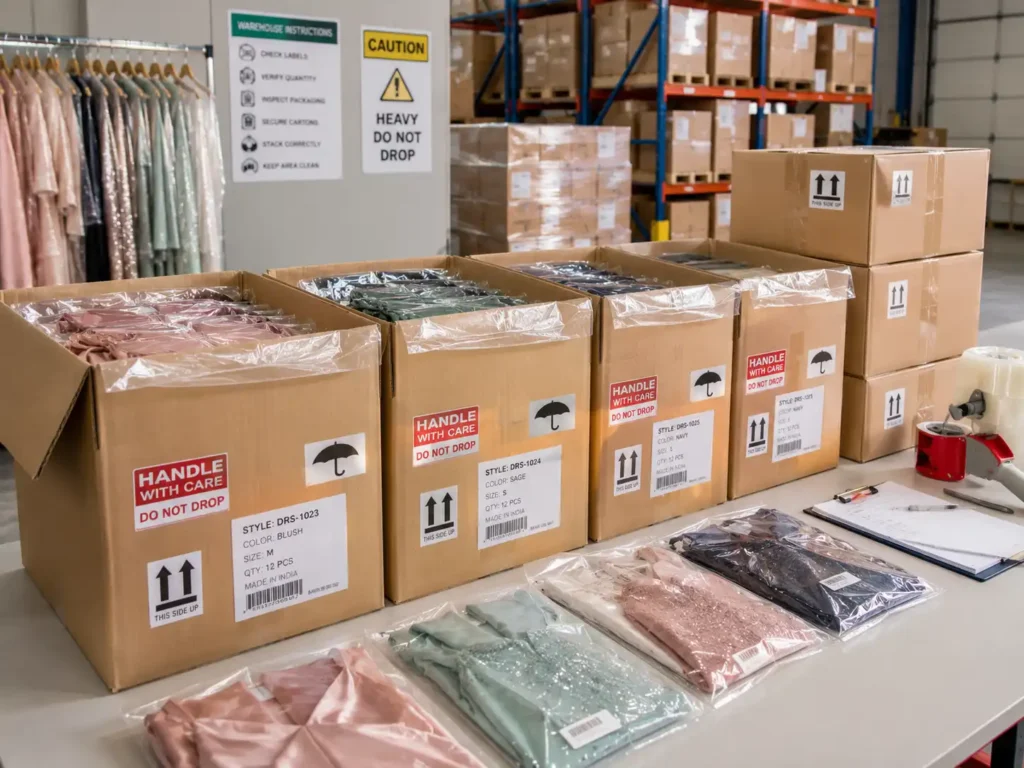
Woven labels, care labels, size labels, hangtags, barcodes, polybags, carton marks and warehouse labels can be incorporated into production.

What Defines a Destination Event Dress?

A destination event dress must work across three conditions at once: the social occasion, the physical location and the journey between warehouse, suitcase, hotel and venue. Visual appeal alone cannot solve fit, heat, movement or packing problems.

Event Appropriate

The silhouette, coverage, length and finish must match the event, whether the garment is intended for a welcome dinner, beach ceremony, cocktail reception or formal evening.

Climate Considered

Fabric weight, lining, sleeve coverage, surface texture and construction layers should suit temperature, humidity, wind and expected wearing duration.

Travel Ready

Fabric and construction decisions should account for folding, compression, hanging recovery, steaming and the risk of pressure marks during transport.

Photo Ready

Color, print scale, drape, transparency, surface reflection and movement should remain balanced under daylight, flash photography and evening lighting.

Why Destination Dress Programs Fail During Production

Fabric Mismatch

A fabric may match the reference visually but behave differently in weight, stretch, drape, recovery, transparency or wrinkling. Pattern and lining decisions must follow the approved bulk fabric.

Excessive Transparency

Light colors, chiffon, mesh and thin viscose may appear acceptable indoors but become transparent under strong daylight, flash photography or body tension.

Unstable Support

Strapless, halter, cowl-neck and backless dresses can shift during walking or dancing when strap angle, elastic tension, cups, boning or anti-slip support are not balanced.

Unsuitable Length

A floor-length dress may photograph well but become difficult on sand, grass, stairs or uneven outdoor surfaces. Finished length must reflect the wearing environment.

Packing Damage

Satin pressure lines, crushed embellishment, distorted cups and hard fold marks often result from packing methods developed without regard to garment structure.
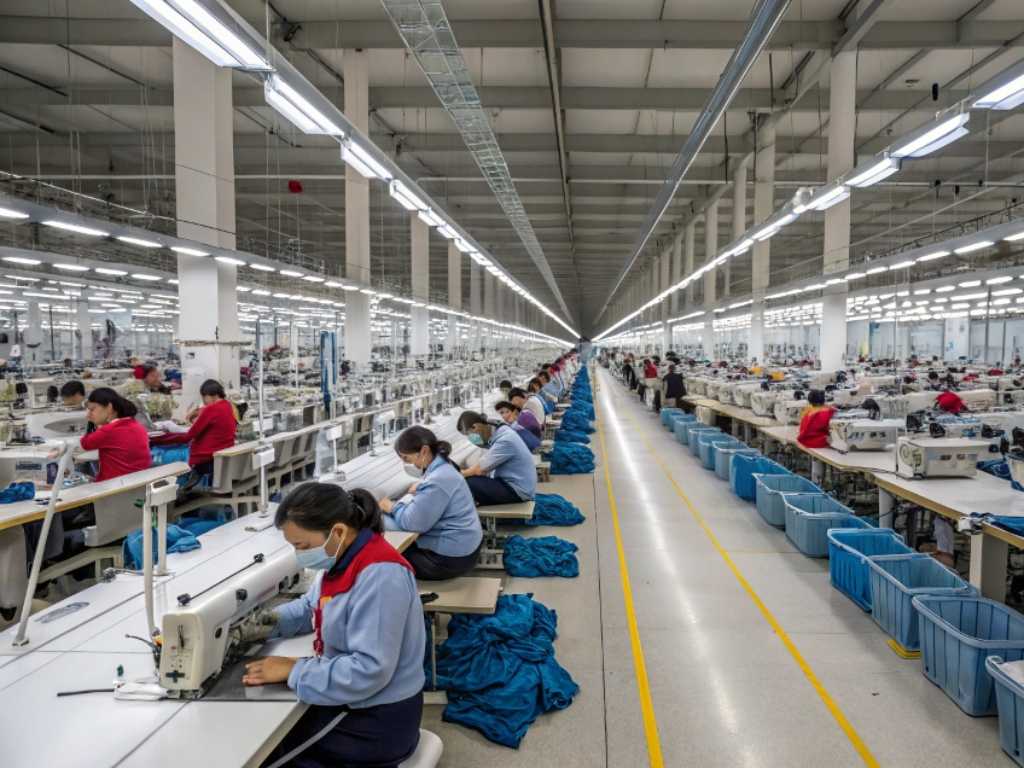
Sewing workers in a spacious factory assembling blue garments.

A Clear Route from Concept to Delivery

Every project moves through defined approvals. Skipping fabric, fit or PP confirmation may save several days early in development but can create expensive corrections during production.

Project Review

Reference images, tech packs, line sheets, quantity plans, target markets and launch dates are reviewed together.

Fabric Direction

Composition, weight, drape, stretch, transparency, color availability, MOQ and lead-time effects are compared.

Pattern Development

The base pattern is developed around the intended silhouette, size chart, fabric behavior and wearing occasion.

Sample Review

Fit, balance, construction, movement, visual direction and measurement comments are documented for revision.

PP Approval

Bulk fabric, color, trims, labels, workmanship, measurements and packing details are locked before production.

Bulk and Delivery

Production, QC, finishing, packing, inspection documents and shipment coordination follow the approved standards.

Dresses Developed for Every Destination Event

A destination collection becomes stronger when every style has a clear event role. Repeating the same silhouette in different colors rarely provides enough assortment depth for a multi-day celebration.

Beach Ceremony

Light chiffon, soft crepe and flowing viscose can create movement without excessive weight. Skirt length, wind exposure, lining coverage and neckline stability require early review. Floor-sweeping hems should be evaluated against sand, boardwalks and outdoor steps.

Welcome Dinner

Midi slips, wrap dresses, draped necklines and relaxed tailoring suit the first event of a destination weekend. Fabrics should deliver visual polish while remaining comfortable after travel and suitable for indoor or outdoor dining.

Rehearsal Dinner

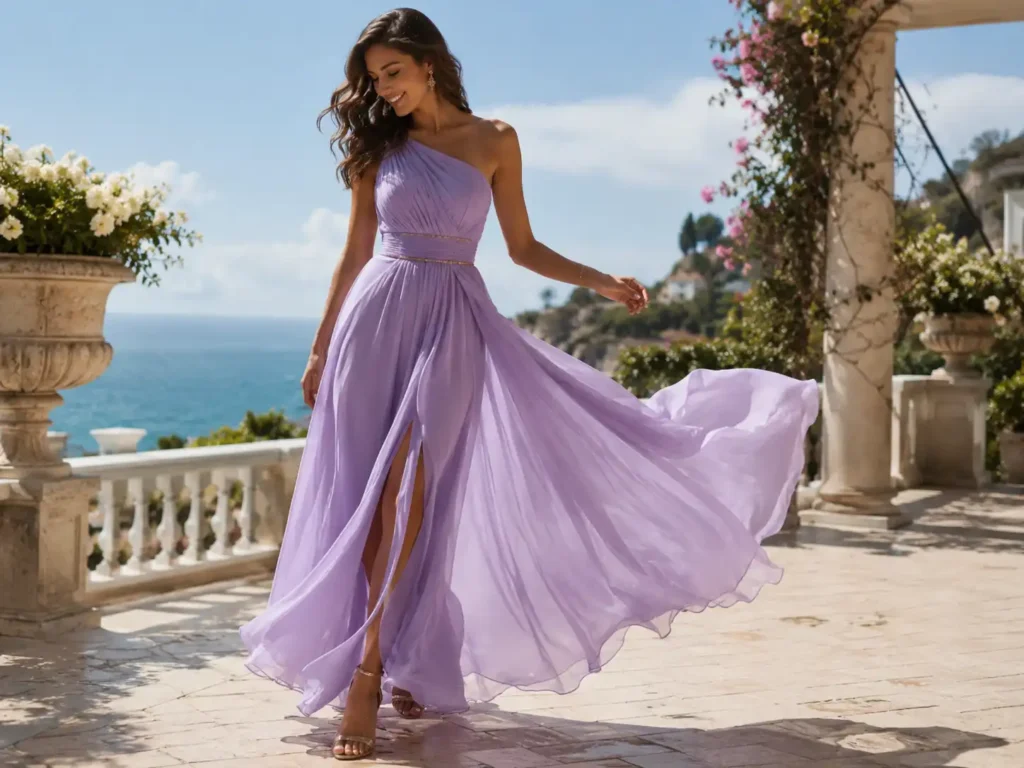
Structured midi dresses, lace details, satin draping and one-shoulder silhouettes can provide a more defined occasion look. Fit around the bust, armhole and waist becomes especially important during seated wear.

Resort Reception

Maxi dresses, halter necklines, asymmetrical skirts and bold prints work well for receptions moving between outdoor and indoor areas. Fabric recovery and hem control should support standing, walking and dancing.

Sunset Cocktail

Shorter lengths, satin surfaces, mesh layering, cut-outs and sculpted draping can create a strong evening image. Flash photography, lining placement and closure stability should be checked during sampling.

Garden Celebration

Floral prints, soft ruffles, pleating and lightweight sleeves can suit garden venues. The garment should allow movement over grass while avoiding excessively long hems, exposed lining or unstable wraps.

Cruise Evening

Cruise events may combine wind, air-conditioned interiors and formal dining. Secure necklines, controlled skirt volume and travel-friendly fabrics reduce wardrobe issues during movement between decks and indoor venues.

Farewell Brunch

Printed midis, soft A-line dresses, relaxed slips and coordinated sets create a lighter final-event assortment. Comfortable waist construction and lower-maintenance fabrics improve repeat-wear potential.

Build a Complete Destination Event Wardrobe

A well-planned program allows one brand story to cover arrival, ceremony, cocktail, dinner and post-event occasions without making every style look identical. Fabric and color links provide cohesion while silhouettes and formality create variety.

Arrival Dinner

A relaxed midi, soft maxi or tailored set can open the collection with lighter structure and an approachable price position.

Welcome Party

Print, color and movement can become more expressive through halter, wrap, cut-out or draped silhouettes.

Ceremony Dressing

Ceremony styles require controlled coverage, balanced length, secure support and an appropriate relationship between fabric and venue.

Cocktail Reception

Shorter hemlines, defined waistlines, satin surfaces and fitted construction can provide stronger evening energy.

Formal Dinner

Floor-length dresses, structured bodices and refined draping can occupy the upper product and price tier.

After-Party Style

Bodycon, mesh, sequin, corset and mini silhouettes can extend the program into late-evening dressing.

Brunch Dressing

Light prints, fluid midis and comfortable waist construction support daytime wear and repeat use beyond the event.

Coordinated Separates

Matching skirts, tops and lightweight sets provide cross-selling opportunities and broaden sizing flexibility.

Design Direction Changes with the Destination

Location affects much more than color inspiration. Heat, humidity, wind, terrain, light and event schedules influence fabric selection, lining, hem length, closures and packaging.

Tropical Island

Prioritize lightweight construction, breathable lining, secure straps, controlled transparency and fabrics that recover reasonably after suitcase compression.

Mediterranean Resort

Fluid satin, viscose, crepe and bold prints can work well, but midday sunlight, stone walkways and evening temperature changes should influence coverage and length.

Coastal City

Collections may move between beaches, restaurants and hotels. A balanced assortment can combine resort movement with cleaner cocktail structures.

Desert Destination

Strong daytime heat and cooler evenings create a need for thoughtful coverage, lining weight and layering options without excessive garment bulk.

Vineyard Venue

Grass, gravel and stairs affect maxi and floor-length styles. Hem position, skirt volume and heel allowance should be confirmed in the fit review.

Garden Location

Wind, natural light and uneven terrain favor secure necklines, manageable hems and prints scaled correctly across several garment sizes.

Cruise Setting

Movement between exterior decks and formal interiors requires stable construction, controlled volume and packaging suited to longer travel.

Luxury Hotel

Satin, lace, crepe, mesh and structured occasion silhouettes can support a more formal direction, provided pressing and packing standards protect the finished surface.

From Resort Casual to Destination Black Tie

Dress CodeRecommended Product DirectionSuitable Fabric DirectionLength RangeConstruction Priority
Resort CasualPrinted wrap, soft A-line, relaxed slipViscose, cotton blend, light crepeMini to midiComfort, opacity, easy movement
Smart ResortHalter midi, draped maxi, tailored setSatin-touch viscose, crepe, chiffonMidi to maxiDrape, waist balance, neckline security
Beach FormalFlowing maxi, one-shoulder, soft pleated dressChiffon, georgette, light crepeMidi to maxiLining, wind control, hem management
CocktailSatin midi, lace mini, fitted draped dressSatin, lace, mesh, structured crepeMini to midiFit, closure, support, clean finishing
FormalStructured maxi, corset dress, draped gownSatin, crepe, chiffon, laceMaxi to floor lengthInternal support, fit, pressing
Black TieEvening gown, sculpted bodice, layered skirtPremium satin, chiffon, lace, embellishmentFloor lengthBodice engineering, balance, handwork control

Color Stories Built for Destination Collections

Color planning should connect location, event timing, natural light, photography and assortment structure. A successful color story normally combines statement shades, commercial shades and linking neutrals.

Tropical Brights

Coral, fuchsia, mango, turquoise and saturated green can create strong resort energy. Dye consistency, lining color and thread matching require close control.

Coastal Blues

Aqua, sea blue, cobalt and navy can move from daylight ceremonies to evening events. Surface shine changes how blue tones appear under different lighting.

Sunset Tones

Peach, terracotta, orange, red and warm pink can support cocktail and reception groups. Fabric composition affects color depth and camera response.

Soft Pastels

Blush, lilac, sage, butter and powder blue suit wedding guest and garden directions. Transparency and shade variation become more visible in pale colors.

Botanical Greens

Olive, fern, emerald and mint connect well with outdoor venues. Print ground color, lining and zipper shades should remain coordinated.

Evening Jewels

Burgundy, sapphire, plum and deep emerald can strengthen formal and black-tie segments, especially in satin, velvet-look surfaces and structured crepe.

Plan the Collection Across Five Product Dimensions

Strong assortment planning prevents too many styles from competing for the same occasion, fabric or price position. Every design should have a defined commercial role before sampling begins.

Dress Length

Mini, midi, maxi and floor-length products create different event uses, movement needs and fitting risks.

Silhouette

Slip, wrap, A-line, bodycon, corset and draped shapes help separate relaxed, cocktail and formal groups.

Event Role

Every product should be assigned to an occasion such as ceremony, dinner, cocktail, reception, brunch or after-party.

Fabric Group

Styles can share fabric bases to improve color coordination, material control and production organization.

Construction Level

Soft, semi-structured and fully structured garments should occupy different price and development tiers.
A professional fashion design team discussing custom dress development with fabric swatches, sketches, mood boards, and a dress sample on a mannequin.

Destination Event Dress Styles We Develop

Jinfeng Apparel develops destination collections across multiple occasions, fabrics and construction levels. Every product is reviewed for fit, fabric behavior, movement, packing and bulk repeatability rather than appearance alone.

Printed Maxi Dress

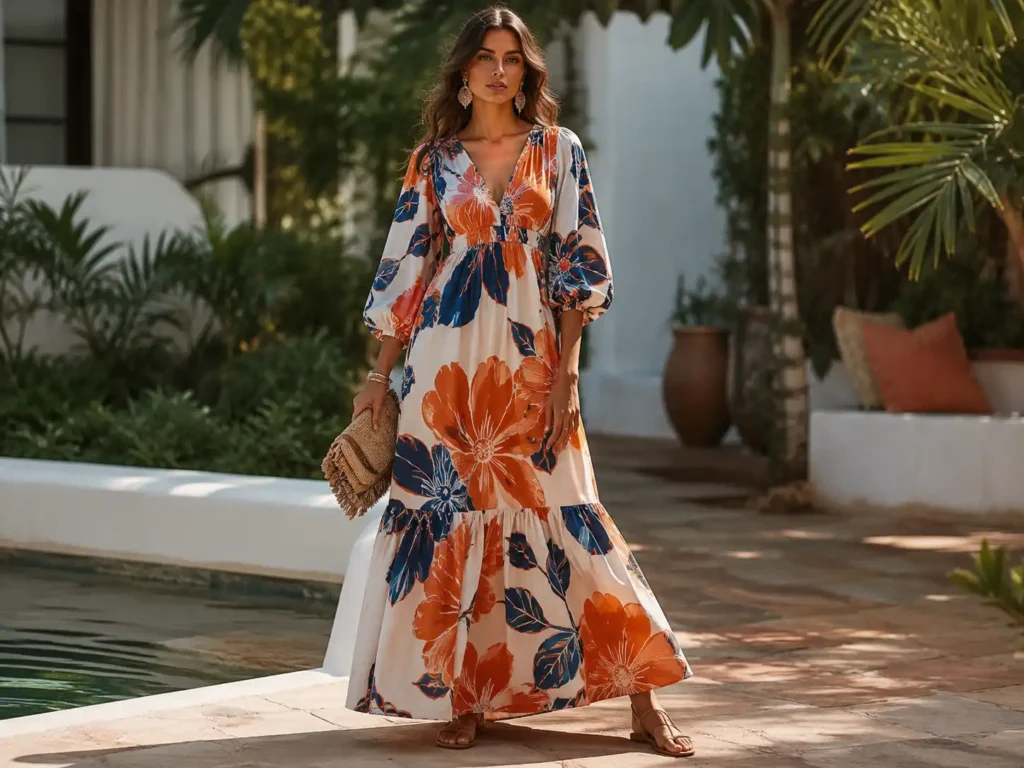
Suitable for beach ceremonies, welcome parties and resort dinners. Development should control print direction, skirt volume, lining length, hem balance and fabric recovery. Large floral patterns require careful placement across size grading so the same visual emphasis remains consistent from smaller to larger sizes.

Satin Slip Midi

A strong option for dinners and cocktail receptions. Key controls include grain direction, neckline drape, strap length, bust coverage, zipper behavior and pressure marking. Bias-inspired designs require additional hanging and measurement checks because the garment may settle after cutting and sewing.

Chiffon Halter Dress

Designed for ceremony, reception and sunset occasions. Chiffon requires controlled layer construction, neckline reinforcement and adequate lining. The halter angle must support the bust without pulling the neckline upward or creating excess pressure at the back neck.

One-Shoulder Cocktail Dress

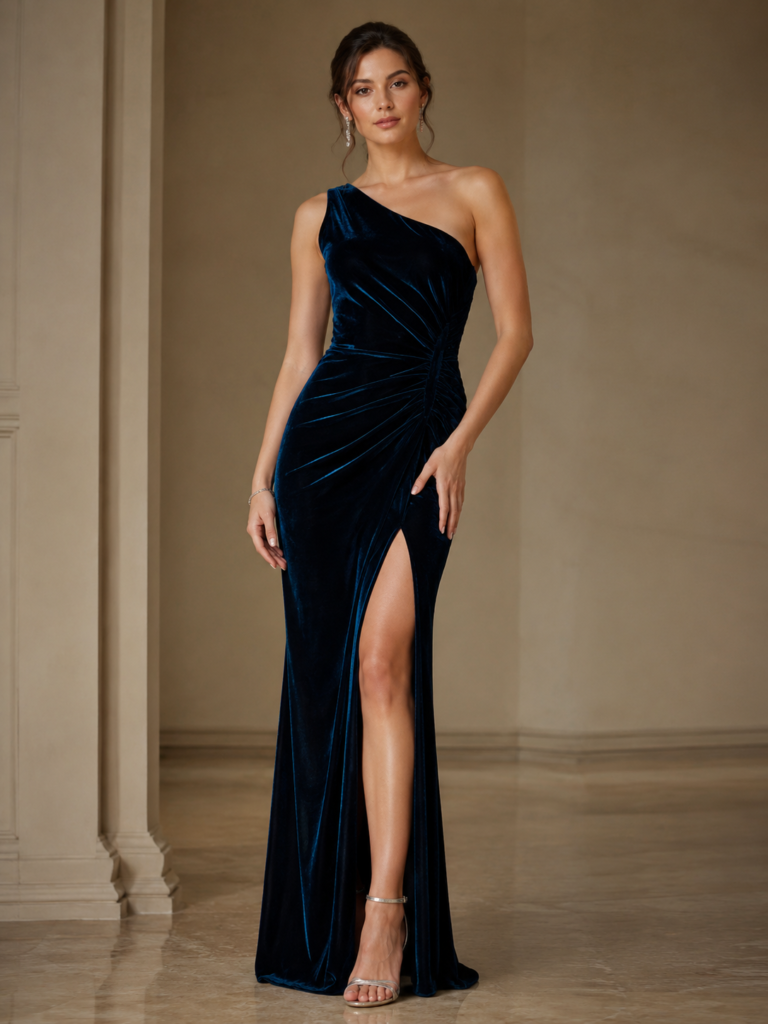
A defined silhouette for evening events. Pattern balance across the neckline, armhole and waist is essential. Internal elastic, anti-slip support or lightweight boning may be required depending on fabric, neckline depth and intended fit.

Wrap Event Dress

Suitable for welcome dinners, garden events and brunch. True-wrap and fixed-wrap constructions behave differently. Overlap depth, tie placement, neckline security and seated coverage must be reviewed before bulk approval.

Off-Shoulder Maxi

Provides a romantic direction for garden and resort occasions. Elastic tension, sleeve movement, neckline position and skirt balance require testing during arm movement, sitting and walking.

Corset Occasion Dress

Designed for cocktail, reception and formal evening groups. Cup shape, boning position, waist placement, lining, zipper support and comfort require structured sample review. Bulk control must compare every support component with the approved sample.

Ruched Bodycon Dress

A strong event and after-party product. Ruching ratio, elastic recovery, seam alignment and lining tension influence fit. Uneven gathering can change garment length and create measurement inconsistency across production.

Lace Midi Dress

Suitable for rehearsal dinners, ceremonies and formal lunches. Lace direction, motif placement, seam matching, edge finishing, lining coverage and snagging risk should be reviewed before cutting.

Backless Resort Dress

Designed for warm locations and evening settings. Back depth, side coverage, strap stability, closure strength and bust support must remain balanced without excessive internal construction.

Draped Evening Dress

Appropriate for formal dinners and receptions. Draping should be mapped in the pattern rather than adjusted inconsistently during sewing. Fold direction, attachment points and pressing must be standardized.

Floral Wedding Guest Dress

Works across ceremonies, gardens, brunches and resort receptions. Print scale, color balance, neckline coverage, skirt movement and garment length should be coordinated with the target market and season.

Ruffle Brunch Dress

A lighter option for daytime events. Ruffle width, gathering ratio, edge finishing and layer balance should remain controlled so the garment does not become bulky or visually uneven.

Pleated Maxi Dress

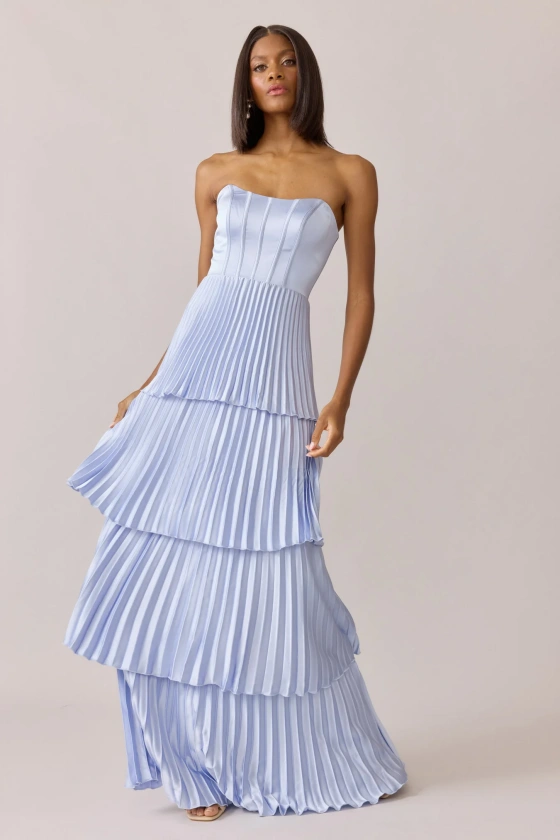
Suitable for formal resort and ceremony programs. Pleat direction, pleat depth, waist attachment and steaming behavior need bulk standards. Packing must protect pleat memory.

Cut-Out Event Dress

Designed for cocktail, reception and after-party segments. Cut-out position should remain stable across sizes and body movement. Reinforcement, lining and seam allowance affect both appearance and durability.

Mini, Midi and Maxi Lengths Need Different Control

Dress length affects movement, proportion, cost, packing and event suitability. Scaling one pattern longer or shorter without reviewing balance often produces poor results.

Mini Length Control

Mini dresses require careful back length, hip movement, lining position and seated coverage. Bodycon and fitted mini styles should be checked for upward movement when walking. Flared mini dresses require controlled sweep so the skirt remains secure in outdoor wind.

Midi Length Control

Midi length should be positioned deliberately against the calf rather than applied as a fixed number across all sizes. Waist placement, skirt shape and footwear influence proportion. Slits, wraps and asymmetrical hems require movement checks.

Maxi Length Control

Maxi dresses need enough clearance for walking while retaining visual length. Floor contact, heel allowance, skirt volume, lining length and side-seam balance should be tested. Fabric weight can cause the garment to settle after hanging.

Floor-Length Control

Formal floor-length products require accurate hem leveling after the garment has rested. Structured bodices, bias panels and layered skirts may change finished length. Packing and pressing instructions should preserve the approved silhouette.

Silhouettes Engineered for Fit and Movement

Each silhouette creates a different relationship between fabric, pattern, support and body movement. Sample comments should identify structural causes rather than treating every issue as a simple measurement change

Slip Silhouette
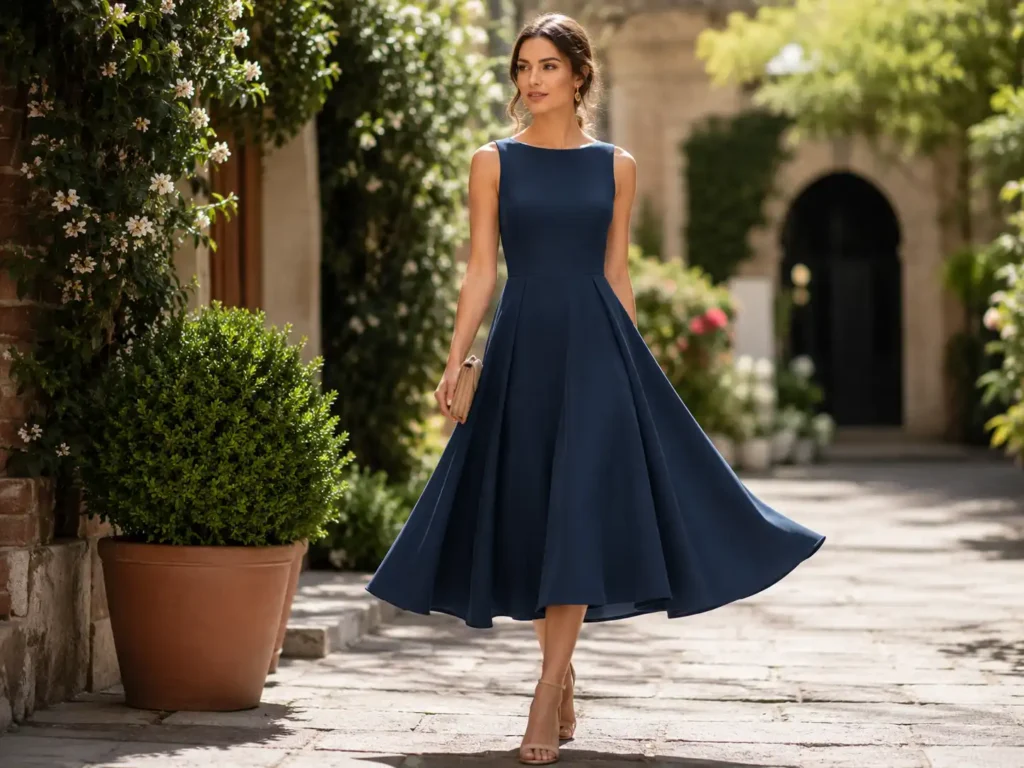
Focus on grain, neckline drape, bust coverage, strap length, side-seam balance and hem stability. Soft fabrics can expose pattern imbalance quickly.

A-Line Silhouette

Check bust-to-waist shaping, skirt flare, side-seam position and hem sweep. Excess flare can add weight and packing volume.

Wrap Silhouette

Control front overlap, neckline opening, waist ties, seated coverage and movement. Fixed internal fastening may improve stability.

Halter Silhouette

Review neck pressure, armhole exposure, bust support, back closure and fabric stretch. Strap width changes both comfort and visual balance.

Bodycon Silhouette

Fabric stretch, recovery and direction must match the pattern. Bust, waist, hip and length tolerances require consistent control.

Corset Silhouette

Cup shape, boning, waist placement, lining, closure and top-edge support should be tested together rather than as separate components.

One-Shoulder Silhouette

Asymmetrical balance affects neckline position, arm movement and side-seam alignment. Internal support may be required.

Backless Silhouette

Control side coverage, strap geometry, closure security and bust stability. Deep backs may require changes to internal lining construction.

Neckline and Strap Stability for Active Events

Destination dresses are worn during walking, dining, photography and dancing. Necklines and straps must remain stable across movement rather than only during a static fitting.

Halter Neckline

Check neck tension, bust lift, armhole shape and back closure. Excess tension causes discomfort; insufficient tension reduces support.

Strapless Neckline

Top-edge contour, anti-slip tape, elastic, boning, cups and zipper support should work together. Movement testing is essential.

Spaghetti Straps

Strap width, attachment strength, slider position and finished length affect fit. Adjustable hardware should remain stable and comfortable.

One-Shoulder Neckline

The shoulder anchor must support the opposite side without twisting the bodice. Neckline balance should be checked on-body.

Deep V-Neckline

Coverage, center-front reinforcement, tape support and body movement require review. Sheer inserts may be used where appropriate.

Cowl Neckline

Drape depth, grain direction and facing construction affect neckline shape. Bulk cutting must preserve the approved direction.

Square Neckline

Corner shape, strap placement, bust width and neckline stability should remain consistent across grading.

Off-Shoulder Neckline

Elastic tension, sleeve mobility and top-edge position need testing during arm lifting, sitting and dancing.

Internal Support Designed Around the Garment

Support components should solve a defined fit problem. Adding more boning, thicker cups or stronger elastic does not automatically improve the garment and may reduce comfort in warm environments.

Bra Cups

Cup shape, thickness, position and size grading should match the neckline and target fit. Incorrect cups create visible edges or empty volume.

Boning

Boning can stabilize corset, strapless and structured bodices. Length, position, flexibility and end protection require control.

Underwire

Underwire may support selected structured designs. Wire shape, channeling, cup relationship and wearer comfort must be evaluated.

Anti-Slip Tape

Applied where neckline stability requires additional grip. Tape width, stretch and skin contact should be reviewed during fitting.

Elastic Support

Elastic can support necklines, backs, waists and sleeves. Stretch ratio should be standardized to prevent size variation.

Reinforcement Tape

Stay tape and reinforcement can control neckline stretching, shoulder distortion and seam movement in soft fabrics.

Movement Testing Beyond a Static Fitting

A dress may look balanced while standing and still fail during an event. Fit review should reproduce the movements most likely to occur at the venue.

Walking Test

Check stride allowance, skirt restriction, bodycon ride-up, wrap opening and long-hem clearance.

Sitting Test

Review waist pressure, back opening, neckline position, slit exposure and lining coverage.

Stair Test

Evaluate front hem, skirt pickup, train management and movement around fitted knees.

Dancing Test

Observe strap movement, neckline shift, bodice support, zipper stress and skirt rotation.

Arm-Raise Test

Check underarm exposure, off-shoulder movement, sleeve restriction and bodice lift.

Wind Test

Review skirt control, wrap overlap, loose panels, sleeves and lightweight outer layers.

Vehicle Test

Check sitting comfort, skirt volume, wrinkle concentration and ease of entry and exit.

Long-Wear Review

Consider seam irritation, lining heat, support pressure, static and fabric contact after extended wear.

Photo-Ready Dresses Under Destination Lighting

Destination event products are frequently photographed in direct sunlight, sunset light, hotel interiors and evening flash. Fabric and construction details can look different across each environment.

Satin Reflection

Gloss level, fold direction and pressing influence highlight placement. Excessive shine can expose seam puckering and surface pressure marks.

Daylight Transparency

Light colors and thin fabrics should be checked against strong backlighting. Lining color and length affect visual coverage.

Flash Response

Mesh, lace, sequins and light linings may react unexpectedly under flash. Sample photography helps identify exposed areas.

Print Scale

Large motifs should remain balanced across garment sizes and full-length images. Key motifs should not be lost at seams.

Skirt Movement

Drape, flare, pleating and ruffles influence motion in video and photography. Excess weight may reduce the intended effect.

Color Accuracy

Fabric shade should be reviewed under controlled lighting and natural light before bulk confirmation.

Fabric Selection by Climate, Event and Silhouette

Fabric selection connects appearance, fit, construction, packing and bulk consistency. Jinfeng Apparel reviews more than a fabric name; composition, weight, hand feel, stretch, recovery, transparency, shine, shrinkage, wrinkling and color availability are considered together.

Chiffon

Chiffon provides light movement for ceremonies, resort receptions and layered maxi dresses. Main controls include transparency, snagging, layer balance, seam finish, static and lining coverage. Narrow hems and curved panels need consistent sewing standards.

Satin

Satin supports slip, cocktail, draped and formal dresses. Shine, snagging, seam puckering, pressure marks, grain direction and pressing require attention. Satin weight should match the silhouette rather than being selected by appearance alone.

Stretch Satin

Stretch satin can support fitted eventwear while retaining a polished surface. Stretch direction, recovery, seam appearance and shade consistency influence fit and bulk stability.

Crepe

Crepe provides cleaner structure with lower surface shine. Different crepes vary considerably in weight, stretch and drape. Selection should follow the silhouette, climate and intended formality.

Viscose and Rayon

Viscose-based fabrics suit printed maxis, wraps and resort dresses. Shrinkage, seam slippage, colorfastness, wet handling and wrinkling should be reviewed before bulk production.

Lace

Lace supports ceremony, cocktail and formal styles. Motif direction, edge treatment, seam placement, damage risk, lining and pattern matching affect cost and quality.

Mesh

Mesh can create layered, fitted or transparent effects. Stretch, recovery, hole damage, seam strength, transparency and lining position require product-specific control.

Cotton Blends

Cotton blends can support daytime, brunch and relaxed resort groups. Fabric weight, shrinkage, surface texture, opacity and wrinkle behavior should match the intended finish.

Comfort Engineering for Warm-Weather Events

Warm locations require careful control of weight, layers and skin contact. Comfort should be developed through material and construction decisions rather than broad performance claims.

Fabric Weight

Weight should support drape without creating unnecessary heat. A lighter fabric may still require lining, while a heavier fabric may need less internal structure.

Air Movement

Loose silhouettes, open backs and controlled skirt volume can improve comfort, but coverage and support must remain appropriate for the event.

Lining Selection

Lining should provide opacity, smooth movement and clean finishing without making the garment excessively warm or rigid.

Skin Contact

Seam allowance, boning ends, elastic edges, sequins and lace trims should not create avoidable irritation during extended wear.

Sweat Visibility

Color, fabric finish and body placement influence visible moisture. Fabric review can consider likely wearing conditions without making unsupported guarantees.

Layer Reduction

Unnecessary facings, heavy interlinings and duplicate layers can be reviewed while retaining support and coverage.

Travel Packing Changes the Fabric Decision

A fabric can perform well on a showroom rail and respond poorly after compression. Packing review should reproduce realistic travel conditions before a style is approved for a destination-focused collection.

Fold Test

The garment is folded along likely packing lines to identify hard creases, surface pressure and distortion around seams or support components.

Compression Review

Temporary compression helps reveal satin marking, crushed embellishment, distorted cups, pleat damage and transfer between decorated surfaces.

Hanging Recovery

After unpacking, the dress is hung to assess whether the fabric and structure recover naturally or retain visible fold lines.

Steam Recovery

Low-impact steaming can be evaluated where appropriate. Temperature and method should match the fabric and decoration.

Surface Inspection

Satin, velvet-look surfaces, sequins, beads and coated fabrics require inspection for abrasion, imprinting or shine changes.

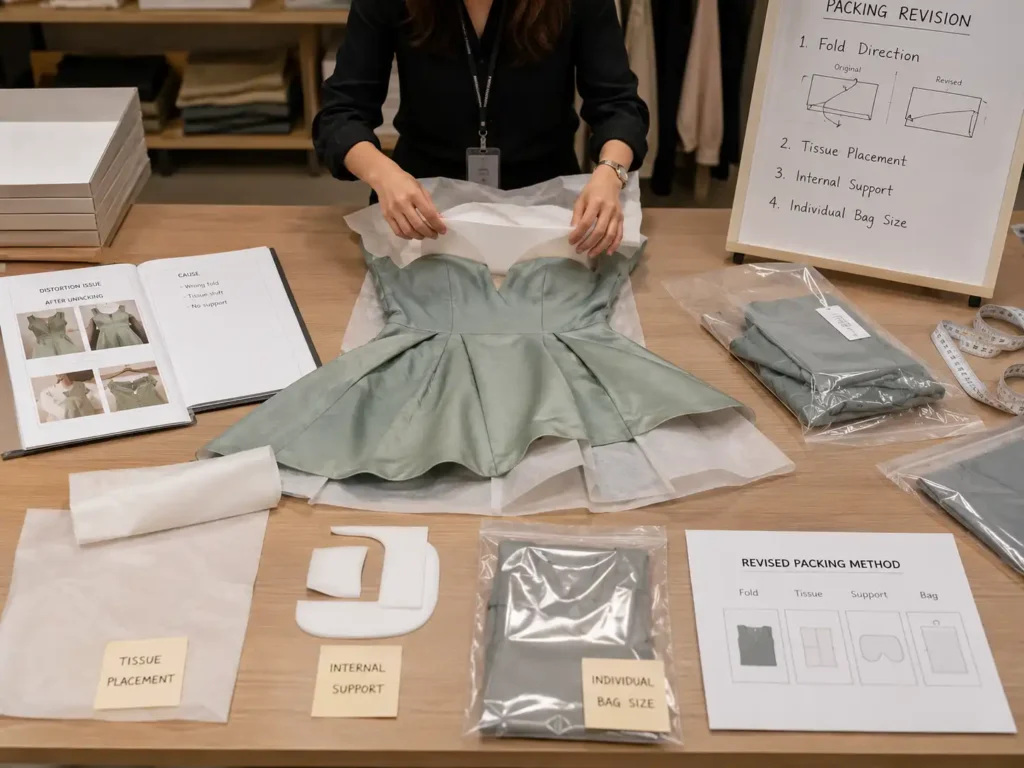
Packing Revision

Fold direction, tissue placement, internal support and individual bag size can be adjusted when the initial packing method causes distortion.

Transparency and Lining Control in Strong Sunlight

Opacity should be evaluated under conditions close to actual wear. Indoor inspection alone may not reveal transparency across pale colors, stretched areas or direct backlighting.

Natural Light Check

The sample is reviewed under daylight to identify transparency around the skirt, bust, seams and body tension points.

Backlight Check

Strong backlighting can expose lining length, seam allowances and differences between body panels.

Flash Check

Flash photography may increase visible contrast between outer fabric, lining and internal support.

Stretch Check

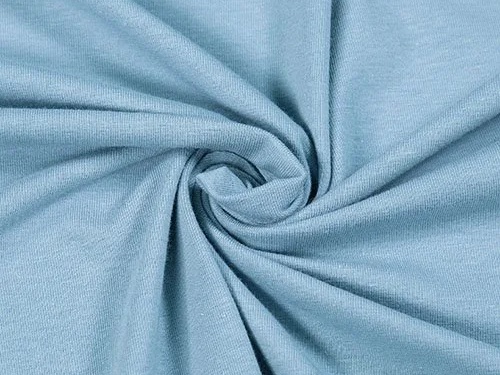
Fitted mesh, jersey and stretch satin may become more transparent when stretched across the bust, waist or hip.

Lining Color

Lining should support the outer shade without creating an obvious color cast or visible edge.

Lining Length

The lining should provide intended coverage while remaining hidden during walking, sitting and wind movement.

Print Placement Across Sizes and Dress Lengths

Printed destination dresses require more than selecting attractive artwork. Print scale, direction, repeat, cutting placement and color control affect the visual result and material usage.

All-Over Prints

Repeat size should remain balanced across mini, midi and maxi products. Directional artwork requires controlled marker planning.

Placement Prints

Artwork position must be mapped to the pattern and reviewed across all sizes. Bust, waist and hem placement may shift during grading.

Border Prints

Border depth, hem position and panel length need coordination. Pattern efficiency may be reduced when every panel must align with a border.

Large Florals

Large motifs can dominate smaller sizes or disappear at seams. Key placement should be assessed before bulk cutting.

Directional Prints

Front, back, sleeve and skirt panels should follow the approved direction. Reversed panels become highly visible.

Color Consistency

Printed fabric batches should be reviewed for ground color, motif color, registration and shade variation.

Trims and Embellishments Built for Eventwear

Closures, support materials and decoration affect fit, comfort, cost and production risk. Every trim should have an approved specification rather than a broad description.

Invisible Zippers

Zipper length, tape shade, seam allowance and insertion method affect closure appearance. Satin and fitted dresses require special attention to zipper bulging.

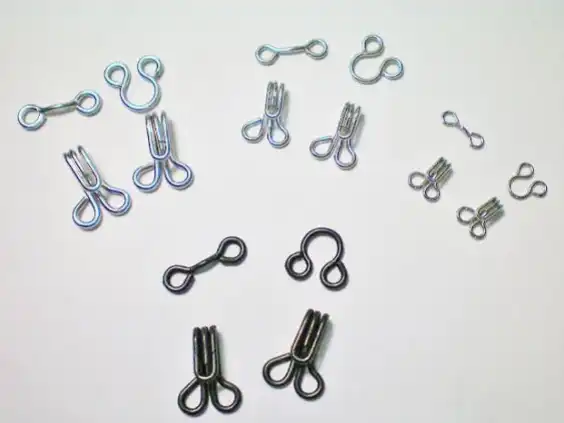
Hooks and Eyes

Hooks provide top-edge support at zippers and structured bodices. Position and attachment strength must remain consistent.
Black satin corset jumpsuit with Eiffel Tower in background.

Strap Hardware

Sliders and rings should match strap width, color and garment weight. Hardware edges should not damage delicate fabric.

Lace Trims

Motif direction, edge finish, width and color should coordinate with the approved sample and outer fabric.

Sequins

Sequin direction, density, edge handling and replacement allowance influence sewing and inspection.

Rhinestones

Attachment method, placement accuracy and surface protection require bulk control, particularly around folding areas.

Bra Components

Cups, underwires, elastic and boning should follow approved dimensions and positions.

Private Labels

Main labels, size labels, care labels and hangtags should be checked for artwork, color, placement and language accuracy.

Protect the Visual Direction Without Uncontrolled Cost

Cost engineering should preserve the feature that makes a style commercially valuable. Removing support, reducing lining or changing fabric without reviewing the design can create greater costs through poor fit and returns.

Fabric Alternatives

Compare weight, drape, shine, stretch, transparency and recovery rather than replacing one fabric with the cheapest available option.

Shared Fabric Bases

Several styles may share an approved fabric and color group, improving collection consistency and material planning.

Controlled Skirt Volume

Sweep and gathering can be adjusted where excess fabric does not improve movement or silhouette.

Layer Review

Unnecessary layers can be reduced while preserving opacity, support and clean finishing.

Focused Embellishment

Decoration can be concentrated on high-visibility areas instead of covering the entire garment.

Construction Simplification

Selected seam, facing or trim details may be revised where the visual result remains unchanged and quality is protected.

OEM, ODM and Private-Label Development Routes

The most suitable route depends on how complete the product information is and how much development support the brand requires.

OEM Development

The brand supplies a tech pack, size chart, construction details, artwork, fabric direction and packing standards. Jinfeng Apparel reviews feasibility, develops the sample, records revisions and produces against approved specifications.
  • Suitable for controlled brand standards
  • Supports original samples and technical files
  • Bulk production follows PP approval
  • Private-label requirements can be integrated

ODM Development

The brand supplies collection direction, references, target market, target price and launch timing. Jinfeng Apparel assists with fabric direction, construction review, pattern development and sample execution.
  • Suitable for concept-led collections
  • Product feasibility is reviewed early
  • Fabric and trim alternatives can be proposed
  • Development remains aligned with brand approval

Private-Label Production

Private-label delivery can include main labels, size labels, care labels, hangtags, hang strings, barcodes, SKU stickers, polybags, thank-you cards, cartons, carton marks and warehouse labels.
  • Artwork requires approval
  • Label and packing materials may have separate MOQ
  • Placement and packing are checked during PP approval
  • Carton data follows shipping requirements

What We Need to Review Your Project

Complete information allows the development team to evaluate fabric, structure, MOQ, cost and timing with greater accuracy. A reference image alone rarely provides enough detail for a final quotation.

Style References

Front, back and detail images help identify silhouette, closures, support, seams and visual priorities.

Tech Pack

Construction, measurements, BOM, stitch details and artwork reduce interpretation gaps.

Quantity Plan

Quantity per style and color affects material sourcing, production allocation and costing.

Fabric Direction

Composition, hand feel, weight, stretch, shine and target appearance guide material review.

Size Range

Base size, grading and market-specific fit standards affect patterns, consumption and QC.

Color Plan

Color count and shade direction affect fabric availability, dyeing, trim matching and MOQ.

Launch Date

Photography, presale, warehouse and retail dates allow backward production planning.

Packing Requirements

Labels, barcodes, polybags, cartons and warehouse instructions affect cost and lead time.

Measurement Discipline Across Every Size
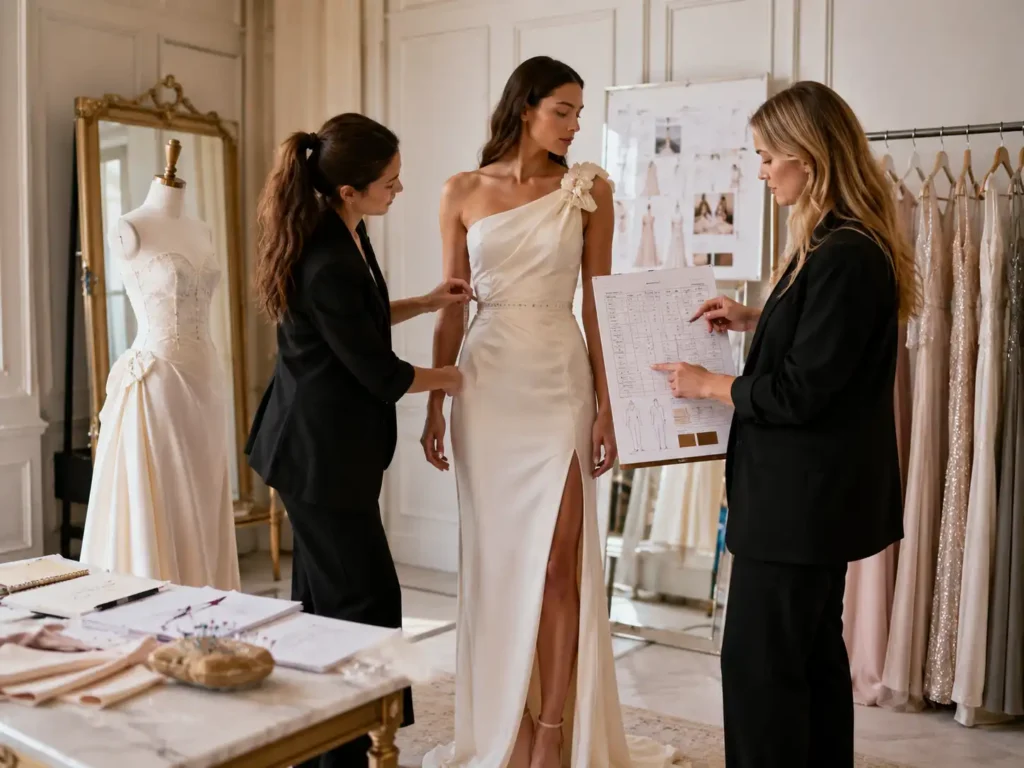
Measurement control should follow the approved size chart and garment structure. Randomly checking overall length and bust is not enough for fitted, asymmetrical or supported event dresses.

Base Size Selection

The base size should reflect the target market and fit model rather than factory habit.

Bust Measurement

Bust circumference, cup position, apex level and neckline relationship are reviewed together.

Waist Placement

Waist level influences torso proportion, skirt balance and the perceived fit of the entire garment.

Hip Balance

Fitted and bodycon products need hip shaping aligned with fabric stretch and recovery.

Strap Length

Finished strap length, adjustment range and attachment position affect neckline and armhole fit.

Neckline Depth

Depth and width should follow approved coverage and remain controlled during grading.

Slit Height

Slit length is checked from a defined measurement point and reviewed during movement.

Length and Tolerance

Front, back and side lengths are checked against the approved method, fabric behavior and allowed tolerance.

Lock Bulk Standards Before Production Begins

PP approval is the point where development becomes a production standard. Verbal approvals or separate photographs cannot replace a complete set of confirmed references.

Fabric Approval

Confirm composition, weight, stretch, hand feel, drape, transparency, color and bulk availability.

Construction Approval

Confirm seams, lining, internal support, closures, edge finishing and workmanship.

Measurement Approval

Confirm base-size measurements, grading rules, tolerance and measurement methods.

Trim Approval

Confirm zipper, hook, cups, boning, elastic, lace, sequin, hardware and thread specifications.

Branding Approval

Confirm label artwork, placement, hangtags, barcodes, stickers and packaging text.

Packing Approval

Confirm folding, tissue, protective materials, polybag, carton quantity and carton marks.

Control Multi-Style Collections Without Losing Accuracy

A 10–30-style collection requires structured grouping. Treating every style as an isolated project can create repeated sourcing, inconsistent comments and missed launch priorities.

Fabric Grouping

Styles using the same fabric base are coordinated for color, testing, cutting behavior and production planning.

Construction Grouping

Soft slips, structured corsets, layered chiffon and embellished dresses are separated by production needs.

Launch Priority

Hero styles, campaign pieces and early photography samples receive clear priority.

Sample Status

First, revised, photo, PP and approved stages are tracked separately for every style.

Revision Records

Fit, fabric, trim and workmanship comments remain connected to the correct sample version.

SKU Control

Style, color, size, barcode and packing information are organized before bulk packing.

Factory Allocation

Production units are selected according to garment category, complexity, quantity and timing.

Delivery Grouping

Priority styles, colors or sizes may be separated for planned shipment when commercially required.

Factory Allocation Based on Product Complexity

Jinfeng Apparel operates six owned women’s fashion factories and works with more than ten long-term production partners. Allocation depends on product type, fabric, construction, quantity, schedule and quality requirements.

Soft Woven Dresses

Slip, wrap, chiffon and printed dresses are assigned according to fabric handling and clean-seam requirements.

Structured Occasionwear

Corset, boned, cup-supported and fitted products require teams familiar with internal construction and measurement control.

Stretch Products

Bodycon, mesh and stretch satin garments require pattern and sewing control suited to stretch direction and recovery.

Embellished Dresses

Lace, sequin and rhinestone products require controlled cutting, attachment, handling and inspection.

Multi-Style Orders

Collections are separated into manageable product groups while merchandising and QC standards remain coordinated.

Capacity Planning

Monthly capacity can exceed 100,000 pieces across the manufacturing system, while confirmed allocation remains dependent on style complexity, material readiness and production schedule.

Quality Checks Built Around Destination Dress Risks

Production StageMain CheckpointsDestination Dress Focus
Incoming FabricShade, width, weight, hand feel, print, surface damageTransparency, snagging, wrinkling, color consistency
Trims and LabelsSpecification, color, size, artwork, quantitySupport component accuracy and branding control
CuttingGrain, direction, marker, size bundle, panel conditionPrint placement, satin direction, lace motif and mesh damage
SewingSeam, zipper, strap, lining, boning, cups, elasticNeckline stability, ruching balance and clean finishing
Inline MeasurementBust, waist, hip, length, strap, neckline, slitFit consistency before full production completion
FinishingThread, stain, pressing, shape, embellishmentSatin marks, pleat recovery and surface protection
PackingFold, tissue, polybag, barcode, SKU, carton quantityProtection of cups, sequins, long hems and structured bodices
Final InspectionAppearance, measurement, workmanship, packing, quantityComparison against PP and golden sample standards

Workmanship Details Visible in the Finished Garment

Quality is often recognized through small areas: a flat zipper, balanced hem, clean neckline and lining that stays hidden during movement. These details require defined methods and repeated inspection.

Clean Neckline Finish

Facing, lining, understitching, reinforcement and pressing should create a stable edge without rolling or stretching.

Flat Zipper Application

Zipper tape, seam allowance and surrounding tension are controlled to reduce bulging and waviness.

Balanced Side Seams

Side seams should hang correctly without twisting toward the front or back.

Secure Strap Attachment

Attachment points require reinforcement appropriate to strap width, fabric weight and expected tension.

Controlled Ruching

Gathering ratio and attachment points are standardized to maintain consistent garment length and visual balance.

Smooth Lining

Lining should support coverage without pulling, twisting, extending below the hem or restricting movement.

Even Hem Finish

Narrow hems, blind hems and lined hems should follow the fabric and silhouette without visible distortion.

Protected Embellishment

Loose threads, sharp edges, missing sequins and damaged lace are checked before packing.

Packing That Protects Shape During International Delivery
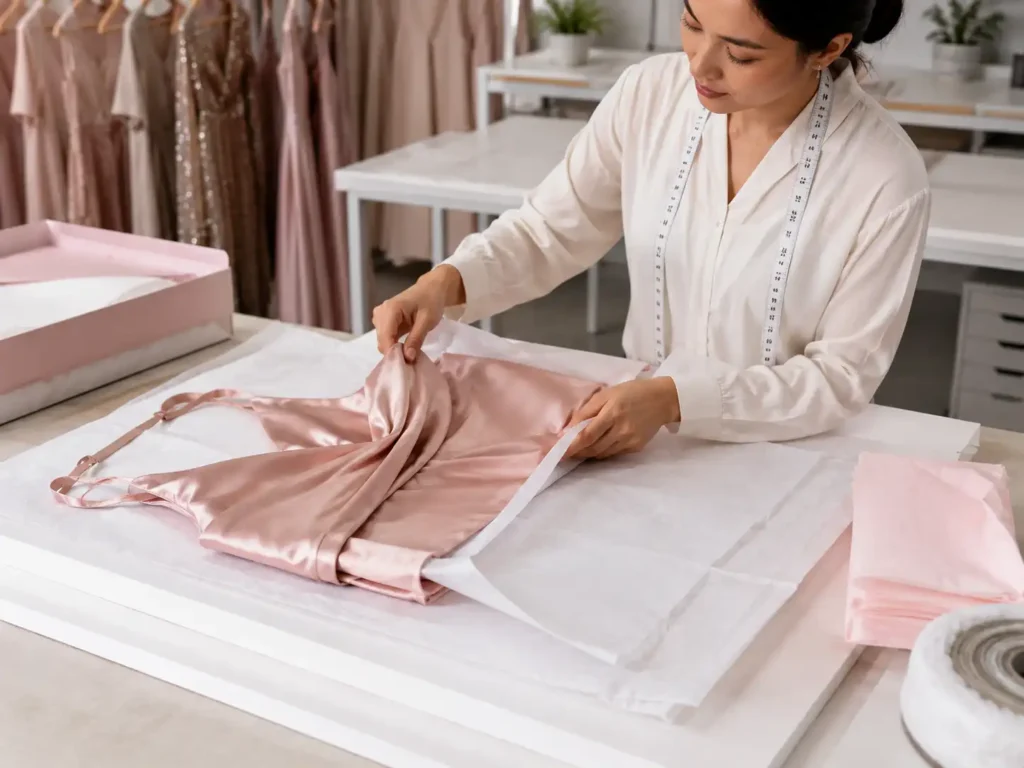
Retail-ready packing begins with garment structure. A standard fold is not suitable for every satin, corset, sequin or floor-length dress.

Satin Protection

Tissue and fold position help reduce hard pressure lines, surface transfer and friction between garment panels.

Bodice Protection

Cups, boning and structured necklines should not be flattened by excessive compression.

Embellishment Protection

Sequins, rhinestones and beads are separated from delicate surfaces to reduce abrasion and imprinting.

Maxi Fold Control

Fold points are selected to reduce deep marks and keep the skirt within an appropriate individual bag size.

Label Verification

Main label, size label, care label and hangtag placement are checked before final packing.

Barcode Accuracy

Style, color, size, SKU and barcode should match the garment and packing list.

Carton Planning

Carton quantity, gross weight, net weight, dimensions and pressure are planned around the product.

Warehouse Requirements

Carton marks, stickers, polybag warnings and receiving labels can follow approved warehouse instructions.

Plan Production Around the Event Season

Destination collections are often linked to wedding, resort, holiday and travel calendars. Production planning should begin from the warehouse receiving date rather than from the day an order is placed.

Photography Date

Hero styles and campaign samples should be prioritized according to photography and content schedules.

Sales Launch

Product approval, inventory arrival and ecommerce setup should be aligned before the collection release.

Material Readiness

Fabric, trims, labels and packing materials must be planned before a reliable bulk schedule can be confirmed.

Production Window

Bulk timing depends on style count, complexity, quantity, material status and approved PP samples.

Split Shipment

Priority styles, colors or sizes may be separated for air shipment while the remaining quantity moves by sea where suitable.

Forwarder Coordination

Jinfeng Apparel can coordinate packing lists, commercial invoices, carton information, pickup arrangements and shipment photos with an appointed forwarder.

MOQ and Project Conditions for Custom Production

Jinfeng Apparel’s MOQ starts from 200 pieces per style and color. Final requirements depend on fabric availability, color development, trims, construction, packaging and production scheduling.

Garment MOQ

The starting quantity applies to each style and color rather than the combined value of an entire collection.

Fabric MOQ

Custom dyeing, weaving, printing, lace, sequin fabric and specialty colors may carry separate mill requirements.

Trim MOQ

Custom hardware, labels, hangtags, printed polybags and boxes may require quantities different from the garment MOQ.

Color Splits

Dividing one style into many colors can increase material waste, sourcing complexity and production cost.

Size Breakdown

A commercially balanced size ratio supports cutting and packing efficiency. Very fragmented size plans require review.

Schedule Fit

Material development, sample approval and production space must match the requested warehouse date.

Confidential Development and Brand Protection

Jinfeng Apparel supports NDA-based cooperation and protects development files throughout sampling and production. Project information is used only for the work required to develop, produce, inspect, pack and deliver the approved garments.

Protected Materials

Tech packs, line sheets, original samples, sketches, patterns, size charts, fabric directions, trims, labels, packaging files, quantities, target prices and launch plans are treated as project information.

Controlled Case Use

Brand names, unreleased products, order numbers, original technical files, exclusive materials and private packaging are not published without authorization. Public project descriptions remain anonymous unless written approval allows broader disclosure.

Destination Collection Case Studies

The following anonymous programs reflect the order structure commonly managed for established fashion brands. Brand identities and proprietary designs remain confidential.

US Wedding Guest Program

Market: United States
Collection: Destination wedding guest and resort occasion dresses
Style Count: 18 styles
Total Quantity: 36,000 pieces
Product Mix: Satin slip midis, chiffon maxis, printed wraps, one-shoulder cocktail dresses and brunch styles
Color Structure: 2–4 colors per selected style
Size Range: XS–XXL
Sample Rounds: Two fit rounds for core styles, followed by PP approval
Delivery Structure: Priority campaign styles by air, main quantity by sea

The main challenge involved combining three formality levels under one visual direction.

Pale satin showed pressure marks, several chiffon colors required improved lining coverage and two halter styles shifted during movement.

Fabric groups were reorganized by shine, weight and opacity.

Strap geometry was corrected after walking and arm-lift review.

Maxi lengths were separated into flat-shoe and heel-oriented specifications.

During bulk production, inspection concentrated on neckline position, strap length, zipper flatness, lining coverage and shade consistency. Private-label packing included style-color-size barcodes and separated cartons for the first campaign drop.

Result: 18 styles moved through coordinated approval and production without mixing sample versions or packing instructions. The split delivery allowed campaign inventory to arrive before the primary warehouse allocation.

Australian Resort Event Program

Market: Australia
Collection: Resort dinners, coastal celebrations and summer eventwear
Style Count: 24 styles
Total Quantity: 52,800 pieces
Product Mix: Printed maxis, halter midis, cut-out dresses, matching sets and lightweight evening styles
Fabric Groups: Printed viscose, crepe, mesh and satin
Size Range: AU 6–18
Sample Rounds: First sample, revised sample and PP sample
Delivery Structure: Two production and shipment batches

Large-scale prints created placement differences across dress lengths and sizes. Several viscose styles also showed shrinkage and hem imbalance after pressing. Print groups were separated into all-over, directional and border designs. Marker plans were adjusted for motif direction, and pre-production fabric review included shrinkage and shade checks.

Mesh panels were tested under daylight and flash to confirm coverage. Cut-out positions were graded by body proportion rather than shifted by a fixed amount. Matching sets received independent top and skirt measurement standards while sharing fabric and print approvals.

Bulk QC focused on print direction, skirt length, lining position, mesh damage, waistband measurements and SKU packing. The two-batch plan allowed early summer styles to ship before the later evening group.

Result: The collection maintained a coordinated print story while preserving product variation across 24 styles. Recorded fabric and print standards also supported later replenishment planning.

European Occasionwear Program

Market: Europe
Collection: Destination cocktail, formal dinner and evening dresses
Style Count: 12 styles
Total Quantity: 24,000 pieces
Product Mix: Corset dresses, draped satin gowns, lace midis, ruched mesh dresses and sequin evening styles
Color Structure: Core dark shades with selected seasonal colors
Size Range: EU 34–46
Sample Rounds: Two to three rounds depending on structure
Delivery Structure: Single coordinated warehouse delivery

The collection contained different internal support systems and a high proportion of fitted styles. Early corset samples required cup-position correction, softer boning placement and improved top-edge stability. Satin gowns needed clearer drape attachment points, while ruched mesh styles showed length variation when gathering ratios were not controlled.

Each style received a construction checklist covering cups, boning, zipper, lining, ruching and embellishment. Size grading was reviewed at bust, waist, hip, neckline, slit and finished length. Golden samples were retained for the structured and embellished groups.

Packing methods separated sequin surfaces from satin panels and protected structured bodices from compression. Final inspection emphasized measurements, neckline stability, missing embellishment, satin pressure marks and barcode accuracy.

Result: Twelve complex styles were produced under separate construction standards while remaining coordinated as one formal destination collection.

Frequently Asked Questions

A destination event dress is developed for a wedding, dinner, reception, cocktail party, resort celebration, cruise event or similar occasion that involves travel and a specific venue. Fabric, fit, length, movement, climate and packing behavior should be reviewed together.

Yes. Jinfeng Apparel develops wedding guest, welcome dinner, rehearsal dinner, ceremony, reception, brunch and resort occasion dresses according to brand specifications.

Yes. Collections can include 10–30 coordinated styles grouped by event role, fabric, silhouette, price position, color and launch priority.

Chiffon, light crepe, viscose, selected satin, mesh, lace and cotton blends may be suitable. Final selection depends on silhouette, lining, opacity, climate and target quality.

Yes. Fabric options can be compared by fold behavior, compression response, hanging recovery and steaming response. No fashion fabric should be described as completely wrinkle-free without testing.

Samples can be reviewed under indoor light, daylight, strong backlighting, flash and body tension. Lining color, weight and length are adjusted according to coverage requirements.

Yes. Jinfeng Apparel can review artwork, repeat, direction, scale, placement, base fabric, color and size grading before bulk production.

Yes. Different materials can be grouped under one collection while maintaining separate pattern, sewing, QC and packing standards.

MOQ starts from 200 pieces per style and color. Fabric, custom colors, printing, trims and private-label materials may have separate requirements.

Standard dress samples commonly require approximately 10–15 days after material and specification readiness. Complex structures and specialty materials may require approximately 15–25 days.

Yes. Photo or salesman samples can be arranged after key fit, fabric and construction details are accepted. Any difference from expected bulk materials should be documented.

Yes. PP samples confirm production materials and standards. Approved golden samples can be retained as physical production and inspection references.

Yes. Jinfeng Apparel supports NDA-based cooperation and protects tech packs, samples, patterns, trims, private-label files and unreleased designs.

Yes. Options include woven labels, size labels, care labels, hangtags, barcodes, SKU stickers, polybags, thank-you cards, cartons and carton marks.

Yes. Size ranges are evaluated according to the brand’s size chart, base size, grading rules, garment structure and fabric behavior.

Split air and sea shipments or phased deliveries can be reviewed according to launch timing, SKU priority, packing and logistics arrangements.

Develop Your Destination Event Collection with Jinfeng Apparel

Send your collection files to Kelly for an initial project review. Clear development information allows our team to assess style complexity, fabric direction, internal support, sample requirements, MOQ, production allocation and delivery planning.

Please include:

  • Tech packs, line sheets, original samples or clear front-and-back references
  • Planned style count and quantity per style and color
  • Fabric composition, hand feel, stretch, shine or print direction
  • Base size, full size range and measurement chart
  • Target market and intended destination event settings
  • Photography, sales launch and warehouse receiving dates
  • Main labels, care labels, hangtags, barcodes and packing standards
  • Required inspection, shipping and appointed-forwarder instructions
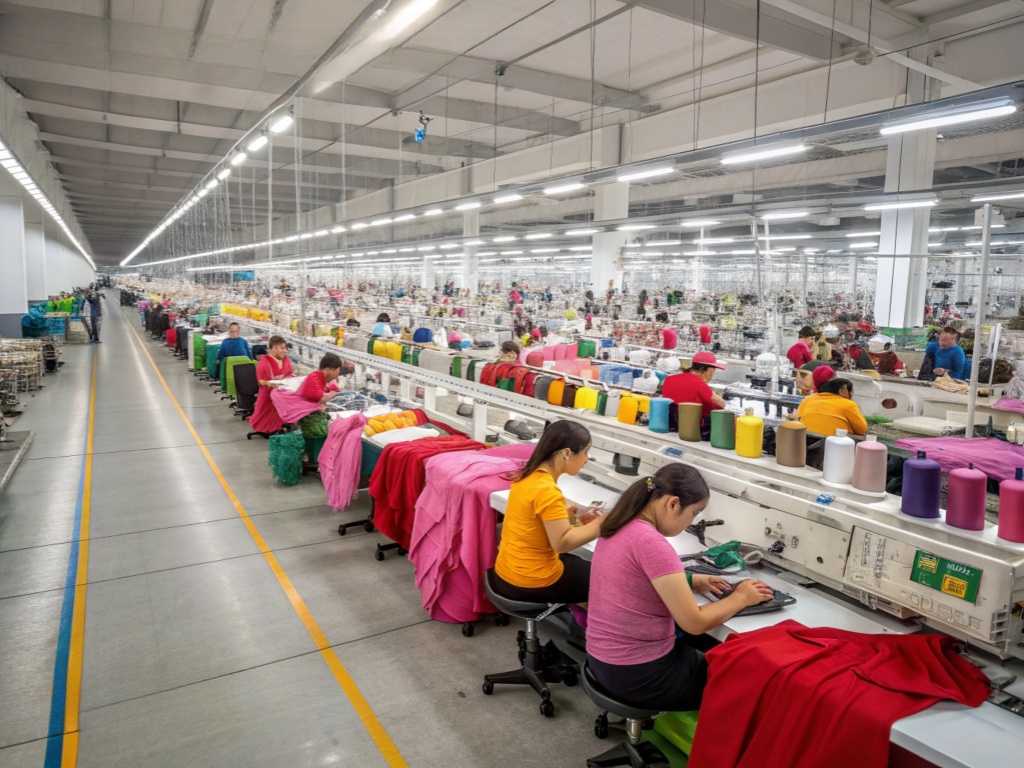
Busy garment factory with workers assembling clothes in a high-speed production line.

Submit Your Production Inquiry

Please share your product details, estimated quantity, target market, timeline, and development requirements. Our project team will review your inquiry and provide a tailored OEM/ODM production solution.

Women’s Apparel Production for Established Fashion Brands

From sample development to bulk production, JF Apparel supports fashion brands with confidential OEM/ODM manufacturing, stable quality control, and scalable production.