Skip to content

Cut-Out Club Dresses
Custom cut-out club dresses developed for fashion brands building bodycon, party, nightlife and statement collections with controlled fit, exposure and production consistency.
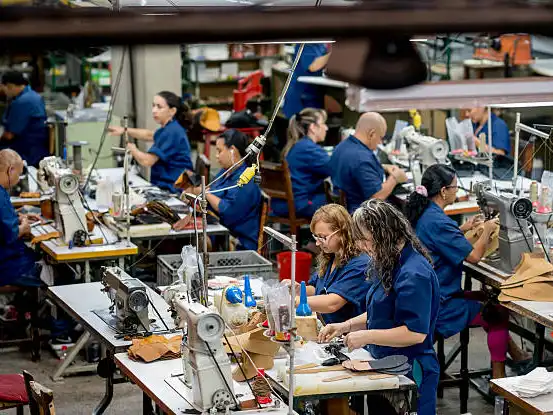
Cut-out dresses depend on more than an attractive opening in the pattern. Waist placement, bust support, stretch recovery, lining coverage, strap tension, hardware position and edge construction all influence how the dress looks once worn. Jinfeng Apparel develops cut-out mini, bodycon, mesh, ruched, backless, corset-inspired and embellished club dresses from tech packs, reference garments, sketches or approved visual references, then converts approved samples into controlled bulk standards.
- 2 sample roomssupporting parallel style development and revisions.
- 7+ senior pattern makersworking on fit, cut-out positioning and grading.
- 20+ sample machinistssupporting complex stretch, mesh, corset and embellished constructions.
- 15+ QC inspectorscovering measurements, appearance, construction and finished-garment checks.
- Development can include fit samples, revised samples, PP samples and Golden Sample control.
- Private-label production can include labels, hangtags, barcodes, polybags and retail packing.
Production Depth Behind Cut-Out Clubwear
Since 2008
6 Owned Factories
18+ Sewing Lines
6+ Flexible Lines
100,000+ PCS
12+ Merchandisers
Built for Fashion Brands Developing Clubwear Collections
Clubwear Brands
Partywear Brands
Premium Ecommerce Labels
Fashion Retailers
Sourcing Teams
Product Development Teams
Cut-Out Club Dress Styles We Can Develop

Side-Waist Cut-Out Dresses

Underbust Cut-Out Dresses

Front Cut-Out Mini Dresses

Back Cut-Out Dresses

Asymmetric Cut-Out Dresses

Ring-Detail Cut-Out Dresses
Metal rings can connect bodice panels, waist sections, straps or side openings. Ring diameter, weight, plating, contact surface and attachment method affect both appearance and comfort. Reinforcement around the attachment point helps distribute tension so the fabric does not stretch excessively around a small hardware area.

Cross-Strap Cut-Out Dresses

Mesh-Panel Cut-Out Dresses
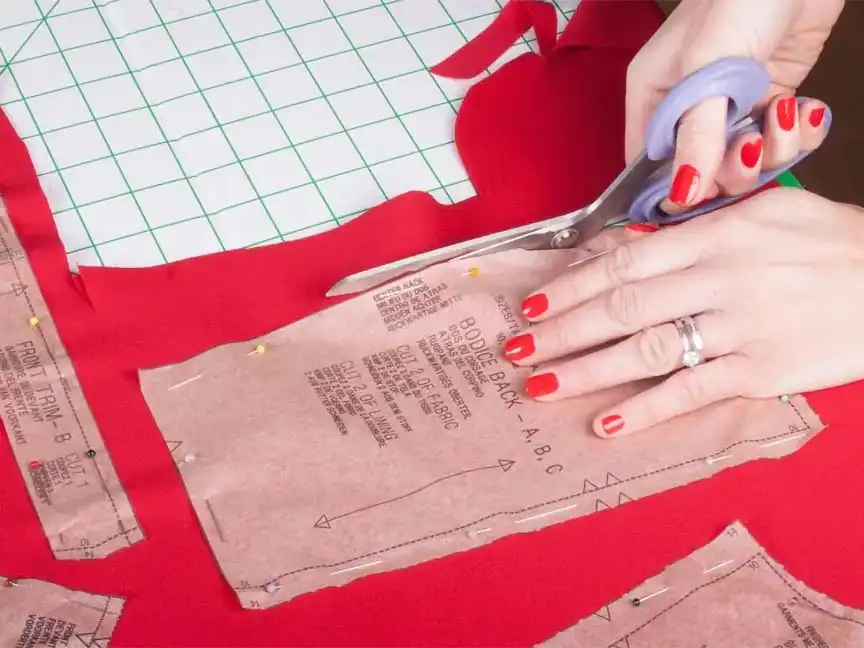
Cut-Out Placement Changes Fit, Exposure and Tension
A cut-out is part of the garment’s load path. Moving an opening only a few centimeters can change where the fabric carries tension, how much skin is exposed and how securely the dress stays in position. Pattern development therefore considers body landmarks, stretch direction, support and movement before locking the opening shape.
- Waist Openings
Waist cut-outs normally sit between the lower rib area and high hip. Placement is evaluated against torso length, waist position and surrounding seam structure. A narrow opening may remain stable with a clean turned edge, while a larger opening often needs stronger fabric recovery, lining support or additional reinforcement. During fitting, the opening is checked while standing, sitting and moving rather than only on a static mannequin. - Bust and Underbust Openings
Bust-area exposure requires tighter control because neckline movement can alter coverage quickly. Cup shape, shoulder support, underbust seam tension and center-front stability are reviewed together. When a dress includes boning, cups or internal elastic, those elements are adjusted before the final opening dimensions are approved. - Side and Hip Openings
Side cut-outs are affected strongly by hip stretch and side-seam tension. A design may look balanced on a flat pattern but open wider when worn because the hip pulls fabric horizontally. Sample fitting helps determine whether the opening needs reshaping, stronger recovery, a different seam position or a slightly altered negative-ease relationship. - Back and Shoulder Openings
Large back openings often leave fewer structural paths to stabilize the garment. Shoulder straps, neck ties, side seams and waist panels become more important. Backless club dresses are checked for strap migration, neckline movement and excess gaping before the style moves into PP approval. - Asymmetric Openings
Asymmetric cut-outs require control of garment rotation. One side may carry significantly more tension than the other, particularly in one-shoulder or single-strap constructions. Pattern balance is adjusted until the dress sits consistently without twisting the center front, pulling the hem or shifting the intended exposure area.
Fabrics Selected Around Stretch, Recovery and Surface
Fabric choice can change the same cut-out design from stable and sculpted to loose, distorted or overly transparent. Clubwear fabrics are evaluated for stretch direction, recovery, weight, surface, drape, transparency and sewing behavior before the construction standard is finalized.

Stretch Jersey
Stretch jersey works well for close-fitting bodycon shapes because it can follow bust, waist and hip contours without excessive seam complexity. Recovery is especially important around large openings. A fabric that stretches easily but returns poorly may leave cut-out edges wider after wear. Double-layer construction can improve coverage and give selected styles a cleaner surface.
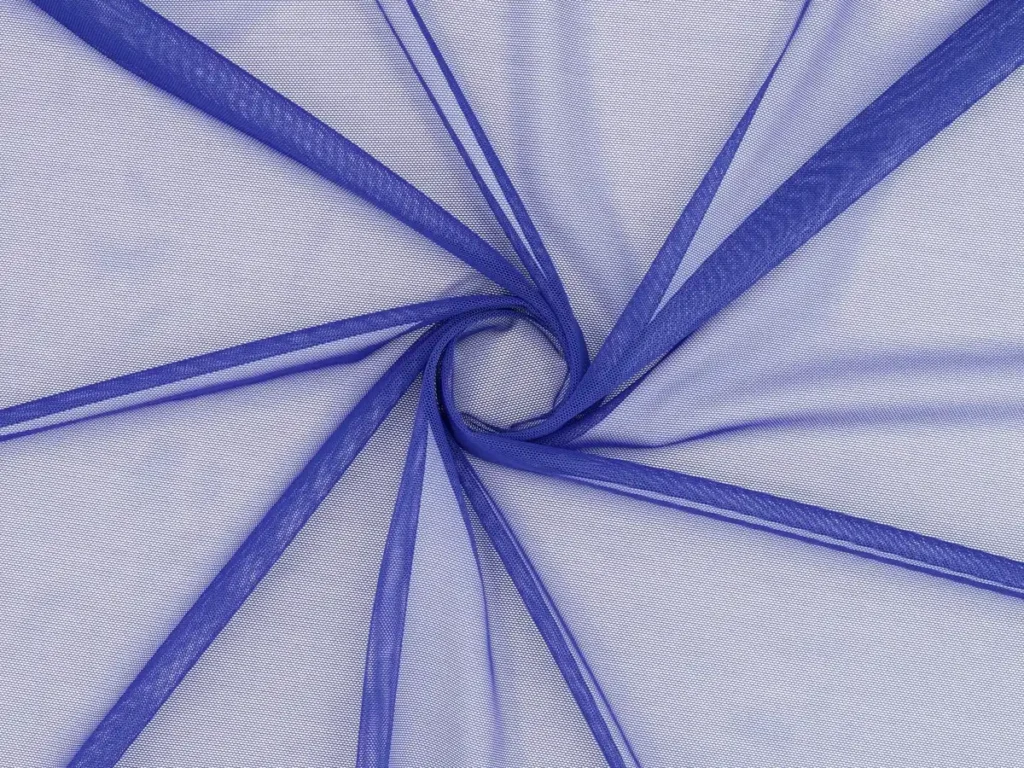
Power and Stretch Mesh
Mesh adds controlled transparency and can connect panels without visually closing the opening. Power mesh provides stronger recovery and support, while softer mesh gives a lighter appearance but may require more careful tension control. Color matching between mesh and main fabric also affects the final appearance, particularly when the design relies on an illusion-panel effect.

Stretch Satin
Stretch satin brings gloss and fluidity to club and party dresses but needs closer control around cut-out edges because surface puckering, grain direction and pressing marks can become highly visible. Pattern placement and sewing tension need to respect the satin surface. Lining may be added where the design requires more coverage or body.
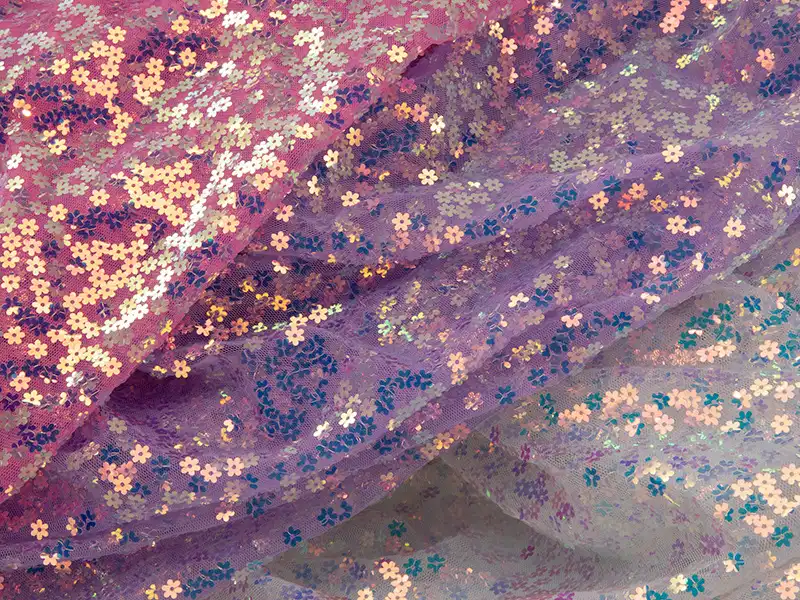
Sequin and Embellished Fabrics
Cut-outs combined with sequins, rhinestones or other embellishment create additional edge and seam challenges. Embellishment may need to be cleared from seam allowances, protected around openings or reinforced around attachment points. Packing also needs to prevent abrasive surfaces from damaging adjacent panels.
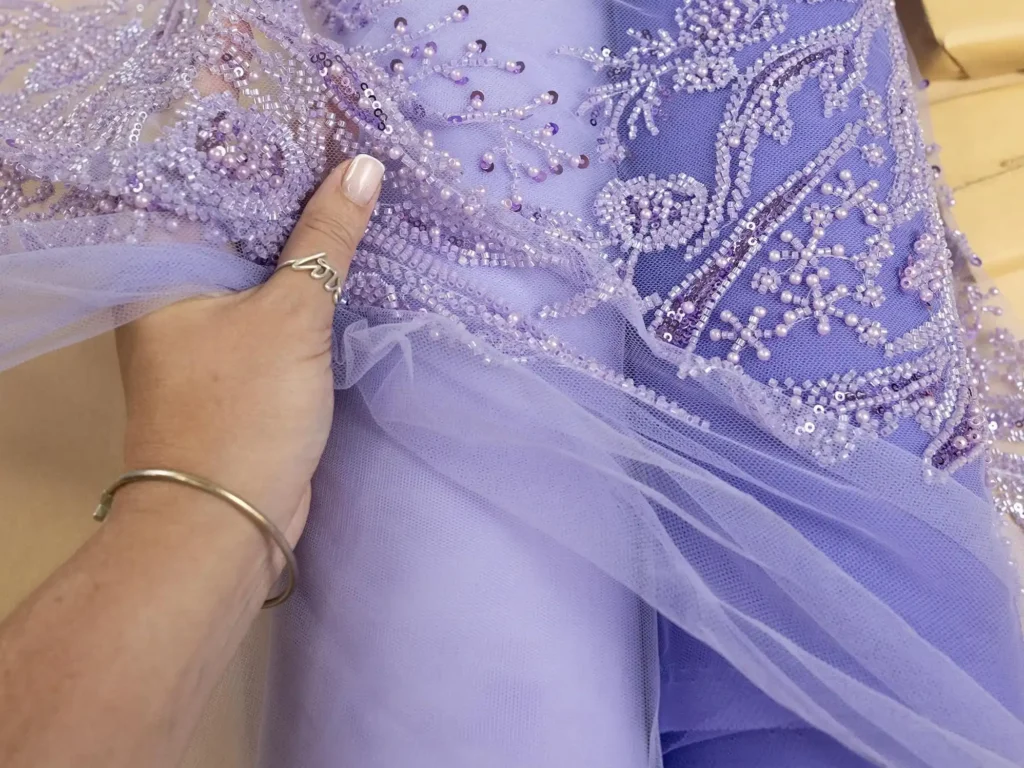
Lace and Mesh Combinations
Lace can create a softer cut-out effect through partial transparency or layered placement. Pattern positioning becomes important when the lace motif is visually prominent. Lining, mesh backing or strategically placed opaque panels can be used to control exposure without losing the intended lace effect.
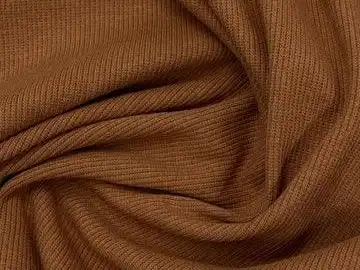
Rib and Knit Fabrics
Rib structures can provide strong stretch and a contemporary fitted look. Rib direction, recovery and edge behavior need to be considered around openings because ribs can visually exaggerate distortion when seams pull unevenly. Selected constructions may use binding, facing or stabilized edges depending on the intended finish.
Bodycon Fit Depends on Controlled Stretch and Recovery
Cut-out club dresses place unusual tension around openings because fitted areas continue to stretch while sections of fabric have been removed. Fit development therefore focuses on bust, waist and hip balance together with the behavior of each opening.
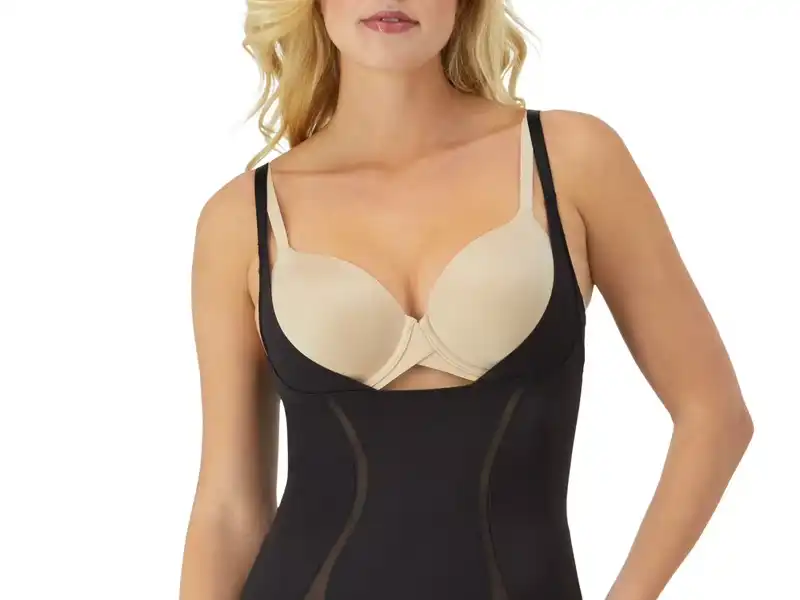
Bust Control
Bust measurements interact with neckline depth, cup position, strap tension and upper cut-out placement. A style with minimal internal support may rely heavily on fabric recovery, while a structured design can use cups, lining, elastic or boning to maintain position. Fitting comments are translated into pattern changes instead of compensating through sewing tension alone.
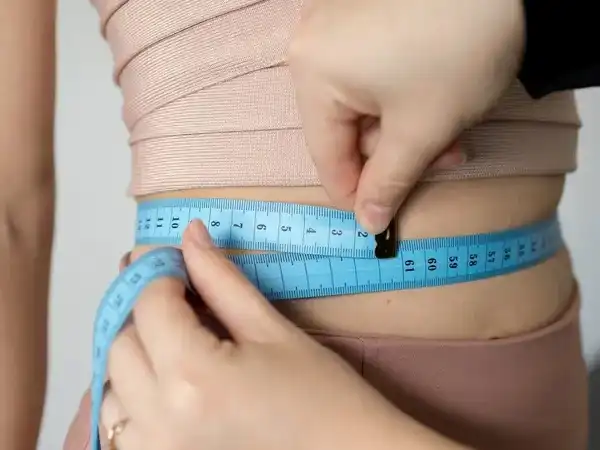
Waist Definition
Waist openings can create a strong hourglass effect when positioned correctly. Excess negative ease can pull the opening wider and make edges rotate outward. Too little shaping can leave the bodycon silhouette loose. Waist fit is therefore reviewed alongside the opening width, fabric stretch and torso length.

Hip Recovery
Hip stretch can influence side openings, skirt length and hem balance. Fitted club dresses are checked for recovery after movement because a fabric can meet initial measurements yet become longer or wider after repeated stretching. Recovery problems identified during sampling can lead to fabric changes, pattern adjustment or additional support.

Opening Stability
The finished opening should follow the approved shape without uncontrolled curling, twisting or widening. Construction can involve clean turning, binding, lining, mesh support or internal stabilization depending on fabric and design. No single edge finish is applied to every cut-out because surface, thickness and elasticity vary considerably between materials.
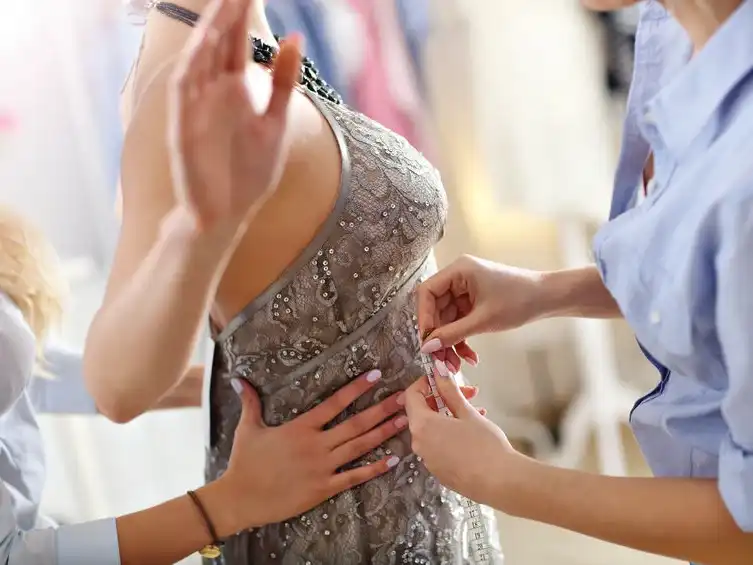
Fit Comments Become Pattern Changes
Fit feedback is recorded against measurements and garment areas. Approved changes can include bust width, waist position, hip allowance, strap length, neckline depth, cut-out width, opening height and hem balance. Final revisions are reflected in the production pattern and specification rather than left as informal sample-room instructions.
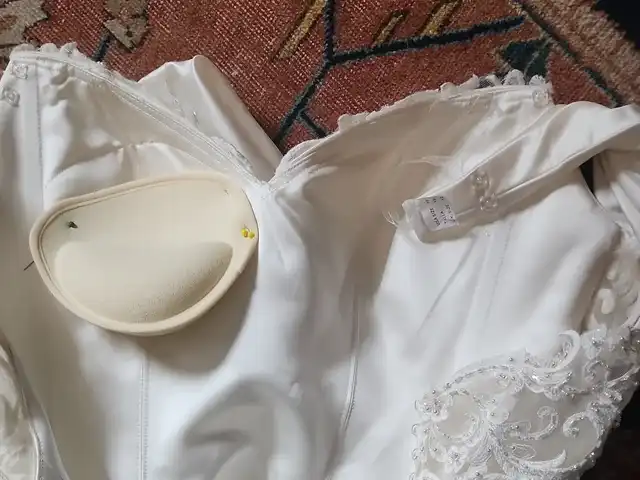
Lining, Cups and Support Control Exposure
Support construction is often hidden in product photography, yet it can determine whether a cut-out dress feels secure enough for real nightlife wear. Internal layers are chosen according to neckline, bust exposure, stretch level, garment weight and movement rather than added as a standard formula.
- Double-Layer Body Panels
Double layers can improve opacity, smooth the body and provide more stable cut-out edges. Layering also changes stretch resistance, so patterns developed for single-layer fabric should not automatically be reused when an additional layer is introduced. - Cups and Bust Support
Cup shape, size, position and attachment method are checked with the neckline and underbust cut-out. Some designs use removable or fixed cups, while others rely on fabric shaping and lining. Cup edges must remain concealed and should not distort the outer fabric. - Boning and Structured Panels
Corset-inspired cut-out dresses may use boning to stabilize the torso and maintain neckline shape. Boning placement is coordinated with seams, cups, zippers and cut-out edges. Excessive stiffness can reduce movement, while insufficient structure can allow the bodice to collapse around larger openings. - Elastic Support
Internal elastic can stabilize necklines, underbust areas, back openings and selected cut-out edges. Elastic width and tension need to match fabric behavior. Over-tension may create visible rippling; under-tension may fail to hold the opening close to the body. - Anti-Slip Solutions
Strapless or open-back styles may require anti-slip components where appropriate. Placement is reviewed against comfort, skin contact and garment weight. Support components are treated as part of the approved construction rather than added during bulk production without sample confirmation.
Hardware, Straps and Closures Need Load Control
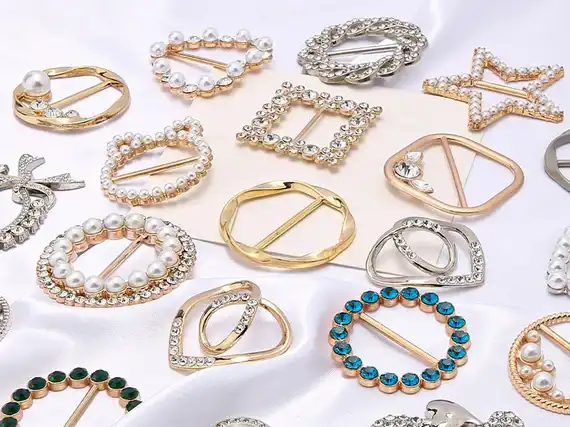
Rings and Connectors
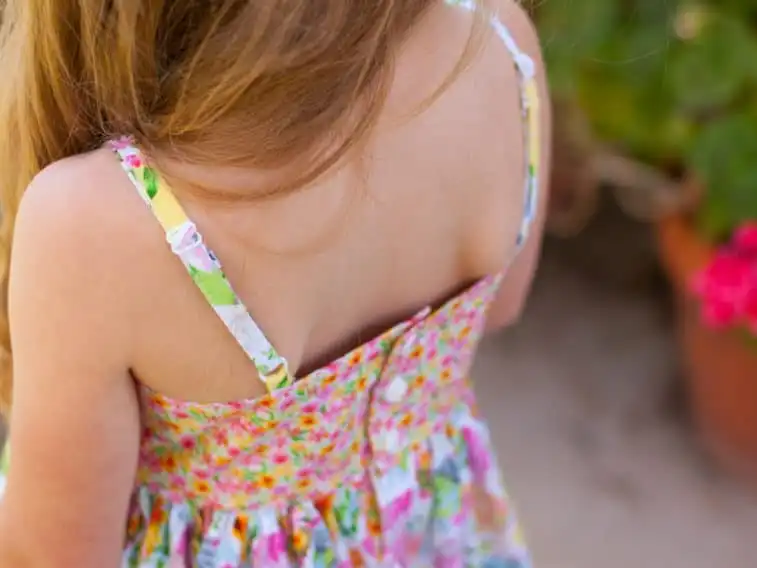
Adjustable Straps
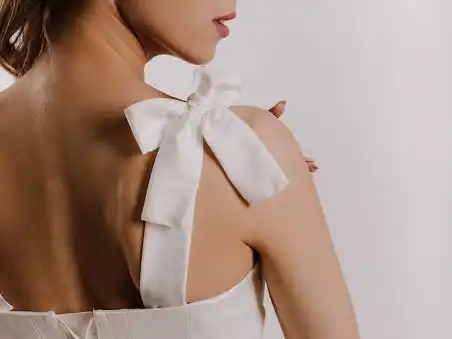
Fixed Straps
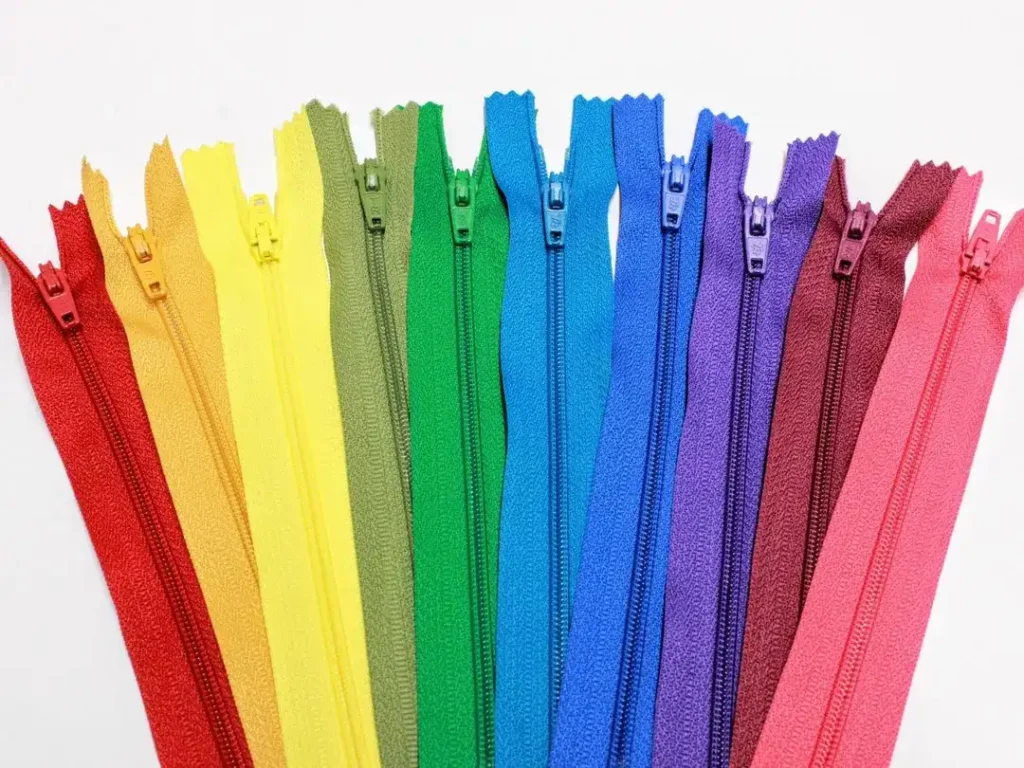
Zippers
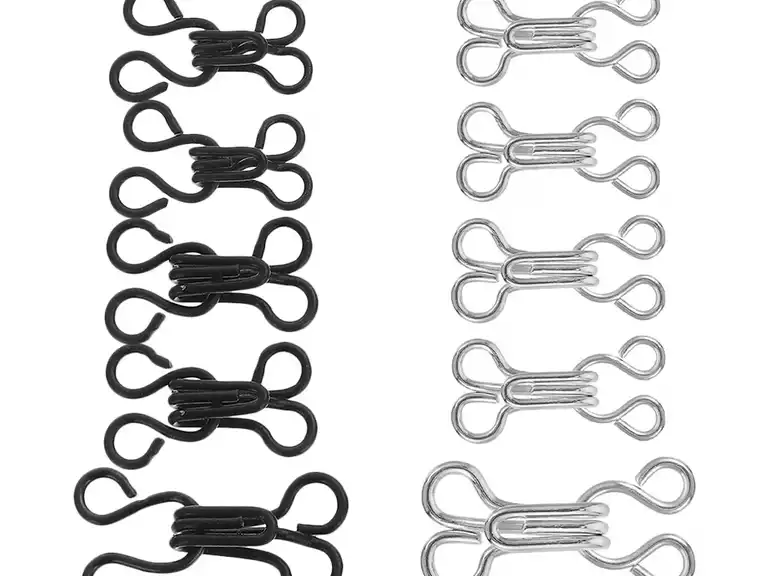
Hooks and Small Closures
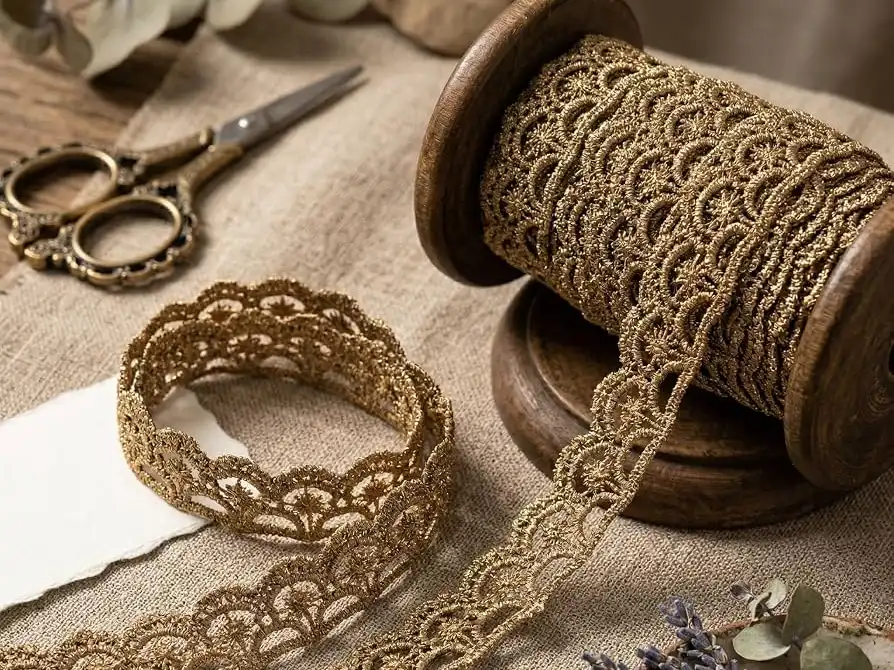
Decorative Chains and Trims
Construction Details Decide the Final Clubwear Look
A strong club dress can lose its visual impact through a rolled cut-out edge, uneven ruching, visible lining or poorly seated zipper. Workmanship standards therefore focus on the details most visible when the garment is worn closely against the body.
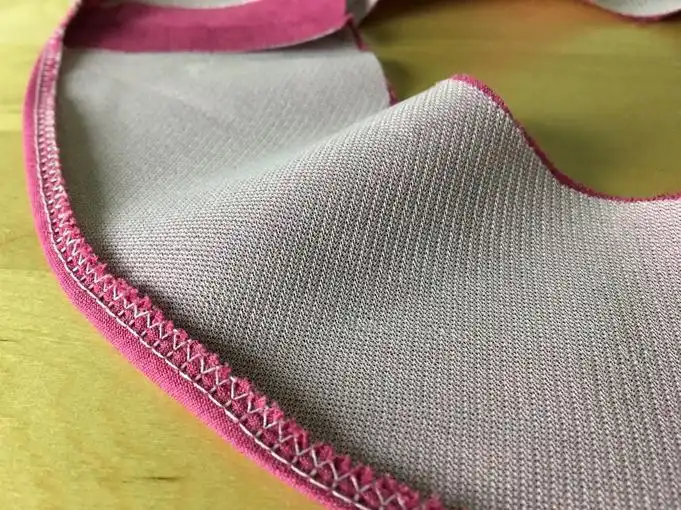
Clean Cut-Out Edges
Edge construction is selected around fabric thickness, stretch and desired appearance. Turned, bound, lined or supported openings require different sewing control. Finished edges are reviewed for rolling, twisting, stretching and visible seam allowance.
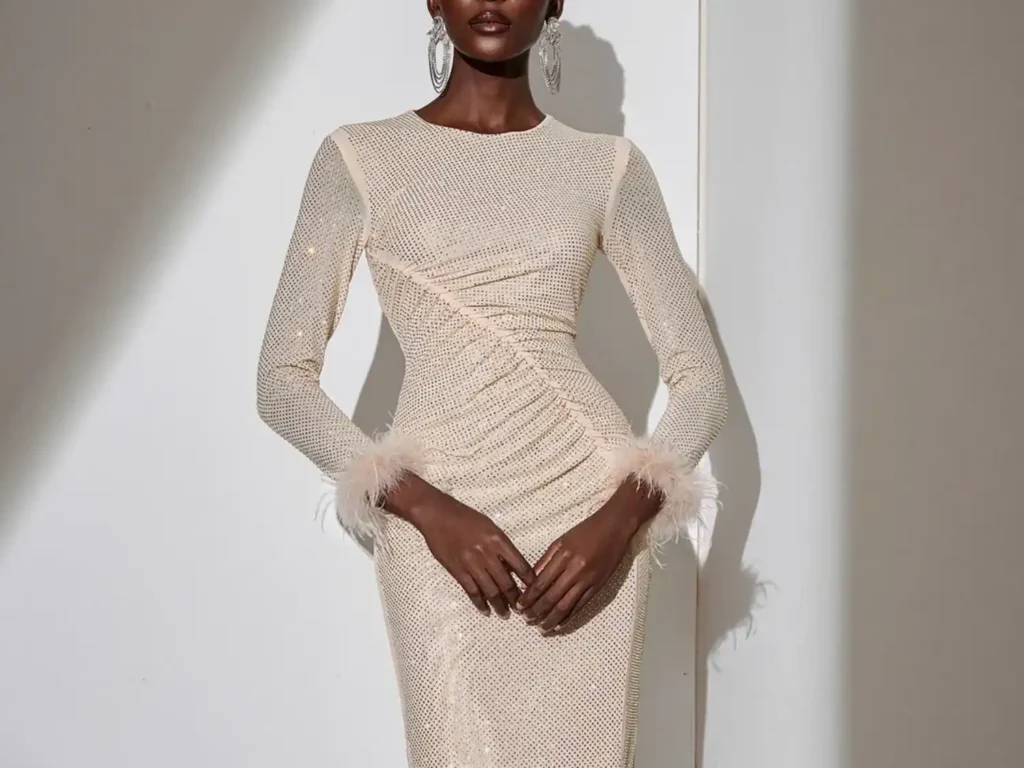
Balanced Ruching
Ruching can shape the waist and hip while adding texture around cut-outs. Gathering amount, elastic length and attachment points need to match left and right sides. Bulk checks compare the location and density of ruching against the approved sample.
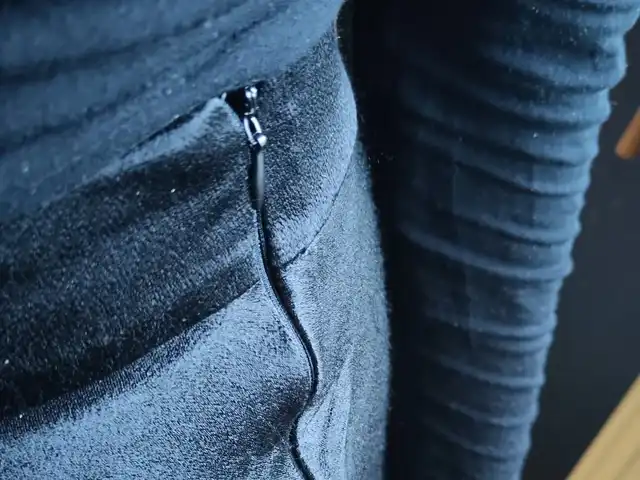
Flat Zipper Areas
A zipper placed near a fitted waist or side seam can create rippling if seam tension or zipper length is poorly controlled. Zipper panels are checked for flatness, opening function and alignment with adjoining seams.
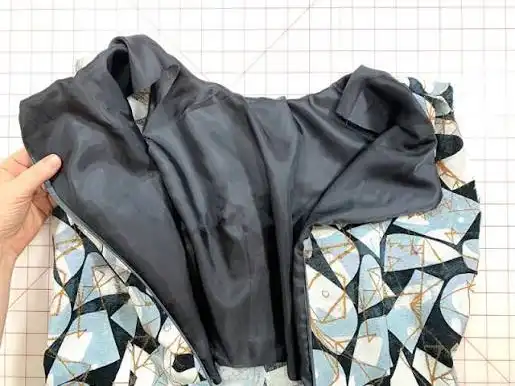
Concealed Lining
Lining should remain behind the outer garment instead of appearing through cut-out edges, armholes or neckline areas. Understitching, seam construction or internal securing methods may be used according to the design.
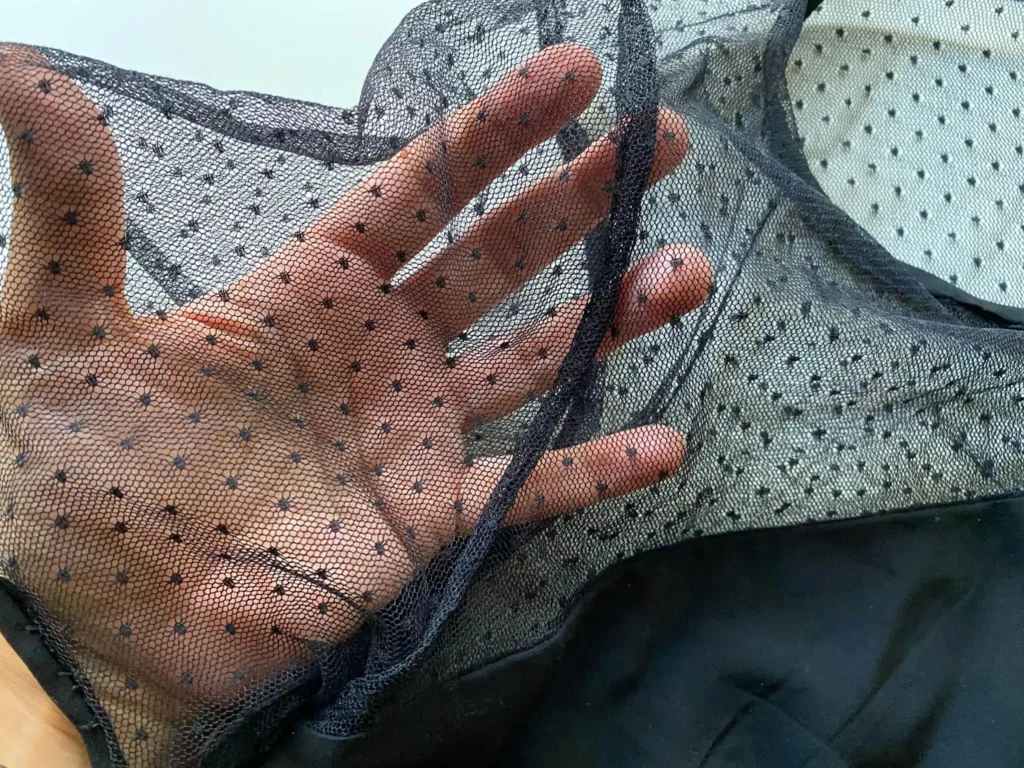
Mesh Seam Control
Transparent mesh makes seam workmanship more visible. Seam width, thread tension and panel alignment are therefore important. Handling also needs to reduce snagging and hole damage during sewing and finishing.
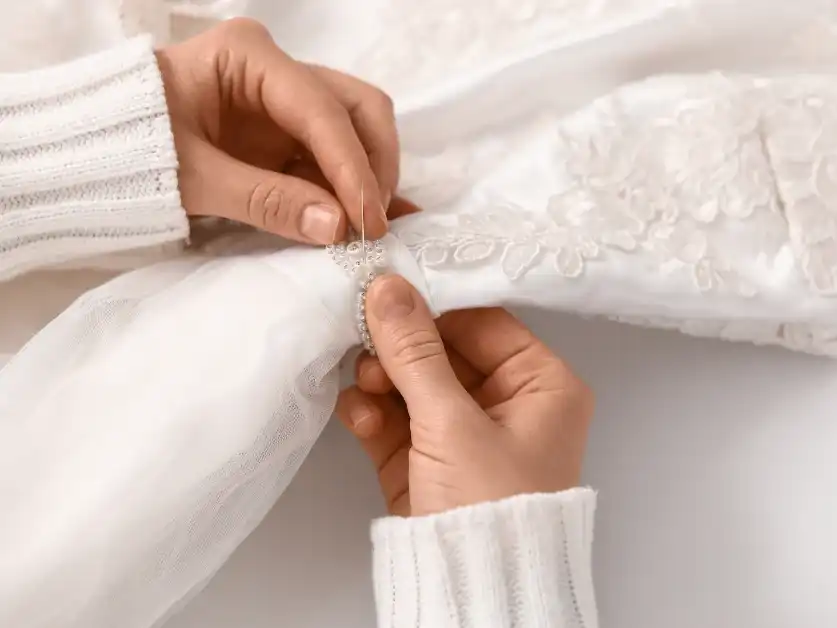
Reinforcement
Strap attachment points can carry significant tension in open-back, halter and asymmetric styles. Reinforcement is developed around fabric type and strap width without creating unnecessary visible bulk.
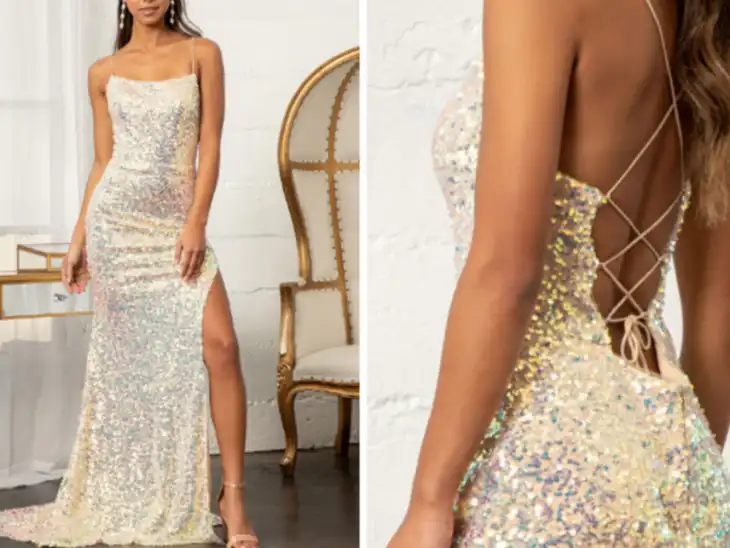
Sequin Edge Preparation
Sequin styles may require embellishment removal from seam allowances, manual correction around openings or protection around skin-contact areas. Edge preparation helps reduce scratching and excessive seam thickness.
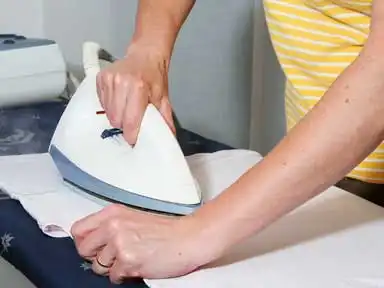
Pressing and Final Shape
Pressing must suit the fabric. Satin can show heat or pressure marks, mesh can deform, and embellished surfaces may not tolerate direct pressing. Finished garments are shaped according to material behavior rather than processed under one universal finishing method.
From Reference Style to First Sample
Reference Review
Fabric and Trim Direction
Pattern Development
Sample Construction
Initial Review
Revision Direction
Fit Revisions Are Converted Into Production Standards
A successful first sample is not the end of development. Cut-out club dresses often need fine adjustments because a small change in strap length, opening width or torso position can noticeably change appearance. Revision work needs to leave a clear technical record for PP and bulk.
Measurement Corrections
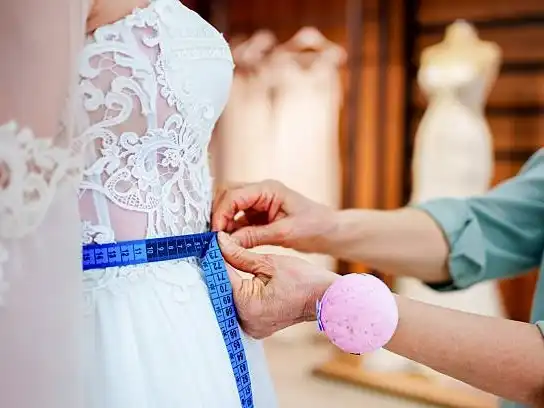
Bust, waist, hip, body length, garment length and selected opening measurements are checked against the approved specification. Changes are recorded numerically so the next sample can be compared against the previous version.
Cut-Out Position Corrections
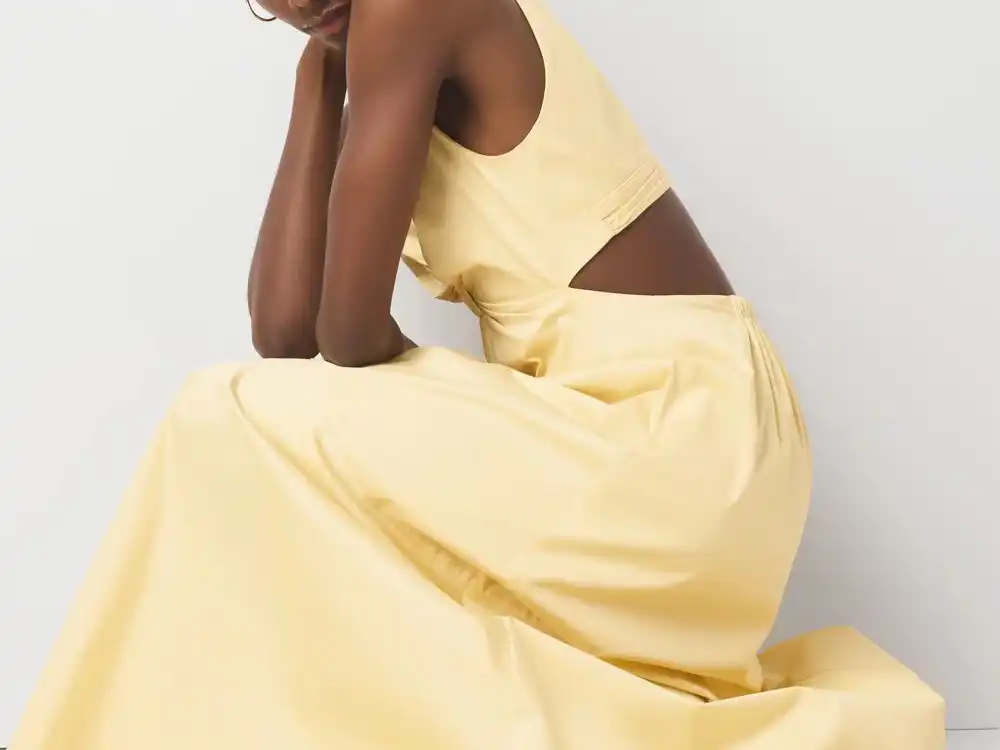
Opening width, height and body position can be revised independently. Moving the entire cut-out may be more appropriate than making it larger or smaller when the original position does not align correctly with the body.
Strap Adjustments
Cross straps, halter ties and fixed shoulder straps affect neckline height and exposure. Strap revisions are therefore evaluated together with the neckline and opening rather than treated as an isolated trim change.

Support Revisions
Cup position, internal elastic, lining or boning can be revised if the dress moves excessively or lacks adequate support. Construction changes are documented so the approved internal structure reaches bulk production accurately.

Material Corrections
Poor recovery, excessive transparency or unsuitable surface behavior may require a fabric change. Material changes can affect pattern fit, so a new fabric should not automatically be substituted after sample approval without reassessing relevant measurements.

Revised Sample Approval
Once revisions are accepted, approved measurements, pattern information, fabric references, trim details and workmanship instructions are consolidated for PP preparation. Jinfeng’s development system can transfer approved information into updated patterns, specifications, BOM details and QC references rather than relying on verbal sample-room memory.
Size Grading Must Preserve Cut-Out Proportion
Bust and Neckline
Waist Position
Hip and Side Openings
Strap Length
Opening Dimensions
Bulk Measurement Control
PP Approval Locks the Sample-to-Bulk Standard
Pre-production approval creates a controlled reference before cutting begins. Fabric, color, trim, measurements, construction, labels and packing information should be aligned before production teams receive the final order standard.
Fabric and Color
Pattern and Measurements
Cut-Out Construction
Trim and Hardware
Packing Standard
QC Reference

Bulk Production for Multi-Style Clubwear Programs
A mature clubwear order often combines easy stretch minis with higher-complexity mesh, hardware, corset, satin or sequin styles. Production planning therefore considers construction level, material readiness, quantities and delivery priorities before factory and line allocation.
Jinfeng Apparel operates 6 owned women’s fashion factories, works with 10+ long-term satellite production partners, and maintains 18+ sewing lines plus 6+ flexible production lines. Regular monthly womenswear capacity is 100,000+ pieces, subject to style complexity, fabric type, order structure and confirmed schedule.
- Style Grouping
Styles with similar fabrics or sewing methods can be grouped where suitable, while highly structured or embellished dresses may require different line arrangements. - Material Readiness
Cutting does not solve missing trims or late special fabrics. Production planning checks main fabric, lining, mesh, rings, zippers, labels and packing materials against the confirmed release schedule. - Cutting Control
Stretch direction, fabric face, grain, sequin placement, lace positioning and panel orientation are considered according to the approved construction. - Sewing Coordination
Line instructions highlight cut-out edges, support structures, straps, hardware, zipper areas and other style-specific points instead of treating every dress as a generic knit garment. - Inline QC
Measurement and construction issues are identified while production is still running. Early detection reduces the risk of repeating the same defect across a larger quantity. - Finishing and Packing
Pressing, appearance checks, label confirmation, SKU identification and carton preparation follow the approved order standard before shipment release.
Cut-Out Club Dress Quality Control
Quality inspection needs to follow the risks built into the garment. A cut-out dress can pass a basic seam check and still fail commercially because an opening is asymmetric, a strap is too long, the lining shows or the fabric no longer recovers after stretching.
- Cut-Out Placement: Inspectors compare opening position and visual balance against the approved reference. Symmetric styles are checked for left-right consistency, while asymmetric styles are checked against intended placement.
- Opening Shape: Edges are checked for rolling, stretching, twisting, rippling and unwanted deformation. Particular attention is given to highly elastic fabrics and large openings carrying body tension.
- Bust, Waist and Hip: Key measurements are checked against approved specifications and tolerances. Bodycon styles receive additional attention where measurement differences can noticeably alter fit.
- Strap Length and Position: Fixed straps, cross straps and halter elements are checked for length and attachment position. Incorrect strap dimensions can shift the neckline or expose more skin than intended.
- Mesh Condition: Transparent panels are checked for holes, runs, seam damage and unacceptable distortion. Mesh color and transparency are also reviewed against the approved material.
- Hardware Security: Rings, sliders, hooks and decorative components are inspected for position, attachment, operation, surface defects and sharp edges.
- Zipper Area: Zippers are opened and closed and checked for seam flatness, alignment and surrounding fabric distortion.
- Lining and Support: Lining should remain controlled behind the outer garment. Cups, elastic and other support components are checked against the approved construction.
- Ruching and Decorative Details: Gathering position, symmetry, sequin condition and other visible details are compared against the approved garment.
- Finished Appearance: Pressing, surface condition, hem balance, labels, folding, polybagging and packing are inspected before shipment preparation.
Multi-Style Cut-Out Clubwear Program
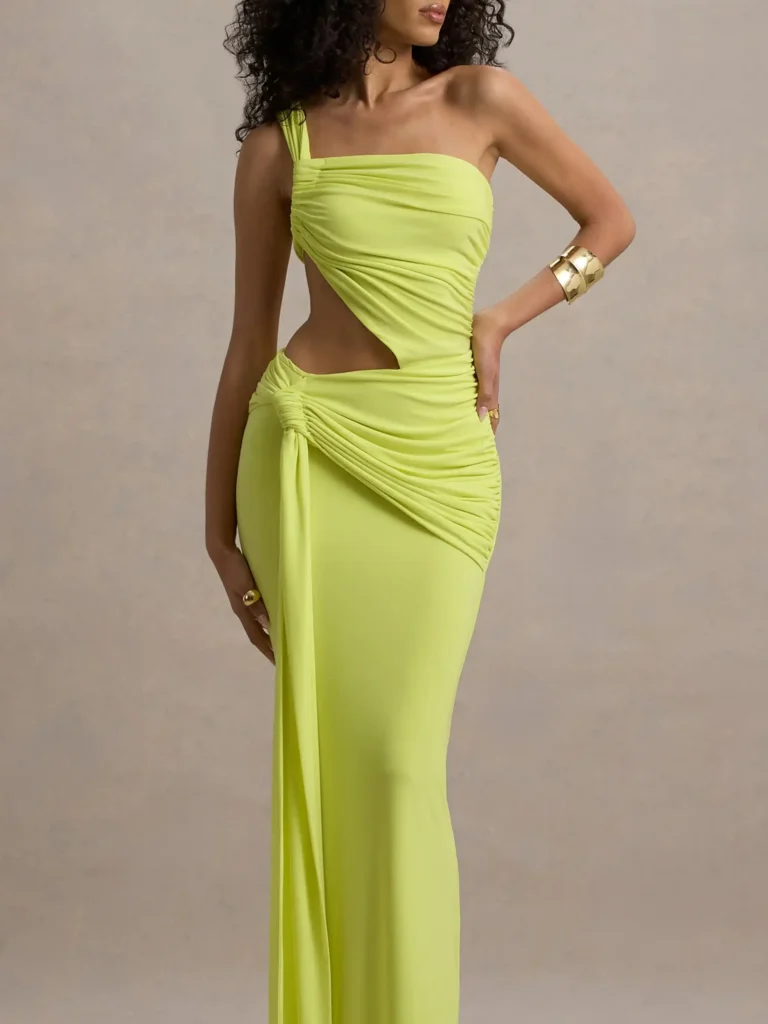
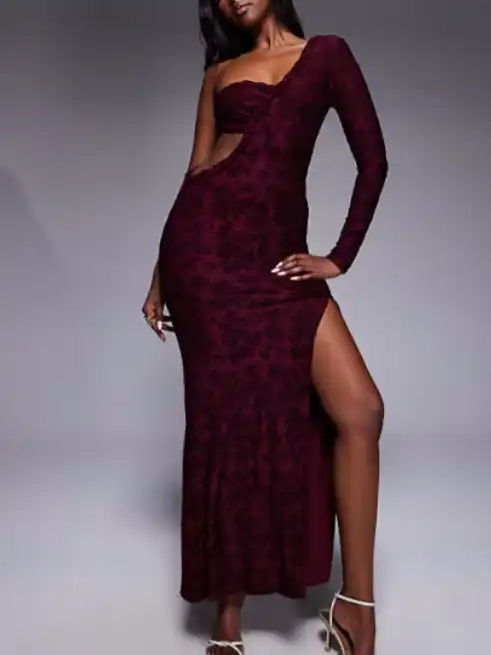
A representative clubwear program within our current order structure shows how development changes when a collection contains multiple cut-out constructions rather than one repeated basic dress.
- Program Scope:The program covered 18 styles and approximately 36,000 pieces across a mixed clubwear assortment. Style groups included stretch bodycon minis, mesh-panel cut-outs, asymmetric designs, ring-detail styles, ruched dresses, sequin styles and corset-supported silhouettes. Quantities were planned by style and color rather than forcing every SKU into an identical production allocation.
- Development Challenges:Several visual references contained openings whose finished dimensions could not be determined accurately from imagery alone. During sampling, the team concentrated on opening position, bust-to-waist balance, strap tension, transparency and internal support. A mesh combination also required greater recovery than the first material direction provided, while a hardware style needed stronger reinforcement around its connecting ring.
- Sample Corrections:Fit comments were converted into pattern and construction updates. Selected waist openings were repositioned rather than simply reduced in size. Strap lengths were adjusted on cross-back designs. Internal support was revised on structured styles. Mesh and lining combinations were checked again after material changes so the final pattern reflected bulk fabric behavior.
- PP and Bulk Transfer:Approved patterns, measurements, material references, hardware specifications, labels and packing information were consolidated before bulk release. Higher-complexity styles were separated from simpler stretch minis during production planning so sewing requirements and QC checkpoints could follow the actual construction.
- QC Priorities:Bulk checks concentrated on cut-out symmetry, opening deformation, strap length, ring attachment, mesh damage, zipper flatness, body measurements, lining exposure and finished appearance. Packaging requirements were connected to SKU and style information for warehouse handling.
- Collection-Level Result:The value of the workflow was not simply completing 18 different designs. The program created a consistent reference system across styles so revised patterns, materials, trims, measurements and QC expectations could remain usable for repeat orders and future color or fabric developments.
Private Label, Compliance and Retail-Ready Packing
Brand Labels
Hangtags and Accessories
Barcode and SKU Labels
Polybags and Cartons
Fabric Documentation
OEKO-TEX?, GRS, GOTS or organic-related fabric resources may be available through relevant suppliers, batches or projects. Certification scope must be confirmed for the actual material rather than assumed across every fabric.
Testing and Inspection Support
MOQ, Cost and Production Planning Variables
Cut-out club dress pricing depends on more than garment length. Material, lining, support structure, hardware, embellishment, sewing time, packing and testing can change both cost and production planning. Jinfeng Apparel’s standard starting point is 200 pieces per style/color, while special fabrics, custom colors, custom trims, certified materials and special packaging may carry separate supplier minimums.
| Production Variable | Typical Choice | Manufacturing Impact |
|---|---|---|
| Main Fabric | Stock stretch / sourced fabric / special development | Changes material cost, availability, recovery and supplier minimums |
| Cut-Out Structure | Simple waist / bust / asymmetric / multi-panel | Changes pattern work, sewing time and fit-control requirements |
| Mesh | Single layer / double layer / support mesh | Changes transparency, stretch behavior and construction time |
| Lining | Partial / full / double-layer body | Changes opacity, fit, labor and fabric consumption |
| Bust Support | None / cup / elastic / boning | Changes pattern development, components and assembly time |
| Hardware | Standard ring / slider / custom component | Changes sourcing, reinforcement, minimums and lead time |
| Surface Detail | Plain / ruching / sequin / rhinestone | Changes labor, handling, QC and packing protection |
| Labels | Standard brand set / extended retail labels | Changes sourcing and packing workflow |
| Packaging | Standard polybag / custom retail packing | Changes material minimums and warehouse preparation |
| Testing | Basic internal checks / specified third-party testing | Changes documentation, schedule and external service cost |
Repeat Orders Keep Approved Product Data Usable
Pattern Records
Measurement Records
Fabric References
Trim Records
Golden Sample Reference
QC and Packing Records
Cut-Out Club Dresses Frequently Asked Questions
Yes. A reference image can be used to establish silhouette and design direction. Development still requires decisions around measurements, cut-out dimensions, fabric, lining, support, trims and construction because many of those details are not visible in photography. A tech pack or original sample can provide additional accuracy where available.
Stretch jersey, double-layer stretch fabrics, selected knits, power mesh, soft mesh and stretch satin can all be used depending on silhouette. Fabric selection should consider stretch direction, recovery, weight, transparency, drape and edge behavior rather than relying only on fiber composition.
The solution depends on the fabric and opening. Pattern tension, lining, binding, clean turning, internal support, elastic or other stabilization methods may be used. Sampling is important because an edge construction suitable for stretch jersey may not perform the same way on satin, mesh or rib knit.
Yes. Transparent or skin-tone mesh can connect panels while maintaining an open visual effect. Mesh transparency, color, stretch and seam position need to match the design. Stronger power mesh and softer fashion mesh create different levels of support and visibility.
Yes, when the design requires structured bust or torso support. Cups, boning, lining and internal elastic are developed together with neckline and cut-out placement. Support construction should be approved during sampling before bulk production.
The opening is graded with the surrounding bust, waist, hip, torso and strap measurements. Proportion is considered so larger sizes do not automatically receive an uncontrolled increase in exposed area. Final grading follows the approved brand size chart and design direction.
Yes. Standard or project-specific rings, sliders, buckles, zippers and related trims can be sourced according to design, finish and supplier availability. Custom hardware may carry additional development time or supplier minimums.
The standard starting point is 200 pieces per style/color. A style produced in multiple colors is normally planned by quantity per color. Special fabric development, custom dyeing, custom trims, certified fabrics or special packaging can introduce separate supplier minimums.
Medium-complex dress samples may commonly require around 12–18 days, while corset, mesh, sequin or more complex constructions may require around 15–25 days. Custom fabrics or special trims can extend development. Timing is confirmed according to the actual style and material situation rather than treated as a fixed guarantee.
NDA-based cooperation is available. Protection can cover tech packs, patterns, original samples, unreleased styles, label artwork, packaging details and relevant commercial information. Client identities and unpublished cases are not disclosed without authorization.

Develop Your Next Cut-Out Clubwear Collection
Cut-out club dresses need a manufacturing plan built around the actual design: opening placement, stretch and recovery, bust support, mesh transparency, lining, straps, hardware, workmanship, grading and bulk consistency. Jinfeng Apparel can review individual hero styles or multi-style clubwear programs and convert approved development work into documented production standards.
For an initial review, send the information already available. A complete tech pack is useful but not required for the first discussion.
- Reference image, sketch, original sample or tech pack
- Planned number of styles
- Quantity by style and color
- Preferred fabric or performance direction
- Colorways
- Brand size chart or intended size range
- Cut-out, mesh, corset or hardware details
- Main label and private-label requirements
- Barcode, polybag and carton requirements
- Target launch or delivery window
- Testing or inspection requirements
- Any fit or quality problem from previous production