 Skip to content
Custom Ruched Mini Dress Factory
Jinfeng Apparel manufactures custom ruched mini dresses for fashion brands that need strong fit control, stretch fabric expertise, fast sample development, and stable bulk production. From bodycon silhouettes and mesh party dresses to satin, velvet, cut-out, and lined ruched mini dresses, our team helps brands turn trend-driven designs into consistent, production-ready garments for repeat sales.
- Specializing in the creation of pleated mini-dresses for womenswear brands since 2008
- Extensive expertise in manufacturing dresses made from stretch mesh, satin, velvet, and bodycon fabrics
- Supported by a team of 7 senior pattern makers dedicated to the development of perfectly fitted pleated dresses
- Reliable mass production capabilities for custom bodycon and party mini-dresses
- Rapid sample development—producing new pleated mini-dress prototypes within 5–7 days
Built For Modern Ruched Mini Dress Collections
Jinfeng supports fashion brands that require stable fit control, stretch fabric handling, fast sample development, and reliable bulk production for ruched mini dress collections across online fashion, boutique retail, and trend-driven seasonal programs.
Trend-Driven Women’s Fashion Brands
Boutique And Online Fashion Labels
Partywear And Occasionwear Collections
Established Fashion Companies With Repeat Programs
Design Challenges Of Pleated Mini-Dresses
Balancing Ruching And Body Proportion
Stretch Recovery And Fit Stability
Neckline And Support Construction
Layer Compatibility And Opacity
Cutout And Drawstring Engineering

Custom Ruched Mini Dress Styles

Halter Ruched Mini Dresses
Halter ruched mini dresses are popular in vacation fashion, nightlife collections, and summer social media campaigns. These styles focus heavily on neckline balance, upper body support, and secure ruching around the waist and hip area. Stretch jersey, mesh, and satin blends are commonly used depending on the target price point and silhouette direction.
Manufacturing Focus: Neckline stability, bust support, side ruching balance, stretch recovery
Commonly Used For: Vacation Drops, Clubwear, Summer Collections

Off Shoulder Ruched Mini Dresses
Off shoulder ruched mini dresses create a feminine silhouette suitable for partywear, birthday outfits, and boutique fashion programs. The neckline structure must stay stable while allowing movement and comfort. Elastic tension, sleeve positioning, and body fit are important during development and bulk production.
Manufacturing Focus: Elastic tension, neckline stability, shoulder balance, body shaping
Commonly Used For: Boutique Fashion, Eventwear, Date-Night Collections

Long Sleeve Ruched Mini Dresses
Long sleeve ruched mini dresses work well for fall fashion, holiday collections, and eveningwear programs. These dresses usually combine fitted silhouettes with stretch fabrics for a sculpted appearance. Sleeve flexibility, ruching consistency, and mini length balance are important for both comfort and visual proportion.
Manufacturing Focus: Sleeve mobility, stretch control, seam tension, fit balance
Commonly Used For: Holiday Fashion, Eveningwear, Seasonal Drops

Side Ruched Mini Dresses
Side ruched mini dresses are one of the strongest commercial styles in modern women’s fashion because side gathering creates a slimmer and more flattering silhouette. These dresses are commonly produced in bodycon jersey, mesh, and sculpt fabrics. Consistent gathering ratio is critical during bulk production.
Manufacturing Focus: Gathering consistency, seam stability, fit shaping, recovery control
Commonly Used For: Social Commerce Fashion, Partywear, Repeat Bestsellers

Asymmetrical Ruched Mini Dresses
Asymmetrical ruched mini dresses combine uneven ruching lines, angled hems, or one-sided gathering to create a stronger visual effect. These styles are popular in trend-focused collections and influencer-led fashion campaigns. Pattern balance and seam alignment are especially important because asymmetrical construction increases development difficulty.
Manufacturing Focus: Pattern balance, asymmetrical structure, fit tension, drape control
Commonly Used For: Trend Collections, Influencer Fashion, Statement Styles

Bodycon Ruched Mini Dresses
Bodycon ruched mini dresses remain one of the most consistent categories for nightlife, partywear, and online fashion collections. These dresses depend heavily on stretch recovery, body shaping, and lining compatibility. Jersey, nylon-spandex, and power mesh fabrics are commonly used for stronger contour effects.
Manufacturing Focus: Compression balance, stretch recovery, lining support, silhouette shaping
Commonly Used For: Clubwear, Sculpt Fashion, DTC Fashion Collections

Satin Ruched Mini Dresses
Satin ruched mini dresses support a more polished and elevated appearance for occasionwear and holiday fashion programs. Satin surfaces create stronger visual value but require careful handling during sewing and pressing. Puckering prevention and ruching placement are important during development.
Manufacturing Focus: Surface smoothness, seam control, lining compatibility, pressing stability
Commonly Used For: Cocktail Fashion, Holiday Drops, Occasionwear

Mesh Ruched Mini Dresses
Mesh ruched mini dresses are widely used in nightlife and social media fashion because layered mesh creates a sheer and body-contouring effect. These dresses often include lining or double-layer construction to improve opacity and comfort. Mesh tension must remain stable throughout production.
Manufacturing Focus: Layer compatibility, transparency control, mesh tension, recovery balance
Commonly Used For: Clubwear, Vacation Fashion, Influencer Collections

Cutout Ruched Mini Dresses
Cutout ruched mini dresses combine body shaping with exposed waist, shoulder, or back details for stronger visual impact. These styles require reinforced construction because cutout areas experience more tension during wear. Stretch fabrics with strong recovery are commonly preferred for this category.
Manufacturing Focus: Cutout reinforcement, elastic stability, seam durability, fit security
Commonly Used For: Sexy Fashion, Partywear, Social Media Campaigns
Ruching Structure And Gathering Control
Ruched mini dresses depend heavily on gathering structure, stretch behavior, and fabric distribution across the body. Well-controlled ruching improves silhouette shaping, creates a more flattering fit, and increases the perceived value of fashion collections. Poor ruching control can cause twisting, uneven tension, unstable garment length, and inconsistent appearance between samples and bulk production.
Side Ruching Ratio Control
Side ruching is one of the most commercially successful constructions for bodycon and partywear mini dresses because it visually shapes the waist and hip line. Most side ruched dresses use gathering ratios between approximately 1.3:1 and 1.8:1 depending on fabric stretch, dress length, and target silhouette. Lower ratios create softer shaping, while higher ratios produce a more compressed and sculpted effect.
Jinfeng’s pattern development team adjusts ruching density according to fabric GSM, stretch recovery, and size grading to help maintain a balanced appearance across XS–XL production ranges.
- Gathering ratio consistency
- Side seam stability
- Stretch recovery balance
- Mini length control

Front And Waist Ruching Engineering
Front ruching and waist gathering are commonly used to improve body shaping while reducing visible tension across the abdomen and waist area. These structures are popular in social commerce fashion, boutique partywear, and fitted occasionwear collections because they create a more flattering silhouette in both photos and real wear.
The placement of gathering lines must follow the intended body contour. Incorrect tension or uneven spacing can distort the garment shape during sewing or after washing. Stretch jersey, mesh, and nylon-spandex fabrics usually perform best because they maintain smoother gathering distribution during movement.
- Waist shaping balance
- Front drape consistency
- Tension distribution
- Recovery after wear

Full Ruched And High-Density Gathering Structures
Full ruched mini dresses use gathering across multiple body panels to create a more dramatic texture and sculpted visual effect. These styles are often seen in nightlife, birthday, holiday, and influencer-focused collections where visual impact is especially important. High-density ruching can improve body contour appearance, but it also increases sewing difficulty and production risk.
The factory must control panel alignment, elastic tension, fabric bulk, and seam flexibility during construction. Jinfeng’s experience in fitted dresses and stretch fabric handling helps reduce common production problems such as uneven ruching, twisted seams, and unstable fit shaping in bulk production.
- Panel alignment
- Elastic tension stability
- Seam flexibility
- Bulk appearance consistency

Drawstring And Adjustable Gathering Systems
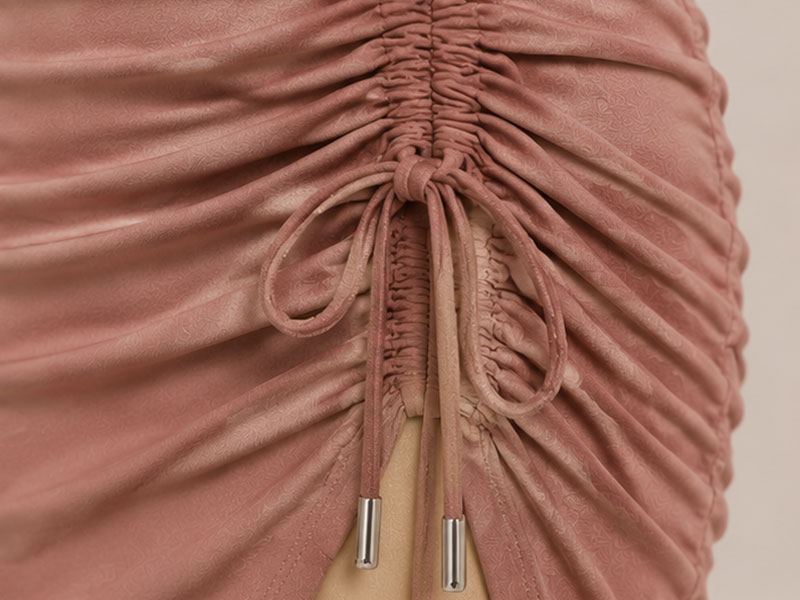
Drawstring ruching systems allow customers to adjust skirt length, side gathering, or body fit according to styling preference. This construction is widely used in trendy women’s fashion because it creates multiple wearing options within a single garment. However, adjustable ruching also creates additional engineering requirements during development.
The tunnel width, drawcord length, fabric recovery, and reinforcement around the drawstring opening must work together to maintain smooth movement and stable shaping. During sample development, Jinfeng tests adjustable ruching structures to improve durability and maintain a balanced appearance after repeated wear and adjustment.
- Drawcord durability
- Tunnel construction
- Adjustable tension balance
- Repeated wear stability
Fabrics That Shape Better Dresses
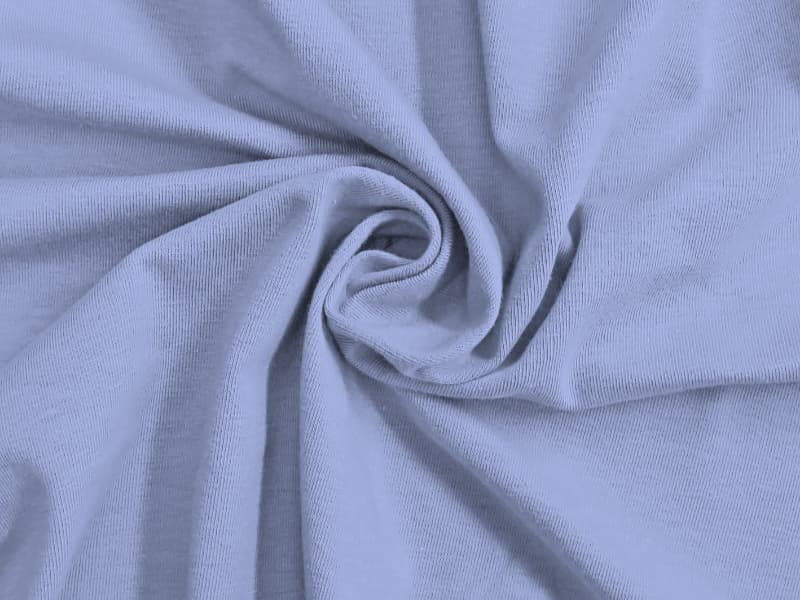
Jersey Fabric
- Typical GSM: 180–280 GSM
- Manufacturing Focus: Stretch recovery, drape balance, opacity control, seam flexibility
- Commonly Used For: Bodycon Dresses, Daily Fashion, Trend Collections
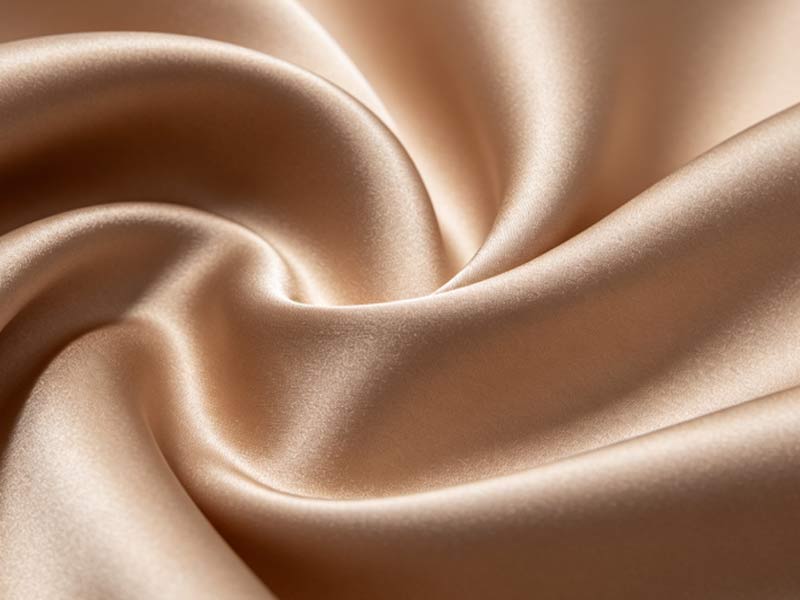
Satin Fabric
- Typical GSM: 90–160 GSM
- Manufacturing Focus: Surface smoothness, puckering control, drape consistency, lining support
- Commonly Used For: Cocktail Dresses, Holiday Fashion, Eveningwear
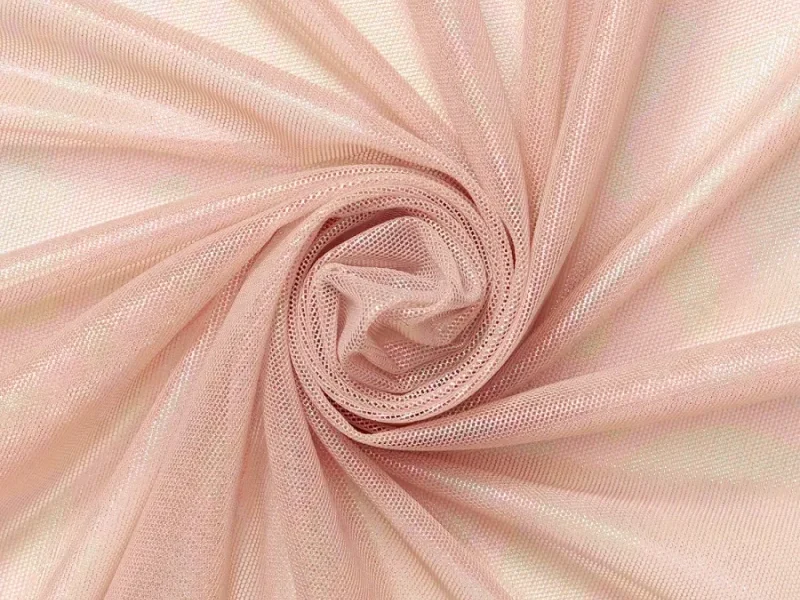
Mesh And Tulle Fabric
- Typical GSM: 70–130 GSM
- Recommended Lining GSM: 120–200 GSM
- Manufacturing Focus: Layer compatibility, transparency control, stretch stability, seam tension
- Commonly Used For: Partywear, Vacation Fashion, Clubwear
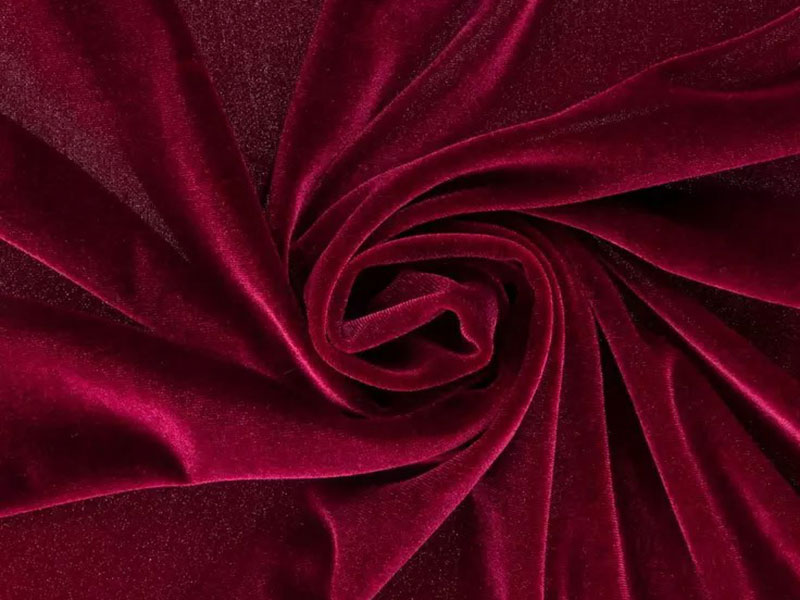
Velvet Fabric
- Typical GSM: 220–320 GSM
- Manufacturing Focus: Nap consistency, seam bulk, stretch recovery, surface protection
- Commonly Used For: Holiday Collections, Evening Fashion, Premium Boutique Styles
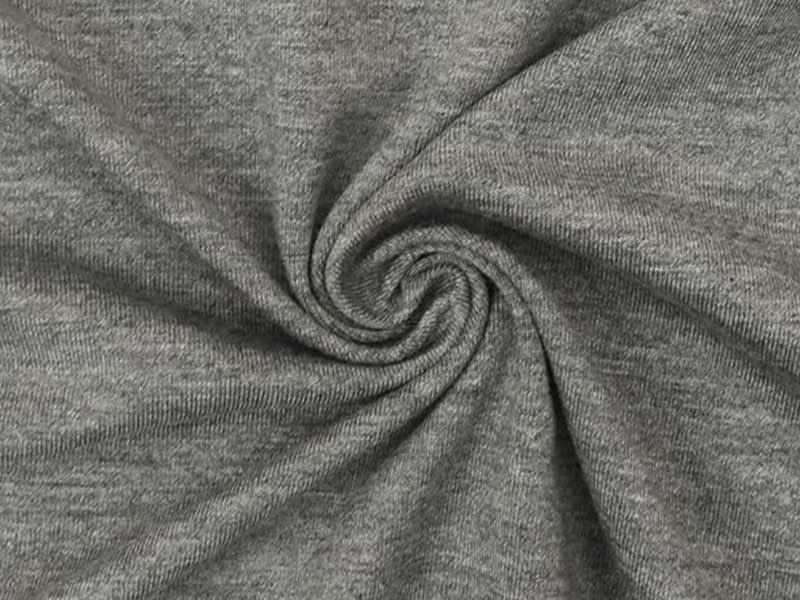
Spandex And Elastane Blend Fabric
- Typical GSM: 180–260 GSM
- Typical Elastane Content: 5–12%
- Manufacturing Focus: Compression balance, recovery performance, fit shaping, durability
- Commonly Used For: Sculpt Dresses, Bodycon Fashion, Stretch Partywear

Ribbed Knit Fabric
- Typical GSM: 220–340 GSM
- Manufacturing Focus: Rib direction, stretch balance, seam alignment, fabric recovery
- Commonly Used For: Street Fashion, Casual Sexy Styles, DTC Collections
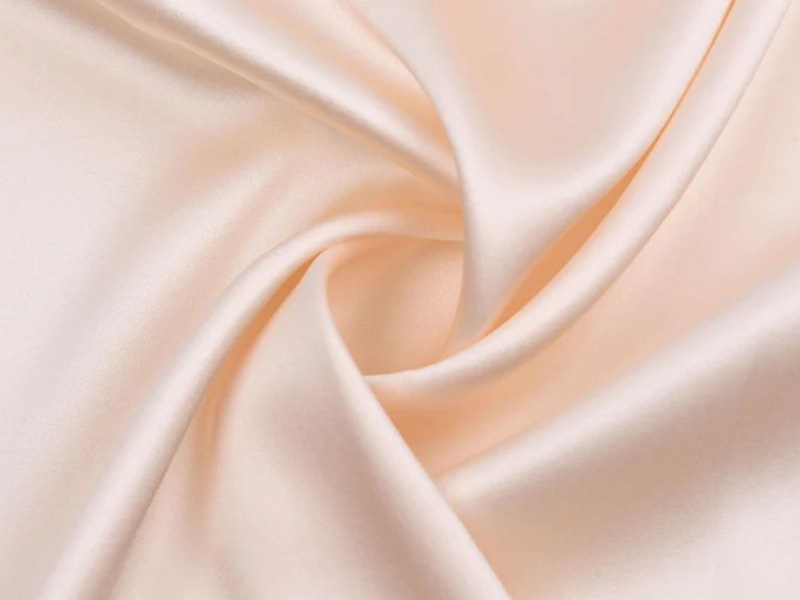
Silk Satin Fabric
- Typical Weight: 16–30 Momme Equivalent
- Manufacturing Focus: Delicate fabric handling, drape control, seam smoothness, luxury finish
- Commonly Used For: Premium Occasionwear, Luxury Boutique Fashion, Evening Dresses
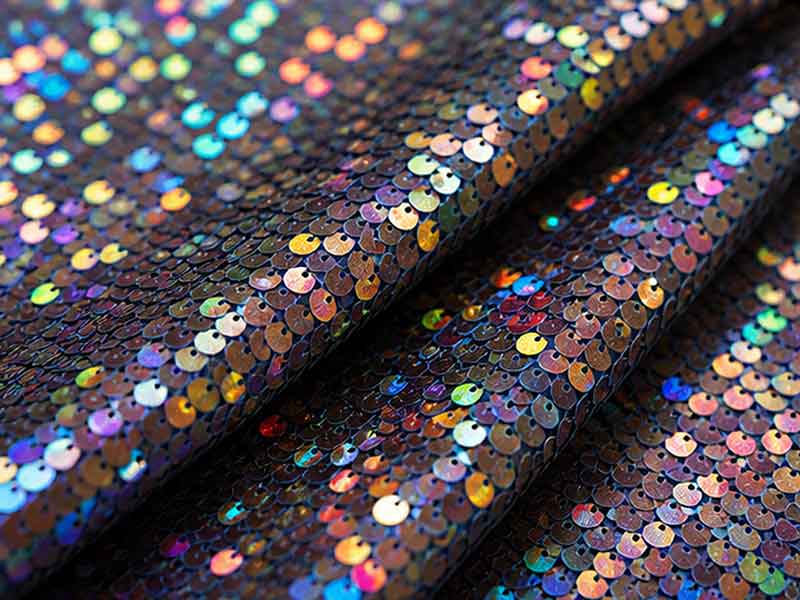
Sequined Fabric
- Typical GSM: 180–260 GSM
- Manufacturing Focus: Sequin stability, lining comfort, seam reinforcement, flexibility balance
- Commonly Used For: Birthday Dresses, Holiday Fashion, Statement Partywear

Cotton Blend Fabric
- Typical GSM: 180–300 GSM
- Manufacturing Focus: Shrinkage control, softness balance, shape retention, breathability
- Commonly Used For: Casual Fashion, Basic Collections, Everyday Dresses
Techniques That Improve Commercial Value
Double-Layer Mesh Construction
Double-layer mesh construction is widely used in ruched mini dresses because it improves opacity, body shaping, and overall garment stability while keeping a lightweight visual effect. The outer mesh creates softness and stretch movement, while the inner layer improves coverage and comfort. This technique is especially common in bodycon, clubwear, and influencer-driven collections.
Commercial Value: Better opacity, smoother shaping, more premium appearance
Production Focus: Layer stretch matching, transparency control, seam alignment, recovery balance
Elastic Ruching Construction
Elastic ruching helps create more stable gathering across fitted mini dresses while improving flexibility during wear. The elastic placement controls how the fabric gathers and returns after stretching. Different elastic tensions create different silhouette effects, from soft draping to stronger sculpted shaping.
Commercial Value: More flattering body contour, stronger fit retention, improved repeat wear performance
Production Focus: Elastic tension, gathering consistency, stretch recovery, seam durability
Drawstring Adjustable Ruching
Drawstring ruching systems allow adjustable skirt length and customizable gathering effects, making the garment more versatile for styling and fit preference. This structure is highly popular in trendy online fashion collections because one dress can create multiple visual looks.
Commercial Value: Adjustable styling, wider fit flexibility, stronger online selling appeal
Production Focus: Tunnel construction, drawcord durability, tension balance, repeated adjustment stability
Heat Transfer And Foil Surface Effects
Heat transfer prints and foil finishes are often used to create stronger visual impact for nightlife, holiday, and social commerce fashion collections. Metallic foil, reflective textures, and glossy surface effects help ruched mini dresses stand out in photography and video-based marketing.
Commercial Value: Stronger visual identity, improved social media presentation, trend-driven appeal
Production Focus: Surface adhesion, stretch compatibility, cracking resistance, wash durability
Sequined Surface Placement
Sequined fabric techniques are commonly used in statement ruched mini dresses for partywear and event collections. Instead of applying sequins across the entire garment, many designs use partial placement around the bust, side ruching, or skirt panels to reduce bulk while maintaining visual impact.
Commercial Value: Higher perceived value, stronger occasionwear positioning, premium visual effect
Production Focus: Sequin stability, seam flexibility, lining comfort, surface durability
Velvet Surface Enhancement
Velvet fabrics naturally enhance ruching depth because the raised surface texture creates stronger light reflection and dimensional appearance. This technique is especially popular in autumn and holiday mini dress collections where brands want a richer and heavier visual effect.
Commercial Value: Premium seasonal appearance, stronger texture depth, luxury-inspired styling
Production Focus: Nap consistency, surface protection, seam bulk control, drape balance
The Challenges Of Mass-Producing Pleated Mini-Dresses
Maintaining Consistent Gathering Ratios
- Elastic measurement consistency
- Gathering ratio control
- Sewing tension stability
- Batch appearance matching
Fabric Shrinkage And Stretch Variations
- Fabric shrinkage testing
- Stretch recovery control
- Roll-to-roll consistency
- Size stability management
Seam Tension During Bulk Sewing
- Stretch seam flexibility
- Puckering prevention
- Thread and needle matching
- Seam durability testing
Bulk Consistency Across Multiple Sizes
- Size-by-size adjustment
- Pattern grading accuracy
- Visual balance consistency
- Fit stability across ranges
Surface Protection During Production
- Surface handling protection
- Pressing temperature control
- Packing method stability
- Wrinkle prevention management
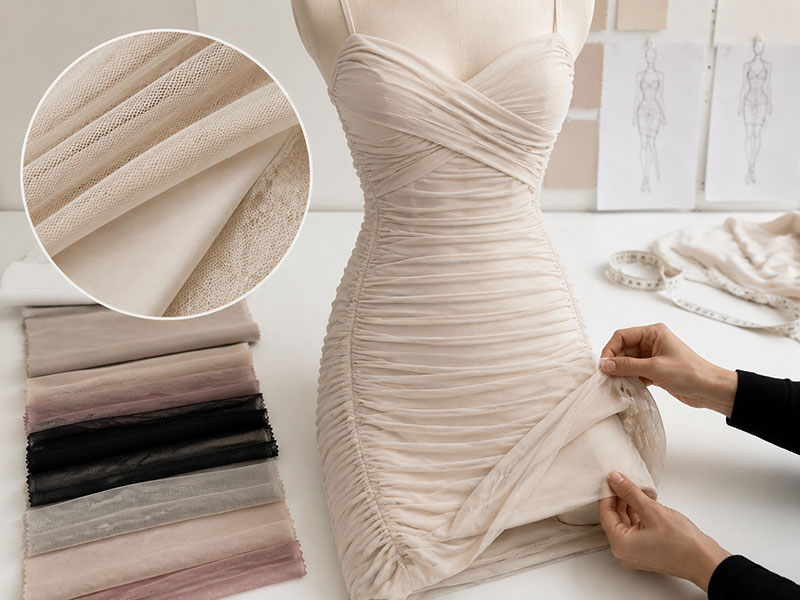
Private Label And Packaging Solutions
Custom logo applications and packaging systems help ruched mini dress collections create stronger brand recognition, improve perceived product value, and support better presentation across boutiques, online fashion stores, social commerce channels, and premium retail programs.
Logo Customization Solutions
| Logo Type | Features | Suitable For | Production Considerations |
|---|---|---|---|
| Woven Main Labels | Clean texture with premium branding appearance | Boutique Fashion, Premium Collections | Stable stitching and soft skin contact |
| Satin Labels | Smooth surface and lightweight feel | Satin Dresses, Lingerie-Inspired Styles | Prevent edge irritation during wear |
| Heat Transfer Labels | Tag-free wearing comfort | Bodycon Dresses, Stretch Styles | Heat resistance and wash durability |
| Embroidery Logos | Textured and elevated visual effect | Street Fashion, Premium Drops | Placement balance on ruched areas |
| Silicone Logos | Modern soft-touch branding effect | Sculpt Fashion, Trend Collections | Flexible adhesion on stretch fabrics |
| Metallic Foil Logos | Reflective luxury-inspired finish | Occasionwear, Partywear | Surface cracking prevention |
Packaging And Brand Presentation Solutions
| Packaging Type | Features | Suitable For | Packaging Focus |
|---|---|---|---|
| Custom Polybags | Protect garments during shipping and storage | Daily Fashion, Bulk Orders | Wrinkle prevention and size labeling |
| Luxury Zip Bags | Reusable premium packaging presentation | Boutique Fashion, DTC Brands | Surface cleanliness and logo printing |
| Hangtags | Improve retail branding and product identity | Online Stores, Boutique Collections | Barcode and brand consistency |
| Barcode Stickers | Inventory and warehouse management support | Multi-SKU Programs | Scanning accuracy and carton matching |
| Folding Packaging | Space-saving shipment preparation | Bulk Production Orders | Shape retention during transportation |
| Hanger Packing | Better garment presentation and wrinkle control | Satin And Occasionwear Dresses | Garment stability during shipping |
| Carton Mark Printing | Simplified logistics and warehouse sorting | Large Volume Programs | SKU and quantity accuracy |
| Tissue Paper Packaging | Improved unboxing presentation | Premium Fashion Collections | Surface protection and visual presentation |
Ruched Mini Dress Sample Development
Ruched mini dress development requires more than simple sewing. The sample stage decides fit direction, fabric behavior, stretch recovery, lining compatibility, and whether the style can move successfully into repeatable bulk production.

Design Review And Technical Evaluation
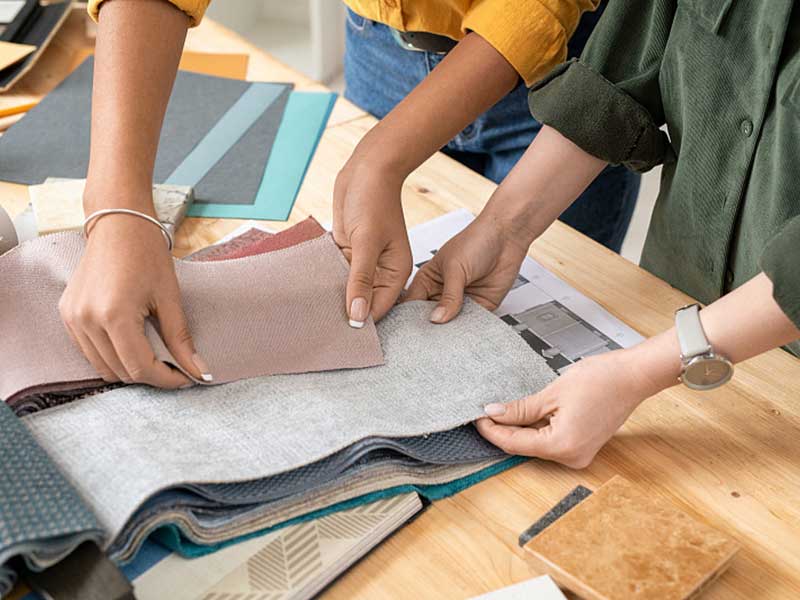
Pattern Making And Fabric Matching
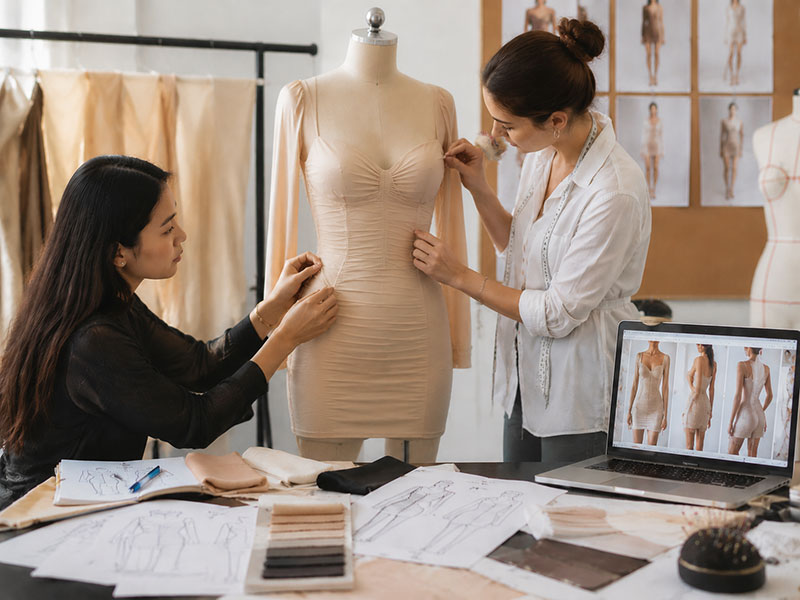
First Sample Construction And Fit Correction
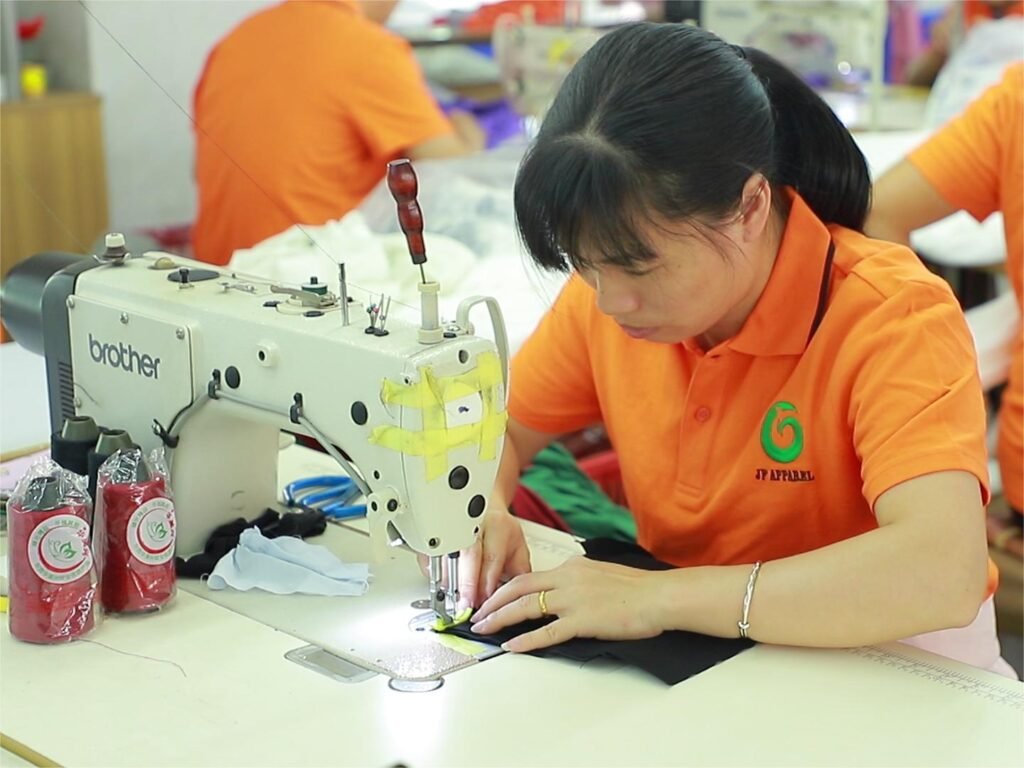
Sample Confirmation And Bulk Preparation
OEM And ODM Production Workflow
A clear production workflow helps fashion brands control development timelines, reduce communication errors, and move ruched mini dress styles from concept stage into stable bulk manufacturing with greater efficiency and consistency.
Step 1 — Share Design Information
Step 2 — Technical Review And Quotation
Step 3 — Fabric And Trim Confirmation
Step 4 — Pattern Development
Step 5 — Sample Production
Step 6 — Fit Adjustments And Revisions
Step 7 — Pre-Production Confirmation
After the final sample is approved, all technical details are confirmed before bulk production begins. This includes size grading, sewing methods, measurement tolerances, labels, packaging, and inspection standards.
Step 8 — Bulk Production
Step 9 — Inspection And Shipment
Quality Control For Ruched Mini Dresses
Fabric Inspection Before Production
- Stretch recovery consistency
- Shrinkage testing
- Color matching
- Surface defect control

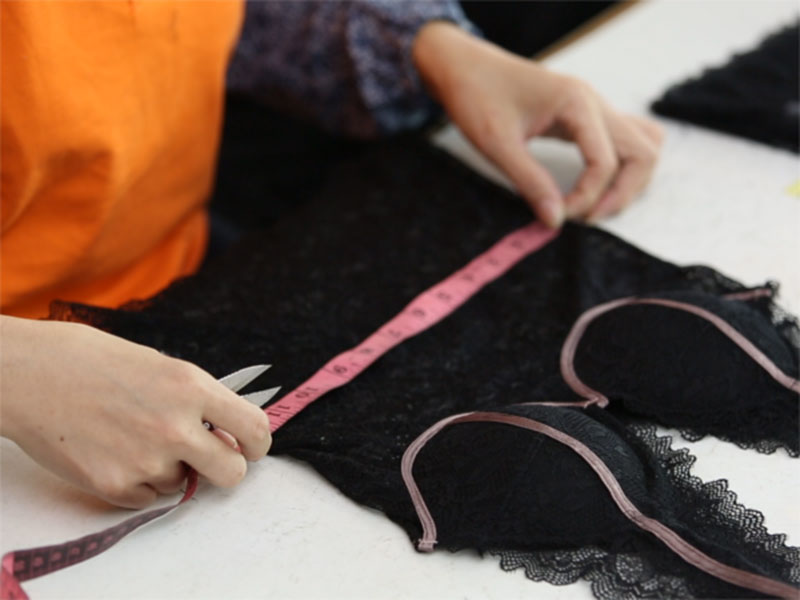
Pattern And Measurement Verification
- Size grading accuracy
- Ruching distribution
- Length consistency
- Pattern balance
In-Line Production Inspection
- Seam tension stability
- Stretch seam performance
- Lining compatibility
- Surface protection

Final Garment Inspection
- Final measurements
- Garment appearance
- Packaging accuracy
- Bulk consistency

Global Shipping And Delivery Support
Efficient logistics planning is important for ruched mini dress collections because fashion launches often follow seasonal timelines, social media campaigns, and scheduled retail drops. Stable shipping arrangements help brands reduce delays, maintain inventory flow, and improve overall delivery consistency across different markets.
Flexible International Shipping Methods
Bulk Delivery Coordination And Packaging Stability
Factory Visits And Direct Communication

Factory Visits And Production Review

Professional Communication And Development Team
Ruched Mini Dress Production Case Studies
Case 1 — US Social Commerce Fashion Brand
Project Overview
- Product: Mesh ruched mini dresses
- Initial order: 600 pcs across 4 colors
- Follow-up orders: 4,000+ pcs within 3 months
Challenge
The customer was preparing a TikTok-focused launch for nightlife and partywear collections. The original sample from another supplier had poor stretch recovery, unstable lining, and visible transparency under lighting during content shooting.
Solution
The development team adjusted the outer mesh and lining combination to improve opacity and recovery balance. Side ruching distribution was corrected to create more stable shaping across sizes. Additional fit revisions improved body contour without creating excessive compression.
Result
- Improved fit consistency across XS–XL
- Reduced transparency complaints
- Faster repeat production for restock orders
- Expanded program into new seasonal colors
Case 2 — European Boutique Occasionwear Brand
Project Overview
- Product: Satin ruched mini dresses
- Initial order: 1,200 pcs
- Follow-up orders: 4 repeat launches in 2 seasons
Challenge
The customer needed a fitted satin mini dress for wedding guest and holiday collections but experienced puckering and unstable ruching from previous suppliers. The dresses also lost shape after steaming and transportation.
Solution
Jinfeng adjusted the satin weight, lining structure, and sewing tension to reduce surface distortion. The pattern team refined ruching placement around the waist and hip area to improve body shaping while maintaining comfort. Packing methods were also adjusted to reduce shipping wrinkles.
Result
- Cleaner satin appearance after steaming
- Better customer feedback on fit and comfort
- Lower defect rate during retail preparation
- Stable repeat production for future launches
Case 3 — Australian Boutique Fashion Label
Project Overview
- Product: Cut-out ruched mini dresses
- Initial order: 450 pcs
- Follow-up orders: Expanded into coordinated sets
Challenge
The original design combined side cut-outs, asymmetric ruching, and stretch jersey fabric. Previous development attempts from another factory created neckline instability and uneven tension around the waist openings.
Solution
The development team reinforced the cut-out areas with improved elastic structure and adjusted the pattern balance between ruching and body tension. Several rounds of fit testing were completed before bulk approval to improve movement comfort and maintain silhouette stability.
Result
- Improved garment stability during wear
- Stronger social media visual performance
- Lower return rate from sizing complaints
- Expanded cooperation into additional styles

Why Fashion Brands Choose Jinfeng
Specialized In Ruched Mini Dress Development
Flexible MOQ For Fashion Collections
Stable Sampling And Bulk Production Support
Experience With Trend-Driven Women’s Fashion
Popular Ruched Mini Dress Fashion Styles

French Feminine Style
- Style Features: Side ruching, square necklines, soft drape, feminine silhouettes
- Color Direction: Beige, dusty blue, blush pink, Morandi-inspired tones
- Commonly Used For: Café fashion, daily styling, light commuting collections

Luxury Evening Style
- Style Features: Satin surfaces, waist ruching, fitted silhouettes, elegant drape
- Color Direction: Wine red, deep black, champagne gold, navy blue
- Commonly Used For: Cocktail events, evening parties, birthday collections

Soft Sexy Style
- Style Features: Front ruching, mesh layering, fitted silhouettes, delicate details
- Color Direction: Pure white, nude tones, light gray, soft neutral shades
- Commonly Used For: Date nights, social media fashion, intimate styling

Vacation Bohemian Style
- Style Features: Loose gathering, puff sleeves, lightweight fabrics, printed textures
- Color Direction: Floral prints, pale green, light blue, soft ivory
- Commonly Used For: Beach vacations, summer travel, outdoor fashion

Minimalist Commuter Style
- Style Features: Vertical ruching, clean cutting, structured shaping, neutral styling
- Color Direction: Black, charcoal gray, khaki, oat beige
- Commonly Used For: Daily commuting, smart casual fashion, office styling

Streetwear Inspired Style
- Style Features: Rib textures, asymmetrical ruching, bold silhouettes, street styling
- Color Direction: Dark black, washed gray, vintage denim tones, contrast colors
- Commonly Used For: Street fashion, music festivals, trend collections

Glamorous Party Style
- Style Features: Sequins, metallic finishes, cutout details, bodycon shaping
- Color Direction: Metallic silver, glitter gold, glossy wine red, holographic tones
- Commonly Used For: Nightclubs, holiday parties, stage fashion

Soft Cute Style
- Style Features: Ruffle details, soft fabrics, partial ruching, playful silhouettes
- Color Direction: Cream white, baby pink, pale yellow, macaroon-inspired tones
- Commonly Used For: Casual dates, theme parks, youth fashion collections
Frequently Asked Questions

Start Your Ruched Mini Dress Development
Send your design idea or request a sample to receive a detailed quotation, development recommendation, and production plan for your custom ruched mini dress collection.
How To Begin
- Share your design, reference images, or tech pack
- Receive technical review and quotation feedback
- Confirm fabric, fit direction, and sample development
- Approve samples and prepare bulk production timeline
Information That Helps Speed Up Quotation
- Dress style and silhouette direction
- Fabric preference or reference material
- Estimated order quantity
- Logo and packaging requirements
- Target market or sales channel
- Expected launch timeline

