 Skip to content
Custom Resortwear Manufacturer for Fashion Brands
Develop coordinated resortwear collections from fabric and print direction through sampling, production, quality control and private-label delivery.
Jinfeng Apparel manufactures dress-led resortwear and vacation collections for established fashion brands, sourcing teams and multi-style apparel programs. Development covers resort dresses, vacation dresses, maxi and midi silhouettes, printed styles, matching sets, skirts, rompers and jumpsuits, with focused control over lightweight fabrics, print direction, fit, lining, shrinkage, long hems and travel-friendly packing.
- Typical collection programs: 10–30 styles
- Typical brand order programs: 20,000–80,000 pcs total
- MOQ starts from 200 pcs per style/color
- 2 sample rooms with 7+ senior pattern makers
- Development from tech pack, line sheet, reference image or original sample
- Private-label, SKU packing and export delivery support
Resortwear Manufacturing Built Around Established Fashion Programs
Global Fashion Brands
Seasonal fashion programs often combine commercial silhouettes with statement pieces, several fabric groups, multiple colors and launch-sensitive delivery windows. Jinfeng supports collection development from line-sheet review through pattern development, sample revision, PP approval and coordinated bulk production. Development records are maintained by style so later color extensions, repeat orders and related silhouettes can be reviewed against previous production standards.
Resortwear And Vacation Labels
Premium Ecommerce Brands
Sourcing And Buying Teams
Multi-Style Private Label Programs
Seasonal Collection Teams
Production Capacity Behind Multi-Style Resortwear Collections
Since 2008
6 Owned Factories
10+ Production Partners
100,000+ Pcs Monthly
2 Sample Rooms
15+ QC Inspectors
Resortwear Designed From Collection Logic, Not Single Styles
Resortwear occupies a wider commercial space than beach clothing alone. Successful collections may move from poolside and daytime travel into restaurants, events, cruise settings and evening resort environments. Material, silhouette and styling need enough consistency to feel related while still giving merchandising teams distinct reasons to carry several SKUs.
Build Around The Launch Calendar
A resort line normally contains products with different development priorities. Campaign pieces may need photo-ready samples first, commercial maxi dresses may require early fit confirmation, while exclusive prints can require additional artwork and fabric approval before garment sampling begins.
Instead of placing every style into the same development sequence, Jinfeng can group styles according to fabric availability, construction complexity, image-shoot timing and bulk importance. A 20-style collection, for example, may contain several core fabric groups rather than 20 unrelated fabric sourcing projects. Shared lining, trims or base fabrics can also simplify color control and production planning where appropriate.
The objective is not to force every style into one manufacturing formula. It is to establish a collection calendar in which fabric development, patterns, samples and bulk approvals can move in a controlled order.
Engineer Travel-Friendly Garments
Resortwear frequently uses fabrics selected for softness, drape and warm-weather comfort, but these characteristics create production risks. Lightweight chiffon may become transparent. Rayon and viscose can change dimension after moisture exposure. Linen and linen blends naturally crease. Long dresses can develop visible folding lines during packing.
Garment engineering therefore considers lining coverage, fabric recovery, seam construction, pressing method, hem treatment and folding method. A beautiful maxi dress is incomplete if it reaches the warehouse with distorted hems, severe packing impressions or visible lining problems.
Packing trials and garment presentation should be considered alongside construction, particularly for styles expected to move directly into ecommerce fulfillment or retail distribution.
Move From Beach To Dinner
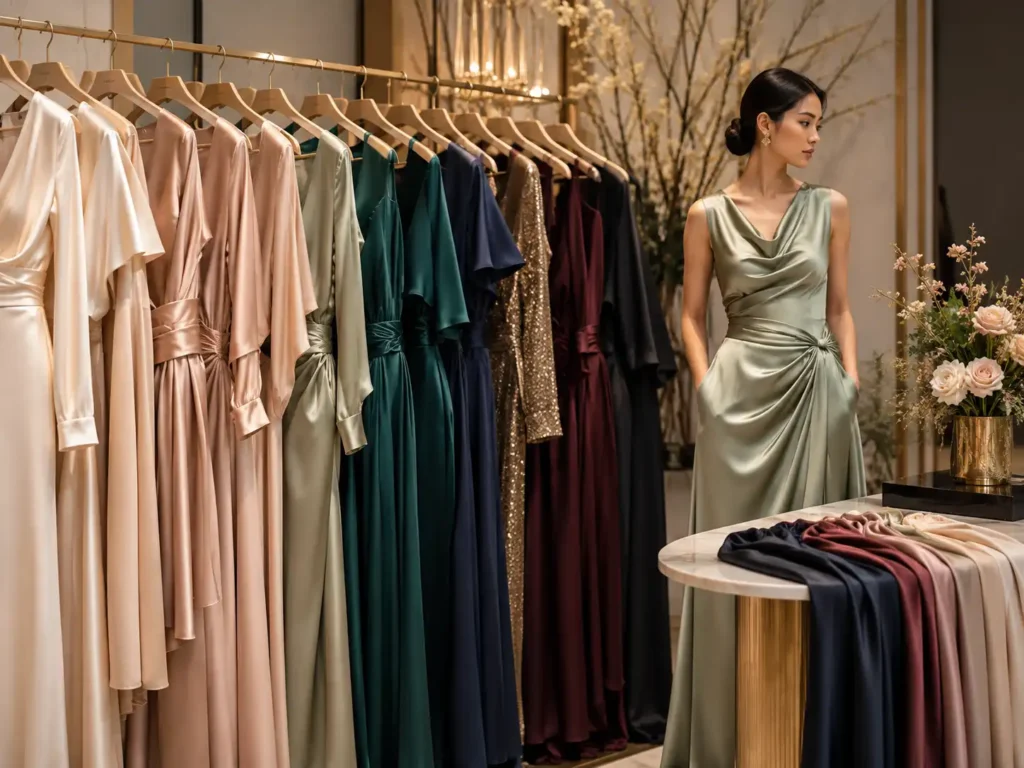
setting. Elevated satin styles may sit beside relaxed printed dresses; structured halter shapes may sit beside flowing maxis; coordinated skirt-and-top sets can support both daytime and evening merchandising.
Manufacturing needs to preserve these differences rather than making every garment feel equally light or equally structured. Fabric weight, lining, neckline support, closure method, strap construction and hem finish should reflect the intended wearing situation.
Jinfeng approaches resort and vacation products around lightweight materials, print performance, drape, travel packing and multi-style collection development.

Custom Resortwear Styles Across a Complete Collection

Resort Maxi Dresses

Printed Vacation Dresses
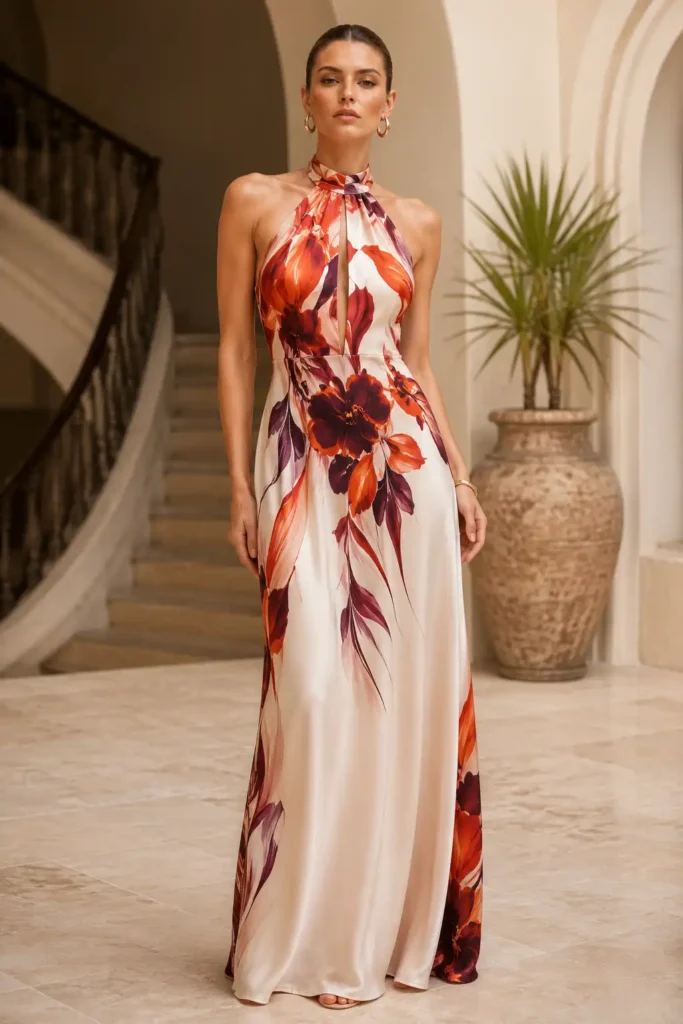
Halter Resort Dresses
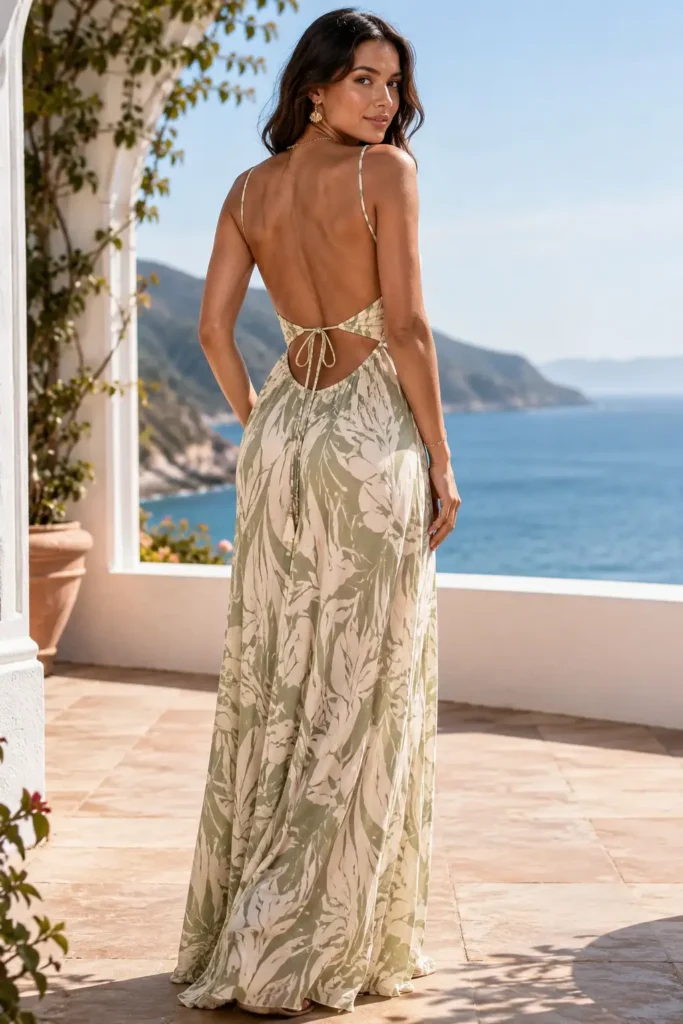
Backless Vacation Dresses

Wrap Resort Dresses

Linen-Blend Dresses

Midi Resort Dresses

Resort Matching Sets

Resort Skirts

Vacation Jumpsuits

Resort Rompers

Elevated Resort Dresses
Resortwear Fabrics Selected for Drape, Climate and Construction
Fabric choice shapes nearly every decision that follows: pattern dimensions, lining, seam method, pressing, packing, print performance and even the number of sample revisions. Resortwear fabrics should not be selected from appearance alone. Jinfeng evaluates material behavior in relation to silhouette, target market, commercial positioning and bulk-production risk.
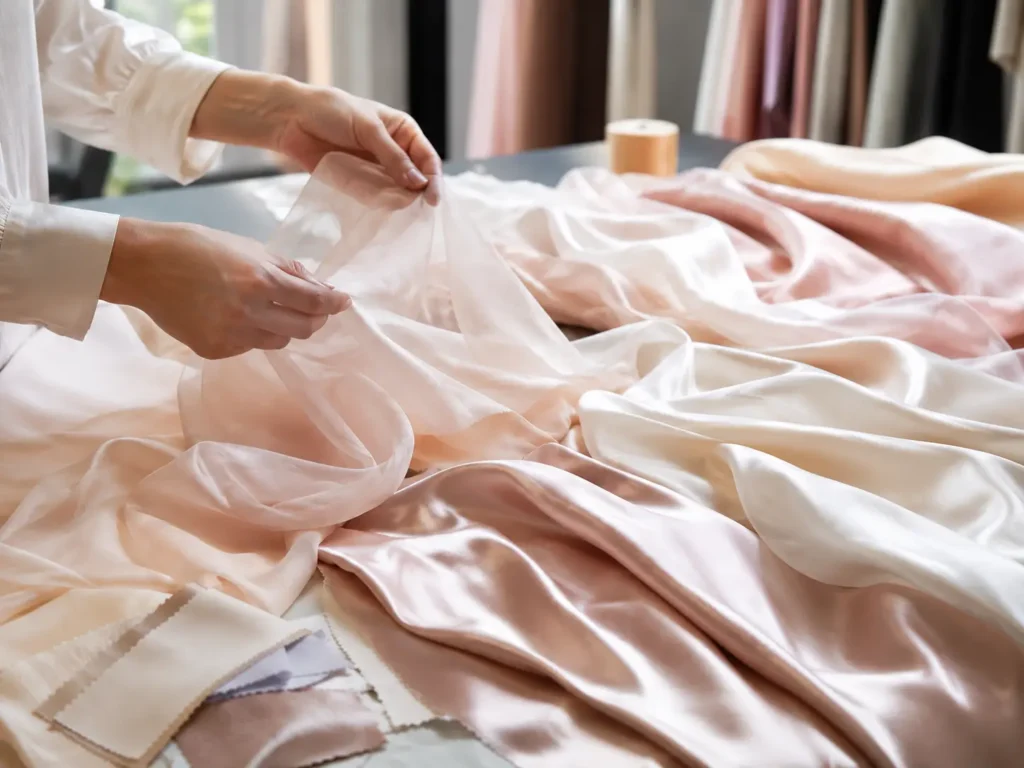
Chiffon and Lightweight Woven Fabrics
Chiffon gives maxi and layered resort dresses the light movement associated with warm-weather collections, but its transparency and low structural stability make it sensitive to pattern and sewing decisions.
Lining coverage must be considered from the beginning. A lining that is too short can create an obvious line through a long skirt; a lining that is too heavy can reduce the intended movement. Neckline, armhole and seam finishes also need enough stability to avoid stretching or distortion during sewing.
For long chiffon dresses, hem balance deserves particular attention. Panels can react differently after hanging, especially when the pattern contains curved or bias sections. Sampling allows the finished length and drape to be checked before PP approval.
Chiffon is often effective for maxi dresses, wrap silhouettes, layered skirts and vacation occasionwear where visual movement matters more than crisp structure.

Rayon and Viscose for Fluid Vacation Styles
Rayon and viscose are widely suited to soft resort dresses because they combine natural movement with a comfortable hand feel. The key production issue is dimensional stability.
Shrinkage risk needs review before finalizing measurements and patterns. A garment that fits well before fabric relaxation or washing can change in length or width if the material behaves differently after production.
Print direction also becomes important because rayon and viscose are frequently selected as bases for floral and vacation prints. Fabric width, repeat scale and directional artwork can affect consumption and cutting efficiency.
These fabrics work particularly well for flowing maxi dresses, relaxed midis, wrap dresses and easy resort separates, provided shrinkage, pressing and packing are controlled as part of development rather than left until final inspection.

Linen and Linen Blends
Linen brings recognizable resort character: breathable appearance, natural texture and a more structured surface than rayon or chiffon. Creasing is part of its identity, but uncontrolled creasing during sewing, pressing or packing can make finished garments appear poorly handled.
Pure linen and linen blends can behave differently in shrinkage, softness and crease recovery. Material selection should consider whether the silhouette needs crisp shape, relaxed drape or a compromise between both.
Seam appearance is particularly visible on cleaner linen garments, so tension, seam allowance and pressing need to support the desired finish. Lining decisions depend on fabric weight, color and garment construction.
For travel-oriented collections, packing presentation should also be discussed because linen will never behave like synthetic wrinkle-resistant fabric. The objective is controlled presentation, not an unrealistic promise of crease-free performance.
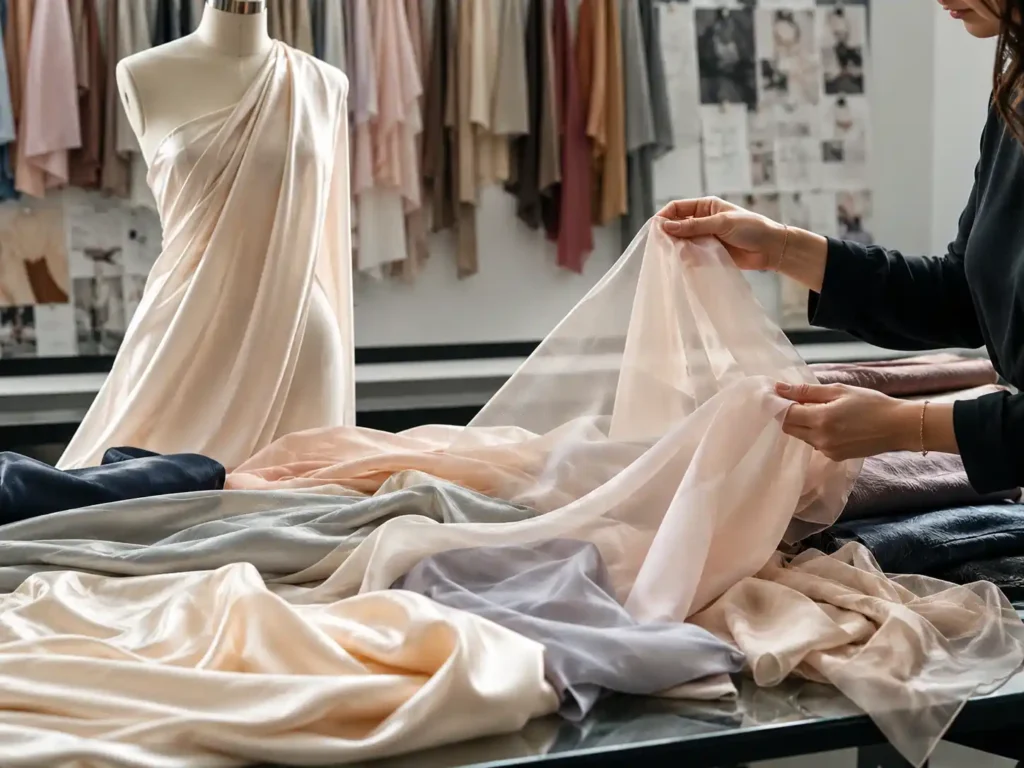
Printed Wovens and Light Satin
Printed woven fabrics give resort collections a strong visual language, while light satin can introduce an elevated evening or destination-event component. Both need different control methods.
Printed fabric requires attention to repeat, scale, direction, base-fabric shrinkage, color appearance and cutting placement. Large flowers, border motifs and directional graphics can increase consumption because cutting cannot always be rotated for efficiency.
Light satin requires surface protection. Snagging, crease marks, seam puckering, pressing shine and packing impressions can be more visible than on matte woven fabrics.
Jinfeng’s resort and vacation material knowledge base specifically covers chiffon, rayon, viscose, linen, printed woven, light satin and mesh, with control priorities defined around transparency, shrinkage, print direction, colorfastness, drape and packing.
Exclusive Prints Need More Than an Artwork File
Print development can define an entire resort collection, but artwork alone is not a production standard. Base fabric, repeat dimensions, direction, color, printing method, garment placement and shrinkage all influence the final result. Jinfeng coordinates print and garment development so fabric approval and pattern planning support each other.
| Print Development Point | What Needs Approval | Bulk Risk If Missed |
|---|---|---|
| Base Fabric | Composition, weight, width, hand feel | Wrong drape or transparency |
| Print Scale | Physical motif size | Artwork looks oversized or too small |
| Repeat | Repeat width and height | Visible pattern interruption |
| Direction | Top/bottom orientation | Inconsistent garment panels |
| Color | Approved color reference | Shade variation |
| Placement | Panel or border position | Misaligned visual focus |
| Shrinkage | Fabric behavior | Finished measurement change |
| Print MOQ | Supplier requirement | Quantity or cost conflict |
Resortwear Details That Decide How the Garment Wears

Neckline Stability
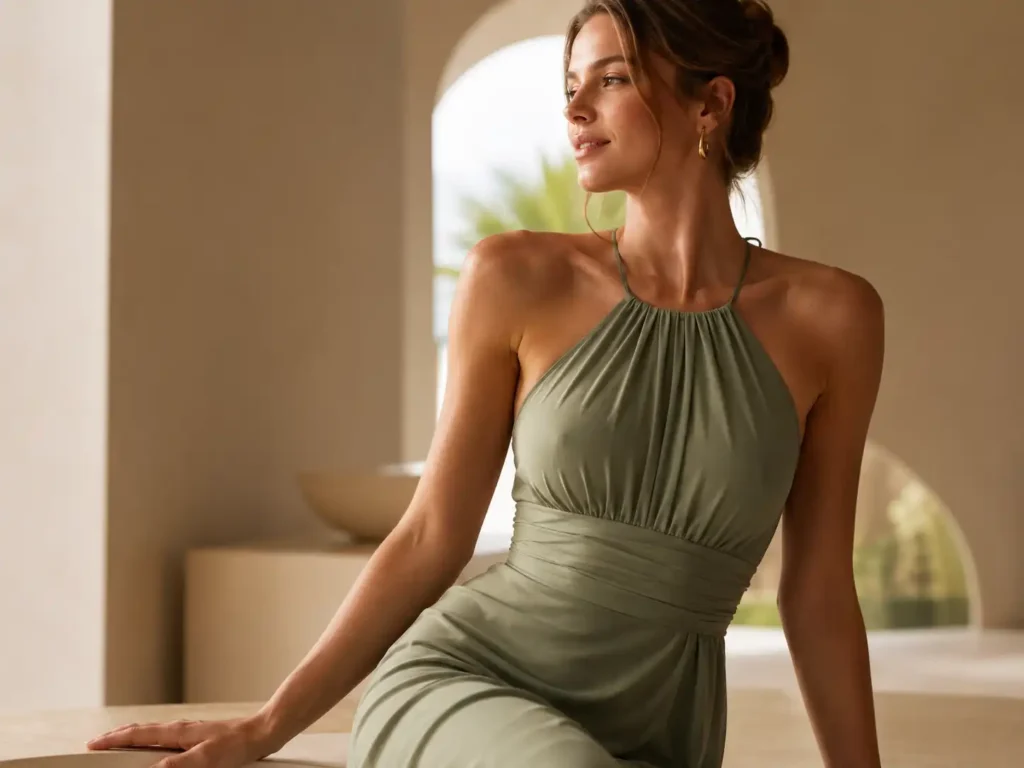
Halter Support

Backless Balance

Slit Position

Lining Coverage

Ruching and Gathering

Waist and Tie Details

Maxi Hem Balance
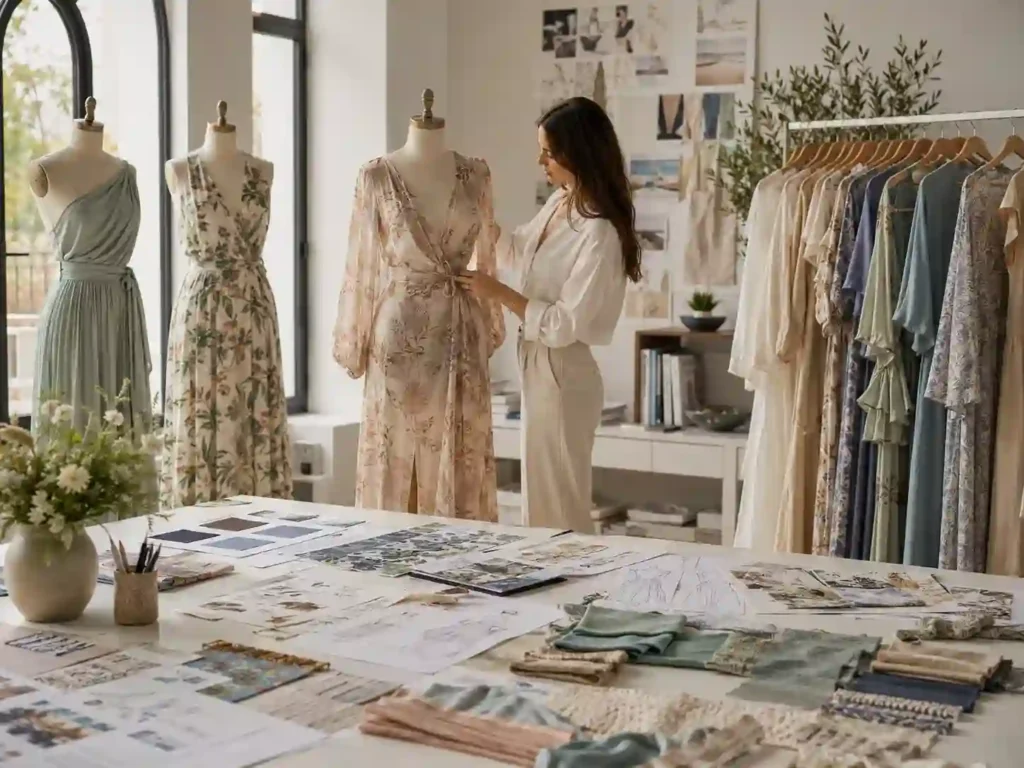
Pattern Development Turns Resort Concepts Into Repeatable Garments
A reference image can communicate style, but production needs measurable geometry. Pattern development converts neckline depth, bust shape, waist position, hip ease, strap length, skirt length, slit placement and lining into a controlled garment structure that can be sampled, revised, graded and reproduced in bulk.
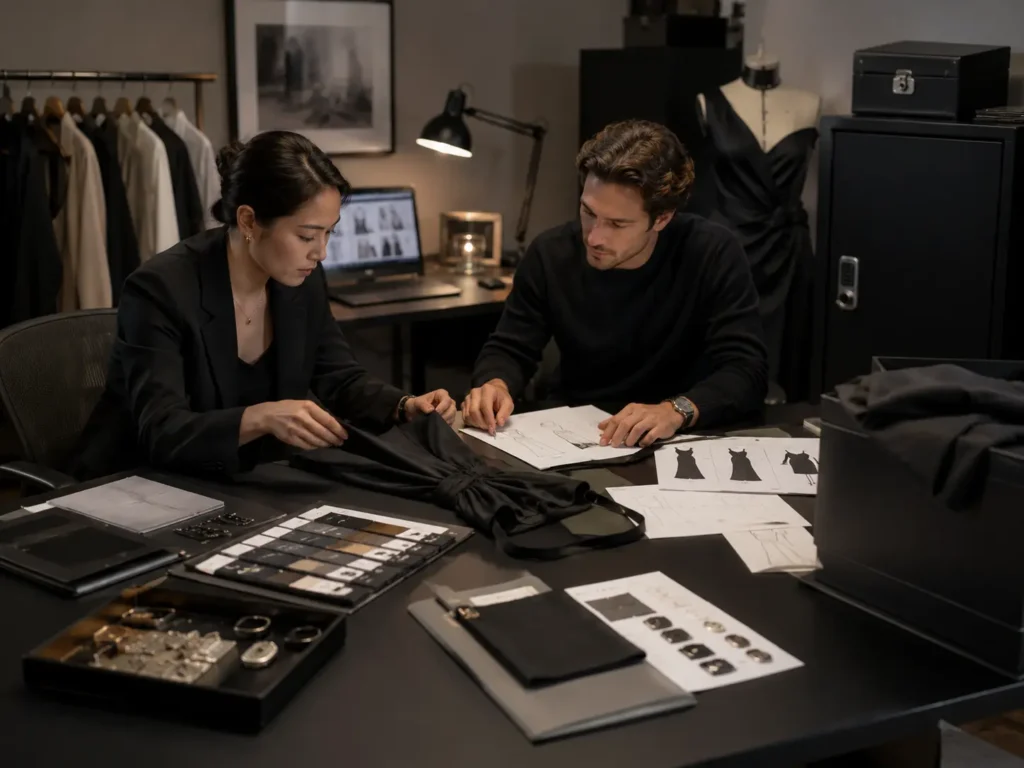
Translate Design Into Pattern Decisions
Development can begin from a tech pack, line sheet, original sample, sketch or reference image.
The pattern team first determines which elements influence fit and which are primarily styling details.
A halter maxi, for example, may need review of bust coverage, neckline position, neck-strap length, side seam, back opening, waistline and total length.
A wrap midi adds front overlap and tie position. A jumpsuit introduces torso length and crotch balance.
Pattern work also considers material behavior. A design originally photographed in one fabric may not perform the same way in rayon, chiffon or linen.
Drape, stretch, shrinkage and thickness can require pattern or construction adjustment before the first sample is produced.
Jinfeng uses 7+ senior pattern makers working with two sample rooms and 20+ sample machinists to move development from pattern through physical sample verification.

Build for the Target Size Range
Pattern development can follow US, UK, EU or AU sizing standards provided by the brand. Alpha sizing such as XS–XL can be supported, while extended, petite, tall or plus-size ranges are developed according to the supplied measurement standard rather than applying a generic enlargement rule.
Fit review focuses on areas that visibly affect resortwear:
- Bust and upper-body coverage
- Waistline position
- Hip ease
- Strap length
- Neckline depth
- Armhole shape
- Slit position
- Lining length
- Maxi total length
- Jumpsuit torso and crotch length
Grading follows the confirmed base pattern and client size specification. Styles with significant construction or proportional differences may require additional sample verification across the size range.
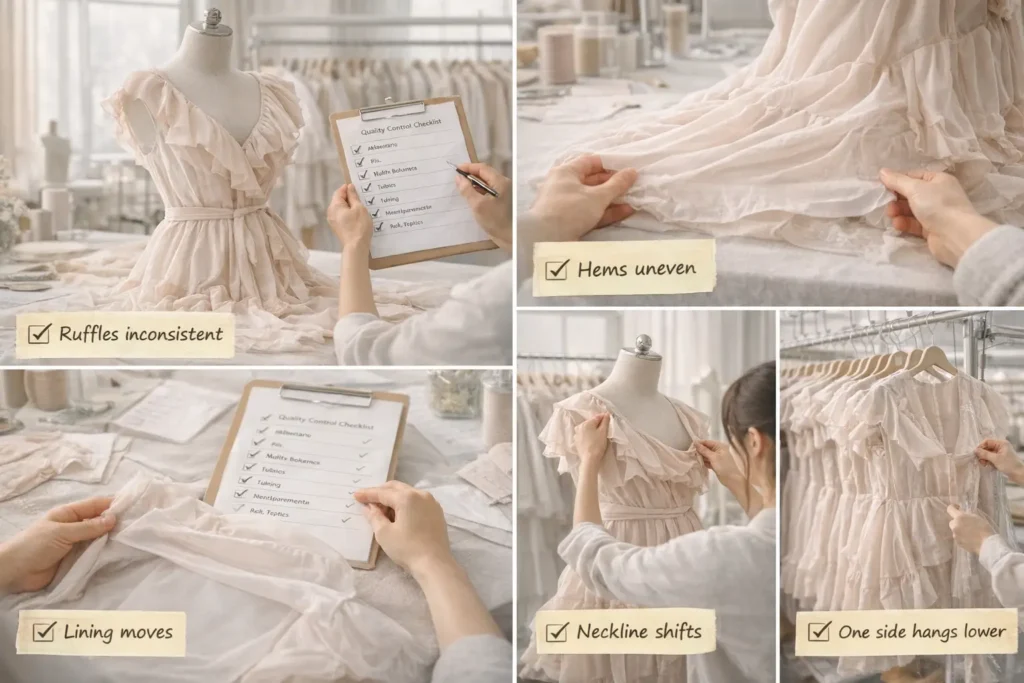
Revise Before Scaling the Problem
Pattern corrections are most economical while the project remains in sampling.
A neckline that sits incorrectly, a maxi hem that falls unevenly or a wrap overlap that does not provide enough coverage becomes much more expensive after cutting begins.
Client feedback is therefore converted into updated patterns, size charts, measurements and production instructions.
Changes affecting fabric, construction or fit are documented before the next sample version is released.
The goal is not simply to make one attractive sample.
The goal is to create a production-ready pattern and recorded standard that can support bulk manufacturing and future repeat orders.
Resortwear Sampling Built Around Controlled Revision
Sampling is where fabric behavior, fit, construction and visual direction meet for the first time. A development sample is treated as a diagnostic garment rather than an automatic bulk standard. Jinfeng records issues by category, updates production files and advances to PP approval only after the core product direction is stable.

First Sample — Verify the Direction
The first sample checks whether the intended garment can be translated into the selected material and pattern.
- Silhouette and garment proportion
- Fabric drape and transparency
- Bust and waist placement
- Strap and neckline position
- Back opening
- Slit height
- Lining coverage
- Print direction
- Maxi hem balance
- Overall on-body appearance
When standard fabric and project information are ready, an ordinary dress first sample typically requires around 10–15 days. Simpler structures may be faster, while complex construction, custom printing, special fabrics or unavailable trims extend the schedule.

Revised Sample — Correct the Actual Cause
Sample comments should explain the issue rather than simply request “better fit.”
A neckline problem may originate from pattern balance, fabric stretch, strap length or edge construction.
A maxi length problem may involve shrinkage, pattern length or fabric relaxation.
Jinfeng categorizes the issue before deciding whether the pattern, fabric, trim or sewing method needs revision.
Important changes are transferred into updated technical records, including revised patterns, size charts, BOM information, sewing instructions, QC points and packing instructions where relevant.
Revised samples generally require around 7–15 days, depending on the changes and material availability.

Photo and Sales Samples — Match the Intended Purpose
A commercial team may need a garment for campaign photography, showroom presentation or sales review before final bulk production.
Photo-ready and salesman samples can be developed according to project requirements, but teams should establish whether the fabric, trims and construction match the intended production specification.
A visual sample used for photography should not silently become the bulk standard if its materials or construction differ from the final approved version.

PP and Golden Sample — Lock the Bulk Standard
PP sample approval confirms the production direction before bulk cutting and sewing. Pattern, fabric, color, trims, measurements, construction, labels, packing and QC requirements should be established at this stage.
PP samples commonly require around 7–15 days once final materials are available. Major design or material changes after PP approval can affect price, schedule and production risk and therefore require re-evaluation.
A Golden Sample can then serve as a physical reference for production, inspection and future repeat-order comparison.
Develop 10–30 Resortwear Styles as One Commercial Program
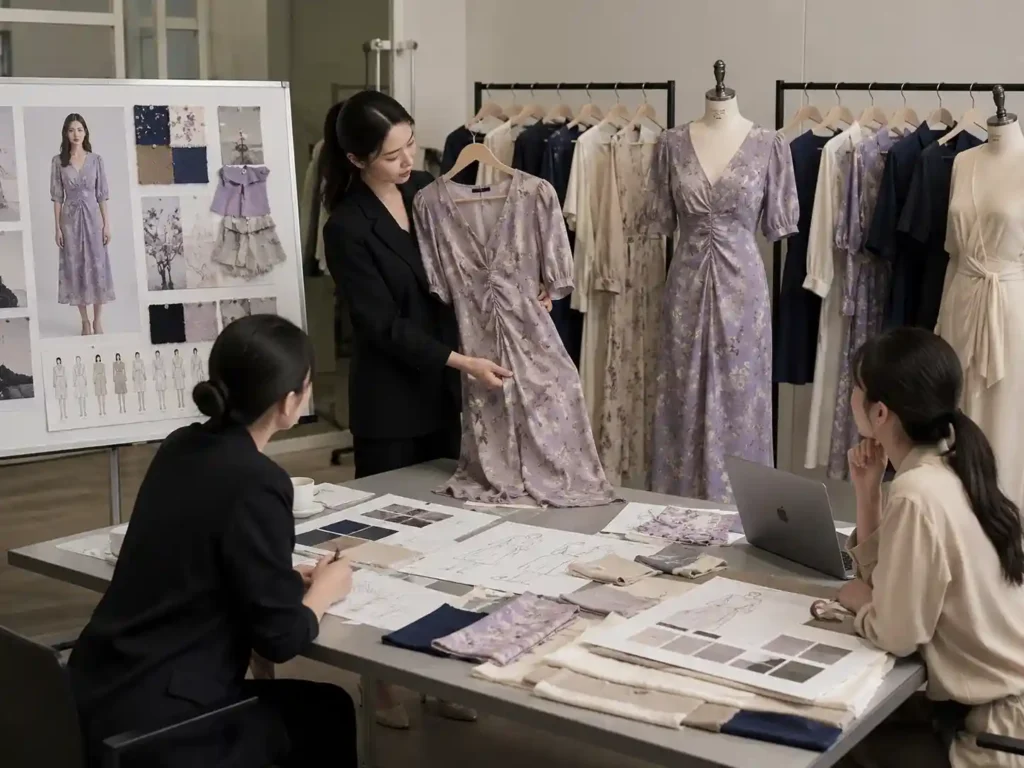
Established fashion collections rarely develop one garment at a time in complete isolation. Fabrics, prints, colors, silhouettes and launch dates interact. Jinfeng structures multi-style programs so design teams can review individual garments while merchandising and sourcing teams retain visibility across the entire range.
Group Styles Before Sampling
A 20-style collection might contain:
- 6 printed rayon and viscose dresses
- 4 chiffon maxi styles
- 3 linen-blend silhouettes
- 3 matching sets
- 2 jumpsuits or rompers
- 2 elevated dinner-resort dresses
The precise mix will vary, but grouping helps identify where several styles can share a base fabric, lining family, color story or trim direction.
Fabric grouping also helps prevent one difficult material from delaying unrelated styles. Styles with available materials can enter pattern and sampling while custom prints or specially developed fabrics follow their own approval path.
Set Sample Priority by Commercial Role
Not every style carries equal timing pressure.
Campaign pieces may require early photo samples. Core commercial dresses may need fit confirmation first. New constructions may need more development time than repeat silhouettes.
A structured style tracker can record:
Style → Fabric → Pattern → First Sample → Revision → Approval → PP → Bulk Status.
Jinfeng’s project-management process also tracks requirements, fabric progress, sample versions, revisions, QC feedback, packing confirmation and shipment milestones.
Maintain Separate Production Standards
Collection consistency does not mean giving every style identical construction.
A linen mini, chiffon maxi and printed viscose wrap dress should each have their own pattern, measurements, fabric record, workmanship instructions and QC points.
Style-specific records reduce confusion when the program reaches bulk production and become particularly valuable when a bestseller returns in a new color, print or production batch.
For established brand programs, Jinfeng commonly supports 10–30 styles within one collection order, allowing individual style control without losing visibility across the wider seasonal range.

Bulk Resortwear Production Planned by Product and Material
Bulk production begins only after critical product standards are sufficiently defined. Resortwear collections may combine very different fabrics and construction methods, so production allocation is based on what each garment needs rather than sending an entire collection through one identical sewing route.
Allocate by Construction Requirement
Light chiffon dresses, linen styles, printed rayon products and structured evening-resort pieces have different handling requirements.
- Product category
- Fabric behavior
- Sewing complexity
- Quantity
- Finish standard
- Delivery window
- QC requirement
The broader production system includes 6 owned women’s fashion factories, 10+ long-term partner factories and regular capacity above 100,000 pieces per month. Actual resortwear capacity is planned after the style mix, fabrics, quantities and production schedule are reviewed.
Release Bulk From Approved Information
Before bulk production, the project should have confirmed information covering the PP sample, fabrics, trims, colors, size charts, BOM, construction, labels, packing, QC requirements, quantities and shipping arrangement.
Bulk lead time is project-specific, not a fixed website promise. Garment complexity, order quantity, custom prints, fabric availability, private-label packing and QC requirements all affect the schedule.
Jinfeng issues the production timeline after PP approval, materials and order quantities are confirmed.
Keep Production Changes Documented
A verbal change made after PP approval can cause problems across cutting, sewing, QC and packing.
Changes affecting fabric, size, structure, trim, labels or packaging therefore require formal review.
Production documents are updated so the teams responsible for materials, cutting, sewing, inspection and packing work against the same approved information.
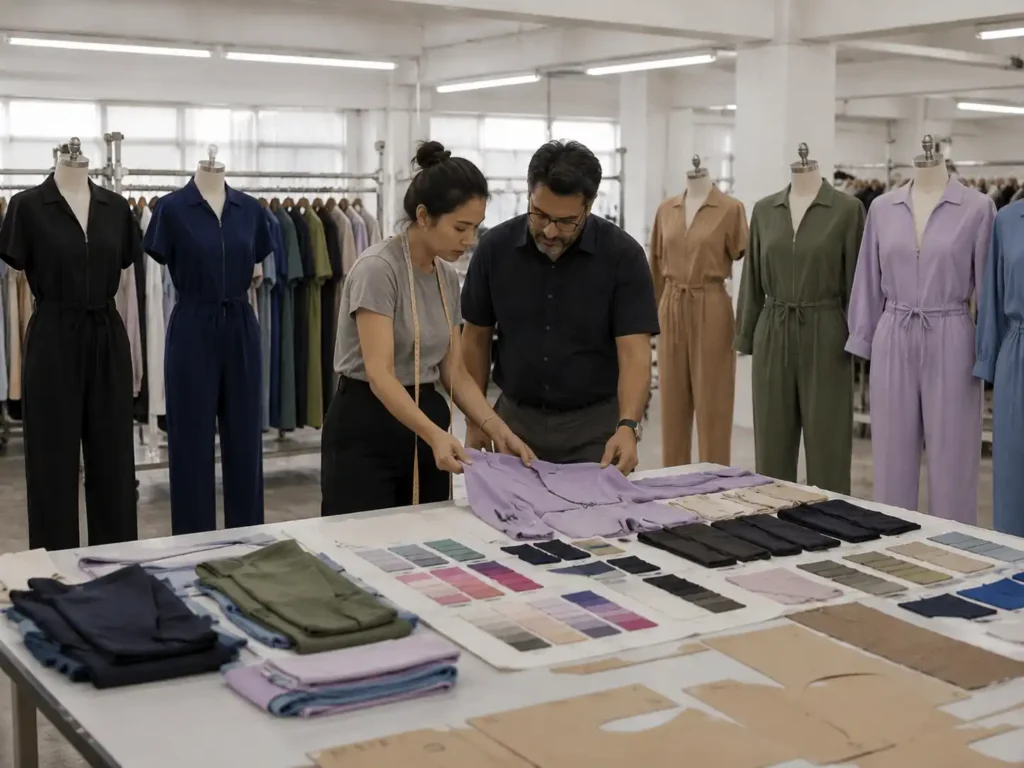
Resortwear Quality Control Focused on Visible Commercial Risks
Resortwear QC needs to reflect the garments being produced. A generic “quality inspection” does not adequately address print direction, lightweight fabric transparency, rayon shrinkage, long hems or travel packing. Jinfeng builds product-specific checkpoints into material, sewing, finished garment and packing inspection.
Fabric and Print Control Before Cutting
Many resortwear problems begin before sewing.
Material review can include:
- Fabric identity and approved reference
- Color and shade
- Width
- Hand feel
- Transparency
- Visible defects
- Shrinkage risk
- Print color
- Print repeat
- Print direction
Rayon and viscose require special attention to dimensional behavior. Printed woven fabrics require orientation and color review. Chiffon requires transparency evaluation. Linen or linen blends need an agreed expectation for natural creasing and pressing appearance.
Cutting and Sewing Control
Cutting control confirms pattern version, grain or print direction, matching requirements and fabric condition before pieces move to sewing.
During sewing, checks focus on product-specific areas:
Halter and backless styles: neckline position, strap attachment, side coverage and stability.
Maxi dresses: seam length, slit position, skirt balance and hem preparation.
Wrap dresses: overlap, tie construction and waist placement.
Matching sets: shade consistency and coordinated garment appearance.
Lightweight dresses: seam tension, edge handling and lining attachment.
In-line inspection allows recurring issues to be corrected before the same construction mistake spreads across an entire production batch.
Measurement and Finished Garment Review
Finished garments are checked against approved measurements and the production standard.
High-impact Resortwear points include:
- Bust
- Waist
- Hip
- Shoulder or halter strap
- Neckline
- Armhole
- Back opening
- Slit
- Lining length
- Total maxi length
- Jumpsuit torso and crotch
- Matching-set proportions
Jinfeng’s pattern system can work with US, UK, EU, AU and client-supplied size standards, including extended ranges where specified.
Pressing and Packing Review
Lightweight Resortwear can leave production looking correct but arrive poorly presented if pressing and packing are not controlled.
Inspection therefore extends to:
- Pressing marks
- Long-hem presentation
- Folding position
- Lining distortion
- Print visibility after folding
- Barcode accuracy
- SKU identification
- Polybag requirement
- Carton mark
- Packing ratio
Travel-oriented maxi styles deserve particular packing attention because long panels can develop severe fold impressions if folded without regard to the fabric.
Jinfeng’s standard QC terminology includes incoming material QC, cutting QC, sewing QC, in-line inspection, garment inspection, pressing review and packing QC.
Private Label Resortwear Prepared for Retail and Ecommerce
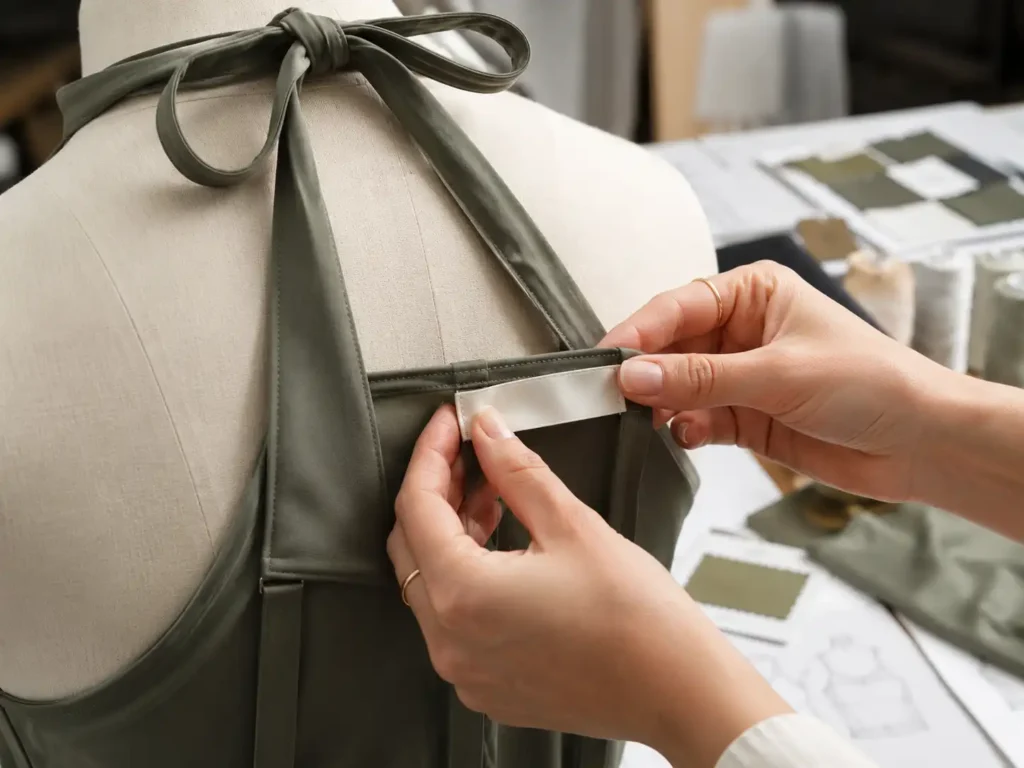
Woven Brand Labels

Size Labels

Care Labels

Hangtags
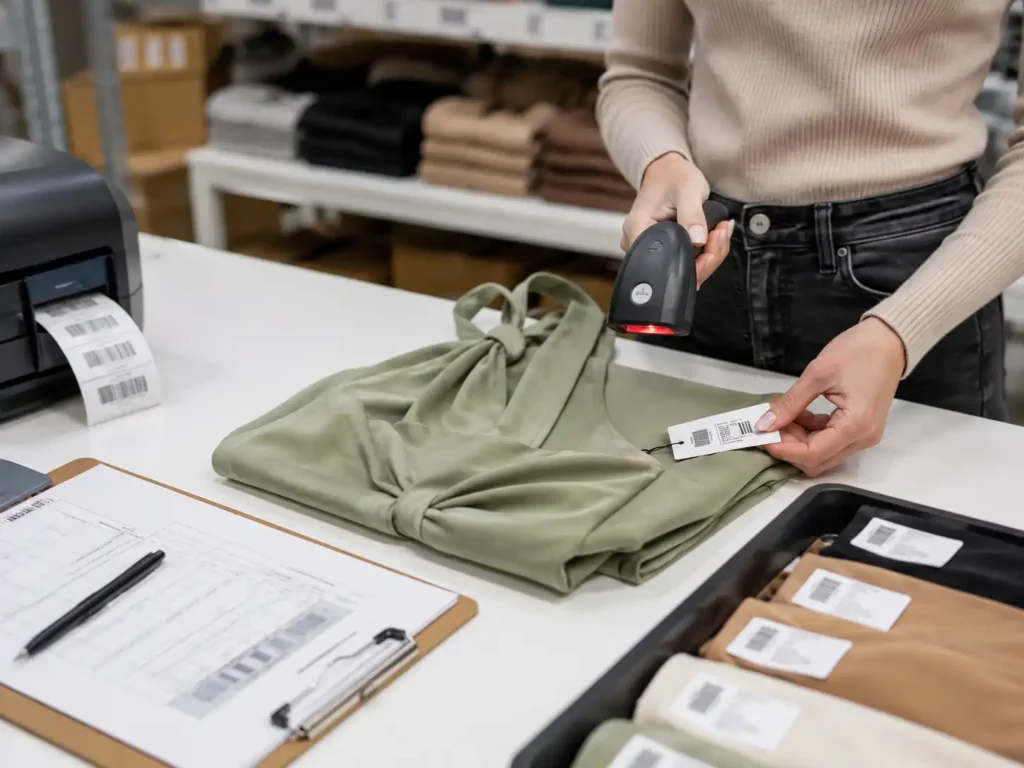
Barcode Labels
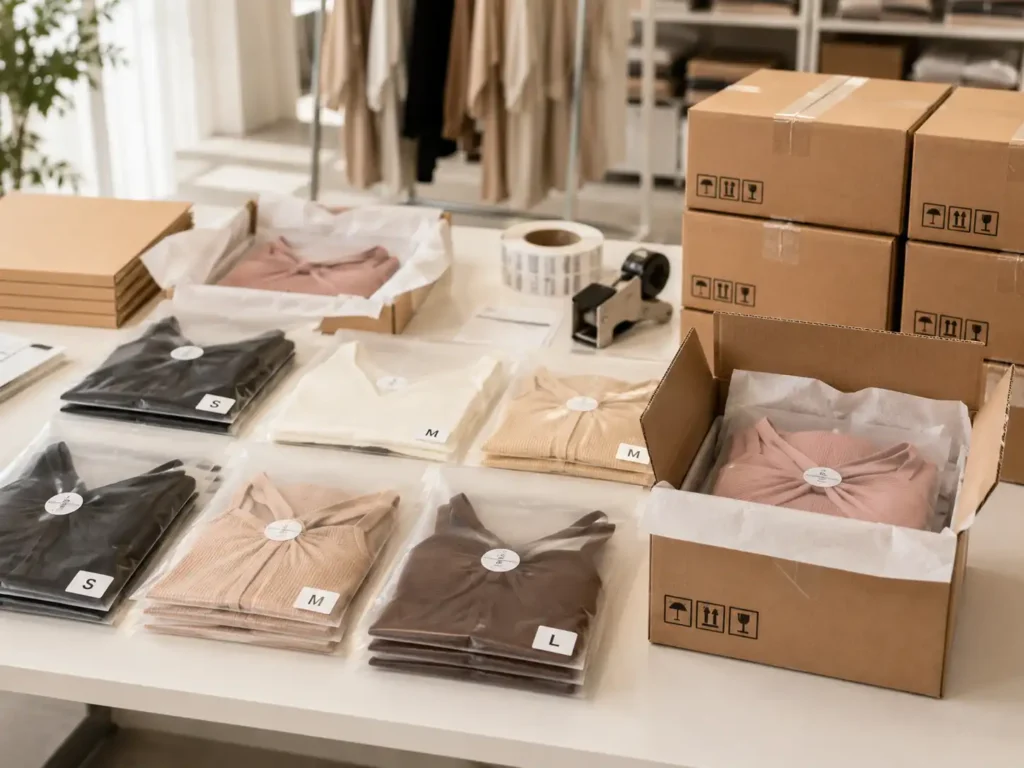
Individual Polybags
SKU Packing
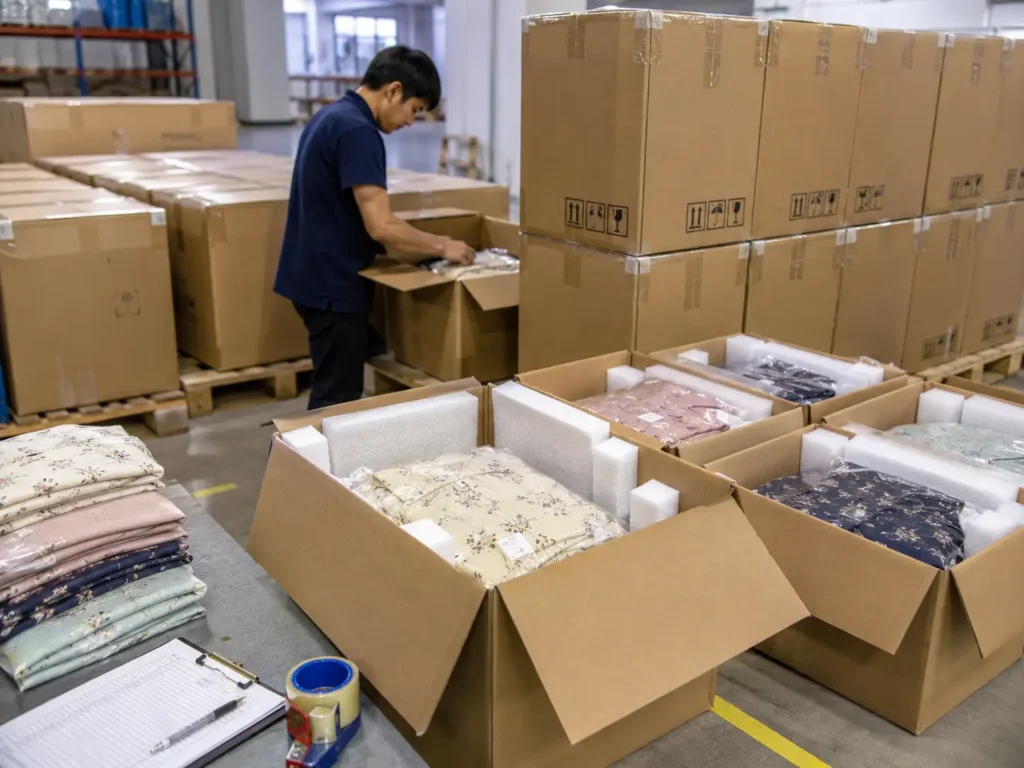
Carton and Warehouse Marks
MOQ and Cost Planning for Multi-Style Resortwear
A professional Resortwear quotation is built from product structure rather than one flat manufacturing rate. Fabric, print development, trims, pattern work, sewing time, QC, packing, wastage and delivery requirements can change both cost and minimum quantities. Jinfeng’s standard MOQ starts from 200 pcs per style/color, while custom materials or packaging may carry separate supplier requirements.
| Cost or MOQ Driver | Resortwear Example | Commercial Effect |
|---|---|---|
| Base Fabric | Chiffon, rayon, linen blend | Changes material cost and availability |
| Custom Print | Exclusive floral artwork | May introduce print/fabric MOQ |
| Custom Color | Brand-specific shade | May require dyeing MOQ and approval |
| Style Structure | Backless, halter, wrap | Changes pattern and sewing time |
| Lining | Sheer maxi dress | Adds material and construction cost |
| Color Count | One style in several colors | Divides quantity by color |
| Size Range | Standard or extended range | Changes grading and ratio planning |
| Packing | Barcode/SKU/retail packing | Adds finishing and packing work |
| Testing | Project-specific requirements | Quoted according to required scope |
| Delivery Plan | Standard or split shipment | Changes logistics planning |
Seasonal Delivery and Repeat Orders Without Starting Over
Resortwear sells against a calendar. Missing a seasonal launch can affect campaign schedules, inventory flow and the commercial life of the collection. Development and delivery planning therefore need to connect fabric approvals, sample decisions, bulk readiness, packing and freight strategy.
Plan Around the Required Launch
A workable schedule starts with the intended launch or warehouse date and works backward through:
Bulk shipment
→ Packing and final QC
→ Bulk production
→ PP approval
→ Sample revision
→ Fabric and print approval
→ Initial development.
Match Freight to the Program
Depending on project requirements, Jinfeng can coordinate or work with express courier, air freight, sea freight and client-nominated forwarders.
EXW, FOB, CIF, DAP and DDP can be evaluated according to the project and destination.
Large collection programs may also consider split shipment when commercially appropriate, for example when priority launch styles need a different delivery path from later replenishment pieces.
Retain Records for the Next Resort Season
Repeat orders benefit from records built during the first program.
Jinfeng can retain:
- Pattern reference
- Size chart
- BOM
- Fabric reference
- Color record
- Trim record
- Packing requirement
- QC notes
- Golden Sample reference
A reorder still requires review if the fabric, print, color, construction or production conditions change, but retained records reduce unnecessary reconstruction of previously approved information.
Resortwear Programs Managed at Brand-Level Order Scale
European Resortwear Collection — 24 Styles / 48,000 Pieces
A European fashion label developed a 24-style vacation collection covering printed rayon maxi dresses, chiffon resort dresses, wrap midis, halter silhouettes and coordinating separates.
The program required several material groups while preserving one visual direction across the range.
Major development risks included lightweight-fabric transparency, rayon and viscose shrinkage, long-dress hem balance, directional floral prints and different lining requirements between daytime and elevated styles.
Development was separated into fabric and style groups. Print direction and scale were reviewed before cutting standards were finalized. Chiffon styles received dedicated lining-length checks, while fluid rayon and viscose garments were reviewed for dimensional behavior before final pattern approval. Maxi styles received additional hem and packing attention because long skirt panels were sensitive to folding impressions.
Samples moved through first-sample and revision stages before PP approval. Production information was then locked by style, covering patterns, measurements, fabric, trims, construction and packing requirements.
The resulting collection entered bulk production as one commercial program without treating all 24 styles as technically identical. Production and QC priorities remained style-specific throughout the order.

US Vacationwear Program — 18 Styles / 36,000 Pieces
A US fashion program required 18 Resortwear styles across linen-blend dresses, printed vacation midis, tie-waist maxis, matching sets and several backless or halter silhouettes.
The central challenge was achieving a relaxed resort appearance while keeping fit and finishing consistent across products with very different fabric behavior.
Linen-blend garments required agreement on natural creasing, shrinkage and pressing appearance. Printed styles required direction and scale control. Open-back and halter products required additional sample attention around bust stability, side coverage and strap position. Matching sets added shade consistency and SKU coordination requirements.
Private-label finishing included brand labels, care labels, hangtags, barcode identification and individual packing instructions. Bulk QC covered incoming materials, cutting direction, sewing, measurements, garment appearance and final packing.
Pattern, fabric, color, trim and QC records were retained so follow-up Resortwear developments could begin from an established technical history rather than reconstructing the collection from zero.
Jinfeng’s internal case framework specifically records Resortwear projects around chiffon, rayon, viscose, linen blends, printed woven fabrics, long-hem balance, transparency, shrinkage, print direction and travel packing.
Protect Unreleased Resortwear Collections From Development Onward
Tech Packs
Line Sheets
Print Artwork
Patterns
Labels and Packaging
Unreleased Samples
Custom Resortwear Frequently Asked Questions
Jinfeng supports resort and vacation dresses, maxi and midi dresses, halter, backless, slip and wrap silhouettes, printed dresses, linen styles, rayon and chiffon dresses, matching sets, skirts, rompers, jumpsuits and related fashion womenswear. Product selection should be reviewed as one collection so fabrics, colors, sizing and development timing can be coordinated.
Common directions include chiffon, rayon, viscose, linen and linen blends, cotton blends, printed woven fabrics, light satin and selected mesh constructions. The best option depends on silhouette, opacity, drape, print requirement, target price and care expectation. Fabric behavior such as shrinkage, wrinkling and transparency is reviewed during development.
Yes, print development can be coordinated based on supplied artwork and the selected base fabric. Artwork repeat, scale, direction, color, placement and print method need approval before bulk production. Custom-printed materials may have separate fabric or printing MOQ requirements, so print quantity should be discussed before development is finalized.
Yes. Development can begin from reference images, sketches, original samples, tech packs or line sheets. Reference images need to be translated into measurable structure, including fabric direction, neckline, bust, waist, length, straps, lining and construction. Additional information on target sizing, quantity and market helps improve the first development direction.
Transparency is reviewed together with fabric color, garment construction and lining. Lining length, color, attachment method and weight are selected to provide the required coverage without unnecessarily changing drape. Chiffon, light-colored rayon and other thin woven materials may require different lining strategies depending on the silhouette.
Maxi development reviews pattern length, fabric behavior, waist position, hem shape, lining and slit position. Lightweight materials can relax or shrink differently, so final length should be confirmed through sampling before bulk production. Long garments also receive packing attention because excessive folding can affect presentation.
Standard MOQ starts from 200 pcs per style/color. Final minimums can change when a project uses exclusive printing, custom dyeing, specialized trims or packaging with separate supplier requirements. For large multi-style programs, quantities are reviewed style by style and color by color instead of treating the entire collection as one combined MOQ.
An ordinary dress first sample typically takes around 10–15 days when required materials and information are available. Revised and PP samples commonly require around 7–15 days depending on the changes. Custom prints, special materials, complex construction or major design revisions can extend the schedule.
Yes. Established programs often use several fabric groups. The important point is to organize development so each material receives the correct pattern, shrinkage, print, lining and QC treatment. Shared fabrics can simplify development where appropriate, but unrelated styles should not be forced into the same material simply for production convenience.
Yes. Private-label support includes brand labels, size and care labels, hangtags, barcode identification, polybags, SKU packing and carton information according to the project. Pattern, BOM, fabric, color, trim, packing and QC records can also be retained to support repeat orders and seasonal collection development.

Start Your Next Resortwear Collection With Jinfeng Apparel
A strong Resortwear program begins with enough information to evaluate the garment, fabric, quantities and launch requirements together.
Send the materials already available—whether a complete tech pack or an early line sheet—and Jinfeng can review the development direction before samples and bulk planning begin. For a more accurate project review, include:
- Resortwear style list or line sheet
- Tech packs or reference images
- Planned number of styles
- Quantity per style and color
- Target size range
- Preferred fabrics
- Exclusive print artwork, if applicable
- Color plan
- Private-label requirements
- Packing or warehouse instructions
- Target launch or delivery window
- Shipping destination


