
Custom Occasionwear Manufacturer for Global Fashion Brands
Occasionwear development, sampling and bulk production built around fit, fabric behavior, brand presentation and seasonal delivery.
Jinfeng Apparel develops cocktail dresses, evening dresses, party styles, wedding guest collections, prom and graduation dresses, corset silhouettes, occasion jumpsuits and coordinated sets for established fashion programs. Work begins with structure and material review, then moves through pattern development, sample approval, production transfer, quality control, branded packing and export coordination. Every project is assessed for wearability, visual impact, production repeatability and delivery risk before bulk planning begins.
- 2 dedicated production units handle formal dresses, eveningwear and mid-to-high-end occasionwear.
- 3 specialist units are matched to satin, lace, mesh, tulle, velvet, sequin and structured styles.
- 7+ senior pattern makers, 2 sample rooms and 20+ sample machinists support fit and sample development.
- Established brand programs commonly span 10-30 styles and 20,000-80,000 pieces per order cycle.
Occasionwear Manufacturing Built for Brand-Level Programs
Since 2008
Six Owned Factories
100,000+ Monthly Capacity
Specialist Sample Team
Fifteen Plus QC
MOQ From 200
Occasionwear Programs for Established Fashion Operations
Global Fashion Brands
Occasionwear Labels
Premium Ecommerce Brands
Sourcing Teams
Private Label Programs
Collection Development Teams
Occasionwear Categories Developed for Seasonal Brand Collections
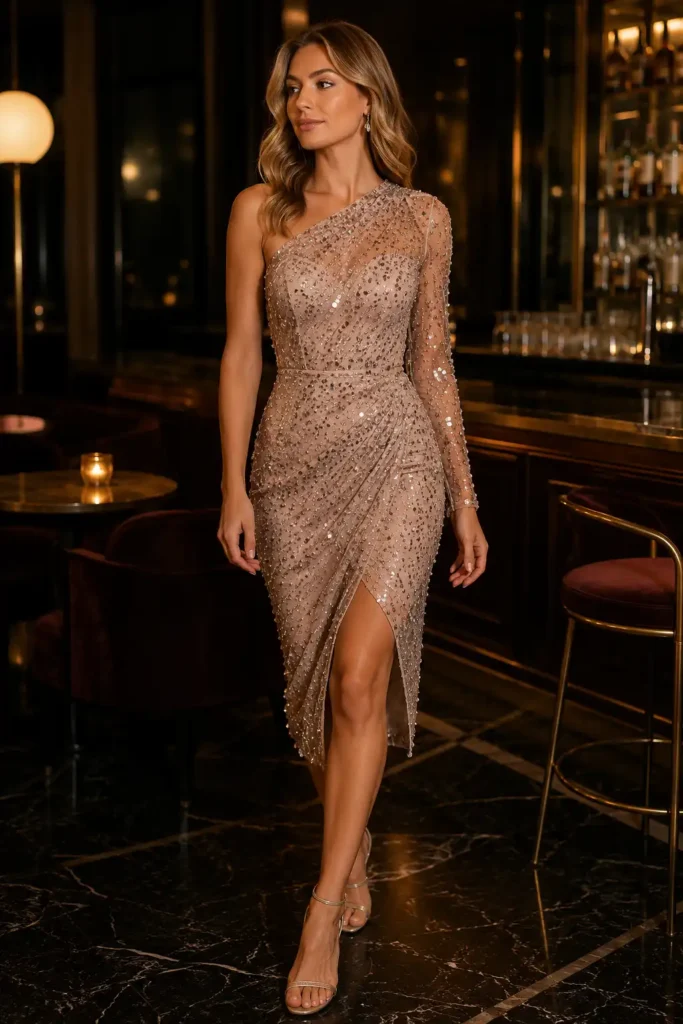
Cocktail Dresses
- Common directions: satin midi, lace mini, ruched crepe and structured one-shoulder styles.
- Bulk checks: neckline symmetry, waist balance, zipper, lining, measurements and final press.

Evening Dresses
- Common directions: fitted column, corset gown, draped satin and layered chiffon.
- Bulk checks: hem level, support, lining, surface marks, pressing and protective packing.

Party Dresses
- Common directions: bodycon, ruched, cut-out, backless and embellished mini styles.
- Bulk checks: stretch recovery, symmetry, lining, zipper, surface decoration and fit.
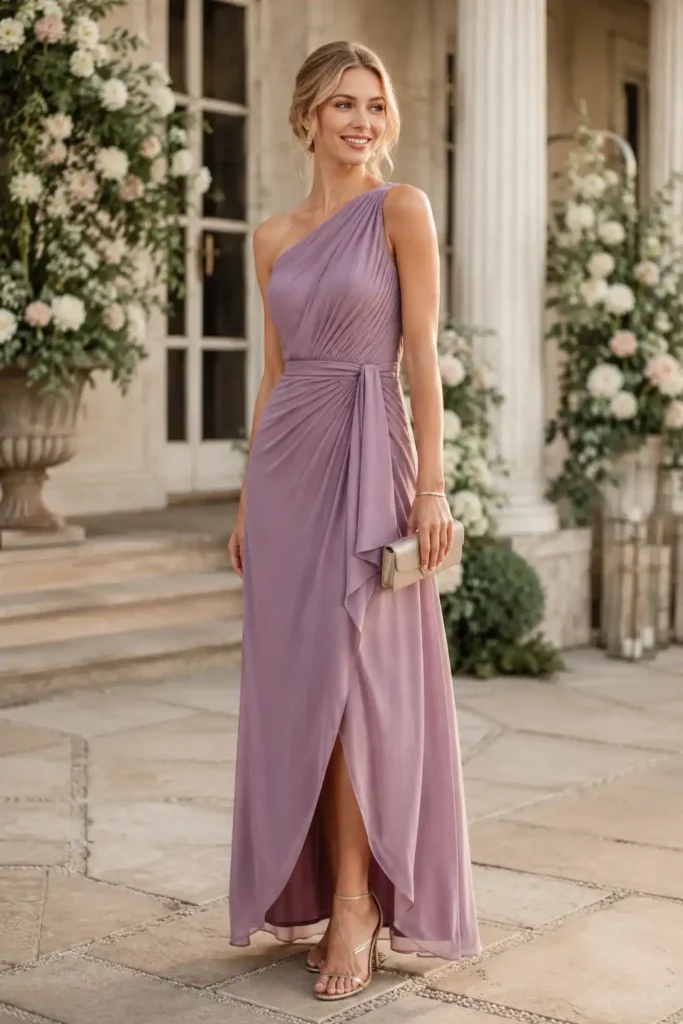
Wedding Guest Dresses
- Common directions: satin midi, chiffon maxi, lace cocktail and printed occasion styles.
- Bulk checks: color, print direction, lining, length balance and presentation.

Prom And Graduation
- Common directions: corset mini, satin A-line, fitted midi and embellished gown.
- Bulk checks: support, length, shade, zipper, size consistency and packing.
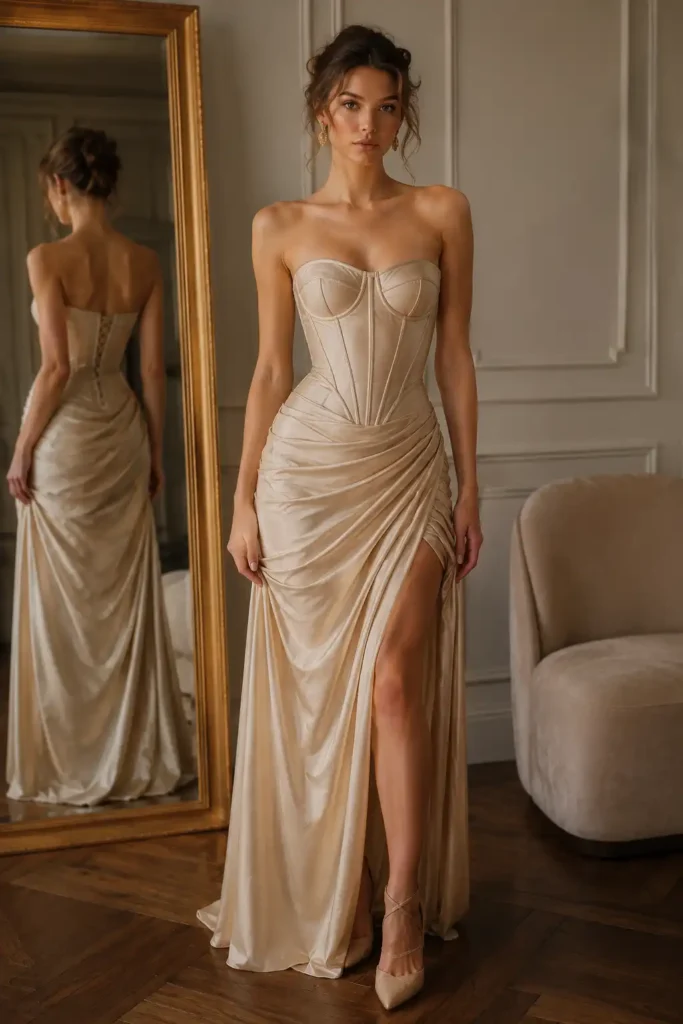
Corset Occasionwear
- Common directions: strapless mini, mesh corset midi, satin corset gown and lace bustier.
- Bulk checks: cups, boning, symmetry, top edge, zipper and lining.

Jumpsuits And Sets
- Common directions: tailored jumpsuit, draped wide-leg jumpsuit, corset top and skirt set.
- Bulk checks: rise, inseam, waist, piece matching, labels and SKU pairing.

Private Label Capsules
- Common directions: 10-30 styles arranged by launch story, fabric group and price position.
- Bulk checks: style consistency, SKU accuracy, packing uniformity and shipment sequence.
Manufacturing Risks That Damage Occasionwear Performance
Fit Fails On Body
Fabric Changes The Design
Sample And Bulk Diverge
Sizes Drift Across Bulk
Launch Windows Are Missed
Packing Errors Block Delivery
Occasionwear Requires More Than General Dress Production
Formal and event-led garments combine visual impact with fit, comfort, movement and surface sensitivity. Manufacturing decisions must be made as one connected system, not as separate choices for fabric, pattern, sewing and packing.
Engineering Fit And Support
Occasionwear succeeds when the upper body stays secure, the waist sits at the intended position and the skirt or trouser section moves without distortion. A corset dress may require bra cups, boning, structured lining, seam reinforcement and an appropriate closure. A satin slip dress needs controlled neckline depth, strap angle, armhole coverage and fabric direction. A bodycon style depends on stretch percentage, recovery, negative ease and seam placement. An evening gown adds long-hem balance, slit safety and weight distribution. Jinfeng Apparel develops these areas through pattern analysis, first samples, fit comments, revised patterns and approved measurements. The team controls upper bust, under bust, full bust, waist, high or low waist, hip, front length, back length, strap length, armhole, neckline depth, slit height, lining length and jumpsuit rise where relevant. Support is not added blindly. Boning hardness, cup shape, anti-slip position, lining weight and zipper strength are matched to the garment and wearer experience. A sample is only ready to progress when the structure can be explained, measured and reproduced.
Managing Sensitive Occasion Fabrics
Occasionwear materials create distinctive visual value but also carry production risk. Satin changes appearance with grain direction, shine, light and pressure.
Chiffon requires seam and hem control because of transparency and fraying. Lace needs motif placement, edge treatment and lining decisions. Mesh and tulle require tension control, stable layering and planned coverage. Sequin fabrics can shed, scratch skin, damage machine needles and create bulky seams. Velvet must be cut in one nap direction and protected from pressure marks. Fabric review therefore goes beyond a swatch color. Composition, GSM, stretch, recovery, hand feel, drape, transparency, shine, shrinkage, wrinkle behavior, dye lot, lining compatibility, supplier MOQ, cost and delivery impact are checked together. When a fabric changes, pattern, lining, sample, price and timeline may also need to change. Material decisions remain recorded before bulk sourcing begins.
Converting Visual Impact Into Repeatable Bulk
A dramatic sample is not enough for a global fashion program. The design must remain recognizable across colors, sizes, production lines and repeat orders. Jinfeng Apparel transfers the approved standard through a final pattern, graded size chart, BOM, trim references, sewing notes, label placement, packing instructions and quality checkpoints. Production allocation considers whether the style is woven, stretch, corseted, layered, embellished or floor-length. Inline inspection focuses on the areas most likely to drift, such as neckline shape, bust position, ruching symmetry, zipper flatness, slit height, lining coverage and hem level. Finishing checks look for shine marks, stains, loose threads, pressure damage and uneven pressing.
Packing then protects delicate surfaces and maintains the intended presentation after international transport. Repeatability is created through controlled information and checkpoints, not through verbal promises.
Fabric Selection And Production Control Reference
Fabric choice determines silhouette, fit, photography, comfort, construction cost and bulk risk. Each material must be evaluated for weight, stretch, recovery, transparency, surface behavior, lining and production repeatability before the pattern and sample standard are finalized. The table below links common occasionwear fabrics with the controls needed for reliable commercial production.
| Fabric | Suitable Occasionwear | Main Risks | Production Controls |
|---|---|---|---|
| Satin / Stretch Satin | Slip, cocktail, corset, evening, wedding guest | Snagging, shade shift, creasing, seam pressure, weak recovery | Confirm shine direction, dye lot, stretch, lining, seam finish, pressing and protective packing. |
| Chiffon | Layered maxi, bridesmaid, wedding guest, draped evening | Transparency, fraying, puckering, uneven hem, static | Approve lining, seam finish, hem method, layer count, drape and long-garment packing. |
| Lace | Cocktail, formal, corset, wedding guest, occasion tops | Motif mismatch, holes, rough edges, unstable stretch | Plan motif placement, matching, edge treatment, lining coverage and joining points. |
| Mesh / Tulle | Party, corset, cut-out, layered skirt, evening details | Transparency, tension, distortion, seam visibility | Check stretch direction, recovery, layer opacity, seam support, lining and cut-out stability. |
| Sequin Fabric | Party, holiday, evening, birthday and stage styles | Sequin loss, scratching, bulky seams, pressure damage | Remove or protect seam-line sequins, add soft backing, inspect surface and use protective packing. |
| Velvet | Winter cocktail, evening, formal and holiday dresses | Nap mismatch, pressure marks, seam shine, crushing | Cut one direction, control pressing, protect pile, hang or fold carefully and inspect under light. |
| Crepe | Cocktail, midi, formal and tailored occasionwear | Incorrect drape, seam marks, weak recovery, surface pull | Choose suitable weight, approve structure, control fit, pressing and seam tension. |
| Organza | Layered skirts, sculptural details, sleeves and formal accents | Fraying, stiffness, seam visibility, crushing | Plan edge finish, layer structure, seam allowance, pressing and transport protection. |
Pattern Control for Fit, Support and Safe Movement
Occasionwear fit is judged on the body, not on a flat sketch. Pattern work must protect visual proportion while allowing movement, coverage and consistent grading across the approved size range.
Bust And Corset Support
The upper body is the first technical focus for corset, strapless, deep-V, halter and fitted occasion styles. Pattern makers review full bust, upper bust, under bust, cup position, neckline depth, side coverage, armhole shape and back opening. Bra cup type, boning hardness, seam direction, lining support, anti-slip tape and zipper placement are selected as a connected structure. A visually strong neckline cannot be approved when it collapses, gaps, exposes the underarm or shifts during movement. Sample fittings document where the body needs support and where pressure should be reduced. Revised patterns update cup position, seam shape, top-edge length and waist connection before the PP sample is made. Bulk control then checks symmetry, boning channels, cup height, neckline level, closure performance and lining attachment against the approved standard.
Waist And Hip Proportion
Occasion silhouettes depend on the relationship between bust, waist, high hip, full hip and garment length. Bodycon dresses need carefully planned negative ease and recovery. Satin or woven fitted dresses require enough shaping through darts, panels or curved seams without pulling at the zipper. Low-waist and drop-waist styles need a deliberate position rather than a scaled-down standard waist. Pattern review compares the brand chart, reference sample, target model proportions and intended fabric behavior. Fit comments are translated into measured pattern actions, such as adding or removing ease, shifting waist level, reshaping the side seam or adjusting the back curve. Size grading is reviewed so larger and smaller sizes retain the intended silhouette instead of becoming uniformly wider or shorter. Inline measurement checkpoints focus on the areas most likely to drift during sewing and finishing.
Necklines, Straps And Openings
Neckline and strap geometry determines both style identity and wearing security. Spaghetti straps can be adjustable or fixed, but length, angle and attachment position must suit the neckline and back shape. Halter styles need stable neck pressure and armhole coverage. One-shoulder garments require balanced tension so the neckline does not twist. Strapless dresses rely on upper-edge shaping, internal support and closure stability. Deep-V and cut-out designs need controlled depth, reinforcement and lining transitions. Zippers, hooks, buttons and concealed openings must allow dressing without distorting the fabric. Sample review includes front, side and back observation, movement testing and measurement of neckline depth, strap length, armhole, back coverage and opening position. Bulk checks verify symmetry, attachment strength and consistent placement across sizes.
Slits, Hems And Linings
Slits, long hems and linings affect movement, modesty and final presentation. A slit can look correct while standing but open too far during walking or sitting. The slit height, overlap, seam reinforcement and lining opening must be developed together. Midi, maxi and floor-length dresses require front-to-back balance, fabric weight control and accurate pressing so the hem falls evenly. Chiffon and layered constructions may need separate lining lengths and controlled fullness. Satin and velvet demand care to avoid pressure marks at hems and seams. Sample review checks movement on the body, not only mannequin appearance. Production instructions specify slit position, hem method, lining length, pressing limits and packing method. Final inspection confirms that lining does not extend below the shell, the hem is level and the garment arrives without avoidable crushing.
Construction Details That Define Premium Occasionwear
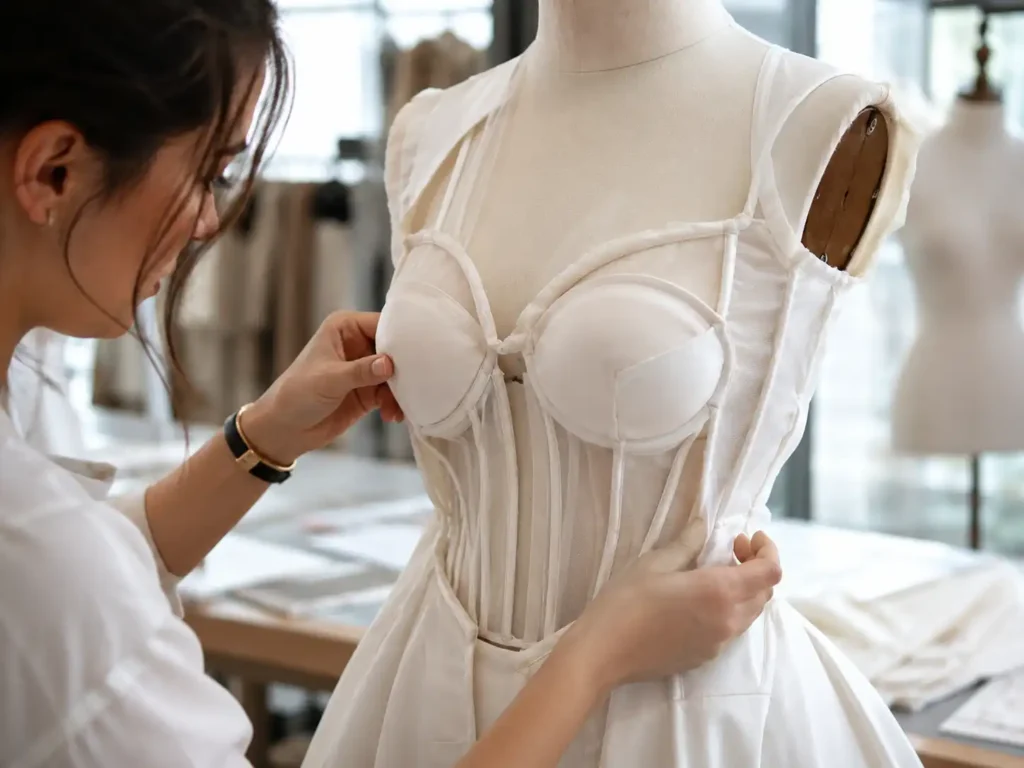
Boning And Cups
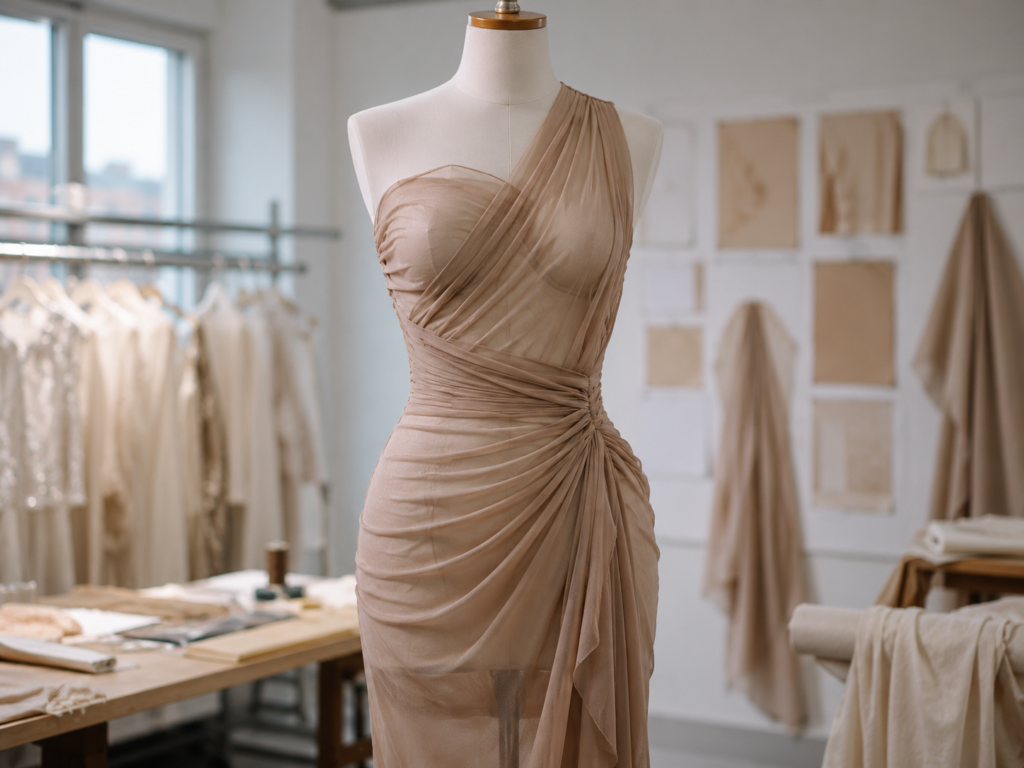
Draping And Ruching
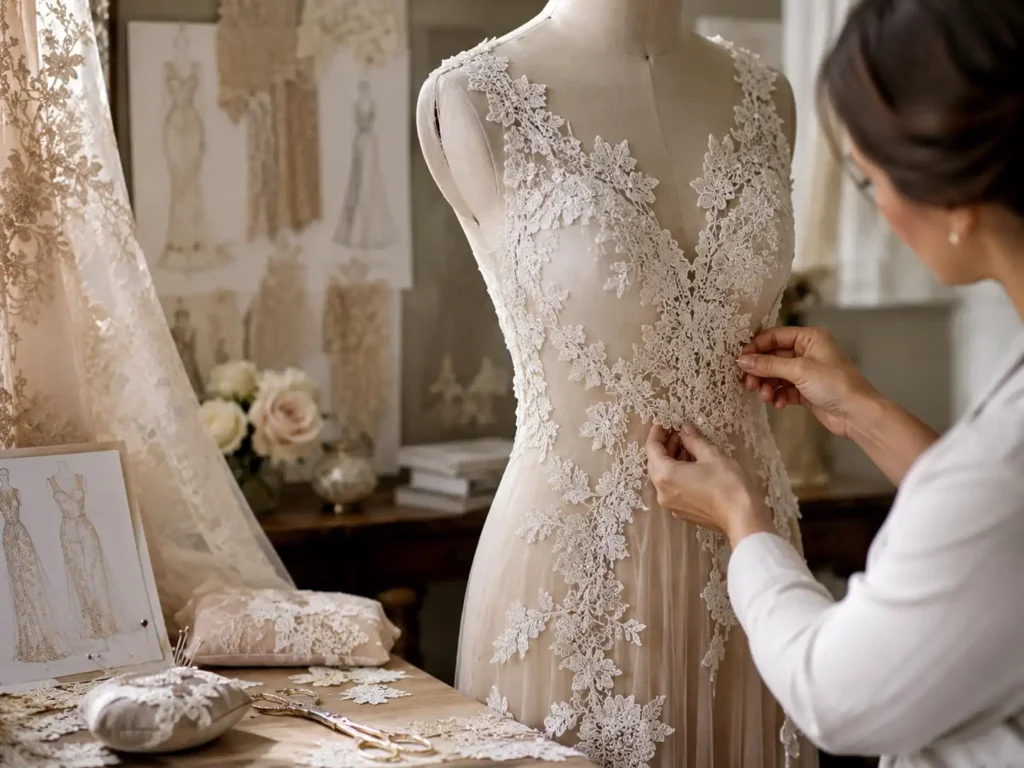
Lace Placement

Sequin Protection

Zippers And Linings

Pressing And Packing
Start With a Structured Occasionwear Project Review
Send Project Inputs
- Useful files: size chart, BOM, trim card, fabric swatch, label artwork and warehouse guide.
- Key commercial data: pieces per style/color, target market, price position and delivery window.
Receive Feasibility Review
- Review points: bust support, stretch, transparency, dye lot, embellishment and packing protection.
- Outcome: clear risks, required approvals and missing information.
Confirm Development Plan
Once the direction is clear, the project can move into material selection, pattern development and sample scheduling. The plan identifies the sample type, fabric and trim approvals, revision method, PP standard, size chart, private-label requirements and commercial milestones. Sample and production timing is issued after style complexity and material readiness are confirmed.
- Planning order: key launch styles first, then material-ready and lower-risk styles.
- Commercial boundary: MOQ starts from 200 pieces per style/color.
Sample Development From First Pattern to PP Approval
Sample development is a sequence of decisions, not a single garment. Two sample rooms, 7+ senior pattern makers and 20+ sample machinists support the stages needed to convert a design into a production-ready standard.
First Sample And Structure Review
The first sample tests whether the proposed fabric, pattern and construction can produce the intended silhouette. Pattern makers build from the tech pack, reference image, original sample or agreed design direction. The sample room then checks basic measurements, seam structure, neckline, bust, waist, hip, length, straps, armholes, slit, lining and closure. Material behavior is observed during cutting, sewing, pressing and fitting. The first sample is not automatically the final bulk standard. It identifies where the design needs correction and whether a fabric, trim or construction choice should be changed. Photos, videos, close-ups and measurement records can be provided for review before shipment. Any internal issue is addressed before the sample is presented as a valid development version.
Fit Sample And Recorded Revisions
Fit comments become useful only when they are converted into measurable actions. Revision records identify the sample version, feedback date, affected area, original and revised measurement, pattern impact, material impact, trim impact, construction impact, cost impact, timing impact and next sample action. Bust, waist, hip, strap, armhole, neckline, back coverage, slit and length changes are written into the pattern rather than left as messages. Fabric changes are re-approved because a change in stretch, weight, drape, transparency or shine may require a new pattern or lining decision. A revised sample is made when the correction cannot be safely judged on paper. Clear version control prevents production from using an outdated pattern or instruction.
Photo And Salesman Samples
Photo samples and salesman samples serve commercial events but remain separate from final production approval. A photo sample may prioritize visual presentation, model fit, color, fabric response under lighting and campaign timing. A salesman sample may support showroom, line review or wholesale appointments and therefore needs representative materials and brand presentation. Both can reveal issues that were less visible during technical fitting, such as shine under studio light, movement on camera, hanger presentation or styling compatibility. Changes discovered at this stage are recorded and assessed for cost, material and production impact. A photo or salesman sample does not replace PP approval when bulk production specifications have not been locked.
PP Sample And Golden Standard
The PP sample confirms the production-facing standard after fabric, color, trims, measurements, construction, labels and packing requirements are agreed. Changes after PP approval can affect material orders, cost, production slots and delivery timing, so any new request must be reviewed formally. A Golden sample can then serve as the comparison standard for production, inspection and repeat orders. The transfer package includes final pattern, size chart, BOM, fabric and trim references, sewing instruction, label placement, packing method and QC checklist. Only after the required approvals and material readiness are complete does bulk scheduling begin. The result is a defined production standard rather than a loosely approved sample.
Control the Transfer From Approved Sample to Bulk
The handover between sample room and production line is a major risk point. Jinfeng Apparel converts approvals into controlled production information so the line is not expected to interpret the design from memory.
Lock The Approved Standard
PP approval defines the accepted fabric, color, trims, measurements, construction, label placement, packing method and appearance. The approved sample is compared with the final pattern and written specifications so visual and measurable standards agree.
Open comments are closed before production. When a requested change arrives after approval, the team identifies whether it affects material quantity, supplier MOQ, sewing method, cost, production slot, inspection plan or delivery schedule. Production does not rely on informal messages that may conflict with the approved version.
Build The Production Package
The production package connects development decisions with factory execution. It can include the final pattern file, graded size chart, BOM, fabric reference, trim card, sewing construction notes, measurement points, label artwork, label placement, barcode file, SKU table, polybag standard, carton mark and packing breakdown. Occasionwear-specific instructions cover cups, boning, anti-slip, zipper, lining, slit, lace placement, mesh transparency, sequin protection, long hem and pressing limits. Each document has a clear version so factories, merchandisers and QC inspectors work from the same information.
Prepare The Production Line
Production allocation follows product and material needs. Formal dresses and occasionwear are directed to the units matched to woven, satin, lace, mesh, embellished and structured women’s fashion.
Before volume sewing begins, the production team reviews critical operations, approved details, measurement points and defect risks. Complex seam sections or finishing methods can be demonstrated against the approved sample. Initial output is checked early to identify tension, alignment, measurement or workmanship drift before it spreads across the order.
Compare Bulk Against Approval
Bulk garments are compared with the approved standard through material, measurement, construction, appearance and packing checks. Inline inspectors focus on the operations most likely to change: neckline, cup and boning position, waist seam, ruching, zipper, slit, lining, lace motifs, sequin coverage, hem and pressing. Final inspection reviews garment appearance, loose threads, stains, damage, size marking, labels, barcodes and packing. Golden sample, measurement sheet and QC checklist remain available for repeat orders and replenishment so the same style does not restart from incomplete memory.
Production Resources Matched to Occasionwear Complexity

Occasionwear Units

Woven Dress Units

Complex Fabric Units

Flexible Production Lines

Sample And Pattern Teams

Management And Finishing
Quality Control Built Around Occasionwear Failure Points

Material Inspection

Cutting Control

Sewing Inspection

Measurement Control

Final Garment Review

Packing Verification
Project Management for Multi-Style Occasionwear Orders
Project Kickoff
Timeline Planning
Fabric Tracking
Revision Tracking
Bulk Updates
Shipment Coordination
Multi-Style Collections Planned Around Launch and Replenishment
Established fashion programs commonly combine 10-30 styles and 20,000-80,000 pieces in one order cycle. Managing such programs requires grouping, priority and repeat-order records, not simply adding more styles to one production list.
Build A Controlled Assortment
A collection can be grouped by product category, fabric family, pattern complexity, trim family, color story, price position and production route. Satin cocktail and wedding guest styles may share dye-lot planning and lining decisions. Mesh and corset styles may share cups, boning, elastic and transparency standards. Lace and sequin styles may require separate surface-handling and inspection rules. Jumpsuits and sets carry different grading and SKU relationships from dresses. Grouping allows material sourcing, sample work, costing and QC to move with fewer contradictory instructions. It also helps identify hero styles, commercially repeated shapes and higher-risk fashion statements. A line sheet can then become an operating plan with ownership, status and approvals for each style rather than a static product list.
Protect The Launch Calendar
Seasonal occasionwear works around photography, wholesale appointments, campaign release, warehouse receiving and selling windows. Key styles can be prioritized by launch importance, material readiness and technical risk. Photo samples may be scheduled before all remaining development samples, while PP approvals are planned early enough to protect bulk slots. Material delays, new color approvals, added embellishment or late packing artwork are recorded as schedule changes. Large orders may be divided into production and shipment waves when one release date cannot serve every style. Air and sea split-shipment options can be discussed when launch urgency and freight cost need to be balanced. The objective is a visible decision path, not an unrealistic promise that every style can move at the same speed.
Prepare For Repeat Orders
Repeat orders move faster when the approved information remains complete. Jinfeng Apparel retains pattern records, size charts, BOMs, fabric references, colors, trims, sewing notes, labels, packaging, QC standards and shipment history for future production. Before a repeat begins, material availability, dye lot, trim supply, size ratio, packing artwork and the latest approved version are reconfirmed. A bestseller can then restart without rebuilding every decision from the beginning, while genuine changes are treated as new development inputs. Multi-batch production also becomes easier because each wave can follow the same Golden sample and documented standard. Stable repeatability supports seasonal continuity and reduces communication cost across long-term brand cooperation.
Private Label Packing Ready for Retail and Ecommerce

Brand Labels

Size And Care Labels

Hangtags And Branding
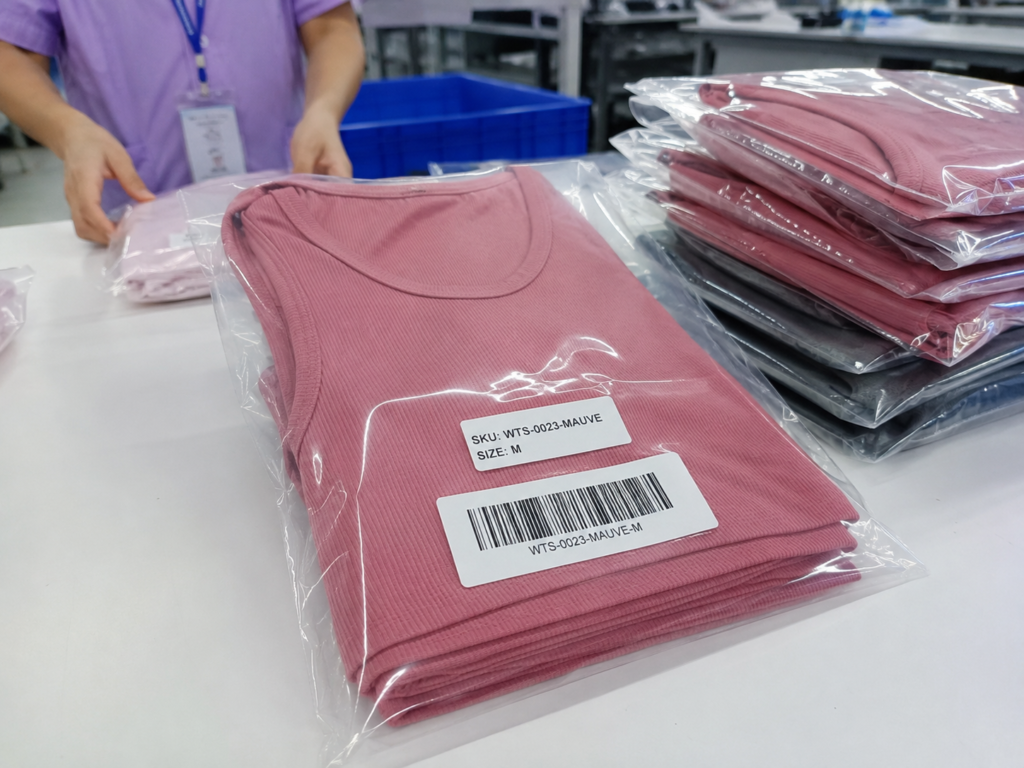
Barcode And SKU

Polybags And Protection
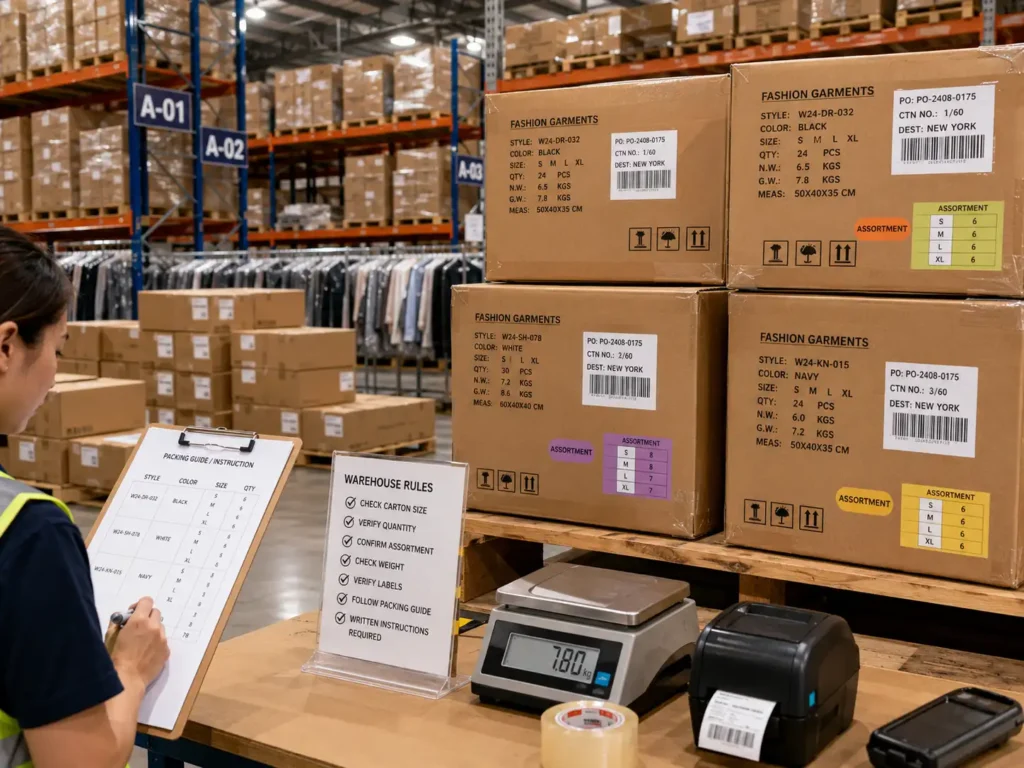
Cartons And Documents
MOQ, Quotations and Delivery Planning Explained Clearly
Commercial terms depend on fabric, construction, quantity, color split, size range, private-label details, testing and delivery requirements. Jinfeng Apparel reviews the complete project before confirming price or schedule, especially for corset, lace, mesh, sequin and evening styles.
| Planning Area | Jinfeng Apparel Approach | Main Variables |
|---|---|---|
| Standard MOQ | Starts from 200 pieces per style and color. One style in two colors normally requires 200 pieces per color. | Fabric availability, color development, trims, construction and production schedule. |
| Supplier Minimums | Custom dyeing, print, lace, sequin, special trims, labels and packaging may carry separate supplier minimums. | Material supplier, color count, artwork, mold or tooling and order split. |
| Sample Planning | A working-day schedule is issued after complete files, material direction and construction complexity are reviewed. First, fit, revised, photo, salesman, PP and Golden samples are planned separately. | Pattern complexity, fabric readiness, trim development, revision scope and courier timing. |
| Bulk Production | Bulk scheduling begins after PP approval, material readiness, production slot confirmation and packing lock. Programs of 10-30 styles are divided by style group and production wave. | Order size, fabric arrival, line allocation, quality level, packing and launch window. |
| Size Development | Brand-defined ranges such as XS-XXL or numeric sizing are developed from the approved size chart and fit comments. Key points are confirmed before grading and bulk measurement control. | Bust, under bust, waist, hip, length, strap, armhole, neckline, slit, lining and jumpsuit rise. |
| Quotation Basis | Price is built from fabric, trims, pattern work, sampling, cutting, sewing time, pressing, QC, packing, wastage, testing, logistics and reasonable factory margin. | Style complexity, material choice, quantity, size ratio, packing level and trade terms. |
| Delivery Planning | Express, air, sea and split shipment can be discussed. Final transit and release timing is confirmed by destination, volume, forwarder and agreed Incoterms. | Launch date, warehouse receiving, freight cost, customs route and documentation. |
Compliance Support, Testing and Design Protection
Project-Based Compliance
- Review may include: factory profile, audit scope, material certificate, transaction evidence and validity date.
- No blanket statement is made for all factories, fabrics or orders.
Testing Coordination
- Third-party options may include recognized laboratories selected for the project.
- Results apply to the tested sample, material, color and batch described in the report.
NDA And Protection
- Website proof can use anonymized market, product, style count, quantity range and manufacturing challenge.
- Development files are managed for production and repeat orders under the agreed confidentiality terms.
Anonymized Occasionwear Programs Managed From Sample to Delivery
The following representative programs use anonymized commercial data to show how style count, material mix, sample approvals, quality control and packing are managed. Brand names, original designs, prices, order numbers and unpublished materials remain protected.
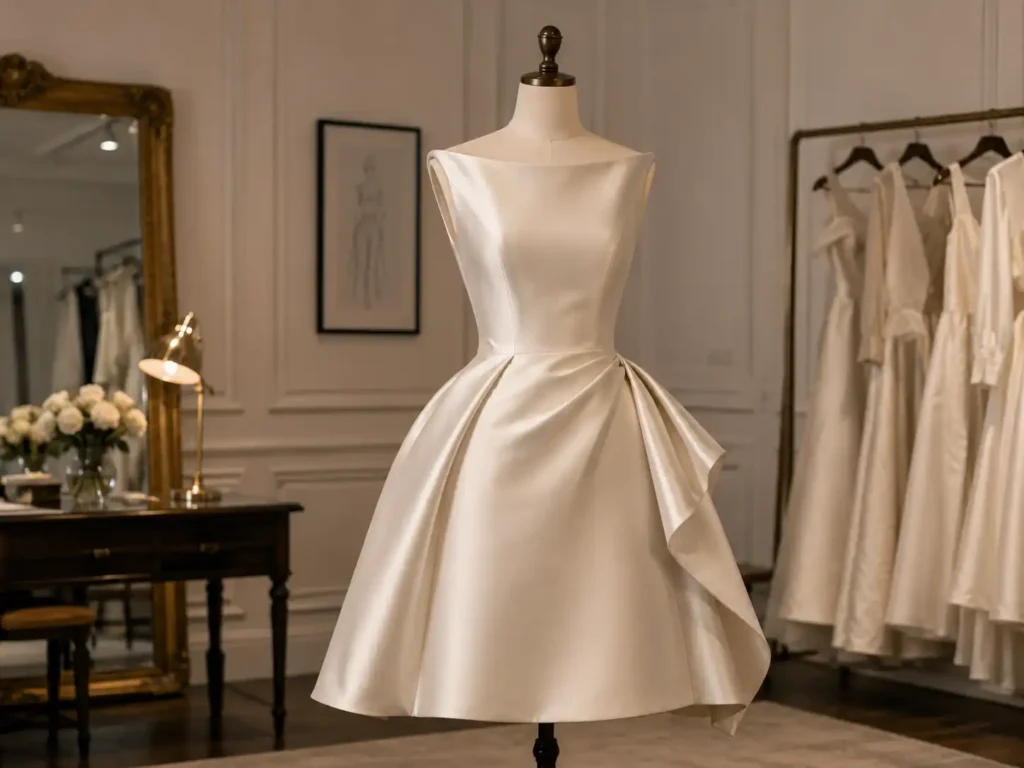
US Satin Occasionwear Program
An anonymous US occasionwear label developed a 12-style program of approximately 20,000 pieces covering satin mini and midi dresses for wedding guest, cocktail and evening use.
The assortment included four color directions and a commercial size range from XS to XL. Main risks were satin shade consistency, shine direction, zipper flatness, lining comfort, neckline stability and bulk measurements.
The sample route used first samples, revised fit samples and PP approval for each style group.
Jinfeng Apparel separated the collection by fabric and construction, confirmed color references under controlled light, recorded zipper and lining specifications, and used approved measurement points for inline checks. Packing standards protected the satin surface and identified style, color and size by SKU. Production was released in two controlled waves so key launch styles could move first while remaining styles completed final approval and packing verification.

US Multi-Fabric Private Label Program
An anonymous US large private-label client placed an 18-style womenswear program of around 28,000 pieces using satin, mesh, jersey, lace and crepe.
The range combined occasion dresses with selected commercial fashion styles and extended from XS to XXL. Challenges included five material groups, different pattern and lining needs, sample-version control, consistent hangtags and barcodes, client inspection and phased shipment documentation.
Jinfeng Apparel created one project tracker with material status, sample stage, revision date, PP approval, bulk status, quality findings and packing readiness by style. Main labels, care labels, hangtags, barcodes, polybags and carton marks followed one approved brand standard. Fabric-sensitive QC was applied by group: transparency and recovery for mesh, motif and edge checks for lace, shine and snag checks for satin, and measurement stability for jersey. Shipment files were prepared against the final SKU breakdown.
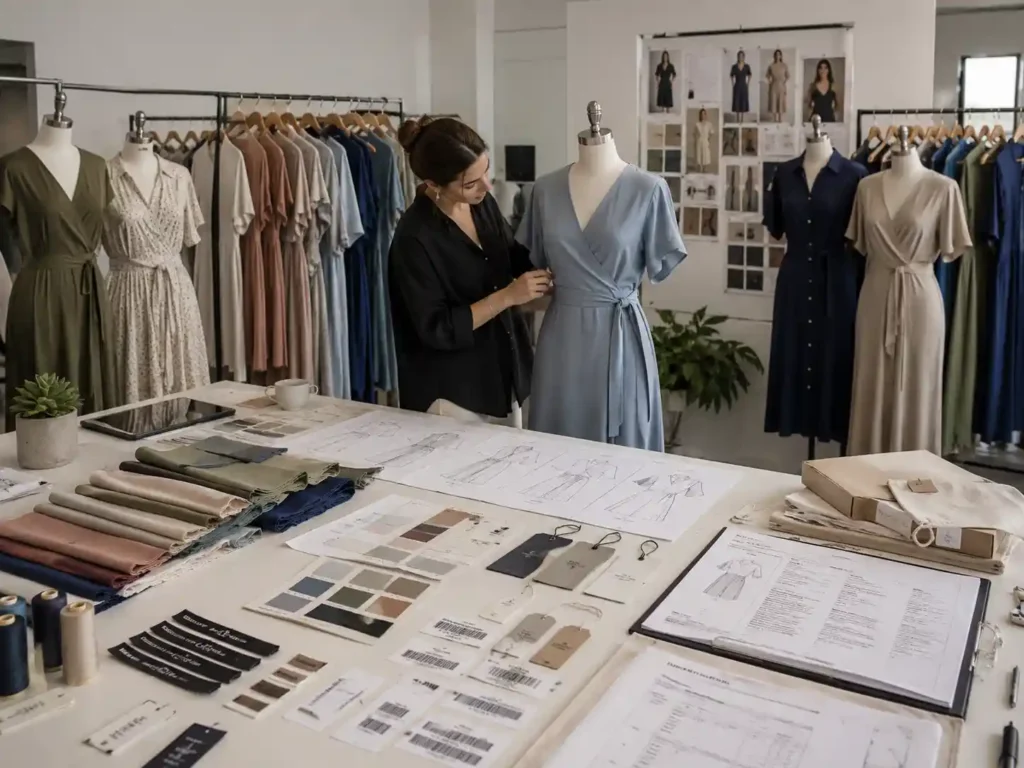
Seasonal Global Occasionwear Collection
A representative regional fashion program combined 24 occasionwear styles and approximately 56,400 pieces across cocktail dresses, party dresses, wedding guest styles, evening silhouettes, two jumpsuits and coordinated sets. Seven fabric groups and eight commercial colors created a complex material and SKU plan. The collection was divided into hero launch styles, core repeatable styles and higher-risk embellished pieces. Sample priorities followed campaign date, material readiness and construction complexity. Pattern and fit records were maintained by style, while common cups, boning, zippers, linings and label materials were grouped for supply control. Bulk production moved through three waves, with inline inspection focused on bust support, waist position, ruching, slit, lace placement, sequin protection and long-hem balance. The final packing breakdown separated ecommerce-ready individual pieces from retailer carton requirements, allowing the collection to move through different receiving channels without changing garment standards.
Occasionwear Manufacturing Frequently Asked Questions
Ask Kelly Send Tech Pack

Send Your Occasionwear Program for Technical Review
Share the information available for your collection and Kelly will coordinate an initial project review with the relevant development team. A reference image or tech pack helps identify silhouette, construction and fit risk. Quantity per style and color confirms MOQ fit and supports costing. Fabric direction, color plan and size range help the team review material availability, pattern work and grading. Label, barcode, polybag and carton requirements clarify private-label and packing costs. A launch date, delivery destination and preferred shipping method help build the milestone and production plan. Complete files allow a more accurate response, but an initial review can also begin from a line sheet, original sample or selected key styles.
- Product type, style count and target quantity per style/color
- Reference images, tech packs, original samples or line sheet
- Fabric preference, colors, size range and target market
- Main labels, care labels, hangtags, barcode and packing requirements
- Launch date, destination, warehouse guide and testing needs


