...

Custom Jumpsuit Manufacturer for Fashion Brands

One-piece fashion development built around proportion, movement, fabric behavior and repeatable bulk production for established womenswear programs.

Jinfeng Apparel develops fashion jumpsuits as complete garments rather than separate tops and trousers joined at the waist. Pattern work, fit review and bulk control focus on torso length, waist placement, crotch depth, bust-to-hip balance, leg shape and opening construction. Brand programs are supported from reference image or tech pack through sampling, PP approval, production, QC, private-label packing and export coordination.

  • 6 owned womenswear factories plus more than 10 long-term satellite production partners for style-specific factory allocation.
  • 2 sample rooms, 7+ senior pattern makers and 20+ sample machinists supporting fit-led jumpsuit development.
  • MOQ starts from 200 pcs per style/color, subject to fabric, color, trim, construction and packaging requirements.
  • 100,000+ pcs monthly womenswear capacity across multi-style brand programs, with 15+ QC inspectors supporting production checks.

Jumpsuit Development Capacity for Growing Fashion Programs

A reliable jumpsuit program needs pattern, sampling, merchandising, production and quality teams working from one approved standard. Jinfeng Apparel combines in-house development resources with a multi-factory production network so styles can be allocated by fabric, construction and order rhythm rather than pushed through one general line.

Since 2008

Long-term womenswear manufacturing experience supports better judgment before fabric is cut. The team reviews whether a design depends on stretch, shaping seams, boning, lining, a specific zipper opening or a controlled waist seam. Early decisions reduce unnecessary sample rounds and prevent a visually attractive concept from becoming uncomfortable or unstable in bulk production.

Six Owned Factories

Owned factory capacity provides direct production control for core womenswear categories, including jumpsuits, dresses, skirts, sets and fashion tops. Factory allocation follows garment structure: a tailored crepe jumpsuit, a stretch bodycon style and a sequin occasion piece do not require the same sewing route, finishing method or inspection focus.

Two Sample Rooms

Separate sample-room resources allow development work to progress before a bulk line is assigned. First samples, revised samples, fit samples, photo samples and PP samples are managed as distinct versions. Each version has a clear purpose, preventing an early visual sample from being mistaken for the final production standard.

Seven Pattern Makers

More than seven senior womenswear pattern makers support proportion correction across the upper body, waist, hip, rise and leg. Jumpsuit patterns require more than checking circumference measurements; the vertical relationship from shoulder to crotch must work during standing, sitting, walking and arm movement.

Twenty Sample Machinists

More than twenty sample machinists support different constructions, from clean tailored seams and invisible zippers to stretch stitching, lining, bra cups, boning, lace placement and sequin protection. The sample room can therefore evaluate construction feasibility before production scheduling and material booking are locked.

Fifteen QC Inspectors

A team of more than fifteen quality inspectors supports incoming material checks, cutting checks, inline sewing review, garment measurement, appearance inspection, packing checks and AQL inspection. Jumpsuit-specific checkpoints include torso length, rise, waist seam position, leg balance, zipper flatness and movement comfort.

Built for Fashion Brands with Structured Production Plans

Jinfeng Apparel works best with teams that have a defined product direction, professional sampling needs and a bulk production plan. The development route can begin with a detailed tech pack, an original sample, a line sheet, annotated reference images or a clear collection brief. Best fit: established fashion businesses, sourcing offices and apparel programs with clear style direction, sample budgets and planned quantities. Jinfeng Apparel is not positioned as a ready-stock wholesaler, dropshipping provider or one-piece fulfillment source.

Global Womenswear Brands

Seasonal programs often involve multiple fits, fabrics and color families under one launch calendar. Jinfeng supports structured approvals, shared measurement standards, style-by-style tracking, private-label requirements and production updates. The goal is not merely to finish one sample, but to make the approved result repeatable across sizes, colors and later replenishment.

Premium Ecommerce Brands

Online product performance depends heavily on fit consistency, photo-ready samples and accurate SKU execution. Development focuses on silhouette, movement and size balance, while production control covers labels, barcodes, color-size breakdowns and packing accuracy. Stable records help reduce avoidable fit complaints and simplify repeat orders after a style proves commercially strong.

Occasionwear Labels

Occasion jumpsuits may combine satin, crepe, mesh, lace, boning, cups, draped panels, asymmetric necklines or embellishment. Such styles require more sample validation than a basic casual garment. Jinfeng reviews support, coverage, opening design, lining, pressing and packaging before bulk production standards are released.

Resortwear Programs

Resort ranges frequently rely on printed rayon, viscose, linen blends, lightweight crepe and fluid wide-leg shapes. Attention is placed on print direction, shrinkage, transparency, lining, wrinkle behavior, hem balance and travel-ready folding. Multi-style collection planning also helps coordinate related dresses, sets and jumpsuits within one seasonal story.

Sourcing Teams

Procurement and sourcing teams need clear boundaries around MOQ, materials, sample stages, production milestones, QC and shipping documentation. Jinfeng manages each project through confirmed files, responsible contacts, written revisions and milestone reporting so the program can be reviewed internally without relying on scattered messages or memory.

Private Label Programs

Private-label execution extends beyond sewing a brand label into a garment. Programs can include woven labels, size labels, care labels, hangtags, barcode stickers, SKU labels, polybags, thank-you cards, cartons, carton marks and warehouse labels. Artwork, placement, quantities and packing rules are confirmed before production packing begins.

Jumpsuit Problems That Become Bulk Production Risks

Jumpsuits can look correct on a hanger and still fail during wear. The most expensive problems usually appear after grading or bulk cutting, when a minor pattern imbalance becomes repeated across thousands of garments. Risk review begins with the relationship between body length, fabric behavior and opening construction.

Torso Pulling

A short vertical body length can pull at the crotch, distort the waist seam and drag the neckline downward when the wearer raises her arms or sits. A loose-looking garment may still have insufficient torso length. Pattern review compares shoulder-to-waist, waist-to-crotch and total body length rather than relying only on bust, waist and hip circumferences.
  • Review standing and seated posture.
  • Check arm lift and forward reach.
  • Confirm front and back body balance separately.

Crotch Discomfort

Front rise, back rise, crotch depth and crotch curve must support movement without sagging or pressure. Excess length can create folds, while insufficient length causes pulling and restricted movement. Woven styles need controlled ease; stretch styles still require correct vertical dimensions because fabric recovery cannot correct a structurally short pattern.
  • Measure front and back rise.
  • Review seat curve and hip volume.
  • Test walking, sitting and bending.

Waistline Drift

A waist seam placed too high or too low changes leg proportion, bust balance and entry comfort. Elasticated waists can also shift during wear when the casing, elastic tension or body length is incorrect. Fit review confirms the intended visual waistline against the natural waist and checks whether the position remains stable during movement.
  • Mark waist level during fitting.
  • Check seam level from front to back.
  • Confirm belt loops, sash or waistband placement.

Bust-Hip Imbalance

One-piece garments must accommodate upper and lower body differences without making one area overly loose. A fitted bodice paired with a full hip or wide leg can require shaping seams, darts, stretch panels, adjustable straps or an opening that allows entry. Size grading must preserve both silhouette and dressing comfort.
  • Check bust shaping and neckline security.
  • Confirm hip ease by fabric type.
  • Review entry opening in every key size.

Fabric Mismatch

A pattern developed in soft viscose will not behave the same in firm suiting, heavy satin, ponte or sequin fabric. Drape changes leg shape; stretch changes ease; thickness changes seam bulk; transparency changes lining. Material changes during sampling therefore require a fresh assessment of pattern, construction, cost, MOQ and production risk.
  • Match drape to leg silhouette.
  • Match stretch direction to body fit.
  • Recheck lining and seam method after substitutions.

Sample-Bulk Variation

Bulk inconsistency often begins when a final pattern, grade rule, PP sample or measurement standard is not fully locked. Jinfeng connects approved fit comments to the final pattern, size chart, sewing instruction, fabric reference, trim details, golden sample and QC measurements. Changes after approval are documented rather than passed verbally to production.
  • Lock PP approval before cutting.
  • Issue one controlled production file.
  • Measure critical points during sewing and finishing.

Custom Jumpsuit Styles for Fashion Collections

Product development can cover structured, fluid, fitted and embellished directions. Each style group below requires a different balance of pattern, fabric, opening design and quality checkpoints. The strongest collection plans use product variety without forcing every silhouette through the same material or construction route.

Tailored Wide-Leg

Tailored wide-leg jumpsuits suit workwear, occasion and office-to-evening ranges. Crepe, suiting fabric, woven blends and structured viscose can provide a clean waist and controlled leg fall. Development focuses on shoulder balance, lapel or neckline shape, waist placement, front rise, pocket position and trouser crease. Bulk checks cover leg twisting, hem level, seam pressing and zipper flatness.

Party and Evening

Party and evening jumpsuits may use satin, velvet, mesh, lace, sequins, draping, cut-outs or asymmetric necklines. Visual impact must be supported by secure coverage, comfortable movement and a reliable entry opening. Sampling should test lighting appearance, lining, bra support, embellishment contact points and pressing marks. Packing must protect delicate surfaces and structured areas.

Bodycon Stretch

Bodycon jumpsuits use jersey, ponte, power mesh, stretch satin or spandex blends. Fit depends on controlled negative or close ease, stretch direction and recovery rather than simply reducing measurements. Key risks include side-seam twisting, transparent overstretch, neckline distortion, pressure at the crotch and size variation after finishing. Wash and recovery behavior should be reviewed before production approval.

Resort and Printed

Resort jumpsuits often feature fluid wide legs, wrap fronts, halter necks, open backs, tie waists or relaxed shoulders. Rayon, viscose, linen blends, lightweight crepe and printed fabrics are common. Development addresses print placement, shrinkage, transparency, strap security, wrinkle behavior and hem balance. Packing method matters when garments must arrive ready for ecommerce photography or resort retail presentation.

Corset Structured

Corset-inspired jumpsuits combine fitted upper-body support with a trouser base. Bra cups, boning, underwire, lining, fusible support and back construction must be coordinated with torso length and entry design. The bodice cannot be developed separately from the rise and waist seam. Fit sessions review bust support, waist tension, side-seam balance and comfort while sitting.

Denim and Utility

Denim and utility jumpsuits depend on fabric weight, wash effect, seam strength, pocket function and hardware. A heavier fabric may require more entry ease, stronger zippers or snaps and adjusted seam allowances. Bulk production checks include panel shade, wash variation, pocket symmetry, hardware attachment, stitch density and twisting after wash.

Rompers and Playsuits

Short one-piece styles place greater attention on rise, leg opening, seat coverage and movement safety. A playsuit can look balanced while standing yet expose too much or pull during sitting. Pattern development checks body length, short inseam, hem shape, lining coverage and opening access. Fabric weight and stretch must support comfort without losing the intended silhouette.

Office-to-Evening

Convertible office-to-evening jumpsuits combine clean tailoring with details such as removable belts, refined necklines, draped sleeves or subtle sheen. Crepe, ponte, suiting blends and matte satin can support day-to-night positioning. Development prioritizes polished pressing, comfortable sitting, pocket control, secure necklines and consistent size grading across a broad retail range.

Jumpsuits Designed Around Each Selling Occasion

Product direction should follow how and where the garment will be sold. Occasion, resort, office and social-media programs place different pressure on fit, material, photography, replenishment and packaging. A clear selling context helps the development team make better choices before the first sample begins.

Party and Night

Night-out styles need a strong silhouette under flash photography and moving light. Stretch recovery, bust security, cut-out stability and zipper access matter as much as the front-view image. Dark colors require careful shade control, while sequins, rhinestones and metallic trims need abrasion protection during sewing, finishing and packing.

Occasion and Evening

Evening programs often demand a longer, cleaner line with controlled drape and more refined internal construction. Satin shine, crepe weight, lining, boning, cups and hem balance are reviewed together. Photo samples may need a separate timeline from PP samples because campaign photography and production approval serve different purposes.

Resort and Vacation

Resort collections benefit from breathable or fluid fabrics, strong prints and easy styling. Development considers transparency in sunlight, wrinkle behavior after folding, tie security, strap adjustment and full-length hem balance. Coordinated colors and print groups can connect jumpsuits with dresses, skirts and matching sets across one seasonal assortment.

Office and Workwear

Office jumpsuits need freedom to sit, walk and reach while maintaining a structured appearance. Tailored shoulders, waist position, front rise, pocket placement and trouser break are important. Matte fabrics, reliable zippers and clean pressing support repeat wear, while size grading should maintain ease without making smaller sizes tight or larger sizes shapeless.

Festival and Social

Festival and social-first styles may use cut-outs, mesh panels, asymmetric straps, bold prints or fitted stretch fabrics. The sample must remain secure during movement rather than only look strong in a still image. Edge finishing, strap tension, lining coverage, embellishment protection and body-length tolerance become central quality points.

Seasonal Capsules

Capsule drops often combine a hero jumpsuit with supporting dresses, sets and tops. Development priorities should be sequenced so photo samples, core sizes and high-priority colors move first. Material booking, sample comments and PP approvals are tracked by style to protect the launch date without forcing unfinished details into production.

How We Engineer Better-Fitting Fashion Jumpsuits

Fit engineering starts with the vertical body relationship and then connects circumference, ease, fabric behavior and opening design. A jumpsuit cannot be corrected by adjusting one measurement in isolation; each change affects several neighboring areas and the wearer’s movement path.

Torso Length and Balance

Torso length determines whether the garment can move with the body. The pattern team reviews the route from shoulder through bust and waist to the crotch, then separates front and back balance because bust projection, back length and seat shape create different demands. A garment can show enough total length yet still pull at the front rise or collapse at the back waist when the distribution is wrong. During fitting, the team observes neckline movement, shoulder pressure, waist-seam level and crotch position while the wearer stands, sits, raises both arms and reaches forward. Comments are converted into pattern corrections rather than handled only by adding general length. For fitted or corset styles, added torso length must not destroy upper-body support. For loose resort shapes, excess length must not create an unplanned drop crotch. The approved body length is recorded in the final pattern and critical measurement file so bulk garments are checked against the same standard.

Front and Back Rise

Front rise, back rise, crotch depth and crotch curve control comfort through the lower torso. A short front rise can pull at the opening and distort the waist; a short back rise can restrict sitting and create pressure across the seat. Too much length can produce folds, sagging or an unstable waist position. Pattern correction therefore considers hip depth, seat projection, thigh entry and the intended leg silhouette. Woven fabrics require planned ease because they cannot stretch around an incorrect curve.

Stretch fabrics may hide a minor issue during a brief fitting but create discomfort, transparency or recovery problems after extended wear. Fit comments should include front, side and back photographs plus sitting and walking views. The team compares those images with measured rise points and the pattern shape before releasing a revised sample or PP sample.

Waistline and Proportion

Waist placement shapes the entire visual proportion of a jumpsuit. A high waist can lengthen the leg line but shorten the upper body; a low waist can create a relaxed look but increase the vertical body requirement. Natural-waist styles need the seam or waistband to remain level around the body rather than rise at the back or dip at the front. Belts, elastic casings, drawcords and shaped waistbands each influence stability differently. During development, the team marks the intended waist level on the fit model, checks side-seam alignment and reviews whether the position remains stable after sitting and arm movement. When a style includes a corset bodice or structured waist, support layers and closures must be coordinated with the rise below. The final waist position is carried into grading so larger sizes do not simply lengthen downward and smaller sizes do not become excessively short through the body.

Bust and Hip Balance

A fashion jumpsuit must fit two major body zones within one garment. Upper-body shaping can involve darts, princess seams, cups, boning, drape or stretch, while the lower section may require hip ease, seat shaping and a particular trouser line. A fitted bust paired with a fuller hip can make entry difficult when the zipper or neckline opening is too short. A looser bust paired with a close hip can create gaping above and tension below. Development reviews both fit and dressing route: how the wearer steps in, pulls the garment over the hip and closes the zipper or buttons.

Adjustable straps, elastic back panels, side zippers, center-back zippers or front openings can solve different access problems. Size grading must preserve the intended relationship, not merely increase every circumference by the same increment.

Leg Shape and Hem

Wide-leg, straight, tapered and flared silhouettes require different control from hip to hem. Fabric drape, grain direction, side-seam shape and inseam balance determine whether the legs hang cleanly or twist.

Wide-leg styles need enough weight and width for movement without becoming bulky at the crotch. Tapered legs need knee and calf allowance that supports walking and sitting. Full-length styles require an agreed wear height and shoe assumption; cropped styles need a deliberate proportion rather than an arbitrary reduction. During bulk production, cut panels are checked for grain direction, finished legs are compared for symmetry and hems are reviewed after pressing. For printed or striped fabrics, placement and matching can affect cutting efficiency, cost and final appearance.

Zipper and Entry Design

The opening method must allow dressing without weakening the silhouette. Invisible zippers support clean occasion styles but need enough opening length and stable seam allowance to prevent strain. Metal zippers suit denim or utility designs but add weight and require secure stops. Side zippers can preserve a clean back, yet placement must avoid hip pressure and pocket interference. Front buttons, snaps or wrap openings may improve access but change coverage and styling. Strapless and corset jumpsuits often need a longer center-back opening because the upper body cannot stretch over the hip. The sample room tests opening length, zipper smoothness, seam flatness and dressing ease. Bulk instructions define zipper type, length, color, attachment method, top-stop position and reinforcement, while QC checks waviness, skipped stitching and opening alignment.

Critical Jumpsuit Measurements Before Bulk Production

A visual sample approval is not enough. Critical measurements must be compared with the approved size chart, and any tolerance must reflect fabric, construction and inspection method. Grading rules should treat vertical body length, rise and leg length separately from circumference increments.

MeasurementWhy It MattersCommon RiskControl Method
Torso LengthControls shoulder-to-crotch movementPulling, sagging or neckline dragFit sample plus movement review
Front RiseControls front comfort and waist levelCrotch pressure or front foldsPattern curve and measured check
Back RiseSupports seat and sitting comfortSeat pulling or excess sagBack balance and seated fitting
Waist PositionDefines proportion and seam stabilityHigh, low or uneven waistlineMarked fit level and QC reference
BustControls shaping and neckline securityGaping or compressionMeasurement plus support review
HipControls entry, movement and seat fitTightness or excess easeFabric-based ease and size grading
ThighSupports walking and sittingRestricted movementDynamic fit and finished measurement
InseamControls final leg lengthUneven or incorrect finished lengthSize chart and paired-leg check
Leg OpeningDefines silhouette and drapeWrong flare or tapered shapePattern width and final measurement

Matching Jumpsuit Fabrics with Fit and Silhouette
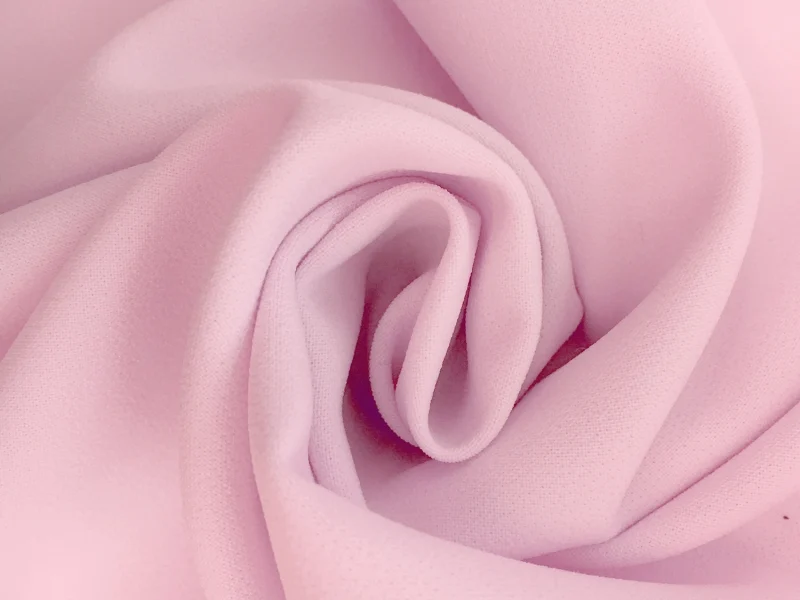
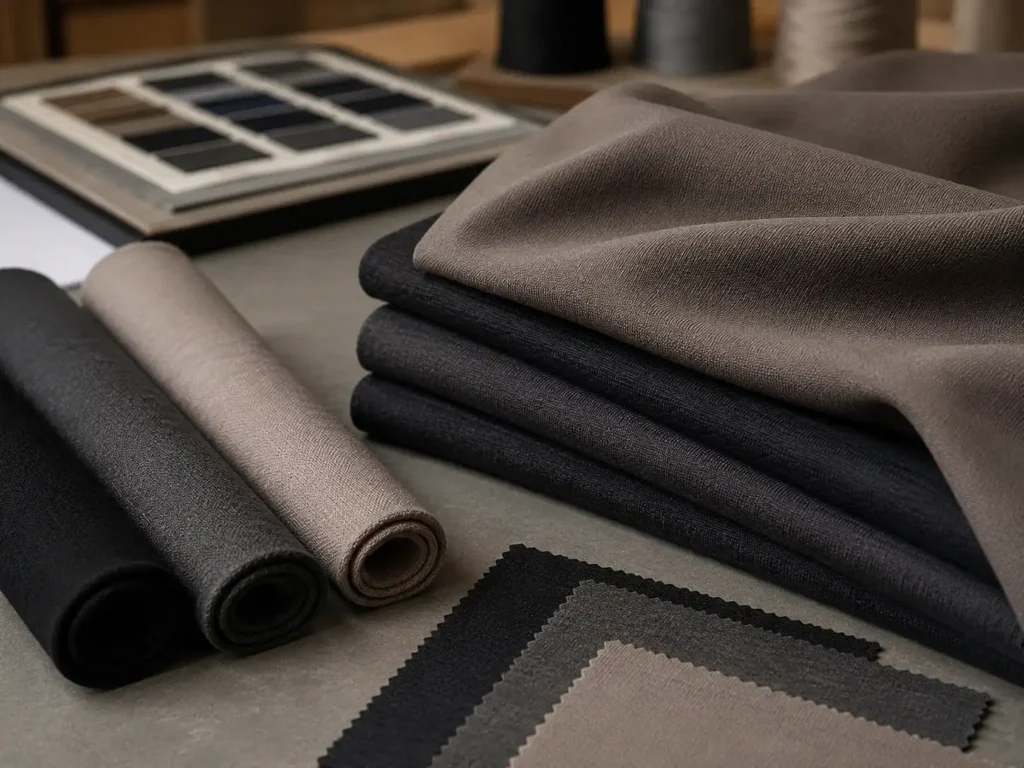
Fabric determines how a jumpsuit hangs, stretches, supports the body, responds to pressing and survives wear. Selection should begin with silhouette and market position, then consider hand feel, drape, stretch, transparency, shrinkage, wrinkle behavior, color risk, MOQ and packing requirements.

Crepe

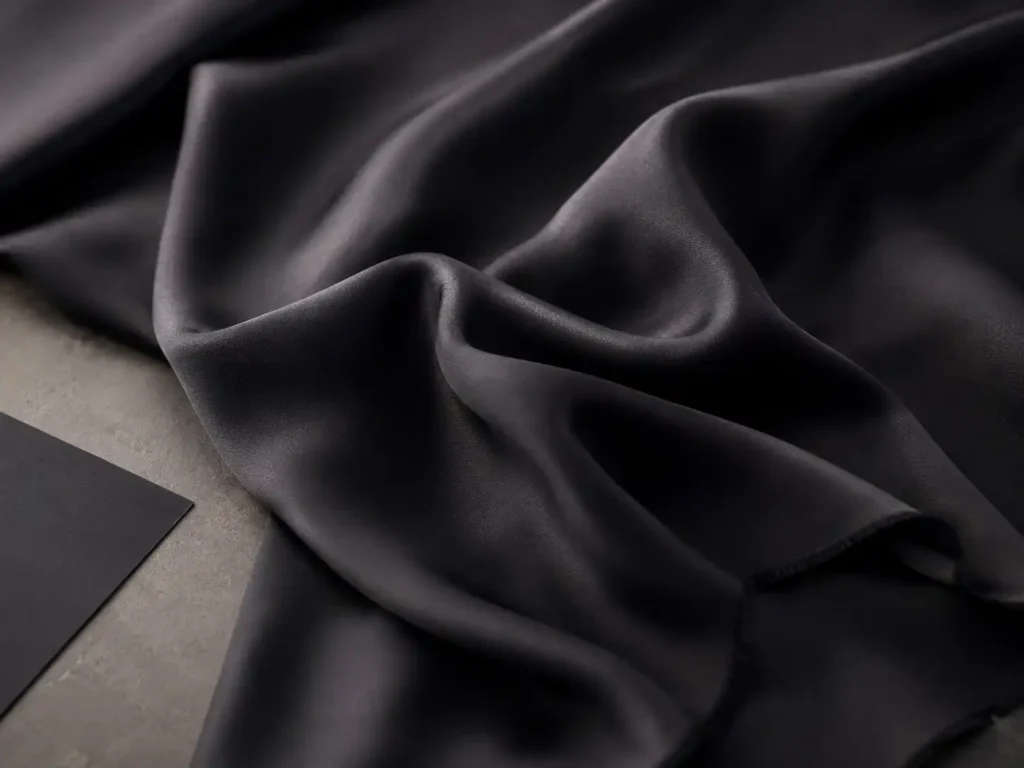
Crepe is widely suited to tailored, wide-leg and office-to-evening jumpsuits because it can combine fluid drape with a clean surface. Weight and yarn structure vary considerably, so swatches should be assessed for opacity, recovery, seam impression and pressing response. Heavier crepe supports structured waists; lighter crepe needs attention to lining and show-through. Bulk control focuses on shade, shrinkage, grain direction, seam puckering and hem balance.

Satin

Satin and stretch satin suit party, evening, corset and draped jumpsuits. The face is vulnerable to snagging, needle marks, pressing shine and handling creases. Stretch satin also requires verified stretch direction and recovery. Pattern ease, zipper seam support and lining need to match fabric behavior. Bulk handling should reduce abrasion, separate embellished pieces where needed and use packing methods that limit hard folds across visible areas.

Jersey and Ponte

Jersey offers softness and close-body comfort, while ponte provides more structure and surface stability. Neither should be treated as a single generic knit category. Development checks stretch percentage, recovery, weight, opacity, edge behavior and seam method. Fitted jumpsuits require special attention to crotch pressure, side-seam twisting, neckline recovery and wash-related dimension change. Ponte can support office styles but may become bulky at layered waist seams.

Rayon and Viscose

Rayon and viscose support fluid resort, printed and wide-leg silhouettes. Their drape can create attractive movement, yet shrinkage, seam slippage, wrinkling and batch variation must be managed. Fabric relaxation and shrinkage review influence pattern dimensions before cutting. Printed versions require strike-off approval, color review and placement planning. Lightweight qualities may need lining or adjusted seam construction around stress points and openings.

Linen Blends

Linen and linen blends suit summer, resort and relaxed tailoring. Fiber content affects wrinkle level, shrinkage, hand feel and price. Pure linen may provide a premium natural appearance but requires realistic expectations for creasing; blends can improve stability and drape. Pattern ease should allow comfortable sitting, while bulk checks cover shade, slubs, shrinkage, seam strength, pressing and hem consistency.

Denim and Twill

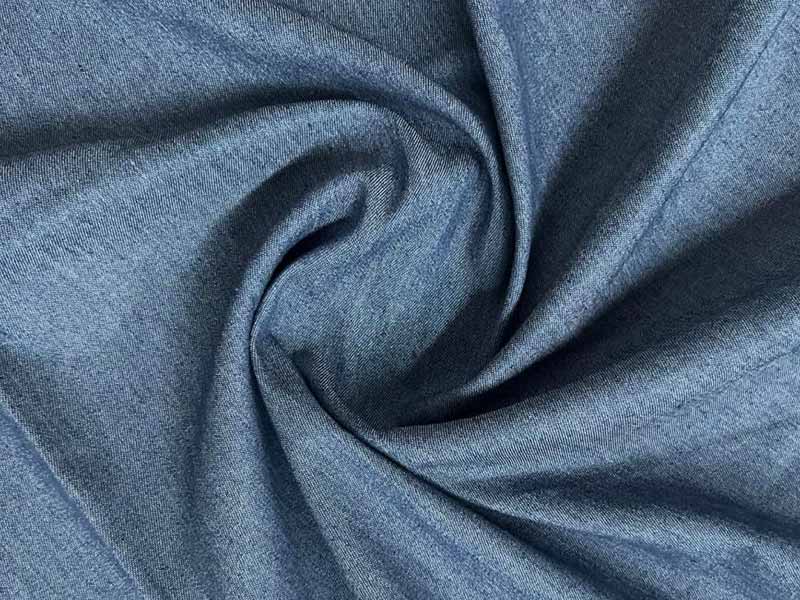
Denim and cotton twill work well for utility, boiler-suit and fashion-workwear directions. Fabric weight, wash process and hardware selection influence both comfort and cost. Heavier qualities need sufficient entry ease and stronger closures. Washed programs require shade-band review and dimensional checks after treatment. Bulk QC covers panel shade, pocket placement, topstitching, hardware attachment, leg twisting and final hand feel.

Mesh and Lace

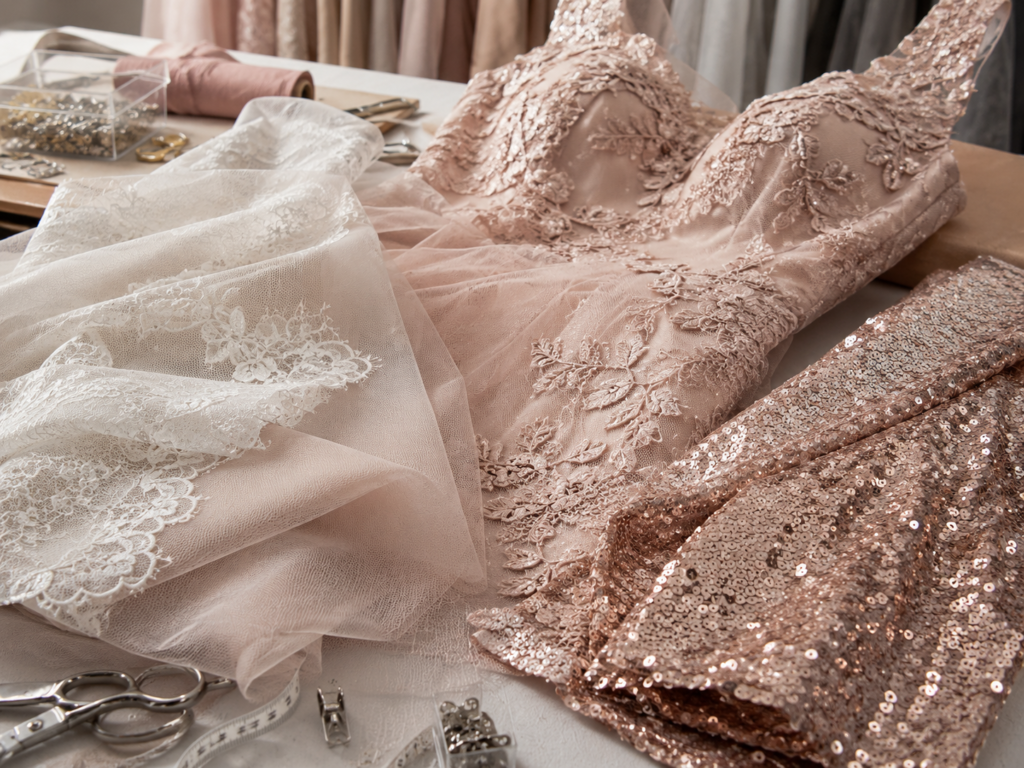
Mesh, power mesh and lace can be used as full-body layers, inserts, sleeves or upper-body panels. Transparency and stretch must be planned with lining coverage, seam placement and wearer movement. Lace motif placement can increase cutting consumption, while power mesh may support fitted zones. Production control covers holes, pulled yarns, seam strength, shade, motif direction, edge finish and protection from zippers or embellishments.

Sequin and Embellished

Sequin and embellished fabrics create strong occasion value but need careful pattern placement, seam clearance and skin-contact review. Sequins may need removal from seam allowances and controlled reattachment. Bead chains, rhinestones or metallic trims can catch delicate surfaces. Sampling confirms weight, drape, opening strength and lining comfort. Bulk inspection checks missing decoration, sharp points, attachment security, surface damage and protective packing.

Construction Details That Complete a Jumpsuit Design

Trims and internal construction determine whether a design remains secure, comfortable and brand-ready. Each component should be selected with the fabric, fit, production method and wearing occasion in mind, then controlled through approved samples and production files.

Zippers and Openings

Invisible, metal, coil and exposed zippers create different visual and structural results. Length must allow entry over the hip and shoulder without placing excessive stress on the garment. Seam support, zipper tape color, top-stop position and reinforcement are confirmed during sampling. Production inspection checks smooth operation, waviness, seam alignment and secure ends.

Waistbands and Belts

Shaped waistbands, elastic casings, self-fabric belts, buckles and drawcords influence proportion and movement. A belt cannot correct a poorly positioned waist seam. Development checks width, tension, loop placement and whether the waist remains level during wear. Bulk control verifies finished width, elastic length, buckle function, loop strength and belt packing.

Cups and Boning

Bra cups, boning, underwire and fusible support are used for corset, strapless and structured styles. Component shape must match the intended bust range and neckline. Support should stabilize the upper body without shortening the torso or creating pressure at the waist. Samples are reviewed for cup placement, channel security, edge comfort, lining coverage and sitting comfort.

Adjustable Straps

Strap sliders, rings, elastic and reinforcement can improve size adaptability and wearer security. Strap width must suit garment weight and neckline structure. Attachment points are tested for pull, while slider orientation and adjustment range are confirmed before bulk. QC checks matched lengths, secure bartacks, hardware direction and clean finish at the neckline.

Lining and Coverage

Lining controls transparency, comfort, support and internal appearance. Full lining may change drape and heat retention, while partial lining must end in a visually clean and comfortable position. Mesh, lace, satin and sequin jumpsuits often need different lining zones. Development confirms opacity, stretch compatibility, seam movement and whether lining appears at openings or hems.

Labels and Trims

Woven labels, size labels, care labels, hangtags, barcode stickers and branded trims must be placed without causing discomfort or damaging delicate fabric. Artwork, fiber content, care wording, size coding, country requirements and placement are reviewed before production. Packing teams follow approved SKU, label and carton instructions rather than applying generic branding at the end.

Jumpsuit Sampling Built Around Real Fit Validation

Sampling is a sequence of decisions, not one garment made before bulk. Each version should answer a defined question about silhouette, fabric, fit, photography or production readiness. Complex constructions move forward only after the related risks are tested and recorded.

Style and Feasibility Review

Development begins with the available files: tech pack, original sample, reference images, line sheet, sketch, measurement chart, fabric direction, quantity plan and launch requirement. The team identifies the intended silhouette and separates design-critical details from elements that can be optimized. Review covers fabric suitability, entry opening, vertical body length, lining, support, trims, sewing complexity, MOQ impact and likely sample sequence. A reference image alone can begin a feasibility discussion, but final quotation and production planning require confirmed materials, construction and packaging. Where a feature creates unnecessary risk or cost, alternative fabric, seam, trim or construction options can be discussed without weakening the intended brand-level appearance.

First Sample Development

The first sample establishes pattern direction, garment proportion and construction feasibility. It is not automatically the final production standard. Pattern makers translate approved measurements and design details into a working pattern, while sample machinists test sewing order, seam method, opening construction, lining and support. Material substitutes may be used only when clearly identified, because a sample made in a different fabric cannot fully confirm drape, stretch or bulk behavior. The sample is measured and photographed before review. Comments should separate design preference from fit correction so the next version has an exact purpose rather than a broad instruction to make the garment “better.”

Fit and Movement Review

Fit review should include front, side and back views plus movement. Standing photographs reveal proportion and seam balance; sitting shows rise and seat comfort; arm lift reveals torso length and neckline movement; walking exposes thigh restriction, leg twisting and hem behavior. Close-up images help evaluate straps, waist seam, zipper, neckline, cups, lining and cut-outs. Measurements are compared with the size chart, while visual comments are linked to pattern areas. Remote fit sessions can use annotated images, videos and written measurement notes. Privacy is protected, and only information needed for pattern correction is retained within the project workflow.

Revision and Record Control

Every revision should identify what changed, why it changed and which file carries the update. Records can include pattern correction, measurement revision, fabric replacement, trim adjustment, sewing method, wearer feedback and approval status. When fabric changes, the team reassesses drape, stretch, shrinkage, lining, pattern ease, cost, MOQ and timing. A revised sample may be required even when the design is unchanged, because material behavior can alter fit. Controlled records prevent several rounds of comments from being mixed together and allow the approved solution to transfer into the PP sample and production instructions.

PP and Golden Standard

The PP sample is reviewed after core material, color, trims, measurements, construction, labels and packing direction are sufficiently confirmed. It serves as the production approval reference, not a sample that can be changed freely after bulk begins.

A golden sample, final pattern, size chart, grade rule, fabric reference, trim details and sewing instruction form the standard for production and QC. Any approved post-PP change must be documented and assessed for material, cost, timing and quality impact before implementation.

The objective is controlled repeatability across the order, not a promise that handmade samples and every bulk piece will be visually identical in every microscopic detail.

From Jumpsuit Concept to Retail-Ready Delivery

A clear workflow helps design, sourcing, merchandising and quality teams understand what is needed at each stage. Milestones remain linked: incomplete fabric approval delays sampling, unclear revisions delay PP approval, and late packaging files can affect the final shipment even when sewing is finished.

Project Review

Confirm style range, quantity per style/color, target market, size range, launch date, available files and responsible contacts. Initial review identifies the information needed before costing, fabric sourcing or sampling can be planned.

Fabric Direction

Review hand feel, drape, stretch, transparency, color, print, lining and supplier MOQ. Swatches, available colors or development routes are presented according to the style and target positioning.

Pattern Development

Build the base pattern around silhouette, measurement chart, vertical body length, opening design and fabric behavior. Risk points such as rise, waist placement and entry route are marked for sample review.

First Sample

Sew and measure the first development sample, photograph key details and record construction findings. The sample establishes direction and identifies areas needing fit or design correction.

Fit Revision

Collect front, side, back and movement feedback. Update pattern, measurement chart, material or construction records, then make the next required sample version.

PP Approval

Confirm the production reference after material, color, trims, fit, workmanship, labels and packing direction are approved. Release controlled production files after authorization.

Bulk Production

Book materials, inspect incoming fabric, relax fabric where required, cut, inspect cut panels, sew, conduct inline checks, press and finish according to the production file.

QC and Packing

Measure critical points, inspect appearance and workmanship, verify labels, barcodes, SKU breakdowns, folding, polybags, cartons and carton marks. Support AQL and client-appointed inspection.

Export Delivery

Prepare cargo data, commercial invoice, packing list, carton measurements, gross and net weight, shipment photos and forwarder coordination according to the agreed trade and logistics route.

Bulk Production Control for Woven and Stretch Jumpsuits

Production routes change with material and construction. A woven wide-leg jumpsuit, a stretch bodycon style, a corset-supported piece and a sequin evening garment need different cutting preparation, sewing control, pressing and inspection. Standardization comes from approved files, not from treating every style the same.

Woven Jumpsuit Control

Woven jumpsuits depend on accurate cutting and planned ease because the fabric cannot compensate for pattern imbalance. Incoming fabric is reviewed for shade, defects, hand feel, width and shrinkage requirements. Fabric relaxation is arranged where needed before cutting. Grain direction is checked carefully because a twisted leg or uneven drape can originate in cutting rather than sewing. Cut panels are inspected for size, notches, print direction and matched pairs. During sewing, QC focuses on waist-seam level, rise construction, zipper attachment, pocket symmetry, inseam and side-seam balance. Pressing is treated as a controlled operation: too much pressure can create shine, seam impressions or stretching, while insufficient pressing leaves a poor tailored line. Final measurement includes torso length, bust, waist, hip, rise, thigh, inseam and leg opening according to the approved style. Full-length wide-leg garments are hung or laid consistently before hem review so fabric relaxation does not create uneven finished lengths.

Stretch Jumpsuit Control

Stretch jumpsuits require verified fabric direction, stretch percentage, recovery and opacity. A fabric may stretch enough during fitting but fail to recover after repeated wear, causing knees, seat or neckline areas to bag. Cutting layout must maintain consistent stretch direction across panels.
Needle, thread and stitch construction are selected to avoid seam popping, tunneling or excessive wave. Side seams and inseams are checked for twisting, especially in jersey and spandex blends. Fitted styles are measured without pulling or compressing the garment, using an agreed method so QC results remain comparable. The team reviews whether the fabric becomes transparent at bust, hip, thigh or seat when worn. Necklines, straps and armholes need enough recovery to stay secure. Where wash performance matters, sample testing can be planned before bulk approval. Finished garments are allowed to recover after pressing before final measurement, since heat and handling can temporarily alter dimensions.

Structured Jumpsuit Control

Structured jumpsuits combine outer fabric, lining, interfacing, cups, boning, underwire, waist support or tailored facings. Components must work together without creating excessive bulk or changing the approved torso length. Incoming trims are checked against the approved sample and specification. During sewing, support layers are positioned accurately, boning channels are secured, cup placement is matched and seam allowances are graded where needed. The waist seam and zipper receive particular attention because several layers may converge in one area. Pressing uses protection suitable for satin, velvet, coated surfaces or structured tailoring. Fit and measurement checks confirm that support has not tightened the garment beyond the approved standard. Final inspection reviews symmetry, neckline stability, lining position, channel ends, comfort points and opening function. Packing may include tissue, shaped folding or reduced compression to protect cups, boning and pressed surfaces.

Delicate Surface Control

Satin, mesh, lace, sequins and embellished materials require handling rules that protect the visible surface. Satin panels are separated from rough tables, sharp tools and exposed zipper teeth; needle marks and pressing shine are monitored.

Mesh and lace are checked for holes, pulled yarns and motif direction. Sequins may be removed from seam allowances and restored where the design requires continuity. Decorative elements are assessed for skin contact, weight and attachment security. Operators receive style-specific sewing instructions rather than generic handling notes. Inline inspection catches surface damage before later operations hide or multiply the problem. Finishing areas use clean protection, while packing avoids hard folds across highly visible zones. Delicate styles can be bagged or layered with tissue according to the approved packing method. The goal is to preserve brand-level appearance through the entire production path, not only at the final inspection table.

Quality Checks for Consistent Jumpsuit Bulk Orders

Quality control follows the garment from material receipt through packing. Jumpsuit inspection combines general workmanship with product-specific measurements and movement risks. Each checkpoint is linked to the approved PP sample, production file, size chart, fabric reference and packing instructions.

Incoming Material

Inspect fabric identity, color, shade groups, defects, hand feel, width and available supporting records. Stretch materials are checked for direction and recovery; delicate surfaces are protected from contamination and abrasion. Trim inspection confirms zipper type and length, hardware finish, cup or boning specification, labels and packaging components.

Cutting Accuracy

Confirm fabric relaxation where required, grain direction, print direction, marker accuracy, panel dimensions and paired pieces. Cut-panel checks help prevent twisted legs, mismatched waist seams, unbalanced rises and inconsistent lengths before sewing begins. Printed, striped, lace or sequin materials may require placement rules that affect consumption and cutting sequence.

Inline Sewing

Review seam construction, stitch quality, waist-seam position, zipper attachment, pocket placement, lining control, support components and left-right symmetry while garments are still on the line.

Early correction prevents the same problem from being repeated across the remaining quantity.

Critical Measurement

Measure the approved points using one defined method. Jumpsuit checks can include torso length, bust, waist, hip, front rise, back rise, thigh, inseam and leg opening.
Measurement frequency and tolerance are determined by style, fabric and quality plan rather than using one universal number for every garment.

Movement Review

Selected garments are reviewed for sitting, walking, arm lift, forward reach and entry comfort where the style requires it. Movement review does not replace measurement; it adds information that a flat table cannot show, especially for torso length, crotch comfort, strap security and fitted stretch styles.

Appearance Finish

Inspect silhouette, leg hang, seam balance, pressing, lining visibility, zipper flatness, neckline shape, embellishment condition and hem level. Satin shine, mesh damage, sequin loss, denim wash variation and knit twisting are treated as separate risk categories.

Packing Accuracy

Verify label placement, size and care labels, hangtags, barcodes, SKU stickers, folding, polybags, quantity per carton, carton marks and warehouse labels. Color-size breakdowns are checked against the packing instruction and packing list so warehouse receiving does not inherit production sorting errors.

Final Inspection

Final inspection can include internal checks, AQL sampling and coordination with a client-appointed third party. Findings are recorded, reviewed and corrected according to the agreed quality standard. AQL is a sampling method, not a claim that every possible defect has been eliminated.

Manufacturing Resources Behind Your Jumpsuit Program

Capacity is useful only when the right people and production resources are assigned to the right style. Jinfeng Apparel combines development, merchandising, factory allocation, quality, packing and logistics functions so multi-style programs can move through one managed workflow.

Six Owned Factories

Owned womenswear factories provide production control and direct coordination for core programs. Style allocation considers woven or knit construction, fabric surface, tailoring, embellishment, order quantity and delivery sequence. Not every jumpsuit is pushed to the same line simply because it belongs to the same product category.

Satellite Network

More than ten long-term satellite production partners extend flexibility for multi-style programs and seasonal peaks. Allocation remains subject to capability review, available capacity and quality requirements. Production partners are coordinated through approved files, merchandising follow-up and QC rather than unmanaged outsourcing.

Sample Rooms

Two sample rooms support first samples, fit revisions, photo samples, PP samples and complex construction review.
Development can therefore test pattern, fabric, trims and sewing order before a bulk factory is released to produce the style.

Pattern Team

More than seven senior womenswear pattern makers support mini, midi, maxi, bodycon, corset, jumpsuit, skirt and matching-set structures. For jumpsuits, pattern attention centers on torso length, waist placement, rise, bust-hip balance, opening design and leg silhouette.

Merchandising Team

More than twelve merchandisers support project timelines, sample progress, fabric and trim status, revision records, production updates, packing confirmation and shipment coordination. Clear ownership reduces missed comments and helps multi-style orders remain visible across departments.

QC and Packing

More than fifteen QC inspectors and over thirty finishing and packing workers support garment checks, measurement, pressing, label application, barcode and SKU verification, folding, polybags, cartons and shipment preparation. The team follows style-specific instructions and approved packing files.

Jumpsuit Manufacturing Models for Different Brand Teams

Cooperation can begin from a fully developed product package or a broader collection direction. The most suitable model depends on the quality of available files, internal design resources and how much development support is needed before sampling.

OEM Production

OEM production suits teams with a tech pack, original sample, measurement chart, BOM, fabric requirement, construction details and packaging instructions. Jinfeng reviews the files for feasibility, identifies missing or conflicting information, develops the sample and transfers approved standards into bulk production. OEM does not mean blind execution: fabric behavior, opening access, torso length or construction risk may require technical discussion before approval.
  • Provide tech pack or original sample.
  • Confirm material and size requirements.
  • Approve sample versions and PP standard.

ODM Development

ODM development suits teams with a brand direction, reference images, target market, product category, price direction and launch plan but without a complete production file. Jinfeng can support style structure review, fabric direction, trim options, pattern making, sample development and production preparation. Original brand identity and unpublished concepts remain protected under NDA-based cooperation.
  • Share collection brief and references.
  • Review fabric, fit and cost routes.
  • Build the approved production package.

Private Label

Private-label delivery covers garment development and brand execution. Programs can include woven labels, size labels, care labels, hangtags, hang strings, barcode stickers, SKU labels, polybags, stickers, cards, cartons, carton marks and warehouse labels. Files, placement, quantities and packing sequence are confirmed before bulk packing so branding is controlled as part of production rather than treated as an afterthought.

  • Submit label and packaging artwork.
  • Confirm SKU and barcode logic.
  • Approve packing sample or instructions.

MOQ, Cost and Lead-Time Planning for Jumpsuits

MOQ starts from 200 pcs per style/color. One style in two colors usually requires 200 pcs per color; several styles totaling 200 pieces do not meet the standard MOQ. Material suppliers may set separate minimums for custom dyeing, printing, lace, sequins, certified fabrics, special trims or custom packaging.

Stock Fabric

Often supports standard garment MOQ

Avoids custom development setup

Faster material confirmation

Custom Color

May follow dye-mill minimums

Adds lab dip and dyeing cost

Requires color approval

Custom Print

Depends on method and base cloth

Adds strike-off and setup cost

Requires artwork and strike-off approval

Complex Structure

Garment MOQ may stay standard

More pattern, sample and sewing work

More development and production review

Special Trims

Supplier minimum may apply

Adds mold, finish or sourcing cost

Depends on approval and availability

Multiple Colors

Calculated per style/color

Reduces cutting and line efficiency

Adds material and sorting control

Private Label

Component supplier MOQ may apply

Adds labels, packaging and handling

Requires artwork and packing approval

Quotation is built from fabric, trims, construction, pattern work, sampling, cutting, sewing time, pressing, QC, packing, wastage, logistics, testing requirements and reasonable factory margin. Cost optimization can use material substitution, construction simplification, trim alternatives, color consolidation, size-ratio planning, cutting-layout improvement or split-shipment planning without weakening the intended brand-level appearance.

Sampling and delivery calendars are issued after style structure, material availability, color development, sample versions, quantity, packaging and launch requirements are reviewed. Straightforward styles using available materials move through fewer dependencies than corset, mesh, sequin, custom-print or custom-dyed programs. Production timing begins only after the required approvals, including PP sample, fabric, trims, size chart, color and packing direction. Logistics timing is planned separately for air, sea or a split route.

Representative Jumpsuit Programs for Fashion Markets

The following profiles show realistic program structures within Jinfeng Apparel’s normal brand-order range. Brand identities, original designs, prices, tech packs and unpublished details are excluded. Final quantities, materials and schedules always depend on the approved project files and production plan.

US Occasionwear Program

Representative profile: 18 jumpsuit styles, 52,400 total pieces, five color families and six sizes. The assortment combined stretch satin, crepe, mesh inserts and structured bodices for event and night-out launches. Development priorities were torso length, bust support, invisible zipper access, waist-seam consistency and full-length hem balance. Styles were grouped by construction so corset-supported pieces, fluid wide-leg pieces and fitted stretch pieces followed separate sample and production routes. The program used controlled revision records, PP approval by style and color-size packing files. Production checks emphasized critical measurements, zipper flatness, lining coverage, embellishment protection and barcode accuracy. A staged packing plan separated campaign-priority colors from later replenishment quantities.

European Resort Program

Representative profile: 12 styles, 31,200 total pieces, four print groups and six sizes. The range included printed viscose wide-leg jumpsuits, linen-blend belted styles, halter playsuits and lightweight crepe options.

Development reviewed print scale, motif direction, shrinkage, transparency, strap security, wrap coverage and wrinkle behavior. Print strike-offs and base-cloth quality were approved before the final sample route.

Size grading preserved torso and rise balance rather than only increasing width. Bulk controls covered print direction, paired-panel shade, seam slippage, waist ties, hem level and folded presentation. Cartons were separated by style, color and size ratio for regional warehouse receiving.

Ecommerce Stretch Program

Representative profile: 24 styles, 72,000 total pieces, seven core colors and six sizes. The assortment used ponte, jersey, power mesh and spandex blends across fitted, flared-leg and cut-out silhouettes. Fabric testing focused on stretch direction, recovery, opacity and shade. Fit review included sitting, walking, arm lift and extended-wear observation for selected styles. Pattern corrections addressed torso length, neckline security, hip ease and side-seam balance.

Production used measurement checkpoints after sewing and after finishing, allowing fabric recovery before final inspection. Label, barcode and SKU files were locked before packing, while pattern, fabric and trim records were retained for color extensions and bestseller replenishment.

Brand Protection and Supplier Qualification Support

Supplier qualification involves more than a product sample. Jinfeng Apparel supports document review, design protection, inspection coordination and export information according to the actual factory, material source, destination market and program requirements.

NDA and Design Protection

NDA-based cooperation can cover tech packs, original samples, patterns, measurement charts, material plans, label artwork, packaging files, pricing, order information and unpublished designs. Brand names, logos, sample photographs and commercial details are not published without authorization. Case content remains anonymous unless written permission is provided.

  • Limit project access to relevant teams.
  • Use files only for development and production.
  • Protect unreleased style and packaging information.

Compliance Documents

Audit and certification information is reviewed according to the factory producing the order, the current validity period and the required scope. Jinfeng can coordinate available factory profiles, audit-related documents, production-process information and QC information for qualification review. No blanket claim is made that every factory, fabric or order carries every international certification.

  • Confirm required standard before allocation.
  • Match documents to factory and scope.
  • Review validity before purchase commitment.

Third-Party Inspection

Programs can include client-appointed inspection or independent third-party inspection according to the agreed quality standard and schedule. Jinfeng coordinates access, production status, sample references, packing files and corrective actions. Inspection timing should be planned before shipment so findings can be reviewed without creating avoidable delivery pressure.
  • Agree inspection stage and AQL.
  • Provide approved references and files.
  • Record correction and recheck results.

Export File Support

Export coordination can include commercial invoice, packing list, carton marks, carton measurements, gross and net weight, cargo breakdown, pickup coordination and shipment photographs. HS code support can be based on product category, fiber content and knit or woven construction, while final customs classification remains subject to confirmation by the importer, forwarder or customs broker.
  • Follow appointed-forwarder instructions.
  • Match documents with packed cargo.
  • Confirm warehouse and cut-off requirements.

Supporting Jumpsuit Collections Beyond the First Order

Long-term value comes from retained standards and faster, controlled continuation. Repeat production still requires fabric, color, quantity and schedule confirmation, yet approved records reduce unnecessary redevelopment and protect brand consistency across seasons.

Seasonal Collections

Develop jumpsuits alongside dresses, skirts, tops and matching sets under one seasonal direction. Shared color stories, print groups, fabric families and packaging standards can be coordinated while each product keeps its own fit and construction requirements.

Multi-Style Sampling

Prioritize hero styles, campaign samples, high-volume commercial styles and complex constructions rather than moving every sample at the same speed. A sample priority plan protects photography and launch milestones without mixing approval standards.

Colorway Expansion

Approved patterns can support new colors after fabric shade, stretch, weight and finish are reconfirmed. A new color is not automatically identical in behavior, particularly for dyed stretch fabrics, satin, lace, mesh and washed denim.

Repeat Orders

Retain final patterns, measurement charts, grade rules, fabric references, trim details, sewing instructions, packing files, QC notes and golden-sample records. Repeat orders begin from confirmed history while still checking current material batch and production conditions.

Multi-Batch Delivery

Split delivery by launch priority, market region, warehouse, style group, color group, size ratio or air-sea strategy. Each batch requires its own carton data, packing list and clearly separated SKU breakdown to avoid receiving confusion.

Replenishment Planning

Bestseller replenishment benefits from early material review and reserved production planning. Reorders can use the approved style standard, while changes in fabric source, color, trim, size ratio or packaging are assessed before production release.

Custom Jumpsuit Manufacturing Frequently Asked Questions

MOQ starts from 200 pcs per style/color. The quantity is calculated by style and color, not by the total order. One style in one color at 200 pieces can meet the standard MOQ; one style in two colors normally requires 200 pieces per color. Custom-dyed, custom-printed, certified, lace, sequin or specially developed fabrics, trims and packaging may carry separate supplier minimums.
Yes. Development can begin from a reference image, sketch, line sheet, original sample or tech pack. A reference image supports an initial feasibility review, but accurate costing and production planning require confirmation of fabric, construction, measurements, quantity, color, labels and packing. Jinfeng does not copy protected designs without authorization; the goal is to develop a product aligned with the brand direction and approved project files.
Pattern review separates front and back body balance and connects shoulder, bust, waist, rise and crotch position. Fit review includes standing, sitting, arm lift, forward reach and walking so pressure or excess length can be identified. Approved corrections are transferred to the final pattern, measurement chart, grade rule and PP sample. Torso length is treated as a critical production measurement rather than an informal visual judgment.
Yes, especially for fitted, tailored, corset, strapless, wide-leg, petite, tall or complex jumpsuits. Measurements alone cannot fully show movement comfort, entry access or how the rise behaves during sitting. A fit sample allows the team to review body length, waist position, bust-hip balance, crotch comfort, straps, neckline, zipper and leg movement before the PP standard is released.
Yes. Jinfeng Apparel develops woven, knit and stretch fashion jumpsuits using materials such as crepe, suiting, satin, stretch satin, jersey, ponte, power mesh, viscose, linen blends, denim and spandex blends. Production routes differ by fabric. Woven styles focus on cutting accuracy and planned ease; stretch styles require stretch-direction, recovery, opacity, seam and post-finishing dimension control.
Size grading follows the approved base pattern and brand measurement chart. Torso length, waist position, front and back rise, hip, thigh, inseam and leg opening are reviewed as separate relationships; they are not increased by one identical percentage. Petite, tall or extended-size programs may require adjusted proportions or dedicated grade rules. Final grading is linked to the PP sample and bulk QC measurements.
Yes. Jinfeng can support fabric recommendation, substitution, color development, print development and certified-fabric resource review according to the project. Availability, supplier MOQ, certificate scope, shade, hand feel, drape, stretch, shrinkage, lining needs, price and lead time must be confirmed by fabric type and batch. Custom dyeing or printing adds approval steps such as lab dips or strike-offs.
A written calendar is confirmed after reviewing style complexity, material availability, color development, sample versions, quantity, packaging and launch requirements. Straightforward styles using available materials have fewer dependencies than corset, mesh, sequin, custom-print or custom-dyed programs. Production scheduling starts after the required PP, fabric, trim, size, color and packing approvals. Air, sea and split-shipment transit plans are considered separately.
Yes. Private-label support can include woven labels, size labels, care labels, hangtags, hang strings, barcode stickers, SKU labels, polybags, stickers, cards, cartons, carton marks and warehouse labels. Artwork, placement, barcode logic, quantity, folding and packing instructions are confirmed before bulk packing. Packaging component suppliers may have separate MOQ, cost and approval requirements.
Yes. Jinfeng Apparel supports NDA-based cooperation and protects tech packs, original samples, patterns, measurements, material plans, labels, packaging files, pricing, quantities and unpublished designs. Brand names, logos, sample photographs, order data and unreleased styles are not publicly disclosed without permission. Uploaded files are used for feasibility review, sampling, production, QC, packing and delivery coordination within the project workflow.

Send Your Jumpsuit Project for Review

Send the available project files to Kelly for a structured review of style complexity, fabric direction, pattern risk, MOQ, sample requirements, private-label details and production planning. A complete tech pack is helpful, but a clear line sheet, reference image set or original-sample photographs can begin the discussion. More accurate information produces a more useful assessment and reduces repeated questions before sampling. Jinfeng Apparel supports NDA-based cooperation, and project files are used only for feasibility review, development, production preparation, quality control, packing and delivery coordination.

  • Reference image, sketch, line sheet, tech pack or original-sample photographs
  • Planned quantity for each style and color, with expected size range
  • Fabric preference, target hand feel, stretch, print or custom color requirement
  • Label, hangtag, barcode, polybag, carton and warehouse packing instructions
  • Target launch date, required delivery window and preferred freight arrangement
  • Company name, market, contact email and WhatsApp number
Tell Us About Your Dress Project

Share your product details, estimated quantity and development requirements. Our team will review your project and provide practical OEM/ODM production feedback.

Premium Women’s Apparel Production for Fashion Brands

From dress sample development to bulk production, JF Apparel supports fashion brands with confidential OEM/ODM manufacturing, reliable quality control and scalable production support.

START YOUR DRESS PROJECT

Ready to Develop Your Next Dress Collection?

Share your design concept, product requirements or sourcing plans with our team. We’ll review your project and provide practical feedback on development, materials, MOQ and production.

7-10 Days

Sample Development

200 PCS

Starting MOQ

Fast Response

Professional Follow-Up