
Custom Evening Dresses
Custom Evening Dress Manufacturing for Fashion Brands
Develop floor-length gowns, corset evening dresses, satin formalwear and embellished occasion styles with a production team built for pattern development, sample revision and brand-level bulk execution.
- Evening and formal dress development with floor-length, bust-support, lining, slit and hem-balance control.
- 2 sample rooms supported by 7+ senior pattern makers and 20+ sample machinists for structured dress development.
- Dedicated production allocation for formalwear, satin, lace, mesh, velvet, tulle and embellished dress programs.
- 15+ QC inspectors covering material, cutting, sewing, garment, pressing and packing checkpoints.
Built for Brand-Level Eveningwear Programs
Structured Development Team
Multi-Factory Production System
Bulk Capacity with Style Control
Regular monthly capacity exceeds 100,000 pieces across the womenswear production system. For eveningwear, capacity planning is tied to style grouping, fabric arrival, sample approval, sewing difficulty,
pressing requirements and QC windows so complex gowns are not treated like basic dresses.
Dedicated Quality Roles
15+ QC inspectors, 12+ merchandisers and 30+ finishing and packing workers support sample-to-bulk consistency, progress tracking,
pressing review, label and packing control, and shipment preparation across multi-style dress programs.
Where Evening Dress Programs Usually Go Wrong
Fit Looks Different On Body
Premium Fabric Exposes Defects
Sample Approval Does Not Guarantee Bulk
Packing Can Damage the Product
Custom Evening Dress Styles We Develop

Floor-Length Column Gowns
Clean column gowns depend on vertical balance.
Key checks include bust-to-waist proportion, hip ease, center-front and center-back length, lining length, slit opening and hem clearance. Satin, crepe, velvet and structured woven fabrics can create very different drape even when the outer silhouette looks similar.

Corset Evening Dresses
Corset gowns require more than a fitted bodice. Cup shape, boning position, under-bust level, upper-bust security, anti-slip support and waist compression must work together.
Satin, lace, mesh and structured woven combinations are reviewed through fit samples before bulk construction is locked.

Mermaid Evening Gowns
Mermaid silhouettes need accurate hip and thigh shaping while keeping enough movement for walking and sitting.
Fabric recovery, seam position, flare point and hem sweep are reviewed together because over-tightening one area can distort side seams or change the fall of the skirt.

Draped and Ruched Gowns

Strapless Formal Dresses
Upper-bust fit, neckline stability, anti-slip tape, cups, boning and back construction determine whether a strapless evening dress stays secure.A style that looks clean on a hanger can still slide, gape or feel restrictive if structural support is not balanced correctly.

One-Shoulder Evening Dresses

High-Slit Evening Gowns

Embellished Statement Gowns
Silhouette and Design Directions for Evening Collections

Clean Minimal Eveningwear

Structured Glamour

Soft Romantic Formalwear

High-Impact Party Evening

Modern Gala Statements

Commercial Occasionwear
Evening Dress Fabrics and Bulk Production Behavior
Fabric creates the visual language of an evening dress, but it also changes pattern behavior, sewing difficulty, pressing method, QC focus and packing risk. Jinfeng Apparel evaluates fabric against silhouette, lining requirement, stretch, transparency, target appearance and bulk-production stability before a sample standard is locked.
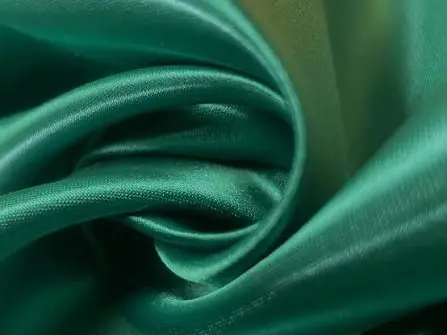
Satin - Shine, Drape and Surface Control
Satin is one of the most commercially important eveningwear fabrics because it can move from clean minimalist gowns to corset dresses and wedding-occasion styles. The main risk is that a smooth surface makes every problem visible. Shine direction must be consistent between panels; dye-lot variation can become obvious under event lighting; invisible zippers can create bulging; needle marks, snags and pressing lines can reduce perceived value.
Development starts by deciding whether the style needs matte satin, stretch satin or a heavier satin with more body. A fitted corset gown may require different support and seam handling from a fluid column dress even when both use satin. Lining weight, zipper choice and pressing temperature are reviewed during sampling. For bulk, panel direction, shade grouping, sewing cleanliness and anti-crease packing need to follow the approved sample standard.

Chiffon - Transparency and Long-Hem Balance
Chiffon works well for layered gowns, flowing formal dresses, bridesmaid-adjacent eveningwear and softer occasion collections. Its commercial value comes from movement, but the same lightness creates risk. Panels can shift during cutting, the outer layer may become more transparent than expected, lining can show through unevenly, and long hems can become unbalanced after hanging.
Sample review should confirm the number of layers, lining color, lining length, opacity at bust and hip, slit treatment, gather volume and final hem level.
On long dresses, front and back balance needs to be checked after the garment has relaxed.
Bulk control focuses on cutting slippage, panel consistency, transparency, snagging, seam puckering and pressing without flattening the intended volume.
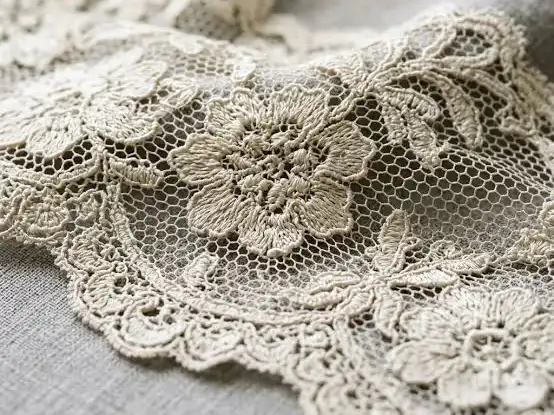
Lace - Motif Placement and Lining Color
Lace evening dresses gain much of their visual value from motif positioning, not only from the fabric itself. Pattern layout should consider whether motifs need to align at center front, neckline, waist, side seam or hem. Poor placement can make a premium lace look random, while an unsuitable lining color can change the entire appearance of the garment.
Development distinguishes full lace fabric from lace trims because their production risks are different.
Full lace may require panel matching, seam planning and support from lining; lace trim may need exact edge placement and attachment control. QC reviews holes, fraying, snagging, motif consistency, seam position and lining exposure.
For multi-color programs, lace and lining shades should be approved together rather than independently.
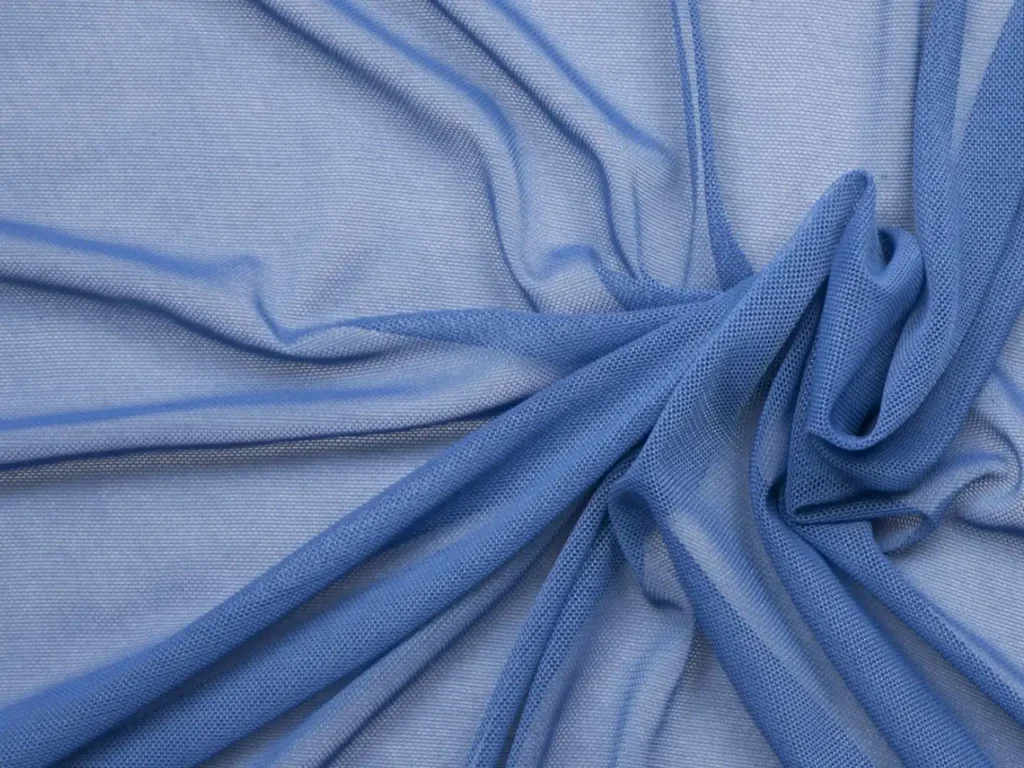
Mesh - Transparency, Stretch and Recovery
Stretch mesh and power mesh are useful for sheer panels, structured bodices, cut-outs, illusion necklines and layered evening styles. The critical decision is not simply whether the mesh is soft or strong; stretch direction and recovery must suit the pattern. A sample can look correct initially but distort at the neckline or lose shape if the mesh does not recover after wear.
Jinfeng Apparel reviews mesh weight, transparency, stretch direction, recovery, lining coverage and edge treatment before bulk. Power mesh can provide more support in structured areas, while softer mesh may suit visual overlay sections. Cutting and sewing require control of stretch direction, panel distortion and hole risk. Garment QC checks neckline stability, bust coverage, lining position and recovery after handling.
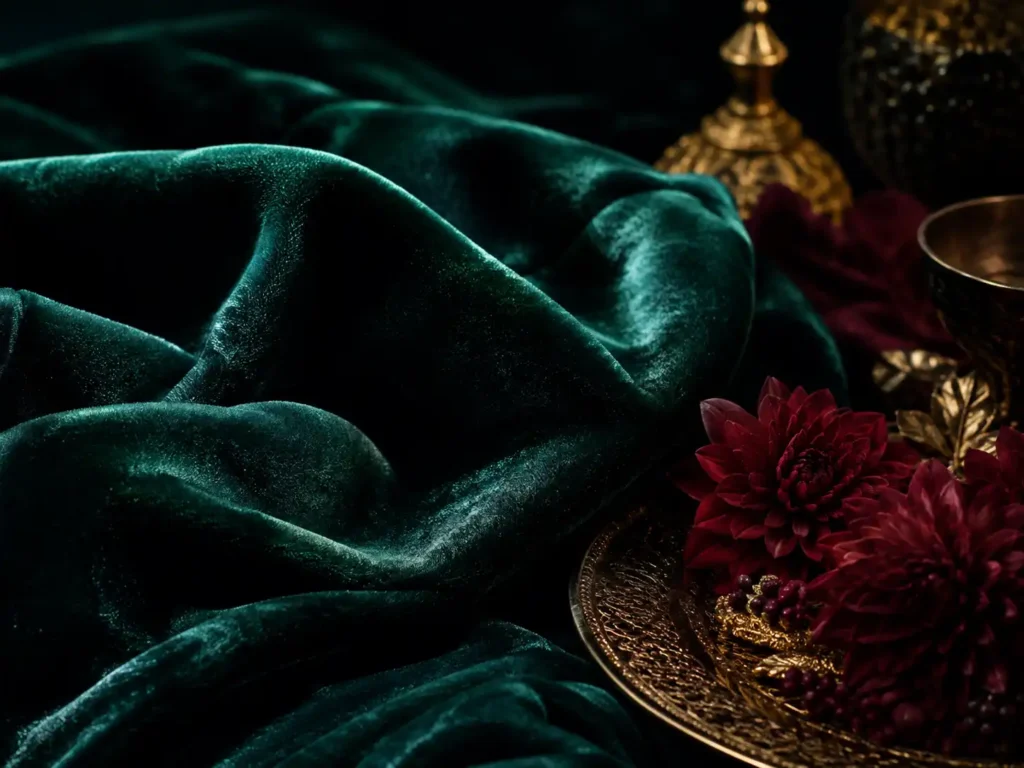
Velvet - Pile Direction and Pressure Marks
Velvet gives eveningwear depth and a strong formal appearance, especially in colder-season collections. The pile creates a clear direction, so panels cut in inconsistent orientations can look like different colors. Pressure from pressing, folding or stacking can leave marks that remain visible after unpacking.
Development should confirm pile direction, seam behavior, zipper choice, lining, hem construction and the level of structure needed in the silhouette. Bulk cutting must keep panel direction consistent. Finishing uses controlled pressing rather than aggressive flattening.
Packing should avoid unnecessary compression on highly visible surfaces, especially across the bodice and front skirt.
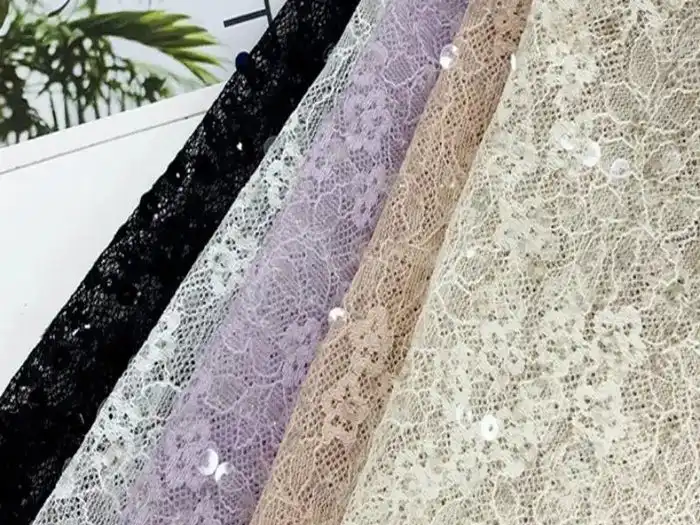
Sequin and Embellished Fabrics - Decoration Security and Comfort
Sequin fabrics create immediate visual impact but increase cutting, sewing, QC and packing demands. Decoration can break needles, build thick seam allowances, scratch skin around armholes or necklines, catch on adjacent panels and shed during handling. Heavy decoration also changes garment weight and drape.
Sample development evaluates decoration density, backing fabric, lining, seam route, zipper area, hem treatment and skin-contact zones. Some seams require clearing decoration before sewing; others need reinforcement or protective lining. Bulk inspection checks decoration loss, missing areas, seam thickness, zipper function and comfort. Packing must prevent abrasion between decorated surfaces and protect fragile trims from compression.
Fit and Pattern Engineering for Floor-Length Dresses
A floor-length evening gown is a proportion system, not a regular dress with extra skirt length. Bust structure, waist placement, hip shaping, slit position, lining and hem level all influence how the garment stands, moves and photographs. Pattern correction converts visual feedback into repeatable measurements before bulk grading begins.
Bust and Upper-Body Security
Evening styles often use strapless, deep-V, corset, one-shoulder or backless structures that leave less room for fit error. Development reviews full bust, upper bust, under bust, bust point, cup position, neckline depth and armhole coverage. A neckline can appear elegant on a form but become unstable on different body proportions if upper-bust tension or cup position is wrong.
For structured styles, cups, boning, anti-slip tape and lining are tested together. Increasing compression without adjusting cup or upper-bust shape can create gaping or discomfort. Sample feedback should identify whether the problem is pattern shape, support material, strap tension or neckline geometry, then record the correction in the pattern and measurement chart.
Waist, Hip and Silhouette Balance
Waist placement controls the visual length of the torso and the transition into the skirt. In fitted gowns, even a small shift can change how the dress reads on body. Mermaid and column silhouettes also need appropriate hip and thigh ease; too little ease can pull side seams forward or make the skirt ride, while too much reduces the intended shape.
Pattern review compares bust-waist-hip proportion, waistline level, hip curve, side-seam balance and movement allowance. When fabric has stretch, recovery is considered before reducing measurements. When fabric has little stretch, ease and seam placement become more important.
The goal is a fit standard that can be graded consistently rather than a one-off sample shaped only on one mannequin.
Total Length, Slit and Hem Sweep
Floor-length garments need more precise length control than mini or midi dresses because the hem interacts with footwear, walking clearance and packing. Key measurements include front length, back length, full garment length, slit height, lining length and hem sweep. A high slit must be checked against hip level and movement, not only measured vertically from the hem.
Long skirts can relax differently depending on bias direction, chiffon layers or heavy satin weight. Final hem balance is best confirmed after the sample has hung and settled. Bulk QC should compare total length, front-back balance, slit position and lining level to the approved standard before pressing and packing.
Size Grading for Eveningwear
Grading an evening gown is not a simple percentage increase across every measurement. Strapless coverage, cup position, neckline depth, armhole shape, waist level, slit height and skirt length may require controlled grade rules so the design remains wearable across the size range.
For expanded size ranges, support and proportion can need more adjustment than circumference alone. The final size chart, grade rule and measurement tolerance become production documents used by pattern, cutting and QC teams. Fit-sensitive areas should be prioritized in garment measurement inspection rather than relying only on total bust, waist and hip numbers.
Structural Details That Hold the Gown Together
The visual simplicity of an evening dress can hide a complex internal build. Cups, boning, lining, anti-slip support, zippers and slit construction affect security, shape and comfort. Structural choices are reviewed during sampling because changing them after PP approval can alter fit, cost and sewing time.

Corset and Boning Systems
Corset evening dresses require a defined relationship between cup shape, boning route, waist shaping, lining and closure. Boning that is too short can fail to stabilize the bodice; overly rigid placement can create pressure or visible ridges. Jinfeng Apparel reviews boning position, length, channel construction and interaction with cups during fit sampling.

Cups and Bust Support
Built-in cups may be fixed, removable or integrated into a more structured bust construction. Cup thickness, size, position and symmetry change the neckline and upper-bust appearance. Development checks whether the cup supports the desired shape without creating visible edges, empty areas or pressure points under satin, lace or mesh overlays.

Lining as a Functional Layer
Lining controls opacity, comfort, structure and movement. A lining that is too short can become visible through a slit or move independently from a long skirt. A lining that is too heavy can change drape.
Color choice is especially important under lace, mesh and pale satin because the lining can alter the apparent tone of the outer fabric.

Zippers, Hooks and Closures
Invisible zippers on smooth satin need careful installation to prevent waves or bulging. Hooks on structured gowns need secure attachment and comfortable positioning. Back closures should be selected according to garment tension; a corset or fitted formal dress places different stress on a closure than a loose chiffon gown. Closure function is checked again during garment QC, not only during sewing.

Embellishment, Trims and Surface Detail Control
Eveningwear often gains its visual identity from details that are easy to photograph and easy to get wrong in bulk. Decoration needs to be treated as part of garment engineering because weight, sharp edges, attachment method and placement can affect fit, comfort, sewing efficiency and packaging.
- Sequin Placement and Protection: Sequin fabrics and trims are reviewed for stability before cutting. Production planning identifies seam areas where decoration may create excessive thickness or break needles. Skin-contact zones around armholes, necklines and side seams are checked for scratching, and soft lining or edge treatment is added when needed. Final packing avoids direct abrasion between embellished surfaces.
- Rhinestones and Bead Chains: Rhinestone and bead-chain details can be customized by size, color, pattern and placement, but decoration weight must suit the fabric and support structure. Large or dense patterns can distort light fabrics or create local pulling. Attachment strength, missing pieces, pattern alignment and skin comfort become specific QC points rather than being included under a generic visual inspection.
- Lace Applique and Decorative Edges: Lace applique works best when motif placement follows the body and seam layout. Neckline, waist and hem placements should be marked during sample development so bulk pieces do not drift. Edge finishing is checked for fraying, holes, snagging and inconsistent attachment. The lining color and outer lace should be approved as a complete visual combination.
- Ruching, Draping and Asymmetry: Ruching and draping are controlled through marks, attachment points, fabric consumption and tension, not by leaving operators to shape folds freely. Asymmetrical designs require reference points for shoulder, waist and skirt placement. Bulk inspection compares direction, amount and left-right intent against the Golden sample and production instructions.
Eveningwear Construction Risk Matrix
A useful production review identifies where a design may fail before the first bulk cut. The matrix below shows the checkpoints that matter most for common eveningwear elements and how they translate from sample approval into production control.
| Area | Sample Check | Main Bulk Risk | Production / QC Control |
|---|---|---|---|
| Floor-length hem | Front/back balance, shoe clearance, lining length | Uneven hem, dragging, lining exposure | Final pattern length, hanging check, garment measurement, pressing review |
| Corset bodice | Cup position, boning route, upper-bust fit | Gaping, pressure, weak support | Approved cup/boning map, fit notes, sewing QC, measurement check |
| Satin surface | Shine direction, shade, zipper flatness | Color variation, snagging, zipper bulge | Panel direction, dye-lot grouping, clean handling, pressing control |
| Lace placement | Motif position, seam route, lining color | Random motifs, holes, mismatched seams | Marker planning, panel matching, lace QC, edge inspection |
| Mesh panels | Stretch direction, transparency, recovery | Neckline distortion, over-transparency, holes | Stretch-direction cutting, lining control, recovery check |
| Sequin areas | Decoration stability, skin contact, seam thickness | Sequin loss, scratching, broken needles | Incoming check, seam clearing, lining, final decoration inspection |
| High slit | Height, opening angle, lining end | Excess exposure, seam roll, inconsistent slit | Pattern mark, sewing guide, measurement and fit inspection |
| Velvet | Pile direction, pressing test | Shade mismatch, pressure marks | Same-direction cutting, controlled pressing, protective packing |
From Tech Pack to First Evening Dress Sample
The first sample is not only a visual copy. It is the first production test of proportion, materials, support, construction and finishing. Jinfeng Apparel can begin from a tech pack, sketch, reference image, original sample, line sheet or material reference, then convert the information into a development path that can later support bulk production.
Requirement and Risk Review
Development starts by checking style view, measurements, fabric direction, lining, trims, color, size range, packing needs and target timing. Missing information is identified before pattern work begins. For eveningwear, special attention goes to bust structure, full length, slit, train, support materials, embellishment, transparency and pressing requirements.
When a design file is visually clear but construction information is incomplete, the development team can propose material and structural directions for confirmation. The purpose is not to invent the design; it is to make hidden production decisions visible before they become sample delays.
Fabric and Trim Confirmation
Fabric affects pattern behavior, so development is more reliable when the intended material is confirmed early. Satin weight, chiffon transparency, mesh stretch, lace motif, velvet pile and sequin backing can each change the construction approach. Cups, boning, zippers, hooks, anti-slip tape, rhinestones or decorative chains are reviewed against support, comfort and availability.
Special trims may add development time. For reference, common cups and boning often require around 5-15 days to source or develop, while special lace trims, rhinestone systems or sequin materials can require longer supplier lead times depending on color, specification and availability.
Pattern Development and Sample Sewing
The pattern team translates the approved design into measurable body and garment relationships. Key eveningwear points can include bust, upper bust, under bust, waist, hip, front length, back length, neckline depth, slit height, lining length, hem sweep, strap position and boning location. Pattern notes are paired with construction information so the sample machinist understands the intended structure.
Sample sewing reveals whether the selected fabric and internal construction behave as expected. A visually correct seam can still create tension, bulk or unwanted shine under event lighting, so pressing and on-body appearance are checked before the sample is treated as complete.
Sample Timing by Complexity
A regular dress sample can often be developed in roughly 10-15 days when fabric and trims are readily available. Complex corset, sequin, lace, mesh and evening styles commonly require around 15-25 days or project-specific confirmation because pattern structure, special materials, fit checks and decorative handling add development steps.
Custom-dyed fabric, special hardware, certified materials or newly developed embellishment can extend the timeline.
A realistic sample schedule should therefore separate garment sewing time from material-development time rather than presenting one fixed promise for every gown.

Sample Revision Before PP and Golden Sample
A first sample is a development checkpoint, not an automatic bulk standard. Eveningwear often needs one or more focused revisions because fit, fabric drape, structural support and visual details interact. Jinfeng Apparel records the reason for each change so the revised result can be transferred into production documents.
- Classify the Problem First
Sample feedback is separated into fit, fabric, workmanship, on-body effect, color, trims, measurements, design accuracy, detail proportion, labeling, packing or cost alignment. A low neckline may be a pattern problem, a cup-position problem or a support problem; changing the wrong element can create a second defect instead of solving the first one. - Turn Feedback into Documents
Approved comments are converted into updated patterns, size charts, fabric records, trim records, BOM details, sewing instructions and QC checkpoints. Photo annotations and fit notes are useful only when they result in a controlled production change. The revised sample is then made against the updated information rather than against memory or chat history. - PP Sample Locks Bulk Requirements
The PP sample confirms final fabric, color, measurements, trims, labels, lining, construction, finishing and packing requirements before production. Large structural changes should not be introduced after PP approval because they can invalidate pattern grading, material consumption and line preparation. - Golden Sample Sets the Reference
The Golden sample provides a physical benchmark for production, QC, repeat orders and dispute review. It is used together with the final pattern, size chart, BOM, sewing instructions, fabric approval and packing standard. For complex eveningwear, this combined reference is what protects sample-to-bulk consistency.
Managing 10-30 Evening Dress Styles as One Collection
A 10-30 style eveningwear program is not simply a larger version of a single-style order. Different fabrics, trims, sample priorities, fit risks and launch needs can create bottlenecks unless the collection is grouped and tracked as a project. Jinfeng Apparel manages multi-style womenswear through defined sample versions, material tracking, production allocation, QC windows and packing instructions.
- Group Styles by Production Logic
A collection may include fluid satin columns, corset gowns, lace midis, sequin statements and mesh evening styles. Grouping by fabric and construction helps identify which styles can share suppliers, cutting methods, sewing teams or finishing processes. Highly embellished or structured gowns are separated from simpler styles when their sewing and inspection rhythm is different. - Set Sample Priorities Around Launch Needs
Not every style needs to move at the same speed. Hero products, campaign samples, photo-ready samples and fit-sensitive styles can be prioritized earlier, while lower-risk extensions follow after material direction is stable. A photo-ready sample is managed for presentation quality, but it does not replace the final PP sample used to lock bulk production. - Track Version, Color and Size Information
Each style needs a clear sample version, fabric approval, color list, size range, quantity plan, label requirement and packing instruction. When 10-30 styles move together, small information gaps create expensive errors: the wrong lining can be attached to the correct outer fabric, a revised pattern can be missed, or a barcode can be paired with the wrong color. - Allocate Production by Risk and Capacity
Jinfeng Apparel uses a multi-factory system with 6 owned women’s fashion factories, 10+ long-term production partners, 18+ sewing lines and 6+ flexible production lines. Allocation is made according to fabric, construction, quantity, complexity and schedule. Complex formalwear is kept with production units experienced in satin, lace, mesh, embellished and structured dresses rather than distributed only by available capacity.


Bulk Production for Complex Eveningwear Collections
Bulk production should begin only after the product standard is clear. Eveningwear combines fit-sensitive construction with materials that can show color, surface and pressing differences, so pre-production preparation matters as much as line efficiency. Jinfeng Apparel manages material arrival, final pattern, production instructions, line allocation, in-line checks, finishing and packing as connected stages.
- Pre-Production Lock
Before cutting, the project team confirms PP approval, final fabric, trims, labels, packaging, size chart, quantity breakdown, color-size ratio and the correct production pattern. Special construction points such as cup shape, boning position, lace placement, slit height and decoration zones are carried into production instructions and QC checkpoints.
- Material Arrival and Batch Control
Satin, lace, mesh, velvet and sequin materials are checked before production for color, hand feel, width, visible defects and fabric-specific risks. Dye-lot or shade differences are grouped where needed. Stretch direction and recovery matter for mesh; pile direction matters for velvet; lace integrity and sequin stability are inspected before the materials are allowed into cutting.
- Sewing and In-Line Control
Sewing QC reviews stitch quality, seam allowance, symmetry, zipper flatness, lining attachment, slit position, ruching placement, lace matching and structural elements. Problems found in-line are easier to correct before hundreds or thousands of garments repeat the same construction error. High-risk details are checked against the approved sample and production instructions.
- Finishing and Shipment Readiness
Finished gowns move through garment measurement, appearance review, pressing and packing checks. Production timing is planned around material readiness, style complexity, QC windows, packing requirements and the confirmed launch schedule. Air, sea, split shipment or a client-nominated forwarder can be coordinated according to the approved project plan rather than treated as a last-minute decision.
Evening Dress QC Beyond Basic Garment Inspection
Eveningwear QC has to protect fit, visual quality and receiving accuracy at the same time. A gown can pass a basic seam inspection and still fail because the slit is too high, the satin shade changes between panels, lace is misaligned, the hem is uneven or packing creates visible pressure marks.

Incoming Material QC
Fabric checks cover color, hand feel, weight, width, shrinkage where relevant, color fastness requirements, visible defects and category-specific risks. Lace is checked for damage and pattern issues; sequin materials for decoration loss; mesh for snags and stretch behavior; satin for color difference and surface marks.
Trims such as cups, boning, zippers and decorative chains are checked for specification and function.

Cutting and Sewing QC
Cutting control verifies pattern version, fabric direction, stretch direction, panel quantity, size bundling and any placement requirements.
Sewing inspection reviews seam quality, symmetry, zipper flatness, strap length, lining attachment, slit height, ruching direction, lace matching and structural construction.
The aim is to stop repeated errors while they are still contained to a small number of garments.

Garment and Measurement QC
Finished-garment inspection checks measurements, appearance, fit effect, color difference, stains, holes, loose threads, zipper function, lining exposure and pressing quality. Eveningwear measurement focus can include bust, waist, hip, full length, front/back balance, slit height and lining length, with fit-sensitive points checked against the approved size chart and tolerance.

Packing QC
Packing inspection verifies labels, hangtags, barcodes, size stickers, polybags, folding method, carton marks, quantity ratio, carton size and weight.
For floor-length and embellished gowns, the packing standard also protects visible surfaces, structured bodices and decoration from compression or abrasion during international transport.
Pressing and Packing for Floor-Length Evening Dresses

Pressing by Fabric Behavior
Heavy satin needs smooth pressing without shine damage or hard crease lines. Velvet requires controlled handling to protect pile and avoid pressure marks. Chiffon and tulle need enough steam to release wrinkles without flattening volume. Lace and sequin styles require extra care around decoration, seam bulk and heat-sensitive areas.

Protect the Structure

Keep Receiving Information Accurate
What Changes Evening Dress Cost and MOQ
Evening dress pricing is built from the actual garment, not from a generic dress price. Fabric, lining, corset structure, embellishment, sewing time, pressing, QC, packing, quantity and delivery requirements all affect the final quotation. Standard garment MOQ starts from 200 pieces per style/color, while special fabrics, trims or packaging can carry separate supplier MOQs.
| Cost / MOQ Factor | Typical Effect on Eveningwear | What Needs Confirmation | Cost-Control Direction |
|---|---|---|---|
| Fabric and lining | Heavy satin, velvet, lace, sequin and multi-layer fabrics increase material use and handling | Composition, width, weight, color, lining coverage, supplier MOQ | Compare approved alternatives without weakening drape or appearance |
| Corset structure | Cups, boning, anti-slip support and extra lining add pattern and sewing work | Cup type, boning map, support level, closure | Simplify hidden structure only when fit and support remain acceptable |
| Embellishment | Sequin, rhinestones, beads and applique add material, labor and QC | Pattern, density, attachment, skin contact, supplier MOQ | Concentrate decoration in high-visual zones or use alternative trims |
| Dress length and layers | Floor length, train, tulle volume and double layers increase consumption and finishing | Full length, hem sweep, train, layer count | Optimize pattern layout and confirm usable fabric width |
| Colors and size range | Too many small color splits can reduce purchasing and line efficiency | Quantity per color, size ratio, fabric availability | Consolidate colors or plan quantity tiers where commercially suitable |
| Private label packing | Custom labels, printed bags, barcodes and special cartons can add MOQ and lead time | Label files, barcode list, polybag, carton marks, warehouse needs | Standardize shared packaging across collection when possible |
| Delivery requirement | Urgent schedules can change allocation, material choice and freight mode | Launch date, PP approval date, shipment method | Plan PP and material approvals earlier; consider phased shipment if suitable |
Private Label, SKU and Launch Delivery Support
Private Label Components
SKU and Size-Ratio Control
Export and Forwarder Coordination
Launch Calendar Management
An Anonymous Eveningwear Collection at Production Scale
One anonymized eveningwear program illustrates the kind of coordination required when a brand moves beyond a few sample gowns into a full seasonal assortment. The program covered 16 evening and formal styles with an overall order of approximately 32,000 pieces across satin, lace, velvet, tulle and embellished designs.

Collection Scope
The line combined floor-length satin gowns, corset evening dresses, lace formal styles, one-shoulder dresses, high-slit silhouettes and selected sequin-detail pieces. Several styles shared base fabrics but used different lining, support structures and trim combinations. Sizes and color ratios were managed by style rather than treating the collection as one pooled quantity.

Development Challenges
The main technical risks were floor-length balance, upper-bust security on strapless and corset styles, satin shade consistency, lace placement, sequin comfort, slit position and the effect of packing on long dresses. The first sample stage identified fit and material issues that were converted into revised patterns, updated measurements and construction notes before PP approval.

Sample to Bulk Control
Fit-sensitive and hero styles moved through first sample, revised sample and PP approval before production release. Golden sample references were used for critical silhouettes. Bulk preparation included fabric and trim confirmation, style-level production instructions, QC checkpoints, private-label files and packing requirements. Higher-risk styles were allocated to production units familiar with structured and embellished eveningwear.

Production and Delivery Management
During bulk production, incoming material checks, sewing QC, garment measurement, pressing review and packing inspection were tied to style-specific risks. Satin focused on shade and surface quality; lace on motif and damage; sequin on decoration and comfort; floor-length gowns on total length, hem balance and protective packing. The order was prepared for phased shipment according to the brand’s confirmed receiving plan.
Frequently Asked Questions About Custom Evening Dresses

Start Your Evening Dress Development
Send the information your team already has. A clear tech pack is ideal, but a line sheet, sketch set, original sample or reference images can also be reviewed to define the development route. For a more accurate initial assessment, include style quantity, fabric direction, color plan, size range, target order quantity, private-label needs and the required launch or delivery window.
- Tech pack, sketch, reference images or original sample information
- Quantity by style and color, with expected size range
- Preferred fabric, lining, trims and embellishment direction
- Brand label, hangtag, barcode, SKU and packing requirements
- Target sample timing, launch window and delivery destination
- Any fit standard, measurement chart or existing approved block available to your team
The first review should identify product risk, missing information, likely material requirements and the most suitable sampling path before a bulk quotation is treated as final.


