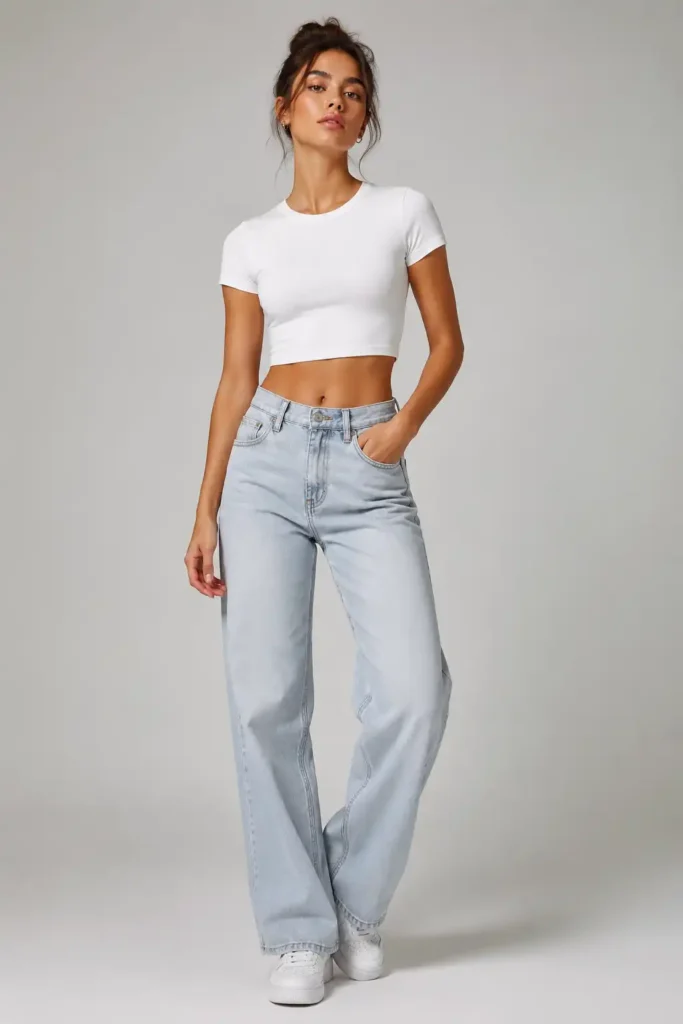
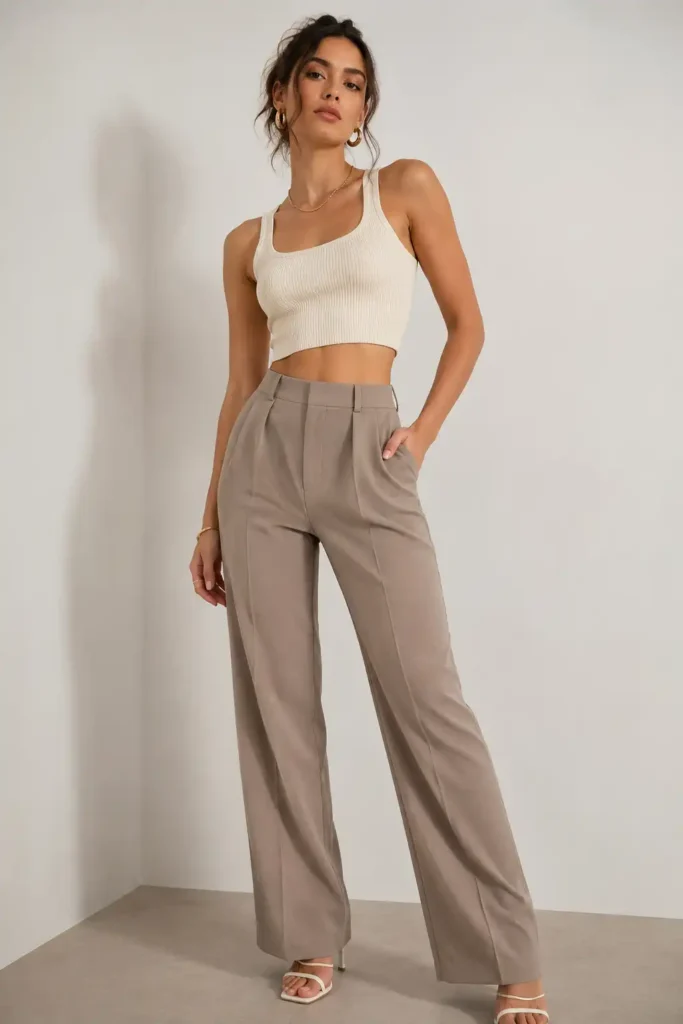
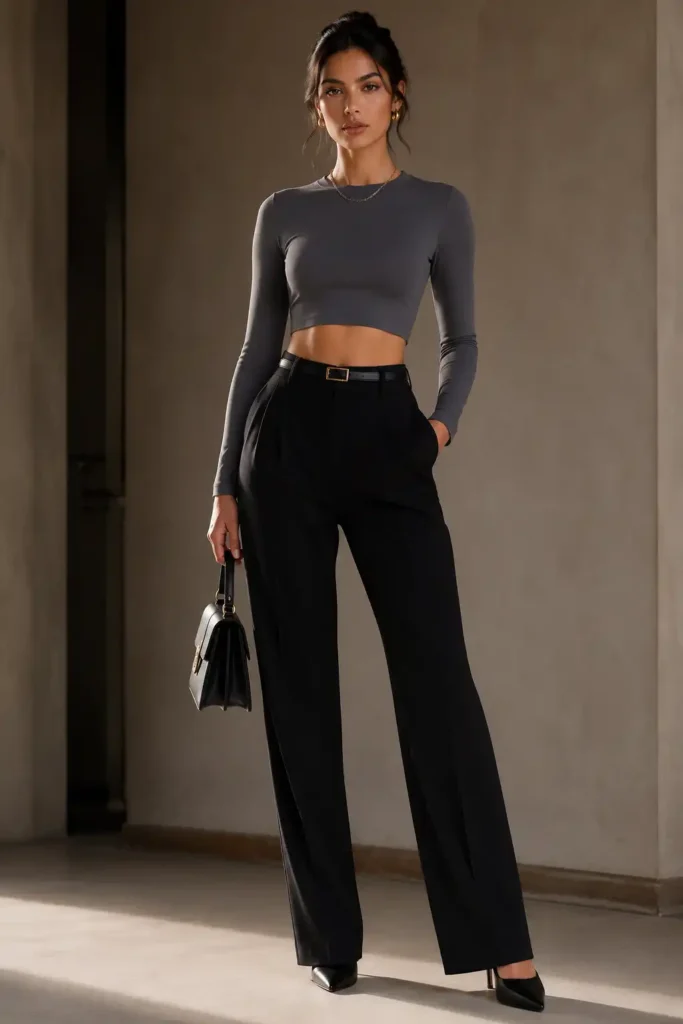
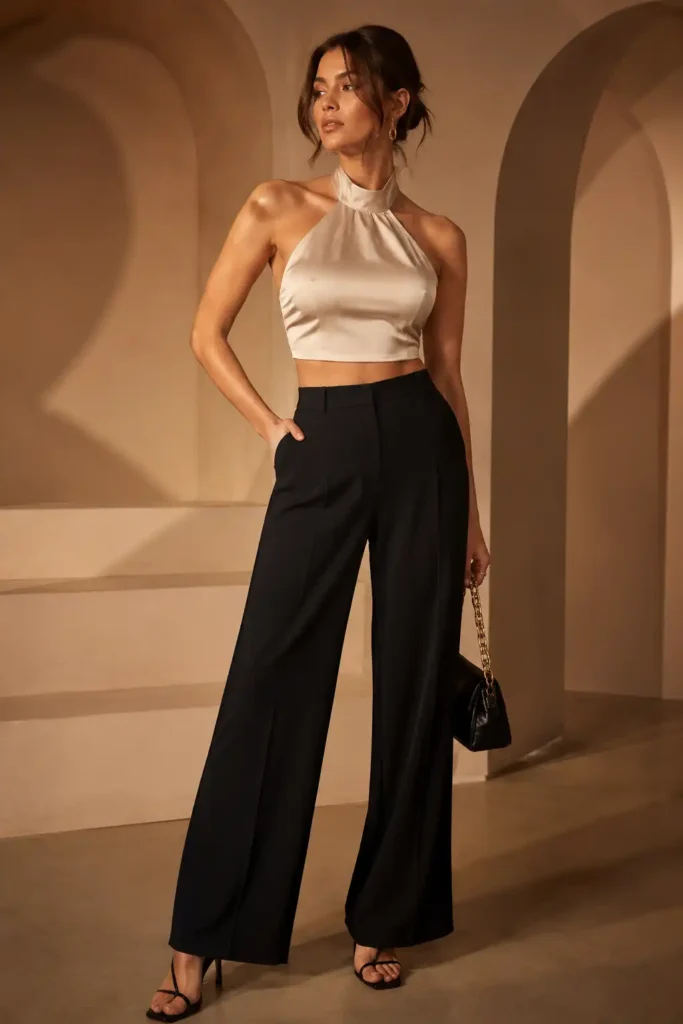
Custom Crop Top Manufacturer for Fashion Brands

Develop fashion-led crop tops with controlled fit, fabric performance, production consistency and retail-ready private-label delivery.

Jinfeng Apparel supports global fashion brands with crop top development from reference images, original samples or tech packs. Pattern, fabric, lining, elastic, support structure, branding and bulk standards are reviewed as one connected product system, helping every approved style move into repeatable production rather than remaining a good-looking sample that cannot be scaled.

  • 8 core crop top directions: baby tee, rib tank, long sleeve, halter, corset, mesh, satin cami and cut-out styles.
  • 7 critical fit zones: bust, underbust, front length, back length, neckline, armhole and hem position.
  • Size development: XS-XL as a common alpha range, with extended, petite, tall or plus-size grading based on the brand’s approved size standard.
  • Production entry: MOQ starts from 200 pieces per style/color, subject to fabric, trim, construction and packing requirements.

Crop Top Manufacturing Capacity at a Glance

A fashion top program needs more than sewing capacity. Development rooms, pattern control, project management, quality inspection and packing coordination must work from the same approved product records.

Since 2008

Jinfeng Apparel has focused on custom women’s fashion manufacturing since 2008. Long-term experience across dresses, tops, skirts, jumpsuits and matching sets supports stronger judgment when a crop top combines close body fit, stretch fabric, lining, cups, boning, decorative straps or matching bottoms. The team reviews commercial wearability together with construction feasibility before bulk production begins.

Six Owned Factories

Six owned women’s fashion factories form the core production network. Orders are allocated according to fabric category, structure, sewing complexity, quantity and delivery rhythm. A rib knit baby tee, lined mesh going-out top and satin corset crop top do not require identical production handling, so style-to-factory matching remains part of project planning rather than an afterthought.

100,000+ Monthly Capacity

Coordinated capacity exceeds 100,000 pieces of womenswear per month under regular conditions, depending on style complexity, fabric type, order structure and production schedule. Capacity planning separates common jersey and rib styles from lace, mesh, satin or corset constructions, allowing larger multi-style programs to receive a realistic production calendar with defined material, sewing, inspection and packing windows.

Two Sample Rooms

Two sample rooms support first samples, fit samples, revised samples, photo-ready samples, pre-production samples and sealed standards. Sample work is managed separately from bulk output so pattern corrections, fabric substitutions, construction trials and measurement feedback can be completed before production resources are committed. Each sample stage has a different purpose and should not be treated as a single approval event.

Seven Pattern Makers

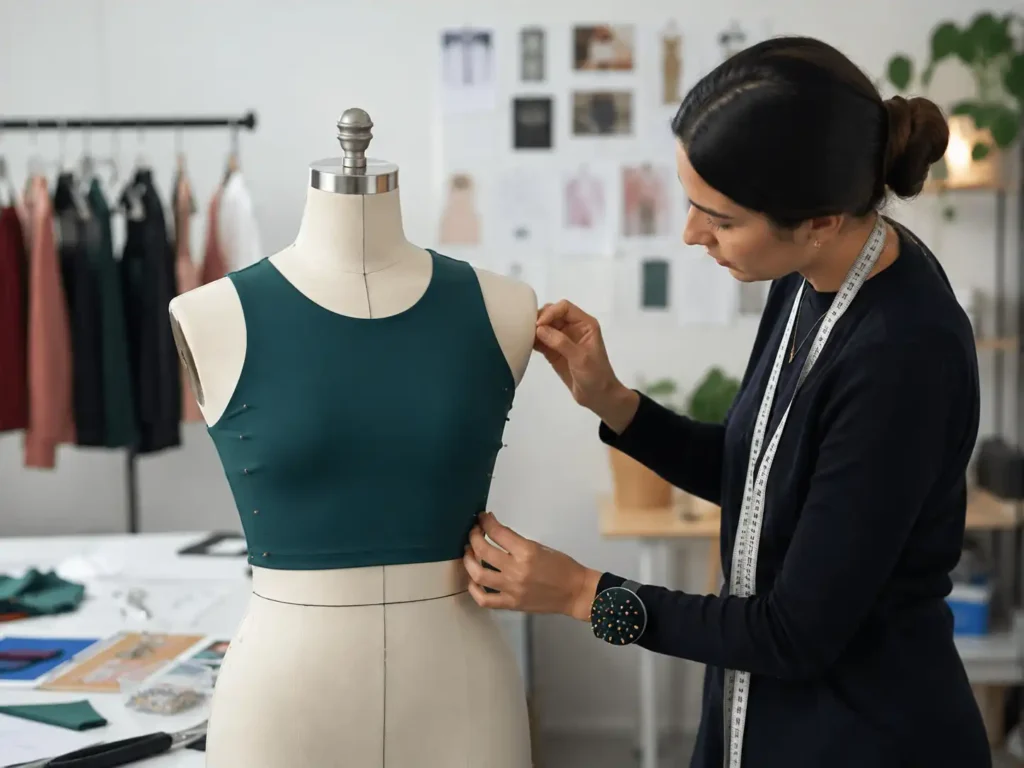
Seven or more senior women’s wear pattern makers translate sketches, reference garments, images and measurement charts into production-ready patterns. Crop top development focuses on bust coverage, underbust position, neckline opening, armhole depth, strap length, front-to-back balance, body length and hem stability. Grading is recorded against the approved base size rather than enlarged by simple percentage.

Structured Quality Team

Fifteen or more quality inspectors, twelve or more merchandisers and thirty or more finishing and packing workers support material checks, cutting review, sewing inspection, measurement control, appearance inspection, label verification and final packing. The system gives larger brand programs defined owners for development status, production follow-up, quality findings, packaging records and shipment preparation.

Fashion Programs We Manufacture Crop Tops For

Crop tops perform differently across trend, occasion, resort, ecommerce and retail programs. Product direction, fit tolerance, launch rhythm and packaging requirements are aligned with the commercial model behind the collection.

Global Fashion Brands

Global labels often need multi-style development, controlled supplier documentation, repeatable quality standards and several delivery batches. Jinfeng Apparel supports structured approvals through pattern records, fabric references, BOM files, measurement charts, pre-production samples, quality checklists and packing instructions. The approach fits brands that require continuity across seasons instead of treating each purchase order as an unrelated production run.

Regional Leading Labels

Regional leaders usually combine strong local market knowledge with frequent seasonal launches. Crop top collections may need several fabrics, color groups and matching bottoms while maintaining one recognizable fit language. Development can follow an approved block, brand-specific bust coverage, preferred body length and established size grading, creating a consistent product family across new colors and updated design details.

Premium Ecommerce Brands

Online fashion depends heavily on photo performance, predictable sizing and low avoidable return risk. Neckline shape, armhole exposure, fabric opacity, hem position and garment length must remain clear in product photography and stable across sizes. Photo-ready samples can be prepared for campaign use, while a separate pre-production approval locks the final materials, measurements, branding and packing standards for bulk.

Multi-Channel Retailers

Retail programs need product, barcode, SKU, carton and warehouse information to remain aligned. Crop tops sold through stores, marketplaces and direct channels may require different labels, folding methods, pack ratios or shipment splits. Jinfeng Apparel coordinates garment production with size stickers, barcode placement, polybag details, carton marks and packing lists so finished units enter the intended distribution flow without preventable relabeling.

Partywear Labels

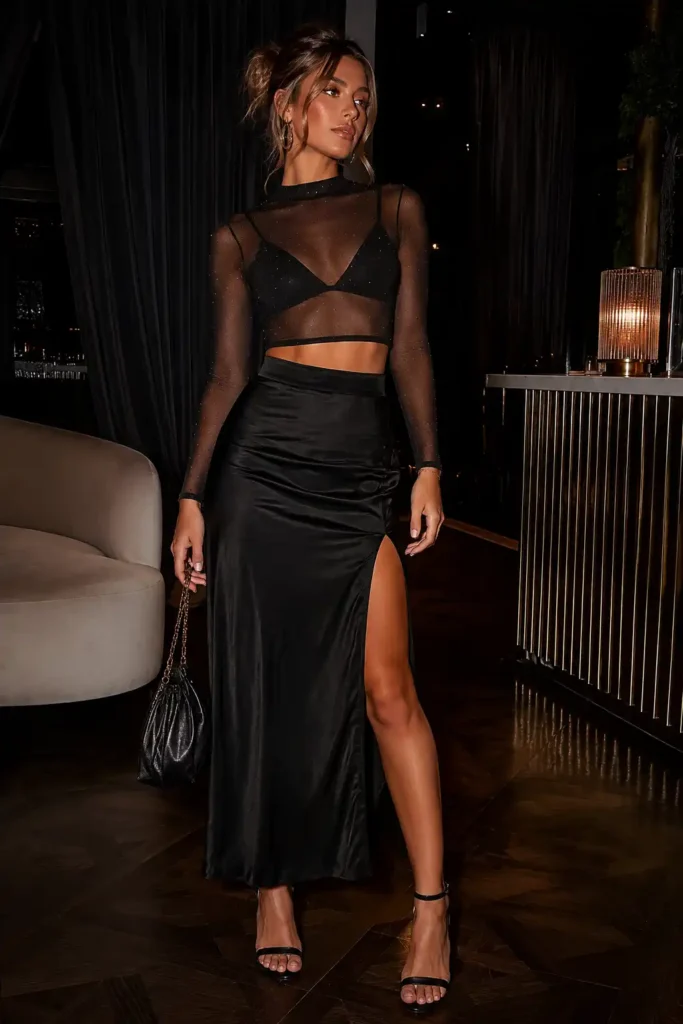
Party and going-out collections place more pressure on bust fit, support, lining and decorative construction than basic jersey tops. Mesh, satin, lace, ruching, cut-outs, asymmetric necklines, cups, elastic and corset details are reviewed together. Sample fitting checks exposure, movement, skin contact and visual balance under front, side and back views before the production standard is locked.

Resortwear Brands

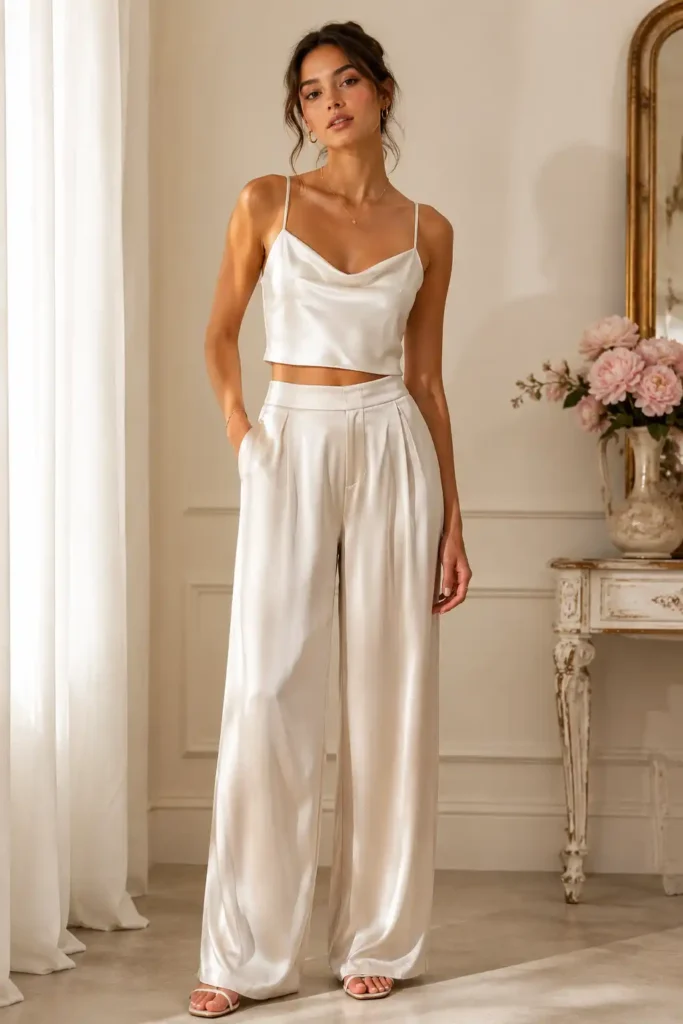
Resort crop tops often form part of a coordinated set with skirts, shorts or wide-leg pants. Lightweight woven fabrics, viscose, linen blends, printed materials and soft linings require attention to shrinkage, transparency, print direction and packing wrinkles. Top length and bottom waist height are developed as one proportion so the set photographs well and remains comfortable in warm-weather use.

Trend-Led Womenswear

Trend-led programs may combine fitted baby tees, halter tops, asymmetrical cuts, corset shapes, mesh layering and statement trims within one drop. Fast design turnover still requires clear approval discipline. Styles are separated by fabric, construction and production risk, allowing simple items to move efficiently while more complex silhouettes receive additional pattern, fitting and workmanship review.

Private Label Teams

Private-label programs need more than a neck label. Main labels, size labels, care labels, hangtags, barcode stickers, SKU stickers, branded polybags, inserts and carton marks must match the final style and packing plan. Branding files are confirmed before bulk packing, while label position and attachment method are checked on the pre-production sample to prevent late-stage rework.

Sourcing Teams

Sourcing and product development teams need transparent information on MOQ, sample timing, fabric availability, revision status, capacity allocation, quality checkpoints and shipment readiness. Jinfeng Apparel can review line sheets containing multiple crop top styles and organize them by fabric family, complexity, color plan and launch priority, giving each program a more workable sampling and production sequence.

What Strong Crop Top Manufacturing Requires

Retail-ready crop tops depend on six connected capabilities. A weakness in fabric, fit, sample transfer or packing can undermine an otherwise strong design once the order reaches multiple colors, sizes and production batches.

Fashion-Focused Development

Development begins with the intended silhouette, market, styling and selling context rather than selecting a generic blank top. Reference photos are assessed for neckline, bust coverage, body length, stretch requirement, lining, closures and decorative details. Tech packs receive a construction review before pattern work starts, while original samples can be measured and translated into brand-owned development records under confidentiality controls.

Fabric Performance Knowledge

A fabric choice changes more than hand feel. Jersey may twist or shrink, rib may grow after wear, mesh may lose recovery, satin may snag or show seam pressure, and lace may require motif placement. Fabric approval records composition, weight, stretch, recovery, drape, transparency, color, MOQ, price effect and lead-time effect before a pattern is finalized for bulk-ready sampling.

Crop-Specific Fit Control

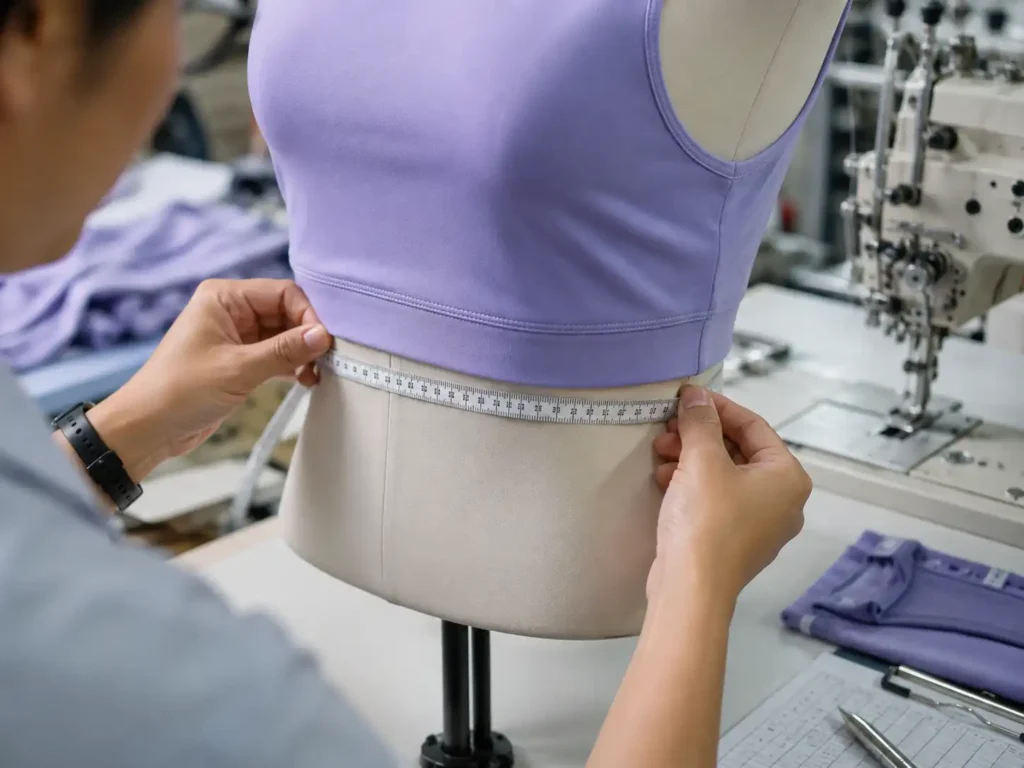
Short body length magnifies small pattern errors. A difference of only a few centimeters can change bust coverage, underbust position, waist exposure and matching-set proportion. Pattern review covers front length, back length, side seam, neckline depth, armhole shape, strap angle, bust ease and hem location. Fittings use measurement feedback together with front, side and back photographs to guide revisions.

Sample-to-Bulk Transfer

A good sample has limited value unless the production team receives the same approved information. Final pattern version, size chart, grade rule, fabric approval, trim card, BOM, sewing instruction, label placement, quality checklist, packing instruction and sealed sample form the handover package. Material or design changes after approval are assessed again for cost, timing and production risk.

Multi-Style Coordination

Established fashion programs often contain 10-30 styles rather than one isolated top. Styles are tracked by number, color, size, fabric, trim, sample version, revision log, BOM and production status. Shared materials can be consolidated where appropriate, while high-risk styles receive separate development and inspection plans. The structure supports larger collections without allowing one delayed style to obscure the status of every other SKU.

Brand-Ready Delivery

Finished garments must arrive with correct identity and warehouse information. Main labels, size labels, care labels, hangtags, barcode stickers, polybags, size stickers, color stickers, carton marks and packing lists are cross-checked before shipment. Client-nominated forwarders can receive cargo details, carton measurements, commercial invoices, packing lists and pickup coordination, while alternative air, sea or split-shipment plans can be evaluated by project.

Custom Crop Top Styles We Develop

A balanced fashion top collection combines commercially dependable silhouettes with selected statement pieces. Every direction below requires its own fabric, fit and construction controls rather than one universal top pattern.

Fitted Baby Crop Tee

A fitted baby tee relies on clean neckline recovery, short sleeves, close bust shaping and a precise cropped length. Cotton-spandex jersey or compact stretch jersey can create a smooth surface, yet uncontrolled shrinkage, twisting and neck rib tension may distort the garment after washing. Development checks body width, sleeve opening, front and back length, side-seam balance and logo placement across the intended size range.

Ribbed Crop Tank

Rib knit creates strong body definition and an easy commercial look, but the fabric can lengthen during wear or recover unevenly after washing. Pattern work accounts for rib direction, stretch percentage, negative ease, neckline shape, armhole coverage and hem growth. Binding tension and seam elasticity are tested so the top stays close to the body without cutting into the armhole or rolling upward at the hem.

Long-Sleeve Crop Top

Long-sleeve fitted tops must balance torso compression with sleeve comfort. Stretch jersey, rib knit and soft mesh can all work, though each material changes elbow movement, sleeve twist, cuff recovery and body length after wear. The pattern is checked for shoulder width, sleeve cap, underarm seam, cuff opening and front-back balance. Size grading must protect both bust fit and sleeve mobility rather than simply increasing all measurements evenly.

Halter Crop Top

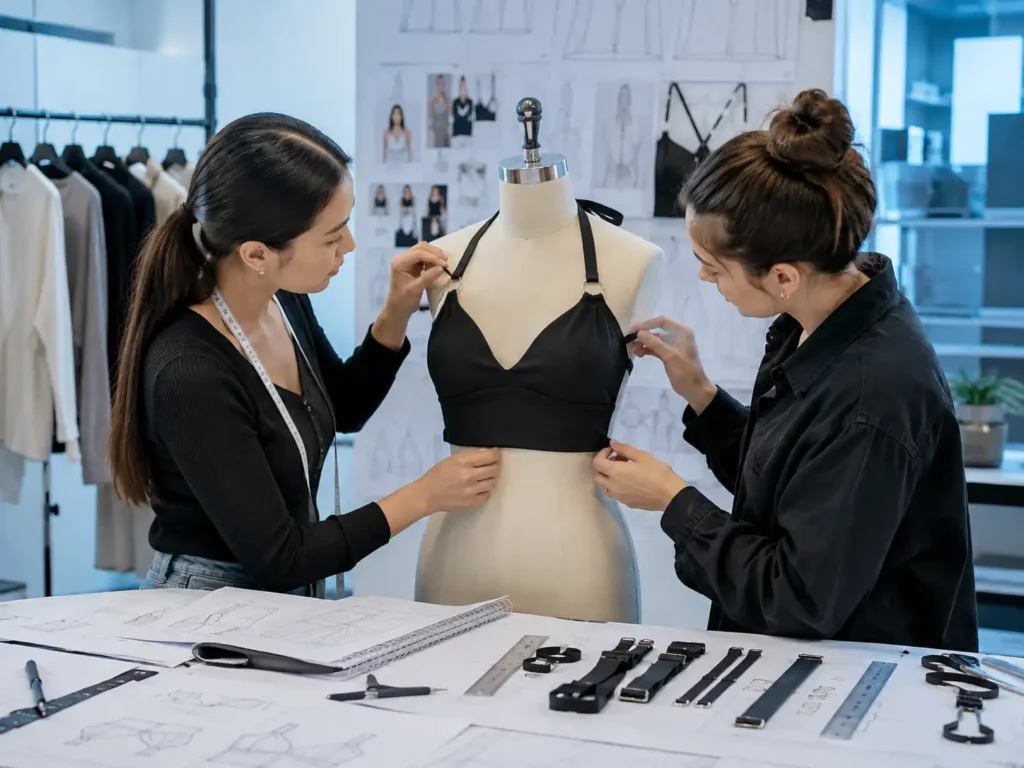
Halter styles place fit pressure around the neckline, upper bust and side body. Neck ties or fixed straps must support the garment without pulling painfully, while the armhole should cover the side bust according to the intended styling. Satin, jersey, mesh, lace and woven fabrics can create very different results. Sampling reviews neck opening, strap length, back closure, bust shaping, lining and movement before bulk approval.

Corset-Style Crop Top

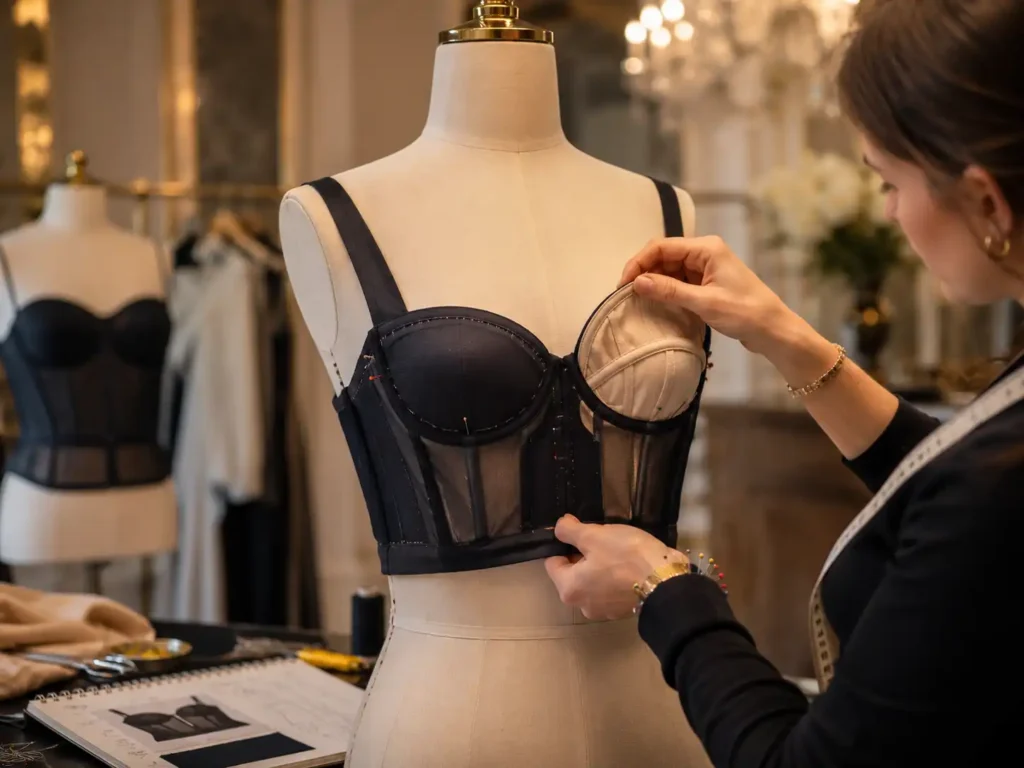
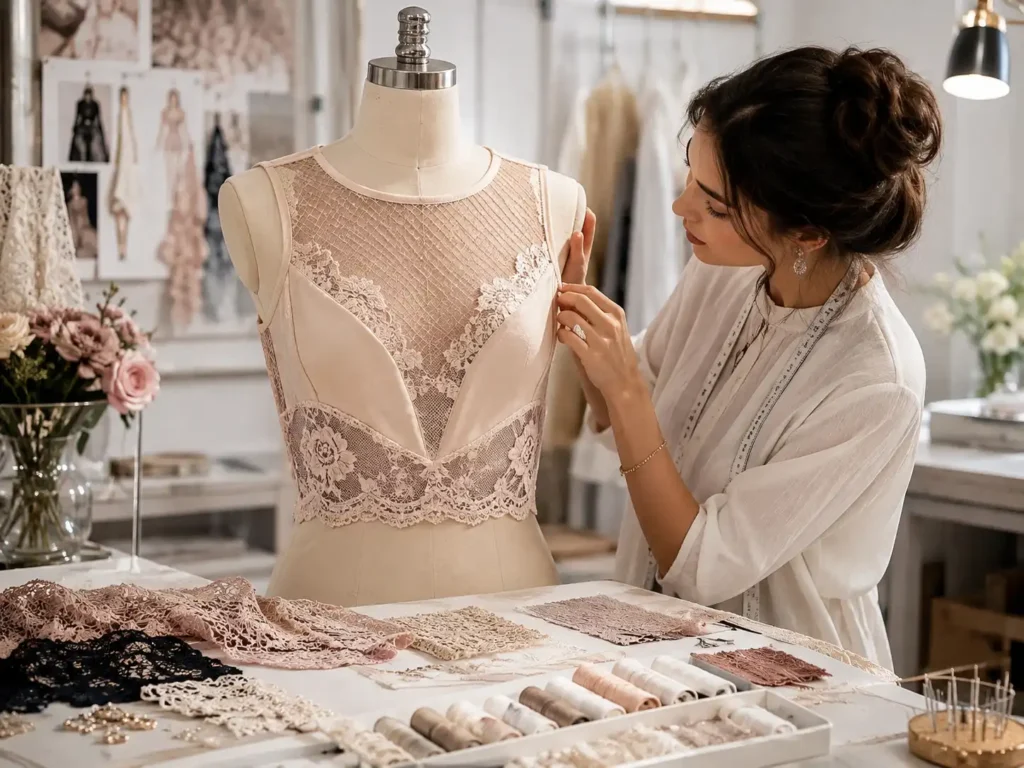
Corset-inspired tops may include cups, boning, panel seams, back zippers, hook-and-eye closures, lace-up details or internal elastic. Fashion appearance must be balanced with comfort and stable support. Pattern and sample review cover cup position, underbust level, body length, side seam, top-edge security, boning termination, seam bulk and skin contact. Structured satin, lace overlays, mesh panels and woven blends may require different internal construction.

Mesh Going-Out Top

Mesh crop tops create strong visual impact through transparency, layering, print, ruching or cut-outs. Stretch recovery, hole resistance, seam stability and lining coverage determine whether the style remains wearable after production. Development can use power mesh, soft mesh or printed mesh depending on the intended support and appearance. Key checks include neckline growth, armhole shape, seam allowance visibility, lining edge, elastic tension and print placement.

Satin Cami Crop Top

Satin camis require controlled drape, clean strap alignment and smooth seam appearance. Shine direction, snagging, needle marks, zipper or button placement, pressing and packing folds all affect the finished look. Bias-cut or softly draped designs need additional balance checks, while structured styles may require lining, cups or darts. Sample review confirms front length, bust shape, strap range and hem level under natural standing and seated positions.

Ruched Cut-Out Top

Ruching and cut-outs can create a high-impact social and party style, but both details alter tension around the bust and waist. Drawcord channels, elastic gathering, cut-out binding and asymmetrical panels must remain balanced across sizes. Development checks exposed area, gathering distribution, seam stretch, edge recovery and left-right alignment. Grade rules may need style-specific adjustment so larger sizes preserve the design intention without creating excessive exposure.

Build Crop Tops Into Complete Collections

Crop tops gain stronger commercial value when developed as part of a coordinated capsule. Top length, bottom waistline, material behavior, color batch, size pairing and packing strategy are considered together.

Crop Top and Skirt Sets for Occasion Drops

A crop top and skirt set can be sold as one look or separated into two products, giving merchandising teams more styling and pricing flexibility. Strong development starts with proportion. The top hem and skirt waist need a deliberate gap or overlap, while front and back lengths must remain visually balanced. A fitted corset top may pair with a mini or maxi skirt, while a ruched mesh top may use the same outer fabric and lining as a bodycon skirt.

Color consistency becomes especially important when the top and skirt are cut from different fabric batches or include different lining materials. Bulk approval should confirm face fabric, lining, zipper, thread and trim color as one coordinated group. Size pairing also requires a clear rule. Some programs sell fixed sets such as S top with S skirt; others need separate top and bottom SKUs. The packing plan must reflect the selling model through barcode, size sticker, polybag and carton organization.

Workmanship checks include waistband stability, skirt zipper flatness, top support, hem balance and matched decorative placement. When sets are photographed together, even a small color or proportion difference becomes obvious. Jinfeng Apparel records top and skirt measurements, fabric references, color approvals, label placement and packing instructions under the same program file to reduce mismatch risk.

Crop Top and Pants Sets for Resort Collections

Resort sets often use viscose, rayon, linen blends, printed woven fabrics or soft stretch materials. The top must feel light and comfortable while maintaining enough coverage for travel and warm-weather use. Wide-leg pants or shorts add another set of fit variables, including waist position, rise, hip ease and inseam. The top length is reviewed against the bottom waist height so the coordinated look remains consistent across sizes.

Printed sets require control of print direction, repeat placement and color batch. A directional floral can appear inverted when cutting layouts are not planned carefully, while large motifs may need placement guidance around the center front or side seams. Lightweight fabrics may also require opacity checks, partial lining or double-layer construction in the top. Washing and shrinkage behavior should be reviewed before finalizing both garments because unequal shrinkage can disturb the set proportion.

Packing can support a complete set, separate garments or a combined launch with independent SKUs. Carton and packing-list records must make the chosen model clear. For launch-sensitive programs, selected colors or priority sizes can be separated for air shipment while the remaining quantity moves by sea, provided SKU and carton records are divided before packing begins.

Same-Fabric Capsules Across Multiple Silhouettes

A same-fabric capsule may include a baby tee, halter top, corset crop top, mini skirt and maxi skirt built from one coordinated material family. Shared fabric can strengthen visual identity and improve material planning, but each silhouette still needs an individual pattern and fit review. Stretch jersey used for a fitted tee may behave differently when doubled for a bustier shape, while satin used for a cami may need a heavier lining when applied to a structured corset top.

Collection planning groups styles by fabric, trim and production complexity. Simple knit items can proceed through a shorter sewing route, while lined or structured items receive additional sample and quality checkpoints. Shared colors are confirmed using one bulk color standard, but lining, elastic, thread and zipper shades must also be matched. The goal is not to force every style into identical construction; the goal is to preserve a coherent collection while giving each silhouette the structure it needs.

Pattern, measurement, fabric, trim, branding and packing records are retained for future color extensions or related styles. A successful top can later develop into a longer version, a new neckline or a coordinated bottom without losing the brand’s established fit language.

Fabrics Selected for Fit, Recovery and Finish

Fabric approval connects appearance, fit, wash behavior, cost and production feasibility. Composition alone is not enough; weight, stretch direction, recovery, transparency, surface and batch consistency must support the intended silhouette.

Fabric DirectionBest-Suited Crop TopsDevelopment ControlsMain Bulk Risks
Cotton-Spandex JerseyBaby tees, fitted short sleeves, casual long sleevesConfirm fabric weight, two-way or four-way stretch, neck rib compatibility, shrinkage, twisting, recovery and print surface before final pattern approval.Side-seam twist, body shrinkage, neckline deformation, uneven length after washing and print distortion under stretch.
Rib KnitTanks, fitted tops, matching sets, body-contour silhouettesReview rib direction, stretch growth, negative ease, neckline and armhole binding, hem recovery, relaxation time and size grading.Garment length growth, loose neckline, rolling hem, inconsistent chest width and different recovery between colors or batches.
Ponte or RomaStructured knit tops, corset-inspired knit shapes, office-to-evening setsCheck thickness, support, recovery, seam bulk, dart or panel definition, zipper compatibility and hem structure.Excessive stiffness, bulky seams, visible pressure marks, limited comfort and silhouette changes when fabric weight varies.
Stretch MeshLayered party tops, ruched tops, cut-outs, printed mesh stylesConfirm transparency, stretch, recovery, hole resistance, lining coverage, elastic compatibility, print clarity and edge finishing.Over-transparency, neckline growth, seam damage, print cracking, visible lining edges and uneven gathering.
Stretch SatinCami tops, halters, draped tops, occasion and corset stylesControl shine direction, snagging, needle selection, seam pressure, drape, stretch, lining, strap construction, pressing and packing folds.Shade difference, pulled seams, needle marks, wrinkling, snagging, strap distortion and visible packing creases.
LaceOccasion tops, corset overlays, statement sleeves, matching setsReview motif direction, left-right symmetry, edge finish, lining color, seam placement, stretch behavior and skin-contact areas.Motif mismatch, fraying, holes, uncomfortable edges, uneven transparency and visible color difference between lace and lining.
Woven Cotton BlendStructured crops, tie-front tops, corset panels, resort separatesConfirm ease, darts, closures, shrinkage, opacity, seam strength and movement because woven fabric offers less stretch correction during wear.Tight bust, armhole restriction, gaping, shrinkage, seam stress and poor movement if pattern ease is underestimated.
Viscose or Linen BlendResort tops, tie styles, relaxed crops, printed capsulesCheck drape, wrinkle character, transparency, shrinkage, print direction, lining requirement and wash care before approving the final silhouette.Uneven shrinkage, excessive wrinkling, seam slippage, print mismatch, transparency and proportion changes after washing.

Crop Top Fit Engineering for Retail-Ready Results

Short tops expose proportion errors quickly. Pattern engineering must control bust coverage, upper-body balance, garment length and stretch response while preserving the intended silhouette across the full size range.

Bust Shape, Underbust Position and Body Length

Crop top fit begins with the relationship between upper bust, full bust, underbust and body length. A style can match the flat measurement chart yet still sit too high, pull across the bust or expose more skin than intended. Pattern review compares bust width, dart or panel position, front length, back length, side-seam length and hem level. Structured styles may need cups, princess seams, boning or internal elastic, while soft jersey styles rely more heavily on controlled stretch and negative ease.

Front length usually needs more shaping than back length because the garment travels over the bust. Without enough front balance, the hem rises at center front and creates an uneven line when paired with a skirt or pants. Too much length may cause fabric pooling under the bust. Fit photos are reviewed from the front, side and back, and key measurements are compared against the approved size chart before a revised pattern is issued.

Underbust placement matters in corset, halter and fitted cami styles. A seam or elastic line that sits too high can reduce support and distort cup shape; one that sits too low can create poor body contact and visible gaping. Sampling also checks seated comfort, arm movement and natural breathing. Approved corrections are recorded in the pattern version and measurement file rather than left as verbal comments.

Neckline, Armhole, Strap and Side-Bust Coverage

Neckline depth defines both visual identity and wearability. A square neck, scoop, halter, asymmetric line or sweetheart shape requires its own support and recovery logic. Stretch fabrics may grow during wear, while satin or woven materials may gape without precise contouring. Neckline binding, facing, lining, elastic or internal support is selected according to the fabric and design rather than applied as one standard finish.

Armhole depth and shape control side-bust exposure, bra visibility and movement. A high fashion image may show a very open armhole, yet the production pattern still needs a clear coverage target across sizes. Side seams, shoulder straps and neckline points are reviewed together because changing one area can alter the others. Adjustable straps need enough range to support different torso lengths without pulling the neckline upward or allowing the top to drop too low.

Strap width, angle and attachment method affect comfort and appearance. Fine satin straps may require reinforcement; halter ties must carry tension without twisting; decorative multi-straps need accurate spacing and symmetry. Fittings check whether the strap remains flat, whether hardware contacts the skin and whether the neckline returns to shape after movement. Final placement is measured from fixed pattern points for repeatable bulk production.

Stretch Ease, Grading and Size Range Development

Stretch garments need a defined relationship between body measurements and finished garment measurements. Negative ease may create a close fit, but too much reduction can cause transparency, seam strain, rolling hems or discomfort. Too little reduction can produce a loose neckline and weak body shaping. Fabric stretch and recovery are assessed before the final pattern is approved, especially when different colors or batches show different behavior.

A common alpha range is XS-XL, while extended, petite, tall or plus-size grading can follow the brand’s approved standard. Grading is not a simple proportional enlargement. Bust shape, neckline opening, armhole depth, strap length, body length and cut-out exposure may need separate rules. Larger sizes may require added support or adjusted panel distribution, while petite and tall ranges may need torso-length changes rather than only circumference changes.

Fit approval should identify the base size, model or fitting body measurements, measurement tolerance and key visual checkpoints. The final grade rule is linked to the pattern version used for bulk cutting. When the same silhouette changes to a different fabric, stretch, thickness and recovery are reviewed again because the earlier grade rule may no longer produce the same result.

Construction Details That Control Crop Top Quality

Small construction areas carry a large share of crop top performance. Necklines, armholes, straps, hems, elastic, lining, support and closures are inspected for appearance, comfort and repeatability.

Neckline Finish

Neckline construction is selected according to fabric and silhouette. Rib binding, self-fabric binding, facing, lining, elastic and clean-finish methods create different levels of recovery and structure. Inspection checks width consistency, seam flatness, left-right symmetry, neckline shape and recovery after gentle stretch. A clean front view is not enough if the neckline grows after wear or twists after washing.

Armhole Coverage

Armhole quality includes more than smooth stitching. The shape must cover the intended side-bust area, lie flat without gaping and allow natural movement. Binding or lining should not cut into the body or create visible waves. Bulk measurement points are established for armhole depth and opening, while visual inspection checks both sides for symmetry and consistent exposure.

Strap Construction

Straps are reviewed for width, length, angle, reinforcement and hardware placement. Fine straps may need internal reinforcement at the attachment point, while adjustable sliders must move smoothly and remain secure. Halter ties require balanced length and clean turning. Production inspection compares strap position against pattern reference points because even a small shift can change neckline height and bust support.

Hem Stability

A crop top hem sits at a highly visible body position and often receives tension during dressing and wear. Coverstitch, twin-needle, clean-finished lining or structured facing methods are selected by fabric and design. Quality checks look for rolling, tunneling, waviness, stretched edges, uneven length and broken stretch stitches. Hem circumference is measured together with front and back length.

Elastic Recovery

Elastic may be used at the neckline, underbust, hem, back opening or inside a strapless structure. Specification includes width, thickness, stretch, recovery and insertion ratio. Excess tension causes discomfort and gathering; insufficient tension weakens support. Production records define elastic length or ratio for each size, while inspection checks recovery and symmetry after the garment has been gently stretched.

Lining Attachment

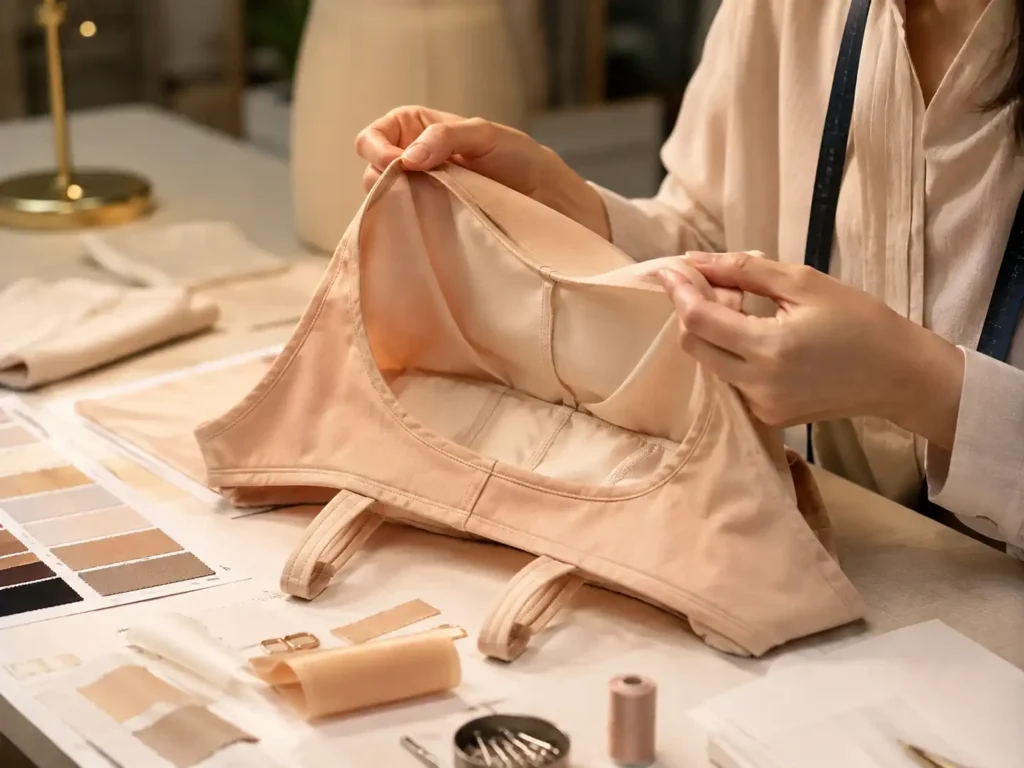
Lining controls opacity, comfort, support and internal appearance. Full lining, partial lining, cup lining and double-layer self fabric create different results. Attachment points must allow the outer fabric to hang naturally without pulling or rolling. Inspection checks lining length, seam visibility, color match, edge placement and whether the lining remains hidden during movement and photography.

Cups and Support

Removable or fixed cups, internal elastic, boning and panel seams require accurate positioning. Cup shape must match the garment’s bust point and intended support level. Boning ends should be secured and kept away from uncomfortable pressure points. Sample fitting reviews side profile, neckline stability and movement, while bulk checks compare cup placement, seam alignment and left-right symmetry against the approved standard.

Closures and Zippers

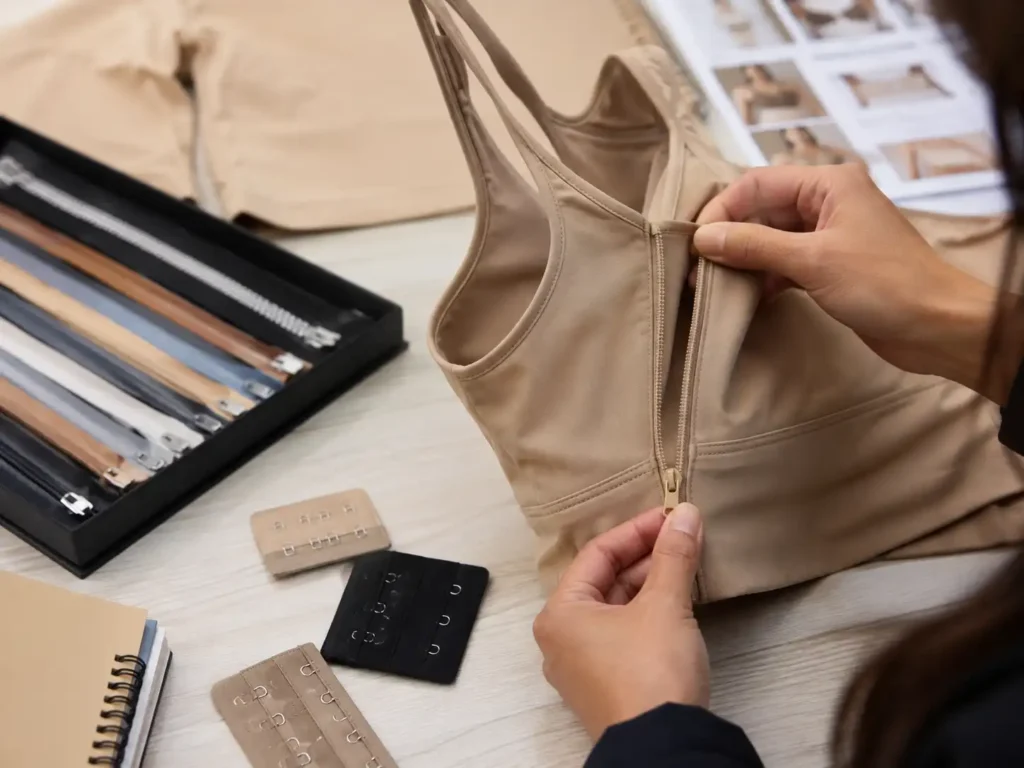
Side zippers, center-back zippers, hook-and-eye closures, buttons, ties and lace-up details must support dressing without distorting the silhouette. Zipper tape and puller color should coordinate with the fabric and lining. Inspection checks flatness, top and bottom stops, seam alignment, opening length and smooth operation. Structured tops also need reinforcement around closure areas to prevent seam stress.

Design Details for Distinctive Crop Top Collections
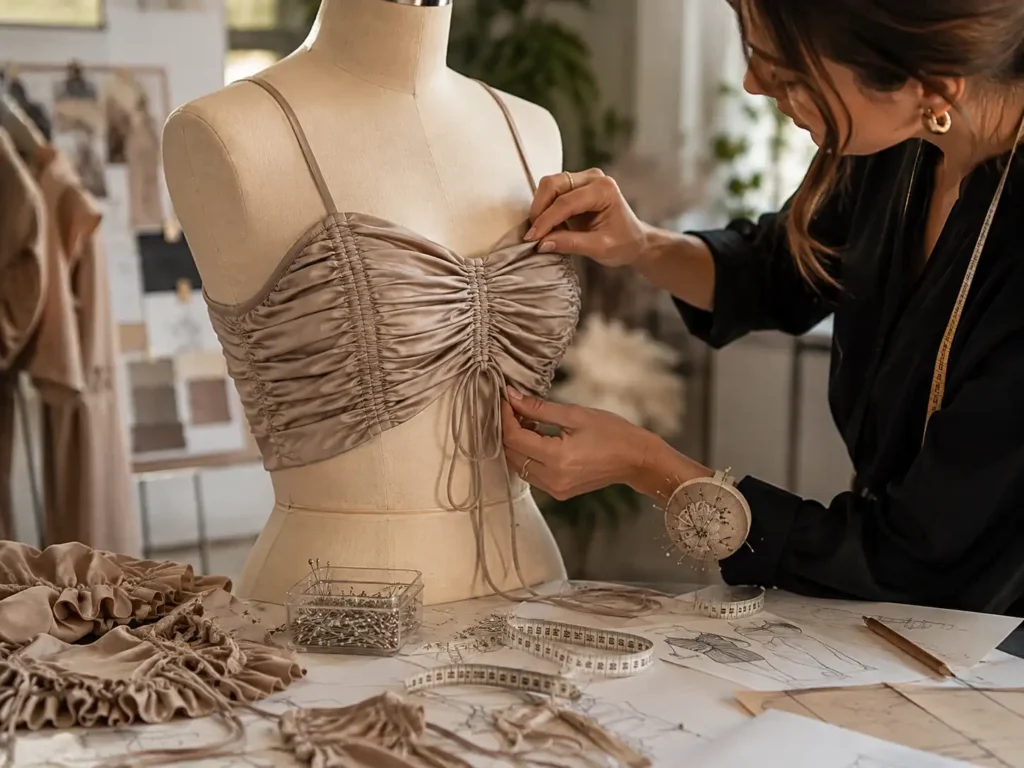
Fashion details need manufacturing discipline. Ruching, cut-outs, mesh, lace, asymmetry, straps and decoration are developed with measurable placement and construction standards so the design remains consistent across sizes.

Ruching and Gathering

Ruching can shape the bust, side body or center front, but gathering amount must be distributed consistently. Channels, elastic or drawcords need specified lengths and attachment points. Sample review checks symmetry, fullness, minimum and maximum adjustment, and whether the gathered section changes the garment length. Bulk inspection compares both sides and verifies that drawcord ends, stoppers or ties are secure.

Cut-Out Structures

Cut-outs affect exposure, edge tension and structural stability. Pattern placement is reviewed against bust position, underarm coverage and the intended bra or lining arrangement. Binding, facing, elastic or clean-finish lining can support the opening. Grade rules may need separate changes at each edge so larger sizes retain the same visual proportion without excessive exposure or seam strain.

Lace and Mesh Panels

Lace and mesh panels can create transparency without losing body support when the underlying pattern is planned correctly. Motif direction, seam placement, lining boundary and elastic recovery are confirmed during sampling. Color matching between outer fabric, lace, mesh, lining and thread is reviewed under consistent lighting. Bulk cutting also checks left-right panel symmetry and visible defects before sewing.

Asymmetric Necklines

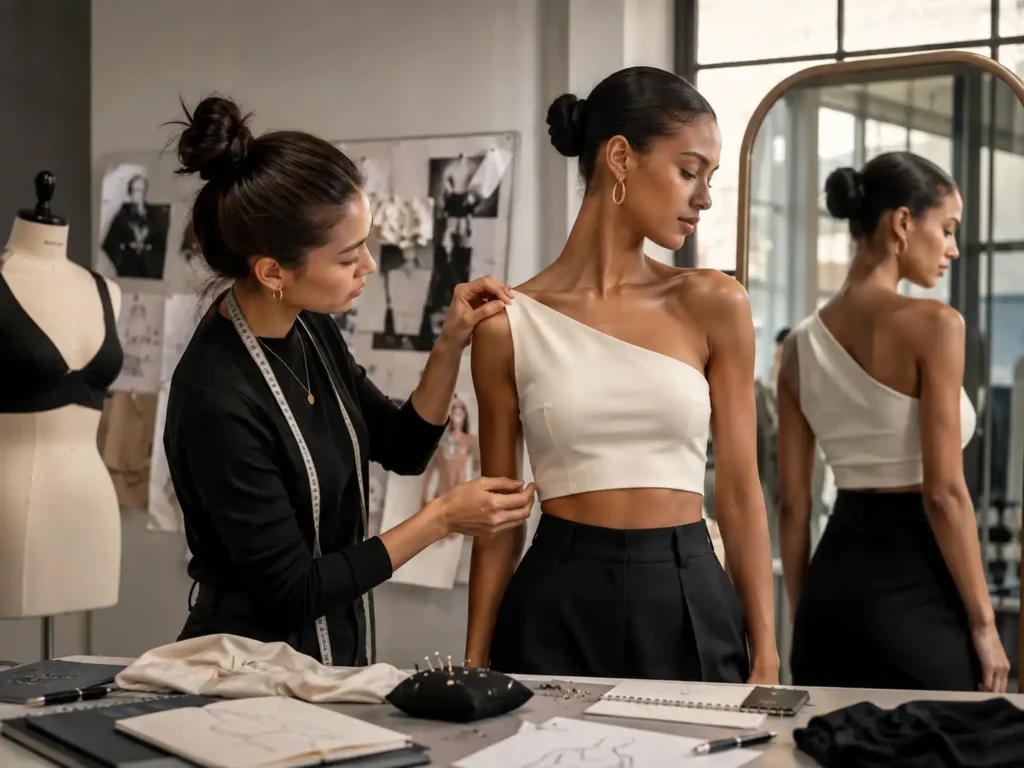
One-shoulder and asymmetric designs need balanced internal support because visual asymmetry should not create an unstable fit. Pattern review considers shoulder tension, opposite-side armhole coverage, neckline recovery and hem balance. Strap or shoulder placement is measured from fixed points, while fitting checks whether the garment rotates during movement. Bulk inspection compares the approved angle and exposed area across sizes.

Decorative Straps and Ties

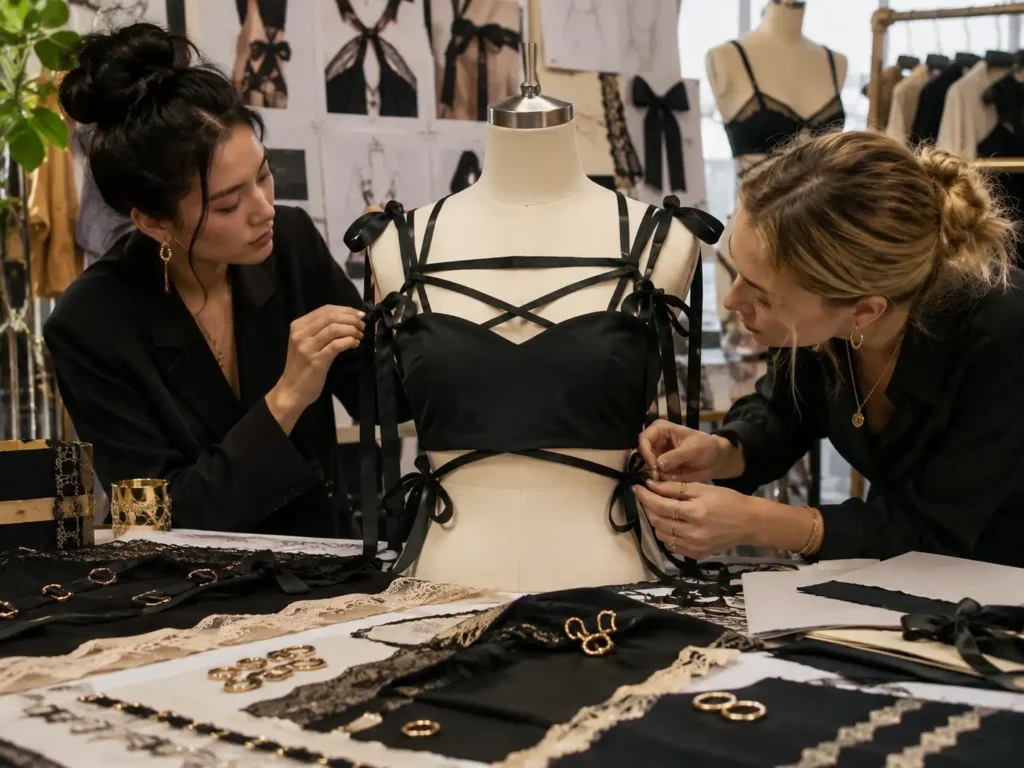
Cross-back straps, multi-straps, bows and tie fronts require accurate length and spacing. Decorative elements should remain functional enough for dressing and movement. Reinforcement is added where narrow straps meet the body panel, while hardware and knot positions are checked for comfort. Production instructions define strap sequence and attachment points to prevent twisting or inconsistent layouts on the sewing line.

Print and Embroidery Placement

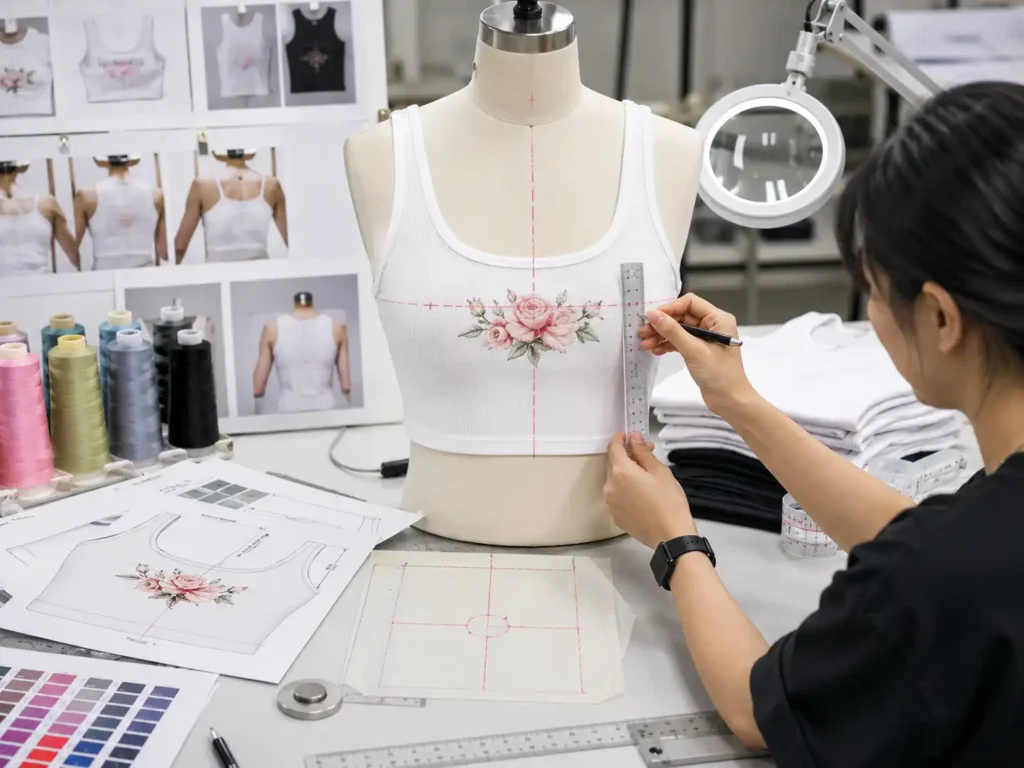
Artwork placement changes as garment size and stretch change. A center-front graphic, chest embroidery or all-over print needs an approved reference position and scale rule. Stretch jersey can distort artwork during wear, while seam placement may interrupt large motifs. Bulk inspection checks color, orientation, distance from neckline or hem, left-right level and alignment with pattern panels before packing.

From Reference Image to Approved Crop Top Sample

A controlled sample path converts visual direction into measurable production standards. Timing depends on fabric, structure and trim availability, with each stage serving a defined approval purpose.

Project Information Review

Development starts with available material such as a tech pack, reference image, original garment, sketch, size chart, color plan, quantity and target launch date. Missing information is identified before pattern work. The review separates confirmed requirements from open decisions, allowing fabric, construction and costing questions to be resolved in a logical order instead of appearing after the first sample is finished.

Style Structure Analysis

The team identifies neckline, bust shaping, body length, sleeve or strap construction, lining, closures, elastic, cups, boning, cut-outs and decorative details. Risk points are recorded before sampling. A reference image may look simple while hiding double layers, internal support or special finishing, so construction analysis helps prevent an unrealistically low preliminary quote or an unworkable sample direction.

Fabric and Trim Direction

Fabric options are compared by weight, stretch, recovery, drape, transparency, surface, shrinkage, color availability, MOQ, cost and lead-time effect. Trims may include elastic, cups, boning, zippers, hooks, sliders, lace, labels and decorative components. A material change is assessed for its effect on pattern, lining, sewing method and final cost rather than approved only by visual similarity.

Pattern Development

A base pattern is created from the approved measurement and style information. Crop top patterns focus on bust, underbust, front length, back length, neckline, armhole, strap and hem measurements. Existing brand blocks can be followed when supplied, while new grading can be developed around an approved base size. Pattern version and date are recorded for each sample stage.

First Sample

Simple crop top samples may be planned around 7-10 days, common fashion styles around 10-15 days, and complex corset, strapless, lace, mesh or heavily structured styles around 15-25 days. Timing starts after development information, material direction and sample payment are confirmed. Custom fabric, special trims or certified material can extend the schedule.

Internal Fit Review

Before external review, the sample is measured against the current size chart and checked for construction, balance and appearance. Front, side and back views help identify neckline gaping, armhole exposure, uneven hem, strap issues, bust pressure or body-length imbalance. Internal findings can be corrected before dispatch when the issue is clear and does not require a brand decision.

Revised Sample

Feedback is translated into pattern, measurement, material or construction changes. Simple styles often need one revised sample, while corset, strapless, mesh, lace and complex occasion tops may require one to two or more revisions depending on feedback and material changes. Every revision receives a clear change record so the latest approved version is not confused with an earlier sample.

PP and Golden Sample

The pre-production sample confirms final fabric, color, measurements, trims, labels, packing, workmanship and quality standards. Major changes after PP approval require renewed cost, timing and risk review. A sealed Golden sample, together with pattern, BOM, size chart, sewing instruction and quality checklist, becomes the production and inspection reference for the approved order.

How Fit Feedback Becomes Bulk Standards

Fit comments only create value when converted into controlled production records. Verbal notes, chat screenshots or marked photos are organized into measurable pattern and workmanship changes before bulk cutting begins.

Pattern Correction From Fit Photos and Measurements

Fit review combines the brand’s comments with garment measurements and front, side and back photographs. Comments such as “too short,” “armhole too open” or “neckline too loose” are translated into pattern points and measurement values. The team identifies whether the issue comes from pattern shape, fabric stretch, sewing tension, lining, elastic or an incorrect wearing position. A clear diagnosis prevents one correction from creating a new problem elsewhere.

Bust, underbust, front length, back length, side seam, neckline depth, armhole opening, strap length and hem circumference are common crop top checkpoints. For fitted knit styles, fabric recovery and relaxation may be measured again before altering the pattern. For woven or structured tops, dart, panel, cup, boning and closure positions are reviewed. Updated pattern and size-chart versions receive a revision date and sample reference.

Photo annotations can support communication, but final changes are written into the technical records used by sample and bulk teams. A revised sample confirms the combined result rather than approving isolated measurements. When the fabric changes, the earlier corrections are reconsidered because a different stretch, weight or drape may alter the approved fit.

Production Handover Through Locked Product Records

Bulk handover begins after the approved pre-production sample and final materials are confirmed. The production package includes the final pattern, graded nest or grade rule, size chart, measurement tolerance, fabric approval, trim card, BOM, sewing instruction, label placement, packing instruction, quality checklist and sealed standard. Each record carries the same style and version identification so factory, merchandising, quality and packing teams work from one controlled source.

Material arrival is checked against the approved reference before cutting. A pilot or early production review can confirm high-risk details such as neckline recovery, cut-out shape, cups, boning, straps, ruching and label position. Inline findings are documented and corrected before the same issue reaches the full order. Measurement checks compare selected garments with the approved size chart, while appearance checks use the sealed sample and construction instructions.

Packing does not begin as an unrelated final step. Barcode, size sticker, color sticker, polybag, folding method, carton ratio and carton marks are confirmed during the pre-production stage. When split shipment is planned, air and sea quantities are separated by SKU before final packing records are created. The complete handover protects sample-to-bulk consistency and makes later repeat orders easier to restart.

Manufacturing Capacity for Multi-Style Crop Top Programs

Large programs need allocation by product type rather than a single undifferentiated production promise. Development, factory selection, merchandising, inspection, packing and shipment planning are coordinated around the order structure.

Style-to-Factory Matching

Crop tops are allocated according to fabric, structure and workmanship. Common jersey and rib styles can use production resources experienced in stretch tops, while satin, lace, mesh or corset constructions require teams familiar with lining, support and delicate surfaces. Factory matching reduces the risk of assigning every silhouette to the same sewing method or quality standard simply because all products share the crop top category.

Multi-Style Scheduling

Programs containing 10-30 styles are grouped by sample readiness, material arrival, complexity and launch priority. Shared fabric or trims can be planned together, but approval status remains separate for each style. A production calendar identifies material booking, PP approval, cutting, sewing, inline inspection, final inspection, packing and shipment windows. Styles with unresolved fit or material issues do not silently delay approved items.

Merchandising Control

Twelve or more merchandisers support style number tracking, sample status, revision logs, BOM records, production updates and packing information. Clear ownership matters when multiple fabrics, colors and factories are involved. Project updates can identify which styles are awaiting approval, which materials are booked, which production lines are active and which SKUs are ready for inspection or packing.

Scalable Capacity

Six owned factories and more than ten long-term production partners provide scalable support for seasonal programs, large orders and repeat production. Regular monthly womenswear capacity exceeds 100,000 pieces across the coordinated system, subject to product complexity and schedule. Complex corset, lace, mesh or occasion tops consume more development and sewing time than basic knit items, so capacity is confirmed by order mix rather than total pieces alone.

Quality Allocation

Fifteen or more quality inspectors support incoming material, cutting, inline, measurement, final garment and packing checks. High-risk styles can receive additional checkpoints around neckline, armhole, support, cut-outs, lace or mesh placement. Inspection findings are linked to style and production batch, allowing correction and follow-up without treating an entire multi-style program as one undifferentiated quality lot.

Packing and Logistics Coordination

Thirty or more finishing and packing workers support pressing, thread cleaning, label verification, folding, polybag packing, sticker application and carton preparation. Logistics coordination can work with a client-appointed forwarder or provide freight options for comparison. Commercial invoices, packing lists, carton marks, carton measurements and shipment photos are prepared according to the confirmed shipping arrangement.

Controlled Bulk Production From PP Approval to Packing

Bulk production follows the approved pattern, material, construction, measurement and packing records. Each stage prevents a specific group of risks from moving deeper into the order.

PP Approval

Production begins only after the pre-production sample and related records are approved. Final fabric, color, measurements, trims, construction, labels, packing and quality requirements are confirmed. Major design or material changes after approval require a renewed review of cost, timing and production risk, protecting the order from undocumented last-minute instructions.

Material Confirmation

Bulk fabric and trims are compared with approved references for color, weight, stretch, hand feel, transparency, surface and specification. Label, zipper, elastic, cup, boning and packaging details are checked against the BOM and trim records. Material concerns are addressed before cutting because later correction may require recutting or repacking large quantities.

Cutting and Bundling

Fabric relaxation, grain direction, print direction, panel symmetry and defect avoidance are reviewed according to material type. Stretch knit, mesh, satin and lace require different handling. Bundles remain identified by style, color and size to reduce mixing. Cut panels for asymmetric, printed or lace-placement styles receive additional matching checks before they enter the sewing line.

Sewing Line Setup

The approved sample, operation sequence and key workmanship standards are reviewed before full-line production. Early pieces confirm seam type, neckline, armhole, straps, elastic, lining, support and closures. Sewing tension and needle selection are adjusted to the fabric. Quality findings from initial pieces are corrected before production volume increases.

Inline Quality Check

Inline inspection looks for repeated construction issues while correction is still efficient. Crop top checkpoints include neckline growth, armhole exposure, strap position, uneven hem, seam puckering, twisted side seams, lining visibility, cup position and cut-out symmetry. Measurements are checked on selected sizes, and findings are communicated to production for immediate containment.

Final Garment Inspection

Finished garments are assessed for measurements, construction, appearance, cleanliness, pressing and function. Zippers, hooks, sliders, ties and removable cups are checked where applicable. Final inspection compares the order with the sealed sample and quality checklist rather than relying on general appearance. AQL sampling or client inspection can be coordinated according to the agreed plan.

Private Label Verification

Main labels, size labels, care labels, hangtags, barcode stickers, size stickers and color stickers are checked against style and SKU records. Placement and attachment must match the approved sample. Verification before packing reduces the risk of correct garments entering incorrect polybags or cartons, a problem that can disrupt ecommerce receiving and retail distribution.

Packing and Shipment Preparation

Folding, garment protection, polybag, carton ratio, carton marks and packing-list information are confirmed before dispatch. Satin, lace, mesh and structured tops receive packing methods suited to snagging, compression and shape risks. Air, sea or split-shipment quantities are separated by SKU and carton record, while shipment photos and export documents support forwarder coordination.

Crop Top Quality Control at Every Stage

Quality control follows product risk from material arrival through packed cartons. Measurements, appearance, stretch behavior, support, branding and SKU accuracy receive separate checks rather than one final visual review.

QC Stage

Inspection Focus

Crop Top Risks Controlled

Production Record

Fabric and Trim Inspection

Color, weight, stretch, recovery, transparency, surface defects, elastic, zipper, cup, boning and label specification.

Shade difference, weak recovery, unexpected transparency, snagging, incorrect support parts and wrong branding materials.

Fabric approval, trim card, batch record and incoming inspection result.

Cutting Inspection

Grain, stretch direction, print direction, lace or mesh placement, symmetry, cut measurement and bundle identity.

Twisted body, reversed print, unmatched panels, uneven cut-outs, mixed sizes and visible material defects.

Cutting instruction, marker reference, bundle ticket and cut-panel check.

Sewing Inline Inspection

Neckline, armhole, straps, elastic, lining, cups, boning, ruching, closures, seam stretch and symmetry.

Gaping, exposure, rolling edges, weak support, puckering, broken stretch seams and inconsistent decorative placement.

Sewing instruction, inline report, corrective action and approved early piece.

Measurement Inspection

Bust, underbust, front length, back length, armhole, neckline, strap, hem and key style-specific points.

Size instability, center-front lift, uneven hem, incorrect coverage and grading inconsistency.

Size chart, tolerance, measurement report and Golden sample reference.

Appearance and Function Check

Surface cleanliness, pressing, print, embroidery, zippers, hooks, sliders, ties, removable cups and garment balance.

Snags, stains, pressure marks, misaligned artwork, faulty closures, asymmetry and poor presentation.

Final inspection checklist and defect classification.

Label and Packing Check

Main label, size label, care label, hangtag, barcode, SKU sticker, folding, polybag and carton ratio.

Wrong SKU identity, warehouse rejection, incorrect care information, mixed cartons and repacking cost.

Packing instruction, barcode list, carton marks and packing list.

AQL or Client Inspection

Random sample review against agreed defect and measurement standards before shipment release.

Uncontrolled defect rate, incomplete corrective action and shipment of unapproved quality.

AQL report, client report, release decision and shipment record.

MOQ and Cost Planning for Fashion Programs

MOQ and pricing are connected to material, color, construction, size range, packing and production rhythm. Clear project information allows cost control without weakening the intended brand-level appearance.

MOQ Starts From 200 Pieces Per Style and Color

The basic production entry is 200 pieces per style/color. The final requirement depends on fabric availability, color development, trims, construction complexity, packing and production schedule. In-stock common materials and regular colors are more likely to align with the basic level. Custom dyeing, custom weaving, placement printing, special lace, certified materials, custom hardware or complex packaging may create separate supplier minimums.

Multi-color planning affects both material and production efficiency. Dividing one style into many small color quantities can increase fabric waste, dyeing difficulty, trim minimums and sewing setup time. A stronger plan may consolidate colors, share materials across related styles or organize launches in phases. Size range also matters because extended grading, additional fit samples and different pack ratios can affect development and packing work.

MOQ is assessed at style, color and material level rather than presented as one universal number for every design. Sourcing teams receive a clearer answer after sharing style images or tech packs, target quantities, color plan, size range and branding requirements.

Main Cost Drivers for Crop Tops

Fabric weight, width and yield influence the material cost per piece. Double layers, lining, cups, boning, elastic, zippers, hardware and special trims add both material and assembly work. Ruching, cut-outs, lace placement, mesh panels, corset seams, embroidery, placement print and hand-applied decoration increase operation time and inspection needs. Private-label packaging, testing and split shipment also affect the final commercial plan.

Cost engineering should protect the product’s visible and functional priorities. A proposed alternative may use a fabric with similar stretch and surface, simplify an internal panel, replace a trim with an available specification, improve cutting layout or consolidate colors.

Any change is reviewed for appearance, fit, support, wash behavior and lead-time effect before approval.A precise bulk quote requires confirmed or clearly assumed materials, size range, colors, quantities, labels, packaging and delivery terms.

Sample price is not treated as bulk unit price because sample development includes pattern work, low-volume material preparation, individual sewing and revision communication.

Launch and Delivery Planning

A production timeline is issued after pre-production approval, bulk materials, quantities, packaging and payment milestones are confirmed. The calendar normally separates material booking, cutting, sewing, inline quality, final inspection, packing and freight handover. Complex mesh, lace, satin or corset styles need more time than simple jersey or rib tops, while custom materials and special trims may become the critical path.

Launch-sensitive programs can evaluate a split shipment. A common planning model sends 10-30% of urgent units, hero colors or priority sizes by air, with the remaining quantity moving by sea to control freight cost. Final allocation depends on SKU priority, carton separation, forwarder cut-off and warehouse receiving rules. Early approval of samples, materials, labels and packing gives the strongest control over the launch window.

Private Label Packaging and Export Delivery Support

A finished crop top becomes retail-ready only when garment identity, care information, SKU details, packing and shipment records match the approved order.

Private Label Execution From Garment to Polybag

Private-label support can include woven main labels, printed labels, size labels, care labels, hangtags, hang strings, barcode stickers, SKU labels, size stickers, color stickers, branded polybags, inserts and carton marks. The exact combination depends on the brand’s sales and warehouse system. Label artwork, fiber content, care instructions, country-of-origin information and barcode data should be submitted early enough for review and sample confirmation.

Placement and attachment method are checked on the pre-production sample. A main label can affect neckline comfort, while a care label position must remain accessible without showing through mesh or light fabric. Hangtag attachment should avoid delicate satin, lace and mesh surfaces. Barcode and SKU records are matched to style, color and size before packing so correct garments do not enter the wrong bags or cartons.

Packing method is selected by fabric and structure. Satin needs fold and pressure control, lace and mesh need snag protection, and cups or boning need shape protection. Polybag size, fold line, tissue, protective sheet or hanger use can be reviewed according to the product and destination requirements.

Shipment Coordination for Established Brand Systems

Jinfeng Apparel can work with client-nominated forwarders by providing cargo details, commercial invoice, packing list, carton marks, carton dimensions, gross and net weight, booking coordination, warehouse delivery support and shipment photos. The brand or forwarder supplies contact details, booking instructions, receiving address, cut-off time, shipping marks and required documentation.

When no fixed China forwarder is available, express, air, sea, FOB warehouse delivery, DDP by project and split-shipment options can be compared. Express is mainly used for samples, swatches, trim approvals and urgent documents. Air freight supports launch-sensitive or replenishment quantities, while sea freight suits regular large-volume programs planned in advance. DDP availability depends on destination, product, value, HS code, label information, compliance and route capability.

Split shipment can move selected SKUs or quantities by air while the remaining bulk travels by sea. Carton, invoice and packing-list separation must be planned before packing. The shipping method remains connected to the launch and inventory plan rather than chosen only after garments are finished.

Representative Crop Top Program Profiles

The following anonymized planning models show how established fashion programs containing 10-30 styles and 20,000-80,000 pieces can be organized. Figures illustrate program structure without disclosing confidential brand records.

18-Style Ecommerce Drop - 36,000 Pieces

A premium US ecommerce program contains 18 crop top styles across fitted baby tees, rib tanks, long-sleeve tops, mesh going-out styles and satin camis. The order totals 36,000 pieces, averaging 2,000 pieces per style across two to four colors and an XS-XL size range. Six shared fabric groups reduce material fragmentation while each style retains its own pattern, measurement chart and quality checklist.

Development is released in three sample batches of six styles. Simple jersey and rib silhouettes follow a 7-15 day first-sample planning window, while mesh and satin styles follow a longer review based on material and construction. Fit feedback focuses on front length, armhole coverage, neckline recovery, strap range and hem stability. Eleven styles receive one revised sample; more complex styles receive additional fitting only where needed.

Bulk planning separates knit, mesh and satin production groups. Priority campaign colors are packed first, while barcode, size sticker and polybag records remain style-specific. A selected launch quantity can be prepared for air shipment, with the remaining units moving under the regular freight plan. The model shows how one collection can keep a unified fit and brand presentation without forcing every silhouette through the same production route.

24-Style Party Set Program - 62,400 Pieces

A partywear collection includes 24 styles and 62,400 pieces across corset crop tops, ruched mesh tops, asymmetric satin tops, mini skirts and maxi skirts. Tops and bottoms are sold both separately and as coordinated looks. Style quantities range from 1,600 to 3,600 pieces, with four main color stories and extended size development on six selected styles.

The development plan treats top-to-bottom proportion as a controlled measurement group. Top front length, skirt waist height, exposed midriff and color batch are reviewed together. Corset styles receive cup, boning, underbust and closure checks; mesh styles receive transparency, lining and edge-recovery checks; satin styles receive shine direction, seam pressure and packing review. The pre-production sample confirms labels, barcodes and separate or combined packing rules.

Production is divided by material and construction. An air-and-sea model allocates 20% of hero colors and priority sizes to the launch shipment and 80% to the cost-controlled main shipment. Separate carton marks and packing lists prevent SKU confusion. Program files retain pattern, grade rule, fabric, trim, quality and packing records for later color extensions or repeat production.

28-Style Multi-Channel Capsule - 78,400 Pieces

A multi-channel womenswear program contains 28 styles and 78,400 pieces across baby tees, rib tanks, halter crops, tie-front woven tops, structured knit tops and coordinated skirts or pants. Quantities average 2,800 pieces per style, with several core items carrying higher volume. The size range follows the brand’s standard alpha grading, while selected structured styles receive an additional fit review for extended sizes.

Material planning uses eight principal color groups and a controlled set of shared trims. Every style keeps a separate BOM and sample version, preventing a trim or label update on one SKU from being applied incorrectly to another. Artwork placement is graded for graphic tees, while halter and tie-front styles receive strap, neckline and side-bust checks. Core styles receive wash and recovery review before bulk because repeat selling depends on stable post-wash measurements.

The production calendar releases approved styles by readiness rather than waiting for the full collection. Finished quantities move through measurement, appearance, label and packing checks before shipment release. Carton ratios support both retail and ecommerce receiving. Retained pattern, fabric, color, trim and packing records allow future colors or related silhouettes to restart from an established technical base.

Compliance, Confidentiality and Brand Protection

Long-term fashion partnerships require clear handling of design files, quality requirements and factory documentation. Available records are confirmed against the production unit assigned to the order.

NDA and Design Protection

Jinfeng Apparel supports NDA-based cooperation for tech packs, original samples, patterns, size charts, fabric and trim plans, unpublished designs, label files, packaging files, pricing, quantities and launch information. Brand names, logos, unreleased samples and commercial records are not published without permission. Project imagery used for manufacturing communication can be controlled or anonymized according to the agreed confidentiality requirements.

Quality and Inspection Cooperation

Quality standards can be aligned with the brand’s measurement tolerance, workmanship requirements, defect classification, AQL plan and third-party inspection process. The assigned factory can provide available production, quality and packing information for review. Any audit or documentation request should be shared before order placement so the relevant production unit, records and timing can be evaluated accurately.

Material and Factory Documentation

Certified fabric or compliance documentation depends on material type, supplier, color, batch, certificate scope and validity. OEKO-TEX, GRS, GOTS, BSCI, Sedex-related or other documentation should never be assumed to apply automatically to every fabric or factory. Jinfeng Apparel can review the requested standard, identify available sources or records and explain any effect on MOQ, material cost, testing or lead time before final approval.

Custom Crop Top Manufacturing Frequently Asked Questions

MOQ starts from 200 pieces per style/color. Final requirements depend on fabric availability, custom colors, print, trims, construction, size split, packaging and production schedule. Special lace, certified fabric, custom-dyed material, custom hardware or complex packaging may carry separate supplier minimums. Sharing the style, color plan, size range and target quantity allows a more accurate project assessment.
Yes. Reference images can support structure analysis, fabric direction, measurement-point planning and an initial development proposal. Accurate bulk pricing still requires confirmation of fabric, lining, stretch, dimensions, colors, quantity, labels and packing. A tech pack, original sample or brand size chart provides stronger control, but development can begin with clear images and structured follow-up questions.
Available sample stages include first sample, fit sample, revised sample, photo-ready sample, salesman sample, pre-production sample and Golden sample. Not every project requires every stage. The sequence depends on collection size, structure, fit risk and commercial use. A photo-ready sample supports campaign presentation, while the pre-production and Golden samples lock the final bulk standard.
Simple styles may be planned around 7-10 days, common fashion styles around 10-15 days, and complex corset, strapless, lace, mesh or structured styles around 15-25 days. Timing begins after the development brief, material direction and sample payment are confirmed. Custom fabric, special trims, multiple fit rounds or certified material can extend the schedule.
Yes. XS-XL is a common alpha range, while extended, petite, tall or plus-size development can follow the brand’s approved standard. Grading considers bust shape, neckline, armhole, strap length, body length, cut-out exposure and support rather than applying one percentage to every measurement. Extended ranges may require an additional fit sample or support adjustment.
Pattern review covers neckline shape, depth, recovery, armhole opening, side-bust coverage, strap position and lining boundary. Samples are assessed through measurements and front, side and back views. Stretch, binding tension, elastic and lining are reviewed together. Approved corrections are recorded in the final pattern and size chart used for production and measurement inspection.
Yes. Crop tops can be developed with mini skirts, maxi skirts, shorts, pants and other coordinated bottoms. Work includes top-to-bottom proportion, fabric and color consistency, size pairing, separate or combined SKU planning, labels, polybags and carton organization. Tops and bottoms can be planned for set selling, separate selling or both, depending on the merchandising model.
Yes. Private-label support can include main labels, size labels, care labels, hangtags, hang strings, barcode stickers, SKU labels, polybags, stickers, inserts, cartons and carton marks. Artwork, placement, care information and barcode data should be confirmed before bulk packing. Packing is checked against style, color and size records to reduce SKU mixing.
Consistency is controlled through the approved pre-production sample, Golden sample, final pattern, grade rule, size chart, fabric approval, trim card, BOM, sewing instruction, quality checklist and packing instruction. Incoming material, early production, inline sewing, measurements, final garments and packing are checked against the same records. Changes after approval receive a new review before production continues.
Yes. NDA-based cooperation can protect tech packs, original samples, patterns, size charts, unpublished designs, label files, packaging files, pricing, quantities and launch information. Brand identities, logos and unreleased products are not published without permission. Confidentiality requirements can be discussed before files and samples are exchanged.

Start Your Custom Crop Top Project

A useful project review begins with enough information to assess structure, fabric, fit, MOQ, sampling and production timing. Send a tech pack, reference image, original sample details or line sheet together with the planned quantity per style and color.

Add the intended fabric or hand feel, color plan, size range, target market, label and packing requirements, launch date and delivery destination. When some specifications are still open, Jinfeng Apparel can identify the missing decisions and provide a development route before formal sampling.

For larger collections, include the full style list rather than sending one design at a time. A line sheet helps group styles by fabric, complexity, shared trims and launch priority. Kelly will coordinate the initial review and route the project to the relevant development, sourcing, pattern, sampling, merchandising and quality teams.

  • Reference images, sketches, tech packs or original sample information
  • Target quantity per style/color and expected total program volume
  • Preferred fabric, stretch, weight, hand feel or visual reference
  • Color plan, size range and approved brand measurement standard
  • Main label, care label, hangtag, barcode, polybag and carton requirements
  • Target sample use, launch date, delivery location and preferred freight method

Tell Us About Your Dress Project

Share your product details, estimated quantity and development requirements. Our team will review your project and provide practical OEM/ODM production feedback.

Premium Women’s Apparel Production for Fashion Brands

From dress sample development to bulk production, JF Apparel supports fashion brands with confidential OEM/ODM manufacturing, reliable quality control and scalable production support.

START YOUR DRESS PROJECT

Ready to Develop Your Next Dress Collection?

Share your design concept, product requirements or sourcing plans with our team. We’ll review your project and provide practical feedback on development, materials, MOQ and production.

7-10 Days

Sample Development

200 PCS

Starting MOQ

Fast Response

Professional Follow-Up