...

Custom Corset Tops

Jinfeng Apparel develops custom corset tops for established fashion brands, product teams and sourcing teams that need more than surface-level styling. Development covers fabric and trim sourcing, structured patterns, cup and boning placement, fit correction, sample revision, PP approval, bulk production, quality control and private-label packing.

  • Complex corset styles typically require 15–25 days for sample development, depending on fabric, trims and construction.
  • Structured corset projects commonly move through 1 first sample + around 2 revision roundsbefore PP review, depending on fit and design changes.
  • Standard bulk MOQ starts from 200 pcs per style/color, with separate supplier requirements possible for special fabrics, trims, dyeing, printing or packaging.
  • Corset development focuses on cup shape, upper-bust stability, waist contour, boning position, neckline balance and bulk repeatability.

Built for Fashion Teams Developing Structured Tops

Corset tops often sit between fashion tailoring, occasionwear and lingerie-inspired construction. Jinfeng Apparel works with teams that need the visual impact of corsetry translated into a production-ready fashion garment, with controlled fit, commercial sizing and repeatable bulk standards.

Fashion Brands

Seasonal drops require more than one attractive prototype. Brand teams need fabrics that can be reordered, patterns that can be graded, trims that can be sourced consistently and construction that can move from sample sewing to bulk lines without losing the approved shape. Jinfeng Apparel supports fashion-led corset tops for partywear, occasionwear, evening collections, matching sets and structured fashion capsules.

Product Development Teams

Tech packs, sketches, reference garments, line sheets, size charts and fabric directions can enter development from different starting points. Structure review identifies where cup shape, boning, panel seams, neckline depth, stretch, lining or closure choices may affect fit. Development comments are translated into pattern, measurement, BOM and sewing updates rather than remaining only in email discussions.

Sourcing Teams

Multi-style orders require reliable coordination between sampling, fabric, trims, production, inspection, labeling, packing and shipment preparation. Jinfeng Apparel manages corset top development as part of a wider women’s fashion production system, making structured tops easier to combine with skirts, dresses, jumpsuits and matching sets within one seasonal program.

Development Capacity Behind Structured Corset Programs

Corset tops are pattern-sensitive products. Development capacity matters before bulk capacity because cup position, boning, waist shape and neckline stability must be resolved before a production line can repeat the garment correctly.

2 Sample Rooms

Two sample rooms support development work across women’s fashion projects. Corset styles can move through structure review, pattern work, sample sewing, internal measurement checking and revision before PP approval. Dedicated sample development reduces the risk of sending an unresolved first sample directly toward bulk production.

7+ Senior Pattern Makers

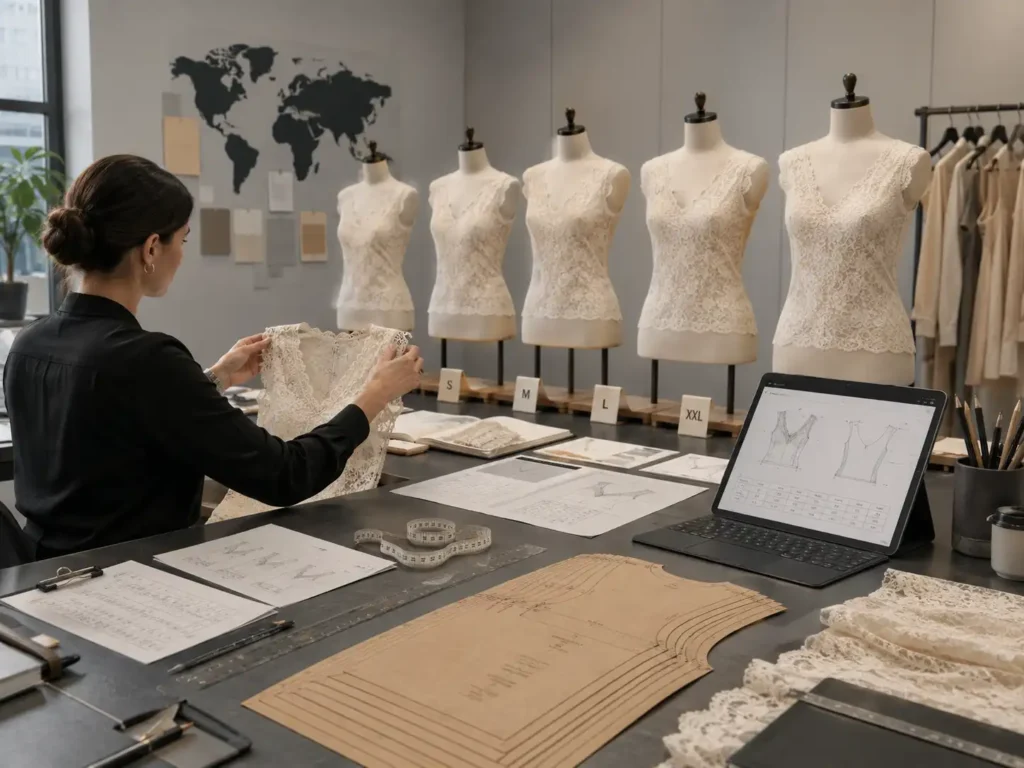
Pattern work covers structured women’s fashion including corset-style garments, bodycon silhouettes, strapless construction, halter styles and other fit-sensitive products. Pattern decisions consider bust coverage, upper-bust tension, waist contour, panel shaping, side seam balance, neckline position and how fabric behavior changes the finished silhouette.

20+ Sample Machinists

Structured samples require careful sewing around curved seams, cups, boning channels, lining and closures. Sample machinists work with the pattern and merchandising teams so construction findings can be identified during development rather than discovered after bulk cutting has started.

15+ QC Inspectors

Quality control extends beyond final packing. Corset-related checkpoints can include incoming materials, cutting, panel symmetry, sewing, cup placement, boning position, measurements, zipper appearance, pressing, garment inspection and packing based on the confirmed project standard.

6 Owned Factories

Jinfeng Apparel operates six owned women’s fashion factories. Production allocation is reviewed according to fabric type, garment construction, quantity, schedule and workmanship requirements rather than treating every corset top as an identical sewing product.

100,000+ Monthly Capacity

Regular monthly capacity exceeds 100,000 pieces across the women’s fashion production system. Multi-style programs can be planned by style, fabric, construction and delivery batch while keeping sample approvals, production files and QC standards connected to each SKU.

Custom Corset Top Styles for Fashion Collections

Corset tops can range from soft lingerie-inspired pieces to sharply structured woven designs. Each direction changes the pattern, support system, sewing sequence, lining, trim selection and fit review. Development starts from the intended silhouette rather than applying one corset construction to every design.

Satin Corset Tops

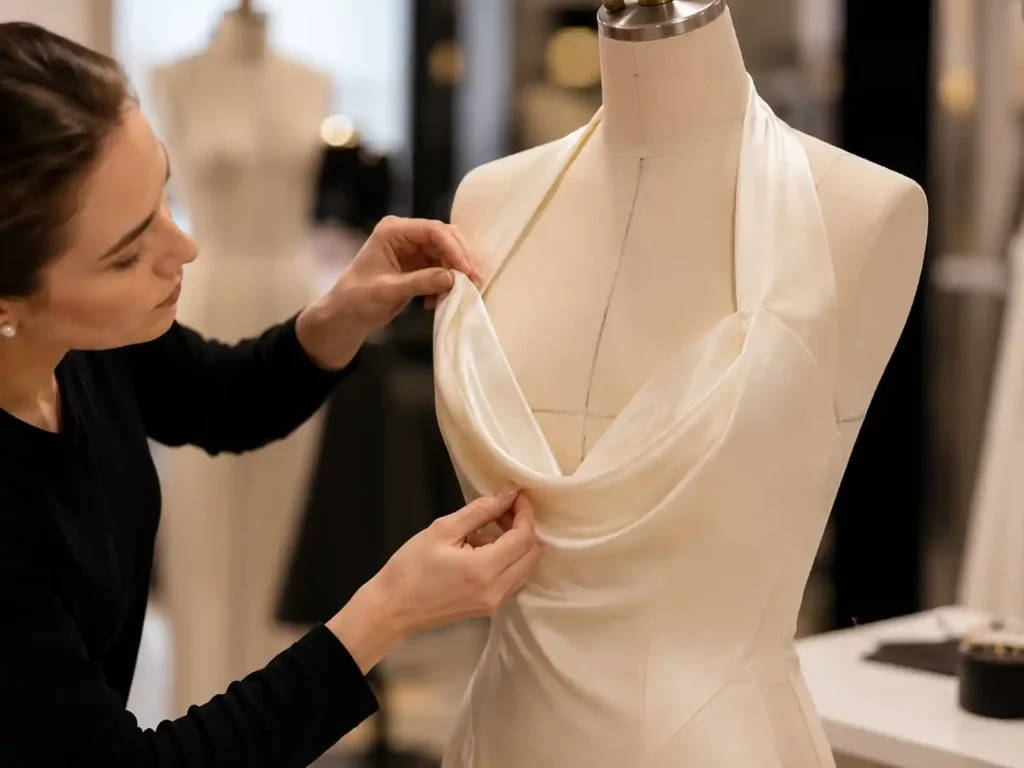
Satin creates a polished surface suited to occasionwear, party collections and evening-inspired tops, but the fabric exposes sewing problems quickly. Panel seams, cup curves and zipper areas can show puckering or tension, while pressing marks may become visible under strong light. Development reviews satin weight, surface direction, lining, seam construction and support components together so a glossy exterior does not hide a weak internal structure. Cup and waist shaping must remain clean without creating unnecessary stiffness.

Mesh Corset Tops

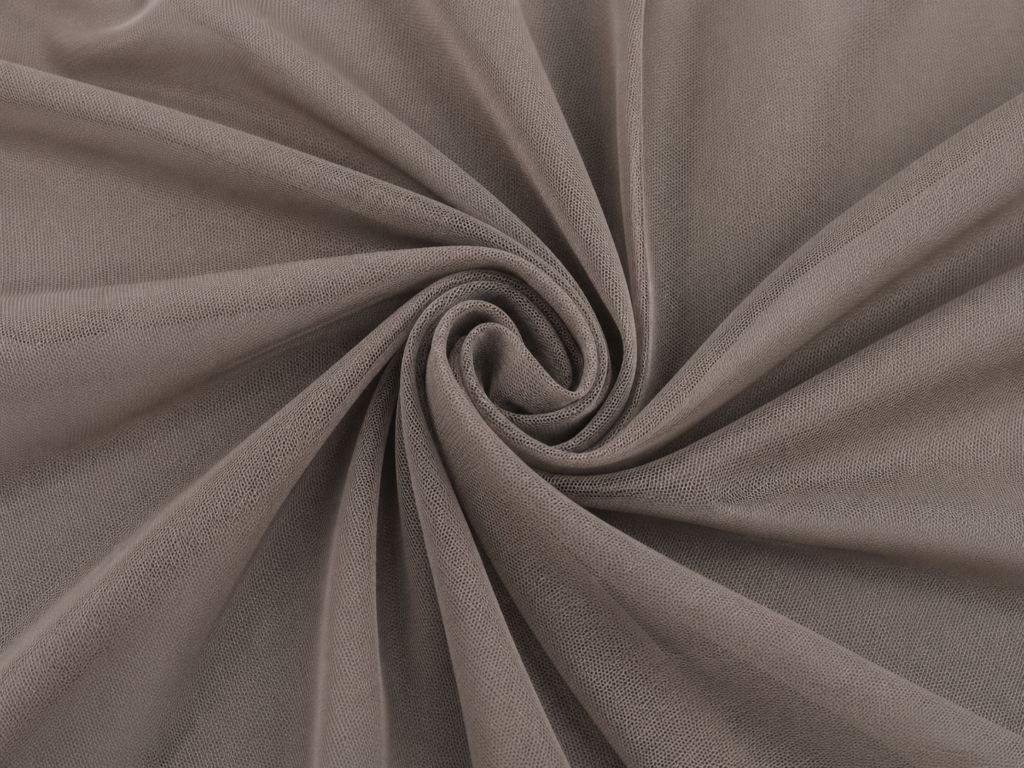
Mesh corset tops can be sheer, layered, lined or combined with opaque panels. Stretch percentage alone does not determine performance; recovery, transparency, edge stability and seam behavior also affect the result. Development reviews where support can be built without making the top visually heavy. Cup coverage, power zones, lining boundaries and boning channels require careful planning so sheer areas remain intentional and the garment holds its shape after wear.

Lace Corset Tops

Lace adds texture and premium visual detail but introduces motif placement, edge finishing and transparency decisions. A lace layer may sit over satin, mesh or lining, while selected areas can remain sheer. Large motifs often need placement control across cups and center-front seams to avoid mismatched visual lines. Sewing methods must protect delicate lace while keeping boning channels, closures and structural seams strong enough for repeated wear.

Bustier Corset Tops

Bustier silhouettes place greater attention on cup shape and upper-bust fit. A visually correct waist means little if the cup sits too high, too low or too far apart. Development reviews cup volume, cup position, neckline height, side coverage, under-bust relationship, straps where used and back closure. The finished top should look shaped on the body rather than simply stiff on a hanger.

Strapless Corset Tops

Strapless designs depend on upper-bust stability, waist anchoring and internal support. Neckline gaping, downward movement and side collapse become more visible without straps. Pattern development considers top-edge circumference, cup position, boning support, anti-slip solutions where suitable, fabric grip and closure tension. Fit review checks movement as well as standing appearance before the style is considered ready for PP approval.

Corset Crop Tops

Shorter body length changes where the garment anchors around the torso. Waist shaping, hem position and lower-edge pressure have to work together; otherwise the top can ride upward or flare away from the body. Crop proportions are reviewed against cup depth, torso length and matching bottoms where the design belongs to a set. Commercial styling can remain sharp without turning the garment into an overly rigid shapewear product.

Longline Corset Tops

Longline versions extend below the natural waist and need better coordination between torso length, hip transition and sitting comfort. A pattern that looks clean while standing can buckle at the lower edge when seated if length or boning position is wrong. Development checks waist location, lower panel shaping, side length, closure length and hem balance, especially when the top is designed to pair with low-rise or fitted bottoms.

Denim Corset Tops

Denim gives corset tops a strong fashion identity and more visible panel construction. Fabric thickness, seam bulk and topstitching affect both appearance and comfort. Boning channels, zipper areas and curved seams must be planned around fabric weight rather than copied from lightweight satin styles. Wash direction, color behavior and bulk consistency also require review when denim treatments or contrast stitching are part of the collection.

Structured Woven Corsets

Suiting, twill, cotton blends and other structured woven fabrics suit tailored corset tops with architectural panel lines. Pattern accuracy becomes the main source of shaping because these fabrics offer limited stretch. Bust contour, waist suppression, side seam balance and closure allowance need to be resolved through sampling. Lining and internal support can be selected according to the desired firmness instead of automatically adding maximum stiffness.

Lace-Up Corset Tops

Lace-up backs provide visible corset character and some adjustability, but eyelet position and reinforcement need production control. Uneven spacing can distort the back opening, while weak reinforcement can create stress around eyelets. Development reviews back gap, opening shape, reinforcement, lace length, waist tension and size grading. The system should look consistent across sizes rather than becoming excessively open or closed at one end of the size range.

Underwire-Inspired Corsets

Underwire-inspired fashion tops combine corset styling with a more defined bust line. Wire shape, channel location, cup volume, neckline and side coverage must be coordinated carefully. Not every fashion corset requires underwire, and component choice should follow design and comfort goals. Sampling checks the relationship between the bust structure and the outer fashion silhouette before the construction is locked for bulk.

Corset Set Tops

Corset tops developed with skirts, trousers or matching fashion bottoms need more than color matching. Waist placement, top length, exposed midriff, hardware, fabric direction and size pairing affect the complete outfit. Jinfeng Apparel can review corset tops as part of a matching-set program so top and bottom proportions are developed together rather than treated as unrelated products.

Fabrics Selected Around Corset Structure and Fit

Fabric choice controls far more than color and texture. A corset top can become softer, firmer, more transparent, more supportive or harder to sew when weight, stretch, recovery and surface character change. Material selection therefore happens alongside pattern and support decisions.

Satin

Satin works well for polished party and occasion corsets. Weight and backing affect how strongly the body can be shaped, while the glossy surface exposes puckering, needle marks, pressing shine and zipper distortion. Lining and support structure need enough stability to hold the silhouette without making the outer satin look rigid or crushed.

Stretch Satin

Stretch satin adds movement and can reduce the rigid feeling associated with structured tops, but stretch direction and recovery must be understood before pattern cutting. Excessive reliance on stretch can weaken waist definition, while insufficient recovery can produce rippling around seams. Pattern ease, lining compatibility and boning support need to be balanced during sampling.

Lace

Lace may function as an outer decorative layer, a partial sheer panel or a design feature over structured backing. Motif scale, placement, edge shape and transparency affect cutting plans. Cups and center-front seams require special attention because poorly placed motifs create immediate asymmetry. Bulk cutting standards should lock the approved placement strategy before production.

Mesh

Mesh can create sheer panels, layered bust areas, sleeves or entire corset shells. Stretch and recovery vary widely between mesh qualities. Development checks transparency, hand feel, support, lining interaction and seam strength. Where a sheer appearance is required, internal components should be placed carefully so the garment does not reveal unintended construction lines.

Power Mesh

Power mesh can support selected internal or body-contouring areas where stronger recovery is useful. It should not automatically replace fashion mesh because hand feel, opacity and compression are different. Use is evaluated by design zone, comfort and silhouette. A fashion corset may use power mesh internally while retaining a softer decorative mesh on visible panels.

Velvet

Velvet produces a rich evening look but introduces pile direction, thickness and pressing sensitivity. Seams and boning channels can become bulky if internal construction is not adapted. Cutting direction must stay consistent to avoid visible shade changes between panels. Closures, lining and edge finishing are reviewed with the outer fabric rather than added after the shell is completed.

Ponte and Structured Knit

Ponte and dense structured knits suit corset-inspired tops where comfort and recovery matter more than rigid shaping. Stretch can reduce the need for aggressive waist suppression, but seam stability and neckline recovery remain important. Pattern development usually requires different ease and support decisions from non-stretch woven corsets.

Structured Wovens

Cotton blends, twill, suiting and other firm woven fabrics can produce clean panel lines and tailored shaping. Limited stretch means the pattern carries more responsibility for fit. Bust contour, waist suppression, seam allowance, interfacing and lining need controlled development. Woven options are especially suitable where a brand wants a fashion corset appearance rather than lingerie styling.

Corset Structure Built Before the Outer Shape

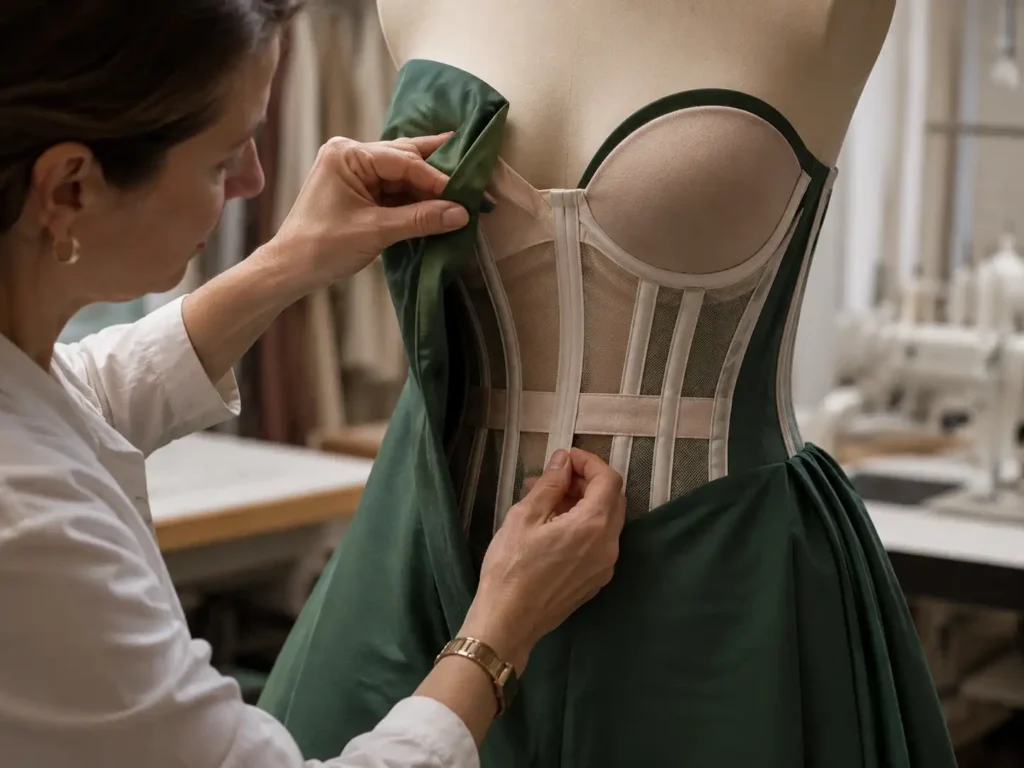
Strong corset development begins inside the garment. Cup geometry, boning lines, panel seams and closure tension work as one system. Changing one element can alter bust support, waist shaping, neckline stability or comfort, so the internal structure is reviewed before production standards are finalized.
Cup Shape and Bust Position

A corset cup cannot be judged only by its flat measurement. Cup height, depth, width and spacing influence where the bust sits inside the finished top. A cup positioned too high can reduce coverage at the neckline, while a cup positioned too low may create empty volume or an unnatural bust line.

Development starts by comparing the design with the intended base size, neckline, upper-bust measurement and side coverage. Built-in cups can be reviewed according to shape, thickness, softness and support requirement. For molded or more structured cup directions, position becomes part of the pattern rather than an accessory added at the final sewing stage.

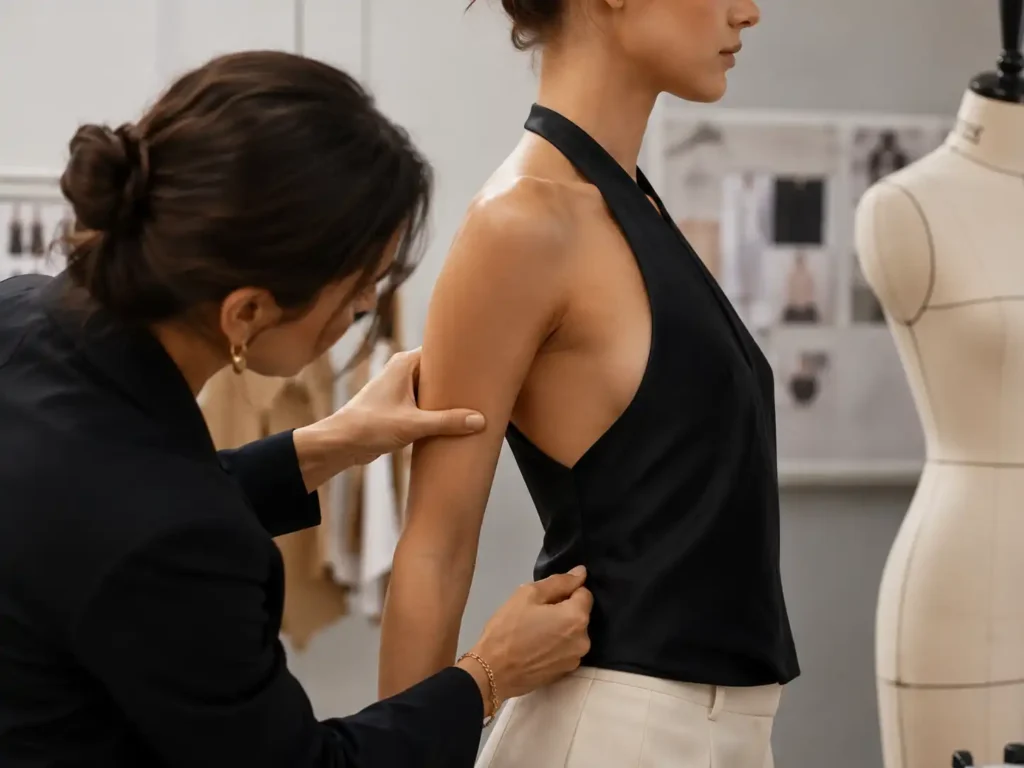
Fit samples are used to check how the cup behaves on the body. Comments may involve raising or lowering the cup, shifting the apex, changing neckline height, adjusting side coverage or refining the relationship between cup and lining. Any approved changes then need to enter the updated pattern and sewing information before PP review.

A fashion corset should create the intended bust shape while remaining suitable for the collection’s wearing occasion. Party, occasion and evening tops may need stronger visual definition, while softer day-to-night styles may use a less rigid cup construction.

Boning Placement and Support Lines

Boning is used to support the corset silhouette, reduce panel collapse and maintain waist and bust structure. More boning does not automatically mean better construction. Position, length, end protection and interaction with seams matter more than adding unnecessary rigid components.

Boning lines are reviewed against center front, princess seams, side panels, cup edges and waist shaping. Incorrect placement can cause visible ridges, uncomfortable pressure or a distorted neckline. Ends also need protection so support components do not create sharp pressure against the wearer or damage surrounding fabric.

Fabric type changes the approach. Satin may show boning lines through the outer surface, lightweight mesh may need a carefully engineered channel, and thicker denim may create excess bulk if a channel is constructed exactly like one used for a lightweight woven top.

Bulk production requires repeatable boning placement. Approved positions should be represented clearly in sample references and production instructions so different sizes and production batches retain the intended silhouette.

Panel Engineering and Waist Contour

Corset shaping is created through the combined geometry of multiple panels. Center-front width, princess lines, side panels, back panels and seam curves determine how a flat fabric shell becomes a three-dimensional garment.

Pattern development reviews bust-to-waist transition rather than reducing the waist measurement in isolation. Excessive suppression can make the top uncomfortable or shift pressure to the upper bust and lower edge. Insufficient shaping produces a garment that looks like a fitted tank top with decorative seams rather than a corset-inspired fashion piece.

Symmetry becomes especially important around curved seam lines. A small difference in sewing allowance or panel feeding can become visible across a satin or solid-color garment. Marking points, seam matching and controlled sewing help maintain the approved curves.

The final structure must also work with size grading. Panel proportion should remain visually balanced as sizes change, rather than simply enlarging every line at the same percentage.

Closures and Back Stability

Zippers, lace-up systems and hook-and-eye constructions affect both wearing function and shape.

A center-back zipper needs enough support to remain flat under waist tension. A lace-up opening needs reinforcement and controlled spacing so the back does not distort. Hook-and-eye systems require alignment, comfortable backing and enough structural stability around the opening.

Closure selection is reviewed alongside fabric weight and fit. A lightweight satin top with strong waist shaping may require more attention around zipper support than a firmer woven style. Lace-up designs need a defined target back opening, eyelet spacing and reinforcement strategy.

Fit review checks whether the garment can be put on comfortably, whether closure edges remain level and whether tension is distributed evenly.

Bulk inspection later checks zipper flatness, back alignment, hardware security and visual symmetry against approved standards.

Fit Control Where Corset Tops Usually Fail

A visually strong corset can still fail commercially when the bust, waist, neckline or side coverage behaves differently on the body. Fit review therefore concentrates on areas where structured tops create concentrated tension and visible imbalance.

Bust and Underbust

Bust, upper-bust and underbust relationships influence cup placement, neckline height and side coverage. A top may meet a general bust measurement while still fitting poorly because volume is positioned incorrectly. Fit review checks how the garment sits around the cup, whether the bust feels secure and whether the side seam remains in the intended position.

Waist Contour

Waist shaping should create the intended silhouette without turning a fashion top into an uncomfortable compression garment. Pattern shape, boning and fabric behavior work together. Fit comments can address excess waist ease, over-tight areas, panel collapse or a waistline sitting too high or too low on the body.

Neckline Stability

Sweetheart, straight, square and low necklines need clean contact with the body. Gaping, rolling or uneven heights are especially visible on strapless and structured designs. Upper-bust pattern shape, cup position, seam tension, support components and outer fabric all affect neckline stability.

Side Coverage

Side coverage controls both appearance and wearing confidence. Armhole depth, side seam angle, cup edge and underarm height can expose too much or cut into the body. Adjustments need to preserve the design line while improving security across the intended size range.

Back Balance

A fitted front combined with a loose or distorted back changes the whole silhouette. Zipper length, back neckline, lace-up gap, panel shape and waist tension are checked together. Fit review also looks for twisting side seams or back openings that pull toward one side.

Size Grading

Grading starts from the approved base pattern and size chart. Corset proportions cannot be treated as simple uniform enlargement. Bust volume, panel width, neckline, strap position, waist shaping and closure length may need controlled grade rules so larger and smaller sizes preserve the intended visual balance.

Corset Components Chosen by Construction Requirement

Internal components should support the selected fashion direction rather than being added because they are traditionally associated with corsetry. Final specifications are reviewed by style, fabric, comfort target, appearance and bulk feasibility.

ComponentDevelopment DirectionMain Control PointCommon Risk
BoningType and position reviewed by styleSupport line, length, channel, end protectionVisible ridges, collapse, discomfort
Built-In CupsFixed cup or structured bust solutionCup volume, apex, height, positionEmpty cup, overflow, uneven bust shape
LiningFull, partial or structural liningCoverage, stretch compatibility, hand feelLining exposure, tension mismatch
ZipperInvisible or other suitable zipperFlatness, strength, length, seam supportBulging, waviness, difficult closing
Lace-Up BackEyelets and lacing systemReinforcement, spacing, target back gapDistortion, weak eyelets, asymmetry
Hook & EyeProject-specific closureAlignment, backing, comfortBulk at closure, uneven fastening
Anti-Slip SupportReviewed for strapless structuresPosition, grip and comfortRolling, skin pressure, visible edge
InterfacingSelected for required stabilityWeight, hand feel, bonding compatibilityExcess stiffness, bubbling, show-through


Sampling Built Around Corset Risk Before Bulk Production

Complex corset, lace, sequin and mesh styles usually require more development time than simple garments. A typical complex sample cycle may fall around 15–25 days, subject to fabric and trim readiness, while structural revisions are handled according to actual fit findings rather than a fixed number promised before development begins.
First Sample: Find the Structural Gaps

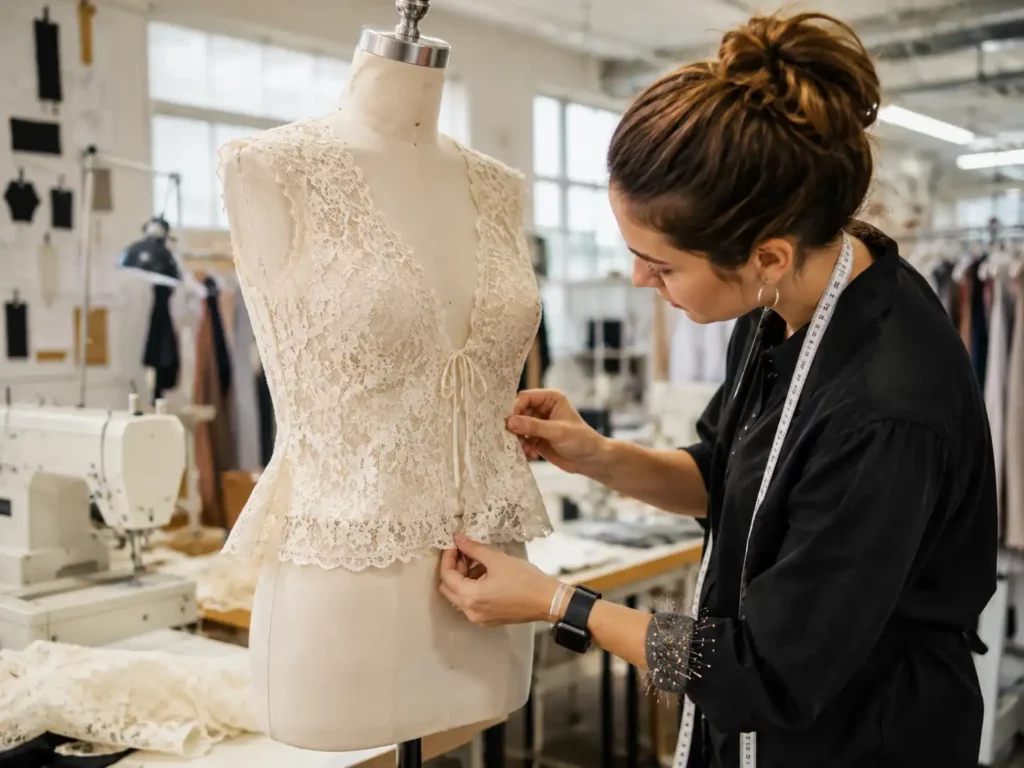
The first sample answers a fundamental question: can the proposed design, fabric and construction become the intended garment?

For corset tops, first-sample review pays close attention to cup shape, bust coverage, boning position, neckline, waist shaping, side coverage, closure and overall silhouette.

Fabric behavior is evaluated at the same time. A satin shell may reveal puckering around curved seams; mesh may show unexpected transparency; a structured woven may feel too rigid once lining and boning are combined.

The first sample is not treated as the final bulk standard. Problems found at this stage are useful because they identify where the pattern, material or construction needs correction before a larger production commitment.

Photos, measurements and internal observations can support the review, followed by brand comments and revised development instructions.
Fit and Revised Samples: Correct the Body Relationship

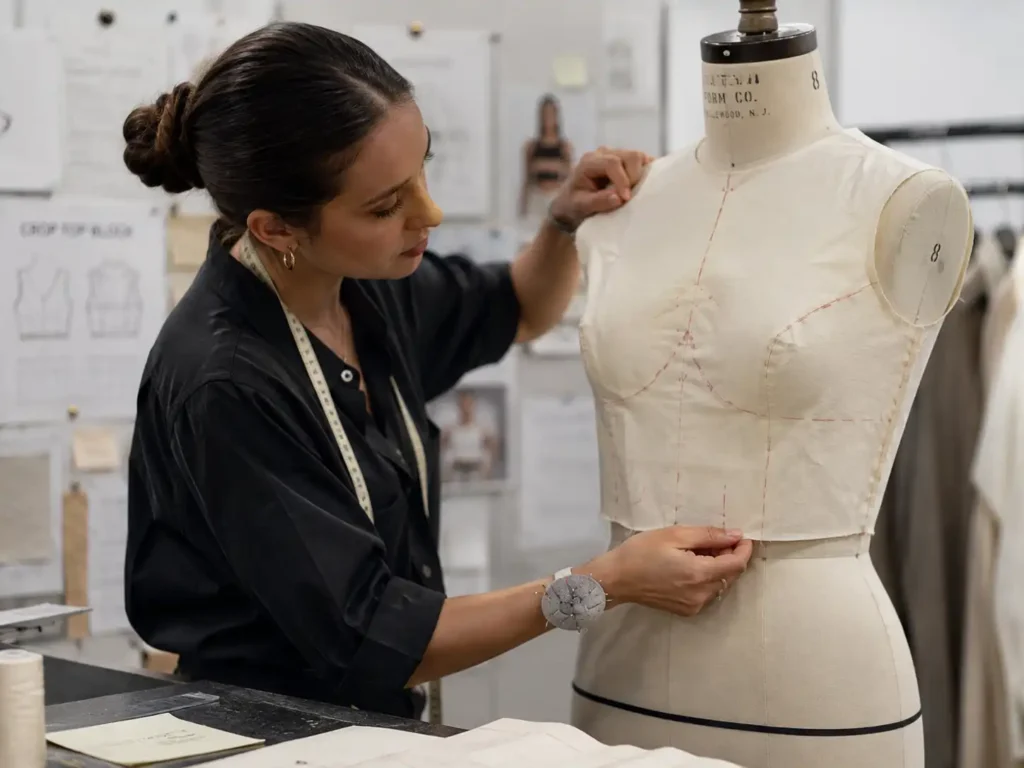
Fit review moves beyond visual design accuracy. A corset may look similar to a sketch on a hanger but sit incorrectly across the upper bust, cup, waist or back once worn.

Complex corset and related fit-sensitive styles commonly involve around two revision rounds after the first sample, depending on structural complexity and design changes. Some styles resolve faster; major fabric or structure changes can require further development.

Revision records can include sample version, original comments, changed measurements, pattern impact, fabric or trim changes, construction changes, cost impact and lead-time impact. Cup position, boning lines, neckline, side coverage, waist tension, zipper location and lining can all be revised where needed.

The goal is not endless sample making. Each round should remove defined risks and move the garment closer to a production-ready standard.

PP Sample: Lock the Production Direction

PP approval comes after core style structure, measurements, fabric, color, trims and construction have been confirmed. The PP sample represents the final pre-production direction for bulk execution.

For corset tops, PP review can include cup position, boning arrangement, neckline, waist shape, panel symmetry, zipper or lace-up construction, lining, labels and relevant packing details. Any change affecting bulk should be transferred into the updated tech pack, pattern, size chart, BOM, sewing instruction or QC checklist.

Major structural changes after PP approval can affect fabric usage, production scheduling, cost and delivery planning, so they require formal review rather than informal adjustment.

A Golden sample may then be retained as a physical reference for production, QC, repeat orders and later comparison.
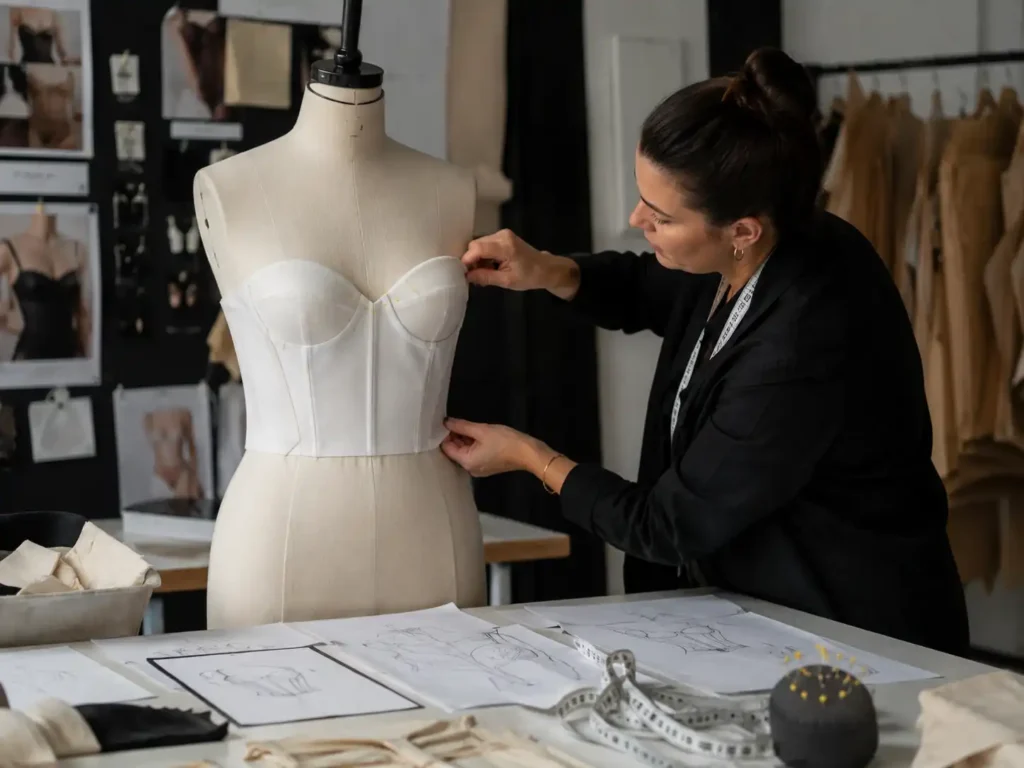
Sample to Bulk: Keep Approved Details Alive

Many quality problems appear not because the sample was poor, but because approved corrections were not transferred into the production system.

Jinfeng Apparel converts sample comments into updated records covering patterns, measurements, materials, construction and packing.

Production teams receive the approved standards before cutting and sewing. QC points are set around garment-specific risks rather than relying only on generic appearance inspection.

For repeat programs, records such as pattern, fabric reference, color, trims, sewing notes, packing requirements, QC notes and Golden sample can be retained.

Current fabric batch, color, trim availability, packing materials and schedule are still reconfirmed before a repeat order begins.

Pattern Development Turns Corset Ideas Into Fit

A reference image can show a silhouette, but it cannot fully define the pattern, cup volume, panel shape, seam allowance, lining, internal support or grade rules. Jinfeng Apparel develops structured patterns around the intended garment behavior before bulk production begins.
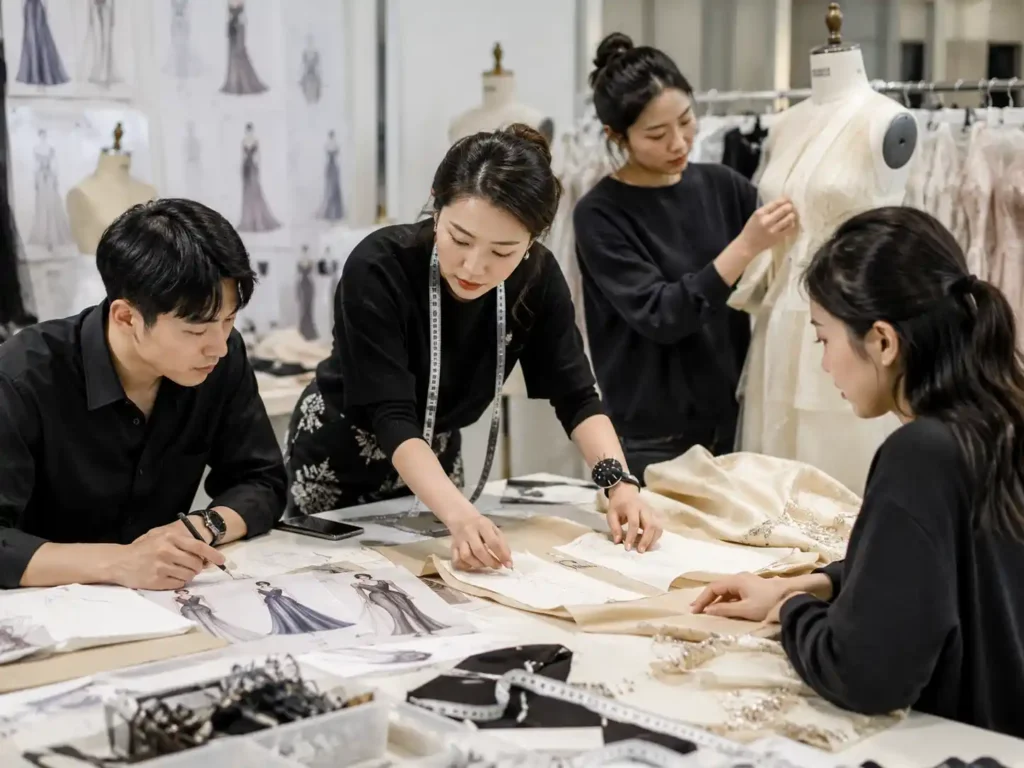
From Design Lines to Pattern Lines

Fashion sketches often show narrow waists, lifted bust lines and clean curved panels without explaining how those shapes are created. Pattern development translates the visual concept into measurable garment sections.

Work begins with available design information such as a tech pack, original garment, reference photo, sketch, line sheet or size chart. The team reviews neckline, front length, back length, cup zone, panel distribution, waist position, side seam, hem line and closure. Fabric direction is considered early because a rigid woven, stretch satin and mesh-backed construction cannot use identical pattern logic.

Panel seams are then positioned to create shaping while supporting the visual design. Corset-inspired lines may follow princess seams, center-front panels or more decorative curves. A line that looks attractive in artwork still needs enough sewing control for bulk production.

Pattern decisions remain open during early samples. Fit comments can result in adjusted cup position, waistline, side seam, neckline or panel curvature. Development only becomes meaningful when the approved changes are entered into updated production files.

Pattern Correction From Fit Feedback

A first sample is used to reveal where the original pattern and real fabric differ from the intended wearing result. Common corset corrections can include upper-bust gaping, low cup position, tight side coverage, loose waist zones, excessive compression, neckline imbalance or back closure distortion.

Revision work should identify the cause rather than only hiding the symptom. For example, pulling in a loose neckline at one seam may shift the cup or create a new tension line. A better correction can involve neckline shape, cup position, seam curve and internal support together.

Measurement comments are connected to pattern comments. Bust, upper bust, underbust, waist, body length, strap length where relevant, neckline depth and other points are reviewed according to the garment structure. Changes are recorded so the revised sample can be compared against the previous version.

Once the fit direction is accepted, approved pattern information becomes part of the PP preparation rather than relying on memory from the sample room.

Grading Structured Shapes Across Sizes

Size grading for structured tops needs controlled proportion. A corset top may have several narrow panels, a defined cup area and a fixed neckline geometry. Applying one expansion value everywhere can distort the silhouette.

Grading considers how bust volume changes relative to waist, how panel widths remain visually balanced and how strap or neckline positions move across sizes. Closure length, body length and lower-edge circumference also need attention. For bustier-inspired styles, cup-related areas may require more careful grade review than a simple woven camisole.

Brands can provide an existing size chart and grade rules where available. Jinfeng Apparel works from the approved base sample and confirmed measurements, then translates the approved pattern into the required size range.

Bulk measurement standards are connected back to the graded patterns, giving QC teams a defined reference instead of judging fit only by garment appearance

Design Details Engineered for Production, Not Decoration Alone

A corset top gains character from neckline, straps, lacing, panels and surface treatments. Every visible detail also changes sewing, reinforcement, fit or inspection requirements. Design review connects the desired appearance with production consequences early in development.

Sweetheart Neckline

A sweetheart neckline places visual attention directly on cup symmetry and upper-bust balance. Curve depth, center-front height and cup position must work together. Too much tension can distort the curve, while insufficient structure can create gaping. Satin and solid fabrics make small asymmetries especially visible.

Straight Strapless Edge

A straight top edge looks minimal but leaves little room to hide fit problems. Upper-bust circumference, cup support, side height and anti-slip structure where used need careful coordination. The line should remain level on the body without rolling outward or cutting into the wearer.

Lace-Up Back

A lace-up back adds adjustability and a recognizable corset identity. Eyelet spacing, reinforcement, center-back gap and lace length influence both function and appearance. Bulk sewing needs consistent reinforcement so the lacing area can carry normal dressing tension without distortion.

Adjustable Straps

Adjustable straps can improve wearability for certain bustier and corset-inspired designs. Strap position, angle, slider placement and front attachment affect neckline balance. Strong attachment points are important because a small change in strap tension can alter how the cup and top edge sit.

Sheer Mesh Panels

Sheer panels create contrast between exposed and covered areas. Mesh transparency, stretch direction, lining boundaries and seam finish should be resolved in the sample. Internal structure needs careful placement so unintended boning, cup or seam lines do not interfere with the intended visual effect.

Lace Placement

Large lace motifs can become a defining design element. Placement around cups, center front and symmetrical panels should be considered during cutting. Bulk production may require reference points or approved placement standards so motif direction does not vary noticeably between garments.

Contrast Piping

Piping can emphasize corset panel lines and make symmetry more visible. Cord thickness, fabric covering, seam curves and intersection points must be controlled. Uneven feeding becomes immediately noticeable when a contrast line travels around the bust or waist.
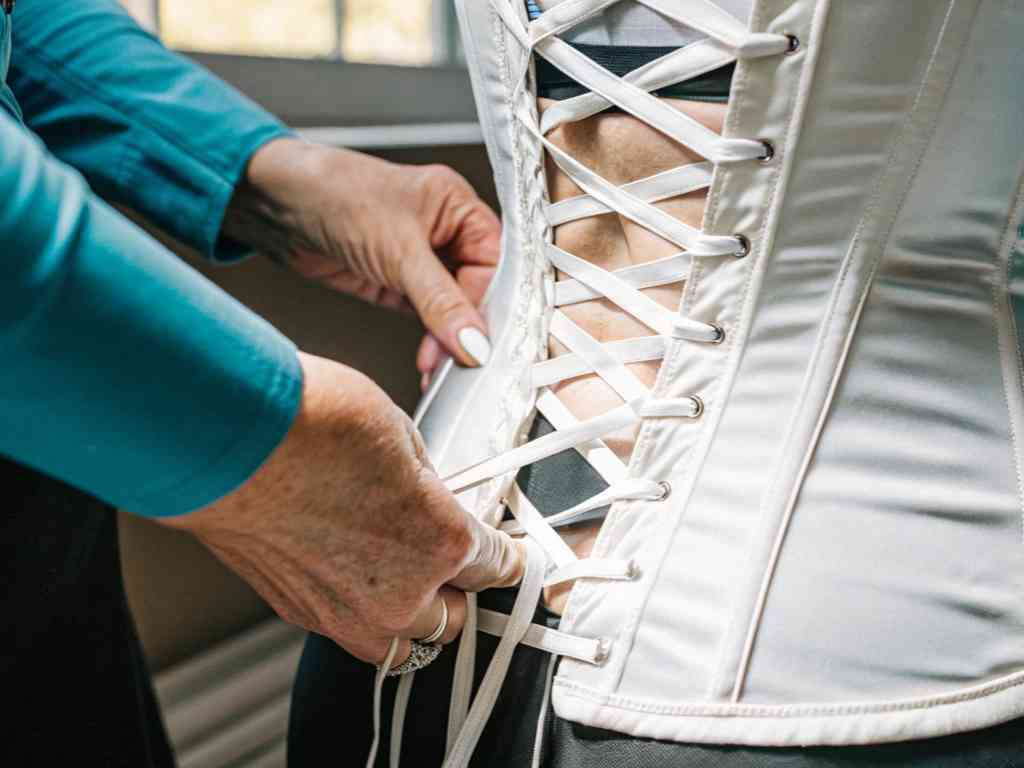
A person tightening the white laces of a satin corset on someone’s back.

Eyelets and Hardware

Hardware should match the visual direction while remaining compatible with fabric thickness and reinforcement. Eyelet size, finish, spacing and backing need review before bulk. Decorative hardware also needs protection during packing so metal components do not mark satin, lace or other delicate surfaces.

From Tech Pack Review to Approved Production Standard

Clear development stages keep design, fit and production decisions connected. Each stage should close a specific risk before the next one begins.

Requirement Review

Tech pack, reference images, original samples, sketches, size charts, fabric direction, trims, private-label requirements and launch timing are reviewed before development starts. Missing information is identified early so sampling does not begin from conflicting assumptions.

Fabric and Trim Direction

Fabric weight, stretch, recovery, transparency, hand feel and sourcing feasibility are evaluated alongside cups, lining, boning, zippers, eyelets and other required trims. Special materials can have separate MOQ or sourcing schedules.

Pattern Development

The design is translated into measurable panels and fit relationships. Bust, waist, neckline, side coverage, body length, closure and internal support are considered together.

Sample and Fit Review

First samples reveal structural issues. Fit and revised samples correct the garment using actual measurements and wearing feedback. Approved changes enter updated development records.

PP Approval

Fabric, color, trims, core measurements, construction, appearance and relevant packing requirements are confirmed before bulk preparation. Major later changes require a new review of production impact.

Golden Standard

Where used, the Golden sample becomes a physical standard for production, QC, repeat programs and comparison when questions arise during bulk manufacturing.

Bulk Production Controlled Around the Approved Corset Standard

Bulk quality begins before sewing. PP approval, material confirmation and production files have to reach the assigned production unit in a form that can be repeated across sizes, colors, operators and production batches.

Before Cutting: Lock Materials and Files

Bulk preparation starts from the approved sample direction. Fabric, lining, cups, boning, zippers, eyelets, labels, packing requirements and relevant color information are checked before production release.

Fabric behavior is particularly important for corset tops. Stretch satin and mesh may need relaxing and directional control, while lace placement or velvet pile direction can influence cutting. Structured woven styles may require precise panel marking because the garment relies heavily on pattern shaping.

Production files should reflect the latest approved version. Updated patterns, size charts, BOM information, sewing instructions, QC checkpoints and packing requirements reduce the chance of an old sample comment entering bulk production.

Cutting plans then follow the approved fabric direction and style requirements rather than simply maximizing fabric utilization at the expense of appearance or fit.

During Sewing: Control High-Risk Structure

Corset production requires attention to the sequence in which panels, cups, support components, lining and closures are assembled.

Panel matching affects symmetry. Boning position affects support. Cup insertion affects bust shape. Zipper installation can change the back line. Lace-up reinforcement affects long-term stability. A small shift at one construction stage can influence several visible areas after pressing.

In-line checks focus on risks while garments are still in production, allowing problems to be identified before an entire lot reaches final inspection. Sewing teams can compare workmanship against approved physical or documented standards.

Multi-style programs are managed by style because a satin corset, lace bustier and denim corset may require different production handling even when they belong to the same collection.

Finishing and Release: Protect the Final Shape

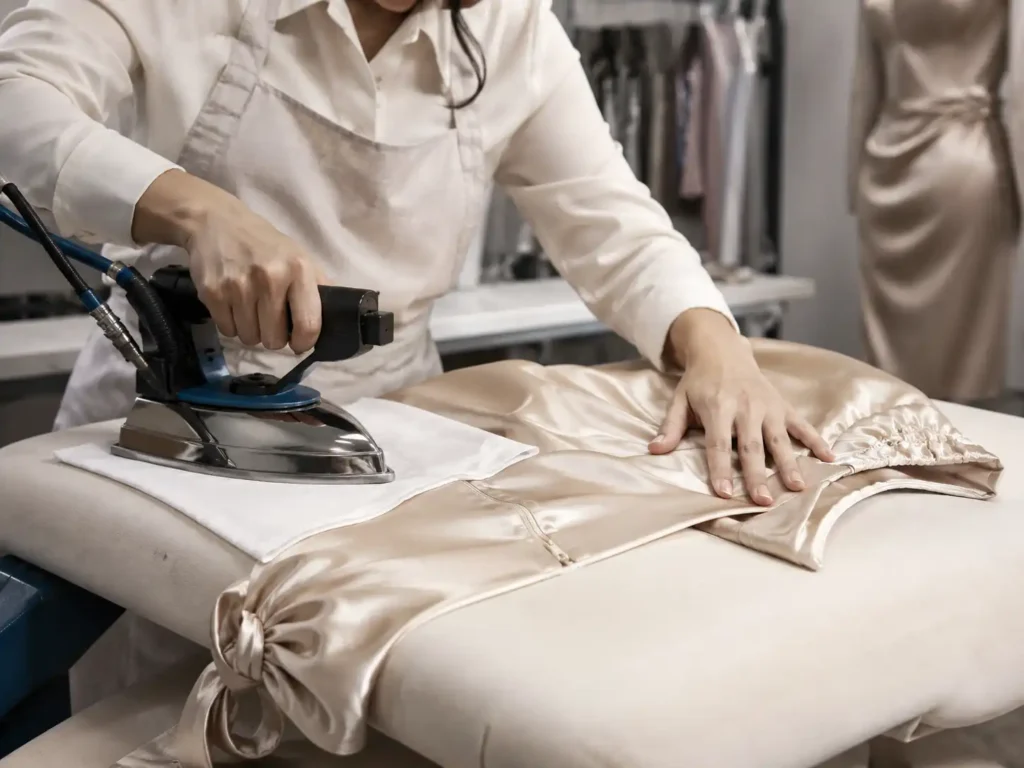
Corset tops need careful finishing because pressing can improve or damage the structure. Excess pressure can flatten cup shape, mark satin or distort boning channels. Insufficient pressing can leave curved seams looking unfinished.

Finished garments are reviewed for overall appearance, measurements, cup symmetry, neckline, waist contour, closure, lining, thread condition and relevant decorative details. Packing methods should also protect structured areas from unnecessary compression or creasing.

For multi-SKU programs, labels, barcodes, size information, polybags, carton marks and packing ratios are checked according to approved instructions before shipment preparation.
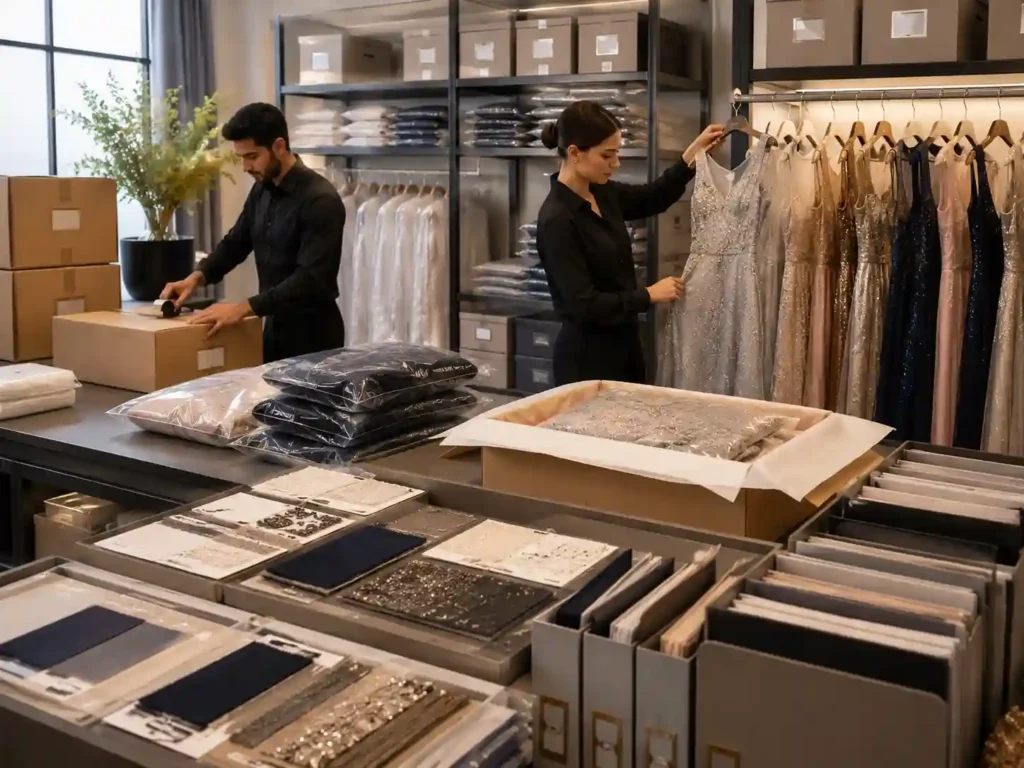
Corset-Specific Quality Checks Before Shipment Release

Generic garment inspection can miss problems that matter most on structured tops. Corset QC follows the relationship between measurement, structure, sewing, appearance and function, with inspection points connected to the approved style.

QC AreaKey CheckpointsRisk Being Controlled
Incoming FabricColor, hand feel, stretch, recovery, transparency, visible defectsBatch variation, wrong fabric behavior
CuttingGrain/stretch direction, panel accuracy, lace placement where requiredTwisting, asymmetry, motif mismatch
Bust StructureCup position, cup symmetry, coverage, upper-bust shapeUneven bust, empty cup, exposure
BoningPosition, channel, length, end protectionCollapse, pressure, visible distortion
Panel SewingSeam matching, curved seams, left-right balanceUneven waist or silhouette
MeasurementsBust, underbust where specified, waist, body length, straps where usedSize inconsistency
NecklineHeight, symmetry, contact with bodyGaping, rolling, uneven edge
ClosureZipper, lacing or hook systemBulging, weak reinforcement, misalignment
LiningPosition, coverage, seam compatibilityLining exposure, pulling, discomfort
AppearancePuckering, pressing, loose threads, surface damagePoor retail presentation
Private LabelMain label, size, care information, hangtag, barcodeSKU and brand errors
PackingGarment protection, polybag, carton mark, packing ratioDeformation, warehouse receiving errors


Workmanship Visible in Every Corset Construction Detail

Structured tops make workmanship easy to see. Curved seams, cups, top edges and closures sit close to the body, so poor sewing cannot be hidden by a loose silhouette. Close-up quality control therefore matters as much as overall garment appearance.

Panel Seam Accuracy

Corset panels create the body shape. Seam curves should flow cleanly from bust to waist without abrupt changes or visible left-right imbalance. Accurate notch matching and controlled feeding help prevent one side becoming longer or more curved than the other during sewing.

Cup Symmetry

Cup height, apex and edge shape should remain visually balanced. Asymmetry can come from pattern mismatch, uneven seam allowance, inconsistent cup placement or pressing. Cup areas are checked against the approved sample and measurement references before packing.

Boning Channels

Boning channels need clean width, controlled seam lines and protected ends. Channels should not twist or create unnecessary bulk against the outer fabric. On lightweight satin or mesh, construction is reviewed carefully to prevent support lines from becoming visually distracting.

Zipper Flatness

A fitted corset puts tension around the zipper area. Poor installation can create waves, bulging or uneven top and bottom alignment. Zipper length, seam support and sewing tension are controlled so the closure follows the intended back or side line.

Lining Control

Lining needs enough stability to support the garment without pulling the outer shell. It should remain hidden at the neckline, armhole and lower edge unless intentionally exposed as part of the design. Fabric stretch and shrinkage compatibility are considered during development.

Pressing and Packing

Pressing should sharpen seam lines without flattening cups, marking satin or damaging delicate lace and mesh. Packing then protects the structured shape during handling. Cup areas, boning and decorative hardware receive suitable consideration so finished garments arrive ready for brand inspection and downstream distribution.

Private Label Details Prepared for Retail Distribution

Private-label production covers the identification and packing information needed to turn an approved garment into a managed retail SKU. Requirements are reviewed before bulk packing rather than added after garments are finished.

Woven Brand Labels

Main labels can be developed or applied according to approved artwork, dimensions, placement and sewing requirements. Placement is checked against neckline construction and garment comfort.

Size Labels

Size identification needs to match the approved size chart and packing information. Label position should remain consistent across the order to reduce warehouse and returns confusion.

Care Labels

Care and composition information can be prepared according to confirmed product information and brand requirements. Final legal or market-specific wording remains subject to the brand’s compliance review.

Hangtags

Hangtags, strings and related branding details can be coordinated with the garment and collection. Attachment location is selected to avoid damaging delicate satin, mesh, lace or finished corset surfaces.

Barcode and SKU Labels

Barcode stickers and SKU information can be applied according to approved files. Style, color and size references need to match packing lists and carton information for multi-SKU programs.

Polybags and Carton Marks

Individual bags, carton marks, packing ratios and warehouse labels can be organized according to agreed instructions. Structured corset tops also need sensible folding and protection to reduce pressure on cups, boning and hardware during transport.

MOQ and Cost Planning for Custom Corset Tops

Corset pricing reflects the complete construction rather than the outer fabric alone. A clear specification allows product teams to compare options without weakening the intended appearance.

MOQ by Style and Color

Standard MOQ starts from 200 pcs per style/color. Quantity is calculated by style and color rather than by combining unrelated styles into one total. Special fabrics, custom dyeing, printing, special trims or custom packaging can have separate supplier requirements. Multi-style programs are therefore planned at SKU level before material commitments are made.

Structure Drives Sewing Cost

Panel count, cup construction, boning, lining, lace placement, eyelets, lacing, underwire-inspired details and complex closures increase sewing operations and handling time. A clean-looking corset can be technically more demanding than a heavily decorated loose garment because small alignment errors remain highly visible.

Fabric Changes More Than Material Cost

Fabric width, weight, stretch, recovery, surface sensitivity and cutting efficiency affect cost. Satin may require careful handling and pressing, lace can require placement planning, and velvet can create directional cutting loss. Alternative fabrics are reviewed against appearance and structure rather than substituted only because the price is lower.

Cost Control Without Losing Shape

Cost optimization can come from fabric substitution, construction simplification, trim replacement, panel optimization, color consolidation, size-ratio planning, cutting layout review or shipment planning. Any adjustment affecting fit, support or brand-level appearance should be checked before being released into the final quotation or PP standard.

Expand One Corset Idea Into a Full Collection

Corset tops often perform best as part of a coordinated fashion story. Jinfeng Apparel can develop structured tops alongside dresses, skirts, jumpsuits and matching pieces so fabric, fit direction and visual language can move across a wider seasonal program.

Corset Mini Dresses

Cup, boning and waist structures developed for tops can inform corset mini dresses, while skirt balance, length and movement introduce additional pattern work. Suitable for party, occasion, graduation and event-focused capsules.

Structured Matching Sets

Corset tops paired with mini, midi or tailored skirts create a coordinated outfit with strong merchandising value. Development reviews top length, waistband position, exposed midriff, fabric direction and size pairing together.

Bustier Fashion Tops

Softer bustier directions can use cup shaping, lighter support and lingerie-inspired details without adopting the rigidity of a traditional corset. Lace, satin and mesh are common directions for party and evening collections.

Corset Jumpsuits

Structured bust sections can be integrated into jumpsuits, where waist position and bust stability also need to work with torso length, hip fit and crotch depth. Pattern coordination becomes more complex than developing the upper structure alone.

Strapless Occasion Dresses

Corset development experience transfers naturally to strapless occasionwear where upper-bust stability, cups, anti-slip support, waist shape and zipper flatness are important. Samples should validate movement and wear security before PP approval.

Partywear Capsules

A seasonal capsule can combine corset tops, matching sets, bodycon dresses, mesh styles, lace pieces and structured occasionwear. Fabrics, colors, labels and packing can be planned at program level while each style keeps its own approved construction and QC standard.

Brand Protection, Compliance Support and Export Coordination

Mature fashion programs require more than garment sewing. Design confidentiality, project-specific compliance documents and shipping coordination all affect whether an approved collection can move smoothly from development to warehouse delivery.

Design and NDA Protection

Jinfeng Apparel supports NDA-based cooperation and protects non-public tech packs, patterns, sample information, label files, packaging artwork and unreleased designs. Brand names, logos, purchase information, prices and unpublished product materials are not used publicly without authorization. Development records can be retained for repeat production while remaining connected to the approved project.

Compliance and Testing Support

Testing and certification requirements are evaluated by project, fabric supplier, batch, color, factory scope and latest available documentation. Support can include relevant fabric resources, third-party testing coordination and client-appointed inspection where required. Compliance statements are confirmed against current documents rather than assuming one certificate covers every fabric, color or order.

Logistics and Shipment Coordination

Samples commonly move by express courier. Bulk orders can be coordinated through air freight, sea freight or split air-and-sea arrangements according to schedule and quantity. EXW, FOB, CIF and DAP can be reviewed, while DDP is evaluated by project. Jinfeng Apparel can also work with a nominated forwarder and coordinate commercial invoice, packing list, carton marks and relevant shipment documentation.

Custom Corset Tops Frequently Asked Questions

Yes. Development can begin from reference images, tech packs, sketches, original samples, line sheets or size charts. More complete information improves development accuracy. Structure, fabric, cups, boning, lining, closures, measurements and construction still need to be reviewed before bulk standards are confirmed.

Standard MOQ starts from 200 pcs per style/color. MOQ is calculated by style and color, not by combining unrelated styles into one total. Special fabrics, dyeing, printing, trims, hardware or custom packaging may have separate supplier MOQ requirements.

Complex corset, lace, mesh and similarly structured samples typically require around 15–25 days, subject to fabric, trim and construction requirements. Special materials can extend the schedule. Timing for revised or PP samples depends on the scope of changes and material readiness.

Complex corset and related structured styles commonly move from one first sample through around two revision rounds before PP review, depending on fit and construction. Major design changes, new fabrics or changed internal structures can require additional development.

Yes. Satin is suitable for party, occasion and evening corset tops. Development pays particular attention to fabric weight, cup and panel shape, seam puckering, zipper flatness, lining, pressing and protection of the satin surface during finishing and packing.

Yes. Mesh development reviews transparency, stretch, recovery, lining and seam stability. Lace development also considers motif placement, edge finishing, backing and symmetry. Material selection and construction are reviewed together before PP approval.

Cup shape is first resolved through pattern and sample development. Position, volume, neckline relationship and symmetry are reviewed during fit and revision stages. Approved information then enters the production files and QC checkpoints used during sewing and garment inspection.

Boning placement and support level are reviewed according to garment structure, fabric and comfort target. Length, channel construction, position and end protection are considered during sampling. Fashion corset construction is developed around the intended silhouette rather than maximizing rigidity.

Yes. Private-label support can include woven labels, size labels, care labels, hangtags, barcode stickers, SKU information, polybags, carton marks and warehouse-related packing requirements according to approved project files.

Yes. Corset tops can be developed alongside skirts, dresses, jumpsuits and matching sets. Coordinated programs allow fabric, color and visual direction to connect across a collection while every style keeps its own pattern, construction, sample approval and QC standard.

Develop Your Next Custom Corset Top Collection

Share the information already available for your corset program and Jinfeng Apparel can review the development direction before sampling begins.

A complete tech pack is useful, but structured review can also start from reference images, an original garment, sketches, line sheets or an existing size chart.

For faster project evaluation, include:

  • Tech pack, sketch, reference images or original sample
  • Target corset style and intended wearing occasion
  • Fabric preference or required appearance
  • Cup, boning, lining and closure requirements
  • Target quantity for each style and color
  • Planned color range and size range
  • Existing size chart or measurement requirements
  • Main label, size label, care label and hangtag needs
  • Barcode, SKU, polybag, carton or warehouse requirements
  • Target launch or delivery window
  • Any inspection, testing or documentation requirements
  • Files requiring NDA-based handling

Tell Us About Your Dress Project

Share your product details, estimated quantity and development requirements. Our team will review your project and provide practical OEM/ODM production feedback.

Premium Women’s Apparel Production for Fashion Brands

From dress sample development to bulk production, JF Apparel supports fashion brands with confidential OEM/ODM manufacturing, reliable quality control and scalable production support.

START YOUR DRESS PROJECT

Ready to Develop Your Next Dress Collection?

Share your design concept, product requirements or sourcing plans with our team. We’ll review your project and provide practical feedback on development, materials, MOQ and production.

7-10 Days

Sample Development

200 PCS

Starting MOQ

Fast Response

Professional Follow-Up