 Skip to content

Custom Cocktail Dresses
Cocktail dress development for fashion brands requiring controlled fit, fabric, structure, sampling, private-label bulk production and repeatable seasonal delivery.
- 7+ senior pattern makers supporting structured, fitted, mini, midi, strapless and corset dress development.
- 2 sample rooms and 20+ sample machinists for first samples, fit revisions, PP samples and production preparation.
- 15+ QC inspectors covering incoming materials, cutting, sewing, measurements, finished garments and packing.
- MOQ starts from 200 pcs per style/color, subject to fabric, trims, construction and production requirements.
- Development covers satin, lace, mesh, crepe, sequin, corset, slip, halter, one-shoulder and other cocktail-focused directions.
Cocktail Dress Development Built for Fashion Programs
Occasionwear Brands
Established Ecommerce Brands
Online fashion programs place heavy importance on on-body fit, photography, color consistency, clean finishing and repeatability.
A dress may look acceptable on a hanger yet perform poorly in product photography because of neckline shape, uneven drape, zipper bulging or incorrect waist placement. Sample review therefore includes visual effect alongside measurements and construction, with approved information carried into bulk production records.
Retail and Sourcing Programs
Multi-SKU programs require organized management of style, color, size, fabric, trim, labels, barcodes, packing and shipment plans.
Jinfeng Apparel supports dress development from tech packs, reference photos, original samples, line sheets or sketches through pattern making, sampling, bulk production,
QC and private-label packing.
Customize the Elements That Define the Dress
Silhouette Direction
Neckline Direction
Fabric and Color
Structure and Support
Surface and Shape Details
Brand Presentation
Cocktail Dress Styles We Develop for Collections
A strong cocktail assortment rarely relies on one silhouette. Different fabrics and structures allow a collection to cover dinner events, receptions, wedding guest dressing, party drops, holiday programs and evening occasions while retaining a coherent brand direction.

Satin Cocktail Dresses
Satin creates the polished surface associated with many premium cocktail programs, but the material reveals production mistakes quickly. Jinfeng Apparel develops satin mini, midi, slip, cowl-neck, draped and fitted silhouettes while reviewing shine direction, seam marks, zipper flatness, lining movement and pressing.Lightweight satin creates softer movement; heavier or stretch satin is more suitable where the dress requires greater body or support.

Strapless Cocktail Dresses

Corset Cocktail Dresses
Corset-inspired cocktail dresses depend on cup geometry, boning location, waist shaping, back construction and outer-fabric tension.
Satin, lace, mesh, velvet and structured woven materials can all be used, but each creates different pressure on the internal structure. Pattern development therefore treats the bodice as an engineered section rather than simply adding decorative seam lines to a fitted dress.

Slip Cocktail Dresses
Slip dresses rely on proportion, drape and clean surface execution. Cowl necklines, adjustable straps, bias direction, side slits and low backs can make a visually simple design technically sensitive.
The sample stage checks chest coverage, strap length, waist-to-hip ease, lining movement and hem balance. Smooth satin surfaces also require careful handling against snagging, pressing marks and packing creases.

Halter Cocktail Dresses

Lace Cocktail Dresses
Lace cocktail styles may combine lace placement, transparent sections, scalloped edges, shaped lining or one-shoulder construction. Pattern pieces must consider motif direction instead of treating lace like a plain woven surface.
During development, attention is given to motif positioning across bust and seams, lining color, edge finishing, potential holes and consistency between left and right sides.

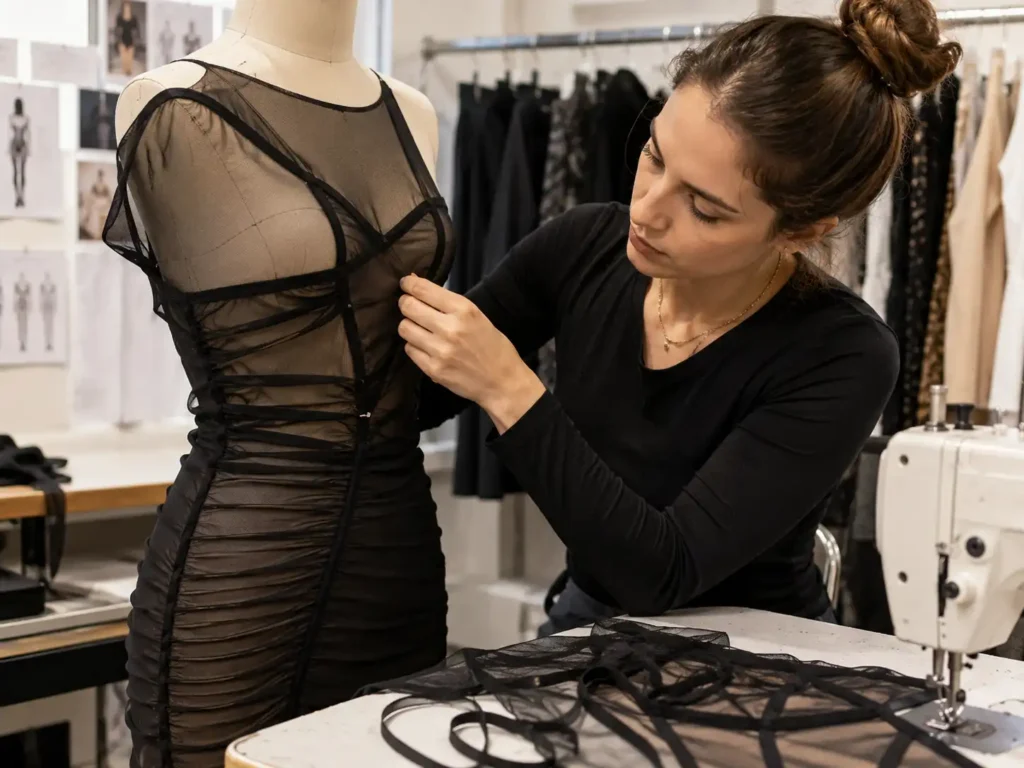
Mesh Cocktail Dresses
Mesh allows transparency, layering, ruching and body-conscious shapes, but stretch direction and lining placement can change the fit considerably. Development covers regular mesh, stretch mesh and layered approaches where suitable.
Neckline deformation, armhole stretching, holes, unstable transparency and mismatched lining length are reviewed before bulk production begins.

Sequin Cocktail Dresses
Build Cocktail Programs Around Real Wearing Occasions

Wedding Guest and Reception

Cocktail Party and Dinner

Birthday and Date Night

Holiday and Event Collections
Choose Fabric by Drape, Structure and Production Risk
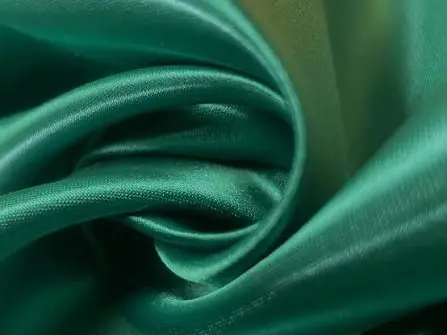
Satin — 80–220 GSM

Crepe — 120–250 GSM
Crepe commonly falls around 120–250 gsm within Jinfeng’s fabric reference system and is useful for cocktail midi, formal and semi-formal directions. Its lower shine makes it suitable for brands wanting a refined surface without the strong reflection of satin. Weight determines whether the fabric works as a fluid midi or a more controlled fitted silhouette. Lining, seam construction and pressing need to match the selected crepe because hand feel can vary considerably between different compositions and constructions.

Lace — 60–250 GSM
Lace can range around 60–250 gsm depending on yarn, motif density and stretch. Cocktail and wedding-guest programs may use lace as an all-over outer layer, placement panel, sleeve, neckline feature or shaped bodice surface. Most transparent applications need lining. Development checks motif direction, left-right symmetry, seam joins, edge treatment and the position of prominent motifs around the bust.
Bulk QC also looks for holes, fraying and batch changes in motif or color.
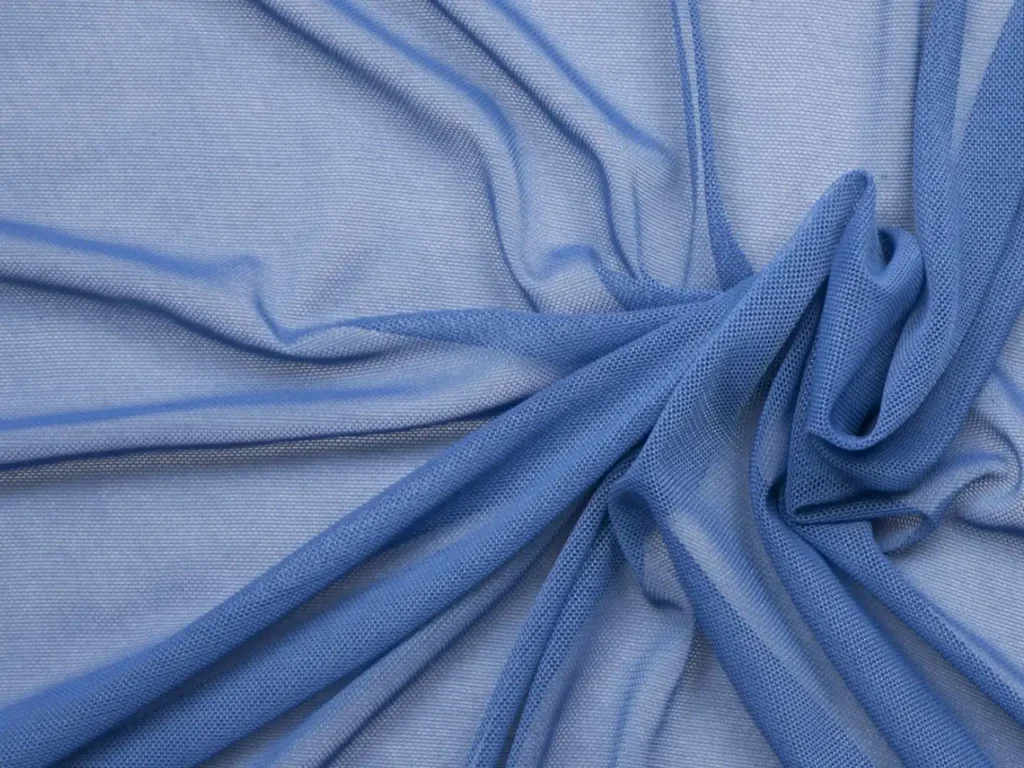
Mesh — 40–120 GSM

Sequin Fabric — 180–450 GSM
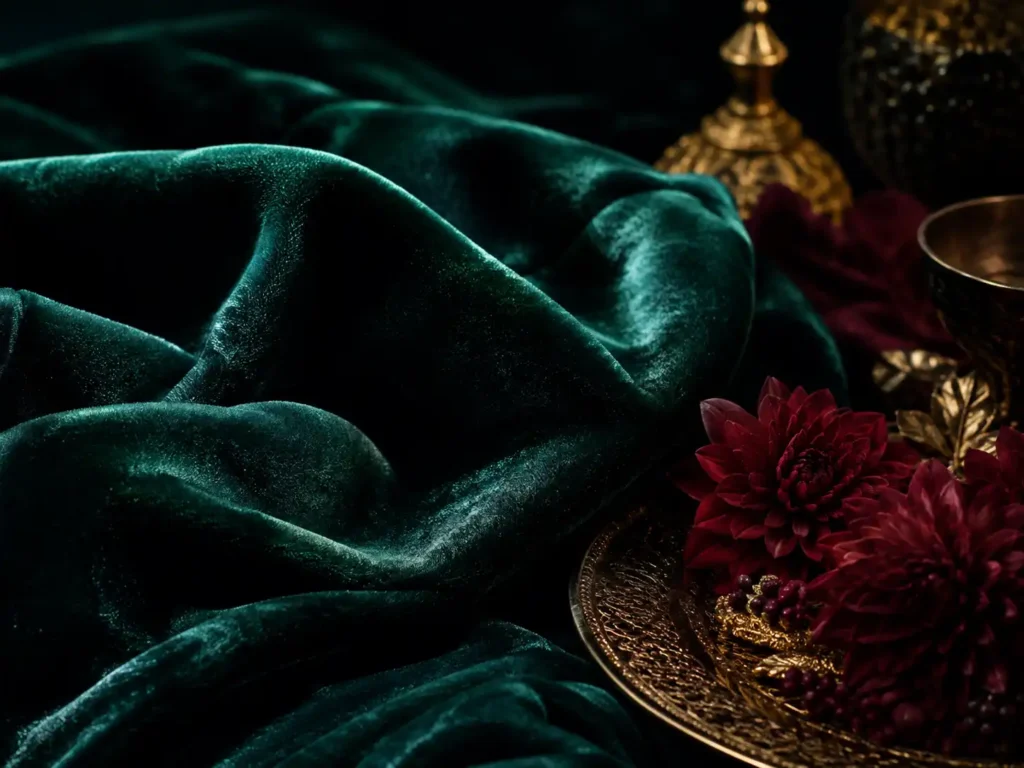
Velvet — 180–350 GSM
Design Details Need Production-Level Decisions
A cocktail design becomes production-ready only when decorative ideas are converted into repeatable construction. Neckline shape, draping, ruching, slits, open backs and embellishment placement need measurable reference points so approved sample details do not drift during bulk sewing.

Necklines, Shoulders and Upper-Body Balance
A neckline is not only a line drawn on a sketch. Sweetheart, one-shoulder, cowl, halter, strapless, asymmetric and deep-V designs all interact with upper bust, bust point, shoulder tension, armhole height and back coverage.
For strapless styles, the upper edge must stay close to the body without excessive compression. A one-shoulder dress must distribute tension across one side without pulling the neckline or twisting the side seam. Halter construction needs enough neckline stability while avoiding unnecessary pressure around the neck. Deep-V shapes need sufficient control over neckline spread and side coverage.
During sample development, fit comments are translated into measurable actions. Necklines may be raised or lowered, shoulder length adjusted, armholes corrected, back height changed, cups repositioned or internal support added. The final pattern and sewing instruction should carry those decisions forward so operators are not visually guessing from a photograph during bulk production.

Ruching, Draping and Waist Shaping
Ruching and draping influence both appearance and garment measurement. A ruched side seam can visually shorten a dress even if the pattern length is unchanged. Front draping can alter bust ease, waist tension and the location where excess fabric naturally falls. Bias-oriented panels behave differently again because the fabric can lengthen after hanging.
Development therefore establishes where gathering starts and ends, how much fabric is controlled into the gathered section, whether the effect needs elastic or fixed stitching, and how left-right balance is checked. Waist seams, shaped panels and pleats also need stable reference points to avoid bulk dresses appearing noticeably different from one another.
Fabric choice matters. Stretch mesh and jersey tolerate strong ruching more easily than a rigid woven material. Satin can create elegant folds but highlights inconsistent tension and needle marks. Crepe gives softer surface control, while velvet and sequin fabrics may become too bulky if excessive fabric is gathered into one seam.

Slits, Open Backs and Surface Placement
A slit changes movement and exposure, so height should be established against the brand’s size chart and fit preference rather than copied from a visual reference.
The top of a slit must remain stable during walking and sitting, and lining construction should not become visible through movement.
Backless and cut-out styles require similar control.
Side-body coverage, bust stability and the relationship between open sections and internal support need to be reviewed during fitting.
Lace motifs, rhinestones and sequin placement also need production reference points whenever position is visually important.
The approved design should therefore move beyond a mood image. Pattern files, placement references, sewing instructions, material approvals and QC checkpoints form the working production language.
Fit Control Starts With the Brand Size Standard
Cocktail dresses often expose fit problems faster than relaxed daywear. A small error around upper bust, waist placement, hip ease, neckline depth or hem length can change wearing security and the entire silhouette.
Build Around the Target Market
Jinfeng Apparel can develop US, UK, EU, AU and alpha sizing such as XS, S, M, L and XL, while extended sizing is developed according to the supplied size chart.
Patterns are not graded by applying one generic size table across every brand. Base size, grade rules, measurement tolerance, fabric stretch, target market and brand fit preference need to be confirmed first.
A stretch-satin fitted mini and a non-stretch crepe midi may share similar visual proportions but require different ease.
Likewise, extending a structured strapless dress into larger sizes requires more than proportional grading because bust support, armhole coverage, waist-hip balance, strap or neckline security and lining comfort can change with size.
Control the Measurements That Change Appearance
Cocktail dress fitting commonly reviews:
- Upper bust and full bust
- Under bust
- Waist and waistline position
- Hip and hip ease
- Front and back body length
- Total dress length
- Shoulder or strap length
- Armhole depth
- Neckline depth
- Back coverage
- Slit height
- Lining length
Grade Only After the Base Fit Is Stable
Grading a weak base pattern simply repeats the original problem across more sizes. The preferred sequence is to establish the base silhouette, confirm fit comments, update the pattern and size chart, then apply the agreed grade rules.
Bulk size stability is supported through pattern-version control, size charts, grading rules, tolerance requirements, fabric relaxing where relevant, cutting inspection, inline measurement and finished-garment measurement against the approved reference.

Internal Structure Keeps Minimal Dresses Secure

Strapless Support

Corset Construction

Backless and Deep Necklines

Lining and Closures
Workmanship Changes With Every Cocktail Dress Material
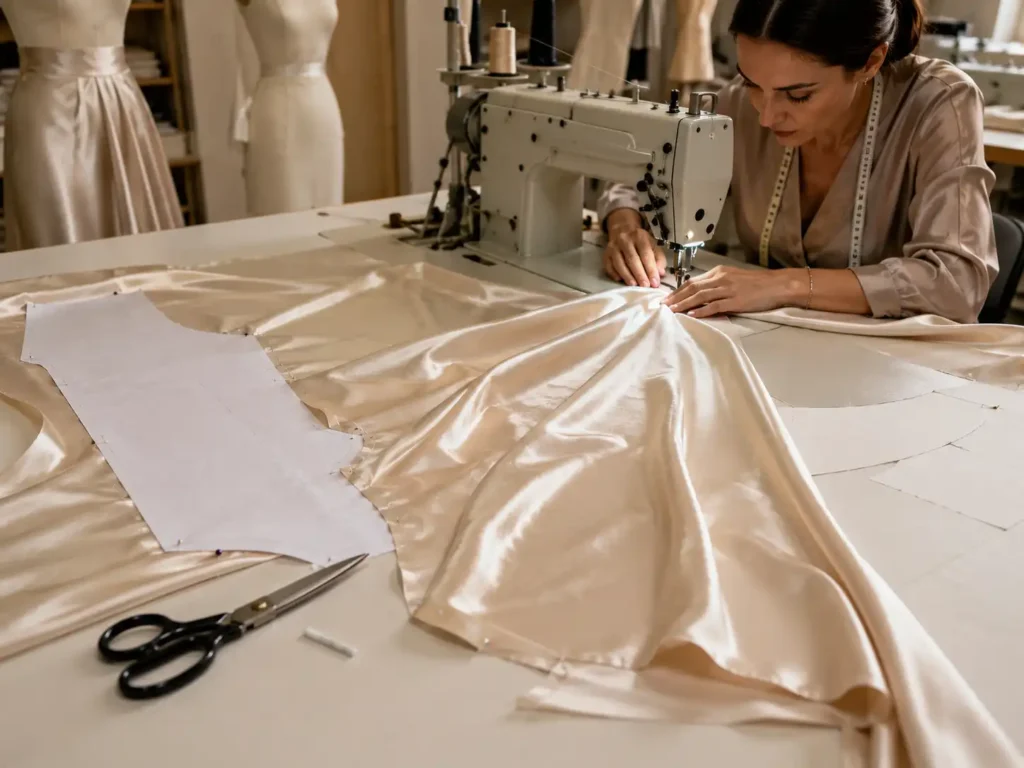
Satin Sewing

Lace Placement
Mesh Construction
Sequin Handling
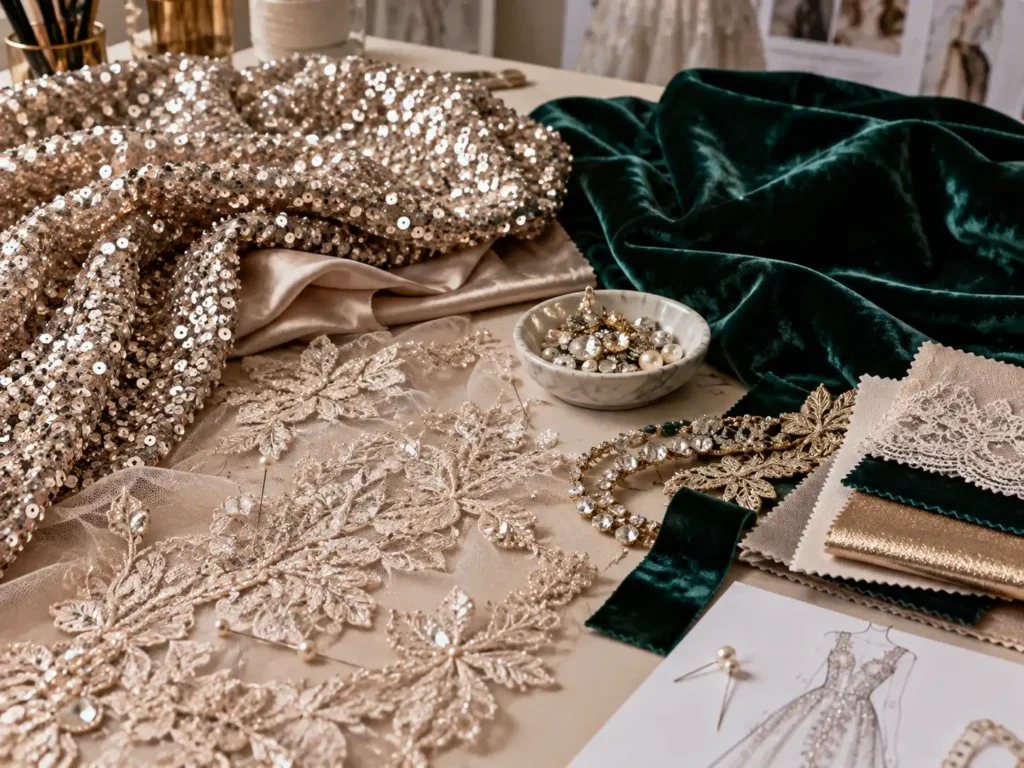
Sequin fabric introduces greater bulk around seam allowances and can cause needle breakage or uncomfortable edges.
Construction planning reviews seam routes, zipper positions, lining and high-contact areas. Sequin stability and anti-scratch treatment are then checked again during bulk inspection and before protective packing.
Sampling Turns a Design Into a Production Standard
A cocktail sample is not only a sales prototype. It is where fabric, pattern, support, fit, workmanship, color, trims and finishing are tested before the style is released into production.

Project Review Before Pattern Making
Development begins by reviewing available inputs: tech pack, reference image, original sample, sketch, line sheet, size chart, fabric swatch, trim direction, target quantity, color plan and launch date. Missing or conflicting information is identified before the sample is treated as a confirmed production design.
A reference photo can be used for structural assessment, but final fabric, dimensions, trims and construction still need confirmation. A supplied original sample can be measured and analyzed for pattern, fabric and sewing direction when the project has appropriate development rights.

Pattern and First Sample
The pattern stage converts the design into controlled body proportions and construction lines. Fabric and trims are prepared against the intended sample standard, followed by sample sewing and internal checking.
Typical first-sample timing depends on complexity. A regular dress first sample is commonly around 10–15 days, while corset, strapless, lace, mesh or sequin designs often require approximately 15–25 days. Designs needing custom fabric or special trims may extend to around 20–35 days or the relevant supplier cycle.

Fit and Revised Sample
Fit review compares the garment with the brand’s size chart, visual reference and fit comments.
A revised sample is normally required when the pattern changes materially, the fabric changes, structural support is modified or complex workmanship is adjusted.
Revised samples commonly require around 7–15 days, with complex revisions confirmed according to the exact changes. Feedback is converted into updated pattern, measurement, fabric, trim and sewing records before the next sample is produced.

PP and Golden Sample
The PP sample is prepared after fit, fabric, trims, color, construction, labeling and production requirements are sufficiently stable. A PP sample commonly requires around 7–15 days when final materials are available, although project conditions determine the actual schedule.
Once the approved standard is established, the Golden sample and related records provide reference for bulk sewing, measurement, finishing and inspection. A photo sample may serve campaign needs, but it is not automatically the same as the final PP production standard.
Sample Revisions Are Recorded, Not Remembered
Fit and Proportion Revision
- Bust or waist adjustment
- Waistline repositioning
- Strap shortening or adjustment
- Neckline coverage correction
- Slit height correction
- Hem and lining balance
Fabric and Color Revision
If a fabric feels too thin, stiff, transparent, shiny or expensive, alternatives are compared by weight, hand feel, stretch, recovery, drape, transparency, shine, shrinkage, color, MOQ, cost and lead time.
A material change may also require another pattern or lining review because new stretch or weight can alter the garment shape.
Construction and Workmanship Revision
Zippers, cups, boning, lining, neckline finishing, seam method, ruching, slit construction or surface decoration may need adjustment even when the outer pattern is acceptable.
Bulk-relevant changes move into updated patterns, size charts, BOM, sewing instructions and QC checkpoints rather than remaining only in email or chat comments.
Keep Approved Samples Repeatable in Bulk Production
A strong first sample has little commercial value if fabric, fit, construction and finishing drift after production begins. Bulk consistency depends on freezing the right information before cutting and checking the right risks while garments are still being produced.
Lock the Production Reference
Bulk release follows PP approval and confirmation of the materials and production documents. The working standard can include:
- Approved PP and Golden sample
- Final pattern version
- Size chart and grade rules
- BOM
- Fabric approval
- Trim approval
- Color approval
- Production order
- Sewing instruction
- QC checklist
- Label and packing instruction
Control Material and Pattern Variation
Cocktail dresses are sensitive to batch variation. Satin color and shine can change between lots; mesh can differ in stretch; lace motifs can vary by batch; sequin surfaces can change in density or attachment.
Incoming materials are therefore checked before they enter the style.
Pattern version and cutting direction must remain aligned with the approved sample, while important placements such as cups, boning, slits, straps and lace motifs should follow the recorded standard.
Size stability is not left until the last carton. Measurement checks during production allow pattern, sewing or handling problems to be identified while correction is still possible.
Carry Approval Into Finishing and Packing
Pressing, lining, zipper behavior and garment shape remain part of consistency control after sewing.
Satin needs clean surface and controlled pressing; lace needs final motif and edge review; mesh needs hole and transparency checks; sequins need surface and comfort inspection.
Packing is also part of the approved appearance.
Folding, polybag dimensions, garment protection and carton arrangement can influence creasing or surface damage during transport.
Sample-to-bulk control therefore ends only when the packed garment still represents the approved product standard.

Cocktail Dress QC Follows Product-Specific Risks
Inspection is organized around the materials and construction used in each style. Satin, lace, mesh, sequin and structured cocktail dresses do not share an identical defect profile, so inspection points are selected according to the approved sample and production file.
| Cocktail Dress Risk | Main Control Point | Inspection Stage |
|---|---|---|
| Satin snagging or shade difference | Surface, lot, shine direction | Incoming + Final |
| Strapless slipping | Upper bust, anti-slip, boning, cup | Sample + Measurement |
| Zipper bulging | Zipper tape, seam tension, waist curve | Inline + Final |
| Lace mismatch | Motif direction, symmetry, seam joins | Cutting + Sewing |
| Mesh damage | Holes, stretch, neckline, lining | Incoming + Inline |
| Sequin loss or scratching | Attachment, seam edge, lining | Incoming + Final |
| Size variation | Approved POM and tolerance | Inline + Garment |
| Packing creases or damage | Pressing, folding, protection | Packing + Pre-Shipment |
Prepare Cocktail Dresses for Branded Retail Delivery

Garment Branding

Hangtags and SKU Identification

Individual Garment Packing

Carton and Warehouse Preparation
Work Backward From the Collection Launch Date
Sample Milestones
The first working timeline can include design review, fabric confirmation, first sample, fit comments, revised sample, photo sample where required and PP approval.
Fast feedback matters because development cannot move forward accurately when fit, fabric or construction decisions remain open.
Production Release
Shipment Planning
Keep Multi-Style Cocktail Collections Organized
A collection of 10–30 cocktail styles can contain satin, lace, mesh, sequin, corset and simpler woven pieces at the same time. Treating every style as one undifferentiated production group makes sample revisions, material status and approvals harder to control.
Group Styles by Development Risk
Styles can be grouped by fabric, construction and sample priority. A clean crepe midi does not need the same development path as a sequin mini or boned strapless satin dress.
Key campaign styles and structurally complex designs can be identified early so pattern and material work begins in the appropriate sequence.
Track Sample Versions Separately
In a 10–30 style program, one style may already be at PP approval while another still needs fit correction. Version tracking prevents an older measurement chart or pattern from accidentally being used after a revised sample has been approved.
Approvals should therefore be style-specific rather than waiting for every garment in the collection to reach the same stage at exactly the same time.
Coordinate Bulk and Packing by SKU
A 12-Style US Occasionwear Cocktail Program
An anonymous US occasionwear brand developed a 12-style satin mini and midi dress program of approximately 20,000 pieces with Jinfeng Apparel. The assortment combined polished cocktail silhouettes across several colors, creating greater production risk than the same quantity concentrated in one simple design.

Collection Structure
The program centered on satin mini and midi occasion dresses intended for event and cocktail selling periods.
Key development concerns included fit proportion, satin drape, zipper appearance, lining comfort and the ability to maintain a consistent visual standard across a multi-style, multi-color order.
|
The development team treated satin direction and construction as product-level controls rather than relying only on final garment appearance.

Development and Bulk Challenges
Satin magnifies shade and surface differences because reflected light can make panels or lots look different even when the nominal color is close. Zipper tension can also create visible rippling on fitted backs or side seams. Lightweight lining may shift during wear, while incorrect lining length can affect the fall of a midi skirt.
Key controls therefore focused on:
- Satin color and lot consistency
- Grain and shine direction
- Zipper flatness
- Lining comfort and stability
- Mini and midi proportion
- Multi-color bulk consistency
- Pressing and packing condition

Production Control
Approved sample details moved into production references for pattern, material, sewing and inspection.
Satin surface condition and zipper appearance were checked during production instead of waiting for final packing.
Color groups were managed against their approved fabric direction, and lining was reviewed together with the outer dress rather than as an independent component.
The project demonstrates the difference between making one attractive satin sample and controlling a multi-style cocktail program at commercial quantity.
Protect Unreleased Cocktail Collections During Development
Design File Protection
Pattern and Sample Protection
Label and Packing Protection
Build Repeat Orders From Approved Product Records
Keep the Pattern and Fit Record
Jinfeng Apparel can retain first, revised, PP and bulk pattern information together with grading, lining pattern, strap position, slit position, cup or boning placement and relevant revision notes. If the fabric, stretch or construction changes, the old pattern is reviewed rather than blindly reused.
Keep Material and Trim References
Fabric name, supplier reference, composition, weight, width, stretch, hand feel, drape, color, dye lot, MOQ, lead time and approved swatch information can support repeat sourcing.
Trim and packing references help preserve zipper, label, hangtag and presentation details.
Extend Proven Styles
Approved programs can move into:
- Same style, new color
- Same pattern, new fabric
- Seasonal color extension
- Bestseller replenishment
- Related neckline or hem variation
- Collection expansion around an established fit
Custom Cocktail Dresses Frequently Asked Questions

Send Your Cocktail Dress Program for Development Review
A productive quotation begins with enough information to understand the dress rather than only a product name. Send your cocktail dress references and available project files so the development team can review fabric direction, pattern complexity, structural requirements, sampling needs, MOQ fit and production considerations before the project moves forward.
Useful information includes:
- Reference image, sketch, original sample or tech pack
- Planned style count and quantity per style/color
- Target fabric or preferred hand feel
- Color direction
- Size chart and target market
- Required neckline, lining, cups, boning or support details
- Lace, mesh, sequin, ruching or other special workmanship
- Private-label and packing requirements
- Target launch or warehouse date
- Any existing sample feedback or fit concerns
For multi-style cocktail programs, sending a line sheet or style priority list helps separate key launch styles, complex structures and fabric groups before sampling begins.


