 Skip to content
Custom Clubwear Manufacturer for Fashion Brands
Jinfeng Apparel develops premium partywear from design reference to production-ready collections, with fabric sourcing, pattern development, sample revision, PP approval, bulk production, QC and private-label packing managed as one connected program.
- 10-30 style partywear collection programs supported through grouped development and production planning.
- 2 sample rooms, 7+ senior pattern makers and 20+ sample machinists for fit-sensitive and complex styles.
- 6 owned women’s fashion factories, 10+ long-term satellite production partners and 100,000+ pcs monthly capacity.
- MOQ starts from 200 pcs per style/color, with fabric, trim, color and packaging requirements evaluated before production.
- 6 accessory systems managed across closure, adjustment, support, decoration, branding and packaging
- 2 sample rooms supporting accessory-to-garment development and fit review
- 7+ senior pattern makers evaluating how trims affect dress structure and balance
- 20+ sample machinists supporting first samples, revisions and PP samples
- 15+ QC inspectors supporting incoming, inline, finished-garment and packing checks
- Accessories can be controlled through BOM records and trim approval references before bulk production
Built for Established Clubwear and Fashion Brands
Clubwear production becomes demanding when a collection combines close-to-body fits, exposed areas, stretch fabrics, structured busts and decorative surfaces. Jinfeng Apparel supports established fashion labels, premium ecommerce businesses, sourcing teams and product development departments that need a manufacturing partner able to manage more than isolated single styles.
Clubwear Collections
Fit-Led Fashion Programs
Multi-Style Production
Development Capacity Behind Complex Clubwear Programs
Since 2008
2 Sample Rooms
7+ Pattern Makers
20+ Sample Machinists
15+ QC Inspectors
100,000+ Monthly Capacity
Custom Clubwear Styles We Develop and Manufacture
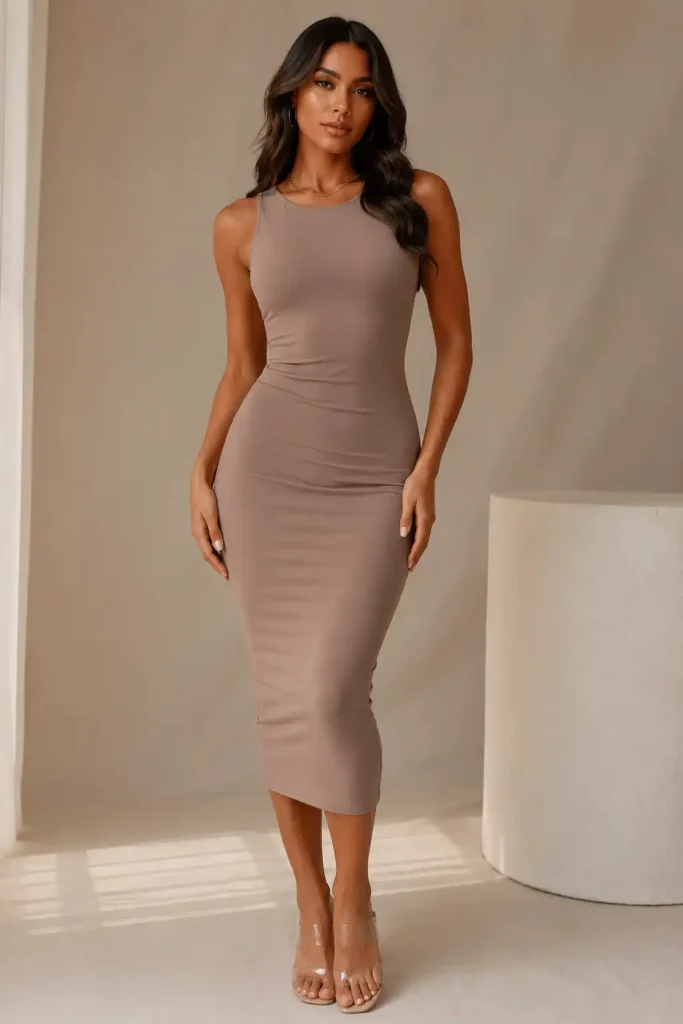
Bodycon Club Dresses
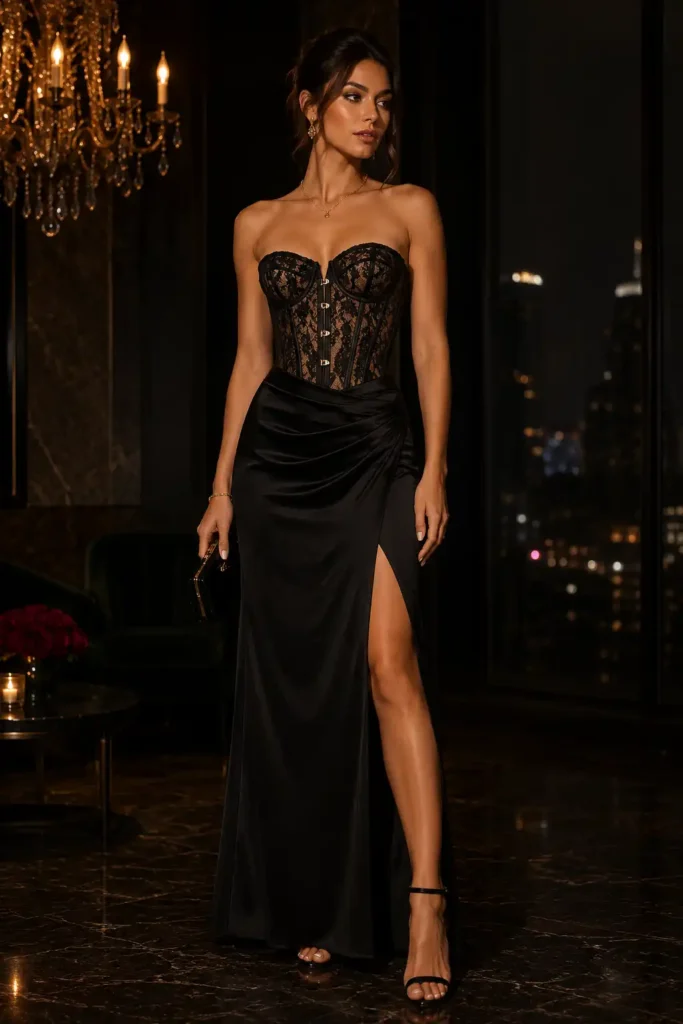
Corset Mini Dresses

Mesh and Sheer Dresses

Cut-Out Clubwear

Satin Club Dresses

Sequin Statement Dresses

Clubwear Matching Sets

Bodysuits, Tops and Jumpsuits
Where Clubwear Production Usually Goes Wrong
Unstable Bodycon Fit
Excessive Exposure
Weak Bust Support
Poor Stretch Recovery
Surface Damage
Sample-to-Bulk Variation
Fabrics Selected Around Fit, Support and Visual Impact
Fabric choice controls far more than appearance in clubwear. Weight, stretch direction, recovery, transparency, surface behavior and compatibility with linings or internal support can change the pattern and construction method. Material approval therefore sits early in development rather than being treated as a color-selection step.
| Fabric Direction | Strong Applications | Development Focus | Bulk Control Points |
|---|---|---|---|
| Stretch Jersey | Bodycon dresses, fitted tops, skirts | Stretch percentage, recovery, body compression, drape | Measurement stability, seam tension, twisting, wash behavior |
| Ponte / Structured Knit | Sculpted bodycon, fitted mini dresses | Weight, support, recovery, smooth surface | Side seams, waist-hip shape, size consistency |
| Stretch Satin | Corset dresses, fitted minis, party dresses | Stretch direction, shine, recovery, pattern allowance | Snagging, zipper flatness, seam tension, shade consistency |
| Matte / Heavy Satin | Structured minis, draped dresses, statement sets | Drape, shine direction, fabric weight, lining | Surface marks, shade difference, pressing, packing |
| Soft Mesh | Sheer panels, layered dresses, sleeves | Transparency, softness, stretch, lining color | Holes, edge finish, seam deformation, sheer consistency |
| Power Mesh | Body shaping, corset support, fitted panels | Compression, recovery, support, skin comfort | Stretch stability, seam tension, grading |
| Lace | Lingerie-inspired clubwear, panels, trims | Motif, width, edge, lining relationship | Placement, fraying, holes, matching |
| Sequin Fabric | Hero dresses, party minis, statement sets | Weight, direction, seam thickness, skin contact | Loose sequins, edge protection, lining, packing |
Fit Engineering for Bodycon, Sheer and Cut-Out Styles
Strong clubwear fit comes from controlling specific body zones rather than describing a garment as simply tight or fitted. Pattern development starts from the supplied size chart, target market and intended silhouette, then translates fitting comments into measurable pattern corrections.

Bust, Waist and Hip Balance
Bodycon proportions are sensitive because stretch fabric can conceal pattern problems during a quick fitting.
Bust, waist and hip measurements are reviewed against fabric recovery, garment ease and construction. A fitted satin corset dress needs different allowances from a jersey mini even when the visual silhouette appears similar.
Side seams provide useful evidence during fitting. Forward or backward side-seam movement can indicate imbalance between front and back pattern sections. Horizontal strain lines may point to insufficient ease, while loose waist areas may require pattern shaping rather than more elastic tension.
For structured clubwear, bust fit is reviewed together with cups, boning, neckline and under-bust placement. A cup positioned correctly in the base size can shift after grading unless cup location and surrounding panel proportions are controlled.
Jinfeng Apparel can develop US, UK, EU and AU size systems based on the supplied brand standard. Alpha sizing from XS–XL is supported as a regular direction, while extended, plus-size, petite and tall development can be evaluated against the supplied specifications rather than proportionally enlarging one base pattern.

Exposure and Movement Control
A still front-view image does not show how a club dress behaves while walking, sitting or moving. Mini length, cut-out position, neckline depth, back coverage, strap length and lining boundaries need enough stability to preserve the intended visual level during wear.
Cut-out designs are reviewed around body landmarks rather than isolated pattern shapes. A waist opening can migrate toward the bust or hip when fabric stretches differently across the body. Mesh panels may also become significantly more transparent under tension.
- Front and back mini length
- Neckline stability
- Side bust coverage
- Strap position
- Underarm coverage
- Cut-out edge movement
- Lining exposure
- Back opening position
- Slit height where applicable
- Fabric recovery after stretching
Corset Structure and Cut-Out Stability Built Inside
Corset-inspired clubwear attracts attention because the structure visually shapes the body, yet most manufacturing work is hidden inside the garment. Cups, boning, lining, seams and closures must operate as one system. Decorative appearance cannot compensate for poor internal balance.
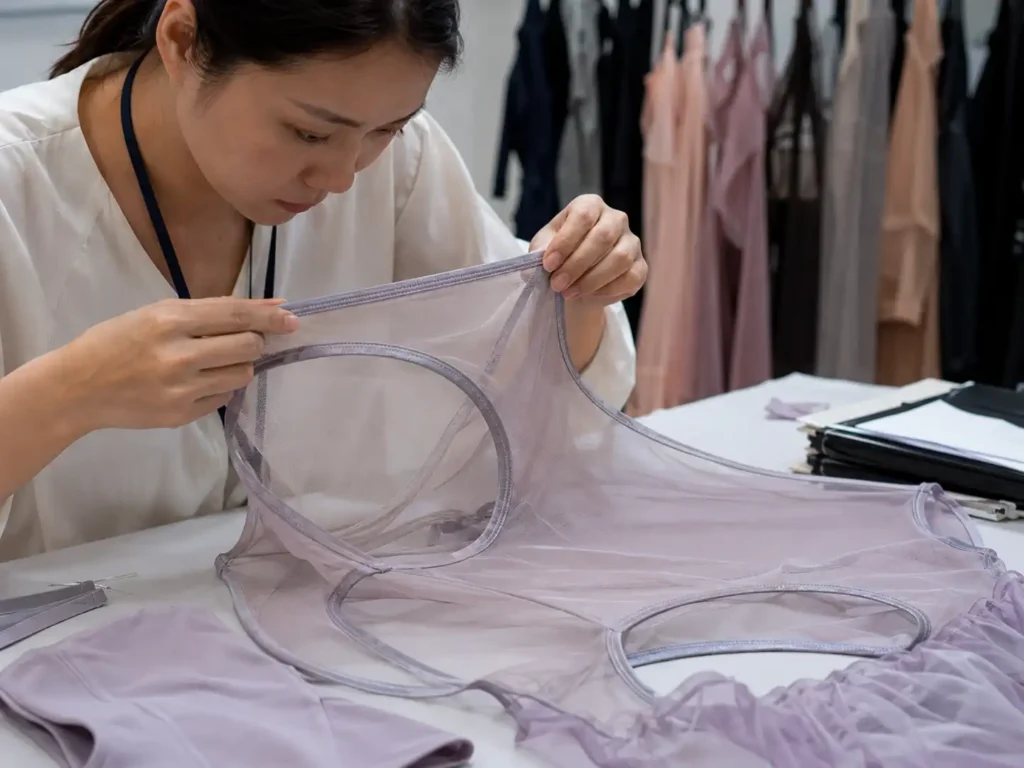
Building Support Without Excess Bulk
Corset and bustier designs can use bra cups, boning, underwire, elastic, lining, hook-and-eye closures, anti-slip tape and different zipper constructions depending on the design brief. Each component affects thickness, comfort, seam behavior and garment shape.
Cup position is reviewed against neckline depth and under-bust placement. Boning needs enough stability to support the panel without creating sharp pressure points or visible distortion. Lining must cover internal components cleanly while preserving the intended stretch or structure of the outer fabric.
For strapless styles, neckline stability and anti-slip support may become more important than adding extra compression. For stretch satin corsets, the combination of a stretch outer layer and a more stable internal structure needs deliberate pattern planning to prevent bubbling or zipper distortion.

Stabilizing Cut-Out and Low-Back Designs
Cut-outs place stress around narrow fabric bridges and exposed edges. Soft stretch fabric may pull an opening wider than expected, while non-stretch fabric can restrict movement if the opening is positioned incorrectly.
- Cut-out position relative to bust, waist and hip
- Edge construction and seam allowance
- Reinforcement where narrow sections carry tension
- Lining or facing requirements
- Stretch direction
- Zipper location
- Strap anchoring
- Back coverage
- Symmetry across left and right sides
- Grading behavior across sizes
Workmanship Details Seen in Every Finished Garment

Ruching Symmetry

Zipper Flatness

Clean Mesh Edges

Protected Sequin Seams

Stable Strap Attachment

Controlled Pressing
From Tech Pack to Production-Ready Clubwear Sample
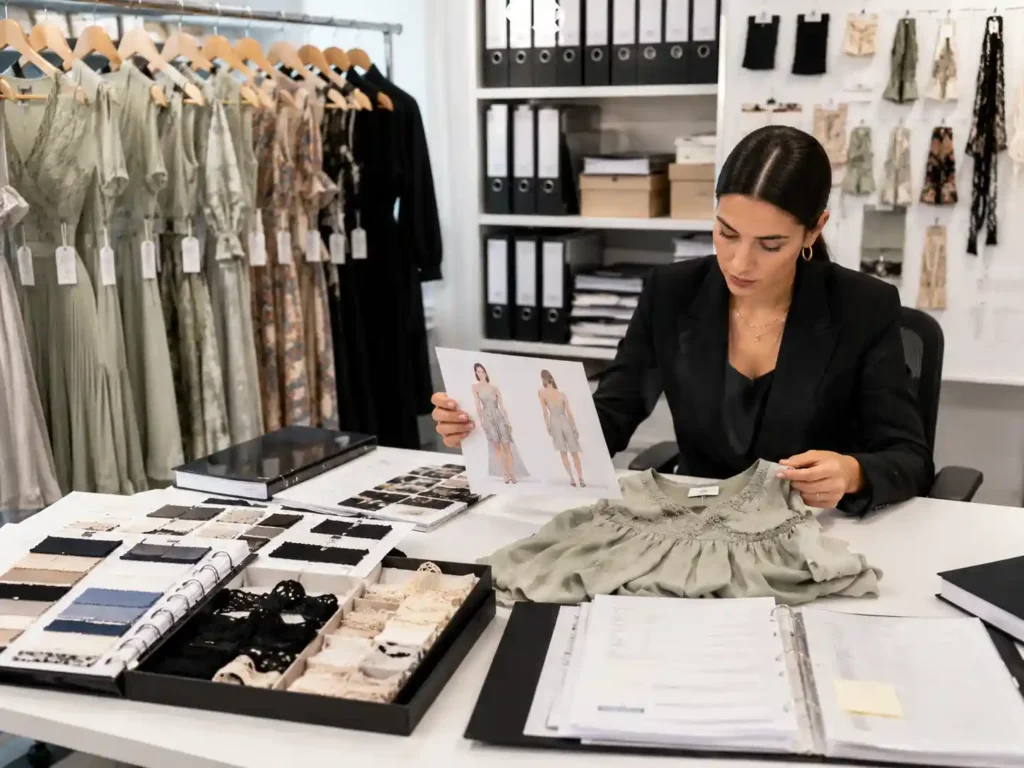
A development sample is not the end of the process. Clubwear often needs several approval decisions covering fit, fabric behavior, transparency, support and construction before a stable bulk standard exists. Jinfeng manages sample versions so every revision has a clear purpose.
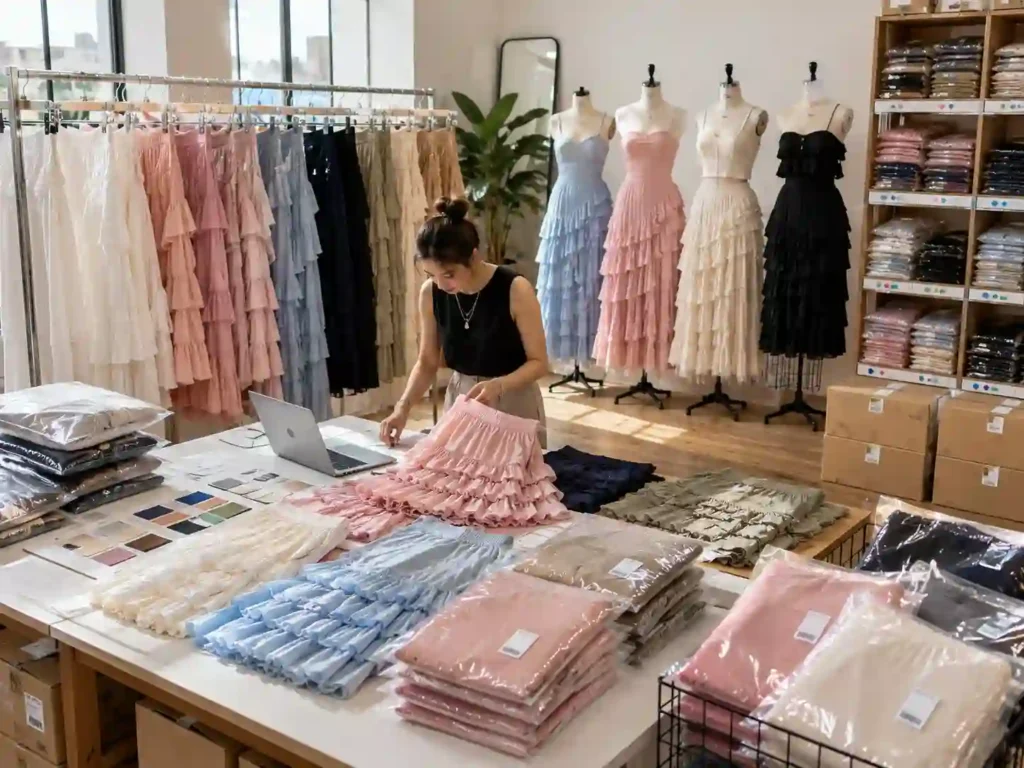
Style and Risk Review
Development begins with available materials such as a tech pack, reference garment, sketch, reference image, measurement chart or line sheet.
The team reviews silhouette, fabric direction, lining, closures, trims, support structure and visible design details.
High-risk areas are identified early.
A mesh cut-out bodycon dress may require checks for stretch direction, sheer level and lining boundaries.
A corset mini may require cup, boning, waist and neckline evaluation.
A sequin style may need alternative seam treatment or additional lining.
Material availability is reviewed alongside development because substituting a fabric after fitting can change weight, stretch, recovery, transparency and drape.

Pattern and First Sample
Pattern development converts visual proportion into measurable garment geometry.
The base size is built around the supplied size standard, with attention to bust, waist, hip, neckline, armhole, length, straps, cut-outs and internal support.
The first sample is used to expose problems rather than to create artificial certainty.
Fit comments may lead to revised measurements, pattern changes, fabric changes, trim changes or different construction methods.
Jinfeng maintains development resources including 2 sample rooms, 7+ senior pattern makers and 20+ sample machinists to support multi-style womenswear development.
Revision and Approval
Sample versions can include a first sample, revised or fit sample, photo-ready sample and PP sample according to project needs. Not every style requires identical stages; complexity and launch use determine the sequence.
- Sample version
- Fit comments
- Pattern changes
- Measurement changes
- Fabric and trim changes
- Construction changes
- Cost impact
- Lead-time impact
- Next approval action
PP sample approval locks the final pattern, fabric, trims, measurements, construction, labels, packing and QC reference before bulk production. Major changes after PP approval require a new evaluation of production risk, cost and scheduling.
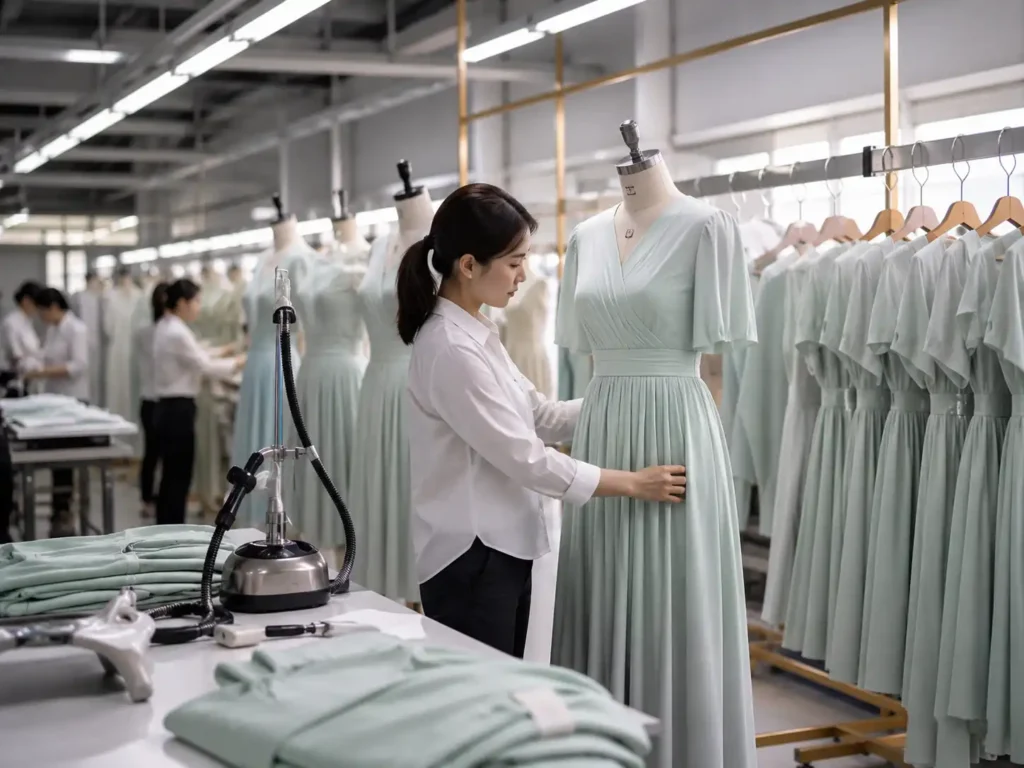
Photo-Ready Samples Built for Fashion Launches

Fit on Camera

Fabric Under Lighting
Finishing Before Shooting
Managing Multi-Style Clubwear Collections in Production
Group by Material
Group by Complexity
Group by Launch Priority
Keeping Approved Clubwear Consistent Through Bulk Production
A polished development sample only creates value when its fit, materials and workmanship can be reproduced across production quantities. Bulk control therefore starts before cutting, using the approved sample and documented specifications as working references.
Locking the Production Reference
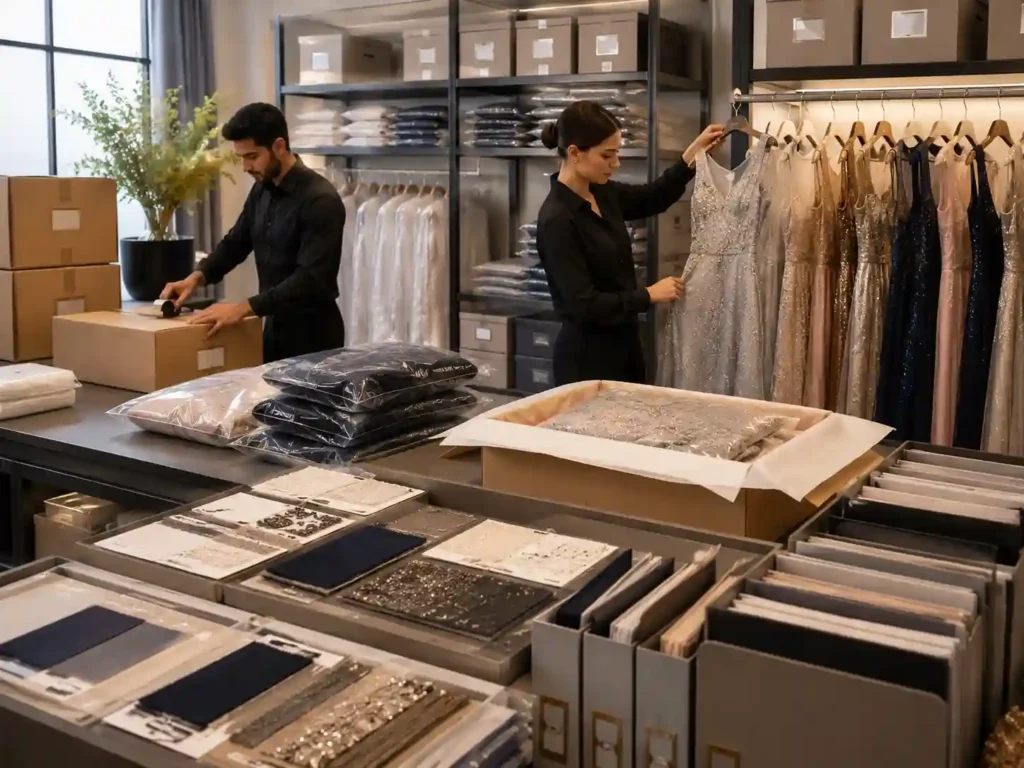
PP approval confirms pattern, fabric, trims, measurements, construction, labels, packing and relevant QC standards. Production teams should not be left to interpret a photograph differently from the sample room.
Working records can include the approved pattern, size chart, BOM, fabric record, trim specification, construction notes, label details and packing requirements.
Sensitive Clubwear styles may also carry additional checkpoints for mesh transparency, boning position, cup location, cut-out placement, ruching, zipper flatness or decoration protection.
The objective is consistency between decisions made during development and execution during bulk.
Controlling Fabric and Trim Variation
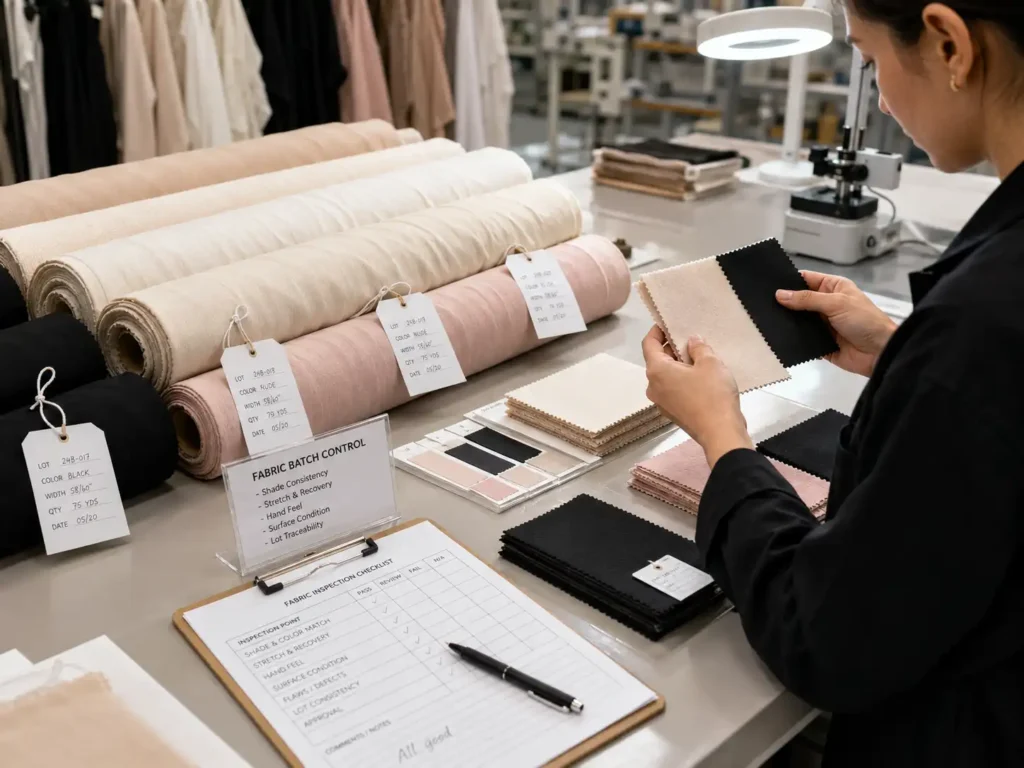
A different fabric batch can change shade, shine, weight, stretch or recovery.
Trim substitution can alter color, durability, comfort or construction.
Bulk materials are therefore reviewed against the approved direction before they move through production.
For satin, attention includes shine direction, shade, snagging and surface condition.
Mesh requires checks for holes, stretch and transparency. Sequin materials require decoration and surface checks. Stretch fabrics need recovery and dimensional behavior considered alongside measurements.
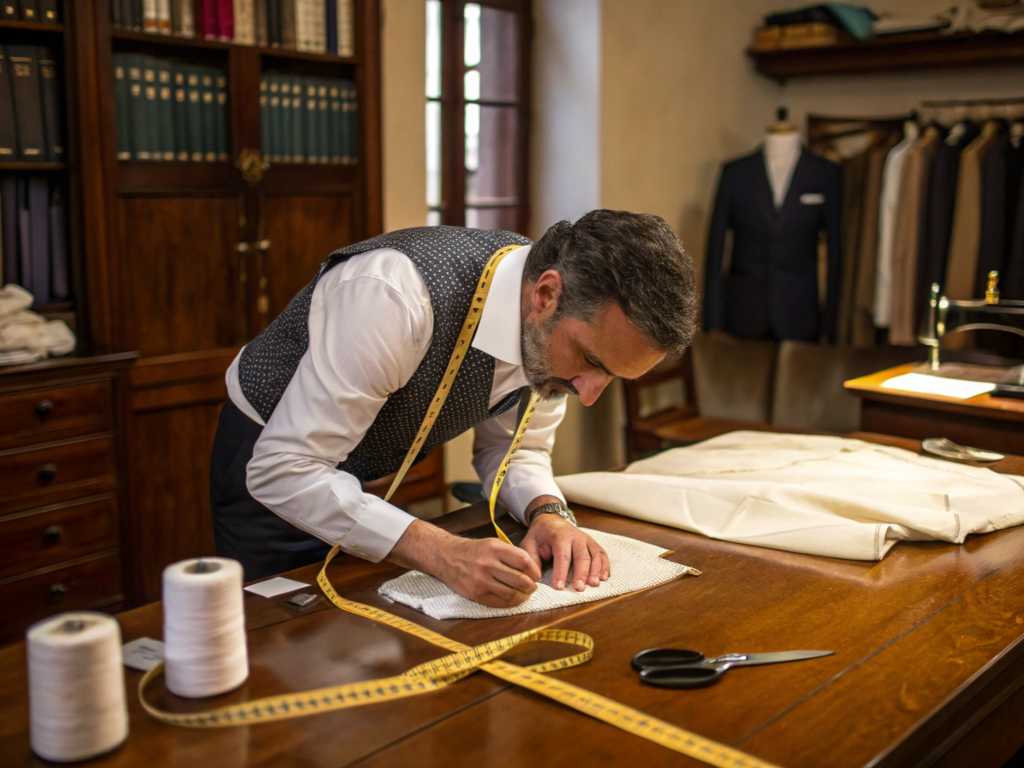
Measuring During Production
Fit-sensitive garments need more than final visual inspection. Measurements are checked against the approved size specification, with product-specific emphasis.
Bodycon styles focus heavily on bust, waist, hip and length. Corset styles add cup position, waist shaping and structural balance. Halter, backless and cut-out pieces add neckline, strap and coverage measurements.
Jinfeng supports regular XS–XL alpha sizing and can develop US, UK, EU and AU sizing based on the supplied brand standard. Extended size ranges follow the approved size chart and grading requirements.
Bulk production time is scheduled only after PP approval, material status, order quantity, color and size breakdown, packaging requirements and QC plan are confirmed.
Clubwear Quality Control Focused on Real Wear Risks
Quality control is organized around the actual failure points of each garment rather than applying one generic inspection sentence to every style. Incoming material, cutting, sewing, measurements, garment appearance, finishing and packing form the broader control flow, while clubwear adds fit- and fabric-specific checkpoints.
| Clubwear Type | Primary QC Focus | Typical Checks |
|---|---|---|
| Bodycon | Fit and stretch stability | Bust/waist/hip measurements, side seams, recovery, twisting, hem |
| Corset / Bustier | Structure and symmetry | Cup position, boning, neckline, waist shaping, zipper, lining |
| Mesh | Transparency and deformation | Holes, sheer level, lining coverage, stretch recovery, edge finish |
| Cut-Out | Placement and wearing stability | Symmetry, opening position, edge tension, exposure, grading |
| Satin | Surface and appearance | Snagging, shade, shine direction, seam marks, zipper flatness, pressing |
| Sequin | Decoration and comfort | Loose sequins, seam thickness, rough edges, lining, surface protection |
| Matching Sets | Coordination | Color lot, top/bottom sizing, waist position, labels, SKU matching |
| Packed Goods | Retail identification | Size/color labels, hangtags, barcode, polybag, carton and quantity |
Private Label Clubwear Ready for Brand Operations
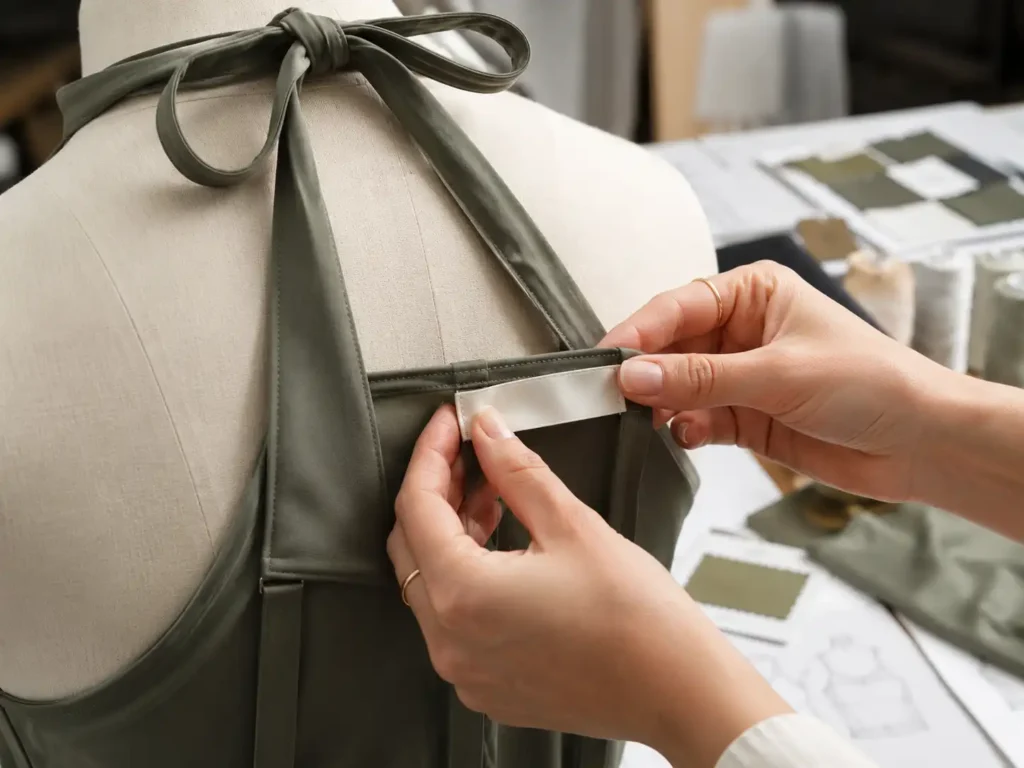
Woven and Main Labels

Care Labels

Size Labels

Hangtags
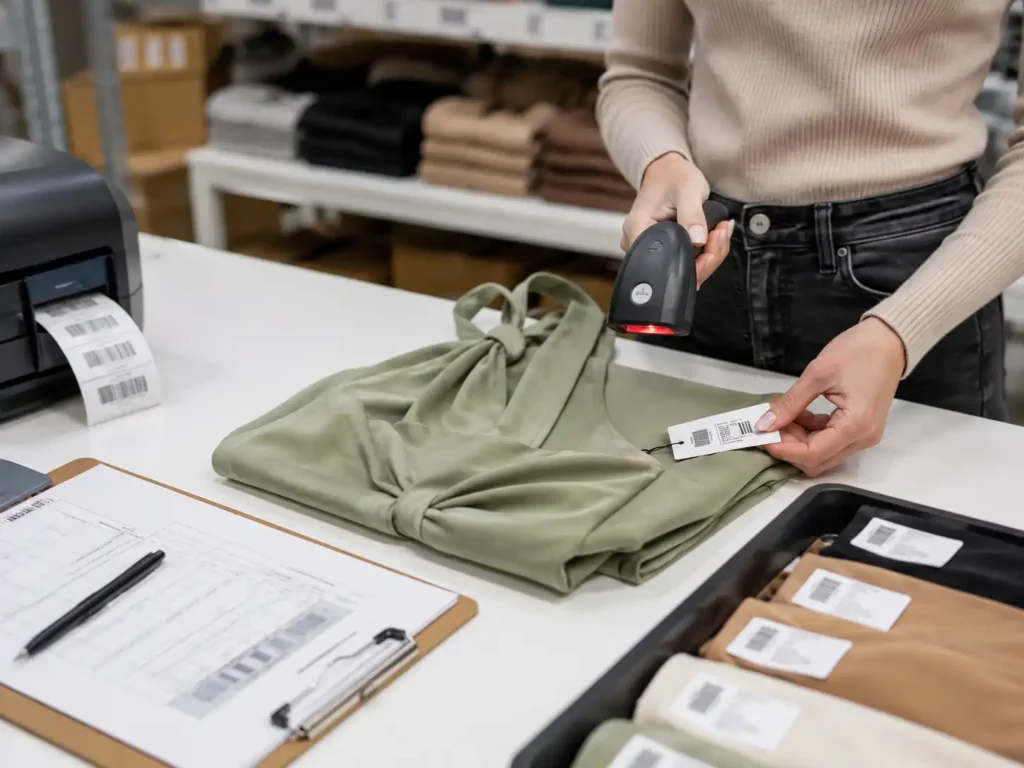
Barcode and SKU Labels
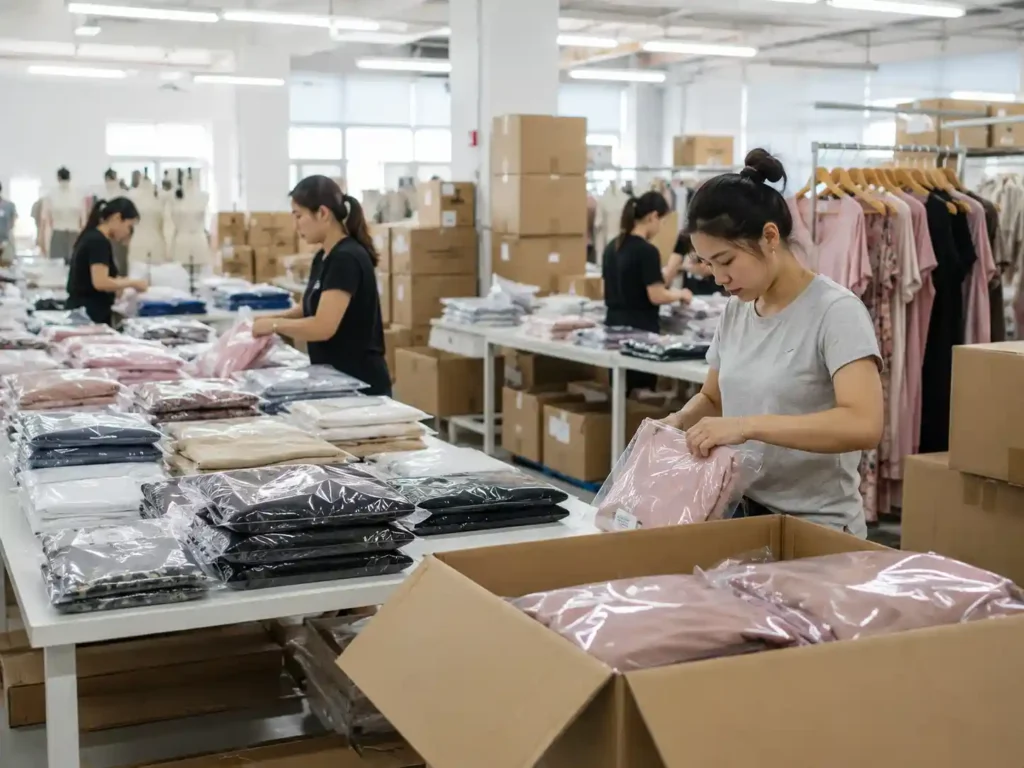
Packing and Cartons
MOQ and Order Planning for Custom Clubwear Collections
Style and Color Planning
Multi-color clubwear collections therefore benefit from deliberate color planning rather than splitting every style into many very small color quantities.
Complex Fabric and Trim Planning
Cost Drivers
Clubwear pricing is built around material, construction and production requirements.
Important variables include fabric weight and width, lining, double layers, ruching, corset structure, sequins, lace placement, special trims, size range, color quantity, packing, wastage, QC and production schedule.
How Strong Clubwear Manufacturers Handle Complex Styles
Pattern Understanding
Fabric Judgment
Sample Revision
PP Control
Product-Specific QC
Collection Management
Multi-Style Clubwear Programs Built Around Real Production Control

Anonymous US Partywear Brand
Project Scope: 18 styles / approximately 42,000 pcs
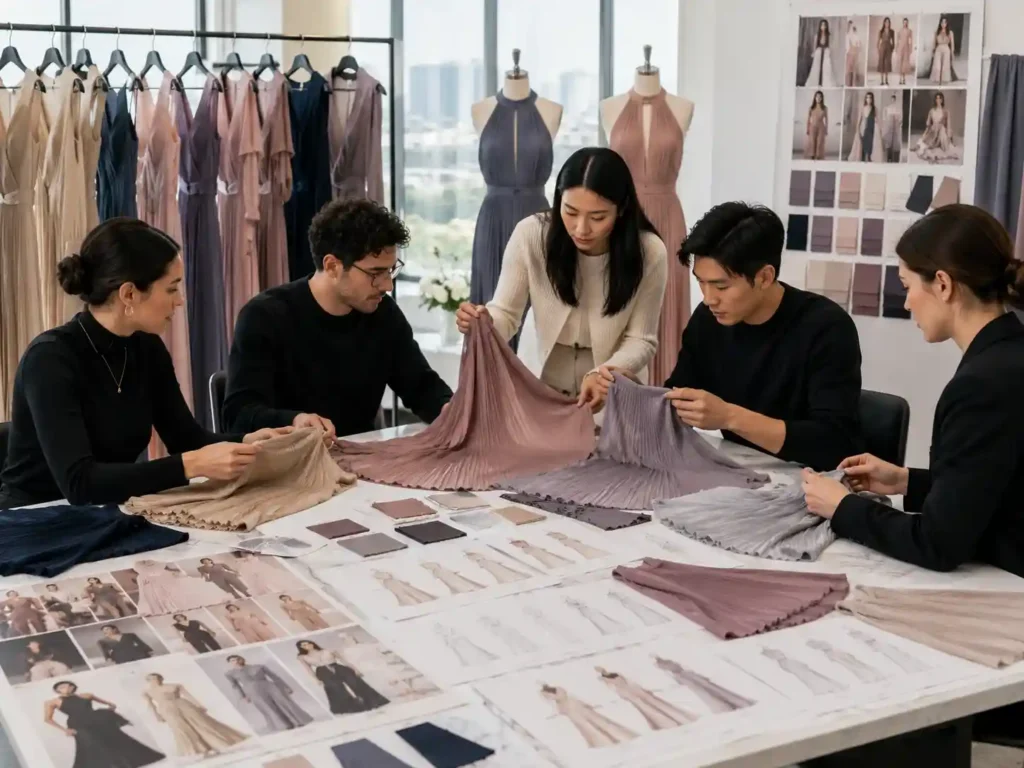
The collection combined bodycon mini dresses, stretch-satin corset styles, mesh-panel dresses, ruched pieces and two matching sets. Style count created more risk than total quantity because fabrics and constructions could not move through one identical production route.
Development grouped styles into stretch knit, satin/corset and mesh categories. Pattern review concentrated on bust-waist-hip fit, mini length and exposure. Corset styles added cup and boning checks, while mesh pieces required separate transparency and lining approval.
Sample priorities were aligned with campaign photography. Fit revisions and photo-ready samples were handled before PP standards were locked. Bulk tracking separated material status, trims, PP approval, size ratios and packing information by style.
QC focused on stretch recovery, mesh holes and sheer level, satin snagging, zipper flatness, ruching symmetry and label/SKU accuracy. Packaging records were controlled by style, color and size so a large multi-SKU order could move into warehouse receiving without losing product identification.
Anonymous International Fashion Brand
Project Scope: 26 styles / approximately 68,000 pcs
A larger clubwear and occasion-led program included satin minis, cut-out dresses, sequin statement pieces, fitted jumpsuits, corset dresses, halter styles and coordinated tops and skirts.
The development challenge came from construction variation. Some styles depended on soft drape; others required power mesh, structured lining or internal support. A single pattern or sewing approach could not be copied across the range.
Styles were separated by fabric family and complexity. Sampling records tracked fit corrections, fabric substitutions, trim changes and construction revisions.
Cut-out positions and neckline exposure were reviewed during fitting, while sequin and satin products received material-specific finishing and packing controls.
Production followed approved PP references, fabric and trim records, size breakdowns and separate QC points.
Multi-batch delivery could then be organized around confirmed launch and warehouse requirements rather than forcing every style into one shipping event.
Custom Clubwear Frequently Asked Questions
Jinfeng Apparel develops bodycon dresses, corset and bustier dresses, mesh and sheer styles, satin minis, slip-inspired dresses, cut-out designs, sequin styles, matching sets, skirts, tops, bodysuits and fashion jumpsuits. Product feasibility depends on the design, fabric, trims, construction, size range and production requirements.
MOQ starts from 200 pcs per style/color. MOQ is calculated by style and color rather than by total pieces across several unrelated styles. Fabric availability, custom colors, specialty trims, construction, packaging and production schedule may affect final requirements.
Yes. Development can begin from a tech pack, reference image, sketch, sample garment, measurement chart or related design files. More complete information normally allows faster evaluation of fabric direction, pattern structure, trims, sample requirements and bulk-production risks.
Yes. Jinfeng works with soft mesh, stretch mesh, power mesh and layered mesh constructions. Development focuses on transparency, stretch direction, recovery, lining coverage, edge finishing, holes and seam deformation.
Yes. Corset structures can involve cups, boning, lining, hooks, zippers, elastic or anti-slip components according to the design. Sample development reviews bust support, cup position, waist shaping, neckline stability, comfort and symmetry.
Jinfeng can develop US, UK, EU and AU size systems based on the supplied brand standard. XS–XL is supported as a regular alpha-size direction. Extended, plus-size, petite and tall requirements can be developed according to the approved size chart and fit specification.
Sampling time is evaluated by style rather than promised as one fixed number. Fabric sourcing, custom colors, specialty trims, corset structure, mesh work, embellishment and revision rounds can all affect timing. A project schedule is confirmed after the development requirements are reviewed.
Bulk scheduling is confirmed after PP approval, fabric and trim status, quantity, color and size breakdown, packaging requirements and QC plan are clear. Complex styles, custom materials and special private-label elements can require different schedules from standard constructions.
Yes. Private-label support can include woven labels, care labels, size labels, hangtags, barcodes, SKU labels, polybags and carton marks. Special packaging and customized trims may have separate supplier MOQs and development requirements.
Yes. Jinfeng Apparel supports NDA-based cooperation and protection of tech packs, patterns, samples, size charts, material plans, labels, packaging files, unreleased styles, launch information and order details throughout development and production.

Start Your Custom Clubwear Development with Jinfeng Apparel
Send the collection information already available and our team can review the styles from a manufacturing perspective before sample development begins. Useful files include tech packs, reference garments, sketches, product images, measurement charts, fabric directions and line sheets. For multi-style programs, a style list with target quantities, color plans and launch priorities helps us separate fabric groups, fit-sensitive products and more complex constructions early.
Quotation and development planning are based on the actual garment rather than a generic clubwear price. Fabric weight and stretch, mesh transparency, corset structure, lining, sequins, trims, size range, color quantity, private-label packaging and production schedule can all change the manufacturing route.
Please include:
- Product or collection type
- Reference images or tech packs
- Number of styles
- Quantity per style/color
- Target fabric or material direction
- Color plan
- Size range and size chart
- Label, hangtag and packaging requirements
- Target launch or required delivery window
- Any testing, NDA or compliance requirements


