Custom Bodycon Skirt Manufacturer
Custom fitted skirt production for fashion brands.
Jinfeng manufactures custom bodycon skirts for fashion labels that need controlled waist-hip fit, stable stretch recovery, clean seams, smooth surface finishing, and reliable repeat production. From reference images and tech packs to approved samples and bulk delivery, each skirt program is supported by pattern makers, sample rooms, women’s fashion factories, and scalable production lines.
- Manufacturing partner for globally recognized women’s fashion brands
- 4 factories: 3 women’s fashion factories, 1 casual apparel line
- 2 sample rooms, 7 pattern makers, 20 sample makers
- 18 production lines, around 300,000 pcs monthly capacity
- 300–500 pcs test orders; 5,000+ pcs scale-up support







Bodycon Skirt Market Opportunity for Fashion Brands
One Fit Block Can Build Multiple SKU Paths
A strong bodycon skirt block can develop into 3 main length groups: mini, midi, and maxi. From the same base, brands can extend into 4–6 style directions, including high-waist, low-rise, ruched, slit, fold-over, and mesh overlay versions.
With 5–8 colorways per approved fit, one skirt direction can become 20+ SKU combinations across color, length, and size. This makes bodycon skirts useful for seasonal drops, online collections, and repeat programs without restarting development from zero.
Matching Sets Increase Collection Value
Bodycon skirts pair naturally with crop tops, corset tops, tanks, bodysuits, shirts, cardigans, and long sleeve tops. One fitted skirt can support 3–5 matching top directions, helping brands build full outfit stories from a single lower-body product.
A skirt set program can create 2 selling options at once: the skirt as a standalone item and the full set as a higher-value look. This gives more flexibility for product pages, campaign images, influencer styling, and color repeat planning.
Test Orders Can Move Into Repeat Production
Bodycon skirts are practical for controlled first orders because fit, color, and styling can be tested before larger production. Jinfeng supports 300–500 pcs test orders, 1,000–5,000 pcs medium orders, and 5,000+ pcs scale-up programs.
When the approved sample, pattern, fabric record, and size grading are preserved, repeat orders can move faster. With 18 production lines and around 300,000 pcs monthly capacity, fitted skirt programs can grow from first launch to repeat supply with clearer planning.
Manufacturing Quality Issues in Bodycon Skirt Production
Waistband Rolling
Hip Fit Distortion
Hem Ride-Up
Weak Fabric Recovery
Side Seam Twisting
Slit Shape Failure
Lining Mismatch
Surface and Packing Damage
Why Bodycon Skirts Remain a Strong Fashion Category
Clear Waist-Hip Shape
Strong Matching Set Value
Broad Wearing Scenes
Easy Seasonal Refresh
High Color Repeat Potential
Strong Photo Performance
Flexible Price Positioning
Repeatable Fit Blocks
who we serve
Online Women’s Fashion Brands
Online women’s fashion brands need fitted skirts that move quickly from concept to launch. Product photos, color drops, matching tops, and seasonal edits often drive the first order.
The main risk is losing the approved sample fit during bulk production. Waistband grip, hip curve, hem width, fabric recovery, and side seam balance should be locked before cutting.
Partywear and Clubwear Labels
Partywear and clubwear labels need bodycon skirts with stronger visual impact. Slits, ruching, sequins, mesh, faux leather, velvet, and metallic finishes help create nightlife and event-ready products.
These styles carry higher construction risk than basic skirts. Lining comfort, seam tension, surface durability, slit reinforcement, and stretch recovery should be tested on the actual style.
Matching Set Brands
Matching set brands need skirts that work with crop tops, tanks, corset tops, bodysuits, or long sleeve tops. Waist height, fabric color, and proportion must stay coordinated.
The main challenge is outfit balance. Skirt length, waistband width, hip fit, top length, and fabric batch consistency should be reviewed together before sample approval.
Private Label Fashion Brands
Private label fashion brands need bodycon skirts that feel fully aligned with their own identity. Labels, hangtags, packaging, size marks, SKU stickers, and carton details affect presentation.
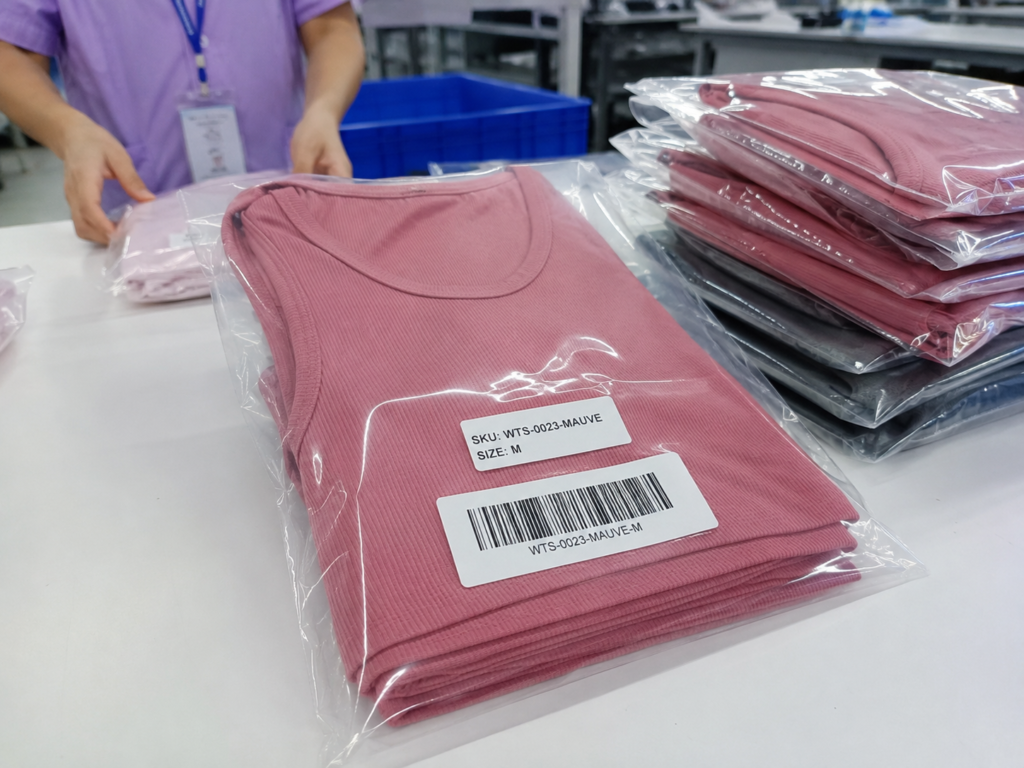
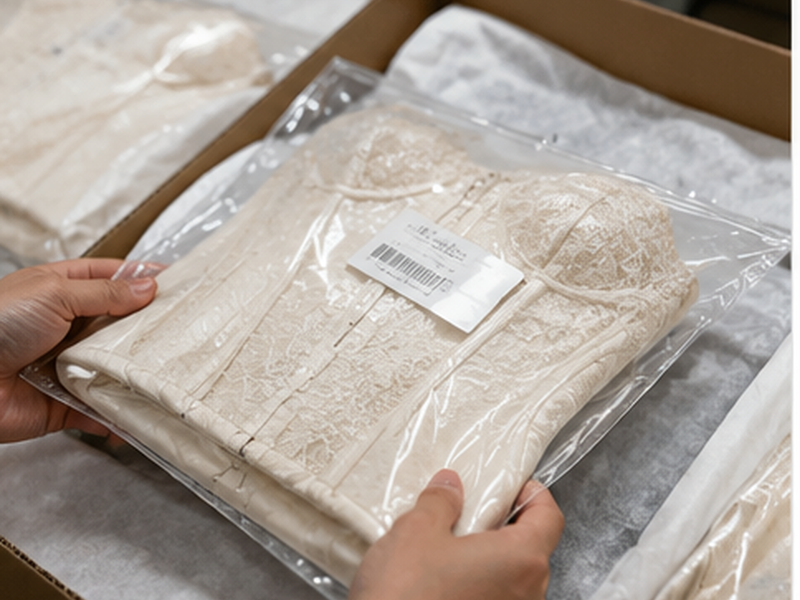
A good skirt can still look weak if finishing is inconsistent. Label placement, care content, packing method, barcode accuracy, and folding standard should be confirmed before bulk packing.
Boutique Chains
Boutique chains need commercial bodycon skirts that can sell across stores and online channels. Styles must look attractive on display while reducing return pressure from fit and comfort.
Size consistency is the main concern. Waist, hip, skirt length, hem opening, slit height, waistband stretch, and fabric recovery should be reviewed across the full size range.
Social Commerce Fashion Sellers
Social commerce sellers need bodycon skirts that perform well in short videos, live selling, creator posts, and fast launches. First orders are often controlled, but quality still matters.
Rushed development can cause transparency, weak recovery, waistband rolling, twisting seams, or unstable hems. Sample review should confirm opacity, movement comfort, waist grip, and wash behavior.
Wholesale Fashion Distributors
Wholesale fashion distributors need fitted skirt styles that are easy to understand, commercially priced, and stable for repeat retailer orders. Visual appeal and production efficiency must stay balanced.
The main risk is over-complicated development. Too many cut-outs, difficult trims, unstable fabrics, or weak waistband structures can increase defects and slow delivery.
Established Brands Expanding Fitted Skirts
Established brands adding bodycon skirts need a manufacturer that can adapt to existing size standards. Fabric level, grading rules, packaging manuals, and quality expectations must be respected.
The risk is category mismatch. General skirt production is not enough; waist-hip fit, stretch recovery, hem control, lining, and waistband stability should be reviewed early.
Fit Control Standards Behind a Strong Bodycon Skirt
Waistband Stability
A fitted skirt must stay secure without rolling, digging, or sliding. Waistband width, elastic strength, fabric recovery, seam tension, and rise height all affect wearing comfort and return risk.
- High waist or low rise
- Elastic or self-fabric waistband
- Waistband stretch and recovery
- Rolling and pressure review
- Fit check after movement
Waist-Hip Curve Balance
Bodycon skirts depend on a clean waist-to-hip transition. If the curve is too tight, the skirt pulls; if too loose, the silhouette loses shape and looks flat.
- Waist-to-hip ratio
- Hip curve shaping
- Negative ease by fabric
- Side seam position
- Size grading review
Hem and Slit Control
Hem width affects walking comfort, skirt ride-up, and lower-body shape. Slit styles need reinforcement so the opening stays clean after sitting, walking, and repeated wear.
- Hem opening width
- Mini, midi, and maxi length
- Slit height and position
- Edge reinforcement
- Walking comfort test
Sample-to-Bulk Consistency
- Approved sample record
- Fabric lot confirmation
- Pre-production sample
- Final measurement tolerance
- Repeat order handover
Bodycon Skirt Styles for Fashion Drops and Repeat Production
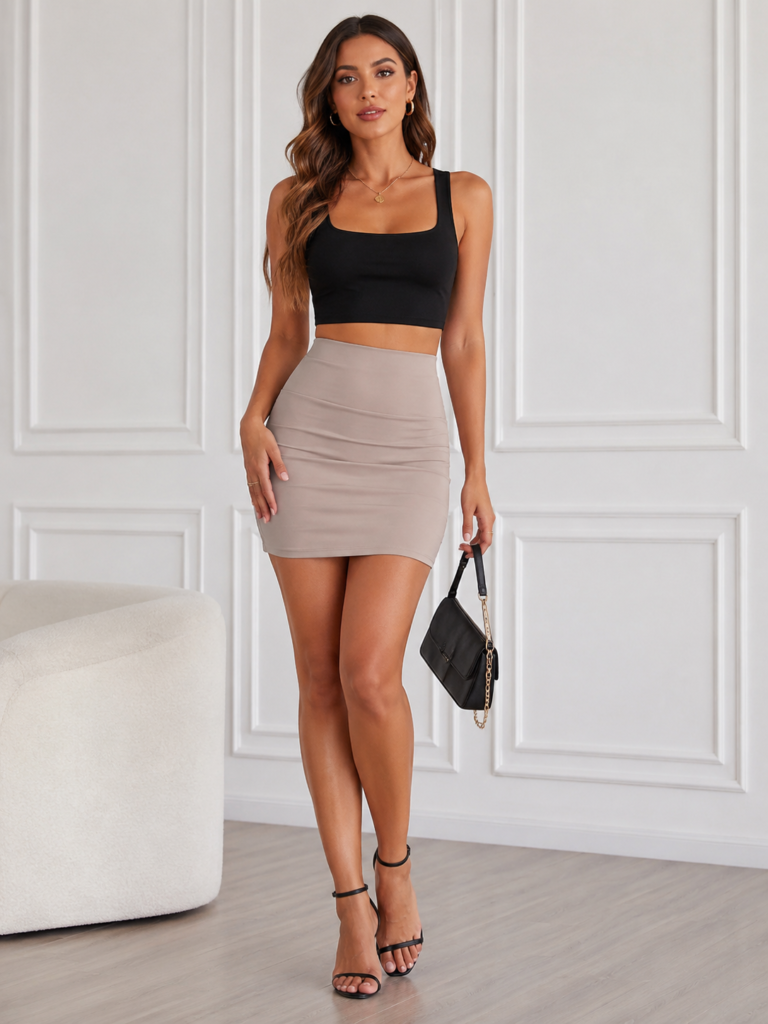
Mini Bodycon Skirt
A short fitted skirt for party, clubwear, vacation, and fast fashion drops. Length, opacity, hem grip, and ride-up control matter most.
Best For: party drops, clubwear, vacation edits
Suggested Length: 35–45 cm from waist
Fabric: 220–320 GSM jersey, rib, ponte
Stretch: 20–45% crosswise
Key Control: hem ride-up, opacity, waistband grip
Commercial Value: strong visual impact and fast color repeat potential.
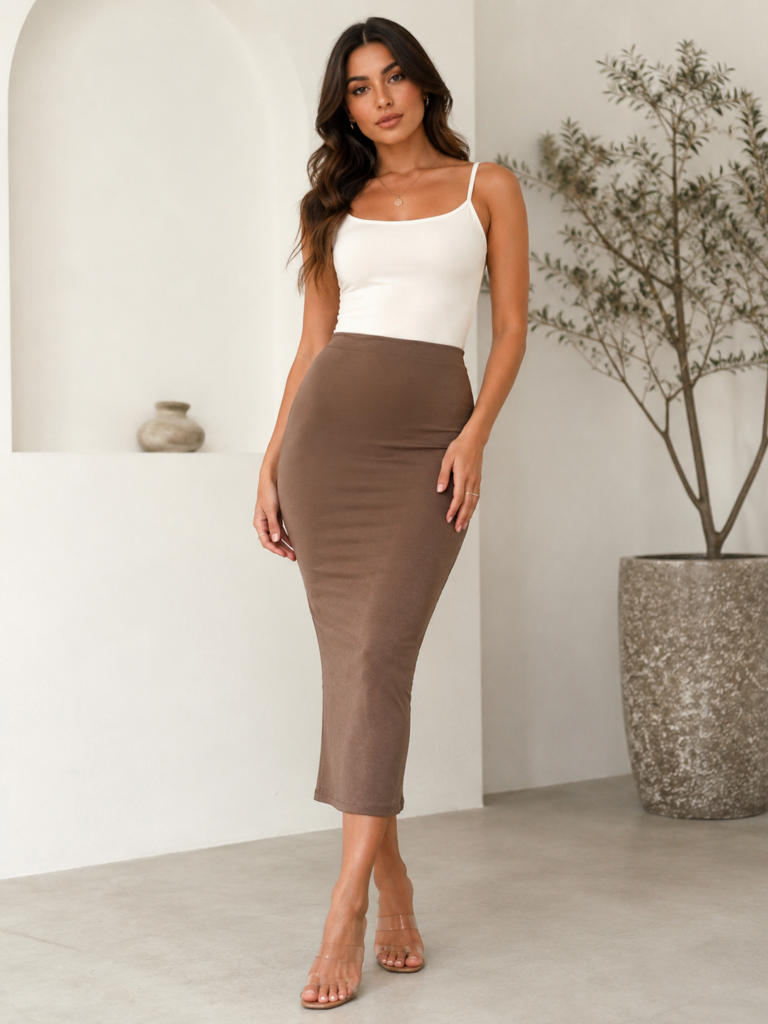
Midi Bodycon Skirt
A longer fitted skirt for polished daily looks and elevated edits. Hip curve, walking comfort, and side seam stability need strong control.
Best For: day-to-night edits, office styling, mature collections
Suggested Length: 65–85 cm from waist
Fabric: 250–380 GSM ponte, rib, compact knit
Stretch: 25–45% crosswise
Key Control: hip curve, hem width, walking comfort
Commercial Value: higher coverage and stronger repeat order value.
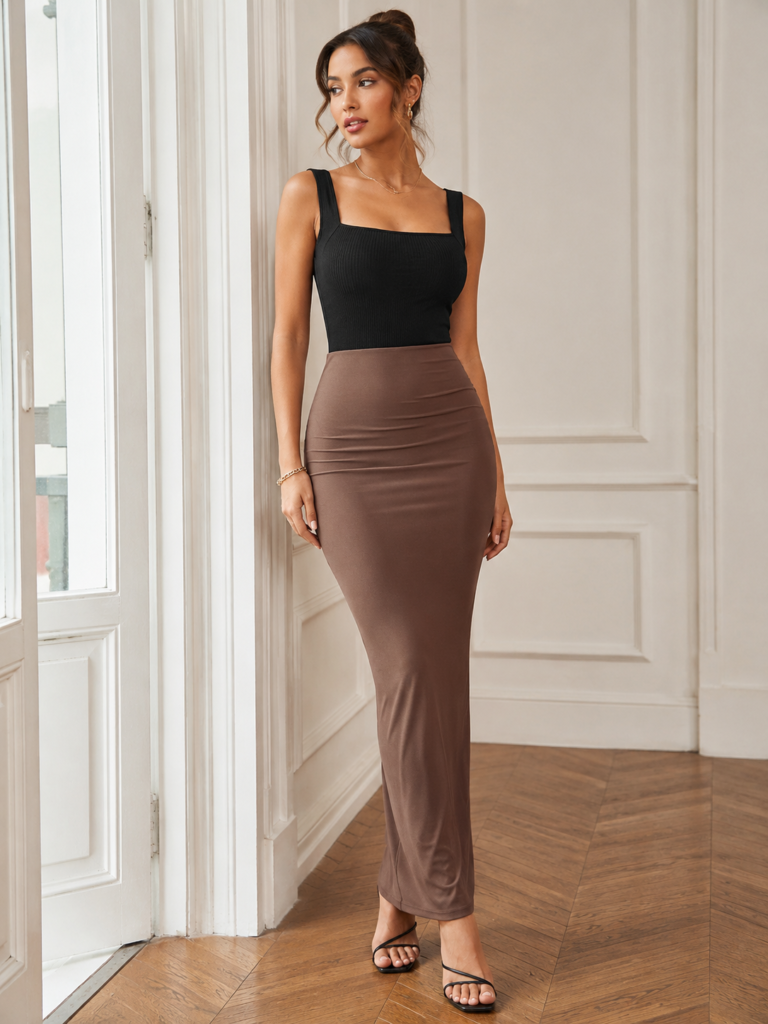
Maxi Bodycon Skirt
A long fitted skirt for resort, evening, and occasionwear collections. Fabric recovery and hem balance affect movement and lower-body shape.
Best For: resort edits, evening looks, occasionwear collections
Suggested Length: 90–105 cm from waist
Fabric: 240–360 GSM jersey, mesh-lined knit, stretch satin
Stretch: 20–35% crosswise
Key Control: length growth, slit position, hem balance
Commercial Value: elevated styling and strong campaign appeal.
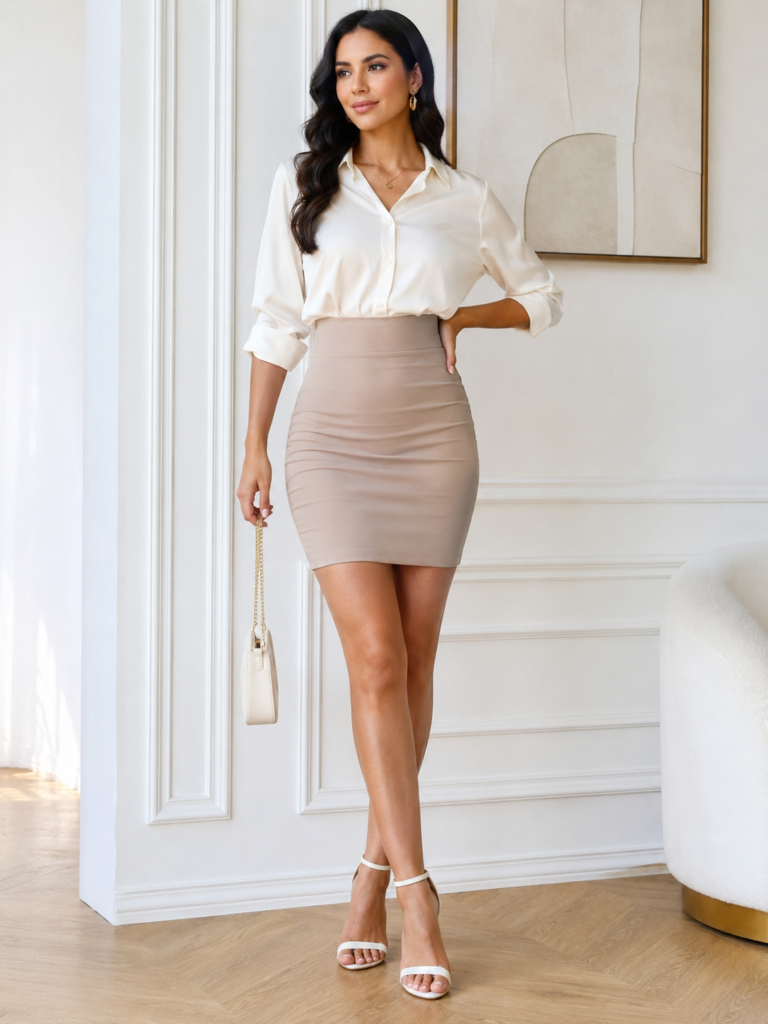
High-Waist Bodycon Skirt
A fitted skirt with stronger waist shaping and outfit versatility. Waistband structure must hold smoothly without rolling or squeezing.
Best For: matching sets, boutique edits, core fitted styles
Suggested Rise: 8–12 cm above natural waist
Fabric: 240–360 GSM rib, ponte, double knit
Stretch: 25–50% crosswise
Key Control: waistband stability, waist pressure, hip transition
Commercial Value: strong pairing value with tops and bodysuits.
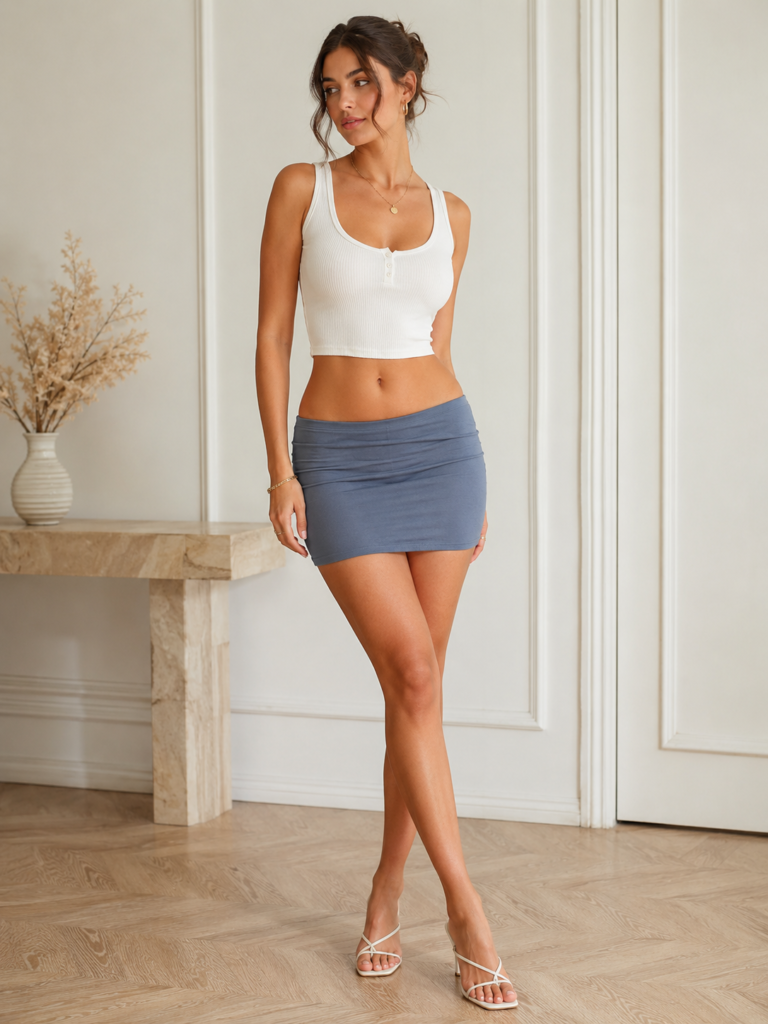
Low-Rise Bodycon Skirt
A trend-led fitted skirt for younger fashion edits and social-driven collections. Rise placement and hip security need careful fitting.
Best For: Y2K edits, clubwear, vacation drops
Suggested Rise: 3–6 cm below natural waist
Fabric: 200–320 GSM jersey, rib, slinky knit
Stretch: 30–60% crosswise
Key Control: hip grip, front rise, side seam balance
Commercial Value: strong trend value and social content appeal.
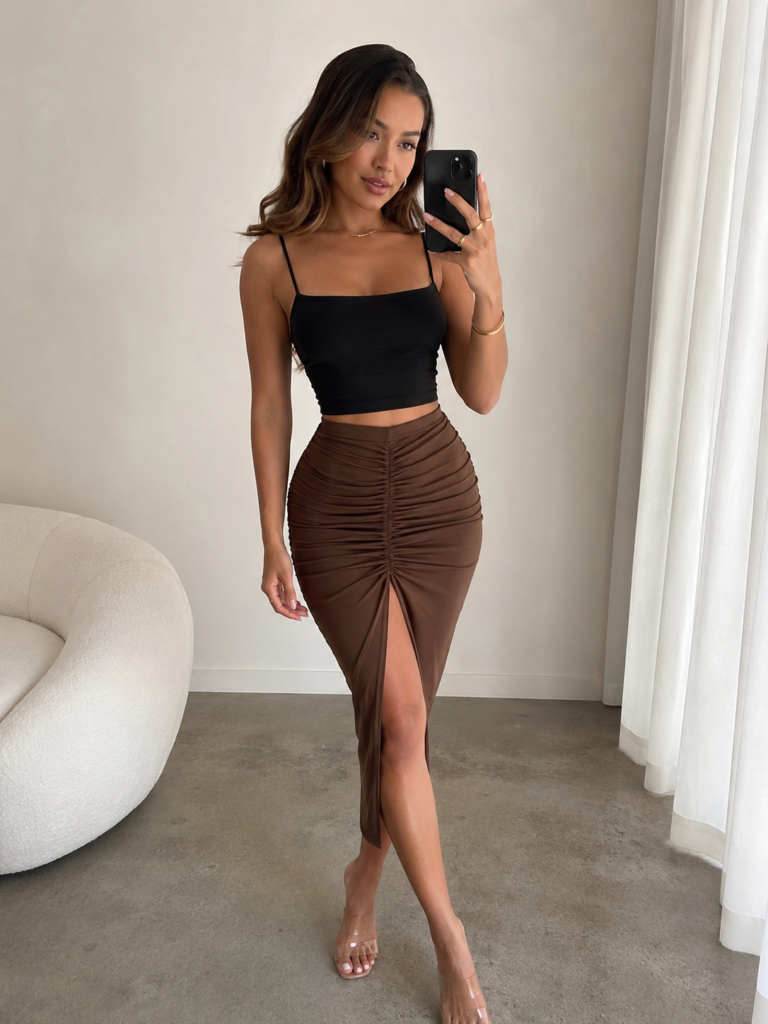
Ruched Bodycon Skirt
A textured fitted skirt that adds shape coverage and visual movement. Gathering tension must stay balanced across both sides.
Best For: partywear, social commerce, curve-focused edits
Suggested Length: mini to midi
Fabric: 180–280 GSM mesh, jersey, slinky knit
Stretch: 30–60%
Key Control: ruching tension, lining match, seam balance
Commercial Value: stronger visual texture and body-flattering effect.
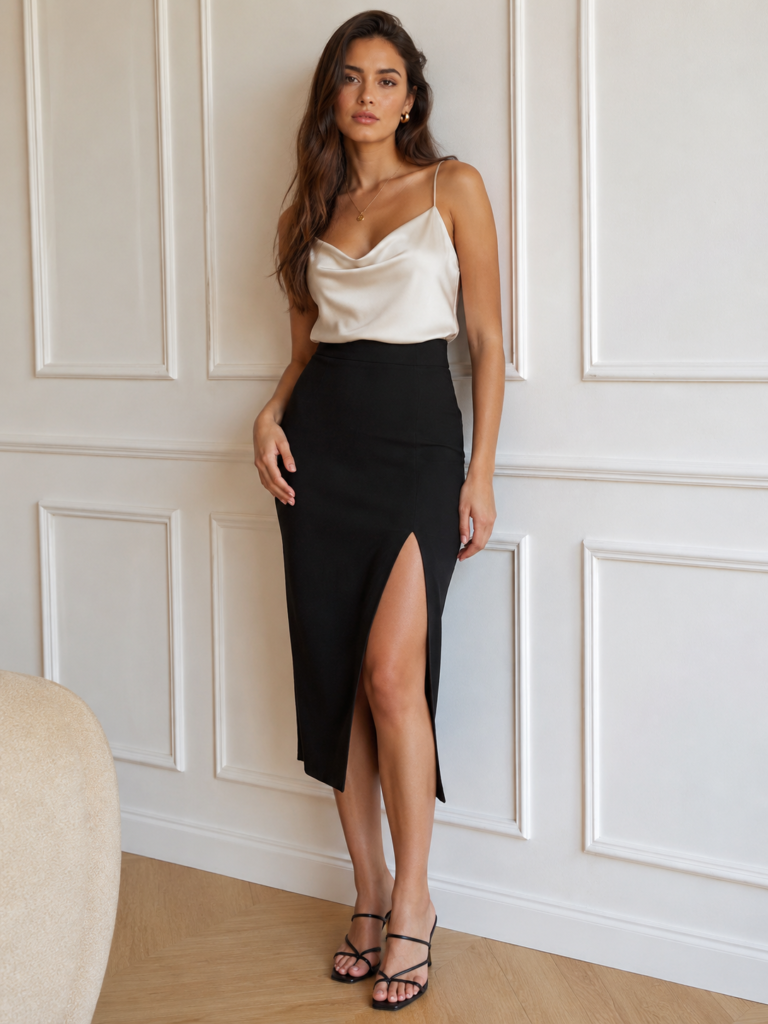
Slit Bodycon Skirt
A fitted skirt with movement and stronger styling value. Slit height, edge reinforcement, and hem width must support walking comfort.
Best For: occasionwear, evening edits, resort collections
Suggested Slit: side, front, back, or asymmetric
Fabric: 220–360 GSM ponte, jersey, stretch satin
Stretch: 20–40% crosswise
Key Control: slit reinforcement, opening balance, hem stability
Commercial Value: adds styling impact without changing the full block.

Fold-Over Waist Bodycon Skirt
A soft waist-detail skirt for casual and lounge-inspired styling. Fold width, waistband recovery, and waist pressure need careful control.
Best For: casual drops, resort looks, matching sets
Suggested Length: mini or midi
Fabric: 220–340 GSM rib, jersey, soft double knit
Stretch: 30–60% crosswise
Key Control: fold stability, waist recovery, bulk control
Commercial Value: relaxed styling with strong repeat potential.

Rib Knit Bodycon Skirt
A textured fitted skirt for casual core collections and seasonal basics. Rib direction, stretch recovery, and shrinkage control affect final shape.
Best For: daily wear, long sleeve sets, core color programs
Suggested Length: mini, midi, or maxi
Fabric: 220–340 GSM rib knit
Stretch: 30–60% crosswise
Key Control: rib direction, recovery, size stability
Commercial Value: strong basic category with color repeat value.

Mesh Overlay Bodycon Skirt
A layered fitted skirt with soft visual depth and partywear appeal. Outer mesh and lining must stretch together for smooth wearing.
Best For: sheer edits, partywear, ruched skirt programs
Suggested Length: mini to midi
Fabric: 80–180 GSM mesh with stretch lining
Stretch: 40–80% depending on mesh
Key Control: lining match, edge finish, transparency
Commercial Value: high visual value with controlled coverage.
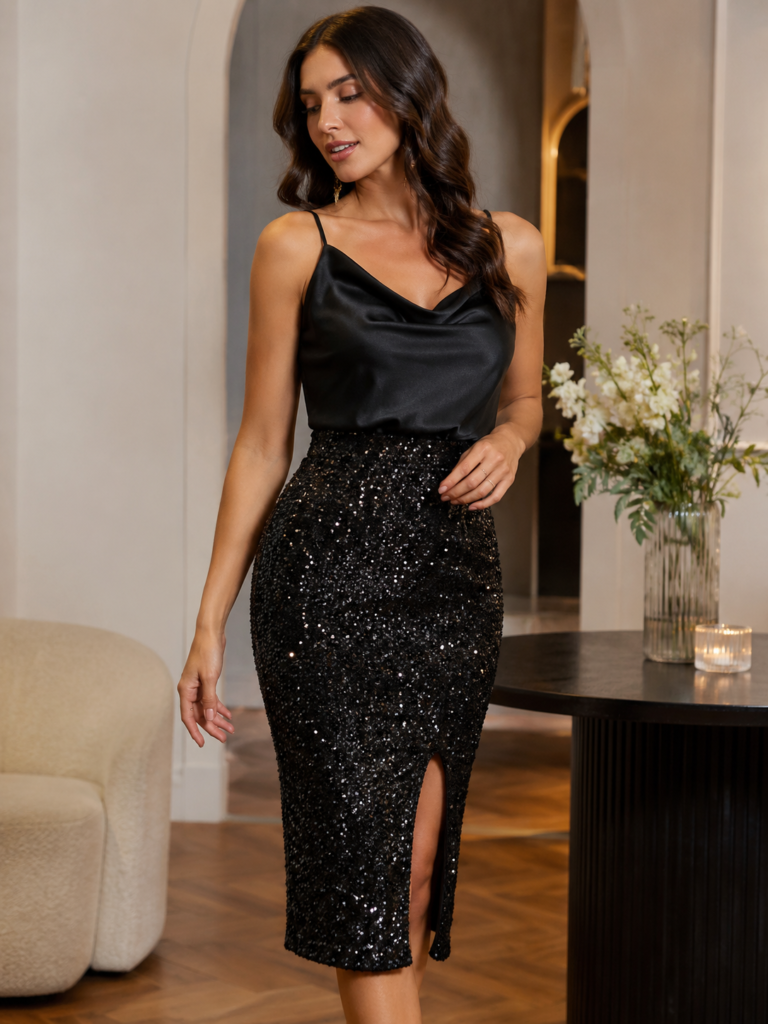
Sequin Bodycon Skirt
A high-impact skirt for holiday, festival, and event collections. Lining comfort, sequin loss, and seam bulk need control from sampling.
Best For: partywear, holiday drops, event styling
Suggested Length: mini or midi
Fabric: 180–300 GSM stretch sequin mesh
Stretch: 10–30% depending on backing
Key Control: scratchy seams, lining, needle damage
Commercial Value: strong seasonal impact and campaign value.
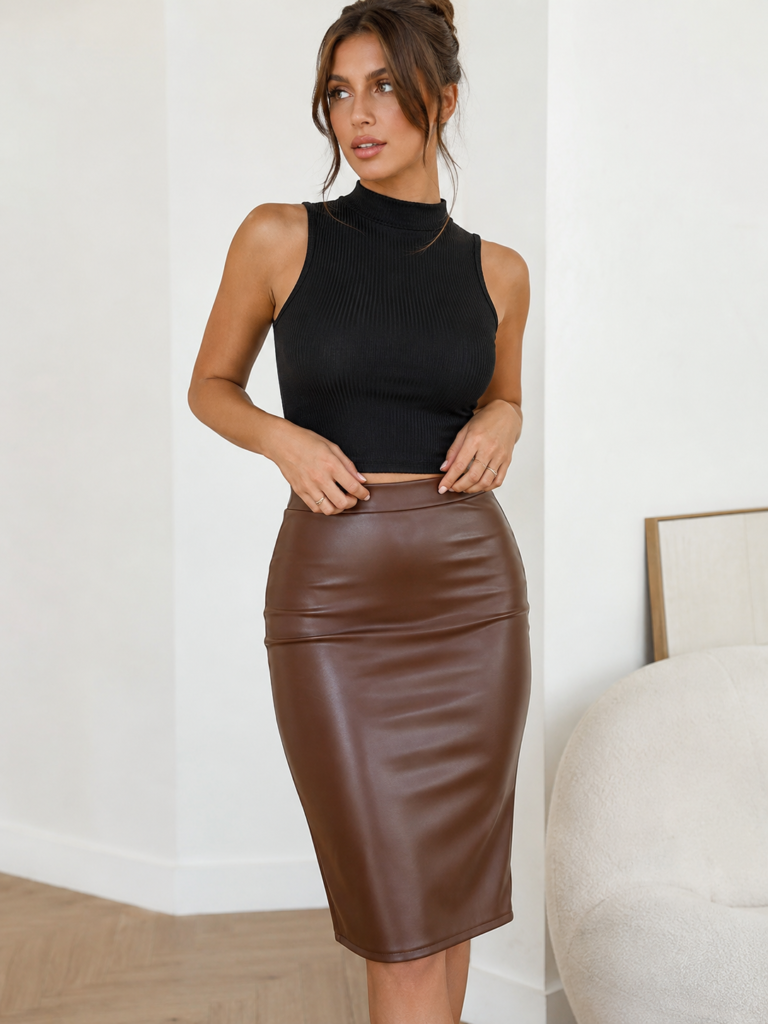
Faux Leather Bodycon Skirt
A structured fitted skirt for streetwear, partywear, and elevated fashion edits. Surface marks, seam pressure, and stretch level need careful handling.
Best For: clubwear, street styling, premium capsule edits
Suggested Length: mini or midi
Fabric: 240–420 GSM stretch faux leather
Stretch: 10–30%
Key Control: seam bulk, surface marks, waistband comfort
Commercial Value: higher perceived value and strong styling identity.
Fabric Options for Bodycon Skirt Fit and Surface Performance

Ponte Knit
A structured knit for clean bodycon skirts that need shape, coverage, and stable recovery. It works well for midi, slit, and polished fitted styles.
Best For: midi skirts, high-waist skirts, clean fitted styles
GSM Range: 260–380
Stretch: 20–40% crosswise
Recovery: high with stable elastane
Opacity: strong
Shrinkage Target: 3–5% after testing
Production Risk: heavy quality may restrict movement.
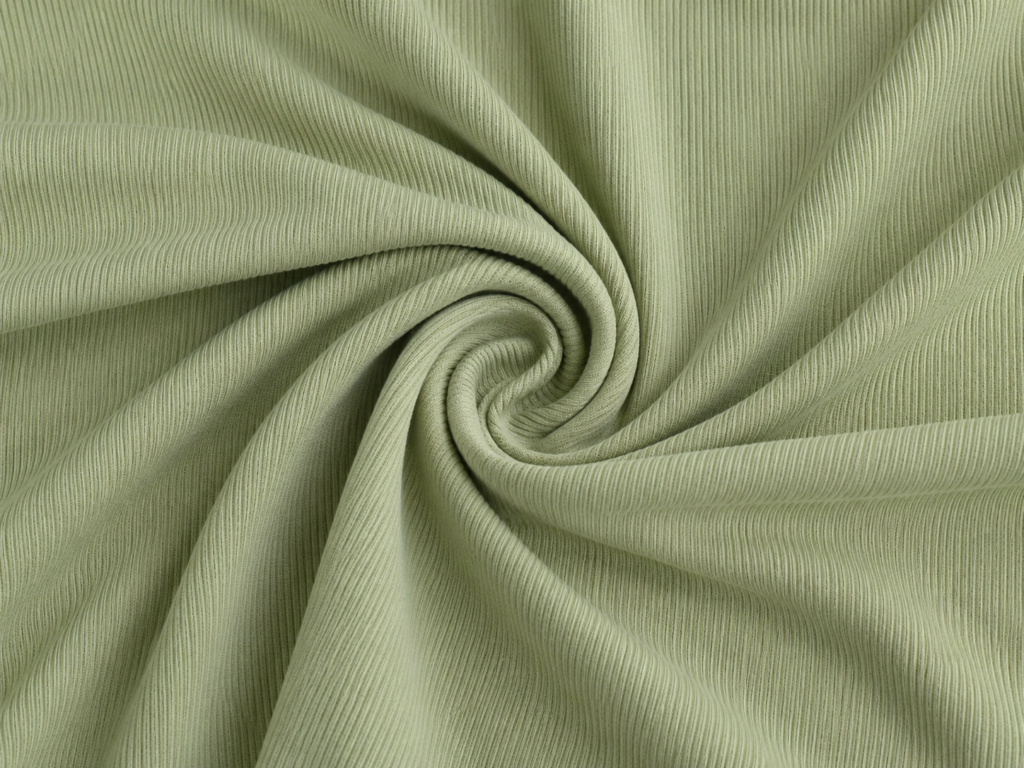
Rib Knit
A textured stretch fabric for casual fitted skirts and matching sets. Rib lines add vertical shape, but cutting direction must stay consistent.
Best For: daily skirts, fold-over waist styles, matching sets
GSM Range: 220–340
Stretch: 30–60% crosswise
Recovery: medium to high
Opacity: medium to strong
Shrinkage Target: pre-shrink review recommended
Production Risk: rib direction and shrinkage need control.
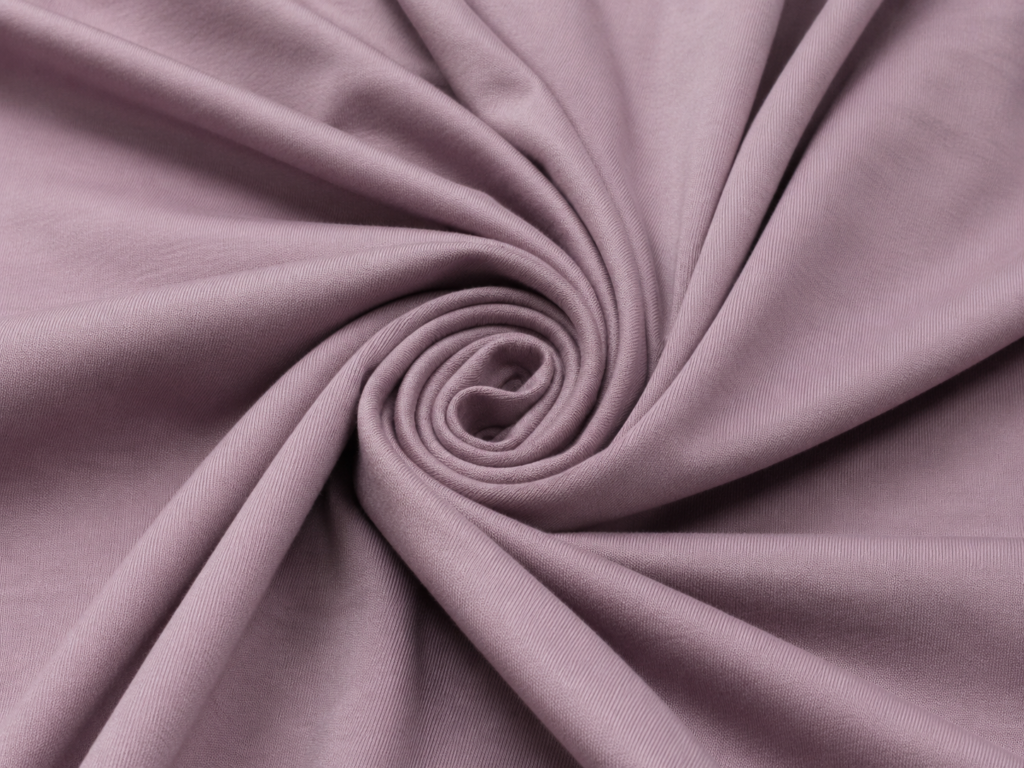
Stretch Jersey
A soft flexible fabric for lightweight bodycon skirts and fast seasonal drops. It moves well, but opacity and hem stability require review.
Best For: mini skirts, ruched skirts, casual fitted styles
GSM Range: 180–280
Stretch: 30–70% depending on blend
Recovery: varies by elastane and knit density
Opacity: medium
Shrinkage Target: wash test before approval
Production Risk: twisting, transparency, uneven hem stretch.

Power Mesh
A sheer stretch fabric for ruched, layered, and lined bodycon skirts. It creates softness and depth when matched with suitable lining.
Best For: mesh overlay skirts, ruched skirts, partywear styles
GSM Range: 80–180
Stretch: 40–80%
Recovery: medium to high
Opacity: low without lining
Shrinkage Target: test with lining together
Production Risk: edge finishing and snagging need control.

Stretch Velvet
A soft pile fabric for winter, holiday, and evening fitted skirts. Rich surface color works well, but panel direction must stay controlled.
Best For: evening skirts, winter drops, holiday edits
GSM Range: 220–340
Stretch: 20–40% crosswise
Recovery: medium to high
Opacity: strong in darker colors
Shrinkage Target: test before cutting
Production Risk: pile direction and pressure marks.
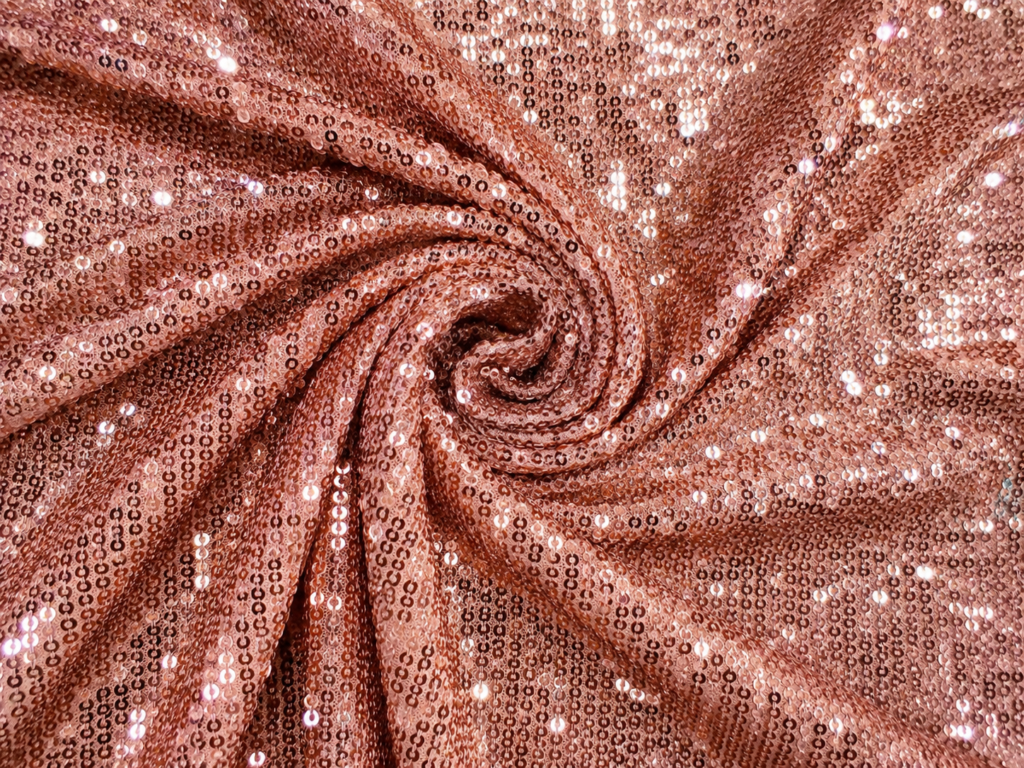
Stretch Sequin
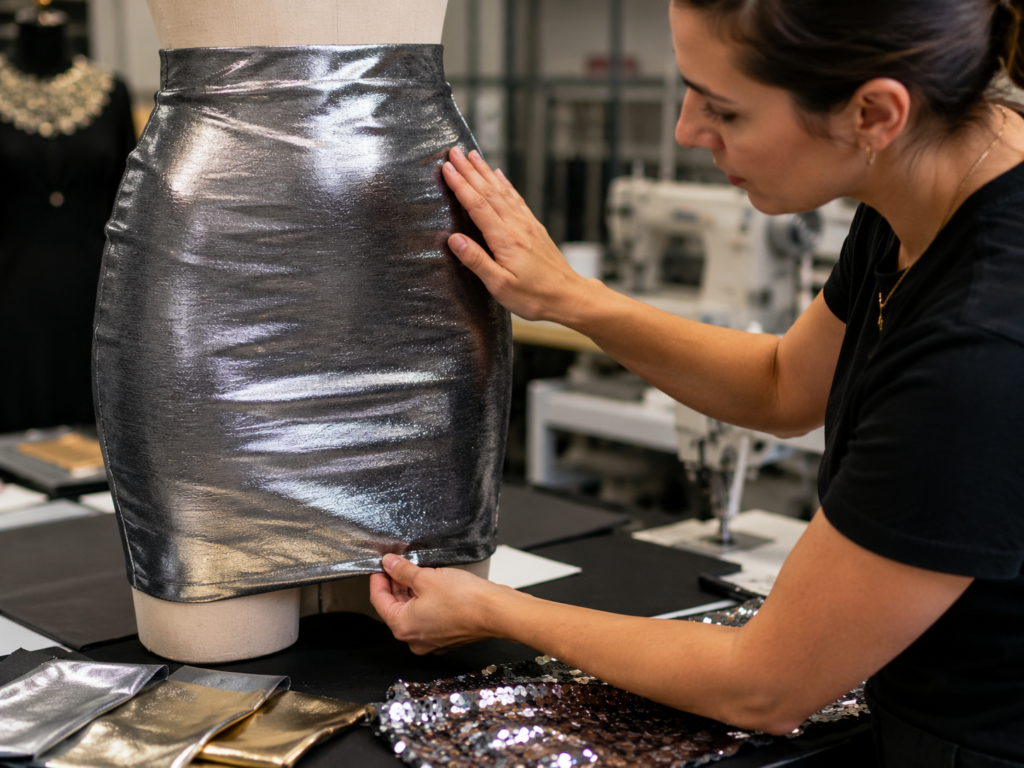
A high-impact surface fabric for party and event bodycon skirts. It adds strong shine but needs lining and seam comfort control.
Best For: partywear skirts, festival styles, holiday drops
GSM Range: 180–300
Stretch: 10–30% depending on backing
Recovery: lower than plain knit
Opacity: medium; lining recommended
Shrinkage Target: test backing and lining together
Production Risk: sequin loss, scratchy seams, needle breakage.

Stretch Satin
A smooth fabric for polished fitted skirts and occasionwear styling. It gives refined shine, but seam puckering and stress points need attention.
Best For: slit skirts, evening skirts, occasionwear capsules
GSM Range: 160–260
Stretch: 10–25%
Recovery: medium
Opacity: medium to strong in darker colors
Shrinkage Target: fabric test before sample approval
Production Risk: seam puckering and shine marks.
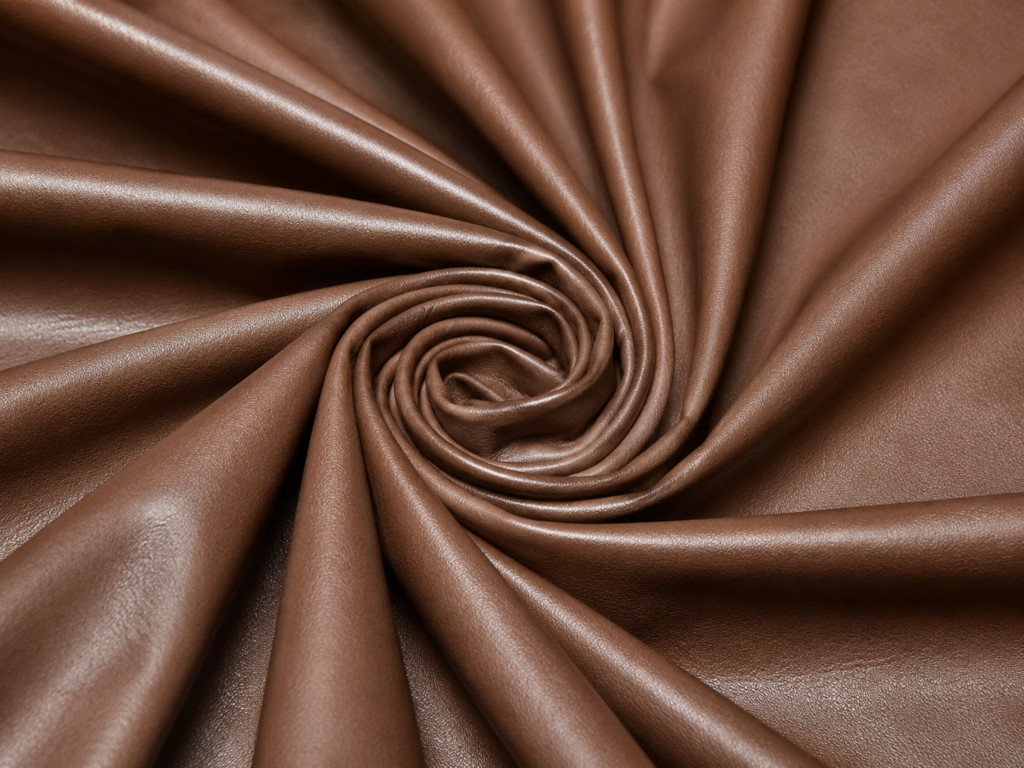
Stretch Faux Leather
A structured surface fabric for streetwear and clubwear bodycon skirts. It creates stronger styling value but needs careful sewing and pressing.
Best For: mini skirts, slit skirts, premium fashion edits
GSM Range: 240–420
Stretch: 10–30%
Recovery: medium
Opacity: strong
Shrinkage Target: surface test before cutting
Production Risk: needle marks, heat marks, seam bulk.
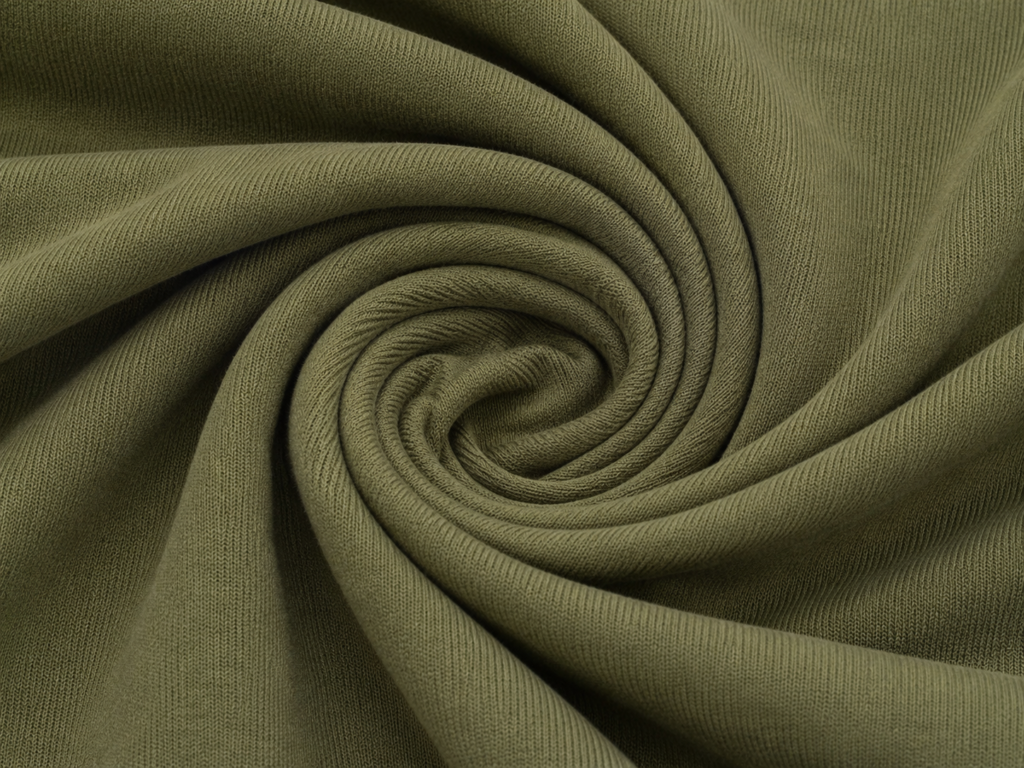
Compact Double Knit
A stable knit for premium fitted basics and repeat core skirt programs. It gives good coverage, clean surface, and reliable recovery.
Best For: core midi skirts, high-waist styles, repeat orders
GSM Range: 240–360
Stretch: 25–45%
Recovery: high with stable elastane
Opacity: strong
Shrinkage Target: 3–5% after testing
Production Risk: fabric lot consistency across repeat orders.
Fabric Techniques for Strong Bodycon Skirt Visual Value

Digital Printing

Heat Transfer Printing

Embroidery Details

Sequin Surface

Mesh Layering
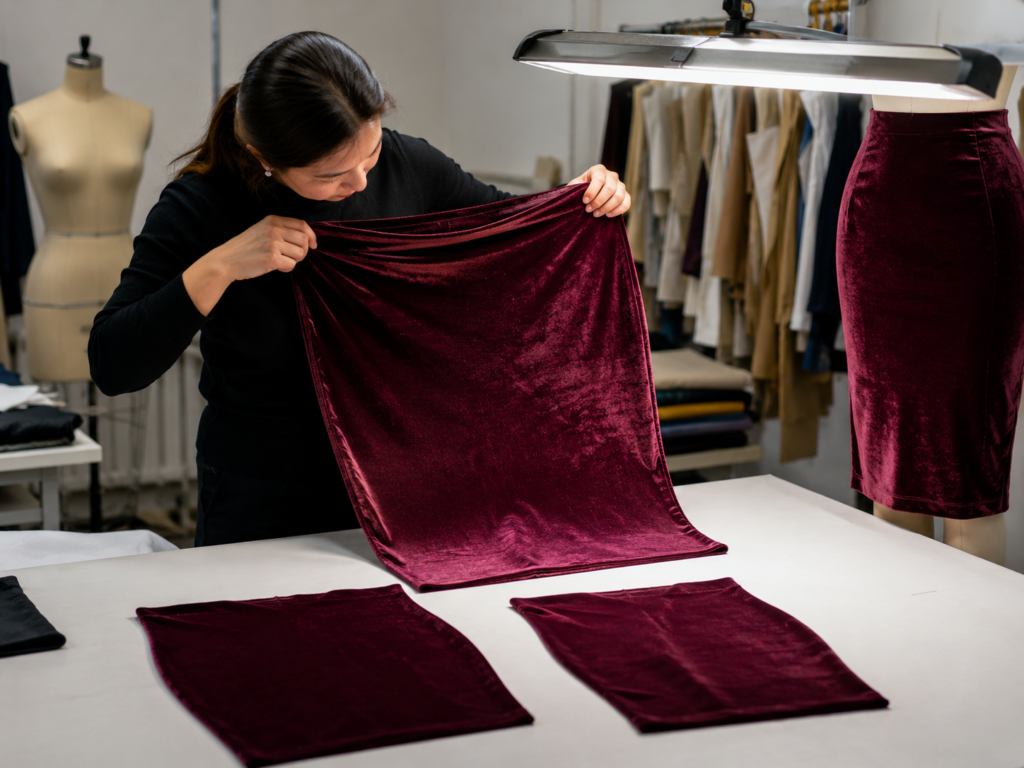
Velvet Surface Control
Foil and Metallic Finish

Rhinestone Placement
Private Label Details for Better Skirt Brand Presentation

Main Label

Size Label
The size label helps customers, warehouse teams, and store teams identify each skirt quickly. Clear size marking reduces confusion during packing, selling, returns, and restocking, especially when one style has several colors and sizes.

Care Label

Hangtag
Barcode and SKU Sticker
Polybag

Carton Mark
Folding and Hanger Packing
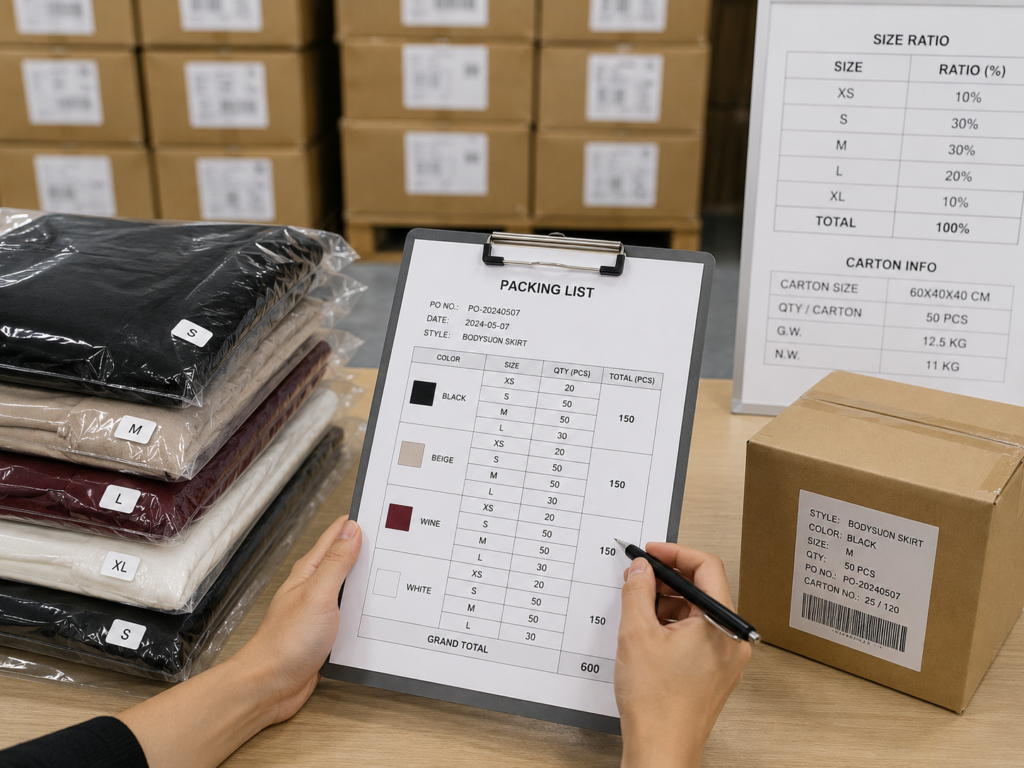
Size Ratio and Packing List
Sample Development Process for Custom Bodycon Skirts

Design Review
Reference images, sketches, tech packs, or sample garments are reviewed to confirm skirt length, waist height, fit direction, surface effect, and selling purpose. Clear design input helps the development team understand both visual style and production risk before sampling.
- development notes and sample direction
- waist, hip, length, hem, fabric type

Fabric and Trim Matching
Fabric, lining, elastic, zipper, trim, and label options are matched to the skirt shape and target price level. Stretch, recovery, GSM, opacity, hand feel, and shrinkage should be checked before the first sample is made.
- fabric and trim selection
- stretch ratio, hand feel, opacity, shrinkage

Pattern Making
The first pattern is developed based on waist-hip fit, fabric behavior, skirt length, and construction details. Bodycon skirts need controlled negative ease, balanced side seams, stable waistband shape, and enough comfort for walking or sitting.
- first pattern and cutting file
- waist-hip curve, seam placement, hem width
First Sample Making
The first physical sample is made to check fit, shape, fabric response, sewing method, and surface appearance. Jinfeng’s sample rooms, pattern makers, and sample makers support fitted skirt development from reference to wearable sample.
- first physical sample
- fit, seam tension, fabric behavior, finish

Fit and Comment Review
The first sample is reviewed on body or dress form. Comments usually focus on waistband grip, hip curve, skirt length, hem opening, slit height, lining comfort, zipper function, and overall wearing proportion.
- fitting comments and revision list
- waist stability, movement, comfort, photo effect
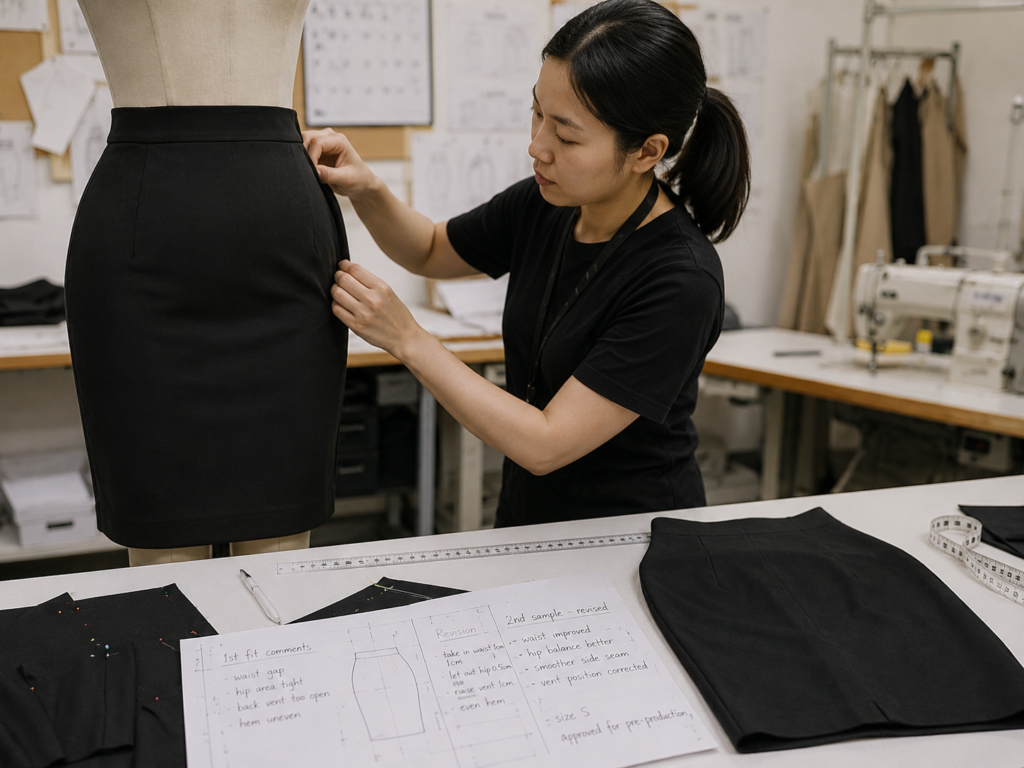
Revised Sample
Pattern and construction are adjusted according to confirmed comments. Ruched, slit, sequin, faux leather, mesh, or lined bodycon skirts may need more review to confirm surface behavior and structure stability.
- corrected sample
- revised measurements, construction changes, surface control
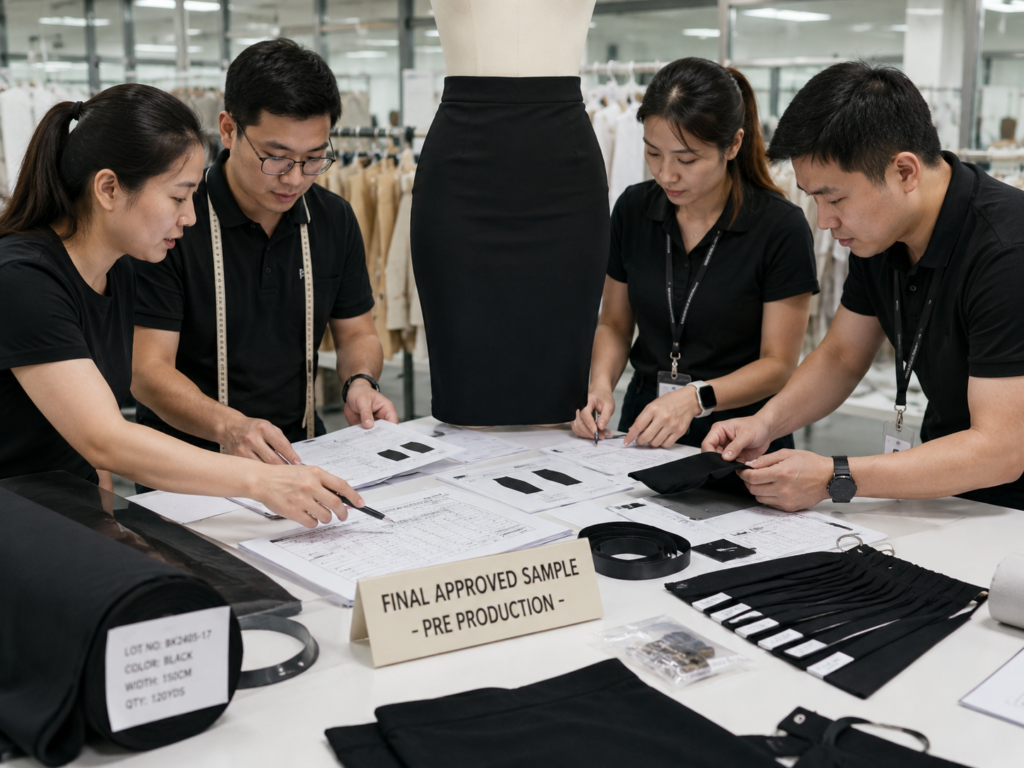
Pre-Production Sample
The pre-production sample confirms final bulk standard before cutting begins. Fabric lot, waistband method, trims, label placement, sewing details, slit finish, surface handling, and packing method should match the approved order file.
- production-ready sample
- approved fabric, approved pattern, approved finish
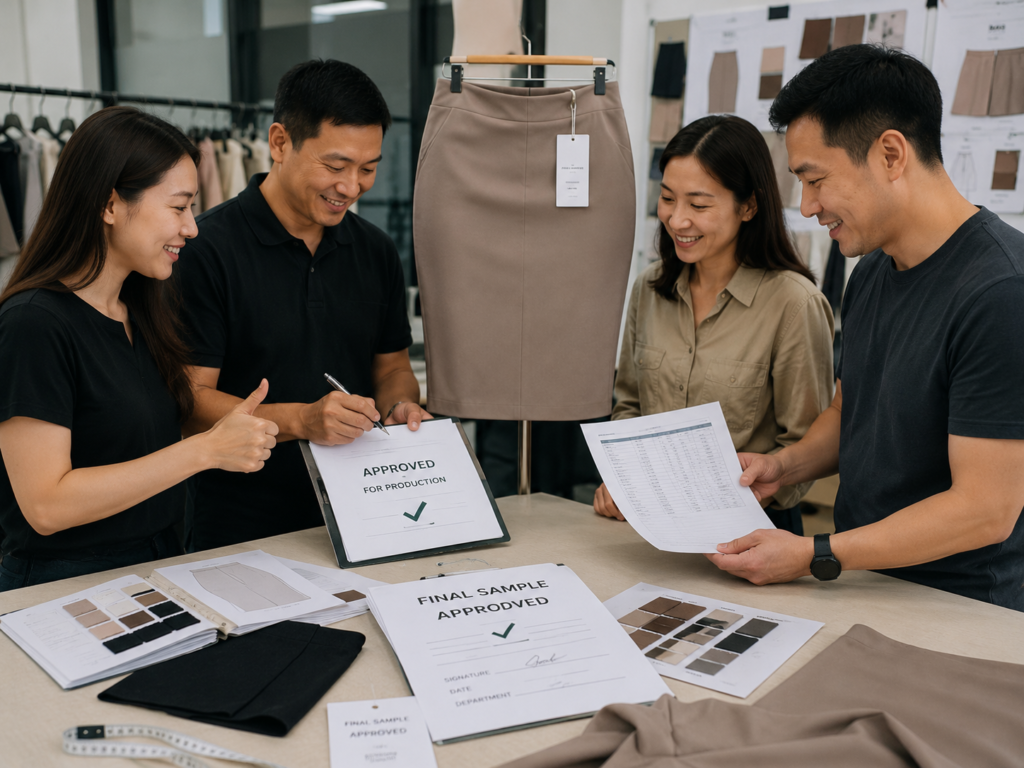
Final Sample Approval
Final approval locks fit, measurements, fabric, construction, branding, and packing details. The approved sample becomes the reference for production, inspection, shipment release, and future repeat bodycon skirt orders.
- approved sample record
- sample comments, size spec, fabric record
Bulk Production Process for Bodycon Skirt Orders

Order Confirmation
- confirmed production file
- style, color, size, quantity, packing

Bulk Material Preparation
- ready production materials
- color, GSM, stretch, shrinkage, trims

Pre-Production Meeting
- production instruction record
- waistband, seams, slits, lining, surface fabric

Cutting Control
- cut panels ready for sewing
- panel direction, size accuracy, fabric defects

Sewing Line Production
- assembled skirts
- waist seam, side seam, zipper, slit, hem

Inline Inspection
- production issue correction
- measurements, seams, labels, visible defects

Final Finishing
- finished skirts
- surface marks, loose threads, shape, measurement

Packing and Shipment
- packed shipment
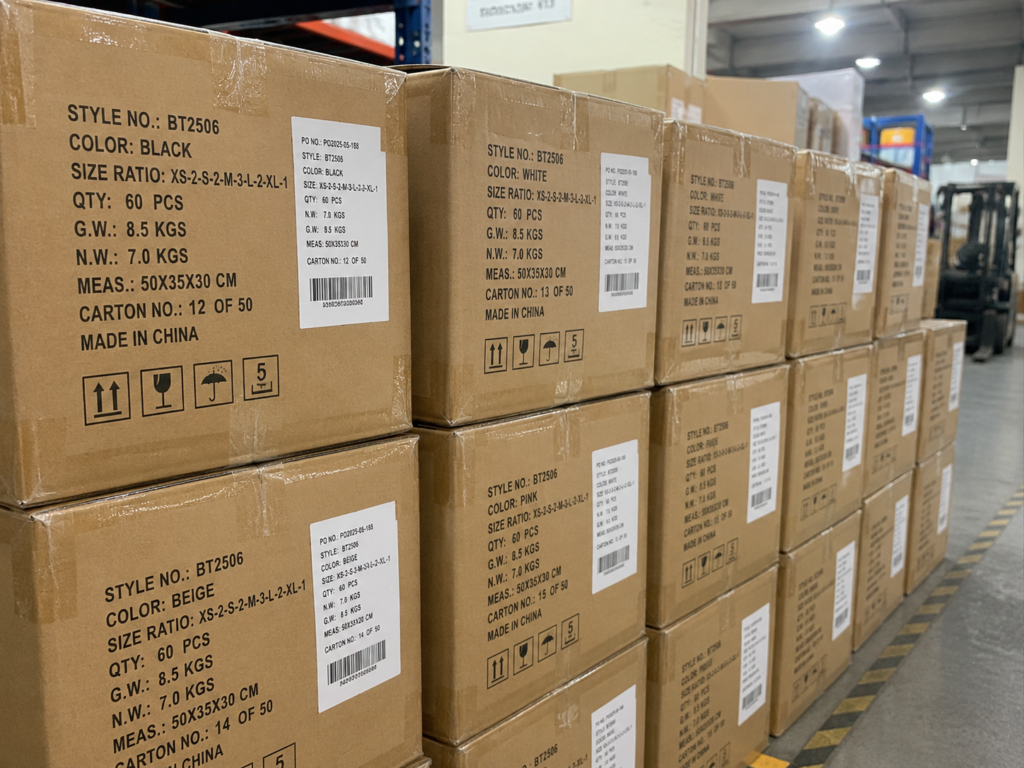
- SKU, size ratio, carton details, packing list
MOQ, Lead Time and Shipping for Bodycon Skirt Orders
Order planning depends on skirt complexity, fabric availability, sample approval, quantity, branding details, and delivery schedule. Jinfeng supports controlled test orders, repeat programs, and scale-up production for fitted skirt collections.
| Production Item | Standard Range | Best Use |
|---|---|---|
| Small Order MOQ | 300–500 pcs | First bodycon skirt test orders, boutique drops, controlled launches |
| Medium Order | 1,000–5,000 pcs | Seasonal collections, color expansion, repeat fitted skirt styles |
| Large Order | 5,000+ pcs | Stable programs, wholesale supply, scale-up production |
| Regular Sample Time | 5–10 days | Simple fitted skirts with available fabrics and trims |
| Complex Sample Time | 7–15 days | Ruched, slit, lined, sequin, velvet, faux leather styles |
| Simple Bulk Production | 15–25 days | Basic mini skirts, clean fitted styles, simple construction |
| Regular Bulk Production | 25–35 days | Most bodycon skirt orders with standard details and branding |
| Complex Bulk Production | 35–45 days | Sequin, faux leather, slit, lined, or multi-process styles |
| Monthly Capacity | Around 300,000 pcs | Multi-style production and repeat order planning |
| Extra Capacity Space | 50,000–80,000 pcs | Scale-up support after strong sales performance |
| Standard Payment | 50% deposit + 50% before shipment | Common apparel production arrangement |
| Flexible Arrangement | Case by case | Long-term orders, split shipments, rolling production plans |
Shipping Options
| Shipping Method | Standard Time | Best Use |
|---|---|---|
| Air Freight | 7–15 days | Launch-sensitive orders, mid-volume shipments, seasonal deadlines |
| Sea Freight | 20–35 days | Larger bulk orders, planned inventory, lower freight cost per unit |
| Land / Courier Delivery | 5–7 days | Samples, urgent small shipments, DDP routes, last-mile delivery support |
Quality Inspection Points for Bodycon Skirt Production
Fabric Inspection
Measurement Check
Waistband Check
Seam Strength Check
Surface Appearance Check
Lining and Comfort Check
Label and Packing Check
Final Random Inspection
Factory Safety and Compliance for Bodycon Skirt Production
Production Area Management
Fabric and Trim Control
Cutting Room Control
Sewing Line Safety
Needle and Tool Management
Pressing and Heat Control
Packing Area Control
Order Documentation
Production Scale-Up Planning for Repeat Bodycon Skirt Orders
Test Order Control
Fit Block Preservation
Fabric Lot Planning
Production Line Allocation
Capacity Expansion Support
Repeat Order Handover
Why Jinfeng Fits Custom Bodycon Skirt Programs
Women’s Fashion Focus
Fitted Style Experience
Sample Development Support
Waist-Hip Fit Understanding
Fabric and Trim Coordination
Multi-Factory Structure
Bulk Production Capacity
Order Size Flexibility
Bodycon Skirt Project Examples for Fashion Brands
Bodycon skirt projects often start from reference images, sample garments, size charts, or early collection ideas. The examples below show common fitted skirt development situations. Client names can remain confidential when required.
Case 1|United States Online Fashion Label
Project Overview
- Contact Role: Product Development Manager
- Client Name: Confidential
- Market: United States
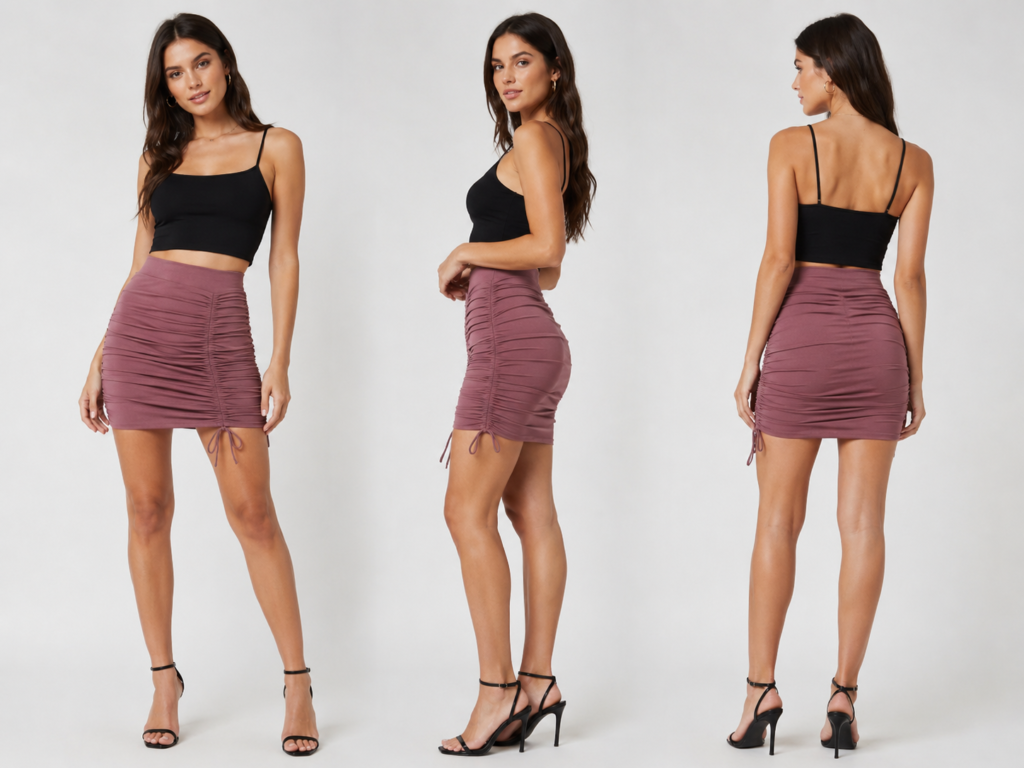
- Product: Ruched mini bodycon skirt
- Starting Point: Reference images + target measurements
- Initial Order: 300 pcs per color
- Key Service: fabric matching, ruching balance, waistband review, small order launch
Challenge
The label needed a fitted mini skirt with strong visual texture for an online drop. The main concerns were uneven ruching, weak opacity, waistband rolling, and hem ride-up after movement.
Solution
Sample development focused on mesh and lining compatibility, gathering tension, waistband recovery, side seam balance, and skirt length. The approved sample record was kept for later color repeat planning.
Result
- Controlled first order for market testing
- Improved ruching balance during sample review
- Waistband and hem comments recorded
- Clear path for repeat colorways
Case 2|United Kingdom Occasionwear Label
Project Overview
- Contact Role: Sourcing Manager
- Client Name: Confidential
- Market: United Kingdom
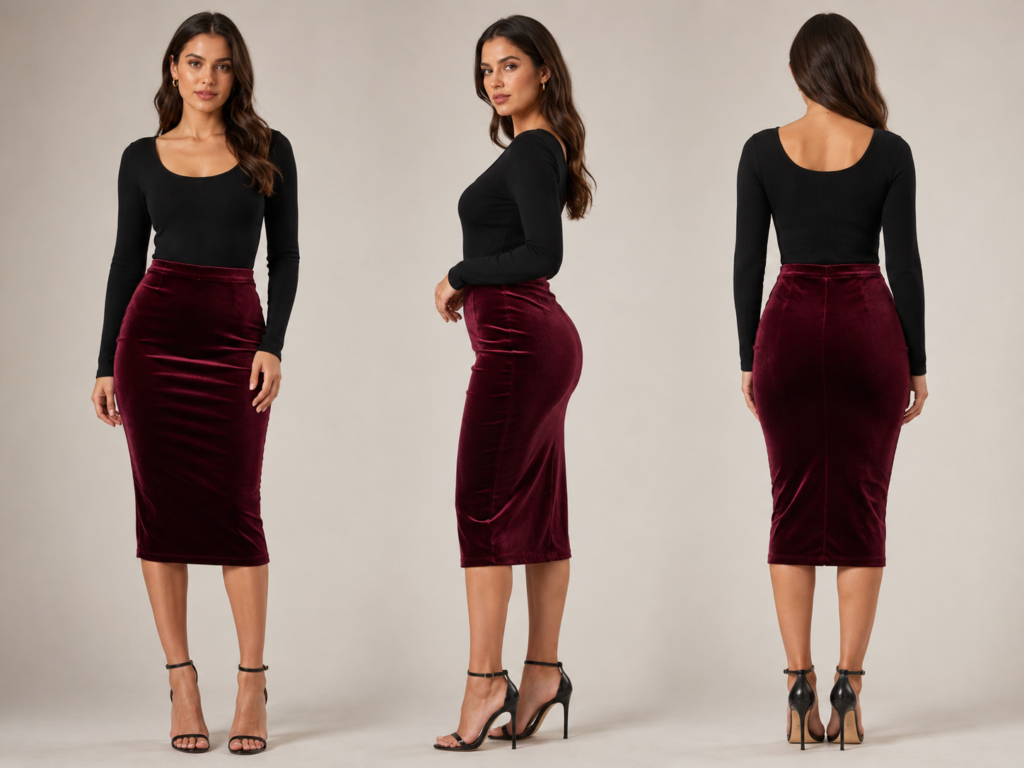
- Product: Velvet midi bodycon skirt
- Starting Point: Tech pack + fabric direction
- Initial Order: 1,000 pcs per style
- Key Service: velvet direction control, lining review, waistband construction, bulk planning
Challenge
The label needed a polished fitted skirt with a rich surface and clean lower-body shape. The main risks were pile direction, shade variation, pressure marks, and unstable side seams.
Solution
Production preparation focused on one-way cutting, gentle pressing, stretch lining match, waistband comfort, and final surface inspection. Packing instructions were adjusted to reduce pressure marks during transit.
Result
- Velvet surface direction controlled before cutting
- Lining and stretch reviewed together
- Packing method adjusted for surface protection
- Production standard saved for repeat styles
Case 3|Australia DTC Fashion Brand
Project Overview
- Contact Role: Founder / Creative Director
- Client Name: Confidential
- Market: Australia
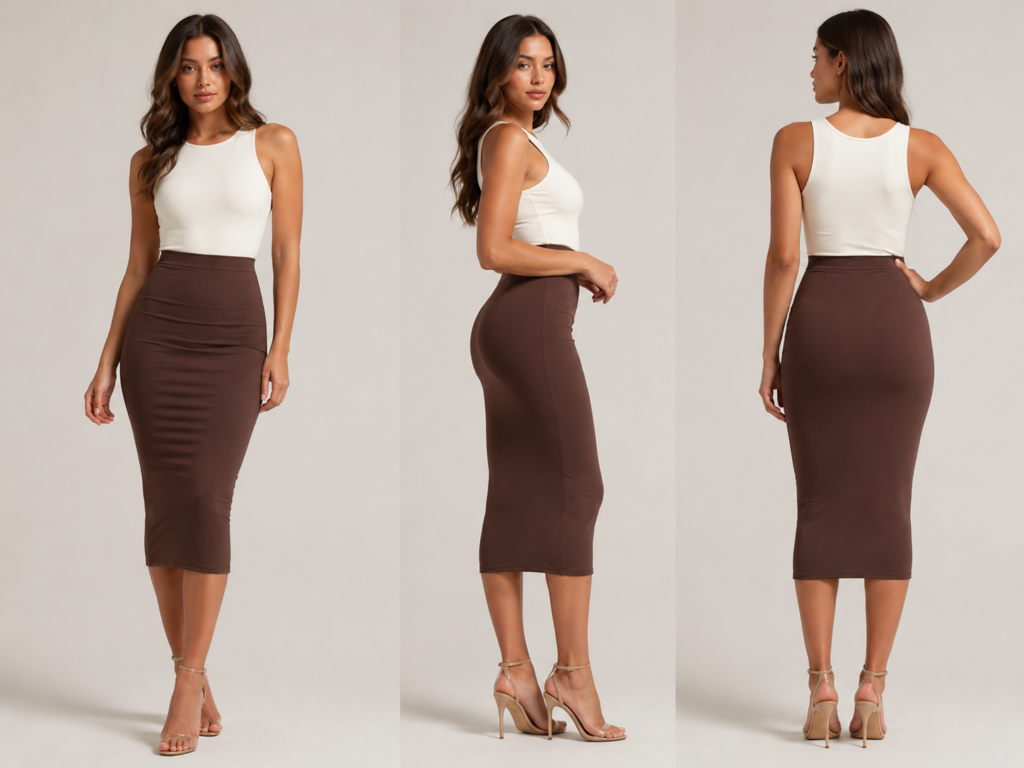
- Product: Sculpting midi bodycon skirt
- Starting Point: Reference images + size chart
- Initial Order: 300 pcs per style
- Scale Plan: 3,000+ pcs per style after sales validation
- Key Service: MOQ planning, grading, fabric consistency, scale-up preparation
Challenge
The brand wanted to test a new fitted skirt with a controlled first order while keeping a clear route for larger production if the style performed well.
Solution
Development started with sample review, approved fit notes, waistband testing, fabric direction, and size grading. Production files were prepared to support later scale-up without changing the approved skirt fit.
Result
- 300 pcs test order structure prepared
- Fit block and grading comments recorded
- Repeat production file established
- Scale-up plan aligned with capacity planning
Custom Bodycon Skirt Manufacturing FAQ
Develop Bodycon Skirts With A Factory Built For Fit
A successful bodycon skirt program needs more than basic sewing. Waist grip, hip curve, fabric stretch, pattern balance, seam tension, lining, waistband stability, surface finish, size grading, and repeat production all need to be controlled from the first sample.
Jinfeng supports custom bodycon skirt development, private label production, and bulk manufacturing from Dongguan. Send a reference image, sample garment, size chart, or tech pack to start a clear development plan.
- Mini, midi, and maxi bodycon skirts
- High-waist, low-rise, ruched, slit, and fold-over styles
- Ribbed, ponte, mesh, velvet, sequin, faux leather, and stretch satin skirts
- Partywear, clubwear, occasionwear, matching set, and fitted fashion collections
- Small test orders and repeat production programs
- Private label, SKU, packing, and shipment support