 Skip to content
Custom Backless Top Manufacturer
Open-back fashion tops developed for confident brand launches.
Jinfeng Apparel helps women’s fashion brands develop custom backless tops with controlled fit, fabric direction, sample accuracy and repeatable bulk production. From halter crop tops to cut-out party tops, our team supports design interpretation, pattern development, fabric sourcing, private label finishing and scalable manufacturing for overseas apparel brands.
- Manufacturing partner for globally recognized women’s fashion brands
- 4 factories: 3 women’s fashion factories and 1 casual printing factory.
- 2 sample rooms: supported by 7 pattern makers and 20 sample machinists.
- 18 production lines: around 300,000 pcs monthly capacity.
- Sample timing: 5–10 days for regular styles, 7–15 days for complex pieces.




Why Backless Tops Stay Popular
Strong Visual Identity
Flexible Sales Occasions
High Styling Versatility
Lightweight Product Cost
Fit-Driven Differentiation
Strong Repeat Potential
Easy Collection Expansion
Suitable For Small Tests
Client Types Served
Jinfeng supports fashion teams that already understand their market direction and need a manufacturer able to convert design intent into stable samples and repeatable production. Each client type below has different risk points, from fit accuracy to launch timing and scale-up control.
Women’s Fashion Brands
Premium basics brands may use backless tops as elevated essentials rather than party pieces. These products need clean structure, soft hand feel, stable fabric weight and refined finishing.
Jinfeng’s casual T-shirt and hoodie factory, combined with women’s fashion development capability, supports rib knit, cotton-spandex, modal blend and smooth jersey backless tops with a cleaner daily-wear feel.
Going-Out Top Labels
Going-out top labels often develop halter, tie-back, cut-out, mesh, satin and sculpting silhouettes. These styles must look strong in photos while still feeling secure in real wear.
Jinfeng reviews structure before decoration. Pattern balance, elastic direction, lining comfort, seam tension and edge control help reduce fit issues for date-night, clubwear, partywear and evening casual tops.
DTC Fashion Teams
Direct-to-consumer fashion teams often need controlled first orders, fast sample development and a clear path to repeat production. A backless top may begin with 300–500 pcs for market testing.
Jinfeng supports small test runs, mid-size orders and larger repeat batches. Approved patterns, fabric notes and fit comments can be maintained to reduce changes between first drop and restock.
Boutique Wholesale Brands
Boutique wholesale brands need styles that feel fresh but remain practical for different retailers. Backless tops must photograph well, fit a reasonable size range and avoid unnecessary return risk.
Jinfeng supports customization, private label details, color planning and sample review before bulk production. The goal is a garment that feels wearable, packable and repeatable for wholesale placement.
Occasionwear And Partywear Brands
Occasionwear and partywear brands often use backless tops as statement pieces within capsules. Satin, velvet stretch, mesh, sequin and metallic knit can create strong visual impact.
These fabrics also bring risks such as slipping seams, scratchy surfaces, weak recovery or shade inconsistency. Jinfeng’s experience with fitted fashion and partywear-related styles supports a more controlled development process.
Athleisure And Yoga Brands
Some backless tops sit closer to active-inspired fashion, such as open-back tanks, strappy yoga tops, ribbed stretch crops and sculpting tops. These styles require recovery, opacity and neckline stability.
Jinfeng’s product range includes sports shaping series, fitted knitwear and casual T-shirt extensions. Development can focus on stretch direction, underarm comfort, seam feel, wash stability and fit support.
Premium Basics Brands
Premium basics brands may use backless tops as elevated essentials rather than party pieces. These products need clean structure, soft hand feel, stable fabric weight and refined finishing.
Jinfeng’s casual T-shirt and hoodie factory, combined with women’s fashion development capability, supports rib knit, cotton-spandex, modal blend and smooth jersey backless tops with a cleaner daily-wear feel.
Established Sourcing Teams
Established sourcing teams usually compare factories by sample accuracy, communication clarity, MOQ, lead time, production capacity, packaging control and repeat order reliability.
Jinfeng supports that evaluation with 4 factories, 18 production lines, around 300,000 pcs monthly capacity, and teams covering sample development, sourcing, merchandising follow-up and production coordination.
Backless Top Development Risks And Prevention
Backless tops look simple, but many production failures come from hidden structure issues. The most important decisions happen before bulk cutting: pattern balance, fabric behavior, strap tension, lining compatibility and size grading.
| Order Type | Reference Range | Suitable For | Notes For Backless Tops |
|---|---|---|---|
| Small Test Order | 300–500 pcs | First launch, color test, market validation | Suitable for halter tops, rib crop tops, tie-back tops and simple open-back styles. |
| Mid-Size Order | 1,000–5,000 pcs | Growing styles, repeat colors, seasonal drops | Suitable after fit, fabric and sales direction are confirmed. |
| Large Order | 5,000 pcs+ | Proven styles, repeat production, scale-up programs | Best for approved silhouettes with stable fabric and clear size grading. |
| Regular Sample | 5–10 days | Simple jersey, rib, halter, tank or crop styles | Best when fabric and trims are available and the structure is not heavily lined. |
| Complex Sample | 7–15 days | Satin, mesh, sequin, cut-out, bodysuit or lined styles | Extra time supports structure review, lining balance and surface handling. |
| Simple Bulk Production | 15–25 days | Clean jersey, rib knit and basic open-back constructions | Suitable for fewer trims, fewer panels and stable fabric supply. |
| Regular Bulk Production | 25–35 days | Fitted tops, multi-color styles, lining or trim details | Common for commercial backless top orders with moderate complexity. |
| Complex Bulk Production | 35–45 days | Sequin, velvet, mesh, cut-out, bodysuit or high-detail styles | Needed when fabric handling, cutting accuracy and finishing require extra control. |
Custom Backless Top Styles
Halter Backless Crop Top

A halter backless crop top works well for summer drops, festival capsules, vacation edits and going-out assortments. The neckline creates a strong front view while the open back gives the style its selling point. Development should control neck pressure, front coverage and strap strength.
- Best for: resort, party, summer capsule
- Fabric range: 180–260 GSM jersey, rib or double-layer knit
- Stretch reference: 20–40% with good recovery
- Key control: halter tension and back depth
- Complexity: medium
Tie-Back Crop Top

A tie-back crop top gives brands easy fit adjustment and strong visual content. It is useful for boutique drops, social selling and color capsule testing. The main risk is weak tie construction or inconsistent bow placement across sizes.
- Best for: boutique fashion, DTC testing, vacation styling
- Fabric range: 120–220 GSM satin, woven blend or stretch jersey
- Stretch reference: 0–25%, depending on design
- Key control: tie length, attachment strength and side coverage
- Complexity: medium
Open-Back Long Sleeve Top

An open-back long sleeve top is suitable for fall drops, evening styling and elevated going-out collections. It gives more front coverage while keeping the back detail as the selling point. Pattern balance is more important because sleeves can pull the shoulder and back opening.
- Best for: fall launch, partywear, evening casual
- Fabric range: 180–280 GSM rib, mesh, jersey or modal blend
- Stretch reference: 25–50% for fitted versions
- Key control: shoulder balance and sleeve pull
- Complexity: medium-high

Cut-Out Backless Top
A cut-out backless top is ideal for trend-driven collections where visual shape matters. It can be used for partywear, clubwear, social content and capsule drops. The production risk is edge distortion, uneven openings and poor symmetry between left and right sides.
- Best for: trend drops, party edits, visual campaigns
- Fabric range: 200–300 GSM stretch knit or compact jersey
- Stretch reference: 30–60% with strong recovery
- Key control: cut-out reinforcement and edge stability
- Complexity: high

Backless Bodysuit Top
A backless bodysuit works for sculpting collections, outfit basics and premium fitted capsules. The garment must stay close to the body without pulling too much at the crotch or shoulder. Size grading, torso length and fabric recovery decide whether the style becomes wearable.
- Best for: sculpting basics, outfit layering, repeat sales
- Fabric range: 220–320 GSM nylon-spandex or cotton-spandex
- Stretch reference: 40–70% with high recovery
- Key control: torso length and back opening stability
- Complexity: high

Cowl Neck Backless Top
A cowl neck backless top gives a softer, more evening-focused look. It is suitable for satin capsules, wedding guest styling, date-night collections and resortwear. The challenge is controlling front drape while keeping the back secure and not too loose.
- Best for: occasionwear, resortwear, evening capsule
- Fabric range: 90–160 GSM satin, silk-touch polyester or viscose blend
- Stretch reference: usually 0–15%
- Key control: front drape, back strap and neckline balance
- Complexity: medium-high

Strappy Backless Tank Top
A strappy backless tank top suits athleisure-inspired fashion, summer basics and low-risk color testing. It can be developed as a fitted crop, longline tank or active-inspired top. Strap placement, fabric recovery and neckline stability are the main production concerns.
- Best for: athleisure, basics, summer restock items
- Fabric range: 180–280 GSM rib knit or performance jersey
- Stretch reference: 35–65% with strong recovery
- Key control: strap alignment and neckline hold
- Complexity: medium

Mesh Backless Top
A mesh backless top is useful for partywear, layering, festival capsules and editorial styling. It offers strong photography value but requires careful handling in cutting and sewing. The biggest risks are seam slippage, transparency complaints and uncomfortable edge finishing.
- Best for: partywear, festival, layering collections
- Fabric range: 70–140 GSM mesh or stretch mesh
- Stretch reference: 25–60%, depending on mesh structure
- Key control: opacity, lining placement and seam strength
- Complexity: high

Satin Backless Halter Top
A satin backless halter top supports a more polished price position. It works for resort, wedding guest, evening and holiday collections. Satin shows light beautifully but can also reveal puckering, seam tension and cutting inaccuracy very quickly.
- Best for: elevated partywear, resort, occasion styling
- Fabric range: 100–180 GSM satin or satin-back crepe
- Stretch reference: 0–15%, unless stretch satin is used
- Key control: seam smoothness and shade consistency
- Complexity: medium-high
Fabric Options For Custom Backless Tops
Rib Knit
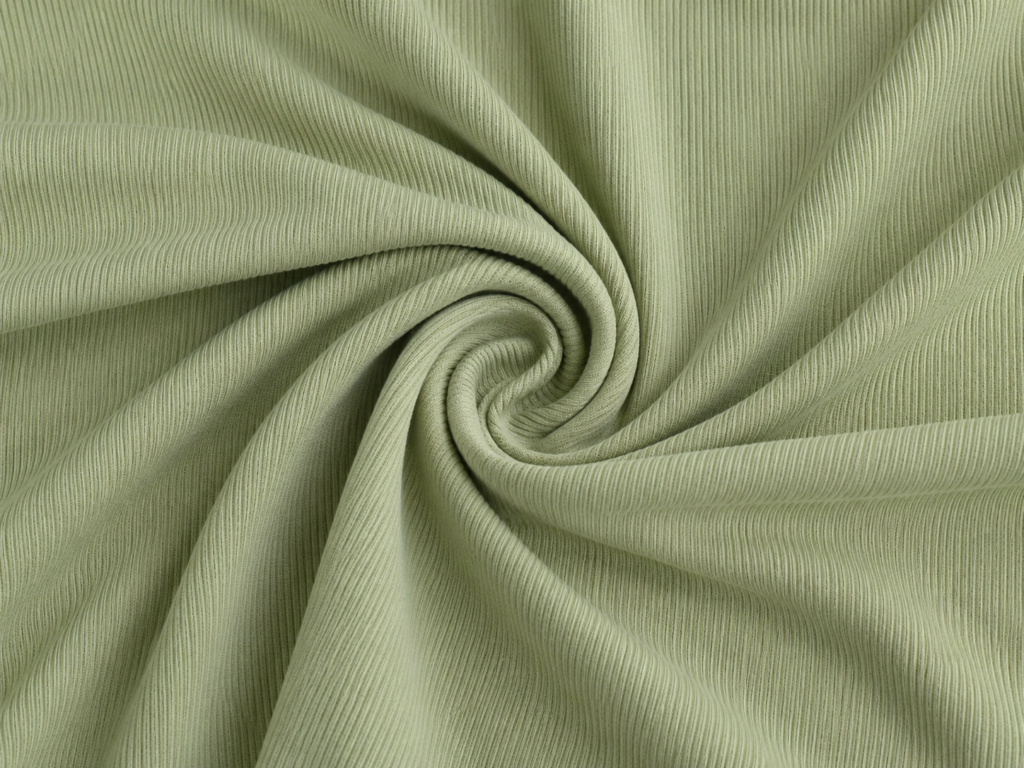
Rib knit is a strong option for fitted backless tanks, crop tops and everyday open-back styles. It offers visible texture, good stretch and a familiar hand feel for premium basics or casual fashion collections.
- GSM range: 180–280 GSM
- Stretch ratio: 30–70%
- Recovery: medium to high
- Opacity: medium to high, depending on color
- Shrinkage target: controlled within 3–5% after testing
- Production risk: edge waving if binding tension is not controlled
Cotton-Spandex Jersey

Cotton-spandex jersey is suitable for soft fitted tops, casual backless crops and private label basics. It gives comfort, breathability and moderate structure. It works best when the design needs everyday wearability rather than a high-shine party look.
- GSM range: 180–260 GSM
- Stretch ratio: 20–45%
- Recovery: medium
- Opacity: medium to high
- Shrinkage target: controlled before bulk cutting
- Production risk: twisting or shrinkage if fabric relaxation is skipped
Nylon-Spandex Sculpt Fabric

Nylon-spandex fabric is suitable for sculpting backless tops, bodysuit tops and active-inspired silhouettes. It supports body-hugging shapes and stronger recovery. It is useful when the brand wants a smooth, compact, fitted look.
- GSM range: 220–320 GSM
- Stretch ratio: 40–80%
- Recovery: high
- Opacity: high in darker colors
- Shrinkage target: low after fabric testing
- Production risk: high tension seams if needle and stitch type are wrong
Stretch Mesh

Stretch mesh creates a sheer, party-focused and layered visual effect. It is suitable for backless tops with lining, contrast panels or editorial styling. For commercial wear, opacity and skin comfort need to be reviewed early.
- GSM range: 70–140 GSM
- Stretch ratio: 25–60%
- Recovery: medium
- Opacity: low to medium
- Shrinkage target: low, but structure varies by supplier
- Production risk: seam slippage, curling and transparency complaints
Stretch Satin

Stretch satin supports evening, resort and occasionwear backless tops. It gives shine, smoothness and a higher perceived value. It can work for halter, cowl neck and tie-back tops when seam tension is carefully controlled.
- GSM range: 120–200 GSM
- Stretch ratio: 5–25%
- Recovery: low to medium
- Opacity: medium to high
- Shrinkage target: tested by color and finishing
- Production risk: puckering, shade variation and needle marks
Velvet Stretch

Velvet stretch works for holiday drops, party capsules and premium evening tops. It gives depth under light and a soft touch, but pile direction and cutting control are critical for shade consistency.
- GSM range: 220–320 GSM
- Stretch ratio: 20–50%
- Recovery: medium to high
- Opacity: high
- Shrinkage target: fabric-tested before sampling
- Production risk: pile direction mismatch, pressure marks and seam bulk
Sequin Fabric

Sequin fabric is suitable for statement party tops and high-impact campaign images. It can support a higher visual price point, but comfort and construction need extra attention because sequins can scratch skin or damage seams.
- GSM range: 180–350 GSM
- Stretch ratio: 0–30%, depending on base fabric
- Recovery: low to medium
- Opacity: high
- Shrinkage target: depends on base and embroidery process
- Production risk: needle breakage, edge irritation and sequin loss
Modal Blend Jersey
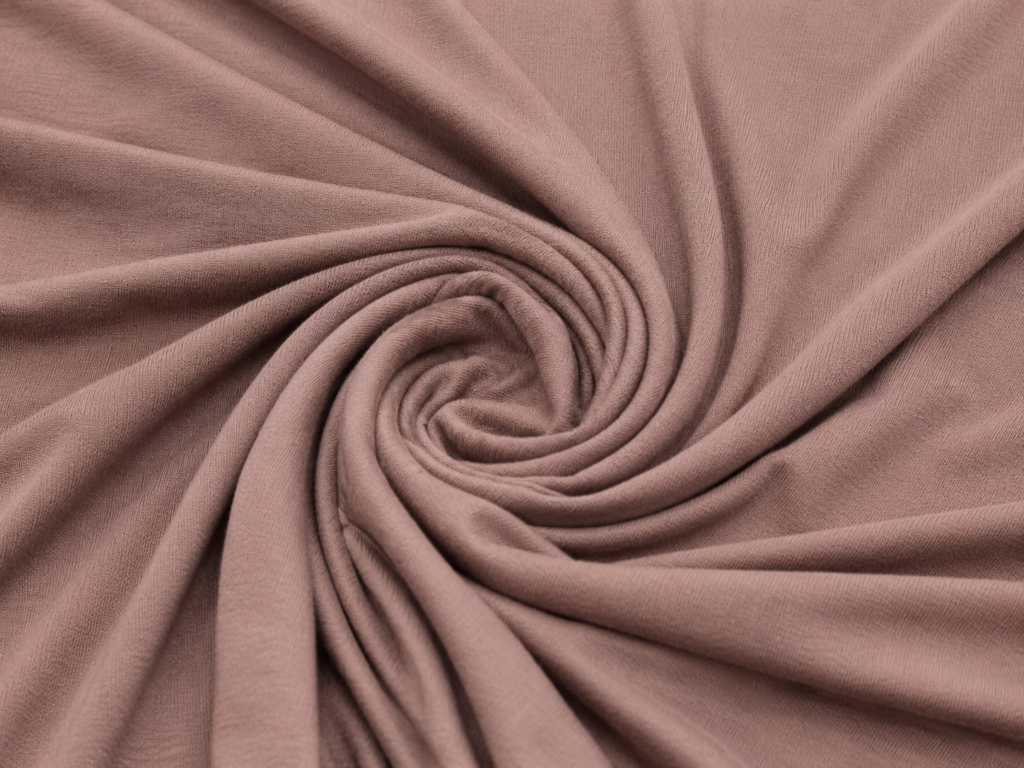
Modal blend jersey is useful for soft, elevated backless basics. It drapes better than standard cotton jersey and gives a smooth hand feel. It suits premium casual brands that want comfort, clean fit and understated styling.
- GSM range: 160–240 GSM
- Stretch ratio: 20–45%
- Recovery: medium
- Opacity: medium, color dependent
- Shrinkage target: controlled through pre-test and fabric relaxation
- Production risk: stretching during sewing and weak hem stability
Power Mesh

Power mesh is a strong choice for backless tops that need both visual lightness and hidden support. It works well for sculpting panels, lined mesh tops, double-layer open-back styles and partywear pieces that need stretch without losing shape.
- GSM range: 120–220 GSM
- Stretch ratio: 40–80%
- Recovery: high
- Opacity: low to medium, depending on layering
- Shrinkage target: low after stretch and wash testing
- Production risk: tension imbalance, curling edges and visible seam pressure
Fabric Treatments And Surface Effects For Backless Tops
Ruched Texture
Ruching adds shape, volume and body contour to fitted backless tops. It works especially well for crop tops, halter tops and partywear pieces where front coverage needs more visual depth.
- Best for: fitted crops, sculpting tops, partywear
- Commercial value: improves body-shaping effect
- Fit concern: uneven gathering can distort bust and waist
- Production risk: tension imbalance between shell and lining
- Control point: consistent gathering ratio before bulk sewing
Double-Layer Construction
Double-layer fabric improves opacity, support and surface smoothness. It is useful for white, nude, pastel, mesh or high-stretch backless tops where single-layer fabric may feel too thin.
- Best for: sculpting tops, bodysuits, premium basics
- Commercial value: higher perceived quality and safer wear
- Fit concern: fabric may feel warmer or heavier
- Production risk: layer twisting after wash
- Control point: matching stretch direction between both layers
Sequin Embellishment
Sequin surfaces create strong campaign images for holiday, clubwear and party collections. They support a higher visual price point, but comfort and durability must be reviewed before bulk approval.
- Best for: party tops, holiday capsules, statement drops
- Commercial value: strong photography and shelf impact
- Fit concern: sequins may scratch underarm or back edge
- Production risk: needle breakage and sequin shedding
- Control point: clean seam zones and soft inner finishing
Velvet Surface
Velvet gives depth, softness and a rich evening effect. It works well for winter partywear, holiday collections and elevated going-out tops, especially in dark colors.
- Best for: holiday drops, evening tops, premium capsules
- Commercial value: stronger texture and perceived value
- Fit concern: thick pile can add seam bulk
- Production risk: shade difference from pile direction
- Control point: one-way cutting and careful pressing
Mesh Paneling
Mesh paneling adds transparency, layering and styling tension. It can soften exposed back areas or create contrast with opaque body panels.
- Best for: partywear, festival tops, layered styling
- Commercial value: modern visual detail without heavy trims
- Fit concern: low opacity may increase return risk
- Production risk: mesh curling and seam slippage
- Control point: lining map, seam type and edge finishing
Heat Transfer Graphic
Heat transfer can add subtle branding, slogan artwork or tonal graphics to backless tops. It works better on stable jersey and compact knit fabrics than on loose mesh or high-pile surfaces.
- Best for: casual fashion, logo drops, capsule graphics
- Commercial value: fast graphic update for seasonal launches
- Fit concern: transfer area may feel less breathable
- Production risk: cracking after stretch or wash
- Control point: stretch test before production approval
Embroidery Detail
Embroidery gives a more crafted surface than print. For backless tops, small chest motifs, tonal logos or edge details work better than large dense embroidery.
- Best for: premium basics, boutique tops, logo accents
- Commercial value: refined brand expression
- Fit concern: dense embroidery reduces stretch
- Production risk: puckering on thin jersey
- Control point: backing selection and stitch density
Washed Finish
A washed finish can soften cotton, modal and rib fabrics for casual backless tops. It helps create a lived-in hand feel, but shrinkage and shade control must be tested before bulk.
- Best for: casual tops, premium basics, vintage capsules
- Commercial value: softer touch and relaxed styling
- Fit concern: garment may shrink after washing
- Production risk: shade variation between batches
- Control point: shrinkage test and pre-production wash standard
Structure Control For Open-Back Top Manufacturing

Pattern Engineering
Backless tops need pattern work that protects both front coverage and back openness. A pattern may look balanced on paper but fail after stretch, binding or body movement. Jinfeng’s pattern team reviews neckline width, side seam height, back depth, strap placement and hem tension before sample approval. For fitted silhouettes, small adjustments of 0.5–1.0 cm can affect coverage, support and final wearing confidence.
- Controlled area: neckline, side seam, back depth
- Risk reduced: gaping, pulling, poor coverage
- Useful for: halter, crop, bodysuit and cut-out tops

Stretch Direction Control
Stretch direction decides how a backless top hugs the body. Wrong cutting direction can make the garment too loose, too tight or unstable after wash. For rib, jersey, nylon-spandex and power mesh, fabric direction must be confirmed before marker planning. Jinfeng reviews fabric behavior during sampling, especially for styles requiring 30–70% stretch and strong recovery.
- Controlled area: grainline and stretch direction
- Risk reduced: twisting, sagging, weak recovery
- Useful for: rib tops, sculpting tops, active-inspired styles

Seam Tension Management
Open-back garments expose more seam behavior than standard tops. Uneven tension can create waves around the back opening, neckline or hem. Stitch type, needle size, thread elasticity and sewing speed must match the selected fabric. For high-stretch styles, seam tension should allow movement without popping, puckering or edge distortion.
- Controlled area: back edge, neckline, side seam
- Risk reduced: seam waves, broken stitches, puckering
- Useful for: stretch mesh, rib knit, nylon-spandex tops

Lining Compatibility
Lining can improve opacity, support and comfort, but wrong lining can destroy fit. A lining with less stretch than the shell may restrict movement. A lining with too much stretch may roll or twist. For backless tops, lining maps should protect coverage areas without adding unnecessary bulk around open edges.
- Controlled area: front panel, bust area, mesh sections
- Risk reduced: transparency, twisting, discomfort
- Useful for: mesh, satin, white jersey and sculpting tops

Cut-Out Reinforcement
Cut-out backless tops need reinforcement around openings. Without reinforcement, edges can stretch, collapse or lose symmetry during sewing and wearing. Reinforcement may come from binding, facing, elastic tape, lining or seam construction. The method depends on fabric weight, opening shape and expected stretch.
- Controlled area: cut-out edge and stress points
- Risk reduced: distortion, tearing, shape loss
- Useful for: cut-out tops, party tops, open-back bodysuits

Ruching Control
Ruching can improve shaping, but inconsistent gathering creates uneven sizing and poor visual balance. Gathering ratio, elastic tension and sewing length should be recorded during sample approval. For repeat orders, approved ruching notes help maintain the same visual effect across colors and batches.
- Controlled area: bust, side seam, waist, front panel
- Risk reduced: uneven shape, size drift, bulk variation
- Useful for: sculpting tops, fitted crops, partywear

Closure Construction
Backless tops may use ties, hooks, snaps, zippers, elastic loops or adjustable straps. Closure choice affects comfort, fit range and production difficulty. A clean closure should feel secure without scratching skin or damaging fabric. For tie-back styles, tie length and attachment strength must remain consistent across sizes.
- Controlled area: tie ends, hooks, snaps, strap points
- Risk reduced: weak fastening, return issues, poor fit range
- Useful for: tie-back tops, halter tops, satin tops

Pressing And Finishing
Final pressing can improve garment appearance, but too much heat may damage stretch, mesh, satin, velvet or transfer graphics. Backless tops need careful finishing around edges, straps and seams. Pressing temperature, steam level and handling method should match the fabric and treatment.
- Controlled area: neckline, back edge, hem, straps
- Risk reduced: shine marks, distortion, crushed texture
- Useful for: satin, velvet, mesh and stretch fabrics
Private Label, Tags And Retail Packaging Details
Brand details must feel intentional, not added at the last minute. Labels, hangtags, barcode stickers, folding and packing all influence product presentation, warehouse handling and customer experience.

Main Label
A main label should match the garment’s price position and skin contact area. For backless tops, label placement matters because open-back styling may expose more inner construction. Soft woven labels, printed neck labels or heat-transfer labels can be selected based on fabric, design and comfort needs.
- Best placement: inner neck, side seam or hidden facing
- Brand value: cleaner presentation and stronger recognition
- Comfort risk: rough edges may irritate skin
- Control point: size, folding method and attachment position
Size Label
Size labels support customer confidence, warehouse sorting and repeat purchase accuracy. Backless tops often require careful size grading, so clear size identification helps reduce fulfillment errors. Soft woven, satin or printed size labels can be used depending on garment structure.
- Common formats: XS–XL, numerical sizing, dual sizing
- Brand value: clear size communication
- Comfort risk: bulky labels near open edges
- Control point: placement that does not affect wearing comfort


Care Label
Care labels protect both the brand and customer after purchase. Backless tops may use stretch, mesh, satin, velvet or sequin fabrics, so wash instructions must match real fabric behavior. Clear care information helps reduce complaints related to shrinkage, color change, stretching or surface damage.
- Common content: fiber, wash, drying, ironing, origin
- Brand value: compliance support and after-sale clarity
- Comfort risk: stiff labels on fitted garments
- Control point: soft label material and correct sewing position
Hangtag
A hangtag adds retail polish and communicates fabric, fit, capsule name or brand story. For fashion tops, a minimal hangtag often works better than heavy information. Hangtag size, paper weight, string type and attachment location should protect the garment surface.
- Common paper weight: 300–600 gsm
- Brand value: stronger retail presentation
- Damage risk: pins may mark satin, mesh or velvet
- Control point: attachment method and packing safety


Barcode And SKU Sticker
Barcode and SKU stickers help receiving, warehouse sorting and sales channel management. For multi-color backless top programs, correct SKU control is important because small shade differences can create shipping mistakes. Stickers can be applied to hangtags, polybags or carton labels.
- Common data: SKU, color, size, style number, barcode
- Brand value: smoother inventory control
- Fulfillment risk: wrong color or size dispatch
- Control point: SKU matching before carton sealing
Polybag Packaging
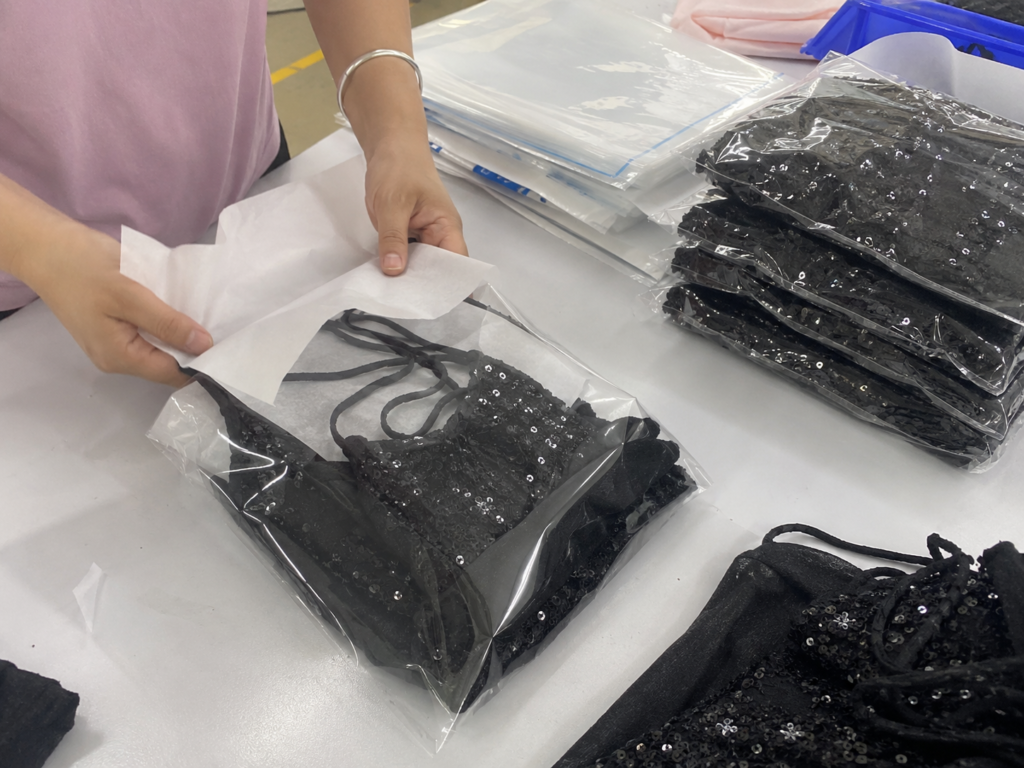
Polybags protect garments during storage and transport. Backless tops with straps, ties, sequins or mesh need careful folding to prevent tangling, snagging or pressure marks. Bag size should match folded dimensions without over-compressing the garment.
- Common thickness: 40–80 microns
- Brand value: clean arrival and organized packing
- Damage risk: strap tangling or sequin abrasion
- Control point: folding method and bag size
Carton Mark
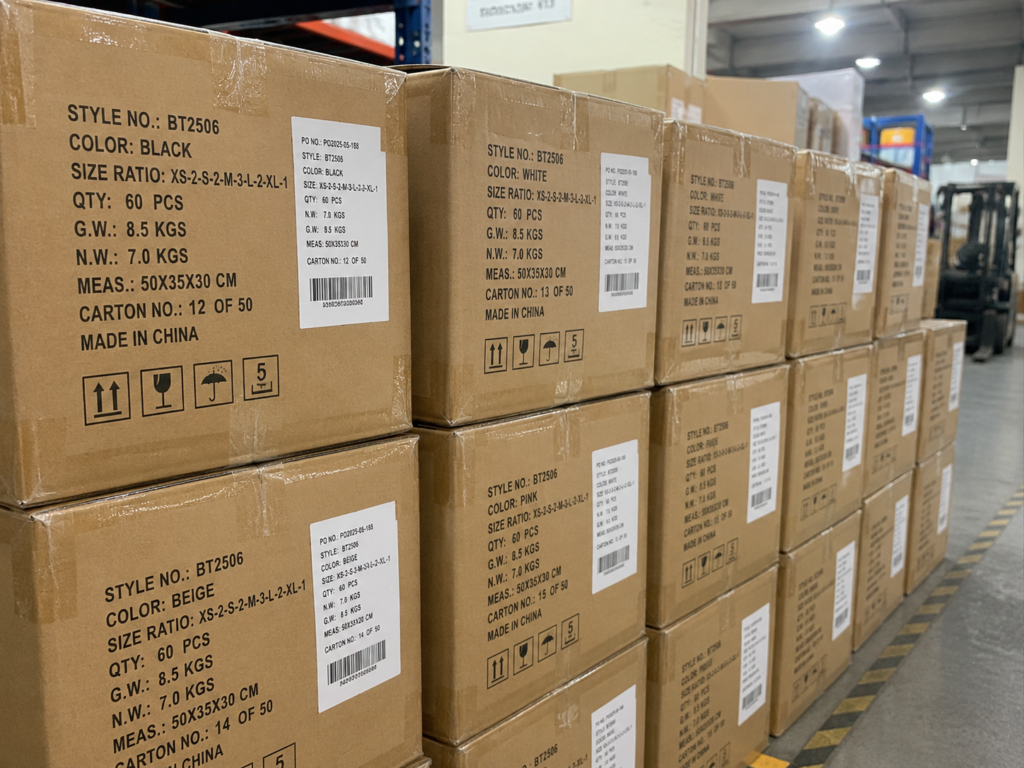
Carton marks support warehouse receiving and international shipping. Clear carton labels help identify style number, color, size ratio, quantity, gross weight, net weight and carton dimensions. For multi-SKU backless top orders, carton accuracy reduces sorting time and delivery confusion.
- Common data: PO, style, color, size, quantity, carton number
- Brand value: better logistics control
- Shipping risk: mixed cartons or wrong warehouse receiving
- Control point: carton mark approval before shipment
Folding Or Hanger Packing
Folding works for most jersey, rib and casual backless tops. Hanger packing may be better for satin, velvet, sequin or styles with structured straps. The goal is to preserve garment shape, reduce creasing and support sales channel requirements.
- Best for folding: rib, jersey, casual tops
- Best for hanger: satin, velvet, sequin, occasionwear
- Brand value: improved presentation after unpacking
- Control point: channel requirement before packing approval

Sample Development Process For Custom Backless Tops
Sampling is where fit, fabric and structure become visible. Jinfeng treats sample development as a decision stage, not a simple sewing step. The goal is to reduce repeated corrections before production.
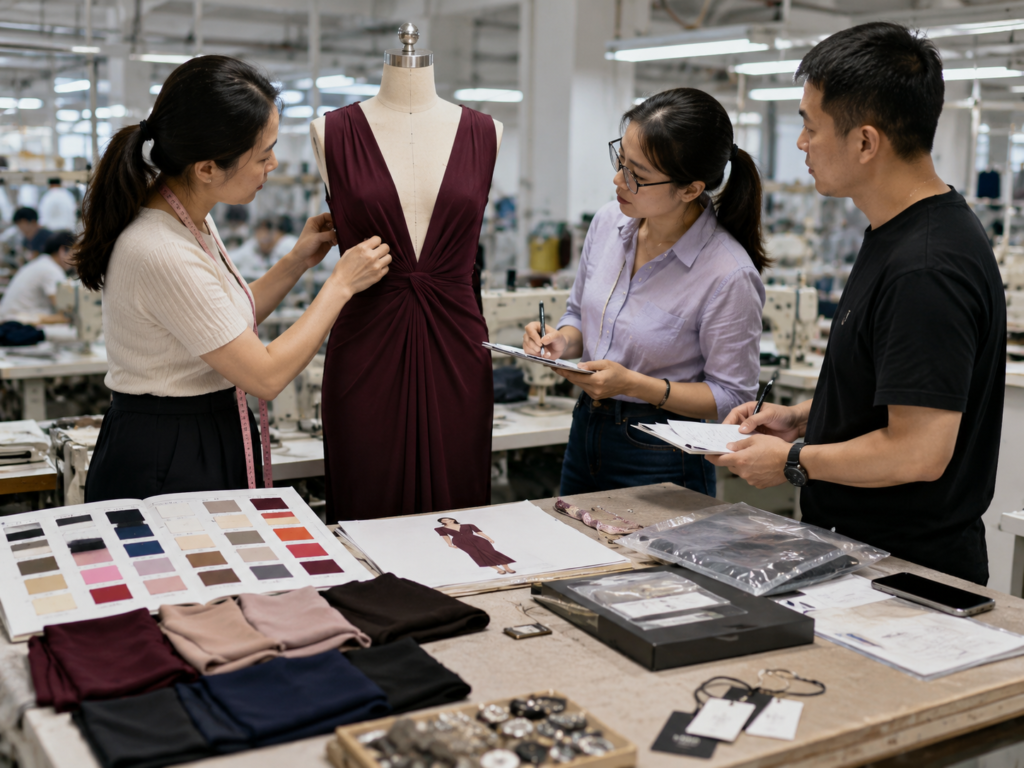
Design Review
The development team reviews tech packs, reference images, original samples or sketches. For backless tops, the first check focuses on back depth, neckline, bust coverage, strap direction, fabric type and intended wearing scene. If the style requires lining, support, mesh or special surface treatment, those risks are discussed before pattern work begins.
- Input needed: tech pack, reference image or original sample
- Key review: silhouette, fabric, structure, fit target
- Main value: fewer blind revisions after first sample

Fabric And Trim Matching
Fabric choice is matched against fit and sales purpose. A sculpting top needs recovery and support, while a satin halter needs drape and clean seam appearance. Trim choices such as elastic tape, hooks, tie cords, label position and lining are reviewed together with the garment structure.
- Input needed: fabric request, hand feel target, color direction
- Key review: GSM, stretch ratio, opacity, recovery
- Main value: fabric selected for both look and construction
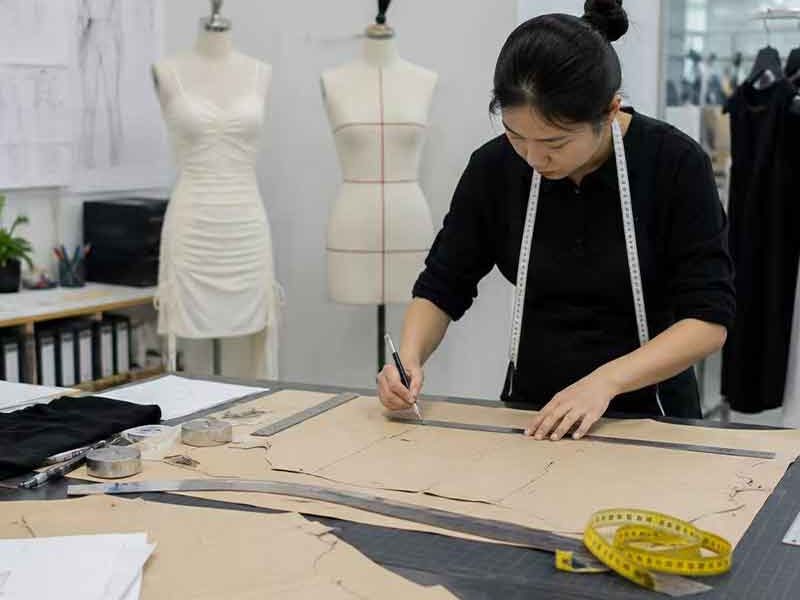
Pattern Development
Pattern makers create the first pattern based on design intent and fabric behavior. Backless tops require careful control of neckline width, shoulder angle, side seam, bust coverage and back opening. For fitted styles, pattern engineering must consider body movement and stretch recovery, not only flat measurements.
- Team support: senior pattern makers and sample room
- Key review: fit balance and open-back stability
- Main value: better foundation before sewing begins

First Sample Making
Sample machinists produce the first sample for structure review. The sample checks whether the design works in real fabric, especially around open edges, straps, lining, cut-outs and closures. For regular styles, common sampling time is usually 5–10 days. More complex styles may require 7–15 days.
- Team support: 2 sample rooms and 20 sample machinists
- Key review: fit, seam behavior, fabric response
- Main value: early detection of production risks
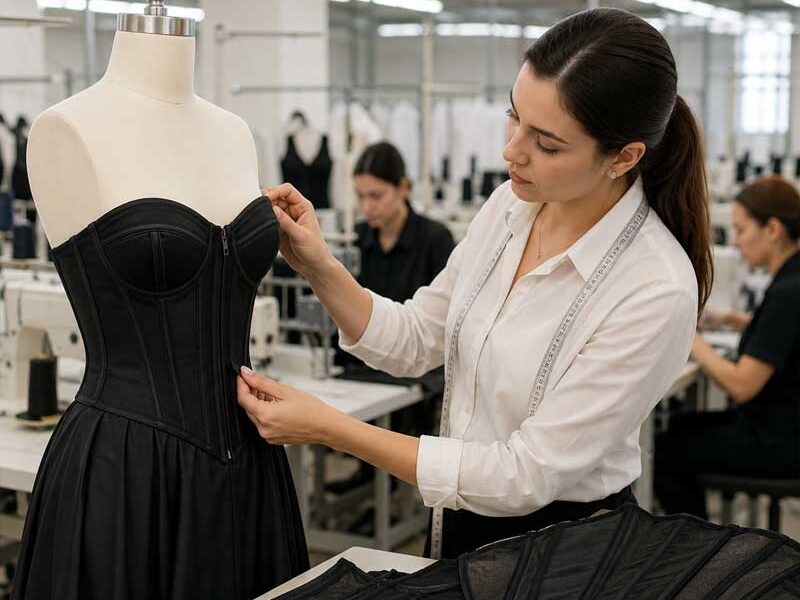
Fit Comments And Revision
Fit comments are reviewed against the original design goal. Adjustments may include strap length, neckline depth, bust coverage, hem tension, lining position or size grading direction. The aim is to confirm the final shape within fewer rounds whenever possible.
- Input needed: fit photos, measurement comments, wear notes
- Key review: comfort, coverage, proportion, stretch behavior
- Main value: controlled correction before approval sample

Approval Sample
After revisions, an approval sample is prepared as the production reference. Measurements, pattern notes, fabric direction, trim placement, label details and finishing standards are recorded. The approved sample becomes the control point for pre-production and bulk manufacturing.
- Output: approved sample and production notes
- Key review: final fit, fabric, trim and construction
- Main value: clearer transition from sample to bulk
Bulk Production Process For Backless Top Orders
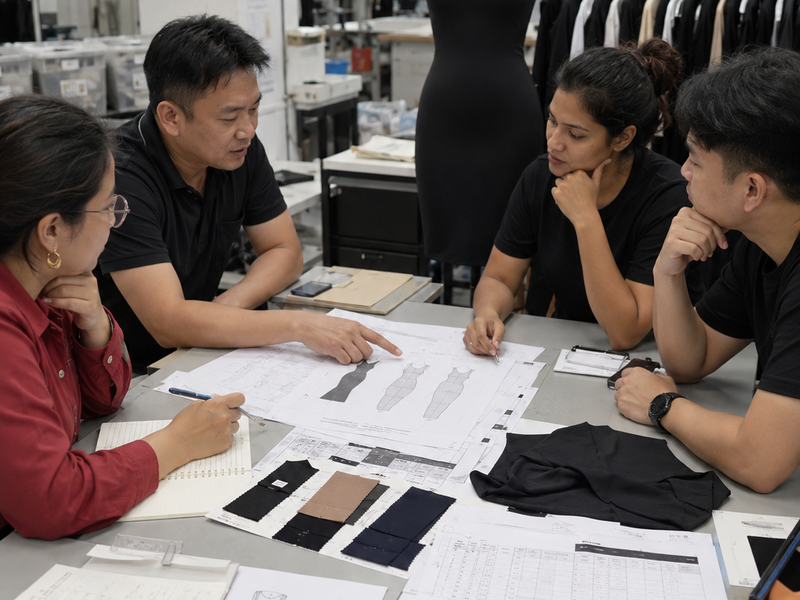
Pre-Production Confirmation
Before bulk starts, the approved sample, measurement chart, fabric, trims, color standard, labels, packing method and delivery schedule are confirmed. For backless tops, special attention goes to strap length, back depth, neckline coverage, lining position and seam tension.
- Confirmed items: sample, spec, trims, color, packaging
- Key control: no bulk start before final approval
- Production value: fewer avoidable changes after cutting

Fabric Inspection And Relaxation
Fabric is checked before cutting for shade, width, hand feel, surface defects, stretch direction and shrinkage behavior. Rib, jersey, mesh and satin fabrics may need relaxation before cutting to reduce twisting, pulling or measurement change after sewing.
- Controlled items: shade, width, defects, shrinkage
- Equipment support: fabric inspection and shrinkage control
- Production value: more stable panels before sewing
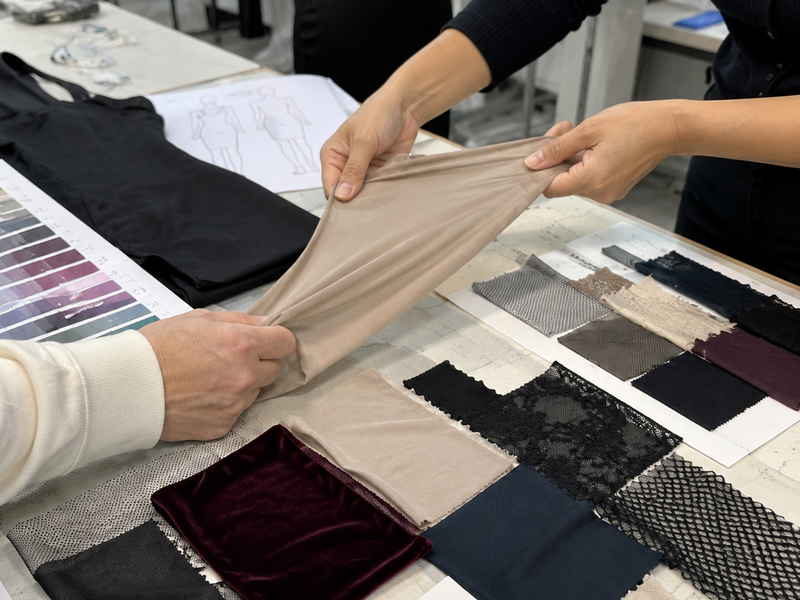
Pre-Shrink And Fabric Testing
For stretch, cotton, modal, rib or washed-effect fabrics, shrinkage and recovery should be tested before bulk cutting. This helps protect garment length, bust width, hem shape and strap fit after customer washing.
- Controlled items: shrinkage, recovery, stretch return
- Key fabrics: rib, jersey, cotton-spandex, modal blend
- Production value: lower risk of post-wash size complaints

Marker Planning And Cutting
Cutting follows the approved pattern, fabric direction and size ratio. Backless tops often include small panels, ties, straps, lining pieces or cut-out shapes, so cutting accuracy directly affects fit, symmetry and production consistency.
- Controlled items: grainline, stretch direction, panel symmetry
- Equipment support: automatic cutting capability
- Production value: stable shape before line sewing

Line Sewing And Structure Assembly
Sewing teams follow approved construction notes for seams, bindings, straps, linings, closures and finishing. For backless tops, sewing tension must be controlled around neckline, open back edge, side seam, hem and strap attachment points.
- Controlled items: seam tension, stitch type, strap placement
- Factory support: 18 production lines
- Production value: repeatable construction across order quantity

In-Line Inspection
In-line checks identify problems during production instead of waiting until final inspection. For backless tops, checks include back opening symmetry, strap tension, neckline stability, seam puckering, measurement control, shade consistency and surface defects.
- Controlled items: fit points, stitching, fabric behavior
- Key timing: during active production
- Production value: faster correction before bulk completion

Final Inspection And Finishing
Finished garments are checked before packing. The team reviews measurements, workmanship, loose threads, seam strength, surface condition, label position, folding method and overall presentation. Satin, velvet, mesh and sequin tops need extra handling to avoid pressure marks or surface damage.
- Controlled items: measurement, workmanship, labels, surface
- Key review: garment quality and shipment readiness
- Production value: cleaner delivery and fewer receiving issues

Packing And Shipping Coordination
Labels, hangtags, SKU stickers, polybags, carton marks and quantities are confirmed before shipment. Shipping can be arranged by express, air or sea, with FOB, CIF, DDP, DAP or split shipment support depending on the order plan.
- Packing control: SKU, size, color, carton data
- Shipping options: express, air, sea
- Production value: better warehouse receiving and delivery planning
MOQ, Lead Time And Shipping Reference
Order planning depends on style complexity, fabric availability, trim approval and sample confirmation speed. Backless tops with clean jersey construction usually move faster, while satin, mesh, sequin, lining and complex cut-out styles need more development and production control.
| Order Type | Reference Range | Suitable For | Notes For Backless Tops |
|---|---|---|---|
| Small Test Order | 300–500 pcs | First launch, color test, market validation | Suitable for halter tops, rib crop tops, tie-back tops and simple open-back styles. |
| Mid-Size Order | 1,000–5,000 pcs | Growing styles, repeat colors, seasonal drops | Suitable after fit, fabric and sales direction are confirmed. |
| Large Order | 5,000 pcs+ | Proven styles, repeat production, scale-up programs | Best for approved silhouettes with stable fabric and clear size grading. |
| Regular Sample | 5–10 days | Simple jersey, rib, halter, tank or crop styles | Best when fabric and trims are available and the structure is not heavily lined. |
| Complex Sample | 7–15 days | Satin, mesh, sequin, cut-out, bodysuit or lined styles | Extra time supports structure review, lining balance and surface handling. |
| Simple Bulk Production | 15–25 days | Clean jersey, rib knit and basic open-back constructions | Suitable for fewer trims, fewer panels and stable fabric supply. |
| Regular Bulk Production | 25–35 days | Fitted tops, multi-color styles, lining or trim details | Common for commercial backless top orders with moderate complexity. |
| Complex Bulk Production | 35–45 days | Sequin, velvet, mesh, cut-out, bodysuit or high-detail styles | Needed when fabric handling, cutting accuracy and finishing require extra control. |
Shipping Methods Information
| Shipping Method | Reference Time | Suitable For | Notes For Backless Top Orders |
|---|---|---|---|
| Express Shipping | 5–7 days | Samples, urgent approvals, small cartons | Useful for sample review, pre-production approvals and urgent small shipments. |
| Air Shipping | 7–15 days | Time-sensitive production orders | Suitable when launch timing is close and order quantity is moderate. |
| Sea Shipping | 20–35 days | Larger bulk orders, planned seasonal delivery | Better for cost control when production is planned with enough lead time. |
Quality Inspection Points For Backless Tops
Back Opening Shape
Front Coverage
Strap And Tie Strength
Seam And Binding Smoothness
Fabric Surface Condition
Fabric surface inspection is especially important for satin, mesh, velvet, sequin, rib and stretch jersey. Each material shows defects differently: satin may show needle marks, velvet may show pressure lines, mesh may snag, and rib may twist. Finished garments should be checked for shade consistency, surface damage, stains, holes, pile direction, sequin loss and visible fabric flaws.
Measurement Accuracy
Measurements are checked against the approved size specification, with special attention to garment length, bust width, hem width, strap length, neckline depth and back opening height. Backless tops are sensitive to small measurement changes because a minor difference can affect coverage and wearing confidence. Inspection should confirm size tolerance before packing, especially for repeat orders.
Label And Packaging Accuracy
Labels and packaging are checked to make sure style number, size, color, care content, hangtag, barcode, polybag and carton marks match the order requirement. Backless tops often come in multiple colors and sizes within one shipment, so packing accuracy matters for warehouse receiving and retail fulfillment. Final review should reduce mixed-size, wrong-label and carton-marking errors.
Factory Safety, Order Discipline And Compliance Support
Backless top production involves small panels, open edges, straps, stretch fabrics, trims and skin-contact labels. A reliable manufacturing program needs clean workshop control, approved material standards, clear order records and disciplined production follow-up from sample to shipment.
Material Confirmation Before Production
Fabric, lining, trims, labels and packing materials should be confirmed before bulk cutting. For backless tops, material control matters because stretch, opacity, shrinkage, color fastness and hand feel directly affect wearing confidence. A rib knit open-back top, satin halter top and mesh party top cannot follow the same production control method. Jinfeng reviews material direction during sampling, then keeps approved material notes for production reference.
Material Confirmation Before Production
Fabric, lining, trims, labels and packing materials should be confirmed before bulk cutting. For backless tops, material control matters because stretch, opacity, shrinkage, color fastness and hand feel directly affect wearing confidence. A rib knit open-back top, satin halter top and mesh party top cannot follow the same production control method. Jinfeng reviews material direction during sampling, then keeps approved material notes for production reference.
Order Documentation Control
Approved sample records, measurement charts, fabric notes, trim details, label artwork and packing requirements should stay connected throughout production. Backless top orders often include similar colors, multiple sizes and small construction differences. Clear documentation helps reduce confusion between halter, tie-back, cut-out, bodysuit and mesh styles. Jinfeng’s merchandising follow-up supports communication from development to production and delivery.
Order Documentation Control
Approved sample records, measurement charts, fabric notes, trim details, label artwork and packing requirements should stay connected throughout production. Backless top orders often include similar colors, multiple sizes and small construction differences. Clear documentation helps reduce confusion between halter, tie-back, cut-out, bodysuit and mesh styles. Jinfeng’s merchandising follow-up supports communication from development to production and delivery.
Packaging And Label Accuracy
Care labels, size labels, hangtags, barcode stickers, polybags and carton marks support channel readiness and after-sale clarity. For backless tops, packing must also protect straps, ties, velvet pile, satin surface, mesh panels and sequin decoration. Wrong packing can create wrinkles, pressure marks, tangling or warehouse confusion. Final packing review helps the order arrive cleaner and easier to receive.
Requirement Review Before Sampling
If a brand has special fabric, chemical, labeling, packing or market requirements, those standards should be shared before sample development. Early review helps avoid rework after fabric sourcing or sample approval. For backless tops, requirements may affect lining choice, care label wording, fiber content, barcode format, carton marking, hanger packing or garment wash instructions. Earlier confirmation creates smoother production planning.
Why Jinfeng Fits Custom Backless Top Programs
Women’s Fashion Focus
Fitted Silhouette Experience
Sample Room Strength
Multi-Factory Product Coverage
Scalable Production Base
Practical MOQ Planning
Development-To-Delivery Coordination
Global Delivery Flexibility
Anonymized Project Examples For Backless Top Programs
Case 1|A U.S. Fashion Merchandising Manager
Project Overview
- Product: Ribbed halter backless crop top
- Market: United States
- Sales channel: E-commerce and boutique wholesale
- Client role: Merchandising Manager
- Contact name: Confidential
- Starting point: Tech pack + reference sample
- Initial order: 500 pcs per color
- Scale order: 4,000 pcs across 4 colors
- Key service: Pattern correction, rib fabric control, private label packing
Challenge
The brand already had a strong product concept, but the original sample from another supplier did not hold the neckline well after wear. The back opening looked attractive on model photos, yet the front panel felt less secure across different sizes. The merchandising team needed a supplier that could keep the open-back look while improving coverage, strap tension and bulk consistency.
Solution
Jinfeng reviewed the reference sample, fabric stretch direction and neckline balance before making the first development sample. The pattern was adjusted around the halter angle, bust width and back depth. Rib fabric was relaxed before cutting to reduce twisting. The approved sample record included strap length, back opening height and seam tension notes for production follow-up.
Result
- First sales order started at 500 pcs per color
- Repeat production expanded to 4,000 pcs across 4 colors
- Neckline stability improved after pattern correction
- Rib direction stayed more consistent during bulk cutting
- Private label packing supported boutique and e-commerce channels


Case 2 A Canadian Founder-Led Fashion Label
Project Overview
- Product: Satin tie-back cowl neck top
- Market: Canada
- Sales channel: Direct online store
- Client role: Founder and Creative Director
- Contact name: Confidential
- Starting point: Reference images + measurement target
- Initial order: 300 pcs per style
- Scale order: 1,800 pcs after second color release
- Key service: Satin sourcing, drape control, tie-back construction
Challenge
The brand wanted a more polished backless top for resort and evening styling. The main difficulty was balancing a soft cowl front with a secure tie-back construction. Satin created strong photo value, but the material also made seam puckering, shade variation and strap placement more visible. The founder needed a controlled first order before adding more colors.
Solution
Jinfeng supported satin selection based on drape, opacity and seam performance. The sample team reviewed front cowl depth, tie length, side coverage and back opening before approval. Sewing tension was adjusted to reduce puckering along the neckline and side seams. Packing was planned to reduce sharp creases before shipment.
Result
- First order launched at 300 pcs per style
- Additional color order reached 1,800 pcs
- Cowl drape remained close to the approved sample
- Tie-back length was standardized across sizes
- Folded packing reduced visible creasing on arrival
Case 3|An Australian DTC Fashion Brand
Project Overview
- Product: Sculpting open-back bodysuit top
- Market: Australia
- Sales channel: Direct-to-consumer e-commerce
- Client role: Product Development Manager
- Contact name: Confidential
- Starting point: Reference images + size chart
- Initial order: 300 pcs per style
- Scale order: 3,500 pcs per style within 3 months
- Key service: MOQ planning, fabric consistency, grading, production scale-up
Challenge
The brand wanted to test a sculpting backless bodysuit with a controlled first order, but also needed a supplier that could scale if the product performed well. Previous production had problems with torso length, back opening stability and inconsistent recovery after repeat wear. The product team needed reliable grading and repeat production control.
Solution
Jinfeng supported a step-by-step production plan. The first batch was controlled at 300 pcs per style for market testing. After the style showed sales potential, Jinfeng maintained the approved pattern, fabric direction and fit notes, then allocated additional production capacity for the scale-up order.
Result
- Order scaled from 300 pcs to 3,500 pcs per style within 3 months
- Fit remained more consistent across repeat batches
- Torso length and back opening notes stayed attached to production records
- Production errors were reduced during the scaling phase
- A longer-term production plan was created for fitted top programs

Common Questions About Custom Backless Top Manufacturing








Custom Backless Tops Built From Sample To Repeat Production
A strong backless top should look clear in photos, feel secure on body and remain consistent when production scales. Jinfeng Apparel supports women’s fashion brands with sample development, fabric matching, pattern control, private label finishing, bulk production and global delivery. Send the project details below to begin development:
- Reference image, sketch, tech pack or original sample
- Target fabric, color and surface effect
- Size range and fit preference
- Estimated quantity per style and color
- Label, packaging and carton requirements
- Delivery country and preferred shipping method

