 Skip to content
Custom Apparel Production for Fashion Brands
Premium womenswear development and production built around collection accuracy, controlled sampling, multi-style manufacturing and reliable repeat-order execution.
Jinfeng Apparel supports established fashion brands, sourcing teams and growing apparel companies that need more than garment assembly. Our production system connects product development with fabric sourcing, pattern making, sample revision, PP approval, bulk production, quality control, private-label packing and export coordination.
- 6 owned women’s fashion factoriesfor structured production planning
- 10+ long-term satellite production partnerssupporting capacity flexibility
- 100,000+ pcs regular monthly capacityacross multiple womenswear categories
- 18+ sewing lines and 6+ flexible production lines
- 2 sample rooms, 7+ senior pattern makers and 20+ sample machinists
- MOQ from 200 pcs per style/colorfor qualified production programs
A Womenswear Production System Built Beyond One Factory
6 Owned Factories
10+ Production Partners
100,000+ Pcs Monthly
18+ Sewing Lines
6+ Flexible Lines
Dedicated Development Team
Production Support for Established Fashion Brand Operations
Global Fashion Brands
Sourcing Teams
Product Development Teams
Merchandising Teams
Mature Designer Labels
Private Label Programs
Where Fashion Production Programs Usually Lose Control
Sample Versus Bulk
Fabric Performance Changes
Complex Construction Risks
Multi-Style Coordination
Late Quality Discovery
Repeat-Order Variation
Womenswear Styles Developed for Commercial Fashion Collections

Party Dresses

Bodycon Dresses

Corset Dresses

Satin Dresses

Mesh and Lace Dresses

Mini, Midi and Maxi

Jumpsuits and Rompers

Matching Sets
From Design Input to Production-Ready Womenswear Development
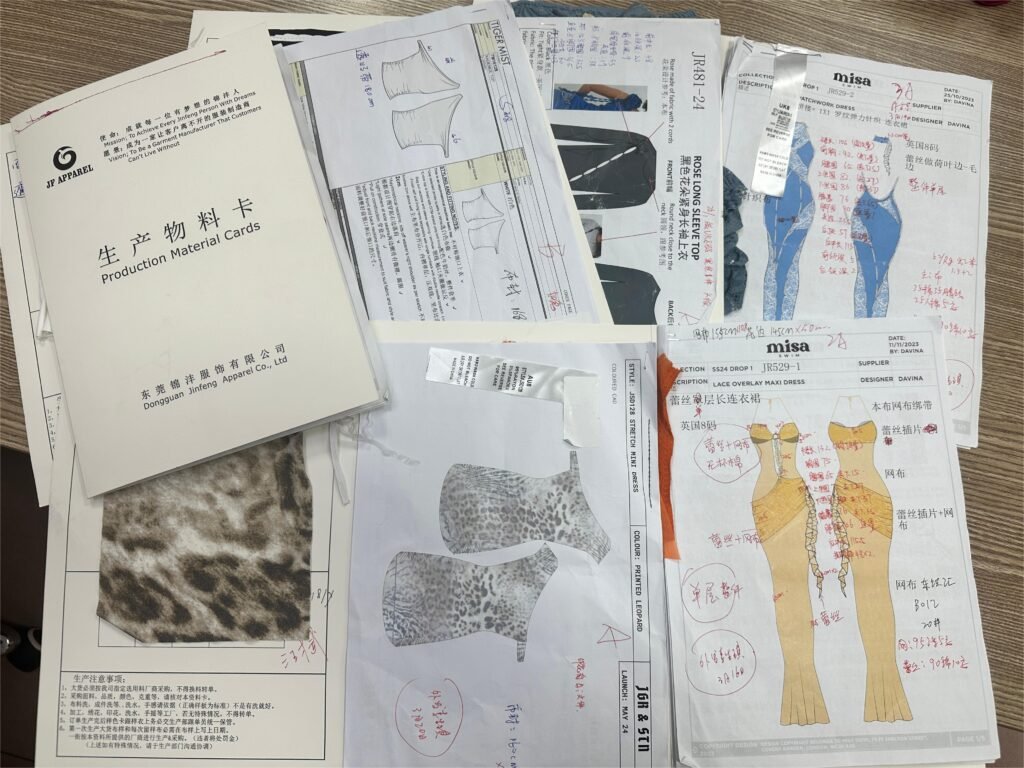
Tech Pack Based Development
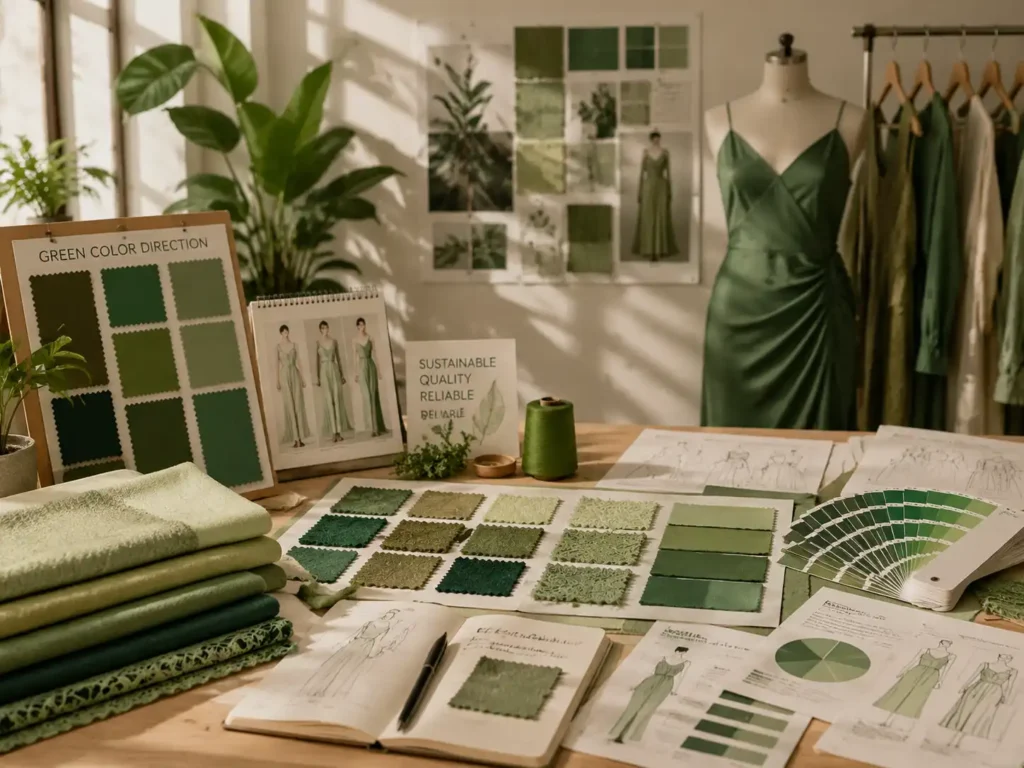
Reference Garment Development
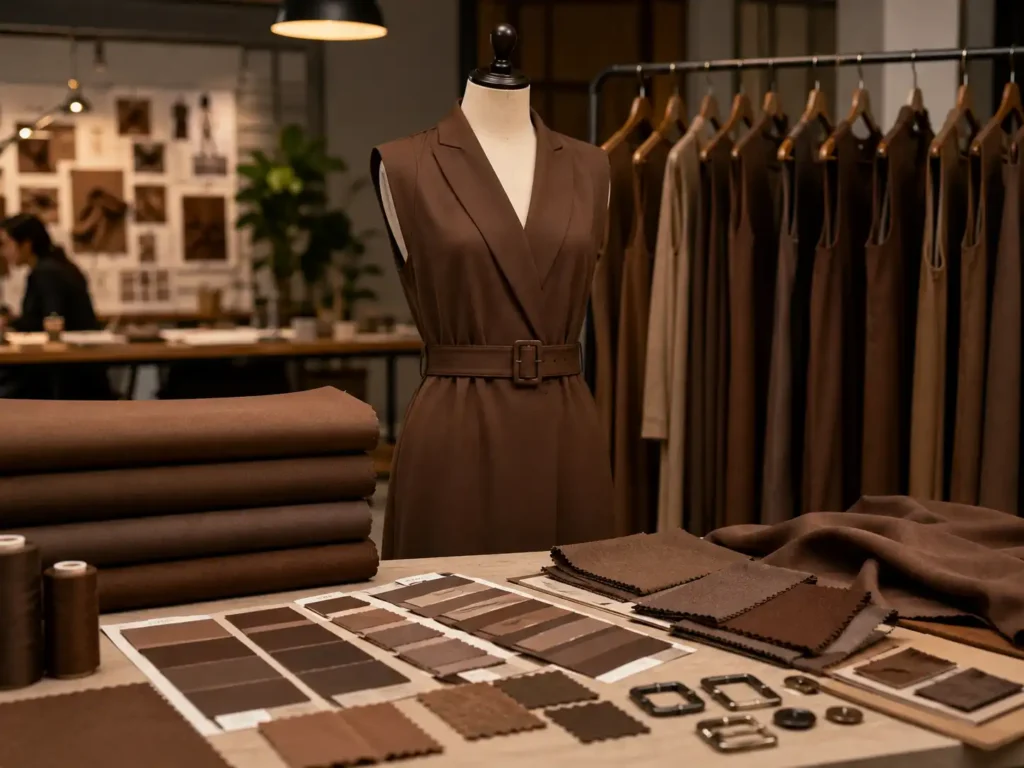
Reference Image Development

ODM Collection Development
Fabric and Trim Decisions That Shape the Finished Garment
Fabric sourcing is not a separate purchasing exercise. Weight, surface, stretch, recovery, opacity and drape influence pattern decisions, sewing difficulty, garment support and final cost. Material choices are therefore reviewed together with product structure rather than after the pattern is already fixed.
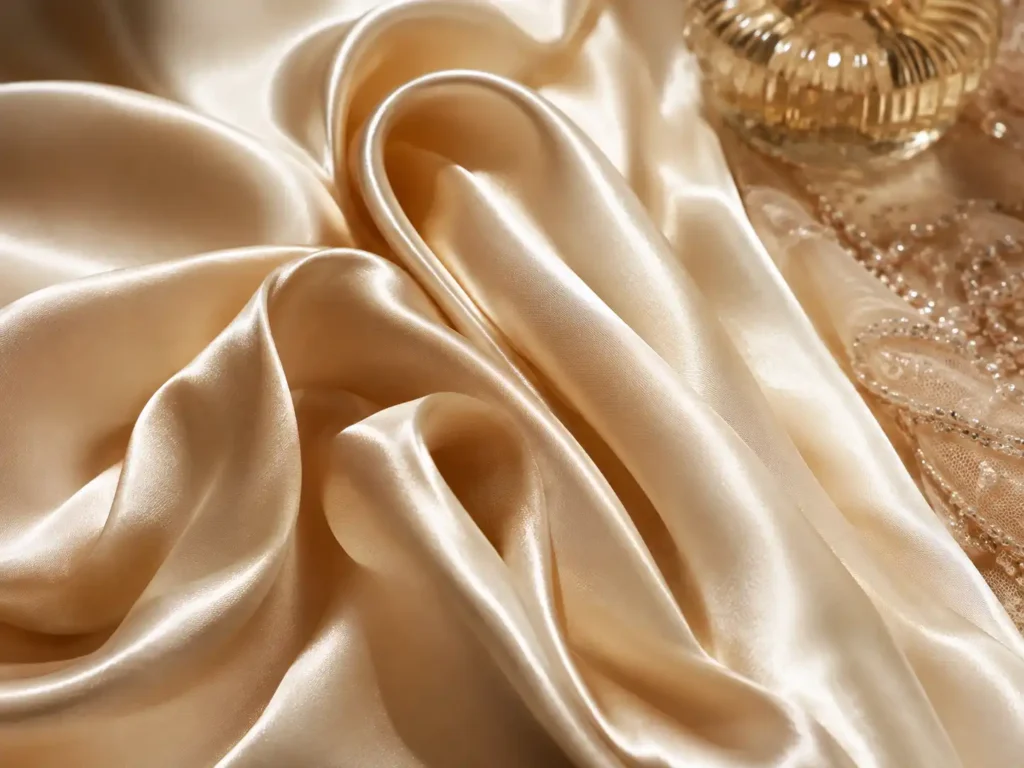
Satin for Dresses and Occasionwear
Satin can produce elegant fluid silhouettes or structured evening shapes depending on weight and construction. Before a satin style reaches PP approval, attention goes to surface shine, grain direction, color consistency, snag sensitivity, seam impression, lining and pressing.
A lightweight satin slip dress may need clean bias behavior and controlled zipper handling. A more structured satin corset dress may require stabilizing layers, shaped seams and stronger internal support. Selecting one satin simply because the color matches can create unwanted silhouette changes later.
Bulk control also considers fabric lot consistency because satin reveals subtle shade differences under changing light. Cutting direction is recorded when shine direction matters visually.

Mesh and Stretch Materials
Mesh is often selected for transparency, softness or body-contouring effect, but stretch without recovery can cause necklines, armholes and seams to grow during production.
Development checks include mesh direction, stretch behavior, lining coverage, neckline stabilization and seam choice.
When mesh is combined with power mesh, jersey or woven panels, different extension properties need to be balanced.
A bodycon product may require controlled stretch around waist and hip while retaining support at neckline and bust.
Pattern correction is therefore linked to the actual approved fabric rather than only to the size chart.

Lace and Decorative Surfaces
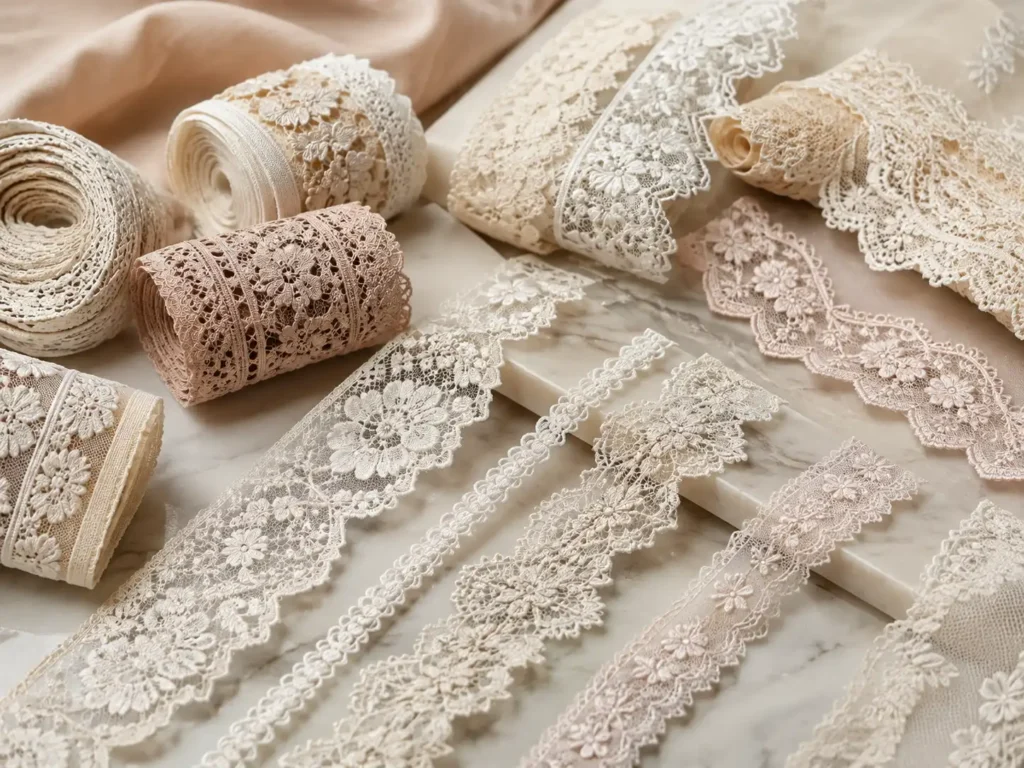
Lace introduces visual placement decisions that ordinary solids do not. Motif direction, joining points, scalloped edges and transparency can affect pattern layout and material consumption.
During development, lace may need lining or partial backing according to the intended appearance. Seam position should avoid creating abrupt motif breaks in prominent areas where possible.
Decorative surfaces such as sequins also influence sewing and finishing. Sequin direction, edge handling, scratch protection, lining and packing need consideration because surface damage can happen after sewing if finishing and transport methods are not planned.

Chiffon, Rayon and Fluid Wovens
Fluid materials can shift during spreading and cutting, particularly when grain accuracy is important to drape. Lightweight fabrics may also reveal seam puckering, tension imbalance or poor pressing more easily.
Fabric behavior is reviewed before sample construction, and additional attention may go to grain direction, seam method, lining, hem treatment and fabric resting where appropriate.
Jersey and Ponte
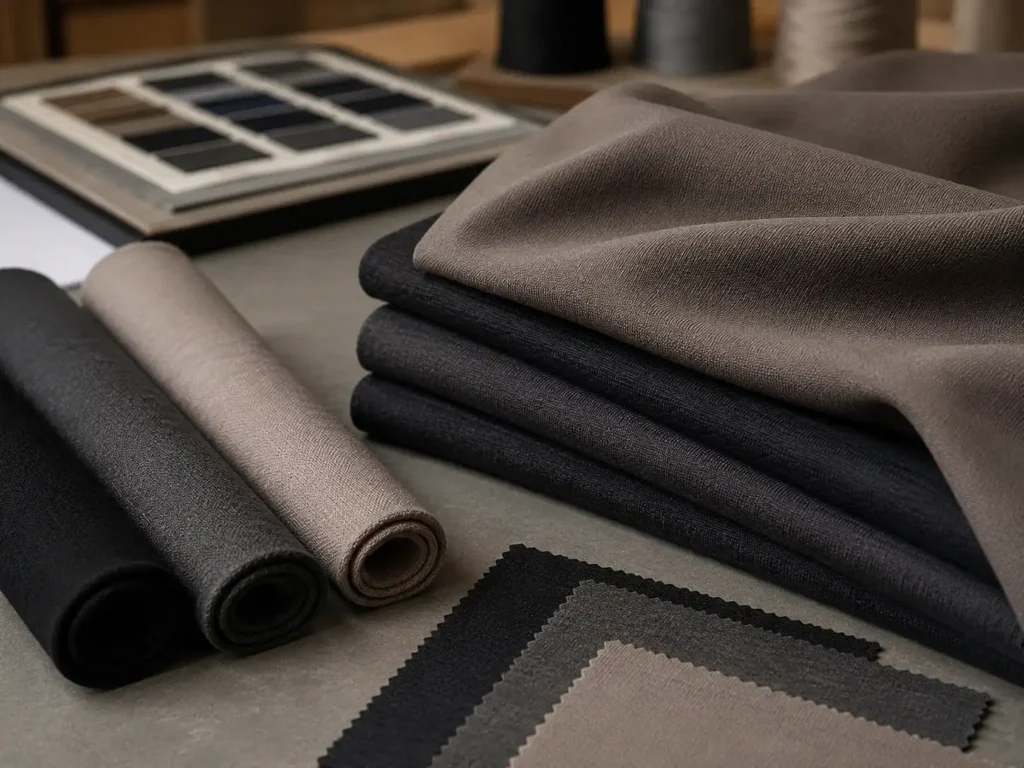
Stretch knits need the right relationship between fabric recovery and pattern ease. A style that fits correctly in one jersey can become loose or restrictive when transferred to another stretch construction.
Development therefore considers recovery, opacity, garment weight and seam stability together with measurements. Necklines, waist seams and hems may require different stabilization depending on the selected fabric.
Trim Development
Zippers, hooks, cups, boning, elastic, buttons, labels and decorative trims influence construction and lead time. A trim change after PP approval may affect fit or assembly sequence, so final trim references are confirmed before bulk production.
Specially developed trims may have supplier-specific minimums and lead times. Those conditions are reviewed during costing and scheduling rather than hidden until production starts.
Pattern and Fit Control Behind Brand-Level Silhouettes
Good fit is not created by grading a generic block to a size chart. Fashion silhouettes depend on the relationship between measurements, fabric, construction and visual proportion. Pattern development therefore focuses on control points that shape how a garment sits and moves.

Bust, Waist and Hip Balance
Bodycon and fitted dresses depend on the relationship between body measurements and finished garment measurements. Stretch percentage, fabric recovery and intended compression all influence the amount of negative ease.
For woven fitted dresses, dart position, seam shape and fabric stability carry more of the shaping work. A bust measurement may be technically correct while cup placement or apex position remains visually wrong, so fit review covers proportion as well as measurement.
Neckline and Strap Position
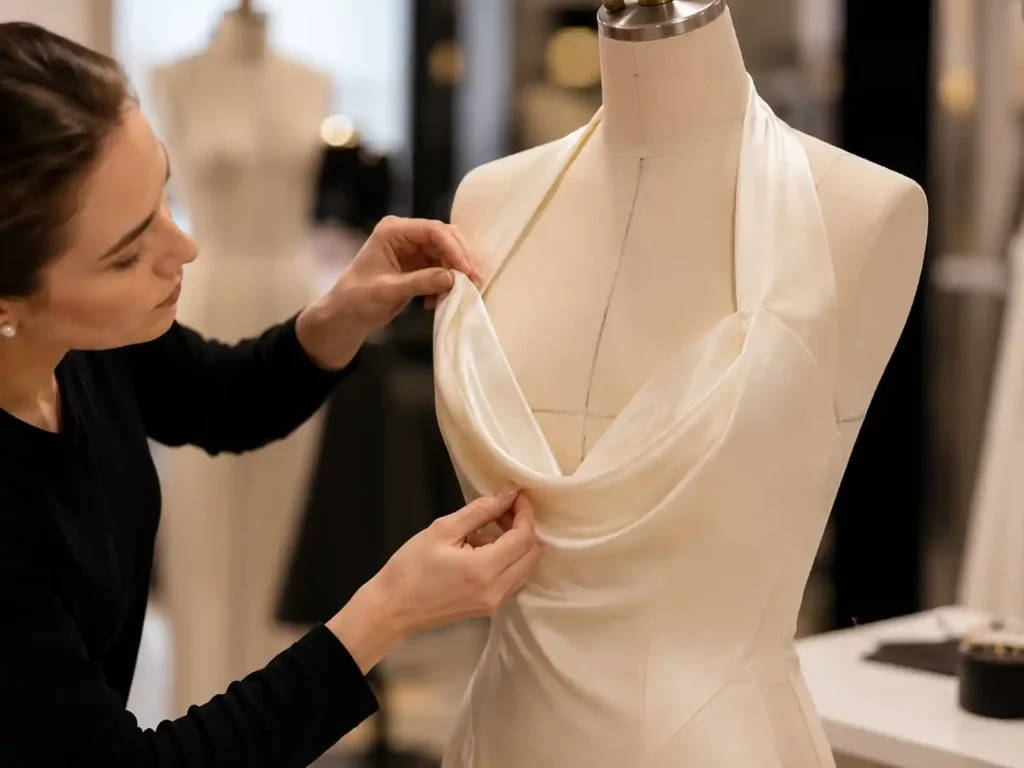
Neckline width and depth influence both styling and stability.
Halter, spaghetti strap, one-shoulder and strapless designs each need different support logic.
Strap length also interacts with bust position and armhole shape.
Excessive strap correction after production begins can change neckline position, so the relationship is checked during sampling.

Corset and Structured Bust Development
Structured styles are reviewed around cup volume, cup position, boning channels, waist shaping, lining layers and closure tension.
Anti-slip methods may be considered for strapless structures, while bust pads and internal support should remain compatible with the outer fabric. The goal is a stable garment without creating visible stiffness where the design expects a clean surface.

Length, Slit and Hem Balance
Mini, midi and maxi proportions are assessed against waist and hip placement. Slit height needs enough movement while maintaining coverage and stability.
Long skirts can appear uneven when grain, fabric relaxation or weight distribution is not controlled. Hem balance may therefore be checked again after the garment has rested before final sample approval.
Construction and Workmanship Designed for Repeatable Production
Visual design must eventually become a sequence that operators can repeat hundreds or thousands of times. Seam construction, lining, reinforcement, closures, pressing and finishing are reviewed during development so production does not rely on personal interpretation at each workstation.
Seam Construction
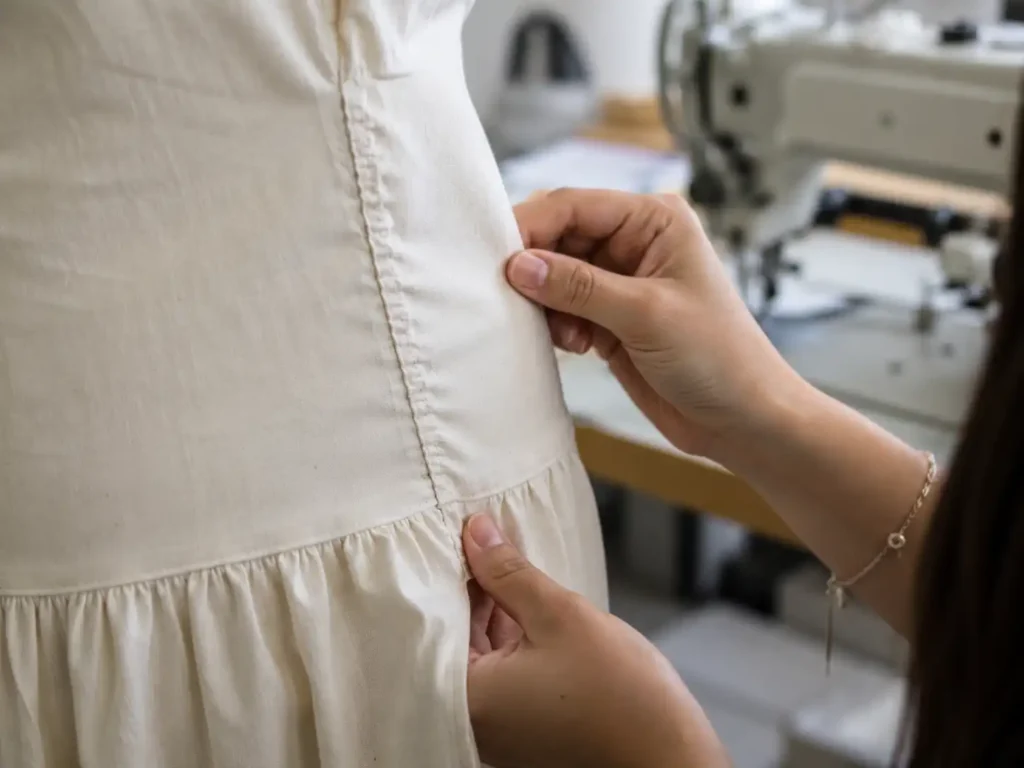
The correct seam depends on fabric thickness, transparency, stretch and edge behavior. Lightweight woven fabrics may require clean narrow finishes, while stretch garments need seams capable of moving without breaking or creating excessive bulk.
Seam allowance, stitch type and construction sequence are transferred into production instructions after approval. Garments with visible seams on satin or lightweight fabrics need additional attention because pressure and tension can remain visible on the finished surface.

Lining and Internal Support
Lining is part of the garment structure, not only a coverage layer. It can control transparency, improve comfort, support outer fabric and protect internal components.
Structured dresses may include cups, boning, interfacing or additional stabilizing pieces. The internal system needs enough support without changing the intended external silhouette.
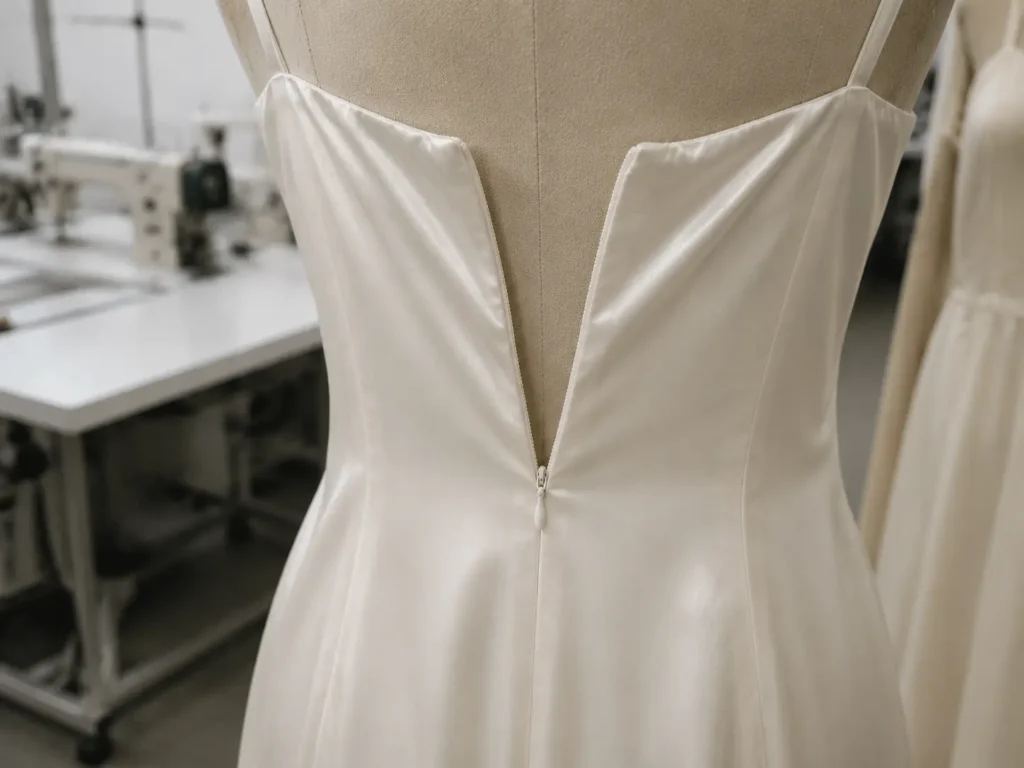
Zippers and Closures
Invisible zippers need correct seam preparation and pressing to remain flat. Bulging often results from tension imbalance, poor seam stabilization or mismatch between fabric and zipper tape.
Hook-and-eye closures, buttons and other fastening systems are reviewed for position and function during sampling so bulk production follows a defined placement rather than operator judgment.

Pressing and Finishing
Pressing can improve a garment or damage it. Satin, sequins, lace and synthetic fabrics respond differently to heat and pressure.
Finishing instructions take material behavior into account. Final garment review checks seam appearance, shape, surface condition and presentation before packing.
Sampling Stages From First Prototype to Golden Sample
Sampling is treated as a controlled approval process rather than a single prototype. Each stage has a different purpose, and changes from one round need to be reflected in pattern files, measurements, BOM information and production instructions before bulk approval.
| Sample Stage | Main Purpose | Typical Review Focus | Output |
|---|---|---|---|
| First Sample | Confirm initial design translation | Silhouette, structure, fabric direction, basic measurements | First development comments |
| Fit Sample | Evaluate body fit and balance | Bust, waist, hip, neckline, strap, length, movement | Fit corrections |
| Revised Sample | Confirm requested corrections | Updated pattern, measurements, construction details | Revised approval comments |
| Photo Sample | Prepare photo-ready garment when required | Visual finish, color, styling appearance | Marketing/sample approval |
| PP Sample | Confirm pre-production standard | Final fabric, trims, measurements, sewing, labels, packing | Bulk production approval |
| Golden Sample | Seal approved production reference | Final approved appearance and workmanship | Repeatable production reference |
Multi-Style Production for Seasonal Fashion Collections
Style Allocation
Knit and Woven Separation
Complex Fabric Planning
Color and Material Tracking
Batch Production
Capacity Coordination
Bulk Production Control After PP Sample Approval
PP approval marks the transition from development to controlled manufacturing. Bulk production should reproduce an approved standard, not restart design decisions on the sewing floor. Material, pattern, construction and packing information therefore need to be locked before cutting begins.
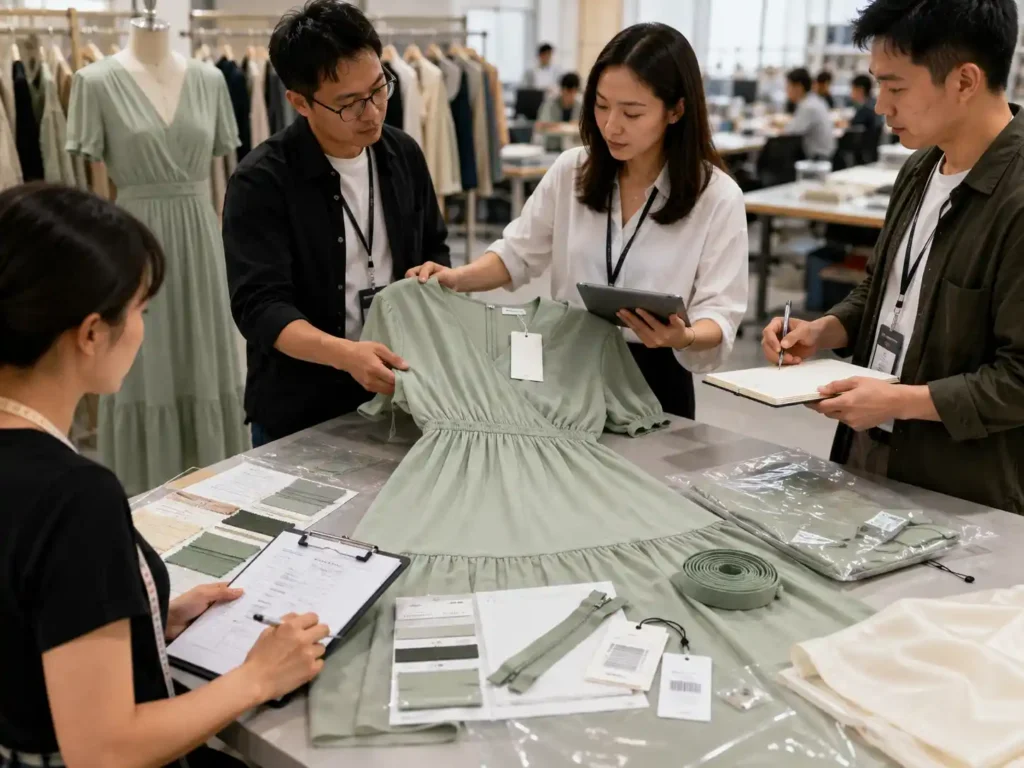
Pre-Production Confirmation
Final fabric, color, trims, size chart, labels, construction details and packing requirements are reviewed before production release.
Any remaining special instructions are transferred into production documentation. Materials with batch-sensitive appearance may require extra attention before cutting, especially satin, lace, printed fabrics and coordinated sets.

Fabric Preparation and Cutting
Incoming materials are checked according to project needs before cutting. Fabric preparation may include relaxing or other handling appropriate to the material.
Cutting follows approved pattern and grain requirements. Fabric direction is especially important when surface shine, pile, motif direction or drape can visibly change between garment panels.
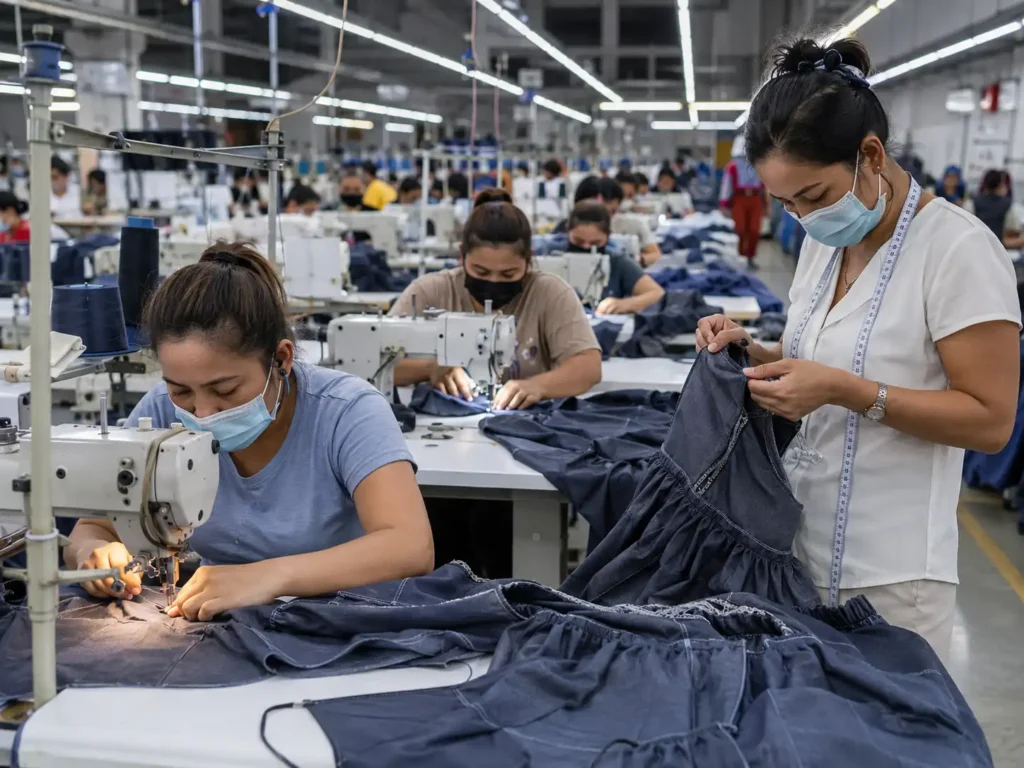
Sewing and In-Line Control
Production instructions define important construction points before garments move through the line.
In-line checks focus on measurements, seam quality, construction details and visible problems while corrections are still manageable. A recurring issue is more valuable to detect after dozens of garments than after thousands have reached final inspection.
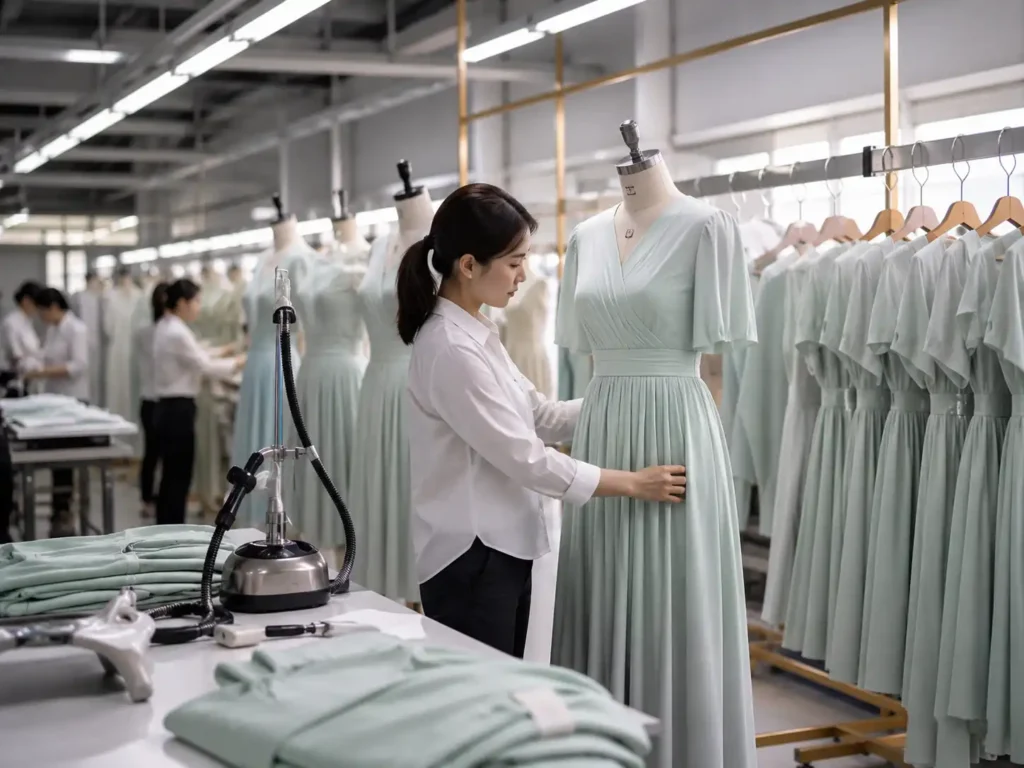
Finishing and Packing
After sewing, garments move through finishing, pressing, final garment review and packing.
Packing specifications may include labels, barcodes, SKU requirements, polybags, carton marks and warehouse information. Final presentation is treated as part of branded delivery, not a separate afterthought.
Quality Control From Material Arrival to Packed Garments
Incoming Material QC
Cutting QC
Sewing QC
In-Line Inspection
Measurement Review
Garment Inspection
Pressing Review
Packing and AQL
Project Management Keeps Development and Production Connected
Requirement Confirmation
Timeline Planning
Material Tracking
Revision Records
Production Updates
Shipment Coordination
MOQ and Cost Planning for Commercial Apparel Production
Jinfeng Apparel’s standard MOQ starts from 200 pcs per style/color. Quantity is calculated by style and color rather than total pieces across unrelated products. Specially developed fabrics, trims, dyeing, printing or packaging may carry separate supplier minimums.
| Cost Area | What Influences Cost | Planning Focus |
|---|---|---|
| Fabric | Fiber, construction, weight, finish, color, order quantity | Balance appearance, performance and availability |
| Trims | Zippers, cups, boning, buttons, elastic, decorative components | Confirm supplier minimums and lead times |
| Pattern & Sampling | Complexity, fitting rounds, construction development | Resolve technical risk before bulk |
| Cutting & Sewing | Number of operations, fabric handling, workmanship | Match construction to suitable production resources |
| Finishing | Pressing, special handling, surface protection | Protect final garment appearance |
| QC | Inspection complexity and project requirements | Build control into production stages |
| Packing | Labels, barcodes, polybags, carton requirements | Align with retail or warehouse needs |
| Testing & Logistics | Project, market and shipment requirements | Evaluate separately where required |
Private Label Packing Ready for Brand Operations

Main Labels
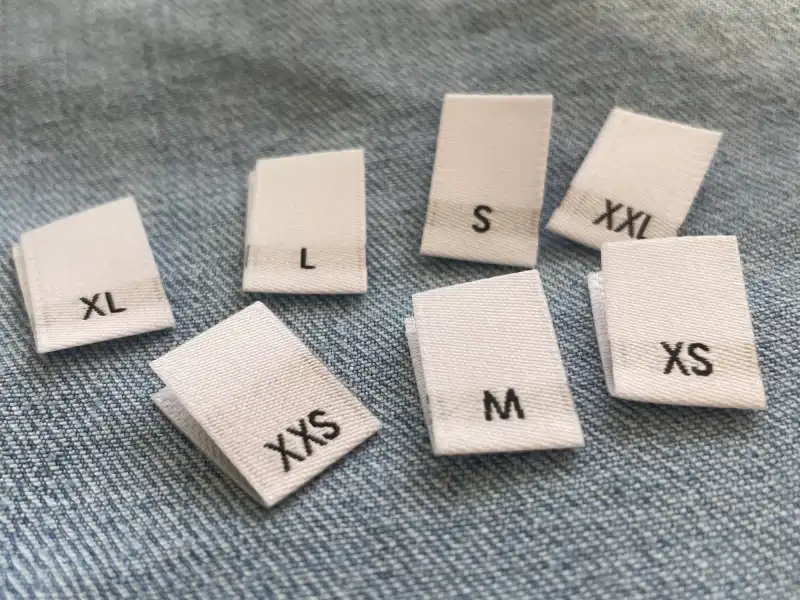
Size Labels

Care Labels

Hangtags
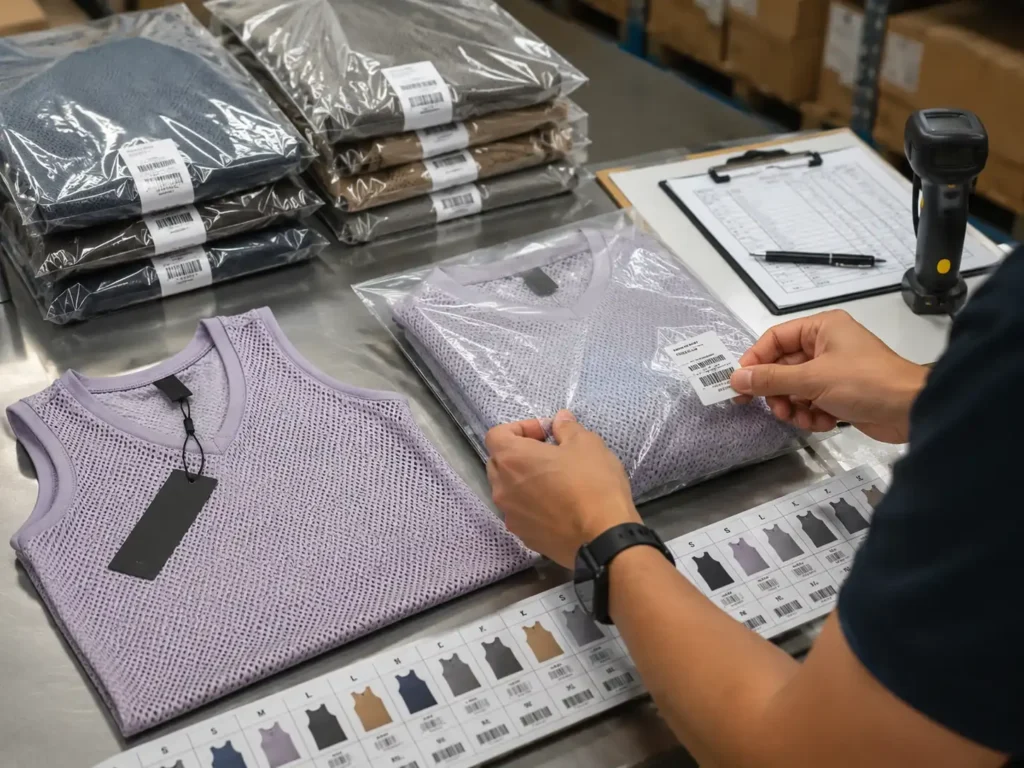
Barcode Stickers

SKU Labels

Polybags

Carton Marks
Brand Protection, Compliance and Inspection by Project
NDA and Design Protection
Compliance Review
Inspection Support
Shipping and Repeat Orders Built Into the Production Plan
Express and Air
Sea Freight
Trade Terms
EXW, FOB, CIF, DAP and DDP may be evaluated according to the project. DDP is not treated as an automatic option for every destination.
Repeat-Order Records
Fashion Production Cases Built Around Real Collection Complexity
Large apparel programs are rarely a single style multiplied into a large quantity. Collection orders typically combine multiple silhouettes, fabrics, color groups and construction levels, requiring development and production planning across several workstreams.

US Occasionwear Collection — 22 Styles, 48,600 Pieces
An established US occasionwear program included 22 styles across satin dresses, mesh bodycon designs, corset silhouettes, lace styles and coordinated fashion pieces. Total planned quantity reached approximately 48,600 pieces across multiple colors and size ratios.
Development risk was concentrated in three areas: structured bust fit, material variation and the number of styles moving through approval at different speeds.
Satin styles were reviewed for drape, shine direction, lining and zipper flatness. Corset styles required correction around cup shape, boning position, waist shaping and upper-bust stability. Mesh products needed enough recovery around neckline and armhole areas while maintaining the intended transparent appearance.
Instead of waiting for all styles to reach the same stage, development moved in controlled groups. Approved styles progressed toward PP while remaining styles continued fit and construction correction.
Bulk production was allocated according to garment type and material behavior. QC checkpoints focused on high-risk construction areas instead of using one identical checklist for every product.
The commercial objective was straightforward: keep a large collection moving without allowing style count to dilute fit control or bulk consistency.
European Fashion Brand — 16 Styles, 31,200 Pieces
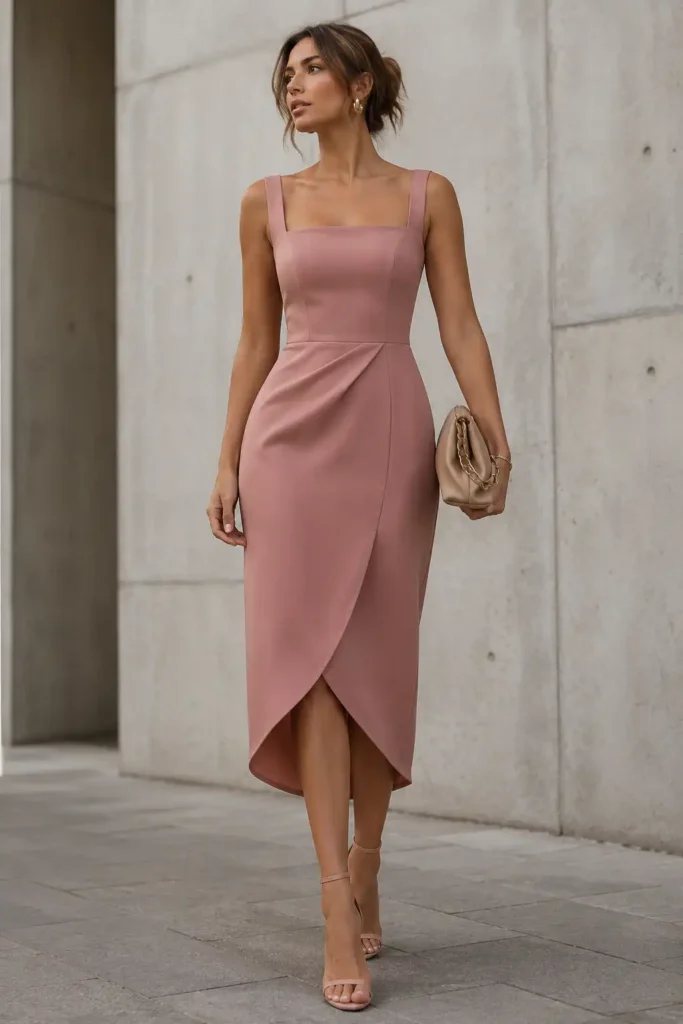
A seasonal womenswear order contained 16 styles totaling approximately 31,200 pieces, combining midi dresses, maxi dresses, fitted woven styles, matching sets and lightweight fluid fabrics.
Several products used visually similar fabrics with different weight and drape. Development therefore focused on matching fabric behavior to the intended silhouette before final costing.
Maxi dresses required attention to length balance and hem behavior, while fitted woven styles were corrected around bust, waist and zipper construction. Coordinated sets added another layer of control because top and bottom pieces needed compatible color, labels and packing instructions.
The program used successive sample review before PP approval, with pattern and measurement corrections recorded before bulk release.
Production planning considered material readiness and construction complexity rather than sending every approved style into one production sequence.
The order illustrates the value of collection-level manufacturing: every garment remains a separate technical product, while material, timeline, QC and packing are coordinated as one commercial program.

Fashion Ecommerce Program — 28 Styles, 72,400 Pieces
A larger multi-style program can include 20–30 styles with total quantities moving well above 70,000 pieces. A representative fashion ecommerce structure may contain repeatable core silhouettes alongside trend-led dresses, tops, skirts, sets and occasion products.
The main challenge is not only production volume. It is maintaining control while styles use different fabrics, trims, approval cycles and sewing complexity.
Flexible production capacity allows suitable styles to move through different resources while project management keeps fabric status, PP approvals, QC feedback and packing requirements visible across the overall order.
Products with established construction can enter efficient production earlier, while complex designs receive additional sample and workmanship attention before release.
For high-style-count programs, the production relationship becomes more valuable when approved patterns, BOM information, packaging specifications and QC records remain available for replenishment.
The objective is not to process every style identically. The objective is to keep the full collection commercially coordinated while preserving the technical requirements of each garment.
Frequently Asked Questions About Custom Apparel Production
Tech packs are ideal when available. Development can also begin from reference photos, original samples, sketches, line sheets or size charts. Quantity, color, preferred fabric, target price, launch date, private-label requirements and shipping destination help the team review feasibility more accurately.
Yes. OEM development can follow established technical specifications, while ODM cooperation can include fabric direction, trim suggestions, pattern development, structural adjustment and sampling when the product concept still needs manufacturing development.
The standard MOQ starts from 200 pcs per style/color. Quantity is calculated by style and color, not by combining unrelated styles into one total. Special fabrics, trims, printing, dyeing or packaging can have separate supplier minimums.
Yes. Reference images can be used as a visual starting point. Internal construction, fabric weight, lining, closures, measurements and pattern balance still need to be developed because photographs rarely contain enough information for repeatable manufacturing.
Simple styles may take approximately 7–10 days, ordinary dress development commonly requires around 10–15 days, and complex products may need approximately 15–25 days. Fabric and trim availability can extend development time.
Fit is reviewed through measurements, garment balance, fabric behavior and product-specific control points such as bust, waist, hip, neckline, straps, rise, slit and length. Revisions are incorporated before PP approval.
Yes. Jinfeng Apparel supports multi-style, multi-fabric, multi-color and multi-size orders through 6 owned factories, 10+ long-term production partners, 18+ sewing lines and 6+ flexible production lines.
Yes. Private-label support can include main labels, size labels, care labels, hangtags, barcode stickers, SKU labels, polybags, carton marks and warehouse labels according to the approved packing requirement.
Yes. NDA-based cooperation can protect tech packs, patterns, samples, trims, private-label information, packaging details, unpublished designs and other project information.
Repeat-order support uses approved pattern records, BOM information, fabric and color references, trim specifications, packing requirements, QC records and Golden samples. Material availability and production conditions are reviewed again before each repeat order.

Send Your Collection for a Production Review
A useful quotation starts with enough product information to evaluate construction, materials, development work, production quantity and schedule.
Jinfeng Apparel can review a complete tech pack or begin with reference materials when some technical details still need development.
For the most accurate project review, include as much of the following information as available:
- Product type and number of styles
- Tech pack, sketch or reference photos
- Original sample information, if available
- Size chart and key measurements
- Planned quantity by style and color
- Fabric preference or required hand feel
- Color requirements
- Target price range
- Desired launch or delivery window
- Main labels, care labels and hangtags
- Barcode, SKU and packing requirements
- Shipping destination
- Brand website or social link when appropriate


