 Skip to content

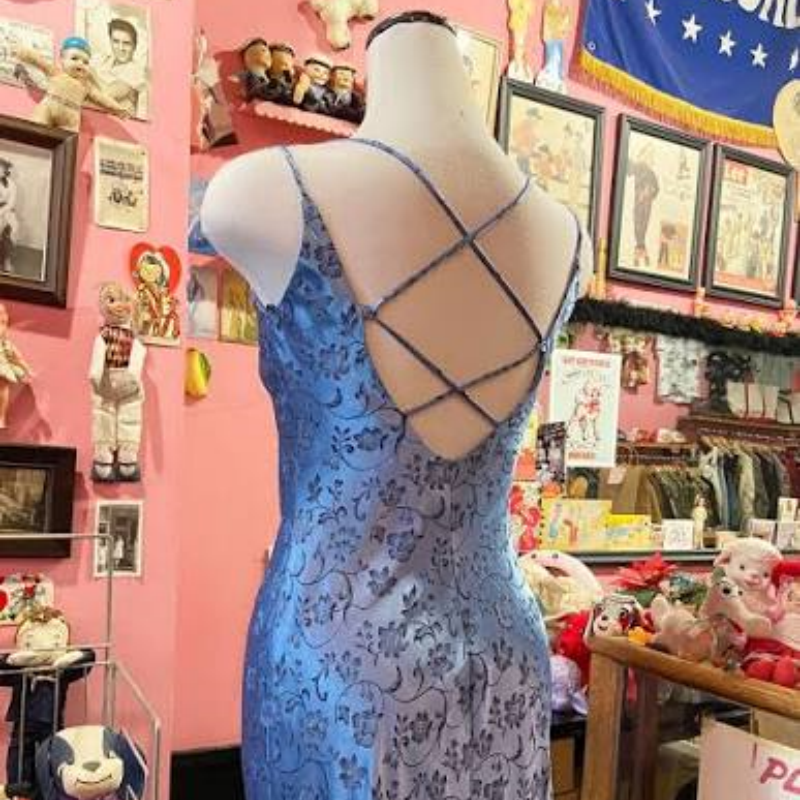
Cross-Back Strap Systems
Cross-back strap development engineered around fit, support, adjustment, movement and repeatable production for fashion-led women’s dresses.
Jinfeng Apparel develops cross-back strap structures for backless, slip, party, resort, occasion and fitted dresses, translating design references and tech packs into production-ready garments.
- 7+ senior pattern makersreview strap angle, anchor position, neckline, back opening and body balance.
- 2 sample rooms + 20+ sample machinistssupport first, fit, revised, PP and Golden sample development.
- Standard dress first samples are typically about 10–15 days; structurally complex styles may require 15–25 days, depending on fabric, support construction and finishing.
- Cross-back development is checked for strap length, symmetry, bust stability, side coverage, movement and multi-size consistencybefore bulk approval.
Development Capacity Behind Every Cross-Back Structure
7+ Pattern Makers
2 Sample Rooms
20+ Sample Machinists
15+ QC Inspectors
18+ Sewing Lines
100,000+ Monthly Capacity
Built for Professional Women’s Fashion Development

Product Development Teams

Sourcing Teams

Occasion and Party Brands

Premium Ecommerce and Retail Programs
What Makes a Cross-Back Strap System Work

Strap Geometry

Fit and Support

Adjustment System

Production Repeatability
Cross-Back Systems for Different Dress Concepts

Fixed Cross-Back

Adjustable Cross-Back

Ring-and-Slider Cross

Tie Cross-Back

Elastic-Assisted Cross

Multi-Point Cross-Back
Where Cross-Back Systems Work Best
Crossed straps can support very different commercial looks. Each garment category places a different demand on strap tension, body fit, support and fabric behavior, so one standard construction should not be copied across every style.

Slip Dresses

Backless Dresses

Party Dresses

Resort Dresses

Maxi Dresses

Cami-Inspired Dresses
Strap Geometry Controls Fit Before Sewing Begins
Cross-back development starts with geometry. Strap angle, crossing point, anchor position and back depth have to work as one pattern system; changing a single point can alter the fit across the front and back bodice.
Cross Point Height and Strap Angle
The crossing point determines both appearance and load direction. A high cross point creates a tighter X shape and can increase the inward pull toward the center back. A low cross point opens the upper back more widely and changes the required strap path from shoulder to anchor. Neither is automatically better; the correct position depends on neckline, shoulder width, bodice fit and the intended amount of exposed back.
During pattern development, the cross point should not be treated as a mark placed after the bodice has already been finalized. Moving the crossing position changes the effective strap length and the angle of force acting on the front neckline. On fitted or low-front styles, even a visually small shift can contribute to neckline gaping or excessive tension.
Fit samples are therefore reviewed from the back, front and side. The back may look visually balanced while the front neckline is being pulled upward, or the front may look correct while the straps are sliding toward the neck. Pattern correction connects both views.
Anchor Position and Back Opening
Anchor points determine where strap force enters the garment.
Anchors placed close to the center back create a different tension direction from anchors positioned farther toward the side seam. They also influence the shape of the back opening and how securely the side-back area sits against the body.
Attachment locations require enough structural support to resist repeated tension. Lightweight satin, chiffon, mesh and some fluid woven fabrics may need reinforcement or a construction change around the anchor zone.
A visually delicate strap should not be attached to an unstable edge without considering how the area will behave during wear and repeated production.
For asymmetrical or multi-point designs, every anchor should be clearly recorded in the pattern and sewing instructions. Operators should not determine placement by visual estimation during bulk sewing.
Strap Length Is a Pattern Measurement
Strap length affects bust level, neckline depth, armhole exposure and cross point position simultaneously.
A strap shortened only to “tighten the back” can lift the entire front bodice. A strap lengthened to improve comfort can lower the neckline and create side exposure.
Jinfeng reviews strap measurements alongside bust, upper bust, under bust, armhole and back height.
Adjustable sliders can provide a controlled fitting range, but adjustment hardware does not remove the need for a correct base length.
The approved sample should establish both the intended wearing position and, when applicable, the usable adjustment range.

Adjustable Hardware Must Match the Strap

Strap Sliders

Rings and Connectors

Elastic and Soft Adjustment
Fabric Changes How Cross-Back Straps Behave
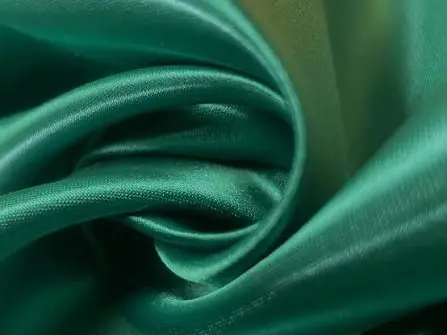
Satin
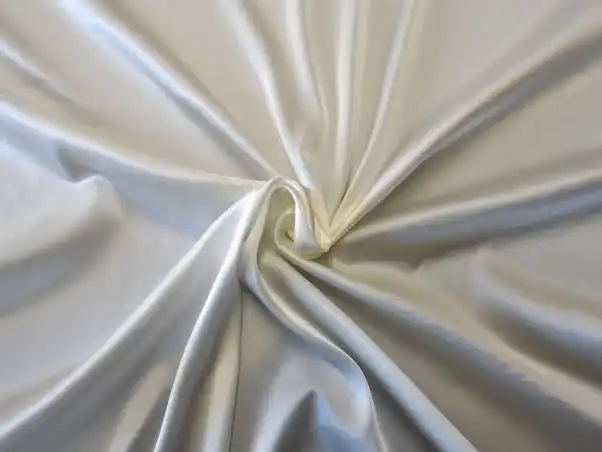
Stretch Satin
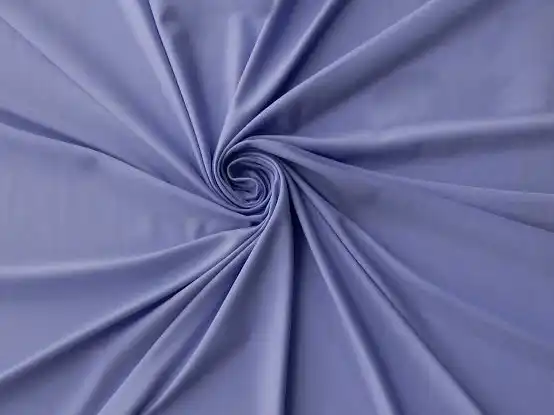
Jersey
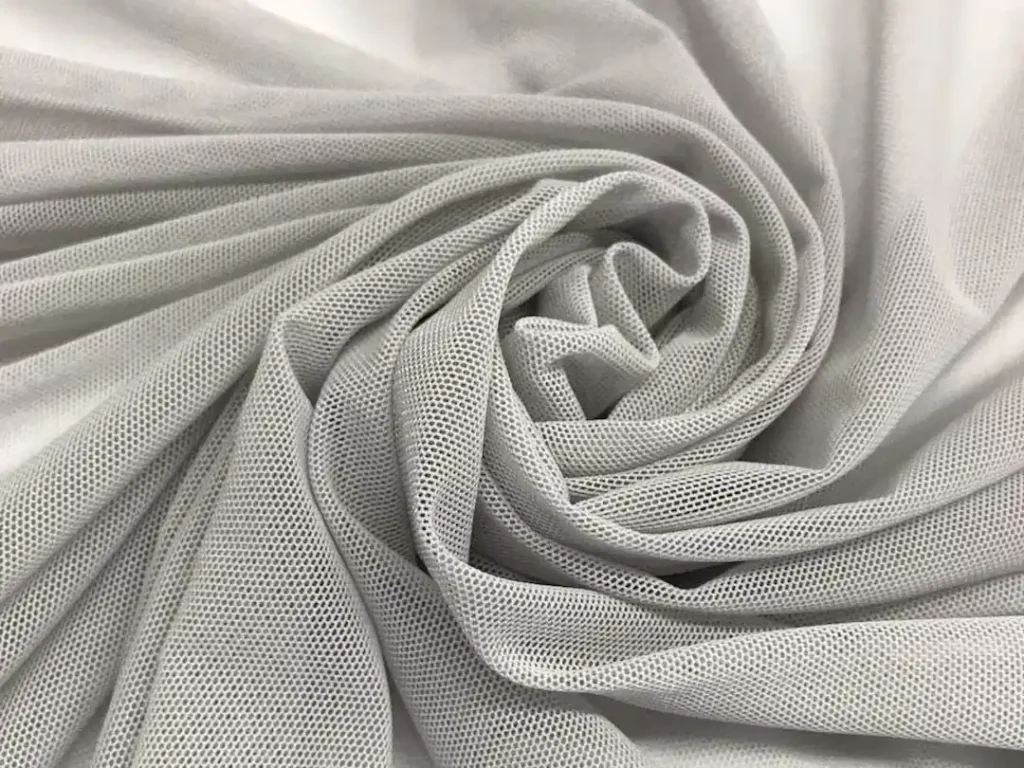
Mesh and Power Mesh

Chiffon and Lightweight Wovens
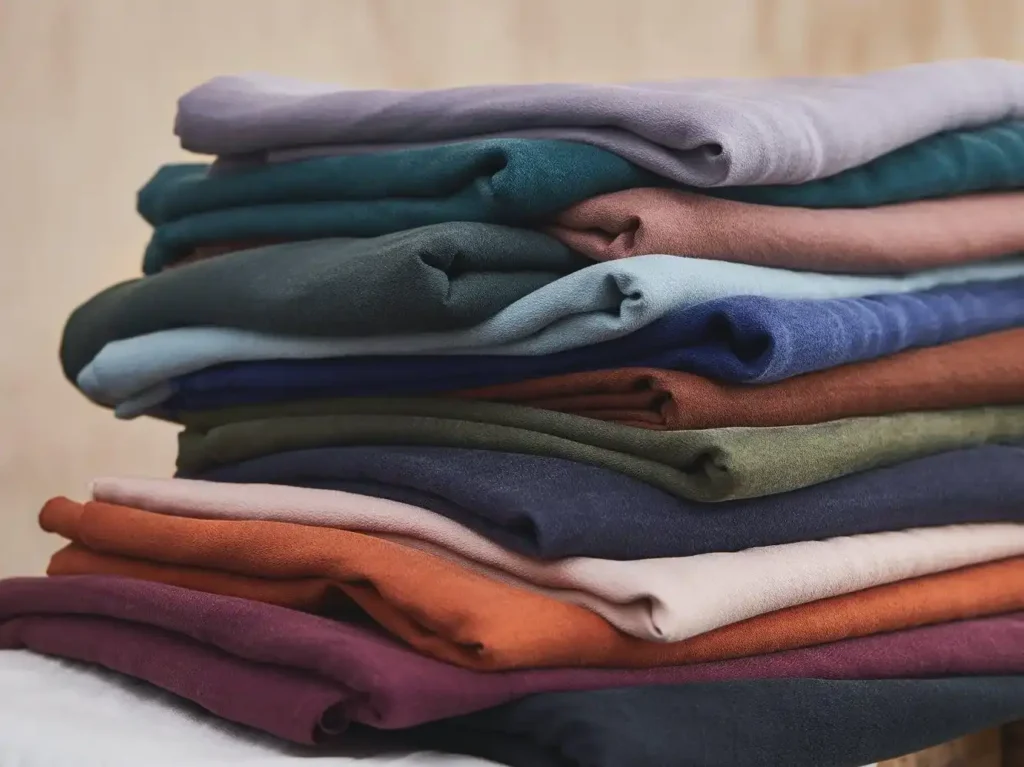
Crepe and Structured Wovens
Bust, Back and Side Stability Work Together
A cross-back dress can look balanced on a hanger and fail during wear. Jinfeng reviews the complete upper-body structure because strap tension can change bust position, neckline height, underarm coverage and the behavior of the open back.
Bust Stability Starts at the Pattern
Fine crossed straps should not be expected to solve an unstable front bodice. Bust support may come from the pattern shape, lining, cups, elastic, boning or a combination of structures depending on the dress. Low-back and non-bra-friendly designs need particular attention because normal bra support may not be available.
During fitting, Jinfeng checks the bust together with upper bust, under bust and neckline. A strap that has to be tightened excessively to hold the front in place usually signals a broader structure issue. Tightening may lift the neckline while creating shoulder pressure, underarm distortion or an unnaturally high cross point.
Built-in cups are reviewed for shape and position when specified. Cup placement can influence neckline appearance and should remain aligned with the wearer rather than being treated as a simple trim insertion.
Side Coverage Prevents Exposure
Cross-back designs often reduce the amount of fabric covering the side-back area. If the armhole or side edge is cut too deeply, the garment may reveal more than the intended design or lose stability during movement.
Side coverage is checked from multiple angles. A back photograph alone cannot show whether the garment opens around the underarm or shifts when the wearer moves.
Front, side and back views help identify where the pattern needs additional coverage or reshaping.
On fitted dresses, fabric stretch further affects side stability.
Highly elastic fabric may appear secure in a static pose but open under movement if recovery or pattern tension is not balanced.
Back Stability Requires More Than Symmetry
Symmetry is essential, but a visually even X does not guarantee a stable back.
Jinfeng also reviews whether the back edge lies cleanly, whether the cross point remains near its intended location and whether the straps stay positioned on the shoulders.
Movement testing can reveal issues that flat measurements miss.
Sitting, walking, raising the arms or changing posture alters tension through the bodice.
Fit feedback is therefore converted into pattern changes and measurement notes before a style is approved for production.
Cross-Back Size Grading Needs Its Own Rules
Cross-back grading should preserve the visual proportion and wearing function of the approved base size. Strap length, anchor position and back opening are reviewed with the brand’s approved size chart instead of increasing every measurement by the same amount.
| Control Point | Base-Size Approval | Grading Risk | Production Control |
|---|---|---|---|
| Strap Length | Confirmed on fit sample | Too loose, too tight, neckline shift | Finished strap measurement |
| Cross Point | Approved back position | X moves too high or too low | Back visual and placement check |
| Strap Angle | Balanced with shoulder and back | Strap moves toward neck or shoulder edge | Pattern-position control |
| Anchor Point | Confirmed on final pattern | Back opening changes between sizes | Pattern notch / placement reference |
| Back Height | Approved exposure level | Larger sizes become disproportionately open | Finished back measurement |
| Bust Level | Confirmed with neckline | Strap grading lifts or lowers bodice | Bust and neckline review |
| Armhole / Side | Approved side coverage | Underarm exposure increases | Measurement + fit review |
| Slider Range | Confirmed adjustment window | Insufficient adjustment in some sizes | Trim and strap specification |
Sampling Proves the Structure Before Bulk Production
Cross-back sampling is used to turn a visual idea into a controlled manufacturing standard. Appearance, fit, fabric behavior, strap construction and repeatability are checked before PP approval rather than left for correction during bulk sewing.
First Sample: Prove the Direction
A first sample establishes whether the intended strap geometry can work with the selected fabric and bodice. Jinfeng can develop from a tech pack, reference image, sketch or original sample, but development accuracy improves when the project includes a clear size chart, fabric direction, intended back exposure and strap detail.
Standard dress first samples are commonly around 10–15 days. Simpler styles may be around 7–10 days, while complex corset, strapless, lace, mesh, sequin, evening or similarly structured developments can require 15–25 days, subject to actual construction and material availability.
The first sample is not automatically a bulk standard. Its role is to expose questions early: Is the cross point correct? Does the neckline stay at the intended height? Are the anchors stable? Does the dress need additional support?
Fit and Revised Samples: Turn Feedback Into Data
Fit comments should identify the cause of the problem rather than simply ask for a tighter or looser strap. Jinfeng reviews front, side and back photographs, measurements, body proportion and written comments to determine whether correction belongs in the strap, neckline, bodice, armhole, back edge or support structure.
Revisions can include strap length, back structure, chest height, armhole position, lining or fabric.
Significant pattern or material changes normally require a revised sample so the updated structure can be evaluated before the project proceeds.
Every bulk-relevant change should update the working pattern, measurement chart, fabric record, trim specification or sewing instruction.
PP and Golden Sample: Lock the Standard
PP approval comes after fit, material, color, trims, construction and relevant packing details are confirmed.
Cross-back information carried into production can include final pattern position, strap specification, slider or ring reference, attachment method, measurement requirements and quality checkpoints.
A Golden sample can then serve as an approved physical reference for production and repeat-order records.
Bulk production should not begin from an unresolved fit sample or an informal photograph when critical construction decisions remain open.

Pattern Corrections Must Be Locked Before Bulk
Sample feedback becomes valuable only when each approved change is transferred into the production pattern and supporting files. Jinfeng uses pattern correction, measurement review and PP confirmation to prevent unresolved sample issues from multiplying across bulk quantities.
Diagnose Before Changing the Strap
A loose-looking back does not always mean the strap should simply be shortened. The underlying cause may be back width, anchor position, neckline balance, fabric stretch or insufficient bust support. Jinfeng reviews the complete structure before deciding where a correction belongs.
The same principle applies when straps feel tight. Lengthening them may improve shoulder comfort but lower the front neckline or change side coverage. Pattern correction therefore links visible symptoms to the actual structural cause.
Fit comments, measurements and photographs are reviewed together so the development file reflects the reason for each change.
Update the Pattern and Measurement Standard
Approved corrections are moved out of informal messages and into working documents. Depending on the issue, updates may affect final pattern pieces, size chart, strap measurement, back position, trim specification, sewing instructions or QC checklist.
Grading also needs to reflect the corrected base pattern. A cross point moved during the fit stage cannot remain unchanged in an outdated graded nest. The final size set should therefore follow the approved geometry rather than an earlier sample version.
Material changes require another check because stretch, weight or drape can change the fit achieved with the previous pattern.
Confirm Before Production Handover
After final correction, the PP sample represents the point where pattern, material, trims and construction are expected to match the planned bulk standard.
Production handover should use the final pattern, approved size information, relevant trim references and clear sewing instructions.
Any late change after PP approval should be assessed for effect on pattern, cost, material purchasing and production timing rather than inserted casually into bulk work.

Cross-Back Workmanship Is Visible at Every Junction
Fine straps expose sewing quality. Attachment points, turned edges, slider threading and left-right alignment are small details, but poor execution immediately changes the look and wearing performance of a premium dress.
Strap Formation and Edge Quality
Narrow self-fabric straps need consistent finished width and clean turning. Twisting, uneven width or bulky seam allowance becomes visible once two straps cross each other. Satin demands particularly careful handling because surface damage, seam distortion or uneven shine can make a fine strap appear irregular even when its nominal measurement is correct.
Strap preparation should follow the approved fabric and construction rather than allowing uncontrolled substitution between production batches. Where another tape or elastic is specified, width, hand feel, recovery and color need confirmation.
Anchor Reinforcement and Stitch Control
Anchor points repeatedly receive tension during dressing and wear. The connection has to be secure without creating a thick, visually clumsy junction. Reinforcement method depends on fabric strength, lining construction and the location of the anchor.
Mesh, chiffon and lightweight woven fabrics may need localized reinforcement so the strap is not pulling directly against a fragile edge. Lined bodices can provide additional structure, while open or transparent designs require reinforcement to remain discreet.
Slider Threading and Cross Direction
Adjustable hardware introduces a sequence that must be reproduced correctly.
A strap threaded backward through a slider may not adjust properly; an incorrectly crossed strap can twist when worn even though the garment looks normal when laid flat.
Production instructions should show how the strap travels from front attachment through any ring or slider and across the back to the final anchor. For multi-point designs, sequence becomes especially important.
Bulk QC for Cross-Back Strap Systems
Cross-back quality control needs product-specific checkpoints. Incoming materials, cutting, sewing, in-line inspection and finished-garment review are connected to the approved PP standard rather than relying only on a final visual check.
| QC Point | What Is Checked | Typical Risk |
|---|---|---|
| Strap Material | Fabric, tape, elastic, finish | Wrong hand feel or stretch |
| Strap Width | Finished width consistency | Uneven visual proportion |
| Strap Length | Approved measurement | Neckline or cross point shifts |
| Left/Right Symmetry | Pair alignment | Uneven X shape |
| Cross Direction | Correct strap sequence | Twisting on body |
| Cross Point | Position against approved standard | Back design changes |
| Anchor Position | Pattern placement | Different back opening |
| Anchor Security | Stitching and reinforcement | Weak stress point |
| Slider / Ring | Size, finish, orientation, function | Slipping or discomfort |
| Back Height | Finished measurement | Excessive or insufficient exposure |
| Side Coverage | Armhole and side-back balance | Underarm exposure |
| Bust / Neckline | Garment position | Front instability |
| Finished Measurements | Against approved size chart | Size inconsistency |
| Workmanship | Stitch, seam, clean finish | Visible defects on fine straps |
| Packing | Strap arrangement and hardware protection | Tangling or impressions |
Sample Approval Must Transfer Into Bulk
A strong sample program can still fail when production teams do not receive the exact approved pattern, trim and measurement information. Cross-back structures require a controlled handover because small placement differences remain highly visible.
Final Pattern and Grade Rule
The approved pattern records the final neckline, back opening, strap anchors and related fit corrections. Size grading should be based on the confirmed version rather than an early sample pattern. Jinfeng can retain first, revised, PP and bulk pattern records along with grading and strap-position information for confirmed projects.
Keeping those records also supports repeat orders. When a brand later changes fabric, stretch, strap detail or back depth, the previous standard provides a known reference while the changed variable can be reassessed.
Material and Trim References
Fabric, lining, strap material, sliders, rings, elastic and support components can all affect the approved fit. Production handover therefore includes relevant material and trim confirmations instead of specifying only generic names such as “metal slider” or “satin.”
A change in fabric stretch or weight can require pattern review. A change in slider or strap width can affect adjustment and visual scale. Material substitution should therefore be assessed before bulk use.
Sewing and QC Standard
Production teams need a clear construction sequence, particularly for adjustable or multi-point strap systems.
Sewing instructions identify attachment method and orientation, while QC checkpoints define what inspectors should measure or compare.
PP and Golden sample references help production and inspection teams compare the real garment against an approved physical standard.
Cross point, strap symmetry, back height and finished measurements then become repeatable control items through the production run.

Production Support for Multi-Style Dress Programs
6 Owned Factories
10+ Satellite Partners
18+ Sewing Lines
6+ Flexible Lines
12+ Merchandisers
30+ Finishing Workers
Cross-Back Development for a Multi-Style Program
An anonymized U.S. occasionwear project illustrates how cross-back styles can be handled as part of a larger brand program rather than as isolated samples.
Program Scope
The project covered 18 women’s dress styles and approximately 32,000 pieces across a coordinated occasion-led collection. Several styles used open-back or crossed-strap concepts, while the broader range included satin, stretch and mesh-led dresses. The brand required visual consistency across the collection while keeping each style’s fit and construction appropriate to its fabric.
Development files included back-view references, size requirements, target quantities, trim direction and launch planning.
Cross-back styles could not share one universal strap pattern because neckline, fabric stretch, back depth and support requirements varied between garments.
Fit and Development Challenges
Early fit review concentrated on four recurring issues: cross point position, strap tension, side exposure and front-bodice stability. One low-back concept required a different anchor relationship after the initial fit review because shortening the straps alone raised the front neckline without solving the back balance.
Another satin-led design required closer control of fine strap construction and slider position. A stretch style needed the bodice recovery considered together with the comparatively stable strap so the back opening did not widen excessively during wear.
Revisions were transferred into updated patterns and measurement information before PP approval rather than left as sample-room comments.
Production Control
The approved styles moved into bulk using final pattern records, confirmed strap and trim specifications, PP references and product-specific QC checkpoints.
Inspectors concentrated on strap length, left-right symmetry, cross direction, attachment position, back height and finished garment measurements.
The program was organized by style and production requirement rather than treating all 18 styles as one identical process. Packing also kept long ties and adjustable straps arranged to reduce tangling.
The result was a clearer sample-to-production handover and a retained pattern and trim record suitable for later color extensions, repeat orders or related back-detail developments.
Cross-Back Strap Systems Frequently Asked Questions

Send Your Cross-Back Dress Project for Review
A useful project review starts with enough information to understand the garment as a complete structure rather than pricing two crossed straps in isolation. Jinfeng Apparel can review reference images, tech packs, original samples or line sheets and identify the main development points before sampling begins.
For a more accurate first assessment, include:
- Reference image or tech packshowing the front and back design
- Target quantityby style and color
- Size chart or intended size range
- Fabric preferenceor approved fabric direction
- Strap reference, including fixed, adjustable, tie or hardware details
- Back exposure and support requirements
- Private-label or packing requirements, where applicable
- Target launch dateso sampling, bulk planning and delivery options can be reviewed together
Jinfeng can then assess strap geometry, fabric compatibility, pattern risk, support requirements, sample route, production feasibility and the information still needed before quotation or development approval.


