 Skip to content
Crease Reduction Solutions for Packed Dresses
Dress-Specific Pressing, Folding and Packing Control for Fashion Brands
A well-finished dress can lose much of its visual impact after hours or weeks of folding, carton pressure and international transport. Jinfeng Apparel integrates finishing, dress-specific folding, packing protection and packing QC into bulk womenswear production to reduce avoidable creasing before garments leave the factory.
- 30+ finishing and packing workers support trimming, pressing, folding, labeling and bulk packing execution.
- 15+ QC inspectors support garment, pressing and packing checks across bulk womenswear programs.
- A 15-style, approximately 18,000-piece resort dress program included travel-packing crease control for chiffon, rayon and printed maxi dresses.
- Satin, chiffon, rayon, viscose, maxi, occasion and structured dresses receive packing decisions based on fabric and garment construction rather than one universal folding method.
Packing Control Backed by Production Capability
30+ Packing Specialists
15+ QC Inspectors
18,000-Piece Packing Case
What Creates Creases Inside Packed Dresses?
Fabric Recovery Behavior
Repeated Fold Positions
Carton Compression
Garment Construction
Transit Duration
Finishing Condition
Creasing Affects More Than Garment Appearance

Photography Preparation

Retail Presentation

Ecommerce Unboxing

Warehouse Labor
Fabric Behavior Changes the Packing Strategy

Satin

Chiffon

Rayon and Viscose

Linen and Linen Blends

Crepe

Velvet

Sequin Fabrics
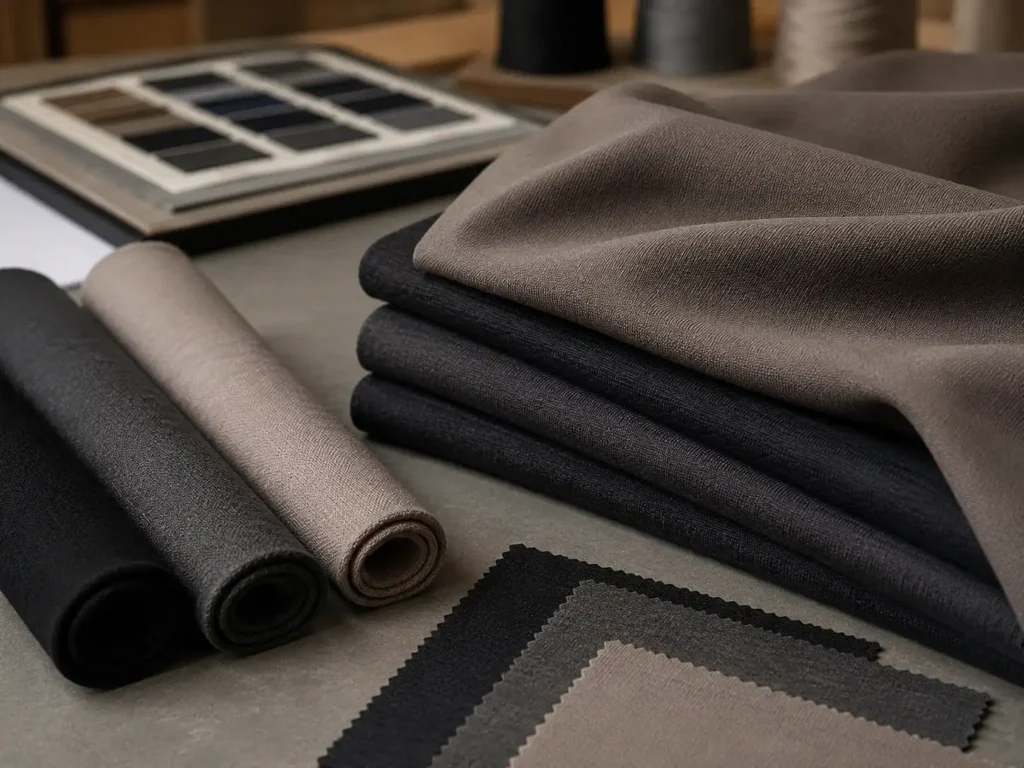
Jersey and Ponte
Dress Construction Determines Where Folding Can Happen
A fabric alone does not determine packing performance. Length, bodice construction, embellishment, pleating, ruching and internal support can change which areas tolerate folding and which areas need protection. Dress-specific packing helps preserve the form approved during sampling and bulk production.

Mini and Midi Dresses

Maxi Dresses

Slip Dresses

Corset and Structured Dresses

Pleated and Ruched Dresses

Sequin and Embellished Dresses

Pressing Starts the Crease-Control Process
Pressing is not a cosmetic action added just before packing. It establishes the garment condition that folding and packaging need to preserve. Jinfeng connects garment finishing, pressing review and packing preparation so the final appearance remains part of the bulk-production standard.
- Finish Before Folding
- Thread and Surface Cleaning: Loose threads, lint and visible debris are removed before a garment enters final presentation review. Satin, light-colored dresses and smooth woven fabrics reveal surface contamination quickly, so finishing inspection remains important before steaming or pressing.
- Garment Shape Review: Necklines, waist seams, zippers, side seams, slits, hems and linings are checked before packing. A pressing operation should not hide construction problems or force an incorrectly balanced garment into temporary shape.
- Fabric-Specific Pressing: Satin requires attention to shine and pressure marks. Chiffon and lightweight layers need gentle handling so drape is not flattened. Velvet requires pile-sensitive treatment. Pleated and ruched garments need finishing that preserves designed texture instead of removing it.
- Appearance Review After Pressing: A clean press alone is not enough. The garment should be reviewed for unwanted crease marks, asymmetry, zipper bulging, lining exposure, surface snagging and distorted hems before folding begins.
- Packing Readiness: Folding starts only after the garment reaches the expected presentation condition. The approved fold then becomes part of the packing instruction for bulk execution.
Jinfeng Apparel operates a finishing and packing team of more than 30 workers, allowing pressing, folding and individual packing to function as planned production stages rather than occasional end-of-line tasks.
One Folding Method Does Not Fit Every Dress
Bulk efficiency matters, but standardizing the wrong fold across every garment can create avoidable marks or distortion. Jinfeng develops folding around fabric sensitivity, dress length, internal structure, decoration and packaging format.
Satin Dress Folding
Smooth satin surfaces reveal hard horizontal or diagonal lines easily. The fold plan should limit pressure across large visible front panels and structured waist areas. Zippers, seams and layered sections also create thickness differences, so stacking pressure needs review together with the fold position.
For long satin dresses, fewer severe fold points can be preferable to repeatedly compressing the skirt into a small pack. Final decisions depend on the garment dimensions, polybag size, carton size, shipment plan and requested retail presentation.
Chiffon and Layered Dress Folding
Chiffon can move inside a package when layers are not aligned.
Folding should maintain lining position, skirt direction and hem balance while limiting unnecessary compression. Layered skirts may require individual handling rather than forcing every panel into one rigid fold.
Lightweight fabric does not automatically mean low crease risk. A thin garment compressed under heavier cartons can still arrive with strong fold lines.
Maxi Dress Folding
Maxi dresses require a balance between garment length and pack-out efficiency. Waistline, slit, print placement, lining length and hem sweep influence the final fold. Long dresses should also be checked after folding to make sure the skirt has not twisted or shifted inside the polybag.
Structured Dress Folding
Corset, strapless and boned dresses need protection around cups, internal support and reinforced seams.
The objective is to prevent the bodice from becoming the compression point for the entire packed garment.
Sequin Dress Folding
Decorative surfaces need protection from friction and localized pressure. Fold direction should reduce direct contact between embellished faces, while protective material can be added where the garment construction requires it.
Pleated and Ruched Dress Folding
Engineered texture must remain intentional. Pleated panels, gathers and ruching should be arranged before packing so accidental compression does not create competing fold lines or flatten the original design.
Packing Materials Each Have a Specific Job
Individual Polybag
Tissue Paper
Protective Interlayer
Garment Dust Bag
Hanger Protection
Export Carton

Our Crease-Reduction Packing Control
Jinfeng uses a dress-led packing workflow designed to reduce avoidable compression and folding problems while keeping bulk execution repeatable. The goal is controlled shipment condition, not an unrealistic promise of completely wrinkle-free international delivery.
- Review the Actual Dress: Fabric, length, lining, structure, decorative areas, closures and sensitive surfaces are reviewed before the packing method is finalized.
- Identify Crease-Sensitive Zones: Visible satin panels, maxi skirt sections, structured bodices, pleats, ruching, velvet surfaces and embellished areas receive more attention than low-risk sections.
- Establish Finishing Condition: Garments proceed through trimming, appearance review and pressing before folding. Existing wrinkles or pressing marks should be corrected before packing begins.
- Confirm the Folding Method: The fold is selected according to garment structure rather than a warehouse-wide template. Maxi, satin, structured and embellished dresses can require different pack-out methods.
- Add Protection Where Needed: Polybag sizing, tissue, protective interlayers, dust bags or other brand-specified packing materials can be reviewed according to product risk and presentation requirements.
- Control Packing Density: Carton quantity and pressure are reviewed together with garment volume, fabric sensitivity and shipping cost. Efficient packing should not crush structured or highly sensitive garments.
- Inspect the Packed Garment: Packing QC verifies appearance, folding, labels, SKU information, polybag condition and carton-level consistency before shipment preparation.
- Preserve the Approved Standard: Packing requirements can be recorded with other order information to support repeat production, new colors and future seasonal programs.
Creases caused by extended storage or transport cannot always be eliminated completely. Professional packing focuses on reducing unnecessary fold severity, surface pressure and garment distortion while maintaining commercially workable shipping efficiency.
Carton Pressure Can Change the Final Garment Condition
Under-Filled Cartons
Over-Filled Cartons
Mixed Garment Volume
Size and Color Ratios
Carton Dimensions
Shipping Economics
Flat Packing and Hanging Transport Serve Different Needs
Flat Packing
Flat packing works well for a broad range of mini, midi, maxi, resort, cocktail and ecommerce dresses when folding and carton control are properly defined.
Key considerations include:
- garment-specific fold method;
- individual polybag dimensions;
- tissue or protective layers where required;
- carton quantity and pressure;
- SKU, size and color organization;
- warehouse receiving instructions.
Flat packing remains especially efficient for multi-style programs where carton utilization and distribution cost are important.
Hanging Transport Review
Hanging transport can be considered for selected garments where preserving shape or reducing hard folds justifies added logistics complexity.
Formal dresses, structured occasionwear and some high-value satin garments may be evaluated with the brand and nominated logistics provider.
Jinfeng can prepare garments according to approved packing instructions and coordinate with client-nominated forwarders.
Suitability, hanger system, freight format, route and cost should be confirmed with the logistics provider rather than assumed for every style.
Retail-Ready Packing Extends Beyond Crease Control
Individual Garment Packing
Label and SKU Accuracy
Barcode and Warehouse Requirements
Private-Label Presentation
Carton Identification
Repeat-Order Records
Packing QC Protects the Approved Garment Standard
Packing QC links final garment quality with shipment preparation. Inspection does not stop when sewing finishes. Appearance, pressing, individual packing and carton consistency remain part of the quality chain.
Garment Appearance Control
Visible defects are reviewed before the garment is packed.
Checks may include:
- unwanted wrinkles or deep crease marks;
- stains and surface contamination;
- snagging;
- asymmetry;
- zipper bulging;
Pressing and Folding Review
Pressing quality is checked before the approved fold is applied.
Sensitive fabrics receive attention to surface marks, texture and drape.
Folding is then reviewed against the packing instruction so large quantities do not gradually drift away from the agreed method.
Label and Individual Pack Check
Size, color, SKU, hangtag and barcode information are matched with the garment.
Polybag dimensions and condition are also reviewed so an incorrect bag does not create unnecessary compression or receiving problems.
Carton-Level Check
Carton quantity, style, color, size, carton mark and packing list consistency are reviewed before shipment.
Packing quality therefore covers both garment presentation and downstream logistics accuracy.
Inspection Across the Production Chain
Jinfeng’s quality-control structure covers incoming material inspection, cutting QC, sewing QC, in-line inspection, finished garment inspection, pressing review, packing QC, AQL inspection support and client inspection coordination. Crease reduction sits inside the same quality system rather than operating as a separate marketing claim.

From PP Approval to Packed Shipment
PP Sample Approval
Packing Requirement Review
Bulk Production
Garment Inspection
Pressing and Finishing
Dress-Specific Folding
Individual Packing
Packing QC
Carton Packing
Shipment Preparation
Packing lists, commercial documentation, nominated-forwarder coordination and shipment arrangements follow the approved delivery plan.
Resort Dress Case: Managing Travel-Packing Creases
An anonymous European DTC resortwear brand worked with Jinfeng Apparel on a 15-style collection totaling approximately 18,000 pieces. Products included chiffon, rayon and printed resort dresses, with maxi lengths forming an important part of the assortment.

The Development Challenge
The collection needed to preserve the lightweight, fluid appearance expected from resortwear while remaining manageable for international shipping and travel-focused retail positioning.
Major production risks included:
- chiffon transparency;
- maxi hem balance;
- print direction;
- rayon and viscose shrinkage;
- lining length;
- packing creases across long skirt sections.

Jinfeng's Control Approach
Lining length and garment balance were reviewed during development. Print direction was controlled during cutting.
Rayon and viscose shrinkage risks were evaluated before bulk execution.
Before shipment, maxi-dress packing received specific attention so long garments were not treated like short basic dresses.
Folding and packing were coordinated with the garment length, fabric behavior and travel-oriented sales positioning.

Program Result
The program moved through bulk delivery with product records retained for future seasonal development, including fabric, color and pattern references. The project demonstrates an important principle for crease-sensitive womenswear: good packing begins with a stable garment, appropriate fabric control and an approved bulk-production standard.
Program Snapshot
- Market: Europe
- Collection: Resort / Vacation Dresses
- Styles: 15
- Order Scale: Approximately 18,000 pcs
- Fabrics: Chiffon, Rayon, Printed Woven
- Packing Focus: Maxi Length and Travel Creases
- Other Controls: Transparency, Shrinkage, Print Direction, Hem Balance
Large-Scale Packing Consistency Across 28,000 Pieces
An anonymous US large-scale private-label program covered 18 womenswear styles and approximately 28,000 pieces, using satin, mesh, jersey, lace and crepe. The challenge was not simply packing one dress correctly; the real requirement was maintaining organized standards across multiple materials, sizes, SKUs and shipment batches.

Multi-Fabric Packing Requirements
Satin needed more attention to surface condition and visible fold marks.
Mesh required protection against snagging and distortion. Jersey and stretch styles needed shape and size stability.
Lace required surface protection, while crepe brought a different hand feel and packing response.
A single generic instruction would not have reflected the differences between the garments.

SKU and Private-Label Coordination
The program also included private-label packing consistency. Hangtags, barcodes, polybags and carton marks had to remain aligned with the corresponding style, color and size.
Project management therefore connected:
- fabric and trim tracking;
- sample-version control;
- packing requirements;
- barcode and SKU management;
- carton-mark preparation;
- inspection support;
- phased shipment.
Scale Changes the Packing Question
Packing 28,000 pieces creates a different challenge from preparing a handful of showroom samples.
The standard needs to be clear enough for repeated execution across production teams while allowing higher-risk garments to receive additional attention.
Large-scale crease reduction depends on repeatable instructions, finishing discipline, packing QC and carton control—not on manually correcting a few garments before shipment.
Choose Packing Protection by Garment Risk
| Packing Level | Best Suited To | Main Controls | Relative Cost Impact |
|---|---|---|---|
| Standard Controlled Pack | Jersey, ponte, many mini and midi dresses | Approved folding, individual polybag, SKU labels, carton control | Lower |
| Enhanced Crease Control | Satin, chiffon, rayon, viscose, maxi dresses | Fabric-specific folding, selected tissue/interlayer, carton-pressure review | Moderate |
| Premium Garment Protection | Occasionwear, formal, structured and selected embellished dresses | Premium folding, protective layers, dust bag or specialized packing where required | Higher |
| Hanging Transport Review | Selected high-value or highly crease-sensitive styles | Garment preparation plus nominated logistics-provider assessment | Project-based |
Frequently Asked Questions About Packed Dress Creases

Send Your Dress and Packing Requirements
- Tech pack or dress reference images
- Fabric composition or preferred material
- Style count and planned quantities
- Dress length and key construction details
- Existing folding or packing specification
- Polybag, tissue or dust-bag requirements
- Barcode and private-label files
- Destination market
- Retail or ecommerce warehouse requirements
- Nominated forwarder information
- Target shipment plan


