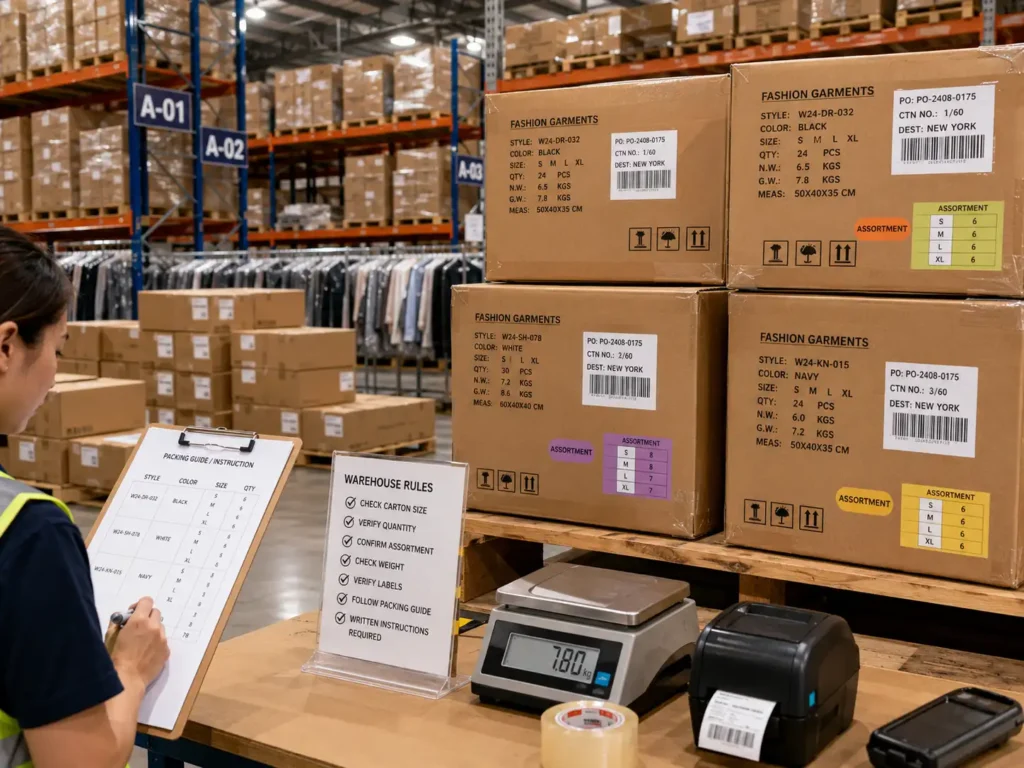
Cotton Blend Dress Manufacturer

Custom cotton blend dress development for global fashion brands requiring balanced comfort, fit stability and reliable bulk production

  • 6 blend directions: cotton-polyester, cotton-viscose, cotton-linen, cotton-spandex, cotton-modal and cotton-lyocell options selected by silhouette and market position.
  • Woven and knit capability: shirt dresses, A-line dresses, tiered styles, jersey dresses, ribbed bodycon dresses, resort dresses and coordinated seasonal collections.
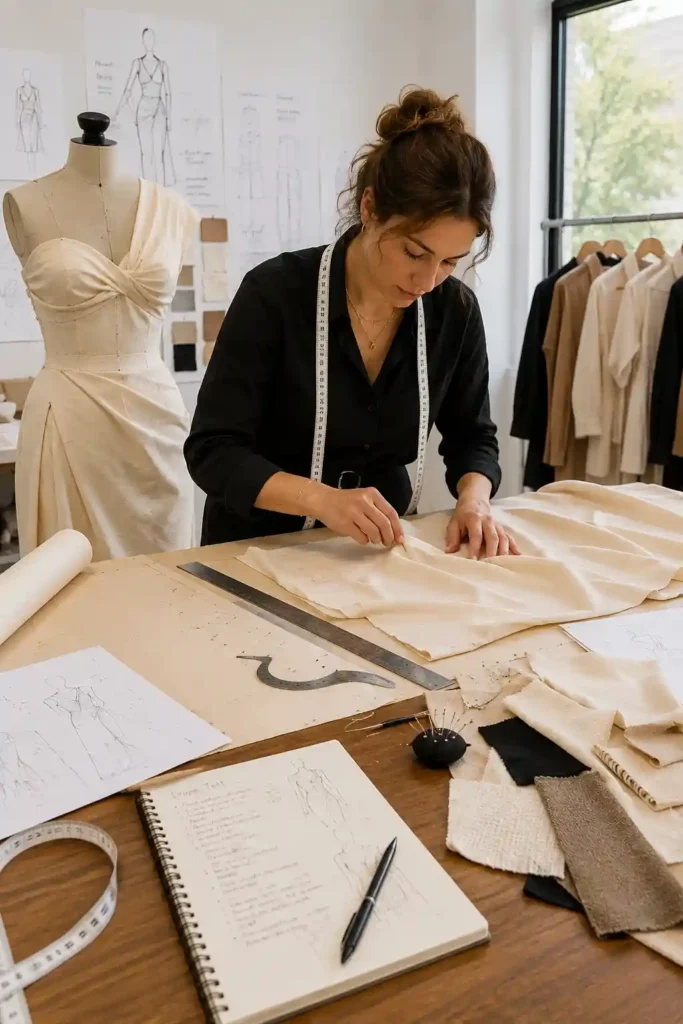
  • Development resources: 2 sample rooms, 7+ senior womenswear pattern makers and 20+ sample machinists supporting fit review, wash-risk assessment and PP approval.
  • Commercial structure: MOQ starts from 200 pcs per style/color, with fabric, dyeing, printing, trims and packaging requirements reviewed before quotation.

.

Manufacturing Capacity for Cotton Blend Dress Programs

A cotton blend collection needs more than available fabric. Development depth, production allocation, fit control and quality ownership determine whether approved samples can be reproduced across colors, sizes and repeat orders.

Since 2008

Long-term womenswear manufacturing experience supports cotton blend dress development across casual, premium ecommerce, resort, office and occasion-adjacent categories. Product decisions are reviewed through fabric behavior, pattern structure, sewing method, size range, finishing and delivery requirements rather than price alone.

6 Owned Factories

Six owned women’s fashion factories provide a stable base for custom dresses, skirts, jumpsuits, matching sets and private-label womenswear. Production allocation follows dress construction, fabric type, order quantity, quality standard and delivery window instead of forcing every program into one production unit.

10+ Production Partners

More than ten long-term satellite production partners extend capacity for multi-style collections and scheduled production waves. Partner allocation is managed according to fabric category, workmanship, order size and QC requirements, while project files and approved standards remain under Jinfeng Apparel coordination.

100,000+ Monthly Capacity

Monthly capacity above 100,000 pieces supports larger seasonal programs, repeat orders and multi-batch delivery. Capacity planning remains style-specific: a simple cotton-polyester shirt dress, a lined cotton-linen maxi and a fitted cotton-spandex jersey dress require different labor, inspection and finishing windows.

2 Sample Rooms

Two sample rooms allow development teams to separate first samples, fit revisions, photo-ready samples, salesman samples and PP samples by project priority. Fabric changes, wash concerns, pattern corrections and trim adjustments are recorded before approved standards move into bulk production.

15+ QC Inspectors

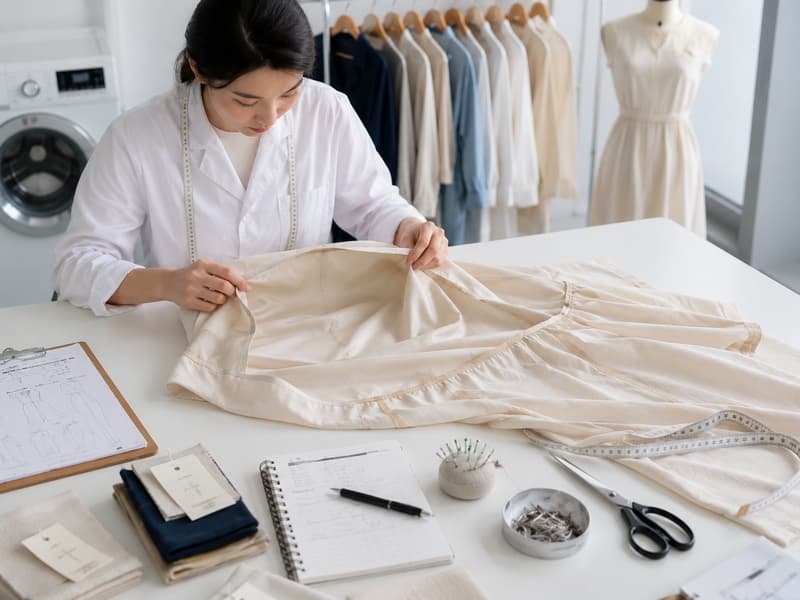
More than fifteen QC inspectors support incoming fabric review, cutting checks, sewing inspection, measurement control, finished garment review, pressing, packing and shipment preparation. Cotton blend programs receive product-specific attention for shrinkage, twisting, stretch recovery, shade variation and care-label accuracy.

Built for Established Fashion and Retail Programs

Cotton blend dresses serve many sales channels, yet every channel defines success differently. Product development starts by aligning blend performance, silhouette, quality level, pricing architecture and launch timing with the brand program.

Global Fashion Brands

Global fashion brands usually manage structured line plans, approved vendor requirements, standardized size charts and detailed packaging manuals. Jinfeng Apparel supports collection development from tech pack review and fabric direction through samples, PP approval, production files, bulk QC, private-label packing and export coordination. Multi-style programs can be organized by fabric family and delivery wave.

Premium Ecommerce Brands

Premium ecommerce collections rely heavily on on-body appearance, clean product photography, stable fit and low return risk. Cotton blend dresses require careful control of drape, opacity, waist placement, stretch recovery and wash behavior. Sample reviews focus on visual balance and measurable fit so product imagery and delivered garments tell the same story.

Fashion Retailers

Retail programs need consistent color, size distribution, barcode control, care labeling, carton accuracy and dependable delivery windows. Fabric composition and wash instructions must match approved records. Jinfeng Apparel connects dress development with SKU planning, packing instructions, measurement checks and shipment documentation for store or warehouse delivery.

Sourcing Offices

Sourcing offices compare suppliers through development speed, technical communication, cost structure, compliance support and production reliability. Cotton blend programs receive clear review of shell fabric, lining, trims, size ratio, label requirements, testing needs and delivery terms. Project decisions are documented to reduce gaps between merchandising, quality and factory teams.

Private Label Programs

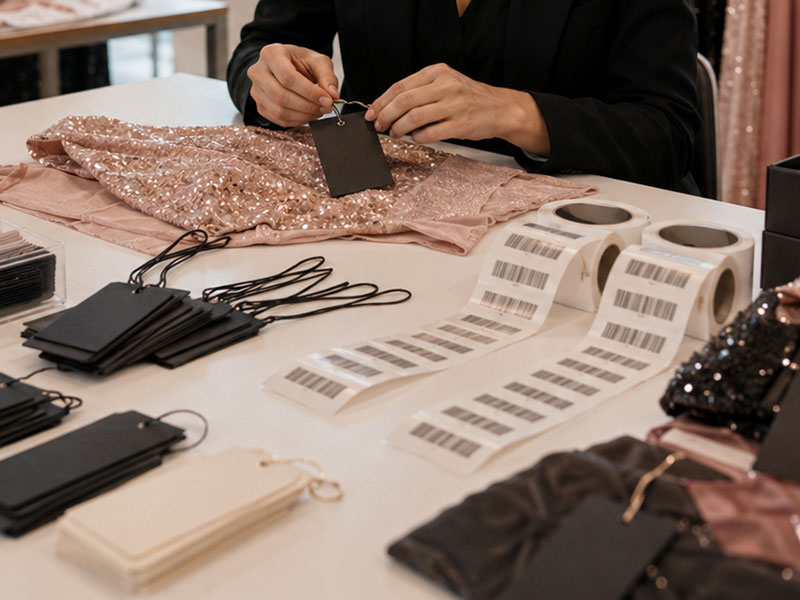
Private-label programs need more than a finished dress. Woven labels, size labels, care labels, hangtags, barcode stickers, polybags, cartons and warehouse marks must align with the final composition and care method. Jinfeng Apparel integrates brand materials into sample approval and production files before bulk packing begins.

Seasonal Dress Collections

Seasonal programs often contain 10-30 styles across several fabrics, colors and size ranges. Development priority can be arranged around campaign photography, launch dates, core volume styles and later delivery groups. Cotton blend families are reviewed early so fabric booking, sample revisions and bulk allocation remain aligned with the collection calendar.

Where Cotton Blend Dress Projects Commonly Fail

Cotton blends are selected to improve stability, drape, stretch, wrinkle recovery or cost. Poor control can remove the exact advantage the blend was meant to create. Early risk review protects fit, appearance and delivery.

Wrong Blend Choice

A cotton blend can feel suitable as a swatch yet fail in the finished silhouette. Excess polyester may make a resort dress feel too synthetic; excess viscose may increase wet shrinkage; insufficient spandex may weaken fit recovery. Blend selection must follow dress structure, target handfeel, washing method, price level and season.

Uncontrolled Shrinkage

Cotton-containing fabrics can change in length and width after washing or steaming. A small percentage shift can alter mini-dress safety length, waist position, sleeve opening or maxi hem balance. Fabric assessment, sample measurement and approved care instructions must be connected before production quantities are cut.

Poor Stretch Recovery

Cotton-spandex jersey may stretch comfortably during fitting but remain loose after wear when recovery is weak. Bodycon and ribbed dresses need review of stretch direction, recovery, negative ease, seam elasticity and wash stability. Pattern dimensions alone cannot predict final performance without fabric behavior.

Shade and Handfeel Drift

Bulk fabric lots may vary in shade, softness or surface appearance, especially after dyeing and finishing. Mixing lots within one dress or shipment can create visible inconsistency. Approved swatches, lot separation, incoming review and production planning help preserve color and handfeel across styles and delivery groups.

Sample-Bulk Mismatch

A strong sample can still fail in bulk when fabric source, weight, finishing, trims or sewing methods change. The approved pattern, final measurement chart, fabric reference, trim card, construction notes, label position and packing method must move together into production. A visual sample alone is not a complete bulk standard.

Incorrect Care Information

Cotton blend composition affects washing, drying and ironing instructions. Incorrect care labels can create avoidable shrinkage complaints, color damage or retailer compliance issues. Final label content should follow confirmed composition, tested care direction, market language requirements and approved brand artwork.

Confirm Project Fit Before Development Begins

Clear project boundaries improve quotation accuracy, sample efficiency and production planning. Jinfeng Apparel is structured for fashion programs with defined product direction, professional development needs and bulk manufacturing plans.

Best Fit Programs

A strong project normally includes a tech pack, reference image, original sample, line sheet or clear design direction. Quantity plans, target market, preferred fabric character, size range and brand packaging requirements allow the development team to evaluate fabric options, pattern complexity, sample scope and production feasibility.
Recommended preparation:
  • One or more dress references with construction details
  • Target quantity per style and color
  • Preferred blend, handfeel or performance goal
  • Size chart and planned size ratio
  • Color, print, label and packaging direction
  • Target launch or delivery window

Production Boundaries

Jinfeng Apparel focuses on custom development and batch production rather than ready-stock purchasing, one-piece fulfillment or micro-order testing. Standard MOQ starts from 200 pcs per style/color. Special fabrics, custom dyeing, printing, certified materials, trims and packaging may follow separate supplier minimums.
Quantity logic:
  • One style in one color at 200 pcs can meet the standard structure
  • One style in two colors normally requires 200 pcs per color
  • Several styles totaling 200 pcs do not meet per-style production logic
  • Size quantities are distributed within the confirmed style/color total
Check Project Fit

Cotton Blend Dresses We Manufacture

Product development covers woven and knit silhouettes from structured shirt dresses to fitted jersey styles. Every category below uses a different balance of composition, weight, stretch, lining, pattern ease and finishing control.

Mini Dresses

Cotton blend mini dresses need accurate body length, waist placement and hem stability because even a small shrinkage change becomes visible. Poplin, stretch woven or cotton-spandex jersey can support A-line, fitted and casual mini silhouettes. Sample review should confirm seated coverage, zipper or closure stability, lining length and wash-sensitive measurements.

Midi Dresses

Midi dresses work across office, weekend, occasion-adjacent and premium casual collections. Cotton-viscose blends create softer movement, while cotton-polyester or stretch woven blends hold cleaner structure. Development focuses on waistline, skirt sweep, slit height, sleeve balance, drape and the relationship between finished length and footwear styling.

Maxi Dresses

Cotton blend maxi dresses require controlled total length, balanced hems and fabric weight that will not pull the bodice downward. Cotton-linen and cotton-viscose directions suit resort and relaxed programs; knit blends suit fitted or column silhouettes. Packing folds, hanging time, wash behavior and lining length deserve review before production.

Shirt Dresses

Shirt dresses depend on collar shape, placket alignment, shoulder balance, sleeve opening and clean topstitching. Cotton-polyester or cotton-linen blends can reduce or embrace wrinkling according to the design. Fabric weight must support the collar and front opening without making the skirt stiff. Button spacing and spare-button requirements belong in the production file.

A-Line Dresses

A-line silhouettes need enough structure to hold a clean outline without excessive bulk at the waist. Cotton poplin blends, stretch woven cotton and lighter cotton-linen qualities can work well. Pattern balance, dart position, pocket construction, zipper flatness and hem circumference determine whether the dress feels modern or overly rigid.

Tiered Dresses

Tiered cotton blend dresses combine fabric weight, gathering ratio and seam load. Cotton-viscose creates soft movement, while cotton-linen adds natural texture. Excessive gathering can make the waist heavy; insufficient gathering can flatten the intended volume. Each tier length, seam allowance, print direction and finished hem must be controlled.

Smocked Dresses

Smocked dresses use elastic tension to shape the bodice, waist or back panel. Cotton blends must tolerate repeated stretching without permanent distortion. Development checks smocking density, stretch range, recovery, comfort against skin, seam reinforcement and size grading. The finished panel must recover consistently across the full size range.

Jersey Dresses

Cotton jersey dresses offer comfort and movement but require careful control of spirality, neckline growth, seam stretch and washing stability. Single jersey, interlock and cotton-modal blends create different drape and recovery. Pattern dimensions, stitching method, neckline reinforcement and fabric relaxation need to work as one system.

Ribbed Dresses

Ribbed cotton-spandex dresses rely on width stretch, recovery and stable vertical lines. Incorrect cutting direction or uneven sewing tension can twist side seams and distort the hem. Development focuses on bust-waist-hip fit, negative ease, neckline support, seam elasticity and post-wash recovery before the PP sample is approved.

Bodycon Dresses

Cotton blend bodycon dresses are engineered around controlled stretch rather than tight measurements alone. Fabric recovery, opacity under tension, side-seam position, waist shaping and hip comfort matter across every size. Sample fitting should examine movement, sitting, neckline stability and whether the dress returns to shape after wear.

Resort Dresses

Resort cotton blend dresses need breathable handfeel, visual texture, travel-friendly packing and comfortable movement. Cotton-linen and cotton-viscose blends support relaxed maxis, halter dresses, shirt dresses and tiered silhouettes. Transparency, wrinkle character, print placement, lining coverage and warm-climate care instructions influence the final product.

Printed Dresses

Printed cotton blend dresses require control beyond artwork approval. Base fabric, print method, repeat size, color penetration, direction, panel placement and wash fastness affect the finished appearance. Floral, geometric and placement prints should be reviewed against pattern pieces before cutting, especially at center front, seams, tiers and collars.

Match Fabric Performance to Dress Structure

A blend name does not define the garment. Length, silhouette, fabric construction, ease and sales occasion determine the technical direction. Product structure should be resolved before fabric approval and pattern finalization.

Mini Length Control

Mini dresses amplify every length change. Fabric shrinkage, waistband position, hem turn-up and pressing can move the final result beyond the intended range. Fit approval should include front length, back length, side seam balance and seated coverage. Lightweight fabrics may need lining without adding unnecessary bulk.

Midi Proportion

Midi length depends on where the hem lands relative to the calf and where the waistline sits. Cotton-viscose and cotton-modal blends can lengthen visually through drape, while structured cotton-polyester qualities create a sharper outline. Slit height, skirt sweep and sleeve proportion should be reviewed on the intended size range.

Maxi Hem Balance

Maxi dresses need stable front, side and back lengths. Bias movement, fabric growth, uneven gathering and lining tension can create an unbalanced hem. Cotton-linen and viscose-rich blends may behave differently after hanging or steaming. Hem approval should follow final fabric selection and the confirmed finishing method.

Fitted Silhouettes

Fitted and bodycon styles require mapped stretch direction, recovery and negative ease. Cotton-spandex jersey cannot use the same pattern as stretch woven cotton. Bust, waist and hip measurements must work with fabric extension, seam elasticity and opacity under tension. Size grading should preserve the intended compression level.

Relaxed Silhouettes

Relaxed shirt, A-line and tiered dresses depend on controlled ease rather than oversized patterns. Fabric thickness, drape and wrinkle behavior influence shoulder line, armhole comfort and skirt volume. Cotton-linen may need cleaner internal finishing; cotton-viscose may need additional control against distortion and excessive growth.

Structured Silhouettes

Structured cotton blend dresses need enough body for collars, plackets, waist seams, pockets and defined panels. Interfacing, seam allowance, pressing and topstitching must suit the fabric weight. Excess stiffness can reduce comfort; insufficient support can collapse the intended shape. Sample construction should validate structure before bulk cutting.

Choose the Right Cotton Blend

Composition affects softness, drape, recovery, wrinkling, shrinkage and cost, yet percentage alone never tells the full story. Yarn, knit or weave structure, weight, finishing and color process also shape the finished dress.

Blend DirectionProduct EffectBest Dress UsesControl Focus
Cotton-PolyesterCleaner shape, durability, reduced wrinklingShirt, A-line, casual, uniform-inspired dressesHandfeel, pilling, breathability, heat response
Cotton-SpandexComfort stretch, closer fit, movementBodycon, ribbed, fitted mini and midi dressesRecovery, opacity, negative ease, wash stability
Cotton-ViscoseSoftness, fluid drape, lighter movementTiered, midi, maxi and summer dressesWet shrinkage, twisting, color fastness, seam stability
Cotton-LinenNatural texture, breathability, dry handfeelResort, shirt, A-line and relaxed dressesWrinkle character, shrinkage, transparency, slub consistency
Cotton-ModalSmooth handfeel, comfort, refined drapeJersey, premium casual and relaxed fitted dressesPilling, spirality, shape retention, surface abrasion
Cotton-LyocellSoft flow, modern surface, moisture comfortMidi, maxi and relaxed premium dressesWet handling, shrinkage, seam marking, finishing consistency
Cotton-Recycled FiberMaterial story with performance balanceSelected casual and sustainability-led capsulesTraceability, supplier scope, color, MOQ, batch consistency


Woven and Knit Cotton Blend Options

Woven and knit fabrics require different pattern logic, sewing methods, size tolerances and quality checks. Treating both categories as interchangeable creates avoidable fit and bulk-production risk.

Woven Cotton Blends

Woven cotton blends suit shirt dresses, A-line dresses, tiered dresses, resort styles and structured casual silhouettes. Common directions include cotton-polyester poplin, cotton-linen woven, cotton-viscose woven, twill and stretch woven cotton. Fabric body determines collar shape, pocket stability, gathering volume, seam appearance and whether lining is needed.
  • Warp and weft shrinkage are reviewed separately where testing is required
  • Grain direction controls hang, twisting and pattern balance
  • Interfacing weight must match collars, plackets and waistbands
  • Print direction and stripe matching are planned before cutting
  • Seam puckering and pressing marks are checked during sewing
Woven styles usually rely on pattern ease rather than fabric stretch. Bust, armhole, waist, hip and movement allowance should be confirmed on the intended fit sample. A woven cotton blend chosen only for appearance may become too rigid, too transparent or too unstable after washing.

Knit Cotton Blends

Knit cotton blends suit jersey dresses, ribbed dresses, bodycon styles, relaxed day dresses and fitted midi silhouettes. Single jersey, interlock, rib and cotton-modal constructions differ in width stretch, recovery, drape, opacity and spirality. Pattern dimensions must account for actual extension rather than a generic stretch label.
  • Stretch direction is marked and controlled during cutting
  • Negative ease is adjusted by fabric extension and recovery
  • Necklines and armholes receive stabilization where needed
  • Seam type and thread performance support movement
  • Twisting, pilling and wash stability are reviewed by fabric risk
Knit fabrics need relaxation and careful handling before cutting. Excess tension can alter panel dimensions and create side-seam twisting. Finished measurements should be interpreted together with garment stretch and recovery rather than treated as woven-style flat measurements alone.

Select Cotton Blends by Product Objective

Fabric development becomes more efficient when the desired product result is defined first. A clear objective guides fiber balance, construction, weight, finish, pattern and quality priorities.

Softer Handfeel

Cotton-viscose, cotton-modal and cotton-lyocell directions can create a softer surface and smoother movement. Selection still depends on fabric weight, construction and finishing. Softness should not weaken neckline stability, seam performance or wash shape. Sample review compares touch, drape and recovery after handling.

Better Shape Retention

Cotton-polyester and selected stretch woven blends can hold collars, waist seams, pleats and clean A-line forms more consistently. Shape retention should be balanced with breathability and brand positioning. Excess synthetic character may reduce the natural handfeel expected from a cotton-led product.

Reduced Wrinkling

Polyester content or suitable finishing can reduce visible wrinkling in travel, office and shirt-dress programs. Wrinkle reduction should be evaluated against handfeel, heat sensitivity, pressing response and care instructions. A resort collection may prefer controlled natural texture rather than a fully smooth surface.

Comfortable Stretch

Cotton-spandex blends support movement in fitted and casual dresses. Comfortable stretch requires more than elastane percentage: knit structure, recovery, weight and finishing matter. The sample must retain shape at the waist, hip, neckline and hem after fitting, movement and repeated handling.

Natural Texture

Cotton-linen blends create dry handfeel, slub texture and warm-weather character. Natural irregularity should be defined and approved so the production team can distinguish acceptable texture from defects. Transparency, wrinkling, shrinkage and color variation need clear control limits.

Commercial Cost Balance

A cotton blend can balance natural touch, visual quality, durability and price. Cost review includes fabric yield, lining, trims, sewing time, washing, testing, packing and expected loss. Jinfeng Apparel supports cost control without weakening brand-level appearance or removing required performance.

Control Weight, Coverage and Seasonal Wear

Fabric weight must be judged together with color, stretch, weave or knit density and garment construction. A light fabric can be fully wearable with correct lining, while a heavier fabric can still become transparent under stretch.

Lightweight Woven Dresses for Warm Seasons

Lightweight cotton-viscose and cotton-linen blends suit summer, resort, vacation and tiered silhouettes when airflow and movement matter. Main risks include transparency, seam slippage, uneven gathering, hem distortion and excessive shrinkage. Light colors often need additional opacity review. Lining may be full, partial or limited to the skirt depending on neckline, sleeve design and intended wear. Fabric weight alone should not decide coverage; the fabric needs assessment over the body, under strong light and after movement. Narrow seam allowances or heavy trims can distort soft fabrics, so construction details must remain proportional to the shell.

Medium-Weight Wovens for Everyday Structure

Medium-weight poplin, twill and stretch woven cotton blends support shirt dresses, A-line dresses, pocketed casual styles and office-adjacent silhouettes. The fabric should hold collars, plackets, waist seams and topstitching without feeling board-like. Pattern ease, interfacing and pressing determine comfort and shape. Dark colors may show surface rubbing or pressing shine; pale colors may still need pocketing or lining control. Medium weight does not remove shrinkage risk, especially when cotton content is high or the fabric receives washing and soft finishing. Final measurements and care instructions should follow the approved fabric process.

Stretch Knits for Fitted and Relaxed Dresses

Cotton-spandex jersey, rib and interlock fabrics can support bodycon, fitted midi and relaxed day dresses. A higher weight can improve coverage but may also increase garment pull and heat. A lighter knit can feel comfortable yet reveal seam lines or lose shape. Development reviews horizontal and vertical stretch, recovery, opacity under extension, spirality and neckline growth. Pattern negative ease is adjusted to the actual fabric rather than a standard percentage. Size grading must preserve fit while avoiding excessive compression in larger sizes or loose recovery in smaller sizes.
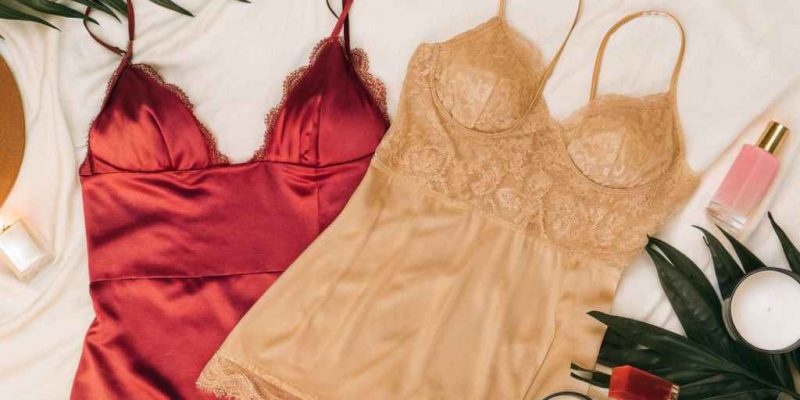
Satin and lace slip dresses in red and beige with candles and cosmetics

Develop Color, Print and Finishing with Control

Color and finishing change the performance of cotton blends. Dye method, print process, softening, washing and heat treatment can alter handfeel, dimensions, shade and sewing behavior.

Custom Colors and Shade Standards

Color development begins with an agreed reference such as a color code, physical swatch or approved lab dip. Cotton and blended fibers may absorb dye differently, creating tone variation or heather effects. The brand team should define acceptable shade range, lighting conditions and whether styles must match across different fabric constructions. Bulk lots need separation and incoming review before cutting. Deep colors may require additional attention to crocking and wash fastness, while pale shades need opacity and stain-control planning. Custom colors can affect fabric MOQ and lead time according to the mill and dyeing process.

Print Scale, Direction and Placemen

Printed cotton blend dresses need artwork control at fabric and pattern level. Repeat scale influences whether floral or geometric motifs appear balanced on mini, midi and maxi lengths.
Directional prints must follow the same orientation across bodice, sleeves, tiers and pockets. Placement prints require accurate panel mapping before cutting. Digital and screen printing can produce different color depth, handfeel and minimum quantities. Print approval should cover the artwork, base fabric, color, repeat, face direction and wash behavior rather than a screen image alone.

Washing and Soft Finishing

Garment wash, enzyme wash or soft finishing may improve touch and casual character, yet every treatment can change shrinkage, color, surface hairiness and seam appearance. A treatment approved on loose fabric may perform differently after the dress is sewn. Development should clarify whether the finish is applied at fabric stage or garment stage, which measurements are checked before and after treatment, and how care labels reflect the final process. Structured shirt dresses and relaxed resort dresses may need very different finishing decisions even when both use cotton-led blends.

Wrinkle and Surface Management

Wrinkling is not automatically a defect in cotton-linen or natural-texture programs. The required appearance should be defined: crisp, softly relaxed or visibly textured. Anti-wrinkle finishing, polyester content and pressing can improve recovery but may alter handfeel and breathability.
Surface hairiness, pilling and abrasion should be reviewed according to end use. Packaging method also matters; excessive compression can create fold marks that are difficult to remove before photography or retail display.
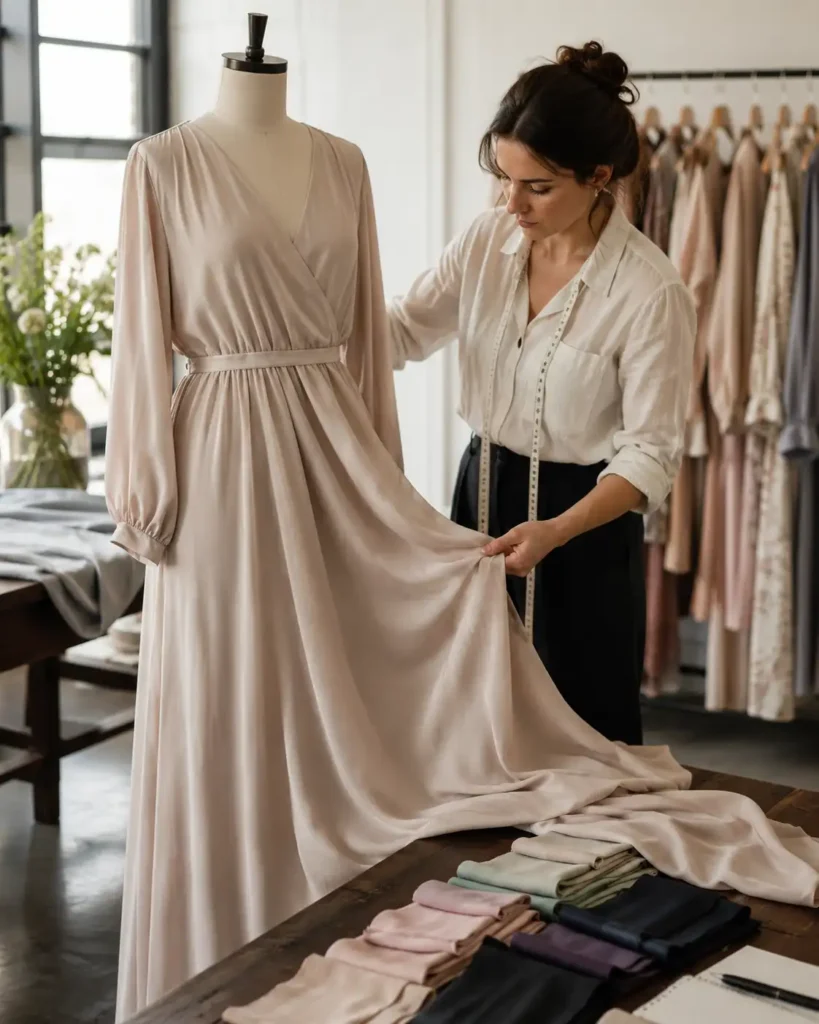
Move from Fabric Direction to Approved Bulk Reference

Reliable fabric selection follows a controlled approval path. Composition labels and supplier descriptions are useful, yet the final decision comes from physical swatches, sample garments and documented bulk standards.

  • Define the Required Product Result

    Development starts with the intended silhouette, season, price position, stretch requirement, visual texture, opacity and care expectation. A request for “soft cotton blend” is not specific enough. The team needs to know whether softness must accompany fluid drape, body-hugging recovery, crisp shirt structure or natural resort texture. Defining the product result narrows sourcing options and reduces repeated sampling. Tech packs, reference garments, target retail positioning and existing fabric swatches provide the strongest direction.

  • Compare Physical Fabric Options

    Candidate fabrics are compared by composition, construction, weight, width, stretch, recovery, handfeel, drape, transparency, color availability, MOQ and expected lead time. A close visual match may perform differently during cutting, sewing or washing. Jinfeng Apparel can present available swatches, photos, video or cuttings according to project needs. Brands should review the fabric under relevant light, against skin or lining, and with the expected silhouette rather than approving from composition data alone.

  • Validate Through Sample Construction

    The first garment sample reveals whether the fabric supports the pattern. Fit, neckline stability, skirt movement, seam appearance, zipper flatness, gathering and lining behavior are reviewed in finished form. Fabric changes during sampling may require pattern adjustment, revised construction or another sample because drape and stretch directly affect fit. Where shrinkage or wash behavior is important, the assessment plan should be confirmed before the PP sample.

  • Lock the Bulk Fabric Standard

    Bulk approval should identify the selected supplier, composition, construction, weight or agreed tolerance, color reference, handfeel, finishing direction and any testing or document requirements. An approved cutting or swatch becomes part of the production file. Incoming lots are compared with the standard before cutting. If a supplier changes the base fabric, finish or color process, the material should be reviewed again rather than treated as an automatic equivalent.

Control Cotton Blend Risks Before Bulk Production

Cotton blend risks should be found while fabric, pattern and sample decisions can still be changed. Eight control areas below protect fit, appearance, care performance and bulk consistency.

Shrinkage Control

Lengthwise and widthwise changes can alter bust, waist, hip, sleeve opening and dress length. Risk varies by cotton content, fiber partner, construction, dyeing and finishing. Sample measurements should identify the dimensions most sensitive to change. Pattern compensation, care instructions and bulk tolerances are confirmed only after the chosen material process is understood.

Spirality and Skew

Knit cotton blends can twist after relaxation or washing, moving side seams and distorting hems. Woven fabrics can also show skew when grain control or finishing is unstable. Fabric inspection, cutting direction, relaxation and sample wash review help identify risk. Side-seam and hem balance remain key checkpoints in finished garments.

Color Fastness

Deep colors, prints and contrast combinations may transfer during wear, washing or packing. The required review depends on color, end use and market requirements. Care labeling, lining choice, print method and packaging should reflect the approved material. Contrast trims or pale linings deserve additional attention when color migration could become visible.

Pilling Resistance

Cotton-modal, cotton-polyester and brushed surfaces can pill differently under friction. Pilling risk depends on fiber length, yarn, construction, finishing and end use rather than composition alone. Fitted dresses, underarm areas and travel products receive more abrasion. Fabric choice should balance softness with the expected wear profile.

Stretch Recovery

A fabric may stretch easily without returning to the original dimension. Recovery affects bodycon fit, ribbed dresses, smocked panels, waist elastic and neckline shape. Sample fitting should observe the garment after movement and handling. Negative ease, seam type and reinforcement are adjusted according to actual recovery rather than elastane percentage alone.

Shade Variation

Different dye lots can vary in shade or handfeel. Panels from separate lots should not be mixed within one garment. Lot identification, incoming comparison and cutting allocation reduce visible mismatch. Multi-style collections using the same color should define whether exact cross-fabric matching is required or whether controlled tonal variation is acceptable.

Surface Hairiness

Soft finishing can increase surface hairiness, which may look premium in one style and worn in another. Dark colors and close-up ecommerce photography reveal surface changes quickly. Fabric review should consider abrasion, pressing, packing and repeated handling. The approved standard defines acceptable natural texture versus unwanted fuzz or damage.

Transparency Control

Opacity changes with color, density, stretch and light. White cotton-linen, pale cotton-viscose and stretched jersey may reveal more than expected. Coverage is reviewed at bodice, skirt, seams and pocket areas. Lining length, color and construction can improve wearability without removing the intended lightweight character.

Develop Patterns Around Actual Fabric Behavior

A strong cotton blend dress pattern is built for the selected fabric, not copied from a visually similar style. Drape, stretch, recovery, weight and shrinkage affect every major measurement and construction decision.

  • Woven Ease and Mobility
    Woven cotton blend dresses need planned ease at the bust, armhole, waist and hip. Shirt dresses require shoulder movement and placket stability; A-line dresses need clean waist shaping without restricting sitting; fitted woven styles may use stretch content but still need structured ease. Pocket openings, sleeve width, zipper length and slit height influence movement. A reference image cannot provide these dimensions, so the pattern team interprets the silhouette against the brand size chart, intended fit and actual fabric.
  • Knit Negative Ease and Recovery
    Knit patterns use negative ease only when the fabric can stretch and recover reliably. Cotton-spandex jersey, rib and interlock require different reductions. Excess negative ease can create transparency, seam strain and uncomfortable compression; insufficient reduction can cause waist looseness, side-seam movement and poor recovery. Fit approval examines bust, waist, hip, neckline, armhole, side seam and hem after movement. Larger sizes may need adjusted grading rather than a simple proportional increase.
  • Drape, Volume and Waist Placement
    Cotton-viscose and cotton-modal blends can create more movement than crisp cotton-polyester or cotton-linen qualities. Tiered and gathered dresses need gathering ratios suited to the fabric weight. A soft fabric may collapse when volume is too low, while a heavy fabric can create bulk when volume is too high. Waistline placement, skirt sweep and tier depth are reviewed together. The goal is a balanced silhouette that looks correct on body and remains efficient to sew in bulk.
  • Structural Support and Internal Components
    Collars, plackets, waistbands, pockets, smocked panels and lined bodices need support chosen for the shell fabric. Interfacing that is too heavy can create stiffness or visible bubbling; support that is too light may fail after wear or washing. Stabilizing tapes, elastic, lining and zipper construction are selected according to the dress design. Internal components become part of the approved trim card and cannot be changed casually during bulk production.

Develop Samples Before Bulk Commitment

Sampling converts a fabric idea and design reference into a measurable production standard. Cotton blend projects use different sample types according to fit, photography, selling, approval and bulk-production needs.

First Sample and Fabric Direction

The first sample evaluates silhouette, construction and initial fabric compatibility. It may use the proposed bulk fabric or a close development option depending on availability. Pattern balance, neckline, waist, hip, skirt movement, closures, lining and basic measurements are reviewed. A first sample is not automatically the final bulk standard. Brand comments should distinguish design changes, fit changes, fabric changes and workmanship changes so the next revision remains traceable.

Fit and Revised Samples

Fit samples focus on body measurements, proportion, comfort and movement. Revised samples apply approved changes to pattern, construction, fabric or trims. Cotton blend fabrics may require new review after a major material change because drape, stretch and shrinkage can alter the entire fit. Revision records identify each change, the reason, the responsible file and the approval status. Clear records prevent earlier comments from being lost during multiple sample rounds.

Photo and Salesman Samples

Photo-ready samples prioritize the approved visual appearance, correct color direction, balanced pressing and brand presentation needed for campaigns or ecommerce shoots. Salesman samples may support internal selling or range review. Neither sample type should replace PP approval when the fabric, trims, construction or packing standard is not yet locked. Sample purpose is identified at the beginning so timing, quantity and review criteria remain clear.

PP and Golden Samples

The PP sample is reviewed before bulk production and should represent the confirmed fabric, color, pattern, measurements, trims, construction, labels and packing direction as closely as the project requires. A golden sample can become the retained comparison standard for production and QC. Changes after PP approval may affect cost, material booking, production timing and quality risk, so late changes require formal review rather than informal chat instructions.

Lock Approved Standards Before Bulk Production

Bulk teams need a complete technical package, not a memory of the sample. Approved materials, measurements and workmanship are transferred into production through connected records and physical references.

Approved Pattern

The final pattern reflects confirmed fit, seam allowance, notches, grain direction, gathering, pocket position, lining and construction. Pattern versions are controlled so an earlier sample file is not used accidentally. New fabric or major fit changes require review before the same pattern is reused.

Measurement Chart

The final chart defines points of measure, measuring method, target dimensions and approved tolerances by size. Critical cotton blend measurements include bust, waist, hip, dress length, armhole, strap, slit and lining length. Bulk inspection follows the same measurement logic.

Fabric Reference

The approved swatch or cutting records composition, construction, color, handfeel and finishing direction. Bulk lots are compared before cutting. When color, base fabric or finish changes, the material is re-evaluated rather than accepted by name alone.

Trim and Construction File

Zippers, buttons, elastic, interfacing, lining, labels and special trims are listed with color, size, placement and quality requirements. Sewing methods, stitch direction, reinforcement, topstitching and finishing notes translate sample workmanship into repeatable production instructions.

PP or Golden Sample

A retained PP or golden sample gives production and QC teams a physical reference for silhouette, handfeel, color, construction and presentation. The sample works together with technical files; it cannot replace measurements, trim records or packaging instructions.

QC and Packing Standard

The quality checklist identifies product-specific risks such as shrinkage, twisting, shade, stretch recovery, transparency, seam puckering and label accuracy. Packing records define folding, polybag, barcode, carton ratio and marks before the finished order reaches the packing line.

Cotton Blend Dress Production Workflow

Production begins after PP approval, material confirmation and finalized order files. Each stage protects a different part of the approved standard, from fabric lot control to finished measurements and packing accuracy.

Fabric Receiving

Bulk fabric is received with supplier and lot information, quantity records and relevant material documents. Color, handfeel and visible condition are compared with the approved direction before cutting is scheduled.

Fabric Inspection

Width, defects, shade, surface, stretch and other project-specific points are reviewed. Cotton blend programs may require separation by lot or additional assessment for shrinkage, spirality, print quality or transparency.

Relaxation and Preparation

Knit and stretch fabrics may need controlled relaxation before cutting. Woven fabrics are prepared according to grain, print direction, stripe or check requirements. Material state should remain consistent with the approved cutting plan.

Marker and Cutting

Markers follow grain direction, nap, print orientation, size ratio and fabric width. Long dresses, directional prints and stretch fabrics need careful placement. Cut panels are checked before bundling moves into sewing.

Bundling and Identification

Panels are grouped by size, color and lot to avoid shade mixing and component confusion. Matching pieces, lining and trims remain traceable. Accurate bundle control protects consistency across multi-size and multi-color orders.

Sewing and Assembly

Operations follow the construction file, approved sample and technical notes. Stitch tension, seam stretch, gathering, zipper, lining and reinforcement are monitored according to fabric behavior and dress structure.

Inline Inspection

Measurements, workmanship and recurring defects are checked while production is active. Early correction is more effective than finding the same issue across finished quantities. Critical areas vary by product and fabric.

Pressing and Finishing

Pressing temperature, pressure and handling must suit cotton content, synthetic fibers, surface texture and trims. Finished garments are cleaned, shaped and reviewed for shine, marks, distortion, loose threads and presentation.

Final QC and Packing

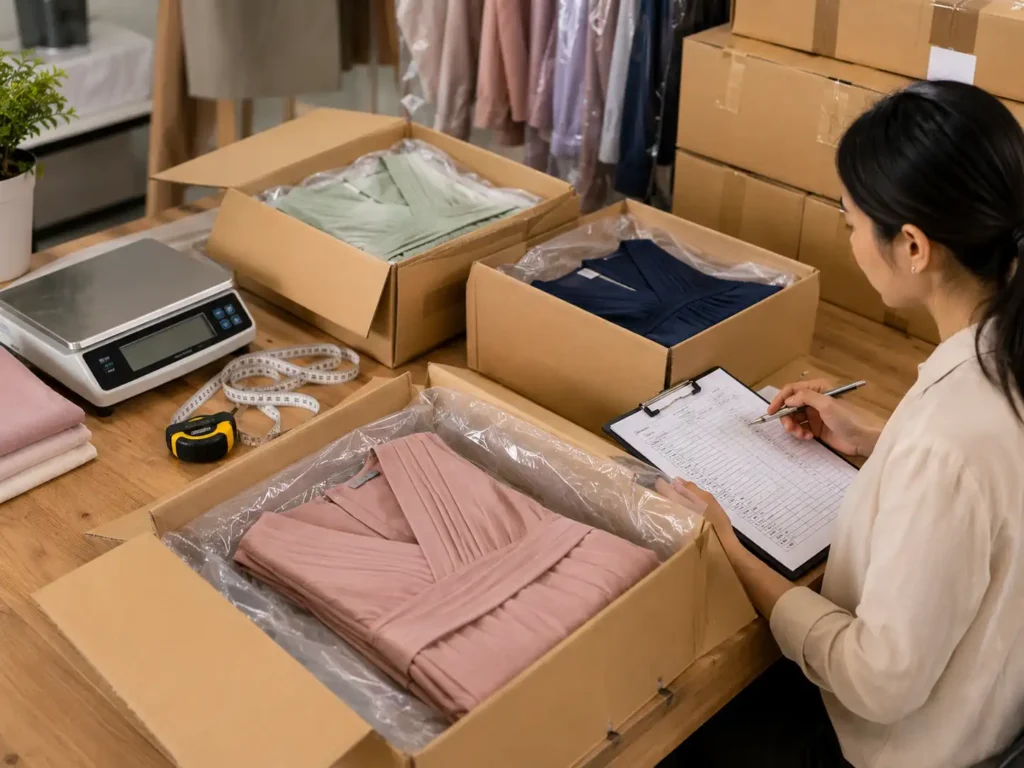
Finished measurements, appearance, labels, care information, barcode, folding, polybag and carton requirements are checked before shipment. AQL inspection or client inspection can be coordinated according to the agreed quality plan.

Construction Details That Protect Dress Performance

Cotton blend dresses reveal workmanship through neckline shape, seam behavior, closures, hems and internal support. Eight construction areas below strongly influence fit, durability and brand presentation.

Neckline Stabilization

Jersey and soft woven necklines can grow during sewing or wear. Stabilizing tape, binding, facing, lining or controlled seam construction keeps the neckline close to the body. The method depends on stretch, depth and design. A deep neckline, crew neck and square neck require different support. QC checks symmetry, stretch damage, waviness and finished depth.

Armhole Finishing

Armholes affect movement, coverage and comfort. Binding, facing, lining or clean-turn construction must match fabric thickness and stretch. Soft cotton-viscose can distort; heavy cotton blends can become bulky. Sample fitting checks underarm exposure, seam smoothness and movement. Bulk inspection compares shape and circumference across sizes.

Waist Seam Control

Waist seams define proportion in fitted, A-line, tiered and shirt dresses. Stretch, gathering, elastic or lining can pull the seam out of level. Notches, balanced feeding and reinforcement help maintain position. The finished waist is checked against front, side and back balance rather than a flat measurement alone.

Smocking and Elastic

Smocking and elastic panels must stretch enough for dressing and recover after wear. Elastic width, tension, stitching density and attachment method influence comfort and durability. Cotton blend fabric around the panel should not pucker or tear. Size grading needs controlled stretch ranges, not identical elastic lengths for every size.

Zipper Flatness

Invisible and standard zippers can ripple when fabric stretch, seam tension or interfacing is wrong. The zipper should open smoothly, sit flat and align waist or print lines. Lightweight blends may need stabilization; heavy blends may need reduced bulk. QC reviews top alignment, seam allowance, pull movement and surrounding surface.

Hem Construction

Mini, midi and maxi hems require methods suited to fabric weight, stretch and curve. Narrow hems can twist soft fabrics; deep hems can add unwanted weight; knit hems can wave under excess tension. Hem circumference, front-back balance, pressing and lining relationship are reviewed before bulk approval.

Lining Attachment

Lining controls transparency, comfort and internal appearance. Fiber, weight, color and stretch should suit the shell. A rigid lining can restrict a stretch dress; a heavy lining can change drape. Attachment at neckline, armhole, waist, zipper and slit must remain smooth. Lining length is checked separately from shell length.

Stress Reinforcement

Pockets, slit ends, strap joins, zipper bases, waist openings and button areas receive concentrated force. Reinforcement can use bartacks, backstitching, tapes or construction changes according to the design. The goal is durability without visible bulk. Sample handling identifies where reinforcement is needed before production methods are fixed.

Quality Control for Cotton Blend Dresses

Quality control follows the garment from incoming fabric through cutting, sewing, measurements, finishing and packing. Product-specific checkpoints are more useful than a generic “strict QC” statement.

Incoming Fabric and Trim Control

Incoming review compares bulk material with approved references. Checks may include color, handfeel, visible defects, width, stretch, surface, print quality, transparency and lot identification according to the project. Relevant composition, supplier or test documents are collected when required. Zippers, buttons, elastic, labels and lining are checked for color, size, function and quantity. Material concerns are addressed before large quantities are cut, when replacement or reallocation remains possible.

Cutting and Sewing Control

Cutting inspection confirms grain direction, stretch direction, print orientation, size marker and panel accuracy. Bundles remain separated by size, color and lot. Sewing QC focuses on seam puckering, tension, skipped stitches, needle damage, gathering, zipper flatness, neckline shape, lining, elastic and reinforcement. Inline inspections identify recurring problems while production is active, allowing corrective action before the issue spreads across the order.

Measurement and Appearance Control

Critical measurements are checked against the approved size chart and tolerances. Cotton blend checkpoints commonly include bust, waist, hip, dress length, armhole, sleeve opening, strap, slit, hem and lining length. Appearance review covers color, shade, twisting, symmetry, seam balance, print placement, pressing and cleanliness. Fitted knit dresses also require attention to recovery and opacity; lightweight wovens require coverage and hem balance review.

Final Inspection and Packing Control

Finished garments are reviewed before packing and again through the agreed final inspection plan. Care labels must reflect confirmed composition and approved washing direction. Woven labels, size labels, hangtags, barcode stickers, polybags, carton ratios and marks are checked against brand instructions. AQL inspection or client-appointed inspection can be coordinated according to the order agreement. Quality records support repeat-order comparison and later production review.

Plan MOQ, Cost and Delivery with Clear Inputs

Commercial planning becomes reliable after fabric, construction, quantity, size ratio, color count, packing and quality requirements are known. Cotton blend programs are quoted by approved project conditions rather than one universal unit price or delivery promise.

Planning AreaStandard DirectionMain VariablesInformation Needed
Garment MOQFrom 200 pcs per style/colorMultiple colors, fabric supplier minimums, special trimsQuantity by style, color and size
Fabric MOQAvailable fabrics may support standard garment MOQCustom dye, print, weave, certified or special developmentBlend, color, weight, finish and required documents
Sample PlanningFirst, fit, revised, photo, salesman and PP samples as requiredFabric sourcing, pattern complexity, trims, wash review, revision roundsTech pack, reference, size chart and sample purpose
Bulk CostConfirmed after material and construction reviewFabric yield, lining, trims, sewing time, testing, packing and lossBOM, approved sample, size ratio and packing manual
Production CalendarStarts after PP approval and material readinessFabric lead time, color count, style complexity, volume and factory allocationLaunch date, delivery window and shipment plan
Delivery PlanningCourier, air or sea coordination according to projectDestination, volume, carton size, customs and client forwarderShipping terms, warehouse guide and required documents

Support Material Records and Supply Chain Review

Large fashion programs often require material transparency, composition accuracy and document support. Availability depends on the selected supplier, fabric, color, batch, certification scope and current document validity.

Composition Records

Confirmed fiber composition supports fabric approval, care labeling and product documentation. Supplier declarations or available test records can be reviewed according to project requirements. Final care labels should not be printed from an early sourcing description if the approved bulk fabric has changed.

Supplier Information

Fabric mill or supplier details can be collected where required and available. Large programs may request country-of-origin, production route or supplier declarations. The required depth should be defined before fabric booking so sourcing teams can confirm whether the chosen material path can support the documentation.

Batch References

Bulk lots, colors and fabric references are recorded to support shade control, production allocation and repeat orders. Batch information helps teams investigate differences in handfeel, color or performance. New lots still need review because historical approval does not guarantee identical future material.

Testing Support

Testing requirements vary by market, product, retailer and material risk. Composition, color fastness, shrinkage, pilling or other tests can be arranged or coordinated when included in the project plan. Test method, laboratory, sample source, cost and timing should be confirmed before booking.

Certified Fabrics

Organic, recycled or other certified cotton blend resources can be sourced by project. Certificate scope, supplier, fabric type, color, batch, validity, MOQ and lead time must be verified. Jinfeng Apparel does not treat one supplier certificate as automatic coverage for every fabric or finished order.

NDA and File Protection

Jinfeng Apparel supports NDA-based cooperation and protects tech packs, original samples, patterns, unpublished designs, label files, packaging files, pricing and order information. Anonymous case descriptions can explain manufacturing challenges without disclosing protected brand identity or unreleased products.

Prepare Private Label Dresses for Brand Delivery

Private-label completion connects product, composition, care, SKU control and presentation. Packaging decisions belong in the production plan because labels and packing materials may carry separate minimums and approval schedules. Plan Private Labeling Review Packing Requirements

Woven Brand Labels

Main labels identify the brand and need approved artwork, size, fold, color, material and placement. The label should sit comfortably against skin and remain stable after washing. Placement is checked in the sample and recorded for bulk production.

Size and Care Labels

Size labels follow the approved size range and packing ratio. Care labels should show confirmed fiber composition, washing, drying and ironing direction, country information and required language according to the brand market. Artwork is approved before bulk printing.

Hangtags and Barcodes

Hangtags, hang strings, barcode stickers and SKU labels support retail and warehouse control. Product name, color, size, barcode and price fields must match the final order matrix. Sample approval confirms placement and attachment method before packing.

Polybags and Stickers

Clear, recycled-content or printed polybags can be reviewed according to brand requirements and supplier availability. Warning text, ventilation, adhesive stickers, size marks and folding method affect packing. Printed materials may have separate MOQ and lead time.

Cartons and Carton Marks

Carton strength, dimensions, quantity per carton, size-color ratio and shipping marks are planned around dress volume and logistics method. Maxi dresses, structured styles and wrinkle-sensitive fabrics may need different folding or carton density than compact jersey dresses.

Warehouse Delivery Files

Commercial invoice, packing list, carton details, barcode lists, warehouse labels and client-forwarder instructions can be coordinated according to the agreed shipment method. Delivery terms and destination requirements should be confirmed before final packing to avoid relabeling or carton changes.

Cotton Blend Dress Projects in Production

Anonymous project profiles show how fabric, fit, production and delivery decisions connect in real collection structures. Brand identities and unpublished design details remain protected.

United States Ecommerce Collection

An established US womenswear program developed 18 cotton blend dress styles totaling 48,000 pieces across four color groups and sizes XS-XL. The collection combined cotton-viscose midi dresses, tiered maxis and structured cotton-polyester shirt dresses.
Main challenge:
  • Different fabric families created separate shrinkage and drape risks
  • Dark colors required shade and care-label review
  • Photography samples and production standards needed clear separation
Production response:
  • Fabric references were grouped by construction and finishing
  • Patterns and critical measurements were approved by style family
  • PP samples, trim cards and packing files were locked before bulk
  • The order moved in two planned delivery groups by launch priority
The collection maintained one coordinated brand presentation while allowing each fabric family to use its own pattern, QC and production controls.

Australian Resortwear Program

An Australian resortwear label developed 12 styles totaling 24,600 pieces in cotton-linen and cotton-viscose directions. The range included shirt dresses, halter maxis, tiered midis and relaxed A-line silhouettes across three print and color families, with sizes S-XXL.
Main challenge:
  • Pale colors needed stronger transparency control
  • Maxi hems and tier proportions changed with fabric drape
  • Natural wrinkle character had to look intentional, not unfinished
Production response:
  • Lining coverage was adjusted by style rather than applied uniformly
  • Print direction and tier measurements were mapped before cutting
  • Handfeel and shade references were retained by fabric lot
  • SKU packing was organized for two regional warehouse destinations

The final program preserved breathable resort character while improving coverage, hem balance and packing consistency across the range.

United Kingdom Online Fashion Range

A UK online fashion brand developed 22 cotton-spandex jersey and ribbed dress styles totaling 66,000 pieces. The range covered fitted minis, bodycon midis, ruched dresses and relaxed day dresses in five sizes and several seasonal colors.
Main challenge:
  • Stretch and recovery differed between jersey and rib constructions
  • Bust-waist-hip fit needed consistency across all sizes
  • Several colors required controlled production and packing waves
Production response:
  • Negative ease was reviewed by actual fabric extension and recovery
  • Neckline stabilization and seam stretch standards were set by fabric
  • Critical measurements were checked during inline and final QC
  • Production was divided into three waves with retained pattern and fabric records
The program established reusable fit, construction and packing records for later repeat orders while keeping each knit family technically separate.

Frequently Asked Questions

Jinfeng Apparel can review cotton-polyester, cotton-spandex, cotton-viscose, cotton-linen, cotton-modal, cotton-lyocell and selected recycled-fiber blends according to style, weight, handfeel, stretch, color, MOQ, cost and document requirements. Availability is confirmed by project and supplier.

Yes. Woven programs can include shirt, A-line, tiered, resort and structured casual dresses. Knit programs can include jersey, ribbed, bodycon and fitted midi dresses. Pattern, sewing and QC methods are adjusted by fabric construction.

Risk is reviewed through fabric information, sample measurements and the agreed care or testing plan. Critical points can include bust, waist, hip, dress length, sleeve opening and hem shape. Pattern, tolerance and care labeling follow the approved material process.

Yes. A physical swatch gives strong direction for composition, weight, handfeel, stretch, color and surface. An exact commercial match depends on supplier availability, MOQ, finishing and color. Alternative options can be compared when the original source is unavailable.

Standard MOQ starts from 200 pcs per style/color. MOQ is calculated by style and color, not total pieces across several styles. Custom dyeing, printing, certified fabrics, special trims and custom packaging may carry separate supplier minimums.

Normally no. One style in two colors usually requires 200 pcs per color. Color splitting below the standard structure may only be reviewed when fabric availability, production conditions and the full program support a workable arrangement.

Yes. Sizes are distributed within the confirmed style/color quantity according to the approved size ratio. The brand should provide size charts, grading rules and packing ratios. Wider ranges may require additional fit and measurement review.

Yes. Sample charges cover pattern making, fabric and trim preparation, sewing, measurement review, checking and communication. When an approved style moves into a qualifying bulk order, sample charges may be deducted according to the confirmed project arrangement.

The schedule is issued after style, fabric, trims, sample purpose, revision scope, quantity and approval stages are reviewed. In-stock fabric and standard construction follow a different calendar from custom dyeing, printing, washing, certification or complex structure.

Yes. Color references, lab dips, print artwork, repeat scale, direction and base fabric are reviewed before approval. Custom development may affect fabric MOQ, sample timing, bulk lead time and cost according to supplier conditions.

Yes. Support can include woven labels, size labels, care labels, hangtags, barcode stickers, SKU labels, polybags, stickers, cartons, carton marks and warehouse labels. Each material follows approved artwork, placement and supplier minimums.

Certified or traceable resources can be sourced by project. Certificate scope, supplier, fabric type, color, batch, validity, MOQ and lead time must be verified. No single certificate is treated as automatic coverage for all materials or orders.

Approved patterns, measurement charts, fabric references, trim cards, construction notes, PP or golden samples, QC checklists and packing instructions are transferred together into production. Incoming, inline, final and packing checks compare the order with those standards.

Yes. Patterns, measurements, fabric references, trims, construction, packaging and QC records can be retained. Repeat orders still require confirmation of fabric lot, color, trim availability, quantity, price and delivery window.

Yes. Jinfeng Apparel supports NDA-based cooperation and protects tech packs, original samples, patterns, unpublished designs, label files, packaging files, pricing, order information and brand materials throughout development and production.
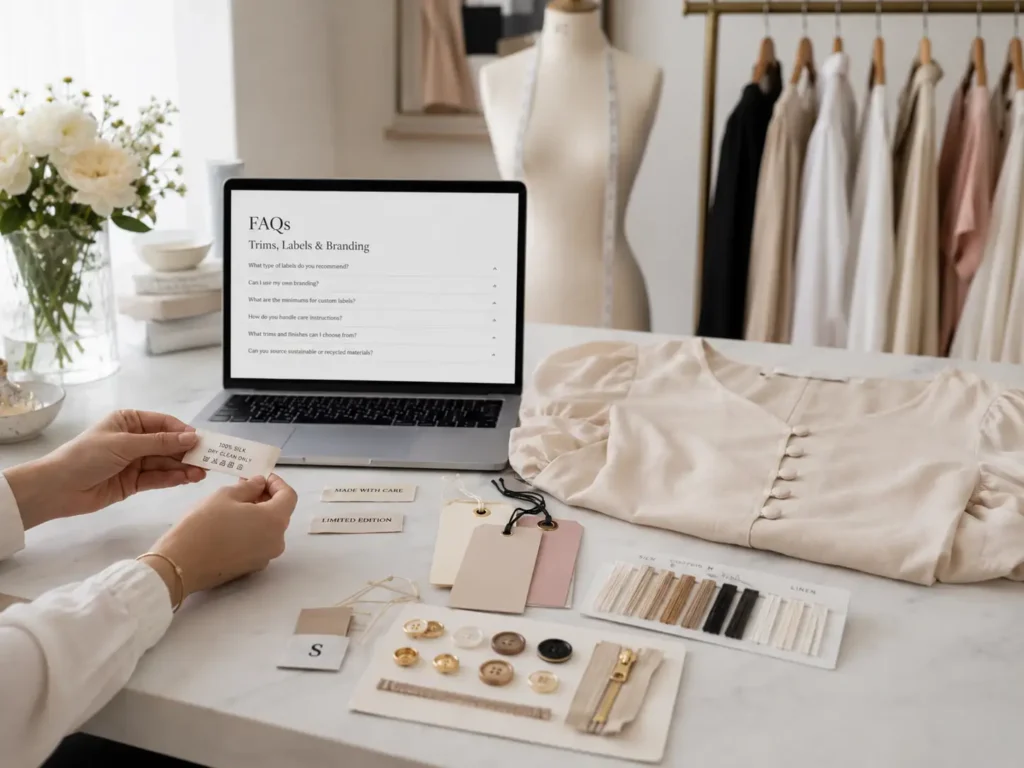
Start Your Cotton Blend Dress Project

Send Kelly a tech pack, reference image, original sample photo or line sheet together with the planned quantity per style/color. Include the preferred cotton blend, fabric weight or handfeel, color plan, size range, label and packaging requirements, target market and delivery window. Jinfeng Apparel will review dress construction, fabric direction, pattern risk, MOQ structure, sample scope, bulk-production feasibility and the information needed for a formal quotation. When the blend is not yet decided, describe the required product result – softer drape, stronger shape retention, reduced wrinkling, comfortable stretch, natural texture or a specific price position. All shared files are used for project evaluation, sampling, production, QC, packing and delivery coordination, with NDA-based cooperation available for protected collections.

  • Reference image, tech pack, line sheet or original sample photos
  • Target quantity for every style and color
  • Preferred composition, fabric character or approved swatch
  • Color, print and finishing direction
  • Size chart, size range and planned size ratio
  • Private label, barcode and packaging requirements
  • Target approval, launch and delivery milestones

Tell Us About Your Dress Project

Share your product details, estimated quantity and development requirements. Our team will review your project and provide practical OEM/ODM production feedback.

Premium Women’s Apparel Production for Fashion Brands

From dress sample development to bulk production, JF Apparel supports fashion brands with confidential OEM/ODM manufacturing, reliable quality control and scalable production support.

START YOUR DRESS PROJECT

Ready to Develop Your Next Dress Collection?

Share your design concept, product requirements or sourcing plans with our team. We’ll review your project and provide practical feedback on development, materials, MOQ and production.

7-10 Days

Sample Development

200 PCS

Starting MOQ

Fast Response

Professional Follow-Up