Skip to content
Corset Dress Manufacturer for Influencer Brand
Structured dress development for social-led fashion labels.
Jinfeng helps influencer-led fashion brands develop corset dresses with controlled fit, structured construction, fabric matching, and repeat-order stability. From reference images and tech packs to sampling, private label production, and scalable bulk delivery, our team supports brands that need visual impact, reliable fit, and consistent manufacturing.
- Manufacturing partner for globally recognized women’s fashion brands
- 2 sample rooms, 7 pattern makers, 20 sample makers for structured dress development
- 5–10 day standard samples; 7–15 days for complex corset styles
- 18 production lines supporting test orders, repeat orders, and scale-up production
- 300,000 pcs monthly capacity, plus 50,000–80,000 pcs scalable space




Why Corset Dresses Stay Relevant in Influencer Fashion
Defined Waist Shape
Strong Upper-Body Structure
High Photo Value
Wide Occasion Range
Repeatable Style Base
Premium Price Perception
Fit-Led Differentiation
Strong Collection Anchor
who we serve
Influencer-Led Fashion Labels
DTC Women’s Fashion Brands
Partywear and Occasionwear Brands
Social Commerce Fashion Teams
Boutique Wholesale Dress Brands
Fast-Growing Fashion Retailers
Private Label Dress Brands
Trend-Driven Womenswear Brands
Influencer Brand Types Jinfeng Supports
Founder-Led Fashion Brands
Founder-led fashion brands often build product identity around one person’s taste, body shape, styling language, and audience trust. A corset dress must feel close to the founder’s visual world, because followers expect the product to look natural in campaign photos, try-on videos, and personal styling content.
- Strong fit, clear waist shape, camera-ready structure
- Small test drop, then color or length extension
- Sample looks right, but bulk fit changes after production
- Pattern notes, approved fit comments, and sample records stay connected before bulk cutting
Creator Collaboration Brands
Creator collaboration brands usually work around a short launch window. A corset dress may be tied to one influencer, one capsule collection, one seasonal moment, or one limited campaign. Development speed matters, but the product still needs stable structure and clean finishing.
- Faster sampling with reliable production handover
- Campaign-based capsule drop
- Launch date is fixed, but sample revisions take too long
- 5–10 day standard samples and 7–15 day complex samples help support clearer timing
Social-First DTC Dress Brands
Social-first dress brands sell through product photos, short videos, paid ads, creator content, and direct website traffic. A corset dress must communicate shape quickly: neckline, waist, bust structure, back detail, fabric surface, and movement all matter before a customer clicks into the product.
- Photo-ready surface and stable body shape
- Monthly or seasonal new arrivals
- Product performs well in images, but fit issues create returns
- Bust support, waist balance, lining comfort, and size grading are reviewed during development
Partywear and Occasionwear Drops
Partywear and occasionwear brands often use corset dresses as campaign hero styles. These products are made for birthdays, holidays, wedding guest edits, dinner looks, clubwear, and event dressing. Fabric surface and structure must work together, especially with satin, mesh, sequin, lace, velvet, and crepe.
- Strong visual impact with wearable comfort
- Holiday, event, birthday, and seasonal drops
- Decorative fabrics create rough seams, weak stretch, or uneven fit
- Fabric, lining, seam tension, closure strength, and surface control are checked before bulk production
Fast-Test Fashion Teams
Fast-test fashion teams usually do not want to overcommit before sales data is clear. A corset dress may start with a controlled quantity, then move into repeat production after content performance, website conversion, and customer feedback confirm demand.
- Test order planning with a clear scale-up path
- 300–500 pcs test orders, then repeat production
- First supplier handles a small order, but cannot scale later
- Jinfeng supports 300–500 pcs small orders, 1,000–5,000 pcs mid orders, and 5,000+ pcs larger programs
Fast-Growing Retail Brands With Influencer Channels
Mature fashion retailers may already have stable sales channels, but still use influencers, creators, and campaign content to push key products. For these brands, the main concern is not only launch speed, but also repeat consistency, production capacity, packing accuracy, and delivery planning.
- Stable bulk production and repeat-order consistency
- Proven styles, seasonal programs, and replenishment orders
- Fit, fabric, or color changes between production batches
- 18 production lines, around 300,000 pcs monthly capacity, and 50,000–80,000 pcs scalable space support larger order planning
Corset Dress Development Risks Brands Should Control
Corset dresses can create strong sales, but they also carry higher development risk than simple dresses. The most important risks usually appear in structure, fit, material behavior, closure strength, and repeat production consistency.
| Development Area | Common Risk | Control Point | Commercial Impact |
|---|---|---|---|
| Bust Structure | Cup shape collapses or shifts after wear | Match cup, lining, boning, and neckline tension | Better photos, fewer fit complaints |
| Waist Shaping | Waistline looks uneven across sizes | Control panel ratio and grading rules | More consistent size performance |
| Fabric Stretch | Dress becomes too tight or too loose | Test stretch direction and recovery | Lower return risk |
| Closure Strength | Zipper, lace-up, or hook area pulls open | Reinforce high-tension zones | Better durability |
| Lining Comfort | Inside feels rough or bulky | Match lining weight and hand feel | Better wearing experience |
| Bulk Repeat | Second batch differs from first batch | Keep approved sample, pattern, and trim records | Stable reorder confidence |
Corset Dress Styles for Influencer Brand Collections

Corset Mini Dress
A high-impact style for birthday drops, party campaigns, and first influencer seeding. The short length keeps the product sharp, easy to style, and suitable for fast-moving social content.
- Best for: Partywear, clubwear, date-night launches
- Suggested length: 78–86 cm from shoulder
- Fabric range: 220–320 GSM stretch satin, scuba, ponte
- Stretch target: 15–30% comfort stretch
- Key control: Bust support and hem balance
- Complexity: Medium
- Bulk risk: Side seams twisting if stretch direction is not controlled

Satin Corset Midi Dress
A polished option for occasionwear, wedding guest edits, dinner collections, and premium capsule drops. Satin gives a smooth surface, but it also exposes tension, puckering, and sewing marks.
- Best for: Occasionwear, evening, holiday campaigns
- Suggested length: 105–120 cm from shoulder
- Fabric range: 180–260 GSM stretch satin or satin blend
- Stretch target: 8–18% for controlled shaping
- Key control: Seam smoothness and lining compatibility
- Complexity: Medium-high
- Bulk risk: Puckering around princess seams and zipper areas

Sequin Corset Dress
A visual hero style for holiday drops, eventwear, birthday capsules, and campaign images. Sequin fabrics create immediate attention, but need careful lining and seam handling.
- Best for: Holiday, party, New Year, birthday launches
- Suggested length: Mini 78–88 cm; midi 105–118 cm
- Fabric range: 260–420 GSM sequin mesh or sequin knit
- Stretch target: 10–25%, depending on base fabric
- Key control: Lining comfort and seam bulk reduction
- Complexity: High
- Bulk risk: Sequin loss, needle breakage, rough inner feel
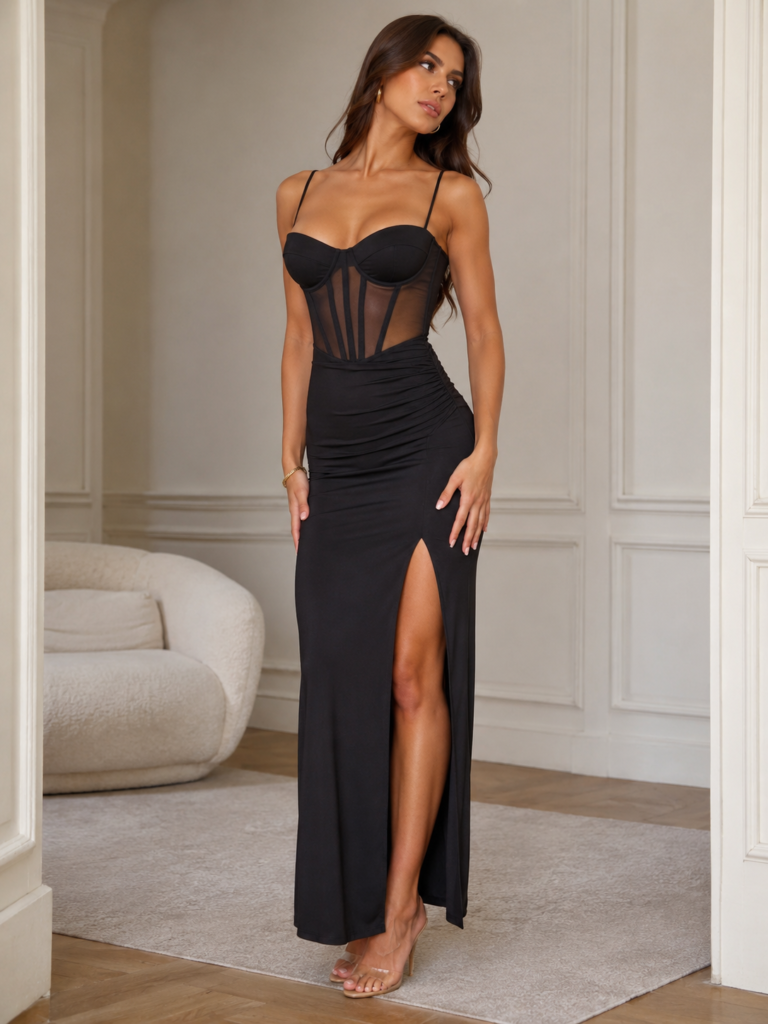
Mesh Panel Corset Dress
A strong social-content style for brands that want body contour, contrast panels, and a sharper campaign look. Mesh can add depth without making the garment feel heavy.
- Best for: Bodycon collections, clubwear, photo-led drops
- Suggested length: 80–90 cm mini; 105–115 cm midi
- Fabric range: 160–240 GSM stretch mesh with 220–300 GSM base
- Stretch target: 25–50% for mesh panels
- Key control: Opacity and panel placement
- Complexity: High
- Bulk risk: Uneven panel tension or transparency issues

Lace-Up Back Corset Dress
A commercial style for brands that want adjustable fit and visible back detail. Lace-up construction adds styling value, but the back panel must hold tension properly.
- Best for: Influencer shoots, boutique drops, repeat sellers
- Suggested length: 78–90 cm mini or 105–118 cm midi
- Fabric range: 220–340 GSM woven stretch or structured knit
- Stretch target: 10–25% depending on closure design
- Key control: Eyelet strength and back tension
- Complexity: Medium-high
- Bulk risk: Eyelet pulling, uneven lacing, back panel distortion

Strapless Bustier Dress
A classic high-value style for partywear and occasionwear brands. Without straps, all support must come from the pattern, boning, lining, and upper-edge tension.
- Best for: Premium partywear, dinner edits, capsule collections
- Suggested length: 80–88 cm mini; 108–120 cm midi
- Fabric range: 220–320 GSM satin, jacquard, ponte, scuba
- Stretch target: 8–20% with structured lining
- Key control: Top edge grip and bust stability
- Complexity: High
- Bulk risk: Slipping, gaping, weak upper-body support

Velvet Stretch Corset Dress
A soft but high-impact option for fall, winter, holiday, and evening collections. Velvet gives depth on camera, but nap direction and shading must be controlled during cutting.
- Best for: Fall drops, holiday edits, eveningwear
- Suggested length: 80–90 cm mini or 105–118 cm midi
- Fabric range: 240–360 GSM stretch velvet
- Stretch target: 20–40% with strong recovery
- Key control: Nap direction and shade consistency
- Complexity: Medium-high
- Bulk risk: Color shading, pile crush, uneven surface reflection

Cut-Out Corset Dress
A high-fashion social style for brands that want sharper body framing and campaign impact. Cut-outs increase visual value, but also raise fit and reinforcement risks.
- Best for: Summer drops, clubwear, viral campaign styles
- Suggested length: 78–88 cm mini; 102–112 cm midi
- Fabric range: 220–320 GSM stretch knit, scuba, ponte
- Stretch target: 20–35% with strong recovery
- Key control: Cut-out reinforcement and edge stability
- Complexity: High
- Bulk risk: Edge stretching, body exposure, size grading issues

Long Sleeve Corset Dress
A balanced style for brands that want structure with more coverage. Long sleeves make the product suitable for transitional seasons, fall collections, and evening styling.
- Best for: Fall edits, dinner collections, covered partywear
- Suggested length: 82–92 cm mini or 108–120 cm midi
- Fabric range: 200–320 GSM stretch knit, velvet, mesh-combo
- Stretch target: 25–45% for sleeve comfort
- Key control: Armhole mobility and sleeve recovery
- Complexity: Medium-high
- Bulk risk: Tight sleeves, pulling across bust, restricted movement

Lace Corset Dress
A feminine style for romantic edits, bridal guest collections, resort drops, and soft occasionwear capsules. Lace adds texture and detail, but needs lining, placement control, and careful seam finishing.
- Best for: Romantic drops, bridal guest edits, boutique collections
- Suggested length: 80–90 cm mini; 105–120 cm midi
- Fabric range: 120–220 GSM stretch lace with 160–240 GSM lining
- Stretch target: 20–45% for stretch lace styles
- Key control: Lace placement and lining coverage
- Complexity: Medium-high
- Bulk risk: Snagging, uneven motif placement, transparency complaints

Ruched Corset Bodycon Dress
A strong commercial option for brands that want body confidence and flexible fit perception. Ruching can soften tension marks and improve visual comfort across different body shapes.
- Best for: Bodycon drops, curve-friendly edits, repeat programs
- Suggested length: 82–92 cm mini; 105–118 cm midi
- Fabric range: 200–320 GSM stretch jersey, mesh, slinky knit
- Stretch target: 30–60% with strong recovery
- Key control: Ruching depth and side seam tension
- Complexity: Medium
- Bulk risk: Uneven gathers, twisted seams, inconsistent length after sewing

Corset Maxi Dress
A more elevated style for resort edits, event dressing, eveningwear capsules, and higher-price collections. The longer length creates stronger presence but requires better balance between bodice support and skirt drape.
- Best for: Resort, evening, wedding guest, premium drops
- Suggested length: 130–150 cm from shoulder
- Fabric range: 180–280 GSM satin, mesh, jersey, crepe, jacquard
- Stretch target: 8–30%, depending on silhouette
- Key control: Bodice-to-skirt balance and hem control
- Complexity: High
- Bulk risk: Dragging hem, uneven drape, zipper stress, fit imbalance across sizes
Fabric Options for Custom Corset Dress Development
Stretch Satin

Stretch satin gives a smooth, polished surface for occasionwear, dinner styles, and premium party dresses. It works well when the brand wants a refined look without heavy decoration.
- Recommended GSM: 180–260
- Stretch ratio: 8–18%
- Recovery target: Above 85%
- Opacity: Medium to high with lining
- Shrinkage target: Within 3–5%
- Color fastness: Grade 3–4 preferred
- Production risk: Puckering, shine marks, seam tension
Stretch Scuba

Stretch scuba is useful for clean body shape, smooth structure, and a sculpted silhouette. It is often easier to control than lightweight satin for fitted corset-inspired dresses.
- Recommended GSM: 260–360
- Stretch ratio: 20–35%
- Recovery target: Above 88%
- Opacity: High
- Shrinkage target: Within 3%
- Color fastness: Grade 3–4 preferred
- Production risk: Thickness around seams and zipper areas
Ponte Roma

Ponte is a stable knit for structured bodycon dresses and repeatable commercial styles. It supports clean seams, good opacity, and more reliable size behavior.
- Recommended GSM: 240–340
- Stretch ratio: 20–35%
- Recovery target: Above 85%
- Opacity: High
- Shrinkage target: Within 3–5%
- Color fastness: Grade 3–4 preferred
- Production risk: Heavy hand feel if lining is too thick
Power Mesh

Power mesh is used for shaping, panels, inner support, and visual contour. It can bring body-framing detail while keeping the dress lighter than fully structured woven fabric.
- Recommended GSM: 120–220
- Stretch ratio: 35–70%
- Recovery target: Above 90%
- Opacity: Low to medium
- Shrinkage target: Within 3–5%
- Color fastness: Grade 3–4 preferred
- Production risk: Transparency, edge stretching, uneven tension
Stretch Velvet

Stretch velvet gives strong depth in photos and works well for fall, winter, and holiday drops. The fabric feels rich but needs careful cutting and packing.
- Recommended GSM: 240–360
- Stretch ratio: 20–40%
- Recovery target: Above 85%
- Opacity: Medium to high
- Shrinkage target: Within 3–5%
- Color fastness: Grade 3–4 preferred
- Production risk: Nap direction, shade variation, pile pressure marks
Sequin Mesh
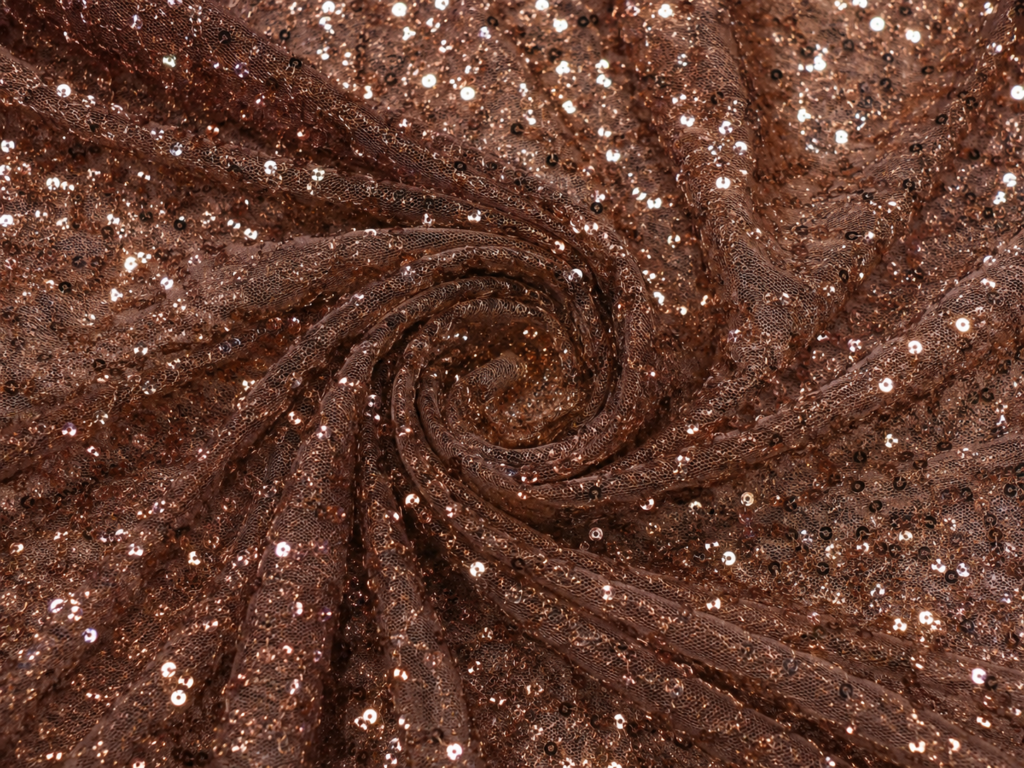
Sequin mesh is a campaign-driven fabric for partywear, birthday drops, and holiday collections. It gives immediate visual impact but requires lining and careful seam handling.
- Recommended GSM: 260–420
- Stretch ratio: 10–25%
- Recovery target: Above 80% on stretch base
- Opacity: Low without lining
- Shrinkage target: Within 3–5%
- Color fastness: Grade 3–4 preferred
- Production risk: Sequin loss, rough hand feel, sewing damage
Stretch Lace

Stretch lace works for romantic, bridal-inspired, and soft occasionwear corset dresses. It adds texture and femininity but usually needs lining or panel planning.
- Recommended GSM: 120–220
- Stretch ratio: 20–45%
- Recovery target: Above 82%
- Opacity: Low to medium
- Shrinkage target: Within 3–5%
- Color fastness: Grade 3–4 preferred
- Production risk: Snagging, unstable edges, pattern placement mismatch
Woven Jacquard
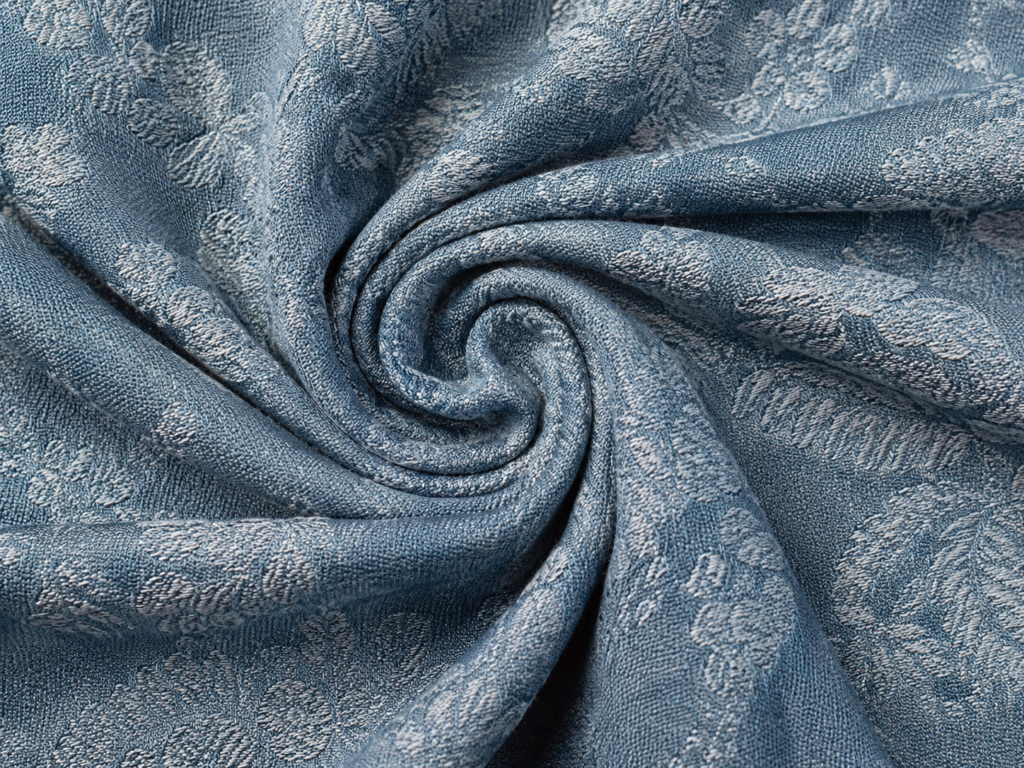
Jacquard gives structure, texture, and a more premium surface for corset midi or formal mini dresses. It works best when the brand wants shape without relying on stretch.
- Recommended GSM: 180–320
- Stretch ratio: 0–8%, unless blended
- Recovery target: Not stretch-led
- Opacity: Medium to high
- Shrinkage target: Within 3–5%
- Color fastness: Grade 3–4 preferred
- Production risk: Low comfort if pattern ease is too tight
Stretch Crepe

Stretch crepe offers a refined matte surface with moderate structure, making it suitable for corset midi dresses, evening styles, and polished occasionwear. It feels more understated than satin while still supporting a shaped silhouette.
- Recommended GSM: 180–280
- Stretch ratio: 10–25%
- Recovery target: Above 85%
- Opacity: Medium to high
- Shrinkage target: Within 3–5%
- Color fastness: Grade 3–4 preferred
- Production risk: Seam tension, surface snagging, and uneven drape if grain direction is not controlled
Fabric Surface Techniques for High-Impact Visual Drops
Allover Sequin Embellishment
Allover sequins create strong light reflection for holiday drops, birthday collections, partywear campaigns, and evening styles. The surface photographs clearly under studio lighting and short-form video, giving the dress immediate visual weight.
- Commercial value: Strong hero product for campaign launches
- Best base: Sequin mesh, sequin knit, stretch lining
- Performance effect: Adds weight and reduces softness
- Comfort need: Full lining around body-contact areas
- Bulk risk: Sequin loss, rough seams, needle damage
- Control focus: Seam allowance cleaning and lining coverage
Foil Print on Stretch Fabric
Foil print gives a metallic surface without the weight of sequins. It works well for mini corset dresses, clubwear edits, and festival-inspired launches where shine matters but the garment still needs movement.
- Commercial value: High visual effect at lighter garment weight
- Best base: Stretch jersey, mesh, ponte, scuba
- Performance effect: May reduce breathability and stretch recovery
- Comfort need: Soft inner face or partial lining
- Bulk risk: Cracking, peeling, color migration
- Control focus: Stretch test before bulk print approval
Digital Print on Corset Panels
Digital print works for floral, marble, gradient, animal, abstract, and collection-specific graphics. Corset panel lines can make print placement more complex, especially around bust seams, waist seams, and side seams.
- Commercial value: Strong brand mood and seasonal storytelling
- Best base: Polyester satin, mesh, crepe, jersey
- Performance effect: Usually lighter than embroidery or sequin
- Comfort need: Smooth print hand feel after finishing
- Bulk risk: Panel mismatch, color shift, print distortion
- Control focus: Marker planning and panel placement check
Lace Overlay Construction
Lace overlay adds romantic texture for bridal guest edits, soft occasionwear, and boutique dress collections. The effect works best when motif placement, lining shade, and seam positions feel intentional.
- Commercial value: Feminine texture with higher perceived value
- Best base: Stretch lace over satin, mesh, or knit lining
- Performance effect: Can reduce stretch if layered tightly
- Comfort need: Soft lining to prevent scratchy skin contact
- Bulk risk: Snagging, motif misalignment, transparency complaints
- Control focus: Lace placement and lining opacity review
Mesh Splicing and Sheer Panels
Mesh panels create body framing, contrast, and depth without making the garment heavy. They are often used at waist, neckline, sleeve, side body, or skirt sections for social-led styling.
- Commercial value: Strong contour effect for photo-led collections
- Best base: Power mesh, stretch mesh, jersey, scuba
- Performance effect: Higher stretch but lower opacity
- Comfort need: Soft edge finishing and stable seam tension
- Bulk risk: Panel stretching, uneven transparency, seam waving
- Control focus: Mesh direction and opacity under light
Embroidery and Appliqué Details
Embroidery and appliqué add crafted detail around neckline, hem, bust panel, waistline, or sleeve areas. They work best as controlled accents rather than heavy decoration across high-stretch zones.
- Commercial value: More premium detail for occasion styles
- Best base: Satin, mesh, lace, crepe, velvet
- Performance effect: Adds weight and may reduce flexibility
- Comfort need: Backing control and soft inner finishing
- Bulk risk: Thread pull, stiff patches, uneven placement
- Control focus: Placement template and embroidery tension
Rhinestone and Hotfix Decoration
Rhinestones create sharp visual sparkle for partywear, birthday edits, and stage-inspired collections. They are useful when a brand needs shine but wants a lighter effect than sequin fabric.
- Commercial value: Strong camera sparkle for campaign content
- Best base: Mesh, velvet, jersey, satin, ponte
- Performance effect: Can affect stretch and surface softness
- Comfort need: Avoid heavy application in bending zones
- Bulk risk: Stone loss, glue marks, uneven shine
- Control focus: Adhesion test, rub test, wash review
Ruching and Draped Surface Work
Ruching creates body-flattering texture and softens tension marks on fitted corset dresses. It can make one base style more forgiving across sizes while adding visual movement to product images.
- Commercial value: Better fit perception across body shapes
- Best base: Stretch jersey, mesh, slinky knit, soft crepe
- Performance effect: Adds fabric consumption and sewing time
- Comfort need: Smooth inner seams and controlled gathers
- Bulk risk: Uneven length, twisted side seams, inconsistent gathers
- Control focus: Gather ratio and seam balance
Construction Techniques for Structured Corset Dresses

Pattern Engineering
Pattern engineering decides whether the corset dress holds the body correctly. Bust panels, waist seams, side body, princess seams, and back panels should work together before sample approval.
- Main purpose: Shape control before sewing
- Critical zones: Bust, waist, hip, back, upper edge
- Development focus: Balance between compression and comfort
- Sample check: Front view, side view, seated view
- Bulk risk: Gaping, pulling, uneven waist shape
- Control method: Pattern notes kept with approved fit comments
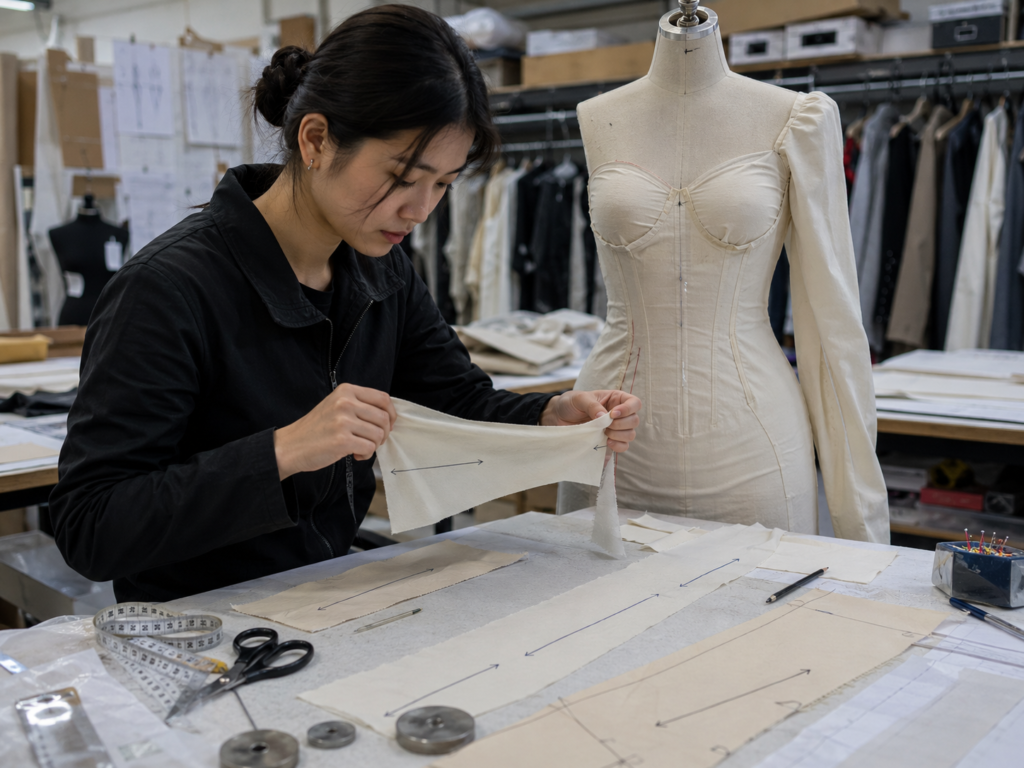
Stretch Direction Control
Stretch direction affects how the dress fits after wear. A corset dress can look correct on the table but change shape on body when fabric grain, stretch direction, or cutting direction is wrong.
- Main purpose: Stable body fit across sizes
- Critical zones: Bust panels, waist, hip, sleeves, skirt
- Development focus: Match fabric stretch to pattern pressure
- Sample check: Recovery after fitting and movement
- Bulk risk: Twisted seams, loose waist, tight hip
- Control method: Cutting direction confirmed before bulk marker

Seam Tension Management
Corset dresses place pressure on seams around bust, waist, zipper, side body, and hip. Seam tension must hold shape without creating puckering, broken stitches, or uncomfortable pressure.
- Main purpose: Clean shape under body tension
- Critical zones: Princess seams, side seams, waist seams
- Development focus: Stitch type, thread, seam allowance, pressure
- Sample check: Wear test and stretch test
- Bulk risk: Puckering, seam breakage, uneven surface
- Control method: Sewing tension checked before line production

Lining Compatibility
Lining affects comfort, opacity, support, and garment weight. A beautiful outer fabric can fail if lining is too stiff, too slippery, too thin, or unable to recover with the shell fabric.
- Main purpose: Comfort and inner structure
- Critical zones: Bust, waist, skirt, mesh areas
- Development focus: Match stretch, hand feel, and opacity
- Sample check: Skin feel, movement, transparency, weight
- Bulk risk: Pulling, twisting, heat discomfort, visible lining
- Control method: Shell and lining tested together

Cut-Out Reinforcement
Cut-out corset dresses need extra control because open edges carry more stress during wear. Reinforcement keeps the edge stable without making the garment look bulky.
- Main purpose: Edge stability and safe body coverage
- Critical zones: Waist cut-outs, side cut-outs, neckline openings
- Development focus: Binding, elastic, stay tape, inner support
- Sample check: Movement, sitting, stretching, arm lift
- Bulk risk: Edge stretching, exposure, curling, size inconsistency
- Control method: Reinforcement method approved at sample stage

Ruching Control
Ruching can improve the visual fit of a corset bodycon dress, but uncontrolled gathers can change length, side seam balance, and garment symmetry.
- Main purpose: Shape softness and controlled texture
- Critical zones: Side seams, waist, hip, front body
- Development focus: Gather ratio and panel length
- Sample check: Left-right balance and body placement
- Bulk risk: Uneven gathers, twisted seams, size variation
- Control method: Measurement points added before bulk sewing

Closure Construction
Zippers, lace-up backs, hooks, eyelets, and invisible closures must handle body pressure. Closure failure can damage the product experience quickly, especially for fitted dresses.
- Main purpose: Secure dressing and body hold
- Critical zones: Center back, side zipper, lace-up panel
- Development focus: Reinforcement, zipper tape, eyelet backing
- Sample check: Pull test and repeated opening test
- Bulk risk: Zipper waves, eyelet pulling, back panel distortion
- Control method: Closure area reinforced before final sample approval

Pressing and Finishing
Finishing decides whether the dress looks premium when packed, unpacked, photographed, or tried on. Corset seams, satin surfaces, velvet pile, and structured panels all need careful handling.
- Main purpose: Clean presentation before shipment
- Critical zones: Bust seams, waist seams, hem, zipper area
- Development focus: Pressing temperature, surface protection, shaping
- Sample check: Shine marks, seam flattening, garment symmetry
- Bulk risk: Press marks, crushed velvet, uneven hemline
- Control method: Fabric-specific finishing standard before packing
Fit, Sizing, and Grading Control for Repeat Orders

Bust Support Balance
- Fit focus: Cup height, neckline tension, side bust coverage
- Key check: Front and side view on fit model
- Risk: Gaping, slipping, weak support
- Control: Adjust panel lines before bulk grading
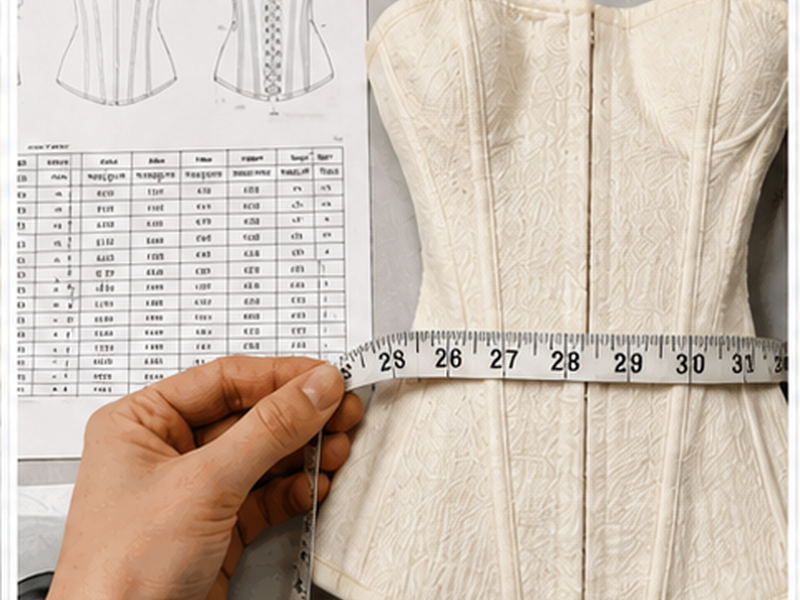
Waist Compression Control
- Fit focus: Waist panel ratio and seam placement
- Key check: Standing, sitting, and movement
- Risk: Over-tight waist, pulling seams, body discomfort
- Control: Balance ease, fabric stretch, and lining tension

Hip and Skirt Balance
- Fit focus: Hip ease, hem opening, side seam line
- Key check: Walking and seated movement
- Risk: Riding up, twisted seams, restricted step
- Control: Check stretch direction and skirt measurement points

Size Grading Consistency
- Fit focus: Proportion across XS–XL or custom size range
- Key check: Grading rule review before size set
- Risk: Larger sizes lose shape or smaller sizes feel too tight
- Control: Keep approved sample and grading notes together

Fabric Recovery Check
- Fit focus: Stretch-back after body tension
- Key check: Recovery after repeated pull
- Risk: Loose waist, stretched neckline, bagging
- Control: Fabric recovery reviewed before fabric approval
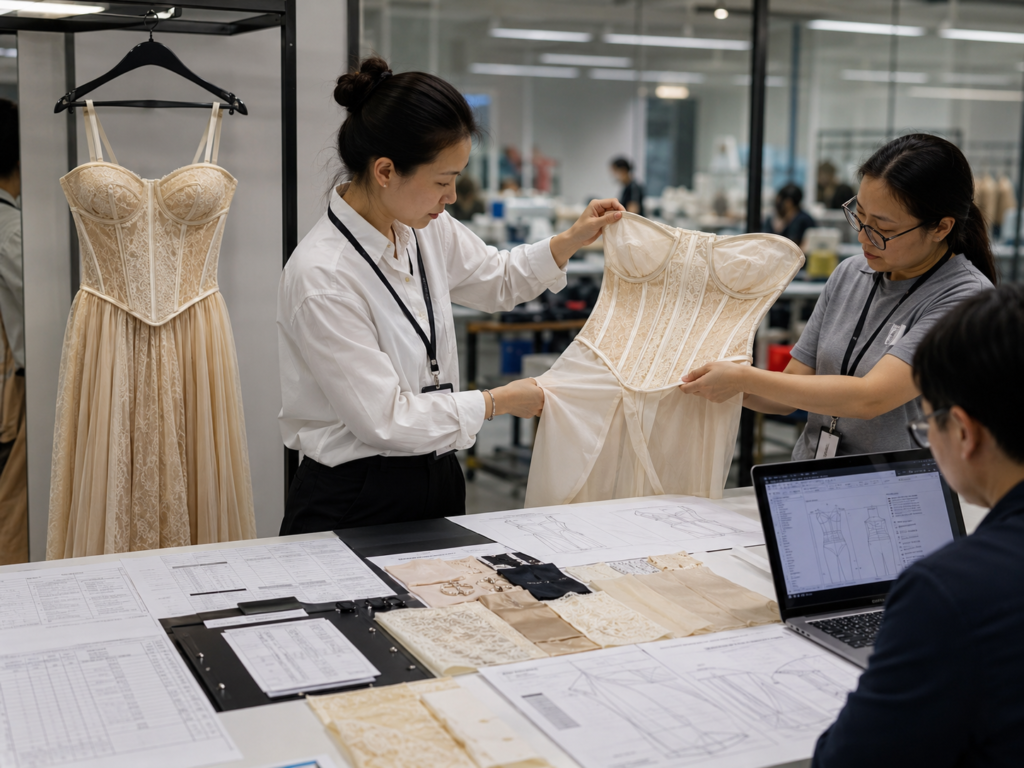
Repeat Batch Protection
- Fit focus: Approved pattern and production record
- Key check: Pre-production sample before repeat run
- Risk: Second batch differs from first batch
- Control: Keep approved fit, pattern, and material references
Brand Label, Packaging, and Retail Presentation

Main Label
Main labels carry brand identity at the first touchpoint after try-on. Woven labels, satin labels, printed labels, or heat-transfer labels can be selected according to garment weight and neckline comfort.
- Best placement: Back neck or inner facing
- Brand effect: Clean, finished retail impression
- Comfort focus: No scratchy edge near skin
- Control point: Label size, color, logo clarity, stitch position

Size Label
Size labels help customers and warehouse teams identify the product quickly. Corset dresses need clear size marking because fit expectations are higher than loose garments.
- Best placement: Back neck, side seam, or care label set
- Brand effect: Easier size recognition
- Comfort focus: Soft material and low-bulk sewing
- Control point: Correct size code across every color and style

Care Label
Care labels support garment care, returns handling, and customer service. Corset dresses often combine shell fabric, lining, trim, boning, zipper, lace, sequin, or mesh, so care information must be clear.
- Best placement: Inner side seam
- Brand effect: Professional after-sales support
- Comfort focus: Soft label and safe edge finishing
- Control point: Fiber content, care method, country of origin, RN if needed

Hangtag
Hangtags add brand tone before the customer wears the garment. They can communicate collection name, material story, styling direction, QR code, or care reminder.
- Best placement: Neckline, sleeve, zipper pull, or side seam
- Brand effect: Stronger retail and unboxing value
- Comfort focus: Easy removal without fabric damage
- Control point: Paper weight, string quality, color consistency

Barcode and SKU Sticker
SKU stickers support inventory, warehouse sorting, online order fulfillment, and retail channel intake. They are especially useful for multi-color, multi-size corset dress programs.
- Best placement: Polybag, hangtag, or carton label
- Brand effect: Cleaner sales-channel readiness
- Comfort focus: No contact with garment surface
- Control point: Style number, color code, size, barcode readability
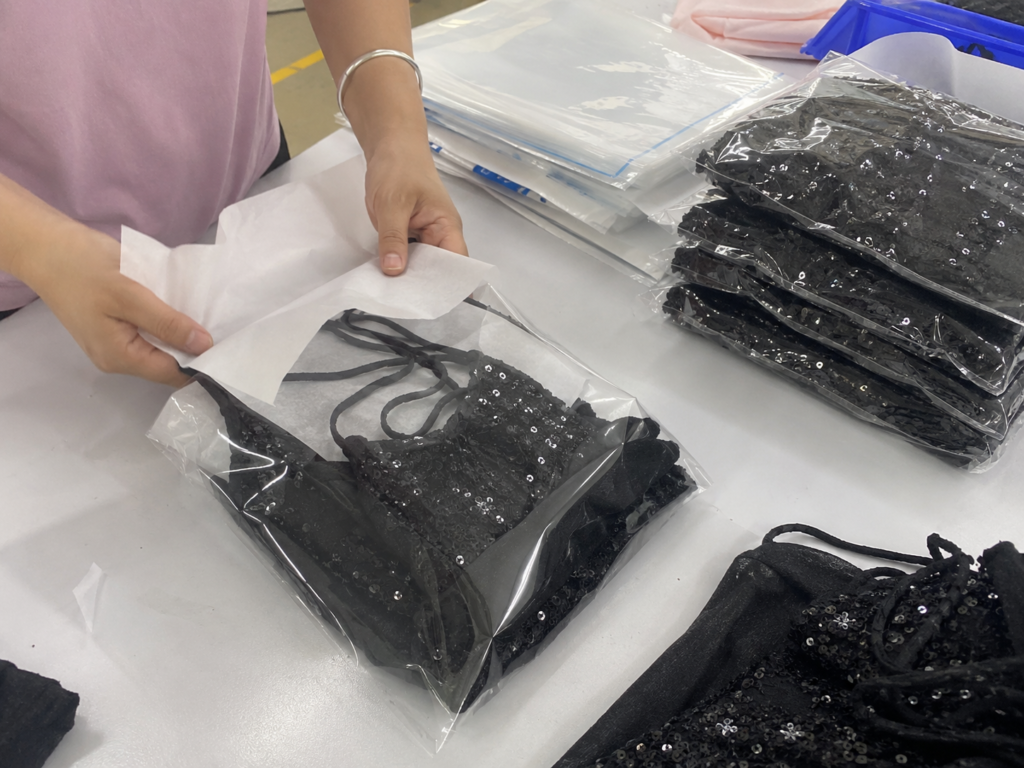
Polybag
Polybags protect each dress from dust, moisture, rubbing, and handling marks during shipment. Satin, velvet, sequin, and rhinestone styles need extra care to avoid surface pressure.
- Best use: Individual garment protection
- Brand effect: Cleaner warehouse and customer delivery
- Comfort focus: Garment arrives without surface damage
- Control point: Bag size, suffocation warning, sticker position
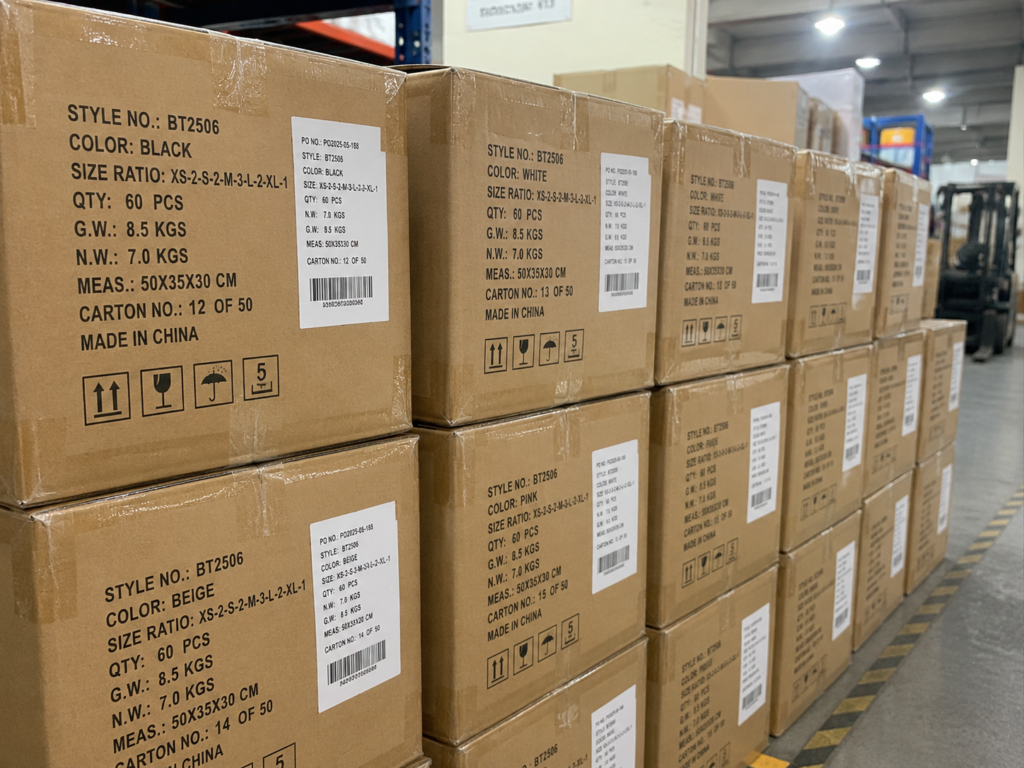
Carton Mark
Carton marks help shipments move through warehouse receiving, customs handling, and order allocation. Clear markings reduce sorting errors when multiple styles ship together.
- Best use: Bulk shipment and warehouse receiving
- Brand effect: More organized logistics presentation
- Comfort focus: Product protected through correct carton planning
- Control point: PO number, style number, color, size, quantity, destination

Folding and Hanger Packing
Packing method affects garment shape on arrival. Some corset dresses can be folded, while satin, velvet, sequin, structured bodice, and eventwear styles may need hanger packing.
- Best use: Based on fabric and sales channel
- Brand effect: Better first impression after unpacking
- Comfort focus: Less crushing around bust and waist structure
- Control point: Folding line, tissue paper, hanger type, carton height
Sample Development Process
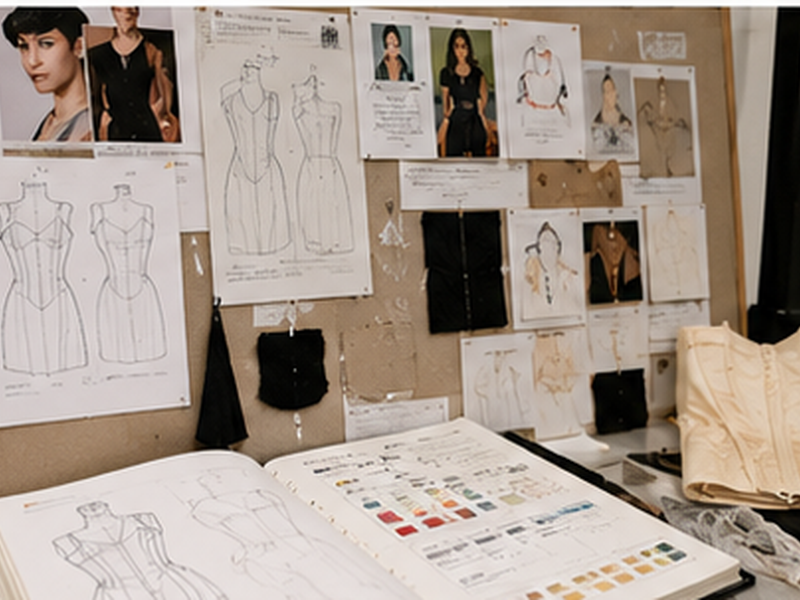
Design Intake
The process starts with reference images, tech packs, physical samples, fabric direction, size charts, brand fit comments, or target retail photos. Clear information helps the development team understand silhouette, structure, and sales intent before pattern work begins.
- Input: Images, sketches, sample, tech pack, size chart
- Key focus: Bodice structure, length, closure, fabric behavior
- Output: Development direction and first material review
- Risk reduced: Misread style lines and wrong construction approach

Fabric and Trim Review
Fabric, lining, boning, zipper, eyelets, hooks, lace, mesh, or sequin materials are reviewed before sampling. Corset dress development needs shell fabric and inner support to work together.
- Input: Fabric reference, hand feel target, color direction
- Key focus: Stretch, recovery, opacity, lining comfort
- Output: Material proposal or sourcing direction
- Risk reduced: Weak support, rough inner feel, poor recovery

Pattern Development
Pattern makers translate the design into garment structure. Bust panels, waist position, back balance, skirt length, closure area, and seam lines are planned for body shape and production feasibility.
- Input: Style direction and measurement target
- Key focus: Fit balance and structural support
- Output: First pattern and sample cutting plan
- Risk reduced: Gaping, pulling, slipping, body imbalance

First Sample Making
Sample makers sew the first version using approved or selected materials. For complex corset dresses, internal construction, lining, reinforcement, and closure areas receive extra attention.
- Input: Pattern, fabric, trims, construction notes
- Key focus: Shape, comfort, sewing quality, surface control
- Output: First physical sample for review
- Timing: Standard styles 5–10 days; complex styles 7–15 days

Fit Review and Correction
The sample is reviewed for bust support, waist shaping, neckline, side seam, hip ease, length, closure strength, and wearing comfort. Comments are translated into pattern and sewing corrections.
- Input: Fit comments, photos, measurement feedback
- Key focus: Real body performance, not only flat measurement
- Output: Revised sample or pre-production direction
- Risk reduced: Repeated sample rounds and unclear approval standard
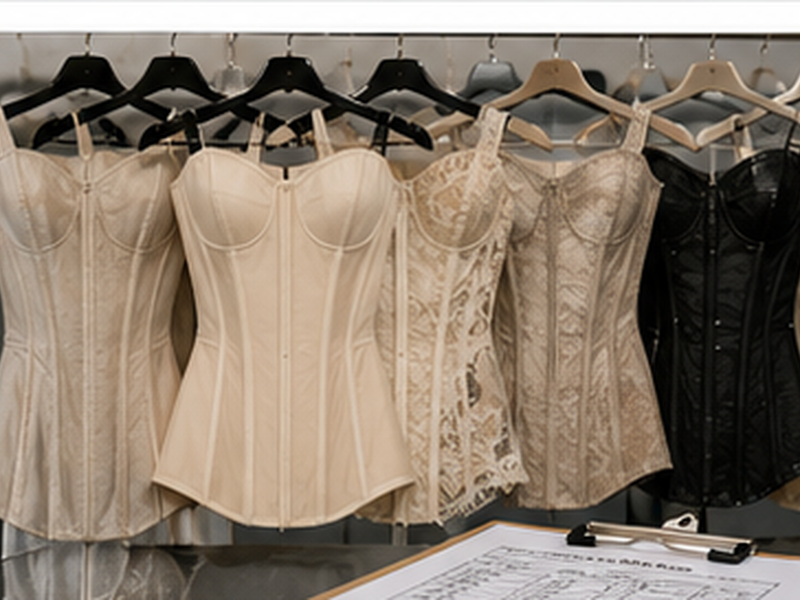
Sample Approval for Production
After fit, fabric, trims, and construction are confirmed, sample records are prepared for bulk planning. Approved sample details guide the production team before cutting and sewing.
- Input: Approved sample, pattern notes, trim sheet
- Key focus: Bulk consistency and repeatable construction
- Output: Production-ready sample reference
- Risk reduced: Difference between sample and bulk production
Bulk Production Process
Bulk production for corset dresses requires clear transfer from sample approval to cutting, sewing, finishing, inspection, packing, and shipment. Jinfeng’s production base includes 18 lines and around 300,000 pcs monthly capacity.
Production Planning
After sample approval, production planning confirms quantity, color ratio, size ratio, fabric readiness, trims, label details, and shipment timeline. Corset dress programs often need different planning for test orders and repeat orders.
- Main focus: Quantity, delivery date, material schedule
- Factory base: 18 production lines
- Order range: 300–500 pcs small orders; 1,000–5,000 pcs mid orders
- Control point: Approved sample and production file alignment


Material Preparation
Fabric, lining, trims, boning, zipper, eyelets, labels, hangtags, and packaging materials are prepared before production starts. Material readiness protects the line schedule and reduces mid-production delays.
- Main focus: Shell fabric, support materials, trims, labels
- Team support: 3 sourcing staff for fabric and accessories
- Risk area: Shade variation, trim mismatch, missing labels
- Control point: Material check before bulk cutting
Pre-Production Sample
A pre-production sample confirms the final production method before bulk sewing. For corset dresses, it checks structure, seam tension, lining, closure, and measurements under final bulk conditions.
- Main focus: Final construction confirmation
- Risk area: Different handling between sample room and production line
- Control point: PP sample review before bulk launch
- Result: Clear reference for line workers and QC staff


Bulk Cutting
Cutting controls size consistency, fabric direction, pattern placement, and shade grouping. Stretch fabrics, velvet nap, satin surface, lace motifs, and printed panels need careful marker planning.
- Main focus: Pattern accuracy and fabric direction
- Risk area: Twisted seams, shade change, wrong panel placement
- Control point: Marker, size bundle, and color batch review
- Result: Cleaner sewing and more stable garment shape
Line Sewing
Line sewing brings structure, fit, and finishing together. Corset dress sewing requires attention around bust seams, waist seams, zipper area, lining attachment, boning channels, and high-tension zones.
- Main focus: Seam strength and shape consistency
- Risk area: Puckering, broken stitches, uneven seam tension
- Control point: Inline checks during sewing
- Result: Fewer corrections before final inspection

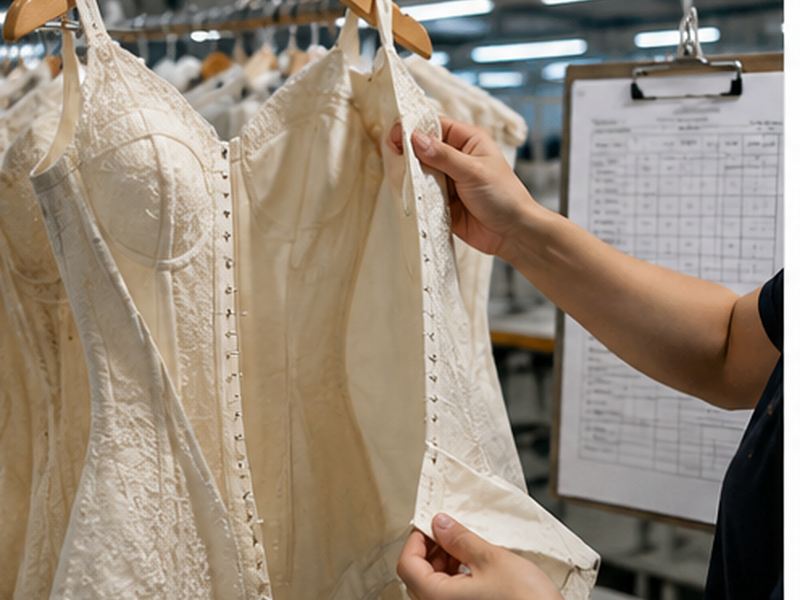
Finishing and Pressing
Finishing prepares the dress for final presentation. Satin, velvet, sequin, mesh, and structured bodices need different handling to avoid shine marks, crushed surfaces, or distorted panels.
- Main focus: Shape, surface, hem, zipper, inner finishing
- Risk area: Press marks, uneven hemline, surface damage
- Control point: Fabric-specific finishing method
- Result: Better product appearance after unpacking
Final Inspection and Packing
Final inspection checks measurement, sewing quality, fabric surface, label placement, closure function, color, packing, and carton marking. Garments are then folded or hanger-packed based on product needs.
- Main focus: Approved standard before shipment
- Risk area: Mixed sizes, surface marks, wrong labels
- Control point: Final QC and packing review
- Result: Cleaner delivery to warehouse, store, or sales channel
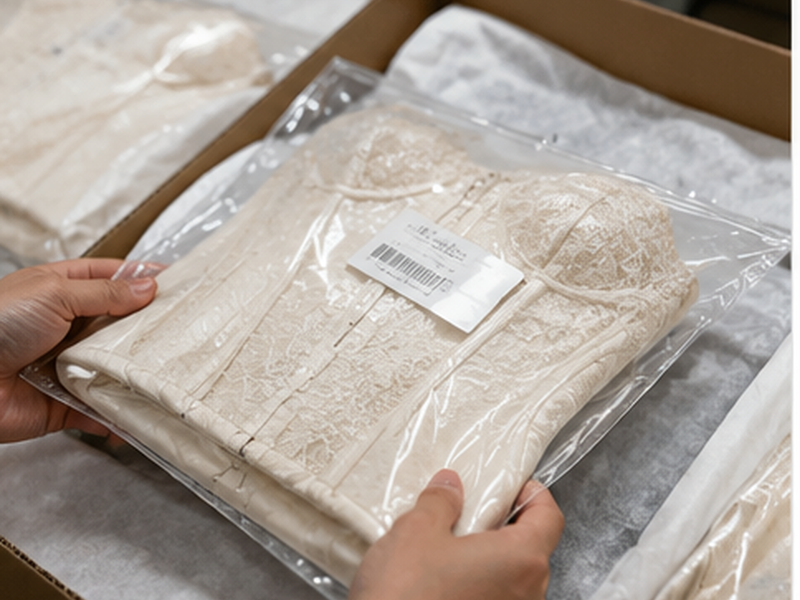
MOQ, Lead Time, and Shipping Options
Corset dress orders often begin with controlled testing, then move into repeat production once sales data becomes clear. Jinfeng supports small test orders, mid-size repeat programs, larger production runs, and flexible delivery planning for overseas fashion brands.
| Production Stage | Jinfeng Reference | Best Fit for Corset Dress Programs |
|---|---|---|
| Small Order | 300–500 pcs | First market test, capsule drop, new color launch |
| Mid Order | 1,000–5,000 pcs | Proven style, seasonal collection, repeat order |
| Large Order | 5,000+ pcs | Scale-up production, retail program, high-performing style |
| Standard Sample Time | 5–10 days | Simple to regular corset dress styles |
| Complex Sample Time | 7–15 days | Sequin, mesh, strapless, cut-out, lined styles |
| Simple Bulk Time | 15–25 days | Clean construction, stable fabric, low trim complexity |
| Regular Bulk Time | 25–35 days | Most custom corset dress production programs |
| Complex Bulk Time | 35–45 days | Structured, embellished, multi-fabric, high-detail styles |
| Monthly Capacity | Around 300,000 pcs | Ongoing dress programs and repeat-order planning |
| Scalable Capacity | 50,000–80,000 pcs extra space | Style scale-up after strong sales performance |
Shipping Options
| Shipping Method | Transit Time | Best Fit for Corset Dress Programs |
|---|---|---|
| Express / Courier | 5–7 days | Urgent samples, approval pieces, small high-priority shipments |
| Air Freight | 7–15 days | Seasonal drops, faster replenishment, campaign-sensitive launches |
| Sea Freight | 20–35 days | Larger orders, planned inventory, stable repeat production |
Quality Control for Corset Dress Manufacturing
Corset dresses need quality control beyond basic measurements. Fit pressure, bust support, seam tension, fabric recovery, closure strength, lining comfort, surface condition, labels, and packing all affect how the garment performs after launch.
Fit Measurement Control
Fit inspection begins with bust, waist, hip, dress length, strap length, back width, neckline width, zipper length, and hem opening. These points decide whether the garment keeps its intended shape across different sizes.
A corset dress cannot be judged only by flat measurement. Body pressure changes how the garment sits after wear, so approved size charts, sample comments, and pattern notes should stay connected during inspection.
Bust and Waist Shape Review
Bust and waist areas decide whether a corset dress feels structured, supportive, and visually clean. Cup position, bust coverage, neckline tension, waist level, side body balance, and back fit need careful review.
Strapless, bustier, lace-up, and underwire-inspired styles require closer inspection. The dress should hold shape from front, side, and back views without gaping, slipping, flattening, or pulling after movement.
Seam Strength and Tension Control
Corset dresses place higher pressure on seams than loose silhouettes. Princess seams, side seams, waist seams, zipper seams, lace-up panels, and cut-out edges need stable stitch tension and reinforcement.
Poor seam control can cause puckering, broken stitches, twisted panels, or visible pulling. Inline inspection helps correct sewing tension before defects spread through bulk production.
Closure Function and Reinforcement
Zippers, hooks, eyelets, lace-up backs, strap adjusters, and invisible closures must open smoothly, close securely, and hold body tension during wear. Closure areas often carry the most pressure.
Inspection should review zipper waves, eyelet pulling, hook strength, backing fabric, and reinforcement. Pull checks and repeated opening checks help identify weak points before packing.
Fabric Surface and Color Review
Fabric surface inspection protects the visual value of the dress. Satin, velvet, mesh, sequin, lace, crepe, and jacquard each show defects in different ways under light and movement.
QC should review stains, shade variation, snags, shine marks, crushed pile, print placement, lace alignment, loose sequins, embroidery defects, and visible surface damage before packing.
Lining, Boning, and Inner Comfort
The inside of a corset dress should feel clean, stable, and wearable. Lining, boning channels, seam edges, zipper backing, label placement, and trim contact points need careful checking.
If the lining is too stiff, too loose, too thin, or poorly matched with the shell fabric, the dress may twist, scratch, or lose shape. Inner inspection helps protect comfort and structure.
Label, Packing, and SKU Accuracy
Main labels, size labels, care labels, hangtags, barcode stickers, polybags, carton marks, and packing methods should match approved order information. These details affect retail presentation and warehouse handling.
Corset dress programs often include multiple colors, sizes, and launch groups. QC should confirm style number, color code, size ratio, care information, folding method, hanger packing, and carton markings.
Final Shipment Comparison
Final inspection should compare bulk goods against the approved sample, production file, size chart, color standard, trim sheet, label layout, packing method, and shipment plan.
For repeat orders, the previous approved batch should also remain as reference. A clear final review helps reduce mixed cartons, shipment errors, visible defects, and differences between sample and delivered goods.
Factory Safety and Production Compliance Preparation
Production Line Organization
Jinfeng operates 18 production lines across a manufacturing base of around 5,000 square meters. Clear line planning helps separate sample development, small-order testing, repeat production, and larger corset dress programs.
For fitted dresses, organized production handover is important. Approved samples, pattern notes, fabric details, trim records, and packing requirements should be aligned before line sewing begins.
Material Handling Control
Corset dresses may use satin, velvet, mesh, lace, sequin, boning, zippers, eyelets, hooks, labels, and special packaging. Each material needs checking before cutting, sewing, and finishing.
Material handling should focus on shade, stretch, opacity, trim strength, lining comfort, and surface condition. Early review helps reduce missing trims, wrong lining, color mismatch, and production delays.
Metal Trim and Sharp Part Control
Eyelets, hooks, zippers, boning, needles, and metal accessories need careful handling during corset dress production. These parts sit close to the body and can affect comfort if poorly finished.
Inspection should check backing fabric, inner edges, fastening strength, and contact areas. Clean handling helps reduce scratching, weak closures, rough seams, and customer complaints after delivery.
Care Label and Product Information
Care labels should match fabric content, lining, trim use, washing method, and destination market needs. Corset dresses often combine multiple materials, so care instructions must be clear and practical.
Correct product information supports customer care, warehouse handling, and after-sales communication. Fiber content, size, style number, country information, and care method should be confirmed before packing.
Packing and Carton Record
Polybags, folding, hanger packing, SKU stickers, carton marks, and carton labels should match the order plan. Corset dresses with satin, velvet, sequin, or structured bodices need careful packing to protect shape and surface.
Packing records help reduce mixed sizes, wrong cartons, damaged surfaces, and warehouse confusion. Style number, color code, size ratio, quantity, and destination should be checked before shipment.
Audit and Document Coordination
Specific audit, inspection, shipment, or documentation requirements should be discussed before production starts. Early coordination gives the factory enough time to prepare order files and supporting records.
For mature overseas brand programs, documentation may involve production details, packing information, delivery terms, inspection requirements, and product records. Clear preparation helps avoid late-stage shipment delays.
Why Jinfeng Fits Influencer-Led Corset Dress Programs
Dress-Focused Manufacturing Background
Jinfeng focuses on women’s fashion manufacturing, including dresses, sets, fashion tops, fitted styles, occasionwear, partywear, and related womenswear categories. Corset dresses fit naturally into that product direction.
- Strength: Womenswear category focus
- Best match: Dresses, fitted shapes, occasionwear
- Commercial value: Better understanding of social-led fashion products
Structured Sample Development
Sampling is handled through 2 sample rooms, 7 senior pattern makers, 20 sample makers, and 3 sourcing staff. Corset dress development benefits from faster structure review before bulk production.
- Strength: Sample and pattern support
- Best match: Fit-led corset dress styles
- Commercial value: Fewer unclear revisions before approval
Practical Testing Quantity
Small-order planning from 300–500 pcs allows brands to test new corset dress styles without starting too large. Successful styles can move into 1,000–5,000 pcs or higher.
- Strength: Test-to-repeat order planning
- Best match: New drops and first color launches
- Commercial value: Lower inventory pressure during market testing
Scalable Production Base
18 production lines and around 300,000 pcs monthly capacity give stronger support after a style performs well. Additional scalable space of 50,000–80,000 pcs supports growth planning.
- Strength: Repeat and scale-up capacity
- Best match: Proven styles and seasonal programs
- Commercial value: Better path from test order to larger production
Multi-Factory Coordination
Jinfeng has 4 coordinated factories, including 3 women’s fashion factories and 1 casual T-shirt, hoodie, and print-focused factory. The structure supports different product lines under one production network.
- Strength: Clear factory division
- Best match: Dresses, tops, sets, casual extensions
- Commercial value: Easier category expansion after core dress launch
Fit and Fabric Matching Experience
Corset dresses need fabric, lining, structure, and pattern to work together. Jinfeng’s experience with fitted womenswear, dresses, partywear, and shaping styles supports more practical development decisions.
- Strength: Fit-led garment understanding
- Best match: Bodycon, corset, sculpting, fitted dresses
- Commercial value: Better sample-to-bulk consistency
Overseas Brand Service Experience
Jinfeng has long supported overseas apparel brands with custom development, sampling, bulk production, and delivery. Mature brand teams need clear communication, stable timelines, and repeatable product execution.
- Strength: Overseas order handling
- Best match: U.S., U.K., Australia, Europe-focused brands
- Commercial value: Smoother development and delivery planning
Flexible Delivery Planning
Shipping can be arranged by courier, air, or sea according to order urgency and cost plan. FOB, CIF, DDP, DAP, split delivery, and overseas warehouse logic can be discussed by project.
- Strength: Multiple delivery options
- Best match: Samples, launch orders, repeat replenishment
- Commercial value: Better timing control across sales channels
Case Studies for Corset Dress Production Planning
The following case formats are written for anonymized customer records. Replace names, photos, and order data with confirmed project details before publishing live client stories.
Case 1|A U.S. Influencer-Led Dress Brand
Project Overview
- Client role: Founder and creative director
- Country: United States
- Client name: Confidential
- Product: Strapless corset mini dress
- Sales channel: Direct website and creator campaigns
- Starting point: Reference photos, size chart, fabric target
- Initial order: 300 pcs per style
- Scale plan: Repeat production after campaign performance
- Key service: Fit correction, bodice structure, sample development
Challenge
The brand needed a strapless corset mini dress for a campaign-led launch. The main concern was upper-body support. The founder wanted a clean neckline, defined waist, and strong product photos without slipping, gaping, or heavy padding.
Solution
Jinfeng reviewed the reference images, adjusted the bodice pattern, checked lining compatibility, and reinforced the upper edge and closure area. The sample process focused on bust stability, waist shape, side seam balance, and inner comfort before production planning.
Result
- First order planned at 300 pcs per style
- Strapless fit improved before bulk cutting
- Closure and lining details confirmed during sampling
- Approved pattern prepared for repeat production
- Launch planning became clearer for follow-up colors


Case 2|A U.K. Occasionwear Label
Project Overview
- Client role: Product development manager
- Country: United Kingdom
- Client name: Confidential
- Product: Satin corset midi dress
- Sales channel: Online store and boutique partners
- Starting point: Tech pack and target fabric swatch
- Initial order: 1,000 pcs per color group
- Scale plan: Seasonal reorder by color performance
- Key service: Satin handling, seam control, lining match
Challenge
The label wanted a polished satin corset midi dress for eveningwear and wedding guest edits. Satin made the design look refined, but also exposed puckering, seam tension, zipper waves, and pressing marks.
Solution
Jinfeng reviewed fabric weight, stretch, lining feel, and seam construction before final sample approval. Pattern and sewing adjustments focused on princess seams, waist shaping, zipper area, and hem balance. Pressing requirements were also confirmed before packing.
Result
- Satin seam tension controlled before production
- Lining compatibility improved wearing comfort
- PP sample used as bulk sewing reference
- Size and color ratio prepared for seasonal delivery
- Reorder planning kept fabric and pattern notes connected
Case 3|An Australian DTC Fashion Brand
Project Overview
- Client role: Merchandising manager
- Country: Australia
- Client name: Confidential
- Product: Sculpting midi bodycon corset dress
- Sales channel: Direct website and paid social campaigns
- Starting point: Reference images and size chart
- Initial order: 300 pcs per style
- Scale order: 3,500 pcs per style within 3 months
- Key service: MOQ planning, fabric consistency, grading, scale-up
Challenge
The brand wanted to test a new fitted dress with controlled first quantity, but also needed a manufacturing partner that could scale if the style performed well. Previous suppliers handled small quantities, but repeat consistency became difficult after volume increased.
Solution
Jinfeng supported a step-by-step production plan. The first batch stayed at 300 pcs per style for market testing. After sales performance improved, the approved pattern, fabric direction, and fit notes were maintained for the scale-up order.
Result
- Order scaled from 300 pcs to 3,500 pcs per style within 3 months
- Fit remained more consistent across repeat batches
- Pattern and fabric direction stayed connected
- Production errors reduced during scale-up
- Longer-term planning opened for fitted dress styles

Common Questions About Custom Corset Dress Manufacturing

Prepare Your Corset Dress Project Details
A clear corset dress brief helps sampling, quotation, and production planning move faster. Before starting, prepare the key details that affect fit, fabric choice, MOQ, sample timing, production cost, packing method, and delivery schedule.
Jinfeng can review your project once the main style information is ready. A tech pack, reference image, original sample, or size chart is enough to begin the discussion. The clearer the product direction, the more accurate the quotation and development plan will be.
- Style reference, sketch, tech pack, or original sample
- Target corset dress type: mini, midi, maxi, strapless, lace-up, mesh, satin, sequin, velvet, or cut-out
- Preferred fabric, hand feel, GSM, stretch level, lining requirement, and surface effect
- Size range, fit preference, measurement tolerance, and target market
- Expected order quantity by style, color, and size ratio
- Main label, size label, care label, hangtag, barcode, polybag, and carton mark requirements
- Expected sample date, launch window, shipping country, and delivery method