Skip to content

Core Styles and Fashion Drops Balance Solutions
Build reliable core programs and new fashion drops without letting replenishment, development, production capacity or launch schedules compete against each other.
Jinfeng Apparel supports global fashion brands and mid-to-large apparel companies with a womenswear manufacturing structure built for continuity and newness:
- 6 owned womenswear factories + 10+ long-term production partnerssupport parallel seasonal, repeat and multi-style programs.
- 18+ sewing lines + 6+ flexible production linessupport multi-style, multi-fabric, multi-color and multi-batch production planning.
- 2 sample rooms, 7+ senior pattern makers and 20+ sample machinistssupport new style development, fit correction and sample revisions.
- MOQ starts from 200 pcs per style/color, subject to fabric, trim, color, construction, packaging and production requirements.


Manufacturing Capacity Built Around Continuity and Fashion Newness
Parallel Production Network
Development Before Bulk
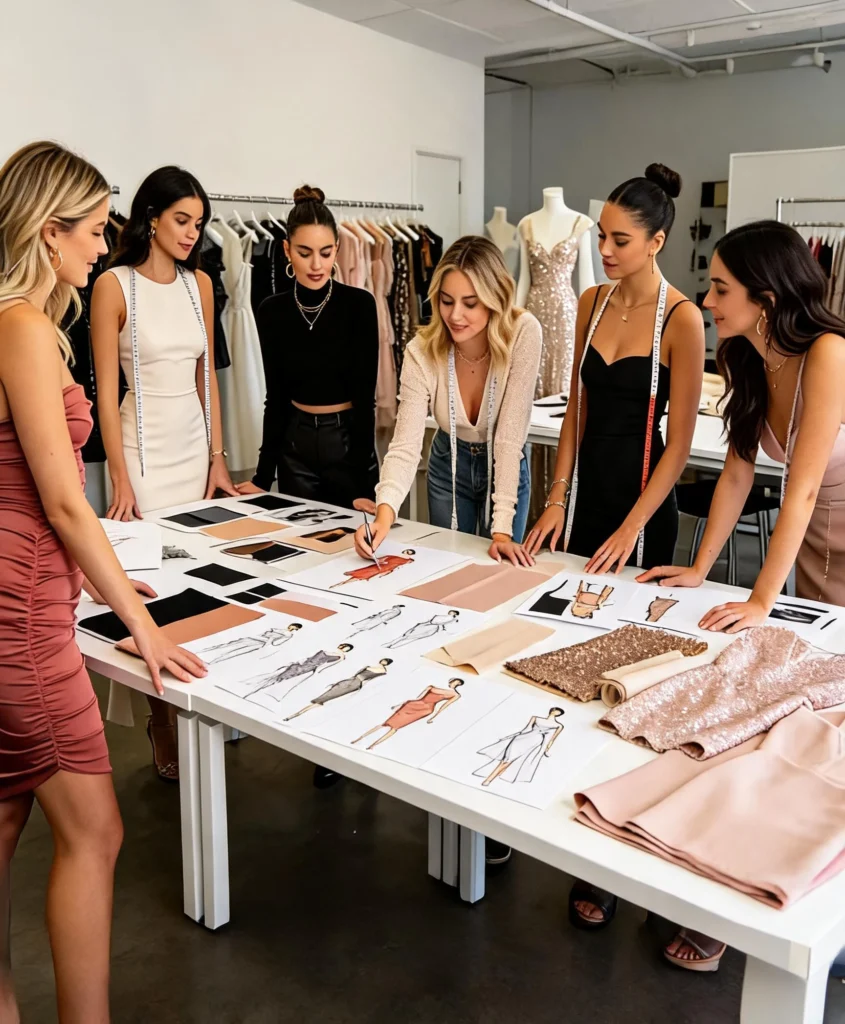
Two sample rooms, 7+ senior pattern makers and 20+ sample machinists support new styles before production capacity is committed.
Product teams can submit reference images, tech packs, original samples, sketches or line sheets for structure review, fabric direction, pattern work and sample development. Fit-sensitive or construction-heavy styles can move through revised samples before a PP standard is locked.
Control After Approval
12+ merchandisers and order-follow-up specialists, 15+ QC inspectors and 30+ finishing and packing workers support the transition from approved samples into bulk production, packing and delivery.
Production records, QC points, labels, packing instructions and shipment requirements are managed as project information rather than left to individual sewing lines.
Core Styles and Fashion Drops Need Different Production Logic
Core Style Continuity
A repeat order still needs current material, color and scheduling checks. Fabric batches can change, trims can be discontinued and new colors may require fresh lab dips or matching work. The advantage comes from preserving approved construction information and checking only the variables capable of changing.
Fashion Drop Development
Development therefore starts with structure review, fabric direction, pattern work, sample priority and revision control before bulk allocation. Photo-ready samples, fit samples, revised samples and PP samples serve different commercial purposes. A style showing strong sales potential can later move into a repeat or replenishment route with approved records already established.
Built for Teams Managing Assortment, Development and Production
Merchandising and Collection Teams
Product Development Teams
Product developers need accurate interpretation of reference images, tech packs, samples and fit comments. Jinfeng reviews style structure, fabric behavior, bust and waist relationships, hip fit, strap length, neckline depth, lining, slit position, garment length and construction before moving a style into bulk production.
Development records also become useful when a successful drop returns in another color or fabric.
Sourcing and Production Teams
Sourcing teams need clear information on MOQ, material availability, construction difficulty, capacity, QC and delivery. Jinfeng organizes multi-style programs through production allocation, material tracking, sample-version control, bulk updates, packing confirmation and shipment coordination.
The manufacturing route can therefore reflect commercial priority instead of treating every style as an isolated factory order.
Where Core and Fashion Programs Commonly Lose Balance
Reorders Compete With Newness
Every Style Becomes Urgent
When a 10–30 style program reaches the factory with equal priority, sample rooms and approval teams can become congested. Photo styles, fit-sensitive styles, hero products and lower-priority extensions do not always need identical treatment.
Priority should reflect commercial deadlines and development risk.
Materials Become Fragmented
Too many unrelated fabrics, colors and trims can create separate supplier MOQ, color approvals, lead times and quality risks.
Fabric grouping and trim standardization can reduce unnecessary fragmentation while keeping enough visual variety across a fashion drop.
Repeat Standards Disappear
Launch Dates Drive Late Changes
SKU Growth Reaches Packing
Build Core Styles Around Repeatable Manufacturing Standards
Core products should become operational assets. Once fit, material, construction and packing are approved, every repeat order should begin from documented standards while still checking variables capable of changing between production runs.

Preserve the Information Behind a Proven Core Style
Jinfeng keeps project information around the elements most likely to determine repeat quality: pattern versions, size charts, grading information, BOM, fabric references, color information, trims, sewing instructions, label placement, packing requirements, QC notes and Golden Sample references.
Pattern records can include revised patterns, PP patterns, bulk-production patterns, lining patterns and grading information. Depending on the garment, records may also cover cup placement, boning position, straps, slits, cut-outs and hem sweep.
Fabric records go beyond a fabric name. Useful reference information includes composition, weight, width, stretch, hand feel, drape, transparency, approved color, supplier, dye-lot information, MOQ, lead-time reference, shrinkage risk and bulk issues recorded during earlier production.
The objective is faster and more controlled repeat preparation, not blind duplication. A repeat still requires confirmation of material availability, color, trims, quantities, packaging, timing and any requested design changes.
Keep Repeat Production Close to the Approved Standard
A core style can lose its commercial value when the second or third production run changes fit, hand feel, color or finishing. Repeat control therefore begins by comparing current production requirements against approved references.
For a fitted dress, critical repeat points may include bust, waist and hip measurements, stretch direction, recovery, side-seam balance and length. For satin, fabric batch, shine direction, zipper flatness, color and pressing become more sensitive. For a corset dress, cup shape, boning, anti-slip support and waist measurement require closer comparison.
New colors also create fresh variables. Pantone or physical color standards, lab dips, lining color, zipper color, sewing thread, labels, SKU information and bulk-color approval need alignment before production.
The same principle applies to packaging. Woven labels, care labels, hangtags, barcodes, polybags, carton marks and size ratios should remain consistent with the current PO and packing instruction rather than being copied automatically from a previous order.

Develop Fashion Drops Without Losing Production Discipline
Fashion drops need speed of decision more than uncontrolled speed of sewing. New concepts should move through structured review so fabric risk, fit problems, construction difficulty and launch requirements are understood before bulk capacity is committed.

Turn Newness Into a Production-Ready Style
Development can begin from a reference image, tech pack, original sample, sketch or line sheet. Jinfeng first reviews the style as a garment: silhouette, construction, fit sensitivity, likely fabric behavior, trim requirements, lining, finishing, MOQ implications and bulk-production risk.
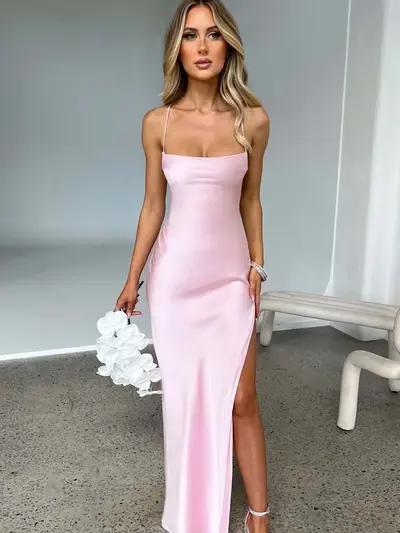
A bodycon mesh dress, satin slip dress, corset mini, sequin party style and printed resort maxi may belong to the same commercial drop, but their manufacturing routes are different. Mesh requires control of transparency, stretch and lining. Satin requires attention to shine direction, snagging, color, zipper flatness and pressing. Corset construction adds cup shape, boning, support and waist control. Printed resort styles bring print direction, shrinkage and long-garment packing into the project.
Separating those risks early gives product teams better information before samples are approved.
Protect the Launch Through Sample and Approval Control
A new drop often includes several sample purposes. A first sample checks whether the design can be translated into a garment. A fit or revised sample addresses proportion and construction. A photo-ready sample focuses on visual performance for campaign or ecommerce use. A PP sample becomes the final pre-production reference after materials, construction and measurements are approved.
The sequence matters because bulk production should not absorb unresolved sample decisions. Jinfeng connects final pattern information, fabric references, trims, measurements, sewing instructions, labels, packing requirements and QC points into the production handover.
Launch priority can also vary within one collection. A hero dress needed for campaign photography may require earlier sample attention than a later color extension. A complex evening style may need more development control than an established silhouette in a new color.
The operating principle is controlled development first, scalable production second.

Convert Merchandise Decisions Into Manufacturing Actions
A brand decides how much continuity and newness belongs in the assortment. Jinfeng translates those decisions into sampling, materials, factory allocation, QC and repeat-order actions. No fixed core-to-fashion percentage fits every sales model.
| Brand Decision | Manufacturing Consequence | Jinfeng Manufacturing Support |
|---|---|---|
| Increase core-style depth | More repeat material and replenishment demand | Pattern, fabric, trim, QC and packing records |
| Add more fashion drops | Higher sample and approval workload | Sample prioritization and multi-style development |
| Extend proven styles into new colors | New color, lining, trim and SKU checks | Lab-dip review, color matching and bulk approval |
| Change fabric on an existing pattern | Fit and drape may change | Fabric comparison and pattern reassessment |
| Run several launches together | Capacity and material deadlines overlap | Factory allocation and timeline coordination |
| Replenish a bestseller | Production needs faster reactivation | Repeat records and current material review |
| Expand size range | Grading and measurement control increase | Pattern review and size-chart confirmation |
| Split delivery by launch priority | Packing and shipping plans become more complex | SKU separation and phased-shipment coordination |
Build a Womenswear Assortment With Clear Product Roles

Repeatable Core Dresses

Core Fits With New Colors
Occasion Fashion Drops

Going-Out Trend Styles

Resort and Vacation Capsules

Hero SKU Extensions
Use Different Fabric Strategies for Core and Fashion Styles
Fabric selection can determine whether a core style stays repeatable and whether a fashion drop reaches production on schedule. Continuity, visual impact, supplier MOQ, color consistency, fit behavior and bulk availability all influence the right fabric direction.

Core Fabrics Need Continuity Beyond the First Order
A strong core fabric needs more than a good first sample. Repeat programs benefit from a clear record of composition, weight, width, stretch, hand feel, drape, transparency, approved color, supplier reference, dye lot, MOQ, lead-time information and quality issues observed in previous bulk production.
Jersey, ponte, selected stretch fabrics, stable woven qualities, satin and other fashion fabrics can support core products when availability and repeat performance suit the program. The choice still depends on garment structure. A bodycon dress needs controlled stretch and recovery. A satin slip dress needs stable hand feel, color and shine. A structured dress may rely more heavily on lining and trim compatibility.
When the original fabric becomes unavailable or changes materially, Jinfeng compares the original and replacement direction before repeating the style. Composition, weight, stretch, drape, transparency, hand feel, cost and color can all affect the approved pattern.
A replacement is therefore not treated as a simple purchasing substitution when garment performance can change.
Fashion Fabrics Need Newness With Bulk Feasibility
New drops often gain visual impact through fabric. Stretch mesh, satin, lace, chiffon, sequin, jersey, rayon, linen blends, tulle, organza and textured fashion materials can create distinct merchandising stories, but each brings a different production risk.
Mesh can change transparency and fit according to stretch direction and lining. Satin exposes shade differences, snagging and pressing marks. Lace requires motif placement, edge control and lining coordination. Sequin fabrics need protection against missing sequins, scratching and heavy seam allowances. Chiffon and rayon require close attention to transparency, drape and shrinkage. Tulle and organza can create volume but also increase layer consistency and pressing concerns.
Material selection for a fashion drop should therefore answer four questions before bulk production: Does the fabric create the intended visual effect? Can the garment fit remain stable? Can the material be sourced at the required quantity and color? Can the factory reproduce the sample quality at bulk scale?

Protect Core Fit With Pattern and Measurement Records
Repeat sales depend on a familiar garment fitting like the approved version. Pattern preservation improves continuity, while disciplined reassessment prevents old patterns from being reused when material or design changes make them unsuitable.

Keep Fit Information Behind Every Approved Style
Jinfeng’s pattern and fit system covers bust, upper bust, underbust, waist, high and low waist positions, hip, garment length, front and back length, shoulder width, strap length, armhole, neckline depth, slit height, lining length and jumpsuit rise where relevant.
For an approved core product, useful records can include first pattern, revised pattern, PP pattern, bulk pattern, lining pattern and grading information. Construction-sensitive styles may also require records for cup placement, boning, straps, slits, cut-outs and hem sweep.
The benefit becomes visible on repeat orders. Instead of interpreting the style again from a photograph, the production team begins with approved fit logic and confirms current order variables. Measurement files and Golden Sample references provide physical and numerical comparison points during production.
For fitted womenswear, even a few unstable measurement points can change the wearing result. Core-style continuity therefore depends on preserving the fit system, not merely keeping a style number.
Reopen the Pattern When the Garment Has Changed
A stored pattern should not become untouchable. New fabric weight, stretch, drape, lining, garment length, neckline, strap position, cup, boning, waistline or jumpsuit rise can change fit enough to require reassessment.
A same-pattern new-fabric program is a common example. Moving from a stable woven fabric to a softer or stretchier quality can alter bust support, waist position, hip ease and hem balance. A new lining can also change comfort and garment movement. Changes to corset support, cut-outs or strap configuration affect stress points even when the exterior silhouette looks similar.
Jinfeng reviews those changes before treating a new version as a direct repeat. Revised samples can be used when the effect cannot be confirmed from measurements and fabric information alone.
Preserving records creates speed where standards remain valid. Reopening development creates control where standards have changed.

Prioritize Fashion Drop Samples Around Commercial Milestones
Sampling becomes difficult when every new style carries the same urgency. Strong development control separates visual priority, fit risk, fabric risk and production readiness before multiple styles compete for the same approval window.
Give Each Sample a Defined Commercial Purpose
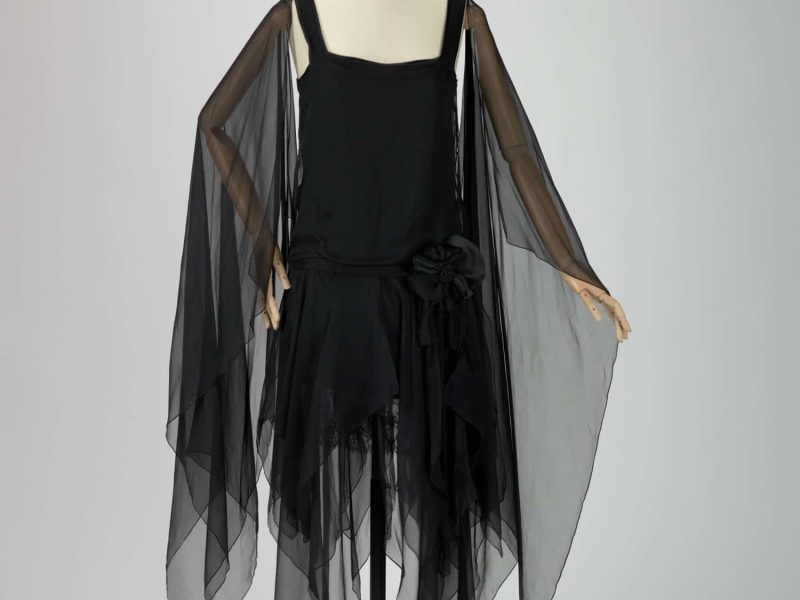
First samples, fit samples, revised samples, photo-ready samples, salesman samples, PP samples and Golden Samples do not represent interchangeable names for the same garment.
A first sample tests the initial translation from design information into a physical style. A fit sample focuses on body measurements and proportion. Revised samples confirm corrections. Photo-ready samples place greater emphasis on visual presentation for imagery or campaign use. PP samples lock the pre-production standard after materials and construction are approved. Golden Samples can remain as physical references for bulk comparison.
A multi-style fashion drop becomes easier to manage when the brand indicates which styles drive photography, launch, wholesale presentation or early production. Jinfeng can then review development priority alongside construction complexity, fabric availability and required revision work.
Clear priority reduces the risk of spending equal sample-room attention on a straightforward color extension and a complex corset or mesh style needing deeper fit development.

Keep Revision History Connected to Bulk Production
Fashion development loses value when sample corrections are not transferred into final production information.
Bust adjustment, waistline movement, strap changes, lining revisions, slit-height correction, fabric replacement, trim changes or packing updates need to follow the approved version into bulk preparation.
Jinfeng links sample approval with final pattern, measurements, fabric reference, trims, sewing requirements, label placement, packing instructions and QC checkpoints. PP approval acts as an important boundary because large changes after production materials and processes are locked can affect cost, schedule and consistency.
For complex styles, the sample stage also reveals whether a design should be simplified, reinforced or adjusted before production.
A cut-out may need better edge stability. A corset may need different boning. Mesh may need another lining solution. Satin may need a different zipper construction.
The goal is not simply to finish samples. The goal is to finish samples capable of becoming stable bulk standards.
Organize Multi-Style Production Before It Reaches Sewing Lines
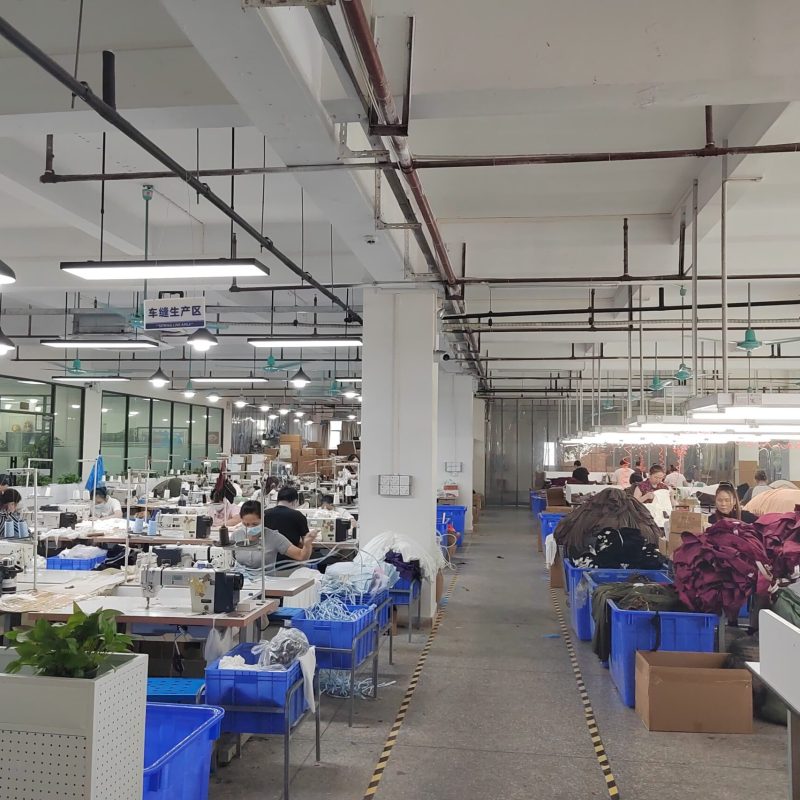
Programs containing 10–30 styles cannot be managed effectively as one undifferentiated production block. Fabric type, construction difficulty, trims, launch priority, color groups and factory capability all influence how styles should move into bulk.
Group Styles by Manufacturing Reality
A seasonal line sheet may place all products under one commercial story, yet the factory sees several manufacturing groups.
Satin occasion dresses require different handling from stretch-mesh bodycon styles. Corset dresses carry different sewing and fit requirements from printed rayon resort dresses. Sequin garments need different cutting, sewing and packing protection from jersey products. Jumpsuits add rise and movement considerations not found in a standard dress.
Jinfeng can organize multi-style orders around fabric group, style complexity, trim group, color group, launch priority and production suitability. Shared materials may be coordinated together, while fit-sensitive or complex styles can receive separate production attention.
Grouping also improves visibility. Merchandisers can track material arrival, sample approval and production status by style rather than relying on one overall order status. QC teams can use product-specific checkpoints instead of applying one generic checklist across an entire collection.
Allocate Production According to Style and Capacity
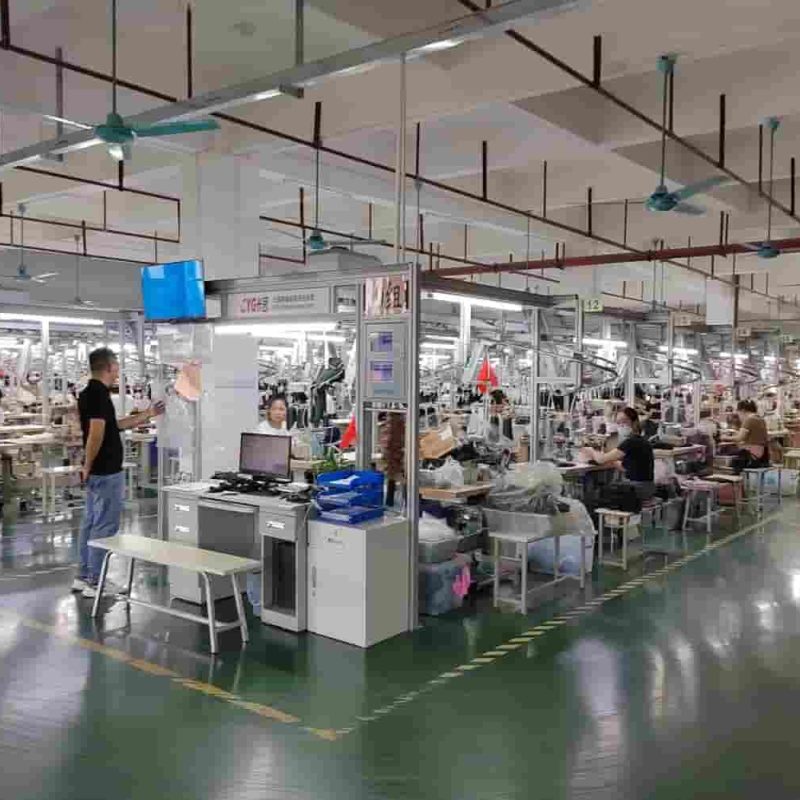
Jinfeng operates 6 owned womenswear factories, works with 10+ long-term production partners and uses 18+ sewing lines plus 6+ flexible production lines. The value of the network comes from allocation, not from treating every facility as interchangeable.
Different production units can be matched to woven dresses, stretch garments, occasion styles, matching sets, jumpsuits or repeat programs according to construction and project requirements. Flexible lines support multi-style, multi-fabric and multi-color programs where production organization matters as much as total volume.
Core replenishment and new seasonal bulk can therefore be reviewed as separate capacity needs within a wider program. An approved repeat style may require material confirmation and faster production reactivation, while a new style may still be waiting for PP approval.
Capacity remains subject to product complexity, materials, schedule and QC requirements. Early planning gives the production team more options than a late request arriving after every style becomes urgent.
Use Flexible Capacity Without Losing Production Standards

Core Replenishment Stream
- Approved core styles begin with repeat records and current-order confirmation. Fabric availability, color, trims, quantity, packaging and timing are checked against existing patterns, measurements, BOM information and Golden Sample references.
- Once differences are resolved, production can reactivate without rebuilding the entire style from the beginning. Repeat efficiency depends on preserved standards and current material confirmation working together.

New Fashion Bulk Stream
- New fashion styles enter bulk only after development information is stable enough for production. Final pattern, approved fabric, trims, measurements, construction, label placement, packing and QC points should follow the approved PP direction.
- Complex garments may be allocated separately from more straightforward styles so their workmanship and inspection needs remain visible during production.

Development and PP Stream
- Styles still undergoing fit correction, fabric approval or PP review should remain clearly separated from styles already ready for bulk.
- Maintaining a visible development stream helps prevent unresolved decisions from entering production simply because a launch date is approaching. Product teams can still adjust the style while production teams protect the standards already locked for other garments.
Protect Launch Dates Without Sacrificing Core Replenishment
Confirm Style Priorities
Lock Critical Materials
Control Sample Approvals
Separate Production Windows
Protect QC and Packing
Match Freight to Priority
Turn Successful Fashion Drops Into Repeatable Revenue Programs
A fashion drop does not need to disappear after one launch. When a style earns repeat demand, manufacturing records can support the transition from newness into replenishment, color extension or a wider product family.
Move From Test to Launch, Repeat and Replenishment
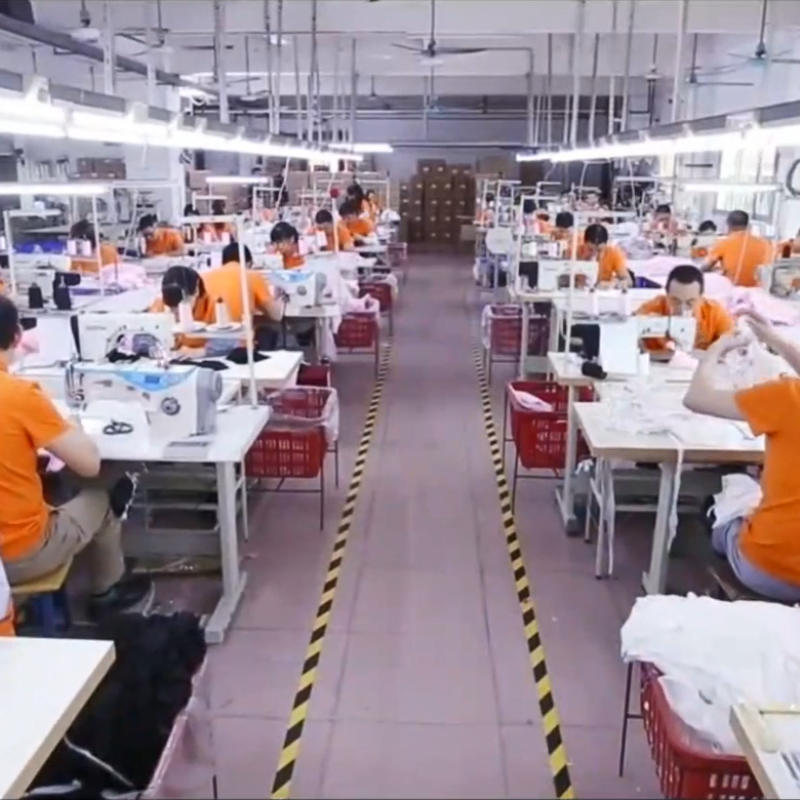
Jinfeng’s long-term production logic follows a clear progression:
Test → Launch → Repeat → Replenish → Extend → Seasonal Program → Annual Development Plan
A new style starts with development uncertainty. Fit, fabric, construction, trims and visual performance still need validation. Once the garment is approved and bulk production establishes a stable production reference, a repeat order can begin from a much richer information base.
Patterns, measurements, BOM, fabric records, color records, trim records, sewing instructions, packing requirements, QC notes and Golden Samples reduce the need to reconstruct the style later.
The first repeat is also a valuable control point. Material batches, current colors, quantities, packaging and timing are checked again. Any issue found in previous production or after shipment can be added to the record.
Over time, a proven fashion style can behave increasingly like a core SKU from a manufacturing perspective.
Extend Winners Without Assuming Every Change Is Simple
New color development is often the most direct extension of a proven style because the main pattern and construction can remain stable. Even then, lab dips, bulk color, lining, zipper, sewing thread, labels, SKU and packaging need fresh confirmation.
A same-pattern new-fabric version requires more caution. Different weight, stretch, drape, transparency or shrinkage can change the fit and wearing result enough to justify pattern review or a revised sample.
Series extensions can also move into matching skirts, tops, alternative lengths or related silhouettes, but every change should be assessed according to the new garment rather than assuming the commercial success of the original removes production risk.
The principle is simple: preserve proven information wherever it remains valid, and reopen development wherever the product has materially changed.

Control MOQ and Cost Across Mixed Style Programs
Core and fashion styles carry different cost pressures, but quotation logic remains grounded in materials, construction and production requirements. Jinfeng’s standard MOQ starts from 200 pcs per style/color, with supplier requirements reviewed separately where relevant.
| Cost or MOQ Driver | Core Style Impact | Fashion Drop Impact | Planning Response |
|---|---|---|---|
| Fabric availability | Determines repeat feasibility | Determines sample and launch feasibility | Confirm stock, supplier and required quantity |
| Custom color | New dye lot may affect repeat color | Creates new-development lead time and MOQ | Approve color standard before bulk |
| Construction | Stable after approval | New details may increase sewing time | Review structure during sampling |
| Special trims | Existing trims may be discontinued | New trims can add MOQ and development time | Confirm bulk availability before PP |
| Number of colors | Expands SKU and material requirements | Adds newness but increases coordination | Consolidate colors where commercially suitable |
| Size range | Uses approved grading where valid | New fit direction may require review | Confirm size chart and ratios |
| Private-label packing | Repeat standards can be reused | New SKU and artwork require checking | Confirm labels, barcodes and packing files |
| Delivery method | Replenishment may require priority freight | Launch may need split shipment planning | Compare air, sea or phased options |
Apply Different QC Priorities to New and Repeat Styles

Incoming Material QC
- Fabric inspection reviews relevant characteristics before cutting, including color, hand feel, weight, width, stretch, shrinkage risk, defects and product-specific concerns such as lace damage, sequin loss, mesh snagging or satin shade differences.
- Core repeats are checked against existing material references where available. New drops are checked against newly approved development standards.
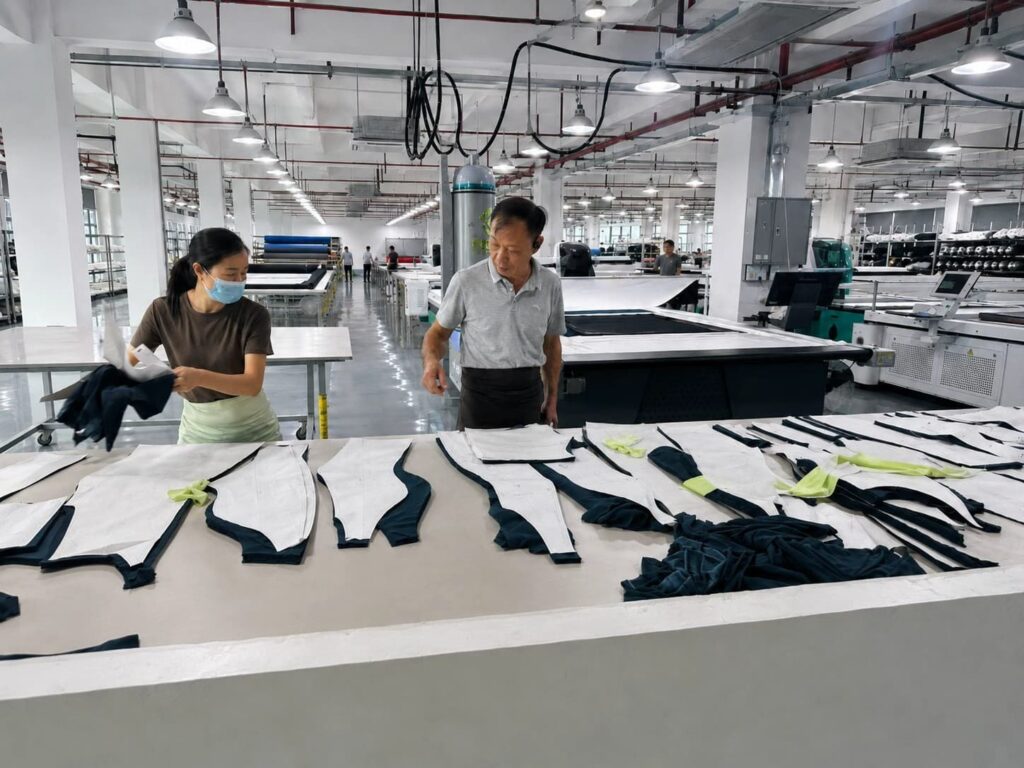
Cutting Control
- Cutting checks pattern use, direction, quantity, size grouping, print position, grain or stretch direction and material orientation.
- Errors at cutting can multiply through the entire order. Printed drops, stretch garments, satin and directional fabrics require especially clear cutting instructions before sewing begins.

Sewing and Inline QC
- Sewing control covers stitch quality, seam allowance, symmetry, zippers, straps, ruching, lace joining, lining, slits and product-specific construction.
- New fashion styles receive attention around newly approved details. Core repeats benefit from existing sewing and QC references while still being monitored for current production variation.
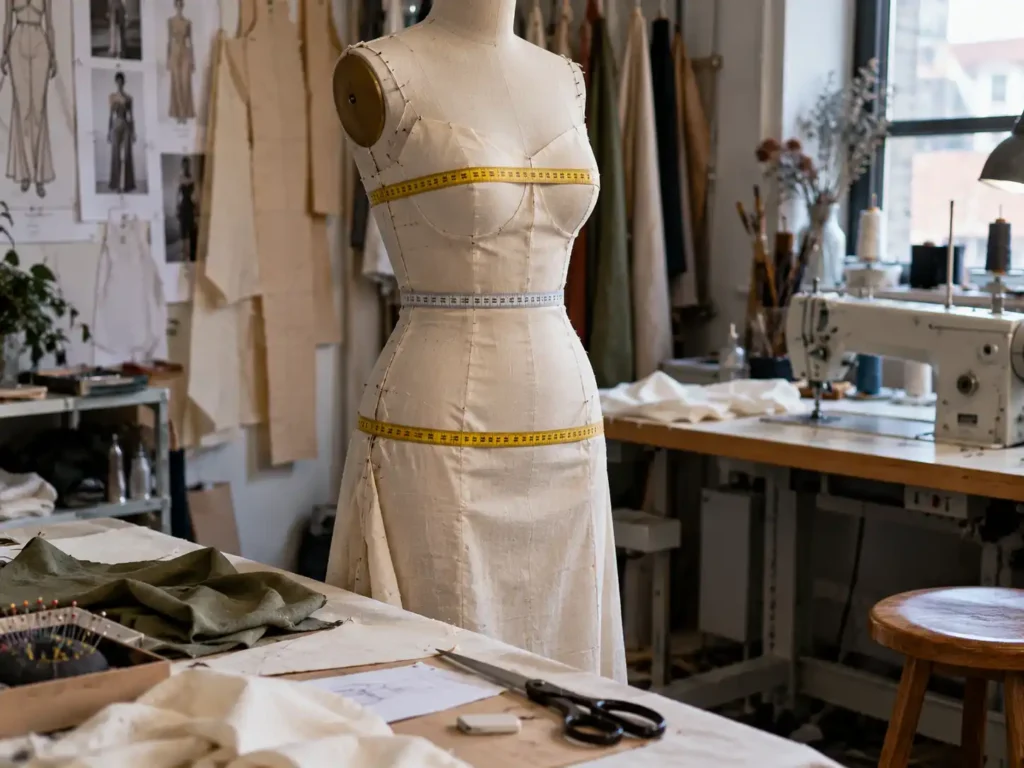
Measurement and Fit Review
- Finished measurements can include bust, waist, hip, garment length, straps, neckline, slit position and other style-specific points.
- Bodycon, corset, strapless, jumpsuit and other fit-sensitive products require stronger connection between approved patterns, size charts and finished-garment measurements.

Private-Label Packing QC
- Packing checks hangtags, barcodes, size stickers, polybags, folding, carton marks, color-size ratios, carton quantities and related packing information.
- Fashion drops often introduce more new SKU information. Core reorders require careful confirmation so old SKU or packing information is not reused incorrectly.

Final and AQL Inspection
- Final garment inspection, packing review and AQL inspection can be arranged according to project requirements. Client or third-party inspection can also be supported.
- The objective is to verify garment quality and shipment readiness before release, with approved samples and project documentation serving as references where applicable.
An 18-Style Program Shows Why Coordination Matters
Multi-style programs reveal whether a supplier can manage fabrics, samples, SKU information, inspection and delivery as one controlled project rather than a collection of disconnected factory orders.
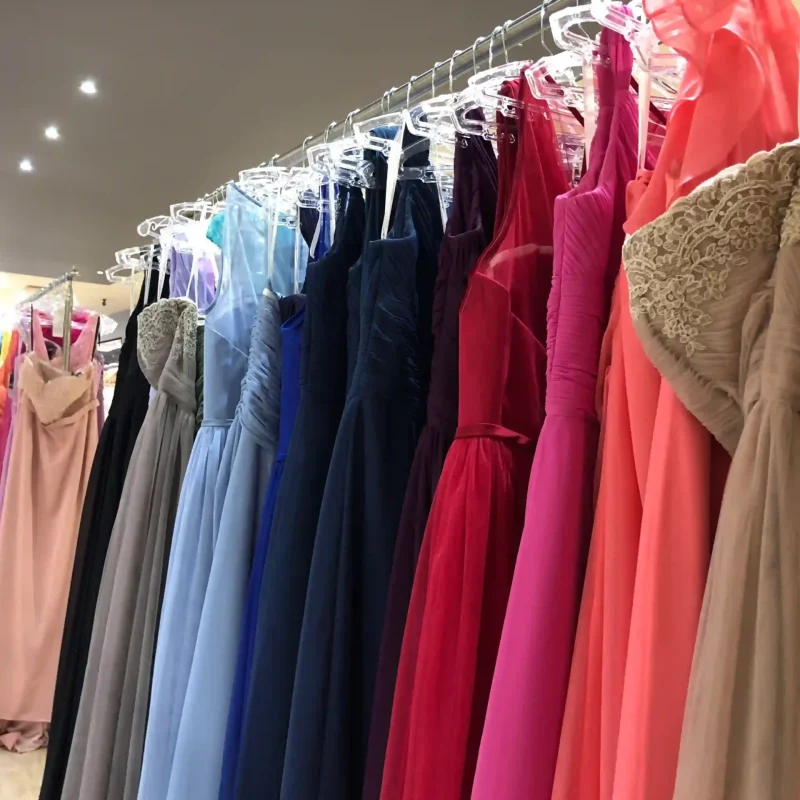
Anonymous US 18-Style Womenswear Program, Around 28,000 Pieces
An anonymous US large apparel client worked with Jinfeng Apparel on an 18-style womenswear program of around 28,000 pieces. The range covered satin, mesh, jersey, lace and crepe dresses, creating different material, fit and production requirements inside one commercial program.
The manufacturing challenge was not simply total quantity. Eighteen styles created separate sample versions, fabrics, trims, sizes, SKU information and packing requirements. Satin needed color and surface control. Mesh required transparency and stretch attention. Lace added material and construction considerations, while different product structures required separate follow-up during development and bulk production.
Jinfeng organized a project timeline and tracked fabrics, trims and sample versions by style. Private-label requirements included hangtags, barcodes, polybags and carton marks. Packing information needed to remain consistent with SKU and shipment documentation rather than being handled as a final factory task.
Client inspection support and phased shipment were also coordinated within the program.
The project reflects the type of operating discipline required when a mature fashion company runs multiple style groups, materials and delivery priorities at the same time.
The Same Discipline Supports Core and Drop Balance
A core-and-drop program adds another layer to multi-style coordination because not every style sits at the same stage of its commercial life.
Some garments may already have approved patterns, materials and packing records. Others may still require first samples, revisions, new fabrics or PP confirmation. A third group may be returning as new colors or replenishment orders. Treating all three groups as identical would remove much of the operational advantage created by previous approvals.
The stronger approach is to maintain style-level visibility: which garments are repeats, which are new developments, which materials are confirmed, which samples are approved, which styles are ready for bulk and which SKUs require new packing information.
Jinfeng’s development, project-management, production, QC and packing structure is designed around those individual manufacturing states. Core continuity benefits from records. Fashion newness benefits from controlled development. Multi-style coordination connects both streams into one production program.
Frequently Asked Questions About Core and Fashion Programs
Plan Core Replenishment and Fashion Drops With One Team
Jinfeng Apparel works with global fashion brands and mid-to-large apparel companies that need both product continuity and regular fashion newness. A useful first review does not require every production detail to be finalized. Send the information already available, and the team can identify which styles are repeats, which require development, where material or fit risks exist, and what needs to be confirmed before sampling or bulk planning.
For a more effective project review, include:
- Line sheet or style listshowing core, repeat and new fashion styles.
- Reference images, tech packs or original sample informationfor styles requiring development.
- Quantity by style and color, with the intended size range or size ratio.
- Fabric and trim direction, especially for custom colors, prints, lace, mesh, sequin or structured garments.
- Launch, replenishment or warehouse timingso sample and production priorities can be reviewed.
- Private-label and packing requirements, including labels, hangtags, barcodes, polybags, carton marks or warehouse instructions.
- Known repeat records or previous production referenceswhen an existing style is moving into another color, fabric or replenishment cycle.
The next step is a manufacturing review covering product structure, materials, sample requirements, MOQ fit, production allocation, QC and delivery planning.