Skip to content

Commercial Dress Range Rationalization
Turn a crowded dress assortment into a clearer manufacturing program built around stronger product roles, shared resources, controlled fit, and repeatable production.
- Review 10–30 style dress programs by commercial role, silhouette, fabric platform, fit risk, cost structure, and production readiness.
- A 20-style range offered in four colors creates 80 style-color combinations before size splits, making consolidation valuable before sampling begins.
- MOQ starts from 200 pcs per style/color, so style count, color count, material selection, and quantity allocation directly affect production efficiency.
- Move approved priorities through pattern development, sampling, PP approval, bulk production, QC, packing, and repeat-order records.



Built for Teams Managing Commercial Dress Assortments
Merchandising Teams
Product Development Teams
Sourcing Teams
Where Commercial Dress Ranges Lose Productivity
Duplicate Silhouettes
Color Proliferation
Fabric Fragmentation
Sample Congestion
Cost Mismatch
Weak Repeat Logic
Define the Decision Before Reducing the Range
Commercial rationalization is not a factory deciding which dresses should sell. Brand teams own assortment strategy and performance decisions. Jinfeng contributes manufacturing evidence so commercial choices can be tested against fabric, fit, MOQ, cost, sampling, production, and repeat-order realities.
| Decision Area | Brand Commercial Input | Manufacturing Question | Jinfeng Support |
|---|---|---|---|
| Style role | Hero, core, seasonal, entry, margin, extension | Does construction match the intended role and quantity? | Structure review, complexity review, pattern and sample planning |
| Style overlap | Sales role, occasion, aesthetic differentiation | Are similar looks technically distinct or unnecessarily duplicated? | Silhouette, pattern, fit and construction comparison |
| Fabric strategy | Desired hand feel, appearance, price tier | Can more styles share a viable fabric platform? | Fabric sourcing, substitution, drape/stretch/opacity review |
| Color plan | Core colors, fashion colors, planned quantities | Does each color justify material and production requirements? | MOQ review, material availability, trim and lining coordination |
| Cost position | Target FOB or target retail architecture | Which construction elements drive cost beyond target? | Cost breakdown, material alternatives, construction optimization |
| Development priority | Launch calendar, commercial importance | Which styles should enter pattern and sampling first? | Sample grouping, priority planning, revision tracking |
| Production decision | Approved style and quantity plan | Which unit is suited to each fabric and construction type? | Factory allocation, PP transfer, bulk schedule and QC coordination |
What to Prepare for a Range Review
Line Sheet
Commercial Priorities
Cost Targets
Quantity Plan
Fit Standards
Launch Windows
Give Every Dress a Clear Commercial Role
Hero Styles
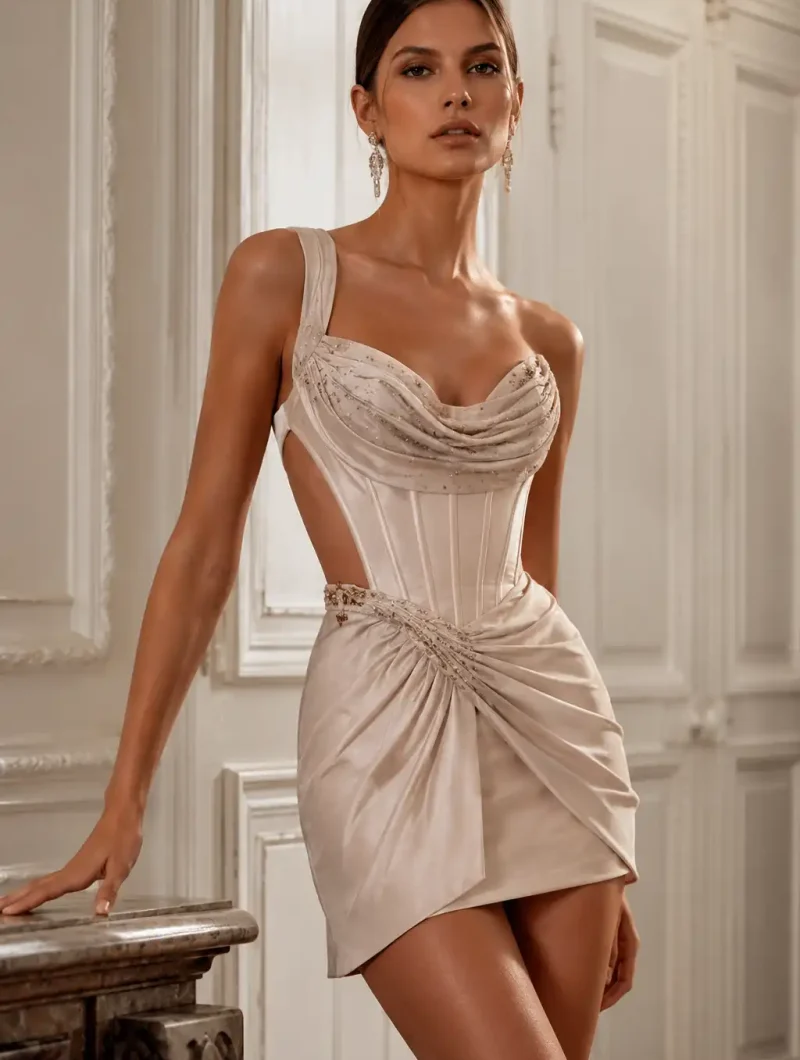
Hero dresses carry the strongest visual identity or campaign potential. They may involve a distinctive silhouette, corset structure, dramatic drape, cut-out placement, unusual neckline, embellishment, or signature fabric treatment. Hero status does not mean every technical request should be accepted regardless of cost. Jinfeng reviews the feature creating the visual value and separates it from secondary construction adding cost without strengthening the look. Pattern and sample resources are prioritized around the feature responsible for the style’s commercial identity.
- Protect signature visual features.
- Prioritize photo and fit approval.
- Review expensive details individually.
- Build a repeatable production standard after approval.

Commercial Core
- Stable fit and grade rules.
- Repeatable fabric and trim direction.
- Efficient construction for planned volume.
- Records retained for future production.

Seasonal Fashion
Seasonal fashion styles provide freshness around party, holiday, resort, wedding guest, graduation, homecoming, or other launch windows.
Commercial value comes from relevance and timing, not permanent carryover. Jinfeng reviews whether fashion details introduce disproportionate fabric, trim, sample, or sewing risk. A seasonal sleeve, new neckline, drape feature, mesh panel, print direction, or embellishment may deliver enough distinction without creating an entirely separate product platform. Development priority is aligned with the selling window and material readiness.
- Keep seasonal differentiation visible.
- Avoid unnecessary technical duplication.
- Confirm material lead time early.
- Link sample timing to launch timing.

Entry Price Styles
An entry-level price position still needs intentional fabric, fit, finish, and brand presentation. Cost reduction should come from controlled decisions rather than a weak version of a premium style.
Jinfeng can assess simpler lining structures, alternative fabric qualities, reduced trim complexity, more efficient seam construction, or cleaner finishing methods while protecting the silhouette and appearance expected on the product listing. Entry styles work best when the design is engineered for its price from the beginning instead of repeatedly cost-cut after sampling.
- Set target cost before sampling.
- Keep silhouette and fit credible.
- Simplify invisible complexity first.
- Avoid decorative features with weak value.

Margin Drivers
Margin-driving styles need a favorable relationship between perceived value and manufacturing complexity. A satin dress with controlled drape, a clean corset silhouette, a strong fitted jersey, or a well-finished lace style can look premium without automatically requiring the highest-cost construction.
Jinfeng reviews fabric weight, lining, panel count, seam method, trims, pressing, wastage, embellishment, and packing to identify where expenditure improves the final garment and where it does not. Rationalization keeps margin logic visible during product development rather than only after quotations arrive.
- Spend where appearance improves.
- Remove complexity without commercial return.
- Compare fabric options against target cost.
- Keep finishing consistent with price positioning.

Repeatable Extensions
A successful style may generate more value through a new color, adjusted length, related neckline, or carefully selected new fabric than through another unrelated design.
Extension potential becomes part of rationalization because pattern, measurement, trim, QC, and packing records already exist. Jinfeng can retrieve approved production information and identify which elements remain usable. New colors still require shade, lining, zipper, thread, label, barcode, and MOQ review; new fabrics still require drape, stretch, shrinkage, seam, fit, and cost reassessment.
- Reuse proven product knowledge.
- Recheck every changed material variable.
- Build extensions around demonstrated fit.
- Keep SKU growth tied to a clear role.
Rationalize Silhouettes Without Flattening Brand Identity
Silhouette rationalization should remove unnecessary manufacturing duplication while protecting meaningful differences in occasion, body shape, support, movement, length, and styling. Similar thumbnails can hide very different pattern and construction requirements once garments are fitted and produced.
Separate Commercial Roles Before Comparing Shapes
A dress should not be consolidated simply because another style shares a similar neckline or length. The first comparison is commercial role, followed by the physical experience of the garment. A fitted black mini used as a high-volume going-out core may look close to a mesh-panel party mini designed as a campaign piece, yet the fit, transparency, lining, seam tension, material recovery, photography requirement, and target cost can be different enough to justify both.
Jinfeng approaches the range by grouping related silhouettes and then checking what creates meaningful differentiation. Mini, midi, maxi, bodycon, slip, corset, halter, strapless, one-shoulder, backless, A-line, ruched, and fitted woven styles are not treated as interchangeable labels. The review looks at bust shaping, waist position, hip line, neckline depth, shoulder or strap support, skirt volume, slit height, lining, movement allowance, fabric behavior, and the intended occasion.
When two styles perform the same commercial role and depend on almost identical construction, the brand may choose to consolidate, delay, or reposition one. When the similarity is only superficial, Jinfeng identifies the technical reason for separation so an important silhouette is not lost through over-simplification.
The output should be a cleaner development map: pattern families where sharing is sensible, independent development where fit requires it, and a documented reason for every major silhouette retained in sampling.

Build Repeatable Pattern Families Carefully
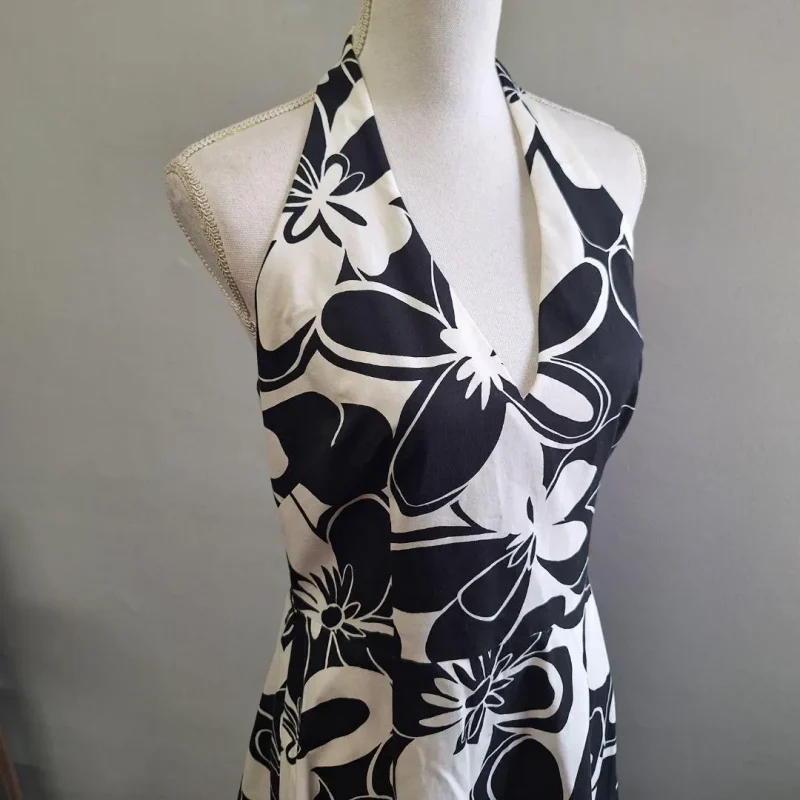
Pattern reuse can create major efficiency, but only when body proportion, silhouette, material behavior, and style structure genuinely allow it. A proven base can sometimes support neckline changes, sleeve changes, length extensions, or selected design variations. Shared blocks reduce repeated pattern drafting and make fit history easier to retain, especially across core commercial styles.
Jinfeng’s pattern team reviews bust, waist, hip, shoulder, armhole, neckline, strap placement, total length, slit position, ease, and balance before deciding whether styles belong to the same pattern family. A bodycon dress using stable jersey may support several controlled design variations from one developed block. A structured corset silhouette may allow panel or neckline updates while preserving the approved torso fit. A slip dress may support length changes, but bias direction, strap position, neckline, lining, and fabric drape still need evaluation.
Pattern family does not mean copying one pattern across every visually related style. Each derivative still needs a technical check, and meaningful changes may require a revised sample. The manufacturing advantage comes from carrying verified fit knowledge forward, not bypassing development.
For established ranges, pattern families can also make future rationalization easier. Brand teams can see which products share fit architecture and which products consume a separate development platform, allowing commercial decisions to include the true cost of maintaining assortment complexity.
Protect Fit-Sensitive Differentiation
The strongest rationalization decisions often involve styles where fit creates the value. Corset, bodycon, strapless, backless, halter, low-neck, cut-out, slip, fitted satin, and tailored occasion dresses can fail even when a flat sketch looks correct. Removing the technical difference between two fit-sensitive products may save one pattern in development but create a weaker garment, higher alteration risk, or poor bulk consistency.
Corset products require control of cup shape, bust support, boning position, waist shaping, lining, zipper behavior, seam symmetry, and comfort. Bodycon products depend on stretch direction, recovery, bust-waist-hip relationship, side-seam balance, neckline stability, and grading. Strapless products add anti-slip structure, upper-bust security, cup placement, and internal support. Lightweight slip styles expose bias behavior, strap length, neckline depth, lining coverage, and hem balance.
Jinfeng keeps those differences visible during rationalization. Where common blocks are possible, the shared foundation is documented. Where a separate pattern or sample remains necessary, the technical reason is recorded before development resources are committed.
The result is a range with less hidden duplication but no artificial uniformity. Brand identity remains visible because rationalization removes redundancy, not the fit details responsible for product character.

Consolidate Fabrics Around Repeatable Product Platforms
Fabric rationalization can reduce sourcing fragmentation, repeated testing, shade variables, and sample delays, but consolidation only works when the shared material still supports the silhouette, fit, finish, price level, and wearing experience required across every selected style.
Build Fabric Families Around Product Roles
A useful fabric platform begins with garment behavior rather than fiber names. Jinfeng groups materials by the performance needed from the finished style: controlled drape, body-hugging stretch, internal support, transparency, structured tailoring, occasion sheen, lightweight movement, or decorative surface.
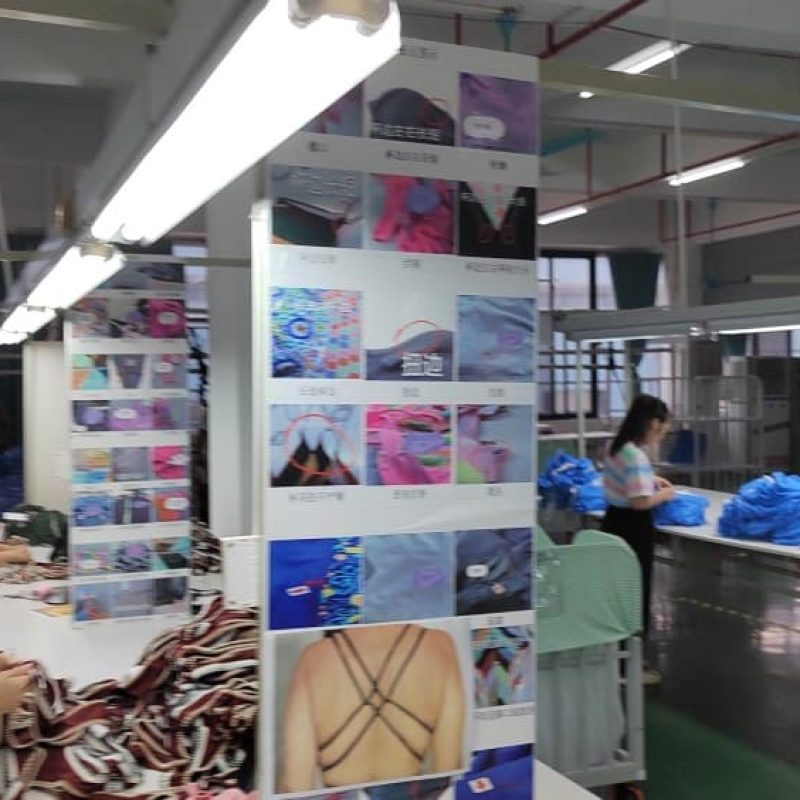
Satin and stretch satin can support slip, midi, evening, corset, and occasion directions, but weight, stretch, shine, hand feel, snag risk, lining requirement, and pressing behavior need to match each silhouette. Jersey, ponte, rib, power mesh, and related stretch materials can support bodycon and fitted products, but recovery and stretch direction determine whether one platform is suitable across multiple shapes. Chiffon, viscose, rayon, crepe, linen blends, and lightweight woven fabrics can form separate drape-focused families for resort, maxi, midi, and occasion ranges.
Mesh, lace, tulle, organza, sequin fabric, and other complex surfaces often need more selective grouping because transparency, motif placement, layer count, abrasion, seam behavior, and wastage vary sharply.
The aim is not to force every dress into one fabric. A good range may use several clearly defined platforms, each carrying enough styles and quantity to justify development while keeping commercial differentiation intact.

Consolidate Without Weakening Product Value
Two fabrics should only be consolidated when the substitution preserves the visual and wearing result expected from the style. Matching color alone is not enough. Jinfeng compares weight, width, drape, stretch, recovery, opacity, hand feel, surface appearance, shrinkage, seam behavior, lining requirement, pressing response, availability, supplier MOQ, and price.
For example, several occasion dresses may be moved toward one satin family if the selected quality can support both fitted and fluid silhouettes. A stretch range may use fewer jersey or ponte bases when recovery and compression remain suitable for each fit. A resort capsule may gain efficiency from a smaller number of viscose or rayon directions while retaining separate printed and solid stories.
Cost is reviewed alongside appearance. A lower-priced fabric with poor drape may create more fitting corrections, pressing problems, seam distortion, or weak product photography. A premium fabric used on every SKU may also spend money where the design does not need it. Rationalization looks for the point where product value and manufacturing efficiency meet.
Jinfeng can propose alternatives, but final approval should happen through swatches, material records, and sample evaluation before bulk commitment.
Recheck Patterns After Fabric Changes
A shared pattern does not automatically remain valid after a fabric change. Switching a satin slip dress into crepe, moving a mesh bodycon into jersey, or changing a chiffon maxi into rayon can alter drape, stretch, shrinkage, thickness, opacity, seam tension, lining behavior, and finished measurements.
Jinfeng retrieves the existing pattern or development reference, compares old and new material properties, and decides whether pattern correction, lining adjustment, seam change, or a revised sample is needed. Stretch materials require particular attention to recovery and negative ease. Lightweight woven materials can change skirt balance and hem drop. Structured fabrics may need revised seam allowance, pressing, or support. Transparent fabrics can require a different lining strategy even when the silhouette remains unchanged.
Fabric rationalization therefore becomes a controlled development exercise rather than a purchasing shortcut. Every shared platform should have a defined material specification and a list of styles approved to use it.
Once validated, fabric platforms can simplify future color development, repeat orders, material communication, and production planning. They also make range reviews more informative because merchandising teams can see the operational cost of introducing a new fabric family versus extending an existing one.

Control Color Growth Before SKU Complexity Multiplies
Color is one of the fastest ways to expand assortment complexity. A range plan should consider the number of style-color combinations first, then size distribution, material availability, trim matching, labeling, and warehouse identification before bulk quantities are divided too widely.
| Range Example | Style-Color Combinations | Operational SKUs at 6 Sizes | Manufacturing Reading |
|---|---|---|---|
| 12 styles × 2 colors | 24 | 144 | Concentrated range; easier to group fabrics and quantity |
| 18 styles × 3 colors | 54 | 324 | Requires clear core versus fashion-color planning |
| 20 styles × 4 colors | 80 | 480 | Material, trim, barcode and sample complexity rises quickly |
| 24 styles × 5 colors | 120 | 720 | High fragmentation unless volumes and roles justify each color |
| Core-color strategy | Fewer launch colors | Fewer active SKU combinations | Supports stronger quantity concentration and simpler replenishment |
| New-color extension | Added after product approval | New labels and SKU references | Recheck fabric shade, lining, zipper, thread, MOQ and availability |
Match Construction Cost to Commercial Product Position
Fabric Tier
Lining Architecture
Lining should be engineered for coverage, comfort, support, opacity, movement, and finishing rather than added automatically to every style. Full lining, partial lining, double mesh, power-mesh support, bust lining, skirt lining, or no lining each changes material use and sewing time. Rationalization can identify families of styles sharing one lining direction while preserving styles needing separate support.Cutting lining without reviewing transparency or movement can create visible failures; over-lining a simple product can add cost and bulk without improving the commercial result.
Fit Engineering
Decorative Work
Trim Complexity
Packing Level
Prioritize Samples by Commercial and Manufacturing Risk

Launch-Critical Styles
Hero products, campaign dresses, showroom pieces, photo-sample requirements, and styles tied to a fixed launch date should enter review early when materials and files are ready.
Early priority gives more time for fit correction, fabric replacement, trim development, and photo approval before bulk timing becomes compressed. Jinfeng reviews whether the proposed priority is technically realistic rather than promising identical speed across every style. Complex corset, lace, sequin, or special-fabric products may need an earlier start precisely because development risk is higher.

Core Volume Styles
Commercial core dresses deserve early fit and construction approval because later bulk quantities can magnify small errors. Stable neckline shape, bust-waist-hip relationship, grading, fabric recovery, zipper behavior, lining, hem balance, and measurement tolerance matter more when a style carries substantial volume or repeat potential. Jinfeng uses sampling to establish a production-ready standard, not simply a visual prototype. Once approved, pattern, measurement, material, trim, sewing, QC, and packing references can support more controlled bulk production and future repeat discussions.

Supporting Range

Extension Styles
Run Multi-Style Sampling as a Controlled Program
Developing 10–30 dresses at once requires more than adding more machinists. Styles need grouping, ownership, revision records, approval status, and clear transitions from development samples into PP standards and production-ready files.
Group Styles Before Pattern Work Starts
The first operational step is breaking the line sheet into useful development groups. Jinfeng can group styles by fabric platform, silhouette, pattern family, fit sensitivity, trim requirement, construction complexity, and launch priority. A satin group may contain slip, corset, midi, and evening directions but still require separate technical treatment inside the group. A stretch group may include jersey bodycon, ponte, rib, or power-mesh supported products where recovery and measurement control become common review points.
Grouping creates a workable sample schedule. Pattern makers can see which products may share base knowledge, fabric teams can source materials with better visibility, and merchandising staff can track related decisions together. Separate complex products remain identifiable rather than disappearing inside a large list.
Before pattern work begins, the project should also clarify the available inputs: tech pack, reference image, original sample, size chart, target fabric, trim direction, target cost, quantity plan, and launch requirement. Incomplete information does not automatically stop an initial feasibility discussion, but it changes the confidence level of the estimate.
A well-grouped program prevents the common multi-style failure where twenty styles enter sampling independently and create twenty unrelated conversations.


Record Every Revision Across the Range
Multi-style development becomes unreliable when changes live only in email threads or chat messages. Each sample version should record the technical changes affecting the next version and eventual production standard. Jinfeng tracks relevant pattern changes, measurement updates, fabric replacement, lining changes, trim adjustments, sewing methods, visual comments, approval status, and the next required action.
First samples are used to establish the design in real material and expose structural questions. Fit samples focus on wearing proportion and key measurements. Revised samples confirm agreed corrections. Photo-ready or salesman samples may be required for specific commercial purposes. PP samples establish the final pre-production reference after materials, construction, measurements, labels, and relevant packing details are confirmed. Golden sample records can support production, QC, repeat orders, and dispute comparison where used.
Not every style needs an identical sample journey. A clean proven commercial silhouette may progress with fewer corrections than a new corset, layered mesh, lace-placement, sequin, strapless, or complex evening style. The development record makes those differences transparent instead of treating revision as failure.
For rationalization work, revision history also creates useful evidence. If one style requires repeated changes while a closely related style reaches approval cleanly, the brand gains manufacturing information for future assortment decisions.
Approve Products by Readiness, Not Calendar Pressure
Sampling only creates value when approved details transfer into a stable production standard. Jinfeng therefore separates “sample finished” from “style ready for bulk.” Fit, measurements, fabric, color, trims, construction, lining, finishing, labels, packing, and unresolved comments need to be reviewed before PP approval.
A launch deadline may justify sample priority, but it should not justify pushing unresolved fit or construction problems into bulk. The more commercially important the style, the greater the cost of repeating an unresolved problem across production quantities.
When a range contains several approval levels, Jinfeng can keep the status visible: development pending, sample in progress, revision required, fit approved, material pending, PP pending, PP approved, or ready for production planning. Such status control lets commercial teams see where assortment decisions are still flexible and where materials or production commitments are beginning to lock.
A rationalized collection therefore moves through sampling as a controlled portfolio. Strong styles advance because commercial purpose and manufacturing readiness align, not simply because every concept entered development on the same day.

Protect Fit While Reducing Development Duplication

Stretch Fitted Styles
Bodycon, jersey, ponte, rib, stretch-satin, and stretch-mesh dresses depend on the relationship between fabric behavior and body measurements. A shared silhouette can only be reused when stretch direction, recovery, compression feel, fabric weight, seam behavior, and negative ease remain suitable.
Jinfeng reviews bust, waist, hip, side-seam balance, neckline stability, hem position, twisting, and grading before carrying a pattern into another style. Fabric substitution or a new fit block may require another sample even when the visual outline changes very little.

Supported Bodice Styles
Corset, bustier, strapless, deep-neck, and structured occasion dresses rely on internal architecture. Cup shape, bust placement, boning, lining, anti-slip support, neckline tension, zipper position, waist shaping, seam symmetry, and comfort all affect whether the product works on body. Jinfeng does not collapse supported bodices into one generic pattern simply to reduce development.
Shared foundations are used only where support and proportion remain compatible. Distinct technical needs stay separate so rationalization does not trade away the fit responsible for the style’s commercial appeal.

Fluid Draped Styles
Slip dresses, satin midis, chiffon maxis, bias-influenced products, and fluid woven silhouettes can look simple while exposing small pattern and material errors. Strap length, neckline depth, bust coverage, side-seam fall, lining, hem balance, grain direction, drape, fabric slippage, and pressing become visible immediately.
Jinfeng reviews whether one pattern family can support related lengths or fabric versions and checks changed materials before reuse. Rationalization works best when repeated fit knowledge is preserved without assuming every fluid fabric will behave like the previous one.
Plan Sample Timing Around Style Complexity
Simple First Samples
Standard Dress Samples
Complex Dress Samples
Turn Approved Samples Into Locked Production Standards
Range rationalization delivers little value if approved samples lose their details when bulk production begins. Jinfeng converts final development decisions into production references covering patterns, materials, measurements, construction, labels, packing, QC, and controlled change management.
Lock the Product Before Bulk Commitment
PP approval is the point where the rationalized style becomes a defined manufacturing product rather than an evolving concept. Final pattern, size chart, grade information, fabric, color, lining, trims, construction, seam method, measurements, labels, hangtags, barcode requirements, packaging, and relevant finishing standards should be confirmed before bulk execution.
For multi-style programs, locking information consistently is particularly important because common materials and shared components can create confusion if one style carries an unrecorded exception. A black zipper may be standard across five products but a satin occasion dress may require a covered or invisible alternative. Several dresses may share a lining base while one sheer style needs different coverage. Rationalization reduces variables, but exceptions still need explicit documentation.
Jinfeng uses PP review to catch unresolved fit, visual, material, and production questions before quantities magnify the problem. Changes after PP approval are not treated as minor conversation points. A fabric, color, measurement, trim, construction, label, or packing change can affect material orders, pattern work, cost, schedule, QC references, and production planning.
A commercially important dress deserves a clear lock point because certainty before cutting is far less expensive than correction after bulk sewing begins.


Transfer Every Approved Detail Into Production
Production handover should make the factory capable of reproducing the approved garment without relying on memory. Jinfeng transfers relevant pattern files, size information, fabric references, trim specifications, BOM details, sewing instructions, measurement requirements, finishing notes, label placement, packing instructions, and QC checkpoints into the bulk process.
Multi-style rationalization creates an advantage here because common standards can be controlled systematically. Shared fabric families, trim standards, lining directions, packaging components, or pattern foundations can be identified once, while style-specific exceptions remain clearly marked.
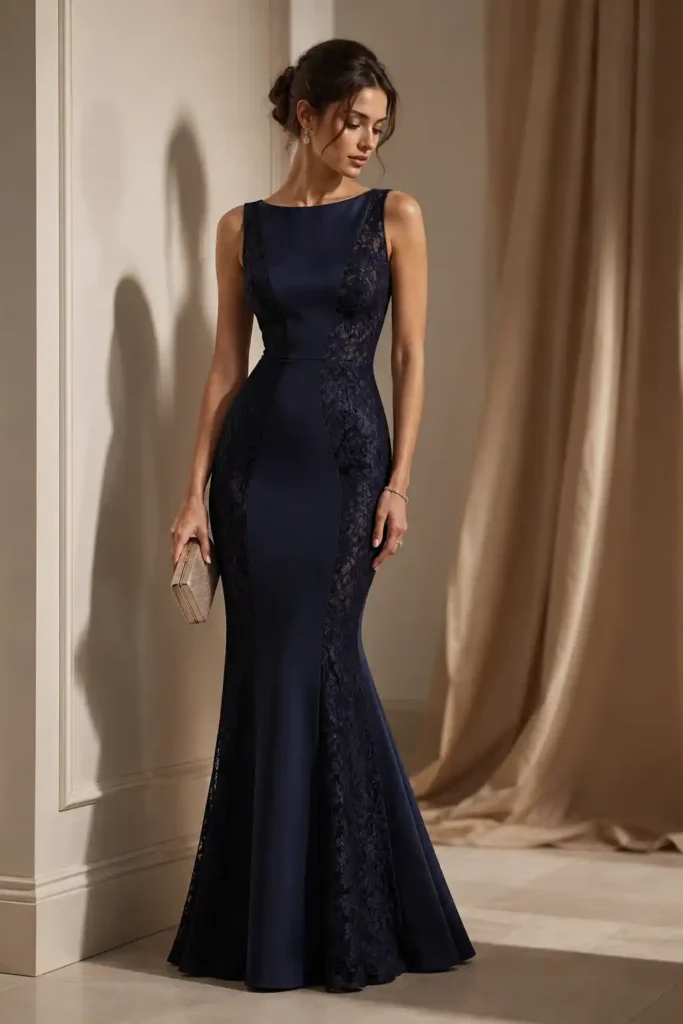
The production team then allocates the style according to material and construction risk. Stretch products, woven commercial dresses, occasionwear, lace, mesh, sequin, structured corset styles, and repeat orders can require different production strengths even within one commercial assortment.
Jinfeng’s role is to keep the handover connected: sample development informs production; production follows the approved PP standard; QC measures against the confirmed garment rather than an informal visual expectation.
The result is not theoretical range efficiency. It is fewer gaps between the selected assortment and the pieces eventually packed into cartons.
Control Changes After PP Approval
Commercial teams sometimes need a late adjustment because a launch decision, target cost, color plan, warehouse request, or material condition changes. A controlled system should allow changes without pretending they have no consequence.
After PP approval, Jinfeng reassesses any proposed change against pattern, fit, material availability, trim compatibility, unit cost, MOQ, production slot, inspection requirement, packaging, and delivery schedule. A new color may require shade confirmation and matching lining or thread. A new fabric may change fit and need a revised sample. A lower-cost construction may need another appearance review. A packaging change may require new labels, artwork, or supplier minimums.
The safest rationalized range therefore has a defined freeze point and a visible change process. Brand teams know which details remain flexible and which details already influence committed material or production decisions.
Change control also protects future repeat orders. The final production record should show the actual version produced, not an earlier sample mixed with later email amendments. Accurate records allow Jinfeng to compare repeat requests with the previous bulk standard and identify what genuinely changed before production restarts.

Allocate Styles to the Right Production Strength

Stretch and Knit

Woven Commercial Dresses
Satin, crepe, chiffon, viscose, rayon, linen blends, printed wovens, suiting fabrics, and other woven dress directions require control of grain, drape, cutting slippage, waist placement, zipper flatness, lining length, hem balance, pressing, and print direction where applicable.
A simplified woven platform can support multiple mini, midi, maxi, slip, resort, or occasion silhouettes, but production allocation still considers the specific fabric behavior. Jinfeng matches styles to units experienced with the relevant material and finished product standard.
Occasion and Complex
Carry Rationalization Into Bulk Quality Control
Incoming Materials
Fabric and trims are checked before cutting because a range built around shared platforms can be affected widely by one material problem.
- Color, hand feel, surface, width, stretch, visible defects, shade difference, relevant shrinkage information, trim appearance, and supplied specifications are reviewed according to the project.
- Satin snagging, mesh damage, lace defects, sequin loss, or mismatched trims need to be identified before the same issue spreads across several related styles.
Cutting Direction
Cutting affects silhouette consistency, print direction, stretch direction, nap, grain, seam balance, and material yield.
Related products sharing one fabric platform still need style-specific marker and cutting controls.
- Stretch garments require correct elasticity direction;
- Satin and lightweight wovens need careful handling;
- Prints require orientation;
- Lace and decorative surfaces may require placement planning.
Sewing Control
Inline sewing checks focus on the construction features responsible for fit and appearance. Seam symmetry, ruching, neckline shape, strap position, zipper flatness, lace joining, mesh handling, corset structure, lining, side seams, slit construction, and decorative attachment vary by style.
- Shared construction standards can be repeated where appropriate, but inspectors still use the approved style reference.
- Multi-style programs benefit from clear sewing instructions because operators are not expected to infer differences from visual similarity.
Measurement Control
- Bust, waist, hip, dress length, strap length, neckline depth, armhole, slit height, hem width, and other relevant points are compared against the confirmed size standard.
- Fit-sensitive products receive attention at the measurements carrying the greatest wearing risk.
- Size ratios can differ by order, but each style needs an approved grade and tolerance basis before bulk checking begins.
- Measurement records also create a stronger reference when a successful style later returns for replenishment or color extension.
Pressing and Finish
Pressing can change the appearance of satin, velvet, chiffon, crepe, pleated, lace, mesh, structured, and occasion dresses as much as sewing.
- Shine marks, seam impressions, wrinkles, distorted hems, crushed surface, uneven pleats, or damaged embellishment can reduce perceived value even when measurements pass.
- Jinfeng includes pressing and finishing review in the quality process.
- A rationalized fabric platform can make finishing standards easier to repeat, but material-specific handling remains necessary across the range.
Packing and SKU
- Care labels, size labels, hangtags, barcode stickers, SKU labels, polybags, folding, carton quantities, carton marks, and packing lists need to match the approved order structure.
- A style offered across several colors and six sizes can generate many warehouse SKUs even when manufacturing uses one base pattern.
- Packing QC keeps commercial assortment logic intact until the product reaches the receiving system rather than ending quality control at garment appearance.
Build More Value From Proven Hero Styles

Launch Approved Hero
The first bulk order establishes more than a sales SKU. It creates a verified pattern, size standard, fabric reference, trim record, sewing method, label placement, packing instruction, and QC history. Jinfeng keeps those production references so later decisions start from an actual approved garment rather than from memory.
Commercial performance remains the brand’s decision signal; the manufacturing record explains what can be reused if the style earns a repeat or extension.

Repeat Proven Style

Extend New Colors

Extend New Fabrics
From an Overextended Range to 42,600 Production Pieces
Initial Range Pressure Across Twenty-Six Proposed Styles
The brand entered development with 26 proposed dress styles, seven color directions, six main fabric families, an XS–XL size structure, several visually related fitted silhouettes, and a mixture of campaign, commercial, occasion, and supporting products. The original range contained enough overlap to create significant development pressure before bulk quantities were even finalized.
Several mini and midi silhouettes used similar necklines and body proportions but different fabric directions. Satin appeared across fluid and structured products. Stretch products included different jersey and mesh qualities. Certain occasion styles carried additional lining, support, lace, or embellishment requirements. Seven planned color directions also meant the number of potential style-color combinations was expanding much faster than the style count suggested.
The brand’s merchandising team retained ownership of the commercial ranking. Jinfeng did not attempt to predict sales or decide which style should disappear. Instead, the line sheet was reorganized around manufacturing questions: which styles shared a commercial silhouette but required separate fit, which fabrics could form real platforms, which color plans created unnecessary production fragmentation, and which products needed earlier development because fit or construction risk was higher.
The review created three development priorities. Hero and launch-critical styles formed the first group. Commercial core and volume-supporting styles formed the second. Lower-priority extensions remained on the line plan but did not immediately consume pattern and sample capacity.
The working objective became clearer: protect the range’s visual width while reducing duplicated development and making the final bulk program easier to control.
Style, Fabric, Color, and Cost Rationalization
The 26 concepts were compared by silhouette, length, body fit, neckline, support structure, occasion, fabric, lining, trim, and production complexity. Similarity was not treated as an automatic reason to merge products. A fitted mesh mini and a jersey bodycon, for example, still needed different transparency, recovery, lining, and seam considerations. A satin slip and structured satin corset also remained technically separate despite sharing a fabric category.
Fabric work focused on reducing unnecessary material fragmentation. Six initial fabric families were reorganized into five validated production directions: a commercial satin group, a stretch group, a lightweight woven drape group, a lace/mesh occasion group, and a higher-complexity decorative group. Individual qualities inside each family were retained where product performance required them.
Color planning was reviewed at style-color level rather than by total order quantity. Core black and selected neutral or seasonal colors were concentrated on the styles carrying the strongest commercial role. Lower-priority color extensions were held for later review rather than automatically sampled across every silhouette.
Cost review focused on the elements increasing manufacturing complexity: lining layers, corset support, lace placement, decorative coverage, specialty trims, seam count, pressing, and packing. Changes were made only where the visual or fit result could be protected. Certain supporting products used simpler internal construction or more efficient fabric directions, while hero products kept the details responsible for their higher perceived value.
After commercial and manufacturing discussions were aligned, 18 styles moved into the main launch program rather than all 26 progressing simultaneously.


Three-Tier Sampling and PP Control
The 18 launch styles were arranged into three sample priorities instead of one common queue. Priority-one products included campaign dresses, fit-sensitive hero styles, and items tied to early photography. Priority two covered commercial core dresses where stable fit and bulk readiness carried more importance than decorative complexity. Priority three covered supporting silhouettes able to benefit from fabric, trim, or fit decisions already established in the first two groups.
Pattern work used shared knowledge where possible but did not force all related styles onto one block. Bust, waist, hip, neckline, strap, length, slit, lining, and support points were reviewed by silhouette. Stretch styles were checked against fabric recovery. Structured products were checked for cup shape, boning, waist shaping, zipper behavior, and comfort. Fluid satin and lightweight woven styles were reviewed for drape, grain, neckline, side seam, lining, and hem balance.
Sample revisions were recorded rather than passed through informal memory. Pattern changes, measurement changes, material substitutions, trim adjustments, sewing updates, and approval comments were carried into the next version. Complex styles received additional development where required; cleaner commercial shapes moved more directly toward PP once fit and materials were stable.
PP approval then locked final pattern, size information, fabric, color, trims, construction, label and packing requirements before bulk production allocation. The rationalization exercise therefore continued beyond the line sheet. Every retained style had to reach a production-ready standard before becoming part of the final volume plan.

42,600 Pieces Across a Controlled Bulk Program
The confirmed production program reached 42,600 pieces across 18 styles, with 31 style-color combinations, XS–XL sizing, five principal fabric families, and distinct production routing for stretch, woven commercial, and higher-complexity occasion styles. Quantities were concentrated around the commercial priorities supplied by the brand rather than divided evenly across every concept and color.
Factory allocation followed product risk. Stretch and close-to-body styles went to units suited to recovery and measurement control. Woven satin, crepe, and lightweight dresses were routed around cutting, drape, zipper, lining, and pressing capability. Lace, mesh, structured, and decorated products received the additional handling appropriate to their construction.
QC followed the approved PP references through incoming material, cutting, sewing, in-line measurement, garment finishing, pressing, and packing. Style-color and size information stayed linked to barcode and packing requirements so a more rational manufacturing plan did not create warehouse identification errors later.
Patterns, measurements, material references, trim details, production instructions, packing requirements, and QC notes were retained for repeat evaluation. Products performing strongly after launch could therefore move into reorder, new-color, or controlled fabric-extension discussions from a documented manufacturing base.
The key result was not simply “26 styles reduced to 18.” Eight concepts remained available for later commercial consideration. The stronger outcome was a launch program where every produced style had a clearer role, a validated development path, and a manufacturing structure suitable for bulk and future extension.
Manufacturing Resources Behind Multi-Style Range Execution
Multi-Factory Structure
Production Capacity
Sample Development
Quality Control
A team of 15+ QC inspectors supports incoming material inspection, cutting checks, sewing QC, in-line inspection, garment measurement, finishing review, pressing review, packing QC, AQL inspection, and client inspection coordination according to project requirements.
Multi-style dress programs create more variation in measurement points, materials, trims, and packing, so QC references are tied to approved product standards rather than using one generic checklist for every dress in a collection.
Project Follow-Up
Finishing and Packing
Commercial Dress Range Rationalization Frequently Asked Questions
Send Your Dress Range for Manufacturing Review
If your team already manages a substantial dress assortment and needs clearer style grouping, fabric concentration, cost alignment, sample priority, or production planning, send the current range information to Jinfeng Apparel for an initial manufacturing review. The first discussion is designed to identify where our development and production capabilities fit your program, not to replace internal merchandising decisions.
For a more useful review, include:
- Line sheet, style list, reference images, or tech packs
- Commercial role or priority for key styles
- Quantity per style and per color
- Preferred fabrics or existing fabric references
- Size range and fit standards
- Target FOB range where available
- Private-label and packing requirements
- Sample, photo, PP, launch, and delivery windows
- Existing styles planned for repeat, color extension, or fabric extension
Jinfeng can then review style complexity, fabric direction, pattern and fit risk, MOQ fit, sample sequence, cost drivers, production allocation, QC requirements, and the information needed before a quotation or formal sampling program begins.