 Skip to content
Color Continuity Across Reorders
Keep proven colors recognizable from the first launch through replenishment, seasonal repeats, and multi-batch production.
A successful reorder should not begin with a blank file. Jinfeng Apparel carries approved color, fabric, trim, sample, QC, and packing references forward, then checks what has changed before new material is released to production. The goal is not to promise physically identical dye results forever. The goal is to control the variables that make a repeat order drift away from the approved standard and to make every new color decision visible before cutting.
- 13 color record points:color name, Pantone when supplied, lab dip by project, approved swatch, bulk fabric color, lining, trim, zipper, thread, label color, dye lot, approval photo, and bulk issue notes.
- 12 repeat-production references:Golden Sample, bulk pattern, size chart, BOM, fabric record, color record, trim record, sewing instruction, QC checklist, packing instruction, previous bulk feedback, and after-shipment comments.
- 15+ QC inspectorssupport incoming material, in-line, garment, pressing, packing, and consistency checks.
- 12+ merchandisers and order-follow-up specialiststrack material status, approvals, revisions, production progress, and repeat-order records.
- 200 pcs per style/coloris the standard garment MOQ; custom-dyed or special materials are evaluated against the mill’s dyeing MOQ and lead-time requirements.
- 12 styles / around 20,000 pcs:an anonymous US occasionwear program used matte and stretch satin across several colors, followed by additional color repeats after bulk delivery.
Built for Brands That Replenish Proven Womenswear
Premium Ecommerce Programs
Occasionwear Collections
Retail Replenishment Programs
Seasonal Repeat Programs
Sourcing Offices
Long-Term Brand Programs
Six Reasons Reorder Colors Drift From Approved Standards
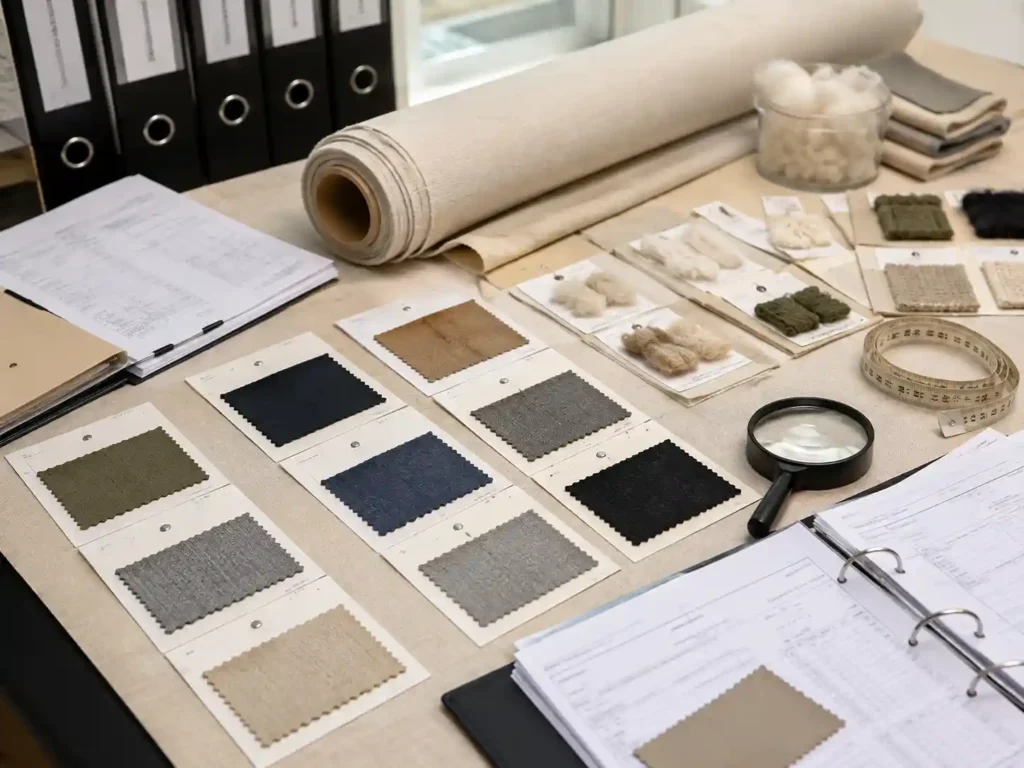
Fabric Lot Change

Dye Lot Change

Material Availability

Surface and Shine
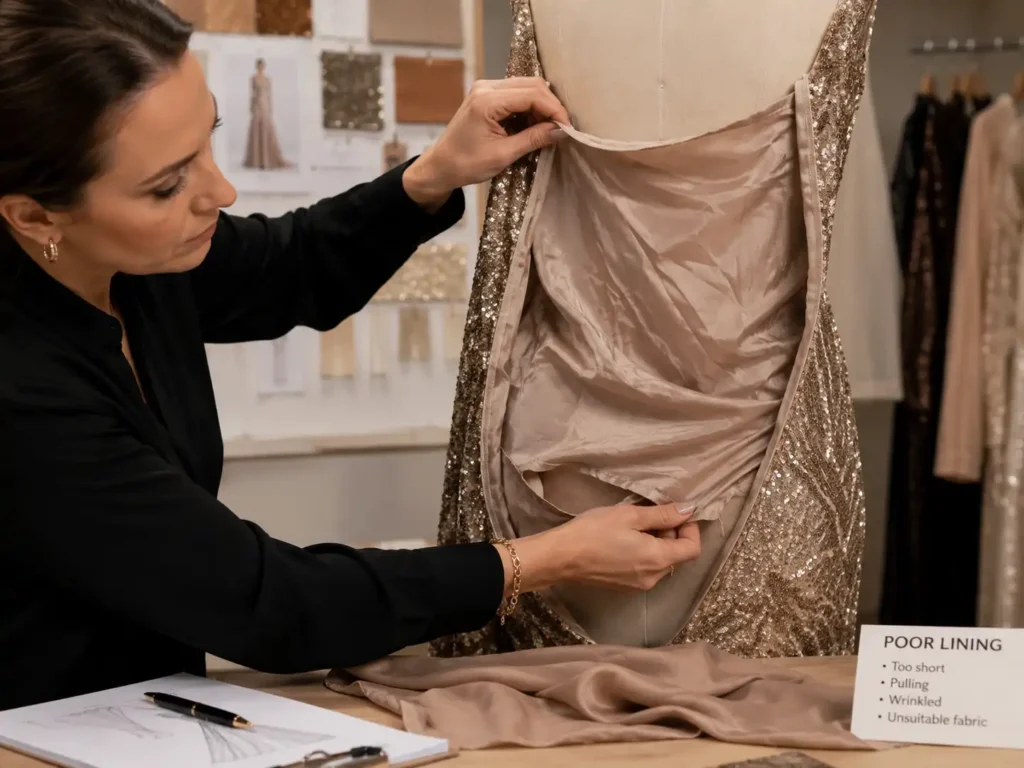
Lining and Trims

Print and Finish Change
A Record-Driven Color Continuity System for Reorders
Color continuity is strongest when every repeat order starts from the approved history and then separates reusable standards from new variables. Jinfeng uses a staged review so the old standard remains visible while current material availability, dye lot, color appearance, trims, production conditions, and QC references are checked again.
Retrieve the Approved Standard
The starting point is the approved production history, not a new JPG or a color name typed into a PO. Jinfeng retrieves the relevant Golden Sample, approved swatch, Pantone reference when supplied, bulk fabric color, color approval images, fabric record, dye-lot information, trim colors, BOM, QC checklist, packing instructions, and feedback from the previous shipment.
Check What Has Changed
A repeat PO may look identical on paper while the supply conditions are different.
Jinfeng checks whether the original fabric is still available, whether the supplier is offering the same article, whether a new dye lot is required, whether the same lining and trims remain available, whether packaging artwork has changed, and whether the brand has requested fit, construction, size-ratio, or color adjustments.
Reconfirm the Current Material
Historical approval does not automatically approve a new dye lot. Depending on the material route, Jinfeng may coordinate a new swatch, lab dip, fabric card, bulk fabric check, or physical comparison before cutting. The decision depends on whether the material is stock, custom-dyed, printed, special-finish, substituted, or carried over from an available lot.
Lock the Reorder Standard
Once current material and color are accepted, the production reference must be clear enough for fabric receiving, cutting, sewing, finishing, QC, and packing teams to use the same standard. The approved current fabric, Golden Sample or approved repeat reference, BOM, trim card, color notes, sewing instructions, QC checklist, and packing standard become the operational basis for the new run.
Compare Bulk Against the Reference
Incoming material is reviewed before production, fabric batches are identified, and bulk garments are checked against the approved appearance during production. Color is evaluated in context with lining, zipper, thread, trim, garment construction, pressing, and surface direction. Any material issue discovered before or during production is recorded instead of being separated from the next repeat-order history.
Update the Record After Shipment
Continuity improves when every production adds information to the next one. Jinfeng updates repeat-order records with the actual material route, current color approval, bulk issues, production notes, QC findings, packing changes, and after-shipment feedback. A future replenishment can therefore begin from the latest approved reality rather than the original development file alone.
What Jinfeng Retains From Every Approved Color
A dependable reorder file needs more than a Pantone number. Jinfeng’s color record connects the visible shade to the fabric, bulk run, matching components, and approval history. Those records provide a physical and documentary reference when a bestseller returns after weeks or months.
Main Color Reference and Approval Trail
Jinfeng retains the color name used in the project, the Pantone number when one is supplied, lab dip records when the project requires them, approved swatches, bulk fabric color references, color approval photos, and notes from any bulk color issue. Those records help distinguish the original target from what was actually accepted in production.
Core records:
- Color name and Pantone reference when supplied.
- Lab dip record by project.
- Approved physical swatch.
- Bulk fabric color reference.
- Color approval image or photo record.
- Bulk color issue note when a deviation or corrective action occurred.
Matching Components Around the Main Fabric
Color continuity is judged on the finished garment. Jinfeng therefore retains the color direction for lining, trims, zipper, sewing thread, and labels rather than storing only the face fabric shade. For transparent, glossy, open-structure, or heavily detailed womenswear, these supporting components can shift the overall appearance enough to make a repeat feel visibly different.
Matching references can include:
- Lining color.
- Zipper tape and zipper component color.
- Sewing thread color.
- Lace, elastic, decorative trim, and related trim colors.
- Label color and relevant private-label references.
Dye-Lot and Bulk Context
The dye lot is retained because it explains where an approved bulk color came from.
On a reorder, the original dye lot may no longer exist.
The historical lot then becomes a comparison point rather than a guarantee of availability.
Jinfeng checks the new material route and records the updated lot and approval so the next repeat has a clear lineage.
The resulting file is valuable for same-color replenishment, same-style new colors, seasonal repeats, partial color replenishment, and coordinated color stories across multiple styles.
Fabric Continuity Comes Before Color Continuity
The same color standard can look different when the fabric changes. Weight, fiber composition, weave or knit structure, stretch, transparency, drape, finish, and surface shine all affect how color is absorbed and perceived. Jinfeng therefore carries fabric records into repeat-order review instead of separating material selection from color control.

The Fabric Record Behind a Repeat Order
For approved materials, Jinfeng records fabric name, supplier, composition, weight, width, stretch, hand feel, drape, transparency, color, dye lot, MOQ, price record, lead time, shrinkage risk, color-fastness notes, approval photos, swatch references, and bulk issue history.
The record helps sourcing and production teams answer the first question of every repeat: can the original material route still be used?
If the answer is yes, the current lot still needs to be checked. If the answer is no, substitution should be treated as a controlled material change rather than as a silent replacement.

When the Original Fabric Is Unavailable
A replacement is evaluated against the original fabric for composition, weight, stretch, hand feel, drape, transparency, color behavior, cost, MOQ, and lead time. The review also considers whether the new material will change the pattern, lining, sewing behavior, pressing, seam appearance, or finished measurements.
Substitution decisions can trigger:
- New fabric approval.
- New color swatch or lab dip.
- Revised lining choice.
- Updated zipper or thread matching.
- Revised sample when fabric behavior changes fit or appearance.
- Updated costing and production timing.

Stock Fabric Versus Custom-Dyed Fabric
Stock materials may allow faster confirmation when the same article and sufficient quantity are available, but stock color and lot still need to be checked. Custom-dyed materials add dye-house MOQ, lab dip or color approval, dyeing time, shade control, and bulk-lot considerations. Jinfeng’s standard garment MOQ is 200 pcs per style/color, while custom-dyed, printed, certified, lace, sequin, recycled, organic, or other special materials may carry higher supplier or mill minimums.
For established programs, the most efficient route is chosen around the required visual result, production quantity, launch window, and continuity risk rather than around a blanket promise that every material can be repeated under the same terms.
Lab Dip Approval Is a Gate, Not Forever Approval
A lab dip helps align a custom-dyed fabric with the requested color before bulk dyeing, but it does not remove every future variable. A new greige lot, dyeing run, finish, surface direction, or production scale can change the final appearance. Reorders therefore treat the approved lab dip as a reference within a larger approval chain.

From Color Standard to Bulk Fabric
The working route can include Pantone or a physical color standard, lab dip development, approval, bulk dyeing, bulk fabric review, garment appearance check, and retained reference. The exact route depends on material type and project needs. Jinfeng does not describe every reorder as requiring the same approval step because stock fabric, custom-dyed satin, mesh, lace, printed chiffon, and special-finish materials behave differently.
- The physical standard used to judge the shade.
- Lab dip approval when required.
- The fabric article and base material used for bulk dyeing.
- Bulk shade and surface appearance.
- Lining, zipper, thread, and trim matching.
- The accepted production reference retained for future repeats.

When a New Lab Dip May Be Needed
A fresh lab dip or color swatch is more likely when the original fabric is unavailable, the mill needs a new dyeing run, a new color is added, the base cloth changes, the brand requests a tighter visual correction, or the old approval does not accurately represent the material route now being offered.
A repeat can move efficiently without pretending that historical approval removes present-day checks.
The best outcome is a shorter decision path backed by a strong historical reference, not a skipped approval path.
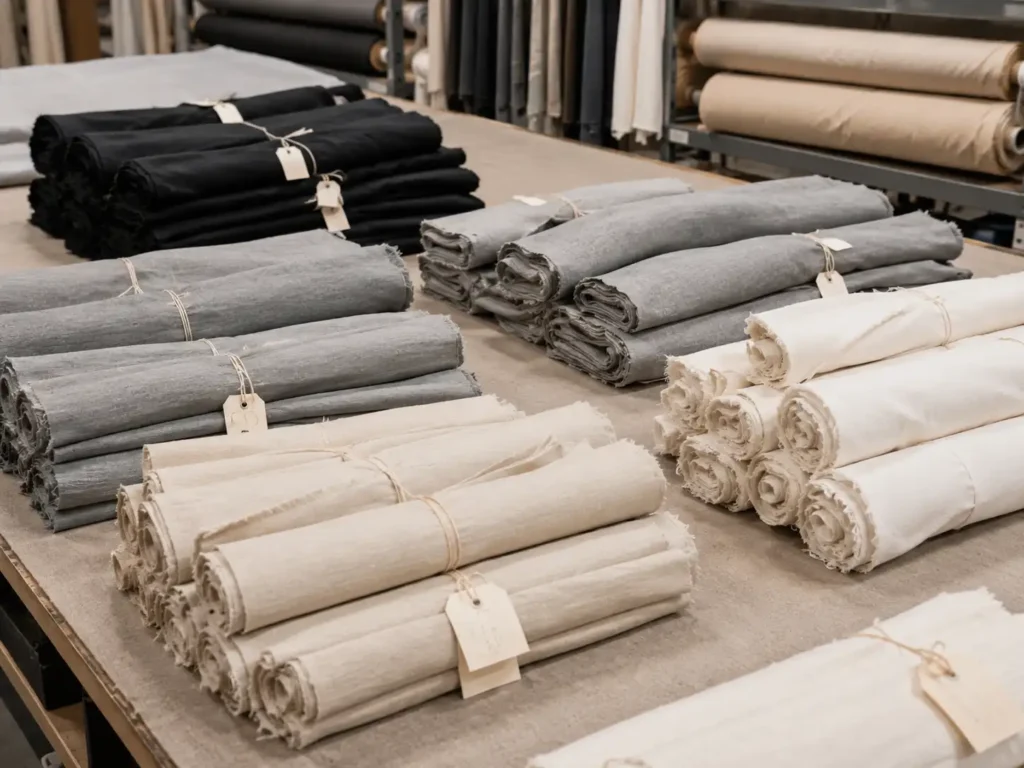
Dye Lot and Fabric Batch Control Before Cutting
Color variation becomes harder to correct after mixed fabric has already been cut and sewn. Jinfeng’s reorder control therefore starts at incoming material. Fabric batch records, dye-lot identification, bulk color approval, and lot-aware handling help keep visually different material from being treated as one undifferentiated production input.
- Incoming Fabric Identification
Fabric receiving is linked to the approved material and color record. The team checks the material article, current batch, visible color direction, quantity, and relevant project requirements before production release. A new lot is not assumed to be identical because the PO description remains unchanged. - Dye-Lot Separation
When material arrives from more than one dye lot, lot identification is maintained so visually different batches are not casually mixed. For color-sensitive styles, the production team can manage lot usage around garment consistency and approved production requirements. The exact handling method depends on garment structure, quantity, fabric type, and the size of the observed variation. - Bulk Color Approval
The approved bulk fabric becomes a current production reference. On satin, velvet, mesh, chiffon, lace, and other visually sensitive fabrics, surface direction, transparency, texture, and lining interaction are considered when judging the garment appearance. Color is not evaluated only as a flat swatch detached from the final product. - Repeat-Order Fabric Record
After production, the current material batch, color approval, issues, and relevant QC findings are added to the record. The next reorder can then compare against the latest successful bulk rather than relying only on the oldest sample or development note.
What Must Be Rechecked Before a Repeat Production
Historical records reduce redevelopment work, but they do not remove the need to check current supply conditions. The strongest repeat programs separate stable information from time-sensitive information so the sourcing team knows which decisions can carry forward and which ones must be reconfirmed.
| Reorder Item | Historical Reference Used | Recheck Before Production |
|---|---|---|
| Pantone / named color | Original color standard | Confirm current fabric appearance against the physical reference |
| Approved swatch | Retained swatch or approved bulk reference | Compare with current lot or new lab dip when required |
| Fabric article | Supplier, composition, weight, width, hand feel, drape | Confirm availability, lot, MOQ, price, lead time, and material condition |
| Dye lot | Previous lot number and notes | Identify the new lot; never assume the previous lot is still available |
| Lining | Previous color and construction | Recheck shade, transparency effect, availability, and compatibility |
| Zipper / thread / trims | Previous specifications and colors | Confirm current stock color or supplier replacement before purchase |
| Golden Sample | Approved garment standard | Confirm whether fit, construction, color, or packing changes are requested |
| QC checklist | Previous inspection points | Add any previous bulk or after-shipment findings to the new run |
| Labels / packing | Artwork, barcode, SKU, polybag, carton standards | Confirm current SKU, color code, warehouse, and shipping requirements |
Color Continuity Risks Change With the Fabric
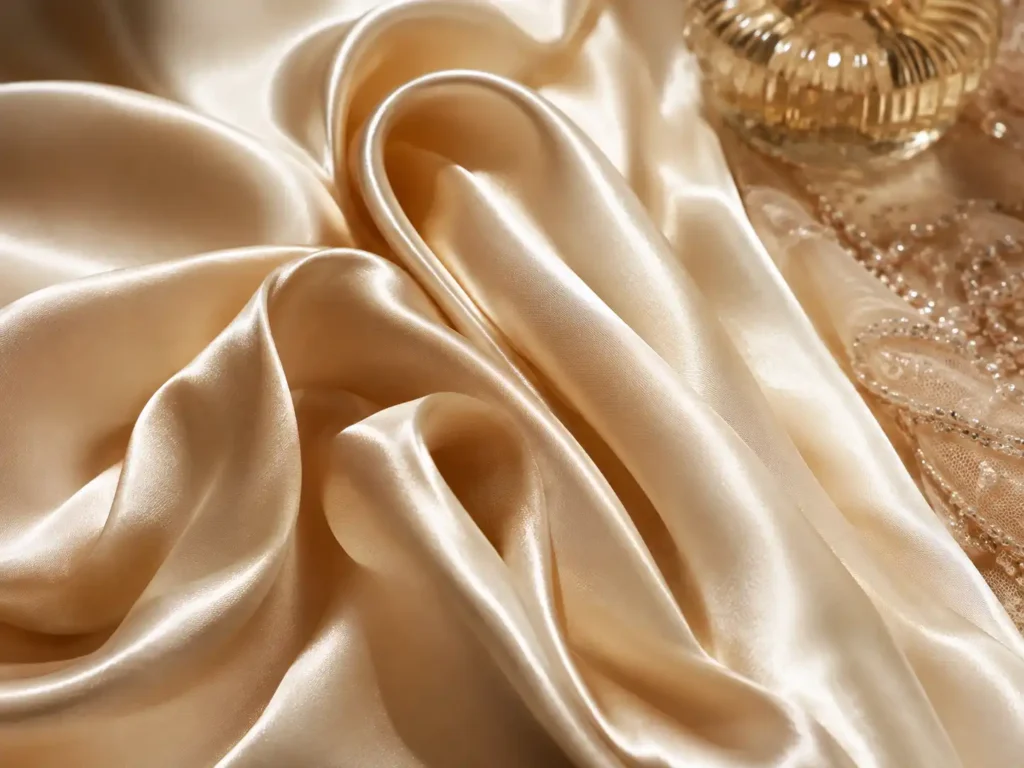
Satin

Chiffon

Mesh

Lace
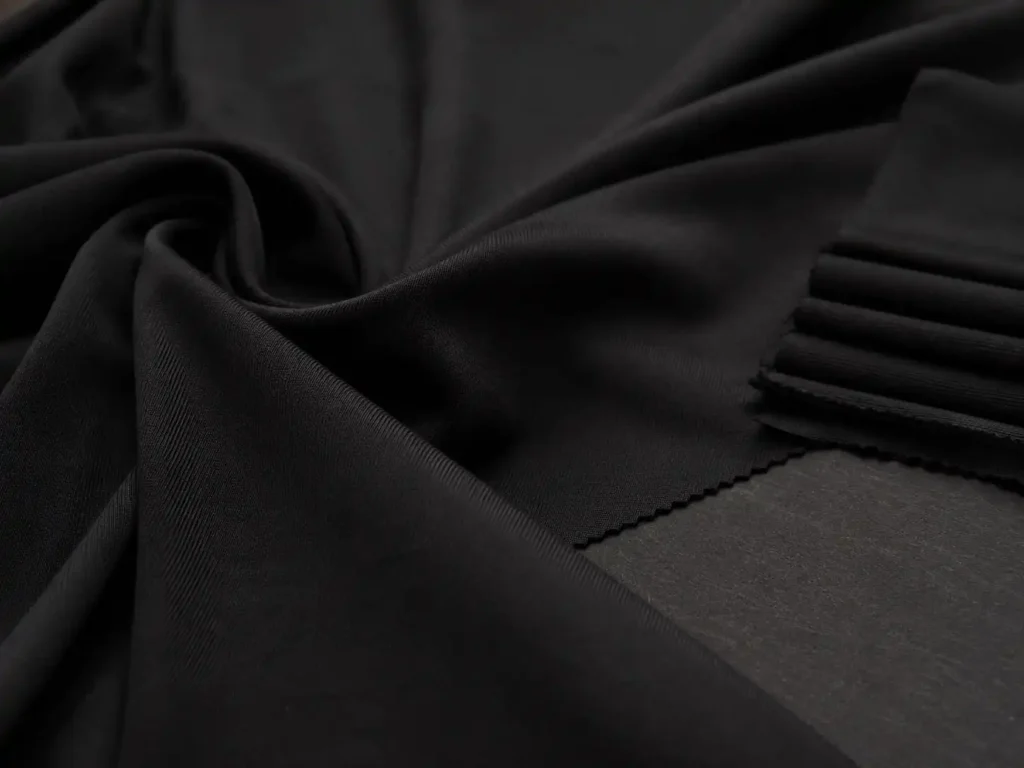
Jersey
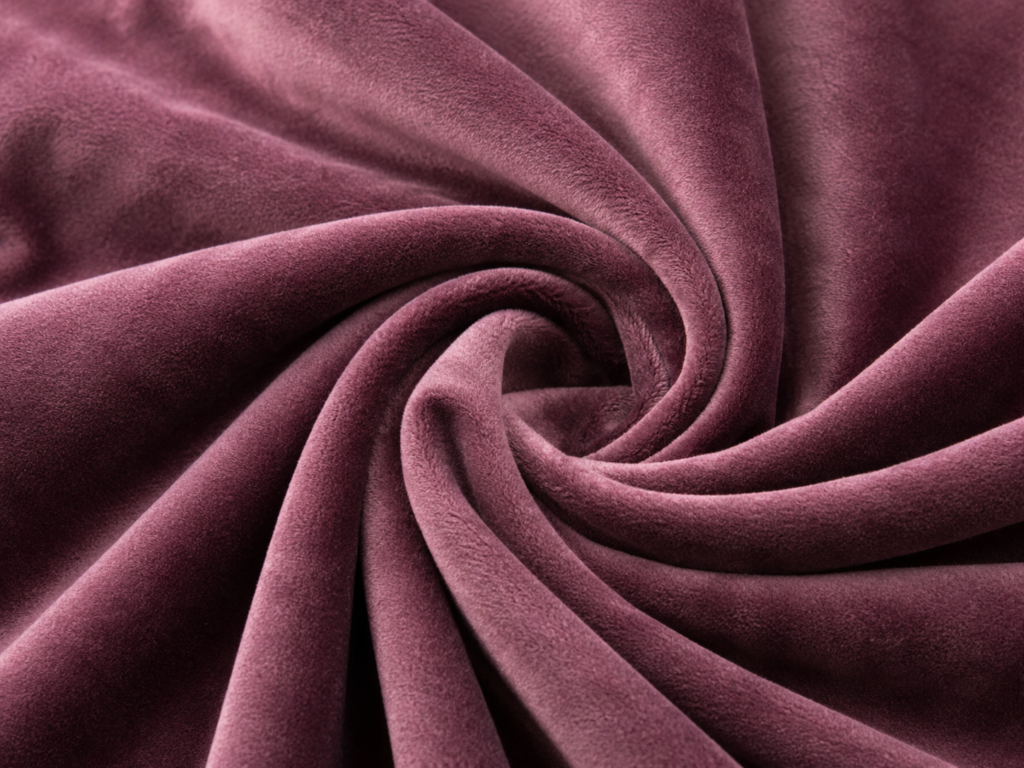
Velvet

Sequin Fabric

Printed Fabric
A Dress Color Includes More Than Main Fabric
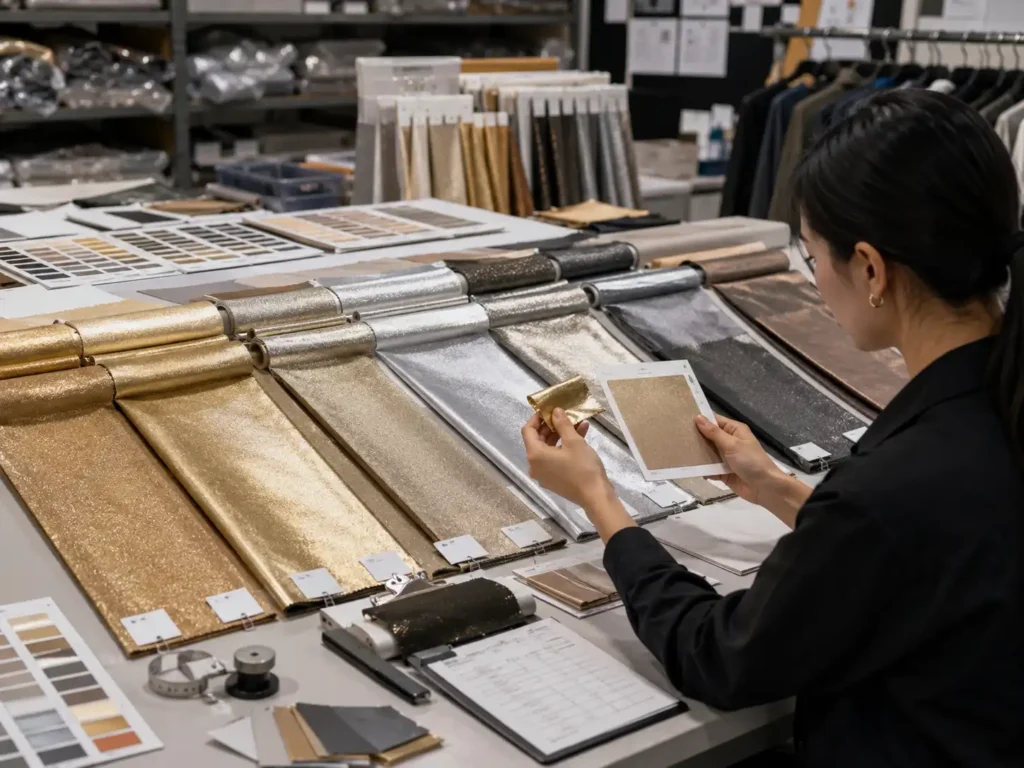
Lining Color

Zipper Color
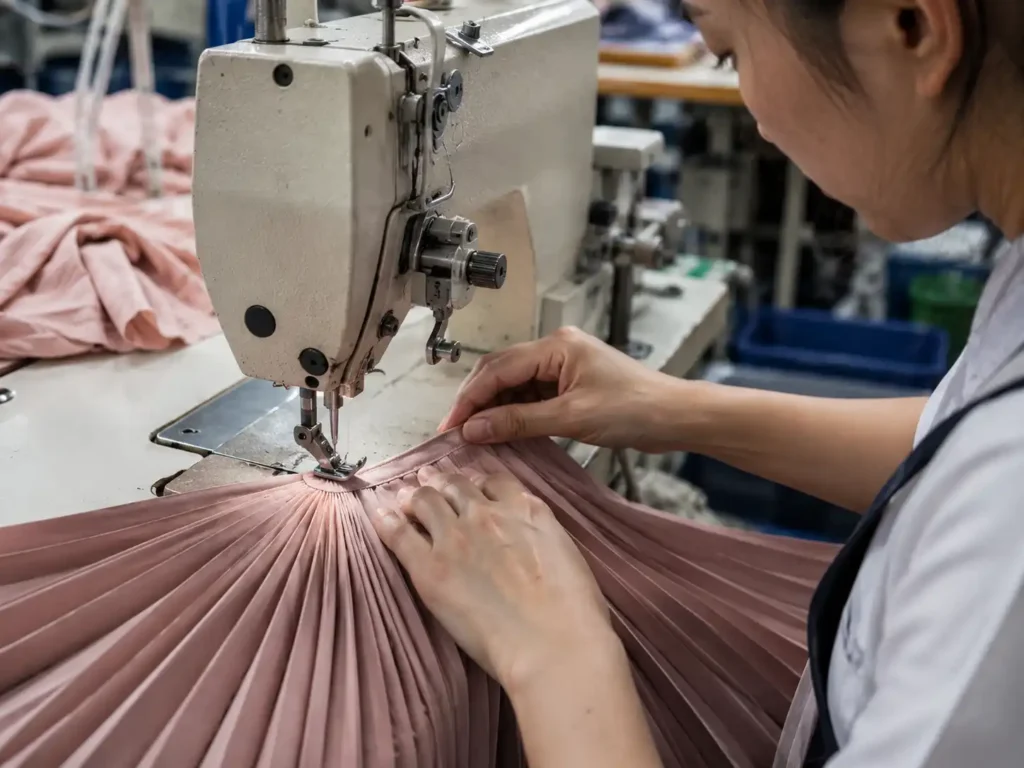
Sewing Thread

Lace and Decorative Trim

Labels and Branding
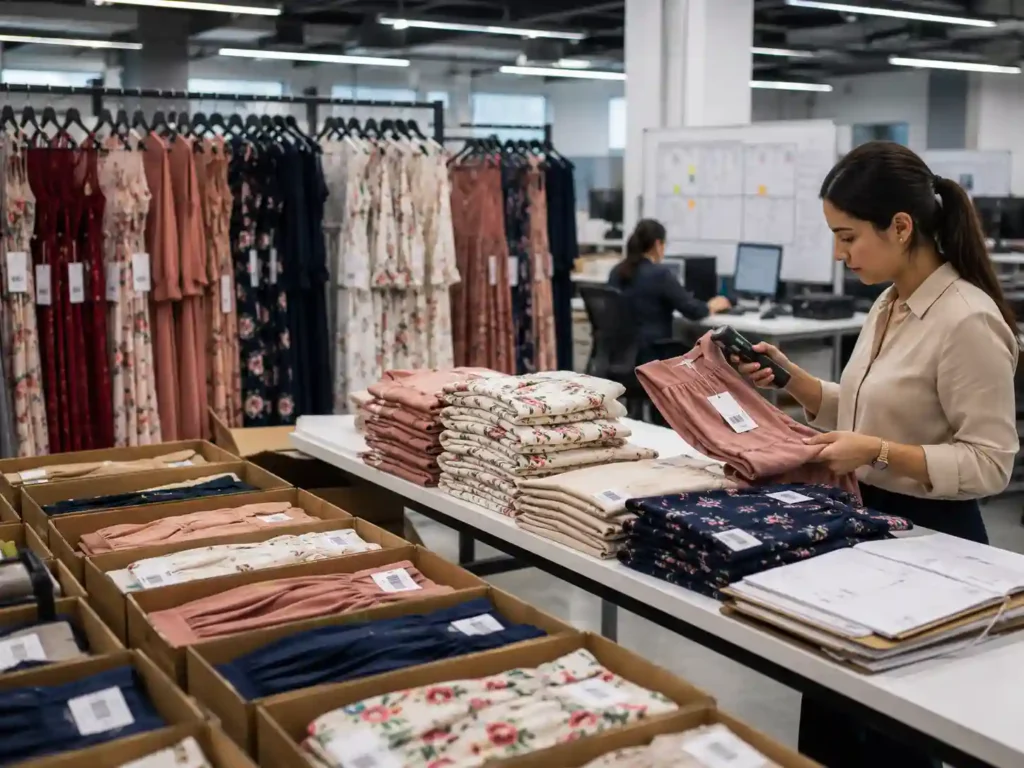
SKU and Packing Color Codes
Three Repeat Scenarios Need Different Color Decisions
Same Style, Same Color
Same Style, New Color
Same Pattern, New Fabric
Golden Sample and Historical Records Anchor the Reorder
A repeat order needs a physical garment standard and a document trail that explain how the successful bulk was made. Jinfeng uses the Golden Sample together with the final pattern, size chart, BOM, fabric and color records, trim references, sewing instructions, QC checklist, packing instructions, and previous feedback to build the new production standard.

Golden Sample as the Garment Reference
The Golden Sample captures the approved combination of silhouette, fit, fabric, color appearance, lining, trims, construction, and visible finishing. It gives production and QC teams a garment-level reference that a color code alone cannot provide. For satin, lace, mesh, bodycon, corset, partywear, and occasionwear styles, the relationship between color and construction is often visible only on the finished piece.

Final Pattern, Size Chart, and BOM
Color continuity is stronger when the rest of the garment remains stable. The final bulk pattern, approved size chart and grade information, and BOM help prevent a repeat from drifting structurally while the team is focused on color. A material substitution, lining change, or trim replacement is documented because it may affect fit, seam behavior, or appearance.

QC and Packing History
Previous QC findings and after-shipment feedback are brought into the next production. If the first order identified a color-sensitive seam, satin pressure mark, print-direction issue, lining mismatch, or packaging concern, the new QC checklist can be updated instead of rediscovering the same problem after bulk completion.
The result is a repeat standard that reflects the last approved production, not merely the first design idea.
Six Checks Before a Reorder Is Released to Production
Retrieve Style History
Confirm Original Fabric
Recheck Color Route
Confirm Trims and Lining
Update Production Standard
Confirm Timeline and Release
Reorder QC Compares New Bulk With Approved History

Incoming Material QC
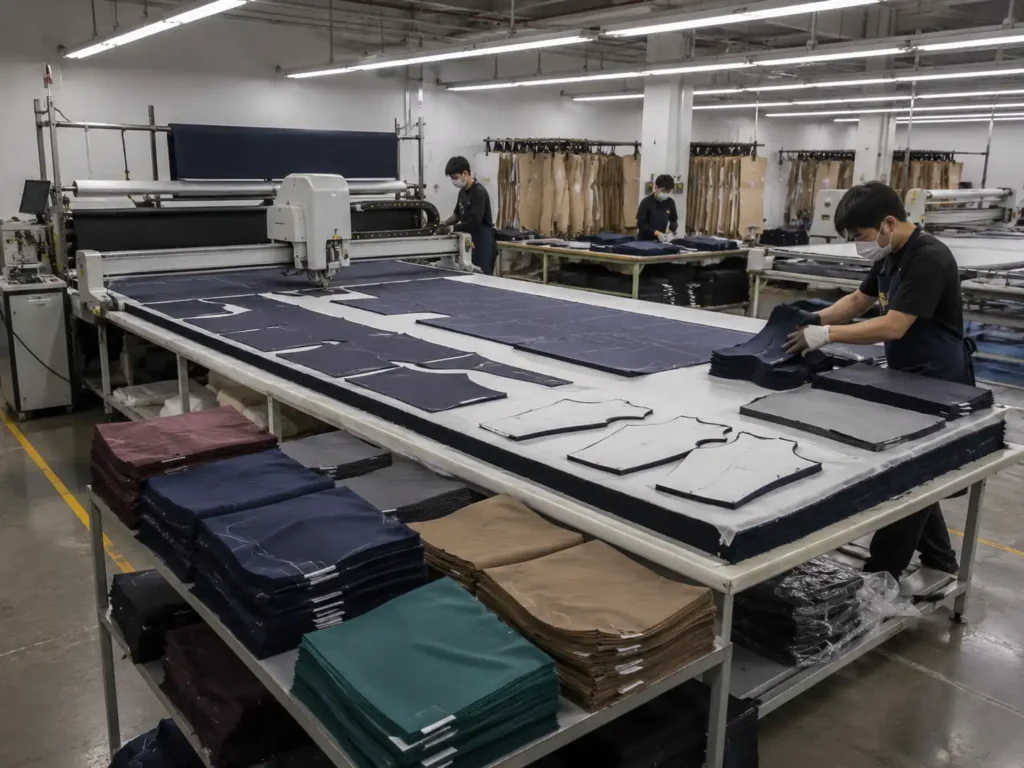
Lot-Aware Cutting

In-Line Color Review

Garment Comparison

Pressing and Surface Check

Packing QC
What Can Still Change Between Two Reorders
New Dye Lot
Discontinued Fabric
Supplier Stock Changes
Surface and Finish Variation
Brand-Led Changes
Production Timing
Repeat-Order Management Built Around Traceable Decisions
12+ Merchandisers
15+ QC Inspectors
2 Sample Rooms
6 Owned Factories
100,000+ Monthly Capacity
Test to Launch to Repeat
Frequently Asked Questions About Reorder Color Continuity
Textile dyeing and finishing can produce small variation between lots, so Jinfeng does not promise physically identical color forever. The control objective is to keep the new run as close as reasonably possible to the approved standard by using retained swatches, bulk references, fabric and dye-lot records, matching component records, Golden Samples, and repeat-order QC. New fabric and dye lots are checked before production when the material route requires reconfirmation.
No. The approval route depends on the current material condition. If the same stock fabric and suitable lot are available, a physical comparison may be enough. A new lab dip is more likely when custom dyeing is required, the original fabric is unavailable, the base material changes, a new color is added, or the current material cannot be approved reliably against the retained reference.
Jinfeng compares the proposed replacement with the original fabric for composition, weight, stretch, hand feel, drape, transparency, color behavior, shrinkage risk, MOQ, cost, and lead time. The team also checks whether the change affects pattern, lining, construction, sewing, pressing, or fit. A new fabric approval, color approval, or revised sample may be required before bulk production.
Yes. Project records can include the color name, Pantone when supplied, lab dip by project, approved swatch, bulk fabric color, lining color, trim color, zipper color, thread color, label color, dye lot, approval photos, and bulk color issue notes. Fabric, trim, Golden Sample, QC, and packing records are retained as part of the wider repeat-order file.
The previous dye lot is used as history, not as a guarantee that the same material still exists. Jinfeng identifies the current fabric batch and dye lot, compares the new material with the approved color reference, checks relevant surface or lining effects, and records the newly approved material route. Different lots are not assumed to be visually identical simply because the color code is unchanged.
Satin is checked for more than shade depth. Weight, surface shine, face direction, dye lot, lining color, zipper color, cutting direction, pressing, and finished garment appearance can all influence the perceived color. Matte satin and stretch satin are also treated as different material constructions, so the approved fabric reference remains important when comparing a new lot.
Tell Jinfeng before production. When replenishment will sit beside earlier stock, the visual comparison requirement becomes more sensitive. The retained approved swatch, bulk reference, Golden Sample, and previous garment can be used to judge the current material route. Any visible new-lot variation should be reviewed before cutting so the brand can decide whether the result is acceptable for mixed inventory.
Yes. Jinfeng’s records can include lining color, zipper color, thread color, trim color, label color, and related component specifications. Those references are important for transparent chiffon and mesh, satin and crepe dresses, lace styles, bodycon products, and other garments where small supporting components remain visible in the finished product.
Not always. A color extension may reuse the approved pattern when fabric behavior and construction remain unchanged, but Pantone or physical color direction, lab dip when required, lining, zipper, thread, trim, SKU, and bulk shade still need confirmation. A new garment sample becomes more important when the new color uses a different fabric, changes transparency or visual effect, or requires material or construction adjustments.
Send the style number, previous approved sample or photos, approved fabric or color swatch if available, Pantone reference, tech pack, fabric specification, previous order information, required repeat quantity, color breakdown, size ratio, target launch or warehouse date, and any after-shipment feedback. Jinfeng can then identify which historical records can be reused and which material or color decisions need current confirmation.

Send Your Reorder Reference for a Color Continuity Review
A strong repeat order starts with the last approved reality, not a recreated specification.
Send Jinfeng Apparel the previous style reference and the new replenishment plan. Our team will review which color, fabric, trim, sample, QC, and packing standards can carry forward, then identify the current material, dye-lot, approval, MOQ, timing, and production points that still need confirmation.
For the fastest technical review, include:
- Previous style number or internal SKU.
- Approved garment, Golden Sample, or clear previous-bulk photos.
- Approved fabric swatch or physical color reference when available.
- Pantone number or brand color standard when used.
- Tech pack, BOM, size chart, and relevant construction notes.
- Previous fabric specification or supplier reference when available.
- Reorder quantity by style and color.
- Size ratio and any color-specific replenishment priorities.
- Required launch, warehouse, or delivery window.
- Any previous bulk, return, fit, color, packing, or warehouse feedback.


