Cold-Shoulder Dress Production
Engineered shoulder openings, controlled fit and production-ready dress development for fashion collections moving from concept to bulk.
Cold-shoulder dresses place unusual demands on pattern balance, sleeve construction and exposed-edge stability. A strong sample must still hold its intended proportions after size grading, fabric changes and bulk sewing. Jinfeng Apparel combines womenswear pattern development, sample making, fabric sourcing, production management and product-specific QC to move cold-shoulder concepts from reference images or tech packs into repeatable production.
- 7+ senior womenswear pattern makerssupporting fit and structure development
- 2 sample rooms and 20+ sample machinistsfor first, fit, revised, PP and Golden samples
- 15+ QC inspectorssupporting material, sewing, measurement and finished-garment control
- MOQ from 200 pcs per style/color, subject to fabric, trims, construction and packaging
- 6 owned womenswear factories + 10+ long-term production partnersfor multi-style programs
- 100,000+ pcs standard monthly capacityacross Jinfeng’s womenswear production network
Cold-Shoulder, Off-Shoulder and One-Shoulder Are Different
Cold-Shoulder Construction
Off-Shoulder Construction
One-Shoulder Construction
Built for Multi-Style Fashion Dress Programs
Seasonal Dress Collections
Fashion-Led Private Label
Multi-SKU Bulk Programs
Where Cold-Shoulder Production Commonly Goes Wrong
Shoulder Opening Shift
Underarm Exposure
Sleeve Pull
Edge Distortion
Grading Drift
Lining Conflict
Cold-Shoulder Dress Styles We Can Develop
Cold-shoulder construction can move from relaxed resortwear to structured occasion dresses, but every silhouette changes the engineering problem. Jinfeng evaluates each style through wearing occasion, fabric behavior, body coverage, shoulder proportion, movement and bulk-production risk rather than treating all shoulder-baring dresses as one construction.
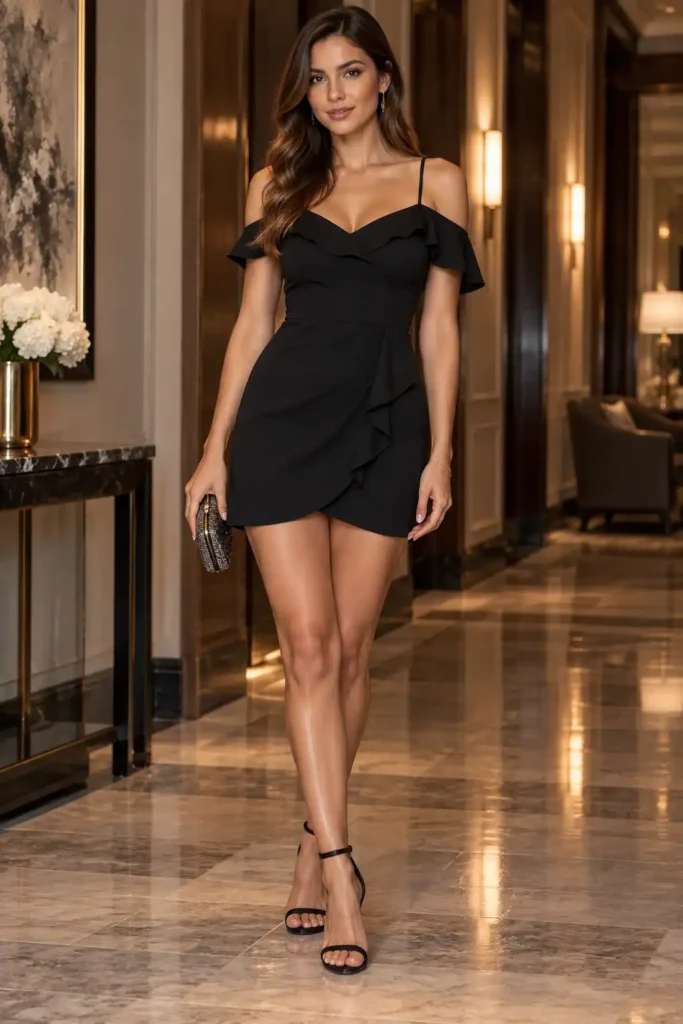
Cold-Shoulder Mini Dress
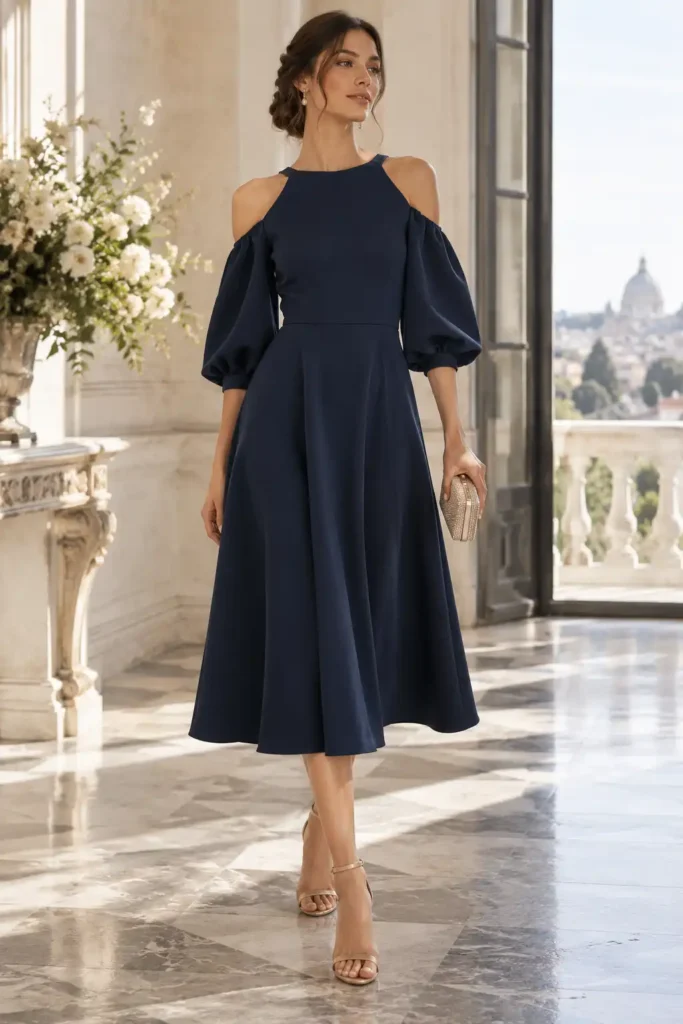
Cold-Shoulder Midi Dress
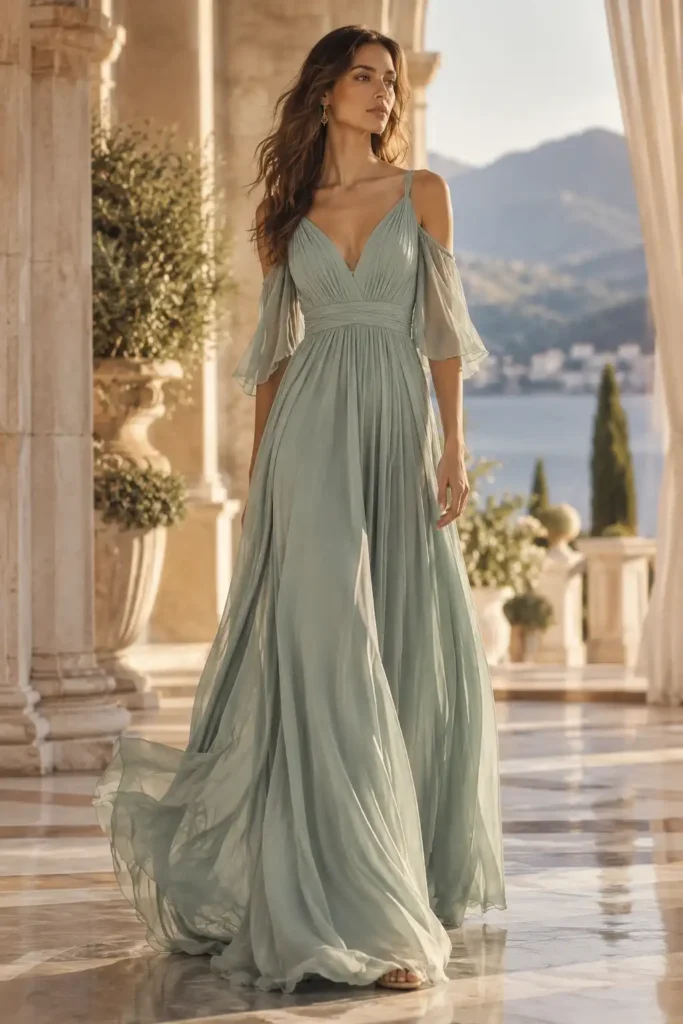
Cold-Shoulder Maxi Dress
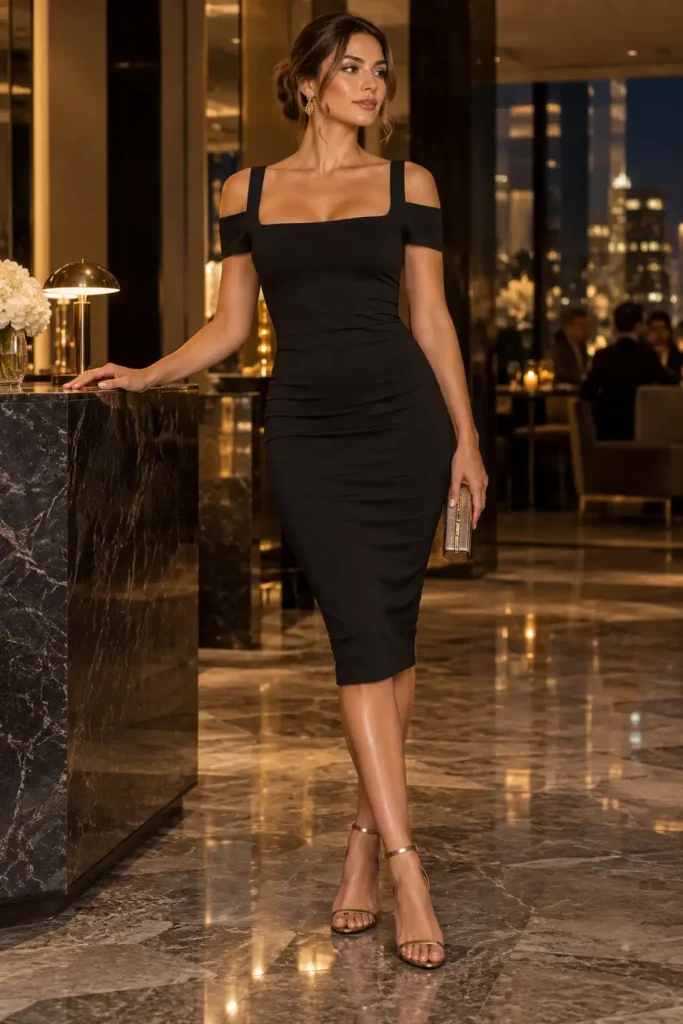
Cold-Shoulder Bodycon
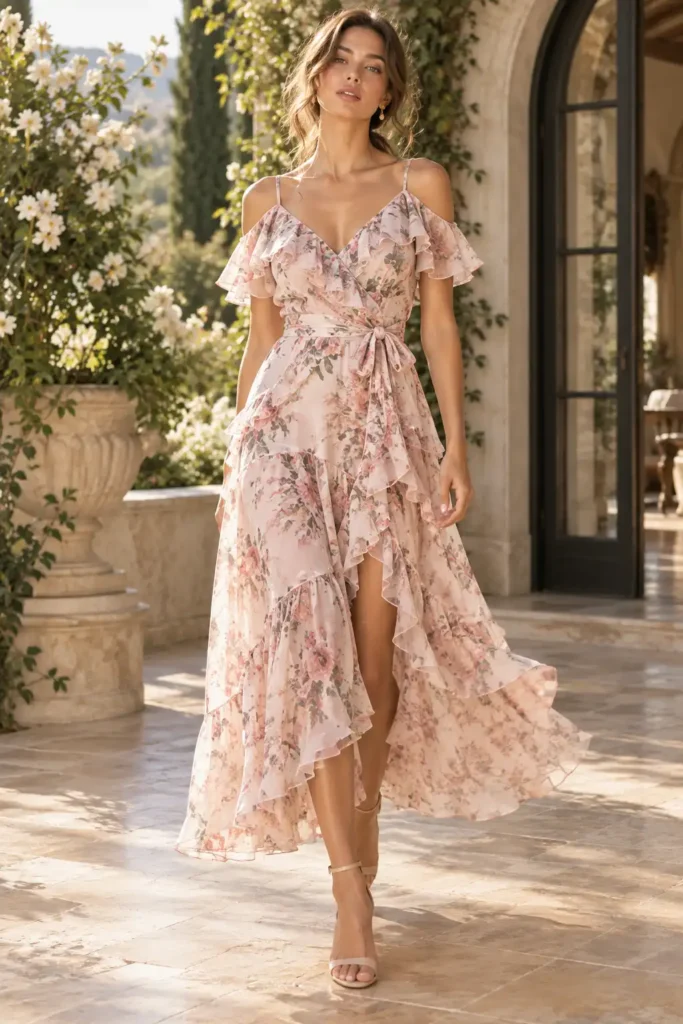
Ruffle Cold-Shoulder
Ruffles can frame the exposed shoulder and create a strong fashion statement, but extra fabric adds weight and changes edge behavior.
Ruffle width, gathering ratio, seam position and fabric thickness should be controlled carefully. Uneven gathering can create left-right visual imbalance, while excessive weight can pull the neckline or shoulder bridge away from the intended position.
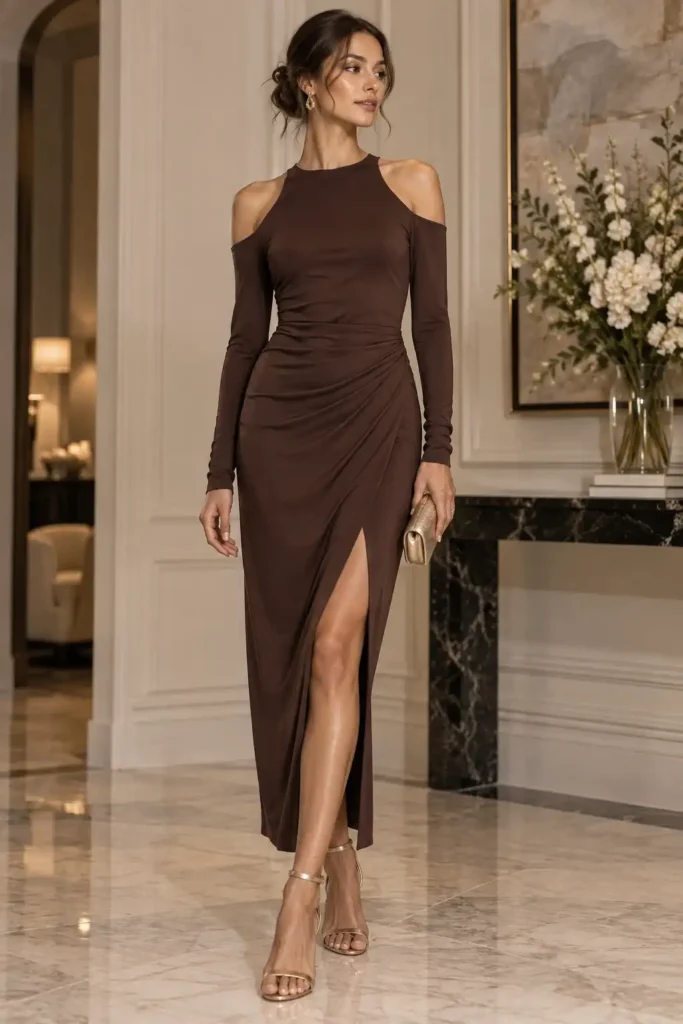
Long-Sleeve Cold-Shoulder

Satin Cold-Shoulder
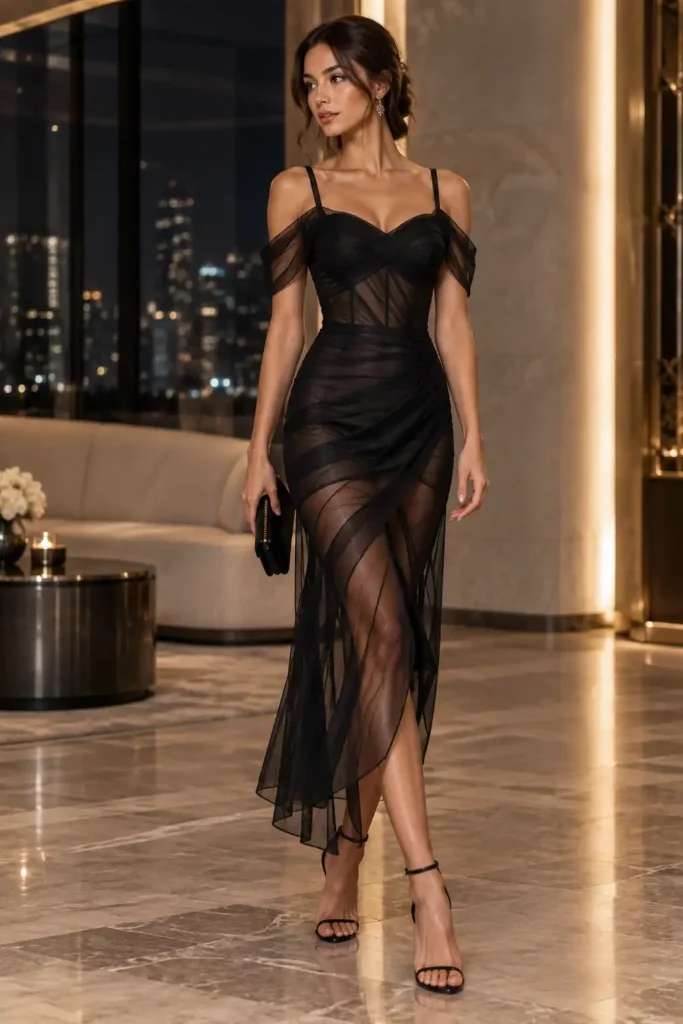
Mesh Cold-Shoulder
Cold-Shoulder Structure Is a Connected System
A shoulder opening changes more than one pattern piece. Neckline, shoulder bridge, cut-out geometry, sleeve head, armhole, bust coverage, side seam and lining all interact. Good development depends on understanding those relationships before sample sewing starts.
Opening Position Controls the Visual Balance
The cold-shoulder opening should be treated as a structural measurement zone rather than a decorative shape. Width, depth and front-to-back position determine how much shoulder is exposed and where the eye focuses. Moving the opening forward can increase chest exposure; moving it backward can shorten the visible shoulder and pull the sleeve visually toward the back.
Pattern review begins by comparing the intended design with shoulder point, neckline, armhole and upper-bust position. A reference photo may show the desired look without giving enough construction information, so additional decisions may be needed around opening depth, edge shape and sleeve connection.
For cut-out garments, Jinfeng’s confirmed development focus includes opening position, edge stability, body coverage, stretch behavior and size-grading consistency.
Sleeve and Armhole Must Move Together
A cold-shoulder sleeve cannot be developed independently from the bodice.Sleeve cap height, armhole shape, upper-arm circumference, sleeve weight and fabric stretch determine how the garment reacts when the wearer raises or rotates the arm.
A sleeve with insufficient mobility can pull upward through the armhole and change the cut-out shape. Excessive sleeve-head ease can create unwanted fullness.Heavy ruffles or long sleeves can pull downward. Stretch fabrics may temporarily accommodate a weak pattern, but repeated wear can enlarge the edge if recovery is poor.
Fit evaluation should therefore include neutral standing, arm movement and side views. The aim is not to eliminate all movement; the goal is to prevent normal movement from creating unacceptable exposure, twisting or permanent distortion.
Bust, Neckline and Side Seam Protect Stability
The exposed shoulder receives attention, but bodice stability often decides whether the style feels secure. Bust ease, neckline shape and side-seam balance determine how well the garment stays positioned during wear.
A neckline that pulls outward can enlarge the cut-out, while an unstable bust can create gaping near the armhole.
Jinfeng’s pattern-development system controls bust, upper bust, waist, front length, back length, shoulder width, armhole and neckline depth through dedicated womenswear pattern and sample teams.
For fitted styles, stretch and body tension must also be considered. For woven styles, shaping and seam placement carry more responsibility because the fabric cannot recover in the same way as knit material.
Fabric Choices Change the Shoulder Engineering
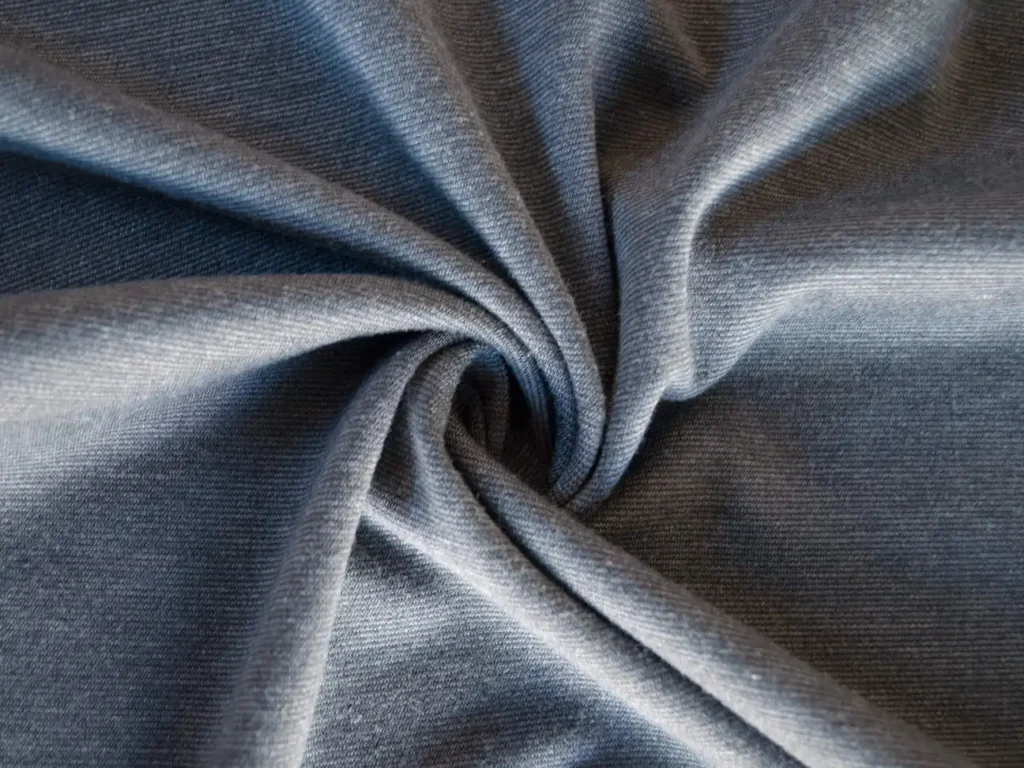
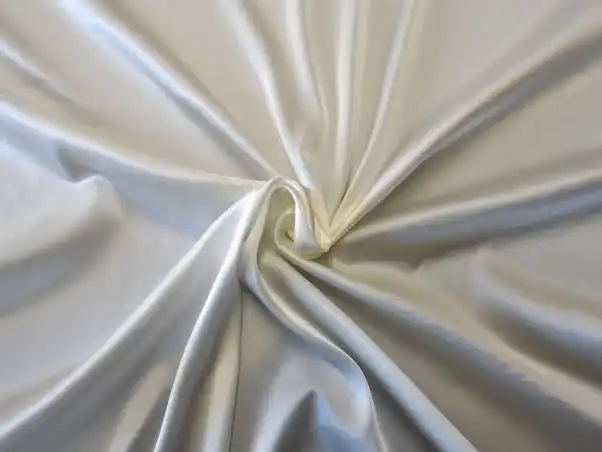
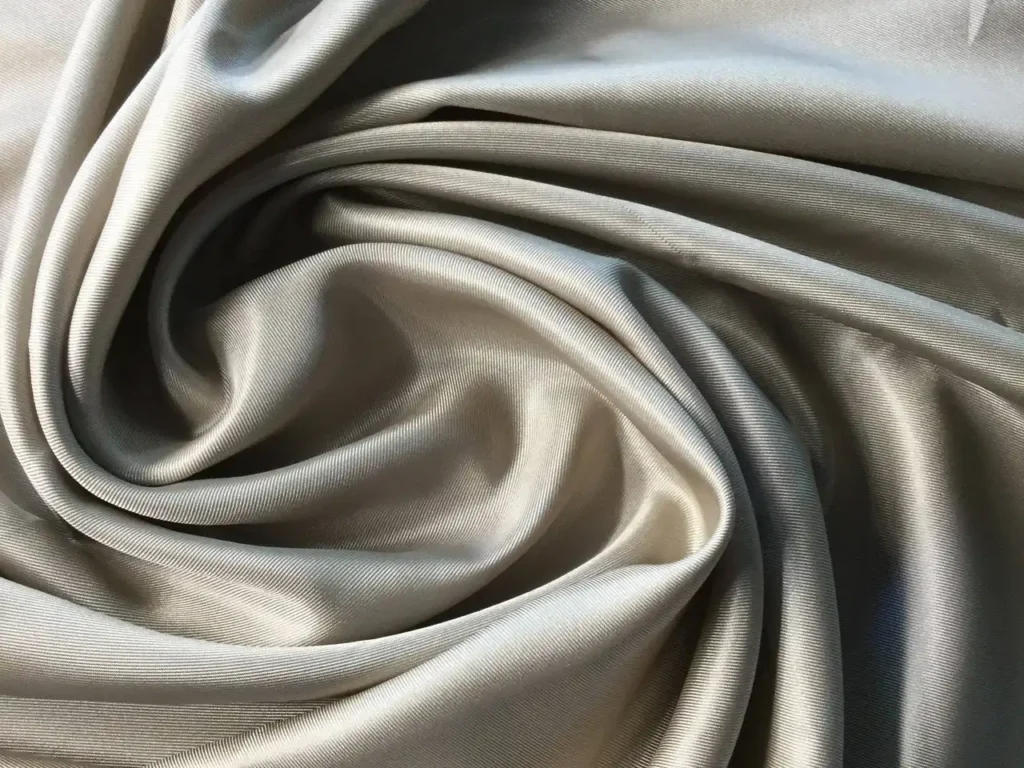
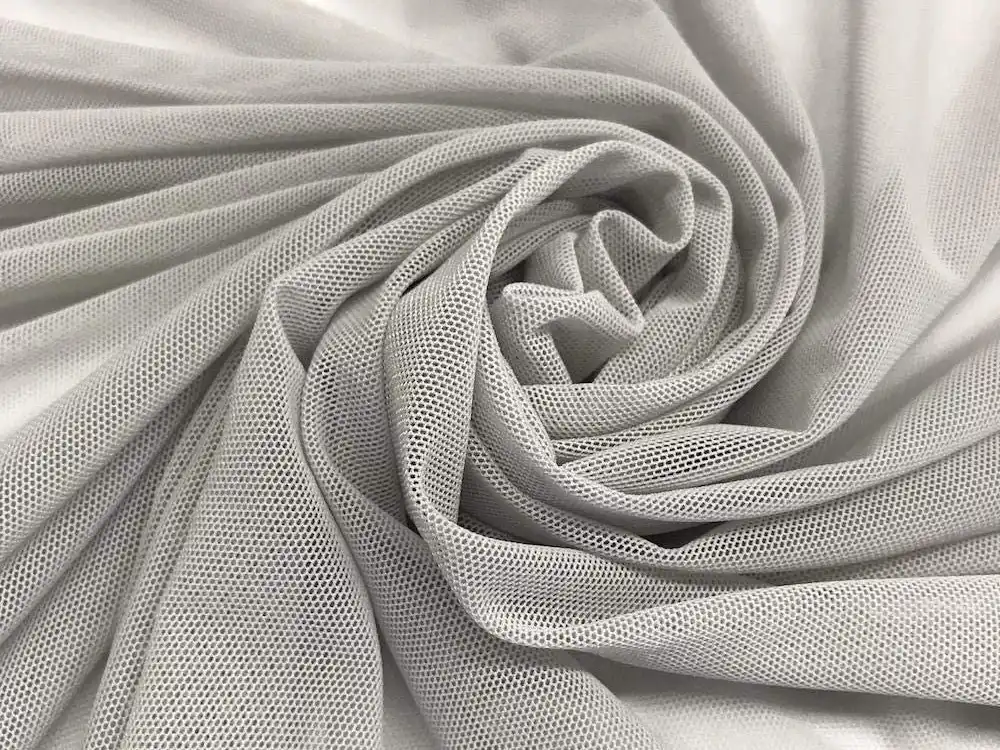
Fabric selection changes how a cold-shoulder opening holds shape, how a sleeve hangs and how the garment behaves after movement. Material decisions therefore belong inside pattern development rather than after pattern completion. Jinfeng’s fabric system covers satin, stretch satin, mesh, power mesh, jersey, ponte, crepe and other premium womenswear materials.
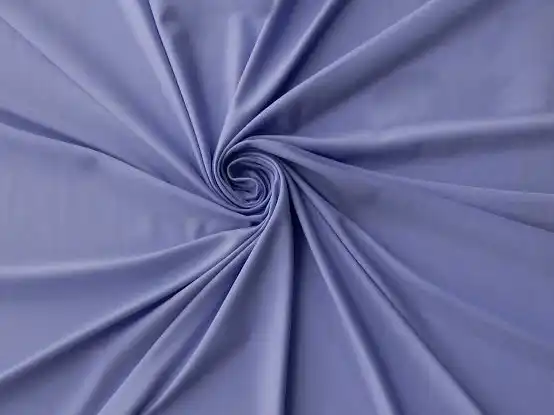
Stretch Jersey
Ponte
Stretch Satin
Woven Satin
Mesh and Power Mesh
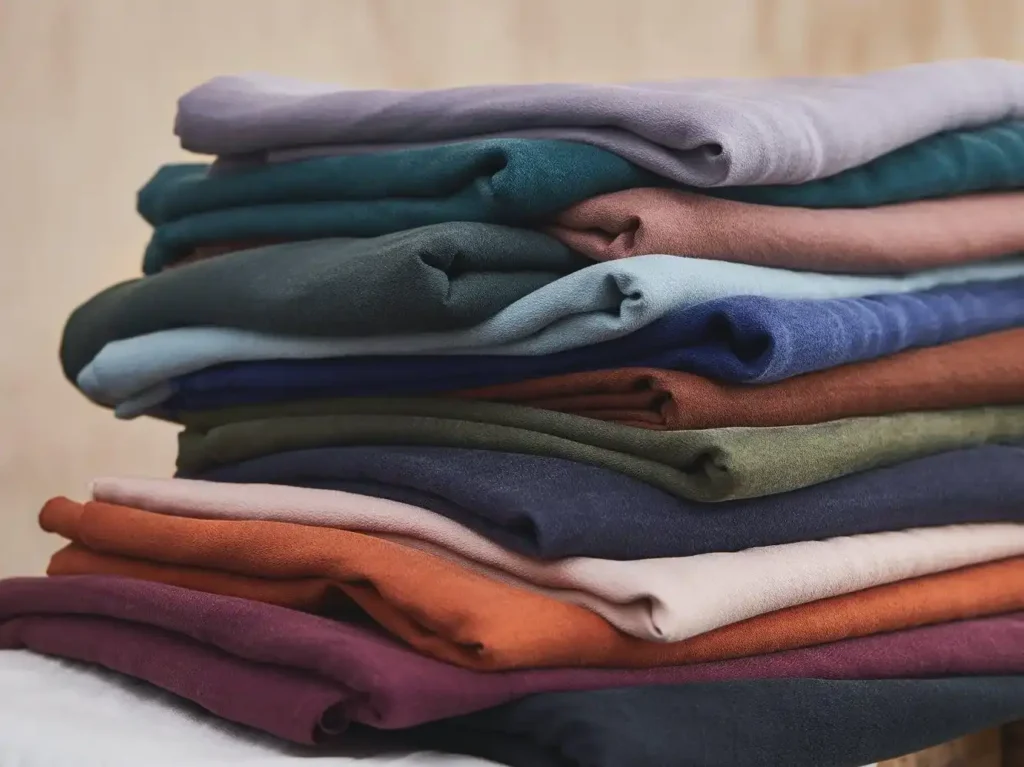
Crepe and Woven Blends
Pattern Engineering for Stable Shoulder Openings
Cold-shoulder development succeeds or fails at pattern level. The goal is not simply to reproduce a visible opening from a sketch. The pattern must keep the opening in the intended position, protect coverage, allow arm movement and survive grading into multiple sizes without losing the design proportion.
Start With Body Landmarks, Not Cut-Out Shape
The shoulder opening is positioned against real body landmarks: shoulder point, upper bust, armhole, neckline and upper arm. A visually attractive shape drawn on a flat technical sketch may need adjustment once mapped onto a three-dimensional body.
Pattern work evaluates how much of the shoulder should remain connected to the neckline and how much should connect to the sleeve. A very narrow bridge can create a delicate appearance but may twist or stretch. A large opening can look dramatic but may create excessive underarm exposure once the wearer moves.
For fitted designs, bust and upper-bust measurements influence tension around the opening. For looser silhouettes, garment movement can shift the opening even when the static sample measures correctly.
Jinfeng develops womenswear patterns around key measurements including bust, upper bust, waist, hip, front length, back length, shoulder width, armhole and neckline depth. The existing cut-out pattern framework specifically treats exposure proportion, opening position and edge stability as production concerns.
Balance Shoulder Bridge, Sleeve and Armhole
Three areas need to be solved together: shoulder bridge, sleeve head and armhole. Increasing the cut-out may reduce the material available to stabilize the sleeve.
Increasing the sleeve cap may introduce pull. Lowering the armhole can improve movement but may increase exposure.
Fabric becomes part of the equation. A lightweight stretch knit may tolerate a narrower bridge, while a rigid or heavy material may require a different pattern solution. Ruffle sleeves add concentrated weight around the edge. Long sleeves introduce additional drag during movement. Double-layer or lined constructions also behave differently from single-layer styles.
Sample comments should therefore identify the cause of the problem rather than merely describing the symptom.
“Opening too wide” may come from pattern placement, fabric stretch, sewing growth or sleeve pull. Each cause needs a different correction.
Build Production Logic Into the Pattern
A pattern that works only when handled by one sample machinist is not yet ready for bulk. Seam allowances, notch positions, cut-out edge construction, lining attachment and sleeve matching points must be clear enough for repeated sewing across production.
Production patterns also need controlled revisions. When fit, fabric or construction changes, the updated version should be reflected in the size chart, BOM, sewing instruction and QC checklist. Jinfeng retains revised pattern records, size grading, trim placement and cut-out position for approved projects, which supports consistent repeat production and future extensions.
Size Grading Without Losing Shoulder Proportion
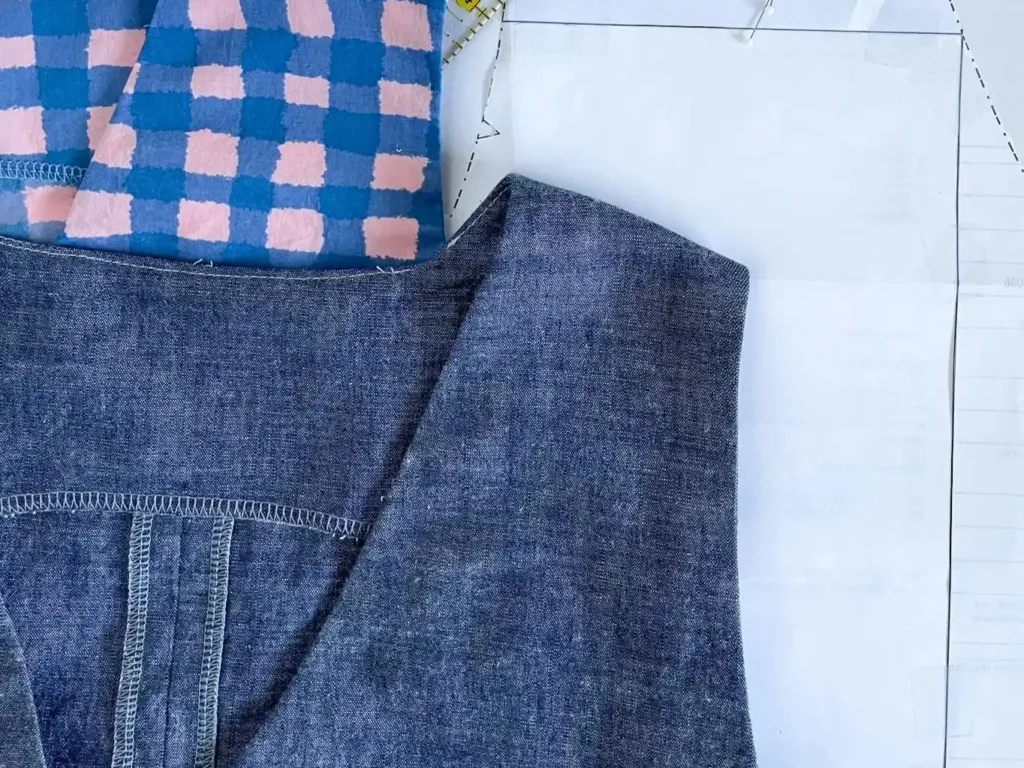
Bulk size ranges should preserve the design language seen in the approved base size. The cut-out cannot simply expand at the same rate as bust width or armhole circumference. Each surrounding measurement influences the apparent opening and wearing coverage.
| Grading Area | What Changes Across Sizes | Cold-Shoulder Risk | Development Focus |
|---|---|---|---|
| Shoulder Width | Body frame increases | Opening shifts outward | Recheck opening center and bridge |
| Shoulder Opening | Design proportion may change | Excessive exposure in larger sizes | Grade with visual proportion |
| Armhole | Depth and circumference increase | Side exposure becomes larger | Coordinate with opening depth |
| Bust | Width and shaping increase | Gaping or pull near opening | Protect upper-bust balance |
| Sleeve Head | Width and cap shape change | Sleeve pulls opening | Rebalance sleeve and armhole |
| Upper Arm | Circumference increases | Movement restriction | Maintain wearing ease |
| Neckline | Width/depth may grade | Shoulder bridge becomes unstable | Review neckline-to-opening distance |
| Body Length | Torso length increases | Opening sits too high or low | Maintain vertical placement |
| Lining | Shell dimensions change | Lining shows inside opening | Grade shell and lining together |
Workmanship Details Around Every Exposed Edge
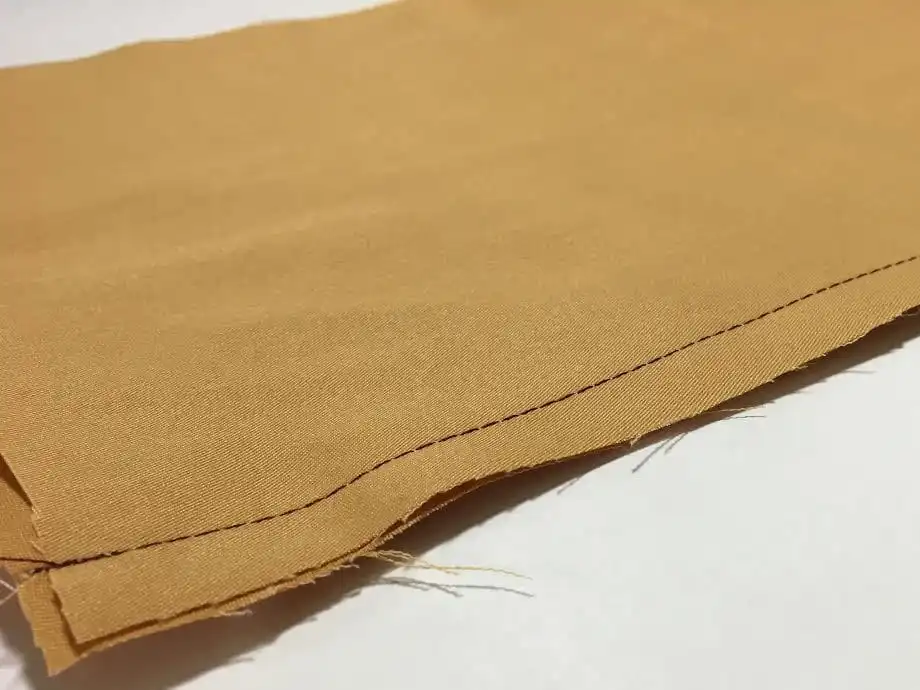
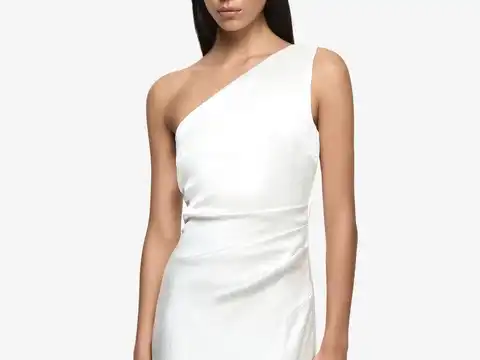
Cold-shoulder workmanship is highly visible because construction sits directly beside exposed skin. Uneven curves, heavy binding, twisted sleeves or exposed lining can immediately reduce the perceived quality of the garment. Sewing details should support the design without visually dominating it.
Clean Edge Finish
Stable Shoulder Bridge
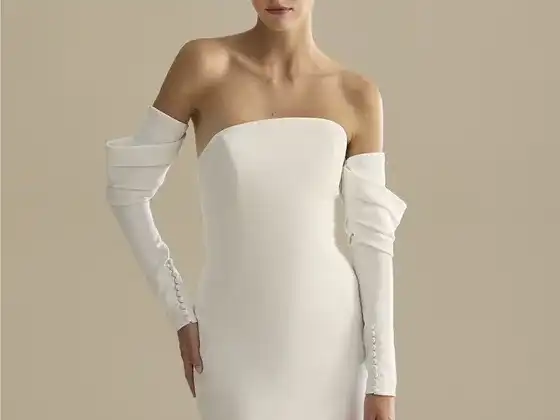
Sleeve Attachment
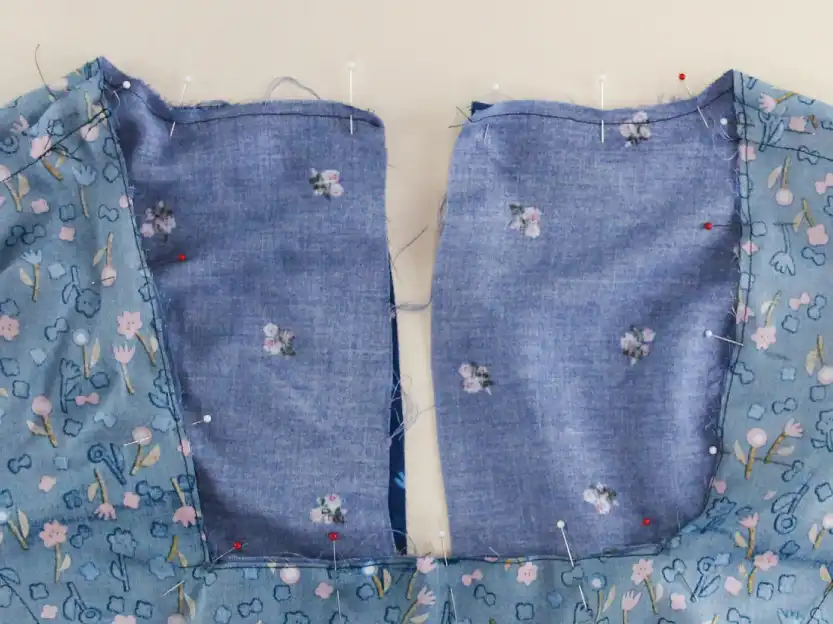
Lining Attachment
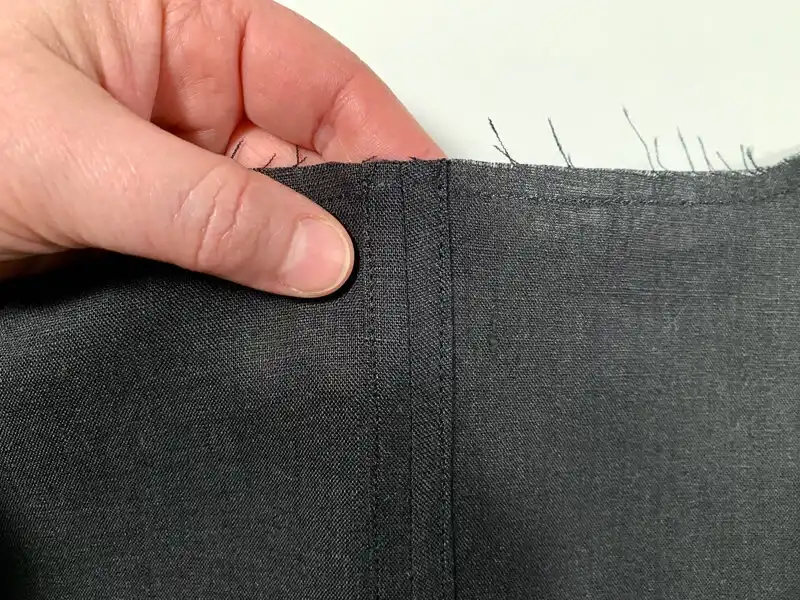
Seam and Stitch Control
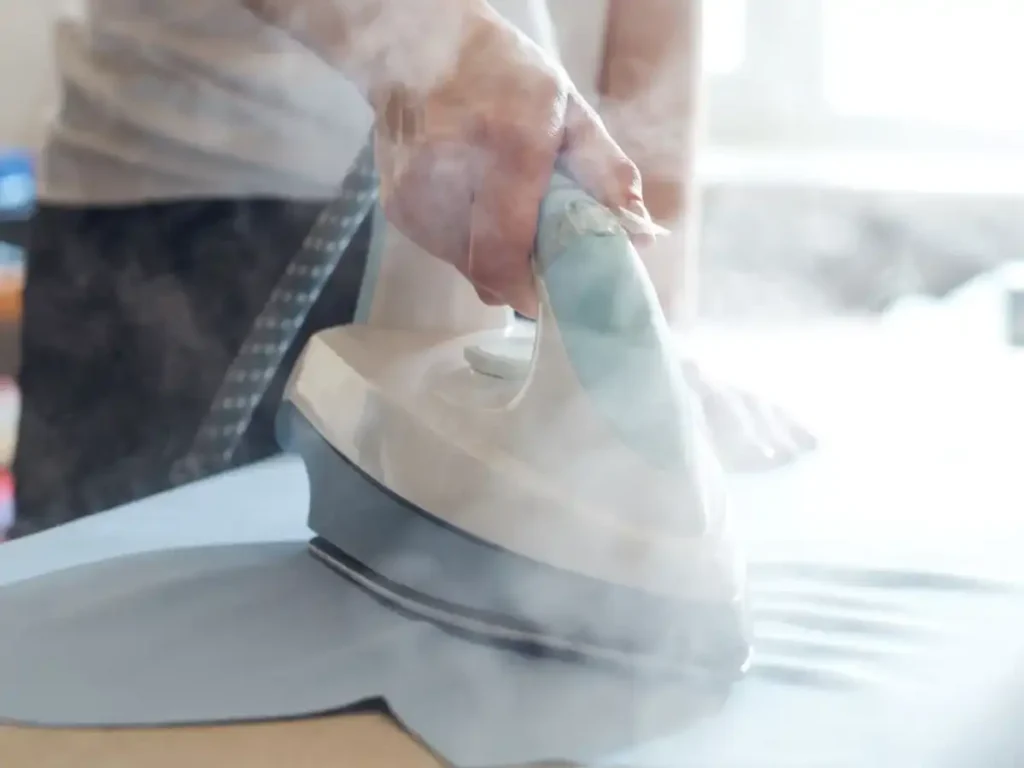
Pressing and Recovery
From Tech Pack to First Sample
Development begins by turning visual intent into measurable construction information. Reference photos can show proportion and styling, while a complete tech pack provides clearer control over measurements, materials, grading and details. Both routes still require structure review before sample sewing begins.
Design Input Review
Fabric Direction
Pattern Development
First Sample
Fit Review
Revision Decision
Cold-Shoulder Sample Review on the Body
Cold-shoulder samples need more than flat measurement approval. The exposed opening must sit correctly when standing, moving and viewing the garment from different angles. Sample review should identify whether a problem comes from pattern balance, fabric behavior or construction execution before modifications are released.
Front and Back Balance
From the front, the opening should appear intentionally positioned relative to the neckline and bust rather than drifting toward the chest or arm. Both sides should follow the approved design where symmetry is intended. Neckline edges should sit cleanly and the upper bodice should remain stable.
The back view reveals twisting that may not be obvious from the front. Shoulder bridges can rotate backward if sleeve tension or pattern balance is incorrect. Back neckline, shoulder seam and sleeve attachment are reviewed together so the garment does not compensate for a weak front pattern by twisting around the body.
For asymmetric cold-shoulder concepts, comparison focuses on intended design proportion rather than forced symmetry.
Side View and Coverage
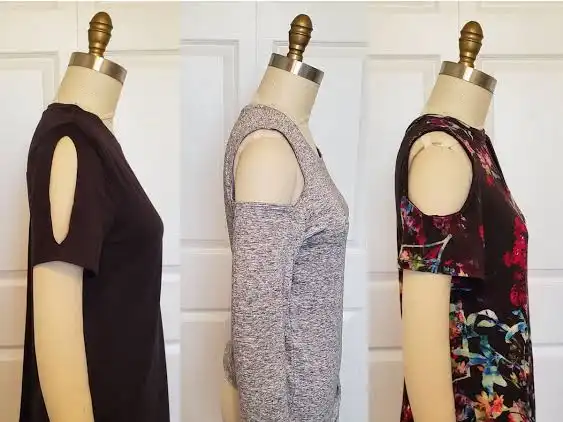
The side view is one of the most useful checks for underarm exposure. A sample can appear secure from the front yet expose too much when viewed laterally. Armhole depth, bust coverage, opening depth and sleeve position should form a controlled transition.
Side seams also reveal directional pull. If a sleeve or opening drags the bodice forward or backward, the seam may no longer fall vertically. Lining can create a similar problem when cut too short or attached under excessive tension.
Jinfeng’s fit-review process uses mannequin or fit photos, front, back and side views, target body proportion and movement considerations when reviewing garments for pattern correction.
Movement and Recovery
Movement testing helps distinguish a stable design from a garment that only photographs well in a static pose. Raising the arm may temporarily change the sleeve and opening position, but the garment should return reasonably close to the intended resting shape afterward.
Stretch materials need recovery assessment around cut-out edges. Long or heavy sleeves need pull assessment. Mini or bodycon styles also need enough mobility through bust, waist and hip so normal movement does not force the entire dress upward and disturb the shoulder position.
Fit comments should identify the movement causing the issue and the exact visual result, giving the pattern and sample teams usable information for revision.
Sample Revisions Become Controlled Production Instructions
Diagnose the Cause
Update the Pattern
Update Materials and Construction
Update QC Standards
PP Sample Approval Locks the Bulk Standard
Product Standard
Material Standard
Production Files
Sample-to-Bulk Transfer Keeps Details Aligned
Final Pattern
Size Chart
Material Records
BOM and Trims
Sewing Instruction
QC Checklist
Cold-Shoulder Dress QC Checklist
QC criteria should reflect the product structure rather than rely on a generic dress checklist. The following areas provide a working framework for cold-shoulder styles; final measurements, tolerances and inspection levels are confirmed according to the approved tech pack and project requirements.
| QC Area | What Is Checked | Common Production Risk |
|---|---|---|
| Shoulder Opening | Position, shape, left/right appearance | Opening shifts or becomes uneven |
| Shoulder Bridge | Width, twisting, stretch | Bridge stretches or rotates |
| Armhole | Shape, depth, side coverage | Excessive underarm exposure |
| Sleeve Position | Attachment and visual balance | Sleeve pulls opening downward |
| Sleeve Mobility | Movement and recovery | Restriction or distortion |
| Neckline | Flatness and position | Gaping, rolling or twisting |
| Bust Area | Coverage and fit | Pulling or loose upper bust |
| Side Seam | Alignment and direction | Seam moves forward/back |
| Cut-Out Edge | Smoothness and recovery | Waviness, puckering or growth |
| Lining | Position and attachment | Lining visible through opening |
| Size Grading | Proportion across size range | Opening becomes too large |
| Pressing | Shape and surface condition | Shine, crease or distortion |
| Labels/Packing | Correct SKU and presentation | Barcode or packing mismatch |
Multi-Style Programs Need More Than Sewing Capacity
A 10–30 style dress program creates coordination work across fabrics, patterns, sample versions, colors, size ratios, labels, packaging and production schedules. Capacity only becomes useful when the supporting development and project-management structure can keep those elements aligned.
6 Owned Factories
10+ Production Partners
18+ Sewing Lines
6+ Flexible Lines
12+ Merchandisers
15+ QC Inspectors
Dedicated QC personnel support inspection throughout material, cutting, sewing and finished-garment stages rather than relying only on final shipment checks.
MOQ, Cost and Timing Depend on the Actual Design
MOQ by Style and Color
Cost Comes From Construction
Sample Timing Is Project-Based
Bulk Timing Is Confirmed After Approval
Bulk scheduling depends on PP approval, fabric and trim availability, color development, order size, style count, construction difficulty, packing requirements and factory allocation. Delivery planning should therefore be confirmed against the complete program. Express, air, sea or split-shipment options can then be evaluated according to destination and launch requirements.
18-Style US Dress Program at 28,000 Pieces
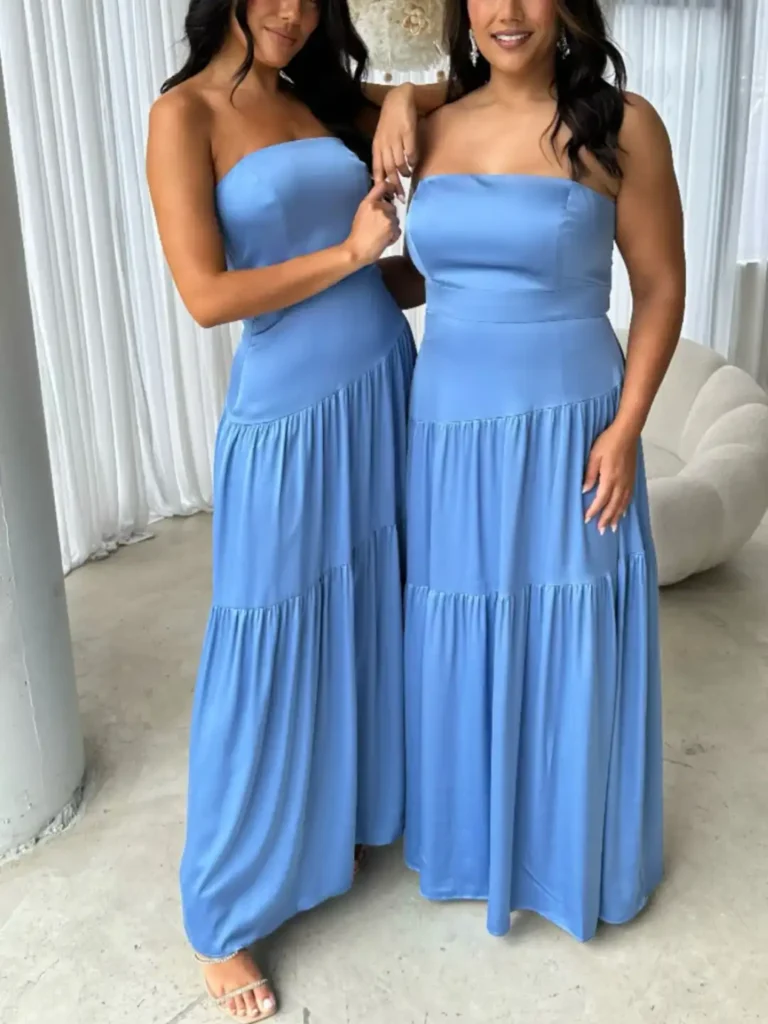
Multi-style manufacturing experience is more relevant to a cold-shoulder collection than a gallery of isolated samples. One anonymous US private-label project involved 18 womenswear styles and approximately 28,000 garments across satin, mesh, jersey, lace and crepe dresses.
18 Styles With Different Material Behavior
The program combined five major fabric directions rather than using one standardized material across every SKU. Satin required surface and color attention, mesh required transparency and stretch management, jersey behaved differently during fit and sewing, while lace and crepe introduced separate construction considerations.
Managing a program at this scale required style-by-style fabric and trim tracking instead of treating the order as one homogeneous production lot.
The same principle matters for cold-shoulder programs. A jersey bodycon style and a woven satin occasion dress may share a shoulder concept, but their pattern ease, edge construction, sleeve behavior and pressing requirements differ substantially.
Sample and SKU Control
Each style carried its own development and production information. Sample versions, materials, hangtags, barcodes, polybags and carton-mark requirements had to remain linked to the correct SKU.
The project used a coordinated timeline for fabrics, trims, samples, private-label details, inspection and shipment. Structured tracking reduced the risk of one style receiving another style’s material, label, barcode or packing information.
For a cold-shoulder collection with multiple sleeve and fabric combinations, the same discipline becomes essential because visually related styles can still require different sewing and QC instructions.
Inspection and Phased Shipment
The US program included client inspection support and phased shipment. Packing standards covered hangtags, barcodes, polybags and carton marks so product identity remained controlled after manufacturing.
A phased delivery plan can be useful when several fashion styles have different production readiness or launch priorities, although final arrangements depend on fabric availability, inspection requirements and logistics.
Jinfeng protects client identity and does not disclose real brand names, tech packs, unpublished designs, labels, prices or confidential order information without authorization. Anonymous cases are used to demonstrate manufacturing experience while preserving commercial confidentiality.
Private Label, NDA, Logistics and Repeat-Order Support
Private Label Support
NDA and Design Protection
Logistics Coordination
Repeat-Order Records
Cold-Shoulder Dress Frequently Asked Questions
Jersey, ponte, stretch satin, woven satin, mesh, power mesh, crepe and other dress fabrics can all work, depending on silhouette and wearing occasion. Stretch, recovery, drape, weight, transparency and edge behavior affect the shoulder opening differently. Fabric should be assessed together with pattern and construction rather than selected from appearance alone.
Yes. Jinfeng can review tech packs, size charts, reference images, original samples, sketches and line sheets as development inputs. More complete information usually allows faster and more accurate pattern decisions. Missing construction or measurement details are identified during project review before sample development begins.
Armhole depth, shoulder opening depth, bust coverage, sleeve position and fabric behavior are reviewed together. Fit is checked from front, side and back views, with movement considered where relevant. If side exposure is excessive, correction may involve pattern placement, armhole shape, opening proportion or sleeve balance.
The opening is not treated as an isolated measurement. Shoulder width, armhole, bust, neckline, sleeve and body length all change across sizes. Grading therefore needs to preserve the visual proportion and wearing coverage of the approved base size rather than mechanically enlarging the opening at the same rate as surrounding dimensions.
Yes. Long sleeves, fitted sleeves, flared sleeves and ruffle sleeves are possible when sleeve weight, armhole shape, movement and shoulder tension are balanced during pattern and sample development. Heavier or fuller sleeves may require different construction from short, lightweight sleeves.
Jinfeng’s standard MOQ starts from 200 pcs per style/color. Fabric availability, custom colors, special trims, construction, packaging and production schedule can affect the final arrangement. Custom-dyed, printed, lace, sequin, certified or specially developed materials may carry higher supplier MOQ.
A fixed universal number is not used because sample schedules depend on design completeness, fabric availability, custom colors, trims, pattern complexity and required revision rounds. The development plan is confirmed after reviewing the style. First, fit, revised, photo-ready, salesman, PP and Golden samples serve different functions.
No. A first sample is a development stage. Fit, fabric, construction or detail changes may still be required. Bulk production normally proceeds after the appropriate PP approval and production information has been confirmed. A Golden sample may also be retained as a production, QC or repeat-order reference according to the project.
Control begins before sewing with approved patterns, size charts, fabrics, trims, sewing instructions and QC checklists. Production then includes material inspection, cutting checks, sewing QC, inline inspection, finished-garment inspection, pressing review, packing QC and pre-shipment inspection arrangements according to project requirements.
Yes, provided each style/color meets the agreed MOQ and the program is reviewed for fabric, trim, sample, production and scheduling requirements. Multi-style collections can include different silhouettes, sleeves and materials, but each design still needs its own approved pattern, sample standard and QC points.

Start Your Cold-Shoulder Dress Production Project
A cold-shoulder dress should enter bulk only after the shoulder opening, armhole, sleeve, bust, fabric and grading logic have been proven through development.
Send Jinfeng Apparel your technical information or collection direction for an initial manufacturing review. The team can evaluate structure, fabric requirements, pattern work, sample path, order quantities, private-label needs and production planning before confirming quotation and schedule.
For a more accurate review, prepare as much of the following information as available:
- Tech pack, technical drawing or clear reference images
- Original sample, when available
- Number of styles in the collection
- Preferred fabric or target hand feel
- Color plan and Pantone references
- Intended size range and size chart
- Quantity per style and color
- Sleeve and shoulder-opening details
- Private-label and packaging requirements
- Target launch or required delivery window
- Inspection or compliance requirements
- Shipping destination or nominated forwarder information