 Skip to content
What Is the Best Mesh for Club Dresses? A Practical Guide to Stretch, Sheerness, Fit, and Production

Your trusted Women’s Apparel Manufacturer from China
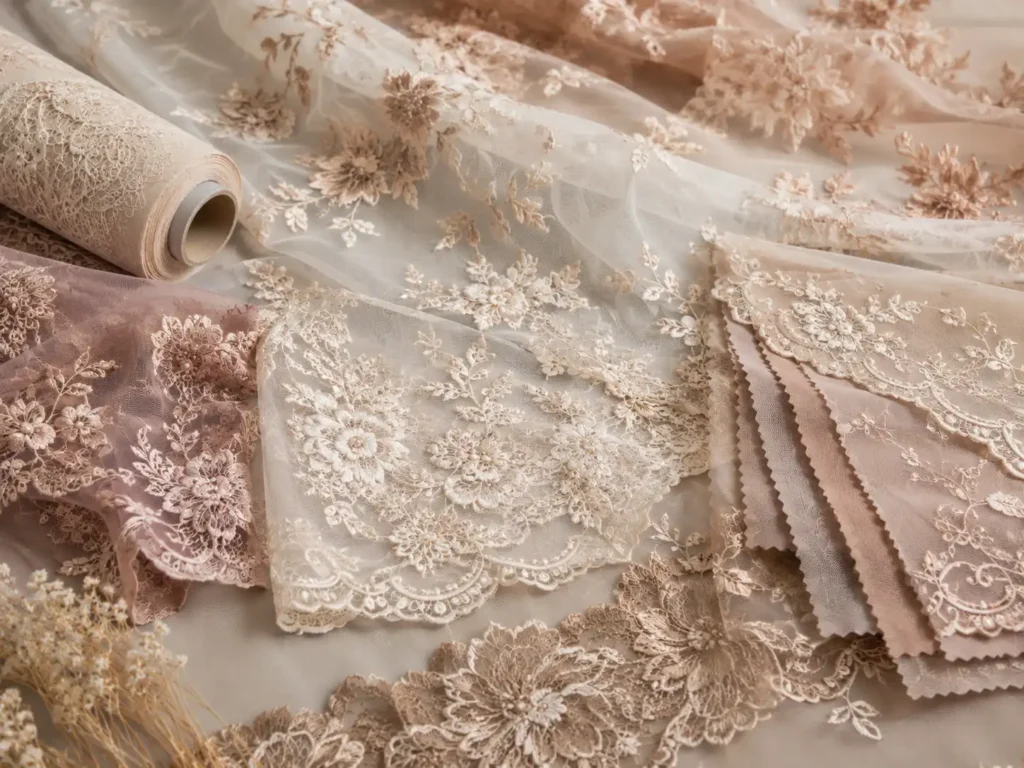
Mesh can look almost interchangeable when it is folded on a cutting table, but the differences become obvious as soon as the fabric is stretched over a fitted club dress. One mesh stays smooth around the waist and neckline; another opens dramatically over the hips. A soft mesh may create beautiful ruching but lose shape after a long night of wear, while a firmer power mesh can hold the body cleanly yet feel too restrictive across the ribcage. For clubwear, choosing mesh is therefore less about finding one universally superior fabric and more about matching fabric behavior to the garment’s structure, intended skin exposure, movement, lining, and production method.
For most fitted club dresses, stretch mesh is the most versatile starting point because it balances flexibility, close fit, and controlled sheerness. Power mesh is usually better where stronger recovery or localized support is needed, while fine or soft mesh works well for sleeves, overlays, and illusion areas. The best choice depends on stretch direction, recovery, transparency under tension, lining, edge stability, and the exact dress silhouette.
The catch is that these differences often reveal themselves after the first sample is worn, not when the fabric is first approved. A neckline may wave, a cut-out may grow larger than the sketch, or a lining that looked correct on a hanger may suddenly sit too low once the outer mesh stretches on the body. Those are not minor details. They affect comfort, photography, fit consistency, return risk, and whether the same design can be reproduced reliably in bulk. The sections below look at mesh the way an experienced product-development team does: not just as a fabric category, but as a working part of the dress.
What Mesh Is Best for Club Dresses?
For most fitted club dresses, stretch mesh is the safest all-round option because it moves with the body while preserving a clean sheer effect. Power mesh is better when stronger recovery, shape control, or support is needed, while fine mesh works better in sleeves and illusion panels. The best mesh is the one that performs correctly in the specific dress, not simply the one that feels best as a swatch.
Stretch Mesh for Versatility
Stretch mesh is the most practical starting point for many clubwear styles because it can follow the bust, waist, hip, and sleeve without forcing the pattern to behave like a rigid woven garment. It is especially useful for bodycon minis, fitted long sleeves, ruched overlays, low-waist silhouettes, and sheer panels that must move as the wearer sits, walks, and dances. The important issue is not simply whether a fabric stretches, but how it stretches and how quickly it returns afterward. Two fabrics can both be sold as stretch mesh while one has soft, easy extension and the other feels noticeably firmer. A simple development check uses two marks placed 10 cm apart, then stretches the section to a chosen working length such as 12 or 13 cm, releases it, and measures again after a consistent recovery period. Repeating that cycle several times gives a more useful picture than pulling the fabric once by hand. Transparency should be reviewed at the same time because the holes normally open as the mesh extends over the body.
Power Mesh for Control
Power mesh becomes valuable when the garment needs more resistance, shape retention, or localized support than a soft stretch mesh can provide. It can work well through a waist panel, under a corset-inspired section, beside a bust cup, or around some cut-out shapes where a very soft mesh might stretch away from the intended line. The mistake is assuming that a firmer mesh is automatically a higher-quality choice. A close-fitting mini dress must still allow the wearer to sit comfortably, take a full step, raise the arms, and move for several hours. If the fabric is doing too much of the compression work, the dress can look excellent during a static fitting yet feel restrictive in real use. A more experienced approach is to divide the garment into functional zones. The main body may use stretch mesh, a smaller waist or side section may use power mesh, and a sheer sleeve may use a finer mesh. Different zones can solve different problems without forcing one fabric to do everything.
Fine Mesh for Sheer Areas
Fine or soft mesh is often the better choice when the design priority is a refined sheer effect rather than firm body control. Upper-chest panels, shoulders, sleeves, neckline inserts, and illusion sections usually look cleaner when the yarns and openings are small enough not to dominate the skin underneath. Hand feel matters more in these locations than many teams expect. A fabric that seems acceptable when rubbed between two fingers can become irritating around the underarm, neck, wrist, or inner arm after repeated movement during an evening out. Fine mesh also needs enough stability to survive production. Very delicate structures can distort during binding, curl at unfinished edges, snag on jewelry, or develop tiny holes around needle penetrations if machine settings are poorly matched. The best evaluation is therefore both visual and practical: inspect the fabric under normal room light, brighter frontal light, backlighting, and camera flash, then handle the edges and seam areas to see whether the material remains stable enough to sew and wear.
Match Mesh to Function
The most reliable selection method is to start with what each part of the dress must do rather than with a fabric name. A fitted hip section needs controlled stretch and recovery. A ruched overlay needs softness and gatherability. A corset side panel needs greater stability. An illusion neckline needs visual delicacy, edge control, and comfortable skin contact. A printed body panel needs both stretch and repeatable motif placement. This is why a single answer such as “power mesh is best” or “4-way stretch is best” can be misleading. The same fabric may perform extremely well in one area and poorly in another. When a collection contains several silhouettes, it is sensible to compare a small family of approved meshes instead of forcing every style into one specification. For brands developing custom clubwear, early fabric comparison during sampling can save far more time than correcting neckline distortion, transparency, or cut-out proportion after bulk fabric has already been purchased.
Which Mesh Types Should You Compare?
A practical club-dress development process should compare at least stretch mesh, power mesh, and a softer or finer mesh before final approval. Printed, glitter, embroidered, and double-layer options can then be introduced when the design needs stronger visual impact or additional coverage. Compare them by stretch direction, recovery, hand feel, transparency under tension, surface treatment, and sewing behavior rather than by fabric name alone.

Stretch Mesh
Stretch mesh should be the baseline comparison because it is widely used where the fabric must follow the body rather than hang independently from it. During development, the team should record more than a general impression of “stretchy” or “not stretchy.” Crosswise extension, lengthwise extension, recovery, hole opening, and surface distortion all matter. The 10 cm reference method is useful because it gives the designer, pattern maker, and factory a common language. For example, one option may reach 13 cm easily but return to 10.4 cm after repeated cycles, while another may require more force to reach the same length but return closer to the original 10 cm. Neither result automatically decides the winner; the dress determines which behavior is preferable. A ruched overlay may benefit from easy extension, while a tight body panel may need stronger recovery. The fabric should also be tested in the intended color because dyeing and finishing can subtly change hand and elasticity. The goal is to approve the behavior that matches the garment, then use that approved reference during bulk sourcing.
Development Check | Starting Point | Example Test Condition | What to Record |
Crosswise stretch | 10.0 cm | Extend to 12.0 cm | Force, hole opening, transparency |
Higher extension | 10.0 cm | Extend to 13.0 cm | Surface distortion, comfort risk |
Lengthwise stretch | 10.0 cm | Extend to 11.0-12.0 cm | Vertical growth, recovery |
Repeated recovery | 10.0 cm | 5 repeated cycles | Final relaxed length |
Worn transparency | Finished sample | Fit on body/form | Bust, hip, seat coverage |
Power Mesh
Power mesh is worth comparing whenever the design contains zones that need firmer recovery, but it should be judged together with the pattern rather than as a fabric upgrade. If a power mesh requires substantially more force to reach the intended body measurement, a pattern developed in soft mesh can suddenly feel too tight when the fabric is changed. The reverse is also true: a pattern approved in firm power mesh may become loose and less controlled if bulk production later switches to a softer option. This interaction is especially important in bodycon and corset-influenced dresses where negative ease may already be significant. During sample review, pay attention to breathing comfort around the ribcage, movement through the hip and thigh, and whether the neckline or cut-outs remain flat after sitting and standing. Power mesh is most useful when it solves a specific structural problem, such as waist control or panel stability. Using it over a large body area simply because it feels substantial can create unnecessary compression and change the character of a dress that was meant to feel light and fluid.
Printed and Glitter Mesh
Printed and glitter mesh require a different kind of comparison because the surface design itself changes under stretch. A floral or graphic motif that looks correctly proportioned when the fabric is relaxed can widen or become visually sparse over the bust and hips. Placement is also important when a motif must sit at the center front, align across a seam, or remain symmetrical on a pair of sleeves. Those requirements can increase fabric consumption because the cutting marker can no longer be optimized purely for efficiency. Glitter and coated mesh introduce additional wear concerns. Surface particles or decorative finishes may feel rough against the underarm or neckline, and dense decoration can make seam allowances bulky. Before approving a visually strong mesh, stretch the fabric to the expected wearing extension and photograph it. Check whether the print still looks intentional, whether glitter distribution remains balanced, and whether seam areas can be stitched without creating thick ridges. In clubwear, surface impact matters, but repeatability matters just as much when a successful style moves into replenishment.
Double-Layer Mesh
Double-layer mesh is useful when the design needs more coverage, deeper color, or a little more body without losing the visible character of mesh. Two layers can create a rich semi-sheer effect that is difficult to achieve with a conventional opaque lining. The trade-off is that two layers do not behave exactly like one. The combined structure may feel firmer, and one layer can creep against the other if stretch direction or recovery differs. During sampling, both layers should be cut consistently and checked for equal dimensions before assembly. After sewing, look for rolling, twisting, mismatched tension, or an inner layer that becomes longer after the garment hangs. Double mesh is particularly attractive through the torso of a fitted dress, where full lining may look too solid, but it is not automatically superior to lining. The better choice depends on whether the design needs visual translucency, interior comfort, or complete coverage. In many commercial styles, a hybrid solution using double mesh in some zones and conventional lining in others produces the cleanest result.
How Does Mesh Affect Fit?
Mesh affects fit through extension, recovery, direction, weight, and the way its holes open under tension. Two visually similar meshes can produce different bust pressure, waist fit, hip transparency, neckline shape, and garment length from the same pattern. For fitted club dresses, the fabric and pattern should therefore be approved as a system, because changing mesh after fit approval can change the finished silhouette even when garment measurements remain unchanged.
Stretch and Negative Ease
Many fitted club dresses use negative ease, meaning the relaxed garment measurement is smaller than the corresponding body measurement and the fabric stretches to accommodate the difference. A simple calculation shows why fabric behavior matters. If a garment section measures 40 cm relaxed but must cover 44 cm on the body, the required extension at that location is 10 percent: (44 – 40) / 40 x 100. That number does not mean the fabric merely needs a nominal “10 percent stretch.” It also needs to reach the working extension without excessive force, unacceptable hole opening, seam distortion, or poor recovery. A very elastic mesh can feel comfortable but provide little shape control, while a firmer mesh can deliver a cleaner silhouette at the same extension. This is why a pattern from a jersey bodycon dress cannot automatically be transferred to a mesh dress, and even two stretch meshes may need different pattern dimensions. Fit decisions make more sense when the technical team knows both the garment measurement and the behavior of the approved material at that measurement.
Four-Way Stretch
Four-way stretch can improve comfort in close-fitting clubwear because the fabric moves both horizontally and vertically around the shoulders, elbows, bust, hips, and knees. The benefit is most noticeable in fitted long sleeves and dresses that need substantial movement, but vertical stretch can also create problems. A mesh with weak lengthwise recovery may allow a dress to settle lower under its own weight, especially when the style includes a longer skirt, dense ruching, heavier lining, or decorative trims. The neckline may become slightly deeper, and ruching can shift downward after several hours. Direction should therefore be marked clearly during sampling and bulk cutting. Rotating a panel by 90 degrees to improve marker efficiency can change fit if the fabric has unequal stretch in the two directions. The same applies to sleeves, side panels, and asymmetric pieces. Four-way stretch is valuable when the design genuinely benefits from it, but it should not be treated as a universal sign of better quality. Controlled direction and predictable recovery are usually more important than the marketing label.
Recovery and Shape
Recovery is the property that determines whether a fitted dress still looks fitted after the wearer has sat, walked, bent, and danced. A mesh may extend easily and feel comfortable during the first fitting yet slowly develop looseness at the waist, seat, elbow, or neckline if it does not return well. A basic wear test can reveal this before production. Measure several garment points, place the sample on a fit model, perform a consistent movement routine, allow the garment to relax for a fixed period, and measure the same points again. The values below are only an example recording format rather than universal tolerances, but they demonstrate how a technical team can turn a vague impression such as “the dress got looser” into useful data. Once the brand has an approved sample, acceptable change can be set according to its own fit standard, fabric, construction, and target level of compression. The important principle is simple: if recovery matters to the silhouette, it should be checked and recorded rather than assumed.
Garment Point | Before Wear Test | After Wear Test | Recorded Change |
Waist width | 34.0 cm | 34.3 cm | +0.3 cm |
Hip width | 43.0 cm | 43.4 cm | +0.4 cm |
Neckline width | 21.0 cm | 21.2 cm | +0.2 cm |
Sleeve opening | 9.5 cm | 9.7 cm | +0.2 cm |
Weight and Drape
Fabric weight changes how mesh hangs, gathers, and interacts with the other materials in a club dress. A lighter mesh generally forms finer folds and softer layers, which can be attractive for sleeves and ruching. A heavier or firmer mesh creates larger folds and stronger visual structure, but it may also pull differently on seams and lining. GSM is useful as a reference, yet it should not be used as a stand-alone quality score because two fabrics with similar weight can have very different yarn size, hole density, stretch resistance, and recovery. The interaction with other materials is often more important than the mesh weight alone. A lightweight mesh attached to a dense sequin panel may be pulled downward, while a soft mesh connected to a structured corset can stretch disproportionately along the joining seam. It is good practice to let a finished sample hang before the final measurement review, particularly when the garment includes vertical stretch, heavy trims, or a longer skirt. Gravity can expose changes that are not obvious immediately after sewing.
Do Mesh Club Dresses Need Lining?
Many mesh club dresses need some form of coverage, but full lining is not always the best solution. Depending on the design, the right construction may use full lining, short lining, nude lining, a bodysuit-style inner layer, double mesh, or local coverage only. The decision should balance transparency under stretch, comfort, movement, photography, and the amount of skin exposure the style is supposed to show.

Lining and Transparency
Lining changes the appearance of mesh far more than many designers expect. Black mesh over black lining creates a deeper and more graphic surface, while black mesh over a beige or brown lining can create the illusion of exposed skin. A short lining beneath a longer sheer skirt creates a deliberate transparency transition, and a bodysuit-style inner layer can preserve openness through the upper thigh while keeping the garment wearable. The most important point is that lining should be approved together with the mesh, not selected after the outer fabric has already been signed off. Transparency is also different when the fabric is stretched, so a flat layered swatch is only a first check. The sample should be reviewed under normal indoor light, stronger frontal light, backlighting, and the kind of bright photography used for ecommerce. Phone flash can be particularly revealing because it may show coverage differences that were hard to notice in a fitting room. For clubwear, lining is part of the visual design, not simply an interior finishing material.
Coverage by Garment Zone
The most practical way to plan coverage is to map the dress into functional zones instead of deciding that the whole garment must be either lined or sheer. The bust, seat, and intimate areas usually need the strongest coverage control. The waist, side body, or upper chest can be treated as controlled-sheer zones, while sleeves and shoulders may remain more open. Intentional cut-outs form a separate category because their shape and exposure must remain consistent during movement. This approach gives the pattern maker much clearer information than a vague request such as “make it sexy but not too sheer.” It also helps during grading. Transparency tends to increase where the mesh is under more tension, so a result that looks acceptable on one body shape may appear more open over a fuller bust or hip. The solution is not necessarily to change the lining for every size, but the grading should be reviewed on the intended size range to ensure that coverage remains consistent with the design concept rather than changing unexpectedly as tension increases.
Double Mesh or Lining
Double mesh and conventional lining solve different problems. Two layers of mesh can reduce sheerness while preserving a lightweight, translucent appearance, making the technique useful when an opaque lining would make the dress look too solid. Conventional lining provides more predictable coverage, a smoother interior, and better separation between skin and rough decorative surfaces. Many strong clubwear constructions combine the two. A torso might use double mesh to keep a semi-sheer look, while the bust and seat use conventional lining and the sleeves remain single layer. The technical challenge with double mesh is layer control. Both layers should follow the same grain and stretch direction, and their dimensions should be checked before sewing. If the two layers recover differently, one can roll, twist, or become longer after the garment hangs. The finished layered structure should therefore be tested as a unit rather than assuming that two individually acceptable fabrics will automatically behave well together. The choice should follow the intended visual and comfort result, not a fixed rule that one method is superior.
Nude Lining
Nude lining is widely used in illusion-style club dresses, but there is no single shade that works for every collection or market. The outer mesh changes how the lining appears, and the effect can shift again under studio lighting or camera flash. A warm beige beneath black mesh creates a different impression from a cool beige, tan, or deeper brown, even if the difference between the lining swatches seems small on the table. Brands that sell across a broad customer base sometimes work with more than one skin-tone family, while others deliberately choose a contrast tone as part of the design. Small layered swatches are useful for narrowing options, but the final approval should be made in the garment because body tension influences both transparency and color perception. The lining should also be checked at edges such as necklines, armholes, and cut-outs, where even a few millimeters of unexpected exposure can make the inner layer look accidental. A successful nude lining supports the illusion without drawing attention to itself as a separate garment component.
Which Mesh Fits Each Club Dress Style?
Different club-dress silhouettes need different mesh behavior. Bodycon dresses depend on controlled stretch and recovery, ruched styles need soft gatherability, cut-outs require stable edges, and corset or illusion panels often need firmer or more controlled fabric. Instead of using one mesh throughout an entire collection, match the material to the structural role it performs in each dress or even in each garment zone.
Bodycon Dresses
Bodycon mesh dresses place the fabric under continuous tension, so recovery and transparency become more important than simple maximum stretch. The outer mesh needs to follow the waist, hip, and seat while returning after movement, and it should not require so much force that the garment becomes excessively compressive. The pattern is closely tied to the approved fabric. If a dress is developed in a firm mesh and later switched to a softer option, the waist and hip can become loose even when the pattern remains unchanged. The opposite substitution can make the same style feel unexpectedly tight. Transparency should be checked at the bust, hip, and seat because these areas usually experience the highest extension and therefore the greatest hole opening. For repeat production, keeping a physical reference of the approved mesh and recording its basic stretch and recovery behavior can help prevent a later replacement from changing the fit. The best bodycon mesh is not the one with the largest stretch percentage; it is the one that works predictably with the pattern and lining at the intended wearing tension.
Ruched Dresses
Ruched mesh dresses need a fabric that can compress into attractive folds without creating excessive thickness or losing the gathers after movement. Softer stretch mesh often works well because it forms small folds easily and follows the body beneath the ruching. Fabric weight and firmness influence the visual result: lighter mesh tends to create finer, more numerous gathers, while a firmer mesh produces larger folds and can feel bulkier around side seams. The amount of extra length built into the ruched panel matters as much as the fabric. A very long panel compressed into a short finished length creates strong fullness, but too much volume can make a slim club dress look heavy. The finished sample should be reviewed from the side and back as carefully as from the front. Uneven left and right gathering, side-seam pulling, a sloping hem, lining that shows irregularly, or folds that open after sitting are all common signs that the fabric, gathering ratio, and construction are not working together. The best result comes from balancing softness with enough recovery to keep the texture controlled.
Cut-Out Dresses
Cut-out dresses make mesh stability especially visible because every opening creates a strong geometric line against the skin. If the fabric around a cut-out stretches too easily, the opening can become larger than intended, while weak edge control can produce curling, rippling, or a gap between the dress and the body. The sample therefore needs to be evaluated in motion. A side-waist cut-out may look perfect while the model stands still and then open noticeably when she sits or raises an arm. Depending on the design, the edge can be stabilized with narrow elastic, binding, reinforcement, or a firmer mesh. The direction of tension should also be considered because a diagonal cut-out behaves differently from a horizontal one. Problems often appear where mesh meets a less elastic material such as satin, bonded fabric, or a structured panel. That seam becomes a transition point between two different mechanical behaviors. A strong cut-out design remains deliberate not only in a campaign photograph but also through normal movement, which is ultimately how the customer experiences the garment.
Corset and Sheer Panels
Corset-inspired club dresses often combine mesh with satin, lace, boning, cups, underwire, or structured woven sections, and those materials do not stretch in the same way. A very soft mesh placed between rigid boning channels can pull away from the surrounding structure and create visible distortion, which is where a firmer stretch mesh or power mesh can be useful. The opposite may be true at the upper chest, where a fine illusion mesh produces a cleaner and more delicate effect than a highly resistant fabric. It is entirely reasonable for one dress to use several mesh specifications when each area has a different job. The matrix below shows a practical way to think about those choices. These are development directions rather than fixed specifications, because the final answer depends on pattern, lining, size range, and the actual material being sourced. For custom clubwear programs, comparing these zones during sampling is far more reliable than selecting one mesh by appearance and assuming it will behave correctly everywhere in the garment.
Dress Area | Main Requirement | Likely Mesh Direction | Main Risk to Check |
Bodycon torso | Stretch + recovery | Stretch mesh | Bagging, excess transparency |
Waist support | Firmer control | Power mesh | Excess pressure, seam strain |
Ruched overlay | Soft drape | Fine/stretch mesh | Bulk, uneven gathers |
Sheer sleeve | Comfort + transparency | Fine soft mesh | Snagging, irritation |
Cut-out edge | Stability | Firmer stretch mesh | Opening distortion |
Corset side panel | Controlled extension | Power mesh | Stress at rigid seams |
Illusion neckline | Visual delicacy | Fine mesh | Neckline deformation |
How Should Mesh Be Tested Before Bulk Production?
Mesh should be tested in the actual garment before bulk cutting, not approved only from a swatch. Check stretch, recovery, transparency, lining, neckline and armhole stability, holes, seams, cutting direction, and print placement. Bulk fabric should also be compared with the approved sample because small differences in elasticity, density, or finishing can change the fit and appearance of a fitted club dress across an entire order.

Sample Testing
Sample approval should reproduce the conditions the dress will experience during real wear. A static fitting is necessary, but it is not enough for close-fitting mesh. The fit model should sit, walk, raise both arms, bend slightly, and return to a neutral position before the technical team checks the garment again. Pay particular attention to the neckline, armholes, waist, seat, side seams, sleeves, cut-outs, and hem because these areas frequently reveal recovery or stability problems after movement. Lighting should also be part of the review. Normal room light, brighter frontal light, backlighting, phone photography, and flash photography can expose very different levels of sheerness. For an ecommerce-focused club dress, this is commercially relevant because the customer often first sees the garment under strong studio lighting rather than under ordinary indoor conditions. A useful sample review also checks the inside of the dress. Lining position, seam allowances, rough edges, and labels can show through transparent areas, so the technical quality of the interior becomes part of the exterior appearance.
Bulk-Lot Consistency
A mesh that performed well during sampling may not behave exactly the same if bulk fabric arrives from another production lot. Color, hand feel, density, extension, recovery, and surface appearance can shift enough to affect the finished garment, especially in tight bodycon styles. Incoming fabric should therefore be compared with the approved reference before large-scale cutting. Useful checks include relaxed width, stretch direction, extension at the agreed reference length, recovery after repeated extension, transparency, visible holes, and print or glitter consistency. When an order uses several lots, recording lot numbers against cutting bundles makes troubleshooting much easier. If one group of finished dresses later measures or fits differently, the team can investigate the fabric lot, cutting process, or sewing line rather than treating the entire order as one unknown problem. This kind of traceability is particularly useful for replenishment programs because a successful style may return months later, when the exact original fabric lot is no longer available and a new production needs to be matched to the earlier approved behavior.
Stretch and Recovery Checks
Stretch and recovery checks are most useful when they are simple enough to repeat consistently. A practical method is to mark a 10 cm section, extend it to an agreed test distance, hold it for a consistent period, release it, allow the same recovery time, and measure again. Repeat the cycle several times and use the same method on the sample fabric and bulk fabric. The exact extension should reflect the garment rather than an arbitrary universal number. A bodycon torso panel may need a more demanding test than a decorative sleeve. This procedure does not replace formal laboratory testing when a brand or market requires it, but it is excellent for development and incoming-material comparison because it quickly reveals meaningful differences between options. When more formal verification is appropriate, fabrics can also be evaluated for composition, shrinkage, colorfastness, pilling, strength, and stretch recovery according to the project’s requirements. The key is to choose tests that answer real product risks rather than collecting numbers that have no connection to the dress being developed.
Production QC
Mesh quality control must continue after fabric approval because cutting, sewing, and handling can introduce problems that were not present on the roll. During spreading, the fabric should not be pulled excessively; otherwise cut panels may shrink back after they are separated from the lay. Stretch direction should remain consistent with the approved marker, especially when the material behaves differently across and along the grain. Sewing can also enlarge necklines and armholes if the fabric is fed under tension, while very fine mesh may develop small holes around needle penetrations if machine settings, needle type, or handling are poorly matched. Lining length deserves its own check because a variation of only a few centimeters can noticeably alter the visual balance of a mini dress. Final inspection should look at transparency, holes, recovery, lining position, neckline shape, armhole shape, print placement, seam appearance, and hem condition. A strong QC process keeps fabric selection, pattern engineering, sampling, and bulk production connected instead of treating them as separate departments with separate standards.
Choosing the best mesh for a club dress is ultimately a product-development decision rather than a fabric-shopping shortcut. Stretch mesh is a strong starting point for many fitted styles, power mesh can add control where the garment needs it, and fine mesh can deliver a cleaner illusion effect in exposed areas. The result depends on how those materials interact with the pattern, lining, cut-outs, ruching, corset structure, size range, and real body movement. The strongest collections do not approve mesh by hand feel alone; they compare options in the actual garment, record how the fabric behaves, and carry that reference into bulk production. For teams developing custom clubwear, that disciplined fabric-to-fit process is also the point at which an experienced manufacturing partner can add real value, because the goal is not simply to make one attractive sample but to reproduce the same visual and wearing result across production and future replenishment.
Share This Article :

Jerry Lee
Categories

Latest blogs
Table of Contents
Here, developing your OEM/ODM private label clothing collection is no longer a challenge—it’s an excellent opportunity to bring your creative vision to life.

