Skip to content
Champagne Dress Manufacturer
Custom champagne dress development for global fashion brands, occasionwear labels, and established womenswear programs requiring controlled color, fit, finish, and repeatable bulk production.
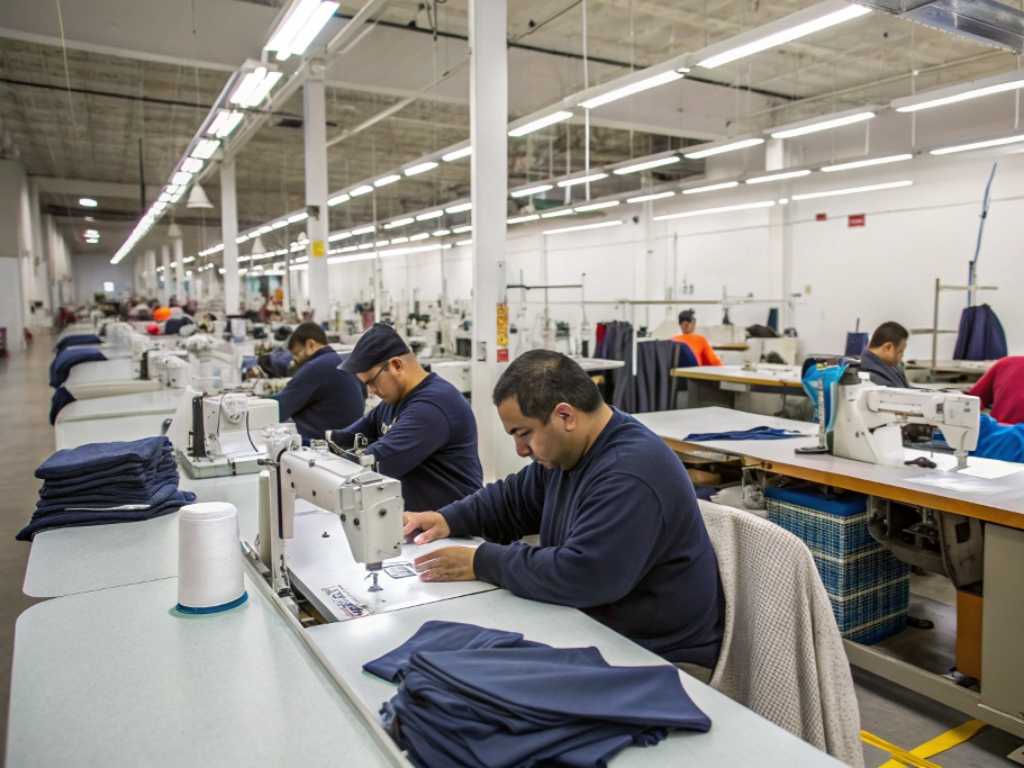
- Six owned women’s fashion factories and more than ten long-term production partners support multi-style dress programs and planned production allocation.
- Champagne dress development covers satin, chiffon, lace, mesh, tulle, crepe, organza, and sequin constructions from first sample through PP approval.
- Standard MOQ starts from 200 pieces per style and color, with final feasibility determined by fabric availability, dyeing, trims, construction, and packing requirements.
- Complex corset, strapless, lace, mesh, sequin, and evening samples are normally planned within 15-25 days after the fabric and construction direction is approved.
Jinfeng Apparel turns shade references, tech packs, original garments, sketches, and collection plans into production-ready champagne dresses. Product teams receive coordinated support for shade review, fabric sourcing, pattern engineering, sample revisions, bulk control, private-label packing, and export delivery. The production model is designed for established brands with clear product direction, professional development standards, and repeat-order potential.
Manufacturing Capacity Behind Champagne Dress Programs
Since 2008
6 Owned Factories
10+ Production Partners
2 Sample Rooms
7+ Pattern Makers
15+ QC Inspectors
Built for Established Fashion and Occasionwear Programs
Best-Fit Brand Programs
Jinfeng Apparel is structured for global fashion labels, occasionwear brands, premium ecommerce teams, wedding guest collections, bridesmaid programs, partywear businesses, sourcing departments, and product development teams. The strongest projects normally include a line sheet, tech packs, original garments, reference images, a clear size system, target quantities, fabric direction, packaging requirements, and a launch calendar. Multi-style programs, seasonal capsules, repeat orders, and staggered deliveries fit the production model well because records can be maintained by style, fabric, shade, size chart, trim, packing method, and approved sample version.
Risks Requiring Early Control
Champagne Dress Styles Developed for Fashion Collections
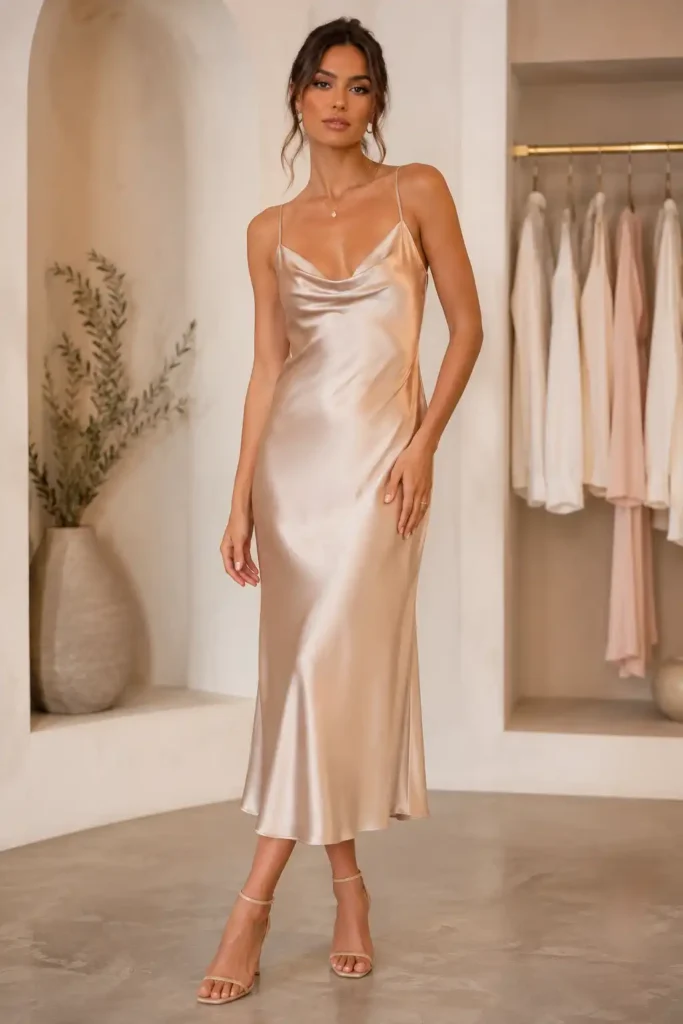
Satin Slip Dresses
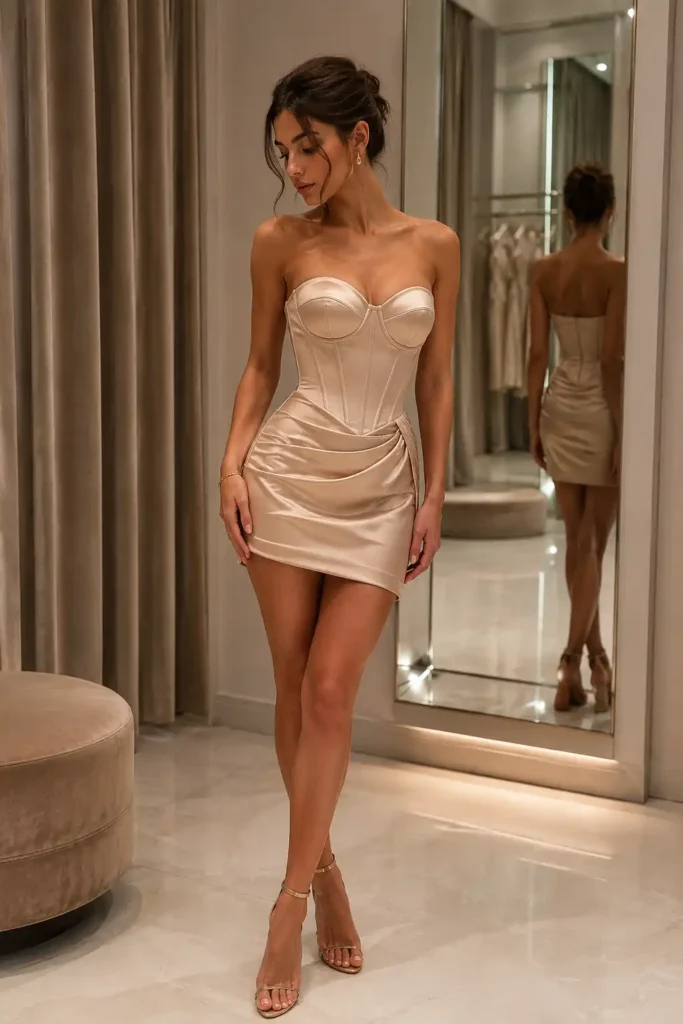
Corset Mini Dresses
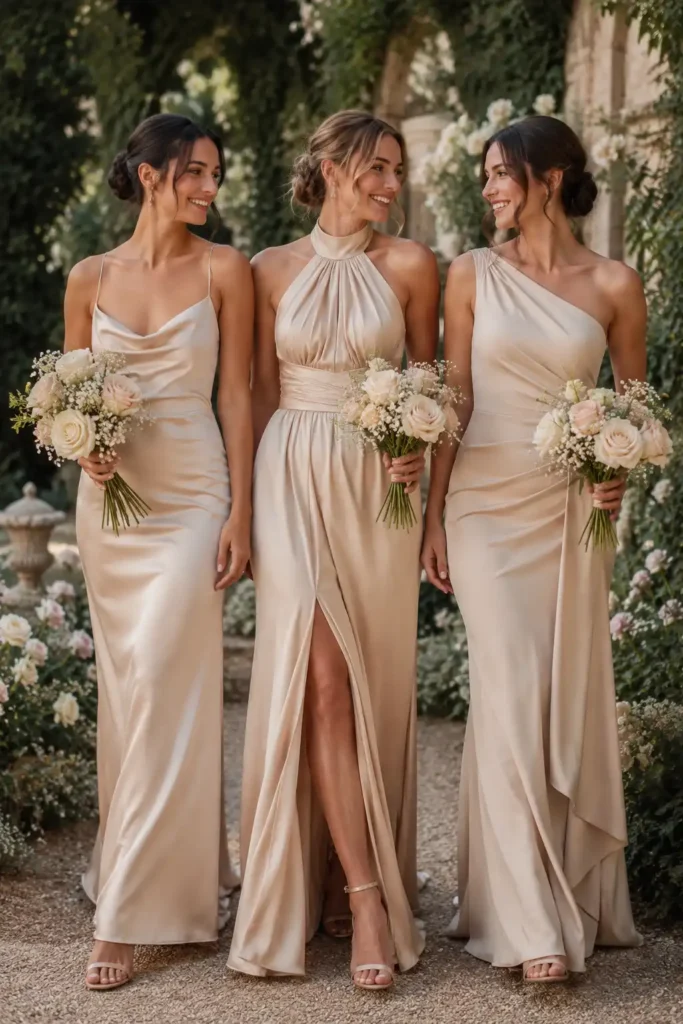
Bridesmaid Dresses
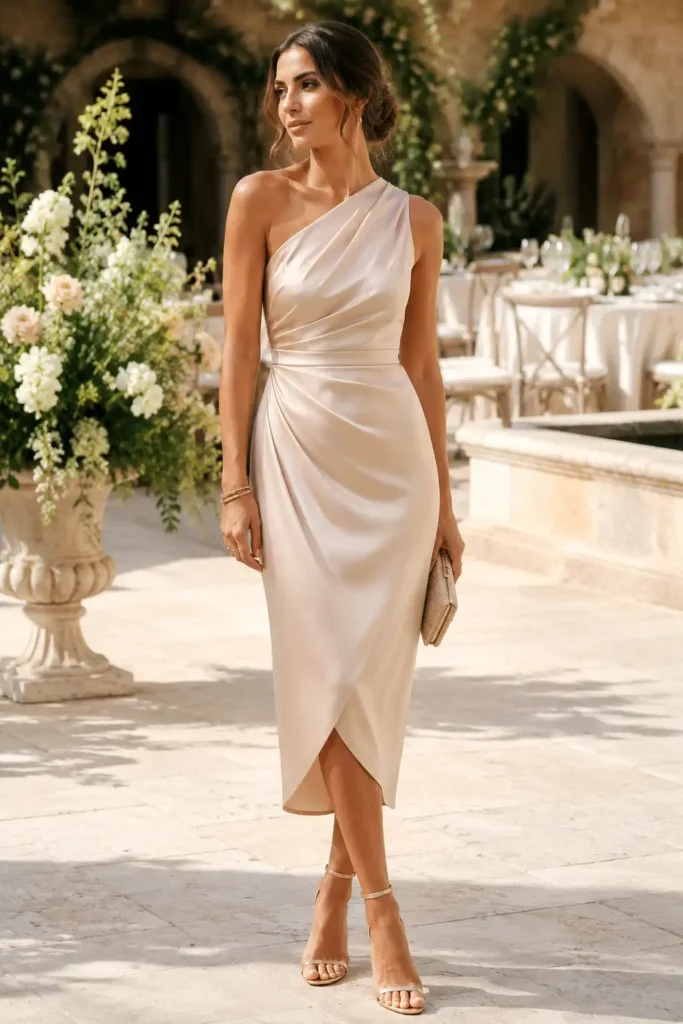
Wedding Guest Midis
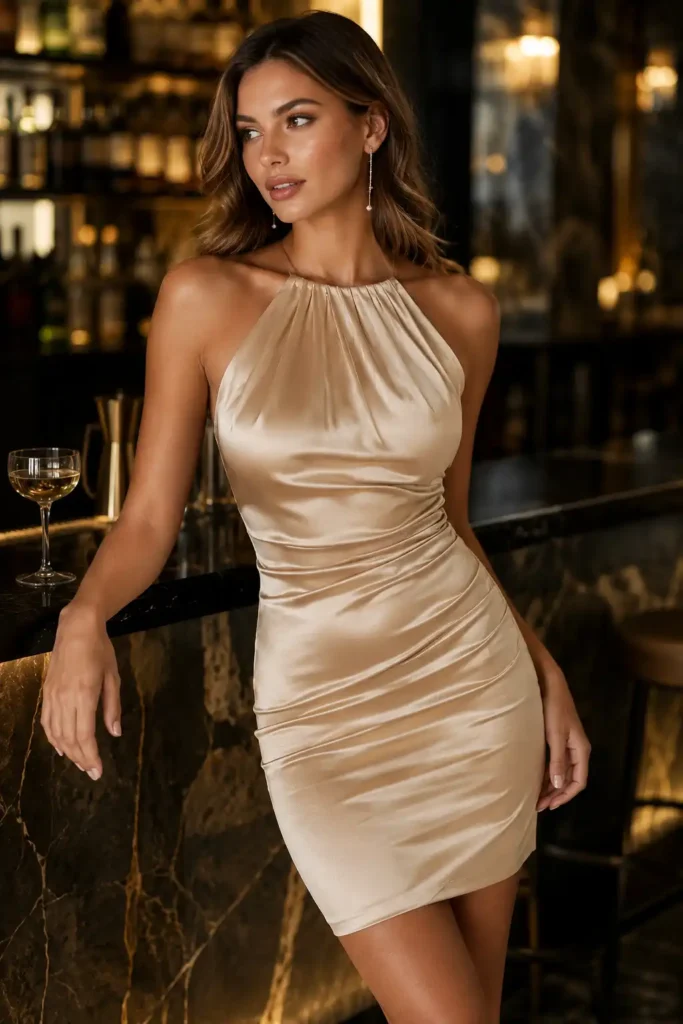
Cocktail Dresses
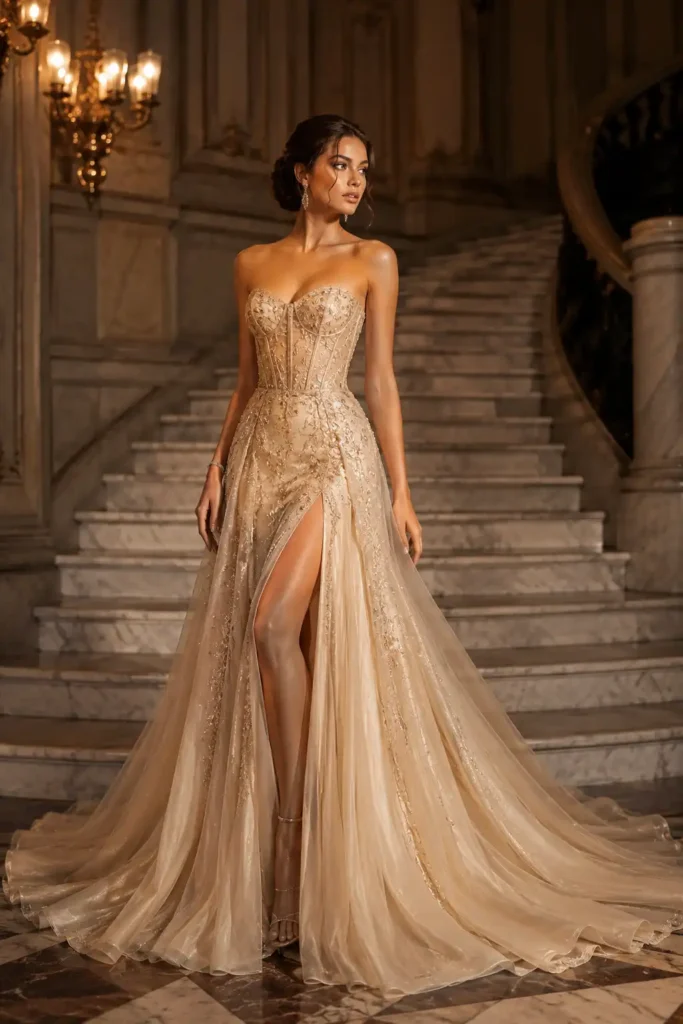
Prom Evening Gowns
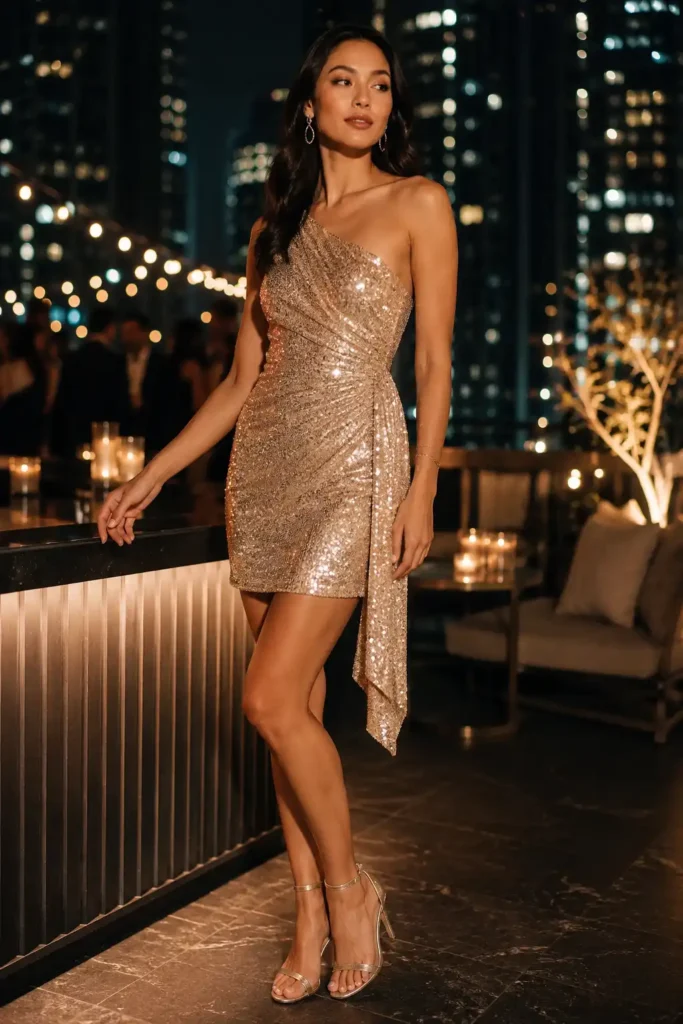
Sequin Party Dresses
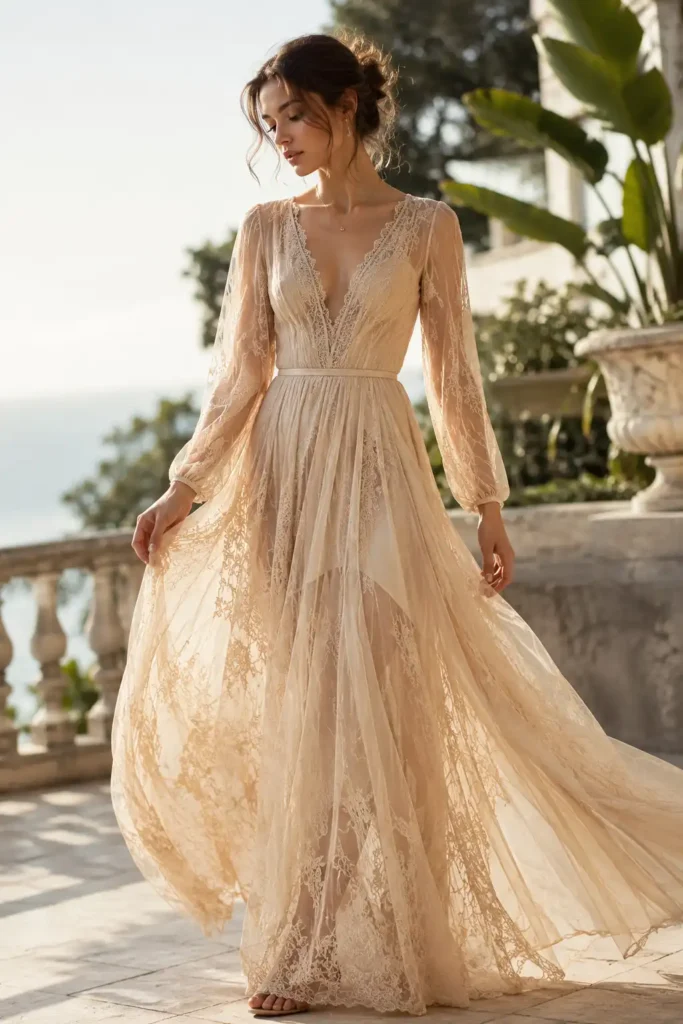
Lace Chiffon Maxis
Defining the Right Champagne Shade Before Sampling

Neutral Champagne
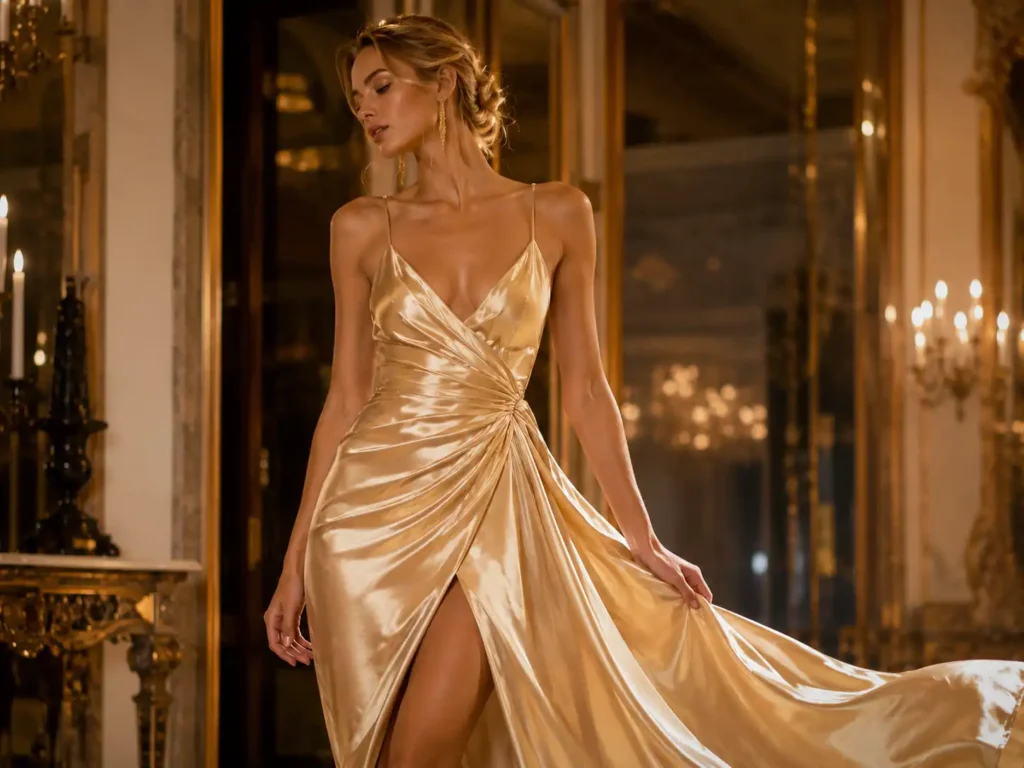
Pale Gold Champagne
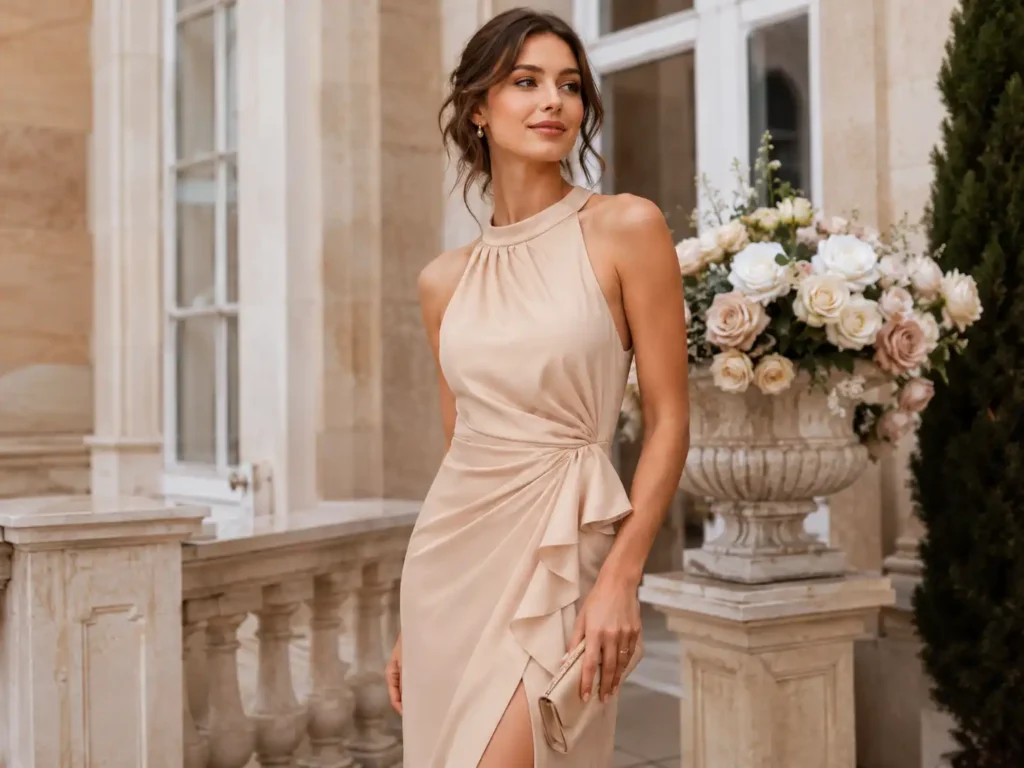
Beige Champagne
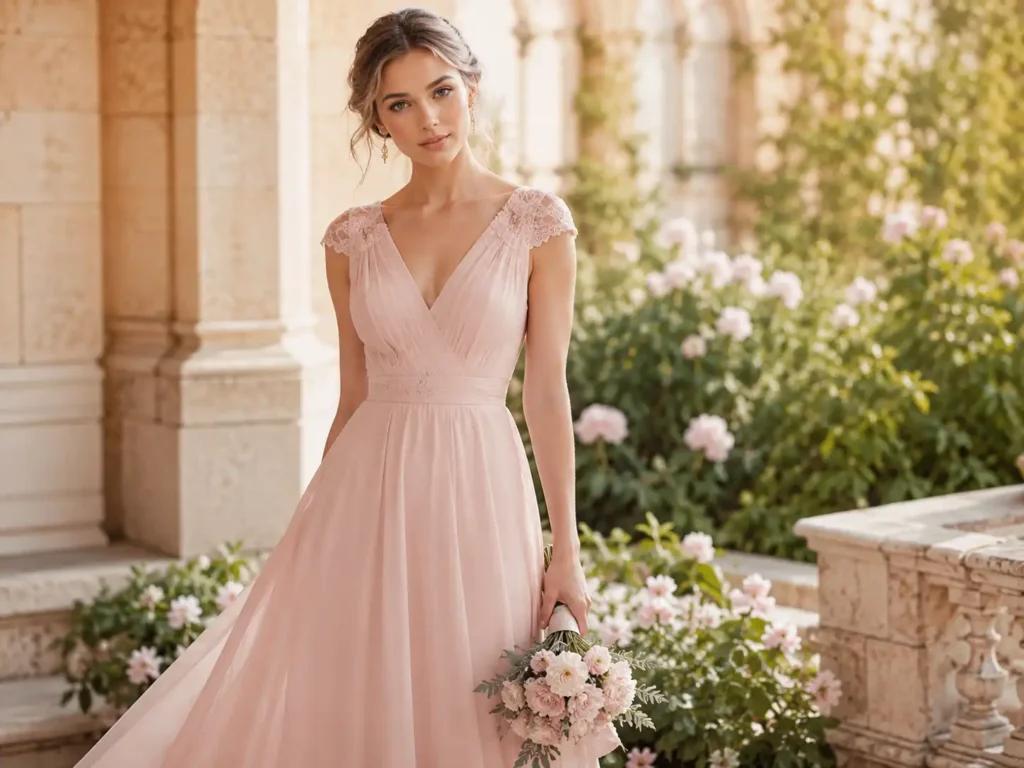
Blush Champagne
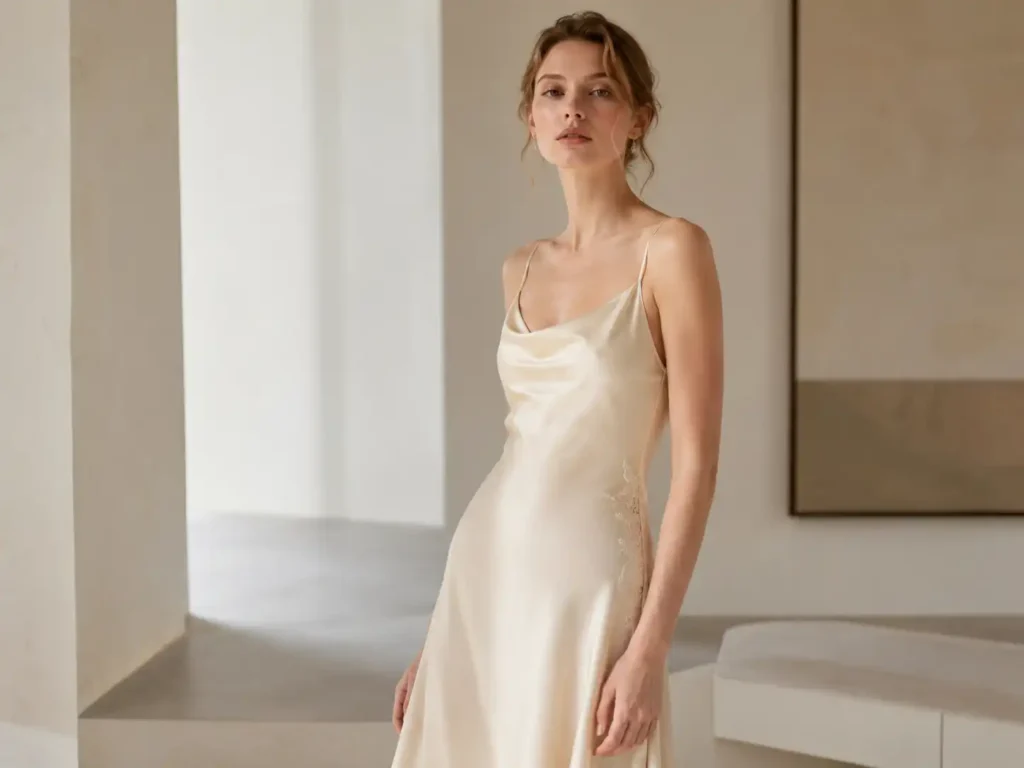
Ivory Champagne

Metallic Champagne
Fabrics That Change Champagne Color and Dress Performance

Matte Satin
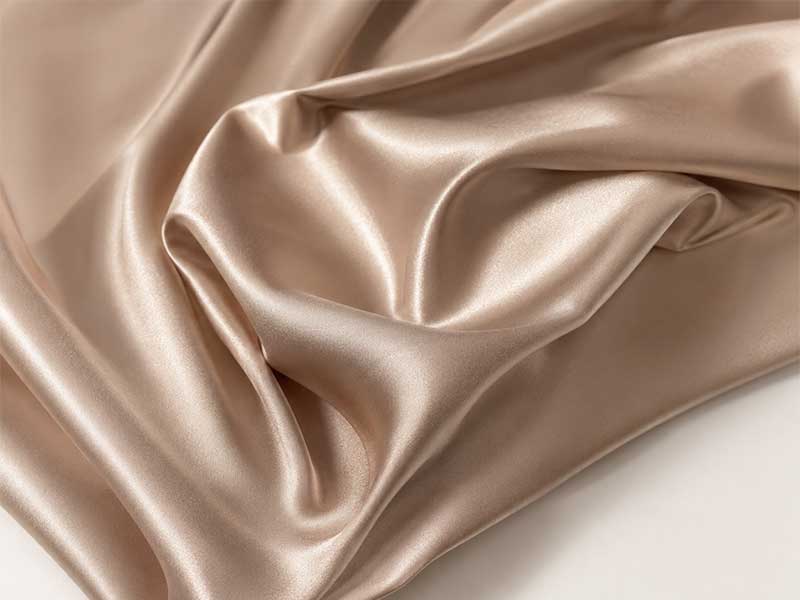
Stretch Satin

Chiffon

Lace

Mesh and Tulle
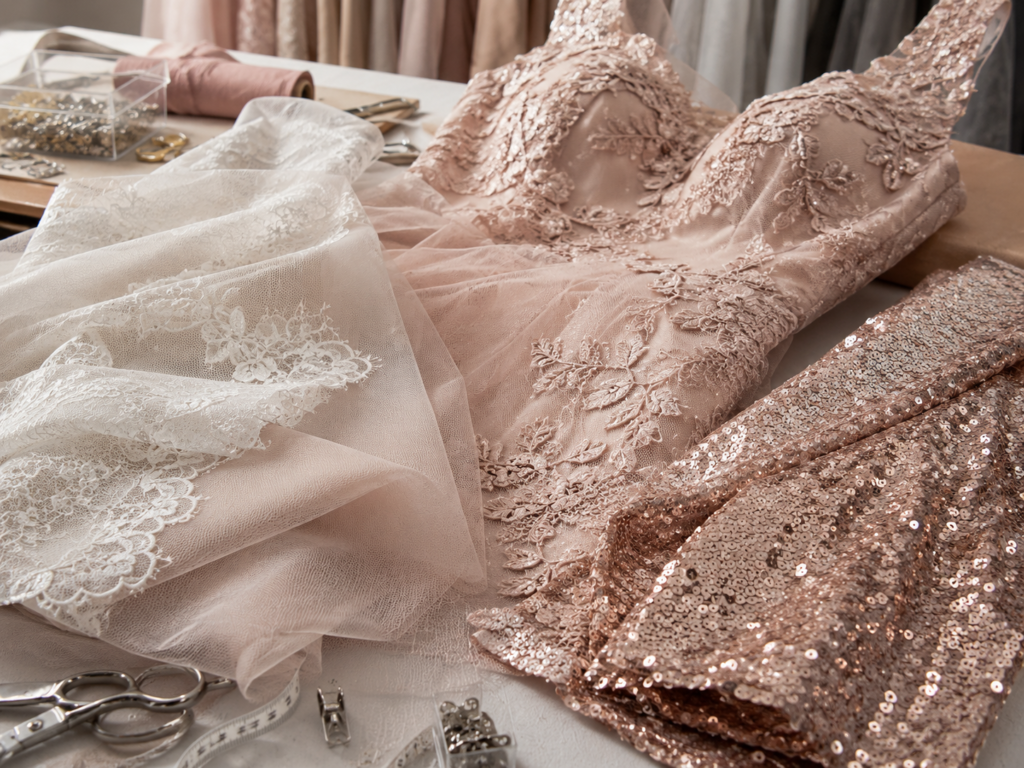
Sequin and Organza
Champagne Dress Planning by Market and Occasion
Different markets need different balances of color, structure, wearability, and cost. The matrix below links common champagne dress programs with suitable products, fabric directions, fitting priorities, and major production risks.
| Collection Direction | Recommended Products | Fabric Direction | Fit Focus | Main Bulk Risk |
|---|---|---|---|---|
| Bridesmaid | Maxi slip, A-line, draped halter | Satin, chiffon, crepe | Bust, waist, length, straps | Shade consistency across styles and sizes |
| Wedding Guest | Midi, draped, lace overlay | Satin, lace, crepe, mesh | Coverage, waistline, slit, sitting comfort | Snagging, lining contrast, pressing marks |
| Prom / Formal | Corset, mermaid, long gown | Satin, tulle, sequin, organza | Support, cup position, hip curve, hem | Structure variation, heavy finishing, packing |
| Cocktail | Mini, fitted midi, one-shoulder | Satin, lace, crepe | Neckline, zipper, length, seam flatness | Puckering, asymmetry, hem inconsistency |
| Party / Holiday | Bodycon mini, sequin mini, mesh dress | Sequin, stretch satin, mesh | Stretch, comfort, bust support | Abrasion, missing sequins, side-seam twist |
| Premium Ecommerce | Slip, corset midi, draped mini | Matte satin, mesh, crepe | Photo fit, size grading, movement | Returns caused by fit or bulk variation |
Pattern Engineering for Champagne Occasion Dresses
A refined champagne shade cannot compensate for weak fit. Pattern development connects appearance, comfort, grading, and production stability. Jinfeng Apparel reviews the structure against the intended fabric, target market, size chart, and wearing occasion before the sample becomes the production reference.
Bust and Bodice Control
Corset, strapless, halter, cowl, deep-V, and fitted satin styles require different support systems. Development checks full bust, upper bust, underbust, neckline depth, cup position, apex position, armhole exposure, back height, and strap tension. Built-in cups, boning, elastic, stay tape, interlining, and lining are selected according to the required structure rather than added automatically. Light champagne fabrics can reveal internal components, so cup color, casing color, seam allowance, and lining opacity must be assessed on the actual sample. A bodice may look balanced on a mannequin but still gape, slide, compress, or expose the wearer during movement; fit review therefore includes front, side, back, sitting, and arm movement observations.
Waist Hip and Silhouette
Waist placement strongly affects the commercial look of slip, corset, bodycon, A-line, and mermaid dresses. Pattern review compares the natural waist, intended style line, torso length, hip level, and skirt release. Fitted styles need enough negative ease for shape without creating drag lines, zipper waves, side-seam twisting, or excessive tension over the champagne surface. A-line and draped silhouettes require controlled volume so the garment remains elegant rather than bulky. Mermaid shapes need smooth transition from waist through hip to flare. When several fabrics are used in one collection, ease and seam position may need separate adjustments because stretch satin, woven satin, crepe, lace, and mesh do not respond identically.
Length Slit and Movement
Mini, midi, and maxi lengths carry different tolerance risks. A short hem may become unsuitable after grading or movement, while a long hem can become uneven when the skirt hangs on the bias or when panels carry different weight. Slit height is checked against hip movement, sitting, walking, and lining coverage. Maxi and formal dresses are reviewed with the intended shoe condition and target height assumptions. Layered chiffon, tulle, lace, and satin hems may need separate balancing after hanging. Production documents record finished garment length, slit position, lining length, and allowed tolerance so the same visual proportion can be repeated across sizes.
US UK EU and AU Size Development
Jinfeng Apparel can develop US, UK, EU, and AU size systems from the brand’s approved measurements and grading rules. Standard programs often allocate XS-XL within the confirmed quantity, while extended or plus-size ranges are developed from the supplied size chart and target-market fit standard. Grading is not a uniform percentage increase. Cup position, neckline depth, strap length, armhole, waist shaping, hip ease, slit height, skirt length, and corset support may require controlled grade rules. Fit feedback should be recorded against the correct sample size, body measurements, and wear-test conditions before the final PP sample is approved.
Construction Details That Protect Fit and Appearance
Construction quality becomes highly visible on champagne fabrics. Smooth light-colored surfaces reveal seam tension, shadowing, needle marks, bulky joins, and pressing errors more clearly than dark or textured materials. Each detail therefore needs an appearance target and a measurable production control.

Boning and Cups

Zippers and Closures
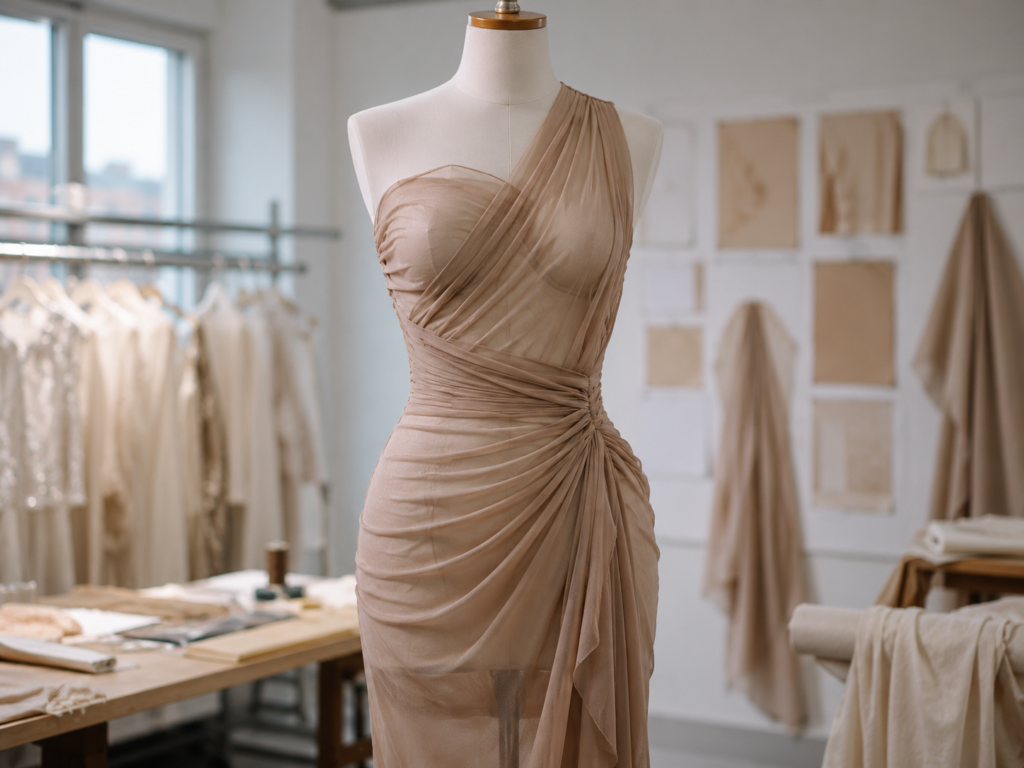
Ruching and Draping
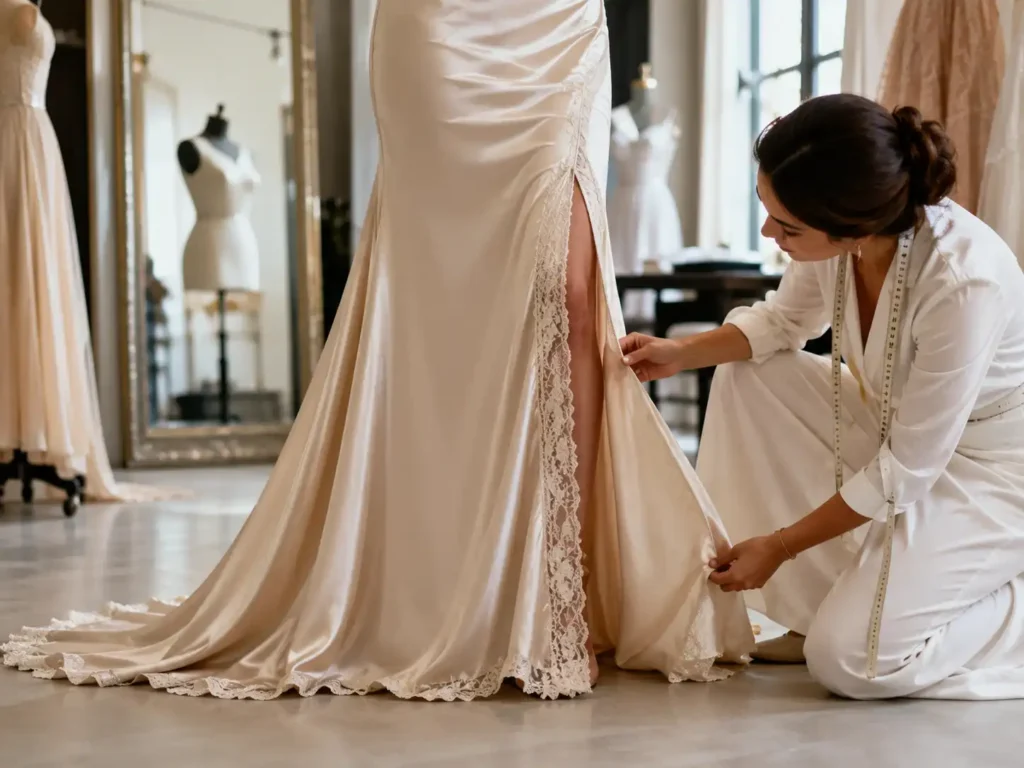
Lace Motif Placement

Sequin Edge Protection
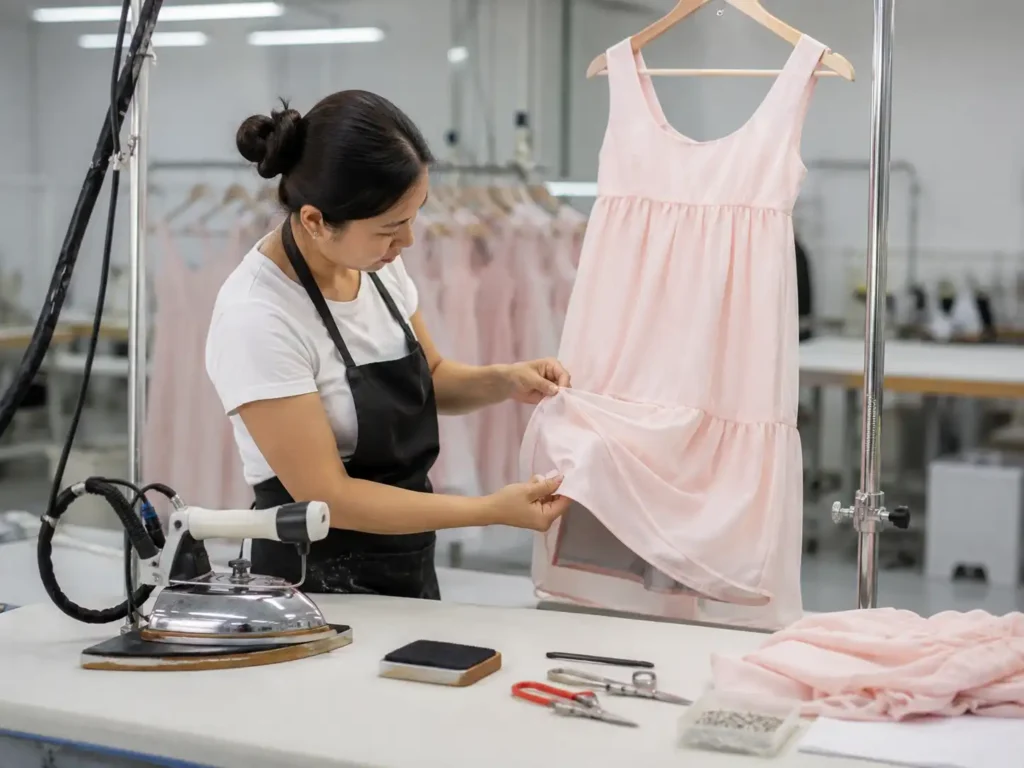
Lining Hem and Pressing
How Champagne Shade Is Controlled from Sample to Bulk
Shade control works as a sequence of approvals rather than a single color selection. The sequence links the brand reference, fabric base, dyeing route, trim matching, sample lighting, bulk lot, cutting control, garment inspection, and repeat-order records.
Reference and Material Approval
Development begins with the strongest available reference: a physical fabric swatch, original garment, Pantone direction, approved lab dip, or brand color standard. Reference photos can guide tone but are not treated as final proof because screens, cameras, editing, and lighting alter champagne shades. Fabric composition, construction, surface finish, and transparency are reviewed at the same time. A champagne code placed on matte crepe, shiny satin, chiffon, lace, and mesh will not appear identical, even when dye targets are close. For layered garments, the visual combination of outer fabric, lining, cups, mesh, thread, zipper, and decorative materials is assessed as one system. The approved material record should state the reference source, supplier lot or lab-dip code, fabric description, date, and any accepted visual tolerance.
Sample and Bulk Fabric Control
The first garment sample confirms whether the approved fabric direction works on the intended silhouette. Color is reviewed on full panels, folds, seams, and layered areas under more than one lighting condition. Before bulk cutting, bulk fabric approval confirms tone, hand, weight, width, stretch, recovery, opacity, surface quality, and lot information. Shade-band review may be used when several rolls or dye lots are involved. Rolls should be identified so noticeably different lots are not mixed within one garment. Satin panels require consistent shine direction, while lace motifs, mesh overlays, and chiffon layers need visual coordination with the lining. Any accepted bulk variation must be documented before production starts rather than discovered at final inspection.
Garment Inspection and Repeat Orders
Completed garments are checked for front-to-back consistency, panel variation, lining show-through, thread contrast, zipper mismatch, stains, pressing marks, and packing effects. Light champagne fabrics make handling discipline important throughout sewing, finishing, and packing. Repeat orders require renewed material confirmation because the same supplier name or color reference does not guarantee an identical new dye lot. Jinfeng Apparel can retain pattern files, size charts, fabric references, color records, trim details, packing instructions, QC notes, and Golden Sample information. New bulk fabric is still compared with the retained reference, and any visible shift is raised before cutting so the brand can approve, adjust, or reject the new lot.
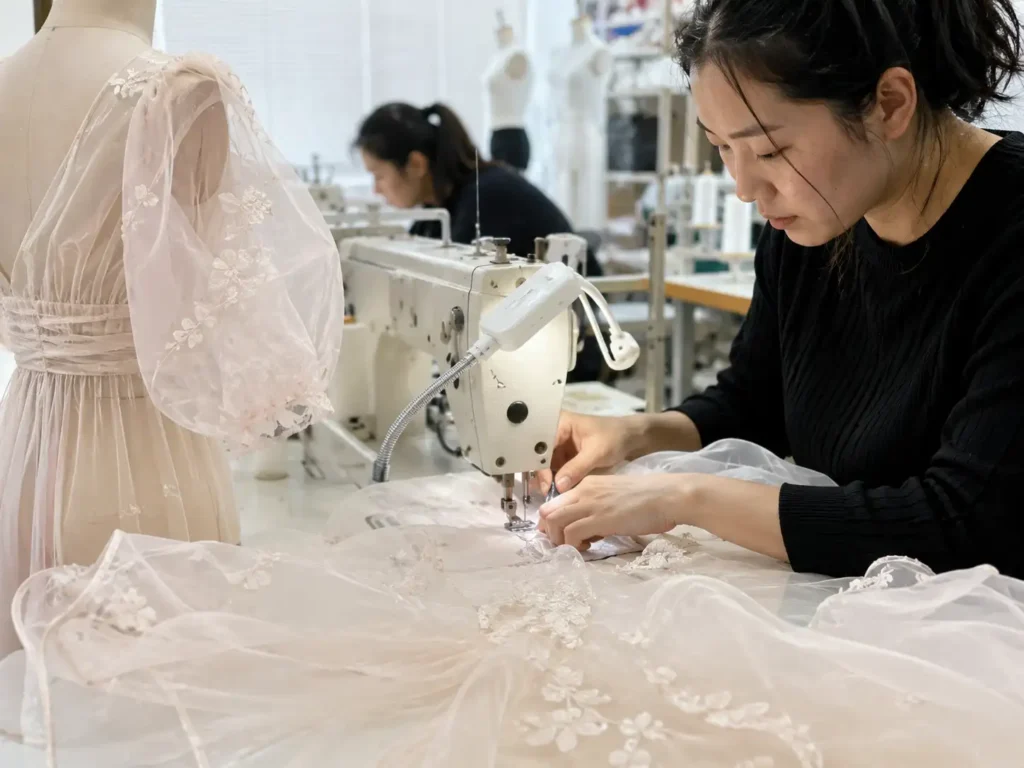
Champagne Dress Sampling Before Bulk Production
Sampling converts a color idea and design file into a garment that can be measured, worn, photographed, costed, reproduced, and inspected. Every sample type has a separate purpose, preventing early development garments from being mistaken for the final production standard.
Project and Structure Review
The process begins with the tech pack, reference image, original sample, sketch, size chart, fabric swatch, trim card, target quantity, price direction, private-label requirements, and launch date.
Jinfeng Apparel reviews product category, silhouette, fabric behavior, construction, color risk, size range, MOQ, and production feasibility. Complete tech packs normally move faster because measurements, BOM, labels, and sewing details are already defined. Projects based only on an image require additional decisions on internal structure, fabric, fit, finishing, and target price before an accurate first sample can be developed.
First Fit and Revised Samples
A simple first sample is commonly planned within 7-10 days after materials and details are ready. Regular dress samples commonly require 10-15 days. Corset, strapless, lace, mesh, sequin, and evening styles commonly require 15-25 days, while custom fabrics or special trims may extend the schedule. The first sample tests structure, fabric direction, basic fit, and workmanship. Fit review records bust, waist, hip, length, straps, armhole, neckline, slit, cups, boning, lining, and movement. Revised samples commonly require 7-15 days depending on the changes. Feedback is transferred into updated patterns, size charts, BOM notes, sewing instructions, or material changes rather than remaining only in chat messages.
Photo-Ready and Sales Samples
Photo-ready samples are prepared for ecommerce imagery, lookbooks, campaigns, social content, showrooms, or internal sales presentations. Appearance, pressing, surface cleanliness, proportion, and camera performance receive added attention. A photo sample may still use substitute material or presentation adjustments, so it does not automatically become the PP standard. Salesman samples may be produced in a controlled set for internal range review or wholesale appointments. Their material and construction should be clearly identified so later production decisions remain linked to the final approved specification rather than to an earlier visual sample.
PP Sample and Golden Sample
The PP sample confirms final pattern, measurements, fabric, shade, lining, trims, labels, packaging, workmanship, tolerance, and QC requirements. PP samples commonly require 7-15 days after final materials are available. Large structural changes after PP approval can affect price and timing and may require another approval cycle. The Golden Sample records the sealed production standard used for pre-production meetings, line reference, measurement checks, final inspection, packing confirmation, repeat orders, and dispute review. Any later change to fabric, color, trim, measurements, or construction requires an updated approval record.
Bulk Production for Multi-Style Champagne Collections
A multi-style champagne program needs separate controls for each fabric, shade, pattern version, size range, construction method, and delivery group. Production planning begins only after the required samples, materials, quantities, labels, packaging, and quality standards are confirmed.
Style Allocation and Production Files
Styles are grouped by fabric and construction rather than by color name alone. Satin slips, corset dresses, lace midis, mesh products, and sequin styles may require different production resources and handling methods. Each style is supported by the approved pattern, size chart, BOM, material approval, sewing instruction, PP sample, QC checklist, label file, packing instruction, and quantity breakdown. Version control prevents an outdated sample comment or early pattern from entering production. Multi-style orders are tracked separately by style, color, size, fabric, trim, sample version, and shipment plan while remaining coordinated under one collection calendar.
Material Cutting and Line Preparation
Incoming fabric is checked for identity, width, shade, surface defects, stretch, hand, opacity, and lot information. Satin may require direction-controlled spreading and cutting. Lace can require motif planning, while chiffon, mesh, and slippery materials need controlled handling. Shade lots are identified before cutting, and panels from noticeably different lots should not be mixed in one garment. Production meetings review the Golden Sample, operation sequence, difficult details, tolerance, appearance points, and packing method. Early output is checked before volume increases so issues with seam tension, ruching, zipper alignment, support, or lining can be corrected at the beginning rather than at final inspection.
In-Line Control and Finishing
In-line checks focus on high-risk operations such as cups, boning, necklines, straps, zippers, side seams, lace joins, sequin clearing, lining, slits, and hems. Measurement checks are carried out against the approved size chart and tolerance. Champagne products receive careful handling to reduce stains, oil marks, makeup transfer, pulled threads, and pressure impressions. Finishing includes thread trimming, cleaning, shape recovery, pressing, and appearance review. Pressing settings are matched to the fabric because excessive heat or pressure can create shine, flatten texture, distort mesh, or leave permanent marks on satin.
Final Packing and Staged Delivery
Final garments are matched with the correct brand label, care label, size label, hangtag, barcode, SKU sticker, polybag, insert, and carton mark. Color and size ratios are checked against the packing list. Dresses prone to wrinkling, surface damage, or crushing may require tissue, protective layers, hang packing, or adjusted folding. Delivery dates are planned around PP approval, material arrival, production progress, inspection, packing, export documents, and the selected freight route. When launch timing requires prioritization, approved SKUs may be arranged in staged shipments or divided between air and sea freight after commercial and logistics review.
Quality Control for Champagne Dresses
| QC Stage | Key Checks for Champagne Dresses |
|---|---|
| Incoming Fabric | Shade and lot identity; surface defects; snagging; holes; stains; shine direction; weight; width; stretch; opacity; hand; lining and trim coordination. |
| Cutting | Grain and shine direction; shade-lot separation; panel accuracy; lace motif placement; layer stability; notches; matching pieces; size and bundle identification. |
| Sewing | Seam tension; puckering; zipper flatness; cups; boning; straps; neckline; ruching; lace joins; sequin edge clearing; lining; symmetry; stitch damage. |
| Measurements | Bust; upper bust; underbust; waist; hip; body length; skirt length; strap length; armhole; neckline depth; slit height; approved tolerance by size. |
| Appearance and Finishing | Front-to-back shade; stains; oil marks; thread contrast; loose threads; wrinkles; press shine; watermarks; needle marks; hem balance; surface cleanliness. |
| Labels and Packing | Brand label; care label; size label; hangtag; barcode; SKU; color-size match; folding; protection; polybag; carton ratio; carton mark; packing list. |
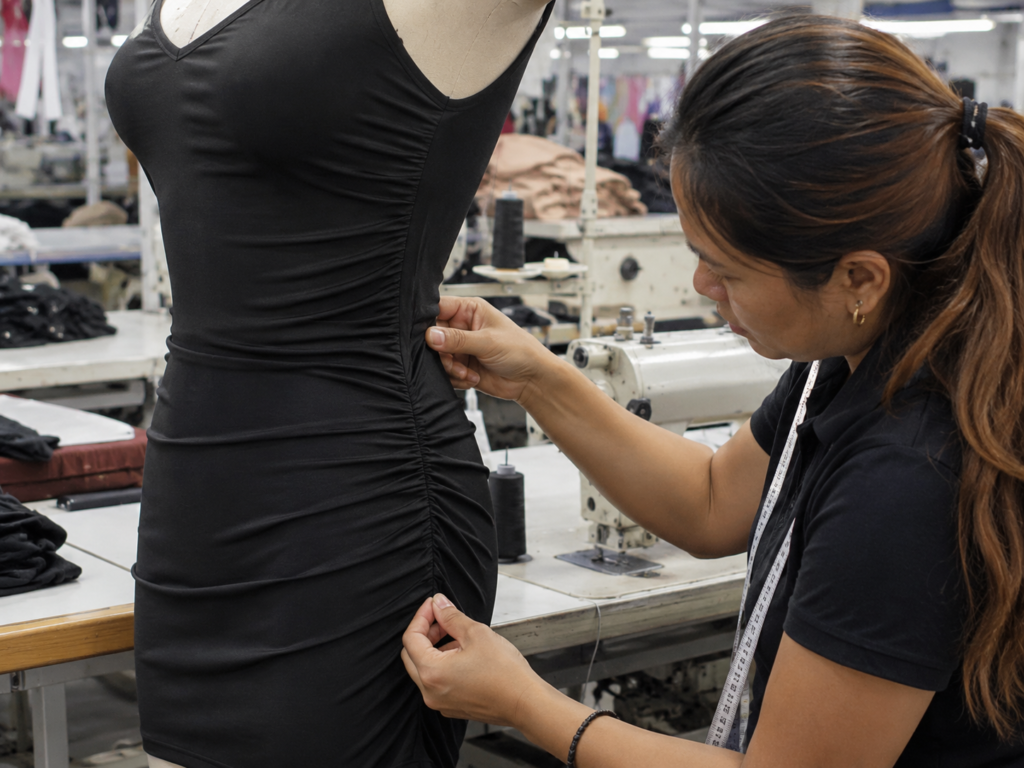
MOQ and Pricing for Custom Champagne Dresses
MOQ per Style and Color
Cost Drivers
Rough and Final Quotations
Sample and Bulk Cost Relationship
Private Label Delivery for Retail and Ecommerce

Woven Brand Labels
Main labels can be developed to the approved artwork, size, material, fold, color, and sewing position. Champagne garments may need label color and backing review so dark yarns or stiff edges do not show through or irritate the neckline.
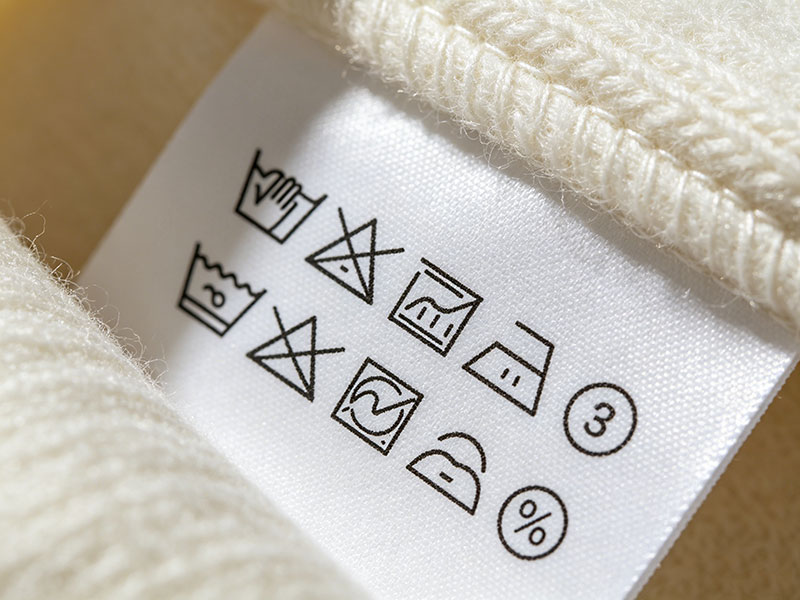
Care and Size Labels

Hangtags and Fasteners
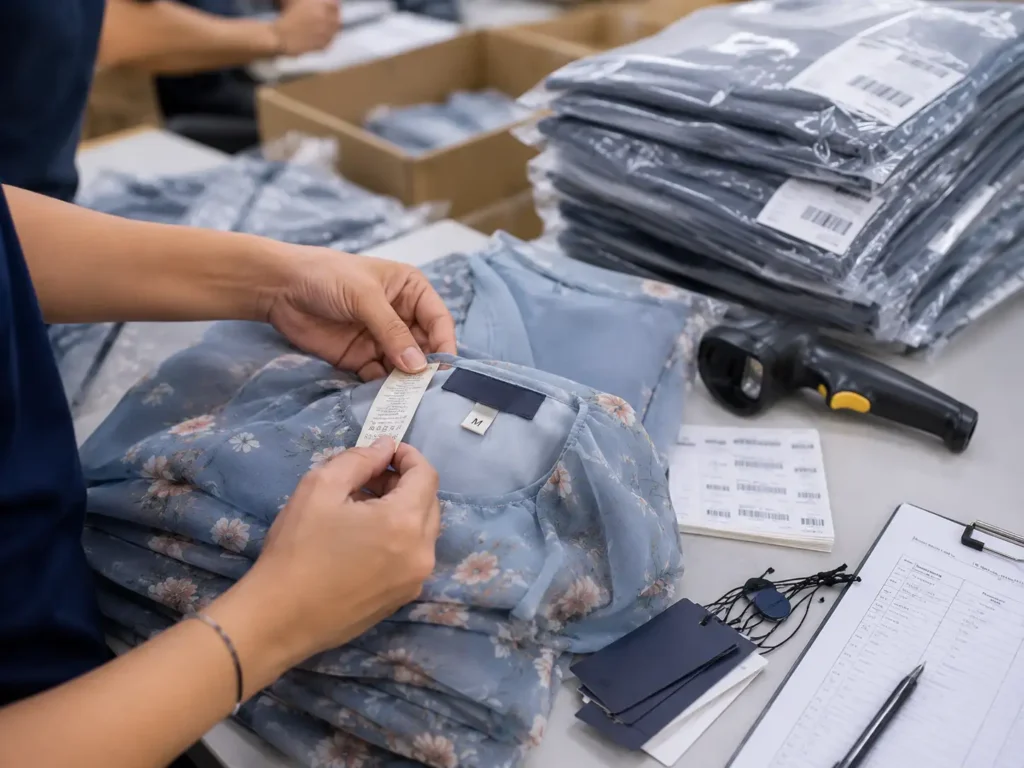
Barcodes and SKU Labels
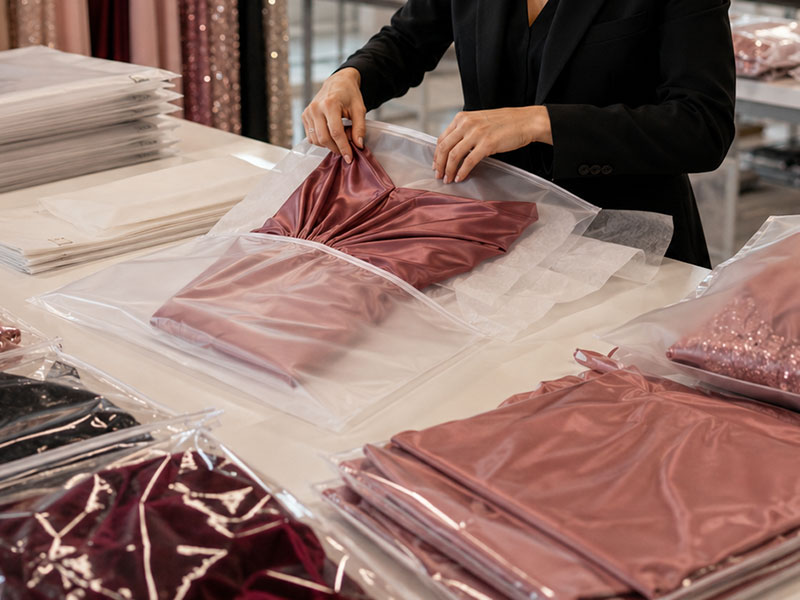
Polybags and Inserts
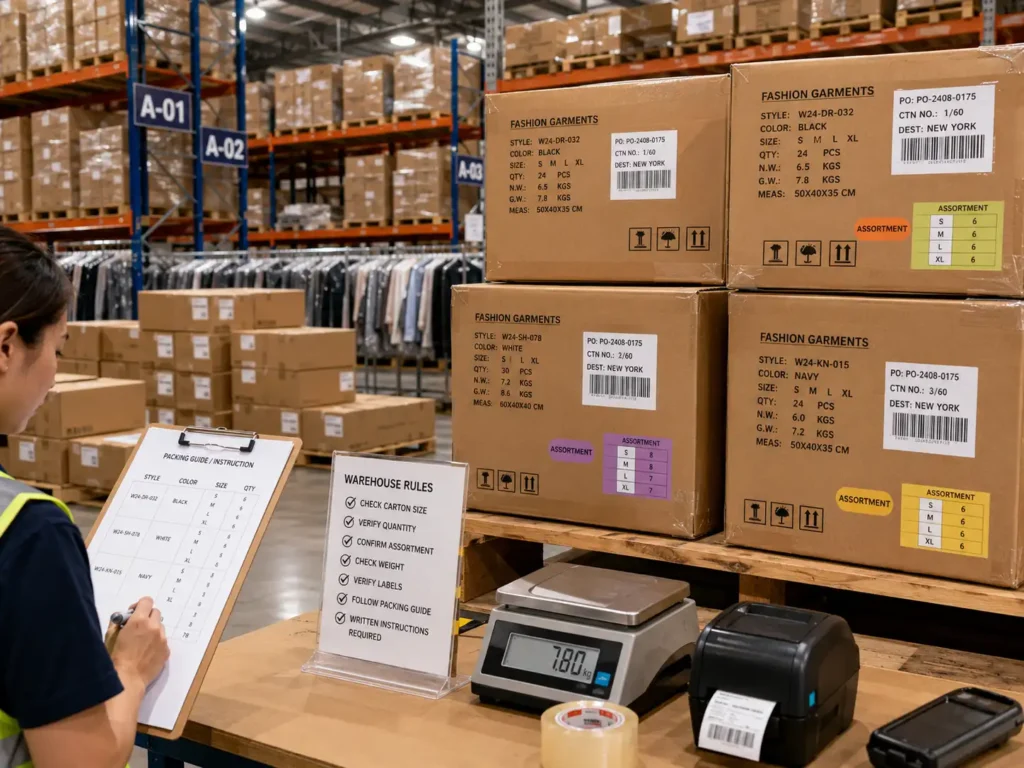
Cartons and Packing Lists
Production Planning Around Your Launch Calendar
Sampling Calendar
Bulk Production Window
Shipping Coordination
Champagne Dress Manufacturing Case Studies
The following anonymized cases represent different champagne dress development programs, covering bridesmaid collections, premium eveningwear projects and large private-label seasonal productions. Brand identities, original designs and commercial information remain confidential.
Case 1: Champagne Bridesmaid and Wedding Guest Collection
Project Scope
A premium occasionwear brand developed a champagne dress collection for bridesmaid, wedding guest and formal event markets.
- Collection size: 20 dress styles
- Product categories: champagne satin bridesmaid dresses, chiffon maxi dresses, lace midi dresses, draped dresses and soft occasion styles
- Materials: matte satin, chiffon, crepe, lace, mesh and soft lining systems
- Construction details: slip silhouettes, A-line shapes, halter designs, draped necklines and flowing skirts
- Requirement: coordinated champagne shades with elegant appearance and reliable bulk consistency
Development Challenges
The collection required strong control because champagne shades can shift between different materials.
Key challenges included:
- Matching champagne tones across satin, chiffon and lace
- Preventing light fabrics from becoming transparent
- Controlling lining influence on final color
- Maintaining consistent hem balance across long dresses
- Keeping size grading accurate across multiple silhouettes
Manufacturing Approach
The development team created a complete champagne color and fit control process.
Key controls included:
- Physical champagne shade reference approval
- Fabric-specific color evaluation
- Shell and lining comparison
- Fit review for bust, waist and length
- PP sample approval before bulk production
Additional attention was given to:
- Adjustable straps
- Neckline stability
- Lace motif placement
- Chiffon layer control
- Retail-ready packing
Manufacturing Value
The collection achieved a unified champagne occasionwear appearance while allowing different fabrics and silhouettes to maintain their own commercial characteristics.
Case 2: Champagne Premium Evening and Partywear Collection
Project Scope
A premium fashion brand developed a champagne eveningwear collection focused on high-impact formal and party styles.
- Collection size: 16 dress styles
- Product categories: champagne corset dresses, sequin party dresses, mesh evening dresses, fitted satin dresses and formal gowns
- Materials: stretch satin, sequin fabric, mesh, tulle, organza and structured lining
- Construction details: corset bodices, cut-outs, fitted silhouettes, layered skirts and statement details
- Requirement: luxury appearance with stable structure and wearable comfort
Development Challenges
The main challenge was balancing visual impact with production stability.
Key risks included:
- Corset support variation between sizes
- Sequin surface damage during production
- Mesh transparency changes after stretching
- Satin pressing marks and shine direction
- Heavy decoration affecting comfort and packing
Manufacturing Approach
The project focused on structural engineering and material protection.
Key controls included:
- Reviewing cup shape and boning position
- Testing internal support systems
- Approving champagne shade on final fabrics
- Checking mesh and lining combinations
- Creating protection methods for sequins and delicate surfaces
Production controls included:
- Seam thickness review
- Zipper stability checks
- Embellishment inspection
- Surface protection during finishing
- Individual packing evaluation
Manufacturing Value
The collection demonstrated the ability to develop champagne dresses that combine premium visual impact, structured fit and repeatable production standards.
Case 3: Large Private Label Champagne Dress Collection Program
Project Scope
An established fashion brand required a complete champagne dress assortment covering multiple silhouettes, materials and retail occasions.
- Collection size: 30 dress styles
- Production scale: 70,000+ pieces
- Product categories: champagne mini dresses, midi dresses, maxi dresses, corset dresses, slip dresses, party dresses and evening gowns
- Materials: satin, chiffon, lace, mesh, tulle, crepe, organza and sequin fabrics
- Requirement: consistent quality across multiple SKUs, sizes and delivery batches
Development Challenges
The program required coordination across different champagne shades and construction methods.
Major challenges included:
- Managing neutral champagne, pale gold champagne and blush champagne directions
- Maintaining visual consistency between fabrics
- Controlling different lining requirements
- Managing size grading across multiple silhouettes
- Coordinating private-label packing and shipment schedules
Manufacturing Approach
The collection was divided according to product structure and production risk.
Soft Occasionwear Group
Focused on:
- Chiffon and lace styles
- Bridesmaid silhouettes
- Transparency control
- Lining coordination
Premium Evening Group
Focused on:
- Satin and velvet surfaces
- Corset structures
- Internal support systems
- Pressing protection
Manufacturing Value
The program demonstrated that large champagne dress collections require both production capacity and detailed control of color, fabric, fit, quality and retail delivery.
Supporting Repeat Orders and Seasonal Color Extensions
Repeat Order Records
New Champagne Variations
Collection Expansion
Champagne Dress Manufacturer Frequently Asked Questions

Start Your Champagne Dress Development
Send the available product information for an initial manufacturing review.
Kelly and the Jinfeng Apparel team will assess the dress structure, champagne shade direction, fabric and trim route, sample requirements, MOQ fit, production feasibility, private-label needs, and launch timing before recommending the next development step.
Clear information leads to a more useful response and reduces avoidable changes during sampling.
- Reference images, sketches, tech packs, original garments, or a line sheet
- Physical shade reference, Pantone direction, lab dip, or fabric swatch when available
- Preferred fabric, lining, trims, construction details, and target quality level
- Quantity per style and color, planned size range, and color-size ratio
- Brand labels, care labels, hangtags, barcodes, SKU stickers, and packing requirements
- Target launch date, required delivery date, destination, and preferred freight plan
- Target price direction or commercial position for material and construction review
- NDA request when the collection, tech pack, or unpublished design requires protection