 Skip to content
Cap Sleeve Dress Manufacturer
Custom cap sleeve dresses developed for global fashion labels, sourcing teams, and established womenswear programs that need controlled shoulder fit, accurate sleeve shape, reliable size grading, and stable bulk production.
- 6 critical cap-sleeve checkpoints: shoulder point, sleeve-cap curve, armhole depth, sleeve opening, underarm coverage, and graded fit.
- Standard first-sample planning starts at 7-10 working days after fabric and trim direction is confirmed; complex lace, mesh, or layered styles require a longer review window.
- MOQ starts from 200 pieces per style and color, subject to fabric availability, color development, trims, construction, and production scheduling.
- Development support covers mini, midi, maxi, bodycon, office, party, occasion, and resort dresses in woven, knit, lace, mesh, chiffon, satin, crepe, and related fabrics.
Manufacturing Scale Built for Structured Dress Programs
Since 2008
6 Owned Factories
10+ Production Partners
7+ Pattern Makers
2 Sample Rooms
20+ Sample Machinists
Built for Established Fashion and Sourcing Teams
Global Fashion Labels
Premium Ecommerce Brands
Occasionwear Labels
Officewear Collections
Product Development Teams
Sourcing Companies

What Defines a Well-Made Cap Sleeve Dress
A cap sleeve extends over the shoulder with less upper-arm coverage than a conventional short sleeve. The pattern may use a separate sleeve piece, an extended shoulder construction, a lace or mesh overlay, a pleated cap, or a shaped sleeve integrated with the bodice. Every version creates a different relationship between shoulder width, sleeve-cap height, armhole depth, sleeve opening, underarm coverage, and movement allowance.
A visually accurate cap sleeve must sit cleanly when the arm is relaxed, remain balanced when the arm moves forward, and avoid lifting away from the upper arm. The sleeve should not pull the neckline outward, distort the bust area, create diagonal wrinkles from the armhole, or expose more underarm area than the design requires. Front and back sleeve sections also need separate balance because the human shoulder and armhole are not symmetrical.
Development begins by identifying the intended coverage, fabric behavior, silhouette, neckline, lining method, target fit, and size range. Pattern adjustments are then reviewed through fitting, movement testing, measurement checks, and fabric-specific sewing trials. A successful result is not only attractive on a dress form; it also needs repeatable measurements and production methods suitable for bulk manufacturing.
Six Common Cap Sleeve Failures We Prevent
Sleeve Edge Lifting
Restricted Arm Movement
Excess Underarm Exposure
Shoulder Wrinkles
Uneven Sleeve Shape
Poor Size Grading
Cap Sleeve Dress Styles for Complete Collections

Cap Sleeve Mini Dress

Cap Sleeve Midi Dress
Midi proportions work well for officewear, cocktail collections, wedding guest programs, and polished ecommerce ranges.
Shoulder width, waist position, skirt balance, back vent or slit, and sleeve coverage should support extended wear. Crepe, ponte, lace, satin, suiting, rayon blends, and structured jersey are common development directions.

Cap Sleeve Maxi Dress
Maxi dresses require coordination between a compact upper-body sleeve and a longer skirt with greater fabric weight.
The shoulder and armhole must remain stable while the skirt hangs freely. Chiffon, rayon, satin, crepe, lace, printed woven fabric, and lined mesh can create resort, occasion, or evening results.

Cap Sleeve Bodycon Dress

Cap Sleeve Office Dress

Cap Sleeve Party Dress

Cap Sleeve Occasion Dress

Cap Sleeve Resort Dress
Resort styles favor breathable hand feel, fluid movement, print clarity, easy packing, and relaxed but controlled coverage.
Rayon, viscose, cotton poplin, linen blends, chiffon, and lightweight crepe can work well. Sleeve finishing should remain flat after folding, steaming, and repeated movement.
Eight Cap Sleeve Constructions Available for Development

Classic Fitted Cap

Extended Shoulder Cap

Split Cap Sleeve

Pleated Cap Sleeve

Lace Cap Sleeve

Mesh Cap Sleeve

Gathered Cap Sleeve

Structured Cap Sleeve
Silhouette Planning Beyond a Single Dress Style

A-Line Dresses

Fit-and-Flare Dresses

Sheath Dresses

Wrap Dresses

Bodycon Dresses

Column and Maxi Dresses
Fabric Matrix for Cap Sleeve Dress Development
| Fabric | Sleeve Behavior | Best Applications | Main Development Risk | Bulk Control Focus |
|---|---|---|---|---|
| Satin | Fluid surface with visible seam pressure | Occasion, party, wedding guest | Puckering, snagging, pressure marks | Needle choice, seam tension, pressing, shade consistency |
| Chiffon | Light, transparent, easily lifted | Maxi, resort, layered occasion | Edge waving, transparency, seam slippage | Hem method, lining coverage, cut direction, handling |
| Lace | Motif-led with open areas | Occasion, formal, romantic styles | Motif mismatch, holes, scratchy edges | Mirrored cutting, motif placement, seam concealment |
| Mesh | Light coverage with variable stretch | Bodycon, party, modern occasion | Overstretch, visible seams, uneven recovery | Stretch direction, seam elasticity, edge finish |
| Jersey | Flexible and body-responsive | Casual, wrap, fitted dresses | Sleeve opening distortion, shoulder growth | Recovery, stabilization, measurement after relaxation |
| Ponte | Compact stretch with firm shape | Office, sheath, bodycon | Excess stiffness or bulky seam | Thickness balance, seam bulk, recovery, pressing |
| Crepe | Controlled drape with polished surface | Office, midi, occasion | Grain distortion, seam impression | Grain control, pressing temperature, color consistency |
| Cotton Poplin | Crisp structure with limited stretch | Day, resort, A-line, shirt-inspired | Tight armhole, rigid sleeve edge | Shrinkage, shoulder ease, seam finish, wash response |
| Rayon or Viscose | Fluid, breathable, movement-focused | Resort, printed midi, maxi | Shrinkage, distortion, seam slippage | Pre-production testing, fabric relaxation, measurement |
| Linen Blend | Textured and breathable | Resort, daywear, summer office | Wrinkling, shrinkage, inconsistent hand feel | Blend ratio, pre-shrink review, shade and texture |
Fabric-Specific Control Before Cutting Begins
A fabric name alone does not predict garment performance. Weight, construction, stretch, recovery, finish, transparency, surface sensitivity, shrinkage, and color-lot consistency all affect cap sleeve fit and appearance.
Satin Surface and Seam Control
Satin highlights every seam, fold, needle mark, and pressing error. Sleeve attachment can show puckering when thread tension, stitch density, needle size, seam allowance, or feeding pressure is unsuitable. Bulk fabric should be checked for shade, surface marks, snags, and face direction before cutting. Sleeve pieces must follow the planned grain and sheen direction, especially when the left and right sides sit under direct photography lighting.
Pressing needs controlled temperature and pressure because a clean sleeve curve can be ruined by glazing or seam impressions. For lined occasion dresses, lining tension should support the bodice without pulling the cap sleeve upward. Sample approval should include front, side, and raised-arm views rather than a front image alone.
Chiffon Edge Stability
Chiffon can produce an elegant light cap sleeve, but the edge may wave, flip, or stretch during sewing.|
Rolled hems, narrow clean finishes, binding, lace edges, or lined constructions must be compared during sampling.
Sleeve opening length should be measured after sewing and pressing because lightweight fabric can grow during handling.
Cutting requires controlled layering and secure positioning to prevent shape variation. Seam slippage around the armhole should be assessed where the sleeve carries movement tension.
Underarm transparency and lining coverage also need review from side and rear angles.
Lace Motif Engineering
Lace sleeves often depend on motif position rather than only pattern shape.
A flower, scallop, or geometric repeat may need mirrored placement on the left and right sleeves.
Large motifs can alter seam placement, increase cutting loss, and require hand-guided applique or concealed joining.
The development team should confirm whether the sleeve uses full lace, lace over mesh, lace over lining, or lace connected to a woven bodice. Skin-contact edges must remain comfortable, and any loose motif should be secured before bulk approval.
Production inspection should check holes, broken yarns, motif direction, sleeve symmetry, and edge consistency.
Mesh Stretch and Recovery
Mesh can be soft, firm, sheer, power-stretch, or decorative. Each type needs separate reduction and recovery decisions. Over-reduced sleeve openings can cut into the arm, while insufficient recovery can create a loose edge after wear. Seam type must stretch without breaking and should remain visually clean through the transparent surface.
When mesh connects to satin, crepe, or jersey, the armhole must manage two fabrics with different stretch behavior. Stabilization may be required at the shoulder, neckline, or sleeve seam. Sample testing should include repeated arm movement and a rest period to observe recovery.
Jersey Relaxation and Shape Retention
Jersey cap sleeves can feel comfortable, yet uncontrolled stretch during cutting or sewing may create uneven sleeve openings and shoulder growth. Fabric should be relaxed before cutting according to the material’s behavior. Pattern allowance needs to reflect stretch percentage, recovery, garment fit level, and any lining or binding.
Finished measurements should be checked after pressing and after the garment rests. Sleeve opening, across-shoulder width, armhole depth, and neckline width may shift if the fabric remains under tension during production.
Poplin and Linen Structure
Crisp woven fabrics hold a clear cap sleeve outline but provide little natural movement. Shoulder slope, sleeve-cap shape, armhole depth, bust ease, and back reach therefore become more important.
A sleeve that looks sharp on a dress form can still restrict forward movement when worn.
Shrinkage and wrinkling should be reviewed before final pattern approval. Lightweight interfacing or clean edge support may be used where needed, but excessive reinforcement can make the sleeve stand away from the arm.The approved method should balance shape, comfort, laundering expectations, and packing recovery.
Pattern Engineering Behind a Balanced Cap Sleeve
Cap sleeve development relies on relationships between multiple pattern areas. Correcting only the sleeve piece can move tension into the neckline, bust, back, or side seam. Jinfeng Apparel’s pattern team reviews the full upper-body structure before locking a production pattern.
Shoulder Point Placement
The shoulder point controls where the sleeve begins and how much upper-arm coverage appears from the front and side. Extending the shoulder too far can create a dropped, heavy appearance. Pulling it inward can expose the underarm and compress movement. Shoulder placement also needs to match the neckline width, shoulder slope, and intended visual proportion.
During fit review, the shoulder seam should sit consistently along the planned line without twisting forward or backward. For asymmetrical necklines or draped bodices, shoulder balance may require separate left and right review.
Sleeve-Cap Curve
Sleeve-cap height and curve determine how the sleeve follows the shoulder and joins the armhole. A cap that is too high may create excess fullness or puckering. A cap that is too low may restrict movement or flatten the intended sleeve profile. Front and back curves cannot be treated as identical because the front armhole and back shoulder require different shapes.
Pattern notches, seam allowance, easing method, and sewing instructions should make the approved curve repeatable during production. The sleeve should not depend on operator judgment alone.
Armhole Geometry
Armhole depth influences coverage, movement, and the way the sleeve opening sits against the arm. A high armhole can increase mobility when shaped correctly, but may feel tight when the bodice and sleeve lack sufficient allowance. A deep armhole can reduce restriction while exposing too much underarm area and creating excess folds.
The pattern team reviews armhole depth with bust shape, side-seam height, lining, neckline, and target market fit. Measurements need clearly defined reference points so sample and bulk checks remain consistent.
Front and Back Balance
Forward arm movement requires more room across the back and back armhole than a flat front view reveals. Insufficient back balance creates diagonal pulling toward the shoulder blade.
Excess front length or an incorrect bust dart can also push the sleeve backward.
Fit evaluation should observe seam position from the side and rear, not only the front. Pattern corrections may involve back width, shoulder angle, sleeve pitch, armhole curve, bust allowance, or side-seam balance.
Sleeve Opening Shape
A cap sleeve opening may be curved, angled, folded, scalloped, gathered, split, or elasticated. Opening shape affects comfort and appearance around the upper arm. Measurement should follow the actual seam line or finished edge specified in the tech pack, rather than an approximate straight line.
For fitted openings, allowance must reflect fabric stretch and target pressure. For woven openings, clean movement allowance is essential. Grading rules should preserve the visual curve rather than only increasing circumference.


Armhole Coverage and Movement Tested Together
Fit approval should show how the dress behaves during normal use. Cap sleeves concentrate movement around a small area, so static measurements need support from controlled wear tests.
- Natural Standing Position
The sleeve edge should sit evenly without flaring, collapsing, or cutting into the arm. Shoulder seams, neckline, bust, waist, and side seams should remain in their intended positions. Front and back sleeve coverage should appear balanced. - Forward Reach
Reaching forward reveals back-armhole restriction, shoulder twisting, and neckline pull. The back should allow movement without dragging the full garment upward. For fitted styles, a small amount of body movement is expected, but severe tension lines or discomfort indicate pattern imbalance. - Side Arm Lift
Raising the arm to the side tests sleeve opening, armhole depth, underarm coverage, side-seam stability, and bodice lift. The goal is not zero garment movement; the goal is controlled movement consistent with the silhouette and fabric. - Sitting and Walking
Sitting changes the position of the bust, waist, and upper body, which can alter how the sleeve and neckline feel. Walking also shows whether the long skirt or fitted body pulls downward on the shoulder. Occasion and maxi styles should be tested with their actual skirt weight and lining. - Dressing and Removal
Back zippers, side zippers, button openings, stretch necklines, or wrap constructions affect how easily the garment can be put on and removed. A narrow cap sleeve opening may feel acceptable once worn but make dressing difficult. Entry method should be tested before production approval. - Coverage Review
Side and rear views confirm whether bra lines, lining edges, armhole openings, or skin exposure align with the design brief. Coverage standards can vary by officewear, occasionwear, partywear, resortwear, and regional market, so approval criteria should be defined rather than assumed.
Neckline and Bodice Structures Matched to Cap Sleeves

Round Neck Balance

V-Neck Support

Square Neck Control

Boat Neck Proportion
Boat necklines extend toward the shoulder and reduce the fabric width available between neckline and sleeve seam. Excess width can slip outward, while insufficient width can create neck tension. Stable facing or lining and accurate shoulder slope are important.

Wrap Bodice Tension

Corset-Inspired Bodice
Size Grading for Consistent Shoulder and Sleeve Fit
| Measurement Area | Why It Matters | Grade Review | Bulk Check Method |
|---|---|---|---|
| Across Shoulder | Sets sleeve position and upper-body width | Coordinate with bust and neckline growth | Measure seam point to seam point |
| Armhole Depth | Controls movement and underarm coverage | Increase according to block and silhouette | Measure from defined shoulder reference |
| Sleeve Opening | Controls pressure and visual curve | Adjust circumference and shape, not only width | Follow finished opening seam line |
| Bust | Influences front armhole and sleeve pitch | Coordinate with dart, princess seam, or stretch reduction | Half-bust or full circumference per spec |
| Back Width | Supports forward reach | Grade with shoulder and back-armhole curve | Measure across defined back points |
| Neckline Width | Affects available shoulder area | Preserve design proportion across sizes | Measure between approved reference points |
| Sleeve Length | Maintains intended coverage | Grade according to sleeve construction | Measure from shoulder or sleeve seam point |
| Side-Seam Height | Controls underarm coverage | Coordinate with armhole and bust | Measure from waist or hem reference |
Sewing and Finishing Details That Protect Sleeve Shape
Cap sleeve quality is visible at close range. Seam finish, stitch tension, edge treatment, lining attachment, pressing, and symmetry need a defined method rather than relying on end-of-line correction.
Sleeve-to-Armhole Seam
The attachment seam must follow approved notches, front-back orientation, seam allowance, and easing distribution. Excess easing creates puckers; insufficient sleeve length creates tension. Stretch fabrics need elastic seam performance, while delicate woven fabrics need controlled feeding and needle selection.
Sleeve Edge Finish
Possible finishes include narrow turnback hems, baby hems, binding, facing, lining, lace scallops, clean mesh edges, elastic finishes, or decorative trims.
The choice affects weight, stiffness, stretch, comfort, cost, and production consistency.
Shoulder Seam Stability
Shoulder seams carry the sleeve and may also support lining, neckline facing, bodice weight, or long-skirt weight. Clear elastic, stay tape, lightweight woven tape, interfacing, or controlled seam construction may be applied when needed. Stabilization should prevent growth without creating stiffness or visible ridges.
Lining Connection
Lining can improve comfort, opacity, structure, and sleeve finish, but incorrect lining tension can pull the armhole or sleeve upward. Lining pattern, seam allowance, attachment points, and ease need separate review. Lace and mesh cap sleeves may remain unlined while the bodice lining ends cleanly at the armhole.
Lace and Mesh Joining
Joining open fabrics requires control over holes, motif position, seam visibility, stretch, and skin comfort. Applique, narrow seams, binding, overlock, zigzag, or lined methods may be used according to design. Bulk instructions should define the approved method with visual references.
Pressing and Shape Setting
Pressing influences sleeve-cap roundness, seam flatness, edge shape, and overall symmetry. Temperature, steam, pressure, pressing tools, and cooling time should suit the fabric. Satin needs protection from glazing; mesh needs low pressure; lace motifs may require hand shaping; ponte can show seam ridges when pressed too aggressively.
Design Options Developed Around Your Collection Direction
Neckline Direction
Sleeve Coverage
Sleeve Volume
Dress Length
Silhouette Direction
Fabric and Color
Lining and Support
Branding and Packaging
Files and Decisions Needed Before Development Starts
Tech Pack
Reference Images
Original Sample
Quantity Plan
Fabric Direction
Size Range
Label and Packing Files
Launch and Delivery Plan
Sampling Turns a Sleeve Concept Into Production Standards
Sampling is used to resolve shape, fit, material, construction, cost, and production risk before bulk manufacturing. Planning ranges depend on fabric readiness, trim availability, style complexity, revision scope, and the speed of approval feedback.
Project and Feasibility Review
The development team reviews product type, sleeve construction, neckline, silhouette, fabric direction, size range, quantity, target cost, labels, packing, and requested timing. Areas requiring clarification are listed before pattern work begins. A rough quotation may be prepared when sufficient information is available, while final costing follows confirmed materials and construction.
Pattern Development
Pattern makers translate approved design information into garment structure. For a cap sleeve dress, priority areas include shoulder placement, sleeve cap, armhole, bust balance, neckline, side-seam height, sleeve opening, dress length, and silhouette. Existing blocks may provide a starting point, but the final pattern follows the intended fit and fabric.
First Sample
A standard first sample can often be planned within 7-10 working days after fabric and trims are ready. Lace placement, mesh combinations, custom print, multi-layer occasion construction, or complex internal support may require 10-15 working days or a separately confirmed schedule.
Fit and Revision Sample
Revision work commonly requires 5-8 working days after clear comments and material decisions are received, although major fabric or construction changes may require a new development cycle. Every correction should identify the pattern change, measurement change, fabric change, trim change, sewing adjustment, and approval status.
Photo-Ready and Salesman Samples
Photo-ready samples prioritize final fabric appearance, color, surface quality, pressing, symmetry, and camera presentation. Salesman samples may support line reviews, showrooms, sales meetings, or market presentations. Quantity and timing should be planned separately from development samples.
PP and Approved Reference Sample
The PP sample establishes bulk standards for fabric, color, fit, measurements, trims, labels, construction, finishing, and packing. Bulk production should not begin until the required approval path is complete. An approved reference sample and production documents guide manufacturing, inspection, and repeat orders.
Sample Review Points for Cap Sleeve Accuracy
Shoulder Position
Sleeve Shape
Armhole Comfort
Measurement Accuracy
Fabric and Finish
Revision Record
Bulk Production Managed Through Defined Control Points
Bulk manufacturing begins after required sample, fabric, trim, label, packing, and commercial approvals. Production timing is confirmed according to material readiness, style count, factory allocation, order volume, inspection plan, and shipping schedule.
PP Approval
Material Confirmation
Production Order
Fabric Inspection
Fabric Relaxation
Cutting Control
Sewing and Inline Review
Finishing and Measurement
Packing and Release
Quality Control Focused on Cap Sleeve Risk Points
Quality control begins with material and cutting checks, continues through sewing, and ends with measurement, appearance, packing, and shipment verification. Cap sleeve dresses require several product-specific inspection points beyond general garment workmanship.
Material and Cut-Panel Checks
Fabric inspection identifies shade variation, holes, stains, snags, print errors, lace damage, mesh defects, stretch inconsistency, and surface marks. Cut-panel checks confirm grain direction, left-right sleeve pairing, motif position, print placement, sleeve shape, quantity, and size bundling before sewing.
Early identification reduces the risk of repeating one material or cutting error across thousands of garments.
Sleeve Attachment and Symmetry
Inline inspection compares left and right sleeve position, sleeve-cap shape, seam allowance, notches, easing, gathering, pleat direction, motif position, and opening measurement. Visible imbalance should be corrected at the sewing stage rather than hidden through pressing.
Shoulder and Armhole Appearance
Inspectors review shoulder seam position, diagonal wrinkles, armhole gaping, seam puckering, side-seam height, underarm coverage, neckline pull, and back-armhole tension. Random garments can be placed on forms or reviewed through controlled movement checks according to project needs.
Measurement and Size Control
Measurement checks cover agreed points such as across shoulder, bust, waist, hip, armhole depth, sleeve opening, sleeve length, neckline width, side-seam height, and dress length. Results are compared with approved tolerances and recorded by size and production stage.
Surface, Finishing, and Pressing
Satin is checked for snags, glazing, seam impressions, and shade.
Lace and mesh are checked for holes and motif balance. Jersey and ponte are checked for stretching and recovery. Pressing must preserve sleeve shape without flattening gathers, distorting edges, or creating shine.
Label, Barcode, and Packing Accuracy
Final checks confirm brand label, care label, size label, hangtag, barcode, SKU sticker, color, size, polybag, fold method, assortment, carton quantity, and carton marks. Sensitive sleeves may need tissue, protective folding, or reduced compression to prevent creasing and snagging.
MOQ and Costing Based on Real Production Variables
Fabric Availability
Style and Color Split
Construction Complexity
Size Range
Labels and Packaging
Order Scale
Multi-Style Capacity With Structured Project Coordination
Six Owned Factories
Long-Term Production Network
Monthly Production Support
Merchandising Control
Quality Team
Finishing and Packing Support
Private Label Packing Ready for Retail Operations

Garment Labels
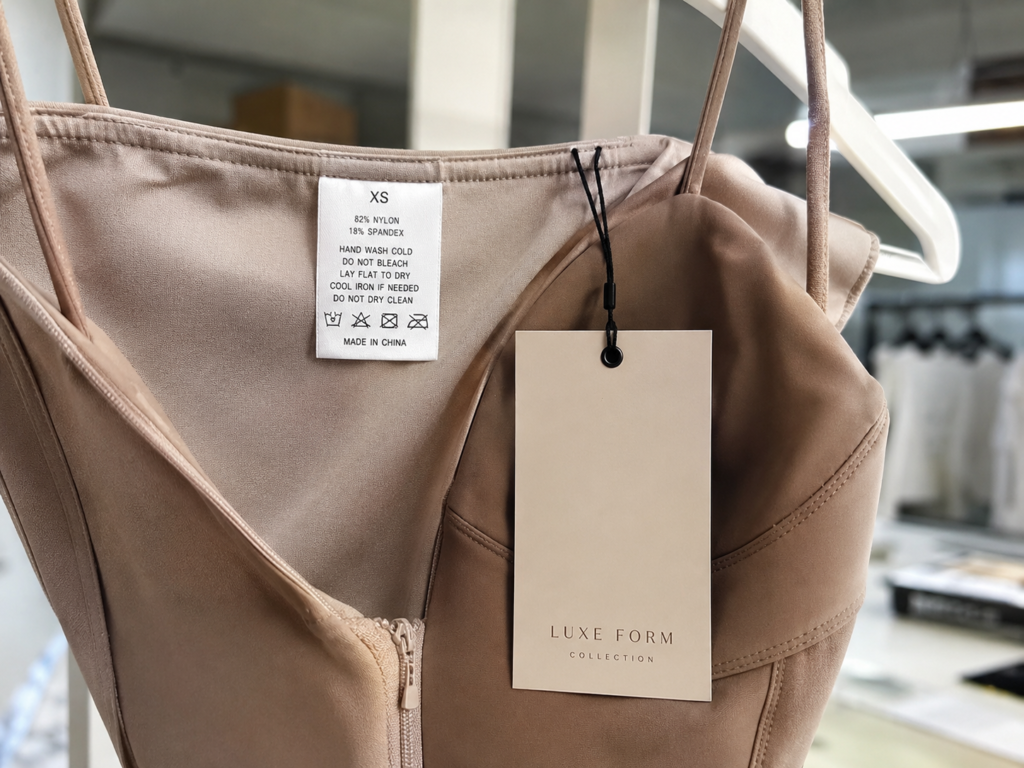
Hangtags and Tickets
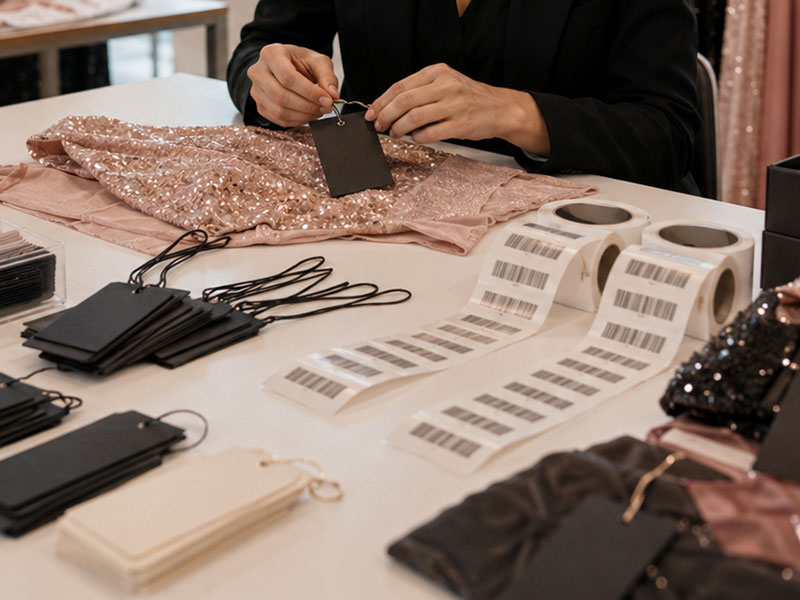
Barcode and SKU Control

Individual Packing

Carton and Assortment

Export Coordination
Anonymized Cap Sleeve Programs With Measurable Scale

United States Ecommerce Collection
Program profile: 14 styles, 28,400 pieces total, 4 color groups, core size range XS-XL, including fitted midi, bodycon mini, wrap midi, and structured day dresses. The main risk appeared in the fitted styles: early samples showed sleeve-edge lift and visible back-armhole tension during forward movement. The pattern team adjusted shoulder placement, sleeve pitch, back width, and sleeve opening shape. Separate grade rules were applied to shoulder, armhole, and sleeve opening instead of enlarging all points by one fixed increment. A second review focused on photo presentation. Satin and compact jersey styles were checked under front and side lighting for puckering, seam impressions, and sleeve symmetry. Bulk control points included mirrored sleeve measurements, shoulder position, neckline balance, and barcode-to-SKU matching. Production was divided by fabric and construction suitability, while packing followed the same garment labeling and carton system across the collection. Result: approved fit and workmanship standards were transferred into PP samples, production instructions, measurement charts, and packing files before bulk release. The program moved through staged inspection and shipment preparation under one merchandising structure.

United Kingdom Occasionwear Program
Program profile: 19 styles, 46,800 pieces total, including lace cap sleeve midi dresses, satin wedding guest dresses, mesh-overlay occasion styles, and crepe fit-and-flare dresses. Lace placement created the greatest technical challenge. Several styles used scalloped edges and large floral motifs that needed mirrored appearance across both sleeves.
Cutting markers were revised to protect motif direction, while sleeve pieces were paired before sewing. Fine mesh was introduced beneath selected lace areas to improve stability without losing transparency. Satin styles required separate seam and pressing trials to reduce puckering around the armhole.
Lining patterns were adjusted so the lining supported the bodice without pulling the cap sleeve upward. Inspection focused on lace holes, motif alignment, sleeve symmetry, side coverage, zipper flatness, surface marks, and pressing quality. Result: three fabric groups were managed through separate cutting and finishing instructions, then brought together under one label, barcode, and carton plan. Approved methods were retained for later color extensions and repeat-order review.

Australian Resort Collection
Program profile: 26 styles, 73,600 pieces total, including printed cap sleeve maxis, cotton poplin midis, rayon wrap dresses, linen-blend day dresses, and lightweight crepe occasion styles. The program combined fluid and structured fabrics, so one upper-body block could not be applied across the range. Rayon and viscose styles needed fabric relaxation, shrinkage review, and softer sleeve edges.
Poplin styles required more movement allowance and refined back-armhole shaping. Printed sleeve pieces were controlled for direction and visible placement near the shoulder. Packing trials addressed fold lines across the cap sleeve and upper bodice.
Lightweight tissue and revised fold positions reduced hard creases in photo-sensitive styles. Size assortment, barcode files, polybag labels, and carton marks were checked by style, color, and destination batch. Result: the collection was divided into fabric-led production groups with coordinated approval dates and staged delivery planning.
Pattern, material, trim, label, and packing records were retained for repeat-order and seasonal extension work.
Repeat Orders Built From Controlled Product Records
Pattern and Size Records
Fabric and Color References
Trim and Construction Records
Packing and Delivery Records
Cap Sleeve Dress Frequently Asked Questions

Start Your Cap Sleeve Dress Development Program
Send a tech pack, line sheet, reference image, original sample photos, or an initial collection brief. Kelly and the Jinfeng Apparel team will review product structure, fabric direction, shoulder and sleeve risk, size range, quantity, sample route, private-label needs, and delivery planning before proposing the next step.
For a more accurate review, include:
- Product type, sales market, and detailed references
- Quantity per style, color, and size range
- Fabric, composition, weight, stretch, color, or swatch
- Base size, measurement chart, and fit direction
- Label, hangtag, barcode, and packing requirements
- Photo-shoot, launch, warehouse, or delivery target
- Shipping destination, trade term, and inspection needs
- NDA or design-protection requirements


