 Skip to content
Canadian Seasonal Collection Solutions
Multi-style womenswear development and manufacturing for Canadian market launches, from line-sheet review and sampling through bulk production, quality control and delivery. Jinfeng Apparel supports established fashion brands and apparel teams building seasonal collections with multiple styles, fabrics, colors, sizes and launch priorities. Manufacturing programs are organized around product development, pattern making, sampling, production allocation, quality control, private-label packing and export coordination.
- Established-brand collection programs commonly cover 10–30 styles and 20,000–80,000 total garments per order
- Standard manufacturing MOQ starts from 200 pcs per style/color, subject to fabric, trims, construction and scheduling
- 2 sample rooms, 7+ senior pattern makers and 20+ sample machinists support parallel development
- 6 owned women’s fashion factories support dresses, sets, jumpsuits, skirts, tops and complex fashion styles
- Collection production can be organized by style group, fabric group, launch priority and delivery batch
Manufacturing Capacity Built for Multi-Style Seasonal Collections
6 Owned Fashion Factories
Jinfeng Apparel operates six owned women’s fashion factories within the Guangdong apparel supply-chain region. Production allocation is based on garment category, fabric behavior, construction complexity, approved workmanship and required launch sequence rather than assigning every style to the same production unit.
The structure supports dresses, skirts, jumpsuits, matching sets, tops, occasionwear and private-label womenswear under coordinated production management.
10+ Long-Term Production Partners
100,000+ Monthly Capacity
Regular monthly production capacity exceeds 100,000 garments.
Capacity is evaluated together with the number of styles, fabric readiness, color breakdown, sewing complexity, size ratios and required shipment sequence.
A 40,000-piece collection containing many detailed styles can require a very different production plan from a similar-volume program concentrated in straightforward repeat styles.
2 Sample Rooms
12+ Merchandisers
15+ QC Inspectors
A team of more than fifteen QC inspectors supports material, production, garment and packing checks according to project requirements.
Inspection criteria can differ significantly between satin, stretch bodycon, mesh, lace, sequin and structured styles, making product-specific inspection more useful than one generic checklist applied to an entire collection.
Seasonal Collection Support for Established Fashion Teams

Canadian Fashion Brands

US Brands Selling in Canada

Multi-Channel Fashion Retailers

Product and Sourcing Teams
Where Seasonal Collections Commonly Lose Control
No Style Priority
Fabric MOQ Conflicts
One collection may use satin, mesh, lace, rayon, jersey, velvet, sequins and custom colors. Fabric suppliers may apply different minimums to stock colors, custom dyeing, printing, certified materials or specialty constructions.
A visually attractive line sheet can therefore become commercially difficult when each fabric decision is made independently from planned garment quantities.
Late Fit Corrections
Bodycon dresses, corset styles, jumpsuits and fitted woven garments often need more careful fit review than relaxed silhouettes.
Delaying bust, waist, hip, strap, rise or length corrections until PP approval leaves little room for controlled revision. Fit risk should be identified early so higher-risk styles enter development with appropriate attention.
Uncontrolled Sample Changes
Bulk Style Drift
Compressed Launch Windows
Build a Seasonal Assortment That Can Reach Production
A strong seasonal range needs commercial variety without becoming operationally fragmented. Jinfeng approaches collection development by connecting product mix, fabrics, construction risk, sample priority and production requirements before bulk quantities are released.
Build the Assortment Around Commercial Roles
A collection is easier to manage when individual products have a clear commercial purpose. Hero styles may carry stronger visual details, new silhouettes or more complex fabric combinations. Commercial core products usually need broader wearability, manageable construction and stronger reorder potential. Supporting styles such as coordinated tops, skirts or matching sets can extend a color story without forcing every garment to use completely different materials.
Product mix can be organized around several questions:
- Which styles create the strongest seasonal identity?
- Which garments are expected to carry larger volume?
- Which products need early photography or showroom samples?
- Which silhouettes share similar fit blocks or construction?
- Which styles could become repeatable commercial products?
- Which products depend on specialty fabrics with higher sourcing risk?
For Canada-oriented womenswear, seasonality should influence product planning without turning the assortment into a weather catalogue.
Spring and summer programs may lean toward lighter wovens, rayon, chiffon, mesh and travel-friendly silhouettes.
Fall and holiday collections may move toward richer surface, layering, stretch structure, velvet, satin, lace or embellishment depending on brand positioning.
Translate Season Direction Into Manufacturable Groups
Mood boards and design references establish visual direction, but factories need a more structured development package. Products can be grouped by fabric family, silhouette, construction difficulty and production process before sampling begins.
A satin mini dress and satin midi dress may share material direction while requiring different internal construction. Several stretch styles may share fabric yet need different pattern reduction and recovery checks. Lace or sequin products may require separate handling because placement, lining and seam thickness introduce additional production steps.
Jinfeng can review:
- line sheet structure;
- style references and tech packs;
- fabric direction;
- color grouping;
- lining requirements;
- trim complexity;
- expected quantities;
- size range;
- private-label requirements;
- target launch sequence.
Set Launch Priority Before Sampling Starts
A seasonal range often contains several internal deadlines rather than one final ship date. Ecommerce photography may need selected samples first. Sales meetings may require salesman samples. Fit-critical styles need revision before simpler products. Final PP approval must occur before a bulk production standard is considered locked.
A useful priority structure can separate:
Priority A — launch-critical styles: hero garments, early photography products and high-volume styles.
Priority B — fit or construction risk: corset, mesh, bodycon, jumpsuit, cut-out, lace and embellished garments requiring additional validation.
Priority C — commercial support styles: products with established constructions or lower development uncertainty.
Priority D — later drops or replenishment: colors or styles scheduled for a subsequent release window.
Jinfeng’s sample room, pattern, merchandising and production teams can work around an agreed priority list. Brand teams remain responsible for commercial direction and approvals, while manufacturing resources are organized around the sequence required to turn approved styles into bulk production.

Womenswear Categories for a Complete Seasonal Assortment
Jinfeng’s core manufacturing range allows a seasonal line to combine dresses with coordinated fashion categories instead of forcing a brand to split related products across unrelated garment suppliers.

Mini Dresses

Midi Dresses

Maxi Dresses
Maxi dresses work well in resort, vacation, occasion and event capsules where silhouette and fabric movement carry much of the visual value.
Lightweight woven fabrics may require transparency control, lining and shrinkage checks, while fitted stretch maxis require recovery and seam stability. Floor or ankle length must be reviewed against the intended footwear and styling direction during sample approval.

Matching Sets
Coordinated tops and skirts or tops and trousers help extend a color and fabric story across more saleable combinations. Manufacturing control must keep shade, hand feel, labels and finish consistent across both pieces.
Pattern balance also matters because a set may be sold together while each garment still needs independent fit logic and clear packing identification.

Jumpsuits
Jumpsuits combine upper-body fit with waist, hip, rise and leg proportions in one garment, making sample validation especially important.
Construction can range from relaxed woven styles to fitted occasion jumpsuits with corsetry or stretch panels. Crotch depth, torso length, zipper access, bust support and movement should be resolved before grading and bulk production.
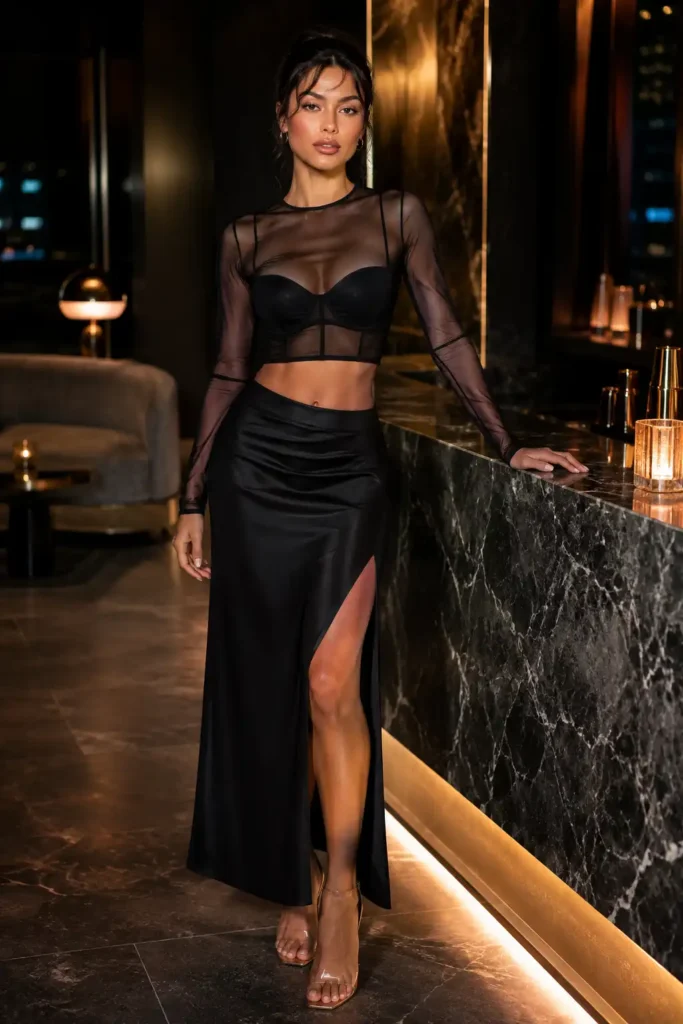
Going-Out Tops
Corset tops, mesh tops, satin camisoles, halters and fitted fashion tops can extend a seasonal dress story while giving the range additional price and styling options.
Small garments are not automatically simple garments.
Bra cups, boning, straps, elastic, lining, edge finishing and neckline stability may require the same level of technical attention as a dress.

Occasion Dresses
Cocktail, party, wedding-guest, graduation, homecoming and evening directions can introduce satin, lace, organza, tulle, sequins, mesh and structured elements.
Surface appearance matters, but manufacturing decisions also include lining comfort, zipper flatness, embellishment protection, lace placement, bust support, seam bulk and clean pressing before packing.

Fashion Hero Styles
Choose Fabrics by Product Role and Construction Risk
Fabric selection affects much more than surface appearance. Hand feel, drape, stretch, recovery, opacity, shrinkage, pressing behavior, seam performance and supplier minimums can alter pattern development, sample results, costing and bulk consistency.
| Collection Direction | Fabric Families | Typical Applications | Development Checks |
|---|---|---|---|
| Lightweight warm-season fashion | Rayon, viscose, chiffon, lightweight woven, cotton blends | Mini dresses, resort maxis, relaxed sets | Shrinkage, transparency, drape, seam stability, lining need |
| Fitted stretch fashion | Jersey, rib knit, ponte, stretch mesh, power mesh | Bodycon dresses, fitted sets, tops | Stretch direction, recovery, negative ease, seam stretch, opacity |
| Occasion and event | Satin, crepe, lace, organza, tulle | Midi dresses, cocktail dresses, occasion styles | Snagging, shine direction, placement, lining, pressing |
| Embellished partywear | Sequin fabrics, beaded surfaces, rhinestone details | Party dresses, hero styles, holiday garments | Surface loss, skin contact, seam thickness, protection |
| Transitional structured fashion | Ponte, crepe, suiting, structured woven | Midi silhouettes, tailored sets, jumpsuits | Weight, shape retention, seam finish, pressing |
| Rich cooler-season fashion | Velvet, heavier knit, layered lace, satin | Holiday, evening and occasion collections | Nap direction, bulk, color appearance, pressing and packing |
Control Multi-Style Development Without Losing Collection Consistency
Collection manufacturing becomes harder as style count increases because every SKU creates linked decisions around materials, samples, revisions, production standards and packing. Jinfeng organizes the information into controlled groups rather than treating every style as an isolated conversation.
Group Styles and Materials Before Development Accelerates
Style grouping can reduce both technical confusion and unnecessary material fragmentation. Garments with related fabric families can be reviewed together for color, supplier minimums, hand feel and testing needs. Similar fit blocks can share useful development knowledge without assuming one pattern works for every silhouette.
Useful grouping dimensions include:
Fabric family: satin, stretch knit, mesh, lace, woven rayon, crepe, velvet, sequin and other material groups.
Construction family: fitted stretch, corset, lined woven, draped, bias, gathered, structured, embellished or layered garments.
Commercial role: hero style, commercial core, photography priority, later drop or replenishment candidate.
Risk level: straightforward repeat construction, new fit, complex trim, specialty fabric or first-time process.
Grouping also makes sourcing more visible. If six styles rely on one fabric family, a material problem has collection-level consequences. When every style uses a different fabric, minimums, shade approvals and production readiness become more difficult to coordinate.
Sample Priority and Revision Records
Parallel development needs a clear record of where each garment stands. A first sample, revised fit sample, photo-ready sample and PP sample represent different decisions. A photo sample can look correct on camera while still lacking final production details. A first sample can establish silhouette without being suitable as a bulk reference.
For each style, Jinfeng can track approved information such as:
- pattern version;
- measurement comments;
- fabric reference;
- trim reference;
- construction comments;
- label placement;
- sample status;
- pending brand approval;
- PP status;
- packing instructions.
Comments from several internal brand functions should ideally be consolidated before a revision is released.
Fragmented feedback increases the risk of one approved detail being overwritten by a later comment from another department.
Production, SKU and Packing Control
Collection control continues after sample approval. Styles can enter production at different times because fabric readiness, PP approval and launch priority differ. Production allocation therefore needs to stay connected to the same approved style information used during development.
SKU and packing control becomes particularly important when one collection contains several colors and sizes. Style number, color reference, size, barcode, hangtag, polybag and carton information must correspond correctly. A garment can pass sewing inspection yet still create a retail problem if labeling or carton identification is wrong.
Jinfeng’s merchandising, production, QC and finishing teams work from project-specific instructions so development information can move into production and packing without being reconstructed from memory at each stage.

Start With Feasibility Before Committing to Bulk Production
Project Review
Feasibility Advice
Sampling and Quotation Plan
Sampling Strategy for Multi-Style Seasonal Womenswear Collections

First Sample

Fit Sample
A fit sample focuses more closely on measurement, balance and wearability against the brand’s approved size chart or fit model.
Fitted styles may require detailed review around bust, waist and hip tension, while jumpsuits need torso and rise checks. Fit comments should be resolved before grading or large-scale material commitment wherever possible.

Revised Sample

Photo-Ready Sample
Photography samples are developed around visual presentation and an agreed shoot deadline.
A garment may need correct color, proportion and visual details for campaign or ecommerce use. Photo-ready status does not automatically mean PP approval; final labels, packing, production construction or bulk materials may still require confirmation.

Salesman Sample
Salesman samples can support wholesale presentation, line reviews or commercial selling before the complete production run.
Where required, priorities can be organized around styles needed for selling appointments. Sample status must remain clearly identified so a sales sample is not accidentally treated as the final technical production standard.

PP Sample
The pre-production sample is a major control point before bulk manufacturing. Final fabric, color, construction, measurements, trims, labels and relevant finishing details should be aligned closely with the intended bulk standard.
Significant changes after PP approval can affect material procurement, costing, production planning and delivery sequence.

Golden Sample
A confirmed reference sample can support production and quality communication where a physical garment standard is useful.
Pattern records, measurement files, material references and written sewing instructions remain important even when a golden sample is retained. Physical samples alone cannot replace accurate production documentation.
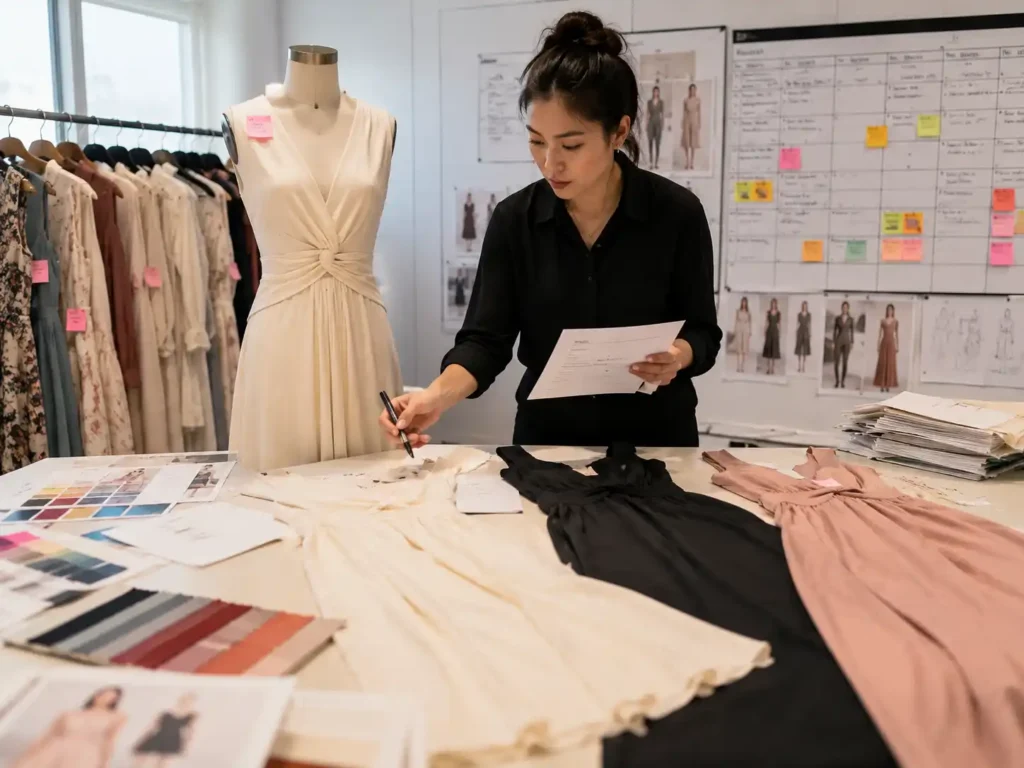
Sample Priority
Fit and Construction Control for Complex Fashion Styles

Bodycon Fit Control

Corset Structure Control

Mesh Transparency and Recovery

Satin Construction and Finishing
Satin exposes production problems quickly because light reflects from the surface. Shade variation, snagging, needle marks, seam puckering, incorrect shine direction, bulky zipper insertion and poor pressing can remain visible even when stitching is technically secure. Bias or draped satin styles introduce additional movement.
Cutting direction, lining, seam handling, zipper flatness and final pressing deserve separate review before packing.

Lace Placement and Edges
Lace garments depend on more than fabric selection.
Pattern placement can alter symmetry and visual balance, especially around bodices, necklines and center seams.
Joining methods, lining color and edge finishing influence both appearance and comfort. If scalloped edges or motifs form part of the design, cutting consumption and placement should be considered before final costing and bulk cutting.

Sequin and Embellishment Control
Transfer Approved Samples Into a Controlled Bulk Standard
Approved Development Package
PP Lock and Change Control
PP approval establishes the intended production standard. Fabric, color, trims, measurements, construction, labels, hangtags, polybags and packing method should not change casually after the production plan is released. If a late change becomes necessary, the impact on pattern, sourcing, cost, schedule and consistency must be reviewed before acceptance.
Change control protects both sides from treating a visually small adjustment as operationally insignificant when bulk materials or production preparation are already underway.
Allocate Multi-Style Production by Garment and Launch Priority
A seasonal program is not improved by sending every garment to whichever line becomes available first. Production allocation should reflect product structure, approved workmanship, material readiness, production volume and launch sequence.
Match Production Resources to Garment Structure
Jinfeng operates 18+ sewing lines and 6+ flexible production lines across its manufacturing system. Different production units can be more suitable for stretch garments, woven dresses, occasion styles, sets, jumpsuits or established repeat constructions.
Flexible lines support multi-style and multi-color organization without changing Jinfeng’s manufacturing position into a no-threshold small-order model. Standard MOQ still starts from 200 pcs per style/color, while flexible production refers to how approved programs can be organized across different styles and batches.
Higher-risk first-time styles can be assigned more conservatively, especially where corsetry, lace placement, mesh construction, satin handling or embellishment requires experienced workmanship.
Balance Owned and Long-Term Partner Capacity
Owned factories form the core women’s fashion production system. Long-term satellite partners can support regular styles, repeat programs, peak-season balancing and selected production batches.
Allocation decisions can consider:
- style construction;
- fabric behavior;
- required workmanship;
- confirmed quantity;
- line availability;
- PP approval status;
- delivery priority;
- repeat-order history.
Long-term partner capacity should not mean uncontrolled subcontracting. Production requirements, approved information and quality expectations need to remain under Jinfeng’s production and QC coordination.
Keep Production Status Visible Across the Collection
A collection can contain styles at cutting, sewing, finishing and packing stages simultaneously. Merchandising follow-up therefore needs to monitor more than one final completion date.
Useful milestones include material readiness, PP approval, production release, cutting, sewing progress, finishing, QC, packing and shipment preparation. When one style becomes delayed, the effect on other launch groups can be assessed before the entire order is automatically held.
Production visibility is especially useful for multi-batch programs where a priority group may ship before later styles or replenishment quantities.

Quality Control Built Around Each Garment Type
Incoming Material Checks
Cutting Control
In-Line Sewing Inspection
Measurement and Fit Checks
Finished garments are measured against the approved specification and tolerance agreed for the project. Base-size fit approval, grading and bulk measurement are connected but separate stages.
Size distribution can follow the brand’s confirmed size chart and ratio within the approved order quantity rather than using one universal Jinfeng sizing system.
Product-Specific QC
Final and Third-Party Checks
Private Label Packing for Multi-SKU Seasonal Programs
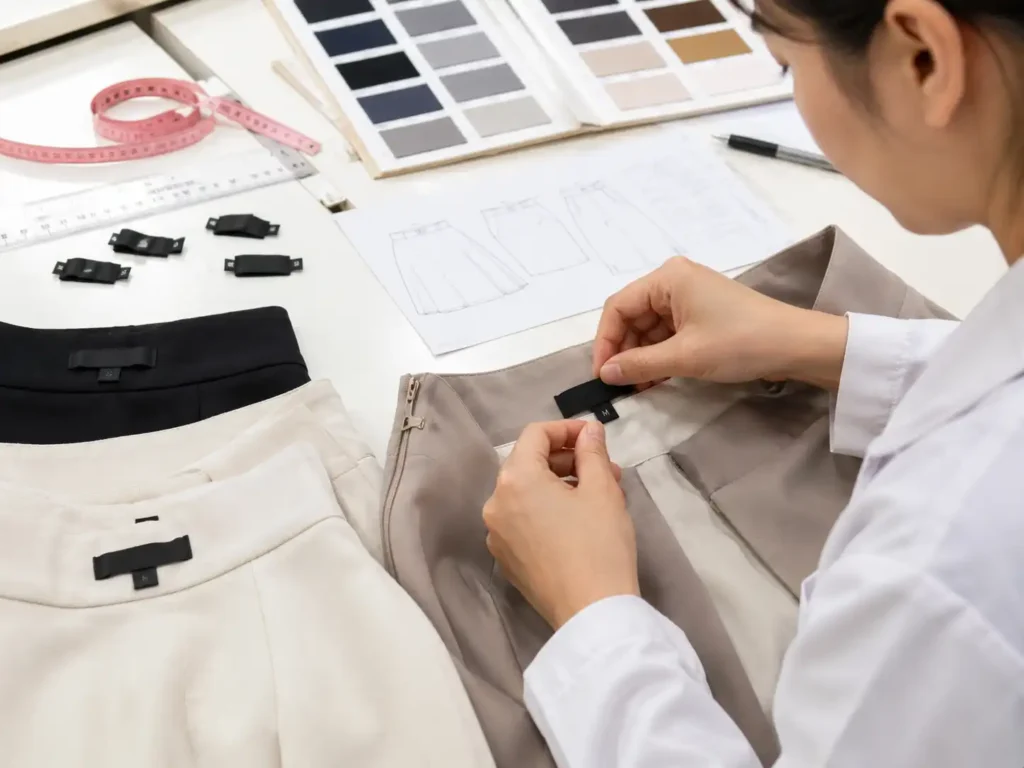
Woven and Size Labels
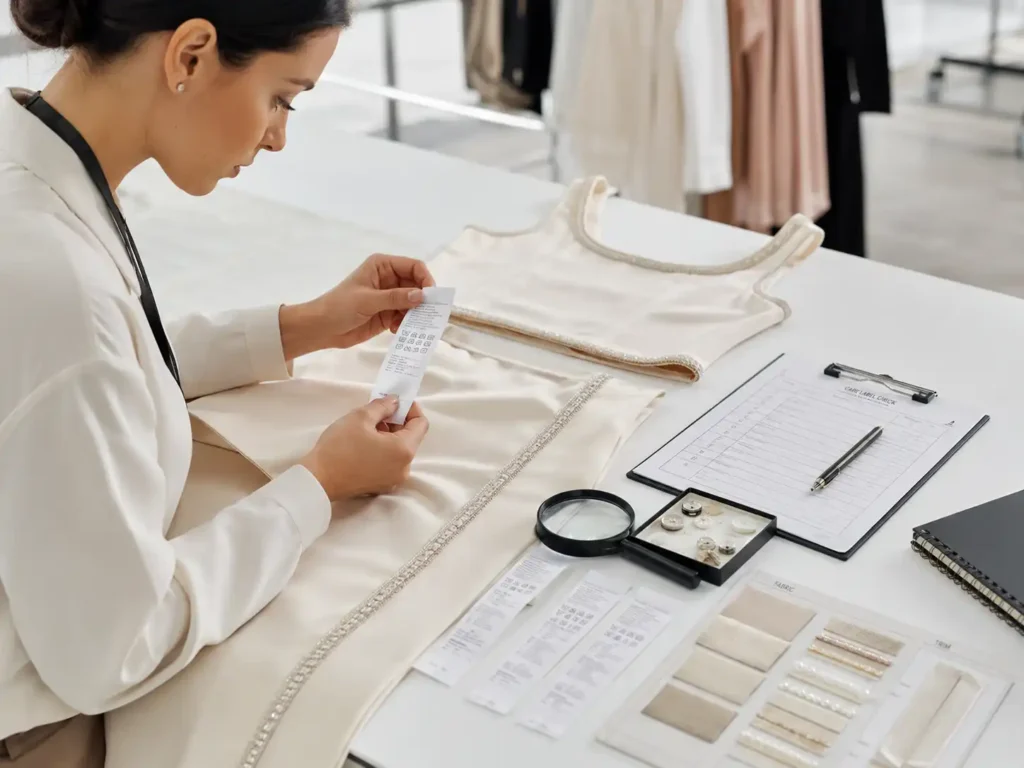
Care Labels
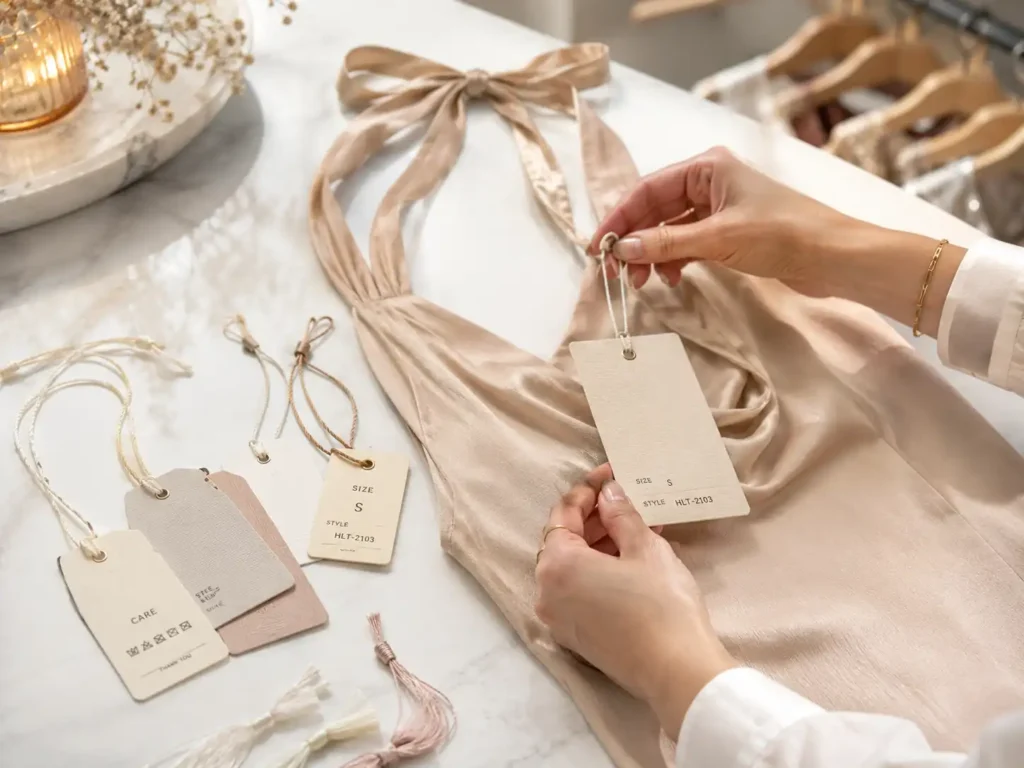
Hangtags and Barcodes

Individual Polybags
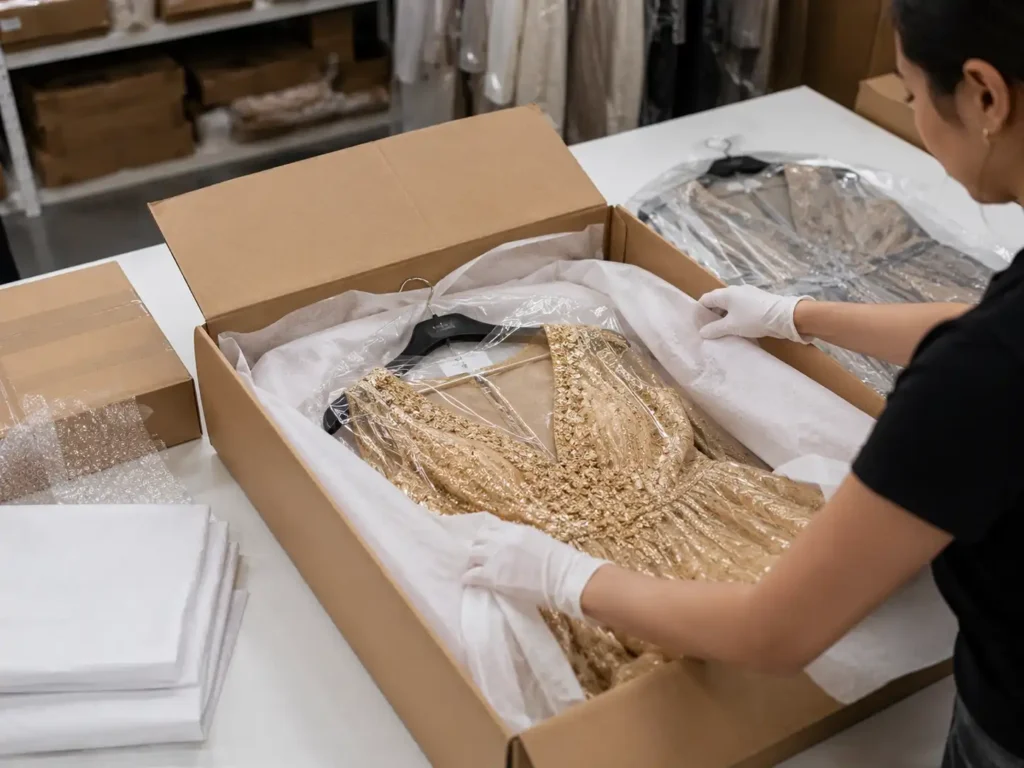
Size-Ratio Packing
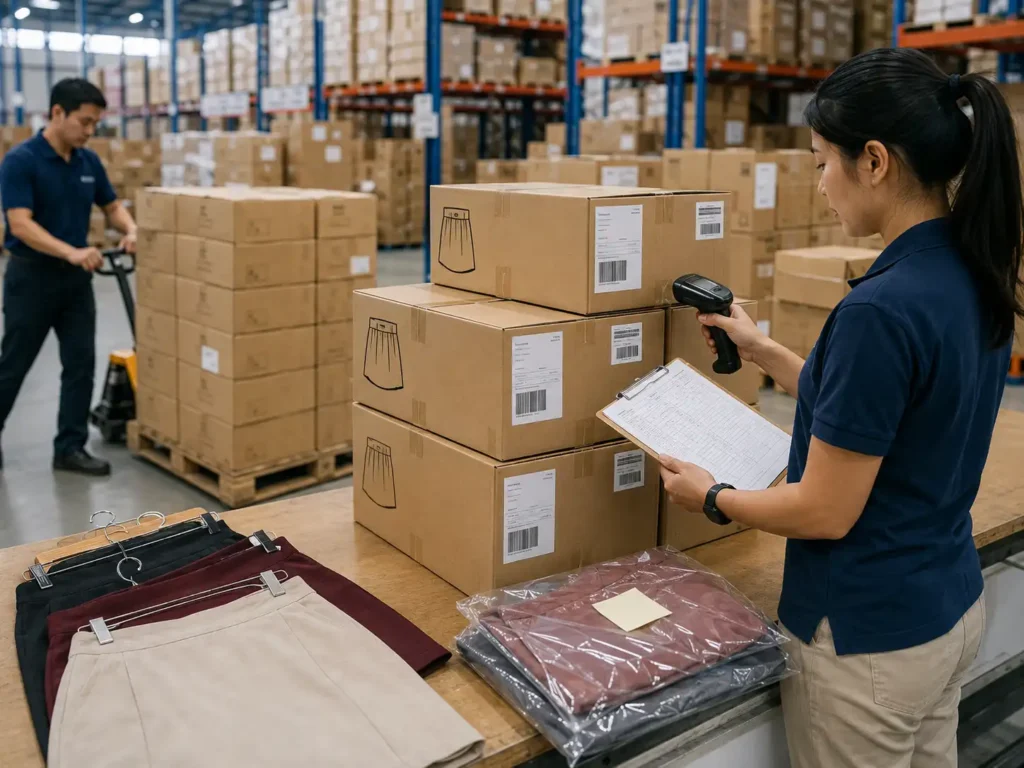
Cartons and Warehouse Marks
Plan Manufacturing Milestones Backward From the Launch Date
Collection Brief
Define season, product direction, intended launch window, key categories, commercial priorities and estimated quantities. A clear brief gives development teams enough context to identify which garments deserve early attention and which materials may create sourcing constraints.
Line Sheet Review
Style references, line sheets and available tech packs are reviewed before development is released. Missing construction information, special trims, high-risk fabrics or unclear size requirements can be identified early rather than discovered after samples arrive.
Fabric and Trim Development
Priority Sampling
Launch-critical and higher-risk garments move through pattern and sample work according to the agreed priority list.
Sample schedules are based on real garment complexity and material readiness rather than one universal development time applied to every style.
Fit and Revision
Fit comments are consolidated and revised where necessary. Significant material or design changes can alter pattern, costing and timing.
Revisions should close critical issues before PP approval rather than leaving known fit problems for production sewing teams to solve.
PP Approval
The pre-production stage aligns the final production standard.
Late approvals reduce the time available for fabric purchasing, cutting, sewing,
QC, packing and freight, so PP status should remain visible across the collection.
Bulk Production
Approved styles enter production according to material readiness, allocation and delivery priority. Several style groups may run at different stages simultaneously.
Production status is tracked against the launch plan instead of waiting for the entire collection to reach completion before progress is reviewed.
Packing and Shipment
Plan MOQ and Cost at Collection Level
Collection costing depends on the relationship between garment quantity, fabric minimums, color strategy, construction and finishing. Jinfeng’s standard MOQ starts from 200 pcs per style/color, while specialty materials and custom developments can require higher material commitments.
| Cost or MOQ Factor | Manufacturing Impact | Planning Approach |
|---|---|---|
| Garment MOQ | Starts from 200 pcs per style/color | Confirm quantities by style and color, not total collection pieces alone |
| Fabric availability | Stock and custom fabrics have different supplier conditions | Group suitable styles around shared fabric families where commercially appropriate |
| Custom color or print | Dyeing and printing can carry separate minimums | Consolidate colors or use available color routes where compatible with design |
| Lining and layers | Additional consumption and operations affect cost | Define opacity and structure requirements during sampling |
| Complex construction | Corsetry, ruching, draping and cut-outs add operations | Review construction before final quotation |
| Specialty trims | Cups, boning, lace, sequins and custom hardware affect sourcing | Confirm specifications and supplier minimums early |
| Size range | Grading and size ratios affect production planning | Supply approved size chart and planned size breakdown |
| Private-label packing | Custom labels, hangtags and packaging can have separate MOQ | Confirm artwork and packing specifications before bulk finishing |
| Production schedule | Peak loading or late changes can affect feasibility | Reserve production after PP and material status are sufficiently clear |
Multi-Batch Delivery for Seasonal Launch and Replenishment

Priority Launch Batch

Air and Sea Split

Regional or Warehouse Split

Replenishment Batch
Keep Repeat Orders Connected to the Original Product Standard

Retained Product Records

Reconfirm Changing Variables
Anonymized Multi-Style Seasonal Collection Production Case
A representative North American fashion program shows how collection-level control differs from processing individual garment orders. Brand identity and confidential development materials remain protected under Jinfeng’s project confidentiality approach.
Collection Brief and Product Mix
The seasonal program contained 18 styles with a total order quantity of 43,200 garments, placing the project inside the normal scale of established-brand collection programs handled through Jinfeng’s manufacturing structure.
The assortment combined fashion dresses, coordinated sets, jumpsuits and tops with several material directions, including satin, mesh, stretch constructions and woven fabrics. Individual styles carried different commercial roles and development risks rather than following one identical workflow.
Instead of treating eighteen tech packs as eighteen unrelated orders, the program was organized around:
- launch priority;
- fabric groups;
- construction difficulty;
- sample status;
- bulk readiness;
- style-color-size information;
- private-label requirements.
Higher-risk fitted and detailed styles received additional development attention before production release, while more straightforward commercial products could continue through the process once materials and construction were confirmed.
Sampling and Production Control
Sample development was prioritized according to commercial importance and technical risk. Fit-sensitive garments were reviewed before grading and bulk release, while approved material and trim information was consolidated into the production handover.
PP approval established the reference point for:
- final pattern;
- measurement specification;
- approved fabric;
- trims;
- construction;
- labels;
- packing requirements.
Production was then divided according to garment structure and line suitability rather than forcing the full assortment through one production sequence. Merchandising follow-up tracked material readiness, approvals and production milestones across the collection.
The operating objective was not simply sewing 43,200 garments. The more difficult task was maintaining clear information while eighteen styles moved through different stages without losing approved product details.
QC, Packing and Follow-Up
Inspection criteria were adjusted to product type. Satin garments received surface, seam and pressing attention; stretch garments required measurement and recovery checks; mesh products needed transparency and stability review; fashion details were assessed against approved references.
Private-label finishing followed the confirmed style-color-size information so labels, barcodes, polybags and cartons remained traceable across the assortment.
After the original production cycle, retained patterns, measurements, material references, sewing information, packing records and QC notes created a foundation for repeat-order evaluation. Future production still requires confirmation of material availability, color, pricing and schedule, but the product history does not need to be reconstructed from the beginning.
The project structure illustrates the operating model Jinfeng uses for established fashion brands: organize the collection, validate higher-risk products, lock approved standards, allocate production deliberately and keep product records available for the next commercial cycle.

Canadian Seasonal Collection Frequently Asked Questions

Start Your Canadian Seasonal Collection With Clear Project Information
- Collection season or launch window
- Line sheet or style list
- Available tech packs
- Reference images or original samples
- Priority or hero styles
- Planned quantities by style and color
- Fabric and color direction
- Size chart and intended size range
- Private-label and packing requirements
- Expected delivery destination
- Any required inspection or testing standards
- Special construction, trim or fit concerns


