Skip to content
Brunch Dress Manufacturer
Custom brunch dress development for fashion brands building polished, comfortable, photo-ready daywear collections.
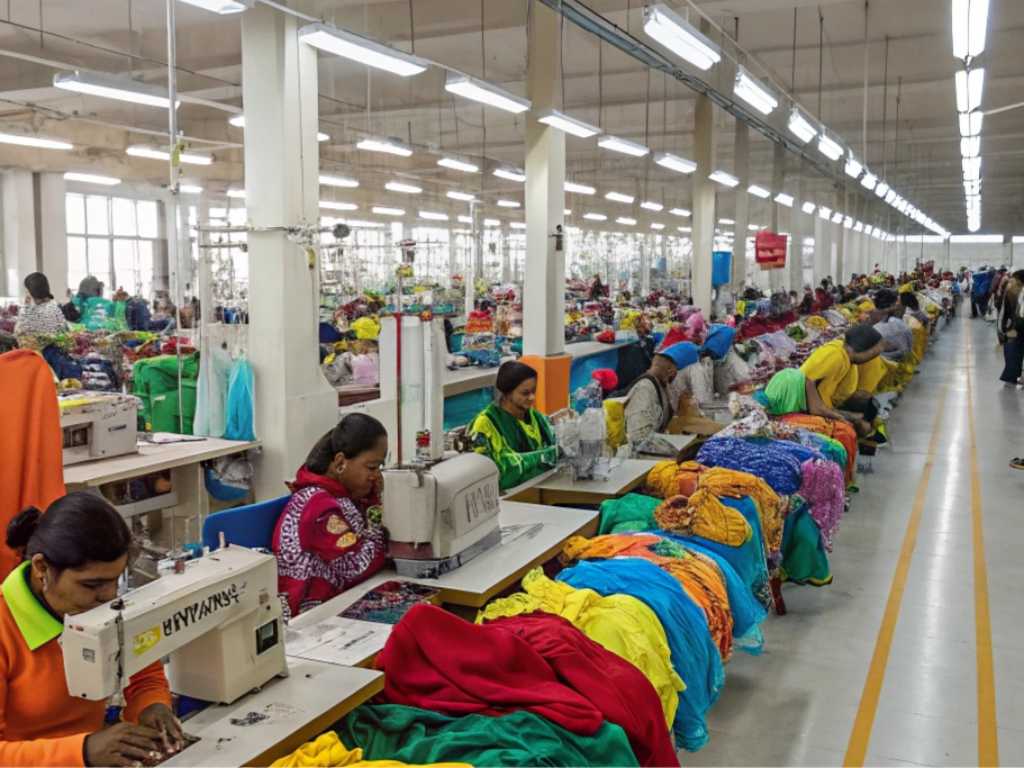
Jinfeng Apparel develops brunch dresses from reference images, tech packs, original samples, sketches, and seasonal line sheets. Our team coordinates fabric sourcing, pattern development, sample fitting, bulk production, quality control, private-label packing, and export delivery.
- Brunch collections commonly include 10–30 coordinated styles across mini, midi, and maxi lengths.
- Current brand programs commonly total 20,000–80,000 garments across multiple styles, colors, and size ranges.
- MOQ starts from 200 pieces per style and color, subject to fabric, print, trim, and construction requirements.
- Since 2008, Jinfeng Apparel has supported custom womenswear development through 6 owned factories and 10+ long-term production partners.
Manufacturing Capacity for Seasonal Brunch Dress Collections
Since 2008
6 Owned Factories
10+ Production Partners
2 Sample Rooms
7+ Pattern Makers
MOQ From 200 Pieces
Built for Fashion Teams Planning Day-Event Collections
Ecommerce Fashion Brands
Lifestyle Labels
Boutique Chains
Resortwear Brands
Product Development Teams
Private-Label Programs
A Clear Production Fit Before Development Begins
Best Fit for Jinfeng
- Clear target market and retail position
- Planned quantities by style and color
- Defined launch or warehouse date
- Size range and grading requirements
- Fabric or visual direction
- Private-label and packing standards
- Long-term repeat or seasonal potential
Different Supply Models
Jinfeng Apparel focuses on custom development, professional sampling, bulk manufacturing, and brand delivery.The operating model is not based on ready-stock resale, one-piece fulfillment, personal tailoring, or fragmented micro-quantity production.
Production planning depends on stable material purchasing, controlled cutting, consistent sewing methods, structured quality checks, and approved packing standards.Clear project boundaries protect product quality and delivery reliability.

What Defines a Commercial Brunch Dress Collection
Relaxed Polish
Daylight Appearance
Comfortable Sitting Fit
Feminine Detail Balance
Social-Ready Styling
Repeatable Construction
Common Production Risks Behind Attractive Brunch Concepts
Light-Color Transparency
Uncomfortable Sitting Fit
Unsafe Mini Length
Uneven Ruffles
Print Direction Errors
Sample-to-Bulk Variation
Brunch Dress Styles Developed for Seasonal Assortments

Floral Midi Dresses
Puff-Sleeve Mini Dresses
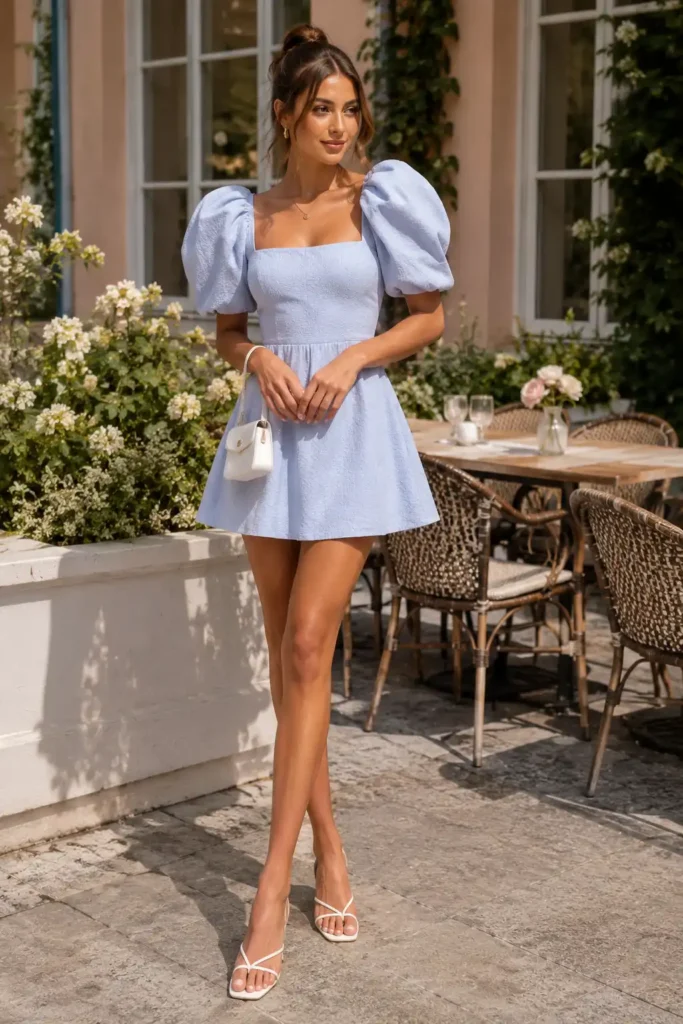
Puff-sleeve mini dresses create a strong upper-body silhouette for campaign images and social content. Sleeve volume must remain balanced against bodice width and skirt length. Pattern development controls sleeve-head volume, gathering distribution, elastic pressure, cuff opening, arm mobility, shoulder position, and left-right symmetry. Mini length requires additional attention to back coverage, lining length, and hem movement. Cotton blends, printed woven fabrics, poplin-style qualities, lightweight crepe, and viscose blends are common options.

Babydoll Brunch Dresses
Babydoll silhouettes offer relaxed comfort and youthful visual appeal. The seam position below the bust, skirt volume, shoulder width, and finished length determine whether the garment looks intentional or oversized. Development work focuses on upper-bust fit, underarm coverage, seam height, gathering ratio, front and back balance, and lining behavior. Soft cotton blends, rayon, viscose, dobby fabrics, and lightweight printed woven qualities work well.

Ruffle Day Dresses
Ruffle dresses may include neckline flounces, sleeve ruffles, wrap edges, tier seams, or hem flounces.
Each ruffle requires controlled length, width, curve, gathering, edge finish, and pressing method. Poorly calculated ruffles can add unwanted volume, curl after washing, or appear uneven across production.
Jinfeng Apparel converts visual references into measurable ruffle specifications before bulk cutting.

A-Line Brunch Dresses
Wrap Brunch Dresses
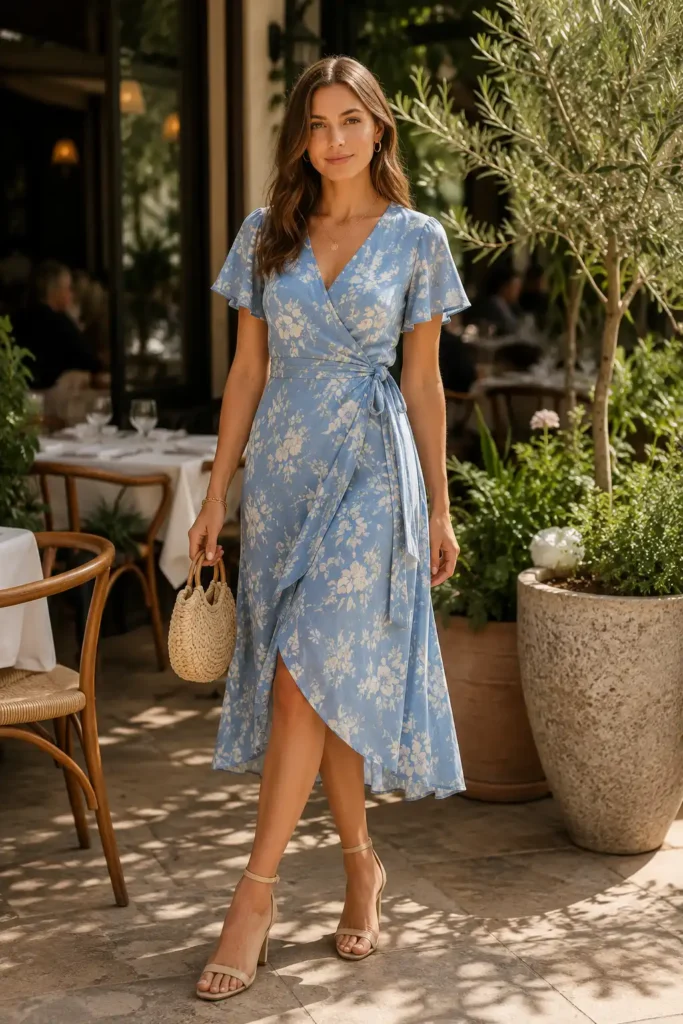
Wrap dresses need secure neckline coverage, stable waist fastening, sufficient overlap, and controlled skirt opening.
A visually attractive wrap can fail when the tie position shifts, the front overlap opens, or the neckline stretches during wear.
Pattern control covers front overlap width, tie length, waist position, neckline stabilization, skirt sweep, and movement allowance.

Linen-Blend Dresses
Linen-blend brunch dresses offer natural texture and warm-weather appeal.
Fabric selection must balance authentic surface character with softness, opacity, wrinkle behavior, shrinkage, and sewing stability.
Lining, seam finish, pressing, and packing methods are selected according to color and fabric weight. Natural crease character should look intentional rather than damaged.

Cotton Shirt Dresses
Shirt dresses combine casual structure with polished daywear.
Key areas include collar shape, front placket, button spacing, bust gaping, shoulder width, sleeve opening, waist definition, side-seam balance, and hem shape.
Covered buttons, shell-like buttons, self-fabric belts, and removable ties can strengthen brand presentation.

Smocked Brunch Dresses
Tiered Maxi Dresses
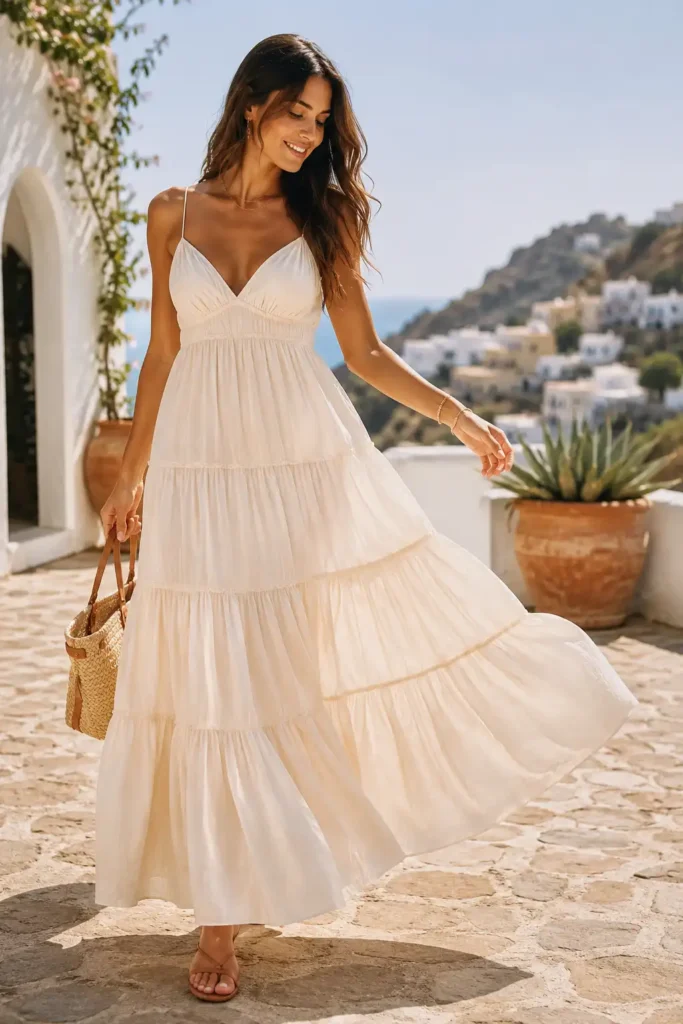
Tiered maxi dresses depend on proportion. Tier height, gathering ratio, waist position, skirt weight, lining length, and hem balance determine movement and visual length.
Lightweight rayon, viscose, chiffon, cotton blends, and printed woven fabrics are common. Long hems require controlled fabric relaxation, leveling, pressing, and packing.
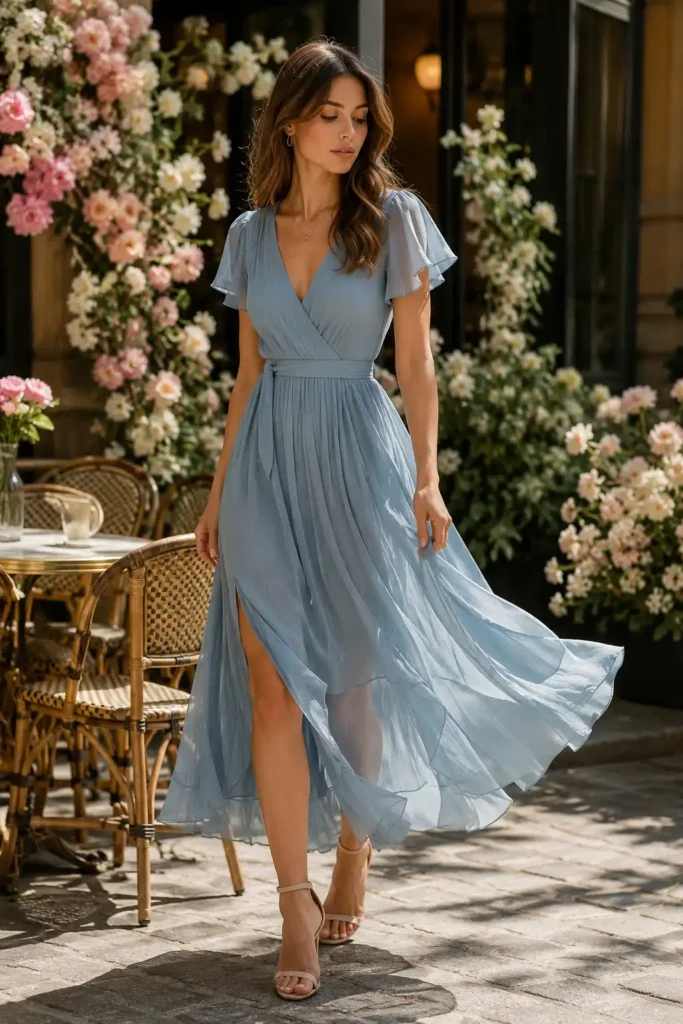
Chiffon Day Dresses
Chiffon creates light movement and layered visual depth. Production risks include cutting slippage, seam puckering, transparency, uneven hems, snagging, and lining mismatch.
Jinfeng Apparel reviews chiffon weight, surface texture, print, lining tone, seam method, edge finish, and pressing temperature before confirming construction.

Light Satin Dresses
Light satin can move a brunch style toward premium day-event dressing. Shine direction, color variation, seam impressions, zipper waves, pressing marks, and fabric snagging require disciplined handling.
Satin styles are assessed according to garment structure, lining, drape, seam placement, and packing method rather than treated like ordinary woven dresses.
Brunch Occasions Requiring Different Product Decisions

Sunday Brunch

Rooftop Brunch

Birthday Brunch

Bridal Brunch

Wedding Weekend

Resort Brunch

Vacation Brunch

Mother’s Day

Garden Events
Garden brunch styles interact with grass, outdoor seating, sunlight, and movement.
Hem length, heel compatibility, print scale, fabric opacity, and resistance to snagging need consideration.
Hotel Brunch
Hotel settings support more refined silhouettes, light satin, chiffon, lace accents, tailored waists, and controlled shine.
The garment should remain polished without moving into eveningwear.
Holiday Brunch
Holiday brunch collections may use seasonal colors, velvet touches, decorative buttons, lace trims, metallic details, or richer prints.
Fabric weight and indoor comfort vary by market climate.

Summer Social Events
Build a Balanced Brunch Dress Product Architecture
Length Strategy
Silhouette Strategy
Sleeve Strategy
Neckline Strategy
Fabric Strategy
Detail Strategy
Extend Brunch Collections Beyond Individual Dresses

Top and Skirt Sets
Printed Matching Sets
Lightweight Jumpsuits

Fashion Rompers

Knit Day Dresses

Resort Two-Piece Sets

Skirts and Blouses

Light Layering Pieces
Fabrics Selected for Appearance, Comfort, and Bulk Stability
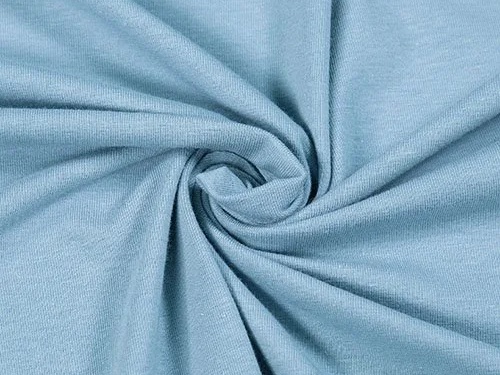
Cotton Blends
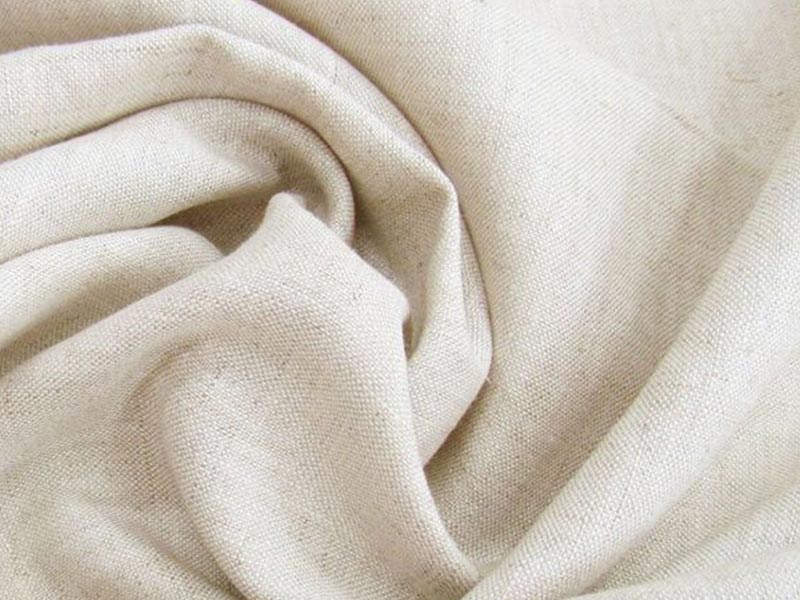
Linen Blends
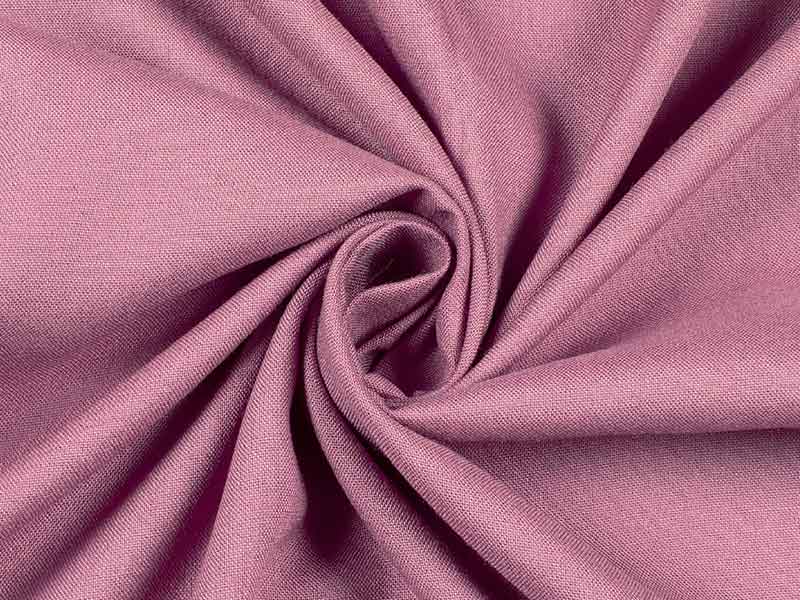
Rayon
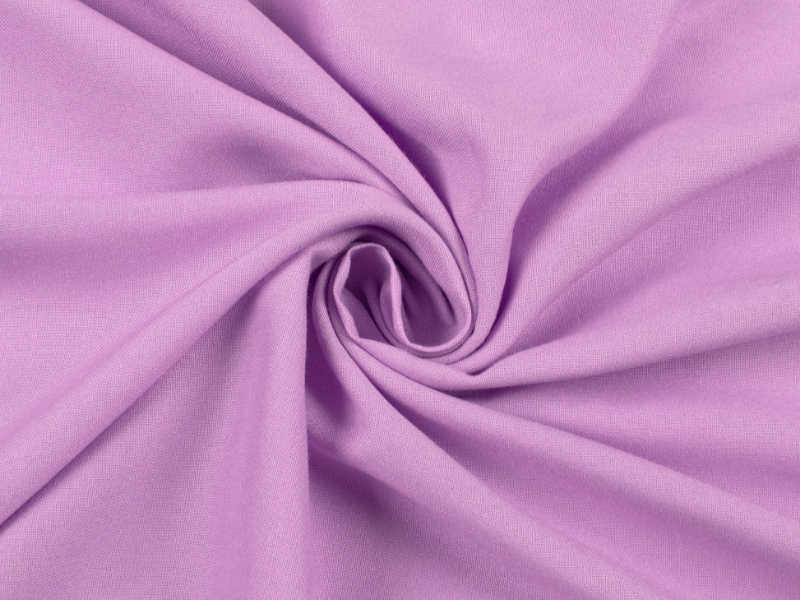
Viscose

Chiffon
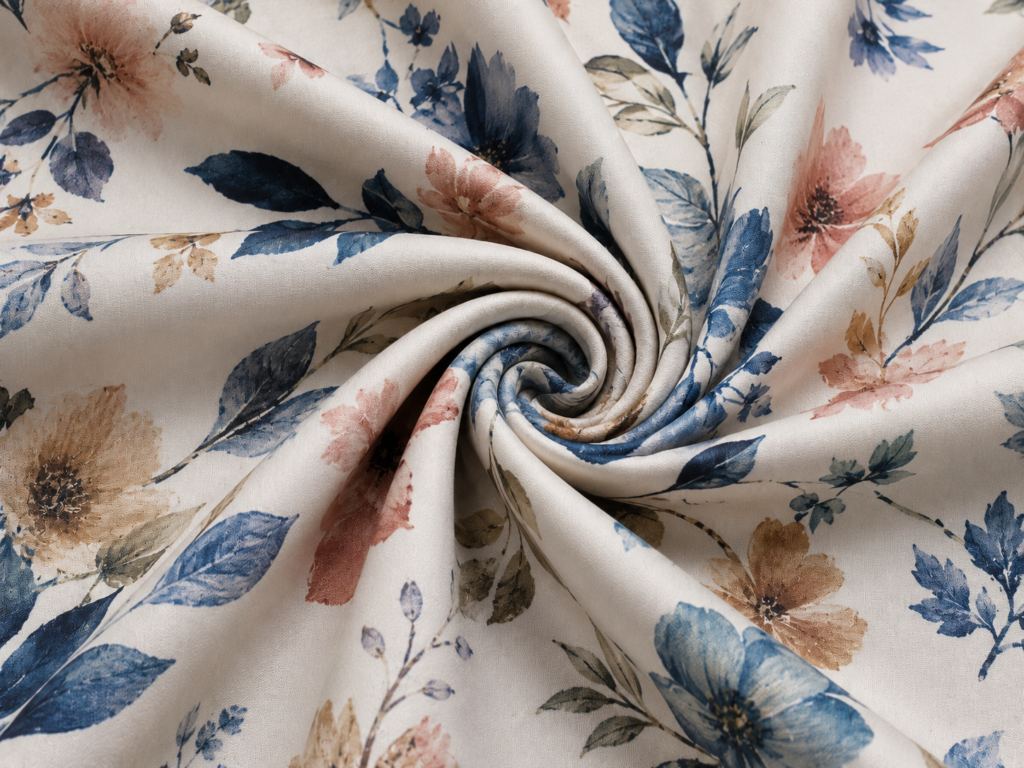
Printed Woven Fabrics

Light Satin
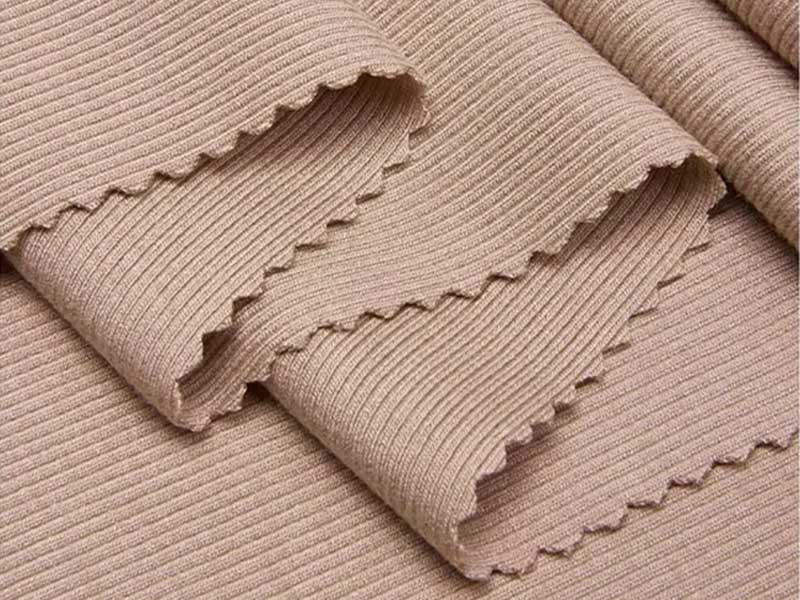
Soft Knits
Fabric Testing Focused on Brunch Dress Performance
Daylight Transparency
Shrinkage Behavior
Wrinkle Recovery
Colorfastness
Print Clarity
Batch Consistency
Seam Performance
Lining Compatibility
Print and Color Development for Daylight Presentation
Floral Scale Planning
Directional Print Control
Placement Print Development
Seasonal Color Stories
Pantone and Lab Dips
Bulk Shade Control
Bulk color approval confirms fabric shade before cutting. Roll-to-roll differences, dye lots, print lots, thread color, zipper color, lining, and labels need coordinated review.
Feminine Design Details Engineered for Repeatable Production

Puff Sleeves

Neckline Ruffles

Tiered Skirts

Smocked Panels
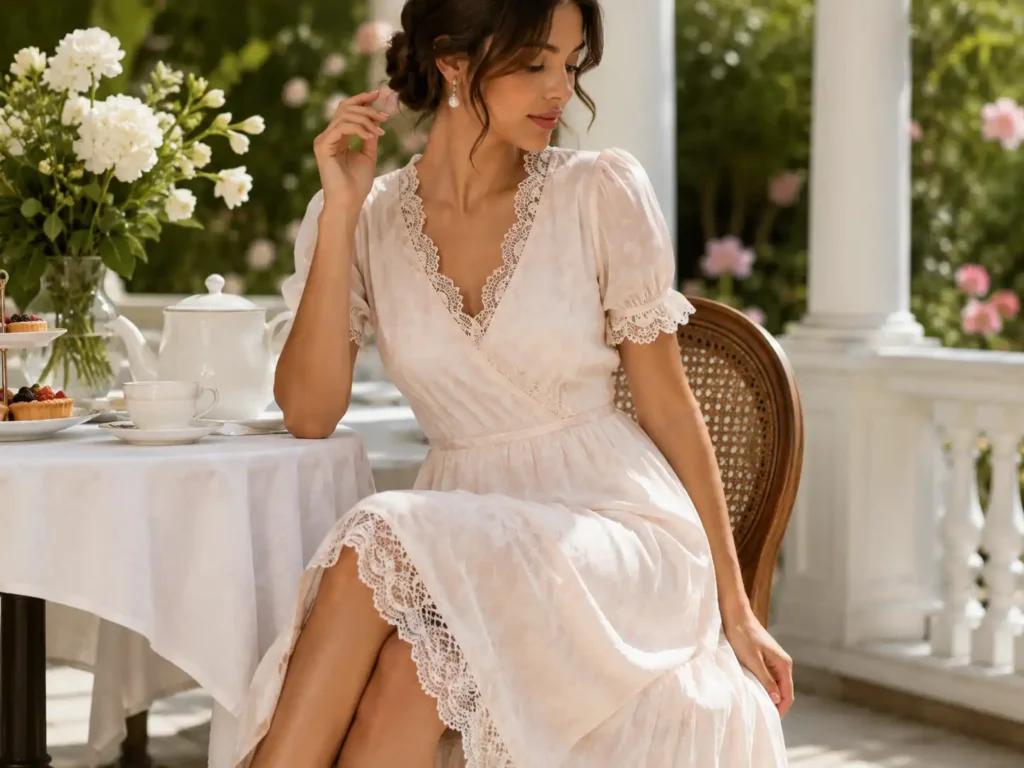
Lace Trims
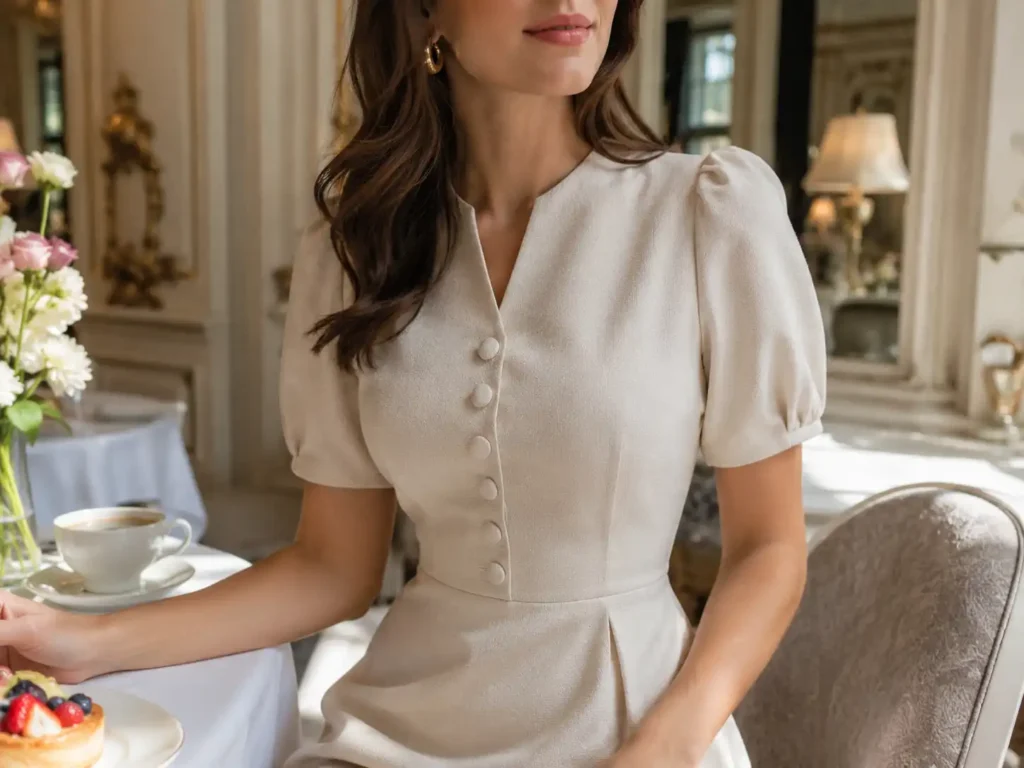
Covered Buttons
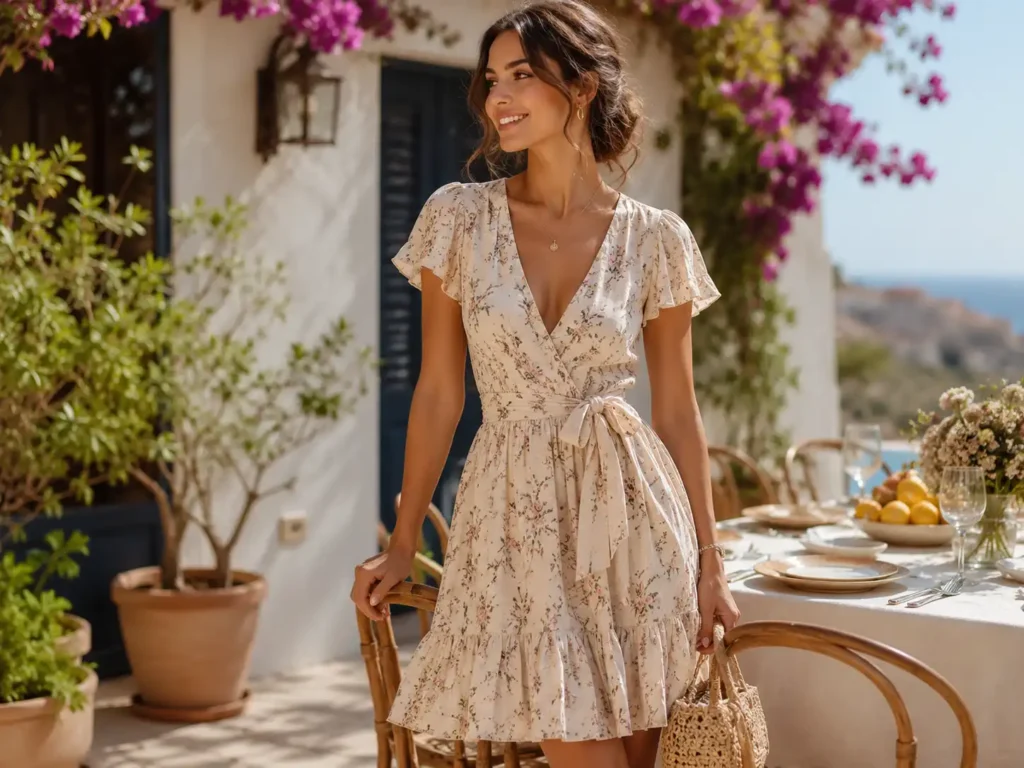
Waist Ties

Elastic Necklines

Gathered Busts
Flutter Sleeves

Eyelet Details

Decorative Topstitching
Fit Control for Sitting, Walking, and Day Events
Bust Coverage
Waist Position
Hip Ease
Sleeve Opening
Armhole Comfort
Secure Mini Length
Balanced Hem
Lining Comfort
Measurements That Protect Fit Across the Size Range
Measurement control begins with the approved base size and continues through grading, samples, bulk inspection, and repeat orders. Tolerances are confirmed according to product structure and fabric behavior.
| Measurement Point | Why It Matters | Common Control Focus |
|---|---|---|
| Bust | Controls neckline, darts, wrap coverage, and upper-body fit | Finished circumference, dart position, stretch |
| Waist | Defines comfort and silhouette | Natural position, elastic tension, seam level |
| Hip | Supports sitting and walking | Ease, stretch, skirt shape |
| Front Length | Controls neckline-to-hem proportion | High-point shoulder to hem |
| Back Length | Protects rear coverage and hem balance | Shoulder-to-hem measurement |
| Shoulder Width | Affects sleeve and neckline position | Left-right symmetry |
| Armhole | Controls mobility and underarm coverage | Depth, curve, sleeve attachment |
| Sleeve Opening | Affects upper-arm comfort | Finished opening and elastic extension |
| Neckline Depth | Controls styling and coverage | Center-front drop and stabilization |
| Strap Length | Affects bust height and neckline level | Finished and adjustable range |
| Lining Length | Protects opacity and clean appearance | Outer-to-lining difference |
| Hem Width | Controls movement and silhouette | Finished sweep and symmetry |
Trims and Linings Selected Around Garment Function

Invisible Zippers

Covered Buttons
Elastic Bands
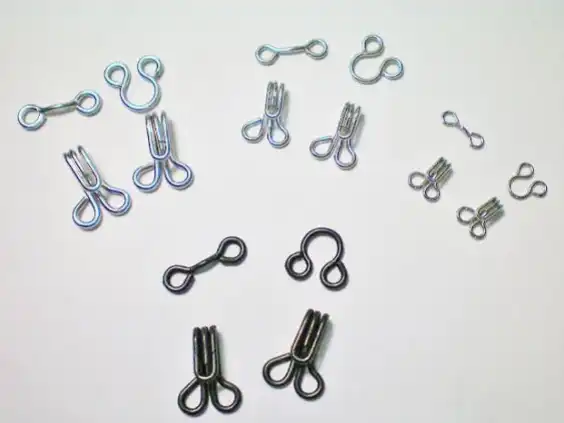
Hooks and Eyes
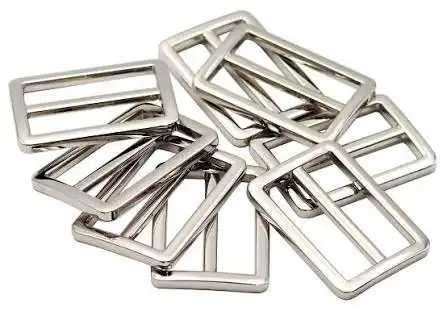
Strap Adjusters

Lace Trims
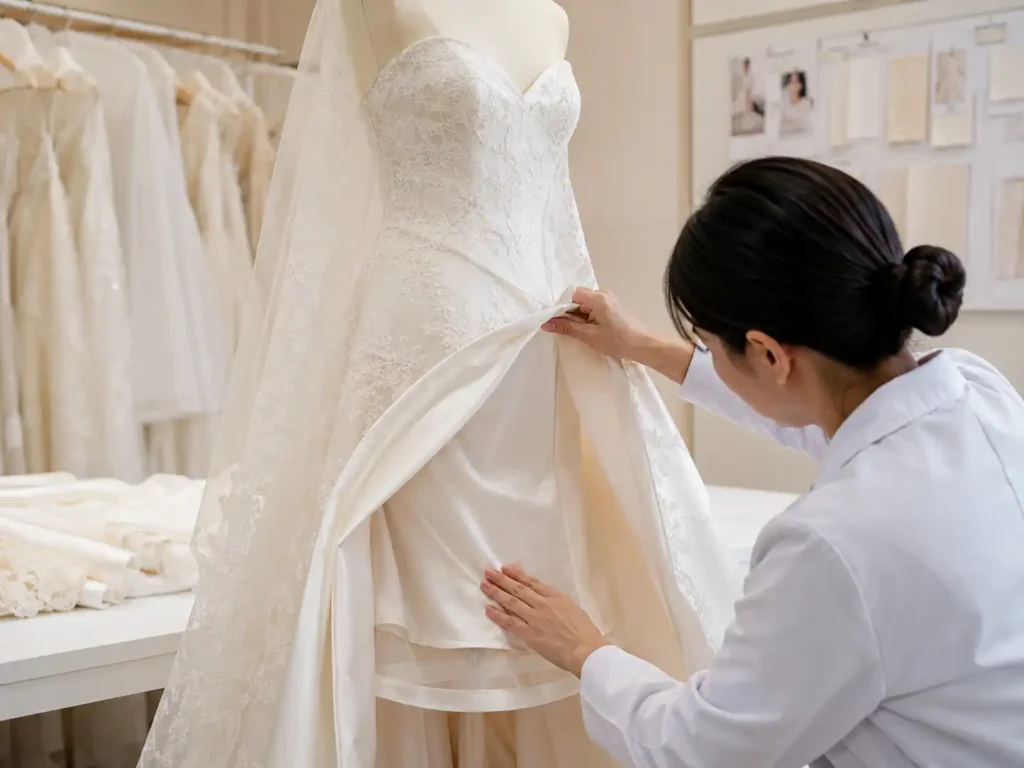
Linings
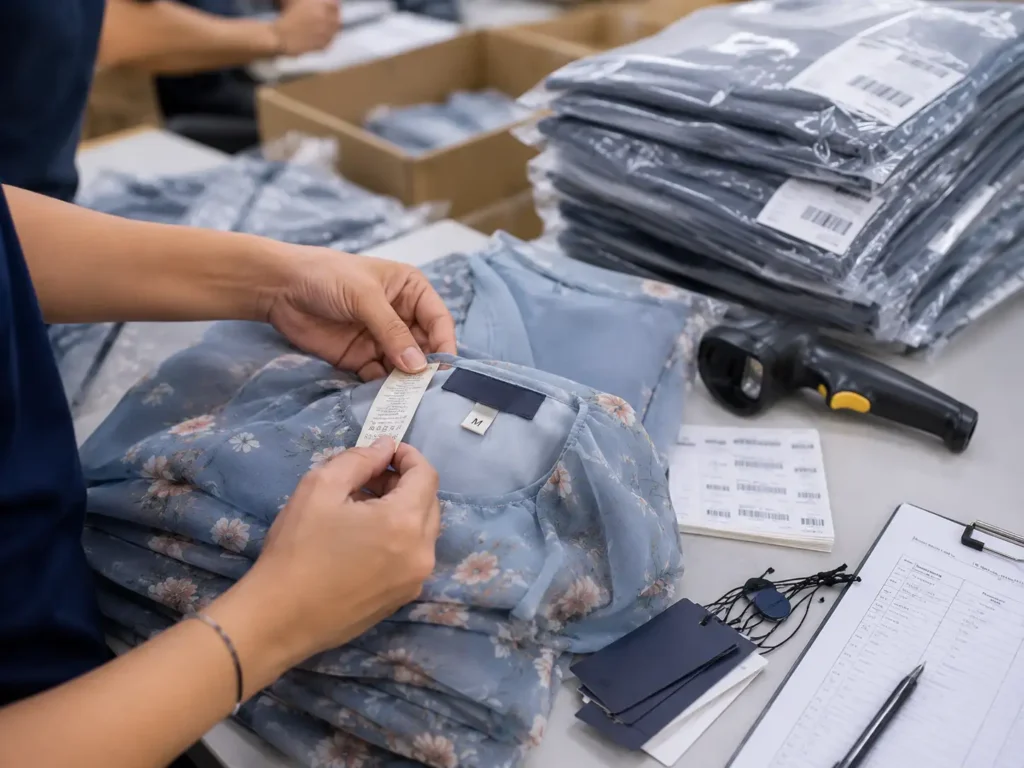
Labels and Packaging
Project Review Before Pattern and Sample Development
Reference Image Review
Tech Pack Review
Original Sample Review
Fabric Direction Review
Quantity Review
Launch-Date Review
Typical Brunch Dress Development Framework
Sampling is not one garment made for appearance. Each stage confirms a different production decision and reduces risk before bulk cutting.
| Development Stage | Typical Planning Range | Main Approval Focus |
|---|---|---|
| Project and file review | 1–3 business days | Structure, information gaps, MOQ fit, fabric direction |
| Fabric shortlist | 3–7 business days for available resources | Hand feel, weight, drape, opacity, color |
| First sample | Commonly 7–15 business days after materials are ready | Silhouette, construction, base measurements |
| Fit review | 2–5 business days for feedback coordination | Bust, waist, hip, sleeve, length, movement |
| Revised sample | Commonly 5–10 business days | Pattern corrections and detail updates |
| PP sample | Scheduled after final material and trim approval | Bulk standard, labels, packing, QC points |
| Bulk production | Commonly planned around 25–45 days after PP approval and material readiness | Cutting, sewing, inspection, finishing, packing |
| Shipment preparation | Based on packing, inspection, and freight booking | Documents, cartons, forwarder coordination |
Turning Fit Feedback Into Controlled Sample Revisions
Front View Feedback
Side View Feedback
Back View Feedback
Movement Feedback
Measurement Feedback
Revision Records
Workmanship Details That Protect Retail-Level Appearance

Narrow Hem Control

Clean Necklines
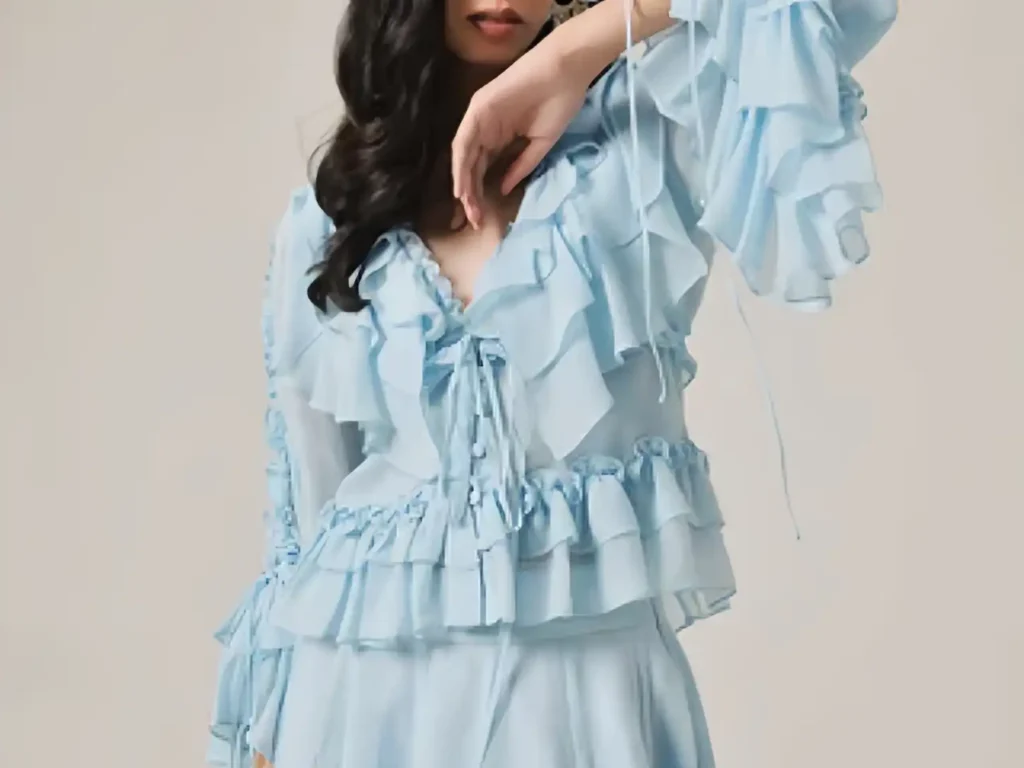
Ruffle Attachment
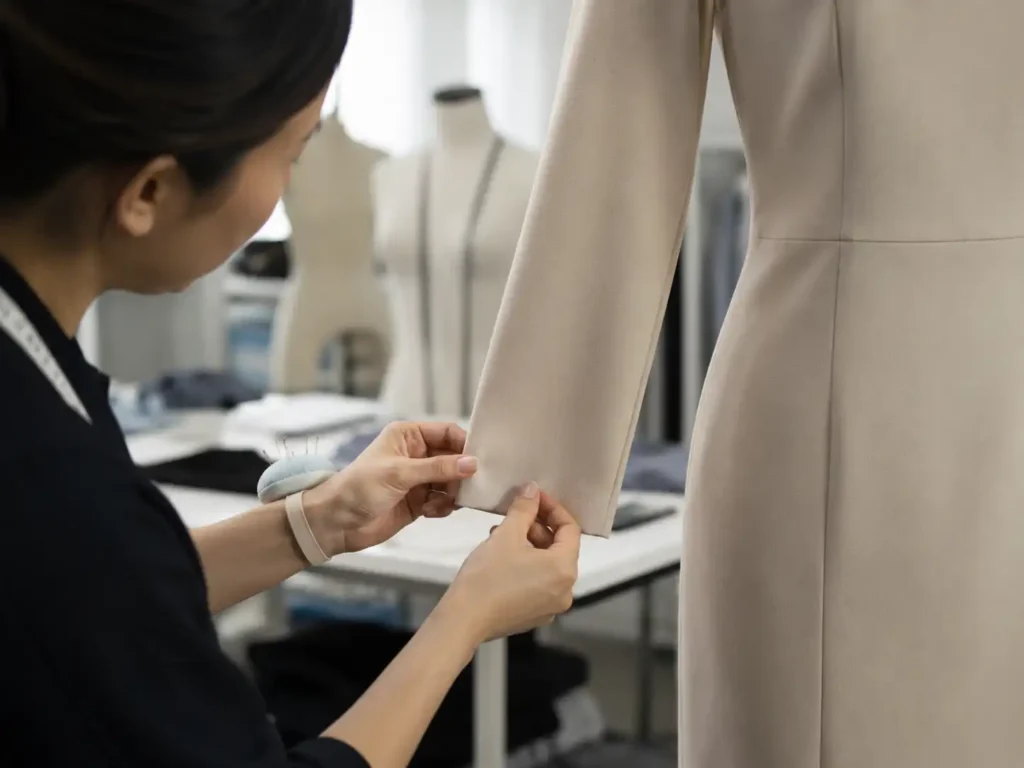
Sleeve Gathering
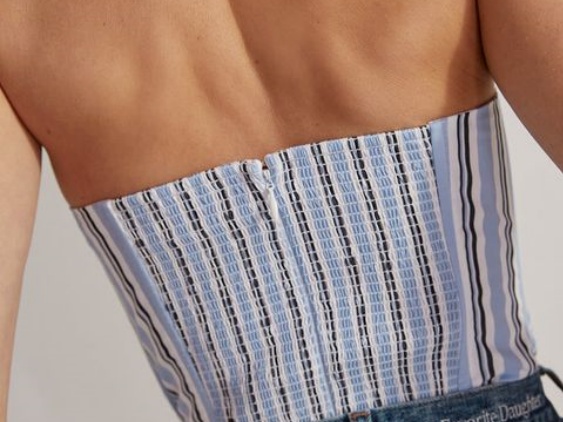
Invisible Zipper Finish
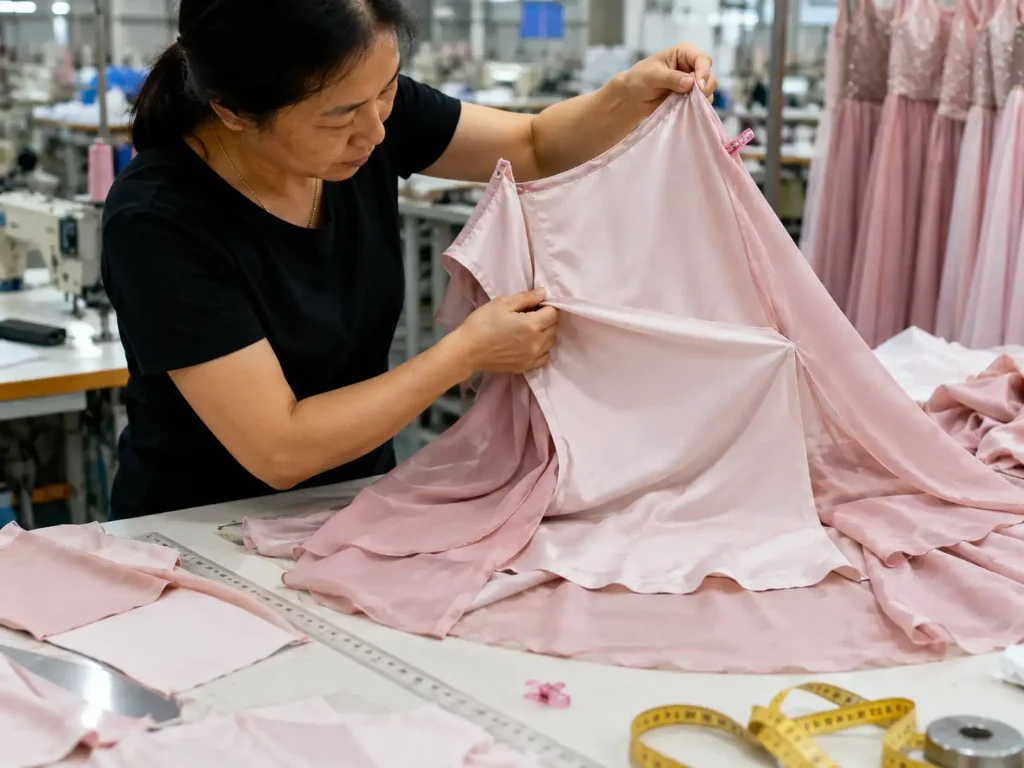
Lining Attachment
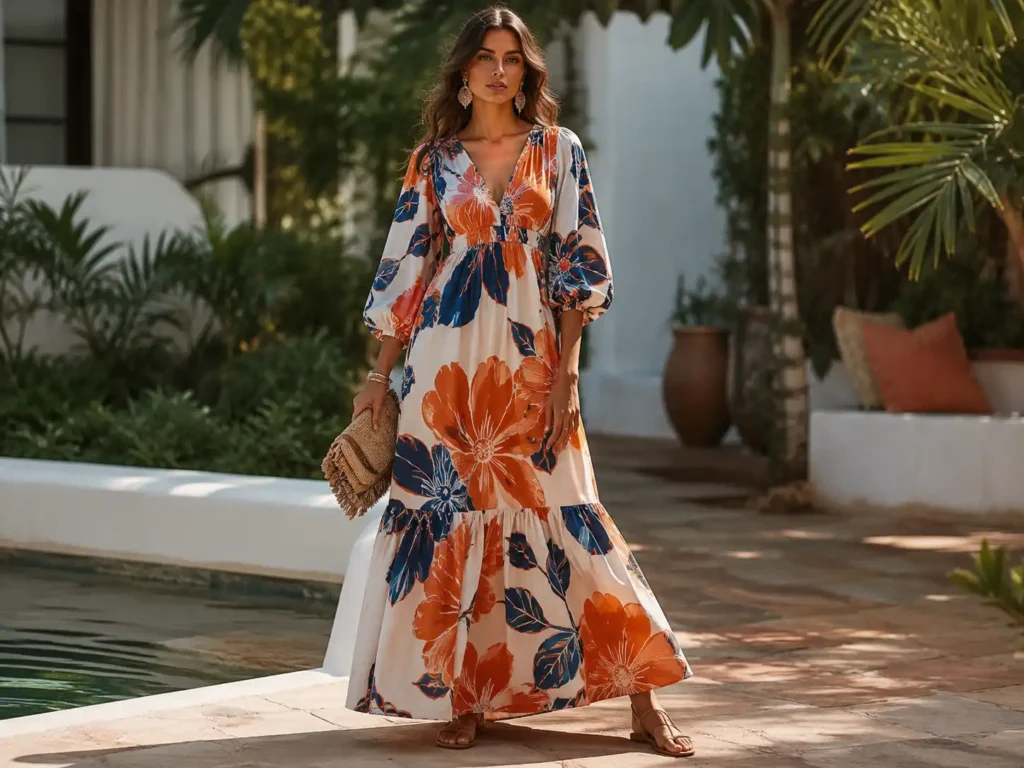
Print Alignment
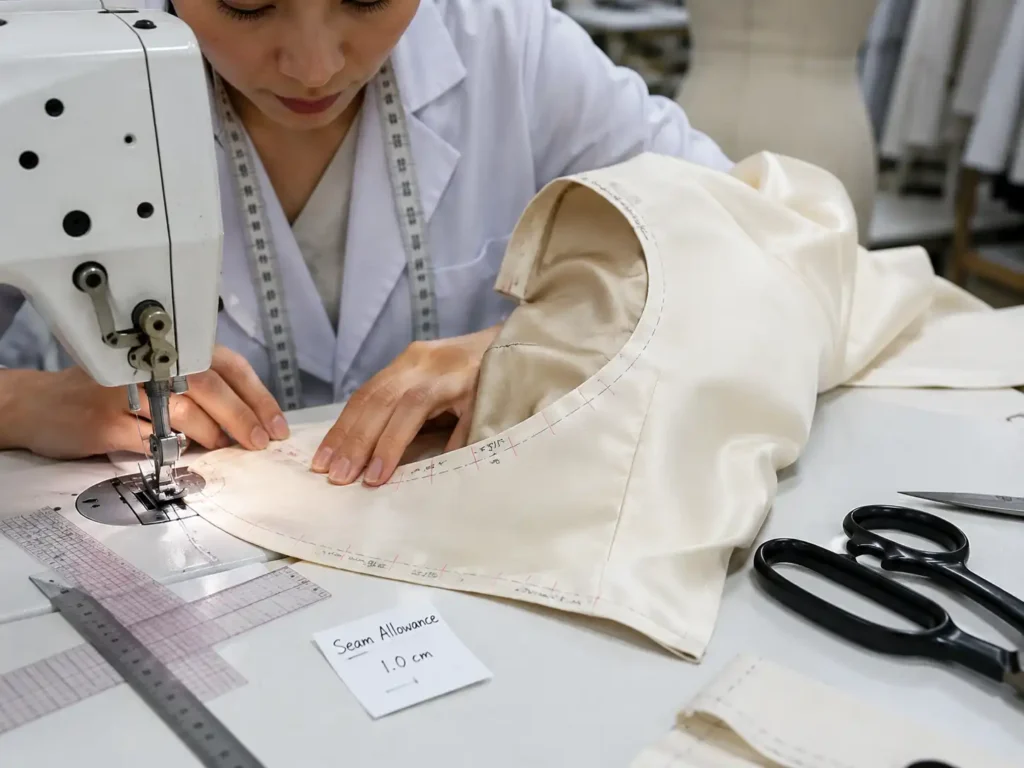
Waist Seam Balance

Button Spacing
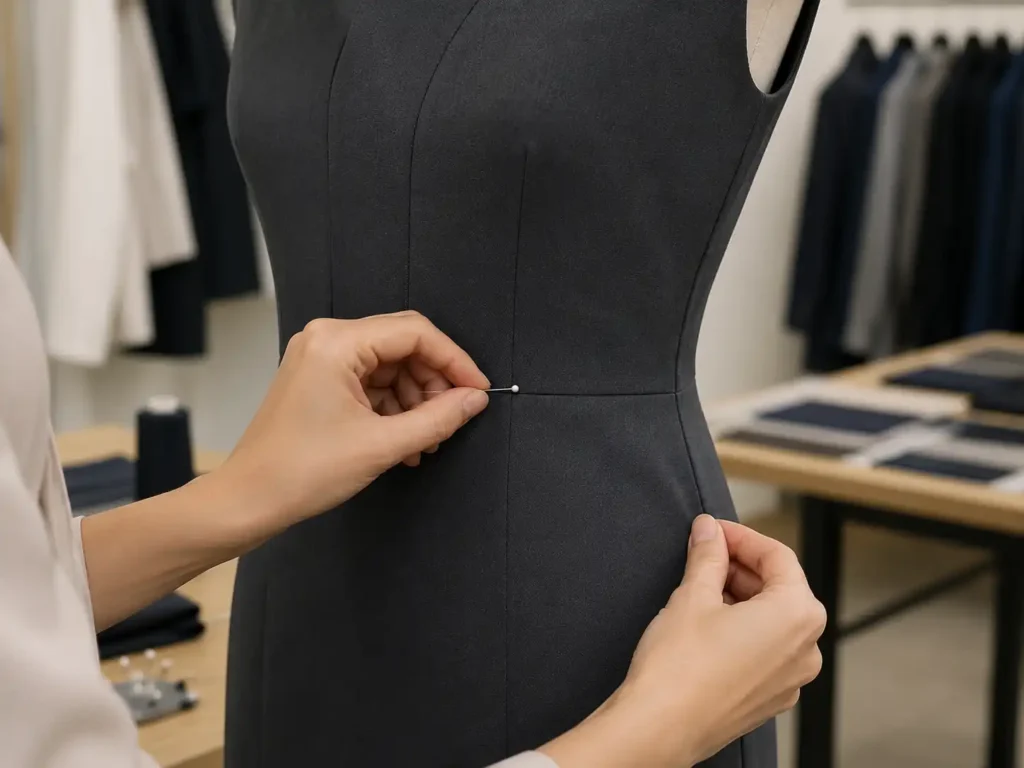
Side-Seam Direction
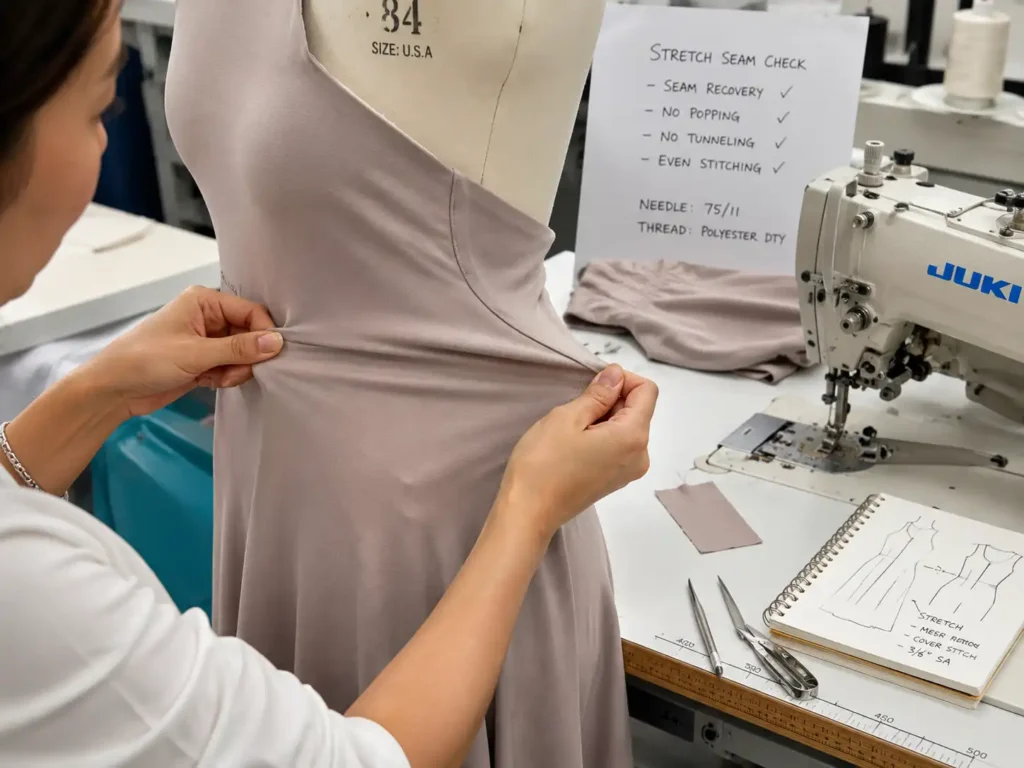
Elastic Channels

Label Placement
From Approved Design to Retail-Ready Bulk Production
Design or Tech Pack
Fabric Direction
Pattern Development
First Sample
Fit Review
Sample Revision
PP Approval
Material Preparation
Cutting
Sewing and Inline QC
Final QC and Packing
Delivery Coordination
Packing lists, carton marks, carton measurements, gross and net weight, commercial documents, booking information, and forwarder coordination are prepared.
Multi-Style Production Managed as One Seasonal Program
Factory Allocation
Sample Priority
Material Consolidation
Parallel Development
Staggered Production
Capacity Coordination
Quality Control Designed Around Brunch Dress Risks

Fabric Inspection
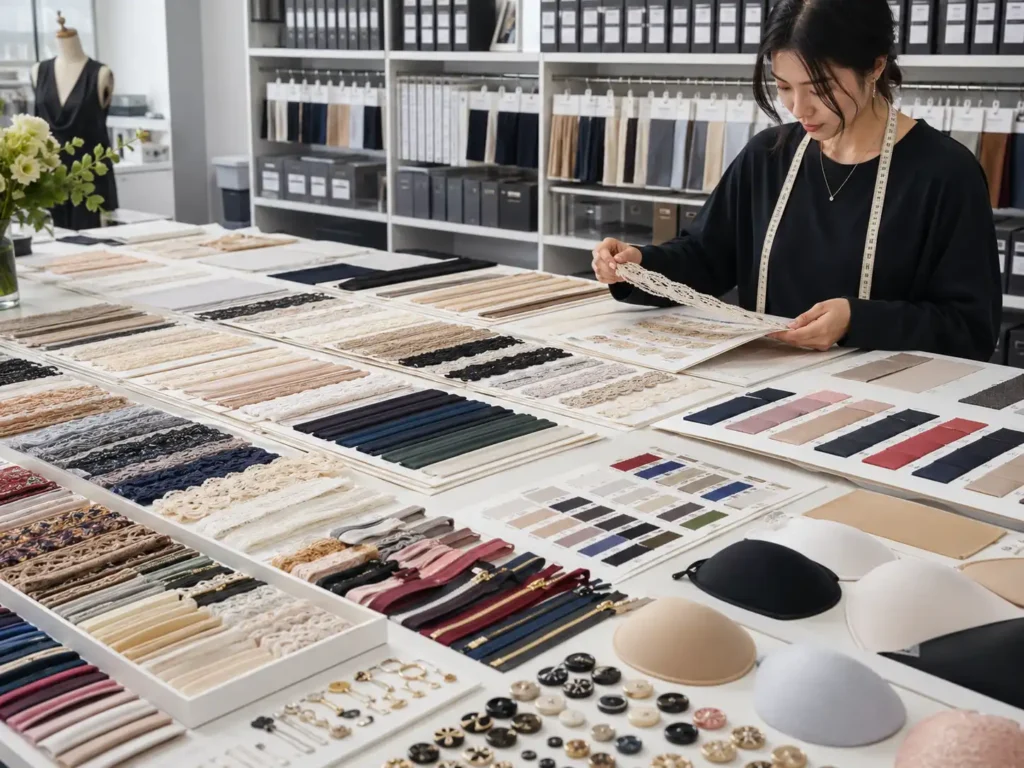
Shade Grouping

Print Direction
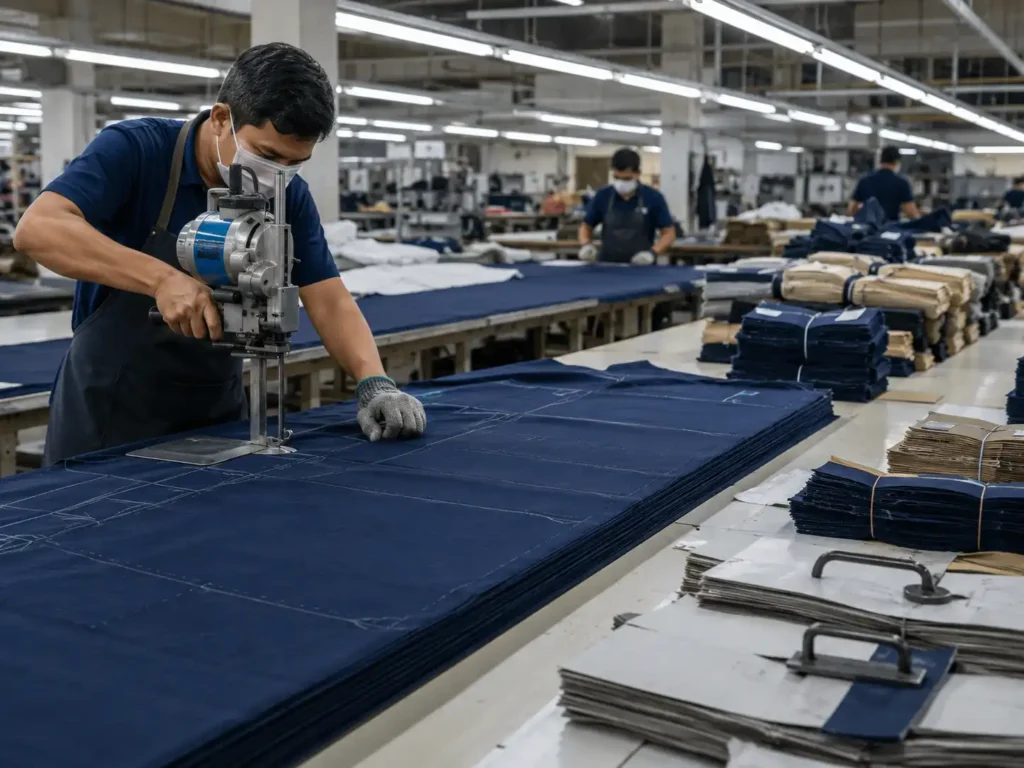
Cutting Accuracy

Neckline Stability
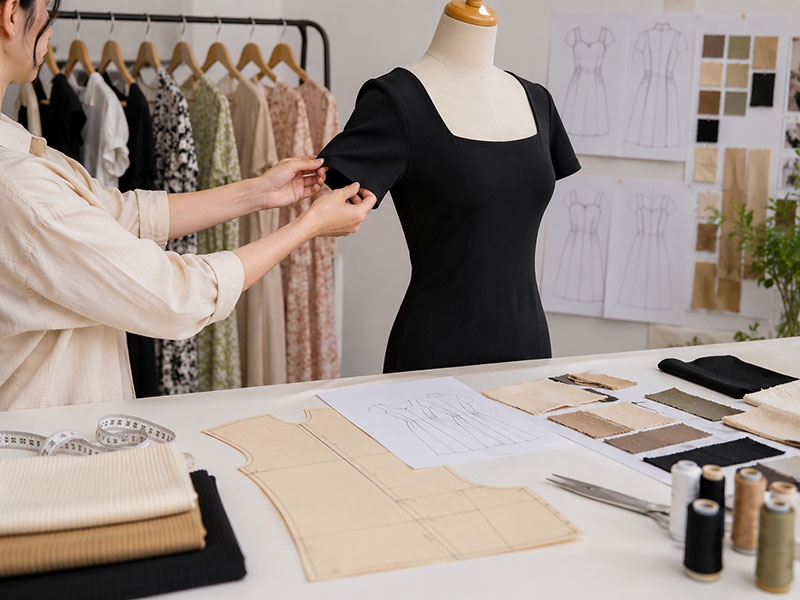
Sleeve and Cuff Control
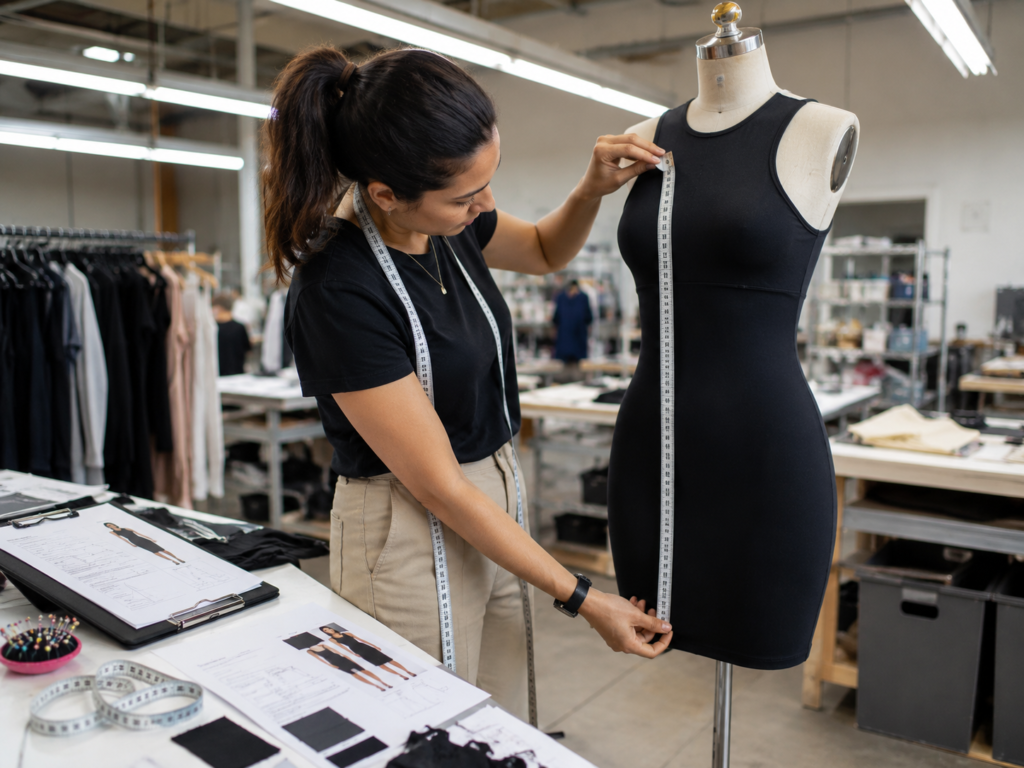
Measurement Inspection
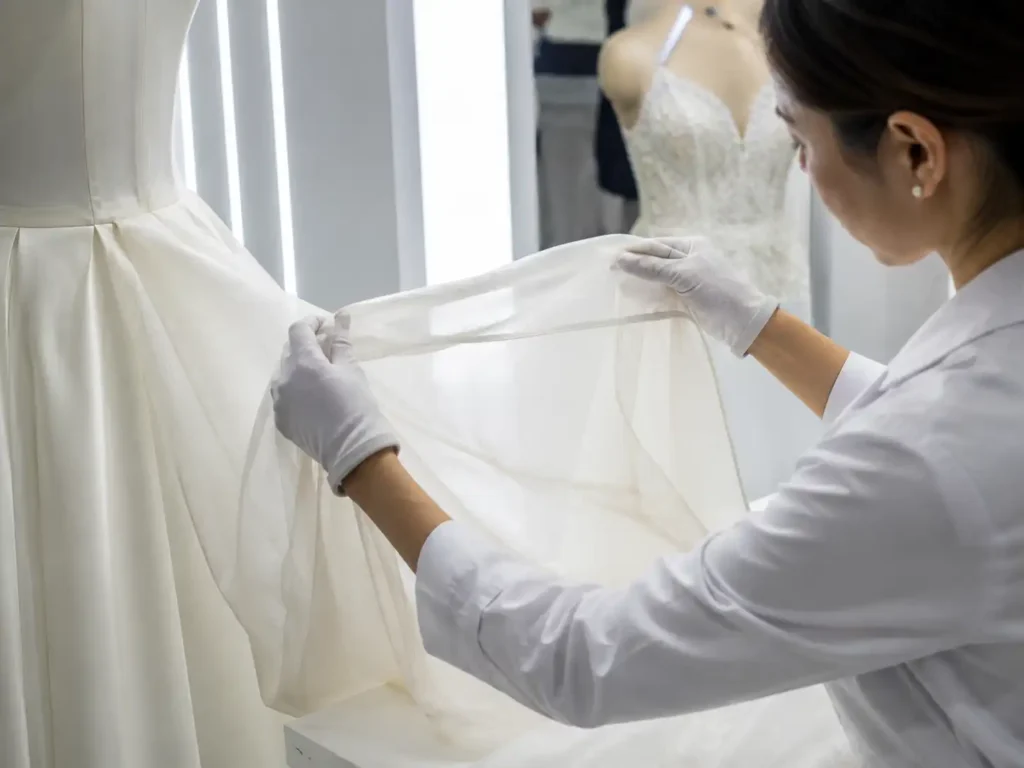
Transparency Review

Ruffle and Tier Balance
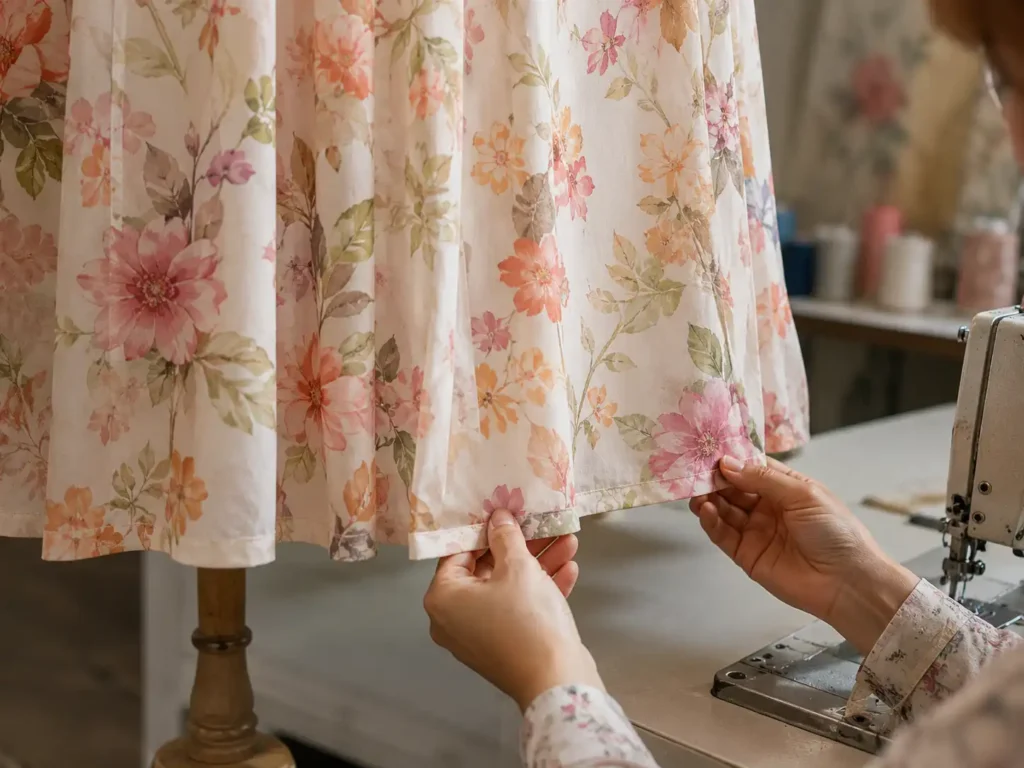
Hem Balance
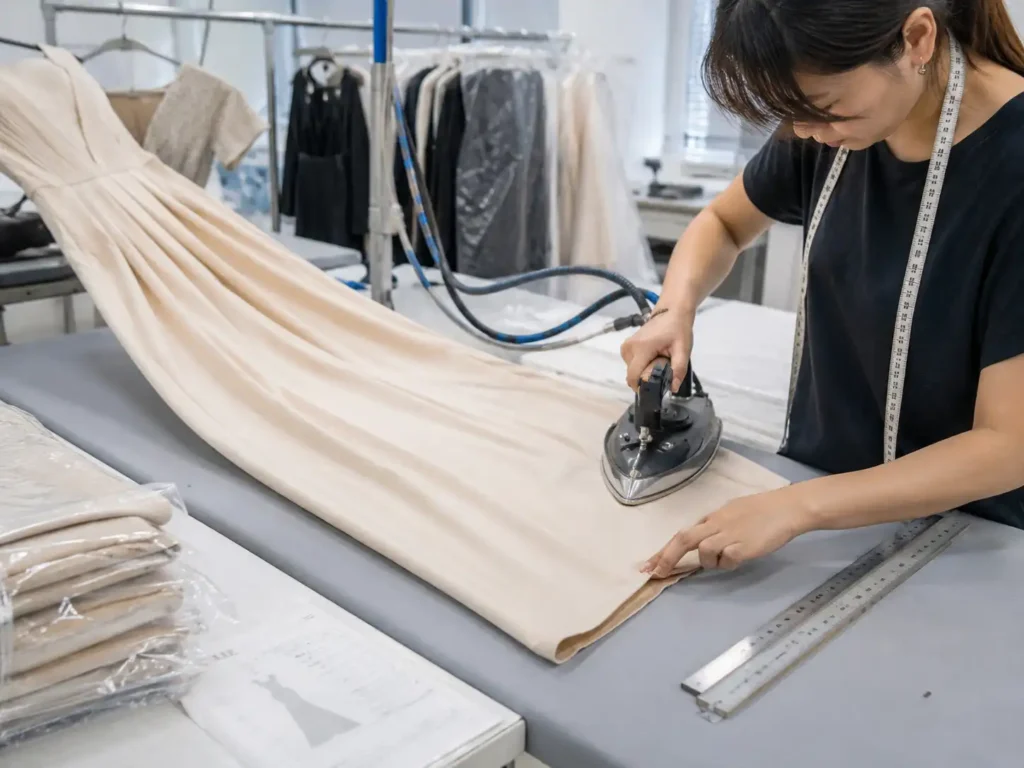
Pressing and Appearance

Packing Inspection
Labels, hangtags, size stickers, barcodes, folding, tissue, polybags, carton assortment, carton marks, and documentation are checked before shipment.
Private Labels and Packaging Prepared for Retail Delivery

Woven Brand Labels
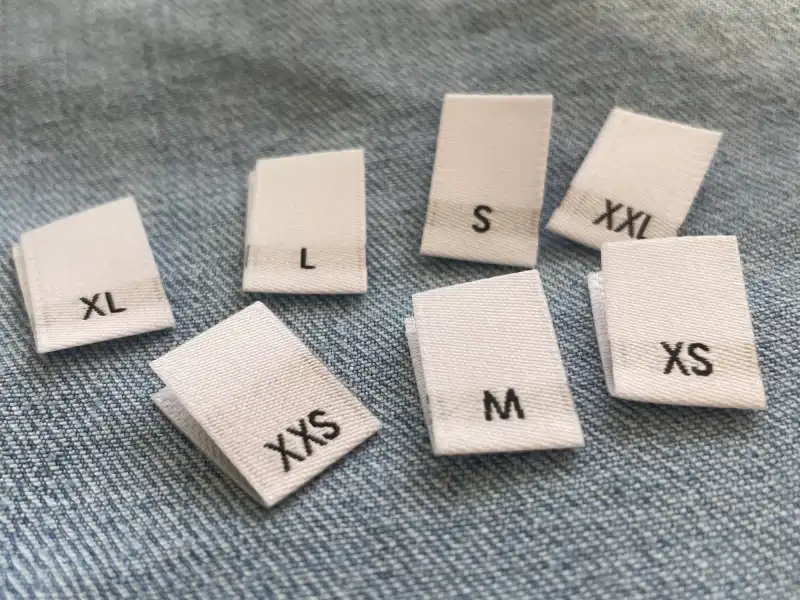
Size Labels
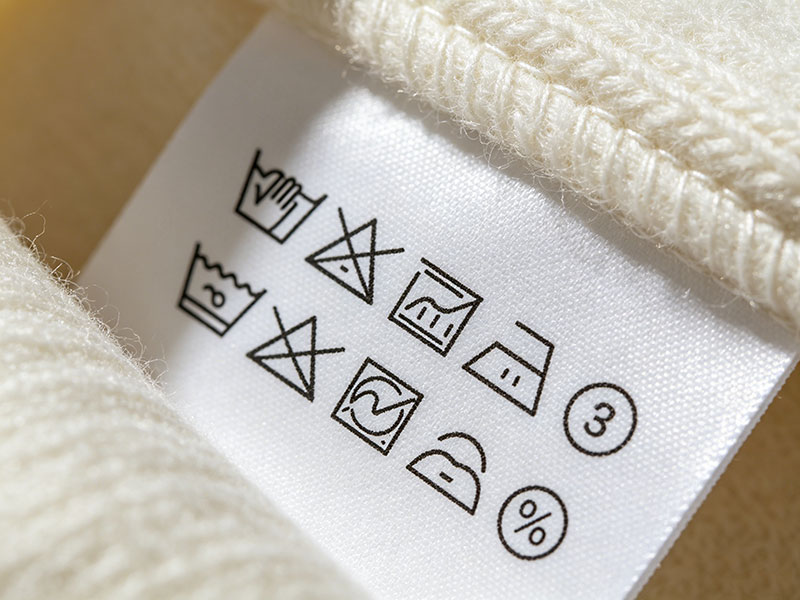
Care Labels

Hangtags
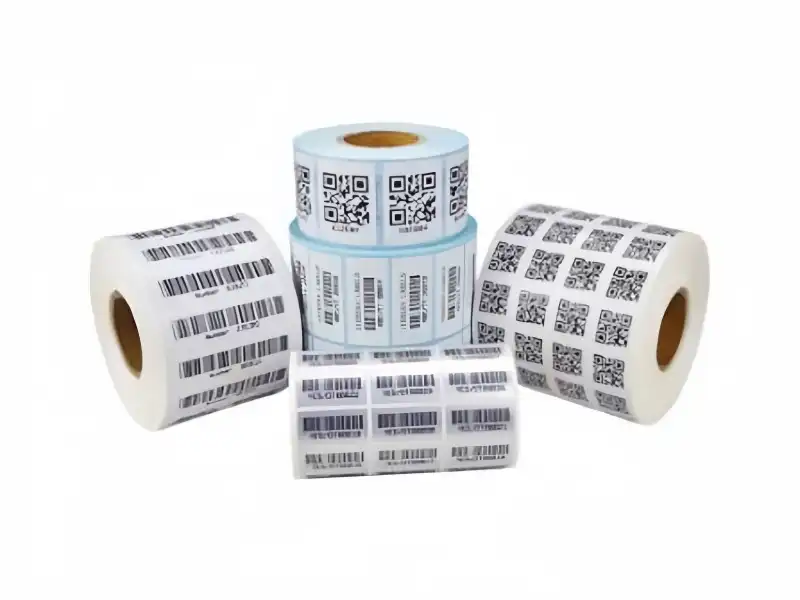
Barcode Stickers

Polybags
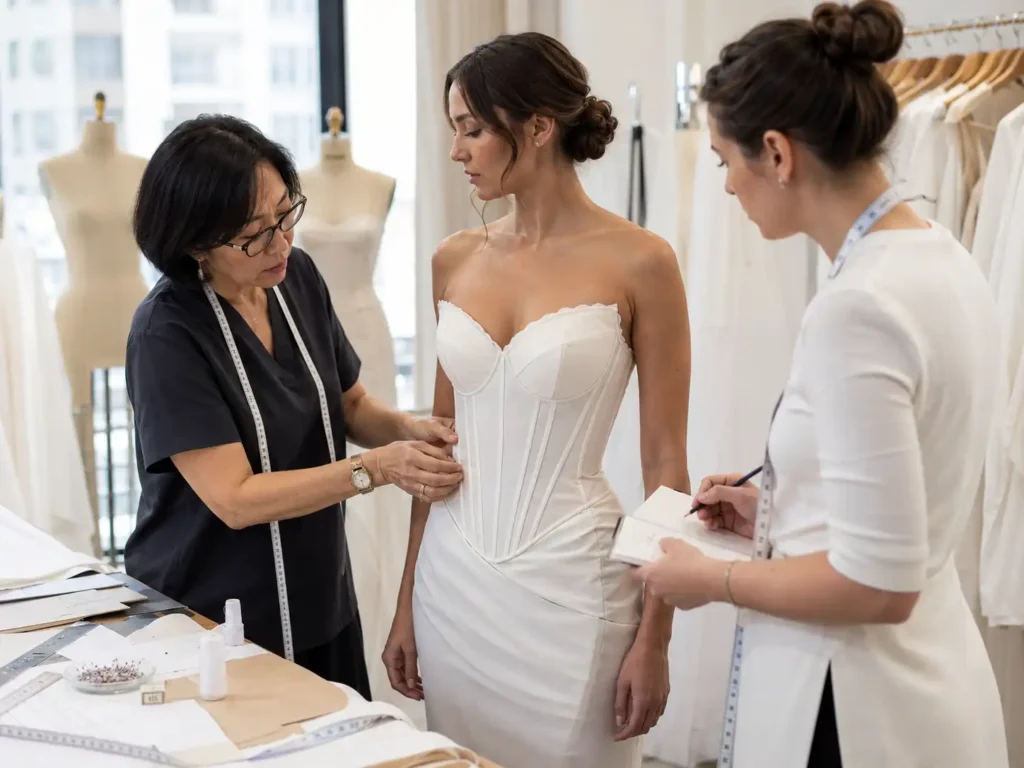
Tissue Protection
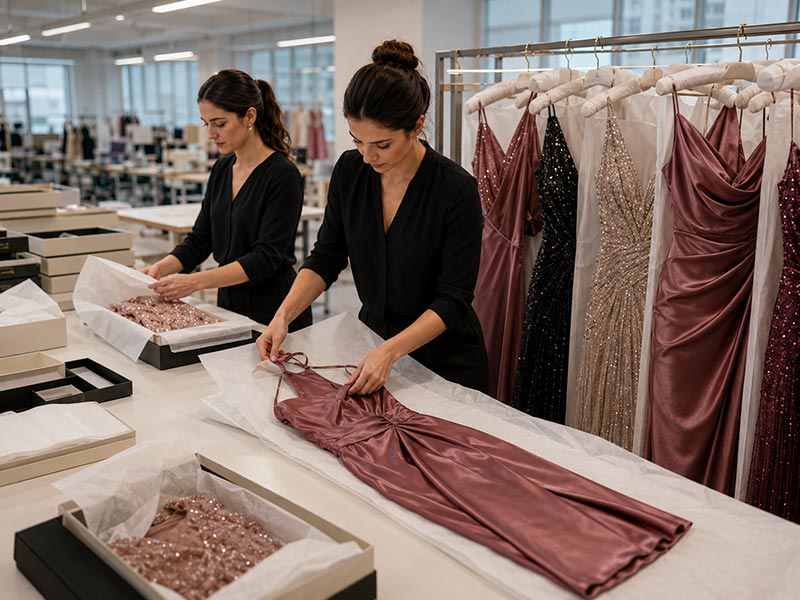
Folding Method
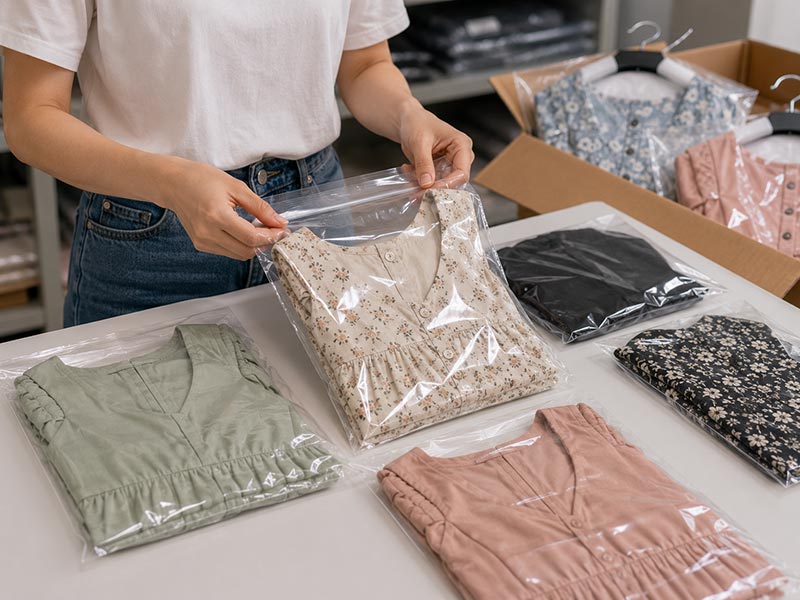
Garment Inserts
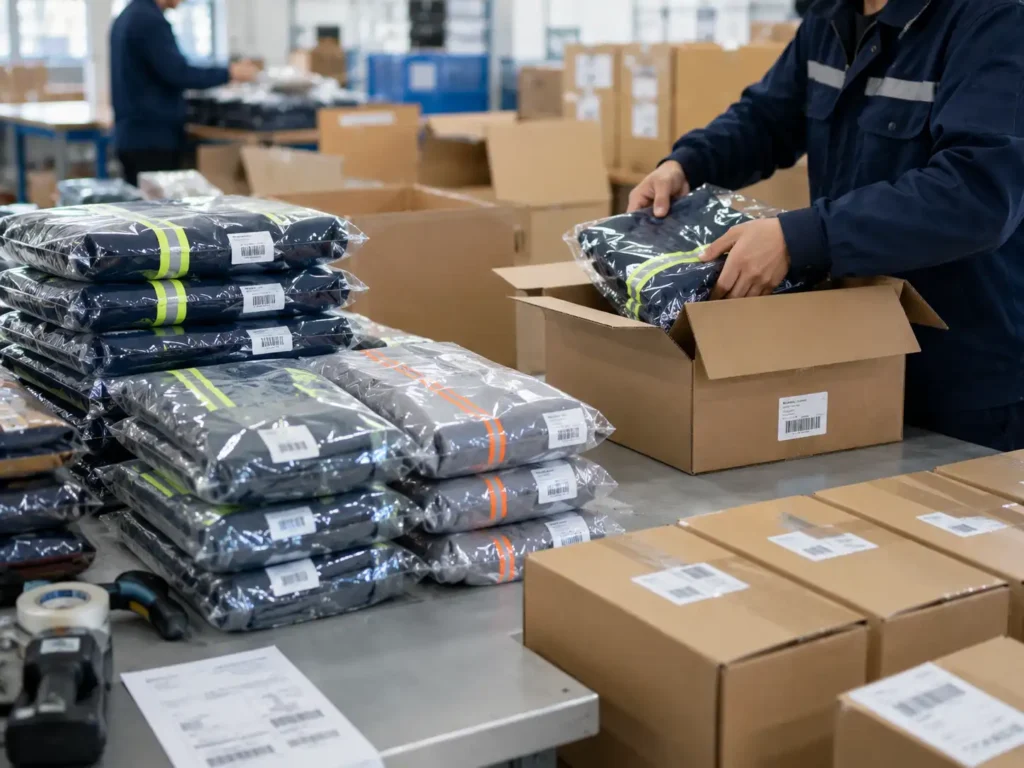
Assortment Packing
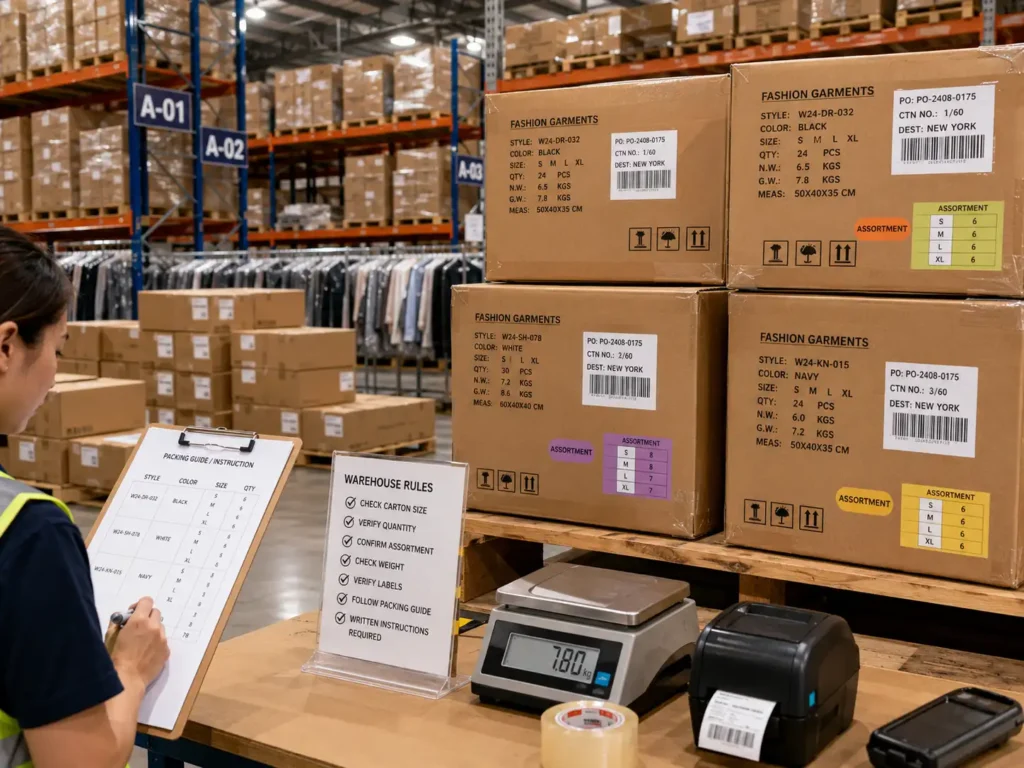
Carton Marks

Shipment Documentation
Packing lists, commercial invoices, carton measurements, weight details, booking information, and forwarder instructions are coordinated before collection.
MOQ, Costing, and Quantity Planning Explained Clearly
Standard Quantity Structure
Examples:
- One style in black, 200 pieces: suitable for evaluation.
- One style in black and white, 200 pieces per color: 400 pieces total.
- Four unrelated styles at 50 pieces each: not the standard production structure.
- One style split into two colors at 100 pieces each: normally below the standard per-color quantity.
Factors Raising MOQ
Material suppliers may set separate minimums for custom dyeing, exclusive printing, special lace, unique buttons, custom hardware, branded packaging, and color development.
MOQ may also increase when size and color splits become too fragmented for stable cutting and sewing.
Costing Logic
Garment pricing is built from fabric, lining, trims, pattern work, sample development, cutting, sewing time, pressing, QC, packing, wastage, testing, logistics, and reasonable factory margin.
Cost can be optimized without weakening brand-level appearance through fabric alternatives, construction refinement, trim replacement, marker planning, color consolidation, size-ratio planning, and split-shipment strategy.
Long-Term Support for Seasonal Launches and Repeat Orders
Seasonal Collection Development
Repeat Order Records
New Color Extensions
Fabric Changes
Multi-Batch Delivery
Replenishment Planning
Brunch Dress Manufacturer Case Studies
The following program records reflect Jinfeng Apparel’s current multi-style order structure. Brand names, original designs, pricing, tech packs, and unreleased details remain confidential.
United States Lifestyle Collection
A U.S. lifestyle label planned an 18-style spring brunch capsule totaling 36,000 garments.
The assortment included floral midi dresses, puff-sleeve mini dresses, smocked day dresses, wrap silhouettes, and two coordinated sets.
The program used six main fabric routes: printed viscose, rayon, cotton blend, lightweight crepe, chiffon, and soft jersey. Individual styles carried two to four colors and a broad ecommerce size range.
The main risks involved pale-color transparency, large-floral direction, sleeve-opening comfort, short back coverage, and inconsistent waist placement across different silhouettes.
Jinfeng Apparel divided development into priority groups. Campaign styles entered pattern and sample work first, followed by core commercial styles and supporting SKUs. Light colors received lining and daylight-opacity review. Directional prints were marked in cutting instructions. Sleeve openings and mini lengths were checked across the graded size range.
Production was divided into four controlled batches so early campaign styles could move ahead without weakening later bulk inspection. Labels, barcodes, polybags, and carton assortments were managed from one approved SKU file.
The program structure supported coordinated launch timing, consistent color presentation, and controlled measurements across a varied assortment.
Australian Resort Brunch Program
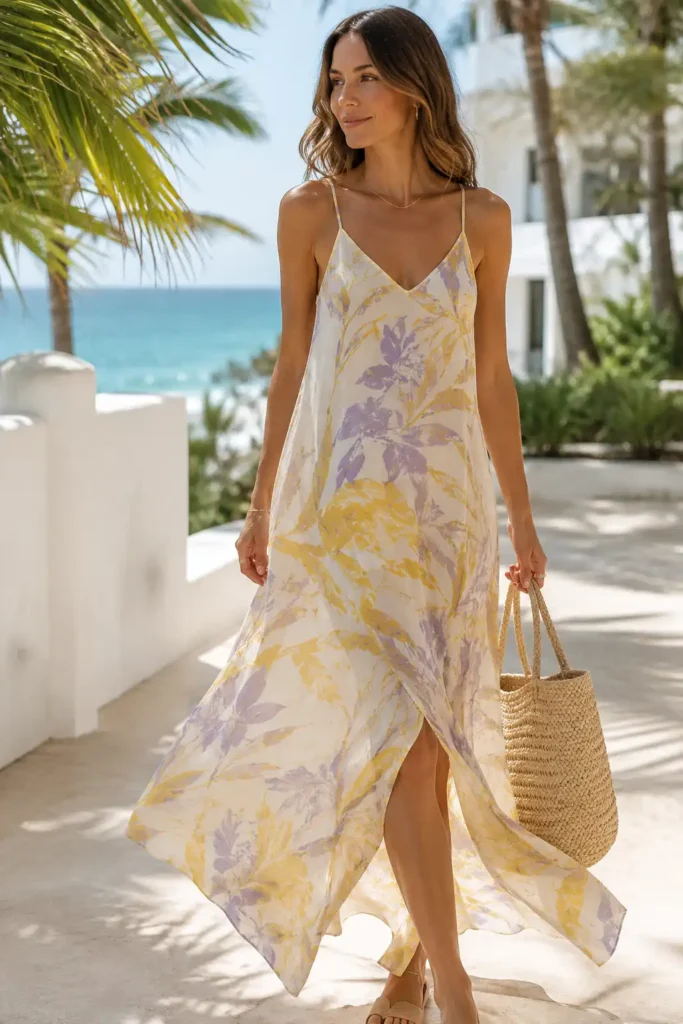
An Australian resortwear label developed 12 styles totaling 24,600 garments for a warm-weather brunch and vacation release.
The range included linen-blend A-line dresses, printed rayon maxis, relaxed shirt dresses, tiered midis, wrap dresses, and lightweight two-piece sets.
The brand required soft natural presentation, travel-friendly packing, and comfortable warm-weather fit.
Key risks included linen-blend shrinkage, excessive stiffness, rayon length movement, pale fabric transparency, maxi hem imbalance, and visible fold marks after packing.
Fabric selection focused on drape, softness, opacity, wash behavior, and crease character. Rayon and viscose styles were relaxed before measurement and hem leveling.
Linen blends were reviewed for shrinkage and intended wrinkle appearance. White and light-tone dresses received lining-color approval.
Sample comments were organized by style, measurement point, construction change, and approval stage. The PP sample locked fabric, fit, construction, labels, folding, and packing instructions before production.
The order was divided into two sea-freight batches with priority allocation for hero styles and core sizes. Packing methods were adjusted according to maxi length, ruffles, and crease risk.
United Kingdom Online Fashion Program
A U.K. online fashion label developed a 27-style brunch and day-event assortment totaling 72,000 garments.
The range combined floral mini dresses, ruffle midis, fitted light-satin styles, smocked dresses, puff sleeves, shirt dresses, chiffon maxis, and coordinated skirts and tops. Order quantities varied according to forecast strength, while every approved style and color met the required production structure.
Major challenges included managing 27 styles through sampling without losing launch priority, maintaining fit consistency across multiple silhouettes, coordinating five label components, and preventing differences between fabric lots.
Jinfeng Apparel created a style-status tracker covering fabric approval, pattern status, first sample, fit comments, revision, PP approval, material arrival, production allocation, QC, and packing.
Styles were assigned according to woven, knit, detailed, and repeat-production capability. Common linings, zippers, labels, and polybag standards were consolidated where suitable. Unique trims remained style-specific.
Inline measurement checks focused on bust, waist, dress length, sleeve opening, neckline depth, and lining length. Bulk packing followed a detailed SKU and barcode file, with carton assortments separated by warehouse requirements.
The program moved through staggered production and shipment windows designed around campaign dates and warehouse intake.
Brunch Dress Manufacturing Questions Answered Clearly
MOQ starts from 200 pieces per style and color. Fabric suppliers may require higher quantities for custom colors, exclusive prints, special lace, custom trims, or branded packaging.
Yes. Reference images can support an initial structure and feasibility review. More accurate development requires measurements, target fabric, construction notes, size range, and quantity information.
Yes. OEM projects can follow approved tech packs and samples. ODM projects can begin from brand direction, visual references, target use, fabric preference, and commercial positioning.
Common options include cotton blends, linen blends, rayon, viscose, chiffon, printed woven fabrics, light satin, crepe, jersey, and rib knit. Selection depends on silhouette, opacity, drape, cost, and wearing environment.
Custom floral and placement prints can be evaluated according to artwork, print method, base fabric, dimensions, colors, repeat, MOQ, lead time, and bulk approval requirements.
Transparency is reviewed through outer fabric, lining, seam allowances, pockets, labels, and daylight appearance. Lining color and finished length are confirmed during sampling.
Yes. Development covers mini, short, midi, maxi, and floor-length structures. Length, lining, sweep, hem balance, and grade rules are controlled according to the design.
Comments are recorded by fit, measurement, fabric, construction, trim, color, and packing. Approved changes are transferred into updated patterns, size charts, BOMs, sewing notes, and sample records.
Yes. The PP sample confirms final fabric, color, measurements, construction, trims, labels, packing, and QC standards before bulk cutting.
A golden sample is the sealed production standard used for bulk manufacturing, inspection, repeat orders, and comparison when questions arise.
Yes. Multi-style collections are managed through style tracking, material planning, sample priority, factory allocation, production scheduling, QC coordination, and packing control.
Yes. Support includes woven labels, size labels, care labels, hangtags, barcodes, polybags, tissue, inserts, carton marks, assortment packing, and export documentation.
Yes. Brand QC manuals, measurement tolerances, AQL requirements, packing guides, warehouse instructions, and third-party inspection requests can be reviewed before production.
Jinfeng Apparel can coordinate client inspections and third-party inspection arrangements according to project requirements, schedule, inspection standard, and nominated provider.
Yes. Pattern records, size charts, fabric references, trims, construction notes, QC points, labels, and packing details can be retained. New fabrics or colors still require availability and risk confirmation.
Please provide product type, reference images or tech packs, quantity by style and color, fabric preference, size range, colors, trims, labels, packaging, target delivery date, testing requirements, and shipping destination.
Timing depends on style complexity, quantity, fabric readiness, trims, colors, size range, packaging, QC, and production schedule. A project timeline is issued after PP approval and material confirmation.
Yes. Photo-ready samples can receive focused attention to fabric presentation, detail finish, pressing, symmetry, and camera appearance. A separate PP sample may still be required for bulk approval.
Sometimes, but not automatically. New fabric weight, stretch, drape, opacity, shrinkage, thickness, and lining requirements may change fit and construction.
Yes. Jinfeng Apparel can prepare cargo details, packing lists, commercial invoices, carton marks, carton measurements, weight information, pickup coordination, and shipment photographs.

Send Your Brunch Dress Collection for Manufacturing Review
Share your line sheet, tech pack, reference images, original sample details, or seasonal concept with Jinfeng Apparel. Our team will review product structure, fabric direction, fit risks, trim requirements, quantity planning, sample development, production feasibility, quality-control needs, private-label packing, and delivery timing.
More complete information allows a more accurate development and quotation plan. Initial materials may include:
- Product type and reference images
- Tech packs and measurement charts
- Planned quantity by style and color
- Target size range
- Fabric, color, and print direction
- Trim and construction requirements
- Brand labels and packaging artwork
- Target launch or warehouse date
- Testing or inspection requirements
- Shipping destination and preferred terms