...

Bridal Shower Dress Manufacturer

Custom bridal occasionwear developed for global fashion brands, premium ecommerce labels, retailers and multi-style seasonal collections.

Jinfeng Apparel turns bridal shower concepts, tech packs, reference garments and line sheets into production-ready white and ivory dresses.

  • Custom mini, midi, corset, satin, lace and structured occasion dresses
  • White and ivory control across outer fabric, lining, thread, zipper and trims
  • 2 sample rooms, 7+ senior pattern makers and 20+ sample machinists
  • MOQ starts from 200 pieces per style and color
  • Multi-style programs commonly organized across 10–30 designs
  • Development, bulk production, QC, private-label packing and export coordination

Manufacturing Capacity Built for Bridal Occasionwear Programs

Bridal shower collections require more than attractive samples. Pattern accuracy, material consistency, clean white-garment handling, production allocation and documented approvals must work together from development through final packing.

Since 2008

Jinfeng Apparel has focused on custom women’s fashion development and production since 2008. Long-term experience across dresses, occasionwear, corset structures, satin styles, lace garments and private-label collections supports a disciplined path from concept review to bulk delivery.

Six Owned Factories

Six owned women’s fashion factories support woven dresses, structured occasionwear, stretch styles, multi-layer garments and private-label production. Projects are allocated according to product structure, material behavior, construction difficulty, quantity and required delivery sequence.

Ten Plus Partners

More than ten long-term satellite production partners provide additional capacity during multi-style and peak-season programs. These partners operate within an established supply structure rather than temporary, unverified subcontracting arrangements.

Two Sample Rooms

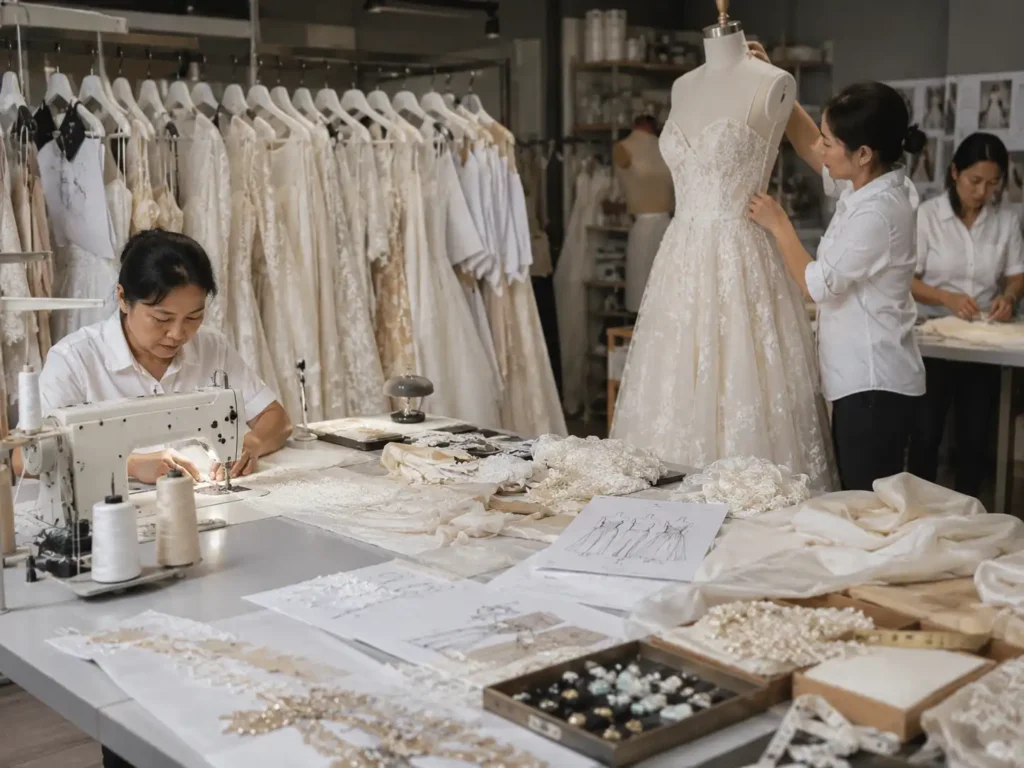
Two dedicated sample rooms support first samples, fit samples, revised samples, photo-ready samples, PP samples and Golden samples. Separate development capacity helps brands move key styles forward according to launch priority.

Pattern Development Team

Seven or more senior pattern makers work on bust balance, waist placement, hip ease, neckline stability, strap position, lining coverage, hem balance and size grading for fashion-led bridal occasionwear.

Quality Control Team

Fifteen or more QC inspectors support material inspection, cutting checks, inline sewing review, garment measurement, appearance inspection, packing verification and inspection coordination before shipment.

Made for Established Bridal and Fashion Businesses

Jinfeng Apparel works with organizations that require original development, controlled sampling, scalable production, private-label finishing and structured project communication rather than simple garment sourcing.

Bridal Fashion Brands

Develop coordinated white and ivory capsules covering bridal showers, engagement parties, rehearsal dinners, civil ceremonies and reception looks while maintaining a recognizable brand silhouette and material direction.

Occasionwear Labels

Build polished mini, midi, cocktail and structured dresses with controlled linings, stable necklines, balanced draping, clean closures and production methods suitable for repeatable seasonal orders.

Ecommerce Fashion Brands

Create photo-ready garments with defined fit, consistent grading, clean packaging, barcode accuracy and repeat-order records that support online launches and SKU-level inventory management.

Fashion Retailers

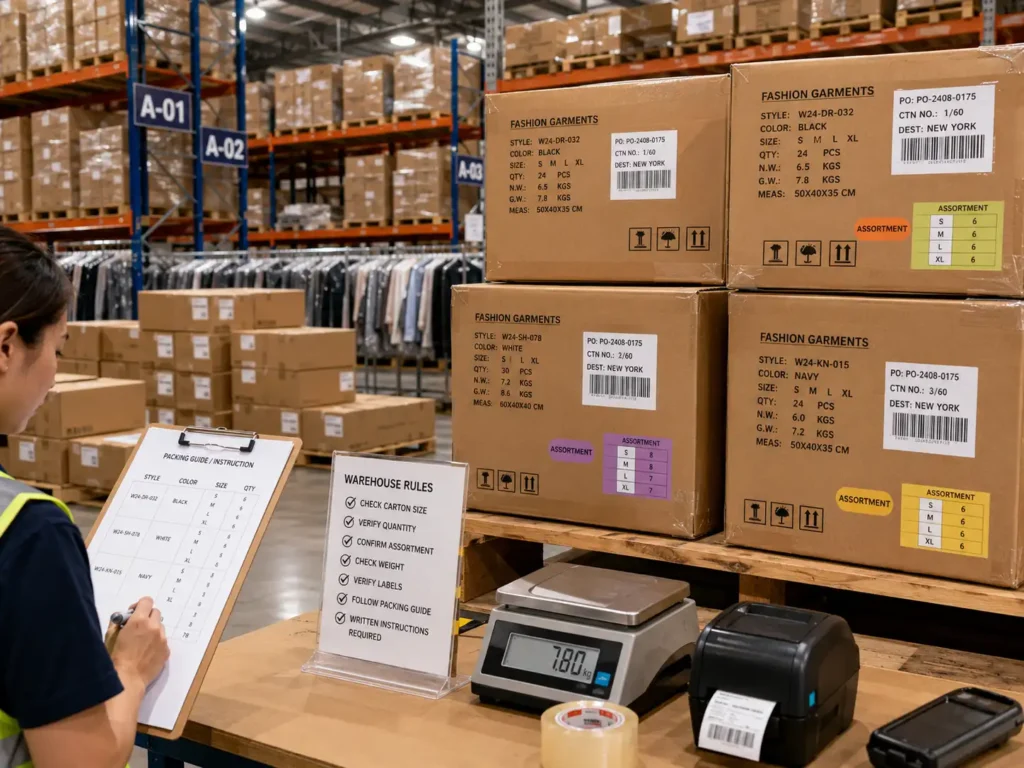
Develop retail-ready collections with specified labeling, size ratios, carton marks, warehouse instructions and inspection requirements for stores, distribution centers or regional fulfillment operations.

Product Development Teams

Move from sketches, reference samples, tech packs or line sheets into fabric review, pattern development, fit correction, PP approval and documented bulk standards.

Sourcing Teams

Evaluate factory structure, MOQ, capacity, development ability, quality checkpoints, project communication, compliance documentation and logistics support through one coordinated manufacturing relationship.

What Defines a Bridal Shower Dress Collection?

A bridal shower dress carries a clear bridal identity without the weight, volume or construction of a traditional wedding gown. The strongest collections balance occasion value, fashion relevance, comfort, photography and commercial wearability.

More Elevated Than Casual White

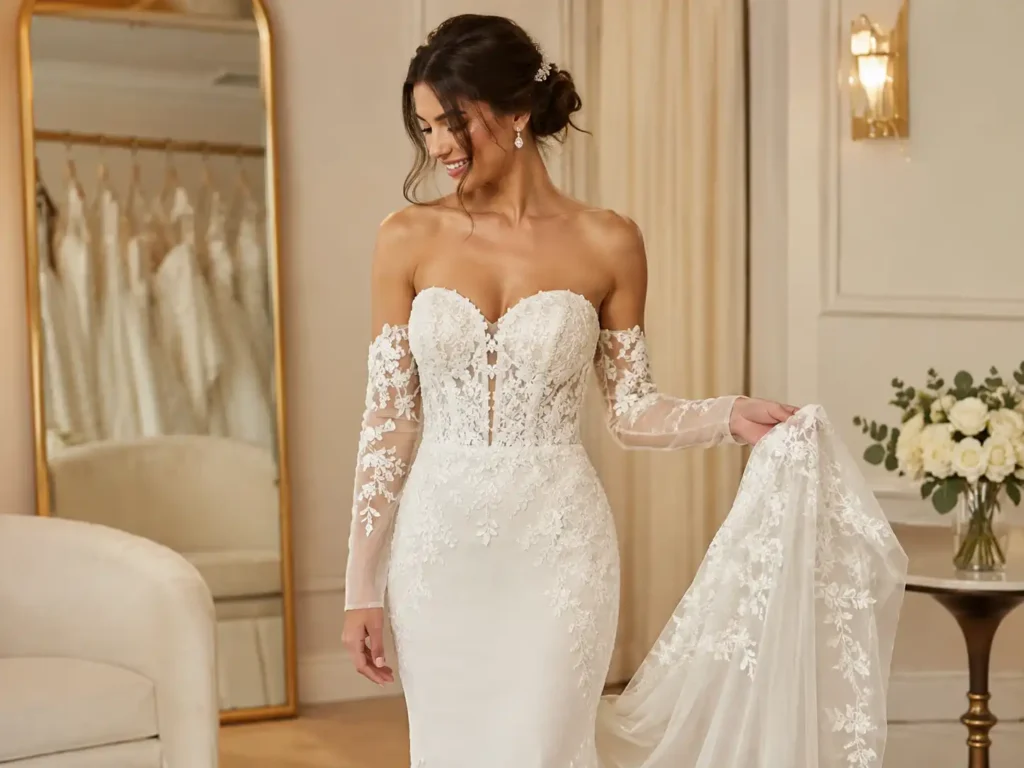
A standard white day dress may lack the visual details expected for a bridal event. Bridal shower styles often rely on shaped necklines, corset-inspired seams, lace placement, bows, appliqué, draping, refined texture or controlled volume to establish occasion value.

The design must still remain wearable for brunches, garden events, private dining, hotel venues and cocktail-style celebrations. Excessive structure or heavy decoration can move the garment too close to formal wedding-gown territory.

Lighter Than a Wedding Gown

Bridal shower dresses generally use commercial fashion construction rather than full gown engineering. Mini and midi lengths, lighter linings, cleaner internal finishes and simplified support structures improve comfort and help brands reach accessible occasionwear price tiers.

A structured bodice may still use cups, boning, anti-slip tape or reinforced seams, but every component should support the silhouette without adding unnecessary weight.

Designed Around Event Use

The collection should account for sitting, walking, photography, greeting guests, dining and warm indoor or outdoor environments. Neckline security, mini-length safety, lining coverage and comfort around the bust and waist require real fit testing.

Commercial success often comes from combining bridal appearance with post-event wearability. A well-developed satin midi or lace mini can remain relevant for honeymoon dinners, anniversary events and other celebrations.

Production Risks Behind an Elegant Bridal Collection

White occasion dresses expose fit, fabric and workmanship problems more quickly than darker garments. Risk control must begin before sampling and continue through cutting, sewing, finishing and individual packing.

Excess Transparency

A white fabric may appear acceptable on a hanger but become transparent under daylight, flash photography or body tension. Main fabric weight, lining shade, lining coverage and seam position must be considered together.

Shade Mismatch

Bright white, natural white, ivory and cream are not interchangeable. Outer fabric, lace, lining, zipper tape, sewing thread, cups and appliqué can create visible mismatch even when each component is described as ivory.

Unstable Necklines

Strapless, corset and low-neck bridal styles can gape, roll or drop when bust shaping, neckline tension, cup position, boning and anti-slip support are not balanced during pattern development.

Unsafe Mini Length

A front-view image may hide problems during sitting, walking or bending. Mini length requires evaluation from front, back and side, followed by size grading that protects coverage across the intended size range.

Sample-Bulk Variation

Approved samples can lose shape in bulk when fabric batches, trim specifications, sewing methods, pressing temperatures or measurement tolerances are not transferred into production records.

Visible Stains

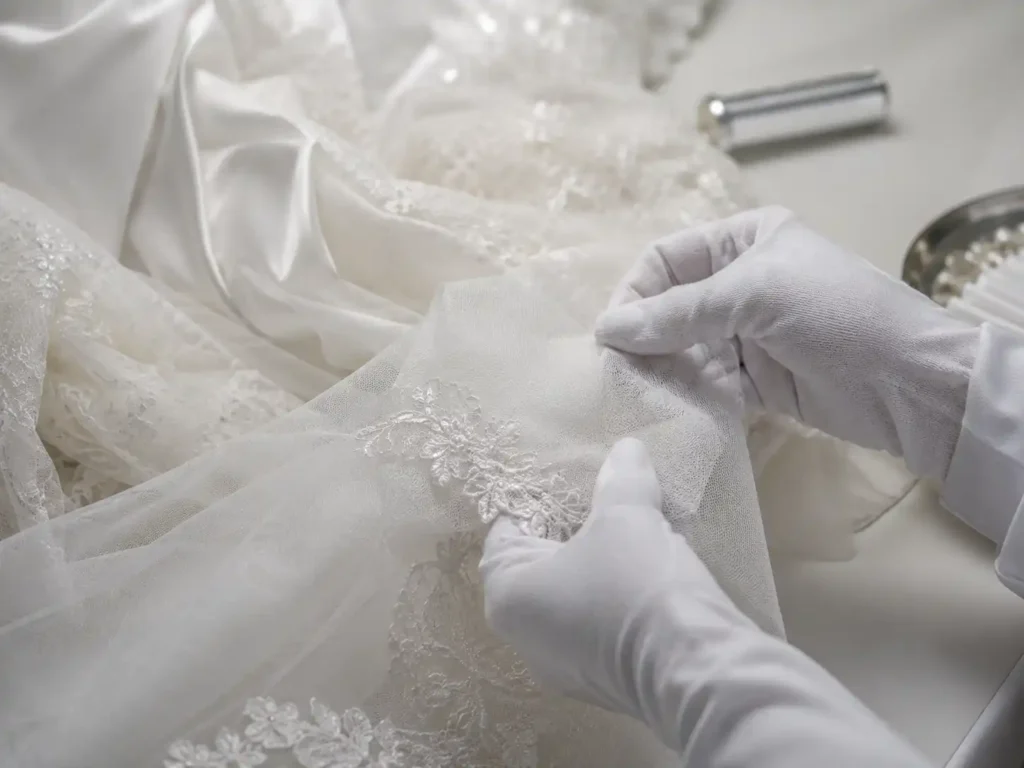
White garments reveal oil marks, chalk, dust, handling marks and packaging contamination. Clean handling requirements must cover cutting tables, sewing stations, pressing, inspection and packing.

Poor Lace Placement

Lace direction, motif balance and seam positioning affect symmetry and perceived value.

Uncontrolled cutting can create visibly different garments within one production run.

Launch Delays

Late fabric approval, repeated fit changes, unconfirmed labels or incomplete packaging files can compress production and inspection windows. Bridal season programs require milestone planning rather than one final shipment date.

A Manufacturing Model for Defined Collection Programs

Jinfeng Apparel supports brands with clear product direction, development files, quality expectations and planned bulk quantities. The manufacturing relationship begins with project evaluation rather than an immediate generic quotation.

Clear Product Direction

A workable project may begin with a tech pack, original sample, sketch, reference image or line sheet. The development team reviews silhouette, construction, target material, color direction and probable production risks before recommending a route forward.

Structured Sampling Needs

Fit, material behavior and construction must be validated through samples. Bridal occasion dresses often require careful review of bust support, lining coverage, neckline security, zipper flatness, decoration placement and hem balance.

Planned Bulk Production

MOQ starts from 200 pieces per style and color, subject to fabric, trim, color development, construction and packing requirements. Multi-style collections are organized through style grouping, material planning, approval tracking and production allocation.

From Design Direction to Retail-Ready Bridal Dresses

Every stage has a defined purpose, approval requirement and production output. Clear records reduce uncertainty when a collection moves from first sample into multi-style bulk production.

Project Review

Jinfeng Apparel reviews product category, design reference, quantity by style and color, target market, size range, launch schedule and branding requirements. Missing information is identified before formal costing or sampling begins.

Fabric Direction

Materials are reviewed for weight, drape, stretch, opacity, surface shine, handfeel, color, supply stability and MOQ. Swatches, images, videos or available color cards can support approval.

Pattern Development

Senior pattern makers translate measurements and design intent into garment structure. Bust, waist, hip, neckline, strap, armhole, lining, slit and length relationships are reviewed according to the target market.

First Sample

The first sample validates silhouette, fabric suitability, internal construction and production feasibility. Measurements, photographs and workmanship observations form the basis for fit feedback.

Fit Revision

Feedback is converted into defined pattern and construction changes. Each revision should identify the problem, required correction and approval status rather than rely on general comments such as “make it fit better.”

PP Approval

The PP sample confirms approved fabric, color, trims, measurements, construction, labels and packing direction before bulk cutting. Unresolved changes remain outside bulk production until formally approved.

Bulk Production

Production files, final patterns, BOM information, sewing instructions and QC checkpoints are transferred to the selected factory and production line according to style type.

Quality Control

Inspection covers incoming materials, cutting, inline sewing, measurements, appearance, finishing, labels, packing and order details. White-garment cleanliness receives additional attention.

Packing and Delivery

Approved labels, hangtags, barcodes, polybags, carton marks and warehouse instructions are checked before shipment. Express, air, sea and split-shipment arrangements can be coordinated by project.

Bridal Shower Dresses We Develop and Manufacture

The range combines commercial fashion construction with bridal-level visual detail. Every category requires different fabric selection, pattern control, internal structure and bulk inspection priorities.

White Mini Dresses

White mini dresses remain central to bridal shower assortments because they photograph well and suit brunch, garden and cocktail settings. Development focuses on safe front and back length, stable neckline coverage, clean lining, balanced waist placement and controlled hem shape. A mini style may look correct on a dress form but become too short during sitting or movement. Size grading must preserve coverage rather than increase width alone.

Bridal Midi Dresses

Midi dresses offer a refined option for restaurant showers, afternoon events and mature occasionwear ranges. Key controls include waist position, skirt proportion, slit height, calf placement, lining length and movement. Satin, crepe, lace and chiffon all create different midi silhouettes. Fabric choice should be approved together with the intended drape and level of structure.

Corset Mini Dresses

Corset minis create a strong bridal statement through shaped panels, bust support and a defined waist. Development may involve bra cups, boning, lining, hook-and-eye components, zipper placement and anti-slip tape. Support and comfort must be balanced. Excessively rigid boning, incorrect cup shape or unstable neckline tension can make an attractive sample uncomfortable during an event.

Satin Slip Dresses

A bridal satin slip dress appears simple but exposes every pattern and workmanship issue. Bias behavior, neckline depth, strap length, side-seam balance, lining, hem level and pressing require close control. The outer satin and lining must move together without twisting, pulling or showing through. Shine direction should remain consistent across cut panels.

Lace Bridal Dresses

Lace adds bridal identity through texture rather than heavy decoration. Material width, motif scale, border placement, seam matching, transparency, lining color and edge finishing influence the final appearance. For placement lace, cutting plans must establish where motifs sit at the neckline, waist, sleeve, side seam and hem before production quantities are cut.

A-Line Shower Dresses

A-line silhouettes work well for daytime showers because they balance comfort and occasion polish. Bodice fit, waist position, skirt volume, lining support and hem symmetry determine whether the garment looks refined or overly casual. Organza, satin, crepe and lace create very different levels of volume. Pattern ease should match the intended fabric rather than follow a generic A-line block.

Bow Detail Dresses

Bows can become the visual signature of a bridal capsule. Scale, placement, internal support, attachment method, symmetry and packing recovery must be engineered for bulk production. Soft satin may require reinforcement to hold a sculptural bow, while organza may require edge finishing and layering to avoid a weak or unfinished appearance.

Floral Appliqué Dresses

Floral appliqué brings dimension to bridal minis and midis. Placement maps should define motif direction, density, spacing and edge security. Hand-applied designs require controlled workmanship standards and realistic production planning. Appliqué must also be reviewed for skin contact, sitting comfort, garment weight and packaging pressure.

Strapless Bridal Dresses

Strapless styles require neckline stability without visible shoulder support. Cup placement, boning, upper-bust tension, anti-slip tape, zipper control and waist anchoring work as one structure. A secure strapless fit should remain comfortable and avoid excessive compression. Size-set review becomes important when the range includes different bust proportions.

One-Shoulder Dresses

One-shoulder designs depend on balanced tension across the neckline and armhole. Poor pattern control can pull the garment diagonally, create side-seam twisting or expose the unsupported side. Draping, pleating and asymmetric trims must remain consistent across sizes and production quantities.

Bridal Cocktail Dresses

Bridal cocktail dresses combine polished evening elements with shorter, lighter construction. Crepe, satin, lace, mesh and structured woven fabrics can support fitted, draped or fit-and-flare silhouettes. Production review focuses on visual balance, bust support, comfortable movement, clean closures, controlled decoration and crease-conscious packing.

Two-Piece Bridal Sets

A bridal set can pair a structured top with a mini or midi skirt, increasing styling flexibility and post-event wear. Waist overlap, top length, skirt rise, closure position and matching color standards must be developed together. Both pieces require coordinated labels, size ratios, folding methods and SKU control during packing.

Expand One Direction Across Pre-Wedding Occasions

A coordinated pre-wedding wardrobe allows one design language to serve several commercial moments. Shared fabrics, color standards and construction methods can also simplify sourcing and production planning.

Bridal Shower

Develop polished mini and midi dresses with bridal texture, photography value and comfortable daytime wear. White, natural white, ivory and cream remain the dominant color directions.

Engagement Party

Use sharper silhouettes, statement necklines, sequins, fitted satin or sculptural details for evening celebrations. Fit and movement must support dining, photography and social events.

Bachelorette Event

Translate bridal identity into fashion-led mini dresses, bodycon styles, matching sets or statement details. Product engineering should still control coverage, stretch recovery and decoration comfort.

Rehearsal Dinner

Create refined satin midis, draped dresses, halter styles or structured crepe silhouettes. Clean finishing and sophisticated fabric behavior become more important than heavy bridal decoration.

Civil Ceremony

Develop tailored minis, understated midis and modern structured dresses suitable for courthouse ceremonies. Strong pattern proportion and material quality carry the design.

Welcome Dinner

Add lightweight slip dresses, one-shoulder silhouettes or soft draped pieces that complement the main bridal capsule while serving destination and evening settings.

Mini, Midi and Maxi Length Development

Length changes proportion, fit, material consumption, construction and wearing behavior. Each category needs its own approval points rather than a simple hem adjustment.

Mini Dress Control

Mini development covers front length, back coverage, hem sweep, sitting safety and size grading. The waist-to-hem proportion should match the target market and intended footwear. Structured minis may require lining support to prevent riding, while fitted stretch styles require recovery testing and stable side seams. Fit review should include standing, sitting and walking observations.

Midi Dress Control

Midi length affects calf position, movement and overall balance. A few centimeters can change whether a style appears modern, conservative or visually heavy. Development reviews waist placement, skirt volume, slit height, lining length and hem behavior. Bias satin midis may require hanging time before final hem leveling because fabric can relax unevenly.

Maxi Dress Control

Maxi bridal shower styles suit garden venues, destination events and more formal settings. Skirt balance, floor clearance, lining length, seam direction and transport creasing require careful management. Light chiffon and organza may need layer control, while satin and crepe require clean panel direction and pressing. Packing should protect long hems from heavy folding marks.

Silhouettes Engineered for Bridal Occasionwear

A silhouette succeeds when visual intent, human proportion, fabric behavior and internal structure support one another. Generic pattern blocks rarely deliver consistent results across corset, slip, fitted and asymmetric styles.

Corset Silhouette

Corset structures require accurate cup position, panel shaping, boning length, waist anchoring, lining and closure selection. The goal is controlled support without visible distortion or discomfort.

A-Line Silhouette

A-line dresses rely on bodice fit and balanced skirt release. Waist seam position, panel angle, fabric body and lining determine whether the shape appears polished or overly full.

Slip Silhouette

Slip dresses need clean neckline lines, controlled bias behavior, balanced straps and a level hem. Fabric shine reveals puckering, uneven pressing and twisting quickly.

Bodycon Silhouette

Bodycon styles depend on stretch direction, recovery and bust-waist-hip balance. Negative ease must be controlled so the garment shapes the body without excessive compression or transparency.

Strapless Silhouette

A strapless dress requires coordinated bust shaping, boning, anti-slip support, upper-edge tension and waist stability. A strong fit should remain secure through movement.

Halter Silhouette

Halter styles transfer support toward the neck and upper back. Neck comfort, armhole coverage, bust position, back closure and fabric stretch must be tested together.

One-Shoulder Silhouette

Asymmetric necklines require balanced tension across one shoulder, the unsupported neckline and both side seams. Draping or pleating should remain consistent after grading.

Fit-and-Flare Silhouette

Fit-and-flare dresses combine a close bodice with controlled skirt volume. Seam placement, waist definition, skirt support and hem symmetry determine the final movement and proportion.

White and Ivory Are Not One Color

Bridal color development requires physical standards and coordinated material review. A shade approved on one fabric may look different on satin, lace, mesh or lining because surface structure changes reflected light.

Bright White

Bright white delivers a crisp, high-contrast appearance and works well for modern minis, clean corset shapes and summer bridal collections. It also exposes transparency, stains and trim mismatch quickly. Outer fabric, lining, zipper tape and sewing thread should be reviewed under consistent lighting before approval.

Soft White

Soft white reduces the blue or optical brightness associated with pure white. It often suits satin, crepe and refined occasion styles where a warmer appearance supports skin tone and photography. A physical swatch is more reliable than a screen image because camera settings and monitor color can alter perception.

Natural White

Natural white can feel softer and less formal while preserving bridal identity. It works well with cotton blends, textured woven materials, lace and garden-event silhouettes. Material batches must remain controlled so natural variations do not become visible color inconsistency across one order.

Ivory

Ivory may range from pale warm white to deeper cream tones. Lace, lining and satin can all carry different ivory undertones, making component matching essential. Pantone references can guide discussion, but physical fabric and trim approvals remain necessary because texture and shine affect the result.

Cream

Cream creates a warmer, fashion-led alternative for vintage, romantic and autumn bridal collections. Designers should consider whether the color remains clearly bridal within the intended market. Matching thread, zipper tape, appliqué and lining becomes especially important when several materials meet in one garment.

Champagne Ivory

Champagne ivory brings subtle warmth and works well for satin, embellished mesh and evening-led bridal pieces. Metallic or pearl details can shift its visual character. Lighting comparisons should include natural light, indoor light and photography conditions before bulk color approval.

Fabrics Selected for Appearance and Wearability

Fabric determines drape, opacity, support, comfort, cost and production risk. Selection should follow the intended silhouette and price position rather than a reference image alone.

Satin

Satin creates a polished bridal surface for slips, corset minis, halters and draped midis. Weight, shine, face direction, snag sensitivity and crease recovery vary widely between qualities. Cutting direction must remain consistent. Sewing and pressing should avoid puckering, shine marks and visible seam tension.

Stretch Satin

Stretch satin supports fitted mini, bodycon and corset-inspired styles where movement and recovery matter. Stretch percentage alone is not enough; direction, recovery, opacity and surface stability must also be checked. Poor recovery can create rippling around the waist, hip and zipper after wear.

Lace

Lace provides immediate bridal identity through motif, transparency and edge detail. Development considers width, repeat, border availability, motif scale, stretch, handfeel and supply stability. Placement planning helps control symmetry and material consumption, especially around necklines and hems.

Chiffon

Chiffon works for soft sleeves, layered skirts, overlays and romantic midis. Transparency, fraying, seam slippage, layer movement and hem control require attention. The lining should create coverage without removing the light visual character.

Crepe

Crepe offers a refined matte surface and strong commercial wearability. It suits structured minis, fitted midis and cleaner civil-ceremony styles. Weight, stretch, recovery, seam impression and pressing response influence whether the garment appears sharp or soft.

Organza

Organza adds controlled volume to bows, sleeves, overskirts and A-line silhouettes. Sheerness, stiffness and edge finishing must match the design. Packing tests are useful because sculptural organza details may flatten or crease during transport.

Tulle

Tulle supports layered skirts, soft volume and appliqué placement. Mesh size, stiffness, color, handfeel and layer count should be specified. Outer tulle and inner lining colors must work together, particularly in ivory and champagne directions.

Mesh

Mesh can create modern bridal panels, fitted overlays and draped details. Stretch direction, recovery, transparency, hole resistance and seam support require validation. Skin-contact areas need comfortable seam finishing and secure appliqué or trim attachment.

Details That Create a Bridal Identity

Decoration should strengthen the product concept without weakening comfort, scalability or quality consistency. Every detail needs an attachment method, placement standard and inspection point.

Statement Bows

Bows require defined dimensions, placement, support and attachment. Pattern pieces should control left-right symmetry, while reinforcement may be needed to preserve shape. Packing trials help determine whether the bow should be filled, protected, folded separately or reshaped after unpacking.

Floral Appliqué

Appliqué placement can follow a mapped repeat, balanced cluster or controlled organic layout. Production instructions should define quantity, direction, spacing and secure edge points. Quality review checks missing motifs, loose edges, asymmetry and uncomfortable backing.

Lace Placement

Placement lace creates higher perceived value when motifs frame the neckline, waist or hem consistently. Cutting markers should reflect repeat direction and visible balance. Seam joins require planning so motifs do not appear abruptly interrupted.

Controlled Ruffles

Ruffles add volume and movement to necklines, skirts and shoulders. Length ratio, gathering density, edge finish and material weight influence consistency. Bulk templates help prevent visible differences in ruffle fullness from one garment to another.

Soft Draping

Draping can shape the waist, hip, bust or shoulder. Grain direction, anchoring points and stitch placement must be recorded after sample approval. Loose folds can collapse or shift when fabric behavior changes between batches.

Precision Pleating

Pleats create structure and texture but require defined depth, direction, spacing and fixation. Pattern allowances and pressing standards should remain consistent across sizes. Pleats near the bust or waist must follow body shape rather than create unwanted bulk.

Pearl and Bead Details

Pearls, beads and rhinestones add bridal value but increase attachment, comfort and packing risks. Placement maps and pull checks help control workmanship. Backing materials may be required to prevent irritation or visible thread on sheer areas.

Detachable Elements

Detachable sleeves, straps, bows or overskirts add styling flexibility. Fasteners must remain secure, discreet and easy to use. Each removable component requires coordinated labeling, packing and quantity verification.

Matching Each Design to the Right Fabric

An attractive drawing can fail when material weight, drape, stretch or transparency conflicts with the structure. Fabric review begins with the silhouette and wearing experience, not color alone.

Corset Mini Fabric Logic

A corset mini needs enough body to support panel shaping, boning and cup structure. An overly soft satin may collapse around seam lines, while a rigid fabric may restrict movement and create discomfort.

Jinfeng Apparel reviews:

  • Outer fabric body and thickness
  • Lining support
  • Boning compatibility
  • Cup coverage
  • Zipper stability
  • Waist compression
  • Transparency under tension

A structured woven satin, crepe or layered construction may provide better control than a lightweight fashion satin.

Satin Slip Fabric Logic

A slip midi needs controlled drape and a smooth surface without excessive cling or transparency. The outer fabric should move cleanly over the lining and recover from handling.

Review covers:

  • Bias movement
  • Surface shine
  • Snag resistance
  • Lining compatibility
  • Strap support
  • Seam puckering
  • Hem relaxation

The sample may require hanging before final hem assessment because bias panels can lengthen unevenly.

Lace A-Line Fabric Logic

A lace A-line combines the behavior of lace, lining and skirt structure. Heavy lace may reduce movement, while very soft lace can lose the intended shape.

Review covers:

  • Motif scale
  • Border placement
  • Lace width
  • Transparency
  • Lining color
  • Waist seam bulk
  • Hem finishing

The cutting plan should use visible motifs efficiently while preserving symmetry.

Structured Bow Fabric Logic

A sculptural bow needs sufficient body, internal support and recovery after packing. Soft fabric can droop; brittle organza can crease or crack visually.

Review covers:

  • Bow scale
  • Reinforcement
  • Edge finish
  • Attachment point
  • Garment balance
  • Carton pressure
  • Recovery after unpacking

Prototype testing should confirm both visual shape and production repeatability.

Pattern Engineering Behind a Photo-Ready Fit

A photo-ready garment is built through proportion control. Front, side and back views must remain balanced while the wearer sits, walks and moves through an event.

Bust Shape and Coverage

Bust development considers full bust, upper bust, underbust, cup position, neckline depth and intended support. Corset, strapless, halter and low-back styles require different anchoring methods.

Fit feedback should identify whether a problem comes from pattern shape, cup specification, fabric stretch, boning or neckline tension.

Waistline Placement

A waistline placed too high or too low changes the entire silhouette. 

Design intent, torso length, cup position and skirt proportion should be assessed together.

Corset and fit-and-flare styles often need precise waist shaping to avoid horizontal folds or side-seam distortion.

Hip Ease and Balance

Fitted bridal minis and midis require enough ease for movement without losing a clean silhouette. 

Stretch recovery, lining, zipper position and fabric thickness all affect hip fit.

Side seams should remain vertical when viewed from the front and back.

Neckline Stability

Strapless, square, sweetheart and asymmetric necklines need stable edges. 

Under-stitching, seam tape, boning, anti-slip support and pattern tension may all contribute.

Stability should be tested during movement, not only while standing still.

Strap Position

Strap length and position influence bust lift, armhole fit and neckline level.

Adjustable straps can increase fit flexibility, while fixed straps require more exact grading.

Attachment strength and slider quality should be checked before bulk production.

Lining Coverage

Lining provides opacity, comfort and structural support.

Coverage should protect sheer areas without showing below hems, around necklines or through armholes.

The lining pattern may need separate ease and length rather than copy the outer pattern directly.

Zipper Placement

Invisible zippers must remain flat without rippling, color mismatch or seam distortion. Corset and close-fit garments need enough seam stability around the closure.

Zipper length should support dressing while maintaining the intended back or side line.

Hem Balance

A level hem depends on grain direction, body shape, fabric relaxation and skirt volume. Bias satin, chiffon layers and asymmetric designs may require additional leveling after hanging.

Bulk inspection should use an approved measurement method rather than visual judgment alone.

Fit Development for the United States Market

Jinfeng Apparel can develop US, UK, EU and AU sizing according to supplied measurement standards. Bridal occasionwear often requires additional control around bust support, mini length and graded neckline coverage.

Base Size Confirmation

The brand should identify the base size used for first development. Body measurements and finished-garment measurements should not be confused. Ease, stretch and silhouette determine the required difference between body and garment dimensions.

Bust-Waist-Hip Balance

Bust, waist and hip measurements operate as one proportional system. Changing one area may affect side seams, darts, princess lines, zipper position and skirt balance. Fit comments should identify both measurement and visual shape.

Mini Length Grading

Mini dresses should not rely on width grading alone. Length may need controlled increases across the range to protect coverage and commercial wearability. Front and back length can require different treatment depending on body shape and skirt construction.

Neckline Grading

A neckline that works in the base size can become too open or unstable in extended sizes. Cup position, strap placement, neckline length and upper-bust shaping should be reviewed through size-set samples.

Extended Size Review

Extended sizing may require pattern rebalancing rather than proportional enlargement. Boning, cups, strap width, closure strength and skirt length should support the intended body range. The brand’s own fit standard remains the primary reference.

Size-Set Approval

A size set verifies grading logic before full production. Priority sizes can be selected according to the range and risk level. Measurement review should cover critical points such as bust, waist, hip, length, neckline, strap, armhole and lining.

A Sampling Process Built Around Product Risk

Sampling confirms how design, material, fit, construction and cost work together. Two sample rooms, seven or more senior pattern makers and over twenty sample machinists support structured development across multiple style groups.

File Review

Tech packs, reference images, size charts, original samples and line sheets are checked for usable measurements, construction information, fabric direction, trim details and missing specifications.

Material Sourcing

Available fabrics and trims are screened according to color, weight, width, stretch, opacity, handfeel, MOQ, supply status and target price. Special development requires separate timing.

Pattern Creation

Patterns are developed or corrected around the selected base size and silhouette. Critical bridal points include bust shape, neckline, waistline, zipper, lining and length.

First Sample

The first sample tests the initial interpretation of the style. Photographs, measurements and workmanship observations provide an objective basis for review.

Fit Review

Fit comments should identify exact areas, desired changes and supporting images. Bust, waist, hip, neckline, strap, hem and lining feedback is translated into pattern corrections.

Revised Sample

A revised sample verifies agreed changes. New requests introduced after revision may affect pattern work, material use, sample cost and development timing.

PP Sample

The PP sample confirms production-ready materials, construction, measurements, labels and packing direction. Bulk production begins after required standards are approved.

Golden Sample

An approved Golden sample can support production comparison, QC review and repeat-order records. It represents the locked garment standard rather than an early development version.

What the First Sample Must Prove

A first sample should answer production questions, not merely resemble a reference image. The review establishes whether the selected fabric, pattern and construction can deliver the intended result at scale.

Structure and Silhouette

The first sample shows whether the bodice holds its shape, the waist sits correctly, the skirt falls as intended and the garment maintains balance from front, side and back.

For corset styles, review includes cup position, boning, panel symmetry and neckline security. For slip dresses, review focuses on bias balance, straps, neckline and hem.

Material Suitability

The sample reveals whether fabric weight, stretch, drape, transparency and surface behavior suit the design.

A visually similar substitute may perform very differently during sewing and wear.

Any material change after fit approval can alter the silhouette and may require renewed evaluation.

Construction Feasibility

Seams, closures, lining, draping, pleating and decoration are assessed for repeatability.

A detail that depends on uncontrolled hand shaping may create major bulk variation unless a production standard is established.

Commercial Alignment

The sample also helps evaluate whether material, labor and finishing choices align with the intended price tier.

Cost optimization may involve fabric alternatives, simplified internal construction or adjusted decoration without weakening the design identity.

Revision Documentation

Every change should be recorded through measurements, photographs, annotated comments or an updated tech pack.

Defined records reduce misunderstandings between design, pattern, sample and production teams.

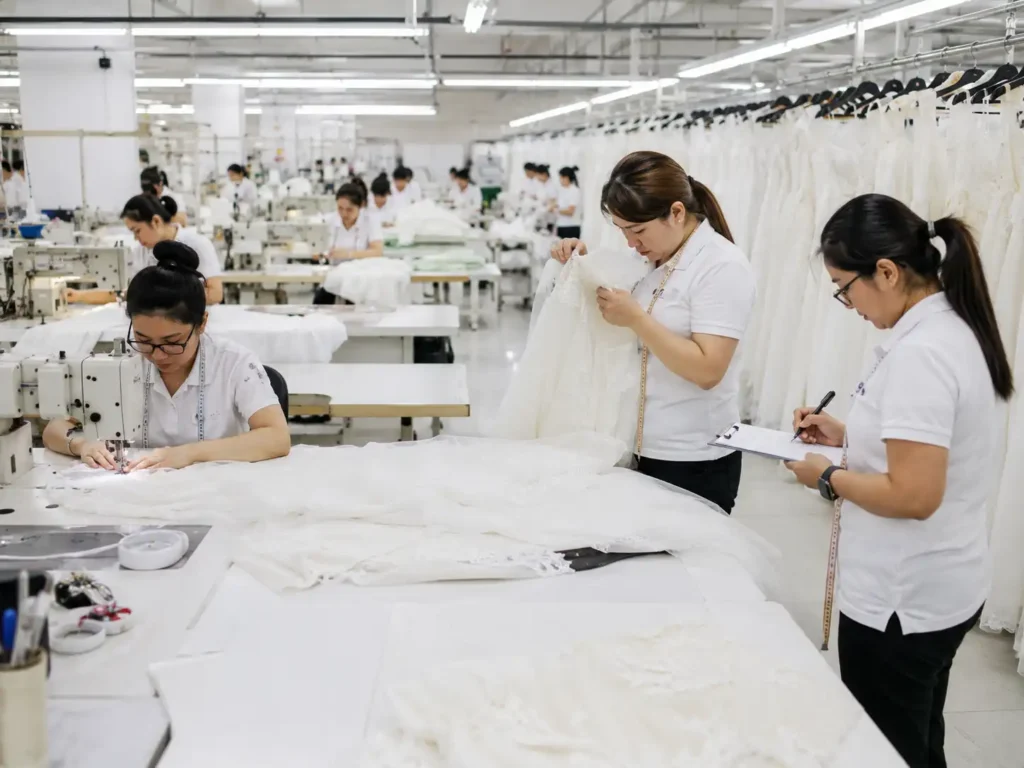
Workers in a brightly lit textile factory engaged in fabric inspection and sewing.

Locking the Standard Before Bulk Production

Bulk consistency depends on a controlled sample-to-production transfer. Final patterns, approved materials, measurements, sewing instructions and packing standards must move together.

Final Pattern

All approved fit and proportion changes are transferred into the production pattern. Old sample patterns should not remain active after revision approval.

The final pattern controls seam position, panel shape, length, lining and grading.

Material Standard

Outer fabric, lining, lace, mesh, zippers, cups, boning, elastic, thread and decorative trims are recorded by specification and approved reference.

Color and handfeel should be checked against physical approvals when available.

Measurement Standard

Critical measurements and tolerances are confirmed before cutting.

Bridal styles commonly prioritize bust, waist, hip, neckline, strap, garment length, slit and lining length.

Construction Standard

Sewing sequence, seam finish, boning placement, cup attachment, zipper installation, lining connection, draping and decoration methods are transferred into production instructions.

Label Standard

Main label, size label, care label, hangtag and barcode positions are approved. Orientation, stitching method and visible placement should match brand requirements.

Packing Standard

Folding, tissue, protective materials, polybag, barcode position, carton ratio and carton marks are locked before packing begins.

Change Control

Changes after PP approval may affect material purchasing, patterns, production scheduling, price and delivery. New requirements should be documented and assessed before implementation.

Production Handover

Merchandising, pattern, production and QC teams review the approved standard before bulk work begins. Golden samples and reference files support alignment.

What Determines Bridal Shower Dress Production Cost

Pricing reflects the complete garment specification rather than appearance alone. Material use, internal support, sewing time, handwork, quality requirements and packing all influence the final calculation.

Cost FactorWhat Is ReviewedTypical Impact
Outer FabricType, weight, width, color, consumption, stock statusSatin, lace and special woven fabrics carry different cost and MOQ structures
LiningCoverage, layer count, color, stretch and handfeelFull lining increases material and sewing requirements
Pattern WorkNew pattern, complex panels, draping or asymmetric constructionMore pattern development and sample validation
Bust StructureCups, boning, underwire, tape and reinforcementHigher trim and workmanship requirements
Lace PlacementMotif matching, border use and directional cuttingIncreased consumption and cutting labor
Draping and PleatingFold count, anchoring and pressingLonger sewing and finishing time
Appliqué and BeadingQuantity, placement and attachment methodMore manual work and inspection
Custom ColorStock color, lab dip, dyeing and approvalHigher material MOQ and longer sourcing schedule
Size RangeStandard range, extended sizes and size-set reviewAdditional grading and validation
Private LabelLabels, hangtags, barcode and printed packingSeparate material MOQ may apply
Order QuantityPieces per style, color and size ratioInfluences material purchasing and production efficiency
InspectionInternal, AQL or third-party requirementsAdds inspection preparation and time

Production Planning for Multi-Style Bridal Collections

A 10–30-style collection requires coordinated material grouping, sample priorities, factory allocation, production files, QC standards and packing instructions. More styles do not simply mean repeating one process.

Style Grouping

Styles are grouped by silhouette, fabric and construction. Corset minis, satin slips, lace dresses and structured woven styles may require different production teams and quality checkpoints.

Material Booking

Approved fabric and trims are matched to order quantities, color plans and production dates. Special lace, dyed fabric and custom labels need earlier confirmation.

Factory Allocation

Each style is assigned according to product structure, material behavior, workmanship level, order quantity and available production capacity.

Production Files

Final patterns, measurements, BOM details, sewing requirements, label placement and packing instructions are prepared before bulk production.

Cutting Control

Fabric direction, shade grouping, lace placement, panel quantities and size bundles are checked before sewing begins.

Inline Management

Merchandising and QC teams track early production output, measurements, construction and recurring workmanship issues before larger quantities move forward.

Finishing Control

Pressing, thread cleaning, appearance review, stain checks and measurement confirmation prepare garments for final inspection.

Packing Control

SKU, size ratio, barcode, label, polybag and carton requirements are verified against the approved packing instruction.

Delivery Coordination

Shipment planning considers launch priority, warehouse timing, carton data and transport mode. Split delivery can be evaluated for priority SKUs.

Quality Control Designed for White Bridal Dresses
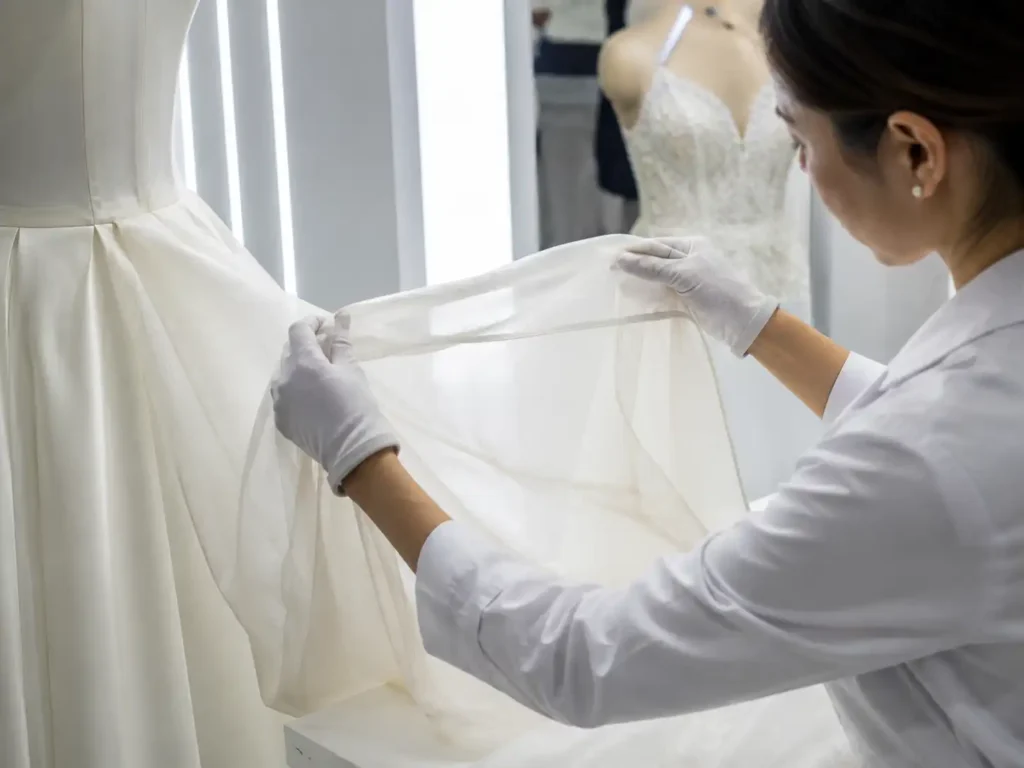
White and ivory garments require dedicated handling because small defects become immediately visible. Control begins with incoming materials and continues until every packed unit is protected.

Transparency Control

Opacity is reviewed under lighting and body tension rather than from folded fabric alone. Main fabric, lining color, lining coverage and seam placement are evaluated as one system.
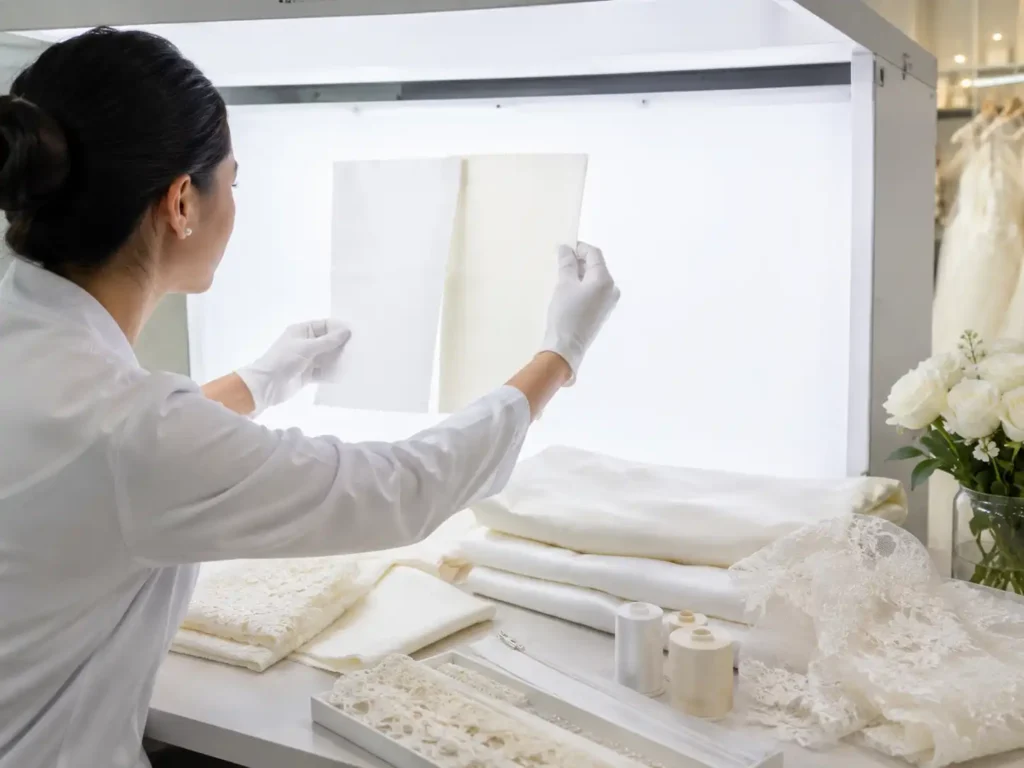
Shade Control

Fabric rolls are checked for dye-lot and visible shade variation. Outer fabric, lining, zipper, thread, cups and lace should follow the approved color direction. Shiny satin requires viewing from consistent directions because reflected light can imitate color difference.

Stain Prevention

White garments need clean handling during cutting, sewing, pressing and packing. Oil, chalk, dust, dirty work surfaces and unprotected transport bins can create avoidable defects. Inspection should include necklines, hems, underarms, zippers and folded areas.

Snag Prevention

Satin, chiffon, mesh and lace can snag during handling. Work surfaces, needles, presser feet, accessories and packing contact points should be monitored. Final inspection looks for pulled yarns, broken mesh, damaged lace and surface marks.

Lining Control

Lining is checked for color, opacity, attachment, twist, length and visibility. It should support the garment without hanging below the outer layer or pulling the silhouette. Stretch outer fabrics may require compatible lining behavior.

Clean Packing

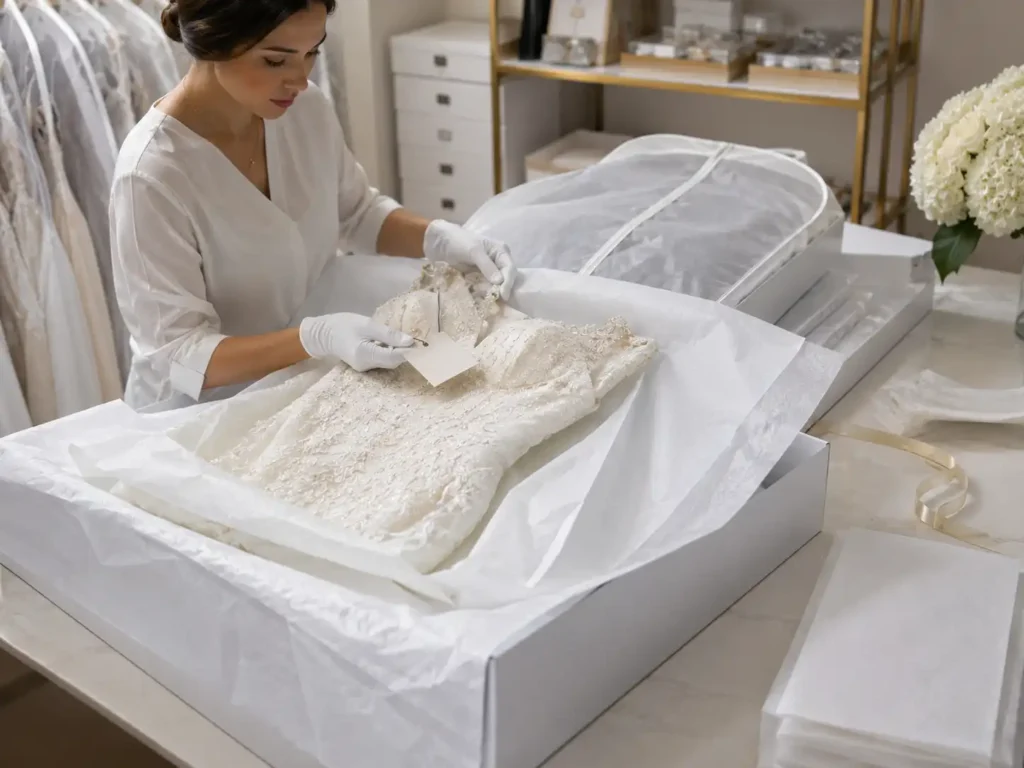
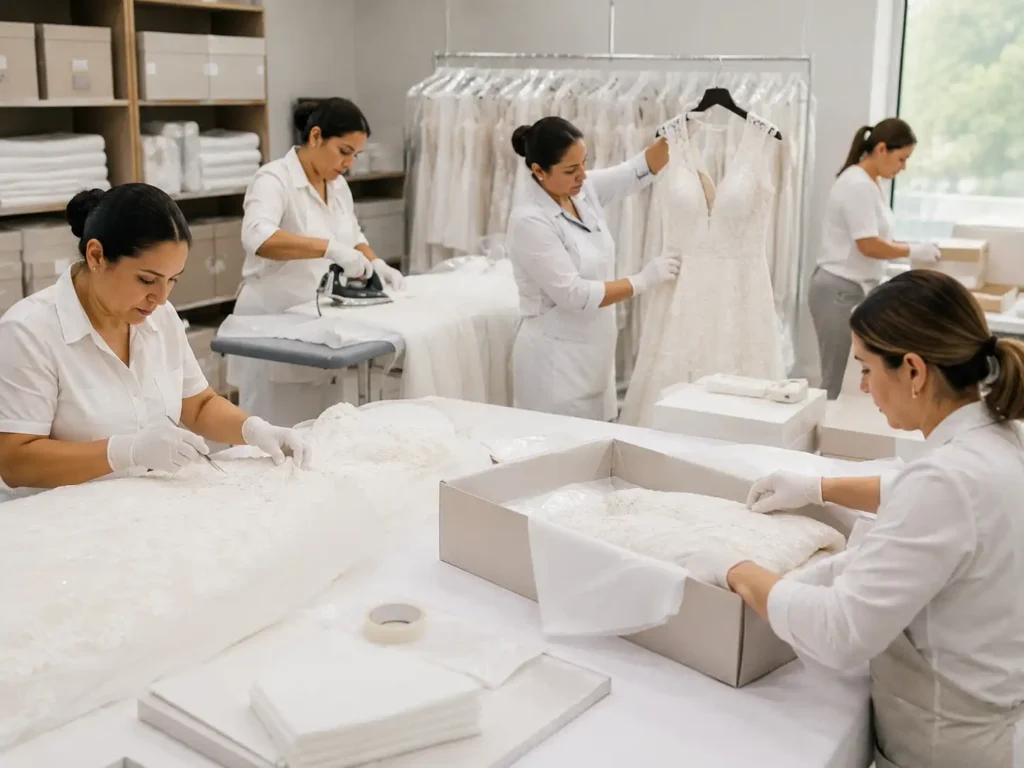
Every garment receives a final cleanliness and label review before individual packing. Protective tissue, garment shape and folding direction can reduce contact marks and pressing damage. Cartons should protect white garments from dust, moisture and crushing during transport.

Quality Checks Before a Dress Is Finished

Final inspection cannot repair every production problem. Material, cutting and sewing checkpoints identify issues while corrective action remains possible.

Fabric Inspection

Review covers color, holes, stains, snags, width, visible defects and batch consistency. Stretch fabrics may also require stretch-direction and recovery review.

Trim Inspection

Zippers, cups, boning, elastic, hooks, labels and decoration are checked for specification, color, size, comfort and supply consistency.

Cutting Direction

Satin shine, lace motifs, velvet pile and directional materials must follow approved cutting orientation. Incorrect direction can make panels appear different in one garment.

Bundle Control

Cut panels are organized by size, color, shade group and style. Accurate bundling reduces mixed sizes, mismatched panels and production confusion.

Early Sewing Check

Initial units are reviewed for seam construction, measurements, neckline, zipper, support components, lining and decoration before larger quantities continue.

Inline Measurement

Critical points are measured during production. Recurring deviations can then be traced to sewing, pressing or pattern handling.

Appearance Review

Symmetry, draping, pleating, lace placement, puckering, twisting, hem balance and visible marks are checked against the approved standard.

Pressing Review

Temperature, pressure and technique should match the fabric. Satin shine marks, organza flattening and seam impressions can reduce garment value even when sewing is correct.

Final Inspection Before Retail Delivery

Finished garments are checked against approved appearance, measurement, labeling and packing standards before cartons are released for shipment.

Measurement Inspection

Critical measurements are verified within the agreed tolerance. Inspection focus may include bust, waist, hip, neckline, strap, garment length, slit and lining length.

Appearance Inspection

Garments are reviewed for stains, snags, shade issues, seam puckering, loose threads, poor symmetry, damaged lace, missing appliqué and pressing marks.

Function Inspection

Zippers, hooks, buttons, adjustable straps and detachable elements are operated to confirm secure use. Strap and decoration attachment can be checked according to the project standard.

Label Inspection

Main labels, size labels, care labels, hangtags and barcodes are checked for content, placement, orientation and SKU accuracy.

Packing Inspection

Folding, protective material, polybag, barcode position, size ratio and carton assortment are compared with the packing instruction.

Shipment Inspection Support

Jinfeng Apparel can coordinate internal inspection, agreed AQL review and third-party inspection arrangements according to project requirements.

Private-Label Finishing for Bridal Fashion Collections

Brand presentation continues after sewing. Label accuracy, barcode control, clean folding and protective packing affect warehouse receiving and the first impression after unpacking.

Woven Main Labels

Main labels can be developed according to supplied artwork, size, fold, material and placement. Softness and skin contact should be considered for neckline placement.

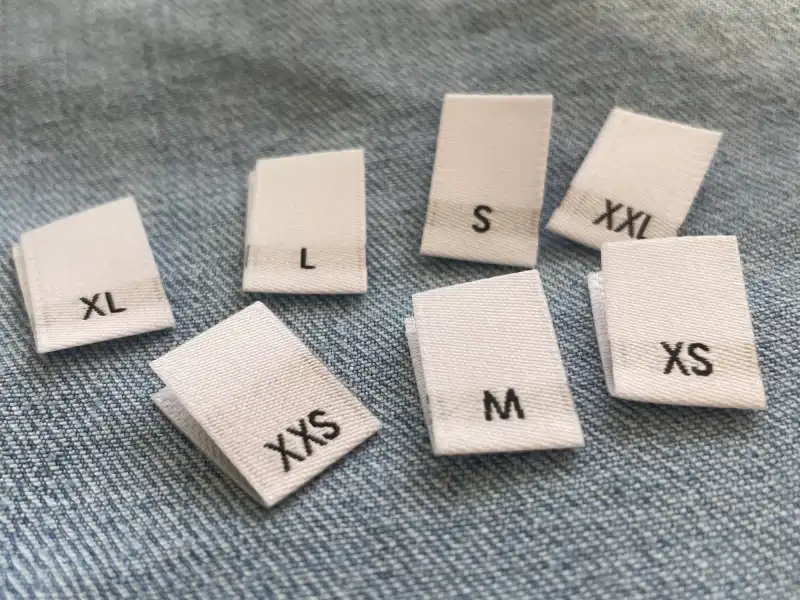
Size Labels

Size labels must match the garment, hangtag, barcode, polybag and carton records. Placement should remain consistent across silhouettes.

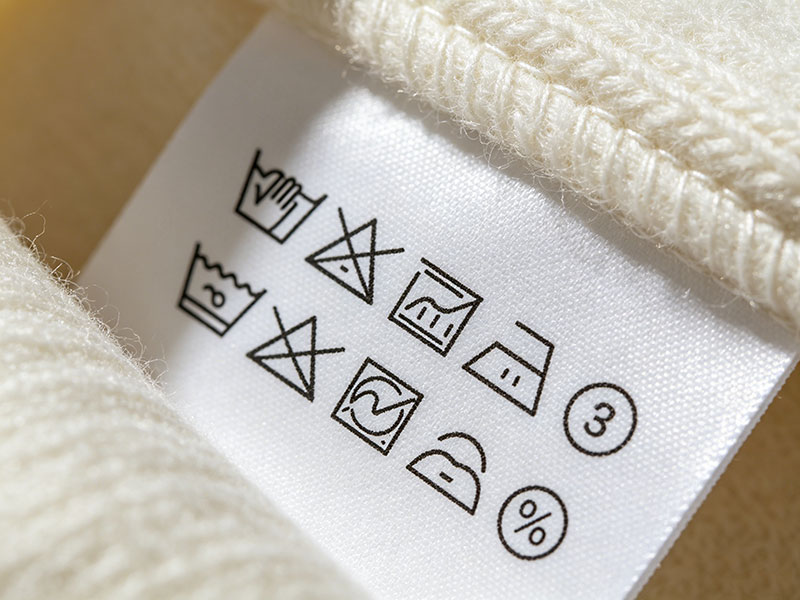
Care Labels

Care labels contain fiber, washing, origin and brand-required information. Final wording remains subject to the brand’s market and compliance requirements.

Hangtags

Hangtags may include logo, style information, price fields, product story or QR content. Paper, finish, string and attachment method influence presentation.

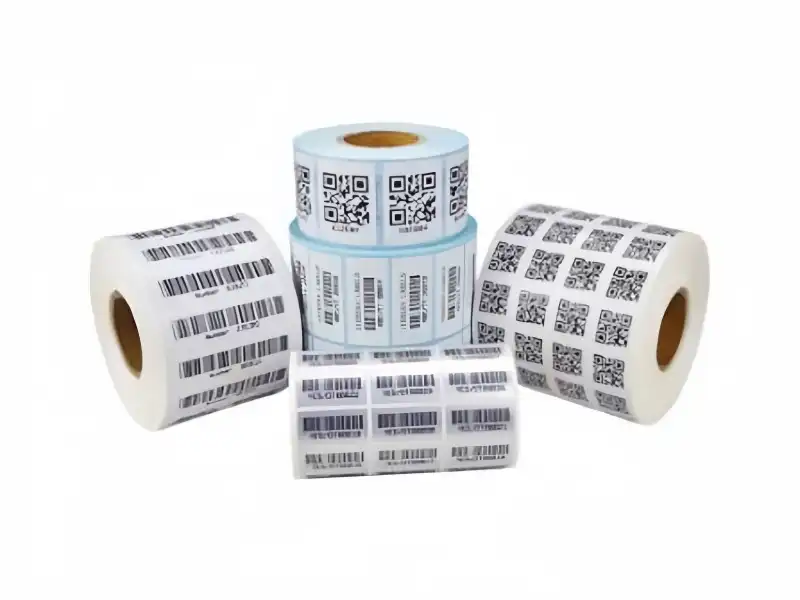
Barcode Stickers

Barcode and SKU files should be supplied in an organized format. Verification connects each garment size and style with the correct polybag and carton.

Branded Polybags

Polybags can follow size, thickness, warning text, ventilation and print requirements. Printed packing materials may carry separate supplier MOQ.

Protective Packing

Tissue, form support, bow protection or garment bags can reduce stains, crushing and creasing for delicate white styles.

Carton and Warehouse Labels

Carton marks, size ratios, destination labels and warehouse instructions are confirmed before packing. Carton data supports freight and receiving coordination.

Protecting Your Bridal Collection Before Launch

Unreleased bridal styles, fit information, patterns, trims and launch schedules form part of a brand’s commercial value. Development records are managed with confidentiality and controlled project communication.

NDA Cooperation

Jinfeng Apparel supports NDA-based cooperation for eligible projects. Confidential information can include brand identity, tech packs, line sheets, samples, size charts, quantity plans, target prices and launch dates.

Design File Protection

Unpublished drawings, reference garments, pattern files, trim concepts, label artwork and packaging information are not intended for unauthorized public display. Public-facing project examples should use anonymous information unless written approval is available.

Production Information Control

Approved patterns, BOM information, measurements, construction instructions and packaging files are shared with relevant teams according to production needs. Project records also support controlled repeat orders and seasonal development.

Compliance Review Support

Factory and material documentation can be reviewed according to the selected production unit, market requirements and available certificate scope. Audit, certified fabric and testing claims should always be verified for the specific project, supplier, batch and validity period.

Planning Around Bridal Season and Launch Dates

A launch date should be converted into development, approval, production, inspection and logistics milestones. Waiting until bulk completion to plan freight creates unnecessary seasonal risk.

Collection Brief Deadline

Define style count, hero SKUs, quantity plan, target colors, size range and required launch date. Incomplete collection structure makes material and sample planning unreliable.

Fabric Approval Window

Stock status, color approval, swatches and special development should be resolved before the sampling plan is locked. Custom color and specialty lace need more preparation.

First Sample Window

Key styles should be prioritized by launch importance, construction risk and material readiness. Not every design needs to enter sampling on the same day.

Fit Revision Window

Allow time for fitting, internal review, consolidated comments and revised samples. Uncoordinated feedback from several teams can create unnecessary rounds.

PP Approval Window

PP approval should leave enough time for material booking, cutting preparation and production allocation. Late changes can affect both price and shipment.

Bulk Production Window

Production timing depends on style complexity, quantities, material readiness, line allocation and seasonal capacity. Complex corset, lace and appliqué styles need realistic scheduling.

QC and Packing Window

Final inspection, corrective work, labeling, barcode verification and packing need protected time rather than becoming compressed between sewing and shipment.

Freight and Receiving Window

Air, sea or split shipment planning should account for warehouse booking, documentation, customs, delivery and launch preparation. Priority SKUs can be evaluated separately.

The Teams Behind Every Bridal Dress Order

A coordinated team structure connects concept review, material sourcing, fit development, bulk execution, quality control and brand delivery.

Merchandising Team

Twelve or more merchandisers support requirement confirmation, timeline planning, material tracking, sample status, approval records, bulk updates, packing confirmation and shipment coordination.

Fabric and Trim Team

The sourcing team evaluates fabric and trim options according to design, color, handfeel, stretch, opacity, cost, MOQ and production availability.

Pattern Team

Seven or more senior pattern makers develop and correct women’s dress patterns across mini, midi, corset, slip, strapless, one-shoulder, A-line and other occasion silhouettes.

Sample Team

More than twenty sample machinists support complex structure testing, first samples, revisions, PP samples and Golden samples through two sample rooms.

Production and QC

Production teams execute approved standards while fifteen or more QC inspectors support incoming, inline, measurement, final and packing checks.

Finishing and Packing

More than thirty finishing and packing workers support thread cleaning, pressing, appearance review, labels, individual packing, carton assortment and shipment preparation.

Bridal Collection Programs Managed at Commercial Scale

The following anonymized scenarios illustrate how multi-style bridal occasionwear programs can be structured. Brand names and proprietary designs remain confidential.

United States Ecommerce Capsule

A premium US ecommerce label planned a 16-style pre-wedding capsule with white mini dresses, satin midis, corset silhouettes and two coordinated sets. Total order volume reached 32,400 pieces across approved styles, colors and size ratios.

The main challenges involved white-fabric transparency, mini-length consistency and fit variation between structured and fluid products.

Jinfeng Apparel grouped the program into four development tracks:

  • Structured corset and strapless styles
  • Satin slip and draped silhouettes
  • Lace and appliqué products
  • Coordinated tops and skirts

Hero SKUs received earlier sample priority. White and ivory materials were reviewed with matching linings, zipper tape and sewing thread. Mini length and neckline coverage were checked through fit samples, while PP samples locked labels, barcodes and folding.

Production was allocated by fabric and construction category. QC emphasized transparency, stains, shade, neckline stability, zipper flatness, mini length and SKU accuracy.

The brand launched the core styles first and used retained pattern, material and packing records to prepare repeat discussions for selected products.

United Kingdom Occasionwear Program

A UK occasionwear label developed 21 bridal shower and rehearsal dinner styles using crepe, satin, lace, organza bows and soft ivory color directions. 

Total bulk volume reached 48,600 pieces.

Material coordination presented the largest risk. Ivory appeared warmer on satin, cooler on lace and different again through mesh overlays. 

Several styles also required lace placement and bow structure that could not rely on freehand production.

The development team established physical color references for each approved material combination. 

Lace placement maps defined neckline, waist and hem positions. Bow patterns, reinforcement and attachment points were tested before PP approval.

The sample tracker separated fit changes from design changes, preventing repeated comments from entering later versions. 

Production files documented pleat depth, lace direction, bow dimensions, lining coverage and label placement.

Bulk QC focused on shade grouping, lace symmetry, bow shape, zipper flatness and packing recovery. The final assortment entered retail with a consistent color story across different fabric surfaces.

Australian Summer Bridal Range

An Australian fashion brand planned a 12-style summer bridal event range for garden showers, coastal celebrations and destination weddings. The program included chiffon midis, lace minis, halter dresses, lightweight satin styles and bridal sets. Total order volume reached 24,800 pieces.

The project required breathable construction without sacrificing opacity. Lightweight outer materials created risks around see-through areas, lining movement and visible seam allowances.

Jinfeng Apparel reviewed lining weight, coverage and color separately for each style. Chiffon and lace products used controlled layering, while fitted satin styles were checked for tension transparency around the bust and hip.

The launch calendar prioritized photography samples, followed by PP approval, bulk material booking and two delivery groups. 

Priority online styles were packed for the earlier shipment, while remaining quantities followed the main freight plan.

Inspection covered transparency under light, lining position, neckline coverage, stains, hem level and polybag cleanliness. Style records were retained for future seasonal extensions.

Choose the Right Bridal Occasionwear Manufacturing Model

Manufacturing ModelMain StrengthCommon LimitationBest Use
Traditional Bridal AtelierHigh-level gown structure and handworkMay be less efficient for commercial mini and midi programsCouture gowns and highly detailed formal pieces
General Dress FactoryBroad fashion-dress capabilityMay lack white-garment, bridal-fit and lace-placement controlsStandard fashion dresses
Existing-Style Private Label SupplierFast access to available silhouettesLimited exclusivity and deeper pattern controlPreselected assortment programs
Fashion-Led Custom ManufacturerPattern development, fashion fit, multi-style production, QC and private labelRequires clear files, approvals and quantity planningOriginal bridal shower and pre-wedding collections

Bridal Shower Dress Manufacturing Questions

Jinfeng Apparel develops mini, midi and selected maxi dresses, including corset, strapless, halter, one-shoulder, A-line, slip, bodycon, fit-and-flare, lace, satin, crepe, chiffon, organza, tulle and mesh styles. Coordinated bridal sets can also be evaluated.

Yes. Reference images, sketches, original garments, line sheets and tech packs can support initial review. More complete files produce more accurate fabric advice, pattern development, costing and sample results. Intellectual property and originality must be respected throughout development.

Yes. Corset-inspired projects can include cups, boning, lining, hooks, zippers, anti-slip tape and shaped panels. Exact structure depends on the intended support, comfort, fabric and price level.

Transparency is reviewed through fabric weight, stretch, lining color, lining coverage, seam position and light exposure. Fit samples help reveal tension transparency around the bust, waist and hip.

A coordinated color direction can be developed using physical fabric and trim approvals. Different surfaces reflect light differently, so “ivory” should not be treated as one universal visual color.

MOQ starts from 200 pieces per style and color for suitable fabrics and construction. Special lace, custom-dyed fabrics, custom trims, printed packaging and complex structures may require higher quantities.

No. MOQ is evaluated by style and color rather than combining unrelated designs into one total. Quantity plans should identify every style, color and size ratio.

Yes. Support can cover woven labels, size labels, care labels, hangtags, barcodes, branded polybags, protective packing, carton marks and warehouse labels. Packing materials may have separate supplier MOQ.

Yes. Jinfeng Apparel can work with supplied US, UK, EU and AU measurement standards, including requested extended, petite or tall adjustments. Brand measurement charts remain the controlling reference.

A reliable schedule is confirmed after reviewing style complexity, fabric availability, trim development, pattern requirements and the number of styles. Multi-style collections are normally prioritized by hero SKU, launch date and material readiness.

Bulk timing depends on quantity, style complexity, material status, PP approval, line allocation, private-label materials and inspection requirements. A project timeline is prepared after final specifications and delivery priorities are confirmed.

A PP sample is the pre-production standard confirming approved fabric, color, trims, measurements, construction, labels and packing direction before bulk production begins.

Jinfeng Apparel supports NDA-based cooperation and confidential handling of tech packs, patterns, samples, trim information, packaging, quantity plans and unreleased designs.

Third-party or agreed AQL inspection can be coordinated according to project requirements, production location, inspection timing and applicable standards.

Provide product references, tech packs where available, quantity by style and color, fabric preference, color plan, size range, private-label requirements, target delivery, testing needs and shipping destination.

Start Your Bridal Shower Dress Collection

Send Jinfeng Apparel your bridal shower dress direction for an initial manufacturing review. Kelly and the project team can assess product category, fabric direction, pattern complexity, sample requirements, MOQ fit, private-label needs and production considerations before recommending the next step.

For a more useful review, include:

  • Tech packs, reference images, sketches or line sheets
  • Planned styles and priority SKUs
  • Quantity per style and color
  • Preferred white, ivory or cream direction
  • Fabric and trim preferences
  • Size range and measurement chart
  • Woven label, care label, hangtag and barcode files
  • Packing and warehouse requirements
  • Target launch or delivery date
  • Shipping destination and inspection standard
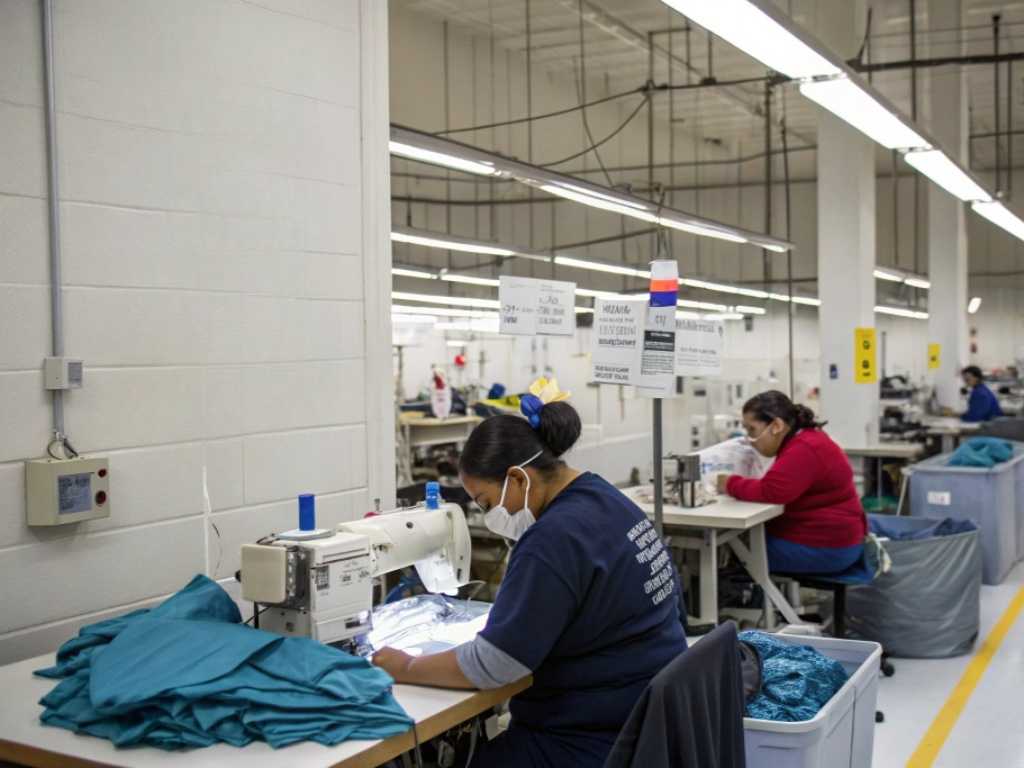
Female garment workers sewing blue fabric at industrial sewing machines.

Submit Your Production Inquiry

Please share your product details, estimated quantity, target market, timeline, and development requirements. Our project team will review your inquiry and provide a tailored OEM/ODM production solution.

Women’s Apparel Production for Established Fashion Brands

From sample development to bulk production, JF Apparel supports fashion brands with confidential OEM/ODM manufacturing, stable quality control, and scalable production.