Skip to content

Boutique-Chain-Ready Collections
Develop coordinated womenswear assortments built for multi-store retail, private-label presentation, controlled bulk production, consistent store receiving, and repeatable replenishment programs.
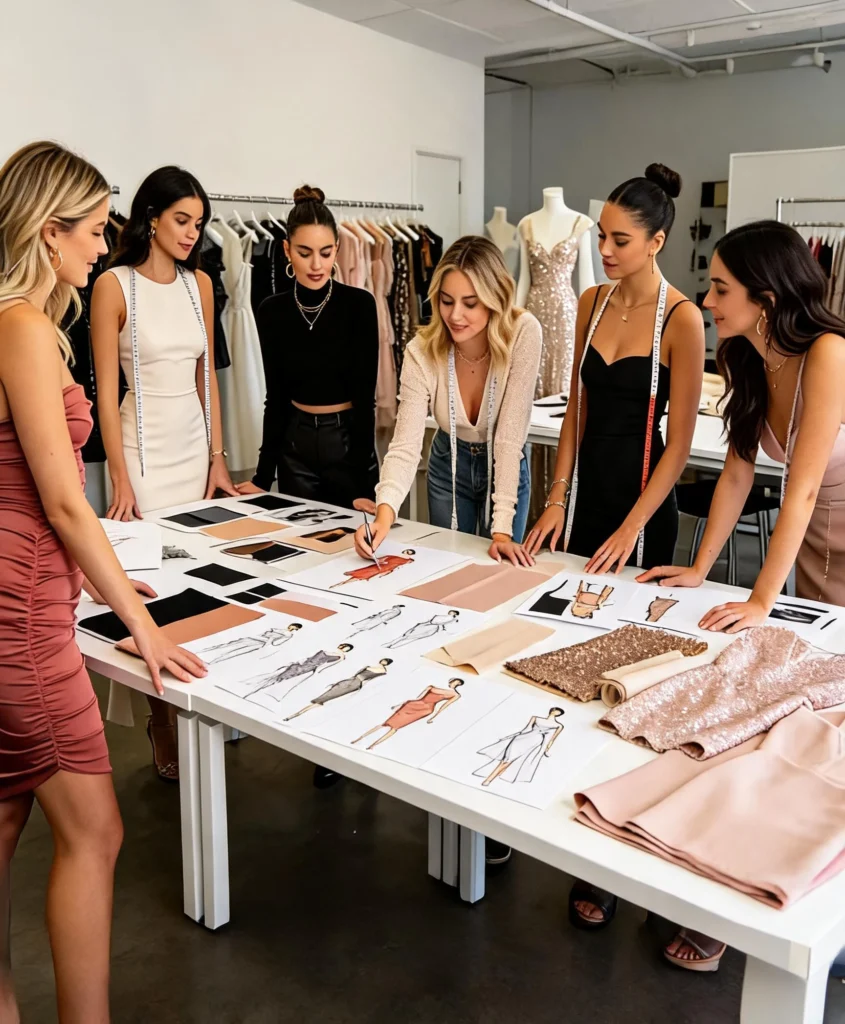
- Develop 10-30 styles in one coordinated collection with grouped sampling, fabric planning, PP approval, and production allocation.
- Build from 200 pcs per style/color, with size, color, label, barcode, packing, and delivery requirements planned by SKU.
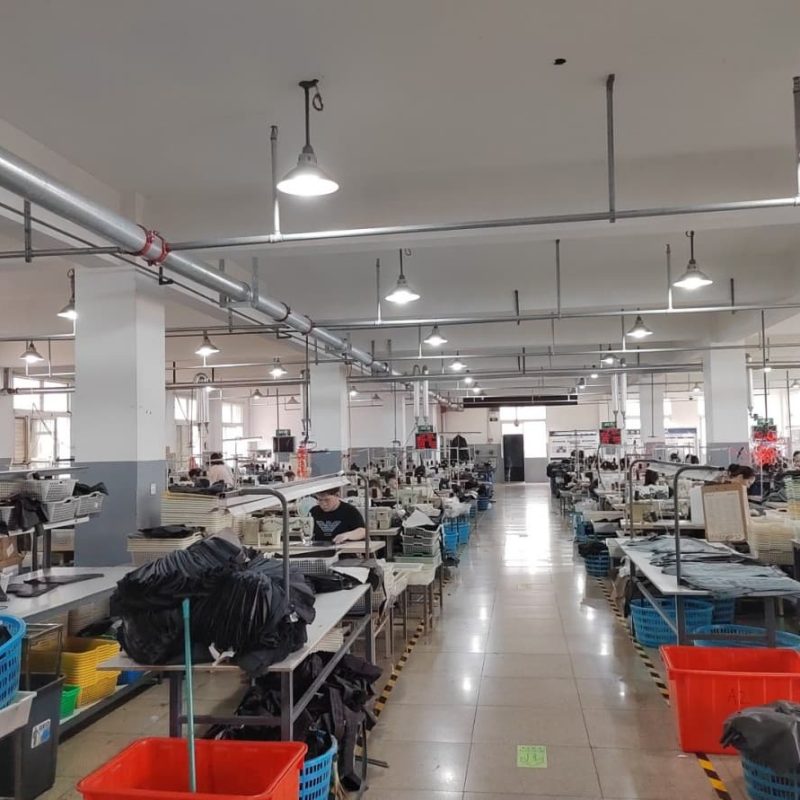
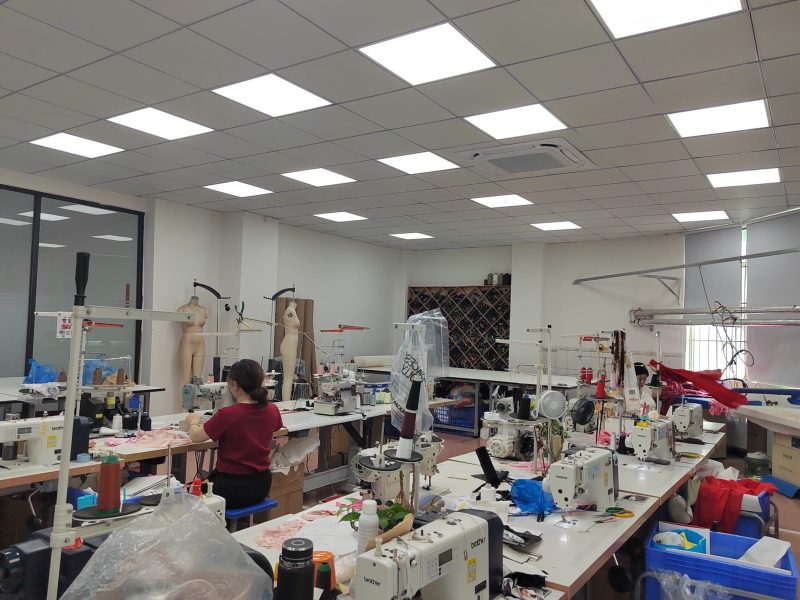
- Support collection execution through 6+ flexible production lines, dedicated sample rooms, QC teams, and multi-batch delivery coordination.
- Carry approved styles into private-label packing, SKU and barcode control, carton verification, staged shipment, and retained records for future replenishment.


What Makes a Collection Ready for Boutique Chains
Assortment Ready
- Separate statement styles from commercial volume styles.
- Group related fabrics and colors to improve development control.
- Identify hero SKUs before sample and bulk scheduling.
- Check whether supporting styles create enough outfit and store-display options across the range.
Multi-SKU Ready
- Keep style and color records separate.
- Link labels and barcodes to the correct SKU.
- Plan size ratios before packing instructions are finalized.
- Keep SKU naming consistent across development, labeling, packing, and shipment records.
Fit and Size Ready
A strong sample in one size does not prove a complete size range.
Chain retail exposes grading problems quickly because the same style reaches more wearers and more locations. Fit review needs to connect bust, waist, hip, armhole, strap, neckline, length, slit, inseam, lining, and grade rules to measurable production tolerances.
Jinfeng uses pattern version control, size charts, measurement records, fit review, and bulk measurement checkpoints to protect size consistency.
- Review fit-sensitive points before PP approval.
- Record revised measurements instead of relying on chat comments.
- Carry approved tolerances into bulk QC.
Private-Label Ready
A retail collection must arrive as branded merchandise, not unfinished factory output.
Jinfeng Apparel supports main labels, size labels, care labels, hangtags, hang strings, barcode stickers, SKU labels, polybags, carton marks, PO information, and warehouse labels according to approved brand files. Label placement, content, artwork, color, style number, and size need to match the correct garment before packing begins.
- Confirm artwork and placement before bulk use.
- Check barcode, size, and style references during packing.
- Keep brand files linked to the approved order only.
- Reconfirm revised artwork or barcode data before any repeat production begins.
Retail Receiving Ready
- Match carton contents to packing records.
- Keep color-size ratios visible at carton level.
- Coordinate warehouse labels when supplied by the brand.
- Reconcile packed cartons with the final shipment breakdown before final release and forwarder handover.
Reorder Ready
Chain retail creates a second test after launch: can a winning SKU be reproduced with controlled fit, color, trims, labels, and packing?
Jinfeng Apparel retains approved pattern files, measurement records, fabric references, trim details, QC notes, color records, and packing requirements for repeat programs. A reorder still requires review when fabric batches, colors, trims, size ranges, or packaging change, preventing old records from being reused without technical confirmation.
- Reuse approved records where conditions remain unchanged.
- Recheck new fabric batches and new colors.
- Update packaging and SKU files before repeat production.
Three Teams Shape a Chain-Ready Collection

Merchandising and Buying
Merchandising teams need a collection that can sell as a coordinated range, not a factory list of disconnected styles.
The discussion should cover style mix, price positioning, fabric hierarchy, color planning, launch priority, and replenishment potential. Jinfeng Apparel can receive a line sheet and organize development around hero styles, commercial core pieces, supporting categories, and repeatable SKUs while keeping MOQ and production feasibility visible throughout planning.
- Style mix: dresses, sets, skirts, jumpsuits, tops.
- Commercial structure: hero, core, supporting, repeatable.
- Planning inputs: color count, quantity, launch window, reorder potential.
- Store logic: identify which styles deserve broad distribution and which belong in a tighter edit.
Product Development and Sourcing
Product development and sourcing teams need clear conversion from reference material into production standards.
Jinfeng Apparel can work from tech packs, reference images, original samples, sketches, or line sheets, then review fabric direction, construction, pattern requirements, trims, sample priority, costing inputs, and bulk feasibility. Each revision should become an updated pattern, size chart, BOM, sewing instruction, fabric record, trim record, or QC checkpoint rather than remaining as an informal message.
- Development inputs: tech pack, sample, sketch, reference image, line sheet.
- Technical outputs: pattern, measurements, BOM, construction, trim record.
- Commercial checks: quantity, fabric availability, MOQ, packaging, launch timing.

QA and Retail Operations
- Quality: material, cutting, sewing, measurement, finishing, packing.
- Retail identity: label, hangtag, barcode, SKU, carton mark.
- Release control: packing reconciliation, inspection, shipment documentation.
- Repeat control: keep accepted quality and packing records available for replenishment review.
Build the Collection Around Commercial Product Roles
Boutique-chain assortments work best when every style has a role. The collection should balance visual impact, dependable sell-through, styling depth, price architecture, and reorder potential instead of giving equal production priority to every idea.
Separate Hero Styles from Commercial Volume Styles
A hero style earns attention through silhouette, surface treatment, color, or campaign value, but visual impact alone should not dictate the whole assortment. Commercial volume styles need dependable fit, manageable materials, repeatable construction, and price positions that support broader store distribution. Jinfeng Apparel can review an assortment by development risk and production repeatability, helping technical teams identify which garments require more sample rounds, special fabric sourcing, complex trims, or tighter QC.
A balanced range can include statement satin or sequin dresses for visual impact, fit-sensitive bodycon or corset styles for conversion-driven fashion, and cleaner midi dresses, sets, skirts, or tops that strengthen the commercial center of the collection. Grouping by role also improves sample scheduling: visually important or high-risk styles can be prioritized for fitting and photography while stable commercial styles move through a more direct approval path.
For a 10-30 style program, a clear priority map reduces congestion in the sample room and prevents late technical decisions from affecting every SKU. Launch date, hero status, fabric readiness, construction complexity, photo-sample needs, and expected order volume should all influence the sequence.
- Hero styles: campaign value, strong silhouette, special surface or construction.
- Commercial styles: broad wearability, controlled fit, repeatable materials and workmanship.
- Supporting styles: skirts, sets, jumpsuits, and tops that increase outfit building.
- Repeat candidates: stable fabric and construction with clear sales continuation potential.

Build Cross-Merchandising Into Product Development
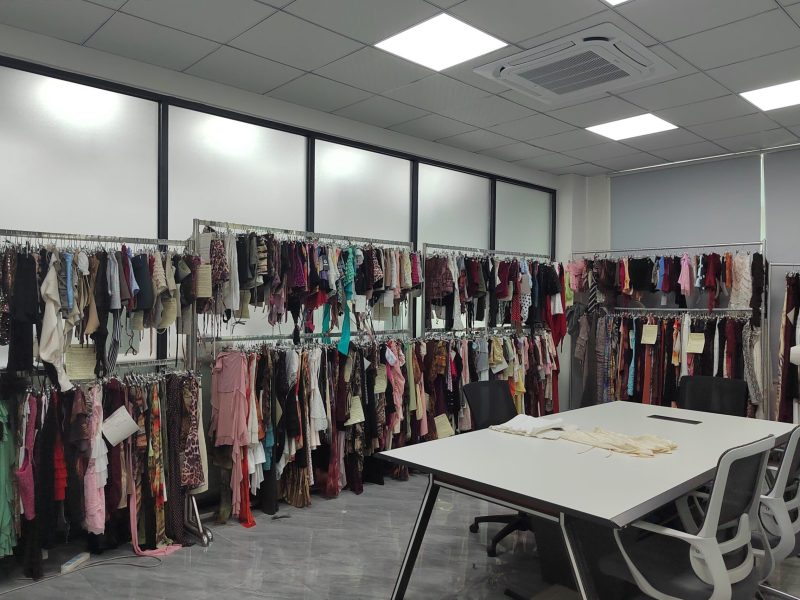
Boutique retail benefits when garments can be styled together across fixtures, mannequins, online edits, and store displays. Product development should therefore consider relationships between categories, not only individual garments. A satin mini dress can share a color direction with a satin cami or skirt; a structured corset top can extend into a matching set; a printed maxi can anchor a resort capsule supported by lighter tops and skirts.
Jinfeng Apparel can group products by fabric family, color family, construction family, and intended launch timing. Shared materials may improve visual continuity, while separate fabric tiers can create price variation without making the range look inconsistent. Fit relationships also matter. A high-waist skirt and crop top need compatible proportions; a matching set needs coordinated shrinkage, shade, trim finish, and packing; dresses in the same color story need controlled shade approval when different fabric bases reflect light differently.
The objective is not to force every style into the same fabric. The objective is to create a coherent retail story while keeping each product technically suitable for its intended silhouette. Merchandising logic and manufacturing logic should meet before sample approval, because a visually coordinated line can still fail if materials, fit, MOQ, or construction make key styles difficult to repeat.
Eight Product Groups for a Boutique Retail Assortment
Jinfeng Apparel develops coordinated womenswear across dresses, skirts, matching sets, jumpsuits, and fashion tops. Each category contributes a different retail role, fabric profile, fitting risk, and repeat-order pattern, allowing one collection to carry both image and commercial volume.

Mini Dresses
Mini dresses can carry strong campaign energy and fast seasonal color stories, especially for party, graduation, birthday, and going-out drops.
Production control centers on hem coverage, waist-to-hip balance, neckline security, strap position, lining length, and zipper flatness.
Satin, stretch woven, mesh overlays, lace, jersey, and sequin fabrics create very different fit and finishing requirements.
- Retail role: high-visibility, trend-led SKU.
- Fit focus: bust, waist, hip, hem coverage, strap length.
- Repeat value: strongest when fabric and trim references remain stable.
- Collection link: works well beside matching separates, occasion edits, and seasonal color capsules.

Midi Dresses
Midi dresses provide a strong commercial center for boutique chains because they can move across occasion, wedding guest, cocktail, dinner, and day-to-evening stories. Crepe, satin, chiffon, lace, ponte, and structured woven fabrics each change drape and balance.
Key controls include waist placement, skirt proportion, slit height, zipper behavior, lining coverage, and hem consistency across the size range.
- Retail role: commercial anchor with broad styling use.
- Fit focus: waistline, hip ease, slit, length, hem balance.
- Repeat value: suitable for core colors and seasonal recolors after fabric review.
- Store use: suitable for broad distribution when fit and fabric are commercially stable.

Maxi Dresses
Maxi dresses create visual impact in resort, vacation, evening, wedding guest, and seasonal floor-set stories.
Longer garments magnify drape, print direction, lining length, side-seam balance, and hem variation. Chiffon, rayon, viscose, satin, lace, and printed woven fabrics require different handling during cutting, hanging, pressing, and packing. Final length needs checking after fabric relaxation where relevant.
- Retail role: statement silhouette and seasonal destination piece.
- Fit focus: bodice balance, waist, skirt fall, floor clearance.
- QC focus: hem level, print direction, lining, pressing, packing protection.
- Allocation note: long silhouettes may need different packing and display preparation from shorter styles.

Party Dresses
- Retail role: image-driving fashion and event sales.
- Fit focus: bust support, neckline, cut-out proportion, body balance.
- QC focus: symmetry, attachment security, surface protection, zipper flatness.
- Planning note: special trims and surface treatments should be approved early because sourcing can affect the launch schedule.

Matching Sets
- Retail role: outfit solution and cross-merchandising driver.
- Fit focus: top-to-bottom proportion, waist placement, movement.
- Control focus: shade, fabric batch, trim match, SKU and packing method.
- Merchandising value: gives stores a complete outfit while preserving the option to merchandise pieces separately when planned.

Fashion Skirts
- Retail role: styling depth and category extension.
- Fit focus: waist, hip, zipper, slit, hem.
- Repeat value: strong when paired with continuing tops or core color stories.
- Construction note: waist stability and hem behavior should be checked after the final fabric is confirmed.

Jumpsuits
Jumpsuits can act as a high-value alternative to dresses in occasion, party, resort, and evening assortments. Fit is more complex because bodice length, rise, waist placement, hip, inseam, leg balance, neckline, and closure all interact.
Stretch behavior and torso length need careful review during fitting, especially when silhouettes are body-skimming or strapless.
- Retail role: premium alternative silhouette within the same occasion story.
- Fit focus: torso, rise, waist, hip, inseam, neckline.
- QC focus: symmetry, seam balance, closure, measurement consistency.
- Sample note: torso balance should be confirmed on-body before the size range is released for bulk grading.

Fashion Tops
Fashion tops complete the assortment and create entry-price products without moving into commodity basics. Corset tops, halters, satin camis, mesh tops, knit tops, and structured crops can coordinate with skirts, trousers, or matching bottoms.
Development should protect bust fit, strap position, neckline, hem stability, lining, elastic recovery, and hardware comfort while preserving the intended styling relationship with companion pieces.
- Retail role: cross-merchandising and outfit-building SKU.
- Fit focus: bust, neckline, strap, armhole, hem.
- Collection value: supports sets, separates, and repeat color stories.
- Retail use: provides a lower visual commitment than a dress while keeping the collection language consistent.
Plan Fabric, Color, and Price Tiers Together
Fabric selection determines far more than appearance. Drape, transparency, recovery, shade, sewing behavior, finishing, cost, material MOQ, and repeat availability influence whether a collection can hold its shape commercially across several styles and delivery phases.
Build Fabric Families Around Product Function
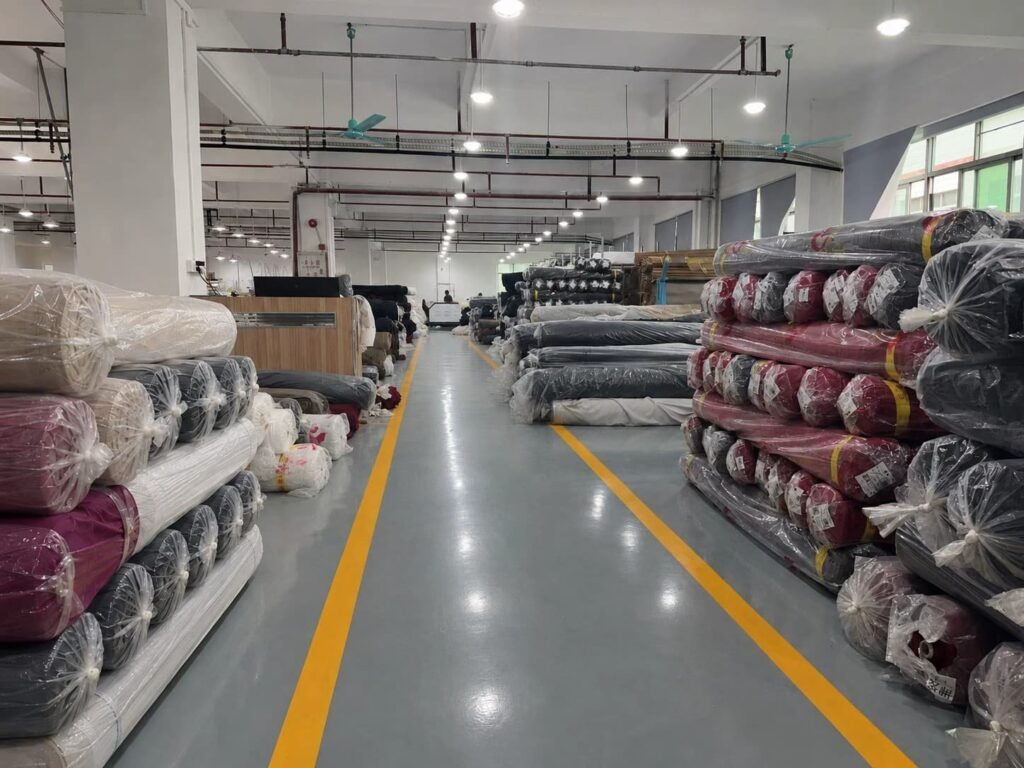
A boutique-chain collection benefits from fabric families rather than a flat list of materials.
Premium visual fabrics such as satin, lace, sequin, velvet, and structured woven can support image-driven styles, while crepe, jersey, ponte, rayon, viscose, and selected blends can carry dependable commercial volume. Chiffon, printed woven, linen blends, and lighter materials can define resort or warm-season stories when transparency, shrinkage, and drape are controlled.
Material choice must remain tied to silhouette. Chiffon works well for layered, flowing dresses but not as the primary support for a structured corset. Stretch mesh can create transparency and contouring effects but requires recovery and lining control. Satin can deliver a premium surface but exposes shade variation, snagging, seam pressure, pressing marks, and shine direction. Lace adds texture but requires decisions on motif placement, seam position, edge finishing, lining color, and snag protection.
Jinfeng Apparel can review fabric direction during sampling and flag when a fabric change affects pattern, lining, stretch, shrinkage, construction, cost, MOQ, or timing. A fabric substitution should never be treated as a simple color swap. For chain programs, the same review also protects repeat orders because later batches may need shade, handfeel, weight, stretch, and surface comparison against the approved reference.

Use Color and Price Architecture to Protect the Range
Color planning has two jobs: create a recognizable seasonal story and keep production manageable. Core colors can support broader volume and repeat potential, while fashion colors and seasonal accents give the collection freshness. When several fabric bases share one visual color story, exact visual matching may still be impossible because satin, mesh, lace, chiffon, and jersey reflect and absorb light differently. Each material therefore needs an approved color reference rather than a verbal color name alone.
Price architecture should be built with the same discipline. A collection may carry premium surface treatments and complex structures at the top end, commercially balanced dresses and sets in the center, and simpler fashion separates as supporting price points. Cost is influenced by fabric, consumption, special trims, pattern complexity, sewing time, workmanship, QC, private-label materials, color count, size structure, and delivery requirements.
For multi-style programs, fabric sharing can improve continuity and sourcing efficiency when technically suitable, but forcing every SKU into a shared material can weaken fit or appearance. Jinfeng Apparel evaluates fabric groups style by style and keeps cost, material availability, MOQ, sample impact, and repeat potential visible before the range is locked. Color and fabric approvals should remain traceable by style so later replenishment can distinguish an approved repeat from a materially changed version.
Control Fit Across Stores, Sizes, and Silhouettes
Fit consistency becomes more visible when the same style sells through several locations and size groups. Jinfeng Apparel treats pattern, grading, fabric behavior, sample measurements, and bulk measurement checks as one control system rather than separate production steps.

Fit Review Starts with Product-Specific Measurement Points
A dress cannot be controlled with bust, waist, and hip measurements alone. Product-specific points determine how the garment sits, moves, covers, and photographs. For mini and bodycon styles, hem coverage, hip balance, side-seam alignment, and neckline stability become critical. Strapless and corset styles add bust support, cup position, upper-edge security, boning placement, and back balance. Slip dresses depend on strap length, neckline depth, bias behavior, and lining. Jumpsuits add torso length, rise, inseam, and leg balance.
Jinfeng Apparel uses pattern development, fit review, revised measurements, and sample checks to convert visual comments into measurable corrections. A note such as “the neckline feels low” should become an approved neckline-depth change. A comment such as “the waist feels high” should become an updated pattern and measurement record. Converting feedback into controlled files reduces interpretation differences between sample room, production, and QC.
Sample timing depends on complexity and material readiness. A simple first sample commonly requires about 7-10 days, a regular dress about 10-15 days, a medium-complexity dress, set, or jumpsuit about 12-18 days, and corset, strapless, lace, mesh, or sequin styles about 15-25 days. Custom fabrics or special trims can extend development according to supplier timing. Fit comments should be returned with clear measurements or marked photos whenever possible so pattern corrections can be converted into controlled technical changes.

Grading Must Preserve Proportion, Not Only Add Circumference
A sample can look balanced in one size and fail after grading if neckline width, strap position, armhole depth, waist placement, slit height, torso length, or garment length change mechanically. Grading needs to protect silhouette and wearing security as the size range expands. The control method should combine grade rules with measurement tolerances and fit-sensitive review points, especially on bodycon, corset, jumpsuit, strapless, fitted satin, and structured styles.
Bulk control begins with the approved pattern version and size chart. Cutting QC, sewing checks, in-line measurement, finished-garment measurement, and Golden sample comparison can then reference the same standard. Fabric behavior remains part of the equation: stretch and recovery affect fitted garments, relaxation affects long draped styles, and lining can alter balance if its length or stretch does not match the outer fabric.
For boutique chains, grading records also support replenishment. A repeat order should call up the approved pattern and measurement record, then recheck any new fabric batch, new color, changed lining, revised trim, or expanded size range before bulk production. Repeatability comes from controlled records plus renewed verification where variables have changed. Size-set review can also be used when a brand wants additional evidence before a broad store rollout or a new size extension.
Run Multi-Style Sampling by Priority and Risk
A 10-30 style collection should not enter sampling as one undifferentiated queue. Jinfeng Apparel groups styles by launch priority, material readiness, fit sensitivity, construction risk, and photo requirements so key approvals move first without losing technical records.
Group Styles Before the Sample Room Starts
Sampling becomes more predictable when the line sheet is divided into development groups before patterns are opened. Styles sharing a fabric can be reviewed together for handfeel, shade direction, stretch, lining, shrinkage, and sourcing availability. Fit-sensitive styles such as corsets, strapless dresses, bodycon silhouettes, and jumpsuits can be flagged for additional measurement and fitting attention. Surface-sensitive styles using satin, lace, mesh, sequins, rhinestones, pleating, or complex trims can be separated for workmanship and material-risk review.
Jinfeng Apparel can prioritize samples by launch date, hero SKU status, fabric readiness, construction complexity, photo-sample need, and expected bulk schedule. The goal is not to promise every style at the same speed. The goal is to move the styles with the greatest commercial or technical importance through the correct approval path first.
Development references can include tech packs, original samples, reference images, sketches, or line sheets. Each style needs its own pattern, size information, fabric record, trim record, construction direction, and revision history. When comments arrive, changes should be recorded by style and version so revisions do not migrate accidentally between related SKUs. A clear status for each style – pending fabric, first sample, revision, PP, or approved – gives merchandising and development teams a usable view of the whole program.

Convert Every Approved Sample Into a Production Standard
Sampling should end with production-ready information, not with a visually acceptable garment and scattered comments. First samples establish the initial construction and proportion. Fit or revised samples correct pattern, measurement, fabric, trim, and workmanship issues. Photo samples can support campaign or showroom needs when required, but photo status should not be treated automatically as PP approval. PP samples confirm the final production standard after key materials, dimensions, construction, labels, packaging, and QC expectations are settled.
Typical internal reference cycles are 7-15 days for revised samples and about 7-15 days for PP samples when final materials are available; complex modifications or supplier-dependent materials require project review. Each revision should update the formal record: pattern, size chart, BOM, fabric reference, trim card, sewing instruction, QC checklist, label placement, and packing instruction where relevant.
A Golden sample then gives production and QC a physical comparison standard. For multi-style collections, keeping the approved sample and its matching files aligned is essential. The system prevents one style’s latest revision from being confused with another style, an earlier sample version, or an outdated packaging instruction. Sample approval should also record any remaining conditions, such as bulk fabric color, final hardware, or packaging artwork, so provisional details are not mistaken for locked standards.

Lock Approved Details Before Multi-Style Bulk Production
| Approved Element | Locked Record | Bulk Use | Main Risk if Changed Late |
|---|---|---|---|
| Pattern and fit | Final pattern + size chart | Cutting, sewing, measurement QC | Fit drift and grading inconsistency |
| Fabric and color | Approved fabric reference + color record | Purchasing, cutting, shade control | Handfeel, stretch, drape, or shade change |
| Trims | Trim card / approved specification | Sewing and finishing | Visual mismatch, function failure, attachment issues |
| Construction | Sewing instruction + BOM | Line setup and in-line QC | Workmanship variation and cost change |
| Labels and barcode | Approved artwork + placement + SKU file | Finishing and packing | Wrong identity, size, style, or barcode |
| Packing | Packing instruction + carton requirement | Packing and warehouse handover | Receiving delay, ratio error, carton mismatch |
| Quality standard | QC checklist + tolerance + Golden sample | In-line, final, AQL or third-party inspection | Inconsistent acceptance decisions |
Production Capacity Built for Multi-Style Womenswear Programs
6 Owned Factories
10+ Satellite Partners
More than ten long-term satellite production partners provide additional scheduling flexibility for approved projects.
Satellite allocation is used as part of a managed production system rather than as uncontrolled outsourcing. Style requirements, production documents, QC checkpoints, and delivery plans still need to follow the approved order standard before work is assigned or released. Long-term partner capacity is used with the same expectation for approved specifications, traceable project files, and pre-shipment control.
100,000+ Monthly Capacity
Regular monthly capacity exceeds 100,000 pieces across the structured womenswear production system.
Capacity planning is reviewed against style complexity, fabric readiness, color count, size range, production line suitability, QC requirements, and delivery timing. A multi-style collection is scheduled by real production load rather than by using one headline capacity number as a promise for every project.
Capacity is therefore presented as a planning resource, not as a shortcut around material lead times, sampling, PP approval, or quality requirements.
6+ Flexible Lines
2 Sample Rooms
Two sample rooms support pattern development, first samples, fit review, revised samples, PP samples, and production handover.
The development system is backed by 7+ senior pattern makers and 20+ sample machinists, giving multi-style programs enough structure to prioritize hero products, complex fits, material-sensitive styles, and revised samples without treating every garment as the same development task. Sample-room records are then handed into production so approved pattern and construction changes are not lost between departments.
15+ QC Inspectors
A team of 15+ QC inspectors supports material, cutting, sewing, in-line, finished-garment, pressing, packing, AQL, and inspection coordination requirements.
Collection programs benefit from style-specific QC checkpoints because satin, mesh, lace, sequin, bodycon, corset, jumpsuit, matching-set, and retail-packed garments do not share the same failure risks. Inspection resources are assigned around the actual product mix and required checkpoints rather than using one generic inspection routine for every garment.
Control Multi-Style Production Without Mixing Standards
Running several silhouettes, fabrics, colors, labels, and packing rules at once creates a management problem before it creates a sewing problem. Jinfeng Apparel separates production by technical variables and keeps each style tied to its approved records through QC and packing.

Allocate Production by Fabric, Complexity, and Launch Priority
Multi-style production should not be scheduled simply by style number. Fabric behavior, construction difficulty, trim requirements, line skill, inspection intensity, and launch timing all affect factory allocation. Jinfeng Apparel can group a collection by fabric family, style complexity, trim family, color group, launch priority, and production suitability before bulk starts. A stable crepe midi, a stretch-mesh bodycon dress, a sequin party dress, and a structured corset set may belong to the same commercial range, but they do not require the same line setup or QC emphasis.
Approved materials and PP standards are transferred into production files before cutting. Fabric batches are checked against the approved reference, color and shade are reviewed where needed, and trims are matched to the correct style. Cutting and bundle identification must protect style, color, and size separation. In-line checks then focus on construction-specific risks: zipper flatness, seam stability, ruching symmetry, lining exposure, strap twist, cut-out proportion, sequin attachment, lace damage, stretch recovery, or other style-specific points.
Production planning also needs to protect launch priority. High-priority SKUs can be scheduled earlier when material readiness and approval status allow, while late fabric or packaging decisions should not silently disrupt unrelated styles in the same collection. Line planning should also account for changeover time, pressing requirements, special attachment work, and the risk of mixing visually similar SKUs.

Build QC Around the Risks of Each Garment
“Strict QC” is not enough for a boutique-chain program. Inspection points should reflect how each garment can fail in store, in fitting, in photography, during packing, or during replenishment. Incoming material review checks fabric quality, shade, width, handfeel, defects, and relevant trim condition. Cutting QC protects grain, direction, print placement, panel accuracy, and bundle identification. Sewing and in-line QC focus on construction, measurements, symmetry, seam quality, fastening, support, and visible workmanship.
Finished-garment review adds appearance, measurement, pressing, lining, surface condition, loose threads, contamination, and comparison against the approved standard. Packaging QC then verifies labels, hangtags, barcodes, size stickers, color stickers, polybags, carton quantities, size ratios, carton marks, and packing-list alignment. AQL or third-party inspection can be coordinated when required by the brand.
The main objective is bulk consistency across multiple SKUs. A collection should not pass because most garments look generally acceptable. Each style needs defined checkpoints, accepted tolerances, correct identity, and a release standard tied to the approved sample and files. Inspection findings should be linked back to the style record so corrections can be verified before packing or repeated in later production. For collection-level reporting, recurring defects can also be reviewed by fabric group or construction type, helping the team identify whether a problem is isolated to one SKU or appears across related styles.
Turn Approved Garments Into Retail-Ready Brand Merchandise
Private-label execution connects garment development with the brand’s retail identity. Jinfeng Apparel supports labels, hangtags, barcode and SKU identification, retail packing, carton marks, and warehouse receiving preparation while keeping approved files tied to the correct style, color, and size.

Control Brand Identity at Garment and SKU Level
A boutique-chain collection needs more than a sewn-in logo. Main labels, size labels, care labels, hangtags, hang strings, barcode stickers, SKU labels, price information when supplied, and special brand details need to match the correct garment. Label artwork, language, fiber content, care instructions, size system, country-of-origin wording, style number, barcode, and placement should be approved before bulk application.
Jinfeng Apparel can support woven, satin, printed, and heat-transfer label directions depending on the garment and brand requirement. Care-label content can be prepared from fabric supplier information, composition records, test information, and brand-approved wording, while final market compliance language remains subject to the brand’s requirements and professional compliance review where needed.
Packing teams work from approved artwork and SKU data rather than visual guesswork. Before garments move into cartons, label identity, hangtag, barcode, size, color, and style references should be reconciled against the packing instruction. The control is especially important when several related dresses share a color story or nearly identical packaging. Brand-file version control is especially important when the same collection has updated price tickets, market-specific care information, or different barcode sets for separate destinations. Destination-specific label sets should remain separated when one collection ships to multiple markets, warehouse programs, or store groups with different receiving rules.
Prepare the Collection for Store and Warehouse Receiving
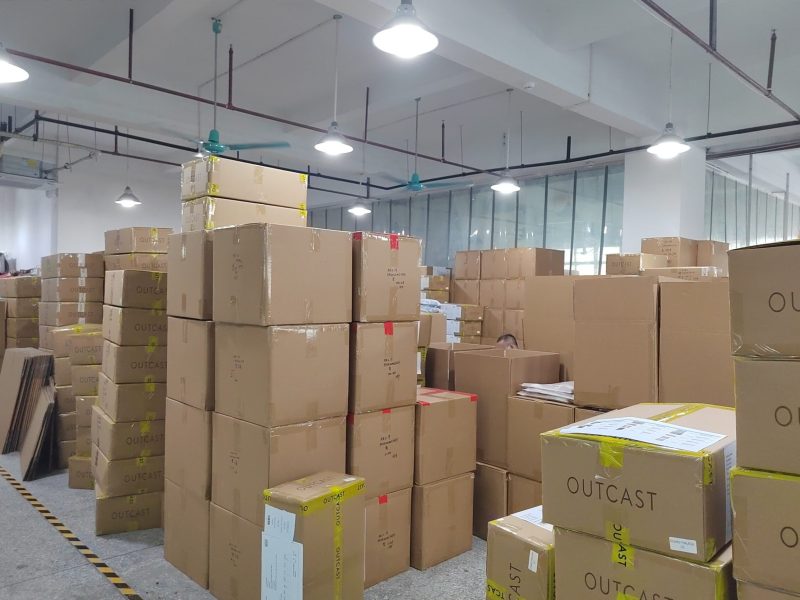
Retail readiness extends from the individual garment to the carton. Jinfeng Apparel supports folding or hanging requirements, individual polybags, barcode and size stickers, color stickers, SKU labels, carton marks, PO-related information, warehouse labels, and color-size packing according to the approved instruction. The exact packing method should be established before bulk completion so labels and packing materials arrive in time for the finishing schedule.
Carton-level control checks quantity, color, size, SKU, barcode, carton mark, carton measurements, and gross/net weight information before shipment documents are finalized. A boutique chain may require cartons grouped by size ratio, SKU, store allocation, warehouse destination, or shipment phase. Those rules need to be supplied early enough to influence packing setup rather than being treated as a last-minute shipping request.
Retail preparation is also linked to QC. Garments should not enter final packing with stains, unresolved measurement issues, damaged surface treatments, incorrect labels, or missing accessories. The objective is a branded product that can move from factory release into the brand’s receiving system with fewer manual corrections. Pre-shipment review should confirm that the packed retail identity matches the final production quantity and the receiving documents prepared for the shipment. When different warehouses or store groups use different label or carton requirements, each destination set should remain separated through final reconciliation.
Six Retail Receiving Errors Worth Preventing Early
Barcode Mismatch
A garment can be correctly sewn and still become a receiving problem when the barcode belongs to the wrong style, color, or size. Barcode files should be linked to the SKU list before printing, then checked for readable print quality and correct assignment during packing.
Random checks at final packing help confirm the physical garment, hangtag or sticker, and barcode data all refer to the same SKU.
- Control source: approved barcode list.
- Check point: label production and final packing.
- Retail risk: scanning failure, wrong inventory record, manual relabeling.
- Prevention note: approve barcode mapping before bulk label printing begins.
Size Sticker Error
Size stickers are simple materials with a high operational impact.A wrong size sticker can move a correctly labeled garment into the wrong receiving or pick location.
Jinfeng Apparel can check the sewn size label, external size sticker, SKU information, and packing ratio together so the visible retail identification matches the garment. Mixed-size cartons need extra attention because repetitive packing work increases the chance of label crossover.
- Control source: approved size system and SKU list.
- Check point: individual packing and carton reconciliation.
- Retail risk: inventory mismatch and store allocation error.
Color Identification Error
- Control source: approved color code and bulk fabric reference.
- Check point: garment sorting, label application, packing.
- Retail risk: wrong color receipt, stock discrepancy, relabeling.
- Prevention note: use approved color codes consistently across every retail file.
Carton Mark Error
Carton marks can contain PO, style, color, size, quantity, destination, carton number, or warehouse information.
An incorrect mark can send a correct carton into the wrong receiving workflow. Jinfeng Apparel checks carton marks against packing instructions and shipment records before release, with final reconciliation between physical carton content and the printed carton identity.
- Control source: brand carton-mark instruction.
- Check point: carton sealing and pre-shipment review.
- Retail risk: sorting delay, receiving dispute, wrong destination handling.
- Prevention note: check carton identity against physical contents before sealing, then verify the final carton count against shipment records.
Size Ratio Error
Boutique chains may plan different size ratios according to store profile, sales history, or warehouse strategy.
Packing a correct total quantity with the wrong size ratio can still damage launch availability. Size-ratio instructions need to be locked before carton packing and checked by carton, not only at total-order level.
Replenishment programs should also verify whether the new ratio matches current sales demand rather than automatically repeating the first shipment.
- Control source: approved packing ratio.
- Check point: carton packing and final quantity reconciliation.
- Retail risk: uneven store inventory and avoidable stock transfer.
Packing List Mismatch
- Control source: final carton and SKU records.
- Check point: pre-shipment documentation.
- Retail risk: receiving discrepancy and logistics delay.
- Prevention note: generate final document quantities from reconciled carton records.
Plan Multi-Batch Delivery Around the Retail Launch
Nominated Forwarder
- Best fit: established logistics programs and supplier consolidation.
- Brand input: forwarder contact, booking guide, receiving address, required files.
- Factory role: cargo preparation, document support, pickup coordination.
- Timing note: booking and cut-off requirements should be shared before cargo completion.
Staged Shipment
A collection can be split when launch timing and freight economics require different priorities.
Urgent hero SKUs or replenishment quantities may move by air while the main volume follows by sea, or approved groups can leave in separate production phases.
Split shipment should be planned before packing so cartons, packing lists, invoice details, quantities, and SKU breakdowns clearly identify each shipment phase.
- Best fit: launch-sensitive programs and phased store allocation.
- Planning input: priority styles, quantities, destination, cargo-ready timing.
- Control point: separate packing and document reconciliation by phase.
- Retail value: priority inventory can move first without losing visibility of the balance shipment.
Warehouse Documentation
Retail receiving relies on shipment data that matches the physical cartons. Jinfeng Apparel can support commercial invoice, packing list, carton marks, style-color-size breakdown, gross/net weight, carton measurements, HS code information support, air waybill or bill-of-lading coordination, and certificate-of-origin support when requested and applicable. Final customs classification and market-specific requirements remain subject to the appointed import, forwarding, or compliance parties.
- Best fit: warehouse and chain-store receiving programs.
- Control input: warehouse guide, PO, carton-mark and document requirements.
- Release focus: physical goods, carton data, and shipment documents must agree.
- Brand input: provide destination-specific receiving or document instructions before final packing.
Replenish Bestsellers Without Losing the Approved Standard
A boutique-chain relationship becomes more valuable after sell-through identifies winning SKUs. Jinfeng Apparel keeps technical and packing records for repeat programs, then rechecks changed materials, colors, trims, sizes, and brand files before production restarts.
Reuse Stable Records to Restart Reorders Efficiently
A repeat order can move faster through technical preparation when approved records are complete and the product conditions remain stable. Jinfeng Apparel retains pattern files, measurement records, fabric references, color records, trim details, construction instructions, label files, packing requirements, QC notes, and Golden sample references for long-term programs. Those records help production teams rebuild the same garment standard instead of reconstructing decisions from old email threads.
Reorder preparation should begin by identifying what remains unchanged and what has moved. Same style, same color, same fabric, same trims, same size range, and same packing instruction can follow the most direct review. If only quantity changes, planning can focus on material availability, current production schedule, and updated delivery requirements. If a strong-selling style is required in a new color, the technical base can remain while color approval, lining, thread, zipper, label or barcode data, and fabric availability are updated.
For multi-store programs, reorder records also support more refined replenishment. The brand may change the size ratio, prioritize only selected colors, or split delivery by warehouse. Production and packing should follow the current replenishment instruction rather than copying the original carton structure automatically. A clear reorder sheet should state which historical specifications remain valid and which commercial variables have changed.

Revalidate Every Variable That Can Change Between Batches
Repeatability does not mean assuming every future batch will behave like the first one. Fabric mills, dye lots, trim suppliers, packaging files, size requirements, and sales priorities can change. A new fabric batch should be checked against the approved reference for handfeel, weight, stretch, drape, transparency, color, and surface where relevant. A new color needs approval across outer fabric, lining, thread, zipper, trims, and packaging identity.
Construction changes require a technical reset. Changing a neckline, adding a slit, replacing boning, adjusting strap width, switching lining, or changing fabric stretch can affect pattern, measurements, sewing time, cost, QC, and sample requirements. Jinfeng Apparel reviews whether an updated sample or PP confirmation is needed instead of treating a modified reorder as an identical repeat.
Retail files also need version control. Updated barcodes, SKU names, care-label wording, carton marks, warehouse labels, or packing ratios must replace earlier versions before finishing begins. The repeat-order system therefore combines retained history with deliberate revalidation, giving chain programs both continuity and control. The same discipline helps seasonal extensions use a proven commercial base without assuming a changed garment is technically identical to the earlier bestseller. Reorder planning can therefore preserve proven fit and workmanship while still giving merchandising teams room to update color, size ratio, packaging, and delivery allocation for current demand.

Plan Collection Quantity, Colors, and Production Commitments
Quantity Per Style
- Submit quantity by style, not only collection total.
- Identify hero SKUs and expected volume styles.
- Separate development-only ideas from confirmed production styles.
- Use confirmed production quantities when material and line capacity are reserved.
Color Count
- Define quantity per color.
- Mark core colors with repeat potential.
- Confirm material availability before final color approval.
- Keep barcode and packing files synchronized when colors are added, removed, or reassigned between launch phases.
Fabric Groups
- Group by technical compatibility, not appearance alone.
- Flag special dye, print, lace, sequin, or trim requirements early.
- Recheck fabric MOQ separately from garment MOQ.
Size Range
Size planning affects pattern grading, measurement QC, material consumption, labeling, and carton ratios.
The size range should be confirmed before bulk cutting, with grade rules and tolerances tied to the approved sample. Retail teams should also provide the planned size ratio so packing can reflect the intended inventory structure by SKU, store, or warehouse.
- Confirm size range before PP lock.
- Supply target ratio for packing.
- Confirm whether different store groups require different ratio or allocation logic before cartons are planned.
- Recheck fit-sensitive points across graded sizes.
- Keep size-label and carton-ratio files aligned with the approved range.
Private-Label Materials
- Provide artwork and data files early.
- Separate shared packaging from style-specific packaging.
- Confirm supplier MOQ and timing before final production schedule.
- Freeze approved artwork versions before bulk label or packaging production starts, and archive replaced versions to avoid production mix-ups.
Launch and Delivery
Launch timing should be built backward from required warehouse or store availability, allowing enough time for sample approval, material confirmation, PP lock, bulk production, QC, packing, inspection, and freight coordination.Jinfeng Apparel provides a production schedule after style complexity, materials, quantities, colors, sizes, packing, and PP status are confirmed. Multi-batch shipment can be evaluated when selected SKUs require earlier release.
- Prioritize hero styles and launch-critical SKUs.
- Lock packaging and warehouse rules before finishing.
- Align production phases with freight and receiving plans.
- Allow an inspection and packing window before the required cargo handover date.
Multi-Style Boutique Collection Case With Staged Retail Delivery
An anonymized U.S. womenswear program shows how a chain-focused collection can be controlled from assortment grouping through retail packing and staged shipment. The project involved a coordinated mix of dresses, sets, skirts, and jumpsuits rather than one repeated silhouette. Brand identity and proprietary design details remain confidential; the summary focuses on style count, order scale, development control, production allocation, retail packing, delivery structure, and repeat-order records that can be evaluated without exposing protected commercial information.
| Project Snapshot | Anonymized Program Data |
|---|---|
| Market | United States |
| Retail model | Multi-location boutique womenswear program |
| Collection scope | 18 production styles |
| Order scale | Approximately 43,200 pieces total |
| Product mix | Mini and midi dresses, party styles, matching sets, skirts, jumpsuits |
| Size structure | Multi-size production with style-specific ratio planning |
| Development control | Style grouping, fabric grouping, hero-SKU priority, revised samples, PP approval |
| Bulk control | Factory allocation by complexity, measurement checkpoints, style-specific QC, Golden sample comparison |
| Retail preparation | Main labels, size/care labels, hangtags, barcode/SKU packing, carton marks |
| Delivery structure | Staged shipment plan with separate SKU and carton reconciliation by phase |
| Repeat-order setup | Pattern, measurement, fabric, trim, QC, label, packing, and color records retained |
Boutique-Chain-Ready Collections Frequently Asked Questions
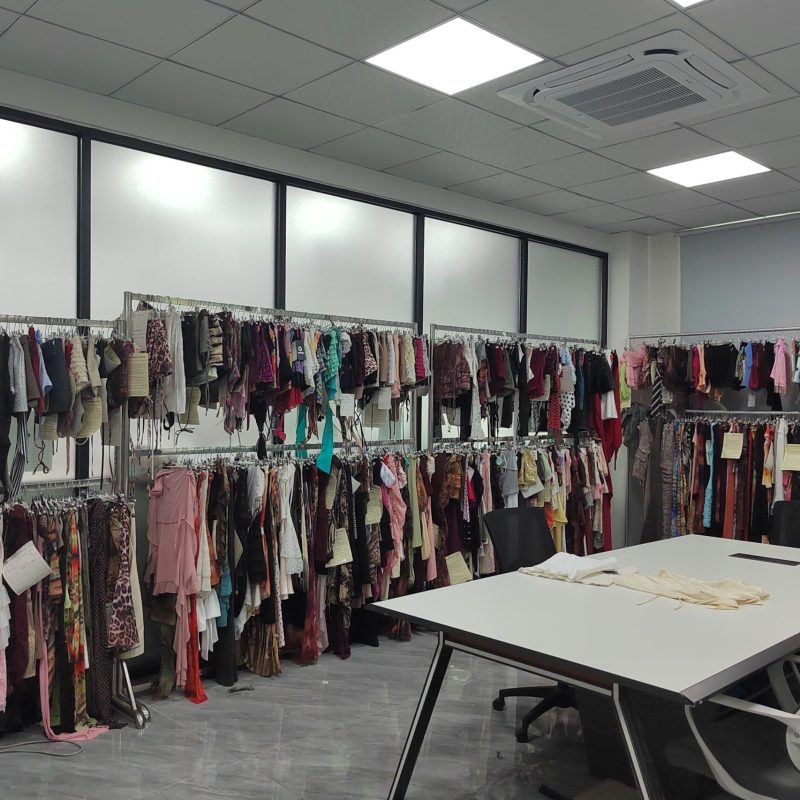
Send Your Collection Plan for Manufacturing Review
A useful collection review starts with enough information to judge product mix, technical risk, material direction, production quantity, retail identity, and launch requirements. Send a line sheet, tech packs or reference images, planned quantity per style/color, size range, color plan, fabric direction, and target delivery window. If private-label or chain-retail requirements are already defined, include label artwork, barcode or SKU files, packing instructions, carton-mark requirements, warehouse guide, inspection standard, and nominated forwarder details. Jinfeng Apparel can then review style grouping, sampling priority, fabric and trim feasibility, pattern and fit requirements, production allocation, QC needs, retail packing, and delivery structure before a formal production plan is confirmed. Established programs can also submit current bestseller lists or repeat-order records when the goal is replenishment, color expansion, or a new seasonal extension built from an existing commercial base. Providing the latest warehouse, inspection, and forwarder instructions at the same stage helps the production plan reflect real release and receiving conditions instead of adding logistics decisions after packing has started.
- Line sheet, tech pack, reference images, or original sample details
- Quantity per style/color, size range, color plan, and launch window
- Fabric, trim, private-label, barcode, packing, warehouse, and inspection requirements